Unassigned
Why Helium-3 Could Become Space’s Most Wanted Gas?
Helium-3 is a rare form of helium that has become important in science, technology, and future energy research. Most people know helium as the gas used in balloons, but helium-3 is very different from common helium. It has special features that make it useful in advanced laboratories, quantum computers, and possible nuclear fusion systems.
This gas is also one of the most expensive materials in the world. A small amount can cost a lot because it is hard to collect and has a limited supply. Some laboratories have stored helium-3 for many years because it was once cheaper and easier to get. Today, demand is rising, and supply is becoming a serious concern.
 Via Ars Technica
Scientists and companies are now asking a major question. Could helium-3 from the moon help power future technology on Earth? The idea sounds like science fiction, but it is now part of real space research. Several companies are exploring ways to collect helium-3 from lunar dust, also called regolith.
 Via Wikipedia
One of its most important uses is in cooling systems. Scientists mix helium-3 with helium-4 to reach temperatures close to absolute zero. These temperatures are colder than almost anything found in nature. Such extreme cooling is needed for sensitive experiments and advanced machines that cannot work properly at normal temperatures.
Helium-3 can also be reused in many laboratory systems, which adds to its value. It does not simply disappear after one use. This makes it useful for long-term research, especially in fields where the same material must be used again and again. Its rare nature still makes every liter important.
 Via Polytechnique Insights
 Via Paid Program
Demand could grow quickly if quantum computers become larger and more common. Some experts believe future machines may need thousands of liters of helium-3, depending on their design. This possible demand has pushed companies and researchers to look for new supplies before shortages become harder to manage.
 Via Amusement Logic
Fusion using helium-3 may produce less harmful radiation than some other fusion fuels. This makes it attractive to researchers who are looking for cleaner and safer energy systems. The idea is still far from everyday use, but it remains one of the reasons helium-3 is seen as a powerful future resource.
The challenge is that fusion technology is still developing. Even if helium-3 becomes useful for fusion, reactors must first become reliable, affordable, and practical. This means helium-3 is not a quick answer to the world’s energy needs. It is better seen as a possible part of a long-term energy future.
 Via Scientific American
 Via Glow Rhino
Earth does contain some helium-3, but it is usually found in very low concentrations. Some companies are studying places where useful amounts may exist underground. These projects could help, but they may not solve the full problem if quantum computing and fusion research grow fast in the coming decades.
 Via Visual Today
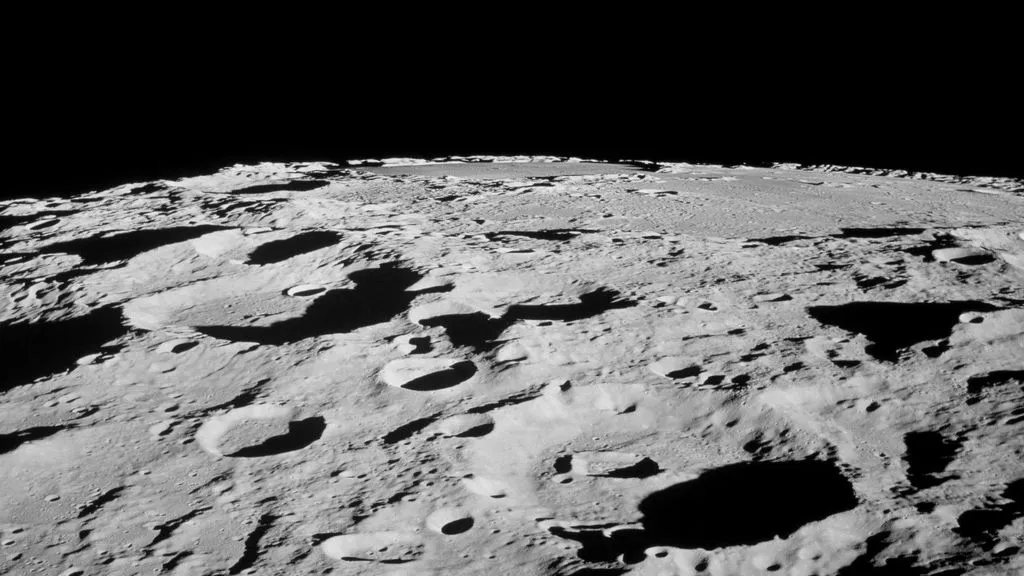
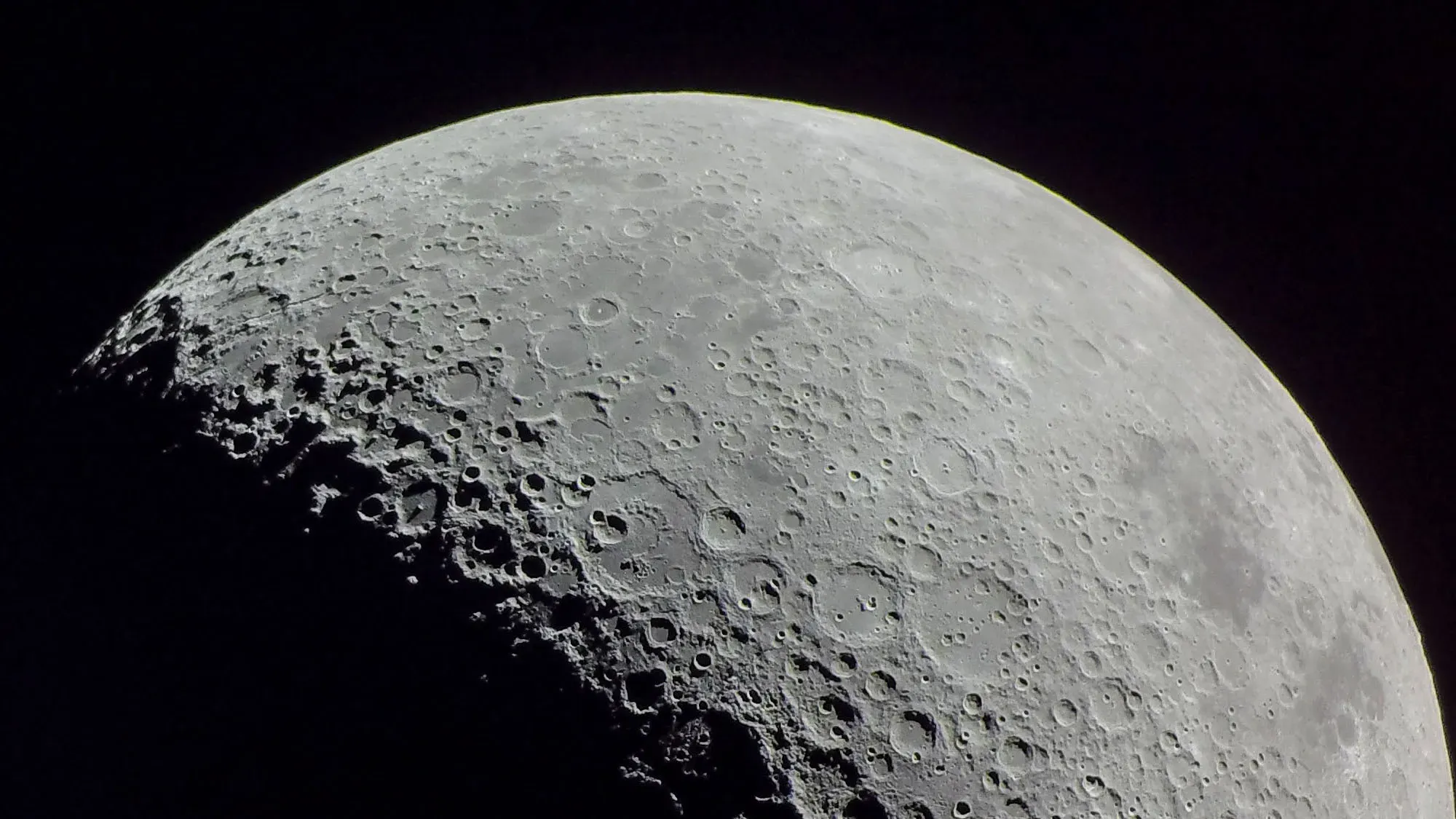
Samples brought back during Apollo missions suggest that helium-3 exists in lunar soil. These samples created excitement because the moon may have higher concentrations than many places on Earth. The idea is to mine the dust, heat or process it, and release the trapped gas.
The moon also has no thick atmosphere and no magnetic field like Earth. This makes its surface more exposed to the solar wind. That exposure is one reason scientists believe helium-3 may have built up there over time. Turning that idea into a working mining system is still a major challenge.
 Via Popular Science
 Via Space
Transport is another major problem. After helium-3 is collected, it must be stored safely and brought back to Earth. Every step costs money, from launch vehicles to landers to return systems. This is why many experts still question whether moon mining can become economically practical.
 Via Space News
Astrotech Corporation has also shown interest in lunar helium-3 extraction. Its idea includes heating lunar soil to release trapped gases. The company has experience with instruments that measure materials and chemical elements, which could be useful for finding and processing helium-3.
These companies are still in early stages. Testing prototypes on Earth and in low-gravity conditions is very different from running machines on the moon. Real success would require safe landings, strong equipment, reliable processing, and a business model that makes sense after all costs are counted.
 Via BBC
 Via Popuolar Science
Before large mining projects begin, scientists need better data from lunar missions. New landers, rovers, and soil tests could help identify richer areas. This information would show whether helium-3 mining is a real opportunity or a costly dream with limited returns.
 Via Dispatch Oven
Researchers are also studying cooling systems that use less helium-3. If quantum computers can be designed with lower helium-3 demand, supply pressure may decrease. Technology often changes when rare materials become expensive, and engineers may find smarter ways to reduce waste.
These alternatives do not make lunar helium-3 useless. They simply show that the future may not depend on one solution. Earth-based recovery, better recycling, improved cooling systems, and lunar mining could all become part of a wider helium-3 supply strategy.
 Via Astropolitics
 Via Interesting Engineering
People should view helium-3 with balanced expectations. It may help build better computers and support future energy systems, but it will not change the world overnight. Its story is really about preparation, innovation, and the search for resources that could shape the next era of technology.
More in UnassignedVia Ars Technica
Scientists and companies are now asking a major question. Could helium-3 from the moon help power future technology on Earth? The idea sounds like science fiction, but it is now part of real space research. Several companies are exploring ways to collect helium-3 from lunar dust, also called regolith.
What Makes It Special
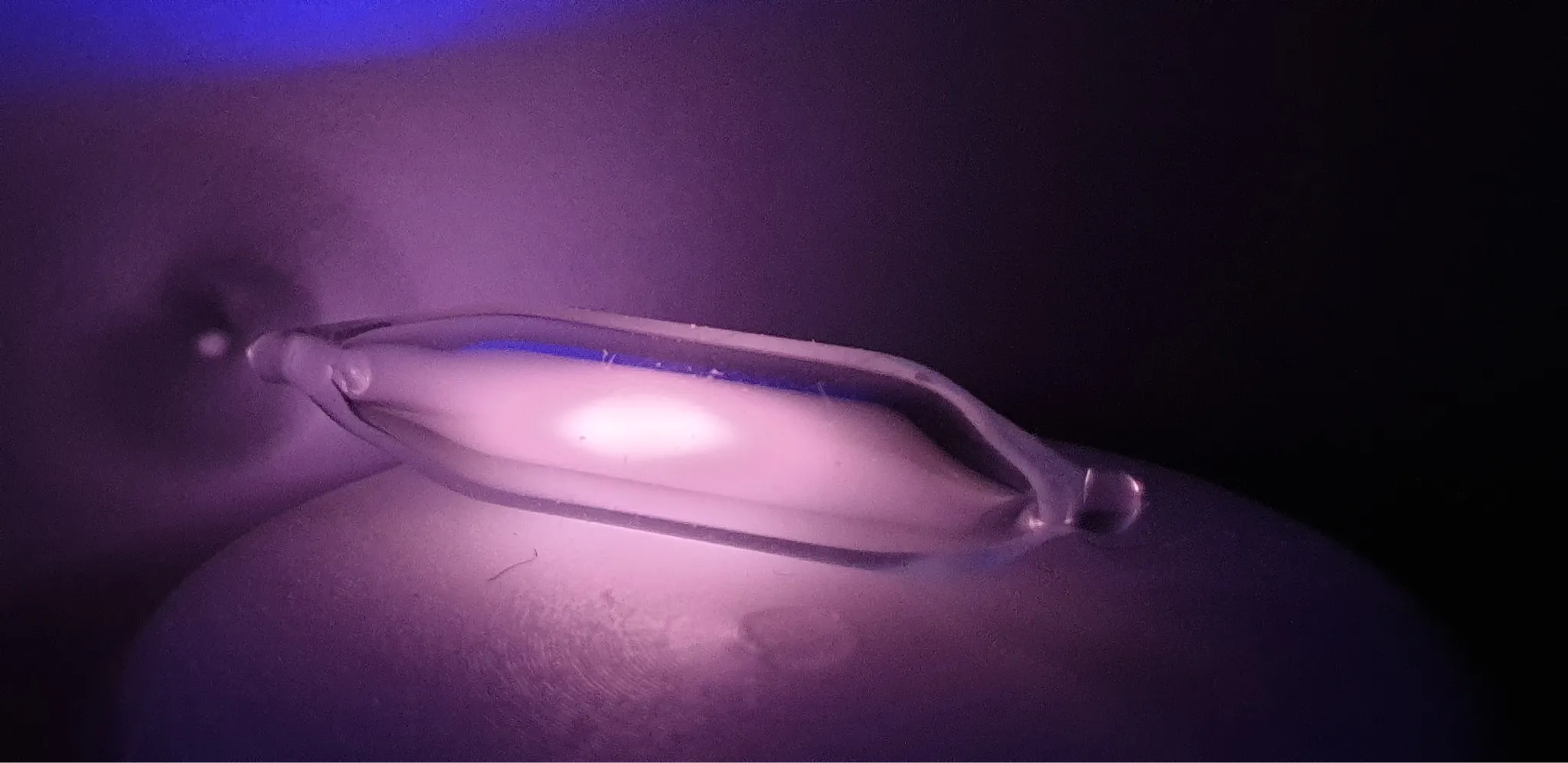
Helium-3 is an isotope, which means it is a form of helium with a different number of particles inside its atom. Common helium is called helium-4, while helium-3 has one less neutron. This small difference gives helium-3 special physical properties that make it valuable for very cold science experiments.Via Wikipedia
One of its most important uses is in cooling systems. Scientists mix helium-3 with helium-4 to reach temperatures close to absolute zero. These temperatures are colder than almost anything found in nature. Such extreme cooling is needed for sensitive experiments and advanced machines that cannot work properly at normal temperatures.
Helium-3 can also be reused in many laboratory systems, which adds to its value. It does not simply disappear after one use. This makes it useful for long-term research, especially in fields where the same material must be used again and again. Its rare nature still makes every liter important.
Via Polytechnique Insights
Quantum Computers Need Cooling
Quantum computers are one of the biggest reasons helium-3 is getting more attention. These computers use very delicate systems that must stay extremely cold. Heat can disturb their tiny quantum states, causing errors and reducing performance. Helium-3 cooling helps protect those systems. The cooling process is often called dilution refrigeration. It allows quantum machines to reach millikelvin temperatures, which are just above absolute zero. Without this cooling method, many quantum computer designs would not be able to run in a stable way. This makes helium-3 a key material for the future of computing.Via Paid Program
Demand could grow quickly if quantum computers become larger and more common. Some experts believe future machines may need thousands of liters of helium-3, depending on their design. This possible demand has pushed companies and researchers to look for new supplies before shortages become harder to manage.
Fusion Energy Possibility
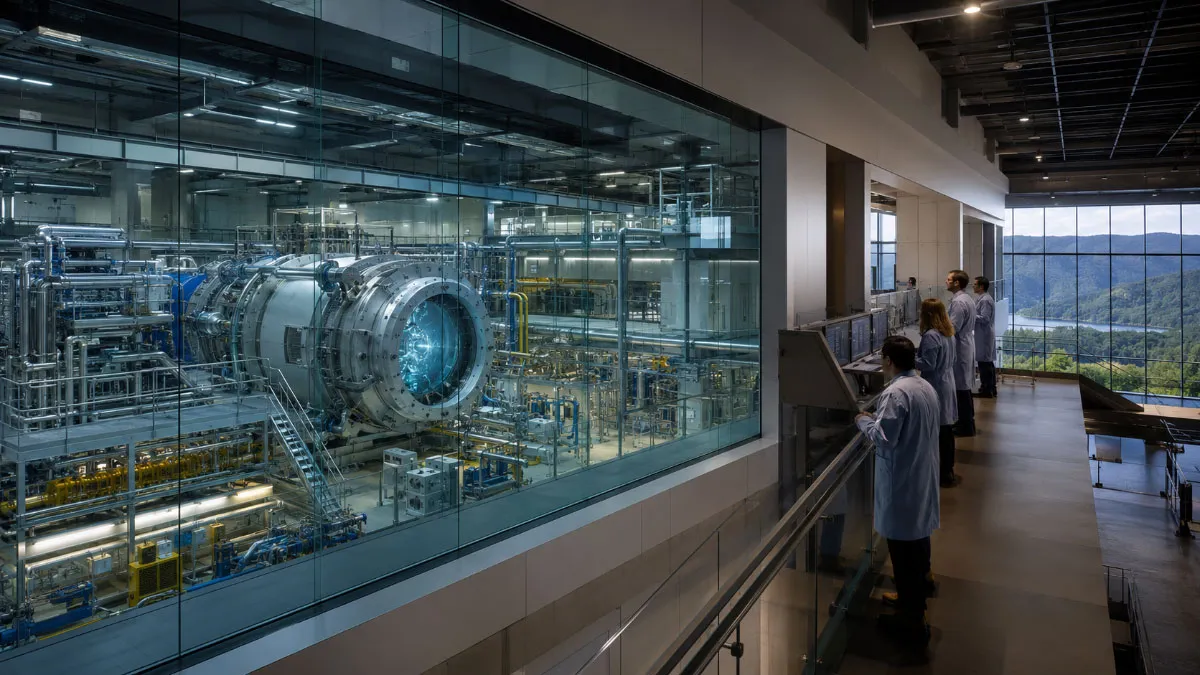
Helium-3 is also linked to nuclear fusion, a process that could one day provide large amounts of clean energy. Fusion is the same type of process that powers stars. Scientists have spent decades trying to control it safely on Earth. Helium-3 could play a role in some future fusion reactor designs.Via Amusement Logic
Fusion using helium-3 may produce less harmful radiation than some other fusion fuels. This makes it attractive to researchers who are looking for cleaner and safer energy systems. The idea is still far from everyday use, but it remains one of the reasons helium-3 is seen as a powerful future resource.
The challenge is that fusion technology is still developing. Even if helium-3 becomes useful for fusion, reactors must first become reliable, affordable, and practical. This means helium-3 is not a quick answer to the world’s energy needs. It is better seen as a possible part of a long-term energy future.
Via Scientific American
Current Supply Problems
Most helium-3 available today comes from the decay of tritium, a radioactive form of hydrogen. Tritium is used in nuclear weapons, which means the main supply chain is tightly controlled. This makes helium-3 different from normal industrial materials that can be freely mined, refined, and sold. The amount produced each year is limited. Demand from science, medicine, security tools, quantum computing, and fusion research may become much higher than available supply. When a material is rare and needed by many industries, prices can rise, and access can become difficult.Via Glow Rhino
Earth does contain some helium-3, but it is usually found in very low concentrations. Some companies are studying places where useful amounts may exist underground. These projects could help, but they may not solve the full problem if quantum computing and fusion research grow fast in the coming decades.
Why The Moon Matters
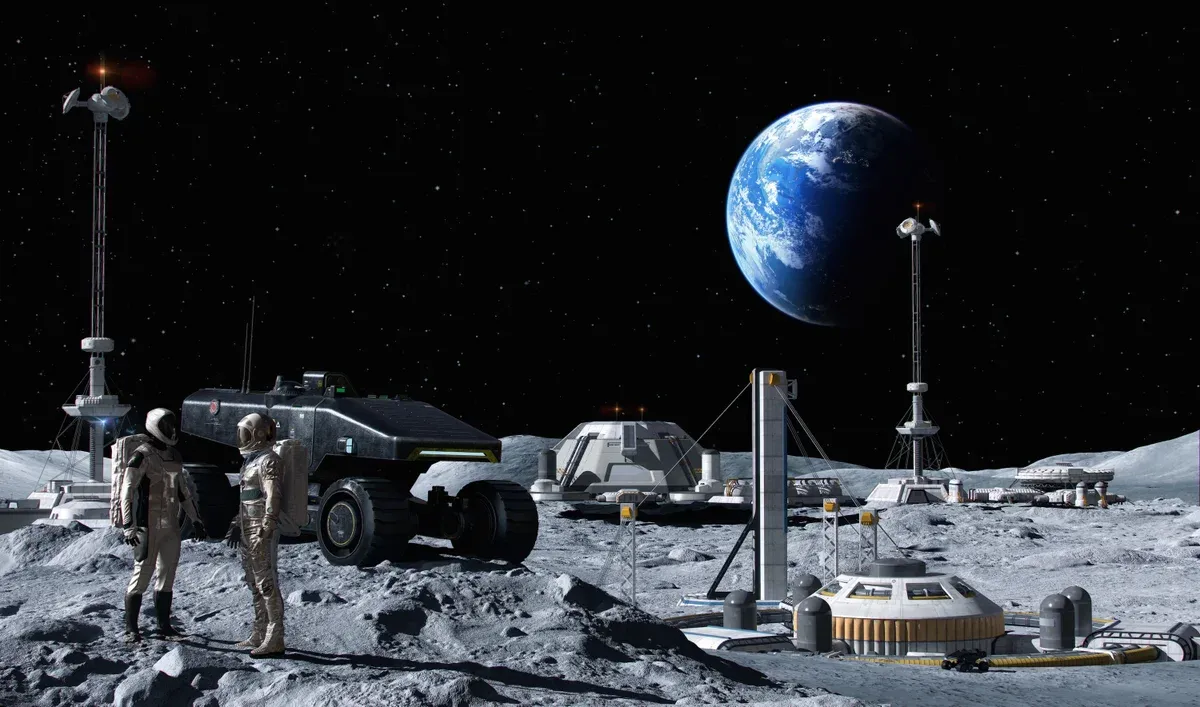
The moon may hold helium-3 in its surface dust. This dust has been exposed to the solar wind for billions of years. The solar wind carries particles from the sun, and some of those particles may have become trapped in lunar regolith. This is why moon dust has become so interesting to researchers.Via Visual Today
Samples brought back during Apollo missions suggest that helium-3 exists in lunar soil. These samples created excitement because the moon may have higher concentrations than many places on Earth. The idea is to mine the dust, heat or process it, and release the trapped gas.
The moon also has no thick atmosphere and no magnetic field like Earth. This makes its surface more exposed to the solar wind. That exposure is one reason scientists believe helium-3 may have built up there over time. Turning that idea into a working mining system is still a major challenge.
Via Popular Science
Moon Mining Challenges
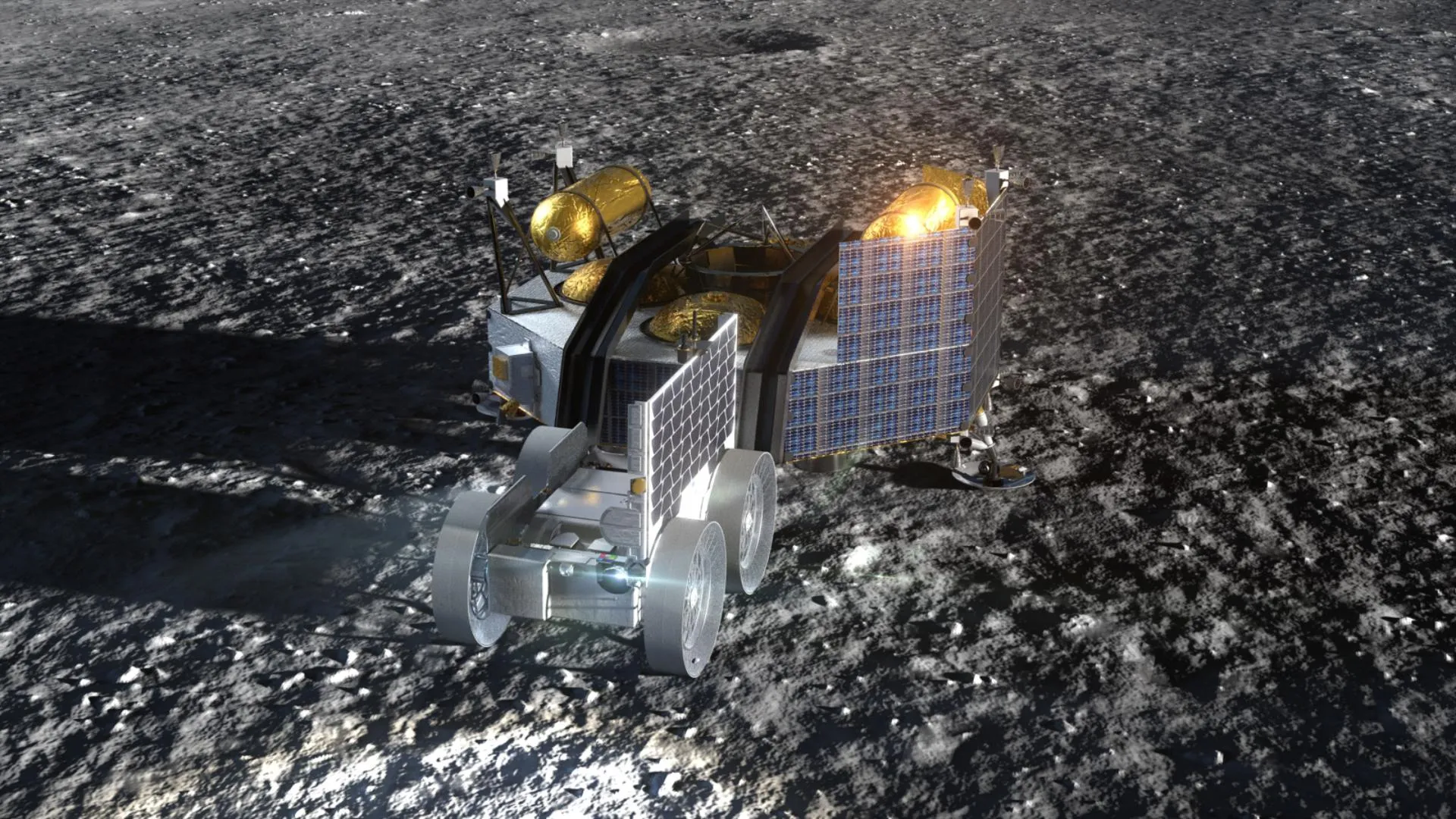
Mining helium-3 from the moon would not be simple. The gas may exist only in tiny amounts across large areas of soil. Some estimates suggest that companies may need to process huge amounts of regolith to collect a small amount of helium-3. This makes the job expensive and technically difficult. Machines would need to work in harsh lunar conditions. The moon has extreme temperatures, abrasive dust, low gravity, and long periods of darkness in some areas. Equipment must dig, move, crush, heat, or process soil without regular human repair. Autonomous machines would likely be needed for this work.Via Space
Transport is another major problem. After helium-3 is collected, it must be stored safely and brought back to Earth. Every step costs money, from launch vehicles to landers to return systems. This is why many experts still question whether moon mining can become economically practical.
Companies Enter The Race
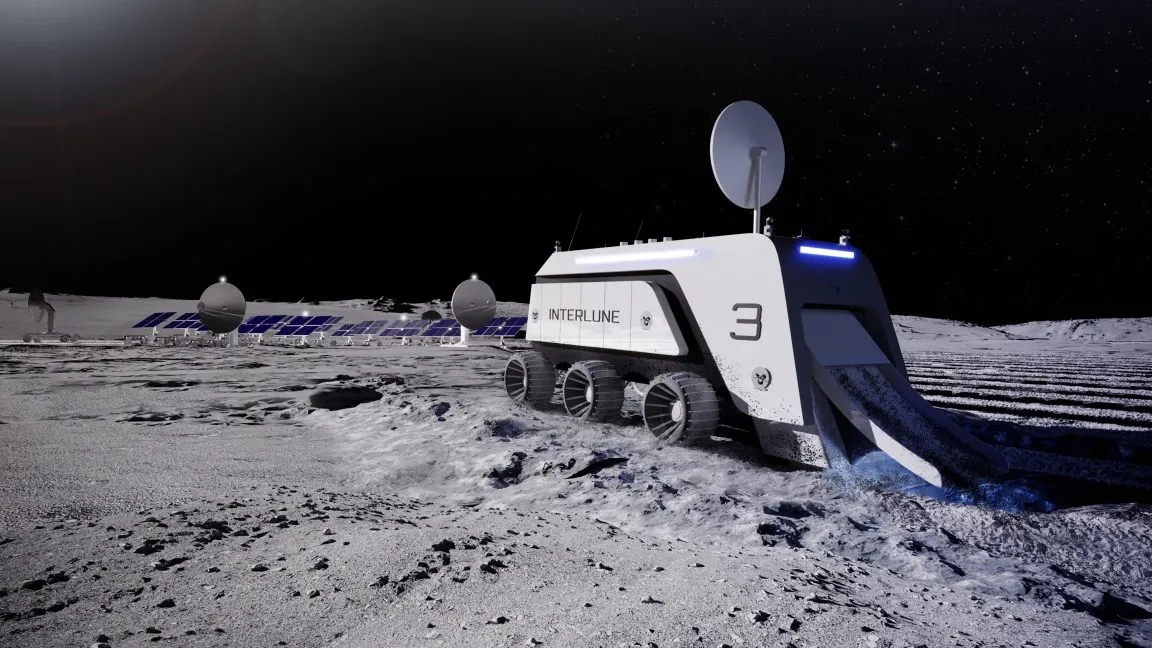
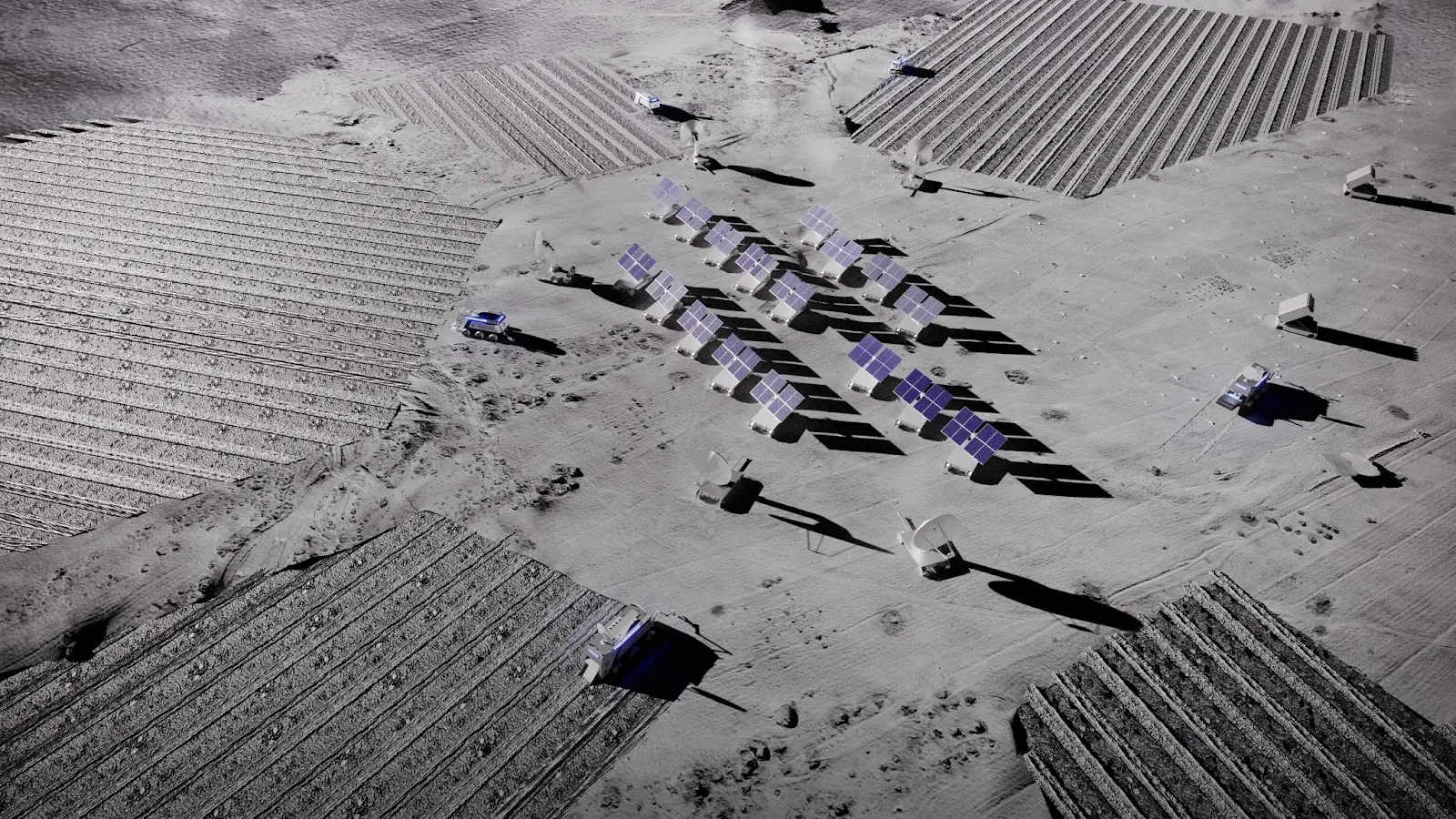
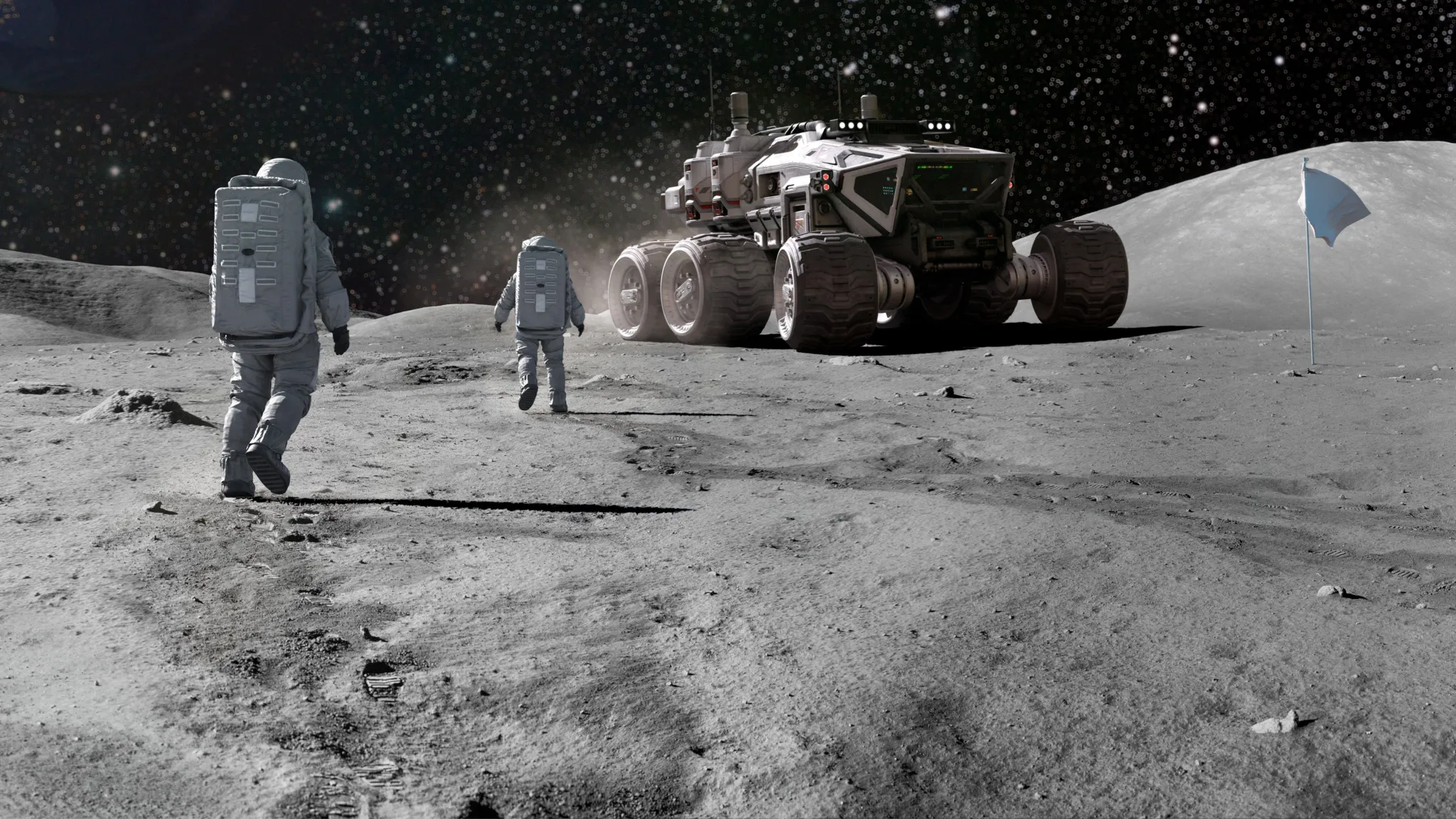
Several companies are now working on ideas to collect helium-3 from the moon. Interlune, a company based in Seattle, is developing technology for lunar resource extraction. Its plan includes autonomous machines that could scoop and process regolith on the moon’s surface.Via Space News
Astrotech Corporation has also shown interest in lunar helium-3 extraction. Its idea includes heating lunar soil to release trapped gases. The company has experience with instruments that measure materials and chemical elements, which could be useful for finding and processing helium-3.
These companies are still in early stages. Testing prototypes on Earth and in low-gravity conditions is very different from running machines on the moon. Real success would require safe landings, strong equipment, reliable processing, and a business model that makes sense after all costs are counted.
Via BBC
Unanswered Science Questions
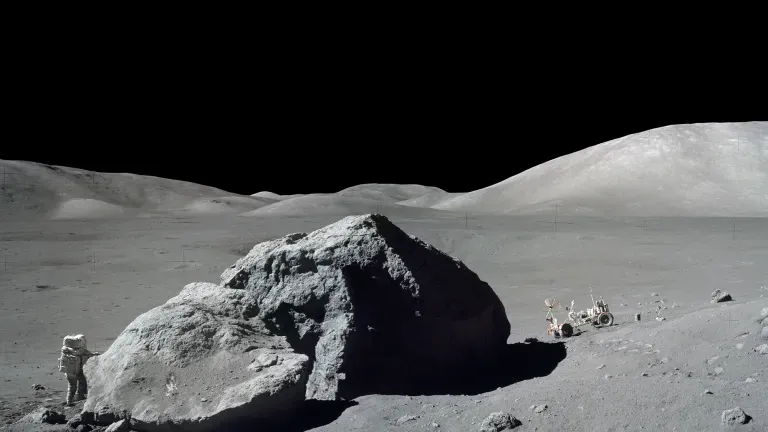
No one knows exactly how much helium-3 is available on the moon. Apollo samples gave useful clues, but they may not tell the full story. Some samples may have lost gases during their return to Earth, which could affect estimates. Better lunar mapping is needed. There may also be uneven deposits. Some areas could have more helium-3 than others, while some places may have very little. If the best areas are hard to reach or buried under difficult terrain, mining would become even harder. Location will matter as much as total supply.
Via Popuolar Science
Before large mining projects begin, scientists need better data from lunar missions. New landers, rovers, and soil tests could help identify richer areas. This information would show whether helium-3 mining is a real opportunity or a costly dream with limited returns.
Earth-Based Alternatives
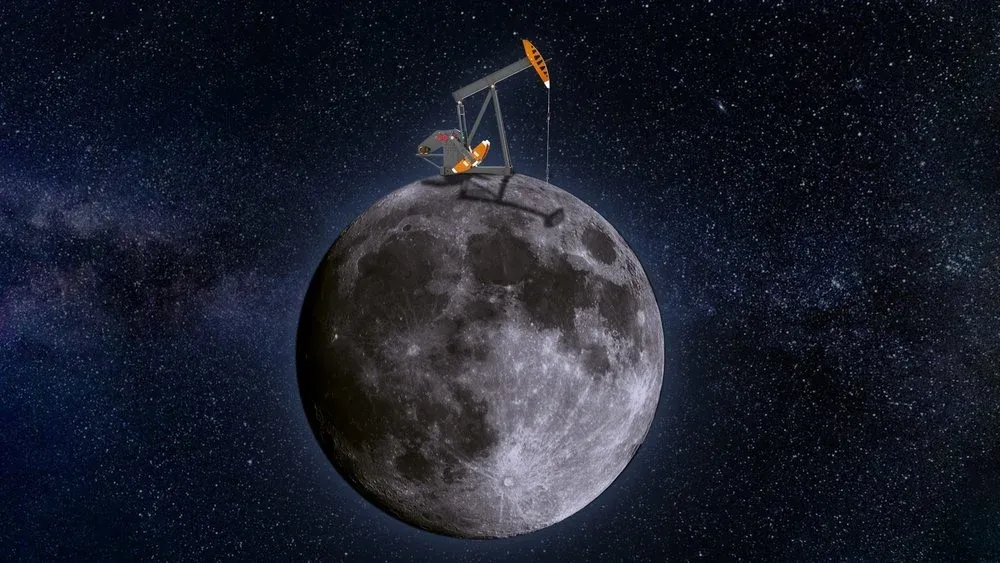
Earth may still offer other helium-3 options. Some companies are investigating underground sources where helium-3 may be present with other gases. These sources could be easier to reach than the moon, even if the concentrations are low. Drilling on Earth is still cheaper than mining in space.
Via Dispatch Oven
Researchers are also studying cooling systems that use less helium-3. If quantum computers can be designed with lower helium-3 demand, supply pressure may decrease. Technology often changes when rare materials become expensive, and engineers may find smarter ways to reduce waste.
These alternatives do not make lunar helium-3 useless. They simply show that the future may not depend on one solution. Earth-based recovery, better recycling, improved cooling systems, and lunar mining could all become part of a wider helium-3 supply strategy.
Via Astropolitics
Future Of Helium-3
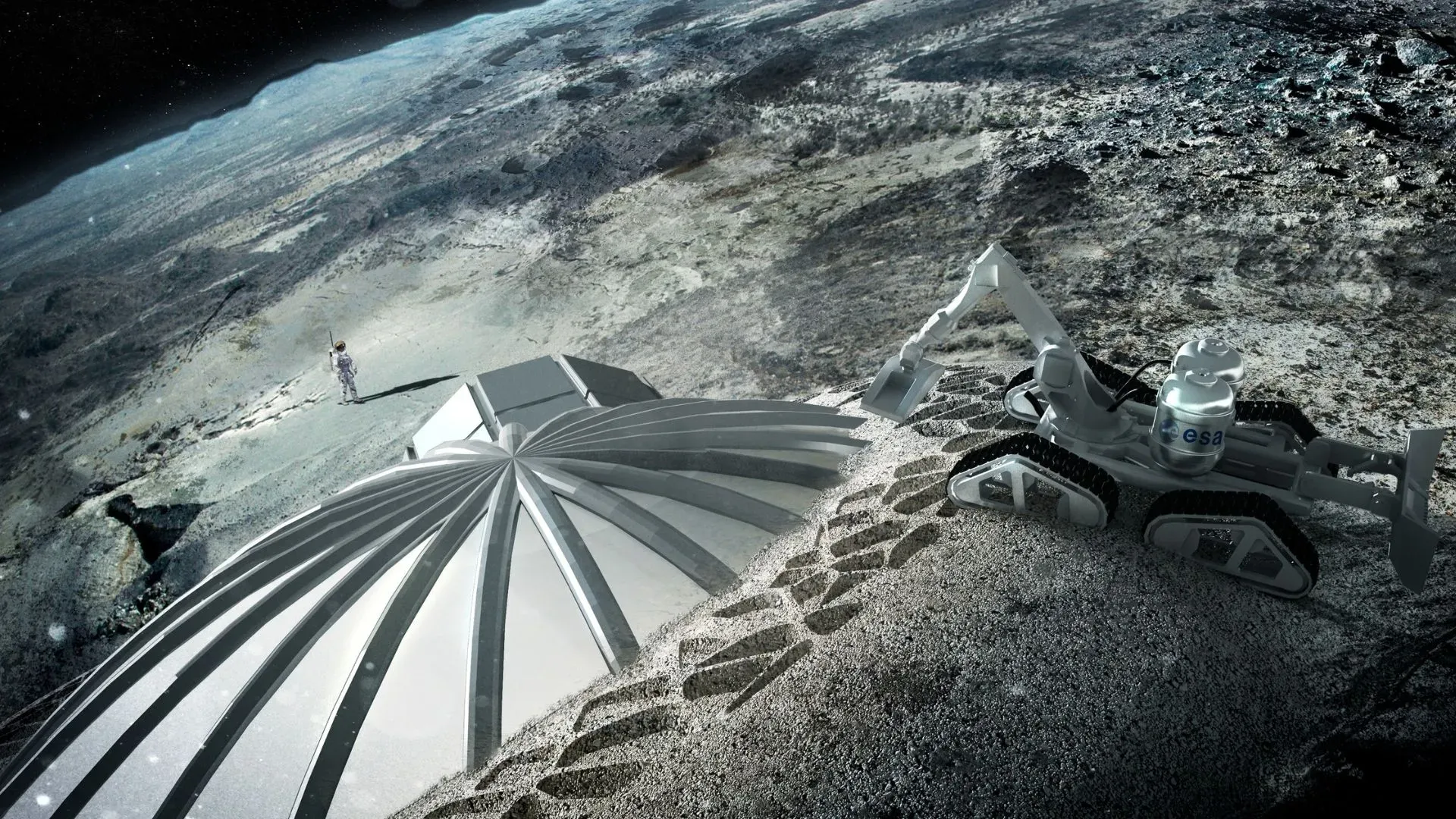
Helium-3 has become a symbol of future science. It connects quantum computing, space mining, advanced physics, and clean energy research. Its value comes from both its rarity and its usefulness. As demand grows, the search for new supplies will likely become more serious. The moon offers an exciting possibility, but it also brings major risks. Mining lunar soil for tiny amounts of gas would require powerful machines, high investment, and strong proof that the process can work. Companies may test the idea, but large-scale success is not guaranteed.Via Interesting Engineering
People should view helium-3 with balanced expectations. It may help build better computers and support future energy systems, but it will not change the world overnight. Its story is really about preparation, innovation, and the search for resources that could shape the next era of technology.