Lifestyle / Health

Why Do Blind People and Musicians Hear Pitch So Much Better?
People who have lived without sight for most of their lives are often known for their sharp hearing. Many can pick up small changes in sound that others miss, such as a slight shift in a voice or the faint echo of footsteps in a hallway.
This skill has fascinated scientists for a long time, and many have tried to understand where it actually comes from and how it develops over the years. A new study published in the Journal of Neuroscience offers a fresh answer to this old question.

Via Pacific Ideology Group
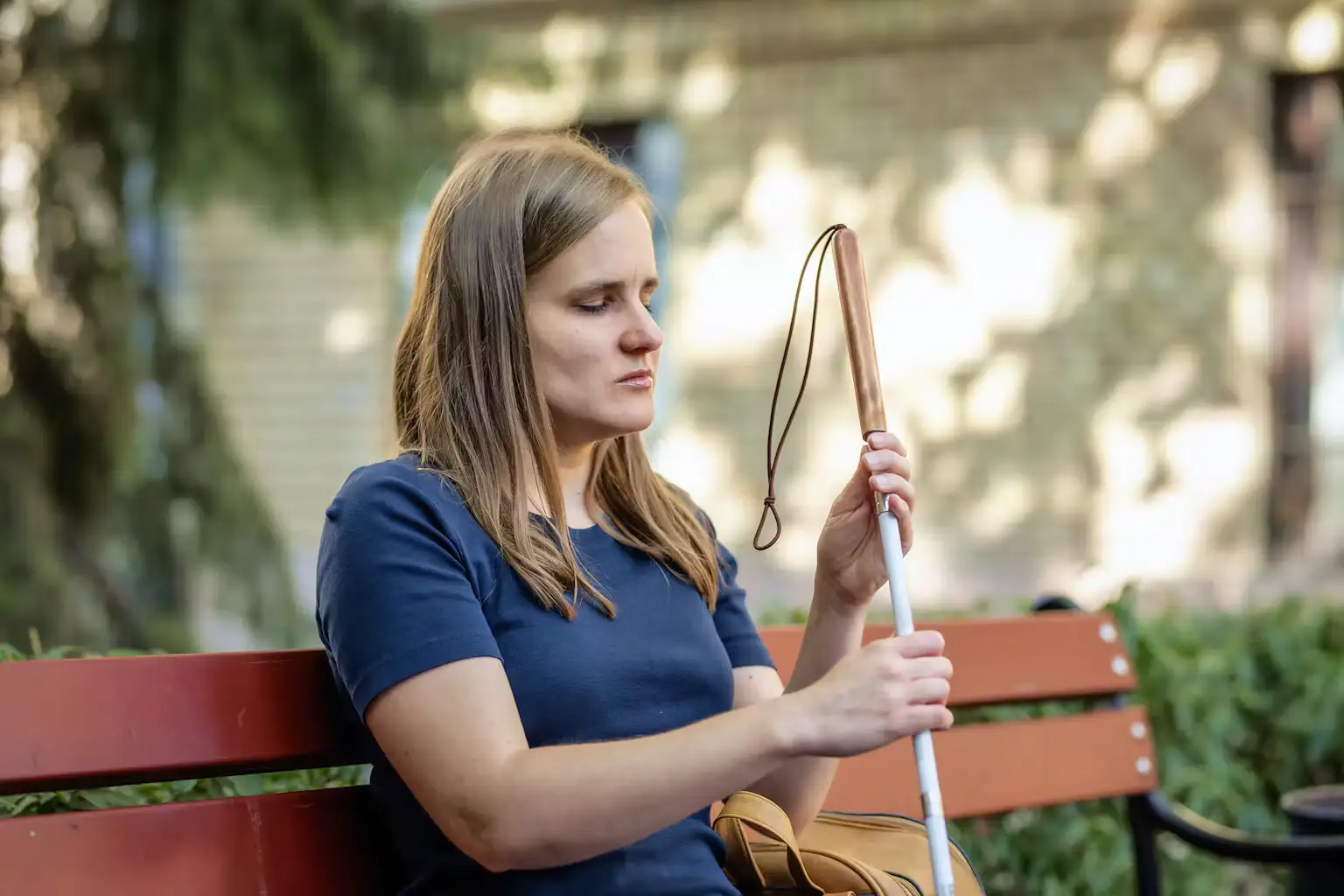
Researchers found that the hearing advantage seen in people who became blind early in life seems to come from how steadily their auditory systems handle sound. In simple terms, their brains respond to the same sound in a more consistent and reliable way each time they hear it, which makes small differences easier to notice.
The study also turned up a surprising link to music. Sighted musicians appear to sharpen their hearing through a very similar process. This means that two very different life experiences, growing up blind and spending years training with an instrument, may shape the brain in a related way. The finding opens up new ideas about how hearing can improve and how flexible the human brain really is.

Via The Conversation
How Hearing Works From Ear to Brain
Hearing is far more complex than it might seem at first. It starts when the ears pick up sound waves from the world around a person. Inside the inner ear sits the cochlea, a small spiral-shaped organ that sorts sounds by their frequency.
It changes these vibrations into signals that travel along nerves, carrying information about pitch, loudness, and timing toward the brain. Once those signals reach the brain, a whole new stage of work begins. The brain has to make sense of the raw information and pull out what matters.

Via Healthing
It decides whether a sound is music, speech, or just background noise. It also helps a person pick out a familiar voice in a crowded room, follow a melody, or notice that a sound is coming from the left instead of the right side. Because hearing involves so many steps, an improvement can happen at different points along the way.
Someone could have ears that detect sounds especially well, or a brain that interprets those sounds with extra skill. Figuring out which stage is responsible is important for scientists. It tells them whether better hearing comes from the body’s equipment itself or from the way the brain learns to use that equipment.

Via Earth
Understanding Internal Noise in Simple Terms
There are two main ways a person can become better at hearing. One way is by becoming more selective, which means the brain gets better at separating one type of sound from another. The other way is by becoming more consistent, which means the brain responds in nearly the same way every time it hears the same sound. Both paths can lead to sharper hearing, but they work quite differently inside the brain.
A handwriting example makes this idea easier to picture. Imagine someone practicing the letter “A” over and over. They could practice making their “A” look very different from a “B,” which is like being more selective. Or they could practice making every “A” look almost exactly like the last one, which is like being more consistent. The second kind of improvement is linked to what scientists call internal noise.

Via Think Big
Internal noise describes how much the brain’s response to the same sound changes from one moment to the next. When internal noise is high, the brain’s reaction wobbles, and similar sounds can blur together. When internal noise is low, the response stays steady and dependable. This steadiness makes it much easier for a listener to tell apart two sounds that are very close to each other, such as two notes with nearly the same pitch.
Inside the Study on Blind and Sighted Listeners
To explore this question, the research team recruited two groups of volunteers. The first group included nine people who became blind before the age of 2. The second group included 18 sighted people. Members of both groups had different amounts of musical training, ranging from little or none to a lot.

Via Wonder Baby
This mix gave the researchers a helpful chance to study the effects of blindness and music side by side. Every participant completed two simple hearing tasks. In the first task, they listened for a tone hidden inside background noise and had to detect it.
This test helped researchers measure how well the cochlea in the inner ear handles different sound frequencies. It focused mostly on the early stage of hearing, where the ear first picks up and sorts incoming sounds before passing them along. In the second task, participants heard two tones and had to decide which one had a higher pitch.

Via New York Daily News
This kind of test depends on the ear, but it also relies heavily on how the brain reads and interprets sound information. By comparing results from both tasks, the researchers could start to tell whether any differences came from the ear itself or from the brain’s processing further along the path.
Blind Listeners Excel at Telling Pitches Apart
The results showed a clear pattern. People who became blind early in life did better than sighted people only on the pitch task. On the task that measured how the inner ear detects tones in noise, the two groups performed in a similar way. This suggests that the blind participants did not have special ears. Their advantage seemed to come from somewhere else in the hearing process.
Via ZME Science
That “somewhere else” appears to be the brain. Since the blind participants stood out only on the task that relied on brain processing, the researchers concluded that their stronger hearing likely comes from changes in how the brain handles sound. Over many years, the brain of a person without sight may adjust to rely more heavily on hearing, shaping its responses to make the most of the sounds around them.
The team then used a mathematical model to dig deeper into what was driving the difference. The model pointed to reduced internal noise as the key factor. People with early blindness did not seem to be more selective about sound frequencies. Instead, their brains processed sounds in a more consistent and reliable way. This steady processing made it easier for them to notice tiny differences between two pitches.

Via Thros Avas
Musicians Share the Same Hidden Advantage
One of the most surprising parts of the study involved musicians. The researchers found that musical training seems to lower internal noise in much the same way that early blindness does. Sighted musicians responded to sounds more consistently than people who had neither lost their sight early nor spent a lot of time training in music. Their brains appeared to handle sound in a steadier, more dependable way.
This finding makes sense when thinking about what musicians do every day. They spend countless hours listening closely to notes, tuning instruments, and matching pitches with other players. All of that focused practice may train the brain to respond to sound with less wobble. Over time, the brain becomes better at producing the same reaction to the same note, which helps a musician hear when something is even slightly out of tune.

Via Fast Company
The connection between these two groups is striking because their life experiences are so different. One group adapted to living without sight, while the other chose to practice a skill for years. Yet both seem to end up with a similar change in how the brain processes sound. This suggests that internal noise may be a shared path the brain uses to sharpen hearing when sound becomes especially important to a person.
Why Brain Plasticity Matters for Everyday Life
The human brain is born without knowing what kind of world it will face. Because of this, it comes with a powerful ability to adjust its responses to whatever matters most in a person’s surroundings. Scientists call this ability brain plasticity. It allows the brain to grow, change, and fine-tune itself based on a person’s experiences, both in childhood and later in life.

Via Shore Side Therapy
Plasticity shows up in many everyday situations. Children use it when they learn to read, and their brains begin to recognize letters and words quickly. Adults use it when they pick up a new hobby, such as learning to identify different bird species by their look or song. As words or birds become meaningful, the brain tunes itself to notice the details that help a person understand them better.
The new study points to internal noise as an important factor behind this kind of change. One way people may lower their internal noise is by building a more accurate mental template for how the world should look or sound. Experiences such as being blind or training as a musician might help create and sharpen that template for hearing. This gives the brain a clearer guide for making sense of incoming sounds.

Via London South Bank University
Open Questions and the Road Ahead
The findings raise exciting possibilities for the future. If experience and training can tap into the brain’s ability to adapt, they might one day be used on purpose to improve how people perceive the world. For example, special training focused on hearing where sounds come from could help people who are starting to lose their vision. It might help them learn to rely more on hearing to move around safely.

Via Allianz Care
Still, many questions remain unanswered. Researchers do not yet know how much training it takes to create real, useful changes in the brain. They also do not know which parts of hearing practice matter most. Another big question is whether timing plays a role. The brain may be more flexible early in life, so changes that happen in childhood might look very different from changes that happen in adulthood.

Via Center for Creative Leadership
Looking ahead, scientists want to learn how far people can push their listening skills. They wonder whether anyone could become a strong listener with the right training, and whether there are ways to boost the brain’s flexibility later in life. The research team also plans to study whether the pitch advantage seen in blind people and musicians carries over to more complex, everyday listening situations that people face all the time.