Unassigned
25 Weird Science Facts That Sound Fake but Are True
Science often feels like a world full of rules, numbers, and hard-to-read words. Yet some of the most interesting facts in science sound more like scenes from a movie than real life. The human body, deep oceans, outer space, animals, weather, food, and even everyday objects can hide strange truths that many people never notice. These facts show that the world is not only beautiful but also full of surprises that can change how people see ordinary things.
Many scientific facts are strange because they go against what feels normal. A cloud looks light, but it can weigh as much as a huge airplane. Bananas look harmless, yet they carry tiny amounts of radiation. Hot water may freeze faster than cold water in some cases. A laser can even become trapped inside moving water. These ideas sound confusing at first, but each one has a real scientific reason behind it.
 Via Reader’s Digest
Learning these facts can make science feel more exciting and less difficult. It also shows that discovery never stops. Scientists keep testing, measuring, and asking new questions about the world. Some answers explain how humans live, how animals survive, and how planets behave. Other answers create even bigger mysteries. From laughing rats to diamond rain on distant planets, these weird, wild, and true science facts prove that reality can be far more surprising than fiction.
 Via Reader's Digest
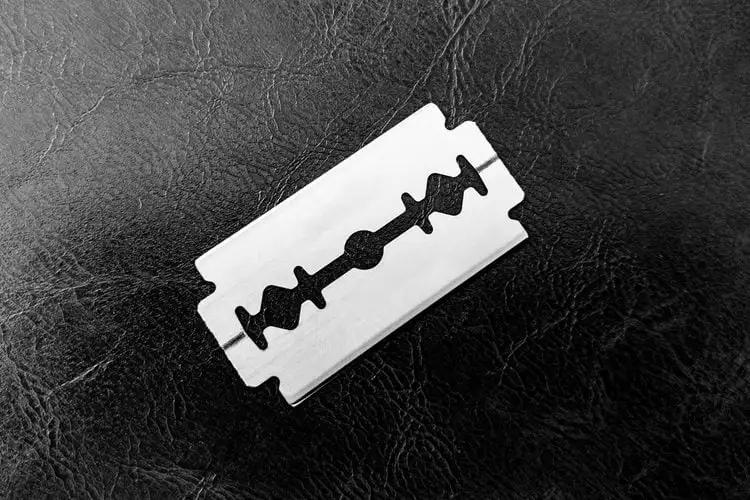
Human stomach acid is very strong, with a low pH level. It can break down parts of metal, though sharp objects remain extremely dangerous.
 Via Reader's Digest
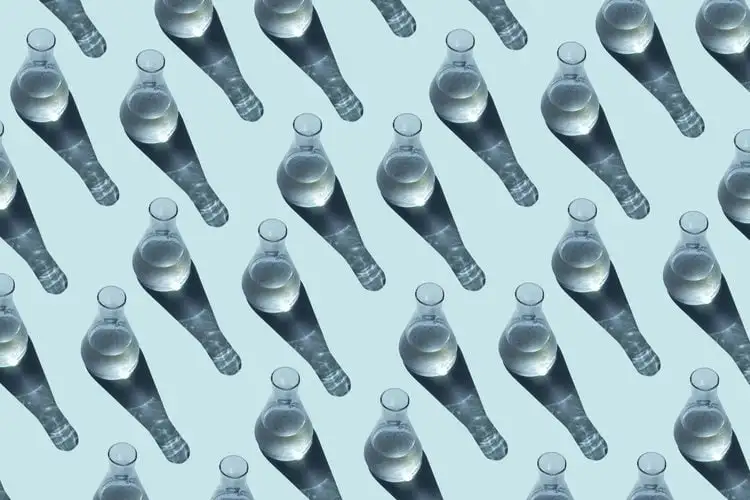
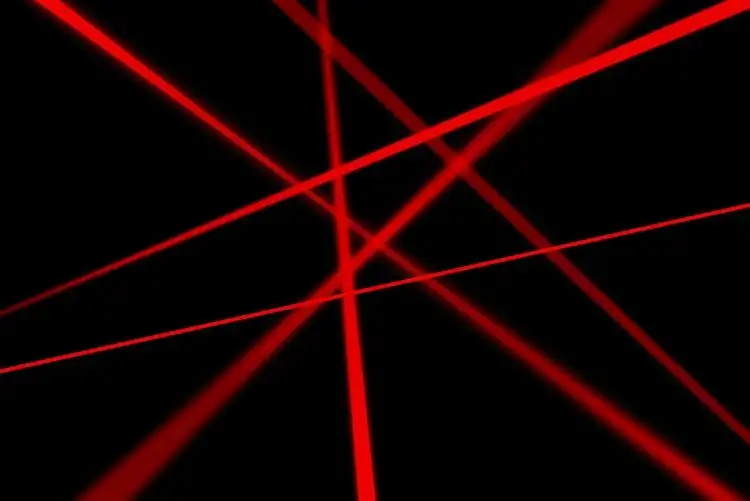
A laser beam can follow a stream of water through total internal reflection. This makes the light look trapped inside the moving water.
 Via Reader's Digest
Tiny ocean plants, seaweed, and plankton help create a large share of Earth’s oxygen. The sea plays a huge role in breathing life.
 Via Reader's Digest
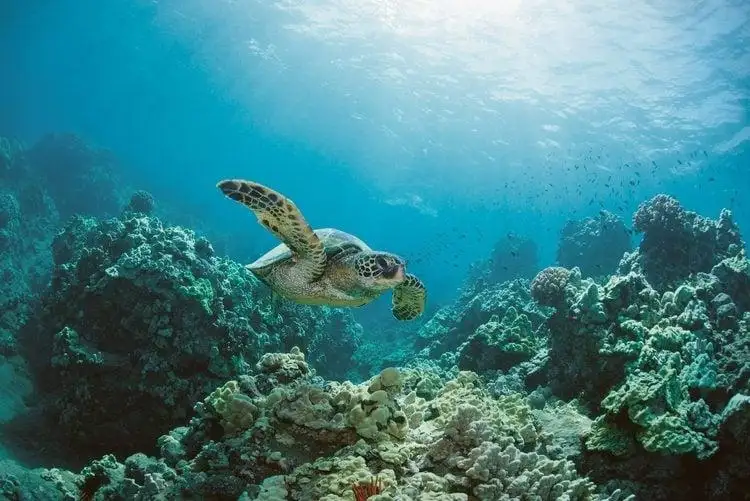
Sea turtles and salmon can sense Earth’s magnetic field. This natural compass helps them travel long distances and return to key places.
 Via Reader's Digest
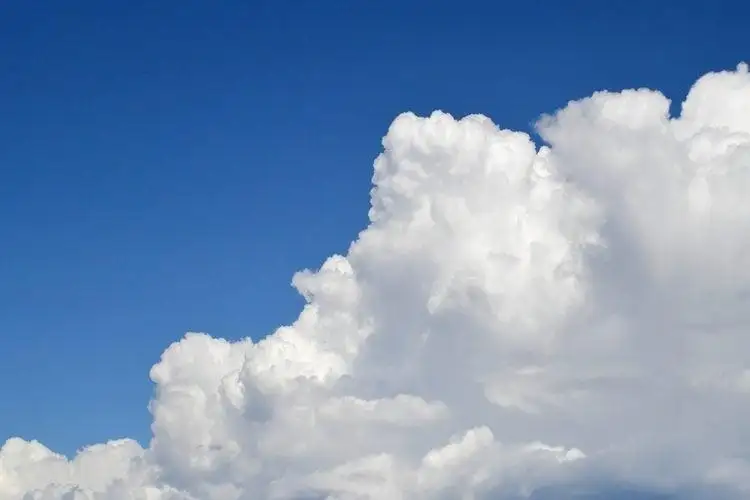
Clouds look soft and light from the ground, but a large cumulus cloud can hold enough water to weigh nearly a million pounds.
 Via Reader's Digest
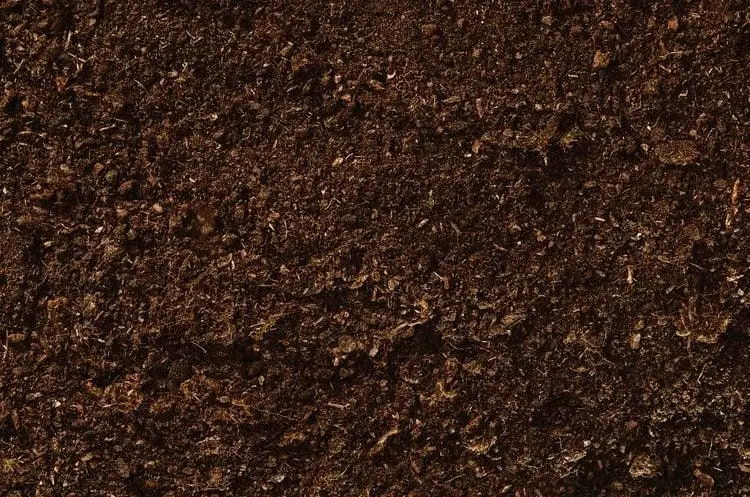
A small spoonful of soil can contain millions of tiny living things. Bacteria, fungi, insects, and worms help keep soil healthy and active.
 Via Reader's Digest
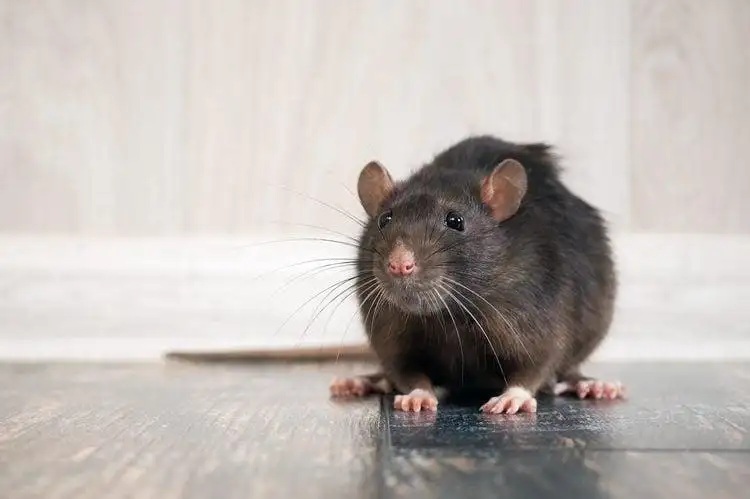
Rats can make playful sounds when tickled. Studies show they may enjoy the action and even chase a hand for more play.
 Via Reader's Digest
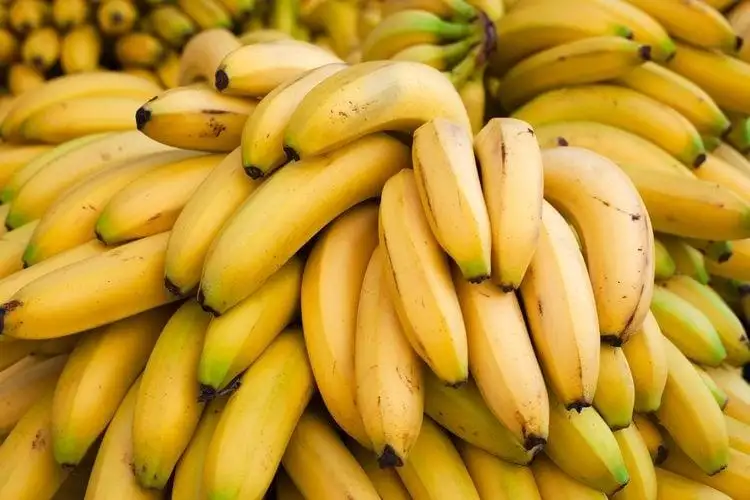
Bananas contain potassium, and some potassium naturally gives off radiation. The amount is tiny and harmless during normal eating.
 Via Reader's Digest
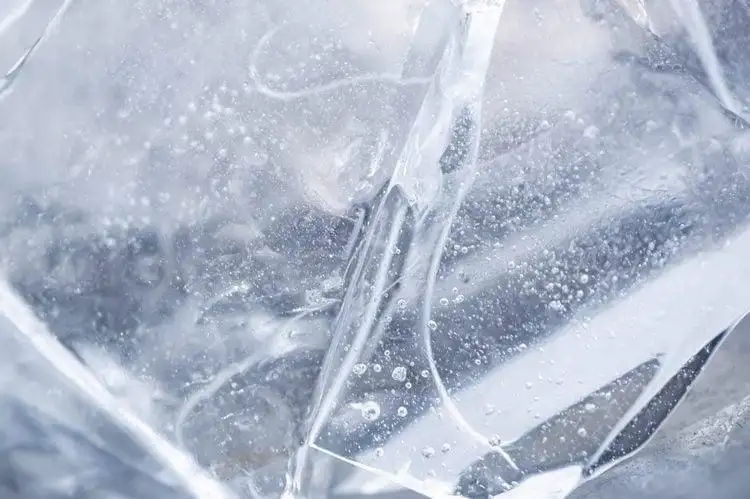
The Mpemba effect shows that hot water may freeze faster than cold water in some cases. Scientists still study why this happens.
 Via Reader's Digest
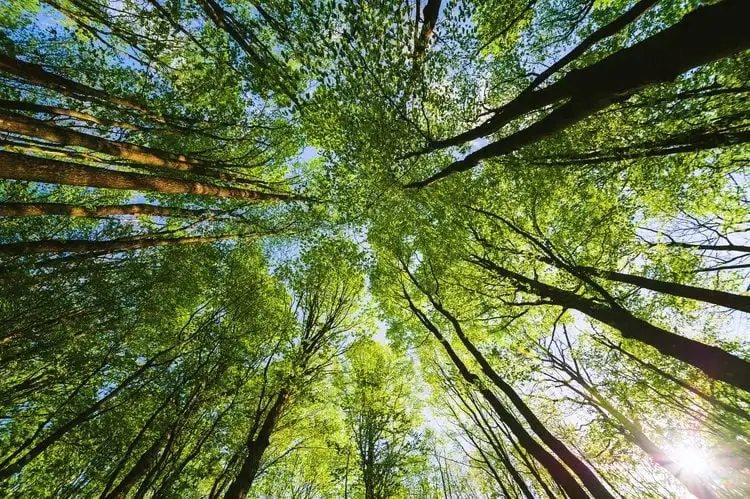
The Milky Way has billions of stars, but Earth has trillions of trees. Forests remain one of the planet’s greatest living systems.
 Via Reader's Digest
Human DNA includes genes linked to bacteria, fungi, viruses, and other organisms. This shows evolution can involve surprising genetic exchanges.
 Via Reader's Digest
Each adult body contains trillions of cells, and most cells carry a full copy of human DNA. This makes the genome incredibly vast.
 Via Reader's Digest
Extreme pressure on planets like Neptune and Uranus may turn carbon into diamonds. Some scientists believe diamond rain could happen there.
 Via Reader's Digest
Scientists estimate that about 2.5 billion T. rexes lived across many generations. They did not all exist at the same time.
 Via Reader's Digest
At the triple point, water can exist as ice, liquid, and vapor at once. This happens only under exact pressure and temperature.
 Via Reader's Digest
When helium becomes extremely cold, it turns into a superfluid. It can climb container walls and pass through tiny cracks.
 Via Reader's Digest
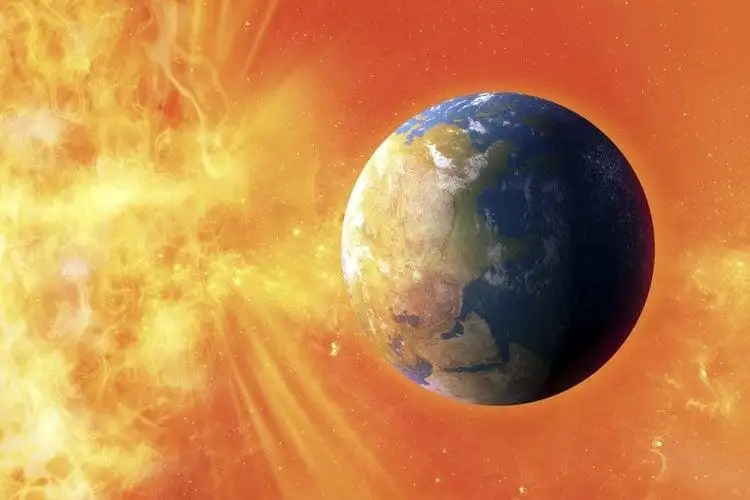
Solar flares are powerful explosions from the sun. Earth’s atmosphere protects people, but these bursts can disturb satellites and power systems.
 Via Reader's Digest
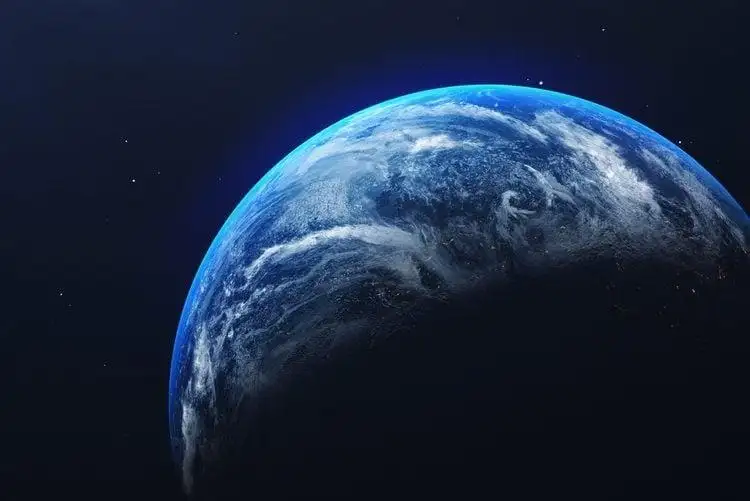
Without gravity, gas does not separate from food and liquid in the stomach. A burp in space can become very unpleasant.
 Via Reader's Digest
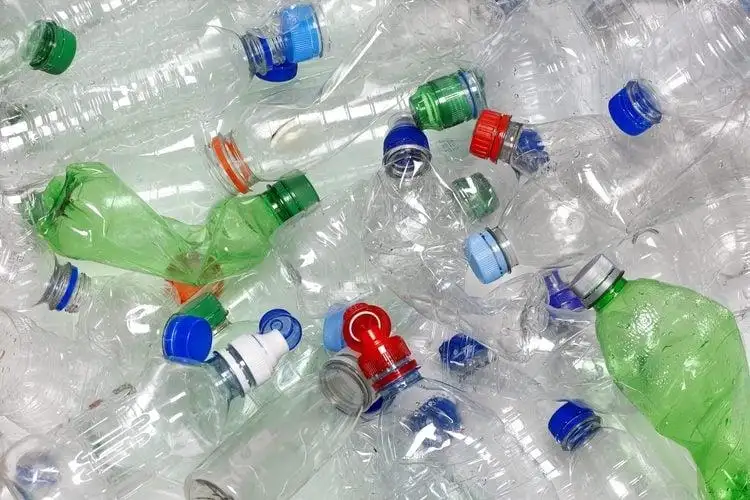
Researchers have used engineered bacteria to turn plastic waste into vanillin. This discovery is possible, but it is not ready for food use.
 Via Reader's Digest
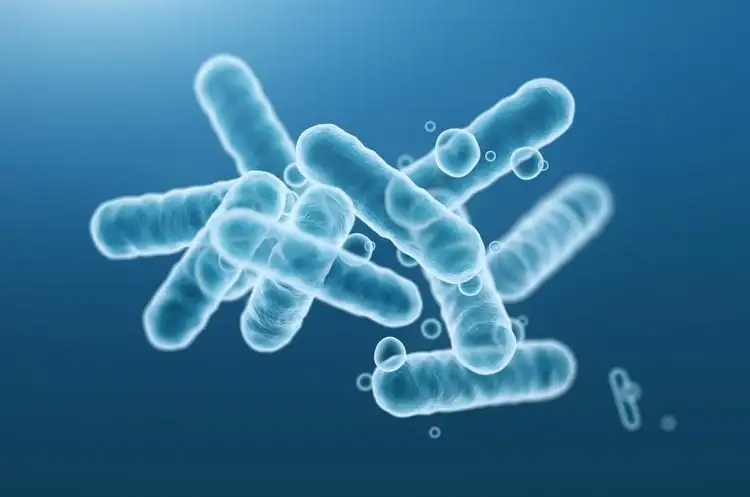
The human body holds trillions of bacteria along with human cells. These tiny organisms support digestion, immunity, and many body functions.
 Via Reader's Digest
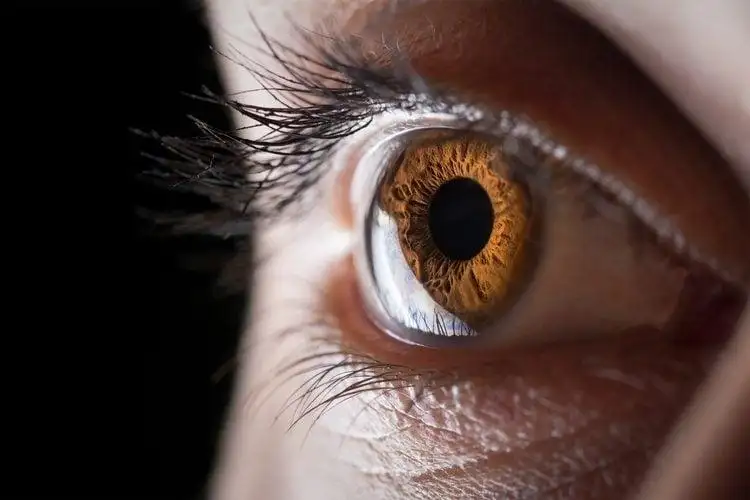
Common colorblindness genes sit on the X chromosome. Men have one X chromosome, so the condition appears more often in males.
 Via Reader's Digest
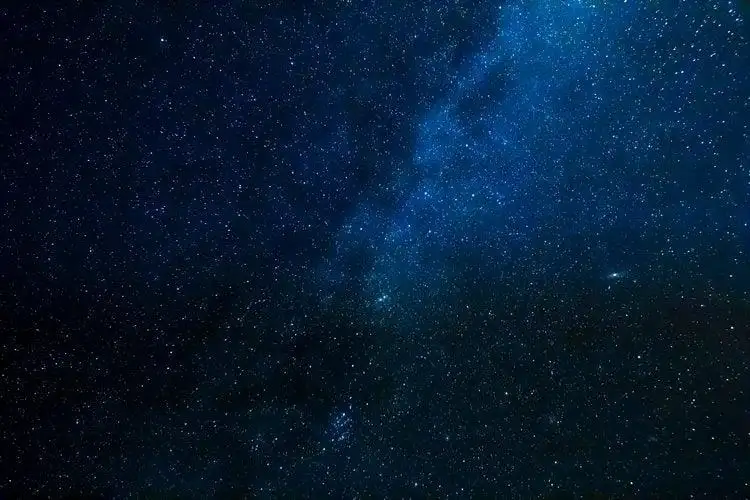
Dark matter and dark energy make up most of the universe. Scientists cannot directly see them, which keeps space full of mystery.
 Via Reader's Digest
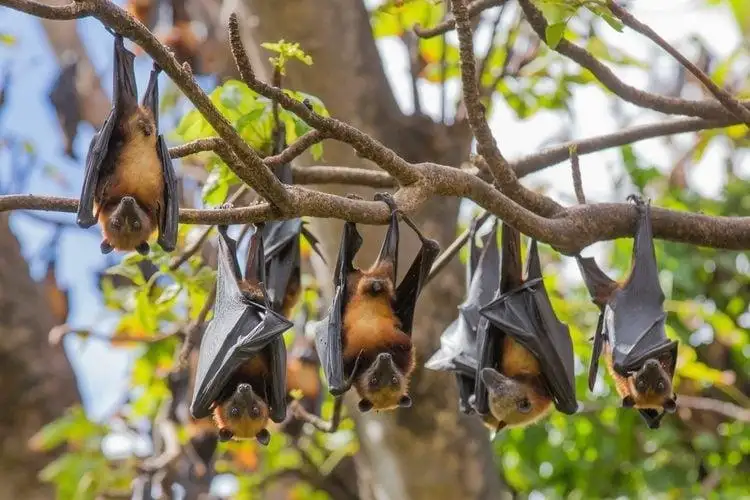
Bats have strong antiviral defenses that help them survive many viruses. This makes them important for scientists who study disease spread.
 Via Reader's Digest
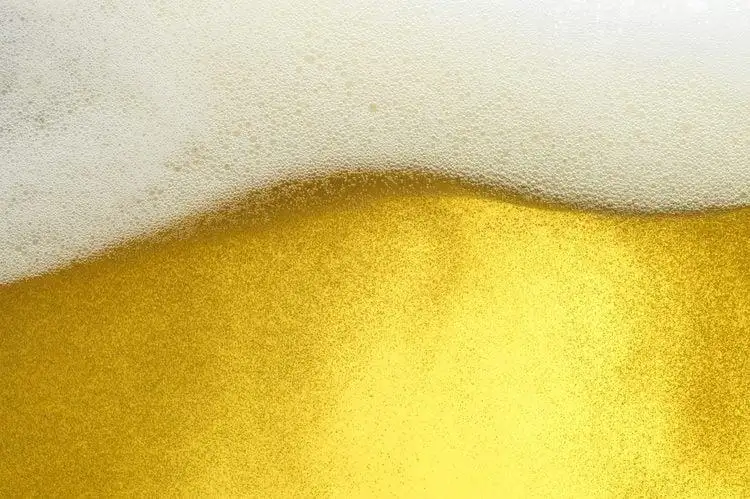
Beer can produce more bubbles than Champagne in some servings. These bubbles help shape smell, taste, and the drinking experience.
 Via Reader's Digest
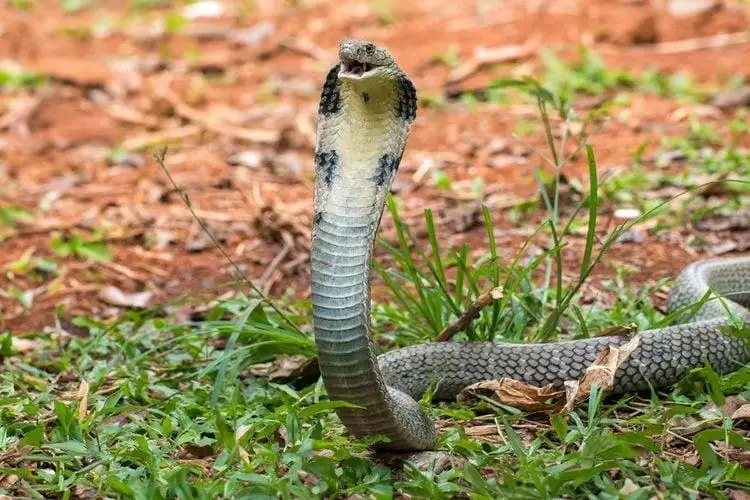
Humans do not produce venom, but mammals and reptiles share some biological tools needed for it. Evolution shapes how traits appear.
 Via Reader's Digest
The best part about science is that it connects everyday life with huge cosmic ideas. Soil under a shoe, air in the lungs, bubbles in a drink, and stars in the sky all have hidden stories. These weird and wild facts remind readers that science belongs everywhere, not just in classrooms or labs. The natural world, the human body, animals, food, and space all carry secrets waiting to be explored. Reality can feel strange, but that is what makes it so amazing.
More in Unassigned
Via Reader’s Digest
Learning these facts can make science feel more exciting and less difficult. It also shows that discovery never stops. Scientists keep testing, measuring, and asking new questions about the world. Some answers explain how humans live, how animals survive, and how planets behave. Other answers create even bigger mysteries. From laughing rats to diamond rain on distant planets, these weird, wild, and true science facts prove that reality can be far more surprising than fiction.
Human Stomach Acid Can Dissolve Razor Blades
Via Reader's Digest
Human stomach acid is very strong, with a low pH level. It can break down parts of metal, though sharp objects remain extremely dangerous.
A Laser Can Get Trapped in Water
Via Reader's Digest
A laser beam can follow a stream of water through total internal reflection. This makes the light look trapped inside the moving water.
Oceans Produce Much of Earth’s Oxygen
Via Reader's Digest
Tiny ocean plants, seaweed, and plankton help create a large share of Earth’s oxygen. The sea plays a huge role in breathing life.
Sea Animals Use Earth’s Magnetic Field
Via Reader's Digest
Sea turtles and salmon can sense Earth’s magnetic field. This natural compass helps them travel long distances and return to key places.
Clouds Can Weigh Around a Million Pounds
Via Reader's Digest
Clouds look soft and light from the ground, but a large cumulus cloud can hold enough water to weigh nearly a million pounds.
Soil Is Packed With Living Organisms
Via Reader's Digest
A small spoonful of soil can contain millions of tiny living things. Bacteria, fungi, insects, and worms help keep soil healthy and active.
Rats Laugh When They Are Tickled
Via Reader's Digest
Rats can make playful sounds when tickled. Studies show they may enjoy the action and even chase a hand for more play.
Bananas Are Slightly Radioactive
Via Reader's Digest
Bananas contain potassium, and some potassium naturally gives off radiation. The amount is tiny and harmless during normal eating.
Hot Water Can Freeze Faster Than Cold Water
Via Reader's Digest
The Mpemba effect shows that hot water may freeze faster than cold water in some cases. Scientists still study why this happens.
Earth Has More Trees Than Milky Way Stars
Via Reader's Digest
The Milky Way has billions of stars, but Earth has trillions of trees. Forests remain one of the planet’s greatest living systems.
Humans Carry Genes From Other Species
Via Reader's Digest
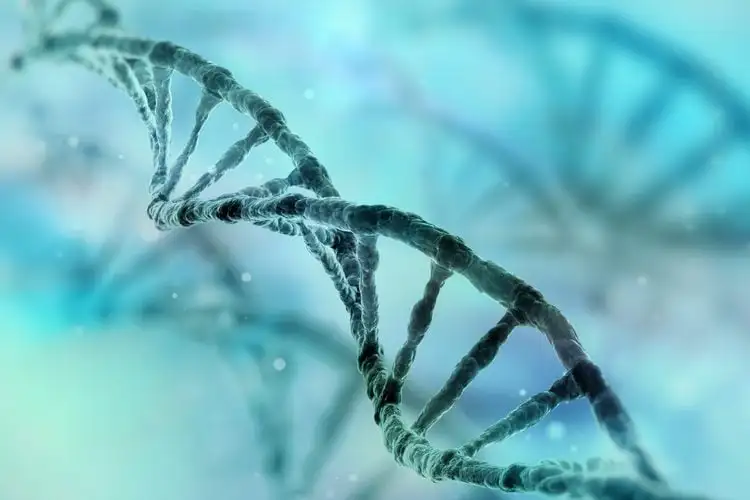
Human DNA includes genes linked to bacteria, fungi, viruses, and other organisms. This shows evolution can involve surprising genetic exchanges.
The Human Body Holds Billions of DNA Copies
Via Reader's Digest
Each adult body contains trillions of cells, and most cells carry a full copy of human DNA. This makes the genome incredibly vast.
Diamonds May Rain on Other Planets
Via Reader's Digest
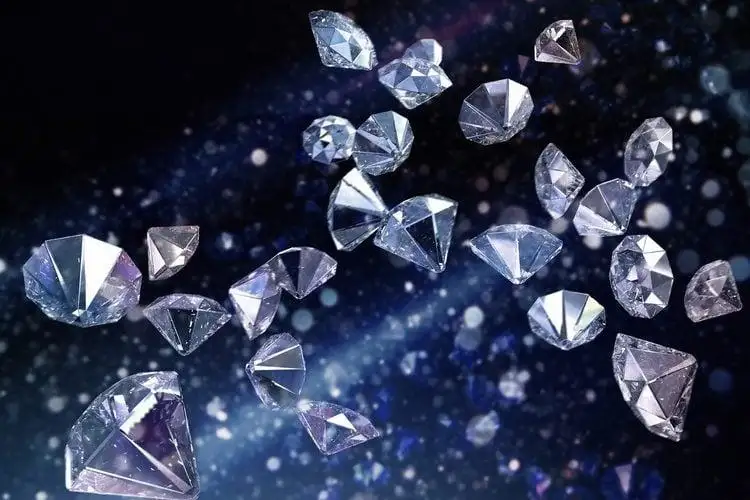
Extreme pressure on planets like Neptune and Uranus may turn carbon into diamonds. Some scientists believe diamond rain could happen there.
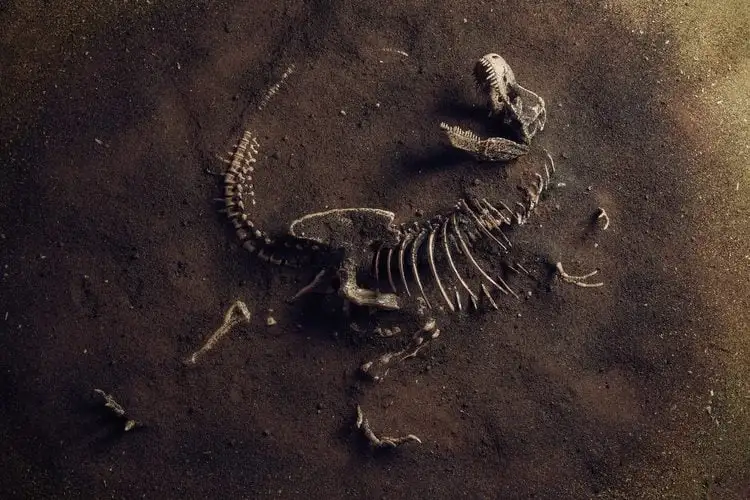
Billions of T. Rex Dinosaurs Once Existed
Via Reader's Digest
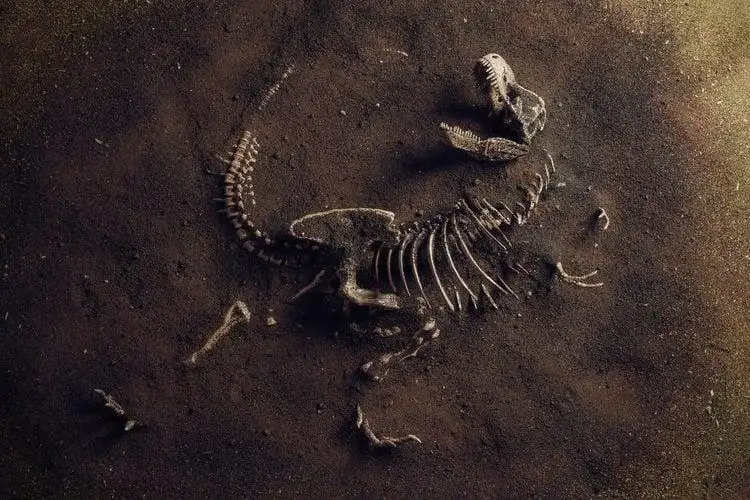
Scientists estimate that about 2.5 billion T. rexes lived across many generations. They did not all exist at the same time.
Water Can Be Solid, Liquid, and Gas Together
Via Reader's Digest
At the triple point, water can exist as ice, liquid, and vapor at once. This happens only under exact pressure and temperature.
Liquid Helium Can Flow Against Gravity
Via Reader's Digest
When helium becomes extremely cold, it turns into a superfluid. It can climb container walls and pass through tiny cracks.
Solar Flares Release Huge Energy
Via Reader's Digest
Solar flares are powerful explosions from the sun. Earth’s atmosphere protects people, but these bursts can disturb satellites and power systems.
Burping in Space Is Nearly Impossible
Via Reader's Digest
Without gravity, gas does not separate from food and liquid in the stomach. A burp in space can become very unpleasant.
Plastic Can Be Turned Into Vanilla Flavoring
Via Reader's Digest
Researchers have used engineered bacteria to turn plastic waste into vanillin. This discovery is possible, but it is not ready for food use.
Bacteria Make Up Many Body Cells
Via Reader's Digest
The human body holds trillions of bacteria along with human cells. These tiny organisms support digestion, immunity, and many body functions.
Men Are More Likely to Be Colorblind
Via Reader's Digest
Common colorblindness genes sit on the X chromosome. Men have one X chromosome, so the condition appears more often in males.
Most of the Universe Is Still Unknown
Via Reader's Digest
Dark matter and dark energy make up most of the universe. Scientists cannot directly see them, which keeps space full of mystery.
Bats Can Carry Many Viruses Without Getting Sick
Via Reader's Digest
Bats have strong antiviral defenses that help them survive many viruses. This makes them important for scientists who study disease spread.
Beer Can Be Fizzier Than Champagne
Via Reader's Digest
Beer can produce more bubbles than Champagne in some servings. These bubbles help shape smell, taste, and the drinking experience.
Humans May Have the Tools for Venom
Via Reader's Digest
Humans do not produce venom, but mammals and reptiles share some biological tools needed for it. Evolution shapes how traits appear.
Strange Science Facts Make the World More Exciting
Strange science facts help people understand that the world is never as simple as it looks. A clear sky can hide heavy clouds. A quiet ocean can create oxygen for life on land. A banana can carry a tiny trace of radiation. These facts may sound funny or shocking, but they are useful because they make science easier to remember. They turn difficult ideas into stories that spark curiosity. These facts also show that humans are still learning. Some questions have clear answers, while others remain open for more study. The Mpemba effect, dark energy, and diamond rain on other planets prove that science is not just about final answers. It is also about testing ideas, changing old beliefs, and looking more closely at things people once ignored. Every discovery can make the universe feel bigger and more mysterious.
Via Reader's Digest
The best part about science is that it connects everyday life with huge cosmic ideas. Soil under a shoe, air in the lungs, bubbles in a drink, and stars in the sky all have hidden stories. These weird and wild facts remind readers that science belongs everywhere, not just in classrooms or labs. The natural world, the human body, animals, food, and space all carry secrets waiting to be explored. Reality can feel strange, but that is what makes it so amazing.