Unassigned
The Science Behind Different Finger Lengths
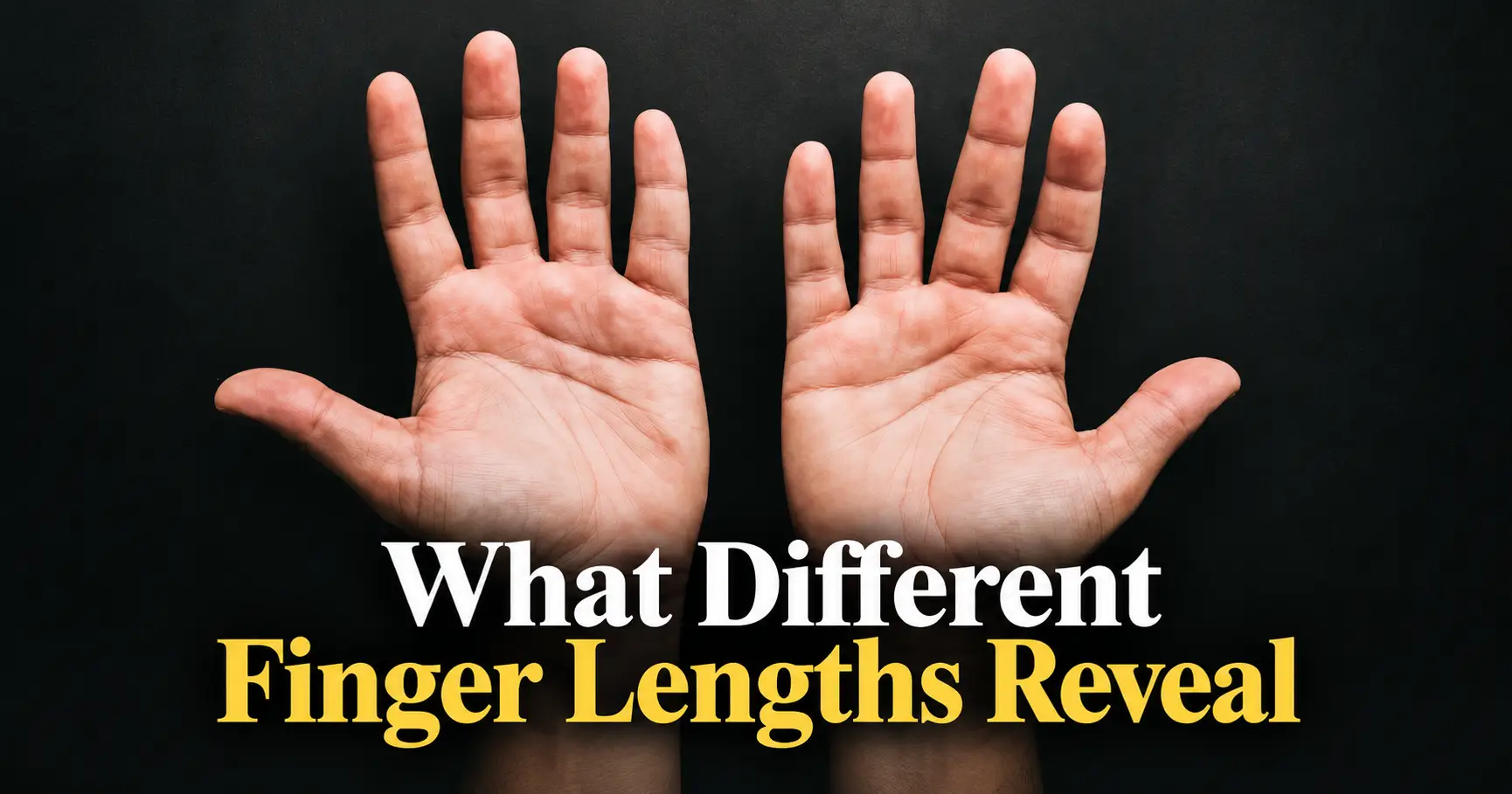
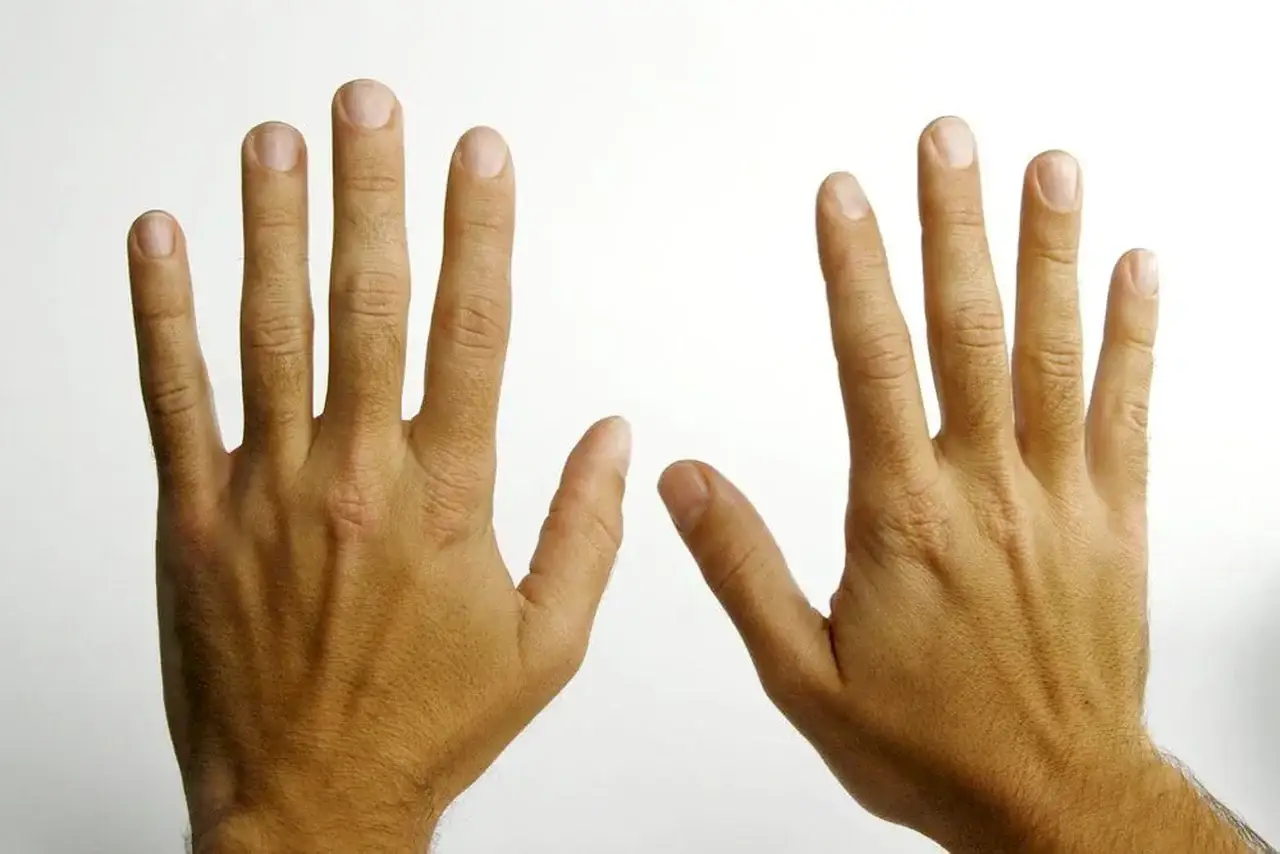
Human hands perform countless tasks every day, from holding large objects to completing delicate movements with remarkable accuracy. One reason these actions are possible is that each finger has a different length, allowing the hand to work as a balanced and highly efficient tool.
Instead of being identical, every finger is designed to support a specific type of movement. Some fingers provide strength for gripping, while others offer flexibility and precision. Their unique sizes help the entire hand work smoothly during simple and complex activities.
 Via The Independent
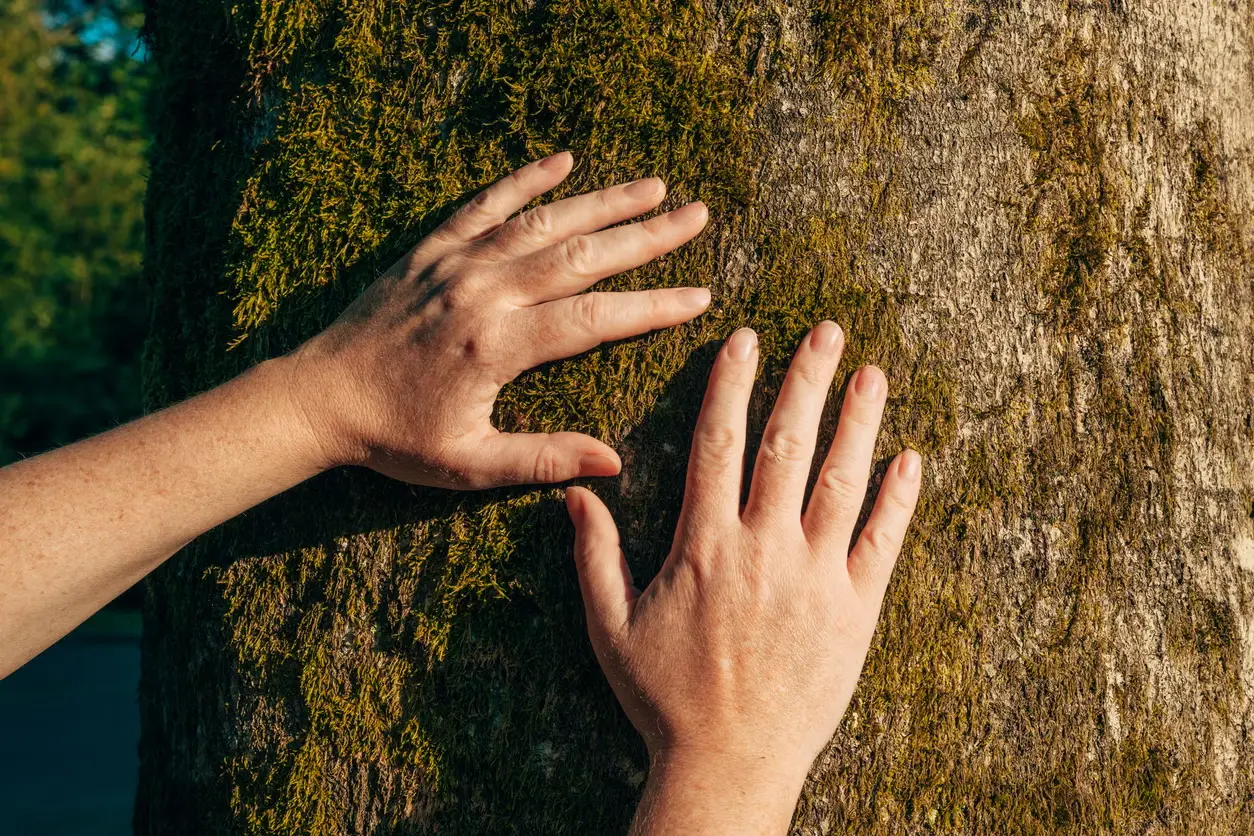
This thoughtful arrangement allows people to complete everyday tasks with ease. Picking up tiny objects, opening containers, writing, carrying bags, or using tools all become easier because every finger contributes in a different yet important way.
 Via Virtual Hand Care
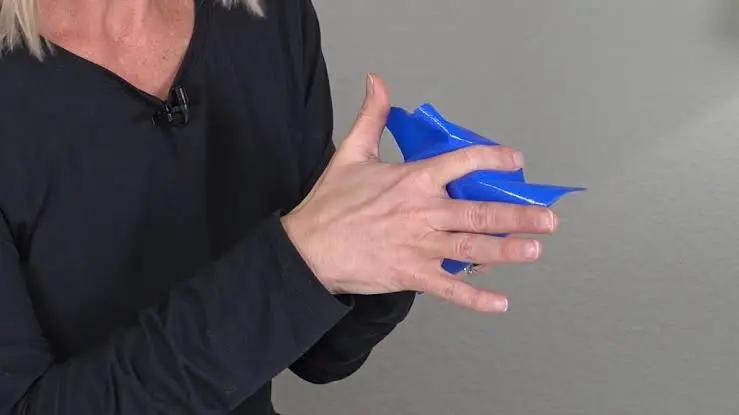
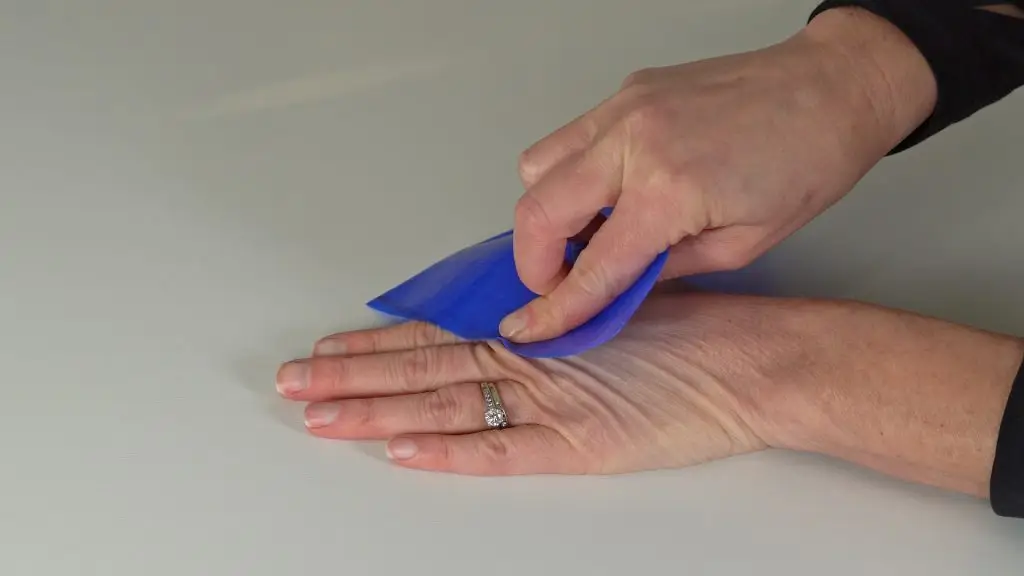
Longer fingers can reach farther and help surround larger objects, while shorter fingers provide better control during detailed tasks. This combination gives the hand an excellent balance between power and accuracy, making it useful in many different situations.
Whether someone is cooking, drawing, typing, gardening, or playing sports, finger length supports smooth and coordinated movement. Every finger works together with the others, allowing the hand to adjust quickly depending on the size, shape, and weight of an object.
 Via Virtual Hand Care
 Via Note
Its central location also improves overall balance during hand movements. Whether performing powerful actions or gentle tasks, the middle finger helps maintain coordination, allowing the hand to function efficiently without placing unnecessary strain on the surrounding fingers.
 Via Linkedin
The index finger is designed for precision instead of strength. Its flexibility makes it especially useful for pointing, pressing buttons, writing, drawing, typing, or completing detailed work that requires careful control and accurate finger placement.
The smallest finger, often called the pinky, adds valuable support even though it is the shortest. It helps steady the outer edge of the hand, improves grip on larger objects, and works alongside the thumb and other fingers to create balance during everyday activities.
 Via Casal
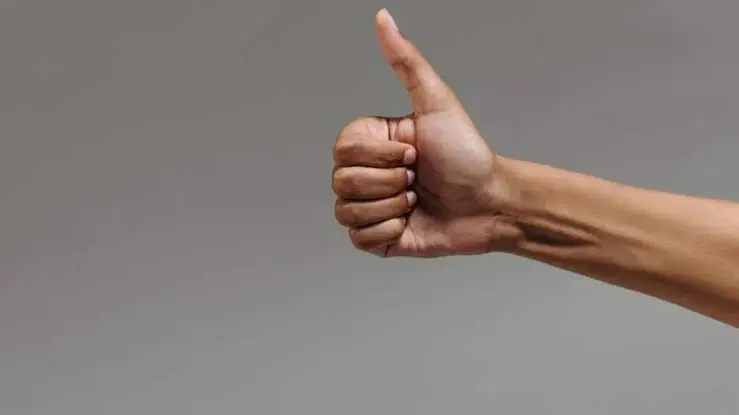 via NewsBytes
Without the thumb, many common activities would become much more challenging and less efficient. Its unique movement adds stability, strength, and flexibility to the hand, making it possible to handle both tiny objects and larger items with confidence and accuracy.
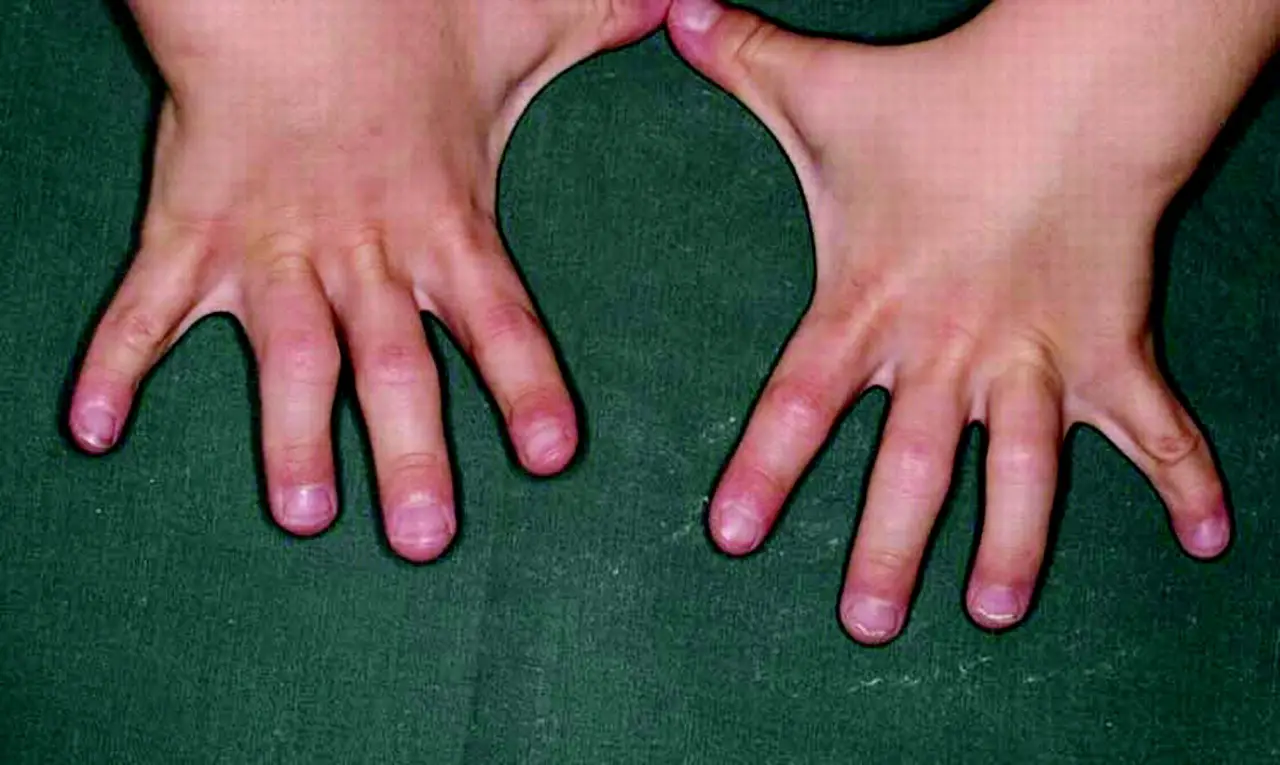 Via Science Over
As generations passed, natural selection favored hands that combined strength with fine control. Fingers of different lengths allowed people to grip firmly, shape tools, prepare food, and complete detailed work, helping communities adapt successfully to changing environments and daily challenges.
Humans also share several hand features with other primates, including a long middle finger that supports gripping and balance. These shared characteristics show that many important hand structures have been useful throughout evolutionary history and continue to serve valuable purposes today.
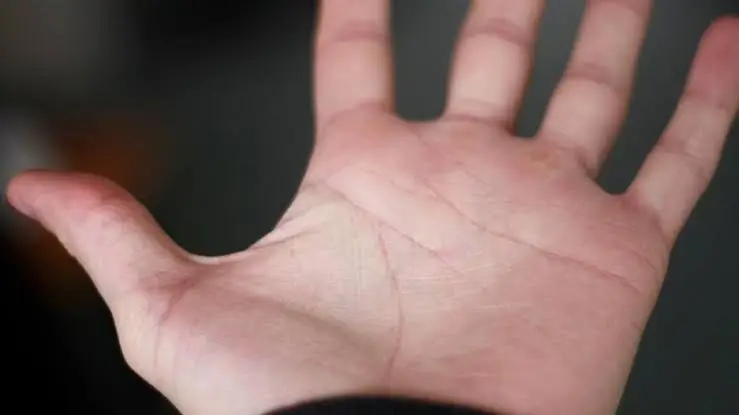 Via Smithsonian
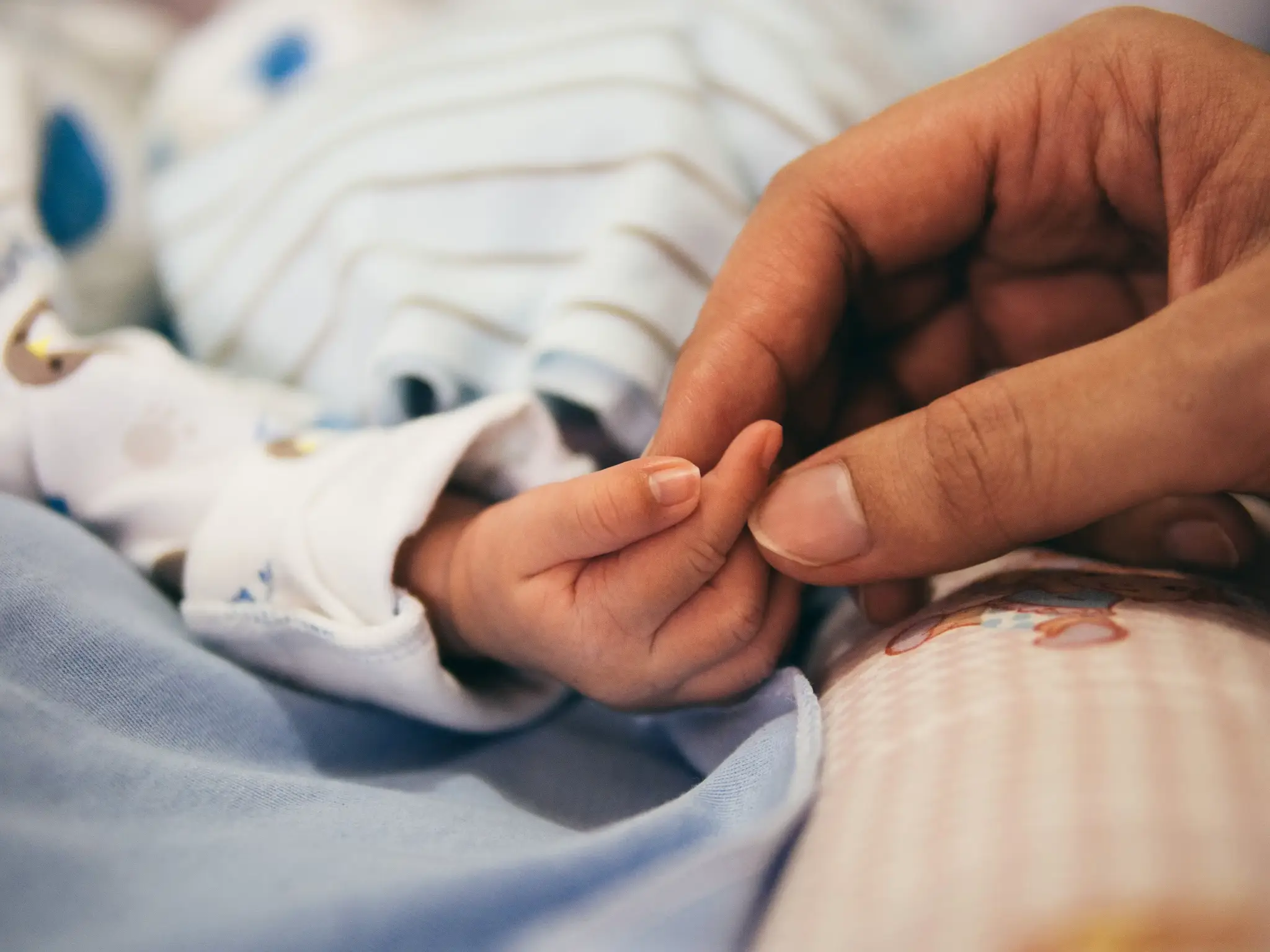 Via Unsplash
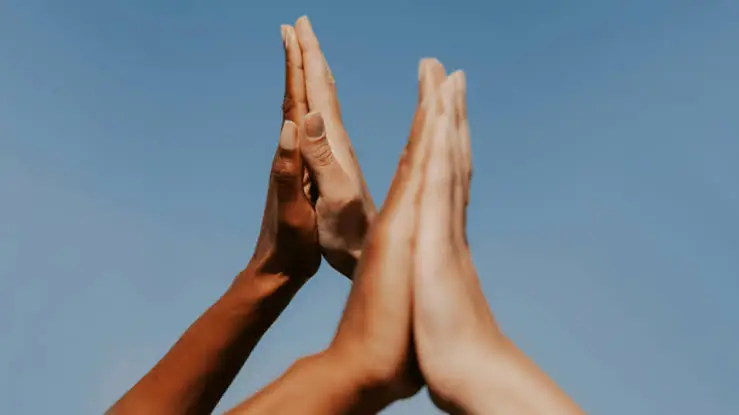
Although genes provide the basic blueprint, they do not create identical hands in every person. Natural variation allows each individual to have slightly different finger proportions while maintaining the overall structure needed for strength, flexibility, and coordinated movement.
 Via Vitamin store
Daily activities also strengthen the hands over time because regular practice improves coordination, flexibility, and muscle control. Writing, painting, playing musical instruments, cooking, gardening, crafting, and participating in sports all help the hands become more skilled through repeated movement and experience.
While practice cannot change the length of the fingers, it allows every finger to perform its role more effectively. The combination of healthy development, natural growth, and everyday use helps the hands become powerful, coordinated tools that support countless activities throughout life.
 Via Dreams Time
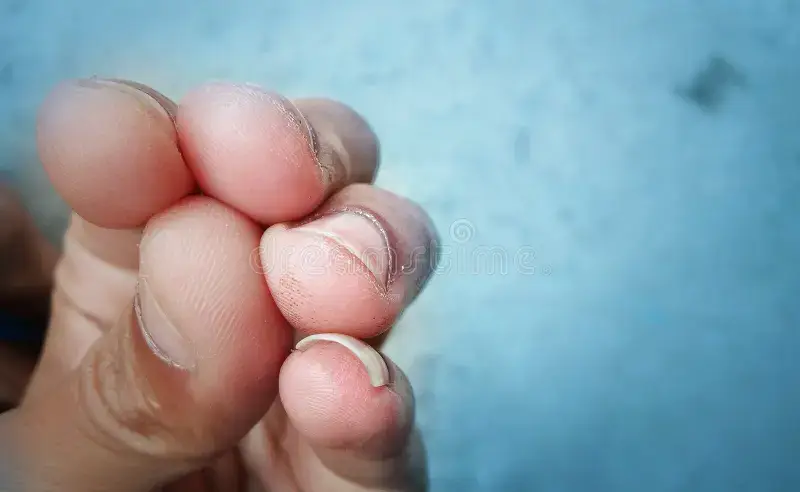
This cooperation makes the hand remarkably adaptable to changing situations. Whether handling fragile objects or lifting something much heavier, the different finger lengths create a natural balance that improves comfort, reduces strain, and increases efficiency during almost every movement people perform.
 Via NBC News
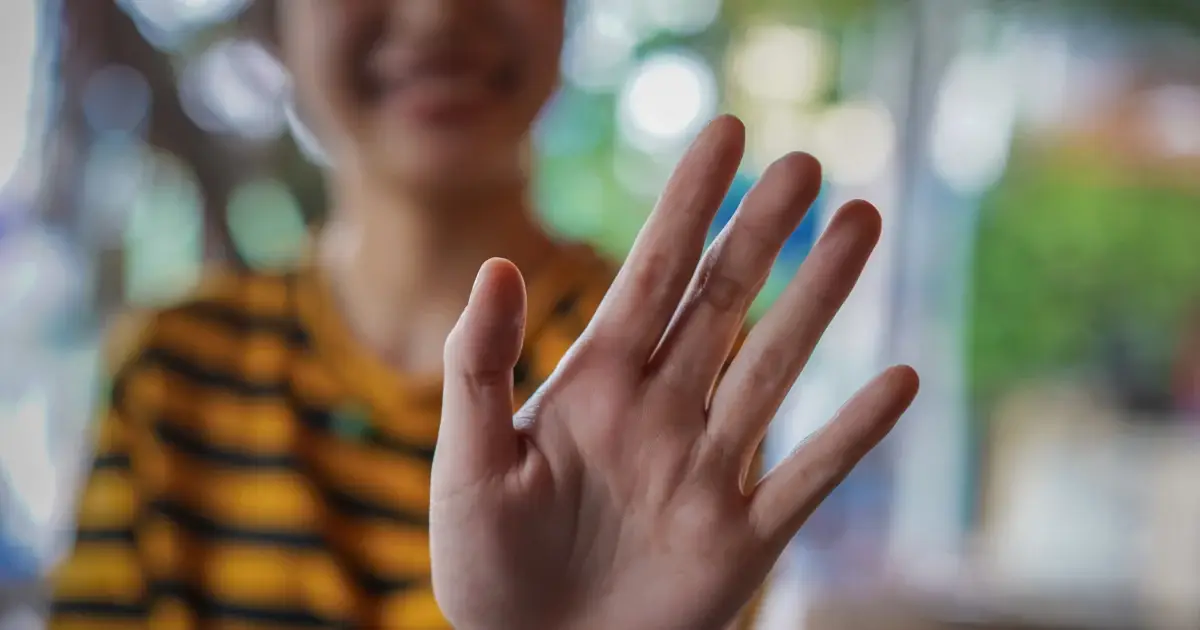
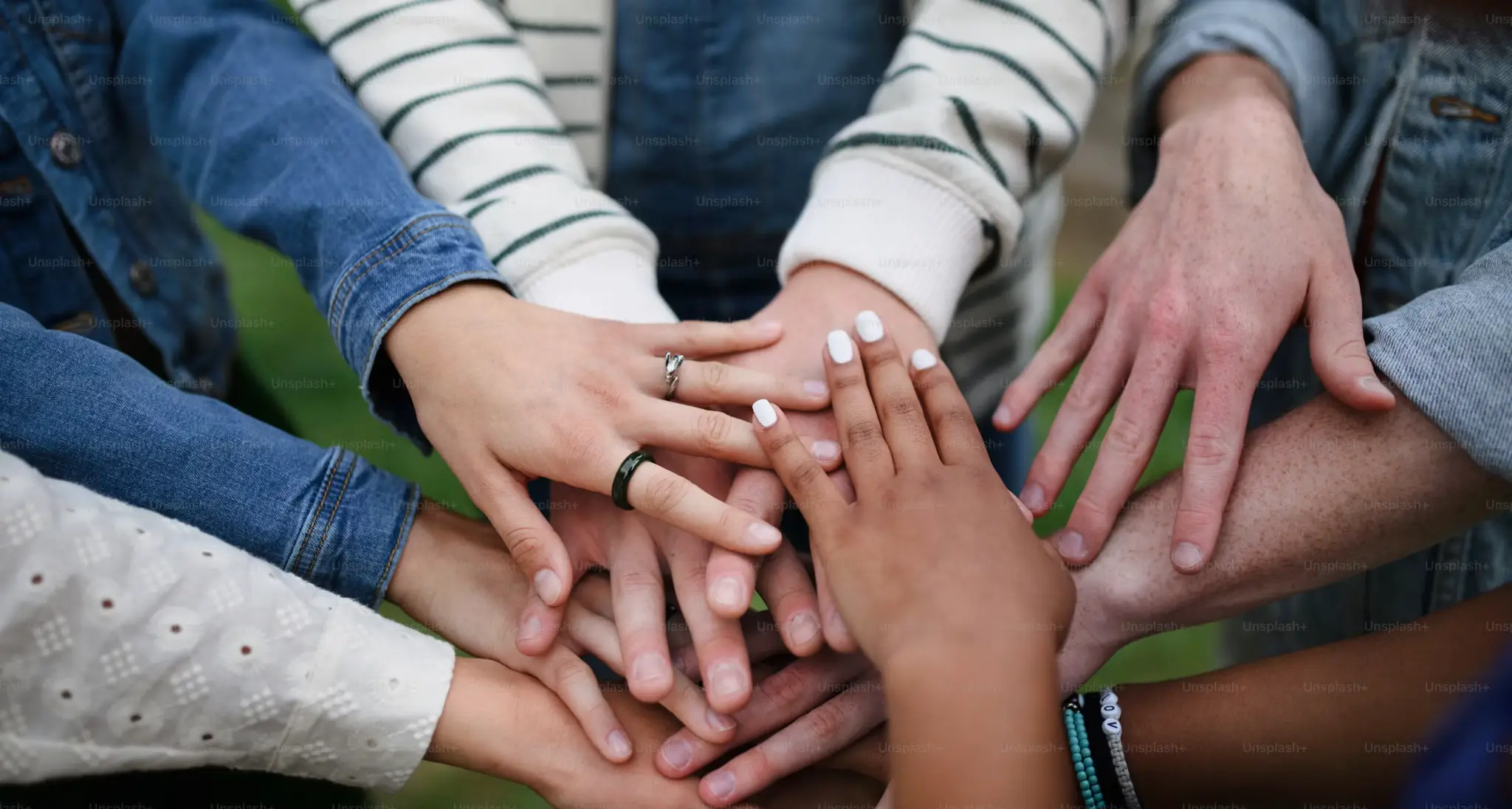
Family members often share similar hand features because many physical characteristics are inherited across generations. Even so, slight differences in finger proportions, joint flexibility, and bone growth give every individual a distinctive appearance while preserving the hand's ability to perform everyday tasks effectively.
These natural variations are completely normal and usually have little effect on how the hand functions. Most people can comfortably complete daily activities regardless of small differences in finger length because the muscles, joints, tendons, and bones continue working together as a coordinated system.
 Via unsplash
 Via ScienceABC
Together, evolution, genetics, hormones, and daily use have shaped a hand that combines power with precision. This unique arrangement allows people to perform everything from lifting heavy objects to completing the finest movements, proving that different finger lengths are essential for creating one of the body's most capable and versatile tools.
More in UnassignedVia The Independent
This thoughtful arrangement allows people to complete everyday tasks with ease. Picking up tiny objects, opening containers, writing, carrying bags, or using tools all become easier because every finger contributes in a different yet important way.
How Different Finger Lengths Improve Movement
The varying lengths of the fingers allow the hand to move naturally and comfortably. When reaching for an object, each finger bends and stretches differently, creating movements that would be difficult if every finger were the same size.
Via Virtual Hand Care
Longer fingers can reach farther and help surround larger objects, while shorter fingers provide better control during detailed tasks. This combination gives the hand an excellent balance between power and accuracy, making it useful in many different situations.
Whether someone is cooking, drawing, typing, gardening, or playing sports, finger length supports smooth and coordinated movement. Every finger works together with the others, allowing the hand to adjust quickly depending on the size, shape, and weight of an object.
Via Virtual Hand Care
The Middle Finger Supports Strength and Balance
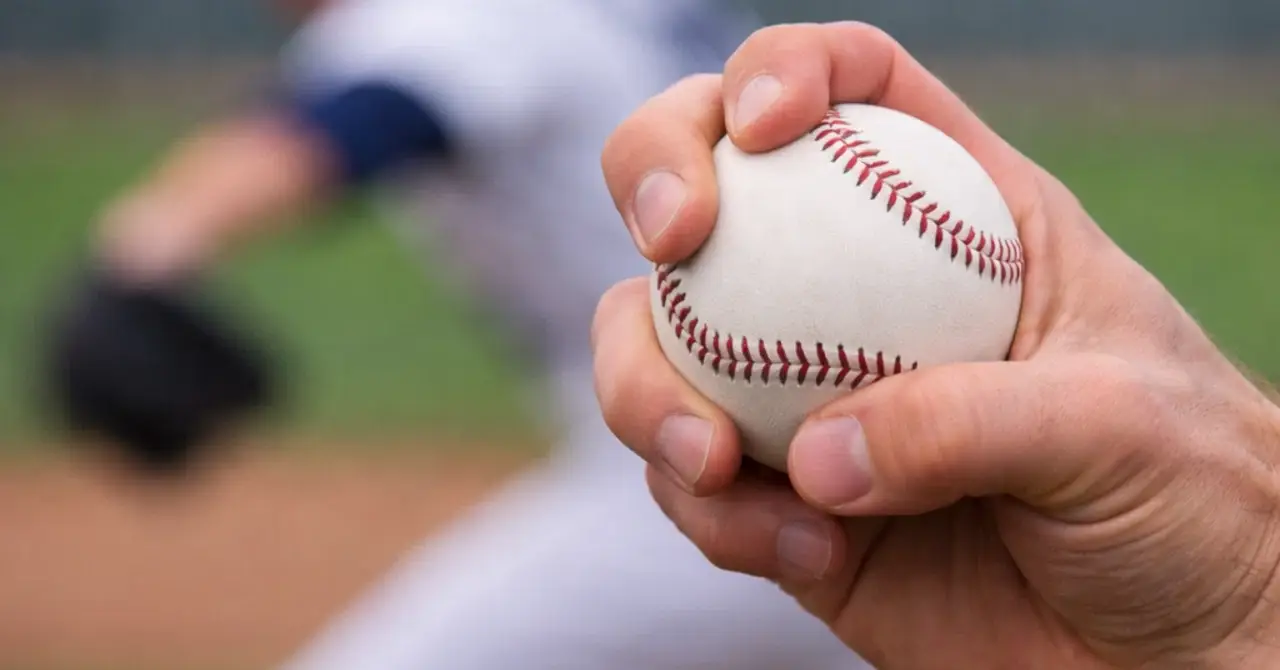
The middle finger is usually the longest finger on the hand, and its position gives it an important role during many movements. Located near the center, it helps distribute force evenly whenever the hand grips, lifts, or carries different kinds of objects. Because of its length, the middle finger works closely with neighboring fingers to create a secure grip. It helps stabilize the hand while performing everyday activities such as holding bottles, lifting boxes, carrying backpacks, or using sports equipment safely.Via Note
Its central location also improves overall balance during hand movements. Whether performing powerful actions or gentle tasks, the middle finger helps maintain coordination, allowing the hand to function efficiently without placing unnecessary strain on the surrounding fingers.
Why the Other Fingers Are Just as Important
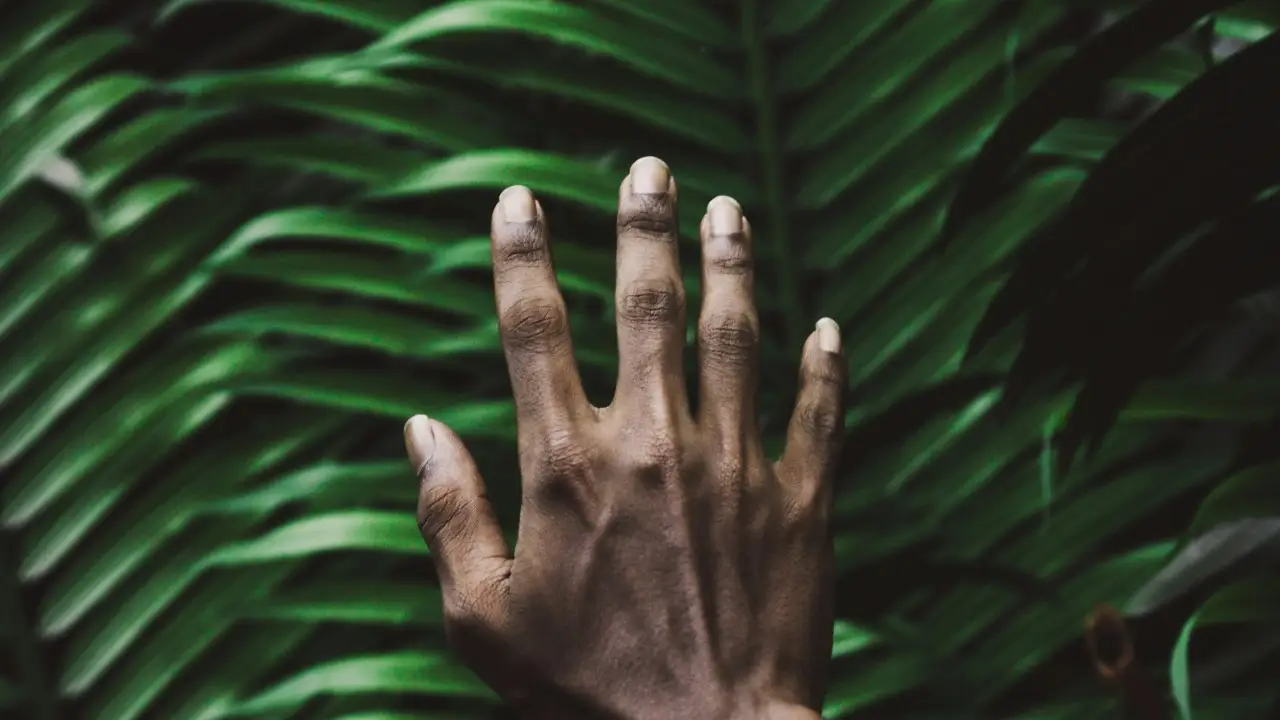
The ring finger may be slightly shorter than the middle finger, but it plays a major role in strengthening the hand. Together, these two fingers provide much of the force needed for gripping heavier objects while keeping the hand stable during movement.Via Linkedin
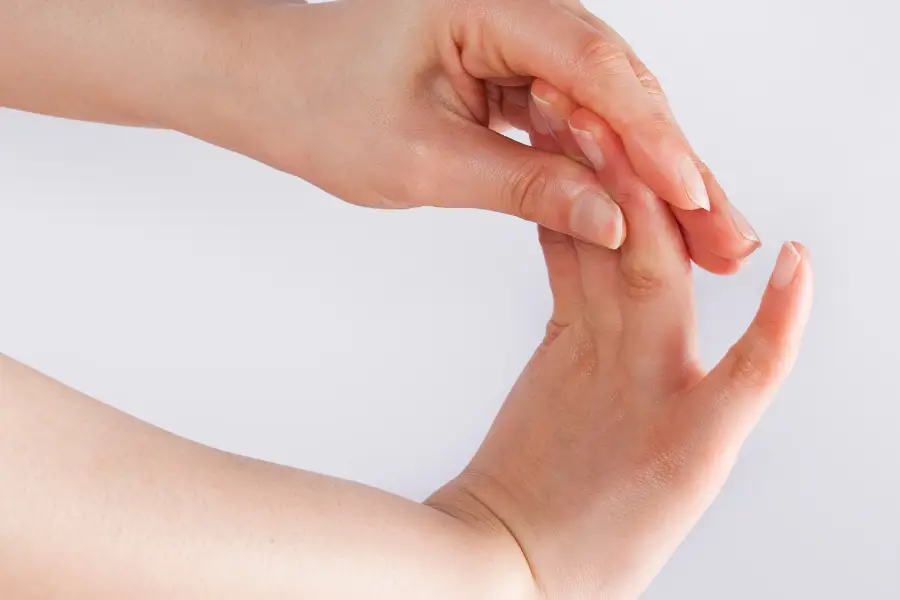
The index finger is designed for precision instead of strength. Its flexibility makes it especially useful for pointing, pressing buttons, writing, drawing, typing, or completing detailed work that requires careful control and accurate finger placement.
The smallest finger, often called the pinky, adds valuable support even though it is the shortest. It helps steady the outer edge of the hand, improves grip on larger objects, and works alongside the thumb and other fingers to create balance during everyday activities.
Via Casal
The Thumb Makes the Hand More Versatile
The thumb is different from every other finger because of its unique shape, position, and range of movement. Although it is shorter than the index finger, it can rotate across the palm and touch the tips of the other fingers, creating movements that few other animals can perform with the same level of control. This ability is known as an opposable thumb, and it allows the hand to grip, pinch, twist, and hold objects with remarkable precision. Everyday actions such as fastening buttons, tying shoelaces, turning keys, opening jars, and using eating utensils depend heavily on the thumb working together with the other fingers.
via NewsBytes
Without the thumb, many common activities would become much more challenging and less efficient. Its unique movement adds stability, strength, and flexibility to the hand, making it possible to handle both tiny objects and larger items with confidence and accuracy.
Finger Lengths Developed Through Human Evolution
The modern human hand is the result of countless generations of gradual change. Early humans depended on their hands for climbing, gathering food, making tools, building shelters, and performing many survival tasks, so hands that worked efficiently provided an important advantage over time.Via Science Over
As generations passed, natural selection favored hands that combined strength with fine control. Fingers of different lengths allowed people to grip firmly, shape tools, prepare food, and complete detailed work, helping communities adapt successfully to changing environments and daily challenges.
Humans also share several hand features with other primates, including a long middle finger that supports gripping and balance. These shared characteristics show that many important hand structures have been useful throughout evolutionary history and continue to serve valuable purposes today.
Via Smithsonian
Genes Help Shape Every Finger Before Birth
Finger length does not develop by chance because genetic instructions guide the growth of the hands before birth. These biological instructions influence how bones grow, where joints form, and how each finger develops its own size, shape, and proportions during early development. Small differences in genetic activity can produce noticeable variations in finger length from one person to another. This explains why family members often have hands that resemble one another while still displaying unique features that make every individual different.Via Unsplash
Although genes provide the basic blueprint, they do not create identical hands in every person. Natural variation allows each individual to have slightly different finger proportions while maintaining the overall structure needed for strength, flexibility, and coordinated movement.
Hormones and Daily Life Also Influence Hand Development
Hormones play an important role in shaping the body as children grow, and they also affect the development of bones in the fingers. Different hormonal signals influence growth before birth and continue supporting healthy development throughout childhood and adolescence, contributing to subtle differences in finger proportions.
Via Vitamin store
Daily activities also strengthen the hands over time because regular practice improves coordination, flexibility, and muscle control. Writing, painting, playing musical instruments, cooking, gardening, crafting, and participating in sports all help the hands become more skilled through repeated movement and experience.
While practice cannot change the length of the fingers, it allows every finger to perform its role more effectively. The combination of healthy development, natural growth, and everyday use helps the hands become powerful, coordinated tools that support countless activities throughout life.
How All Five Fingers Work Together
Although every finger has a different length and purpose, the greatest strength of the human hand comes from teamwork. Each finger contributes in its own way, allowing the hand to switch easily between powerful grips and delicate movements without losing balance or control during everyday activities. Simple tasks often require several fingers to work at the same time instead of acting independently. Holding a glass, carrying a shopping bag, writing with a pencil, using a computer keyboard, or catching a ball all depend on coordinated movements that involve every finger supporting the others.
Via Dreams Time
This cooperation makes the hand remarkably adaptable to changing situations. Whether handling fragile objects or lifting something much heavier, the different finger lengths create a natural balance that improves comfort, reduces strain, and increases efficiency during almost every movement people perform.
Why Every Person's Fingers Look Slightly Different
No two people have the same hands because finger shape and length naturally vary from one individual to another. Genetics provides the basic structure, while normal biological development creates small differences that make every person's hands unique without affecting their overall function.Via NBC News
Family members often share similar hand features because many physical characteristics are inherited across generations. Even so, slight differences in finger proportions, joint flexibility, and bone growth give every individual a distinctive appearance while preserving the hand's ability to perform everyday tasks effectively.
These natural variations are completely normal and usually have little effect on how the hand functions. Most people can comfortably complete daily activities regardless of small differences in finger length because the muscles, joints, tendons, and bones continue working together as a coordinated system.
Via unsplash
Different Finger Lengths Create a Perfectly Balanced Hand
The different lengths of human fingers are not accidental but are part of a carefully balanced design that supports strength, precision, flexibility, and stability. Each finger contributes something valuable, allowing the hand to perform an extraordinary range of movements with remarkable ease and efficiency. Longer fingers help provide reach and gripping power, while shorter fingers improve control during detailed tasks. The opposable thumb adds another level of movement by allowing objects to be pinched, held securely, and manipulated with accuracy, making countless everyday activities easier to complete.Via ScienceABC
Together, evolution, genetics, hormones, and daily use have shaped a hand that combines power with precision. This unique arrangement allows people to perform everything from lifting heavy objects to completing the finest movements, proving that different finger lengths are essential for creating one of the body's most capable and versatile tools.