Lifestyle / Health
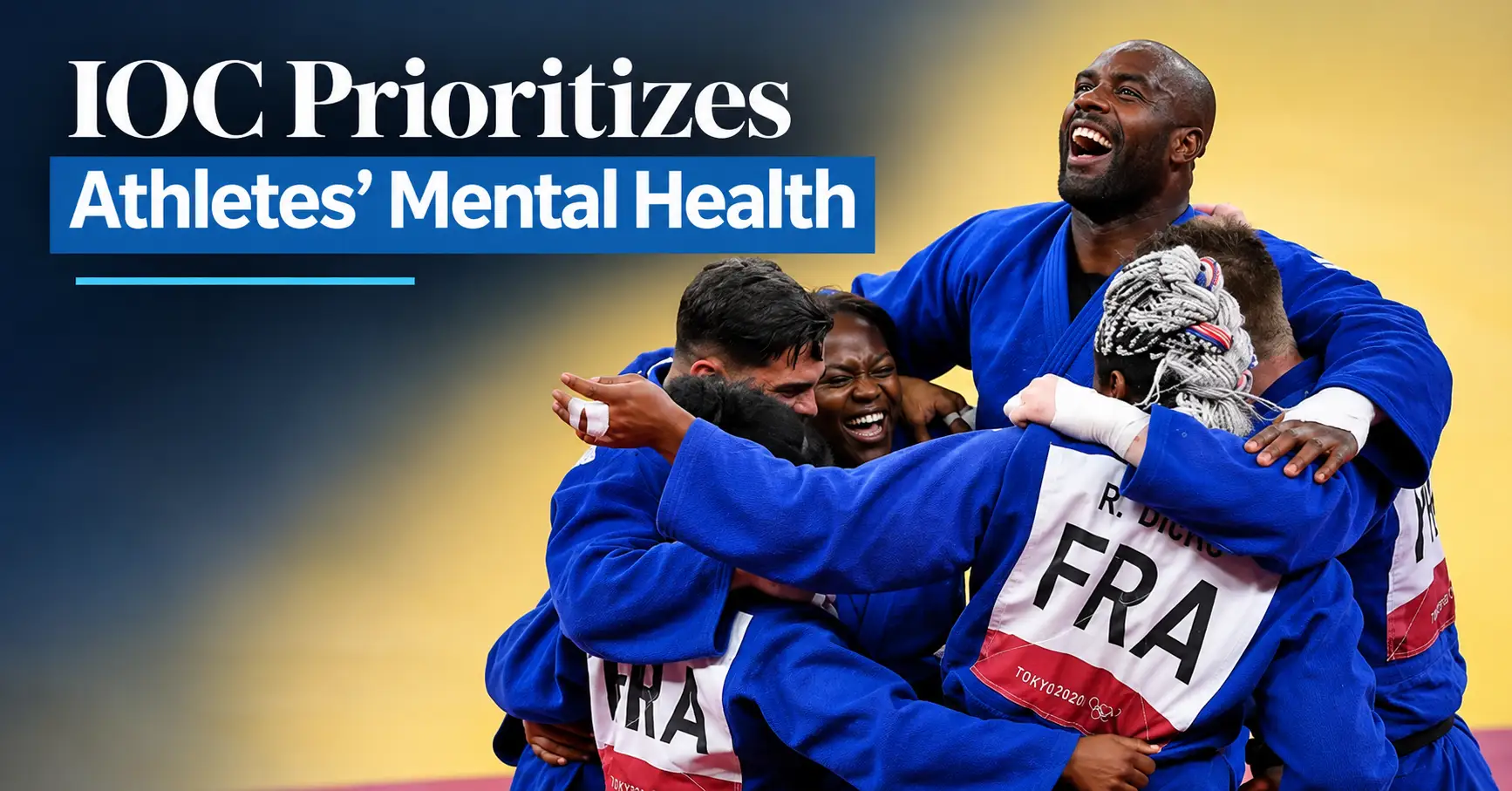
IOC Pushes Mental Health Checks to Protect Elite Athletes
Elite athletes live in a world that few people ever get to see up close. Behind the medals, the cheering crowds, and the highlight reels, there is a demanding routine of training, travel, competition, and constant pressure to perform. These athletes face a set of challenges that are unique to high-level sport, and many of those challenges can quietly wear down their mental health over time.
Some of the biggest risk factors include serious injuries, overtraining, burnout, and the heavy weight of performance expectations. Athletes also deal with intense public attention, where every mistake can be replayed and judged by millions of fans.

Via Olympics
On top of that, social media has opened the door to online abuse, with athletes often receiving cruel messages after a loss or a poor performance. All of these pressures can build up and make athletes more vulnerable to mental health problems. Even with these risks, top athletes are often seen as symbols of strength and toughness.
Fans and the media tend to picture them as people who never crack under pressure. This idea of the “mentally tough” athlete who is almost bulletproof can hide the real struggles many of them face. When people believe athletes should always be strong, it becomes harder for those athletes to admit they are struggling and need help.
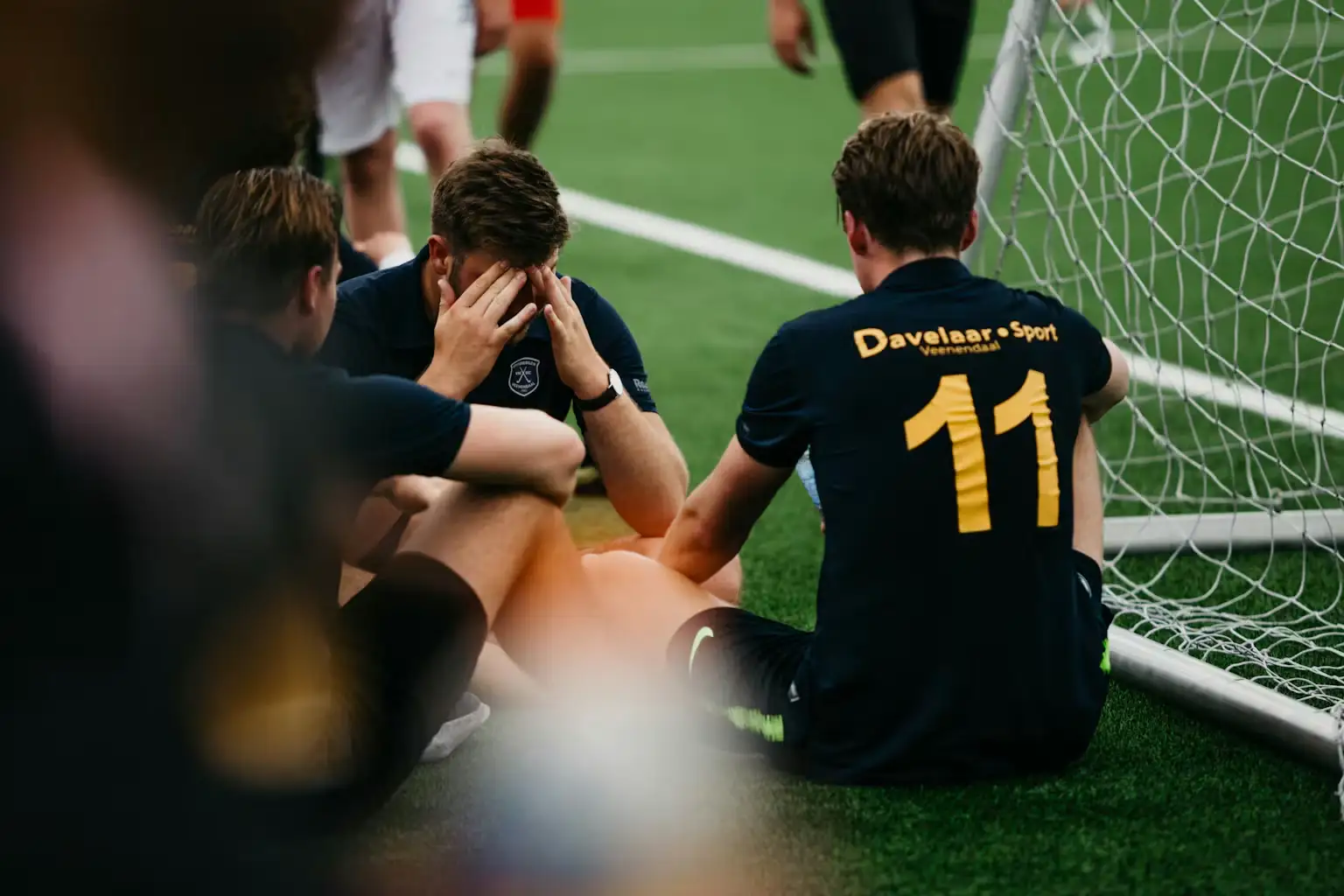
Via The Conversation
Why the IOC Is Taking Action
The International Olympic Committee, better known as the IOC, has recognized that elite sport carries a real mental cost. For this reason, the organization is encouraging sports bodies around the world to build stronger mental health systems for their athletes. The goal is to make sure athletes get the right support before small problems turn into serious ones.
The IOC recently updated its expert consensus statement on mental health in elite sport. This statement was developed with input from a global network of academics and experts who study athlete wellbeing. It sets out guidance that sports organizations can follow to better protect the mental health of the athletes they work with, from the start of their careers to the end.
Via The Confederation of Australian Sport
A major focus of the updated statement is early intervention. Instead of waiting for an athlete to reach a crisis point, the IOC wants sports to spot warning signs as early as possible. One of the main tools recommended for this purpose is mental health screening. By making screening a normal part of athlete care, the IOC hopes to change how the sports world thinks about and responds to mental health.
What Mental Health Screening Actually Means
Mental health screening is a simple process where athletes answer a short set of structured questions. These questions are designed to pick up possible signs of mental health difficulties. Screening does not give a diagnosis on its own. It simply helps identify athletes who might benefit from a closer look by a trained professional.

Via TIME
The main purpose of screening is to catch risks early so that athletes can receive effective support or treatment at the right time. When screening happens alongside regular physical health checks, it sends a clear message that mental health matters just as much as physical fitness. This can help make mental health a normal part of conversations about performance and wellbeing in sport.
Screening can also encourage more athletes to seek help when they need it. Many athletes find it hard to speak up about their struggles, and some only get support after reaching a crisis. Screening also helps tell the difference between normal stress linked to sport and more specific mental health concerns. Pre-competition nerves and emotional ups and downs during a season are common, but screening can help identify signs of conditions such as depression, anxiety, substance misuse, or eating disorders.
Via Sportanddev
Key Moments When Athletes Should Be Screened
Timing plays an important role in making screening useful. The IOC consensus statement recommends checking in with athletes at several key points throughout their careers. These moments are chosen because they are times when athletes may be more likely to face mental health challenges.
One recommended time is the start of a competitive season, when athletes are preparing for months of training and competition. Another is after major events such as world championships or the Olympic Games. Many athletes experience what is often called the “post-event blues,” a low period that can follow the excitement and pressure of a huge competition. Screening at this stage can help catch athletes who are struggling after the spotlight fades.

Via British GQ
Screening is also advised after significant injuries, including concussions, because injury is strongly linked to poorer mental health. Being forced to stop training can leave athletes feeling isolated and uncertain about their future. The final key moment is when athletes leave their sport, whether through retirement or being dropped from a team. This transition can be a difficult and risky time, as athletes may lose their routine, identity, and support network all at once.
Screening Should Support Athletes, Not Sideline Them
The reason for screening is fairly simple. It is meant to identify athletes who may be at risk so they can be referred to a mental health professional for further assessment. It can also connect them with support as early as possible, giving them the best chance to stay healthy and keep performing at their best.

Via CSIS
Screening should never be used to “screen out” athletes. This means a short questionnaire should never decide whether an athlete is fit to compete or worthy of a place on a team. Using screening results in this way would be unfair and could damage careers. It would also defeat the whole purpose of the process, which is to help athletes, not punish them.
When athletes know that screening is there to support them, they are more likely to take part honestly. If they fear that their answers could cost them a spot on the team, they may hide their true feelings. Keeping the focus on care and support helps build a healthier culture where athletes feel safe to be open about how they are really doing.

Via Confluent Health
Building Trust Through Ethical Screening
Mental health screening in elite sport is not completely free of risk. Some athletes who are flagged for further support may feel stigma, shame,e or embarrassment. These feelings can make them less willing to engage with help, which is the opposite of what screening is meant to achieve. Because of this, the way screening is carried out matters a great deal.
Most of these concerns can be addressed when screening is done ethically by specialist practitioners. Trained professionals can build trust with athletes and make it clear that the results will not be used against them. They can also make sure that sensitive mental health information is handled with respect and kept confidential, which is essential for athletes to feel safe.

Via Olympics
Creating an ethical environment also helps athletes feel comfortable answering screening questions truthfully. Without trust, athletes might treat the process as a simple box-ticking task and give answers they think people want to hear. When athletes believe the process is genuinely there to help them, they are more likely to share accurate information. This makes screening far more useful in spotting real problems early.
Mental Health Support in Community Sport
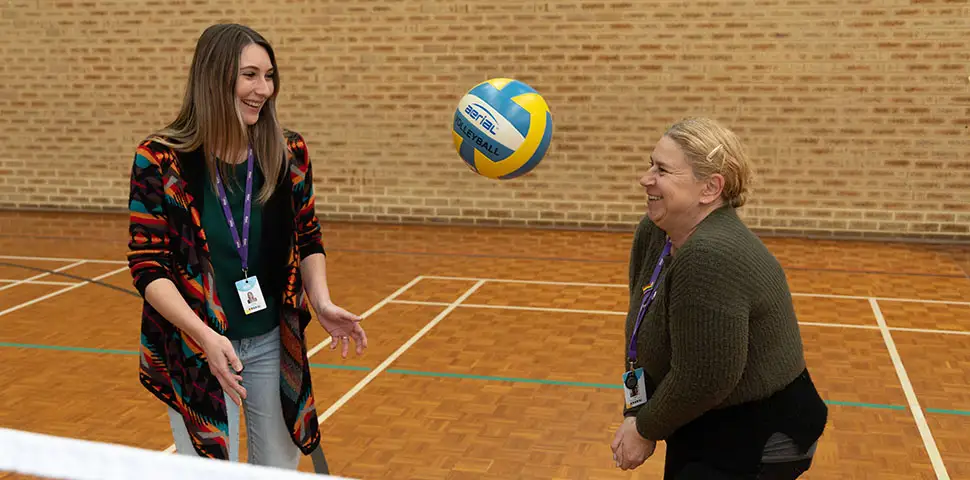
Elite and professional sports usually have plenty of money, staff, and resources. Community sports, such as local clubs and amateur leagues, often do not. This difference has a big impact on how mental health support can be delivered at the grassroots level.
Via Rise
Experts advise that if skilled and ethical practitioners are not available, mental health screening should not be carried out at all. Poorly handled screening could do more harm than good. Instead, community sports can follow Australian best-practice guidelines for mental health in community sport. These guidelines focus on building mental health literacy, which means helping people recognize and understand the signs of mental health problems, and creating clear pathways to support in local communities.

Via Stanford Medicine Children's Health
The guidelines include several practical steps. They encourage reducing stigma by promoting positive attitudes about mental health. They support coach development so coaches use safe and supportive methods. They call for critical incident response plans so clubs can act quickly during mental health emergencies, such as a risk of suicide or self-harm. They also recommend a mental health action plan that explains how the sport will prevent, promote, and respond to mental health needs.
Road Ahead for Mental Health in Sport
Australian elite sports have made strong progress over the past few decades in raising awareness about mental health. Athletes, coaches and organizations are now more open to talking about the mental side of sport than ever before. The ability to screen for and respond to mental health needs is another important step forward in this journey.

Via Athletics Coach
Still, awareness and screening are only part of the answer. The next big challenge is to create elite sport environments that prevent sport-related stress from harming athletes’ mental health in the first place. This means looking closely at training loads, coaching styles, competition schedules, and team cultures to reduce the pressures that can lead to problems.

Via Healthing
With guidance from the IOC and growing support from experts around the world, sport is moving toward a future where mental health is treated with the same care as physical health. When athletes feel supported, valued, and safe to speak up, they are better able to thrive both on and off the field. Building that kind of culture will take time, but it promises healthier athletes and a stronger sporting world for everyone involved.