Unassigned
How Human Ecology Can Improve AI for Better Lives

Human ecology is the study of how people interact with one another and with the environments in which they live, learn, work, and grow. It considers relationships within families, communities, workplaces, and society while recognizing that every decision can affect both people and the world around them.
Artificial intelligence has become an important part of everyday life by supporting communication, education, healthcare, business, entertainment, and many other activities. As AI continues to develop, its influence reaches more aspects of daily living, making it essential to think carefully about how the technology affects human well-being.
 Via The Conversation
Bringing human ecology and artificial intelligence together creates a broader way of understanding technology. Instead of focusing only on what AI can accomplish, this approach asks whether technological progress strengthens relationships, improves quality of life, supports fairness, and helps communities grow in healthy and sustainable ways.
 Via DE lab
Artificial intelligence can improve productivity, simplify complex tasks, and provide useful information within seconds. Despite these advantages, technology should always support human decision-making instead of replacing meaningful interactions, creativity, empathy, and thoughtful judgment that remain essential in every stage of life.
Keeping people at the center of AI development encourages greater trust and long-term success. When technology reflects human needs instead of focusing only on technical performance, individuals are more likely to use AI responsibly while feeling confident that it supports their well-being rather than creating unnecessary risks.
 Via SmartOSC
 Via Linkedin
A balanced approach encourages progress without ignoring responsibility. Just as many industries follow safety standards before introducing new products, AI development benefits from thoughtful planning, careful testing, and continuous improvements that protect both users and society as technology continues to evolve.
 Via Linkedin
Ethical AI considers more than technical accuracy because successful technology should also avoid discrimination, respect privacy, and reduce unnecessary harm. Clear guidelines encourage developers to think beyond performance by examining how their systems may influence individuals, relationships, communities, and society over time.
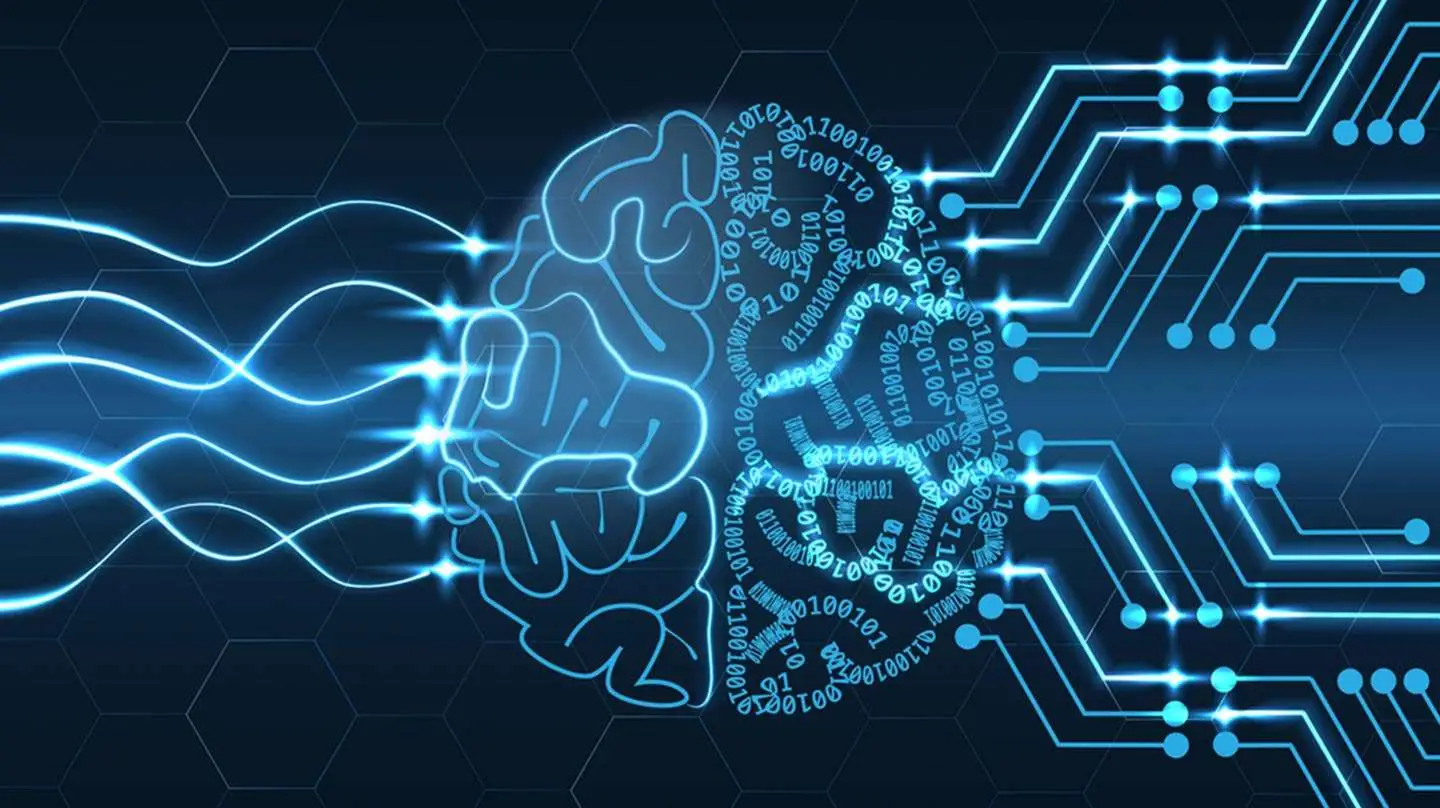
Building ethical AI requires continuous attention instead of a one-time review during development. Regular monitoring, open discussions, and responsible updates help ensure that technology continues serving people fairly while adapting to changing needs, expectations, and social challenges across different environments.
 Via surveyCTO
 Via Linkedin
A balanced approach encourages people to use AI as a helpful assistant rather than a substitute for human care. Protecting relationships ensures that technology improves everyday life while preserving the social bonds that contribute to emotional well-being, cooperation, and stronger communities across every stage of life.
 Via CollegeXpress
Teachers play an important role by encouraging critical thinking, creativity, teamwork, and problem-solving abilities that extend beyond factual knowledge. AI can provide valuable educational assistance, yet meaningful classroom experiences continue to rely on discussion, encouragement, and human understanding that technology cannot fully replicate.
The strongest learning environments combine educational technology with active human involvement. When AI supports rather than replaces educators, students benefit from improved access to knowledge while continuing to develop communication skills, confidence, curiosity, and lifelong learning habits through meaningful relationships.
 Via Miqido
 Via Tellix AI
Fairness also requires continuous monitoring after AI systems are introduced. Regular evaluation helps developers recognize changing needs, correct weaknesses, and improve performance so technology continues supporting individuals and communities in ways that remain balanced, transparent, and respectful over time.
 Via Southern
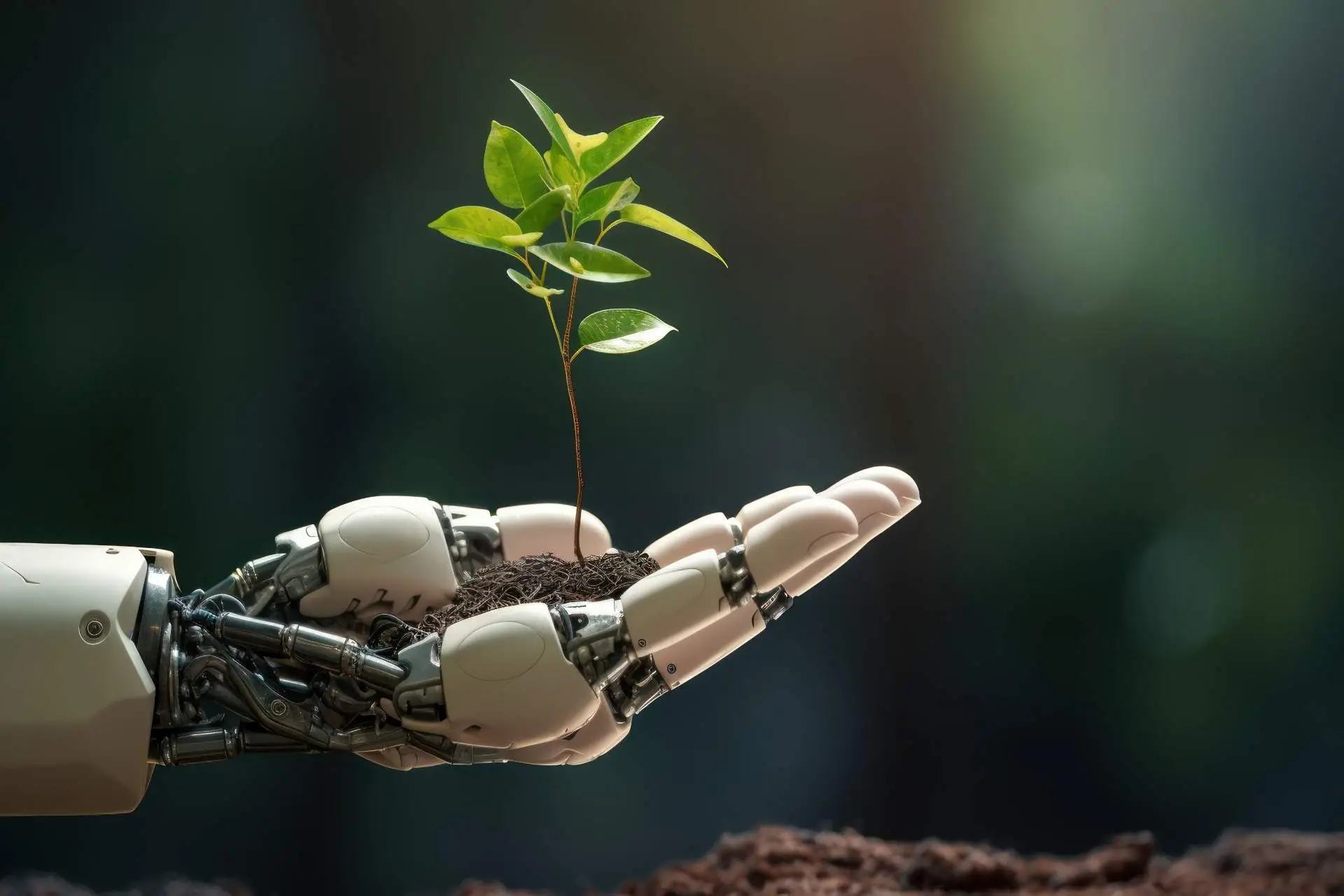
Efficient system design can reduce unnecessary energy consumption while maintaining strong performance. Organizations increasingly recognize that improving technology should include efforts to lower environmental impact through better infrastructure, smarter resource management, and sustainable practices that support both innovation and ecological responsibility.
Viewing AI through an environmental perspective encourages more thoughtful decision-making throughout its development and use. Balancing technological progress with responsible resource management helps create digital solutions that benefit people while supporting healthier ecosystems and a more sustainable future for generations to come.
 Via Focus
 Via Linkedin
Working together also strengthens public confidence in artificial intelligence because decisions are made with broader input and greater transparency. This shared responsibility supports innovation while ensuring that technology reflects human values, practical needs, and long-term benefits for individuals, families, workplaces, and communities.
 Via Pew Research Center
Organizations and decision-makers benefit from regularly reviewing how AI affects individuals, communities, workplaces, and public services. Examining both positive outcomes and possible challenges allows continuous improvements that help technology remain useful, responsible, and aligned with changing human needs and expectations.
Careful assessment also encourages greater accountability throughout the life of an AI system. By monitoring its social, economic, and environmental effects, developers and organizations can make informed adjustments that maximize benefits while reducing unintended consequences for present and future generations.
 Via UC Davis
 Via Linkedin
A human-centered approach reminds society that technology achieves its greatest value when it enhances rather than replaces human potential. By combining ethical decision-making, thoughtful collaboration, inclusive design, and responsible innovation, artificial intelligence can remain a powerful tool that benefits people, communities, and the environment for many years to come.
More in UnassignedVia The Conversation
Bringing human ecology and artificial intelligence together creates a broader way of understanding technology. Instead of focusing only on what AI can accomplish, this approach asks whether technological progress strengthens relationships, improves quality of life, supports fairness, and helps communities grow in healthy and sustainable ways.
Why a Human-Centered Approach Matters
Technology is most valuable when it serves people rather than expecting people to adapt completely to technology. A human-centered approach encourages developers, organizations, educators, and leaders to design AI systems that solve real problems while respecting human values, emotions, and everyday experiences.
Via DE lab
Artificial intelligence can improve productivity, simplify complex tasks, and provide useful information within seconds. Despite these advantages, technology should always support human decision-making instead of replacing meaningful interactions, creativity, empathy, and thoughtful judgment that remain essential in every stage of life.
Keeping people at the center of AI development encourages greater trust and long-term success. When technology reflects human needs instead of focusing only on technical performance, individuals are more likely to use AI responsibly while feeling confident that it supports their well-being rather than creating unnecessary risks.
Via SmartOSC
Finding the Right Balance Between Innovation and Responsibility
Innovation allows society to discover better ways of solving challenges, increasing efficiency, and creating new opportunities. Artificial intelligence has introduced remarkable capabilities, but every advancement should also be evaluated carefully to ensure that it benefits people without creating avoidable harm or unintended consequences. Developing AI responsibly means considering possible effects before new systems become widely available. Testing different situations, identifying weaknesses, and understanding how technology may influence individuals, families, businesses, and communities can reduce risks while improving the overall quality of AI applications.
Via Linkedin
A balanced approach encourages progress without ignoring responsibility. Just as many industries follow safety standards before introducing new products, AI development benefits from thoughtful planning, careful testing, and continuous improvements that protect both users and society as technology continues to evolve.
The Importance of Ethics in AI Development
Ethics guide making decisions that respect human dignity, fairness, honesty, and accountability. These principles become especially important when artificial intelligence influences education, healthcare, employment, communication, financial services, and other areas that directly affect people's daily lives.
Via Linkedin
Ethical AI considers more than technical accuracy because successful technology should also avoid discrimination, respect privacy, and reduce unnecessary harm. Clear guidelines encourage developers to think beyond performance by examining how their systems may influence individuals, relationships, communities, and society over time.
Building ethical AI requires continuous attention instead of a one-time review during development. Regular monitoring, open discussions, and responsible updates help ensure that technology continues serving people fairly while adapting to changing needs, expectations, and social challenges across different environments.
Via surveyCTO
Protecting Human Relationships in the Age of AI
Strong human relationships remain the foundation of healthy families, workplaces, schools, and communities. Artificial intelligence can support communication and daily tasks, but it should strengthen personal connections instead of replacing meaningful conversations, emotional support, and shared experiences that build lasting trust between people. AI tools can assist with routine activities, answer questions, and provide useful recommendations within seconds. Even with these capabilities, technology cannot fully replace the empathy, understanding, compassion, and emotional awareness that naturally develop through genuine human interaction and personal relationships over time.
Via Linkedin
A balanced approach encourages people to use AI as a helpful assistant rather than a substitute for human care. Protecting relationships ensures that technology improves everyday life while preserving the social bonds that contribute to emotional well-being, cooperation, and stronger communities across every stage of life.
Supporting Learning Without Replacing Teachers
Artificial intelligence has introduced new ways to improve education by helping students access information, practice skills, and receive personalized learning support. These advantages can make education more engaging, but successful learning still depends on guidance from teachers, parents, mentors, and supportive classmates.
Via CollegeXpress
Teachers play an important role by encouraging critical thinking, creativity, teamwork, and problem-solving abilities that extend beyond factual knowledge. AI can provide valuable educational assistance, yet meaningful classroom experiences continue to rely on discussion, encouragement, and human understanding that technology cannot fully replicate.
The strongest learning environments combine educational technology with active human involvement. When AI supports rather than replaces educators, students benefit from improved access to knowledge while continuing to develop communication skills, confidence, curiosity, and lifelong learning habits through meaningful relationships.
Via Miqido
Building Fair and Inclusive AI Systems
Artificial intelligence should provide opportunities that benefit people from different backgrounds, communities, cultures, and life experiences. Fair AI systems are created by considering diverse perspectives during planning, design, testing, and evaluation so that technology serves a wide range of users responsibly. Inclusive development encourages collaboration among engineers, researchers, educators, healthcare professionals, business leaders, policymakers, and everyday users. Listening to different viewpoints helps identify potential challenges early, improving the reliability of AI systems while reducing unintended bias and promoting equal access to useful technology.Via Tellix AI
Fairness also requires continuous monitoring after AI systems are introduced. Regular evaluation helps developers recognize changing needs, correct weaknesses, and improve performance so technology continues supporting individuals and communities in ways that remain balanced, transparent, and respectful over time.
Considering the Environmental Impact of AI
Artificial intelligence depends on powerful digital systems that require electricity, computing resources, and large amounts of data to operate effectively. While AI offers many valuable benefits, responsible development also considers how technology affects natural resources and the environment over the long term.Via Southern
Efficient system design can reduce unnecessary energy consumption while maintaining strong performance. Organizations increasingly recognize that improving technology should include efforts to lower environmental impact through better infrastructure, smarter resource management, and sustainable practices that support both innovation and ecological responsibility.
Viewing AI through an environmental perspective encourages more thoughtful decision-making throughout its development and use. Balancing technological progress with responsible resource management helps create digital solutions that benefit people while supporting healthier ecosystems and a more sustainable future for generations to come.
Via Focus
The Value of Collaboration in AI Development
Creating responsible artificial intelligence requires cooperation among many different groups instead of relying only on technology experts. Engineers, researchers, educators, healthcare professionals, business leaders, policymakers, designers, and everyday users all contribute valuable knowledge that helps shape AI systems that better serve society. Collaboration encourages different perspectives to be considered before new AI tools are introduced. When people with diverse experiences participate in planning, testing, and evaluating technology, it becomes easier to identify potential challenges, improve usability, and reduce risks that might otherwise go unnoticed.Via Linkedin
Working together also strengthens public confidence in artificial intelligence because decisions are made with broader input and greater transparency. This shared responsibility supports innovation while ensuring that technology reflects human values, practical needs, and long-term benefits for individuals, families, workplaces, and communities.
Measuring AI’s Impact on People and Society
The success of artificial intelligence should not be measured only by speed, accuracy, or financial growth. A more meaningful evaluation also considers whether AI improves quality of life, strengthens relationships, supports education, promotes fairness, and contributes positively to society over the long term.
Via Pew Research Center
Organizations and decision-makers benefit from regularly reviewing how AI affects individuals, communities, workplaces, and public services. Examining both positive outcomes and possible challenges allows continuous improvements that help technology remain useful, responsible, and aligned with changing human needs and expectations.
Careful assessment also encourages greater accountability throughout the life of an AI system. By monitoring its social, economic, and environmental effects, developers and organizations can make informed adjustments that maximize benefits while reducing unintended consequences for present and future generations.
Via UC Davis
Shaping a Future Where AI Supports Human Well-Being
Artificial intelligence will continue evolving as new ideas, technologies, and applications emerge across many industries. The choices made during development and implementation will determine whether AI strengthens human well-being by supporting learning, healthcare, communication, creativity, and sustainable progress in everyday life. Applying human ecology principles encourages every technological advancement to be viewed through the broader lens of human relationships, fairness, responsibility, and environmental awareness. This perspective helps ensure that innovation contributes to healthier communities while respecting the diverse needs and experiences of people around the world.Via Linkedin
A human-centered approach reminds society that technology achieves its greatest value when it enhances rather than replaces human potential. By combining ethical decision-making, thoughtful collaboration, inclusive design, and responsible innovation, artificial intelligence can remain a powerful tool that benefits people, communities, and the environment for many years to come.