Unassigned
Amazon Is Ready to Challenge Starlink

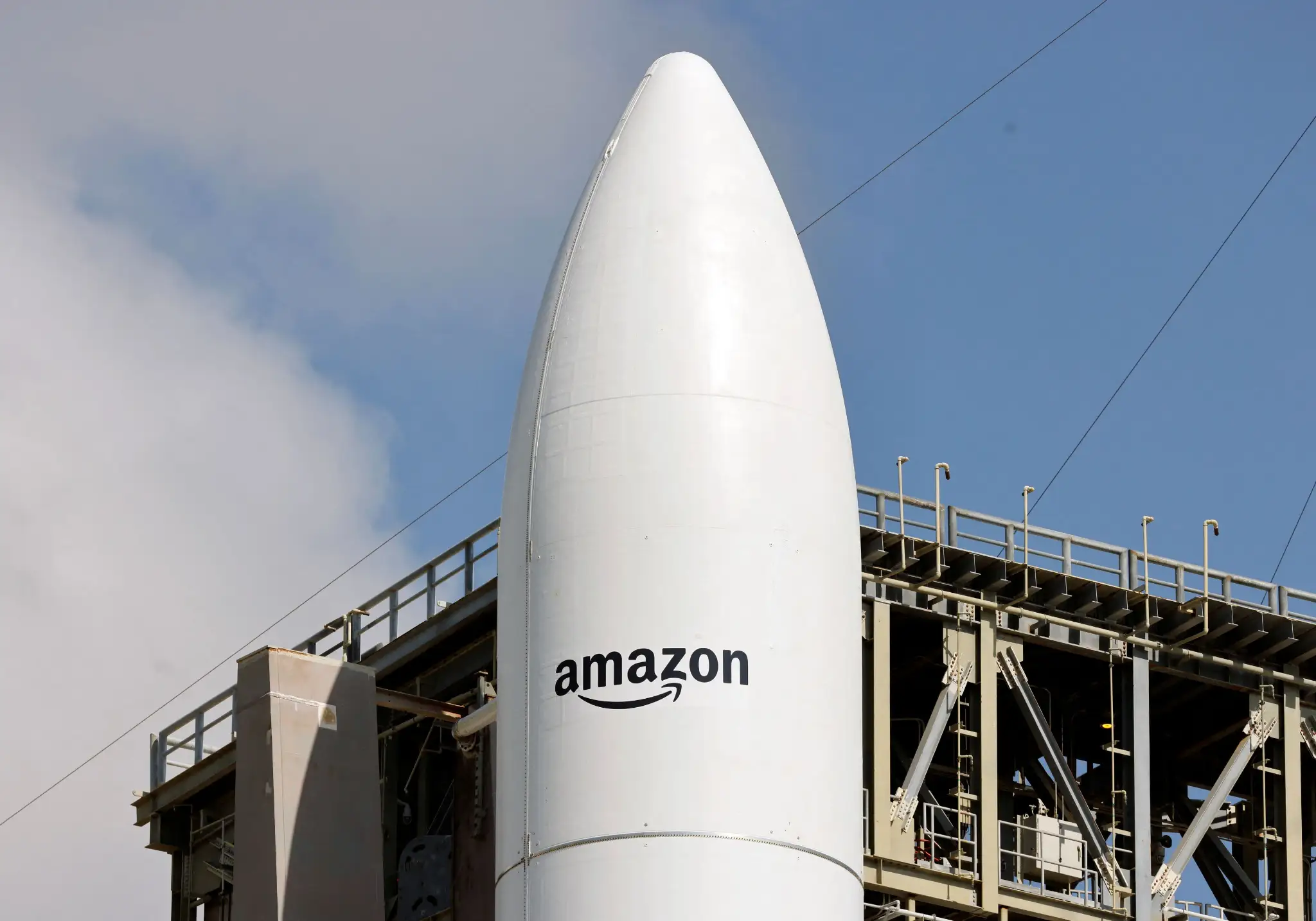
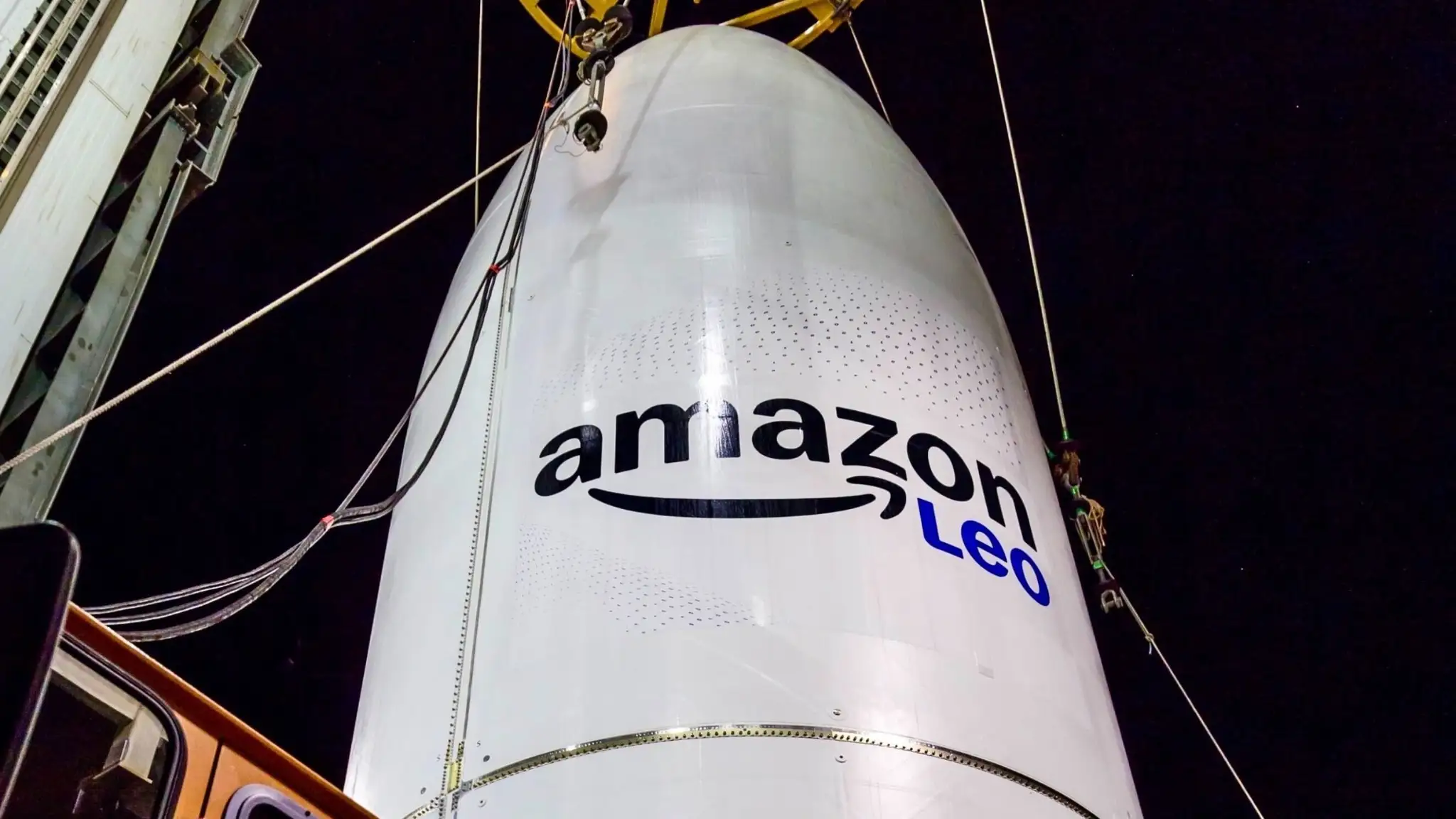
Amazon has successfully deployed 396 Leo satellites into low-Earth orbit, marking a significant achievement for its satellite broadband project. This growing constellation now provides enough coverage to support continuous service across selected regions, bringing the company much closer to its planned commercial launch during 2026.
The latest deployment reflects years of engineering, testing, and investment dedicated to building a competitive satellite internet network. Every successful launch strengthens Amazon's ability to deliver broadband connectivity to customers living in cities, rural communities, and remote areas where reliable internet remains difficult to access.
 Via CNBC
Company executives describe the current satellite count as an important foundation rather than a finished network. More launches are still required before the service reaches its full potential, but this milestone confirms that Amazon continues making steady progress toward becoming a strong competitor in the global satellite internet market.
 Via Amazon News
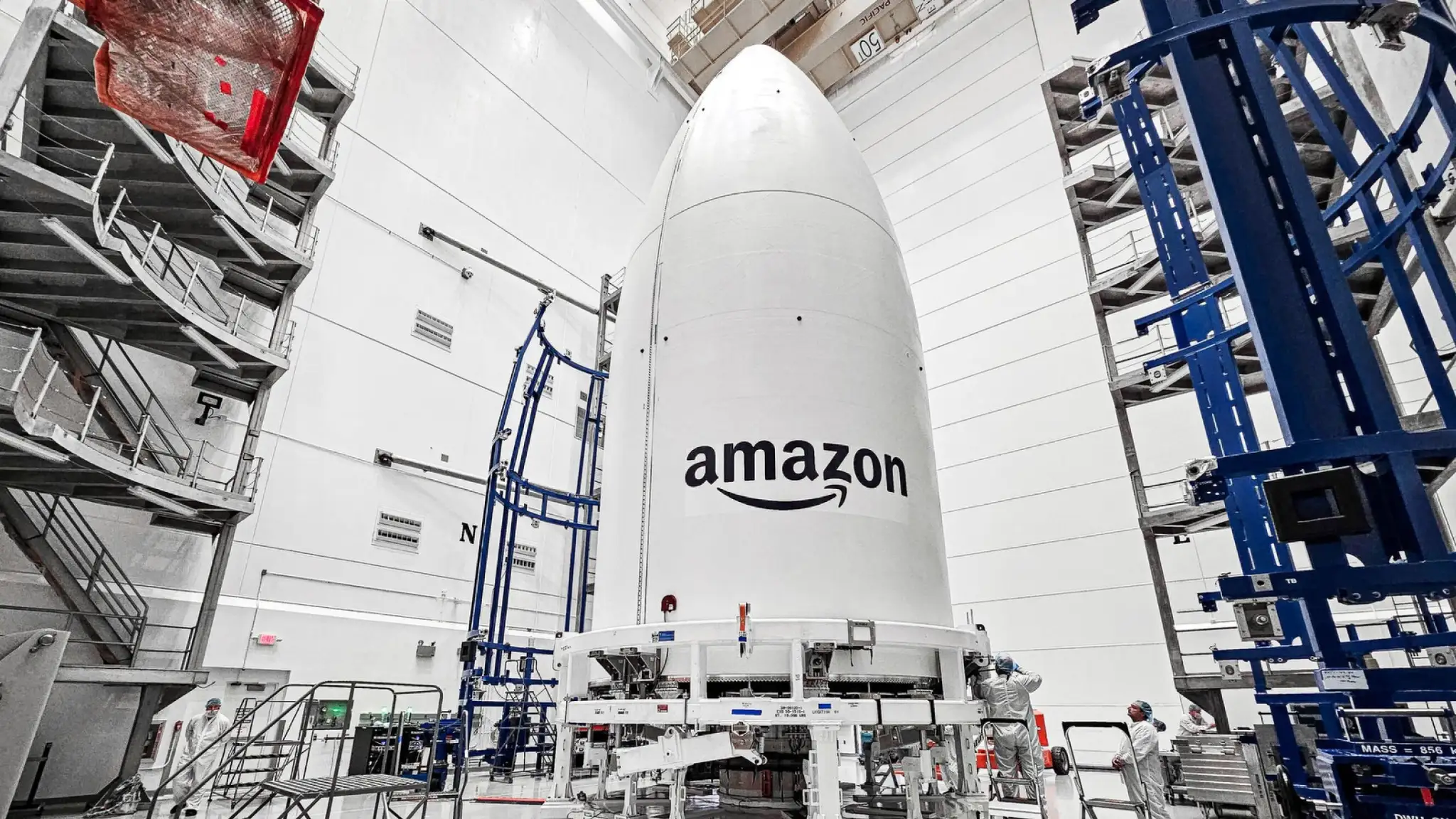
The company expects commercial availability to begin in the middle of 2026 if satellite deployments, testing, and infrastructure development continue according to schedule. Engineers are carefully evaluating every part of the system, including satellites, customer terminals, software platforms, and ground stations, before opening the service to larger audiences.
Preparing a commercial satellite network involves much more than launching spacecraft into orbit. Reliable communication between satellites, efficient ground infrastructure, customer equipment, and network management systems must work together continuously to provide dependable internet connections across different geographic regions.
 Via PCmag
 Satellite broadband services typically improve through continuous expansion instead of immediate perfection. Software updates, network optimization, infrastructure upgrades, and growing satellite numbers all contribute to creating a faster, more reliable, and more consistent experience for customers over the coming years.
 Via Space
During the early beta period, Starlink customers generally reported download speeds ranging from 50Mbps to 150Mbps with latency between 20 and 40 milliseconds. Coverage initially focused on limited parts of the northern United States and Canada before expanding steadily into additional countries and global markets.
The evolution of Starlink demonstrates that satellite broadband networks require time to mature. Continued satellite launches, software improvements, infrastructure expansion, and operational experience gradually transformed the service into a far more reliable platform than customers experienced during its earliest stages.
 Via Space
 Via Inc Magazine
Long-term success depends on maintaining a consistent launch schedule while introducing technological improvements with every new deployment. Continued investment in satellite manufacturing, launch operations, software development, and customer equipment will determine how effectively Amazon Leo competes in the rapidly growing satellite broadband industry.
 Via Ookla
Current Starlink performance varies according to customer equipment, subscription plans, location, and overall network demand. Many users now experience median download speeds near 200Mbps, upload speeds ranging between 10Mbps and 40Mbps, and average latency close to 25 milliseconds during normal operating conditions.
These impressive performance figures were achieved through years of continuous expansion rather than immediate success. Regular satellite launches, software improvements, and infrastructure upgrades steadily transformed the network into one of the world's most advanced satellite broadband services available to residential and business customers.
 Via Ookla
 Via Smithsonian Magazine
Building a constellation of this scale requires substantial financial investment, advanced engineering, and long-term planning. Every successful deployment strengthens Amazon's competitive position while moving the company closer to providing reliable satellite internet services on a much larger global scale.
 Via Satellite Days
Part of the slower progress has been linked to Blue Origin's reusable New Glenn rocket, which has taken longer than expected to establish regular launch operations. These scheduling challenges limited the speed at which Amazon could place satellites into their intended positions in low-Earth orbit.
Despite these obstacles, the company continues advancing its long-term strategy through additional launches and ongoing infrastructure development. A more consistent launch schedule will allow faster constellation expansion, helping Amazon improve coverage, increase capacity, and deliver stronger broadband performance for future customers.
 Via Advertising Spire
 Via Smart Choice
As additional providers continue expanding their satellite constellations, customers can expect greater service availability and improved technology. Competitive pressure frequently leads to stronger products, wider coverage areas, and better overall value, benefiting residential users, businesses, and organizations worldwide.
 Via Inferential Investor
Early subscribers should approach the service with realistic expectations because network performance will continue improving as additional satellites enter orbit. Expanding coverage, increasing capacity, and strengthening reliability will depend on future launches, technological upgrades, and continued investment throughout the constellation's development.
Although Amazon currently trails the industry's leading provider by a significant margin, the company's long-term vision remains ambitious. Consistent satellite launches, successful infrastructure expansion, and ongoing technological improvements could gradually transform Amazon Leo into a competitive global broadband network serving millions of customers.
 Via Amazon News
 Via CNN
The satellite broadband industry is expected to become increasingly competitive as companies continue investing in innovation and global connectivity. Amazon's commitment to expanding its Leo constellation positions the company to play an important role in improving internet access while offering customers another reliable option for high-speed broadband services.
More in UnassignedVia CNBC
Company executives describe the current satellite count as an important foundation rather than a finished network. More launches are still required before the service reaches its full potential, but this milestone confirms that Amazon continues making steady progress toward becoming a strong competitor in the global satellite internet market.
Amazon Leo Moves Closer to Commercial Availability
Amazon Leo has been designed to deliver broadband internet through satellites positioned in low-Earth orbit, allowing faster communication than traditional satellite systems. Operating closer to Earth helps reduce signal delay while improving the overall experience for customers using internet services for work, education, and entertainment.Via Amazon News
The company expects commercial availability to begin in the middle of 2026 if satellite deployments, testing, and infrastructure development continue according to schedule. Engineers are carefully evaluating every part of the system, including satellites, customer terminals, software platforms, and ground stations, before opening the service to larger audiences.
Preparing a commercial satellite network involves much more than launching spacecraft into orbit. Reliable communication between satellites, efficient ground infrastructure, customer equipment, and network management systems must work together continuously to provide dependable internet connections across different geographic regions.
Via PCmag
Early Customers Should Expect Gradual Improvements
Customers subscribing during the initial launch period should understand that Amazon Leo will continue improving after commercial availability begins. Early performance may differ from mature satellite networks because thousands of additional satellites are still planned before the constellation reaches its intended operational size. Every successful launch increases network capacity while improving coverage and connection stability across larger areas. As additional satellites enter service, customers can expect stronger signals, faster download speeds, improved upload performance, and fewer service interruptions during daily internet activities compared with the earliest deployment stages.
Satellite broadband services typically improve through continuous expansion instead of immediate perfection. Software updates, network optimization, infrastructure upgrades, and growing satellite numbers all contribute to creating a faster, more reliable, and more consistent experience for customers over the coming years.
Starlink's Early Development Provides Valuable Perspective
SpaceX introduced the Starlink beta service during 2020 after deploying nearly 900 satellites into low-Earth orbit. Despite operating with more than twice the number of satellites currently available in Amazon Leo, many early users still experienced temporary interruptions, inconsistent speeds, and sensitivity to buildings, trees, and surrounding obstacles.Via Space
During the early beta period, Starlink customers generally reported download speeds ranging from 50Mbps to 150Mbps with latency between 20 and 40 milliseconds. Coverage initially focused on limited parts of the northern United States and Canada before expanding steadily into additional countries and global markets.
The evolution of Starlink demonstrates that satellite broadband networks require time to mature. Continued satellite launches, software improvements, infrastructure expansion, and operational experience gradually transformed the service into a far more reliable platform than customers experienced during its earliest stages.
Via Space
Building a Stronger Network Through Future Expansion
Amazon plans to continue expanding its Leo constellation until approximately 3,232 satellites operate in low-Earth orbit. Every additional deployment strengthens network capacity, extends geographic coverage, and improves the company's ability to deliver reliable broadband internet to more customers across the world. A larger satellite constellation creates stronger communication pathways between user terminals and orbiting spacecraft. Increased satellite density also reduces coverage gaps, supports more simultaneous connections, and improves reliability as satellites continuously travel across the sky while serving different regions.Via Inc Magazine
Long-term success depends on maintaining a consistent launch schedule while introducing technological improvements with every new deployment. Continued investment in satellite manufacturing, launch operations, software development, and customer equipment will determine how effectively Amazon Leo competes in the rapidly growing satellite broadband industry.
Starlink Holds a Strong Lead in Satellite Broadband
SpaceX currently operates more than 10,000 Starlink satellites, giving the company a considerable advantage in the global satellite internet market. The extensive constellation supports broadband connectivity across land, sea, and air while serving customers in more than 160 countries with expanding network coverage.Via Ookla
Current Starlink performance varies according to customer equipment, subscription plans, location, and overall network demand. Many users now experience median download speeds near 200Mbps, upload speeds ranging between 10Mbps and 40Mbps, and average latency close to 25 milliseconds during normal operating conditions.
These impressive performance figures were achieved through years of continuous expansion rather than immediate success. Regular satellite launches, software improvements, and infrastructure upgrades steadily transformed the network into one of the world's most advanced satellite broadband services available to residential and business customers.
Via Ookla
Amazon Faces a Long Road to Full Deployment
Although reaching 396 operational satellites represents meaningful progress, Amazon still has a considerable distance to cover before completing its planned constellation. Expanding the network to approximately 3,232 satellites will require years of manufacturing, successful launches, and careful management of orbital operations. Each new satellite contributes additional capacity that improves customer experience while supporting a growing number of simultaneous users. Greater satellite density strengthens coverage, reduces network congestion, and creates more stable communication links between orbiting spacecraft, ground stations, and customer terminals.
Via Smithsonian Magazine
Building a constellation of this scale requires substantial financial investment, advanced engineering, and long-term planning. Every successful deployment strengthens Amazon's competitive position while moving the company closer to providing reliable satellite internet services on a much larger global scale.
Launch Challenges Have Slowed Amazon's Progress
Amazon's satellite deployment schedule has experienced delays that affected the pace of constellation growth. Reliable access to launch vehicles remains essential because every mission transports another group of satellites needed to improve coverage, increase capacity, and strengthen overall network performance.
Via Satellite Days
Part of the slower progress has been linked to Blue Origin's reusable New Glenn rocket, which has taken longer than expected to establish regular launch operations. These scheduling challenges limited the speed at which Amazon could place satellites into their intended positions in low-Earth orbit.
Despite these obstacles, the company continues advancing its long-term strategy through additional launches and ongoing infrastructure development. A more consistent launch schedule will allow faster constellation expansion, helping Amazon improve coverage, increase capacity, and deliver stronger broadband performance for future customers.
Via Advertising Spire
Competition Will Benefit Internet Users Worldwide
Increasing competition within the satellite broadband industry encourages companies to improve technology, expand coverage, and enhance customer experiences. Strong market competition often drives innovation, creating better internet services while motivating providers to deliver faster speeds and greater reliability. Satellite broadband offers valuable opportunities for people living in remote regions where fiber and cable networks remain unavailable or too costly to install. Reliable internet access supports education, healthcare, communication, business operations, and emergency response across locations with limited traditional infrastructure.
Via Smart Choice
As additional providers continue expanding their satellite constellations, customers can expect greater service availability and improved technology. Competitive pressure frequently leads to stronger products, wider coverage areas, and better overall value, benefiting residential users, businesses, and organizations worldwide.
Amazon Leo Begins an Important New Era
Amazon's latest satellite deployment marks the beginning of an important chapter in its effort to compete in the satellite internet industry. Reaching enough operational satellites for continuous service demonstrates meaningful progress while laying the foundation for broader commercial availability during the coming months.Via Inferential Investor
Early subscribers should approach the service with realistic expectations because network performance will continue improving as additional satellites enter orbit. Expanding coverage, increasing capacity, and strengthening reliability will depend on future launches, technological upgrades, and continued investment throughout the constellation's development.
Although Amazon currently trails the industry's leading provider by a significant margin, the company's long-term vision remains ambitious. Consistent satellite launches, successful infrastructure expansion, and ongoing technological improvements could gradually transform Amazon Leo into a competitive global broadband network serving millions of customers.
Via Amazon News
The Future Outlook for Amazon's Satellite Internet Service
Amazon's satellite internet project has reached an encouraging stage, but its long-term success will depend on maintaining steady growth and delivering consistent performance. Expanding the Leo constellation through regular launches will strengthen coverage, improve network capacity, and support a growing customer base across different regions. Future advancements in satellite technology, customer equipment, and network management are expected to enhance overall service quality. As more satellites become operational, users can anticipate faster download speeds, improved upload performance, lower latency, and greater connection stability for everyday online activities.Via CNN
The satellite broadband industry is expected to become increasingly competitive as companies continue investing in innovation and global connectivity. Amazon's commitment to expanding its Leo constellation positions the company to play an important role in improving internet access while offering customers another reliable option for high-speed broadband services.