Unassigned
New Vaccines Could Protect Honeybees And Shrimps
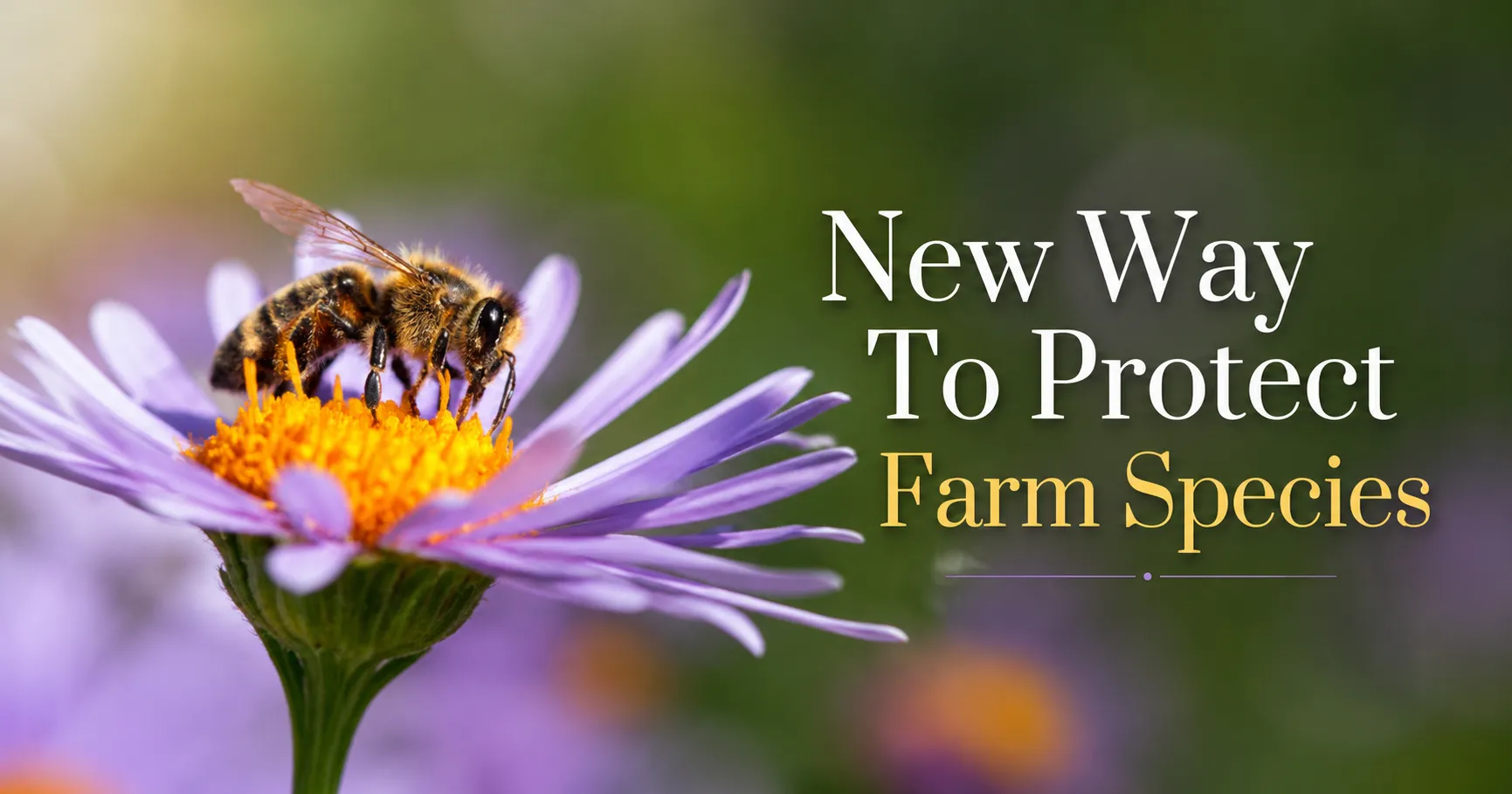
Honeybees and shrimp are entering a new chapter in disease protection. For many years, vaccines were mainly linked with people, pets, farm animals, and some fish. Now scientists are testing ways to protect invertebrates, animals without backbones, from serious diseases. This shift could become important for farms, food supply, and the wider agriculture industry.
The idea may sound surprising because honeybees and shrimp do not fight disease in the same way humans do. People and many animals use an adaptive immune system, which can make antibodies after seeing a germ. Honeybees and shrimp do not have that system. They depend mostly on innate immunity, which is a faster but different kind of defense.
 Via The New York Times
Researchers are now learning that innate immunity may be stronger and smarter than once believed. It may not work like human vaccine immunity, but it can still be trained or prepared. This has opened the door to vaccines that may help bees survive hive disease and help shrimp farms reduce major losses from deadly outbreaks.
 Via Science News
Shrimp farming also plays a major role in the global seafood market. Millions of people eat farmed shrimp, and many coastal communities depend on shrimp aquaculture for income. Diseases can move quickly through crowded ponds, wiping out large numbers of shrimp in a short time. These losses can hurt farmers, workers, buyers, and food prices.
Vaccines for honeybees and shrimp could help reduce the need for antibiotics and other emergency disease controls. Antibiotic overuse can add to resistance problems, which makes infections harder to manage over time. A safer prevention tool could support healthier animals, cleaner production systems, and more stable farming results.
 Via CAES Field Report
 Via Science News
This method is important because it fits the natural life of the hive. The queen is the center of colony growth, so protecting her offspring can protect the future of the hive. The vaccine does not remove every risk bees face, but it gives beekeepers another tool against a disease that has damaged colonies for many years.
 Via Dalan Animal Health
The shrimp approach also uses broodstock, which means adult shrimp used for breeding. The vaccine is fed to these adults before they produce the next generation. Their young may then hatch with stronger protection. This method matters because baby shrimp are often too fragile for many direct disease-control treatments.
Lab tests have shown stronger survival in vaccinated shrimp exposed to serious pathogens. That does not mean the vaccine is ready for full commercial use everywhere. Lab results are an early step. Field trials in real farming conditions are still needed because pond water, temperature, stress, feed, and farm practices can affect disease outcomes.
 Via Jala Tech
 Via Plant Based News
Some of these effects may even pass from parents to offspring. That is especially useful for farmed invertebrates because many are raised in large numbers and have short life cycles. Instead of treating each animal after disease appears, farmers may one day protect a new generation before the most dangerous stage begins.
 Via The Conversation
For shrimp farmers, disease prevention can protect income and reduce waste. A disease outbreak can destroy months of work, feed, labor, and investment. Prevention gives farmers a better chance of raising shrimp to harvest size. This can be especially helpful in regions where shrimp farming supports many family businesses and local jobs.
These vaccines may also support cleaner farming practices. If fewer outbreaks happen, farmers may need fewer emergency treatments. That could reduce pressure on aquatic environments and lower the risk of antibiotic misuse. A prevention-first system is usually better than waiting until disease spreads across a hive, pond, or farm.
 Via Spectrum News
Via DLG
There is also a need for public understanding. These vaccines are not the same as human vaccines, and they are not turning bees or shrimp into medical test subjects. They are disease-prevention tools designed for animals that support food systems. Clear education can help farmers, buyers, and readers understand why this science matters.
 Via Modern Farming
Future research may expand this idea to other invertebrates used in farming. Silkworms, mealworms, and other insects may also benefit from better disease control. Each species will need its own testing because immunity, feeding, breeding, and disease risks are different. Still, the early progress shows that old limits in vaccine science are changing.
 This development does not solve every farm problem, but it gives agriculture a hopeful new path. Protecting bees can support pollination and crop diversity. Protecting shrimp can support seafood production and coastal economies. Stronger disease prevention may help farmers produce food with fewer losses, fewer antibiotics, and better long-term stability.
More in UnassignedVia The New York Times
Researchers are now learning that innate immunity may be stronger and smarter than once believed. It may not work like human vaccine immunity, but it can still be trained or prepared. This has opened the door to vaccines that may help bees survive hive disease and help shrimp farms reduce major losses from deadly outbreaks.
Why This Matters
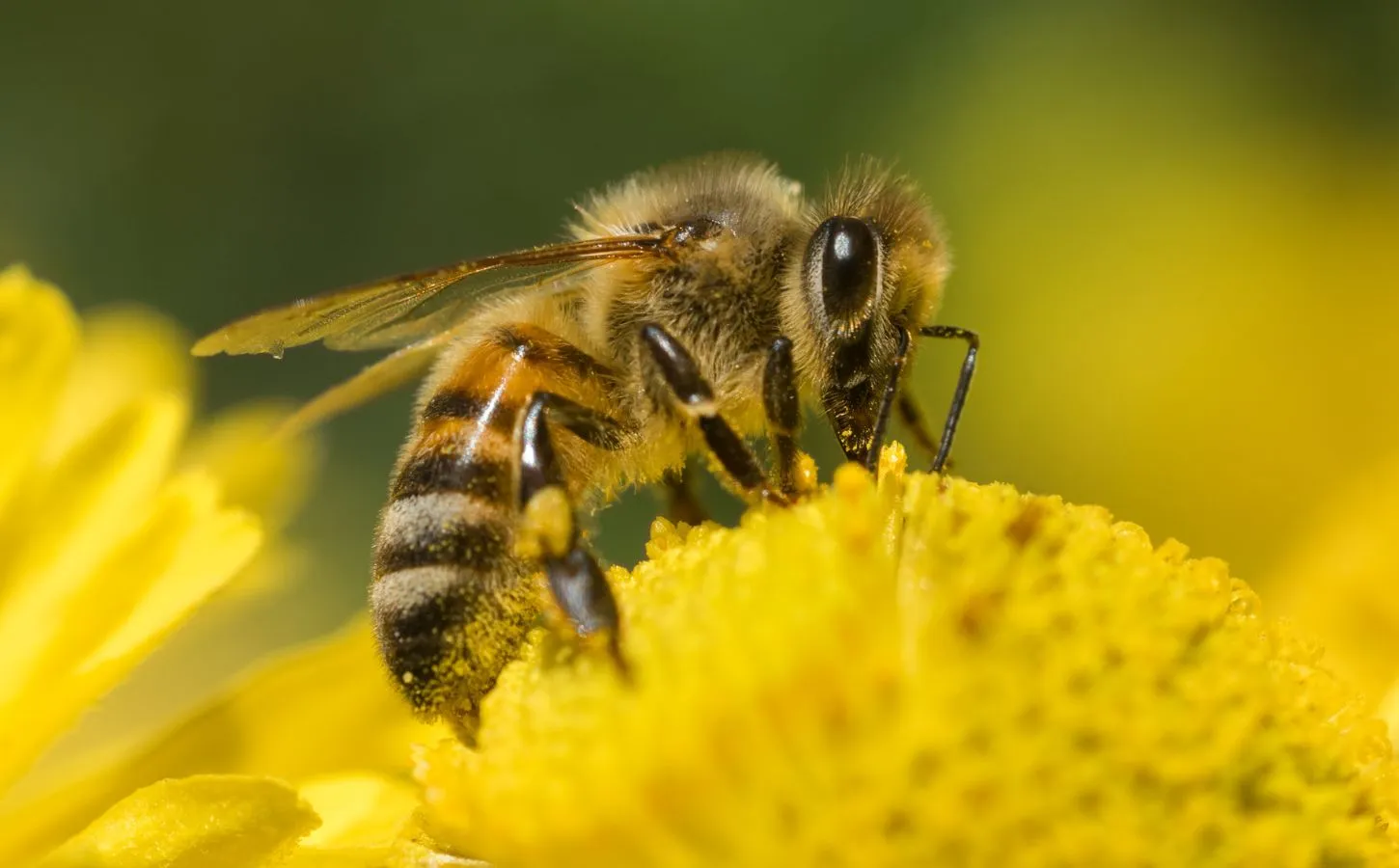
Honeybees are small, but their role in food production is huge. They help pollinate many fruits, vegetables, nuts, and seed crops. Strong bee colonies support farms, grocery supply chains, and many rural jobs. When diseases weaken or destroy colonies, the damage can spread far beyond one beekeeper or one farm.Via Science News
Shrimp farming also plays a major role in the global seafood market. Millions of people eat farmed shrimp, and many coastal communities depend on shrimp aquaculture for income. Diseases can move quickly through crowded ponds, wiping out large numbers of shrimp in a short time. These losses can hurt farmers, workers, buyers, and food prices.
Vaccines for honeybees and shrimp could help reduce the need for antibiotics and other emergency disease controls. Antibiotic overuse can add to resistance problems, which makes infections harder to manage over time. A safer prevention tool could support healthier animals, cleaner production systems, and more stable farming results.
Via CAES Field Report
Honeybee Vaccine Breakthrough
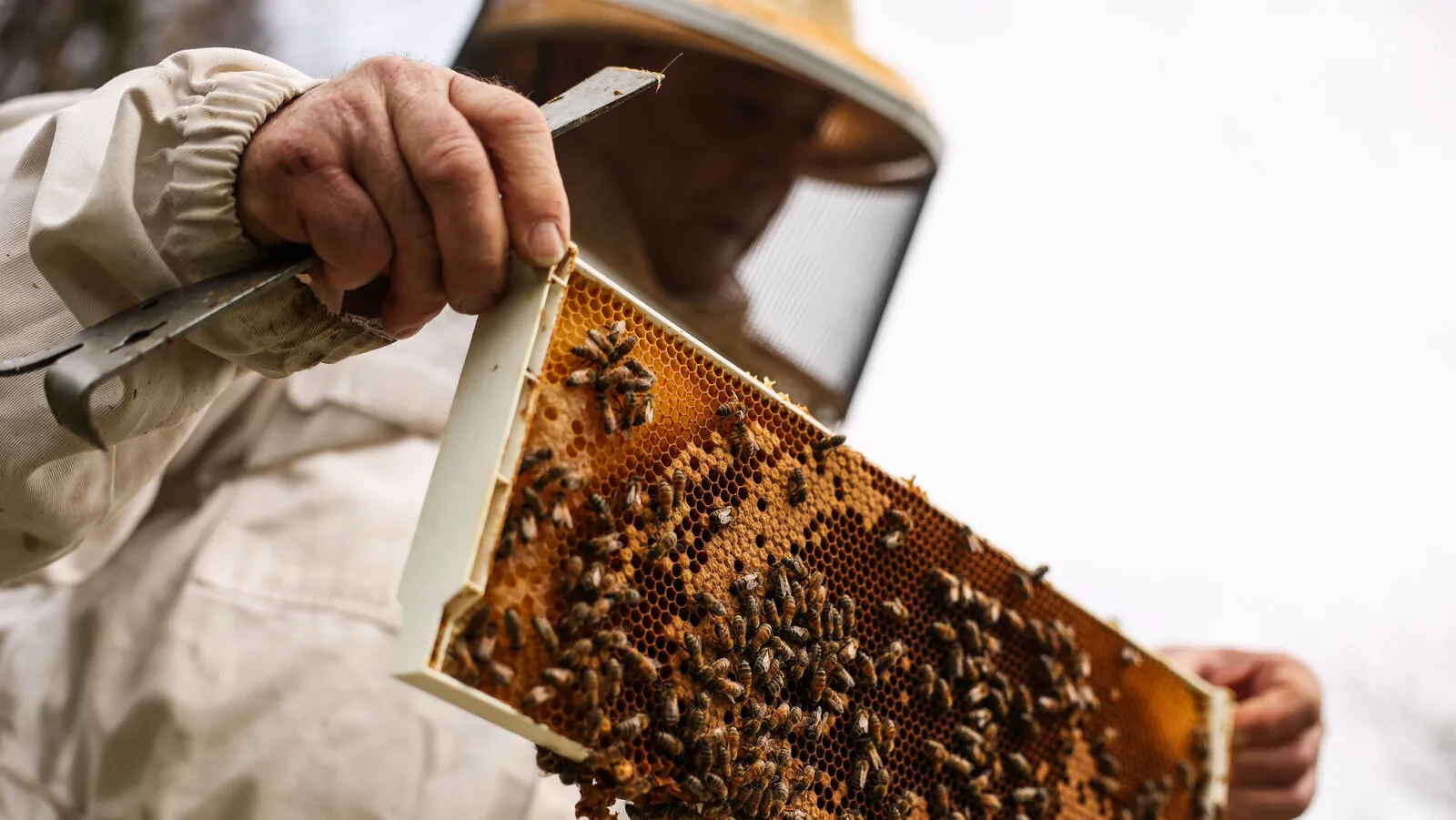
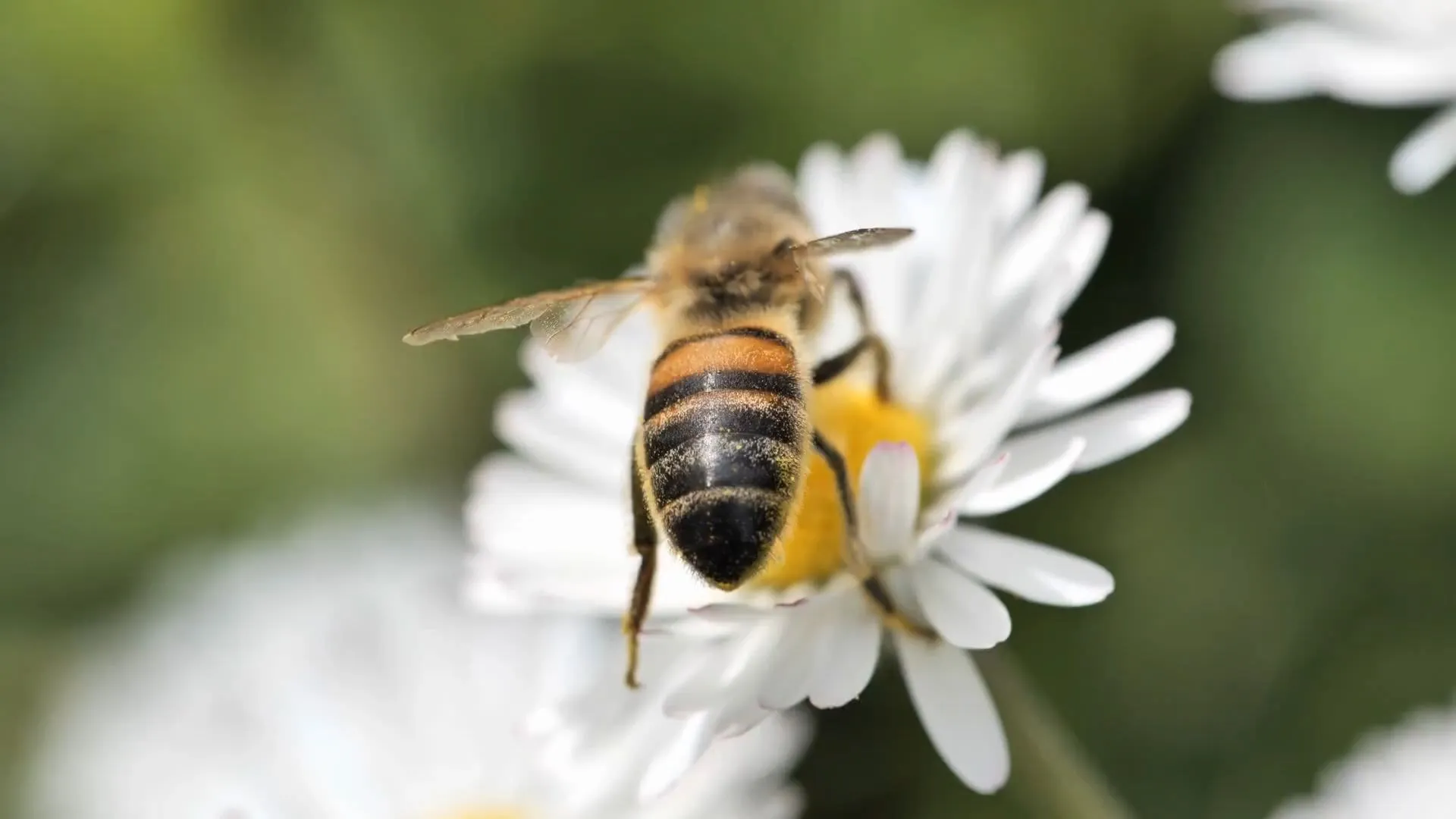
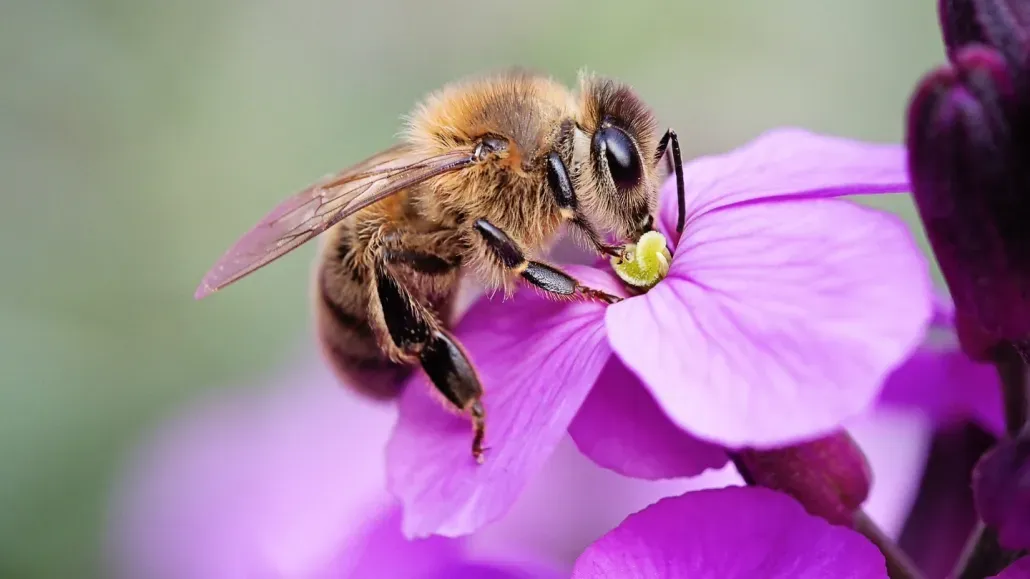
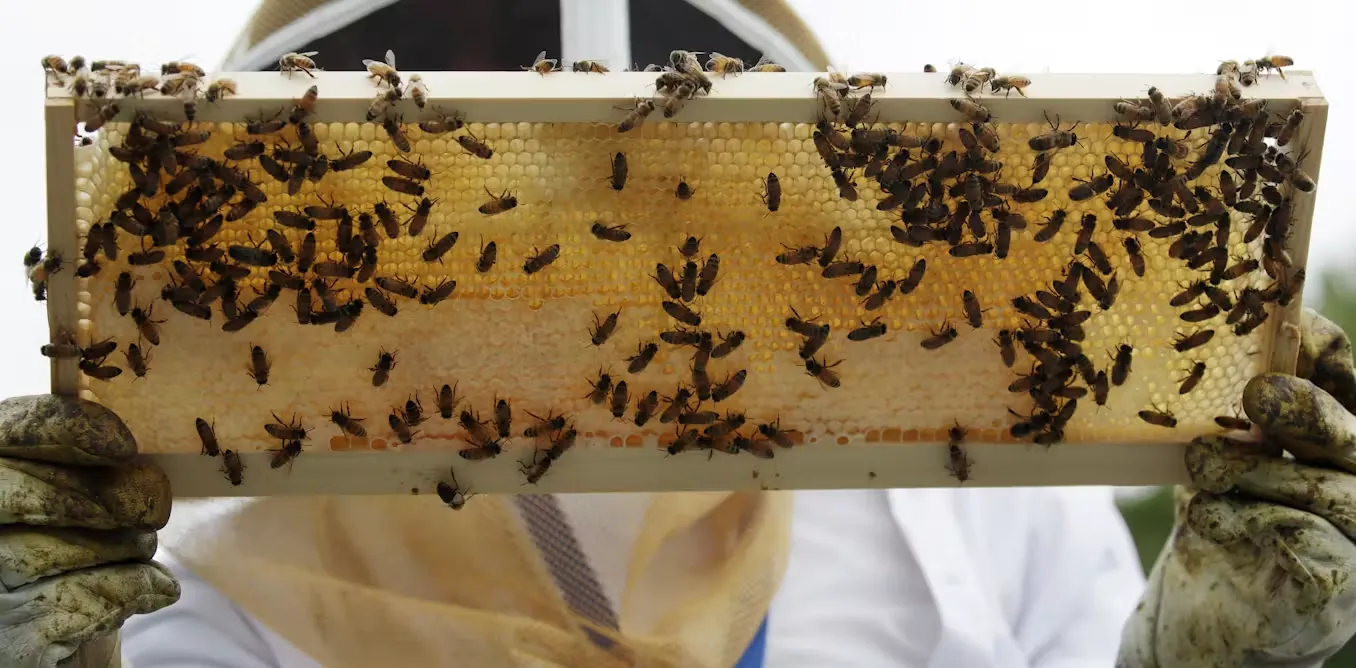
The honeybee vaccine targets American foulbrood, a serious bacterial disease that attacks young bee larvae. This disease is caused by Paenibacillus larvae and can destroy colonies if it spreads. Beekeepers have long struggled with this problem because infected hives may require heavy control steps, including destroying infected materials. The vaccine works in a very different way from a normal shot. Bees are not lined up and injected one by one. The vaccine is mixed into food for the queen bee. Worker bees eat the vaccine-containing feed and pass it to the queen. When the queen lays eggs, the next generation of larvae receives better protection.Via Science News
This method is important because it fits the natural life of the hive. The queen is the center of colony growth, so protecting her offspring can protect the future of the hive. The vaccine does not remove every risk bees face, but it gives beekeepers another tool against a disease that has damaged colonies for many years.
Shrimp Vaccine Testing
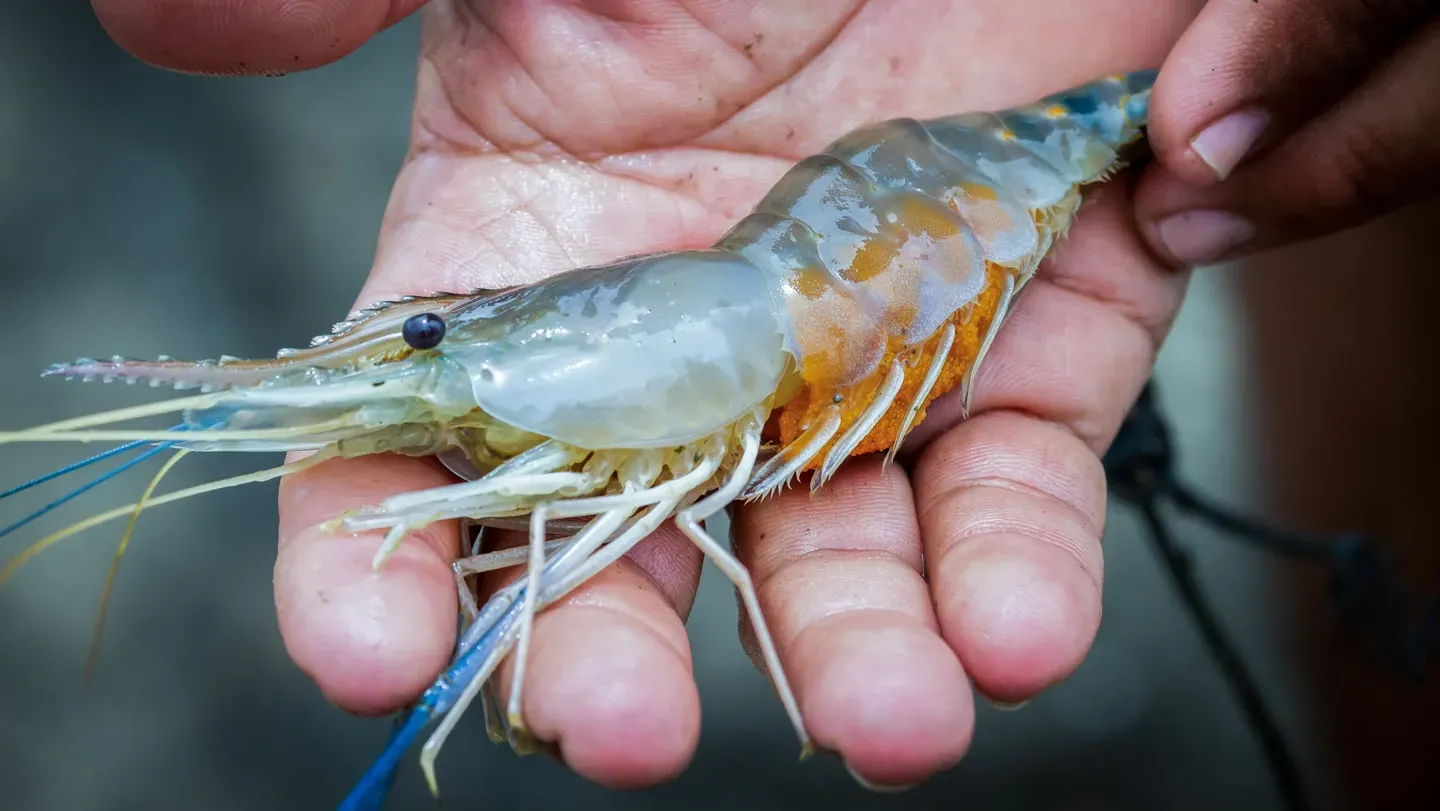
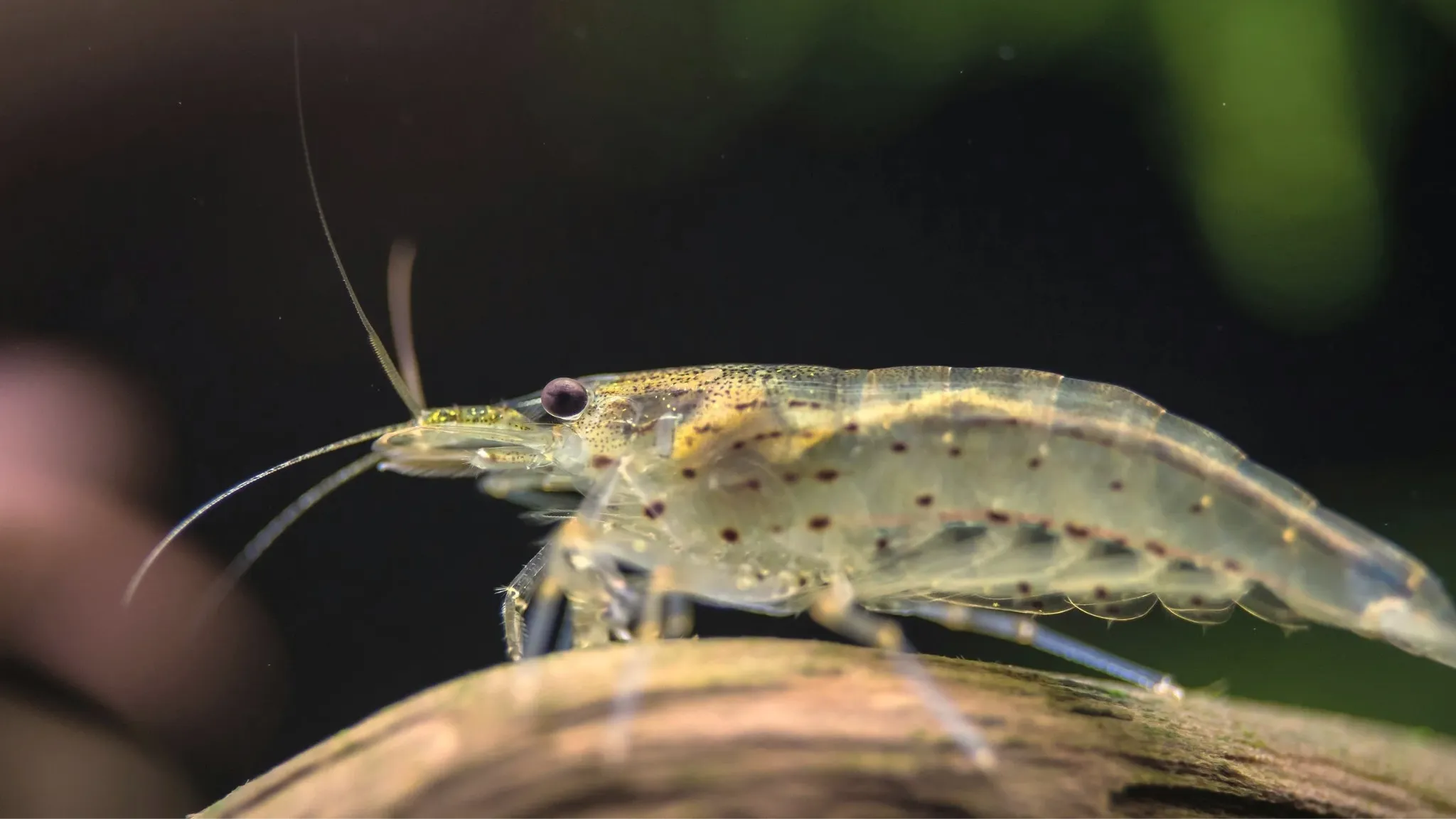
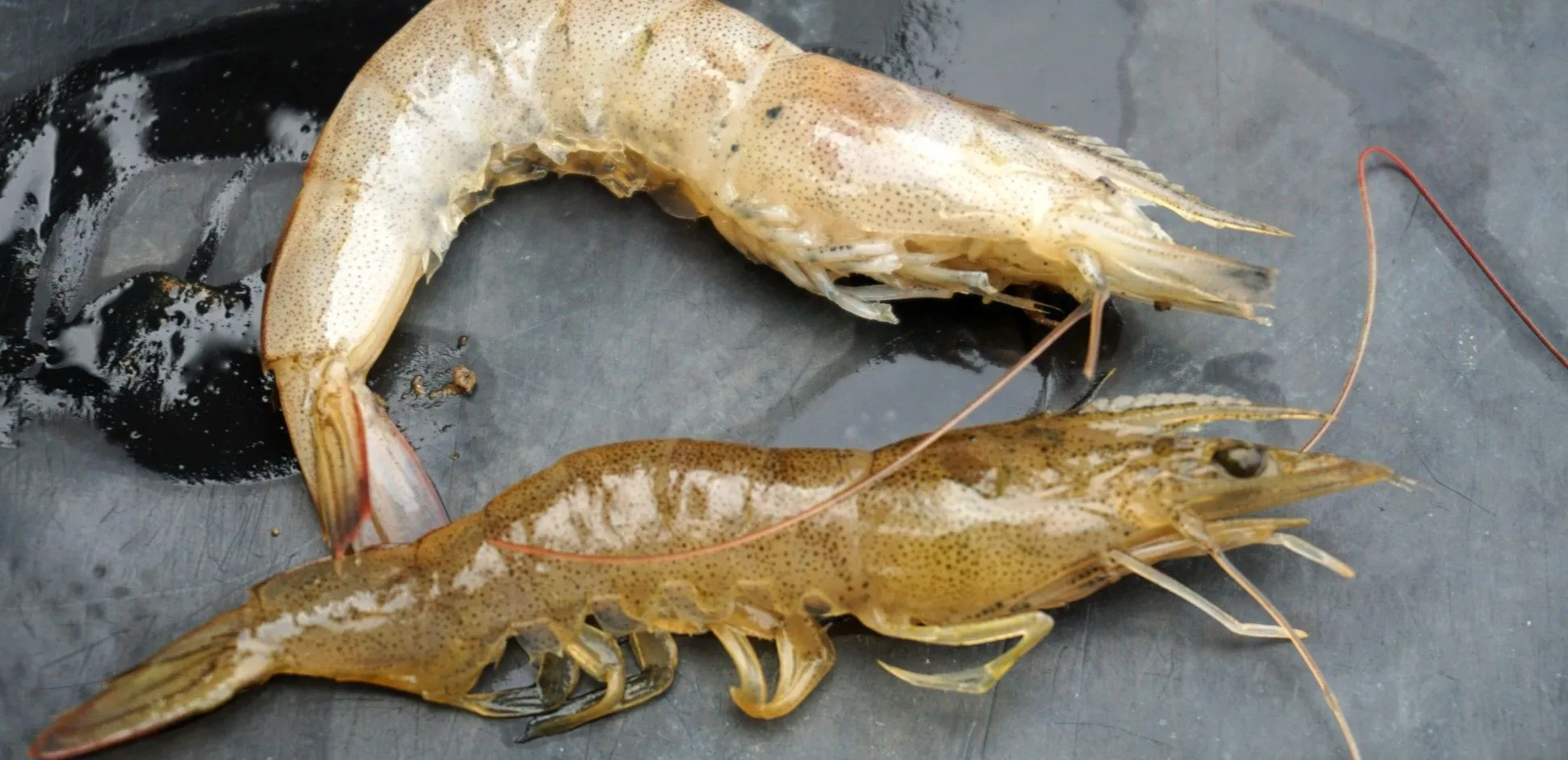
Shrimp vaccines are still being tested, but early lab results have raised interest. One potential shrimp vaccine is designed to help protect against early mortality syndrome and white spot syndrome. These diseases are major threats in shrimp farming because they can spread fast and cause heavy losses before farmers can control them.Via Dalan Animal Health
The shrimp approach also uses broodstock, which means adult shrimp used for breeding. The vaccine is fed to these adults before they produce the next generation. Their young may then hatch with stronger protection. This method matters because baby shrimp are often too fragile for many direct disease-control treatments.
Lab tests have shown stronger survival in vaccinated shrimp exposed to serious pathogens. That does not mean the vaccine is ready for full commercial use everywhere. Lab results are an early step. Field trials in real farming conditions are still needed because pond water, temperature, stress, feed, and farm practices can affect disease outcomes.
Via Jala Tech
Innate Immune Power
The biggest science lesson in this story is about innate immunity. For a long time, many experts believed true vaccination needed an adaptive immune system. That belief made invertebrate vaccines seem almost impossible. Honeybees and shrimp do not make antibodies like people, so traditional vaccine thinking did not fit them. New research suggests innate immunity can still be trained. This means an animal’s defense system may respond better after exposure to certain safe or inactive germ materials. The protection may involve changes in how immune-related genes are controlled. These changes can help the body respond faster or stronger when a real pathogen appears.Via Plant Based News
Some of these effects may even pass from parents to offspring. That is especially useful for farmed invertebrates because many are raised in large numbers and have short life cycles. Instead of treating each animal after disease appears, farmers may one day protect a new generation before the most dangerous stage begins.
Benefits For Farmers
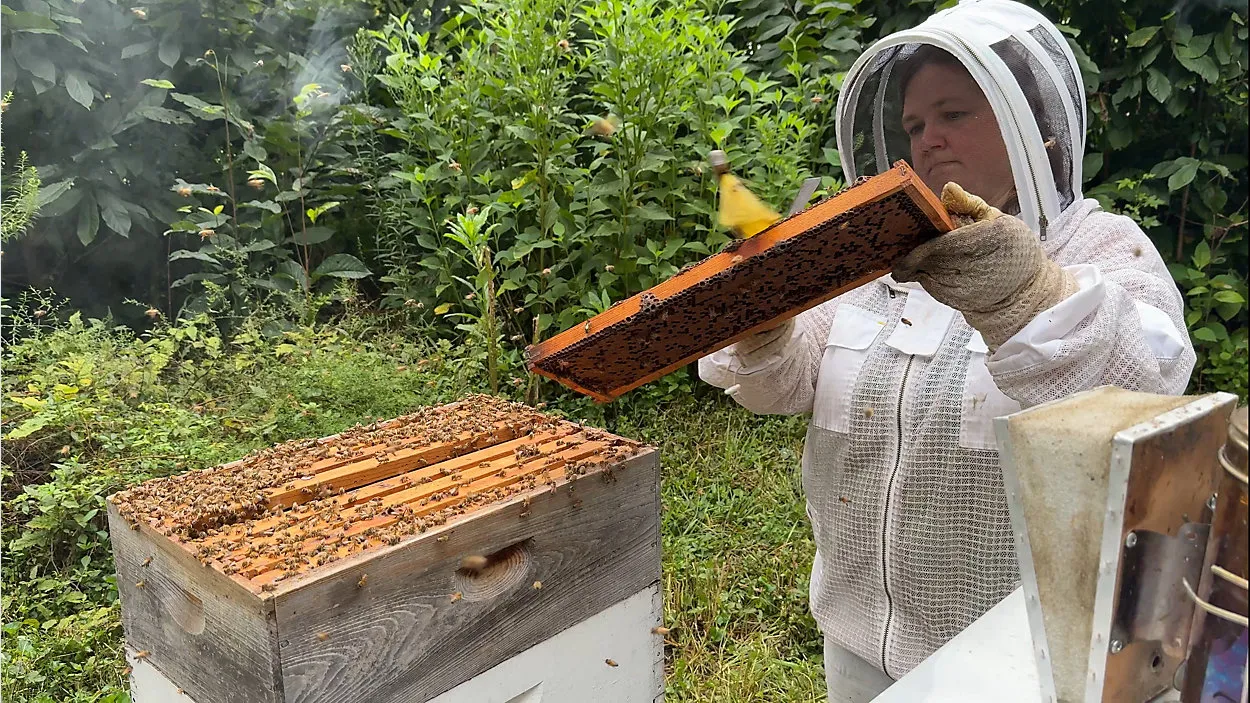
For beekeepers, a working vaccine can mean stronger hives and fewer losses from bacterial disease. Healthy hives are easier to manage and more reliable during pollination season. This matters for crops that depend on bee movement from flower to flower. Better bee health can support both honey production and crop yields.Via The Conversation
For shrimp farmers, disease prevention can protect income and reduce waste. A disease outbreak can destroy months of work, feed, labor, and investment. Prevention gives farmers a better chance of raising shrimp to harvest size. This can be especially helpful in regions where shrimp farming supports many family businesses and local jobs.
These vaccines may also support cleaner farming practices. If fewer outbreaks happen, farmers may need fewer emergency treatments. That could reduce pressure on aquatic environments and lower the risk of antibiotic misuse. A prevention-first system is usually better than waiting until disease spreads across a hive, pond, or farm.
Via Spectrum News
Limits And Questions
The promise is strong, but the science still needs careful testing. Honeybee vaccines have moved further ahead, while shrimp vaccines need more field data. Real farms are more complex than labs. A vaccine that performs well in a controlled test must still prove it can help under heat, crowding, water changes, and natural pathogen pressure. Another question is how long protection lasts. Farmers need to know when protection begins, how strong it is, and whether each new generation needs the same treatment. They also need clear instructions on storage, feeding, timing, cost, and safety. A vaccine is useful only when it fits everyday farm work.Via DLG
There is also a need for public understanding. These vaccines are not the same as human vaccines, and they are not turning bees or shrimp into medical test subjects. They are disease-prevention tools designed for animals that support food systems. Clear education can help farmers, buyers, and readers understand why this science matters.
Future Food Protection
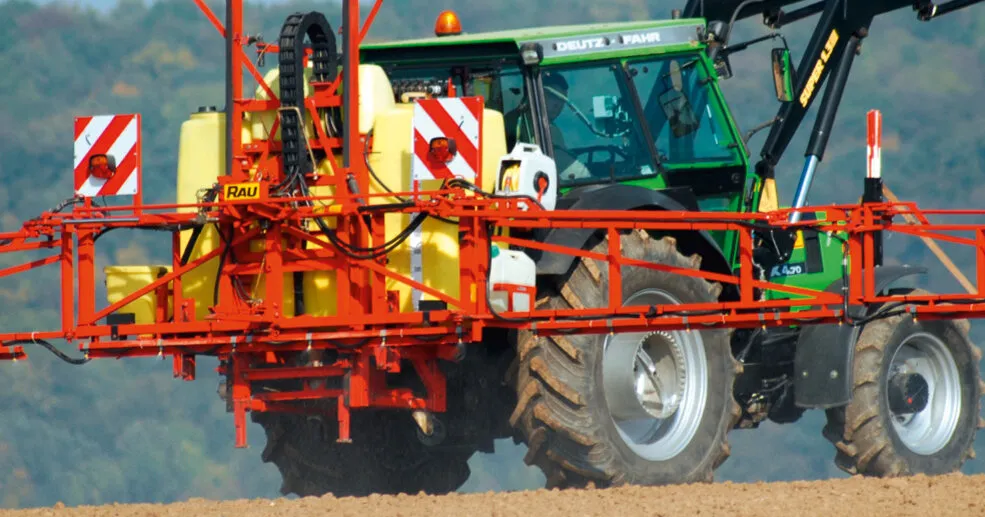
Honeybee and shrimp vaccines may become part of a larger move toward smarter agriculture. Farmers already face rising pressure from disease, climate stress, pests, and changing markets. Better prevention tools can help protect food systems before damage becomes severe. Small animals can have a large effect on global food security.
Via Modern Farming
Future research may expand this idea to other invertebrates used in farming. Silkworms, mealworms, and other insects may also benefit from better disease control. Each species will need its own testing because immunity, feeding, breeding, and disease risks are different. Still, the early progress shows that old limits in vaccine science are changing.
This development does not solve every farm problem, but it gives agriculture a hopeful new path. Protecting bees can support pollination and crop diversity. Protecting shrimp can support seafood production and coastal economies. Stronger disease prevention may help farmers produce food with fewer losses, fewer antibiotics, and better long-term stability.