Unassigned
Potato Origins Trace Back To Ancient Tomatoes
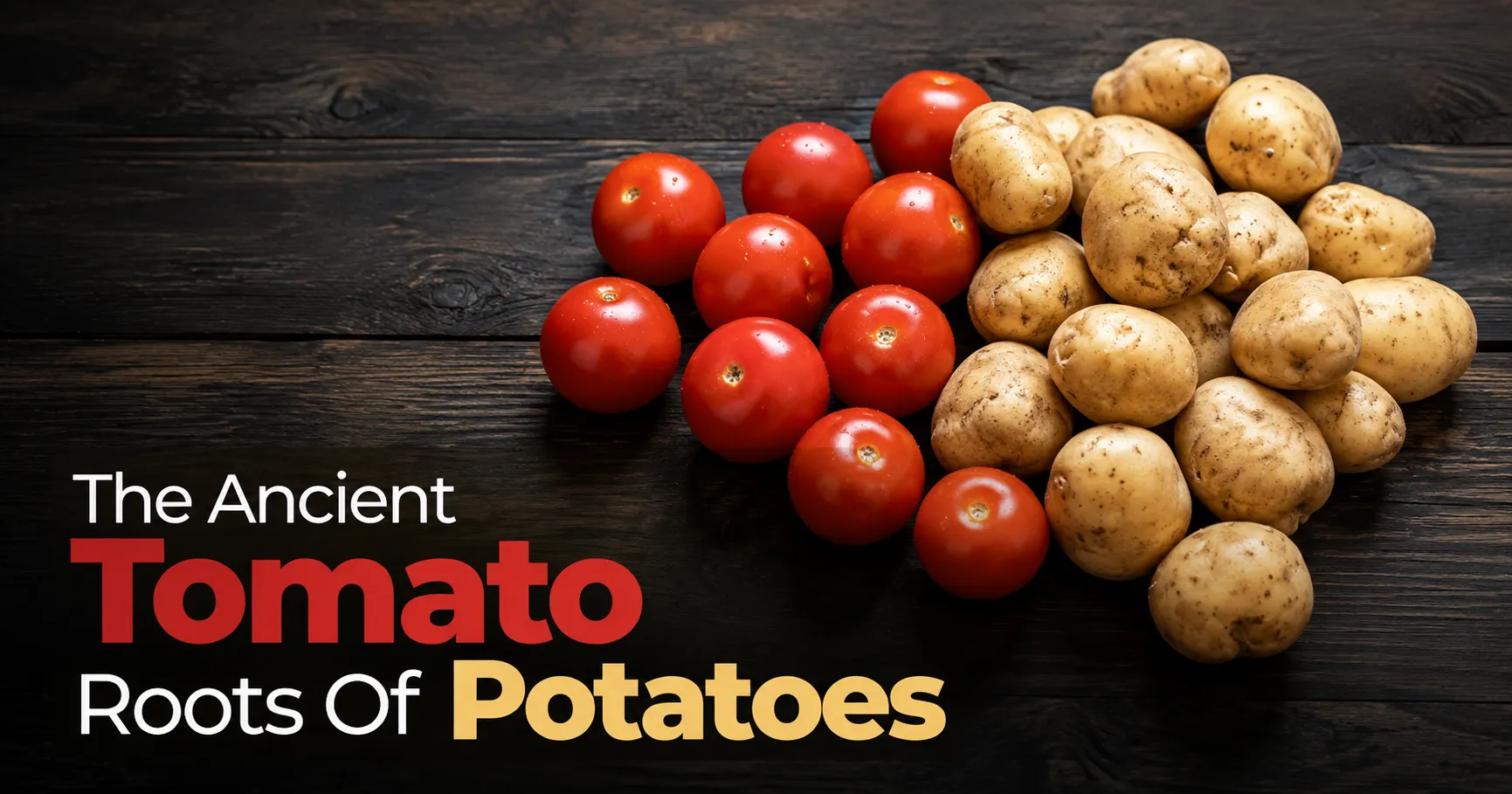
Potatoes may look simple on a dinner plate, but their history reaches far deeper than most people expect. A major genetic study suggests that potatoes began around 9 million years ago after a natural mixing event between ancient tomato relatives and a tuberless potato-like plant. This finding gives one of the world’s most common foods a surprising family story.
The study shows that potatoes did not appear from one straight plant line. Their origin seems to come from hybridization, which means two related plant groups naturally crossed and created a new line. One side came from the tomato family, while the other came from a group called Etuberosum, a potato-like plant that did not grow tubers.
 Via Live Science
This discovery matters because it explains a long-standing puzzle in plant science. Potatoes look a lot like Etuberosum plants, yet their DNA also shows a close link to tomatoes. The new research helps connect both clues and shows how one ancient natural event may have created the first true potato plants.
 Via Gizmado
Ancient tomato relatives were not the same as the tomatoes found in markets today. They were wild plants growing in South America millions of years ago. These plants carried genetic material that later became important for potato development. One key part from the tomato side helped tell the plant when to begin forming tubers.
Etuberosum plants added another important part of the story. These plants looked similar to potatoes but could not make the large underground tubers that people eat today. Their genetic contribution helped shape the underground stems where tubers grow. Together, both parent lines created something neither could fully do alone.
 Via NZ Herald
 Via Phys Org
The timing also makes the story more interesting. The hybrid event likely happened during a period when the Andes mountains were rising, and new habitats were forming. These changing landscapes created cold, dry, and high-altitude areas where a plant with underground food storage could survive better than many others.
 Via Farner’s Almanac
The new study points to two key genes behind tuber formation. One gene, called SP6A, came from the tomato side and acts like a signal for starting tuber growth. Another gene, called IT1, came from the Etuberosum side and helps control the underground stems where tubers form. Both pieces were needed.
This means the potato’s most famous feature came from a partnership between two ancient plant lines. Neither parent group had the full system needed to create potatoes as they exist today. The hybrid plant gained a new structure that changed its future and allowed it to spread across difficult mountain environments.
 Via Earth
 Via Small Farm Canada
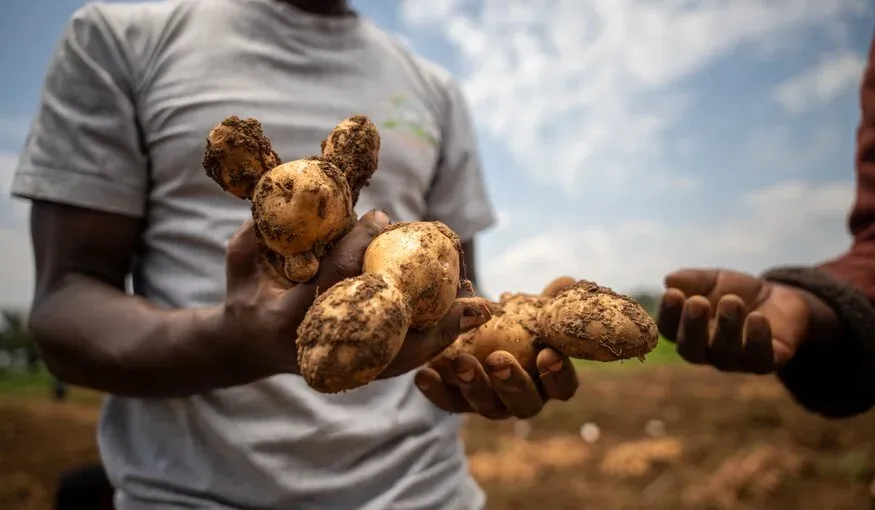
This ability also helped potatoes reproduce without relying only on seeds. A tuber can sprout a new plant from its buds, often called eyes. This type of growth allowed early potato plants to hold onto useful traits and spread into new habitats more easily than plants that depended only on flowers and seeds.
 Via Crop Trust
Human selection changed the potato from a wild mountain plant into a valuable crop. People chose potatoes that were larger, better tasting, easier to grow, and more useful for storage. This long process helped create many local potato varieties with different colors, shapes, textures, and growing strengths.
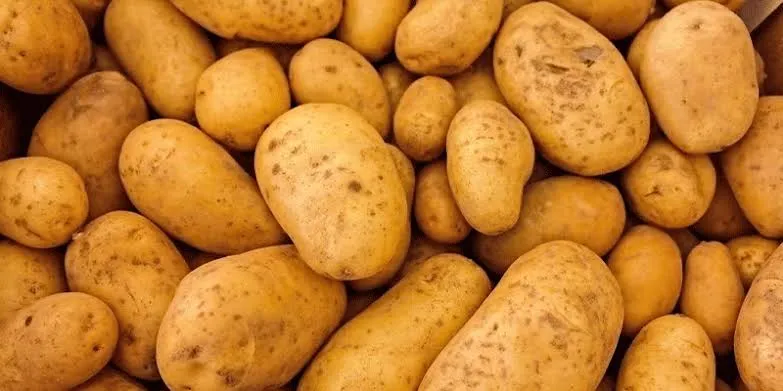
Later, potatoes spread far beyond the Andes. Spanish explorers brought potatoes to Europe, and the crop eventually became important across many parts of the world. Its ability to provide high food energy from a small area made it especially valuable for farming communities, workers, and growing cities.
 Via Esposito Garden Center
 Via Crop Farming
The discovery also shows how crop history is often more complex than it looks. A potato is not just a simple root vegetable from the soil. It is the result of millions of years of natural change, plant mixing, and adaptation across harsh mountain landscapes.
 Via Smithsonian Magazine
These genetic clues helped solve a mystery that had confused researchers for many years. Potatoes looked similar to Etuberosum, but their DNA showed strong signs of tomato ancestry. The new findings helped explain why both ideas were true at the same time.
This kind of research is important because DNA can reveal stories that fossils and plant shapes cannot show clearly. By reading plant genes, scientists can trace old family links, find hidden relationships, and understand how important food crops first appeared.
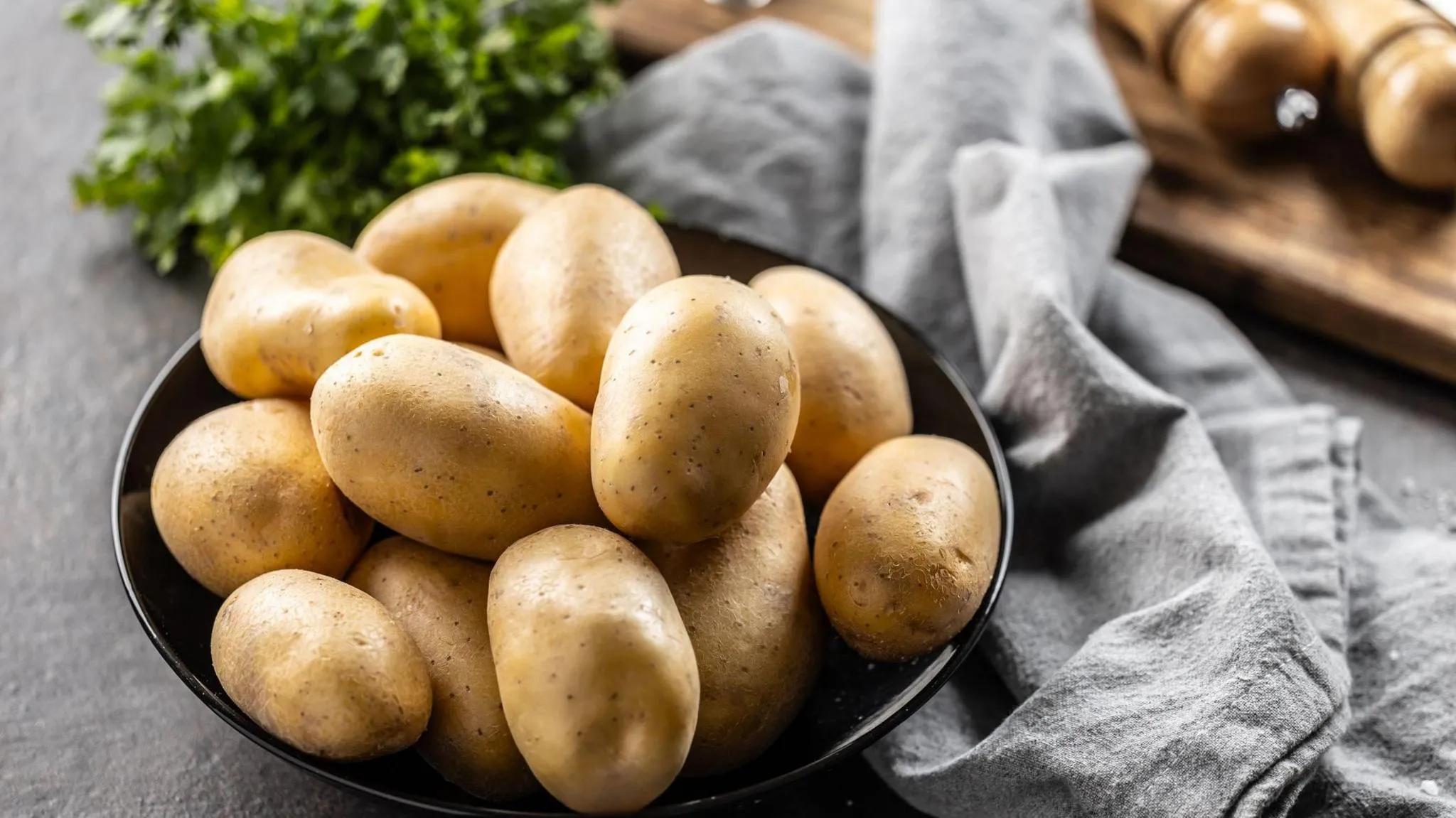 Via BBC
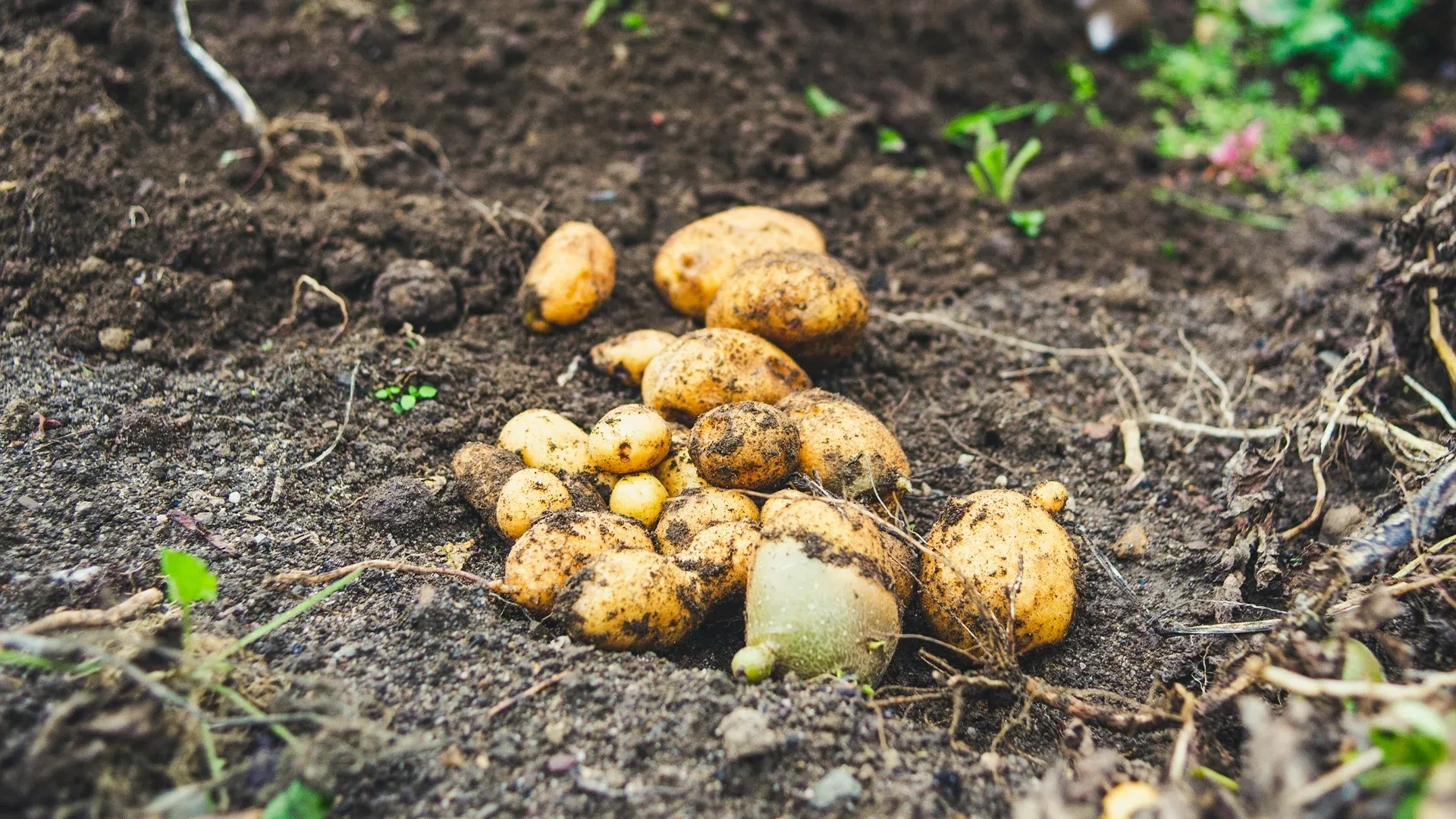 Via Coledonian Horticulture
This research also reminds people that food crops are living histories. Every potato carries signs of ancient plants, natural change, and human care. Understanding that history can help protect one of the world’s most important foods for future generations.
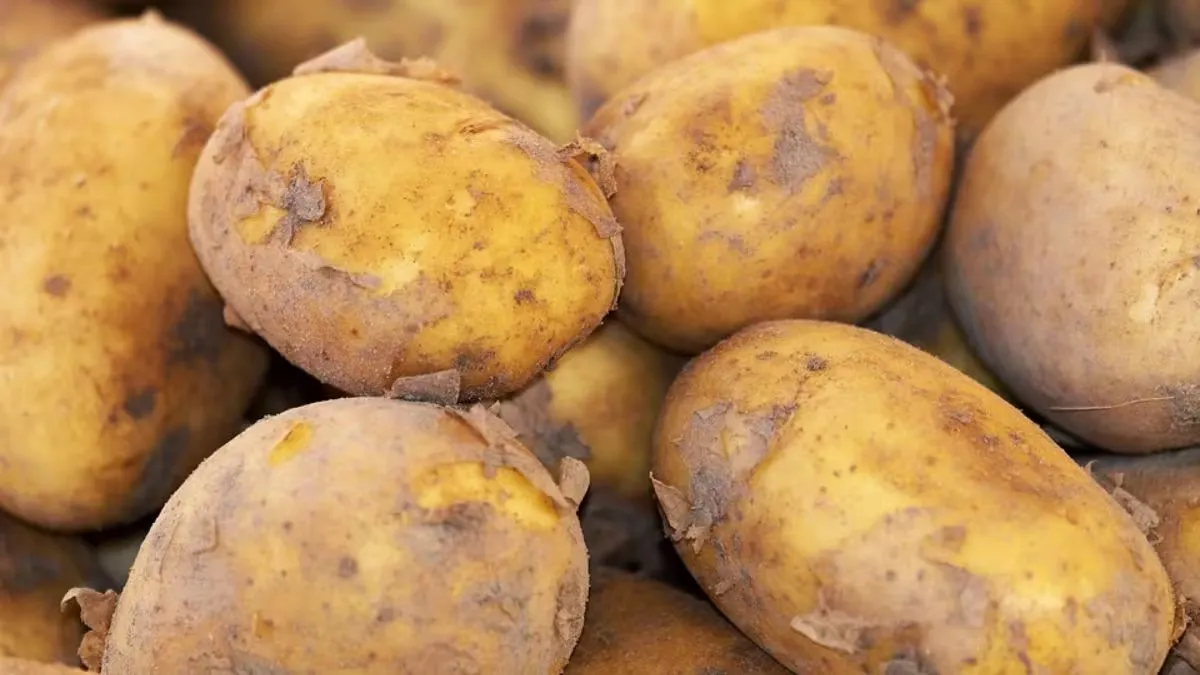 Via FirstPost
This research may also help future farming. Modern potatoes face problems from heat, disease, flooding, drought, and limited genetic diversity. Knowing which genes came from ancient tomato relatives and Etuberosum can help scientists search for useful traits in wild relatives and improve potato breeding.
Potatoes remain one of the most important foods in the world. Their story connects ancient evolution, mountain landscapes, Indigenous farming knowledge, and modern agriculture. This discovery makes the everyday potato feel less ordinary and shows how one ancient natural cross helped shape a crop that still feeds millions of people.
More in UnassignedVia Live Science
This discovery matters because it explains a long-standing puzzle in plant science. Potatoes look a lot like Etuberosum plants, yet their DNA also shows a close link to tomatoes. The new research helps connect both clues and shows how one ancient natural event may have created the first true potato plants.
Tomato Family Link
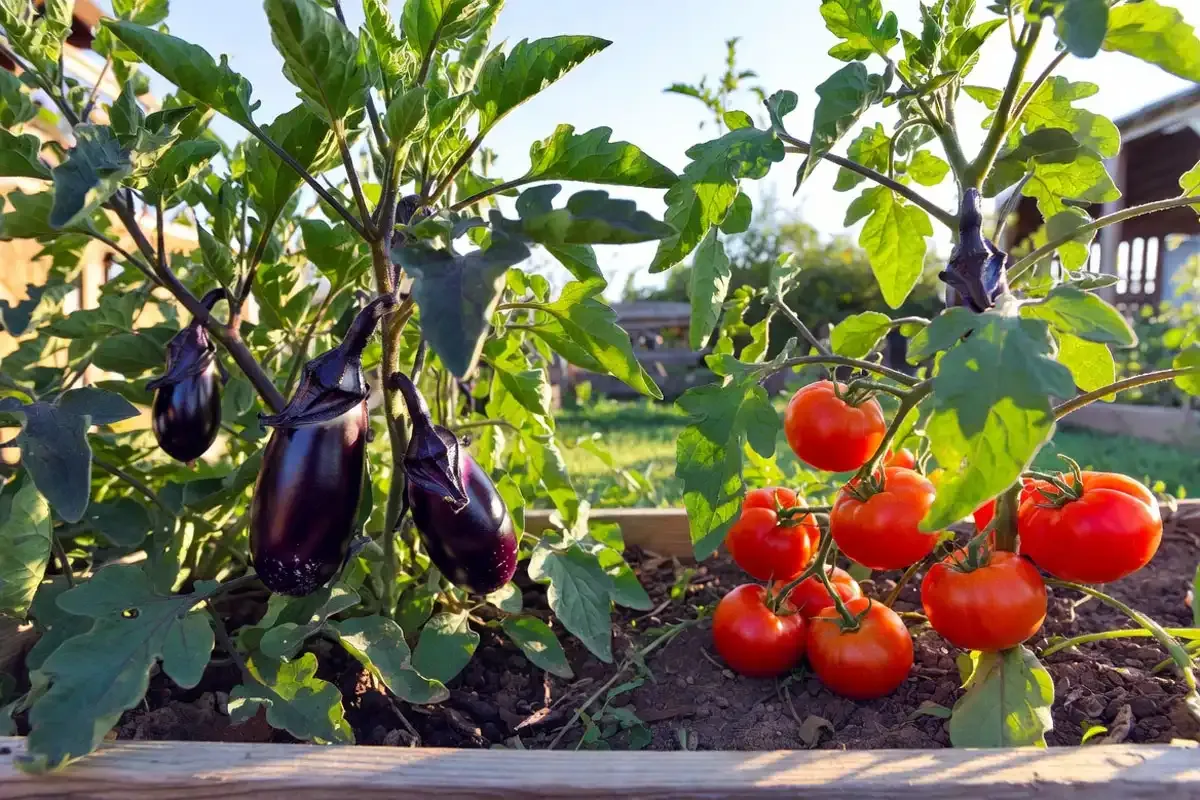
Tomatoes and potatoes may seem very different in the kitchen. Tomatoes grow soft fruit above the ground, while potatoes form starchy tubers under the soil. Both plants still belong to the same larger plant family, which also includes peppers, eggplants, and tobacco. Their shared family background made this ancient connection possible.Via Gizmado
Ancient tomato relatives were not the same as the tomatoes found in markets today. They were wild plants growing in South America millions of years ago. These plants carried genetic material that later became important for potato development. One key part from the tomato side helped tell the plant when to begin forming tubers.
Etuberosum plants added another important part of the story. These plants looked similar to potatoes but could not make the large underground tubers that people eat today. Their genetic contribution helped shape the underground stems where tubers grow. Together, both parent lines created something neither could fully do alone.
Via NZ Herald
A Rare Natural Cross
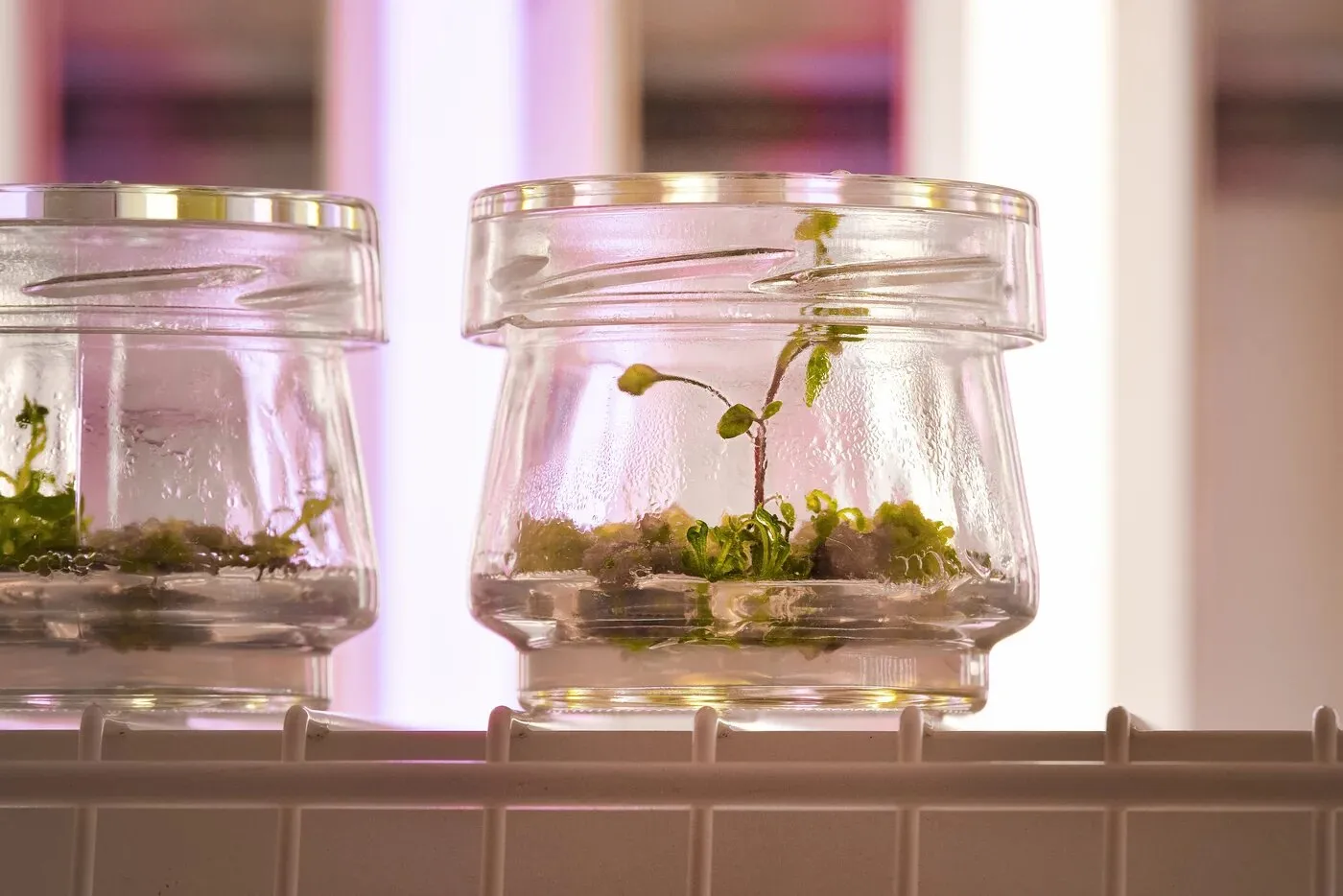
Hybridization happens when two related species exchange genetic material and produce offspring. In many cases, hybrid offspring may not survive well or may struggle to reproduce. In the potato’s case, the ancient hybrid line appears to have gained a powerful new trait. That trait was the ability to form underground tubers. This natural cross likely happened only once or in a very limited way, based on the stable genetic mix found across potato species. Researchers found that potato plants carry a balanced blend of DNA from both the tomato lineage and Etuberosum. This pattern points to a shared origin rather than many separate events.Via Phys Org
The timing also makes the story more interesting. The hybrid event likely happened during a period when the Andes mountains were rising, and new habitats were forming. These changing landscapes created cold, dry, and high-altitude areas where a plant with underground food storage could survive better than many others.
Birth Of Tubers
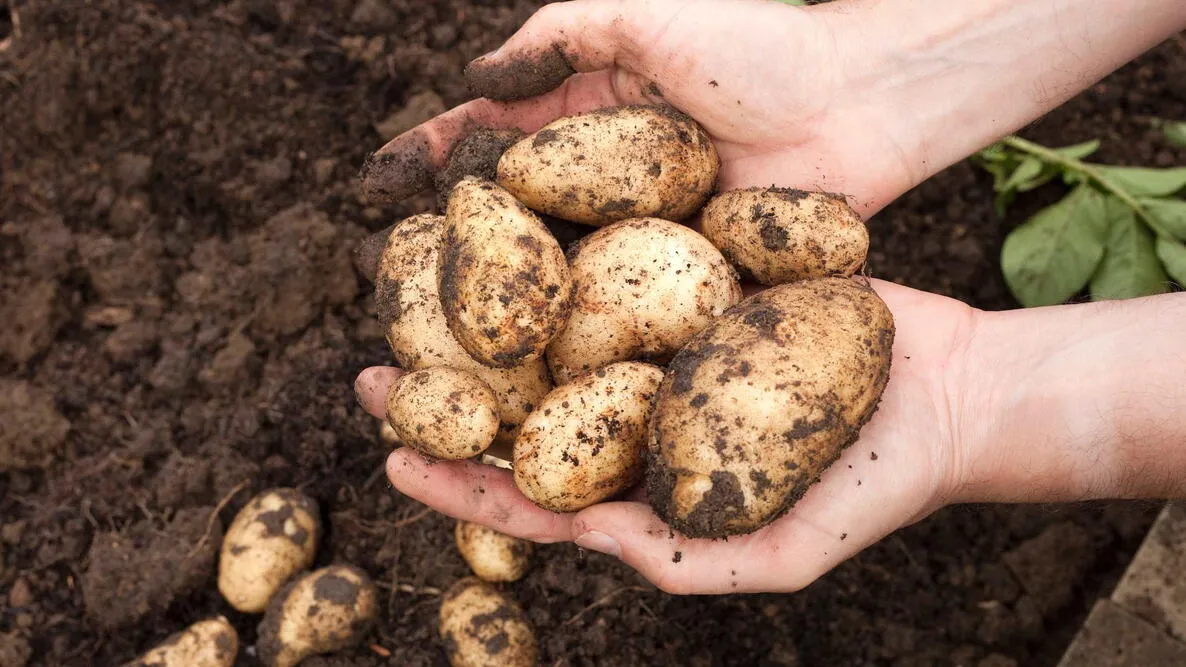
Tubers are the enlarged underground parts of the potato plant. They store water, starch, and nutrients, helping the plant survive rough weather and poor growing conditions. For humans, tubers became the edible part that made potatoes one of the most useful food crops in history.Via Farner’s Almanac
The new study points to two key genes behind tuber formation. One gene, called SP6A, came from the tomato side and acts like a signal for starting tuber growth. Another gene, called IT1, came from the Etuberosum side and helps control the underground stems where tubers form. Both pieces were needed.
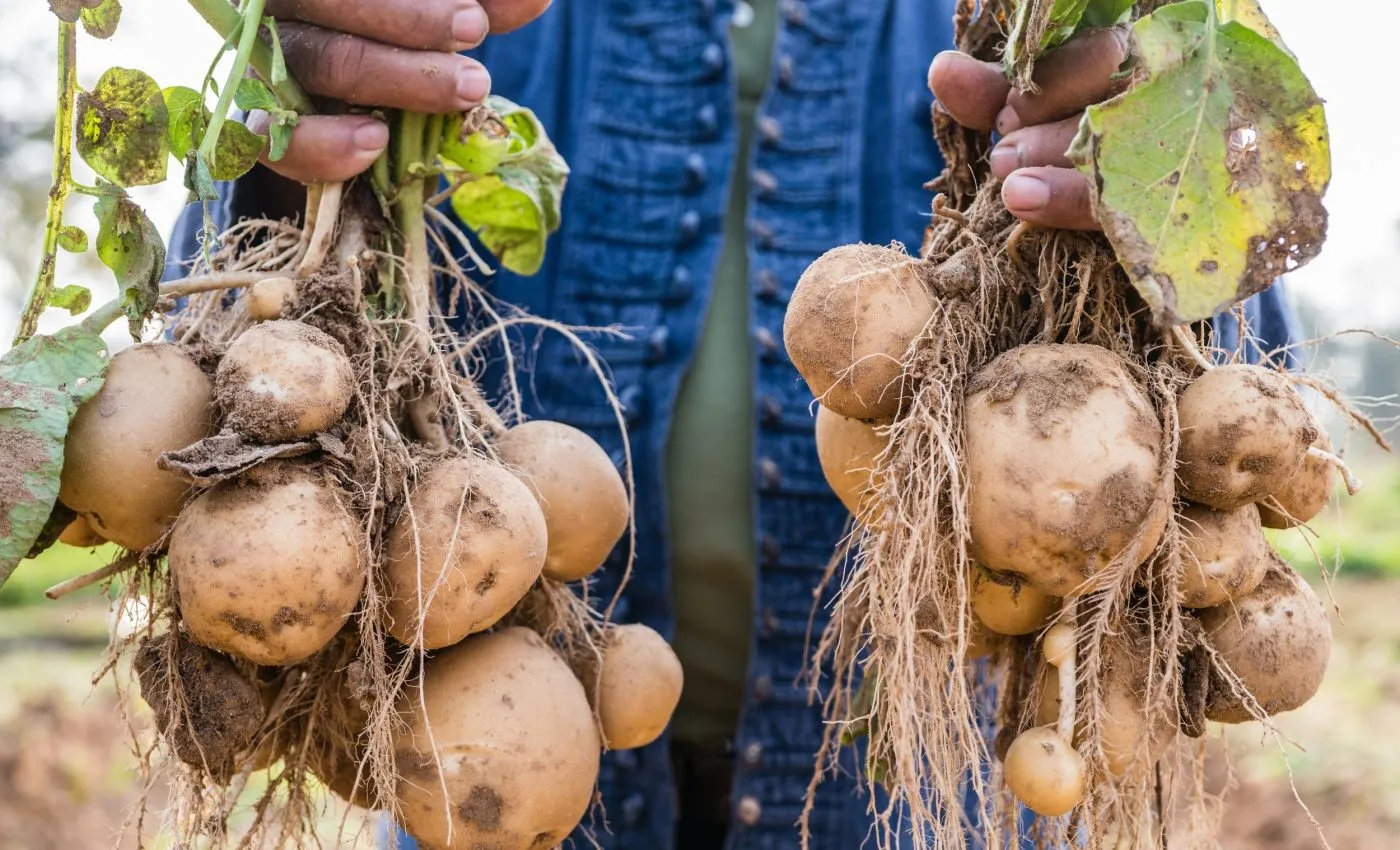
This means the potato’s most famous feature came from a partnership between two ancient plant lines. Neither parent group had the full system needed to create potatoes as they exist today. The hybrid plant gained a new structure that changed its future and allowed it to spread across difficult mountain environments.
Via Earth
Andes Shaped Growth
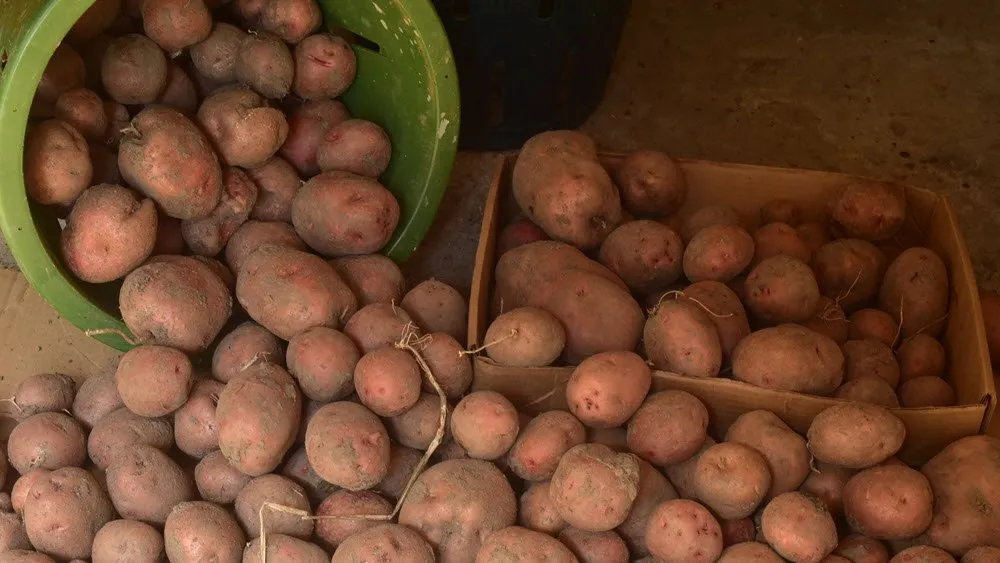
The Andes played a major role in the potato’s rise. As the mountains grew, they created many new environments with different temperatures, soils, and rainfall patterns. These changes gave early potato plants many places to adapt, spread, and form new species over time. A tuber gave early potatoes a strong survival advantage. When weather became cold or dry, the underground tuber protected stored energy below the surface. If the above-ground plant suffered damage, the tuber could help the plant grow again. This made potatoes well suited for harsh mountain regions.
Via Small Farm Canada
This ability also helped potatoes reproduce without relying only on seeds. A tuber can sprout a new plant from its buds, often called eyes. This type of growth allowed early potato plants to hold onto useful traits and spread into new habitats more easily than plants that depended only on flowers and seeds.
From Wild Plant To Food
Wild potatoes first grew in South America, where many species still exist today. Not all wild potatoes are safe or pleasant to eat, because many contain bitter or toxic compounds. Over time, Indigenous Andean communities learned which types were useful and began selecting better plants for food.
Via Crop Trust
Human selection changed the potato from a wild mountain plant into a valuable crop. People chose potatoes that were larger, better tasting, easier to grow, and more useful for storage. This long process helped create many local potato varieties with different colors, shapes, textures, and growing strengths.
Later, potatoes spread far beyond the Andes. Spanish explorers brought potatoes to Europe, and the crop eventually became important across many parts of the world. Its ability to provide high food energy from a small area made it especially valuable for farming communities, workers, and growing cities.
Via Esposito Garden Center
Ancient Plant Families
Potatoes belong to a large plant family known as the nightshade family. This group includes tomatoes, peppers, eggplants, and several wild plants found in different parts of the world. The connection between potatoes and tomatoes may seem surprising, but plant science shows that both crops share deep genetic roots. This family connection helps explain why ancient tomato relatives could play a role in the birth of potatoes. These plants carried important genes that shaped how the new hybrid plant grew. Over time, those genes helped create a plant that could store food underground and survive in tough places.Via Crop Farming
The discovery also shows how crop history is often more complex than it looks. A potato is not just a simple root vegetable from the soil. It is the result of millions of years of natural change, plant mixing, and adaptation across harsh mountain landscapes.
Genetic Clues Found
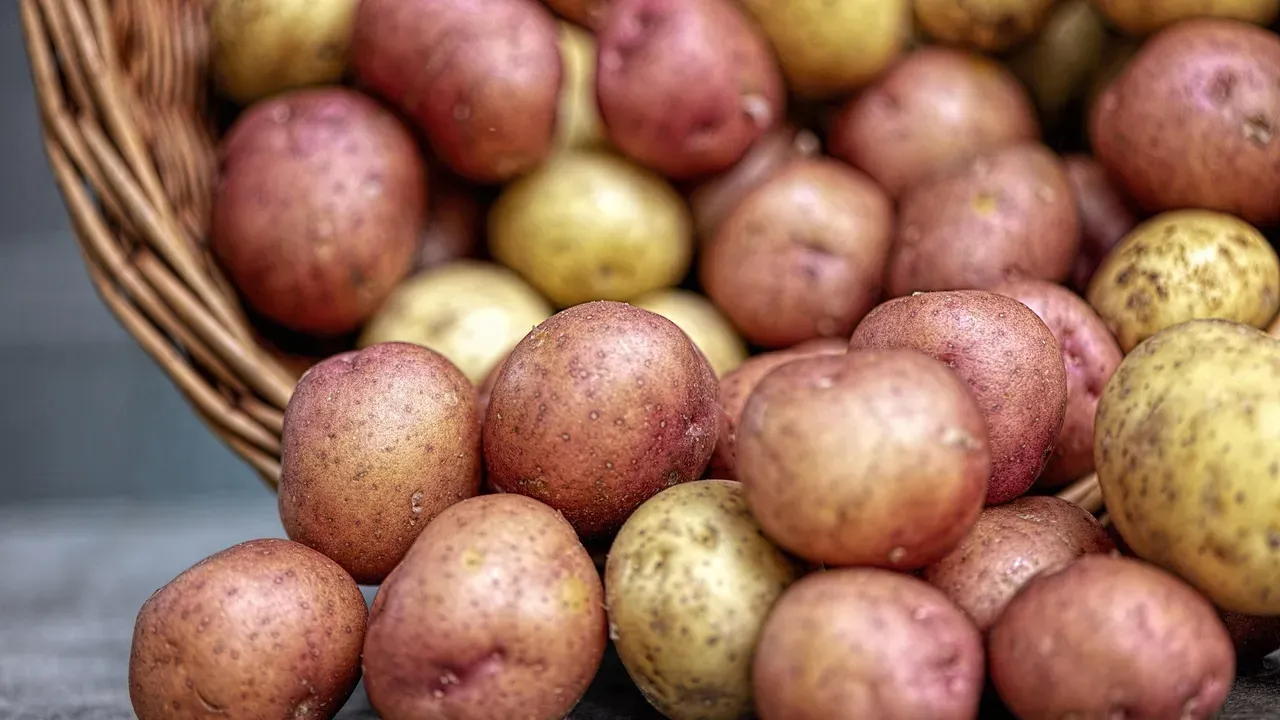
Scientists studied the DNA of many potato species and their wild relatives to understand where potatoes came from. The results showed a clear mix of genetic material from two ancient plant groups. One side was linked to tomato relatives, while the other came from Etuberosum plants.Via Smithsonian Magazine
These genetic clues helped solve a mystery that had confused researchers for many years. Potatoes looked similar to Etuberosum, but their DNA showed strong signs of tomato ancestry. The new findings helped explain why both ideas were true at the same time.
This kind of research is important because DNA can reveal stories that fossils and plant shapes cannot show clearly. By reading plant genes, scientists can trace old family links, find hidden relationships, and understand how important food crops first appeared.
Via BBC
Future Crop Lessons
The potato’s ancient origin can teach useful lessons for modern farming. Farmers today face rising heat, changing rainfall, soil problems, and crop diseases. Learning how potatoes gained strength in the past may help experts protect them in the future. Wild potato relatives may hold valuable traits that modern crops need. Some may resist disease better, grow in colder areas, or handle dry soil more easily. Studying the potato’s family tree can help breeders find these useful traits and develop stronger crops.Via Coledonian Horticulture
This research also reminds people that food crops are living histories. Every potato carries signs of ancient plants, natural change, and human care. Understanding that history can help protect one of the world’s most important foods for future generations.
Why This Discovery Matters
The potato’s origin story shows how nature can create major change through one rare event. A simple-looking food crop came from a deep genetic mix between ancient tomato relatives and a tuberless potato-like plant. That mix produced tubers, helped the plant survive harsh land, and led to a wide family of potato species.Via FirstPost
This research may also help future farming. Modern potatoes face problems from heat, disease, flooding, drought, and limited genetic diversity. Knowing which genes came from ancient tomato relatives and Etuberosum can help scientists search for useful traits in wild relatives and improve potato breeding.
Potatoes remain one of the most important foods in the world. Their story connects ancient evolution, mountain landscapes, Indigenous farming knowledge, and modern agriculture. This discovery makes the everyday potato feel less ordinary and shows how one ancient natural cross helped shape a crop that still feeds millions of people.