Unassigned
What Makes Supermassive Black Holes So Powerful?
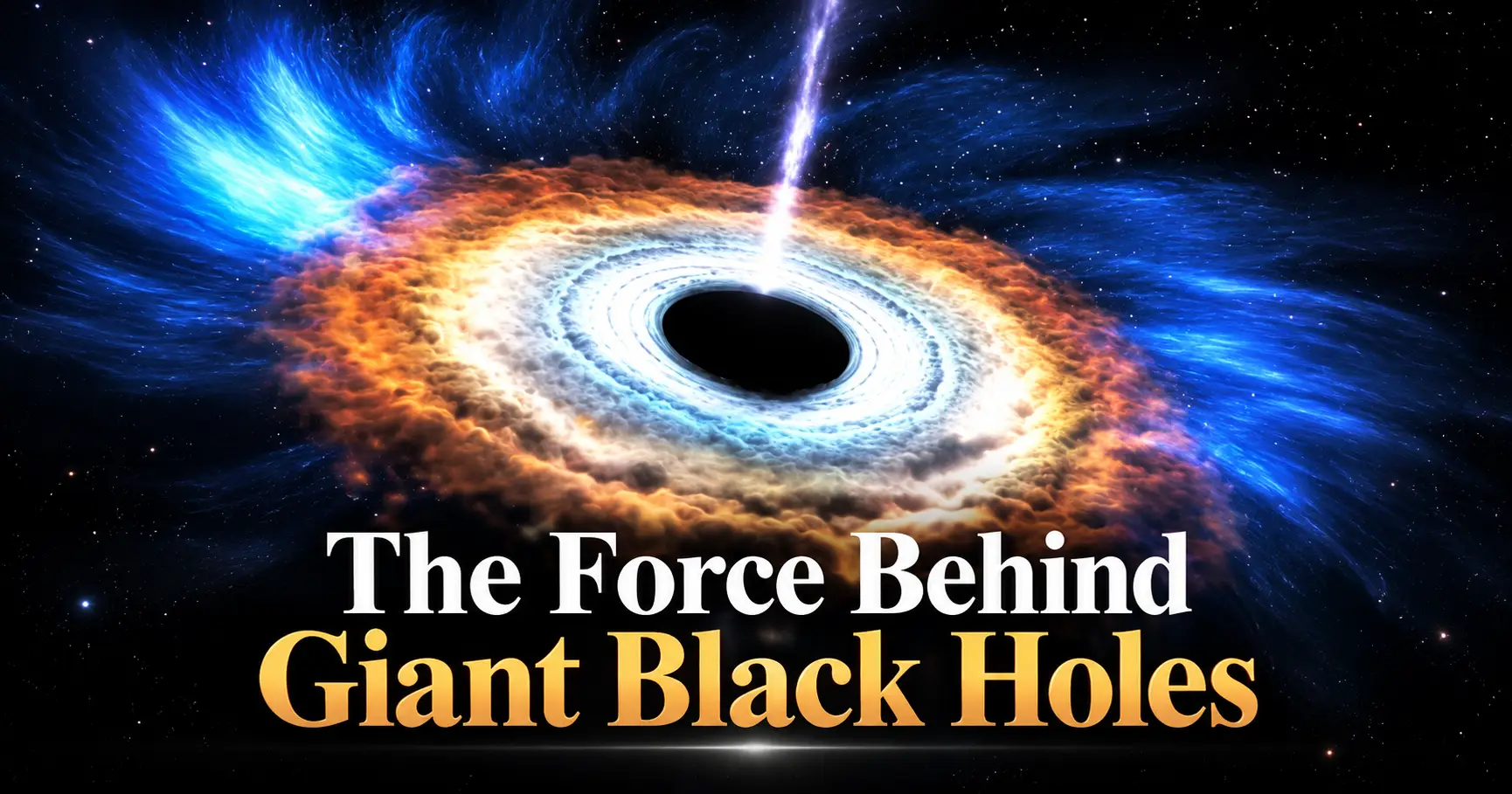
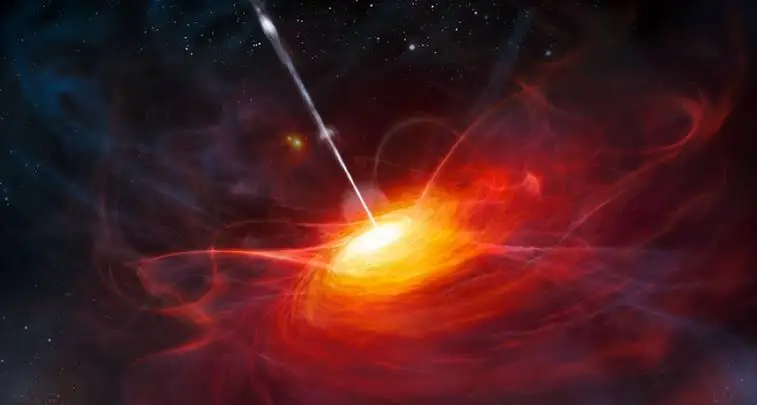
Supermassive black holes are among the most fascinating and powerful objects found throughout the universe. These enormous regions of space contain an incredible amount of mass packed into a small area, creating gravity so strong that even light cannot escape once it crosses their boundary.
Scientists believe that nearly every large galaxy contains a supermassive black hole at its center. These hidden giants play an important role in shaping galaxies because their powerful gravity influences surrounding stars, gas, and dust while affecting how galaxies develop over billions of years.
 Via BBC
Although researchers have learned much about these mysterious objects, many questions remain unanswered. Astronomers continue studying supermassive black holes to understand how they formed, how they grow, and how they influence the structure and evolution of galaxies across the universe.
 Via Science News
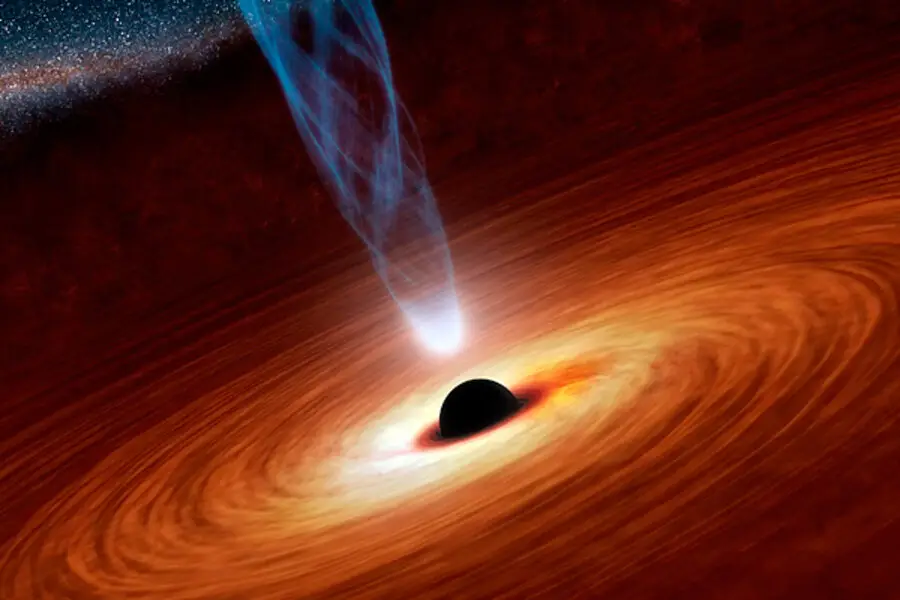
A black hole is an area where gravity becomes extremely powerful due to a huge concentration of matter. The boundary surrounding a black hole is called the event horizon, which marks the point where escape becomes impossible because nothing can travel faster than light.
Despite their enormous size, supermassive black holes occupy only a tiny region compared with the galaxies that surround them. The stars, gas, and dust within a galaxy usually make up a much larger area, meaning these massive objects remain hidden deep within galactic centers.
 Via Te Christian Science
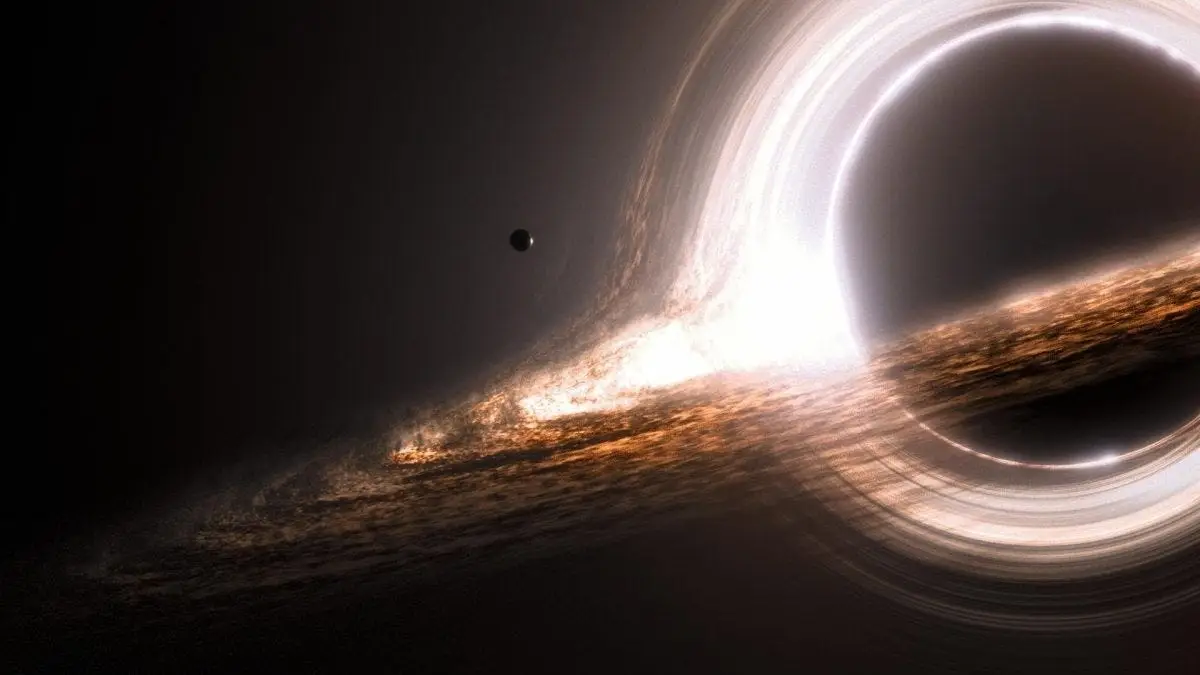 The supermassive black hole at the center of the Milky Way, known as Sagittarius A*, has an event horizon that would fit within the orbit of Mercury if placed where the Sun currently exists. Even larger examples can extend beyond the size of our planetary neighborhood.
 Via Science News
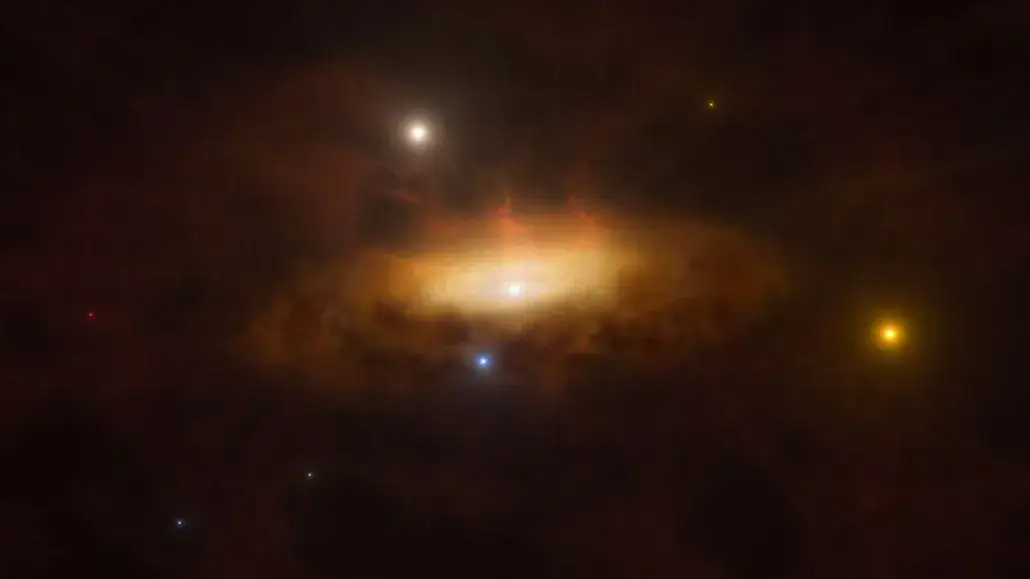
Astronomers use advanced methods to study how stars, gas, and dust behave around suspected black holes. By measuring the movement of nearby objects and analyzing radiation produced by surrounding material, researchers can estimate the size and activity of these hidden giants.
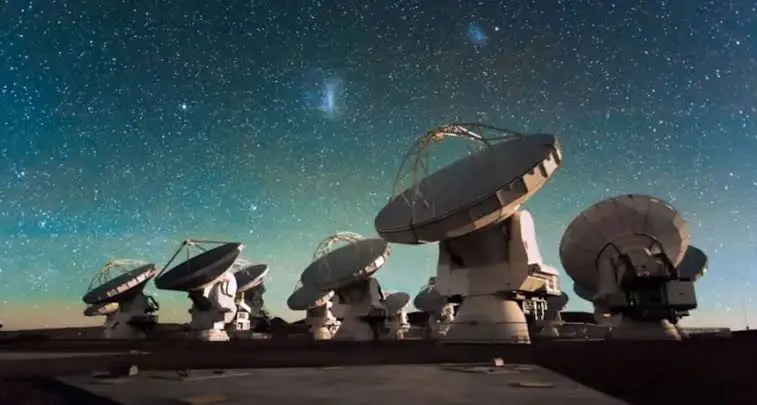
Only a small number of direct images of supermassive black holes have been captured using advanced technology. The Event Horizon Telescope created historic observations by combining signals from telescopes around the world to reveal the shadow-like appearance of these distant cosmic structures.
 Via Science
 Via Science News
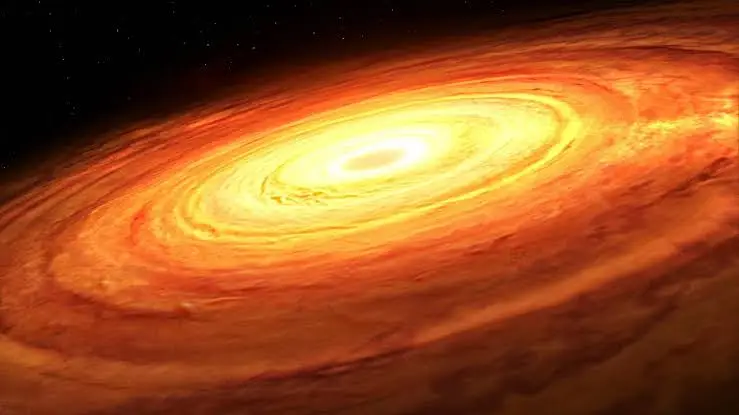
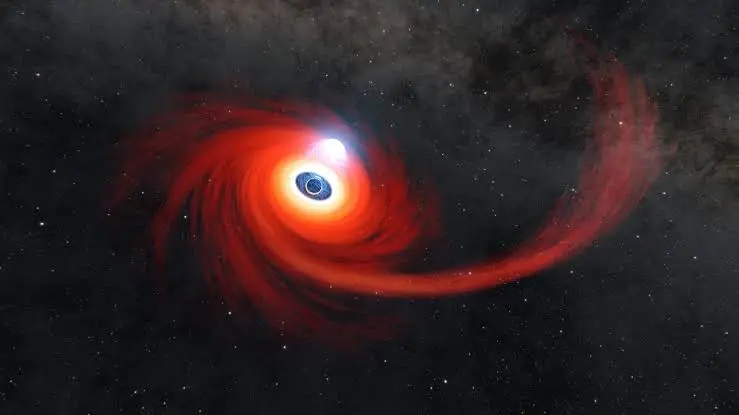
Active supermassive black holes provide different opportunities for study because they consume surrounding material. When gas approaches the event horizon, it releases powerful radiation that allows astronomers to examine its movement and estimate the amount of matter contained within the central black hole.
 Via AAS Nova
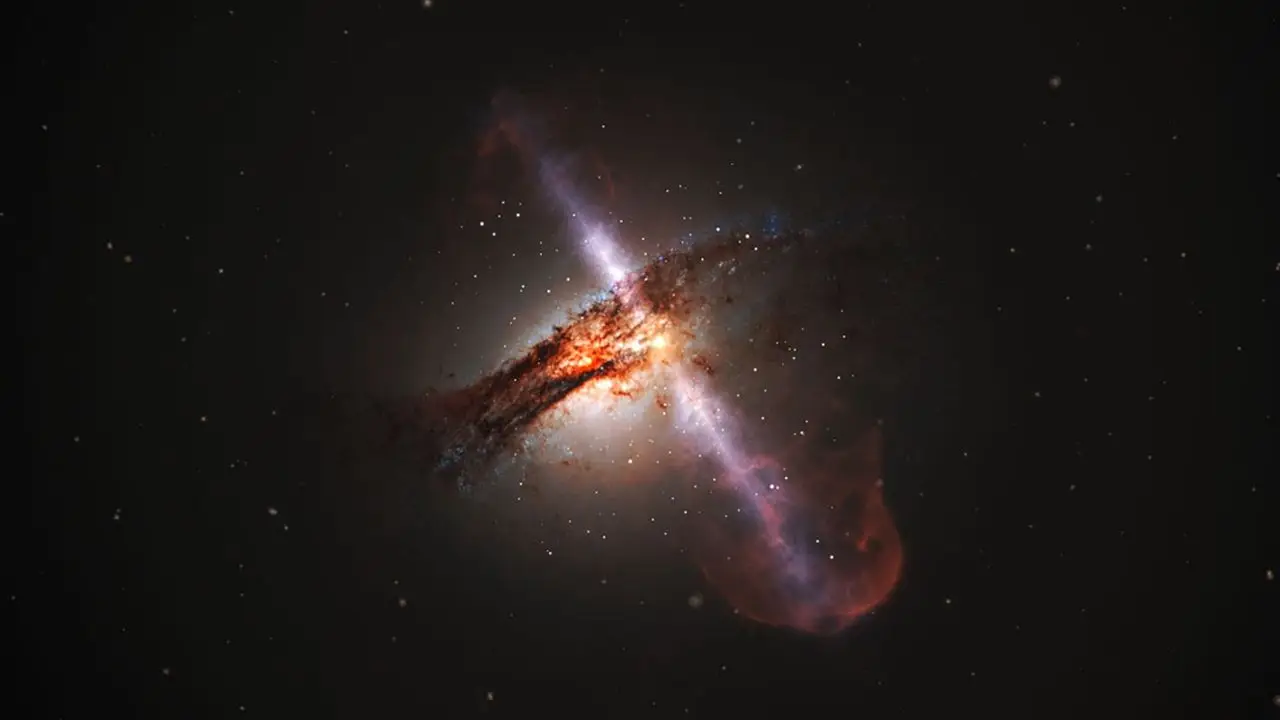
When matter moves toward an active black hole, it forms a rotating structure called an accretion disk. This disk contains extremely hot gas and dust that produce bright radiation as particles accelerate and become heated by the intense gravitational forces surrounding the black hole.
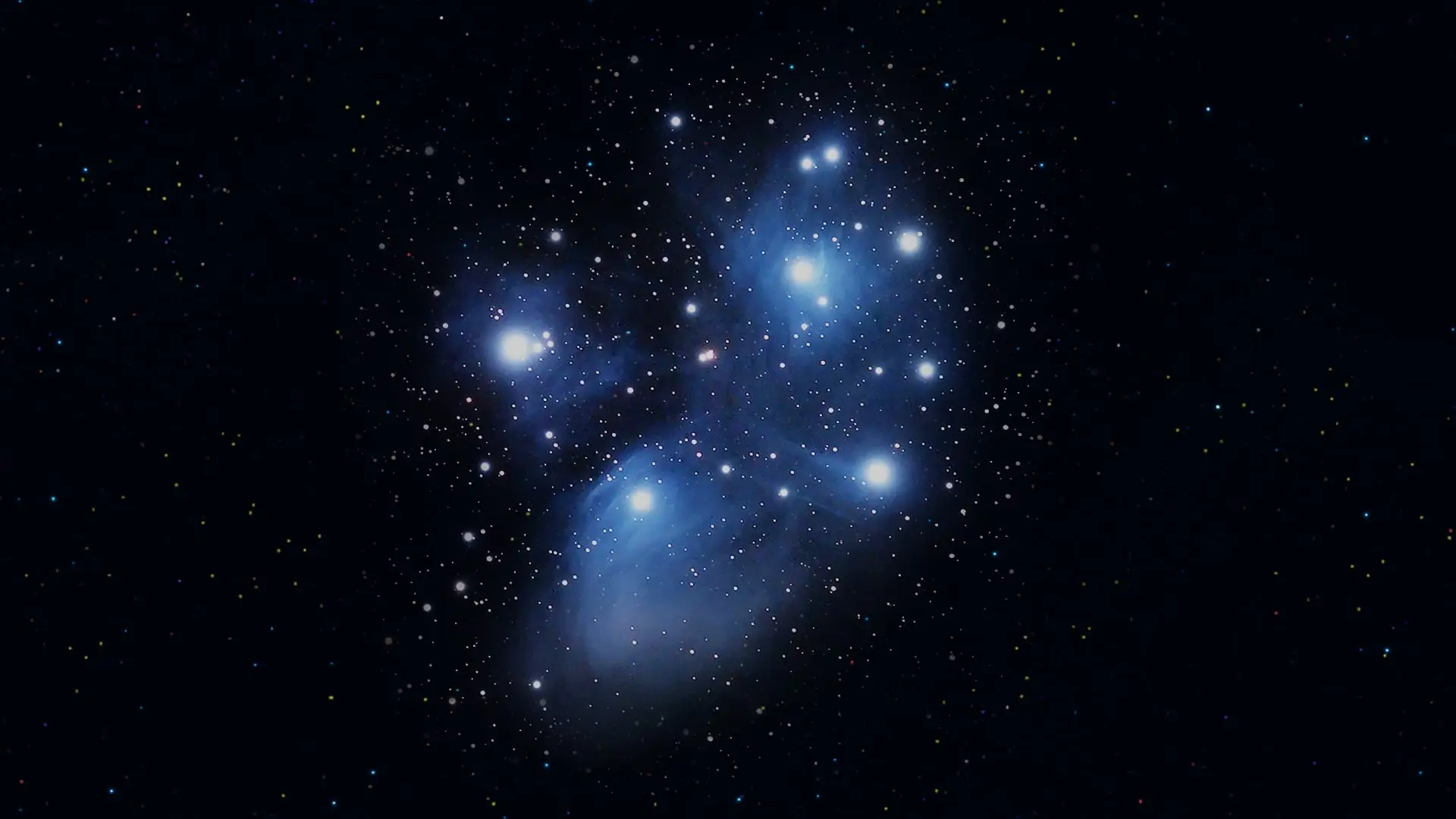
Inactive supermassive black holes are much quieter because they are not actively gathering large amounts of material. Even without visible activity, these objects still influence their galaxies through gravity and continue playing an important role in maintaining the movement and arrangement of nearby stars.
 Via Star Walk
 Via Astronomy Magazine
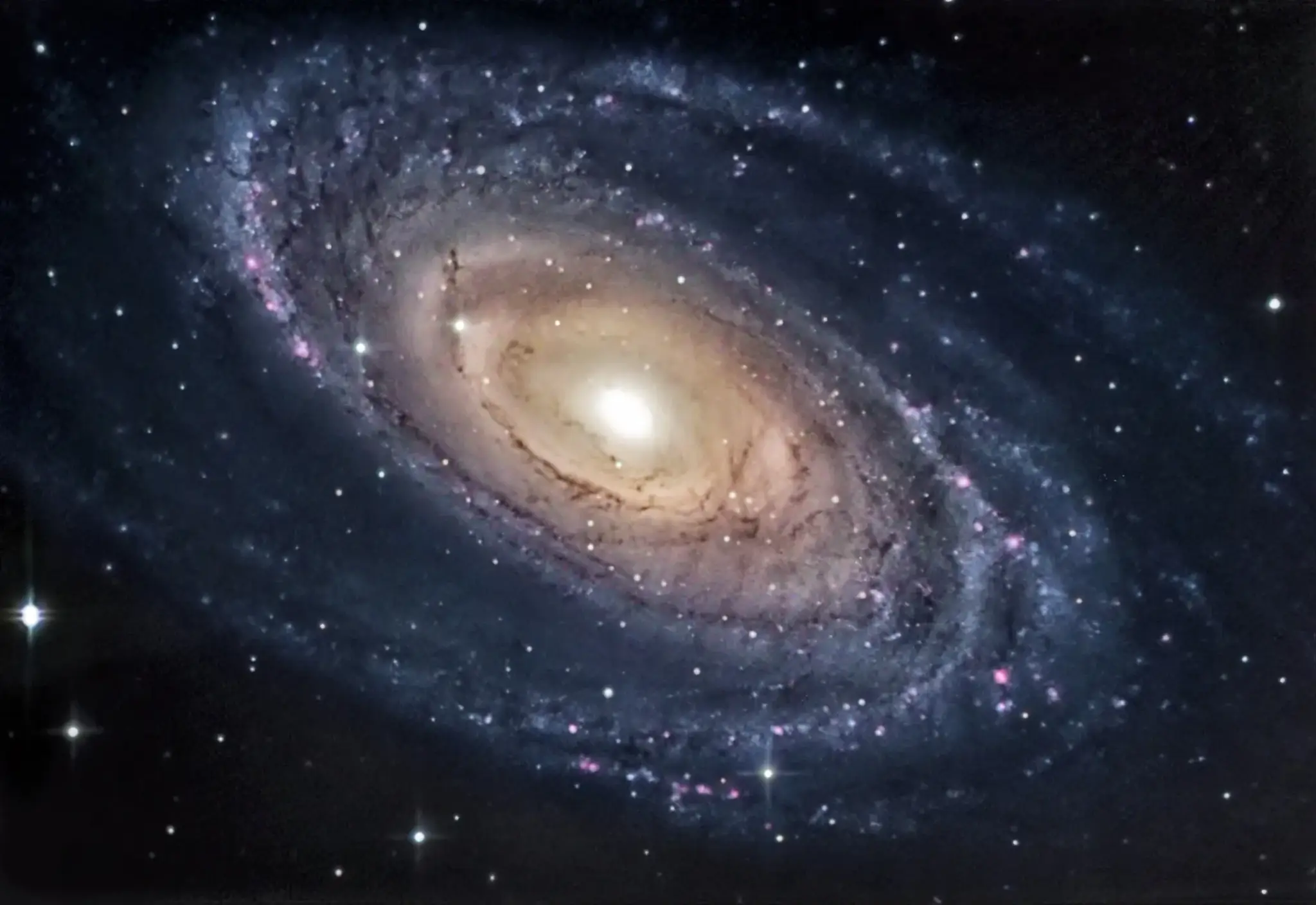
Researchers believe that supermassive black holes began from smaller starting points called seeds. These early black hole seeds gradually collected surrounding material and grew over time, eventually becoming the massive objects observed in galaxies throughout the universe.
 Via Science News
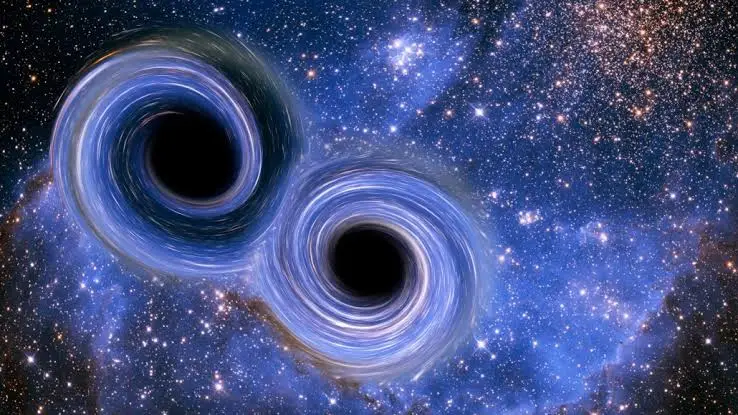
Another theory suggests that enormous clouds of gas may have collapsed directly under their own gravity, creating large black hole seeds without first forming ordinary stars. This process could explain how some supermassive black holes became massive so quickly after the beginning of the universe.
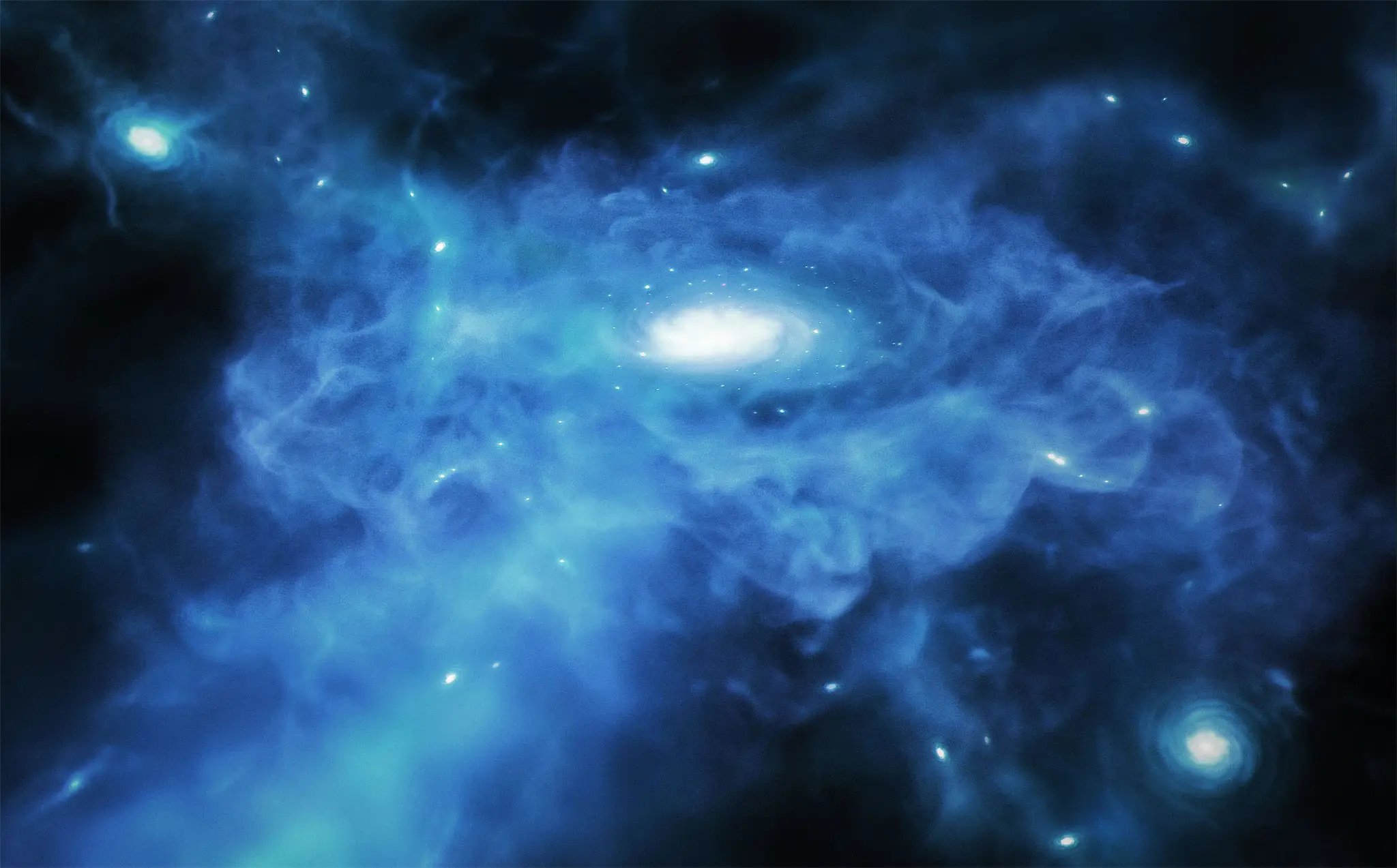
Current observations have not completely confirmed either explanation, but discoveries from powerful space telescopes are helping researchers investigate these possibilities. Studying ancient galaxies provides valuable information about how quickly these mysterious objects appeared and grew during cosmic history.
 Via earth
 Via AAS News
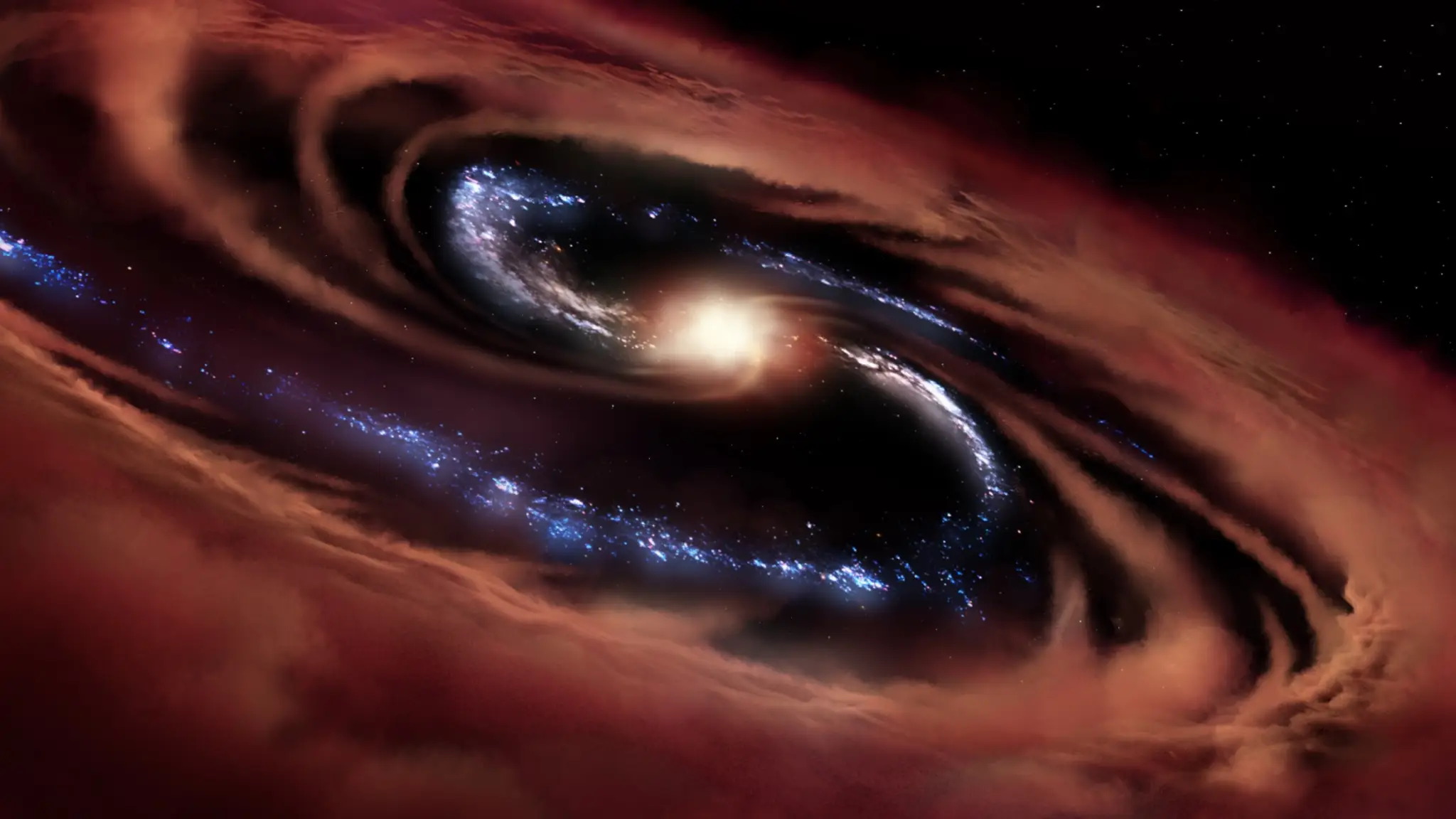
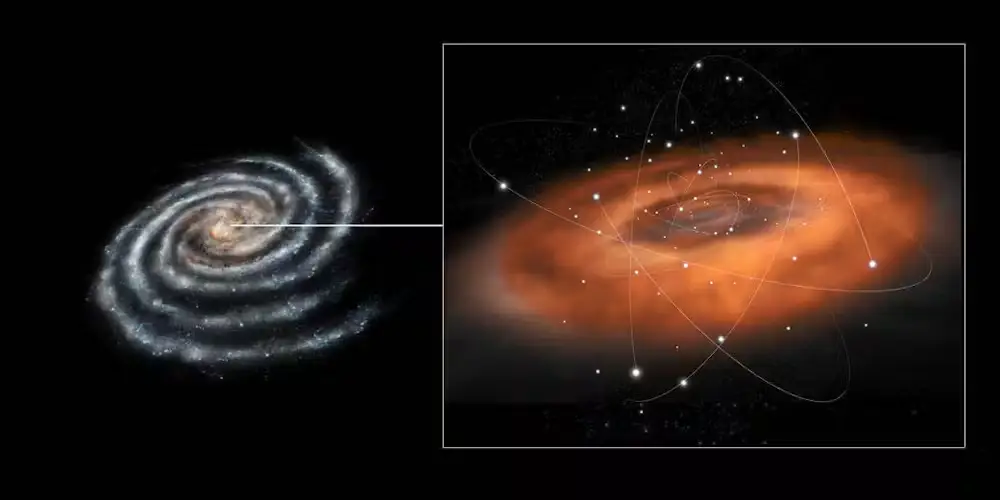
Scientists continue studying this relationship because understanding black holes can reveal important details about galaxy formation. The growth of a supermassive black hole may affect when stars form, how gas moves through a galaxy, and how galaxies change throughout their long history.
 Via The Conversation
These outflows may heat nearby gas and prevent new stars from forming, or they can compress clouds of gas and encourage the creation of new stars. This shows that supermassive black holes can have both limiting and supportive effects on the evolution of their host galaxies.
Despite their incredible power, supermassive black holes are not cosmic vacuum cleaners that pull in everything around them. Objects in galaxies continue following their normal paths because the black hole’s influence depends mainly on distance, gravity, and the movement of surrounding matter.
 Via The Atlantic
 Via Science News
Although much has been discovered, many mysteries remain about supermassive black holes. Scientists are still investigating their beginnings, their rapid growth, and their influence on galaxies, making them one of the most important and fascinating subjects in modern astronomy.
More in UnassignedVia BBC
Although researchers have learned much about these mysterious objects, many questions remain unanswered. Astronomers continue studying supermassive black holes to understand how they formed, how they grow, and how they influence the structure and evolution of galaxies across the universe.
Understanding What Supermassive Black Holes Are
Supermassive black holes represent the largest known category of black holes. Their masses can range from hundreds of thousands to billions of times greater than the mass of the Sun, making them far larger than ordinary stellar black holes created from collapsing stars.
Via Science News
A black hole is an area where gravity becomes extremely powerful due to a huge concentration of matter. The boundary surrounding a black hole is called the event horizon, which marks the point where escape becomes impossible because nothing can travel faster than light.
Despite their enormous size, supermassive black holes occupy only a tiny region compared with the galaxies that surround them. The stars, gas, and dust within a galaxy usually make up a much larger area, meaning these massive objects remain hidden deep within galactic centers.
Via Te Christian Science
The Event Horizon and the Scale of These Giants
The event horizon is one of the most important features of a supermassive black hole. It represents the invisible border where the gravitational pull becomes so intense that any object crossing it would continue moving inward without any possibility of returning. The size of an event horizon depends on the mass of the black hole. Smaller supermassive black holes may have event horizons extending across distances comparable to planetary orbits, while the largest examples can contain regions larger than entire solar systems.
The supermassive black hole at the center of the Milky Way, known as Sagittarius A*, has an event horizon that would fit within the orbit of Mercury if placed where the Sun currently exists. Even larger examples can extend beyond the size of our planetary neighborhood.
How Astronomers Observe Supermassive Black Holes
Studying supermassive black holes is challenging because they cannot be observed directly in the same way as stars or planets. Their powerful gravity prevents light from escaping, making these objects invisible unless scientists examine their effects on nearby matter.Via Science News
Astronomers use advanced methods to study how stars, gas, and dust behave around suspected black holes. By measuring the movement of nearby objects and analyzing radiation produced by surrounding material, researchers can estimate the size and activity of these hidden giants.
Only a small number of direct images of supermassive black holes have been captured using advanced technology. The Event Horizon Telescope created historic observations by combining signals from telescopes around the world to reveal the shadow-like appearance of these distant cosmic structures.
Via Science
Measuring the Mass of Supermassive Black Holes
Astronomers cannot place a scale near a supermassive black hole to measure its weight, so they study the movements of objects affected by its gravity. The speed and motion of nearby stars provide important clues about the hidden mass controlling their orbits around the galactic center. For inactive or quiet supermassive black holes, scientists observe stars located close to the center of a galaxy. By measuring how quickly these stars travel and comparing their movements with established relationships, researchers can estimate the mass of the invisible object influencing them.
Via Science News
Active supermassive black holes provide different opportunities for study because they consume surrounding material. When gas approaches the event horizon, it releases powerful radiation that allows astronomers to examine its movement and estimate the amount of matter contained within the central black hole.
Active and Inactive Supermassive Black Holes
Supermassive black holes are often divided into active and inactive categories depending on whether they are currently consuming surrounding material. An active black hole pulls in gas and dust, creating intense energy emissions that can be detected from enormous distances across space.
Via AAS Nova
When matter moves toward an active black hole, it forms a rotating structure called an accretion disk. This disk contains extremely hot gas and dust that produce bright radiation as particles accelerate and become heated by the intense gravitational forces surrounding the black hole.
Inactive supermassive black holes are much quieter because they are not actively gathering large amounts of material. Even without visible activity, these objects still influence their galaxies through gravity and continue playing an important role in maintaining the movement and arrangement of nearby stars.
Via Star Walk
The Challenge of Discovering Their Origins
One of the greatest mysteries in astronomy is understanding how supermassive black holes first formed. Scientists know how smaller black holes develop from massive stars, but that process cannot fully explain the existence of objects containing millions or billions of solar masses. Stellar black holes appear when extremely large stars use up their fuel and collapse under their own gravity. Although this process creates powerful cosmic objects, the original stars are not large enough to produce the enormous black holes found at the centers of major galaxies.Via Astronomy Magazine
Researchers believe that supermassive black holes began from smaller starting points called seeds. These early black hole seeds gradually collected surrounding material and grew over time, eventually becoming the massive objects observed in galaxies throughout the universe.
Theories Behind Supermassive Black Hole Formation
Scientists have proposed several explanations for how supermassive black hole seeds may have developed in the early universe. One possibility suggests that the first generation of massive stars formed, lived briefly, and collapsed to create the initial black hole foundations.
Via Science News
Another theory suggests that enormous clouds of gas may have collapsed directly under their own gravity, creating large black hole seeds without first forming ordinary stars. This process could explain how some supermassive black holes became massive so quickly after the beginning of the universe.
Current observations have not completely confirmed either explanation, but discoveries from powerful space telescopes are helping researchers investigate these possibilities. Studying ancient galaxies provides valuable information about how quickly these mysterious objects appeared and grew during cosmic history.
Via earth
The Connection Between Black Holes and Galaxies
Supermassive black holes are closely connected with the galaxies that surround them. Although these objects occupy a very small region compared with their host galaxies, their powerful gravity and energy output can influence the movement of stars, the behavior of gas, and the overall development of galactic structures. As a supermassive black hole grows, astronomers observe changes in the central regions of galaxies. The relationship between black hole size and the movement of nearby stars suggests that these objects are not separate from their galaxies but instead develop alongside them through a complex cosmic connection.Via AAS News
Scientists continue studying this relationship because understanding black holes can reveal important details about galaxy formation. The growth of a supermassive black hole may affect when stars form, how gas moves through a galaxy, and how galaxies change throughout their long history.
How Supermassive Black Holes Influence Their Surroundings
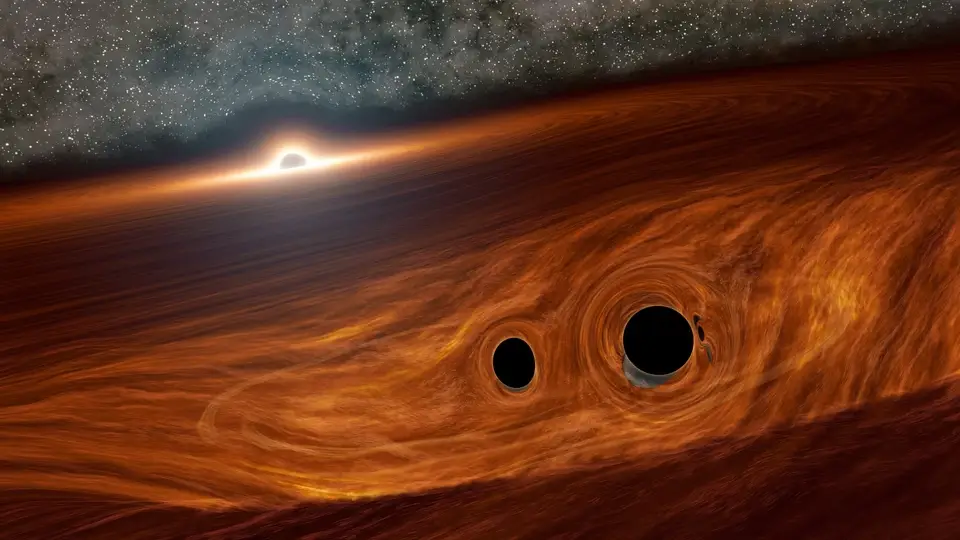
Supermassive black holes can affect their surroundings through powerful forces created by gravity, radiation, and moving material. As gas and dust fall toward an active black hole, some of that material can be pushed away through energetic winds and powerful outflows.
Via The Conversation
These outflows may heat nearby gas and prevent new stars from forming, or they can compress clouds of gas and encourage the creation of new stars. This shows that supermassive black holes can have both limiting and supportive effects on the evolution of their host galaxies.
Despite their incredible power, supermassive black holes are not cosmic vacuum cleaners that pull in everything around them. Objects in galaxies continue following their normal paths because the black hole’s influence depends mainly on distance, gravity, and the movement of surrounding matter.
Via The Atlantic
Why Scientists Continue Studying These Cosmic Giants
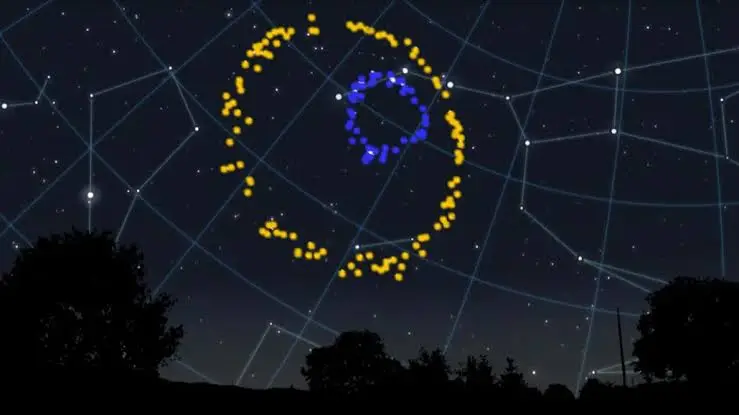
Research on supermassive black holes helps scientists understand some of the biggest questions about the universe. These objects provide important information about how galaxies formed, how matter behaves under extreme conditions, and how cosmic structures developed over billions of years. Modern observatories and advanced space telescopes continue revealing surprising details about these mysterious objects. Discoveries are helping astronomers examine early galaxies, investigate black hole growth, and improve existing theories about how these powerful cosmic giants came into existence.
Via Science News
Although much has been discovered, many mysteries remain about supermassive black holes. Scientists are still investigating their beginnings, their rapid growth, and their influence on galaxies, making them one of the most important and fascinating subjects in modern astronomy.