Unassigned
Green And Brown Moon In Artemis II Photos Stun Scientists
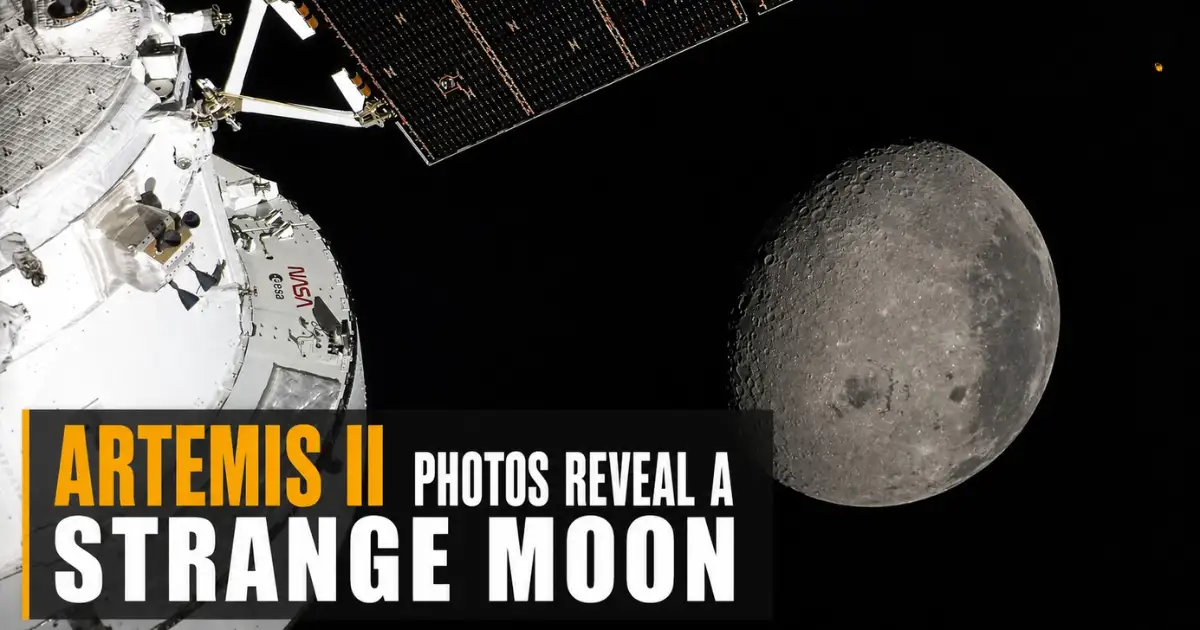
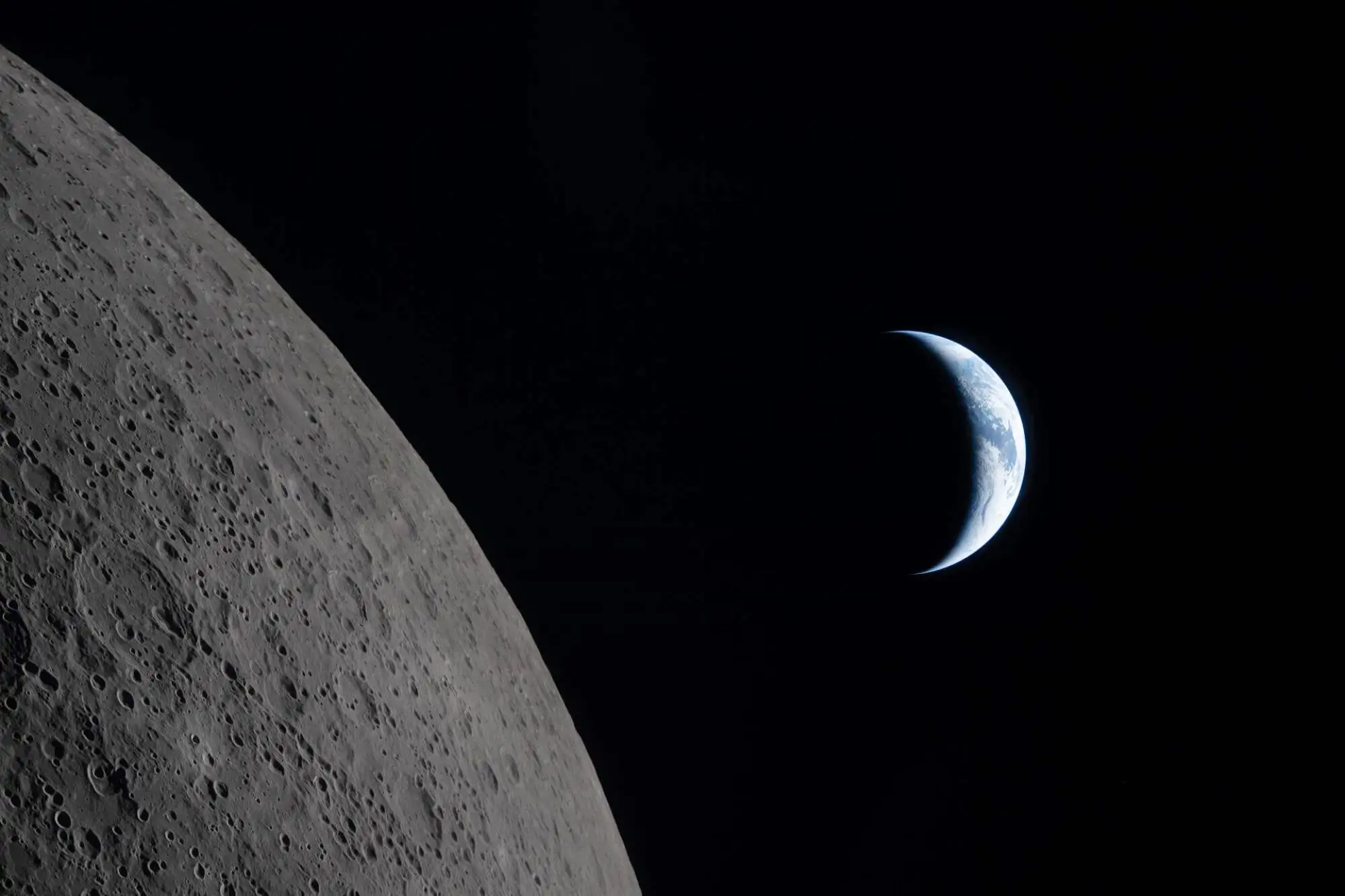
Artemis II brought the Moon back into public attention with photos that looked both familiar and surprising. For many people, the Moon appears as a pale gray world in the night sky. The new lunar flyby images showed something richer, with sharp shadows, rough craters, bright edges, and small color differences that made scientists look more closely.
The mission carried four astronauts around the Moon inside NASA’s Orion spacecraft. They did not land on the surface, but their close flyby gave them a rare view of the lunar landscape. Their photos, spoken notes, and visual reports are now important records for geologists who study the Moon’s history.
 Via The Conversation
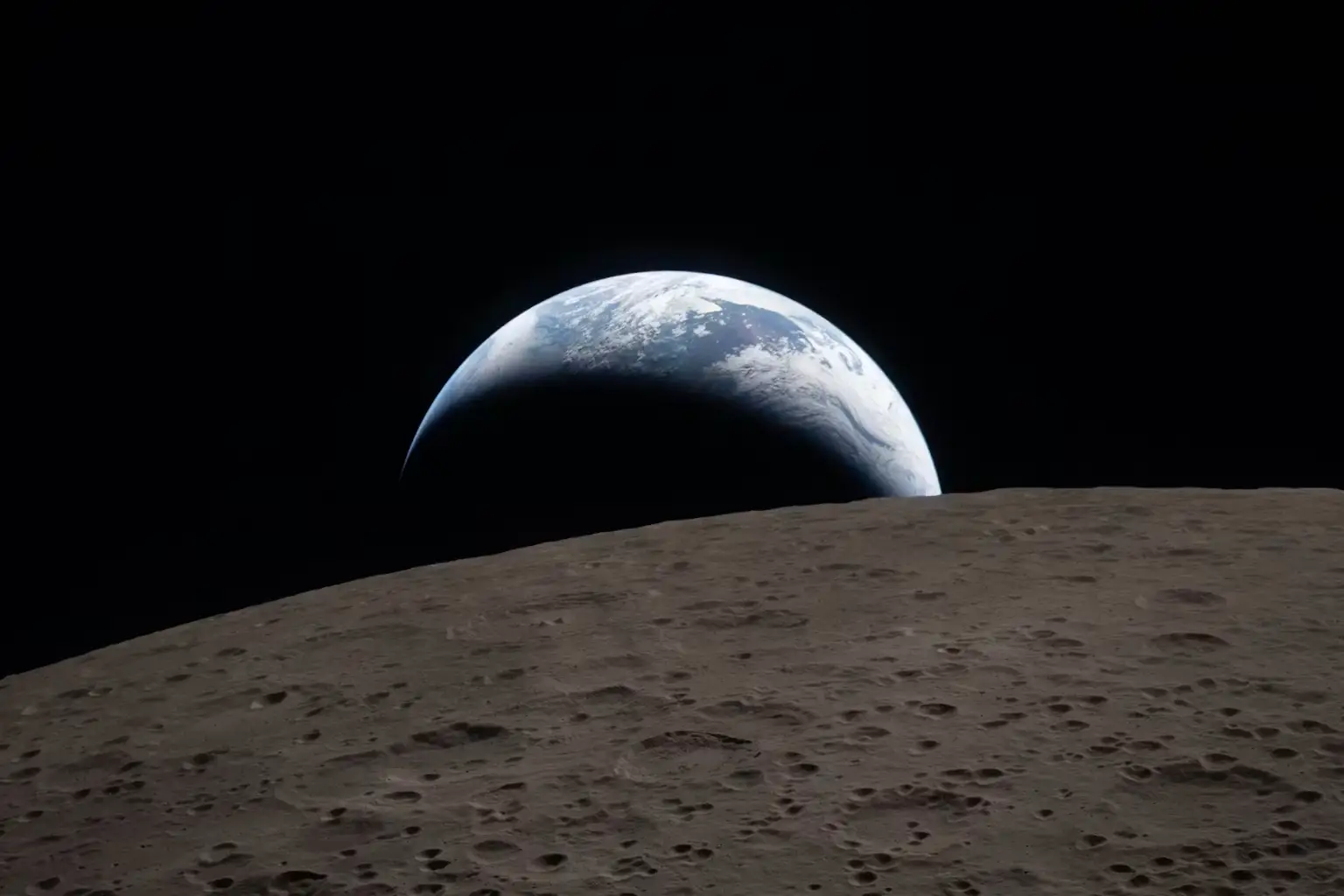
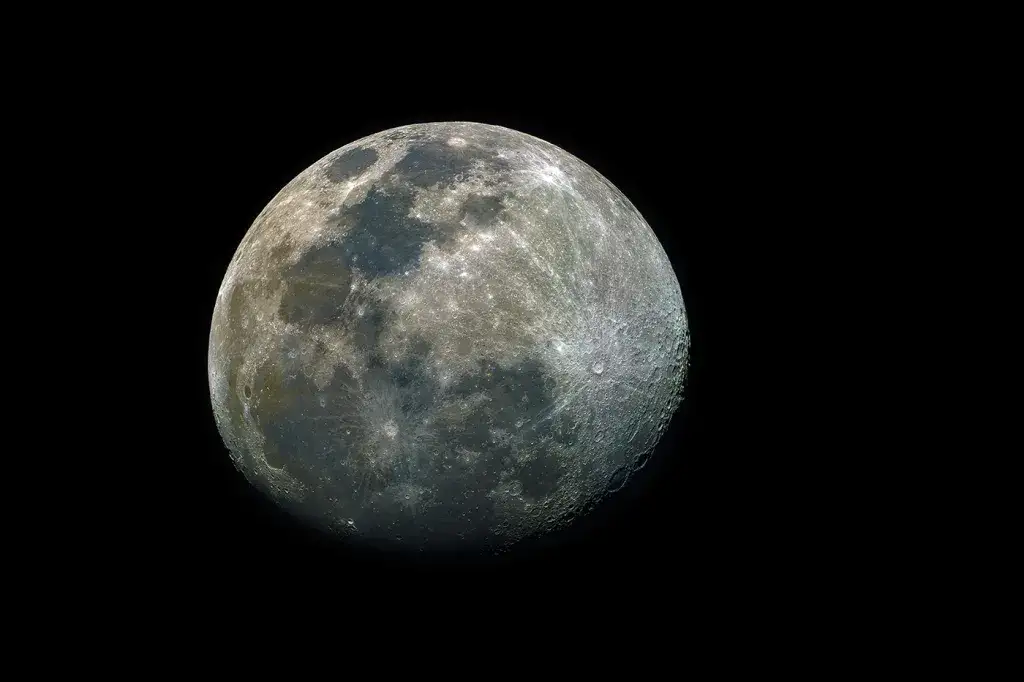
Scientists are especially interested in the crew’s reports of green and brown tones on the lunar surface. These colors may seem small to regular viewers, but they can hold major clues about rocks, minerals, volcanic material, and impact history. A small color change can help explain what kind of material covers a certain part of the Moon.
 Via Live Science
Lunar soil is made from broken rock, dust, tiny glass pieces, and material created by billions of years of impacts. Sunlight strikes this rough surface in different ways. When the angle of light changes, some areas can show slight brown, green, blue, or reddish tones, even though the Moon still looks mostly gray overall.
Human eyes can notice some color differences better than cameras in certain conditions. Astronauts looking through spacecraft windows may see soft tones that digital images do not fully capture. That is why their descriptions matter. Their voice notes can add extra meaning to the photos taken during the lunar flyby.
 Via LA Times
 Via IB Times Singapore
These color clues may also help future astronauts choose where to collect samples. A rock from a colorful patch could tell scientists more than an ordinary-looking rock. Future lunar missions may use the Artemis II photos to decide which areas deserve closer study during later surface missions.
 Via Live Science
These impact flashes are exciting because they show that the Moon is still changing. The surface may look calm and frozen in time, but tiny impacts continue to shape it. Each new strike can create a fresh crater, scatter dust, and expose material from just below the surface.
Scientists may compare the timing of the flashes with images from lunar orbiters. If they find matching craters, they can study how fresh impacts look soon after they happen. This helps experts understand how the Moon’s surface changes over short and long periods of time.
 Via Universe Space Tech
 Via Physics World
The terminator also helps reveal the shape of the land. A crater that looks flat under direct sunlight may show deep walls and raised edges when shadows stretch across it. These lighting conditions can help geologists understand the height, depth, and roughness of lunar features.
 Via Space
Astronauts are trained to notice details quickly because space missions move fast. During a lunar flyby, every minute matters. The crew had to take photos, record voice notes, and watch the surface while also managing spacecraft duties. Clear training helped turn a short view into useful science.
This kind of practice is also important for future landing missions. Astronauts on the Moon may need to make fast choices about which rocks to collect. A simple-looking sample may hold a major clue about lunar history. Good field training helps crews make better decisions under pressure.
 Via BBC Sky at Night
 Via Euro News
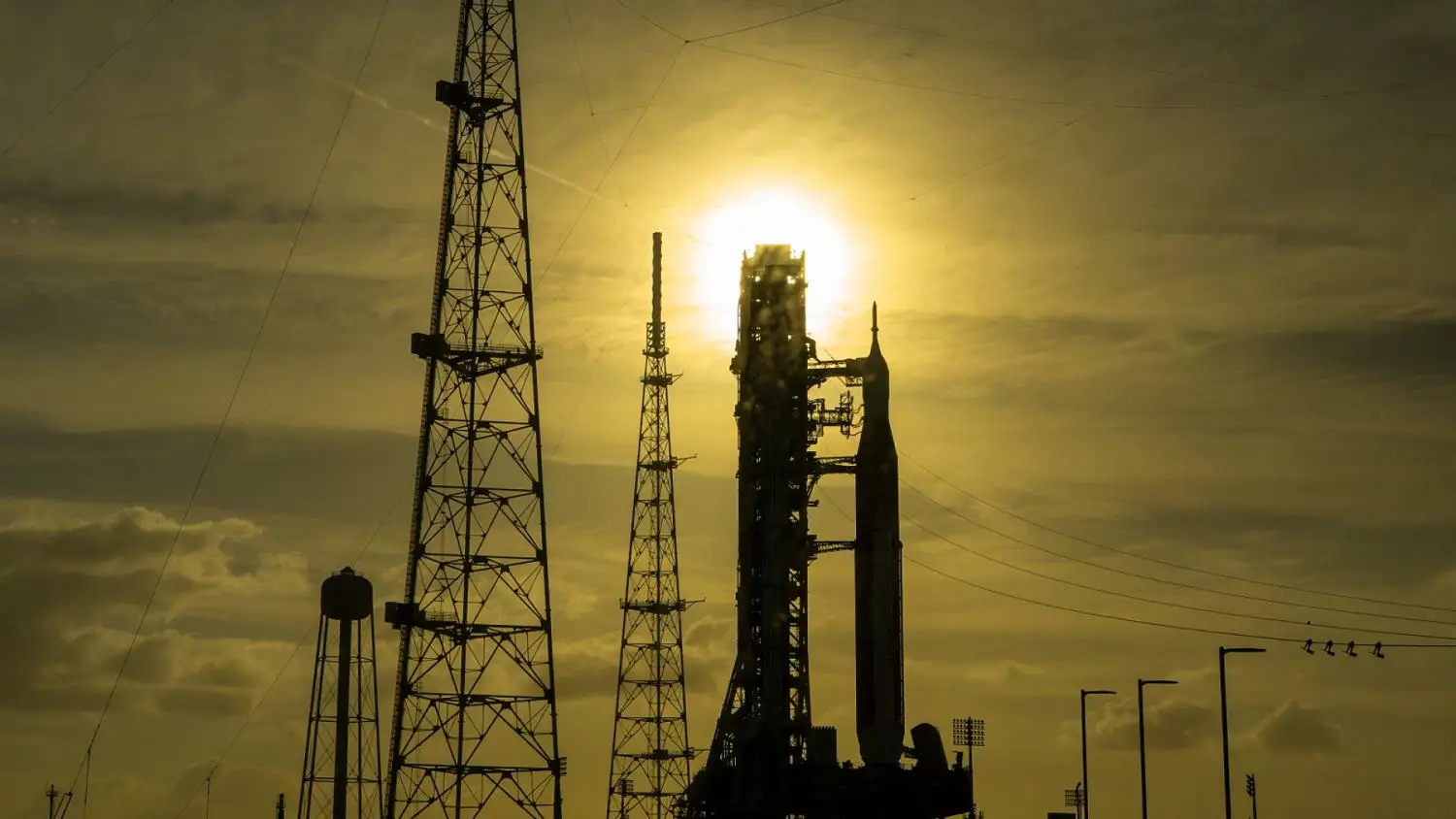
Artemis II did not land, but its role is still important. It tested deep-space travel with astronauts and collected useful observations during the flyby. These results can help improve future crewed missions that may return humans to the lunar surface.
 Via NBC News
Scientists want samples from areas that may reveal different parts of lunar history. Some rocks may come from ancient crust. Others may come from volcanic plains or impact sites. A carefully chosen sample can help explain how the Moon cooled, cracked, melted, and changed over billions of years.
Artemis II observations may help shape those choices. If colorful patches or fresh impact areas look promising, future missions may study them more closely. The flyby photos could become part of the planning process for where astronauts should explore and what they should bring back.
 Via Northeastern Globe
 Via Asian Scientist
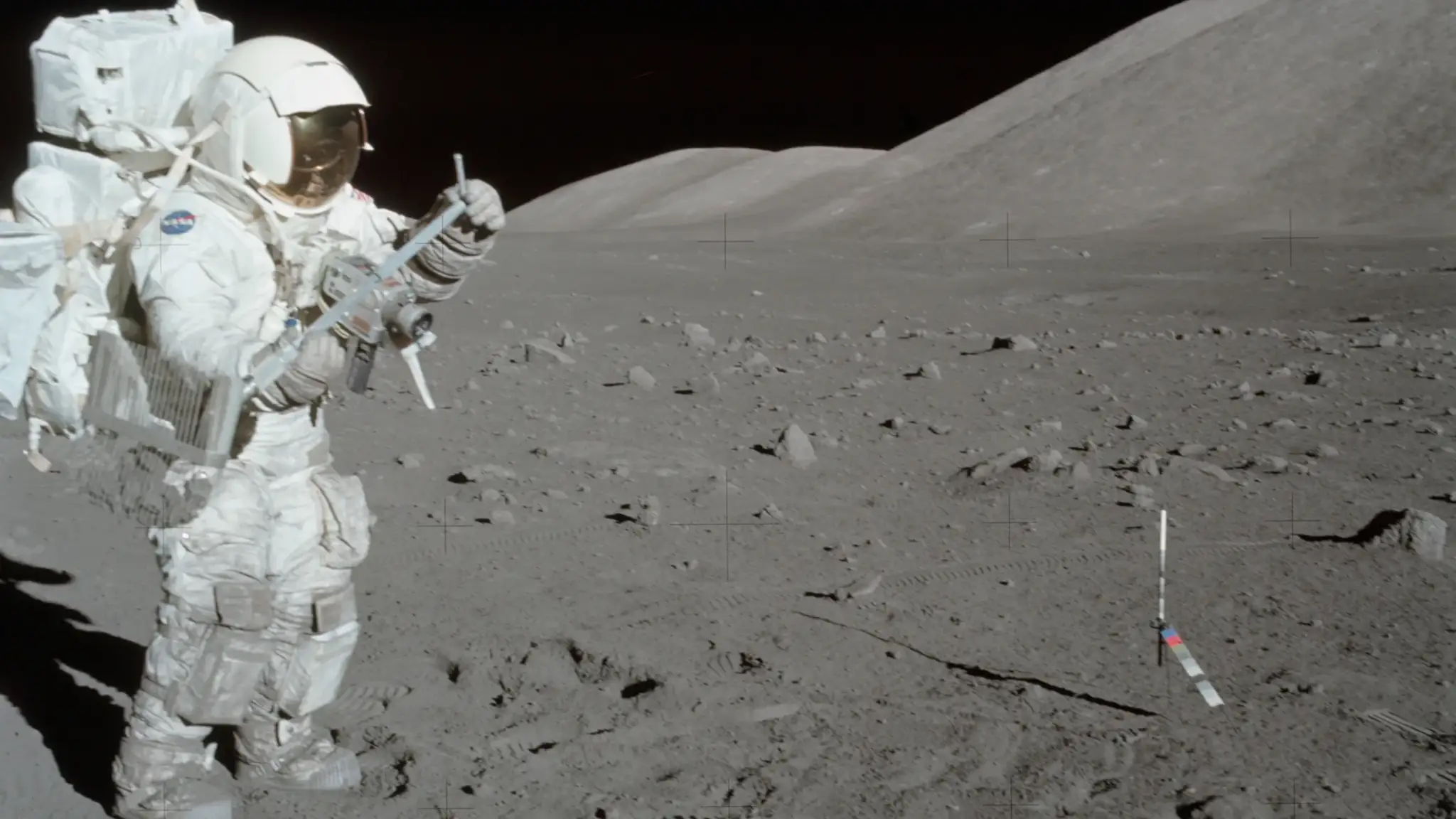
Artemis II is part of a much larger path back to the Moon. The images sent home are not only beautiful. They are tools for learning, planning, and preparing. Each photo can help future missions reach better sites, collect better samples, and understand the Moon more deeply.
 Via FOX 2
The crew’s observations will take time to review. Scientists will compare the photos with maps, voice notes, older mission records, and modern lunar data. This careful work may reveal fresh details about rocks, minerals, craters, and surface conditions that were not clear before.
Artemis II has opened another step in lunar exploration. Its photos are beautiful, but their value goes far beyond beauty. They may help shape the next crewed landings, guide sample choices, and bring people closer to understanding the Moon as a real world with a deep and complex past.
More in UnassignedVia The Conversation
Scientists are especially interested in the crew’s reports of green and brown tones on the lunar surface. These colors may seem small to regular viewers, but they can hold major clues about rocks, minerals, volcanic material, and impact history. A small color change can help explain what kind of material covers a certain part of the Moon.
Why The Moon Does Not Always Look Gray?
The Moon often looks gray from Earth because distance blends many surface details into one soft shade. Cameras can also make the lunar surface look plainer than it really is because lighting, exposure, and camera settings affect the final image. Close views from a spacecraft can reveal details that are hard to see from Earth.Via Live Science
Lunar soil is made from broken rock, dust, tiny glass pieces, and material created by billions of years of impacts. Sunlight strikes this rough surface in different ways. When the angle of light changes, some areas can show slight brown, green, blue, or reddish tones, even though the Moon still looks mostly gray overall.
Human eyes can notice some color differences better than cameras in certain conditions. Astronauts looking through spacecraft windows may see soft tones that digital images do not fully capture. That is why their descriptions matter. Their voice notes can add extra meaning to the photos taken during the lunar flyby.
Via LA Times
Green And Brown Patches May Hold Clues
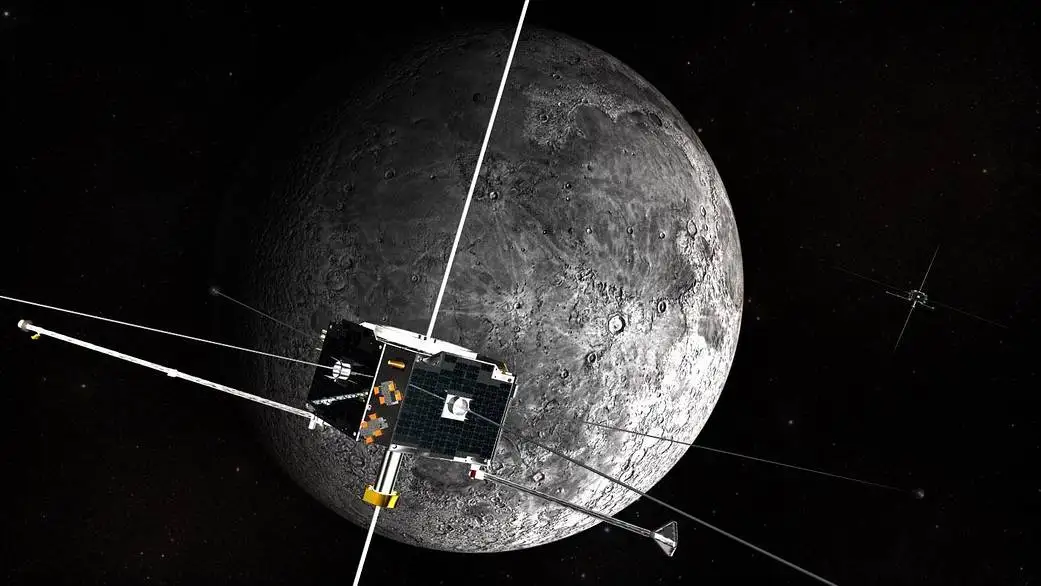
Green and brown patches on the Moon may point to different minerals or rock types. Some lunar rocks contain materials that reflect light in special ways. These color differences may help scientists understand where volcanic activity once happened or where older material was brought to the surface by large impacts. The Moon had a more active past than many people imagine. Long ago, some areas were shaped by volcanic flows, deep impacts, and heat from inside the Moon. Dark plains, bright crater rims, and unusual color patches can all reveal parts of that history. Artemis II gives scientists another chance to study those signs.Via IB Times Singapore
These color clues may also help future astronauts choose where to collect samples. A rock from a colorful patch could tell scientists more than an ordinary-looking rock. Future lunar missions may use the Artemis II photos to decide which areas deserve closer study during later surface missions.
Impact Flashes Added More Excitement
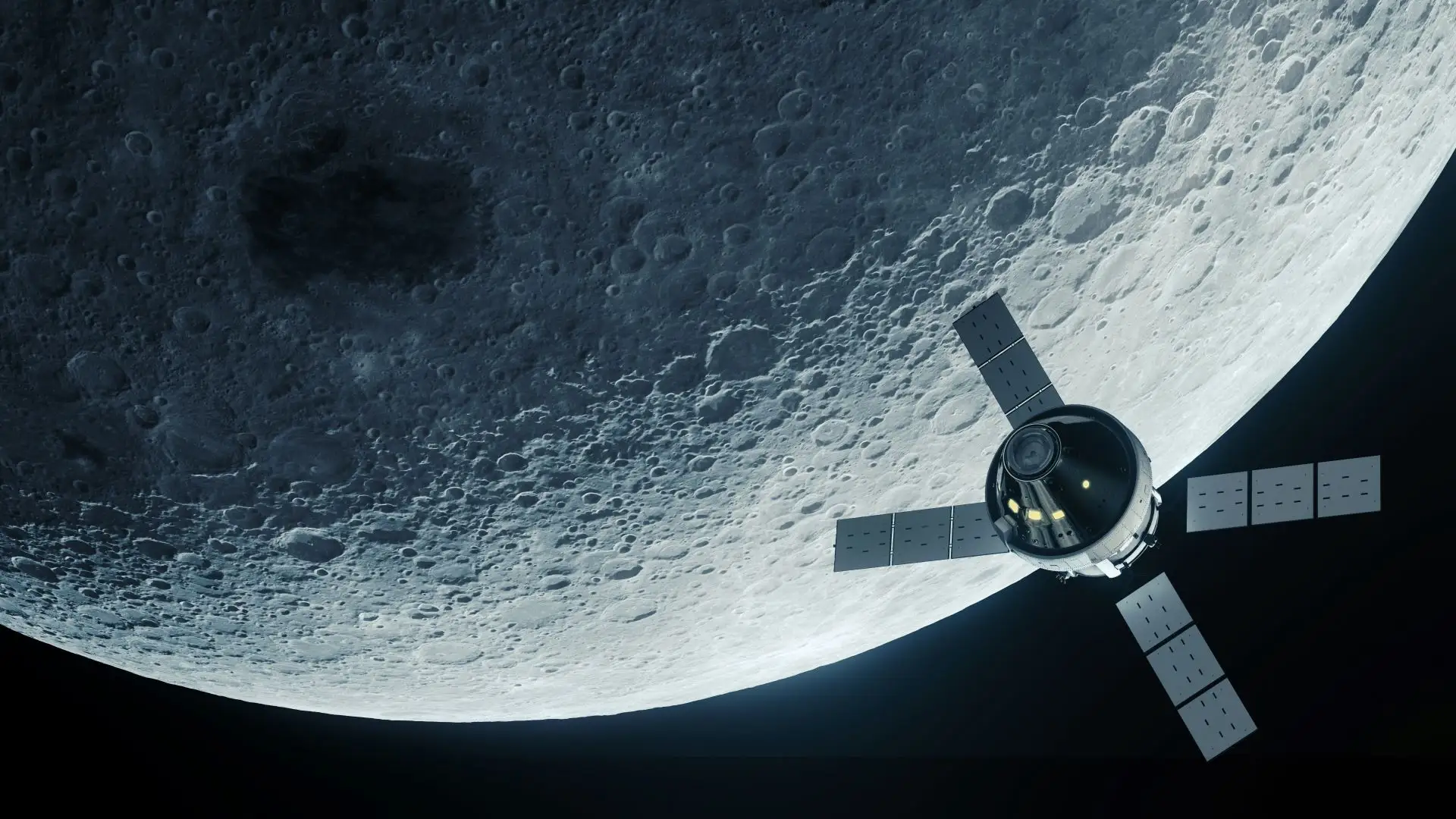
Artemis II astronauts also reported seeing bright flashes on the Moon. These flashes happen when small space rocks strike the lunar surface at high speed. Since the Moon has almost no atmosphere, even small objects can hit the ground directly and create a sudden burst of light.Via Live Science
These impact flashes are exciting because they show that the Moon is still changing. The surface may look calm and frozen in time, but tiny impacts continue to shape it. Each new strike can create a fresh crater, scatter dust, and expose material from just below the surface.
Scientists may compare the timing of the flashes with images from lunar orbiters. If they find matching craters, they can study how fresh impacts look soon after they happen. This helps experts understand how the Moon’s surface changes over short and long periods of time.
Via Universe Space Tech
The Lunar Terminator Helped The Crew See More
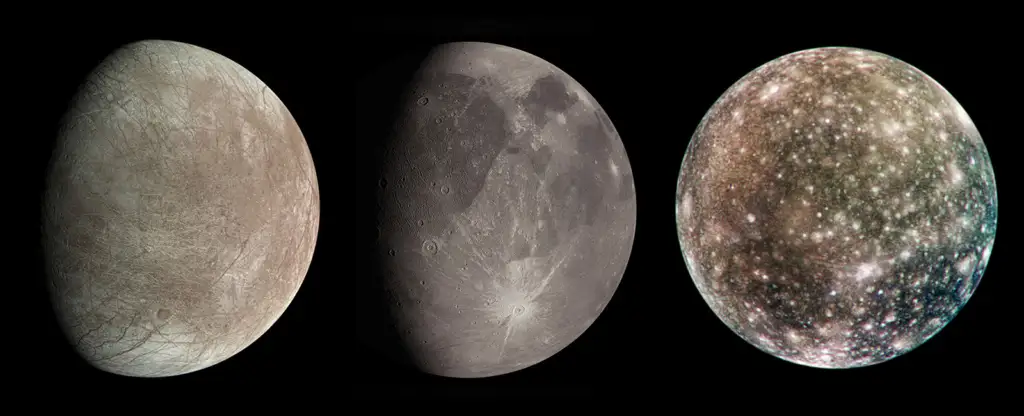
The lunar terminator is the line where day meets night on the Moon. This area creates a strong contrast because one side is lit by sunlight while the other side is covered in shadow. Long shadows can make craters, ridges, slopes, and flashes easier to see. Artemis II passed through a viewing position that gave the crew a strong look at this high-contrast region. Bright impact flashes can stand out more clearly near the terminator because the darker background makes sudden light easier to spot. This made the crew’s observations especially valuable.Via Physics World
The terminator also helps reveal the shape of the land. A crater that looks flat under direct sunlight may show deep walls and raised edges when shadows stretch across it. These lighting conditions can help geologists understand the height, depth, and roughness of lunar features.
Geology Training Made The Mission Stronger
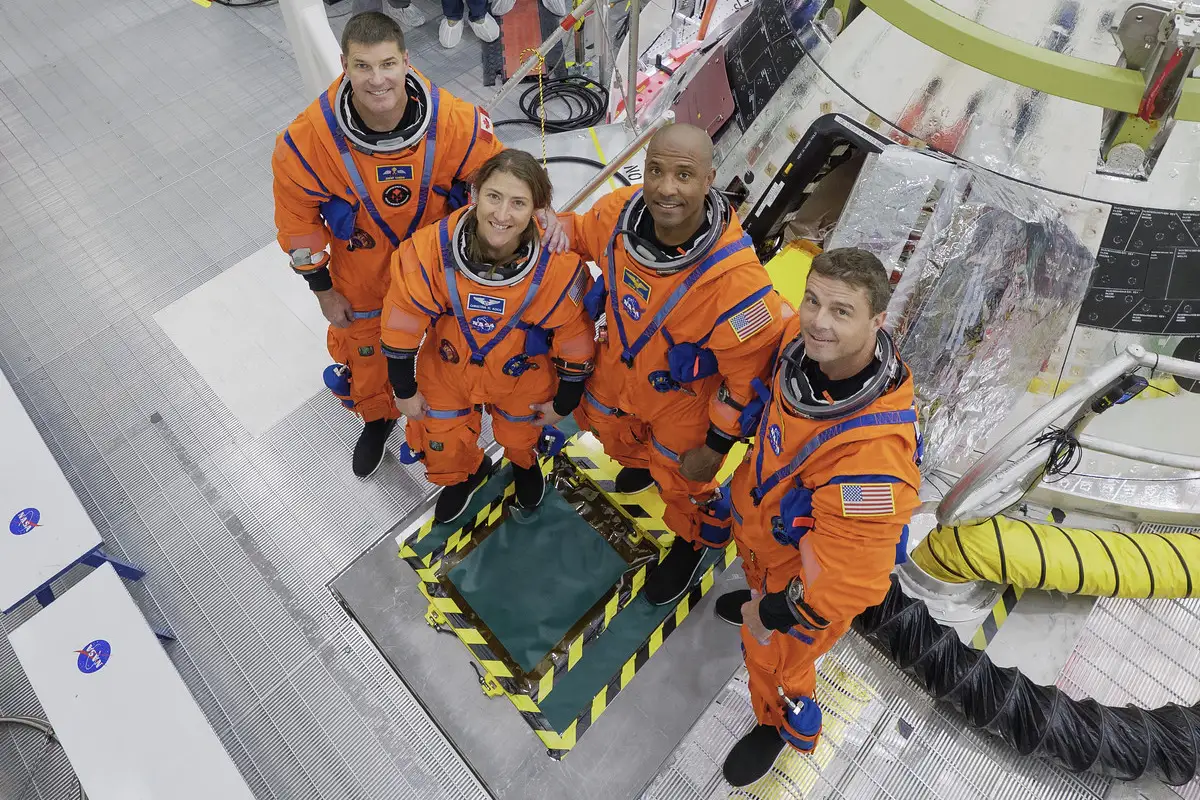
Artemis II astronauts received geology training before their flight. Since they could not walk on the surface or collect rocks, they needed to describe what they saw with care. Their training helped them observe shapes, colors, layers, crater patterns, and surface textures in a useful way.Via Space
Astronauts are trained to notice details quickly because space missions move fast. During a lunar flyby, every minute matters. The crew had to take photos, record voice notes, and watch the surface while also managing spacecraft duties. Clear training helped turn a short view into useful science.
This kind of practice is also important for future landing missions. Astronauts on the Moon may need to make fast choices about which rocks to collect. A simple-looking sample may hold a major clue about lunar history. Good field training helps crews make better decisions under pressure.
Via BBC Sky at Night
Artemis II Builds On Apollo’s Legacy
Apollo missions gave science the first direct human samples from the Moon. Those rocks changed what people knew about lunar history, Earth’s past, and the early solar system. Artemis II continues that story with modern tools, better imaging, and new scientific questions. The Artemis program also benefits from decades of discoveries made after Apollo. Scientists now know more about lunar craters, possible water ice, ancient volcanic activity, and the effects of solar wind. This gives modern missions a stronger base for planning and research.Via Euro News
Artemis II did not land, but its role is still important. It tested deep-space travel with astronauts and collected useful observations during the flyby. These results can help improve future crewed missions that may return humans to the lunar surface.
Sample Return Is A Major Goal
One of the biggest goals of future Artemis missions is returning lunar samples to Earth. Rocks and soil from the Moon can be tested in labs with tools that are far more advanced than anything carried on a spacecraft. These samples can answer questions that images alone cannot solve.Via NBC News
Scientists want samples from areas that may reveal different parts of lunar history. Some rocks may come from ancient crust. Others may come from volcanic plains or impact sites. A carefully chosen sample can help explain how the Moon cooled, cracked, melted, and changed over billions of years.
Artemis II observations may help shape those choices. If colorful patches or fresh impact areas look promising, future missions may study them more closely. The flyby photos could become part of the planning process for where astronauts should explore and what they should bring back.
Via Northeastern Globe
What The Photos Mean For Space Exploration
Artemis II showed that the Moon still has the power to surprise people. Even after decades of study, new photos and human reports can raise fresh questions. Green and brown surface tones, bright impact flashes, and close views of craters all show that lunar science is still active. The mission also reminded people why human spaceflight matters. Astronauts bring attention, judgment, and emotion to exploration. Their view of the Moon can inspire public interest while also helping scientists gather useful details. This mix of science and wonder is one reason lunar missions remain powerful.Via Asian Scientist
Artemis II is part of a much larger path back to the Moon. The images sent home are not only beautiful. They are tools for learning, planning, and preparing. Each photo can help future missions reach better sites, collect better samples, and understand the Moon more deeply.
A New Chapter For Lunar Discovery
The Moon may seem quiet from Earth, but Artemis II showed that it is full of detail. Its surface holds colors, scars, shadows, flashes, and clues from a long history of impacts and change. These new photos give scientists more material to study and more questions to explore.Via FOX 2
The crew’s observations will take time to review. Scientists will compare the photos with maps, voice notes, older mission records, and modern lunar data. This careful work may reveal fresh details about rocks, minerals, craters, and surface conditions that were not clear before.
Artemis II has opened another step in lunar exploration. Its photos are beautiful, but their value goes far beyond beauty. They may help shape the next crewed landings, guide sample choices, and bring people closer to understanding the Moon as a real world with a deep and complex past.