Unassigned
Venus Is Hiding a Giant Underground Secret
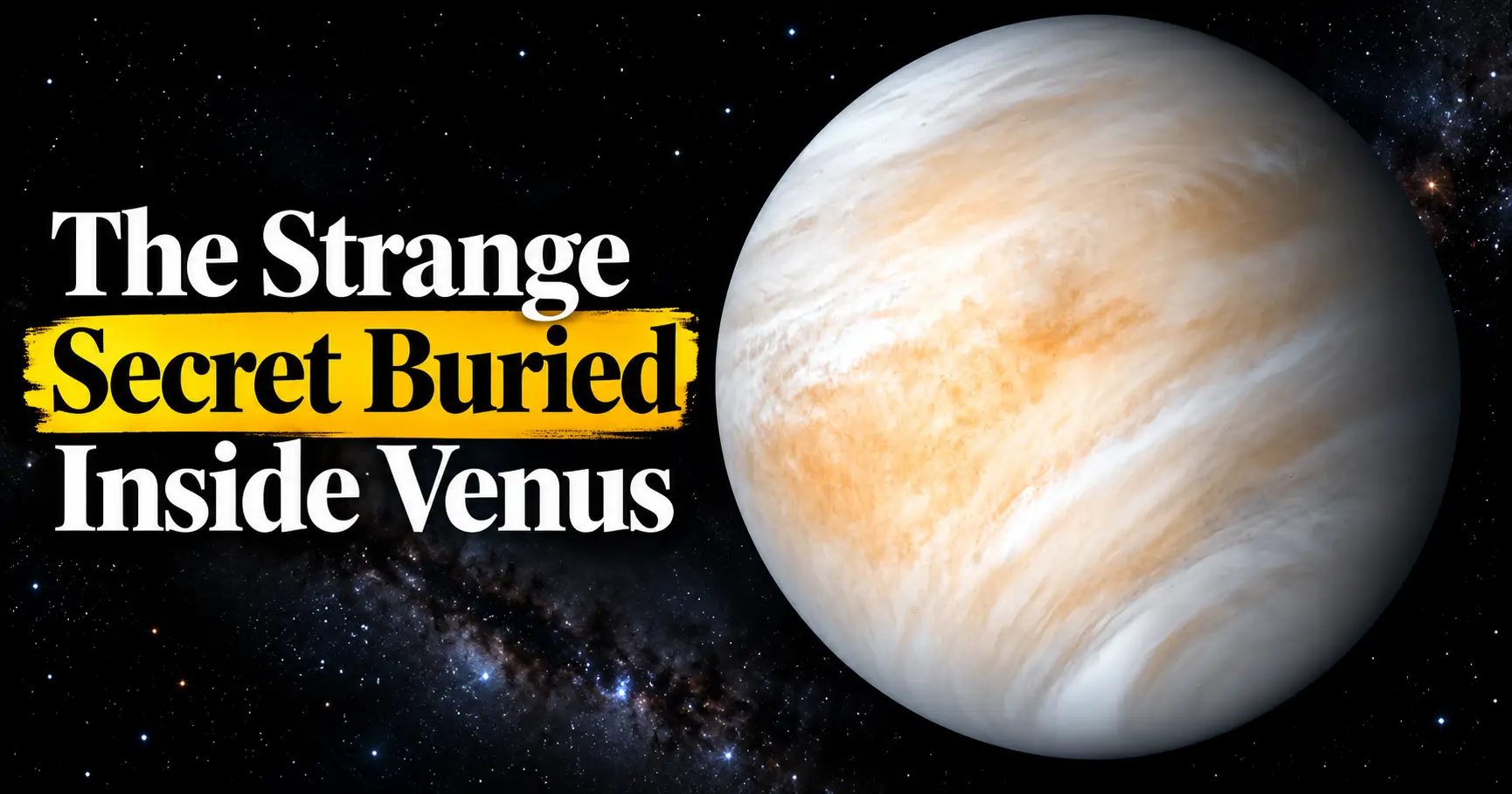
Venus has long remained one of the most mysterious planets in the solar system because its thick clouds hide the landscape from direct observation. Despite being Earth's closest planetary neighbor in size, much of its surface has remained unknown for decades, making every discovery especially valuable for scientists.
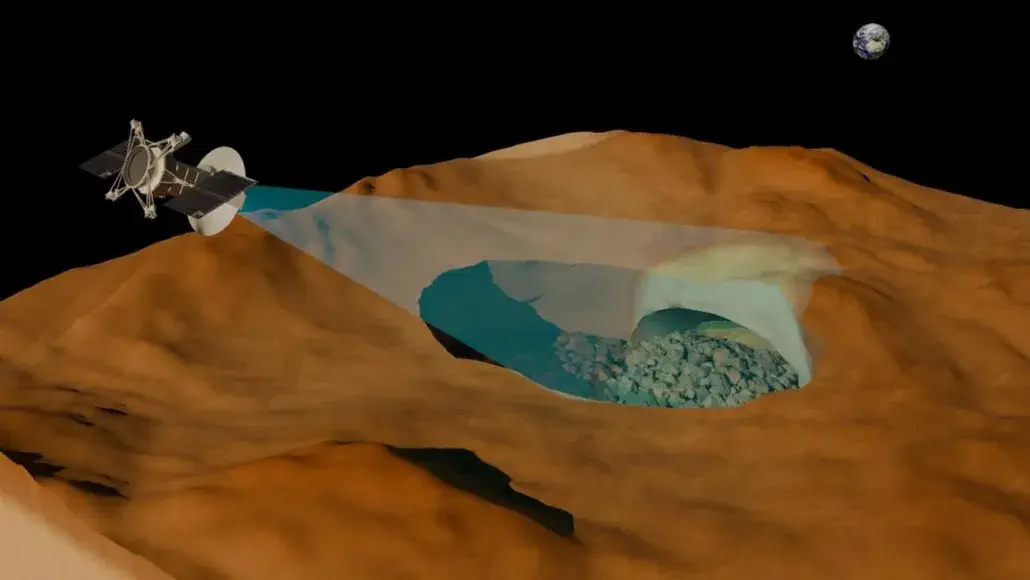
Researchers have now identified what appears to be the first confirmed lava tube beneath the surface of Venus. The finding was not made through a brand-new spacecraft but by carefully studying radar information collected more than thirty years ago by NASA's Magellan mission using modern imaging methods.
 Via Science News
The discovery offers fresh insight into the geological history of Venus while providing scientists with new clues about volcanic activity on the planet. It also demonstrates that older scientific data can continue producing important discoveries when examined with improved technology and advanced analytical techniques.
 Via BBC
Scientists applied advanced image-processing techniques to the historic radar data to search for geological features that may have gone unnoticed during the original mission. These improved methods highlighted subtle surface details that suggested the presence of an underground volcanic structure hidden beneath the rocky landscape.
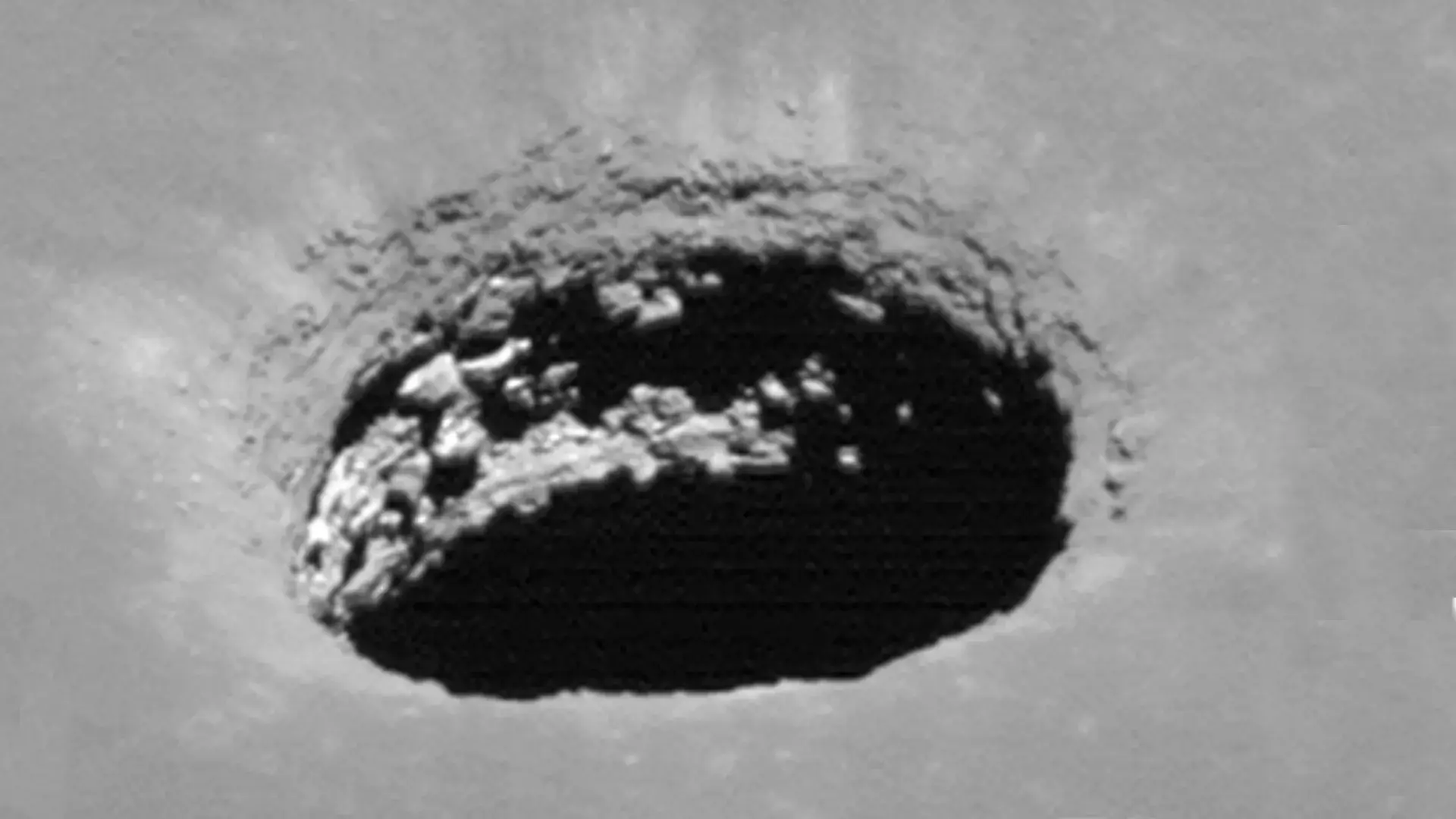
Careful examination revealed a collapsed opening known as a skylight, which forms when part of a lava tube's roof falls inward. This surface feature provided convincing evidence that a large hollow tunnel exists beneath the ground, marking the first confirmed lava tube discovered on Venus.
 Via Futurism
 Via Science News
This dependence on radar explains why the Magellan mission remains one of the most significant planetary exploration projects ever conducted. Even decades after completing its mission, the spacecraft continues contributing to scientific discoveries because its extensive data archive still contains information waiting to be fully understood.
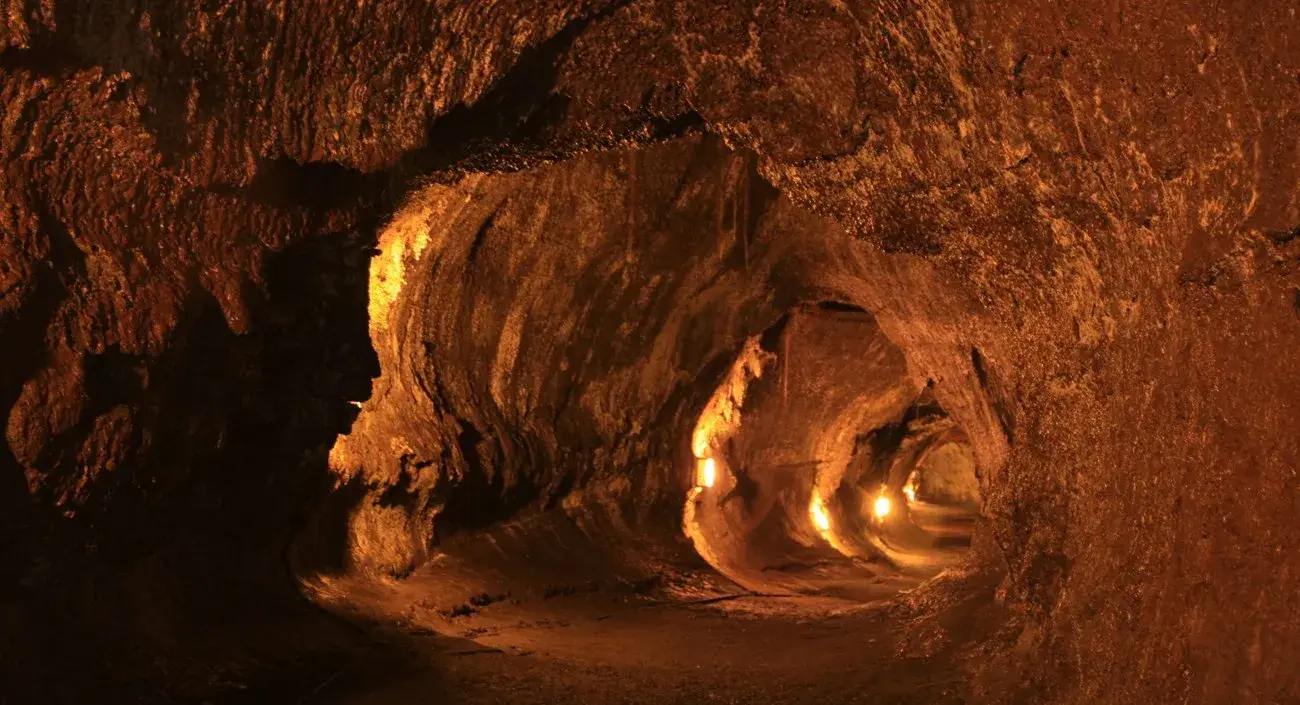 Via Astronomy Magazine
The remarkable size of the feature may be linked to conditions unique to Venus, including its volcanic history and geological processes. Understanding why such enormous lava tubes formed could help scientists compare Venus with other rocky planets and improve knowledge about how planetary surfaces evolve over millions of years.
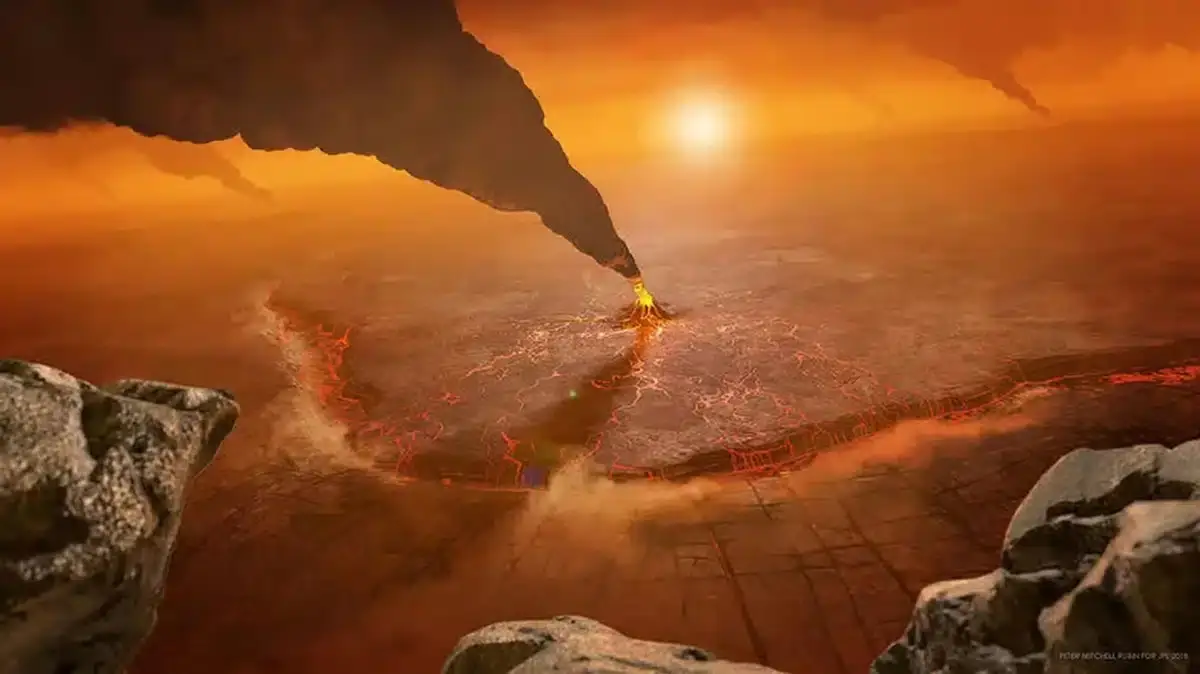 Via Futura Sciences
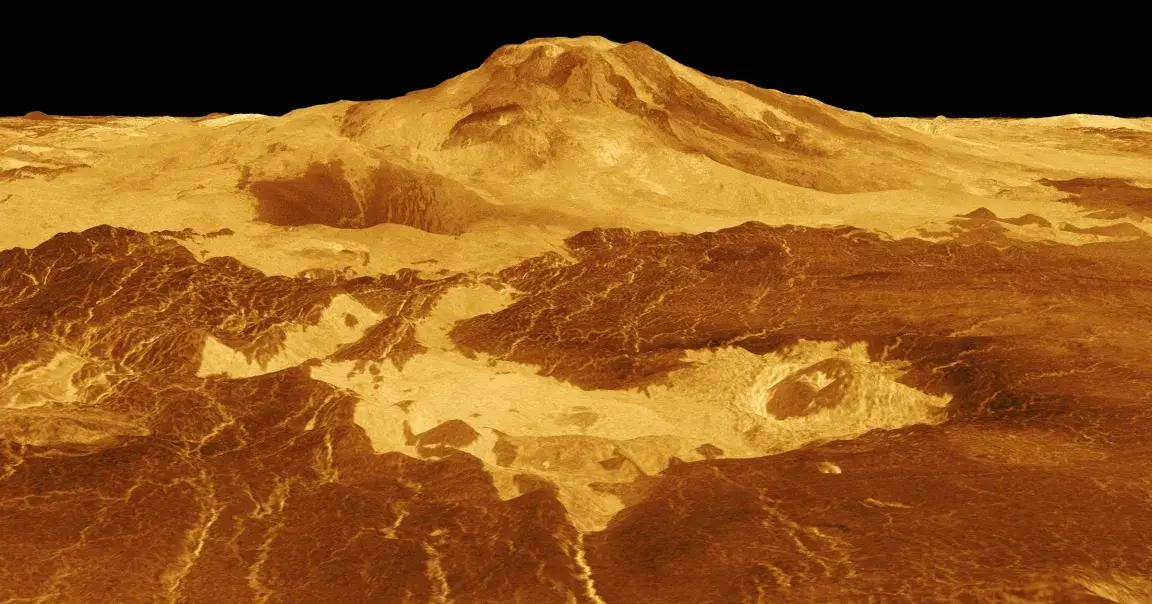
Scientists have long known that volcanoes played a major role in shaping the Venusian landscape, yet many details about the planet's geological evolution remain uncertain. Identifying a lava tube supports existing theories that extensive lava flows once spread across the surface, creating complex underground structures similar to those found on other rocky worlds.
Comparing these volcanic features with similar formations on Earth, Mars, and the Moon helps researchers understand how different environments influence planetary development. Although each world has unique conditions, shared geological structures reveal that many volcanic processes follow similar patterns throughout the solar system.
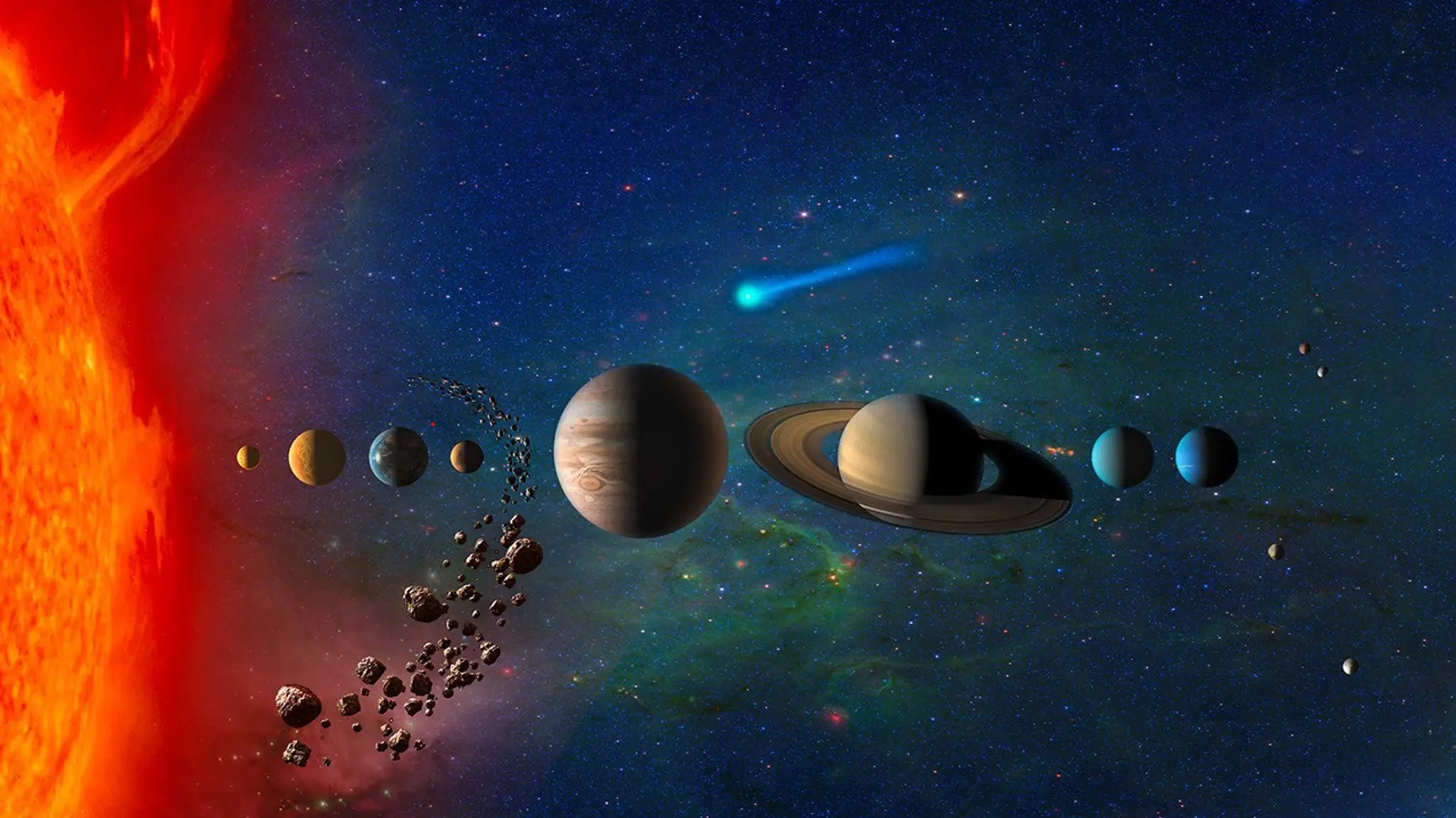 Via NASA Science
 Via Space Connect
These future observations may confirm the lava tube's full dimensions while revealing additional underground volcanic structures hidden beneath the surface. The new information could greatly improve scientific understanding of Venus's geological history and provide a clearer picture of how the planet continues to evolve today.
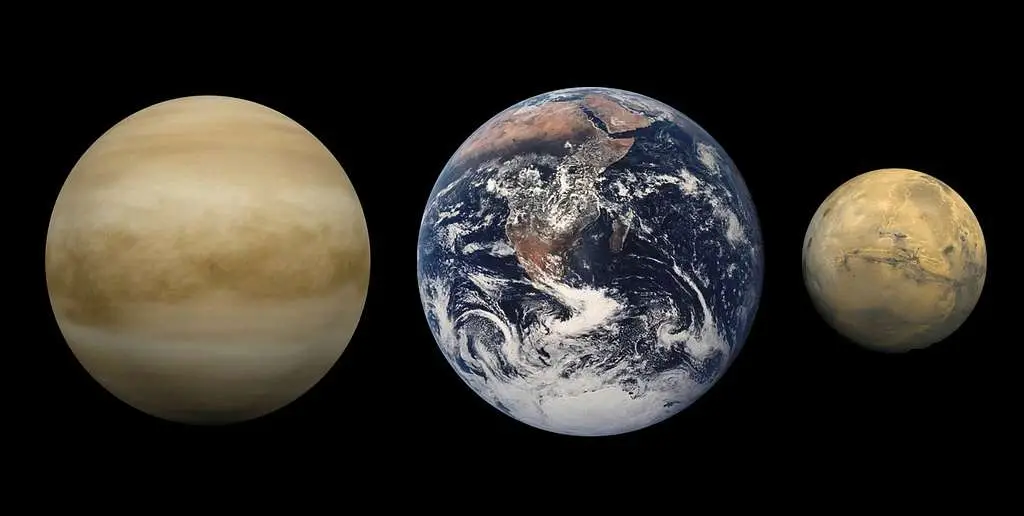 Via PICRYL
Earth contains many impressive lava tubes created by volcanic eruptions, while Mars also preserves large underground passages that formed billions of years ago. Some of the largest known lava tubes exist on the Moon, where weaker gravity allows these enormous structures to remain stable over long periods without collapsing.
The possible size of the Venusian lava tube places it among the largest examples ever identified within the solar system. Studying these similarities and differences helps researchers better understand how volcanic landscapes develop under varying environmental conditions across different rocky planets and natural satellites.
 Via The Linde Center
 Via ny Times
Unlike potential underground shelters on the Moon or Mars, the Venusian lava tube is unlikely to welcome future human explorers. Even so, remote observations made from orbit can continue providing valuable scientific information without exposing spacecraft to the dangerous conditions found on the planet's surface.
 Via Medium
This achievement demonstrates how advances in computing and remote sensing continue to increase the scientific value of historical space mission data. As analytical techniques become more sophisticated, researchers can revisit archived observations and identify geological features that previously remained unnoticed within large collections of radar images.
The success of this study also highlights the importance of preserving scientific records for future generations. Valuable discoveries are not always made immediately after data collection, and improvements in technology often allow older observations to answer new research questions many years later.
 Via Forbes
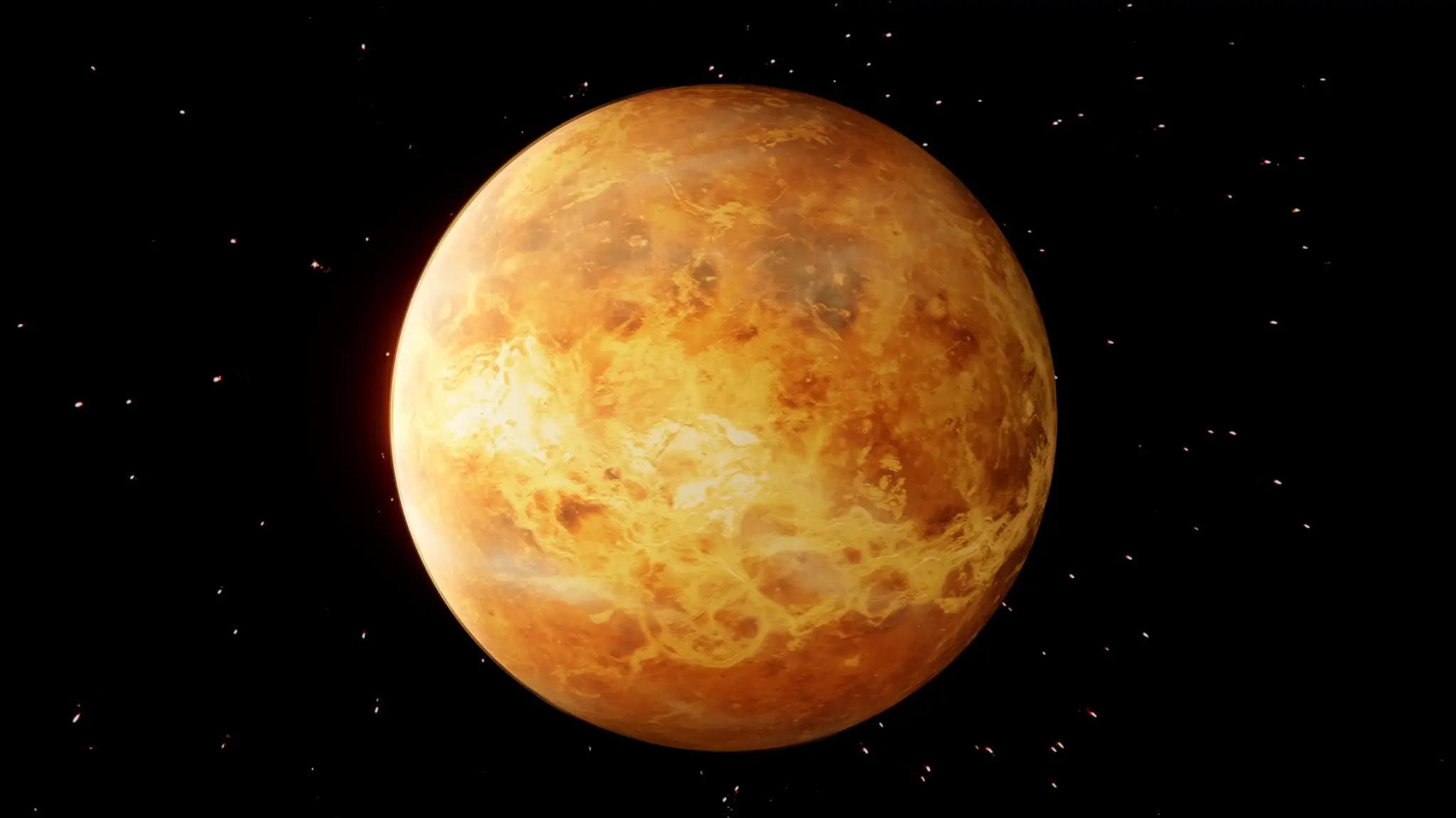 Via Space
Continued scientific investigation may reveal many more underground volcanic formations throughout Venus. Each additional discovery will improve comparisons with Earth and other rocky worlds, helping researchers better understand both the similarities and the unique characteristics that define the planet's geological development.
More in UnassignedVia Science News
The discovery offers fresh insight into the geological history of Venus while providing scientists with new clues about volcanic activity on the planet. It also demonstrates that older scientific data can continue producing important discoveries when examined with improved technology and advanced analytical techniques.
How Decades-Old Radar Data Revealed the Hidden Cave
The newly discovered lava tube was identified after researchers reexamined radar images gathered by NASA's Magellan spacecraft during the early 1990s. Although the mission ended many years ago, its detailed radar maps remain the best available record of Venus because the planet's dense atmosphere blocks ordinary optical observations.Via BBC
Scientists applied advanced image-processing techniques to the historic radar data to search for geological features that may have gone unnoticed during the original mission. These improved methods highlighted subtle surface details that suggested the presence of an underground volcanic structure hidden beneath the rocky landscape.
Careful examination revealed a collapsed opening known as a skylight, which forms when part of a lava tube's roof falls inward. This surface feature provided convincing evidence that a large hollow tunnel exists beneath the ground, marking the first confirmed lava tube discovered on Venus.
Via Futurism
Why Thick Clouds Make Venus Difficult to Study
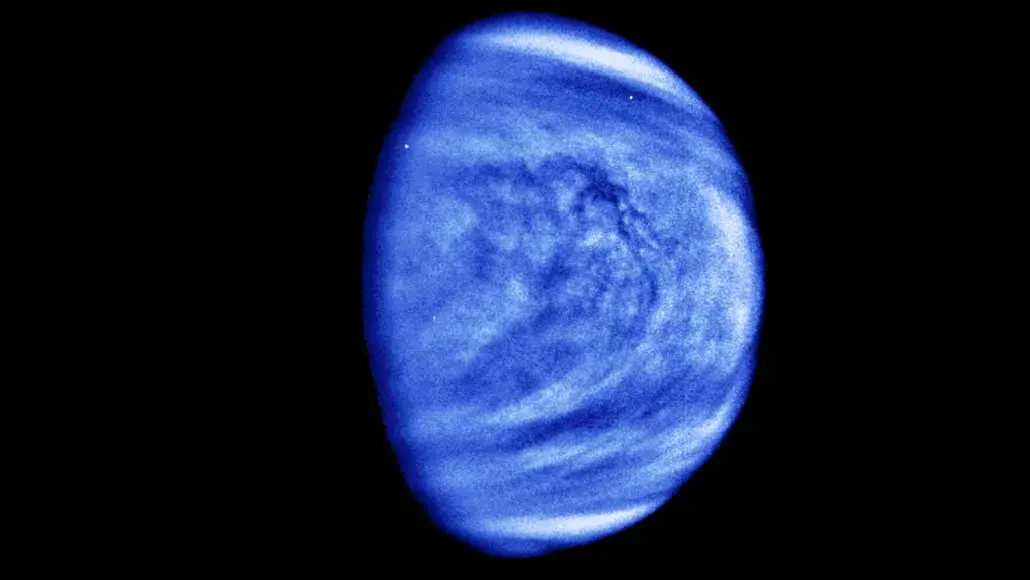
Venus is often described as Earth's sister planet because the two worlds share similar sizes and rocky compositions. Despite these similarities, Venus presents enormous challenges for scientific observation because its atmosphere is covered by dense clouds that permanently hide the surface from visible light. Traditional telescopes cannot directly observe the landscape beneath these clouds, forcing researchers to depend on radar technology carried by orbiting spacecraft. Radar signals can pass through the thick atmosphere, bounce off the surface, and return valuable information about mountains, volcanoes, valleys, and other geological formations.Via Science News
This dependence on radar explains why the Magellan mission remains one of the most significant planetary exploration projects ever conducted. Even decades after completing its mission, the spacecraft continues contributing to scientific discoveries because its extensive data archive still contains information waiting to be fully understood.
The Enormous Size of the Underground Lava Tube
Further investigation indicated that the underground tunnel extends at least 375 meters below the collapsed opening, making it an exceptionally large volcanic feature. Researchers believe the visible section represents only part of a much larger structure that may continue far beyond the area captured in existing radar images. Estimates suggest the lava tube could measure as much as one kilometer across in certain locations. If confirmed by future observations, this would make it considerably larger than known lava tubes on Earth and Mars while approaching the immense volcanic tunnels previously identified on the Moon.Via Astronomy Magazine
The remarkable size of the feature may be linked to conditions unique to Venus, including its volcanic history and geological processes. Understanding why such enormous lava tubes formed could help scientists compare Venus with other rocky planets and improve knowledge about how planetary surfaces evolve over millions of years.
What Lava Tubes Reveal About Venus's Geological History
The discovery of a lava tube offers valuable evidence about the volcanic processes that shaped Venus over countless millions of years. Underground tunnels like these form when molten lava flows beneath a hardened outer crust, leaving behind an empty passage after the lava drains away. Their presence provides important clues about the planet's ancient volcanic activity.Via Futura Sciences
Scientists have long known that volcanoes played a major role in shaping the Venusian landscape, yet many details about the planet's geological evolution remain uncertain. Identifying a lava tube supports existing theories that extensive lava flows once spread across the surface, creating complex underground structures similar to those found on other rocky worlds.
Comparing these volcanic features with similar formations on Earth, Mars, and the Moon helps researchers understand how different environments influence planetary development. Although each world has unique conditions, shared geological structures reveal that many volcanic processes follow similar patterns throughout the solar system.
Via NASA Science
Why This Discovery Matters for Future Space Missions
The newly identified lava tube is expected to become an important target for upcoming space missions dedicated to studying Venus. Scientists now have a specific geological feature that can be examined in much greater detail using advanced instruments capable of collecting sharper and more accurate radar images. NASA's VERITAS mission and the European Space Agency's EnVision mission are both scheduled to investigate Venus during the coming years. Each spacecraft will carry sophisticated radar systems designed to map the planet's surface with significantly higher resolution than the technology available during the Magellan mission more than three decades ago.Via Space Connect
These future observations may confirm the lava tube's full dimensions while revealing additional underground volcanic structures hidden beneath the surface. The new information could greatly improve scientific understanding of Venus's geological history and provide a clearer picture of how the planet continues to evolve today.
Comparing Venus With Earth, Mars, and the Moon
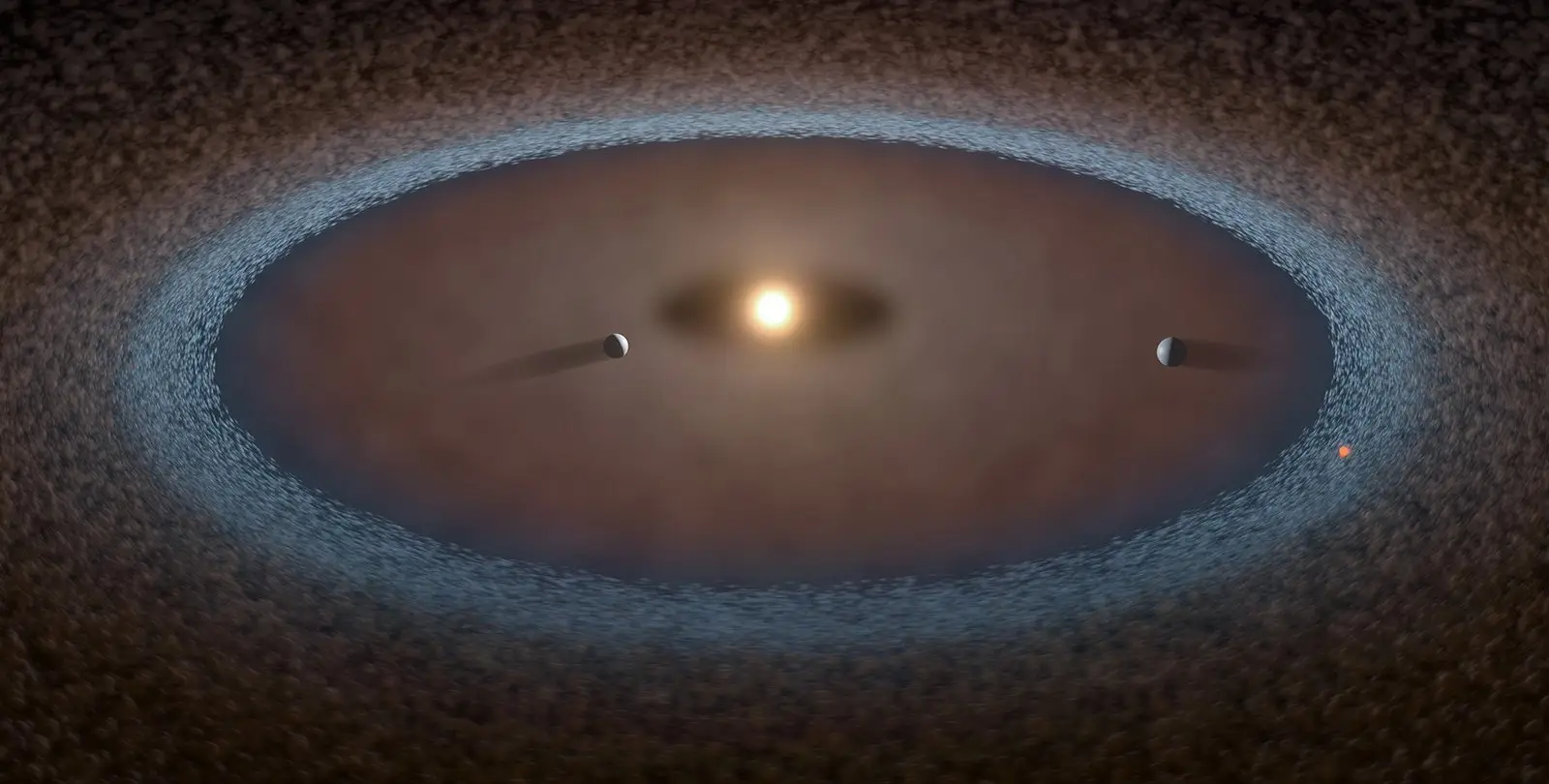
Lava tubes are not unique to Venus because similar underground passages have already been identified on Earth, Mars, and the Moon. These natural tunnels form through volcanic activity, although their size and appearance vary depending on local gravity, lava composition, and the geological conditions present on each planetary body.Via PICRYL
Earth contains many impressive lava tubes created by volcanic eruptions, while Mars also preserves large underground passages that formed billions of years ago. Some of the largest known lava tubes exist on the Moon, where weaker gravity allows these enormous structures to remain stable over long periods without collapsing.
The possible size of the Venusian lava tube places it among the largest examples ever identified within the solar system. Studying these similarities and differences helps researchers better understand how volcanic landscapes develop under varying environmental conditions across different rocky planets and natural satellites.
Via The Linde Center
The Harsh Environment on Venus Limits Exploration
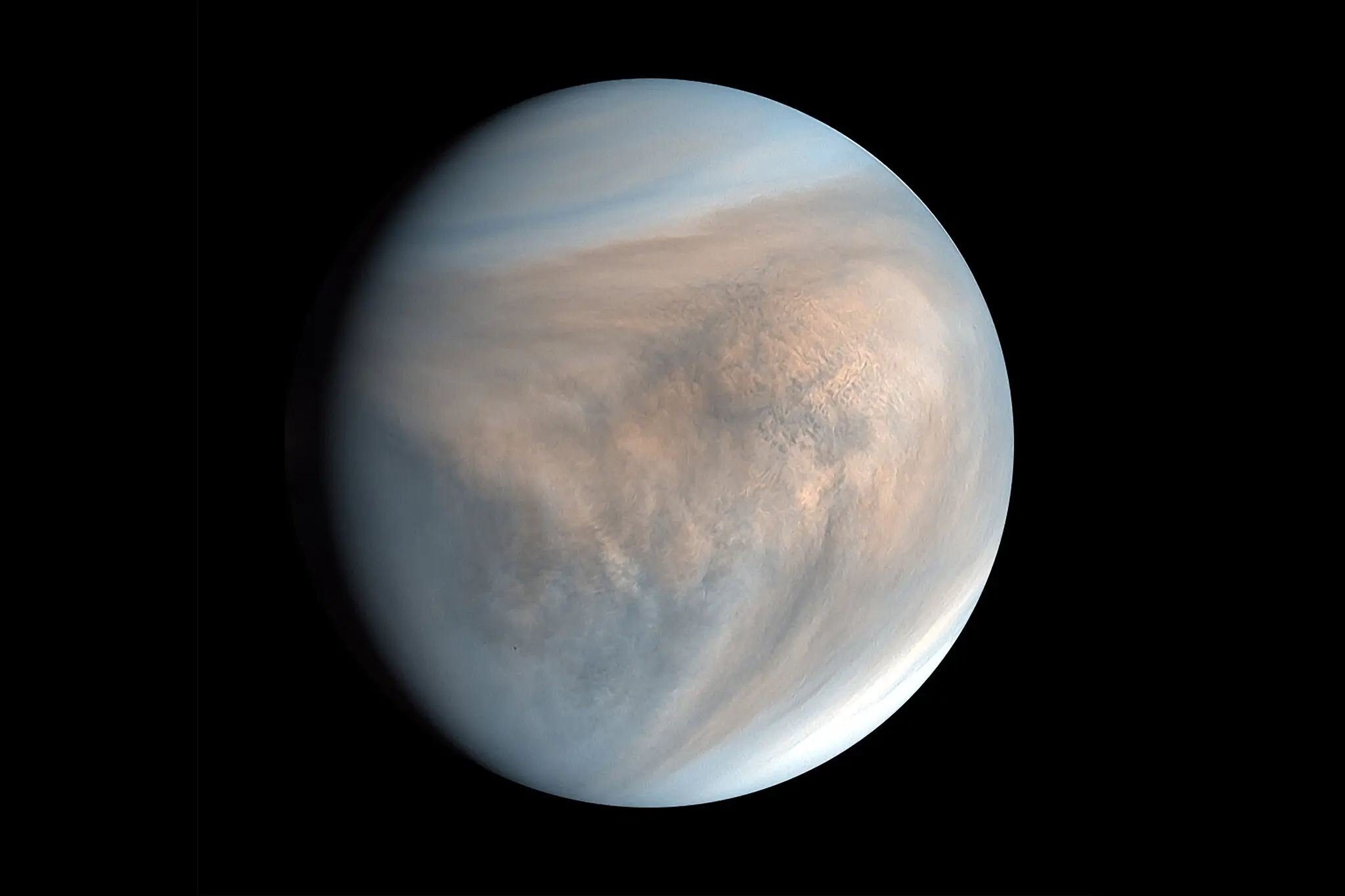
Although the discovery has generated considerable excitement, visiting the newly detected lava tube remains far beyond current exploration capabilities. Venus has one of the most extreme environments in the solar system, making surface operations extraordinarily difficult even for highly advanced robotic spacecraft. The planet's surface experiences temperatures hot enough to damage conventional electronic equipment, while atmospheric pressure is approximately ninety-three times greater than the pressure found at Earth's surface. These severe conditions create enormous engineering challenges for any spacecraft attempting to survive after landing.Via ny Times
Unlike potential underground shelters on the Moon or Mars, the Venusian lava tube is unlikely to welcome future human explorers. Even so, remote observations made from orbit can continue providing valuable scientific information without exposing spacecraft to the dangerous conditions found on the planet's surface.
Advanced Data Analysis Continues to Unlock New Discoveries
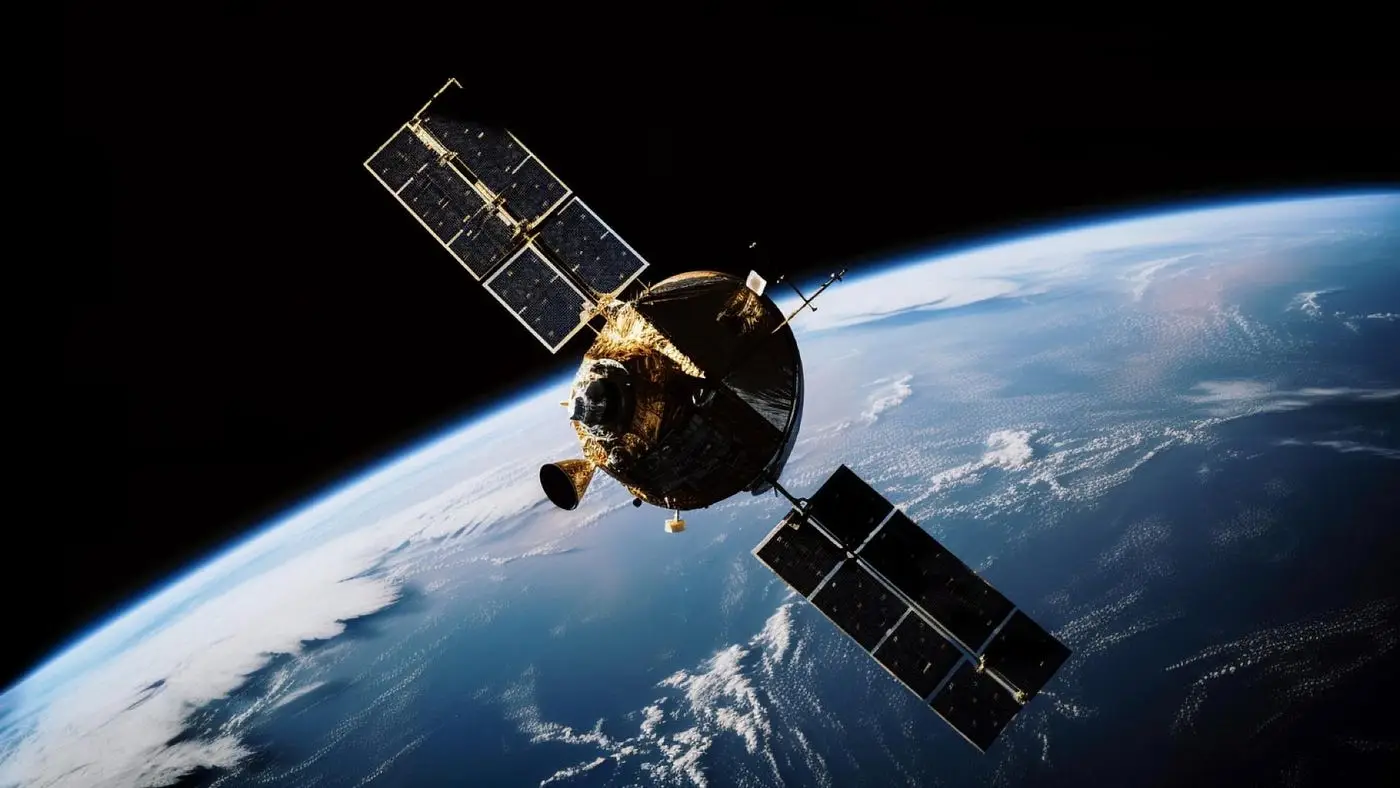
One of the most remarkable aspects of this discovery is that it came from information collected more than thirty years ago rather than from a newly launched spacecraft. Scientists were able to uncover the hidden lava tube by applying modern image-processing methods that reveal details older technology could not clearly identify.Via Medium
This achievement demonstrates how advances in computing and remote sensing continue to increase the scientific value of historical space mission data. As analytical techniques become more sophisticated, researchers can revisit archived observations and identify geological features that previously remained unnoticed within large collections of radar images.
The success of this study also highlights the importance of preserving scientific records for future generations. Valuable discoveries are not always made immediately after data collection, and improvements in technology often allow older observations to answer new research questions many years later.
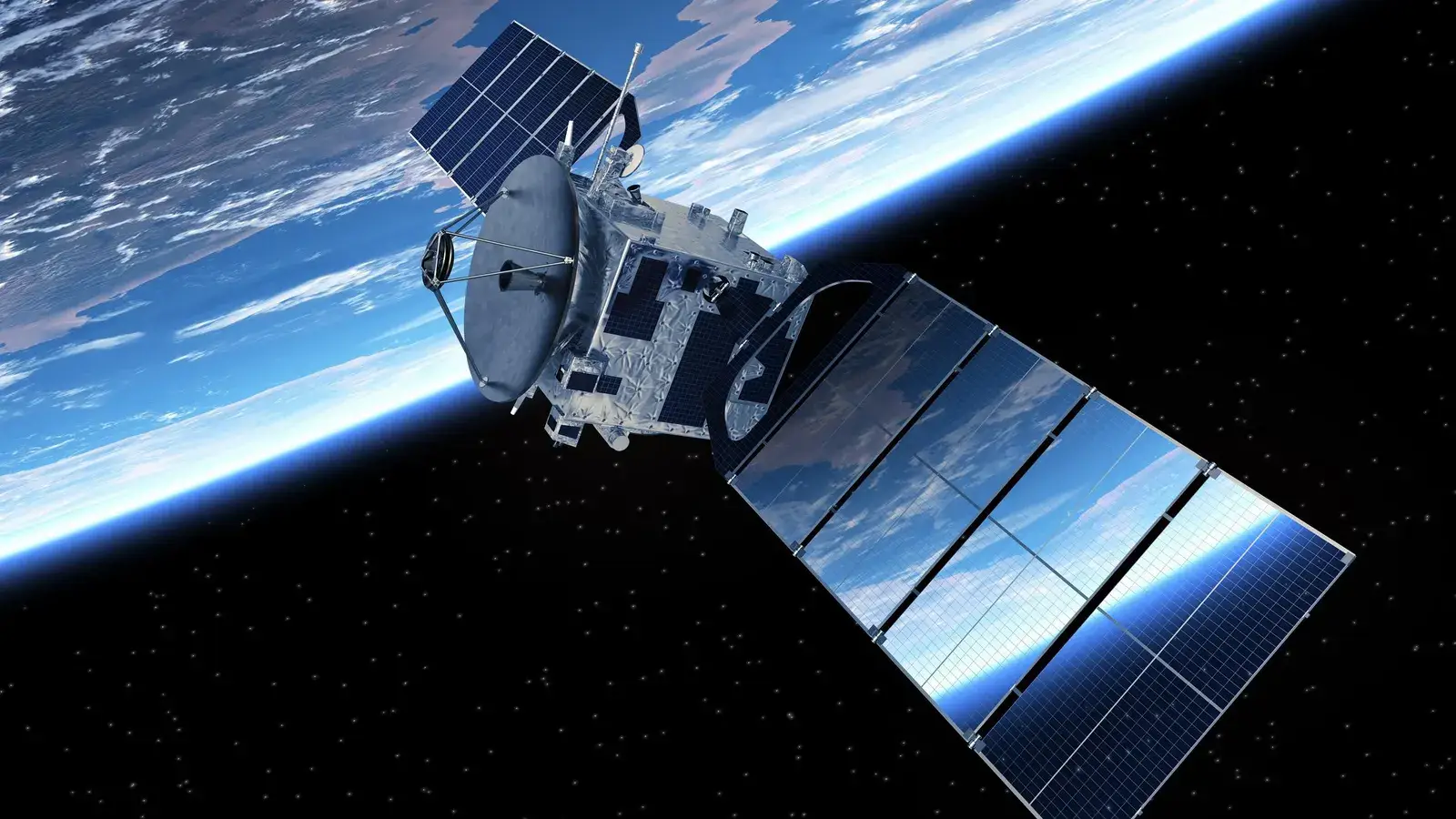
Via Forbes
A New Chapter in Understanding Venus
The confirmation of a lava tube represents another important step toward understanding one of the solar system's most mysterious rocky planets. Every new geological feature identified on Venus helps scientists develop a more complete picture of its volcanic history, surface evolution, and the powerful forces that shaped its landscape. Researchers believe this discovery also supports existing models describing how volcanic activity influenced the planet over long periods. Finding a large underground tunnel strengthens the idea that extensive lava flows once spread across the surface, leaving behind hidden structures that remained concealed beneath collapsed rock layers.Via Space
Continued scientific investigation may reveal many more underground volcanic formations throughout Venus. Each additional discovery will improve comparisons with Earth and other rocky worlds, helping researchers better understand both the similarities and the unique characteristics that define the planet's geological development.