Unassigned
Farting Comet Flips Spin Direction in Rare Space Event
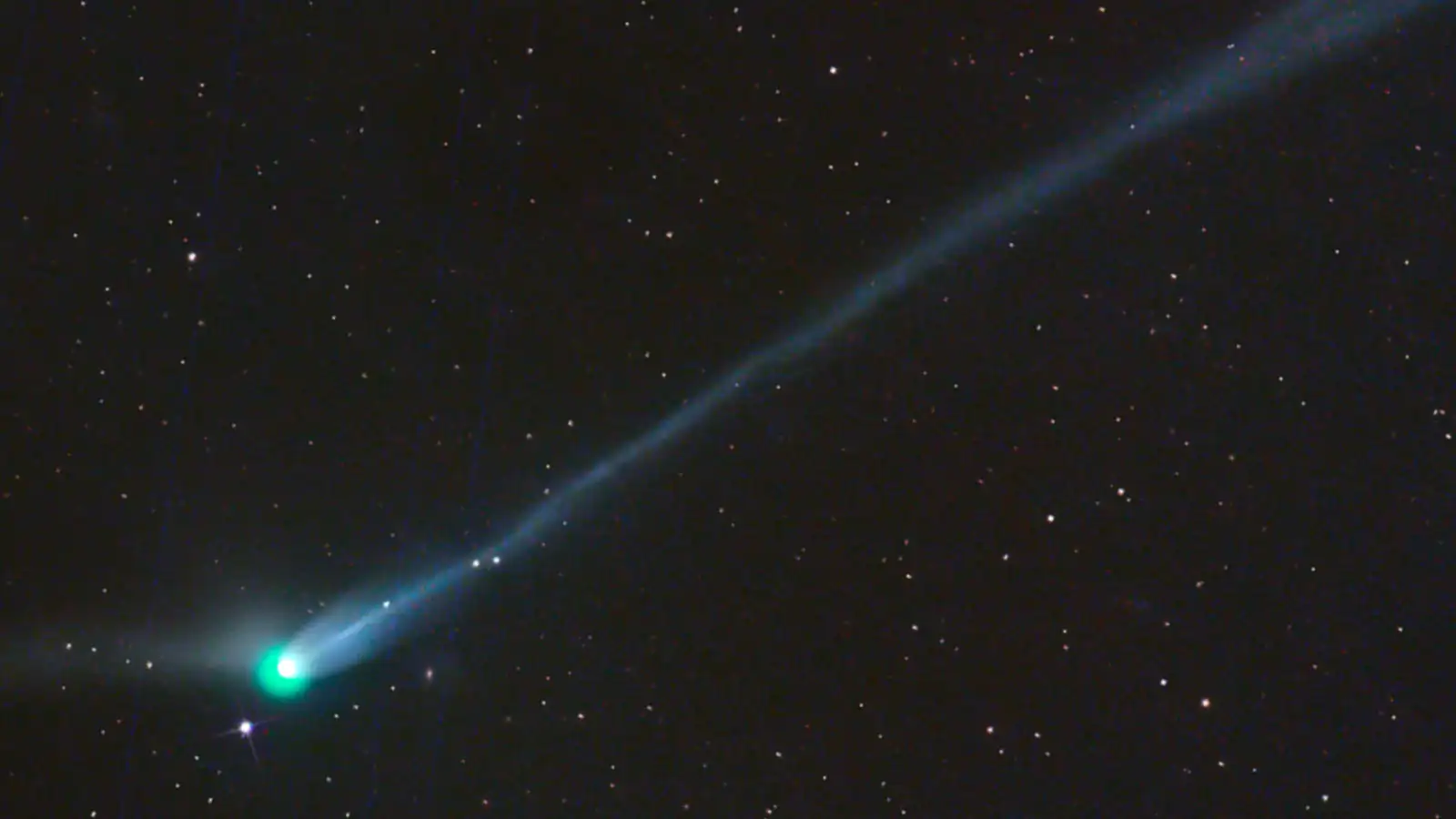
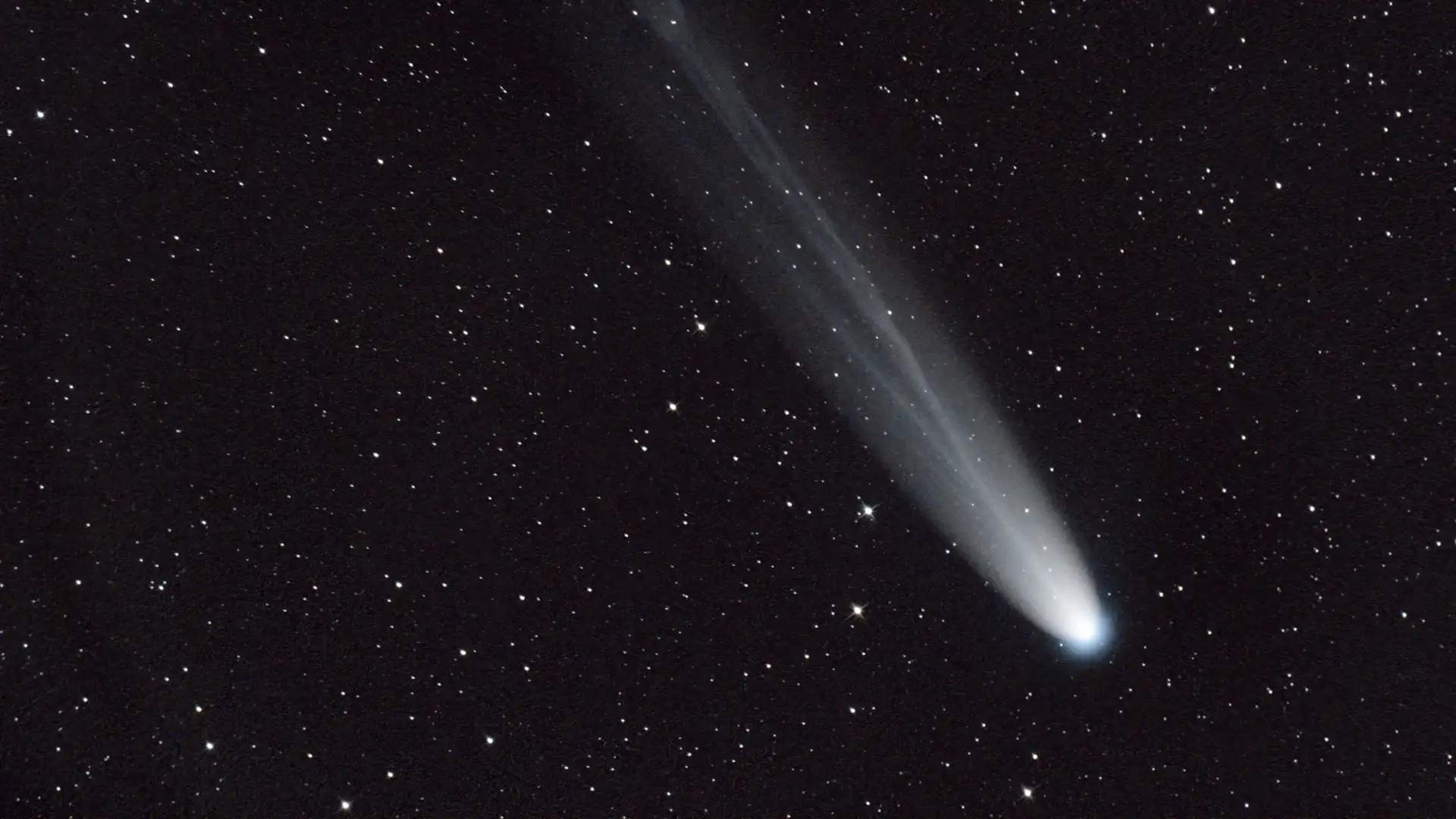
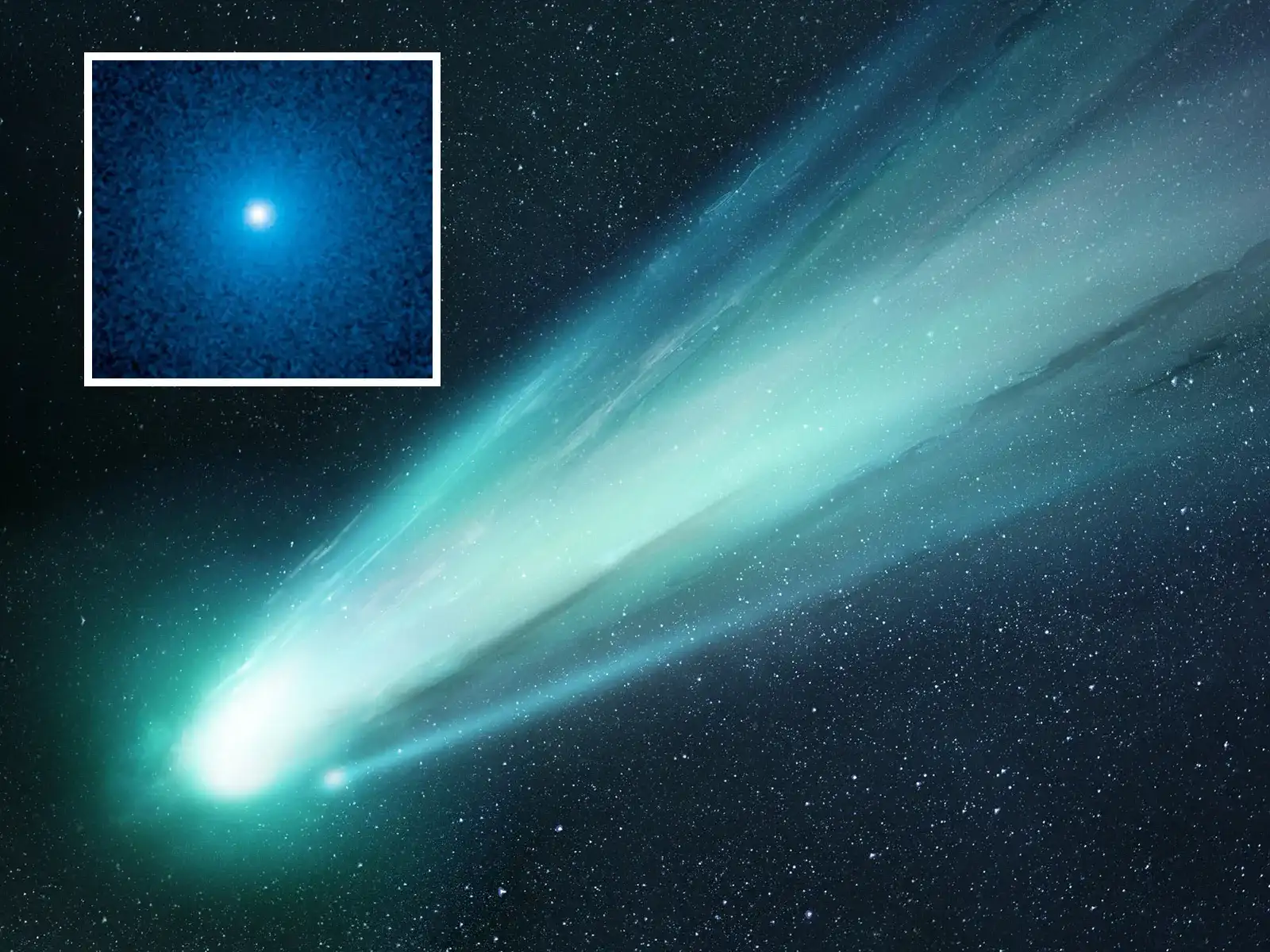
The unusual behavior of a so-called “farting comet” refers to the powerful release of gas and dust from its icy surface. In scientific terms, this process is known as outgassing, but the nickname highlights how violently material is expelled into space. The comet 41P/Tuttle–Giacobini–Kresák became a key example after scientists observed its strange rotational changes during a close solar system pass.
This comet shocked researchers when its spin not only slowed but completely reversed direction. The change was linked to uneven jets of gas blasting from its surface. These jets acted like natural thrusters, pushing the comet in different directions. The effect was strong enough to alter its long-term motion, something rarely observed in space objects of this size.
 Via Live Science
The discovery shows how active and unpredictable small comets can be. Instead of being passive icy rocks, they behave more like dynamic bodies shaped by internal pressure and solar heating. The “farting” description, while informal, reflects the intensity of gas release that drives these changes.
 Via Live Science
In the case of 41P/Tuttle–Giacobini–Kresák, the imbalance of these jets caused a gradual slowdown in rotation. As the force continued, it eventually stopped the spin entirely before pushing it in the opposite direction. This process is similar to applying continuous pressure to a spinning object until it reverses.
Scientists studying the comet using data from the Hubble Space Telescope confirmed that this change happened over months. The observations provided rare evidence that natural outgassing alone can fully reverse a comet’s motion. This finding challenged earlier assumptions that such effects would only cause minor changes.
 Via Live Science
 Via Live Science
Scientists believe the farting comet could be heading toward this fate if activity continues. Future passes near the Sun may intensify gas release even further. If that happens, the comet may not survive intact for many more orbits, making it a valuable but short-lived subject for continued observation.
 Via Live Science
In most comets, this outgassing is relatively balanced, meaning that the jets do not significantly alter the object’s overall motion. However, in the case of 41P/Tuttle–Giacobini–Kresák, the jets were highly uneven. Instead of producing a stable reaction, the force acted like a natural propulsion system pushing in different directions. Over time, this imbalance created major changes in the comet’s spin.
The nickname “farting comet” highlights the intensity of these gas releases. While the term is playful, the process itself is extremely powerful and scientifically important. It shows that even small icy bodies in space can behave like dynamic, changing systems influenced by internal pressure and solar energy.
 Via Scientific American
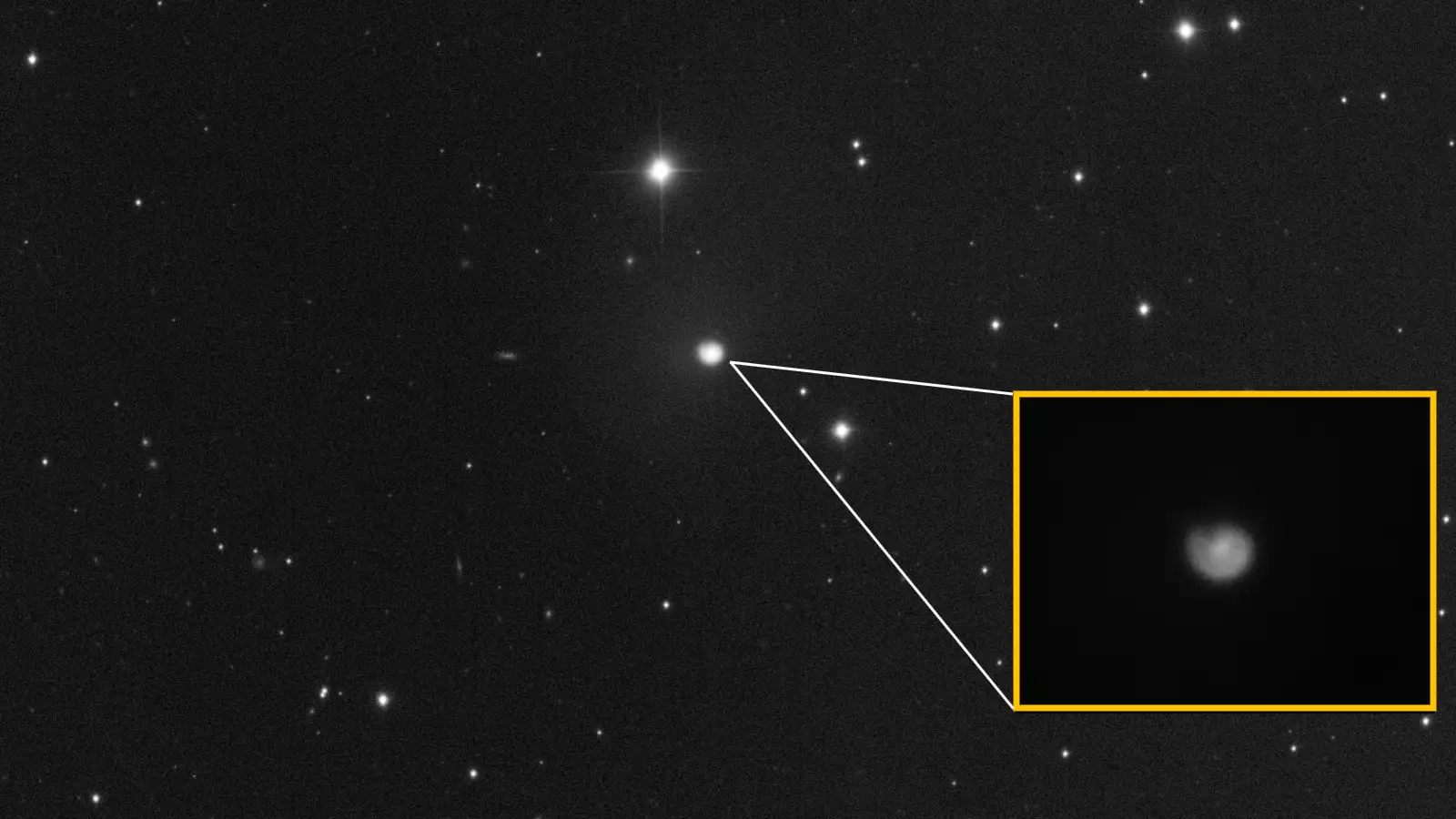 Via Live Science
This sudden shift could not be explained by simple acceleration. Instead, scientists concluded that the direction of spin must have reversed entirely. This means the comet did not just slow down and speed up again; it effectively started rotating the opposite way. The findings were confirmed using detailed imaging from the Hubble Space Telescope, combined with ground-based telescope data.
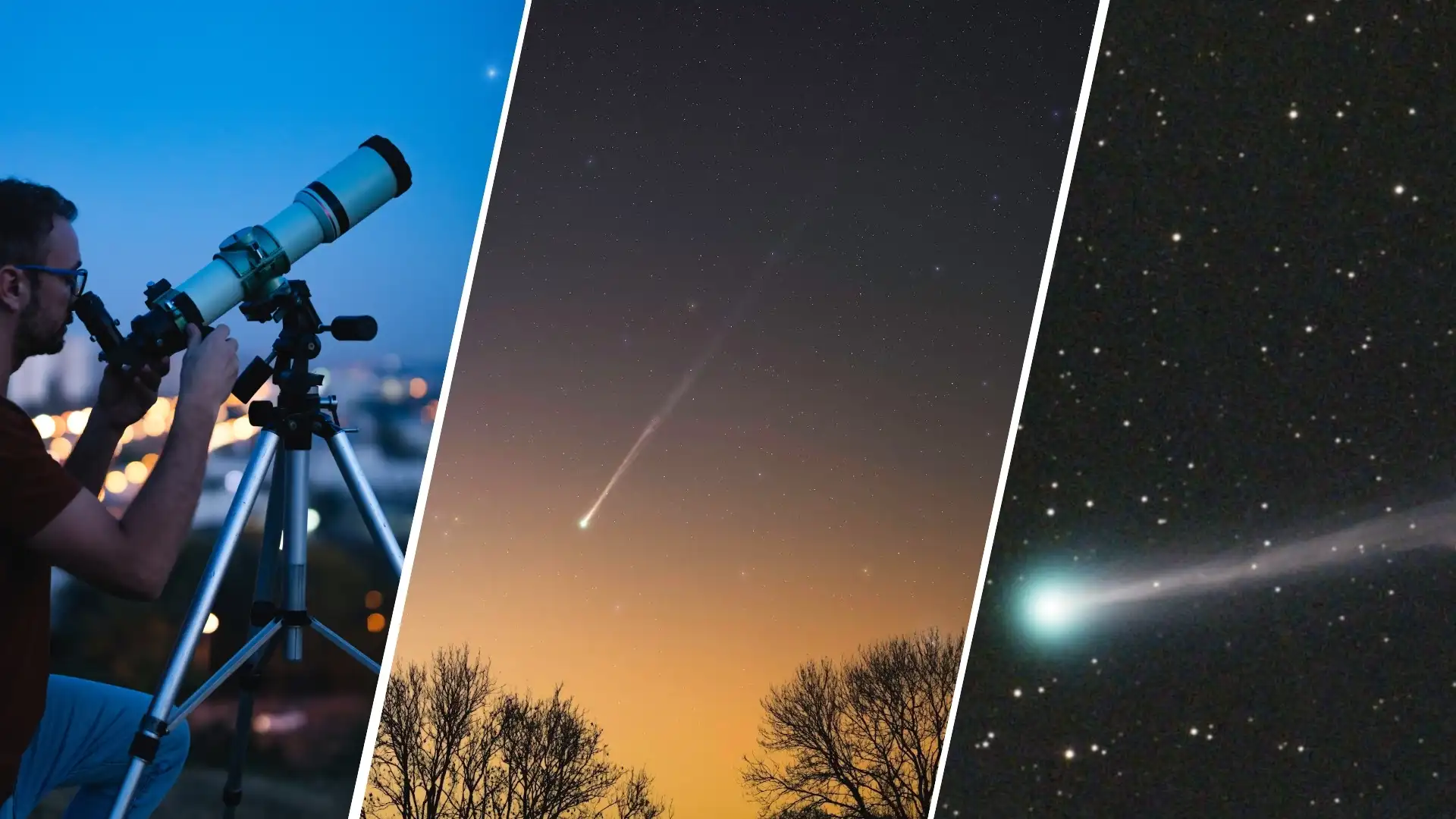 Via Space
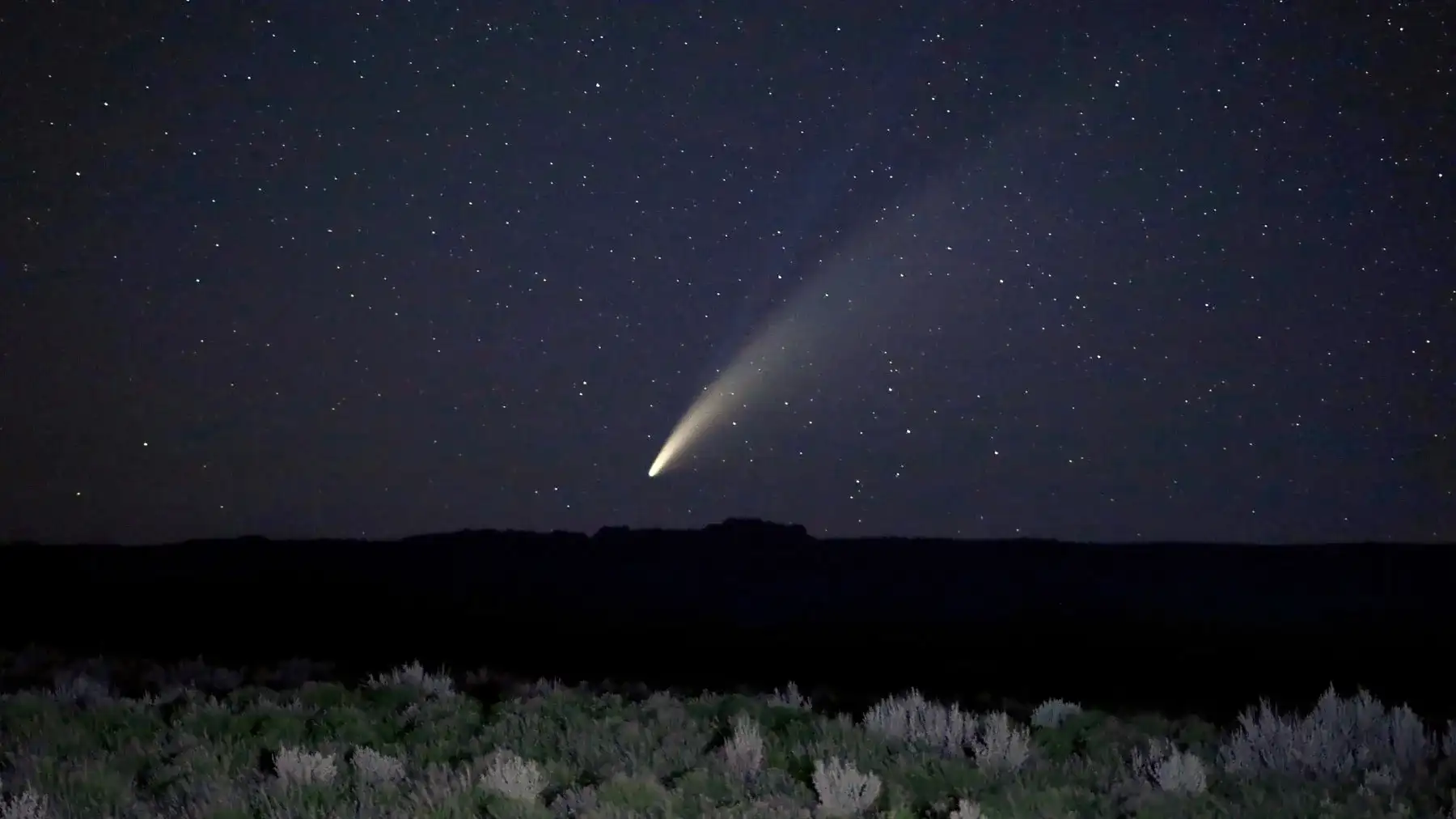
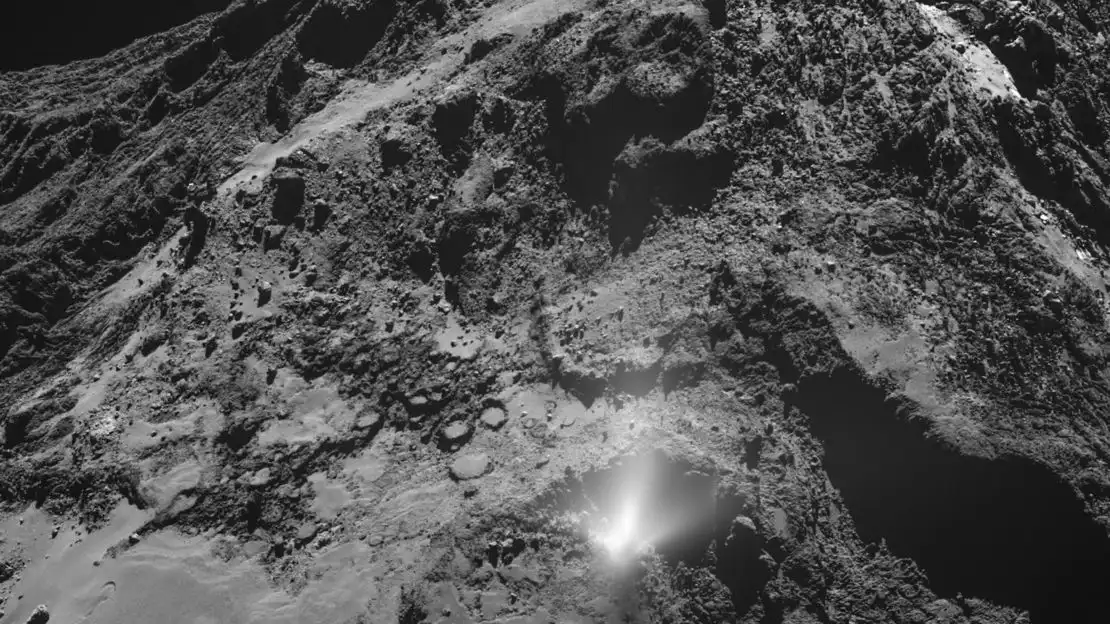
If these jets were evenly distributed, the comet would remain stable. However, most comets have irregular surfaces, meaning that gas escapes more strongly from certain areas. When these jets are unbalanced, they create torque, or rotational force, that can change the comet’s spin.
In the case of 41P/Tuttle–Giacobini–Kresák, the jets were strong enough to first slow the rotation, then stop it completely, and finally push it in the opposite direction. This is similar to applying continuous pressure to a spinning object until it begins turning the other way. Scientists compare this effect to a rotating playground merry-go-round being pushed repeatedly from one side.
 Via NASA Science
 Via NASA Scientific
This sensitivity makes such comets valuable for scientific study. They act as natural laboratories for understanding how physical forces operate in space. However, it also makes them more unstable and potentially short-lived in astronomical terms.
 Via Space
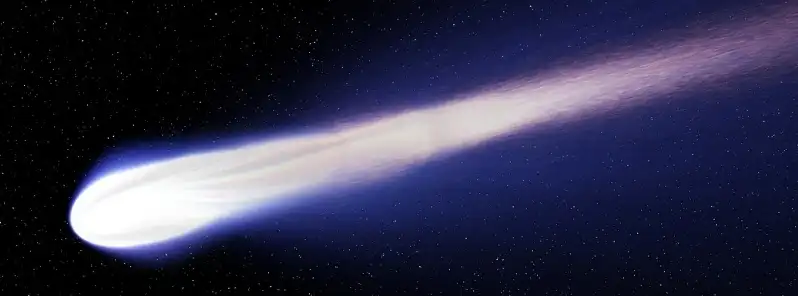
Repeated cycles of heating and outgassing place stress on the comet’s nucleus. Each jet acts like a small push that gradually damages the object. If enough stress builds up, the comet can break apart into smaller fragments. If fragmentation occurs, the comet would join a long list of objects that have disintegrated under solar stress.
Scientists believe that 41P/Tuttle–Giacobini–Kresák may already be approaching this stage. Continued observations suggest that its structure is becoming increasingly unstable. Future passes near the Sun could intensify activity, increasing the likelihood of breakup.
 Via The Watchers News
 Via Britannica
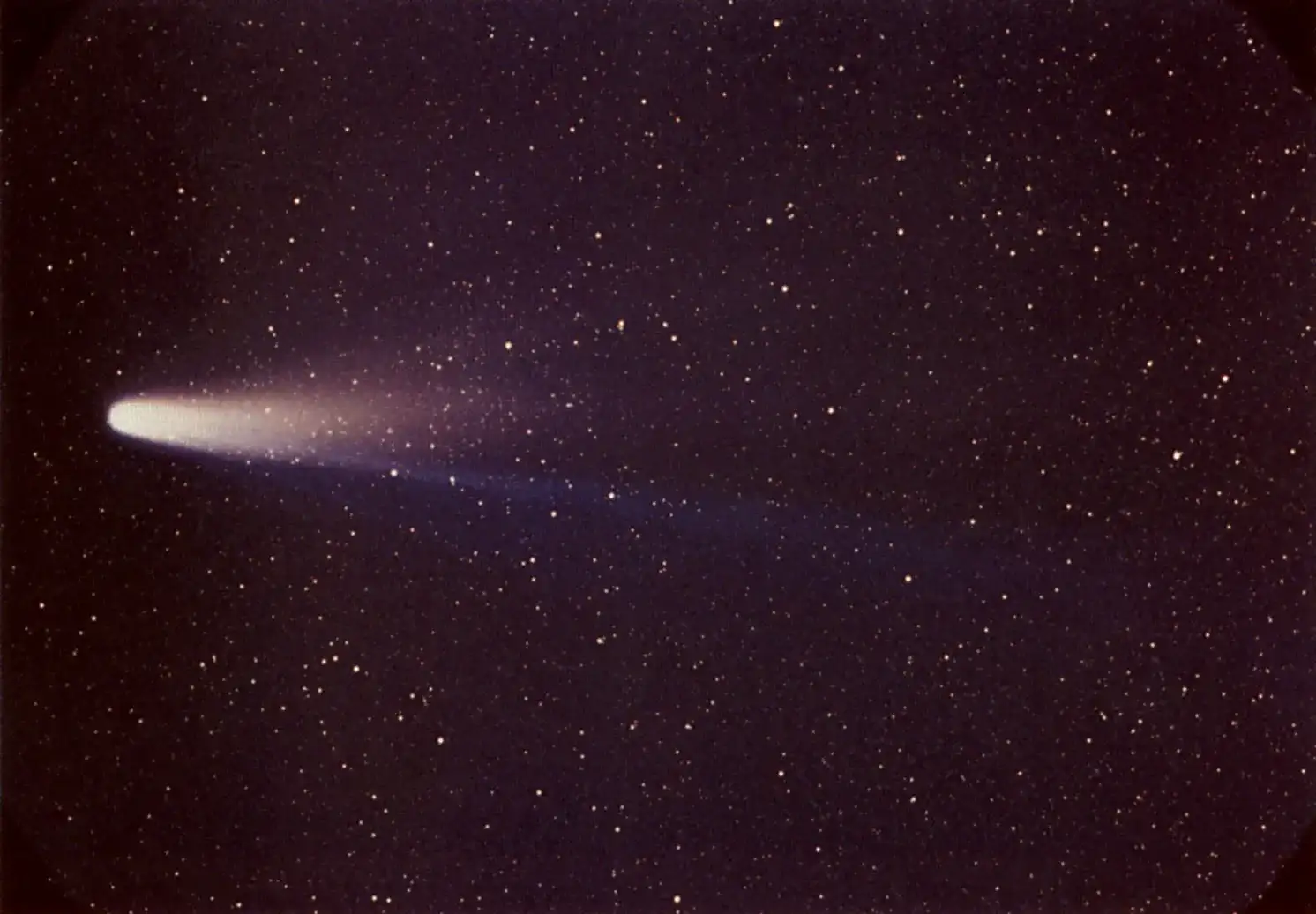
By analyzing data from the Hubble Space Telescope, researchers have improved models used to predict comet behavior. These models help estimate how comets evolve and how likely they are to break apart during solar encounters.
 Via BBC Science
The idea of a “farting comet” may sound unusual, but it represents a real and powerful natural process. Outgassing is one of the key forces shaping comet evolution, and in rare cases, it can lead to dramatic changes like spin reversal or even destruction.
As technology improves and more detailed observations become possible, scientists expect to uncover additional examples of similar behavior. Each discovery helps build a clearer understanding of how small celestial bodies evolve and interact with the forces around them. The story of this comet serves as a reminder that even small objects in space can undergo dramatic transformations.
 Via Starlust
 Via Newsweek
Continued monitoring may also confirm whether the comet is heading toward fragmentation. If activity increases during future flybys, signs of breakup could become visible through sudden brightening or the appearance of multiple fragments.
More in UnassignedVia Live Science
The discovery shows how active and unpredictable small comets can be. Instead of being passive icy rocks, they behave more like dynamic bodies shaped by internal pressure and solar heating. The “farting” description, while informal, reflects the intensity of gas release that drives these changes.
How Gas Jets Can Flip a Comet’s Spin?
The spin reversal of the farting comet is directly tied to the force of gas jets escaping its surface. When sunlight heats the comet, frozen materials inside turn into gas and burst outward. These bursts do not occur evenly, creating strong directional pushes. Over time, these forces can alter both speed and the direction of rotation.Via Live Science
In the case of 41P/Tuttle–Giacobini–Kresák, the imbalance of these jets caused a gradual slowdown in rotation. As the force continued, it eventually stopped the spin entirely before pushing it in the opposite direction. This process is similar to applying continuous pressure to a spinning object until it reverses.
Scientists studying the comet using data from the Hubble Space Telescope confirmed that this change happened over months. The observations provided rare evidence that natural outgassing alone can fully reverse a comet’s motion. This finding challenged earlier assumptions that such effects would only cause minor changes.
Via Live Science
Why the Farting Comet May Eventually Break Apart?
The same forces responsible for changing the comet’s spin may also lead to its destruction. As gas jets continue to erupt, they weaken the comet’s structure by removing surface material. Over time, this creates cracks and unstable regions across the nucleus. Because the comet is relatively small, measuring about 1 kilometer across, it is more vulnerable to these effects. Each outgassing event acts like a small push that slowly damages its internal balance. Repeated stress can eventually cause the object to fragment into smaller pieces.Via Live Science
Scientists believe the farting comet could be heading toward this fate if activity continues. Future passes near the Sun may intensify gas release even further. If that happens, the comet may not survive intact for many more orbits, making it a valuable but short-lived subject for continued observation.
What Makes a “Farting Comet” So Unusual?
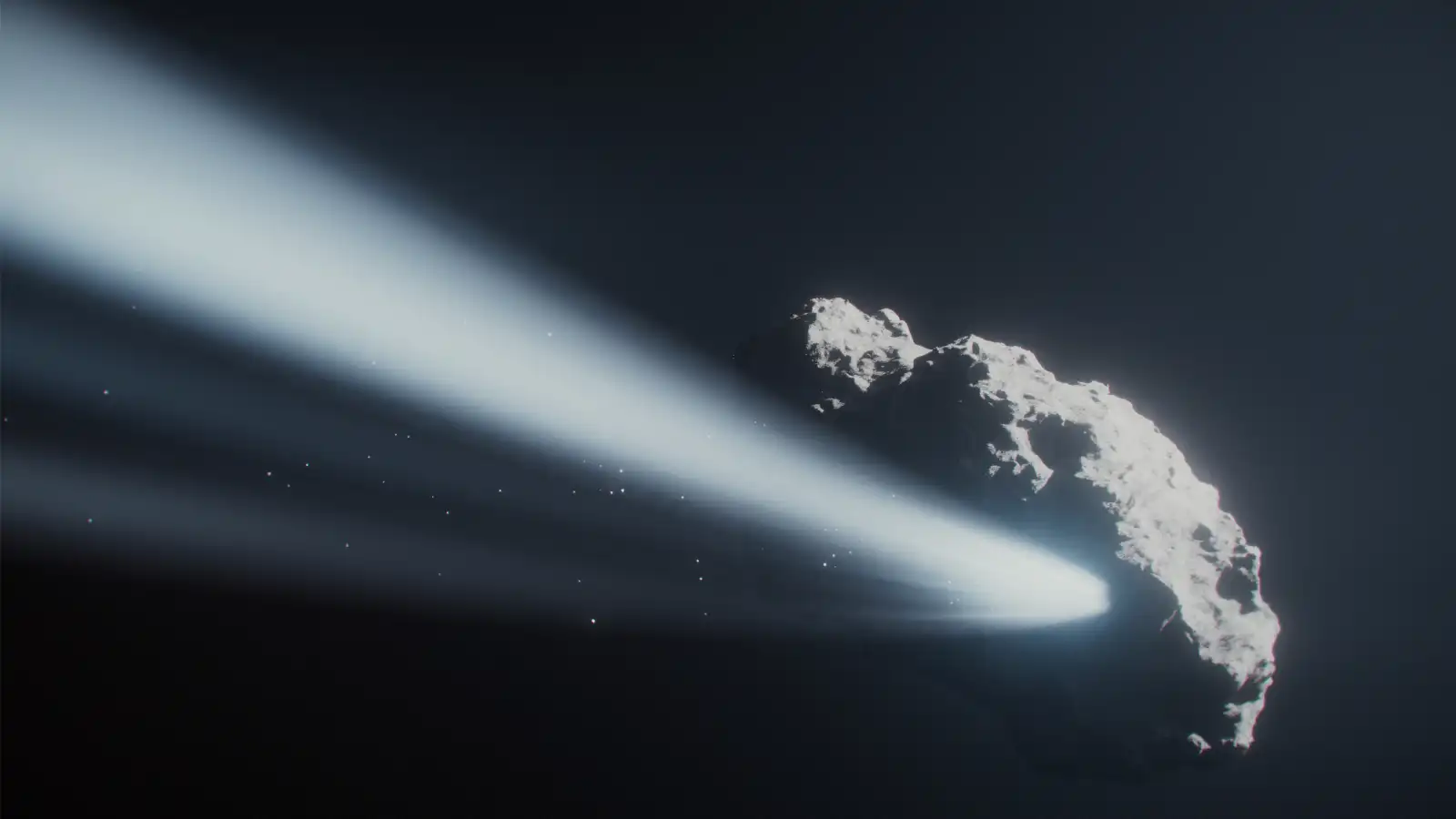
The term “farting comet” is an informal way to describe the explosive release of gas from a comet’s interior. As sunlight heats the surface of a comet, frozen materials such as water ice, carbon dioxide, and other volatile compounds begin to vaporize. This process causes pressure to build beneath the surface until it escapes through cracks, blasting gas and dust into space.Via Live Science
In most comets, this outgassing is relatively balanced, meaning that the jets do not significantly alter the object’s overall motion. However, in the case of 41P/Tuttle–Giacobini–Kresák, the jets were highly uneven. Instead of producing a stable reaction, the force acted like a natural propulsion system pushing in different directions. Over time, this imbalance created major changes in the comet’s spin.
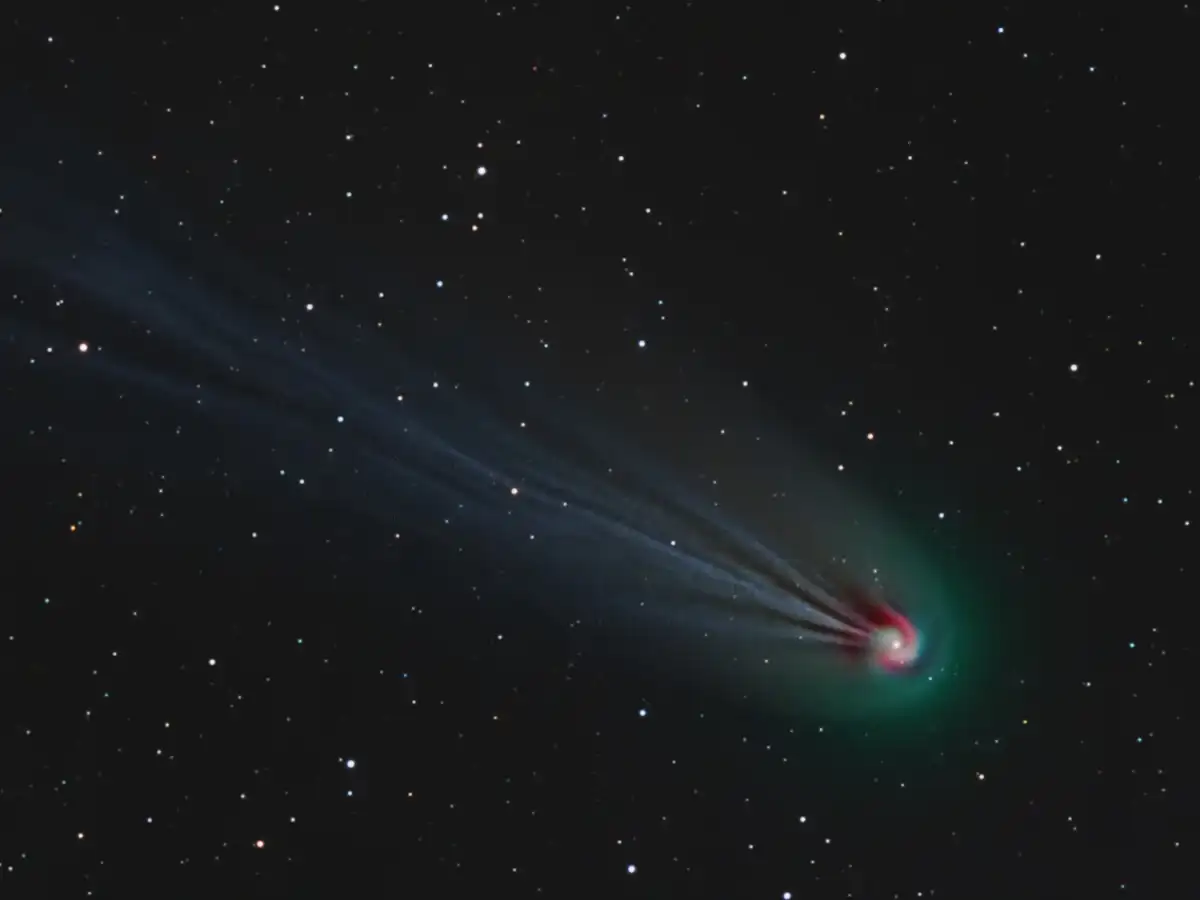
The nickname “farting comet” highlights the intensity of these gas releases. While the term is playful, the process itself is extremely powerful and scientifically important. It shows that even small icy bodies in space can behave like dynamic, changing systems influenced by internal pressure and solar energy.
Via Scientific American
A Rare Case of Spin Reversal in Space
The most remarkable discovery about this comet is its complete spin reversal. Normally, comets maintain a consistent rotation unless disturbed by external forces. In this case, the comet’s motion changed dramatically over time, offering the first clear evidence of a natural object reversing its own spin due to internal activity alone. Data from multiple observations showed a clear pattern. During early 2017, the comet’s rotation began to slow down. By mid-year, it was spinning significantly more slowly than before. At its weakest point, it took nearly two days to complete a full rotation. Later in the same year, the comet unexpectedly sped up again, completing a rotation in just over half a day.Via Live Science
This sudden shift could not be explained by simple acceleration. Instead, scientists concluded that the direction of spin must have reversed entirely. This means the comet did not just slow down and speed up again; it effectively started rotating the opposite way. The findings were confirmed using detailed imaging from the Hubble Space Telescope, combined with ground-based telescope data.
How Gas Jets Control a Comet’s Motion?
The mechanism behind this spin reversal lies in the physics of outgassing. When sunlight warms a comet, ice inside turns directly into gas without becoming liquid. This gas escapes through cracks in the surface, carrying dust and debris with it. Each jet acts like a small thrust force.Via Space
If these jets were evenly distributed, the comet would remain stable. However, most comets have irregular surfaces, meaning that gas escapes more strongly from certain areas. When these jets are unbalanced, they create torque, or rotational force, that can change the comet’s spin.
In the case of 41P/Tuttle–Giacobini–Kresák, the jets were strong enough to first slow the rotation, then stop it completely, and finally push it in the opposite direction. This is similar to applying continuous pressure to a spinning object until it begins turning the other way. Scientists compare this effect to a rotating playground merry-go-round being pushed repeatedly from one side.
Via NASA Science
Why Is This Comet So Sensitive to Change?
One key reason for the comet’s unusual behavior is its small size. Measuring only about one kilometer across, it is considered relatively small compared to many other known comets. Smaller objects have less mass and lower gravitational stability, making them more responsive to external forces. Because of this, even minor jets of gas can have a significant impact on its motion. Large comets usually require much stronger forces to alter their spin, but smaller ones like 41P/Tuttle–Giacobini–Kresák can be influenced more easily by uneven outgassing.Via NASA Scientific
This sensitivity makes such comets valuable for scientific study. They act as natural laboratories for understanding how physical forces operate in space. However, it also makes them more unstable and potentially short-lived in astronomical terms.
The Risk of Self-Destruction
The same forces that cause spin reversal may eventually destroy the comet entirely. As gas continues to escape, it erodes the surface and weakens the internal structure. Over time, this leads to cracks, fragmentation, and structural collapse.Via Space
Repeated cycles of heating and outgassing place stress on the comet’s nucleus. Each jet acts like a small push that gradually damages the object. If enough stress builds up, the comet can break apart into smaller fragments. If fragmentation occurs, the comet would join a long list of objects that have disintegrated under solar stress.
Scientists believe that 41P/Tuttle–Giacobini–Kresák may already be approaching this stage. Continued observations suggest that its structure is becoming increasingly unstable. Future passes near the Sun could intensify activity, increasing the likelihood of breakup.
Via The Watchers News
WhatDo Scientists Learn From This Discovery?
The study of this farting comet provides valuable insight into how small bodies behave in space. It shows that comets are not static objects but dynamic systems influenced by heat, pressure, and material composition. This process is not unusual in cometary evolution, but the combination of spin reversal and structural weakening makes this case especially notable. The findings also demonstrate that internal forces alone can significantly alter motion. Previously, scientists believed that major changes in rotation required external impacts or gravitational interactions. This discovery proves that outgassing alone can be powerful enough to reverse spin direction entirely.Via Britannica
By analyzing data from the Hubble Space Telescope, researchers have improved models used to predict comet behavior. These models help estimate how comets evolve and how likely they are to break apart during solar encounters.
A Glimpse Into a Dynamic Solar System
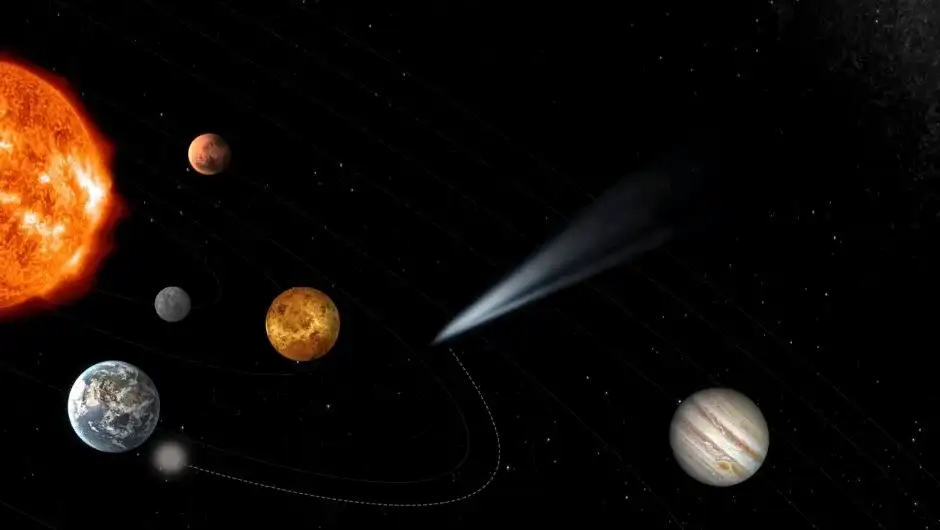
The behavior of 41P/Tuttle–Giacobini–Kresák highlights the dynamic nature of the solar system. Far from being static objects, comets respond actively to their environment. Sunlight, heat, and internal composition all play roles in shaping their paths and lifespans.
Via BBC Science
The idea of a “farting comet” may sound unusual, but it represents a real and powerful natural process. Outgassing is one of the key forces shaping comet evolution, and in rare cases, it can lead to dramatic changes like spin reversal or even destruction.
As technology improves and more detailed observations become possible, scientists expect to uncover additional examples of similar behavior. Each discovery helps build a clearer understanding of how small celestial bodies evolve and interact with the forces around them. The story of this comet serves as a reminder that even small objects in space can undergo dramatic transformations.
Via Starlust
Future Observations Could Reveal More Surprises
Upcoming passes of 41P/Tuttle–Giacobini–Kresák near the Sun will offer fresh opportunities for scientists to track its behavior in greater detail. Each return allows astronomers to measure changes in rotation, surface activity, and structural stability. Advanced instruments, including space-based observatories like the Hubble Space Telescope and next-generation telescopes, can capture sharper images and more precise data. These tools help detect subtle variations in gas jets and surface cracks that may not have been visible in earlier studies.Via Newsweek
Continued monitoring may also confirm whether the comet is heading toward fragmentation. If activity increases during future flybys, signs of breakup could become visible through sudden brightening or the appearance of multiple fragments.