Unassigned
NASA Prepares Risky Move to Extend Voyager 1 Life
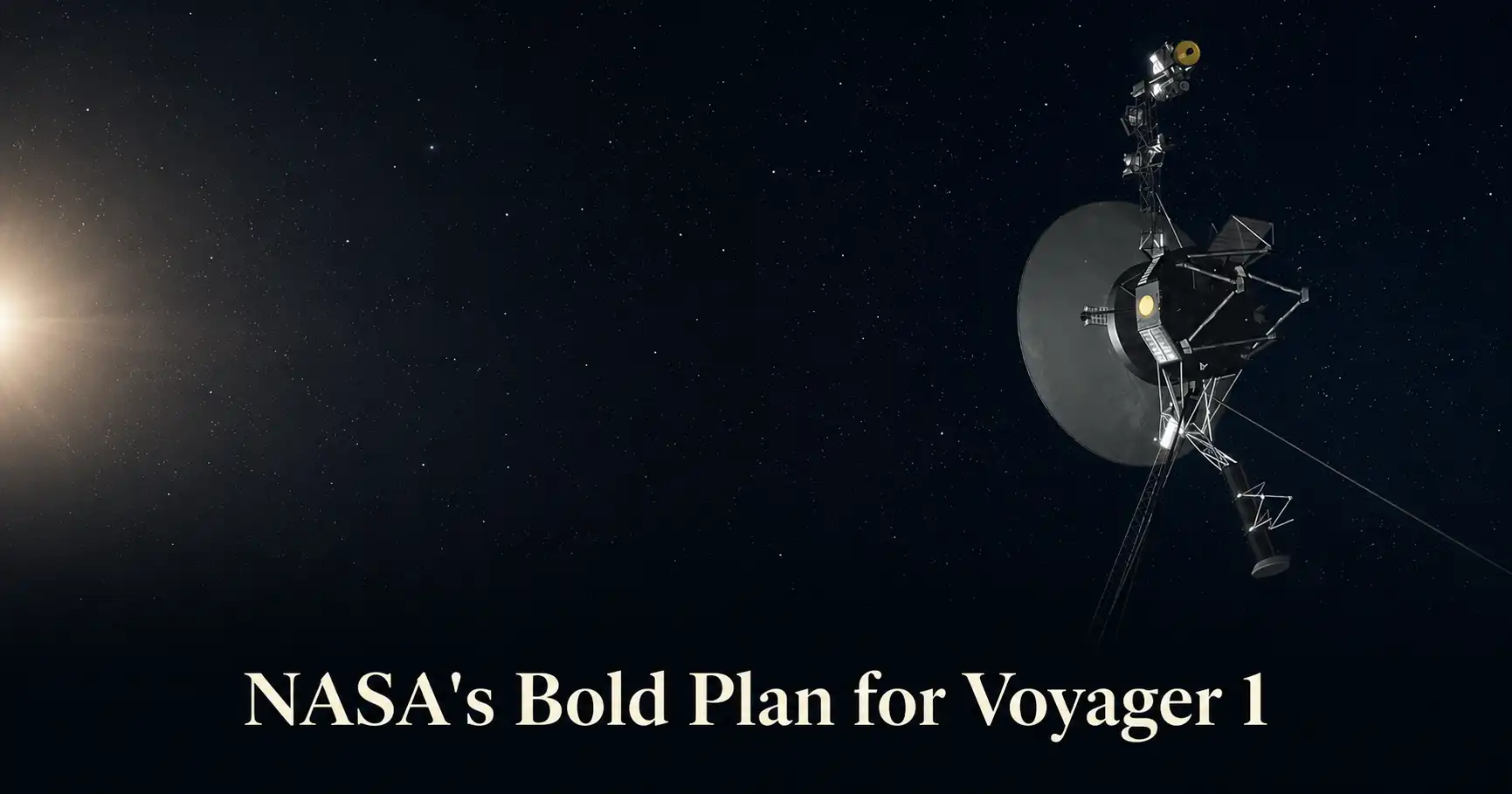
Voyager 1 stands as one of humanity’s greatest achievements in space exploration. Launched in 1977, the spacecraft was originally designed to study Jupiter and Saturn. Its mission quickly expanded as it delivered groundbreaking discoveries about planetary atmospheres, rings, and moons. Over time, it became much more than a planetary explorer, turning into a deep-space pioneer that continues to send data from regions never before reached by human-made objects.
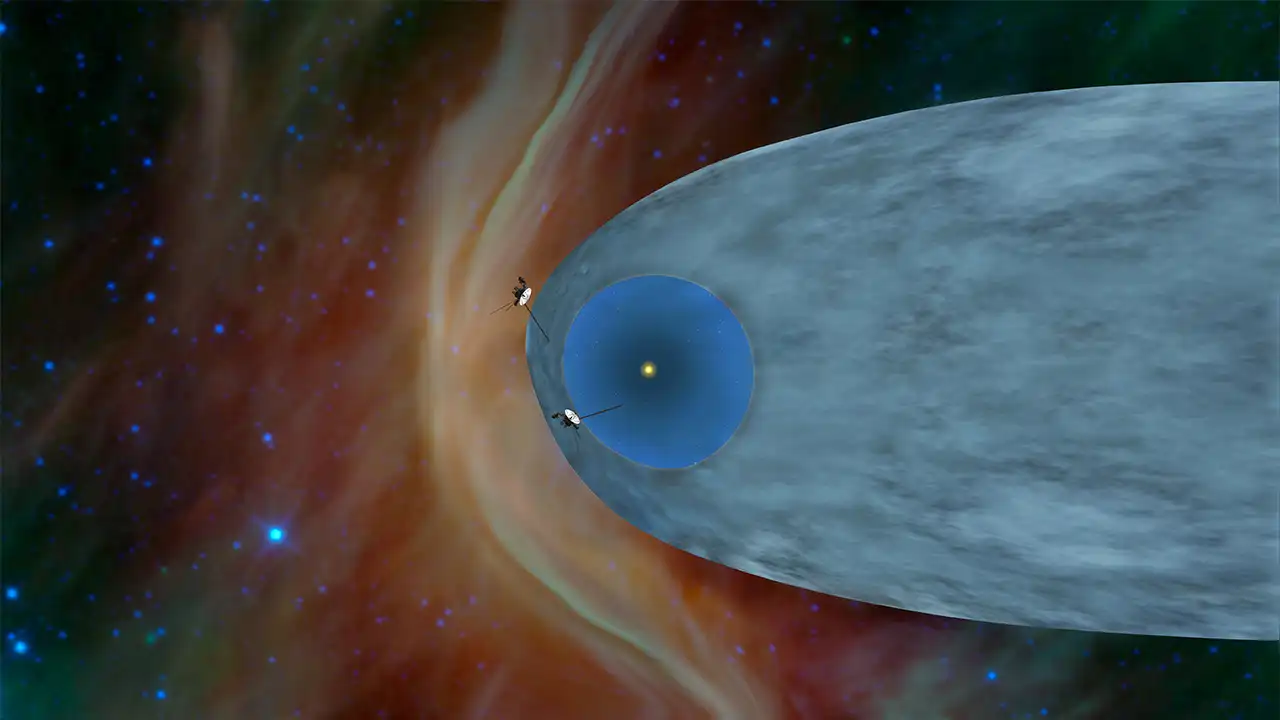
Voyager 1’s journey reached a historic milestone in 2012 when it crossed into interstellar space. This region lies beyond the heliosphere, where the Sun’s influence fades, and the vast expanse of the galaxy begins. Since then, the spacecraft has been sending valuable data about cosmic rays, magnetic fields, and plasma waves. These observations help scientists understand how the solar system interacts with the broader universe.
 Via The Times
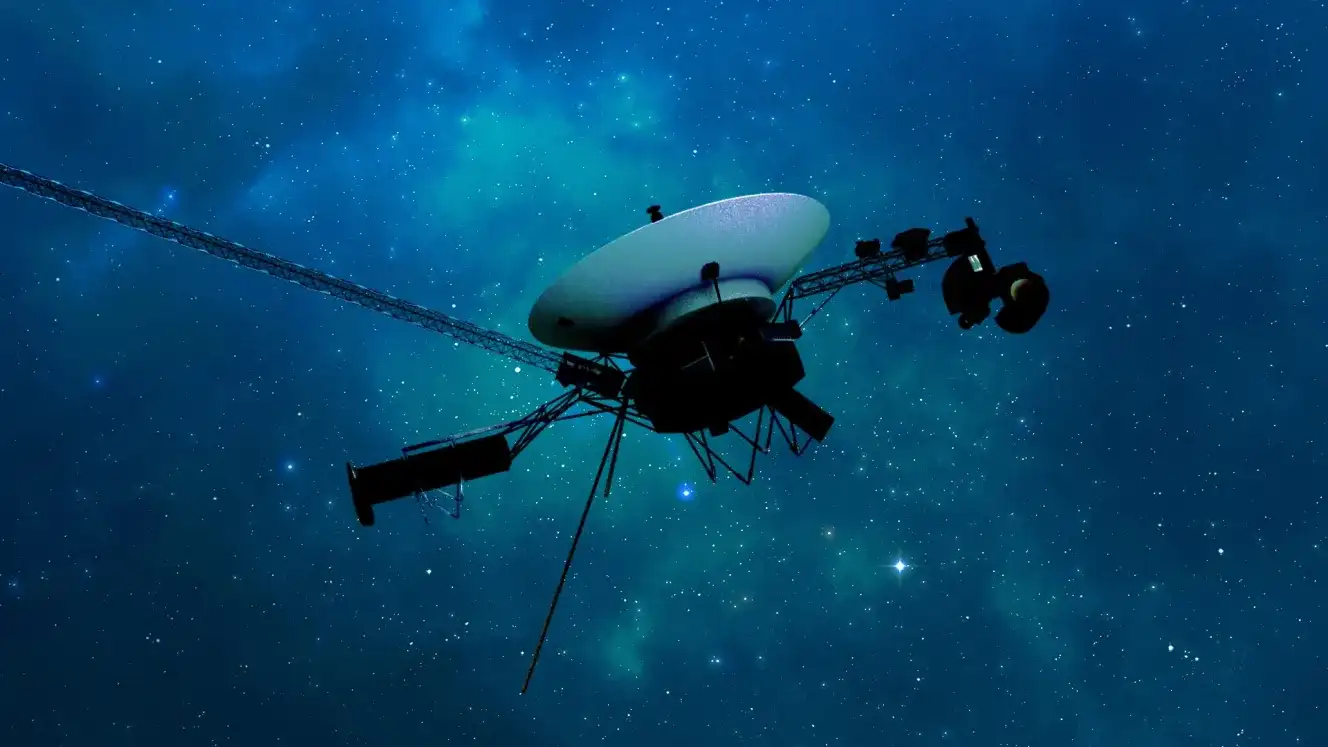
Decades after launch, Voyager 1 remains the most distant spacecraft ever built. Its distance from Earth has reached billions of miles, making communication slow and complex. Despite these challenges, it continues to function as a vital scientific tool. Its longevity has exceeded all expectations, proving the strength of its engineering and the vision behind its mission.
 Via Scientific American
Each year, Voyager 1 loses a small amount of power, making it harder to maintain its instruments and onboard systems. Engineers must carefully manage this limited energy to keep the spacecraft functioning. Heaters, instruments, and communication systems all compete for the remaining power supply, forcing mission teams to prioritize critical operations.
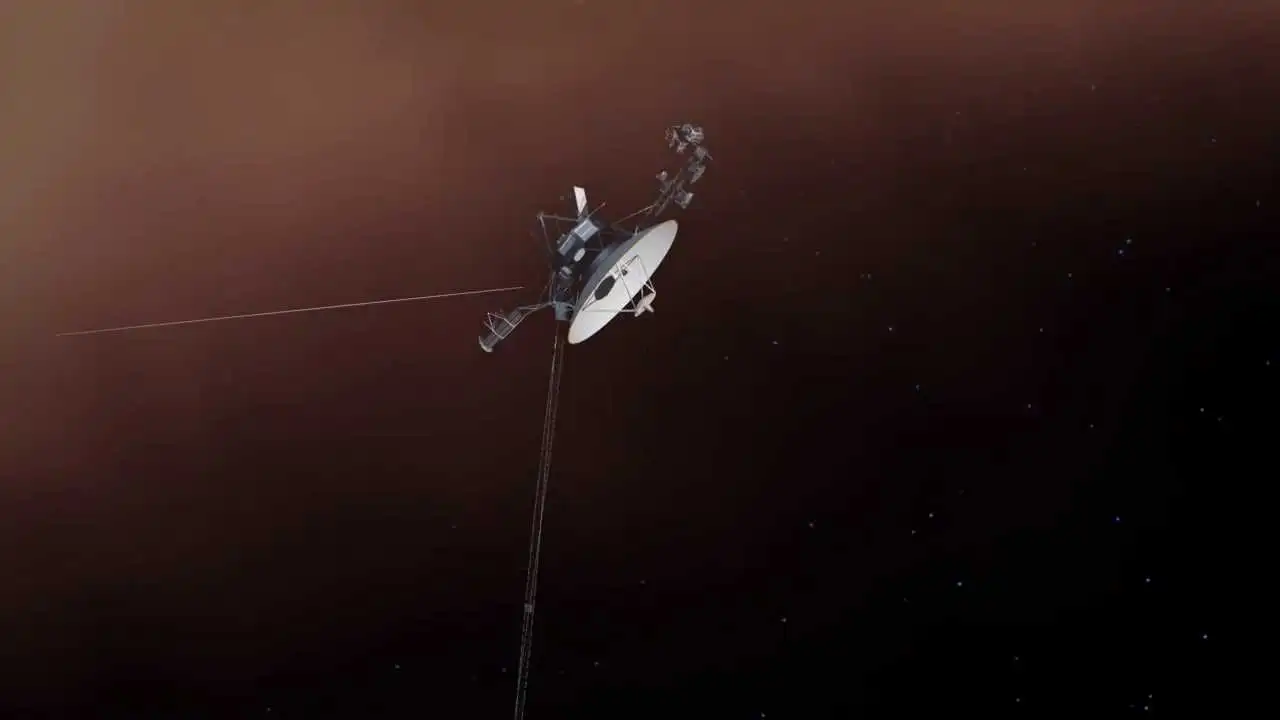
Recent events have made the situation even more challenging. A maneuver earlier this year caused an unexpected drop in power levels, accelerating the need for conservation. As a result, NASA has been shutting down non-essential systems to extend the spacecraft’s lifespan. These steps aim to preserve the most valuable scientific instruments for as long as possible.
 Via Indian Today
 Via Orbital Today
Turning off the instrument was not a simple process. Commands had to travel across billions of miles, taking nearly a full day to reach the spacecraft. Once received, the shutdown took several hours to complete. Restarting the instrument in the future could be difficult due to the extreme cold and limited power available.
 Via Popular Science
These remaining instruments play a key role in understanding the boundary between the solar system and interstellar space. This boundary, known as the heliopause, is where the solar wind meets the interstellar medium. Data collected here helps scientists learn how stars influence their surrounding environments.
Even with limited instruments, Voyager 1 continues to deliver valuable scientific information. Each piece of data adds to the understanding of space beyond the Sun’s reach. The mission’s continued operation, even in a reduced capacity, highlights the importance of long-term exploration and persistence in scientific discovery.
 Via MSN
 Via Scientific American
The “Big Bang” approach is considered risky because it involves several changes happening simultaneously. Any mistake could lead to system failures or loss of communication. Despite the risks, this strategy offers a chance to gain additional years of operation, allowing more scientific data to be collected.
 Via Space
Voyager 2 has its own impressive history, having explored all four outer planets. Like its twin, it has entered interstellar space and continues to send valuable data. Its current condition makes it a suitable candidate for testing new strategies.
Successful tests on Voyager 2 will provide confidence for applying the same approach to Voyager 1. Engineers will analyze the results carefully, making any necessary adjustments before proceeding. This step-by-step process increases the chances of success for both spacecraft.
 Via Live Science
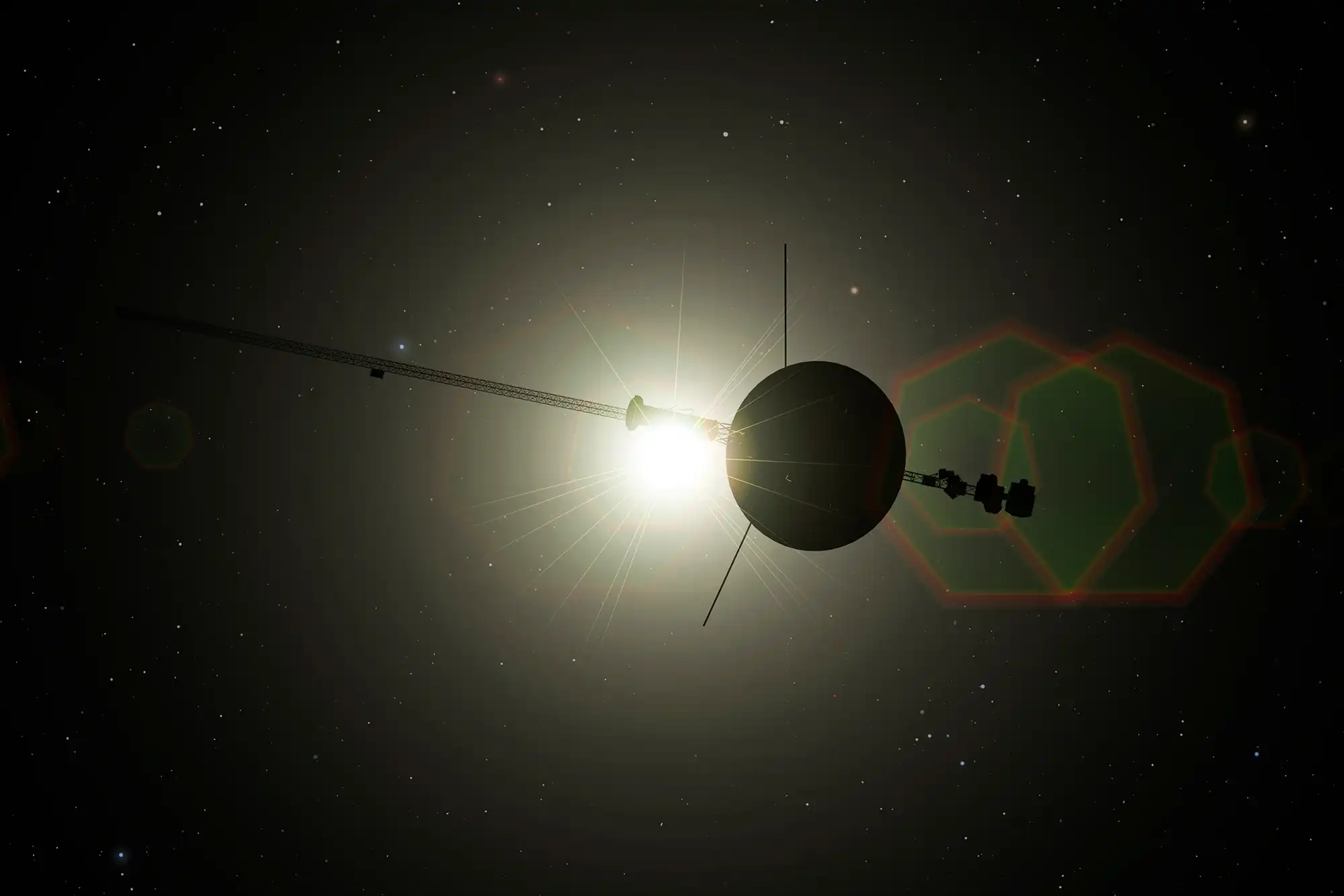 Via Scientific American
The vast distance also affects signal strength. As Voyager 1 moves farther away, its signals become weaker and harder to detect. Advanced communication systems on Earth are required to receive and interpret these signals, ensuring that valuable data is not lost.
 Via John Hopkins
The power supply is used not only for instruments but also for maintaining internal temperatures. Heaters prevent fuel lines and electronic components from freezing. As power decreases, engineers must decide which heaters can remain active and which must be turned off.
Balancing temperature control with power conservation is a constant challenge. Too much heat loss could end the mission, while excessive power use could drain the remaining energy. Careful management ensures that the spacecraft can continue operating in harsh conditions.
 Via IMechE
 Via Contando Estreals
The continued operation of the Voyager spacecraft provides a rare opportunity to gather long-term data. Few missions have lasted this long or traveled this far. Their contributions will remain valuable for generations of scientists and researchers.
 Via ABC 7
Efforts to extend its lifespan show the dedication of engineers and scientists working to maximize every remaining moment. Even small gains in operational time can lead to significant scientific discoveries. The “Big Bang” strategy represents one last effort to keep the mission alive.
Future spacecraft will build on Voyager’s legacy, exploring deeper into space with advanced technology. The knowledge gained from this mission will influence designs and strategies for years to come. Voyager 1’s journey stands as a symbol of human curiosity and determination to explore the unknown.
More in UnassignedVia The Times
Decades after launch, Voyager 1 remains the most distant spacecraft ever built. Its distance from Earth has reached billions of miles, making communication slow and complex. Despite these challenges, it continues to function as a vital scientific tool. Its longevity has exceeded all expectations, proving the strength of its engineering and the vision behind its mission.
Power Challenges After Nearly 50 Years in Space
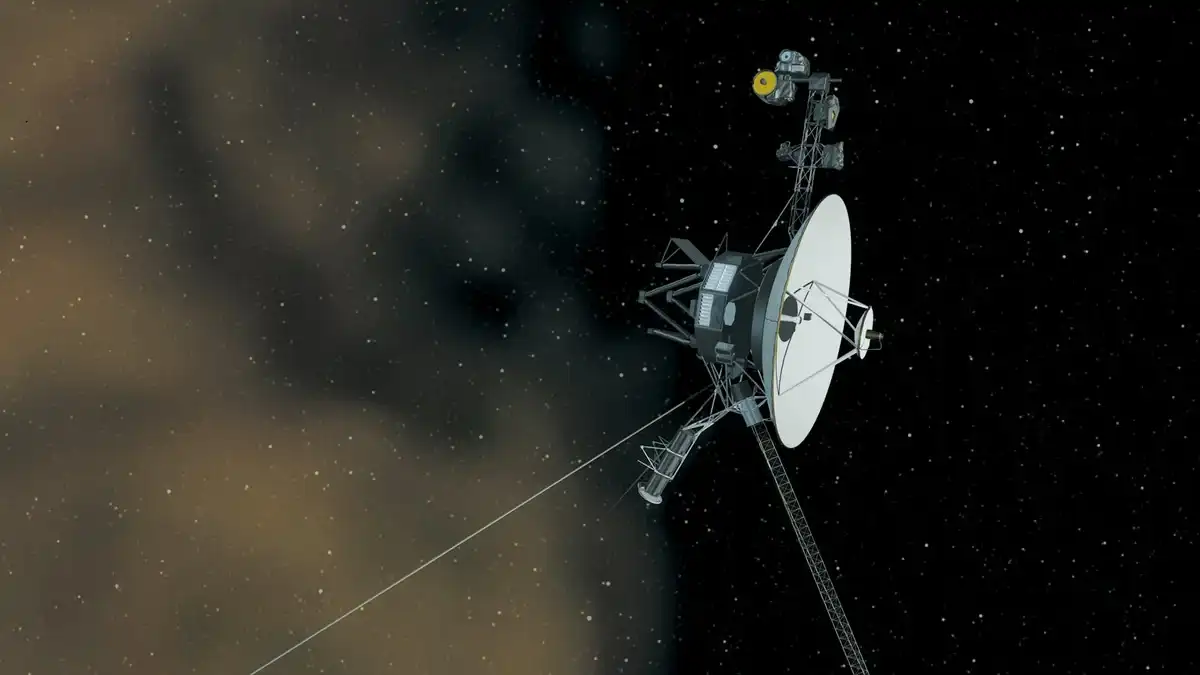
Voyager 1 relies on a radioisotope thermoelectric generator, which produces electricity from the natural decay of plutonium. This power source has allowed the spacecraft to operate for decades without solar energy. However, the energy output decreases gradually over time, leading to difficult decisions about which systems can remain active.Via Scientific American
Each year, Voyager 1 loses a small amount of power, making it harder to maintain its instruments and onboard systems. Engineers must carefully manage this limited energy to keep the spacecraft functioning. Heaters, instruments, and communication systems all compete for the remaining power supply, forcing mission teams to prioritize critical operations.
Recent events have made the situation even more challenging. A maneuver earlier this year caused an unexpected drop in power levels, accelerating the need for conservation. As a result, NASA has been shutting down non-essential systems to extend the spacecraft’s lifespan. These steps aim to preserve the most valuable scientific instruments for as long as possible.
Via Indian Today
Shutdown of the Low-Energy Charged Particle Instrument
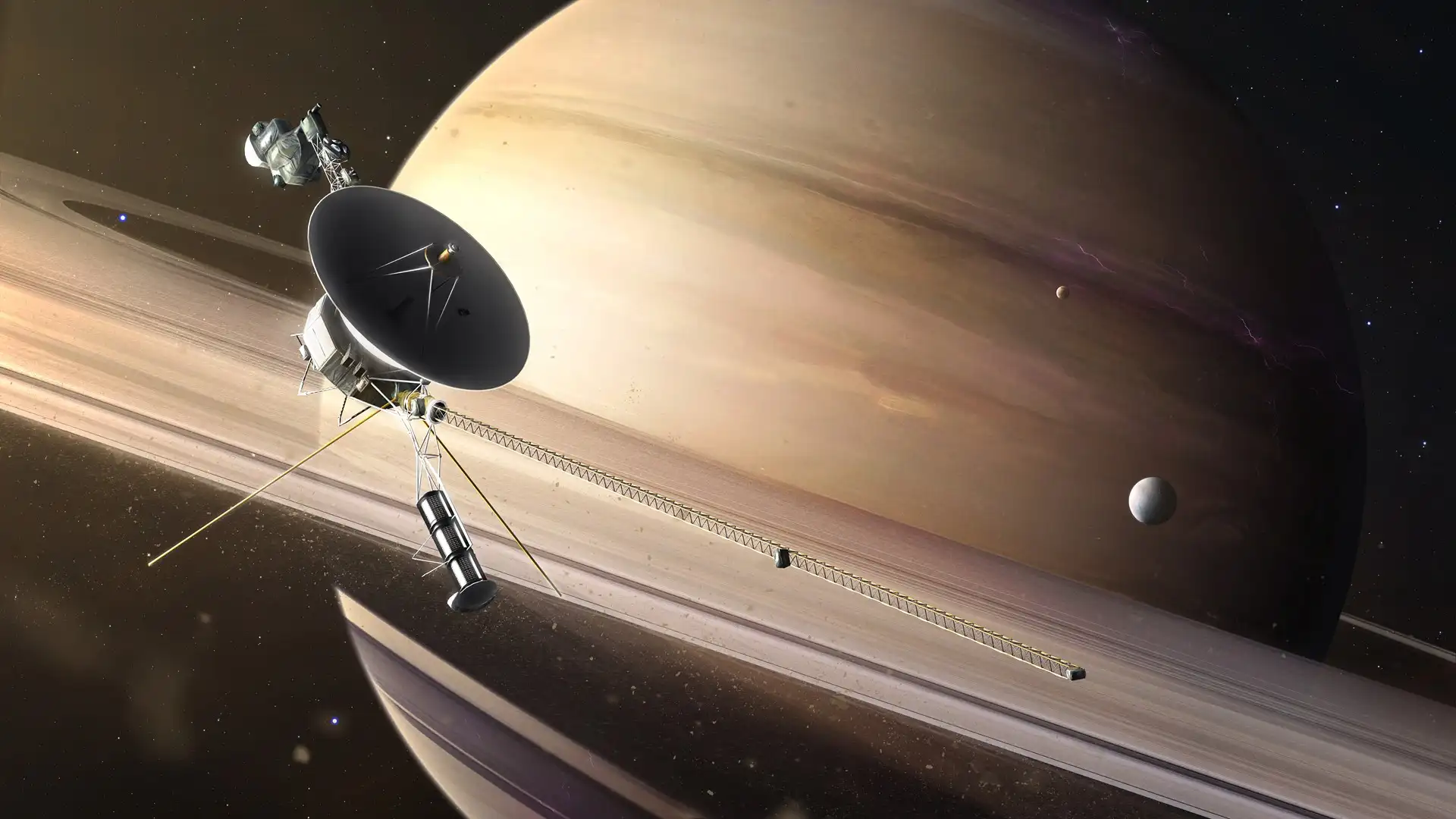
One of the latest decisions involved shutting down the Low-Energy Charged Particle experiment. This instrument has been active for nearly 49 years, providing valuable data about ions, electrons, and cosmic rays surrounding the spacecraft. Its contributions have been essential in understanding the environment beyond the solar system. The shutdown marks a significant moment in the mission’s history. With fewer instruments still active, the amount of scientific data Voyager 1 can collect is gradually decreasing. Engineers faced a difficult choice, balancing the value of continued measurements against the need to conserve energy for core systems.Via Orbital Today
Turning off the instrument was not a simple process. Commands had to travel across billions of miles, taking nearly a full day to reach the spacecraft. Once received, the shutdown took several hours to complete. Restarting the instrument in the future could be difficult due to the extreme cold and limited power available.
Remaining Instruments and Their Importance
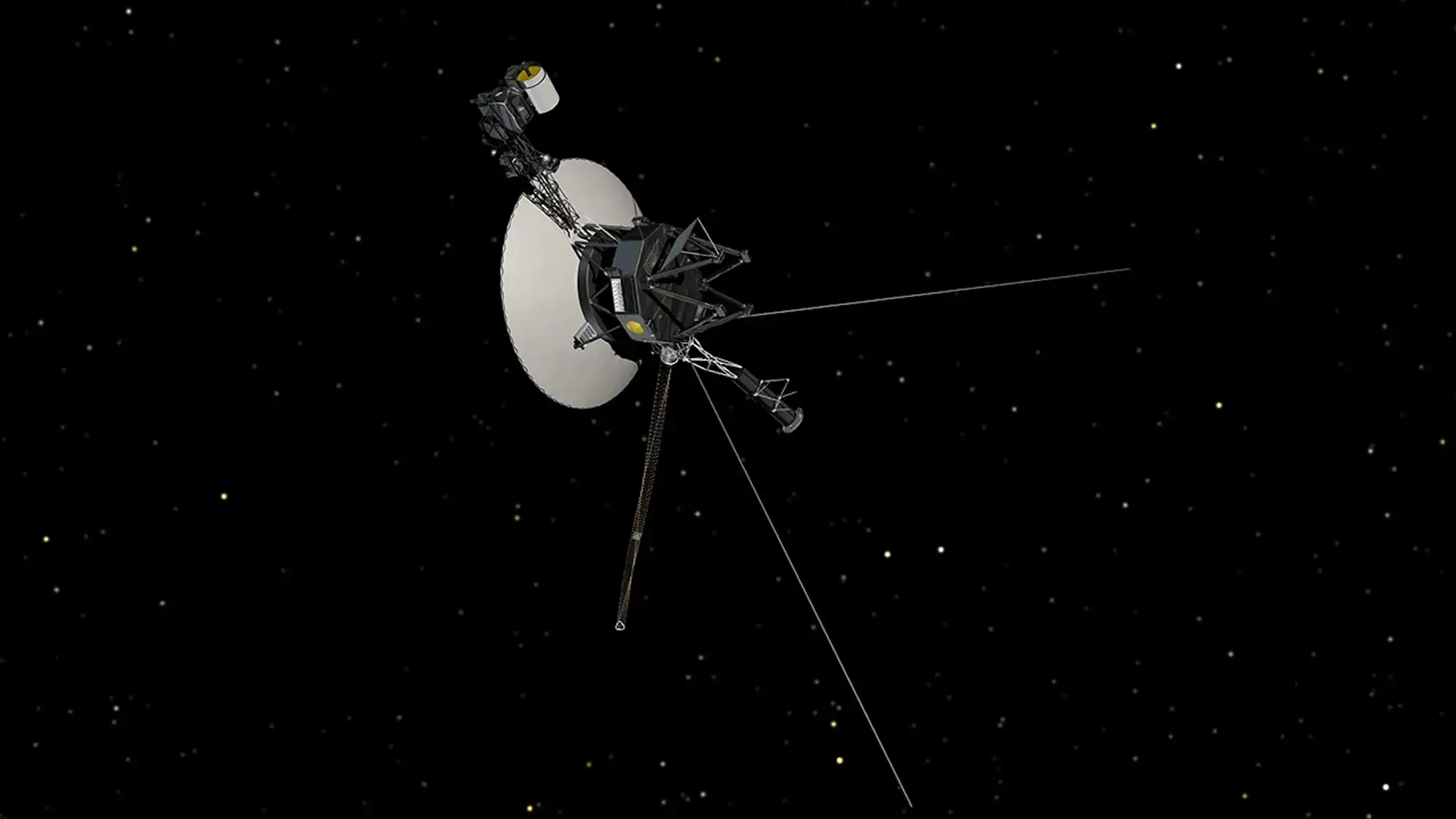
After the recent shutdown, only two science instruments remain active on Voyager 1. These instruments focus on measuring magnetic fields and plasma waves, both of which are crucial for studying interstellar space. They provide insights into how charged particles and energy move through this distant region.Via Popular Science
These remaining instruments play a key role in understanding the boundary between the solar system and interstellar space. This boundary, known as the heliopause, is where the solar wind meets the interstellar medium. Data collected here helps scientists learn how stars influence their surrounding environments.
Even with limited instruments, Voyager 1 continues to deliver valuable scientific information. Each piece of data adds to the understanding of space beyond the Sun’s reach. The mission’s continued operation, even in a reduced capacity, highlights the importance of long-term exploration and persistence in scientific discovery.
Via MSN
The “Big Bang” Strategy to Extend Mission Life
NASA engineers are preparing a bold strategy known as the “Big Bang” procedure. This approach involves making multiple changes at once to optimize power usage. Systems that consume more energy will be turned off, while lower-power alternatives will take their place. The goal of this strategy is to extend the operational life of both Voyager 1 and Voyager 2. By carefully adjusting power distribution, engineers hope to maintain enough energy to keep critical systems running. This includes keeping the spacecraft warm enough to prevent fuel lines from freezing.Via Scientific American
The “Big Bang” approach is considered risky because it involves several changes happening simultaneously. Any mistake could lead to system failures or loss of communication. Despite the risks, this strategy offers a chance to gain additional years of operation, allowing more scientific data to be collected.
Testing the Plan on Voyager 2 First
Before applying the “Big Bang” procedure to Voyager 1, engineers plan to test it on Voyager 2. This spacecraft has slightly more power available and is closer to Earth, making it easier to monitor and adjust. Testing on Voyager 2 allows engineers to refine the process and reduce risks.Via Space
Voyager 2 has its own impressive history, having explored all four outer planets. Like its twin, it has entered interstellar space and continues to send valuable data. Its current condition makes it a suitable candidate for testing new strategies.
Successful tests on Voyager 2 will provide confidence for applying the same approach to Voyager 1. Engineers will analyze the results carefully, making any necessary adjustments before proceeding. This step-by-step process increases the chances of success for both spacecraft.
Via Live Science
Communication Challenges at Extreme Distances
Communicating with Voyager 1 presents unique challenges due to its incredible distance from Earth. Signals take about 23 hours to travel one way, meaning even simple commands require nearly two days for a full round trip. This delay makes real-time control impossible. Engineers must plan every command carefully, ensuring that instructions are precise and complete. Any errors could take days to correct, adding complexity to mission operations. This level of planning requires patience and precision from the team managing the spacecraft.Via Scientific American
The vast distance also affects signal strength. As Voyager 1 moves farther away, its signals become weaker and harder to detect. Advanced communication systems on Earth are required to receive and interpret these signals, ensuring that valuable data is not lost.
The Importance of Thermal Management in Space
Keeping Voyager 1 warm is essential for its continued operation. The spacecraft travels through extremely cold regions of space, where temperatures can drop to near absolute zero. Without proper heating, critical systems could fail.
Via John Hopkins
The power supply is used not only for instruments but also for maintaining internal temperatures. Heaters prevent fuel lines and electronic components from freezing. As power decreases, engineers must decide which heaters can remain active and which must be turned off.
Balancing temperature control with power conservation is a constant challenge. Too much heat loss could end the mission, while excessive power use could drain the remaining energy. Careful management ensures that the spacecraft can continue operating in harsh conditions.
Via IMechE
Scientific Contributions of Voyager Missions
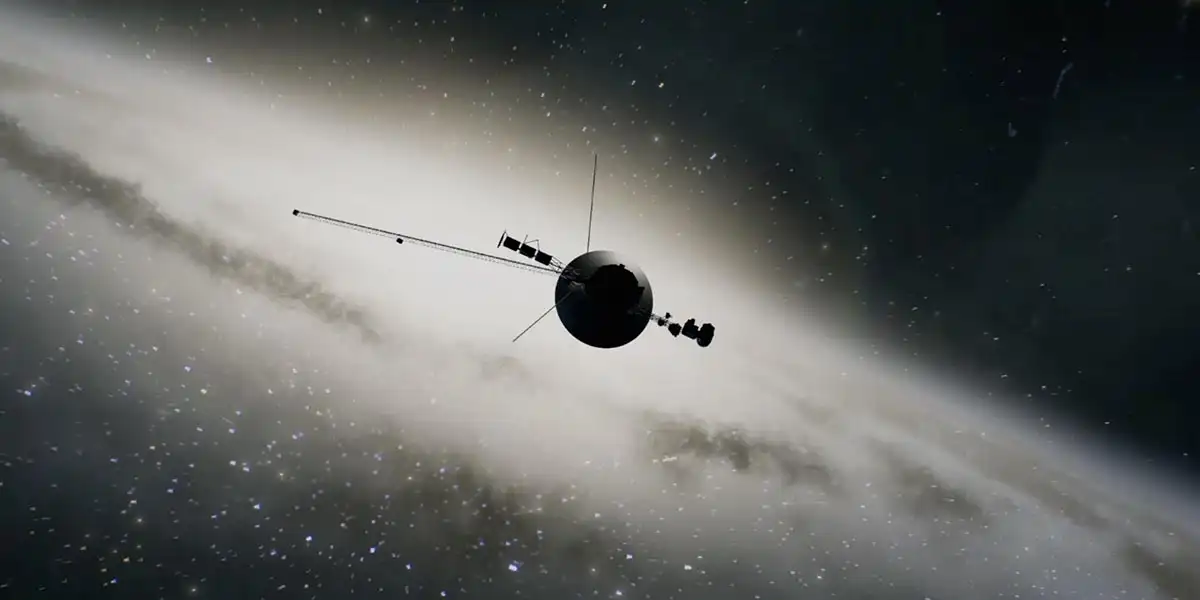
The Voyager missions have transformed our understanding of the solar system and beyond. Discoveries include detailed images of planetary systems, insights into atmospheric conditions, and identification of new moons. These findings have shaped modern astronomy. Voyager 1’s data from interstellar space has opened a new chapter in exploration. Scientists can study cosmic rays, magnetic fields, and plasma in ways never before possible. This information helps explain how stars and galaxies interact with their surroundings.Via Contando Estreals
The continued operation of the Voyager spacecraft provides a rare opportunity to gather long-term data. Few missions have lasted this long or traveled this far. Their contributions will remain valuable for generations of scientists and researchers.
The Future of Voyager 1 and Space Exploration
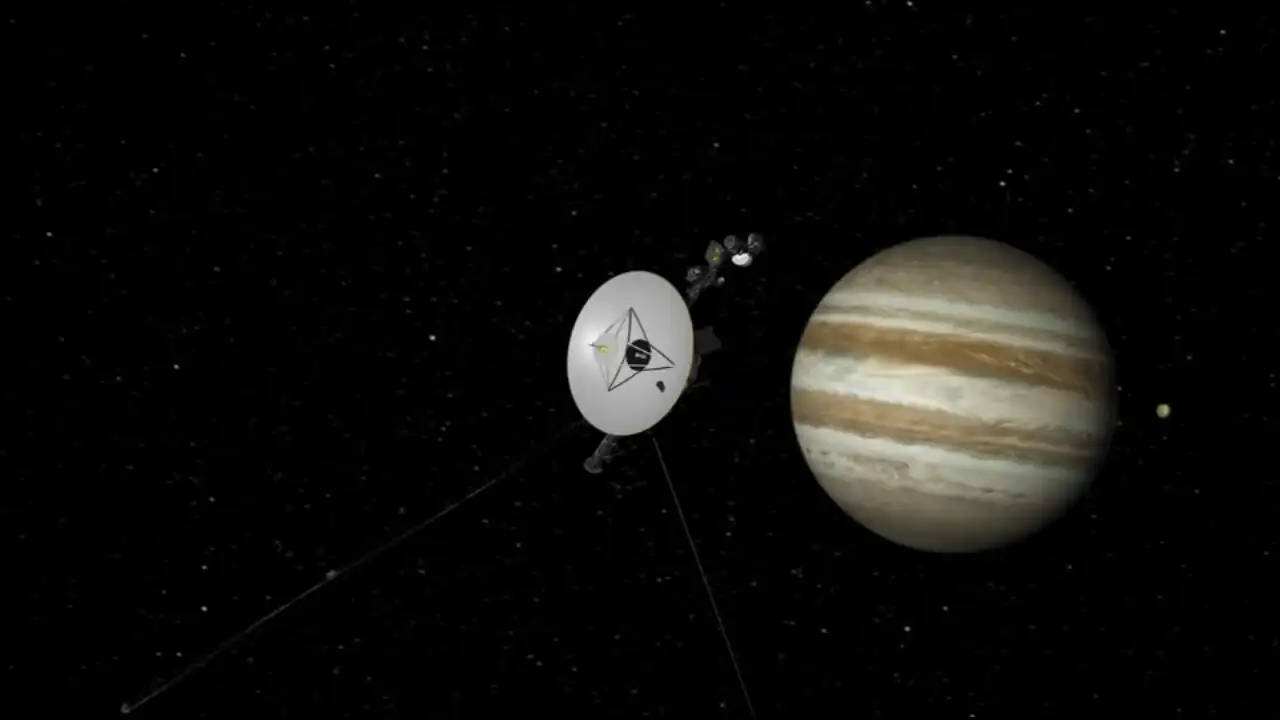
Voyager 1 is approaching the end of its operational life, but its impact will continue long after its instruments fall silent. The mission has demonstrated the value of persistence and innovation in space exploration. Lessons learned from Voyager will guide future missions to distant regions.Via ABC 7
Efforts to extend its lifespan show the dedication of engineers and scientists working to maximize every remaining moment. Even small gains in operational time can lead to significant scientific discoveries. The “Big Bang” strategy represents one last effort to keep the mission alive.
Future spacecraft will build on Voyager’s legacy, exploring deeper into space with advanced technology. The knowledge gained from this mission will influence designs and strategies for years to come. Voyager 1’s journey stands as a symbol of human curiosity and determination to explore the unknown.