Unassigned
Scientists Race to Catch Interstellar Comet 3I-ATLAS
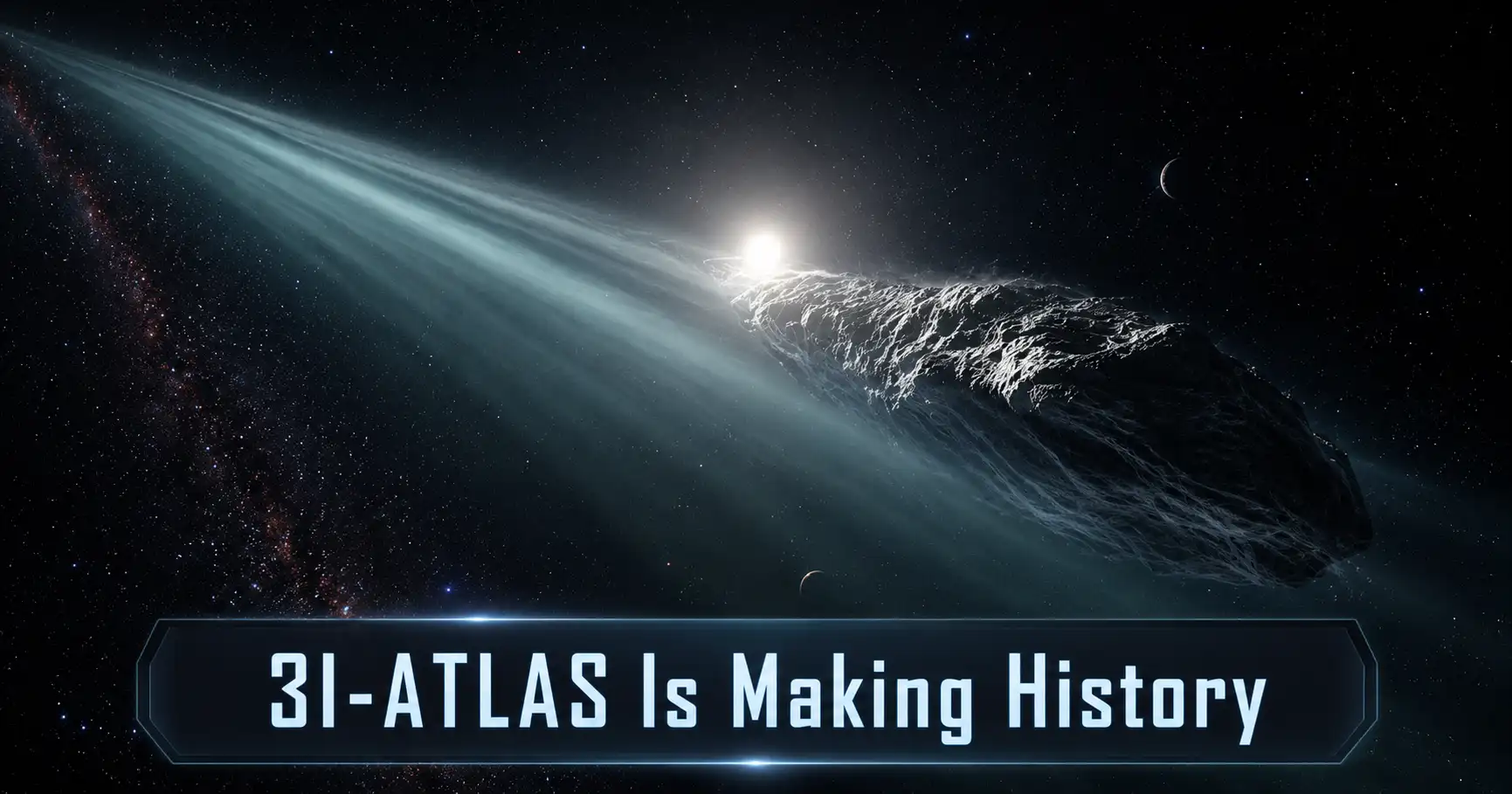
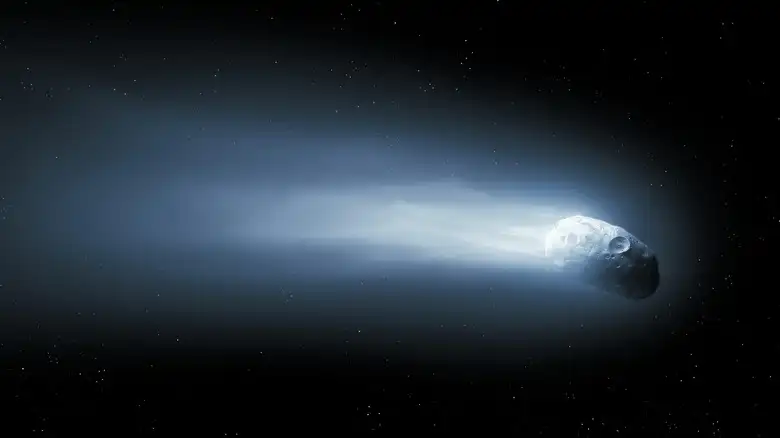
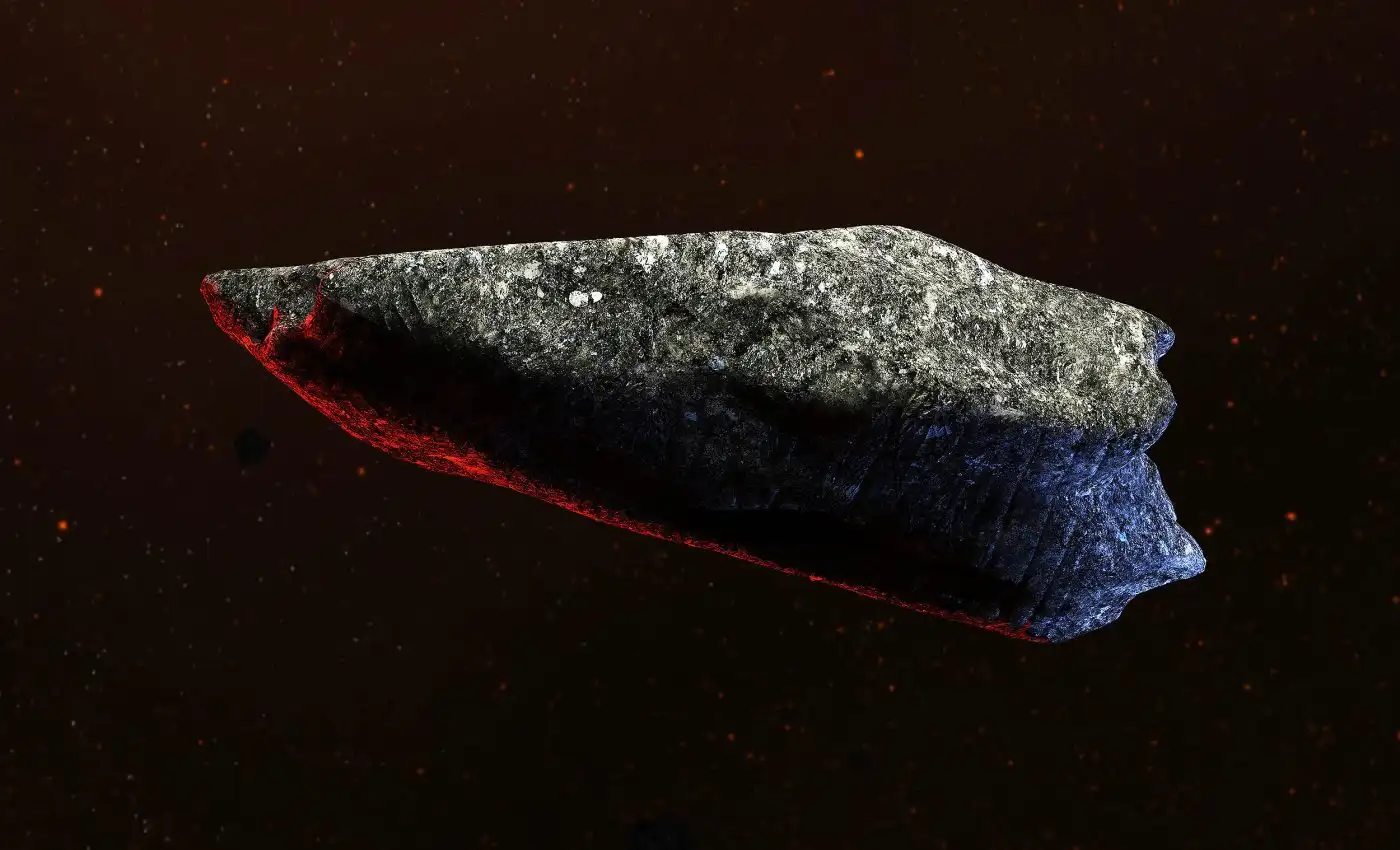
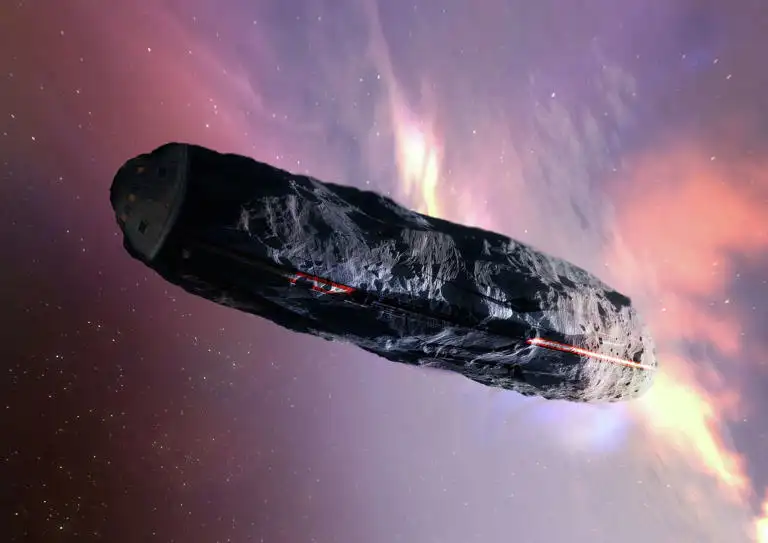
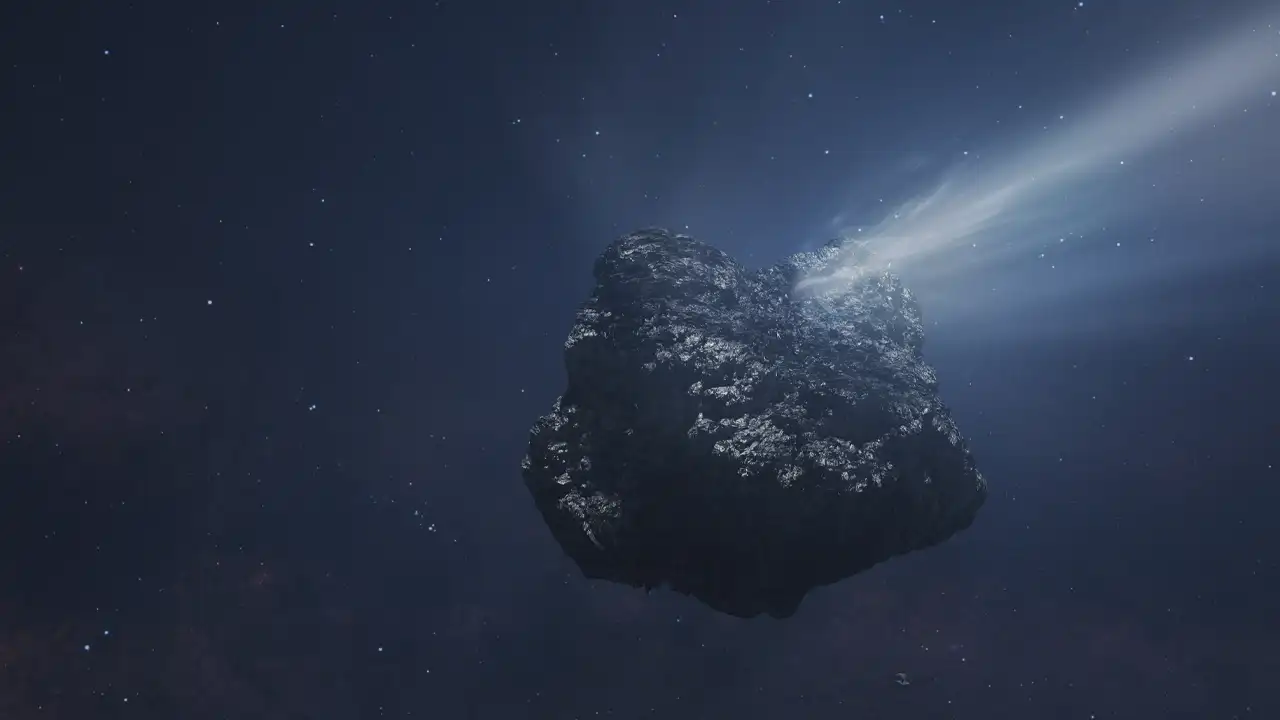
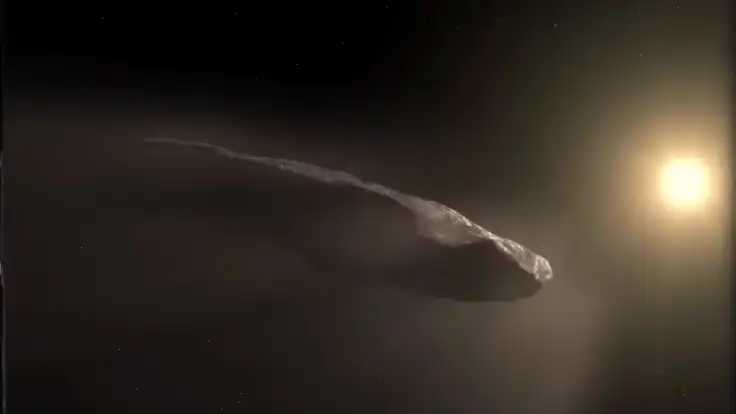
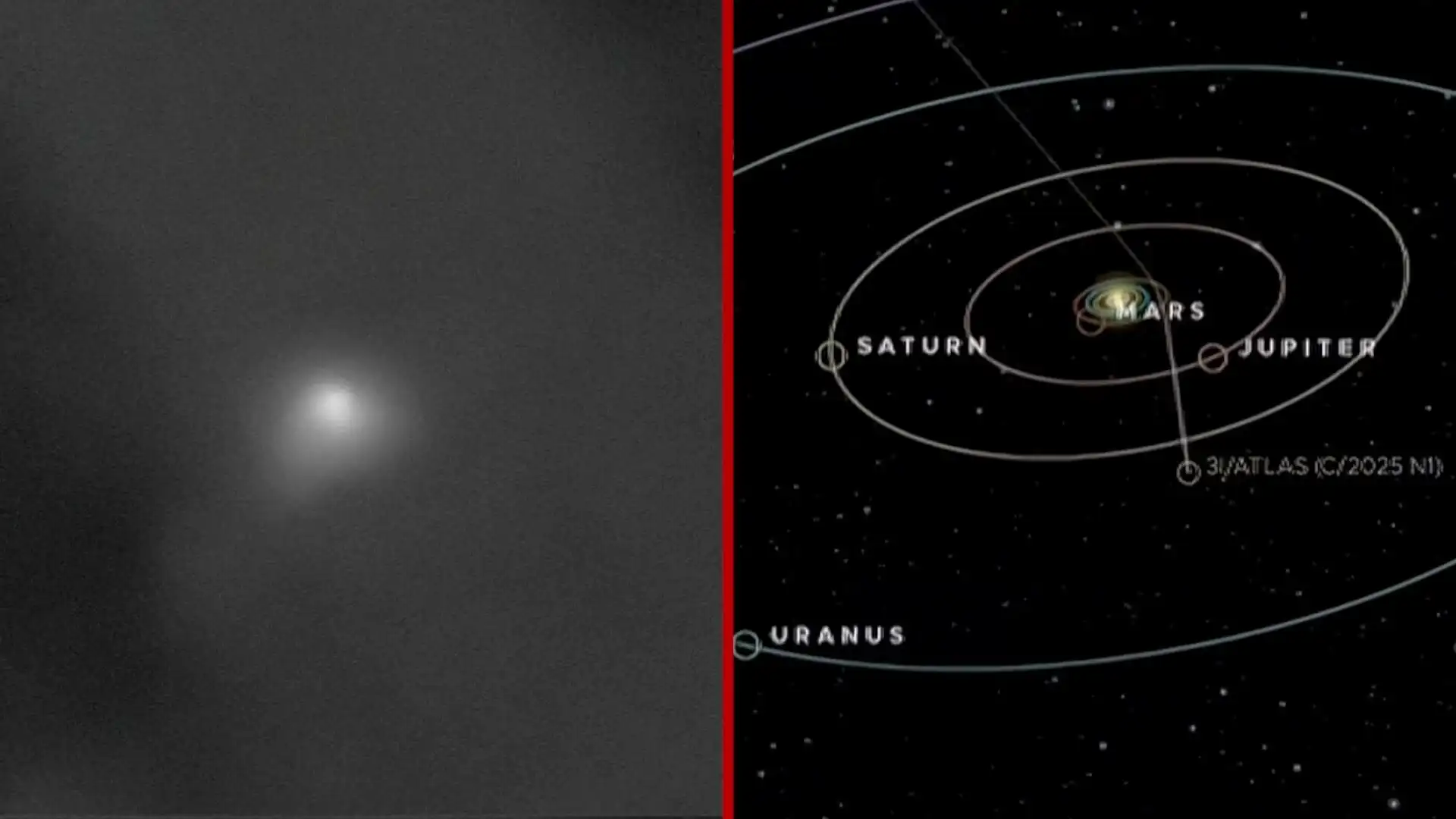
Interstellar comet 3I/ATLAS has captured global attention because it is only the third known object from outside the solar system ever detected. These rare visitors carry clues about distant star systems, offering a chance to study materials formed far beyond the Sun’s influence. Such objects are often described as time capsules, preserving information about the early stages of planetary formation in other parts of the galaxy.
Scientists believe that studying this comet up close could unlock answers about how planets and organic compounds form in different environments. Observations from telescopes have already revealed that 3I/ATLAS contains water, dust, and organic materials. These findings hint at the possibility that similar building blocks for life may exist across the universe.
 Via Live Science
Interest in this comet has grown rapidly because opportunities like this are extremely rare. Interstellar objects move quickly through the solar system, making them difficult to observe for long periods. Missing the chance to study one means waiting years, or even decades, for another opportunity.
 Via BGR
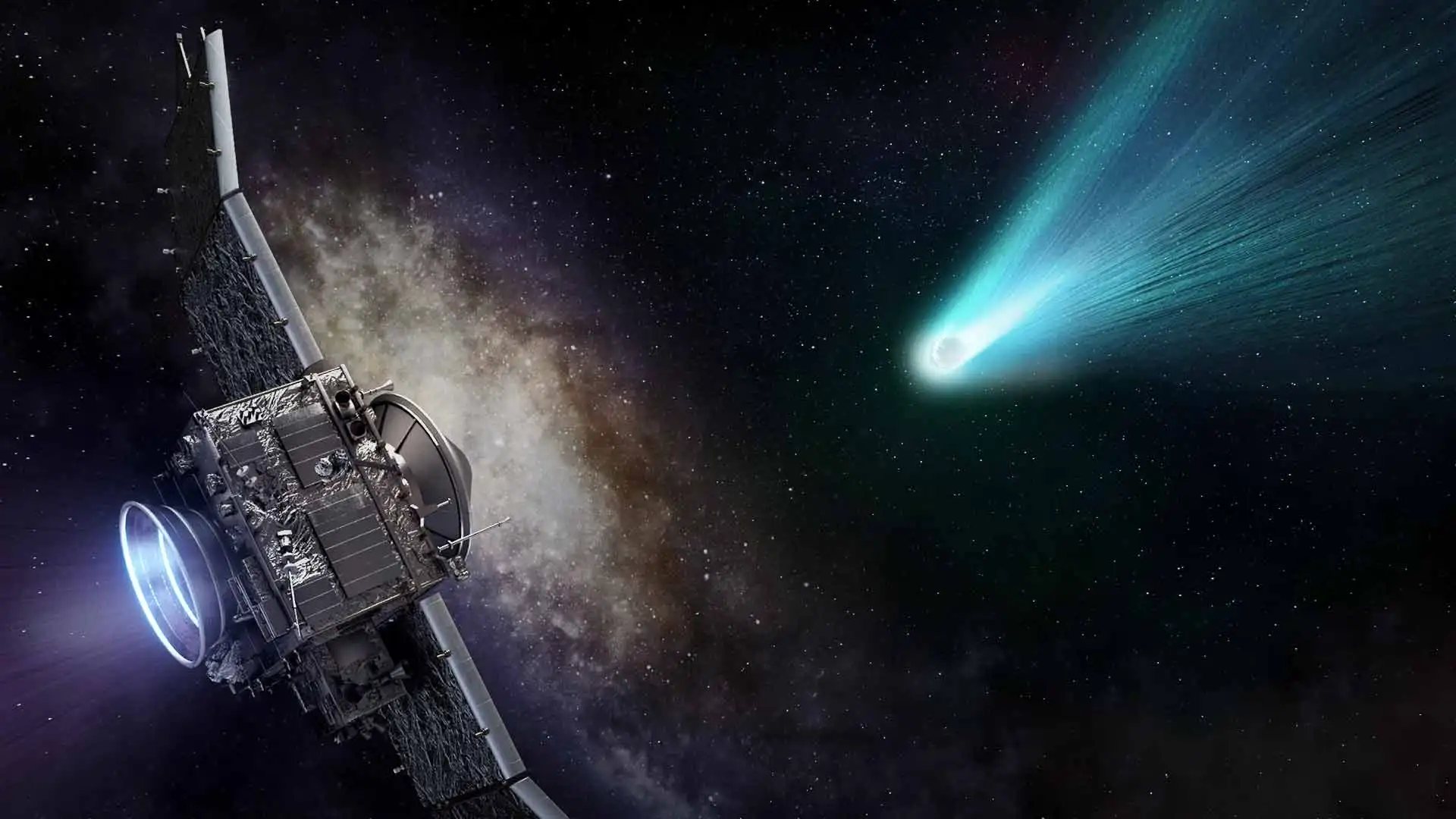
Late detection creates another serious problem. By the time 3I/ATLAS was discovered, it had already passed key points in its journey where interception would have been easier. This delay limits the options available for mission planners. A spacecraft would need to launch quickly and follow a highly precise path to reach the comet.
Technical limitations also play a role. Advanced propulsion systems such as directed-energy propulsion are still under development and not ready for real missions. Existing spacecraft rely mainly on chemical rockets, which may not provide enough speed to catch such fast-moving objects.
 Via Earth
 Via MSN
Flyby missions were seen as the most realistic option. These missions involve passing close to the comet at high speed rather than slowing down to orbit it. While flybys can provide valuable data, they offer limited observation time compared to longer missions that stay near the target.
 Via Karlobag
The Solar Oberth maneuver takes advantage of the Sun’s gravity. A spacecraft travels close to the Sun, gaining speed as it falls into its strong gravitational pull. At the closest point, the spacecraft fires its engines, boosting its velocity even further. This method allows the spacecraft to achieve speeds that would be difficult to reach otherwise.
This approach could make it possible to catch up with the comet even after it has moved far away. By carefully planning the trajectory, scientists can use gravity and timing to overcome the limits of current propulsion systems.
 Via Fox News
 Via International Business
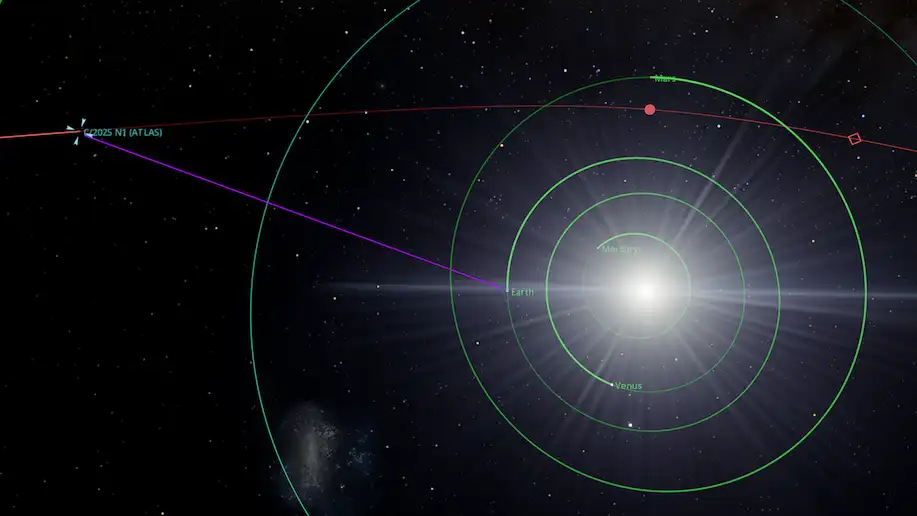
Careful planning is required to make these maneuvers work. The positions of Earth, Jupiter, and the comet must align perfectly. Missing this window could mean waiting many more years for another opportunity.
 Via WION
Launching at the right time allows the spacecraft to follow an optimized path. It can use gravity assists and the Solar Oberth maneuver to reach the comet with less fuel and lower performance demands. This makes the mission more practical using current technology.
Timing also affects the overall travel duration. While the mission would still take decades, the 2035 window offers the shortest possible journey under the given conditions. Missing this opportunity could make the mission far more difficult or even impossible.
 Via Space
 Via BBC
Despite the long journey, such missions are not unusual in space exploration. Some spacecraft have already traveled for decades, sending valuable data back to Earth. The potential scientific rewards make the wait worthwhile.
 Via RAND
These objects may contain organic molecules and water, which are essential for life. Finding these materials in interstellar comets suggests that the building blocks of life could be widespread across the galaxy. This has important implications for the search for life beyond Earth.
Close-up studies could also improve understanding of how planetary systems evolve. Data from an intercepted comet would help scientists compare the solar system with others, offering a broader view of cosmic history.
 Via NASA Science
 Via Universe Today
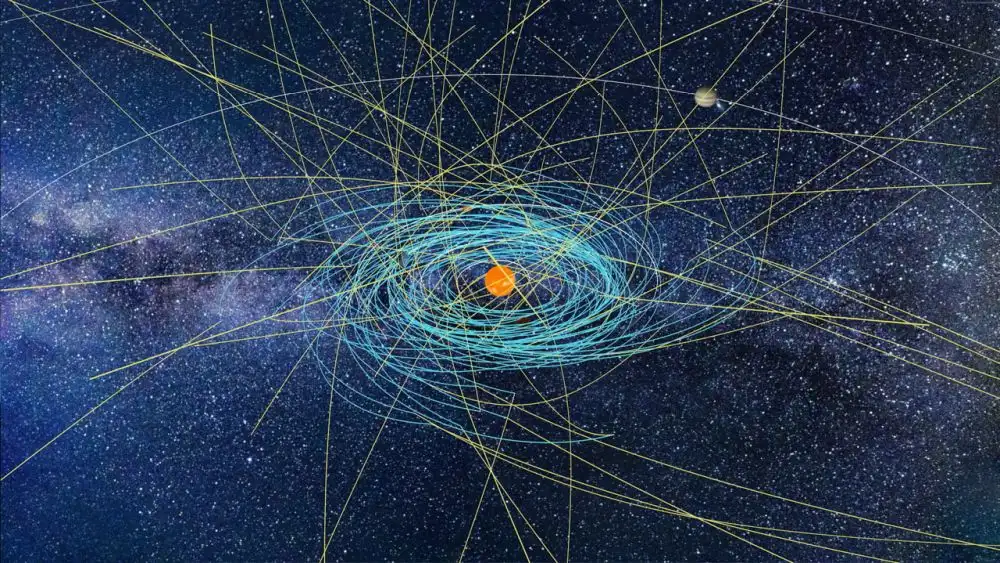
The proposed mission shows that it is possible to achieve ambitious goals using existing technology. By combining known techniques in new ways, researchers can overcome challenges without waiting for future breakthroughs. Sometimes, rethinking how existing methods are used can open new possibilities and allow progress even within current technological limits.
 Via Space
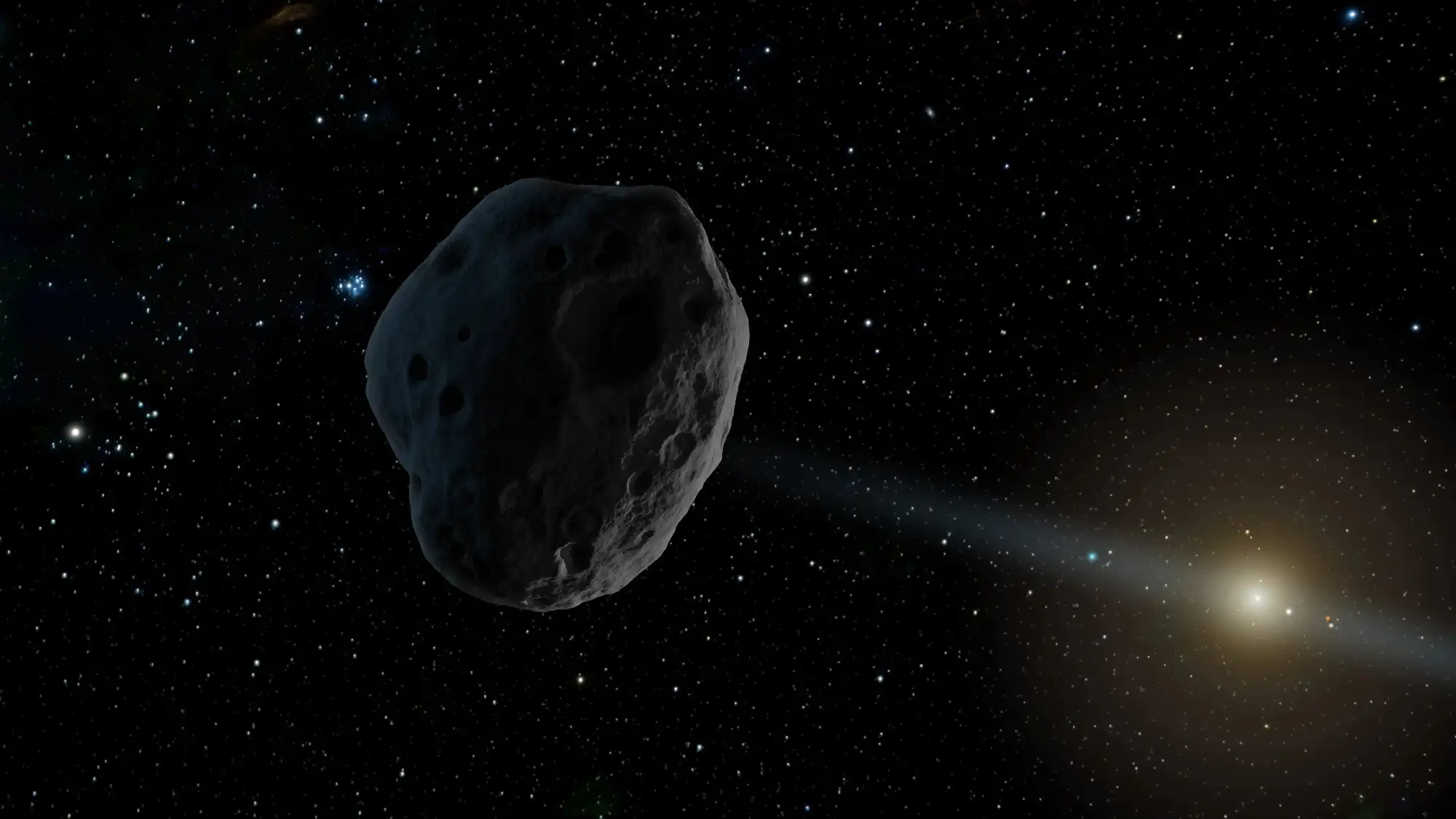
This approach could also change how scientists plan missions. Instead of reacting quickly to discoveries, they may focus on long-term strategies that use precise timing and advanced trajectories. This shift could make it easier to explore distant targets.
Such missions highlight the importance of global collaboration. Complex space projects require expertise from many fields, including engineering, physics, and astronomy. Working together increases the chances of success and accelerates progress.
 Via The Brigher Side of News
 Via Phys Org
Interest in interstellar objects continues to grow as technology improves and discoveries are made. Each step forward brings humanity closer to understanding the broader universe and the countless systems that exist within it.
More in UnassignedVia Live Science
Interest in this comet has grown rapidly because opportunities like this are extremely rare. Interstellar objects move quickly through the solar system, making them difficult to observe for long periods. Missing the chance to study one means waiting years, or even decades, for another opportunity.
Why Catching an Interstellar Comet Is So Hard?
Capturing or even studying an interstellar comet presents major challenges. These objects travel at extremely high speeds, often exceeding 60 kilometers per second. Matching that speed with a spacecraft is not easy, especially using current propulsion technology. Most space missions are designed for slower targets like planets or nearby asteroids.
Via BGR
Late detection creates another serious problem. By the time 3I/ATLAS was discovered, it had already passed key points in its journey where interception would have been easier. This delay limits the options available for mission planners. A spacecraft would need to launch quickly and follow a highly precise path to reach the comet.
Technical limitations also play a role. Advanced propulsion systems such as directed-energy propulsion are still under development and not ready for real missions. Existing spacecraft rely mainly on chemical rockets, which may not provide enough speed to catch such fast-moving objects.
Via Earth
Traditional Mission Plans and Their Limits
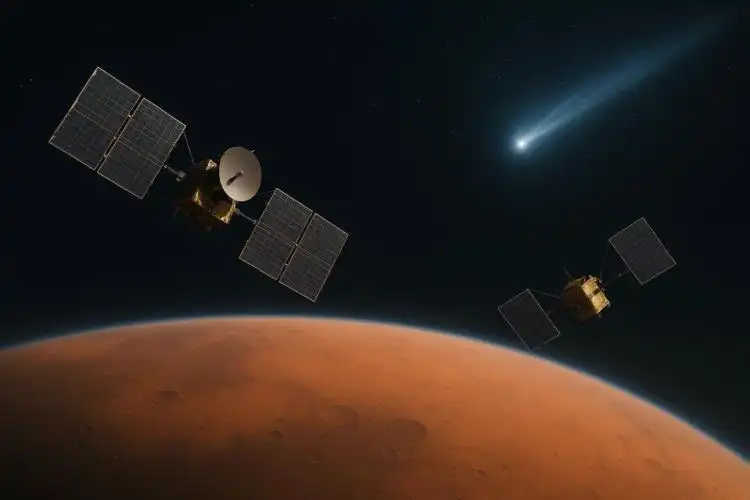
Early mission ideas focused on using existing technology to reach the comet. These plans included launching spacecraft directly from Earth using chemical rockets. Some proposals suggested modifying current missions, like redirecting probes already in space to intercept the comet. Projects such as NASA’s Janus mission and the European Space Agency’s Comet Interceptor were considered possible options. These missions are designed to study comets, but they may not be able to respond quickly enough to a fast-moving interstellar object. Timing plays a critical role, and even a small delay can make interception impossible.
Via MSN
Flyby missions were seen as the most realistic option. These missions involve passing close to the comet at high speed rather than slowing down to orbit it. While flybys can provide valuable data, they offer limited observation time compared to longer missions that stay near the target.
New Approach Using the Solar Oberth Maneuver
A new study proposes a different strategy to intercept comet 3I/ATLAS. Instead of launching immediately, researchers suggest waiting until 2035 to take advantage of a specific alignment of planets. This plan uses a technique known as the Solar Oberth maneuver, which can dramatically increase a spacecraft’s speed.
Via Karlobag
The Solar Oberth maneuver takes advantage of the Sun’s gravity. A spacecraft travels close to the Sun, gaining speed as it falls into its strong gravitational pull. At the closest point, the spacecraft fires its engines, boosting its velocity even further. This method allows the spacecraft to achieve speeds that would be difficult to reach otherwise.
This approach could make it possible to catch up with the comet even after it has moved far away. By carefully planning the trajectory, scientists can use gravity and timing to overcome the limits of current propulsion systems.
Via Fox News
How does Gravity Assist Help Space Missions?
Gravity assists play a key role in the proposed mission. These maneuvers involve using the gravitational pull of planets to change a spacecraft’s speed and direction. Jupiter is often used for this purpose because of its massive size and strong gravity. A spacecraft can swing around Jupiter, gaining extra speed without using additional fuel. This technique has been used in many successful missions, including those to the outer planets. Combining gravity assists with the Solar Oberth maneuver creates a powerful method for reaching distant targets.
Via International Business
Careful planning is required to make these maneuvers work. The positions of Earth, Jupiter, and the comet must align perfectly. Missing this window could mean waiting many more years for another opportunity.
Why 2035 Is the Perfect Launch Window?
The proposed mission identifies 2035 as the best time to launch. During this year, the positions of Earth, Jupiter, the Sun, and 3I/ATLAS align in a way that makes interception more efficient. This alignment reduces the amount of energy required for the mission.Via WION
Launching at the right time allows the spacecraft to follow an optimized path. It can use gravity assists and the Solar Oberth maneuver to reach the comet with less fuel and lower performance demands. This makes the mission more practical using current technology.
Timing also affects the overall travel duration. While the mission would still take decades, the 2035 window offers the shortest possible journey under the given conditions. Missing this opportunity could make the mission far more difficult or even impossible.
Via Space
Mission Timeline and Travel Duration
The proposed mission would take about 50 years to reach comet 3I/ATLAS. This long timeline reflects the vast distances involved and the need for careful trajectory planning. Even with advanced techniques, reaching an interstellar object is not a quick task. Long-duration missions require reliable spacecraft systems. Engineers must design probes that can operate for decades without failure. This includes durable power systems, communication equipment, and scientific instruments.Via BBC
Despite the long journey, such missions are not unusual in space exploration. Some spacecraft have already traveled for decades, sending valuable data back to Earth. The potential scientific rewards make the wait worthwhile.
Scientific Value of Studying Interstellar Objects
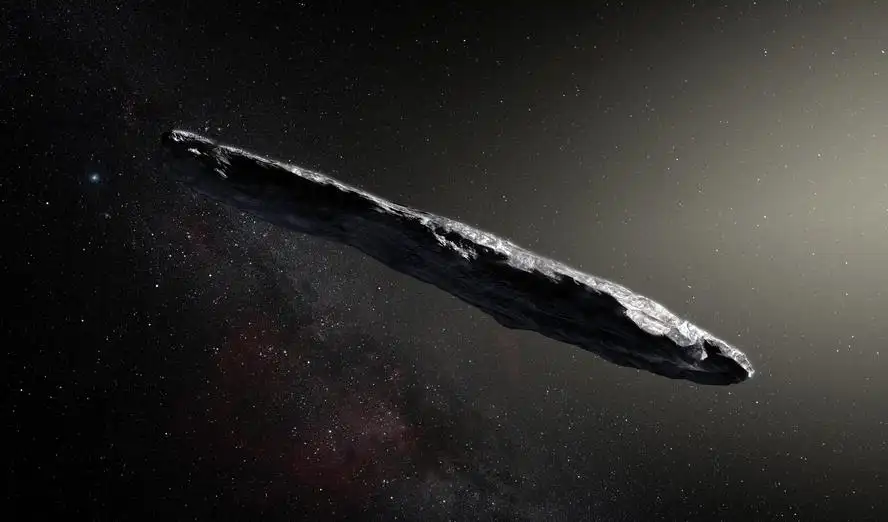
Interstellar comets provide unique insights into the universe. Unlike objects formed in the solar system, they originate from other star systems. Studying them can reveal differences in composition, structure, and formation processes.
Via RAND
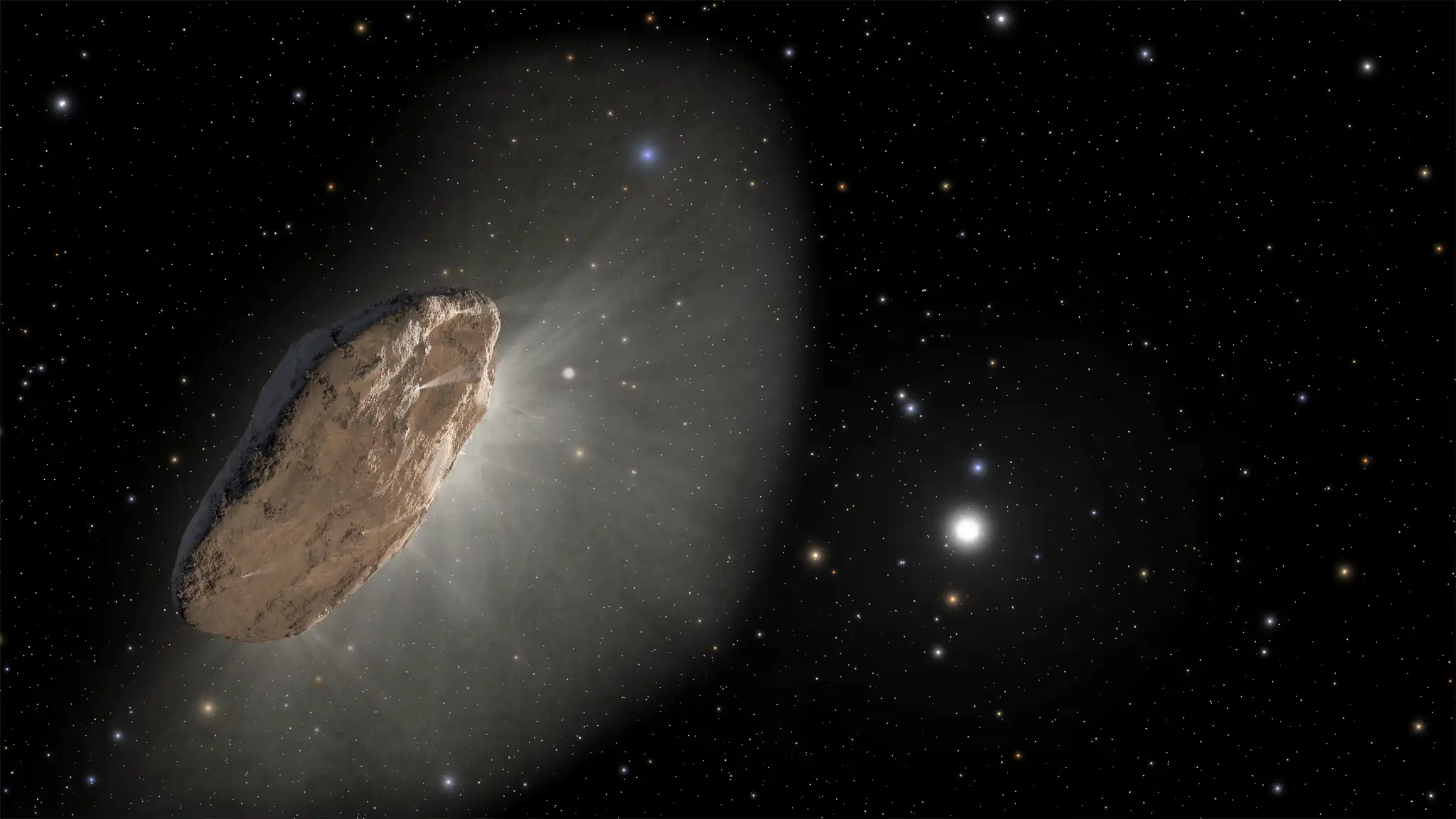
These objects may contain organic molecules and water, which are essential for life. Finding these materials in interstellar comets suggests that the building blocks of life could be widespread across the galaxy. This has important implications for the search for life beyond Earth.
Close-up studies could also improve understanding of how planetary systems evolve. Data from an intercepted comet would help scientists compare the solar system with others, offering a broader view of cosmic history.
Via NASA Science
Limits of Future Propulsion Technologies
Advanced propulsion concepts like directed-energy propulsion are being explored as potential solutions. These systems use powerful lasers or energy beams to push spacecraft at high speeds. In theory, they could make it easier to reach fast-moving targets like interstellar comets. Current technology is not yet ready for such missions. Developing and testing these systems could take many decades. Until then, scientists must rely on proven methods like chemical rockets and gravity assists. This strategy shows that innovation does not always require brand-new tools.
Via Universe Today
The proposed mission shows that it is possible to achieve ambitious goals using existing technology. By combining known techniques in new ways, researchers can overcome challenges without waiting for future breakthroughs. Sometimes, rethinking how existing methods are used can open new possibilities and allow progress even within current technological limits.
What This Mission Could Mean for Space Exploration?
Intercepting comet 3I/ATLAS would mark a major milestone in space exploration. It would be the first mission to study an interstellar object up close, opening a new chapter in understanding the universe. Success could lead to more missions targeting similar objects in the future.Via Space
This approach could also change how scientists plan missions. Instead of reacting quickly to discoveries, they may focus on long-term strategies that use precise timing and advanced trajectories. This shift could make it easier to explore distant targets.
Such missions highlight the importance of global collaboration. Complex space projects require expertise from many fields, including engineering, physics, and astronomy. Working together increases the chances of success and accelerates progress.
Via The Brigher Side of News
Final Thoughts on the Future of Interstellar Exploration
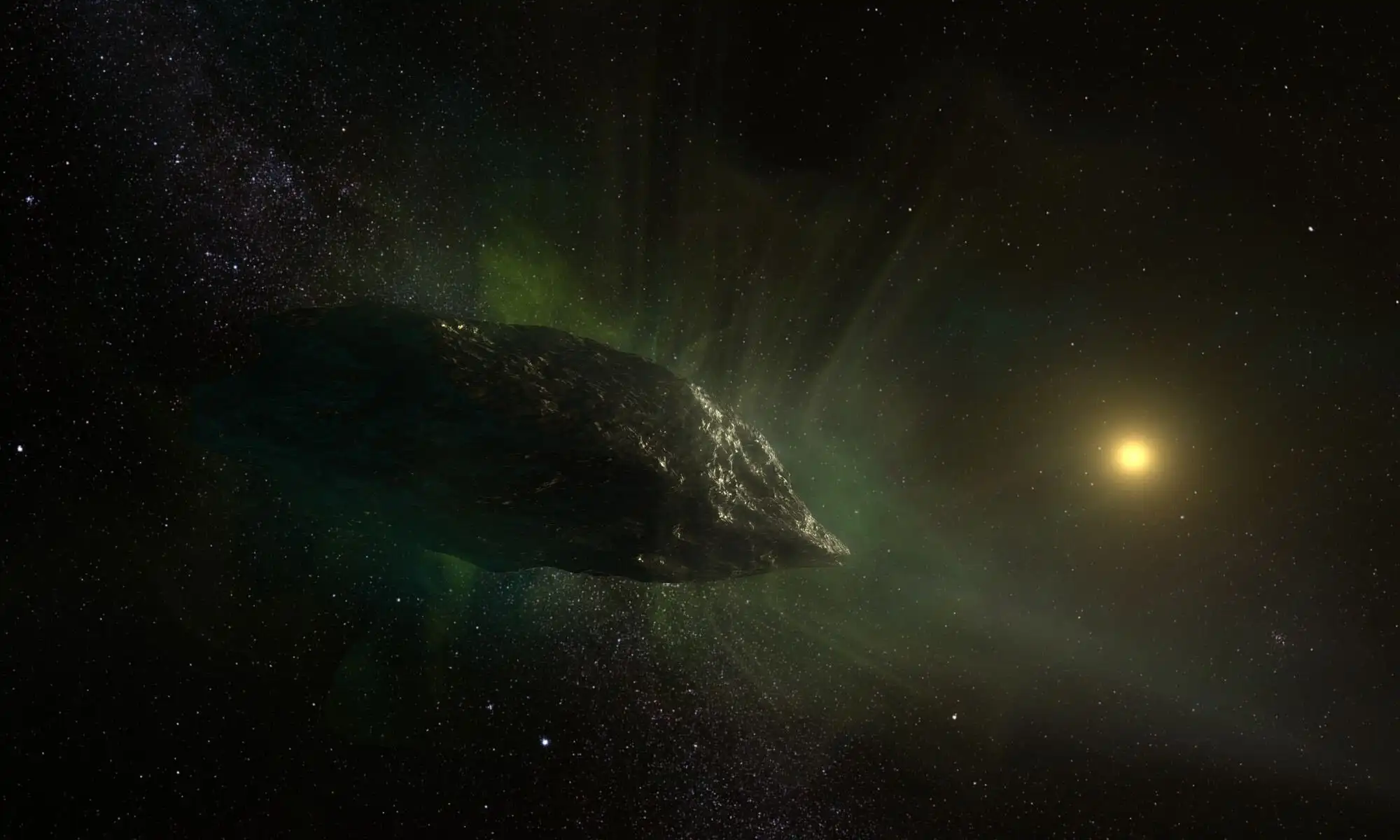
The proposed mission to intercept comet 3I/ATLAS shows how creative thinking can overcome major challenges. By using gravity assists and the Solar Oberth maneuver, scientists have found a way to reach one of the most difficult targets in space. This approach highlights the power of innovation in advancing exploration. Long missions require patience and commitment, but the rewards can be groundbreaking. Studying an interstellar comet up close could answer important questions about the origins of planetary systems and the potential for life beyond Earth. These insights would shape future research for decades.
Via Phys Org
Interest in interstellar objects continues to grow as technology improves and discoveries are made. Each step forward brings humanity closer to understanding the broader universe and the countless systems that exist within it.