Unassigned
New Mars Discovery Reveals Clues About Possible Life

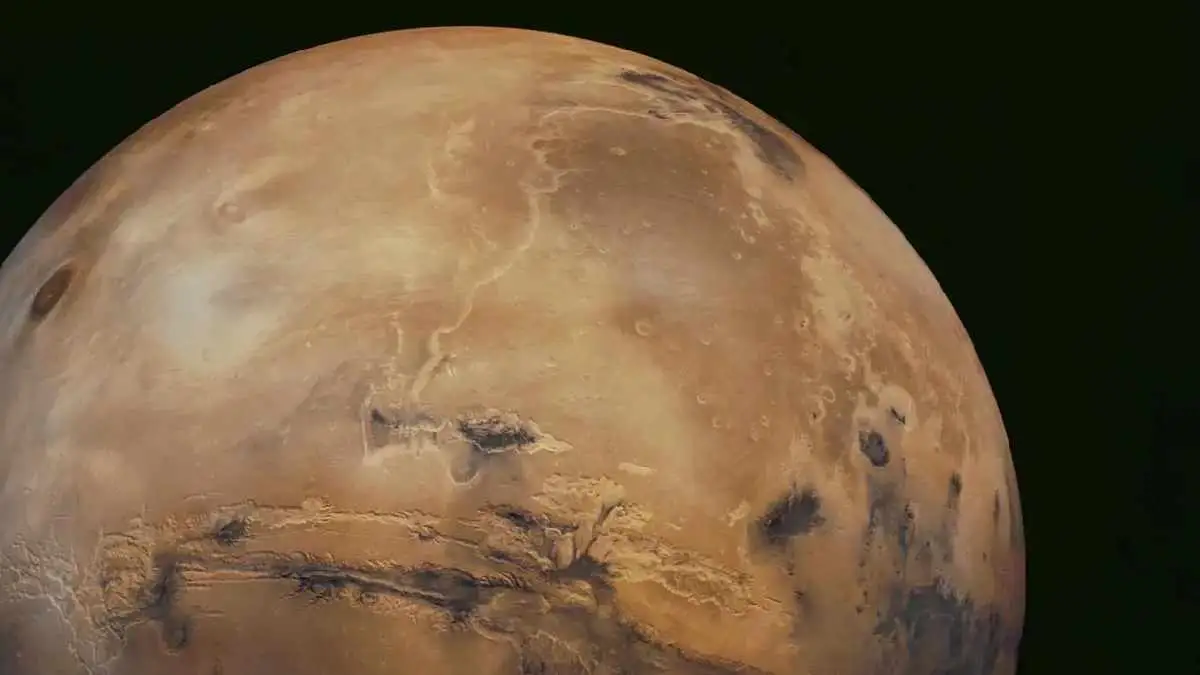
Mars has long captured human curiosity with its red surface and mysterious past. For decades, scientists have searched for signs that life may have once existed there. Recent findings have added fresh excitement to this quest. New research suggests that Mars holds chemical clues that could be linked to the early stages of life, making the planet more intriguing than ever before.
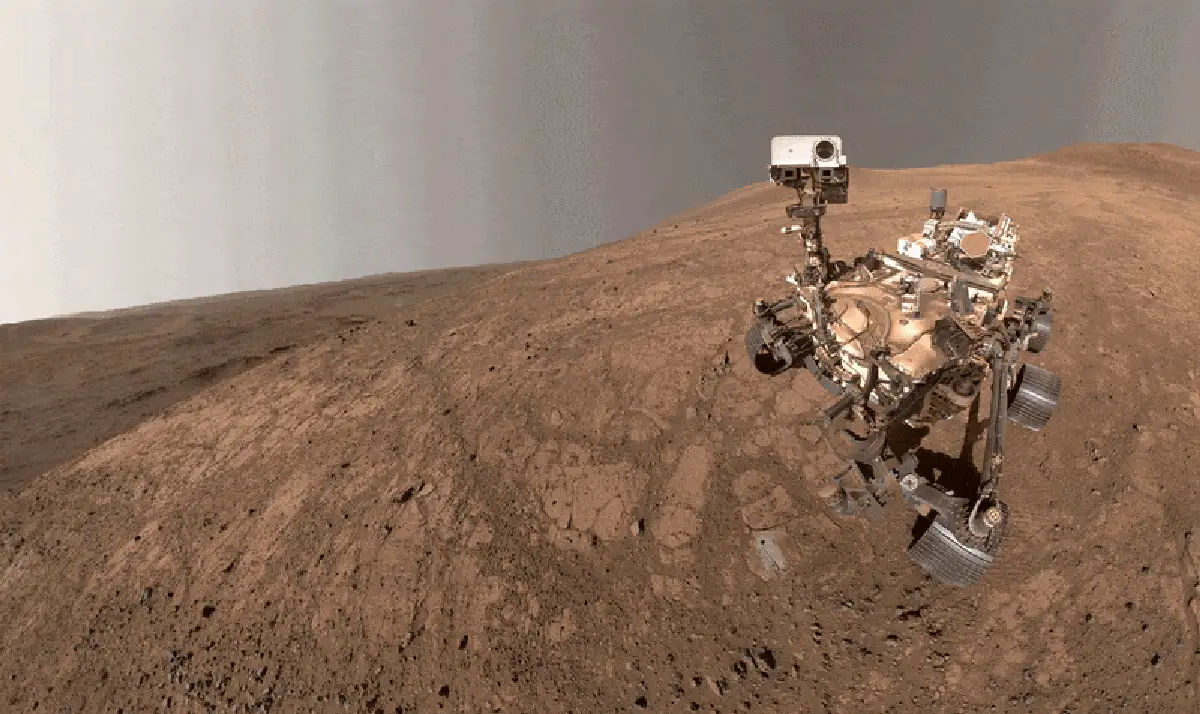
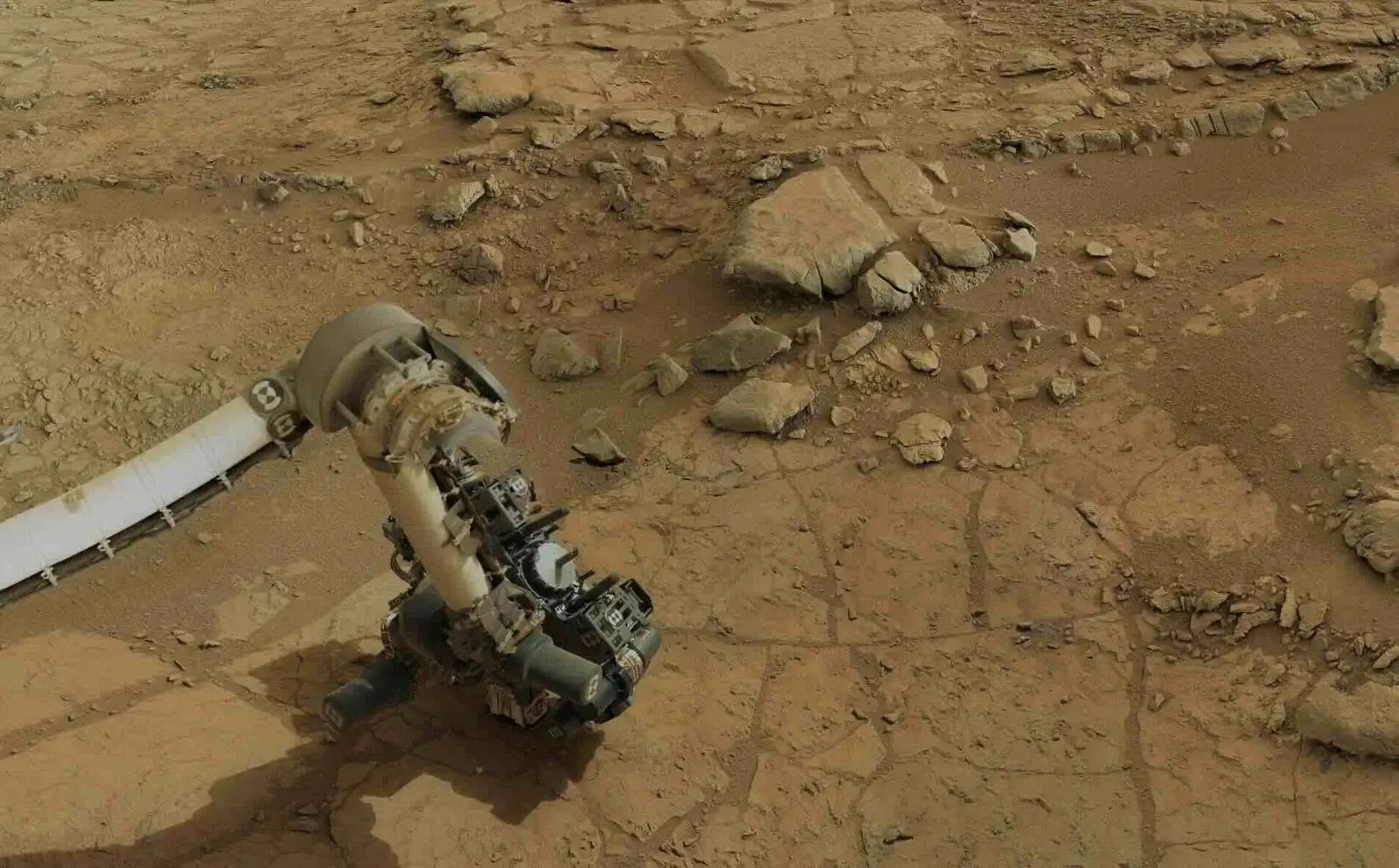
The Curiosity rover, which landed on Mars in 2012, has played a major role in this discovery. It has spent years exploring Gale Crater, carefully studying rocks, soil, and the environment. Its mission has always focused on one key question: Could Mars have supported life in the past? Each sample and observation helps build a clearer picture of the planet’s history.
 Via Scientific American
Recent analysis has revealed the presence of organic molecules in Martian rocks. These molecules are essential for life on Earth. While they do not prove that life existed on Mars, they show that the planet had some of the basic ingredients needed for biological processes. This discovery has renewed interest in Mars as a place where life might have once developed.
 Via Sky & Telescope
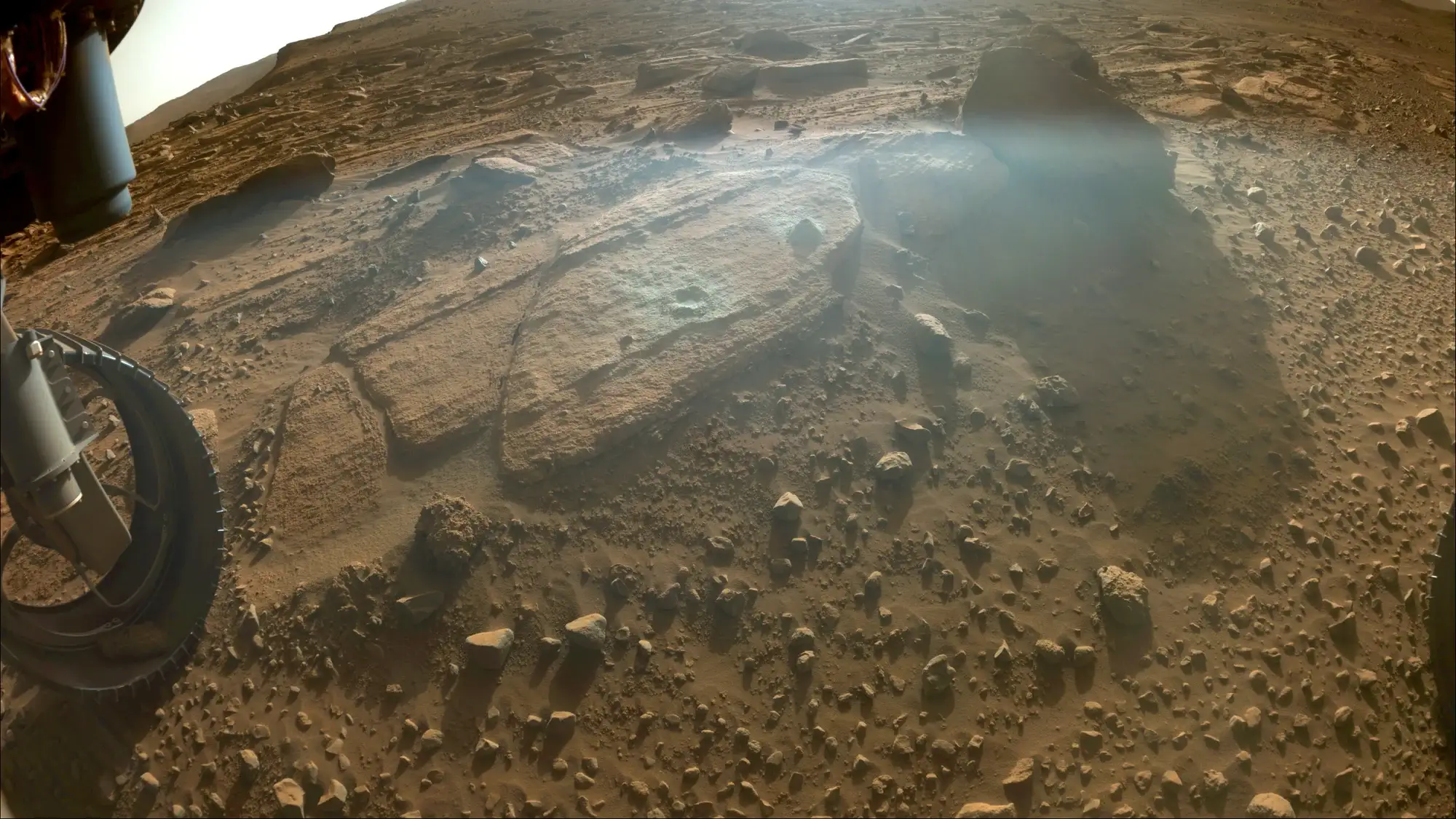
Water is considered one of the most important elements for life. Its presence in Gale Crater suggests that Mars was once a more hospitable planet. Over time, however, Mars lost its magnetic field. Without this protection, the solar wind stripped away the atmosphere, causing water to slowly disappear into space. The planet eventually became the cold and barren world seen today.
Despite these harsh conditions, traces of Mars’ watery past remain preserved in its rocks. Curiosity has been studying these formations to understand what the environment was like long ago. The latest discoveries from this region strengthen the idea that Mars once had the potential to support life, even if only for a limited time.
 Via Scientific American
 Via Science News Explores
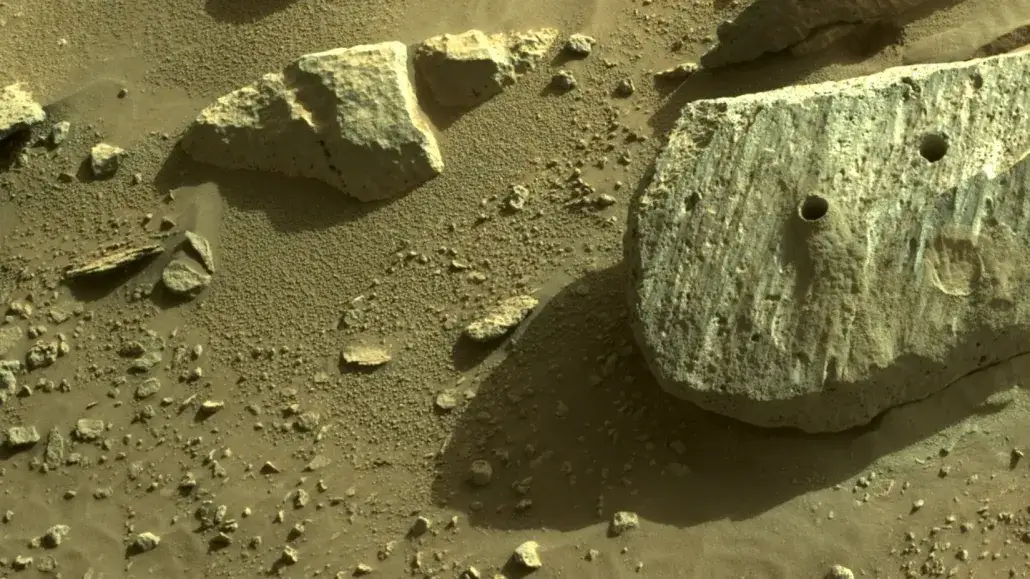
A special chemical called TMAH is used in the process. It helps break down large, complex carbon structures into smaller components that can be studied. Clay-rich areas are especially valuable because they can preserve organic materials for long periods. By focusing on these regions, scientists increase their chances of finding meaningful evidence related to life.
 Via Reuters
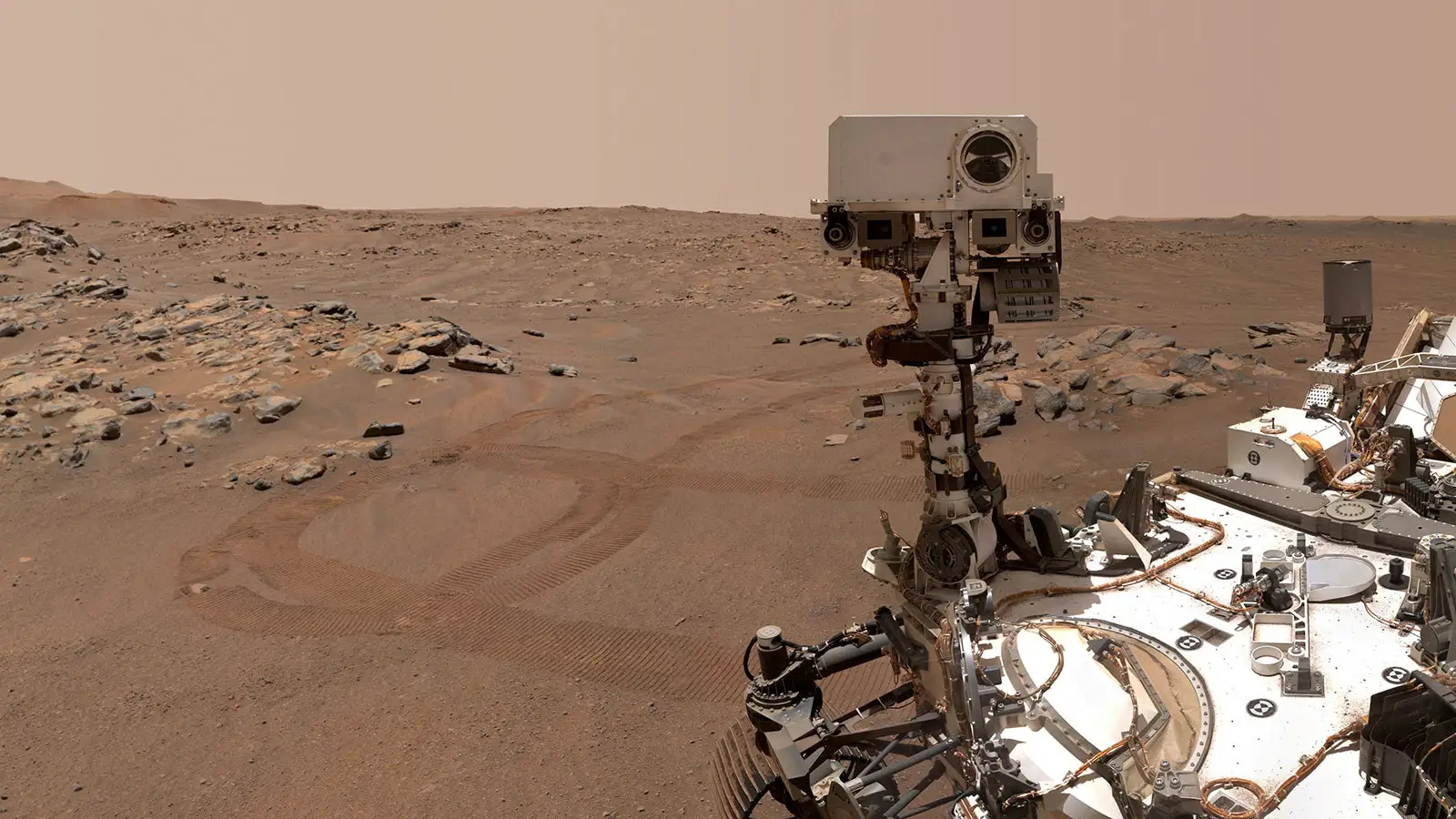
While these molecules are important, scientists remain cautious. Organic compounds can form through both biological and non-biological processes. This means that their presence alone does not confirm that life existed on Mars. Still, finding such diversity in organic material is a significant step forward in understanding the planet’s history.
One of the most notable compounds discovered is benzothiophene. This molecule contains carbon and nitrogen, both of which are key components in biological systems. Its detection suggests that complex chemical reactions took place on Mars, possibly similar to those that occurred on early Earth.
 Via Mashable India
 Via Sci Tech Daily
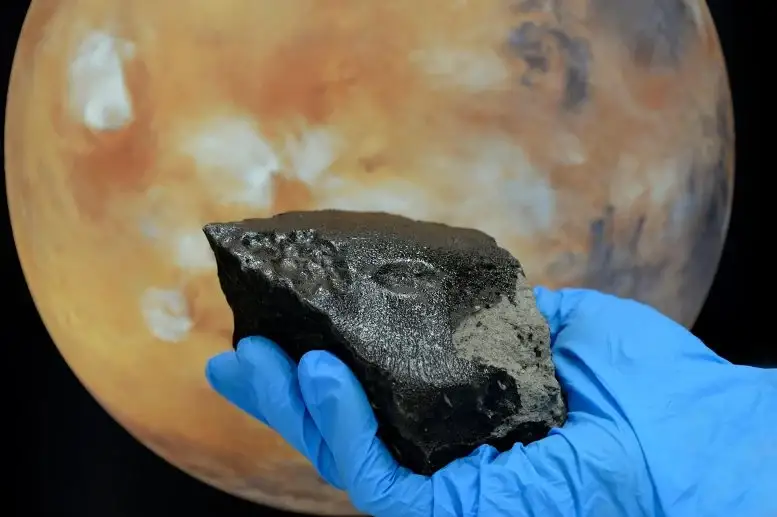
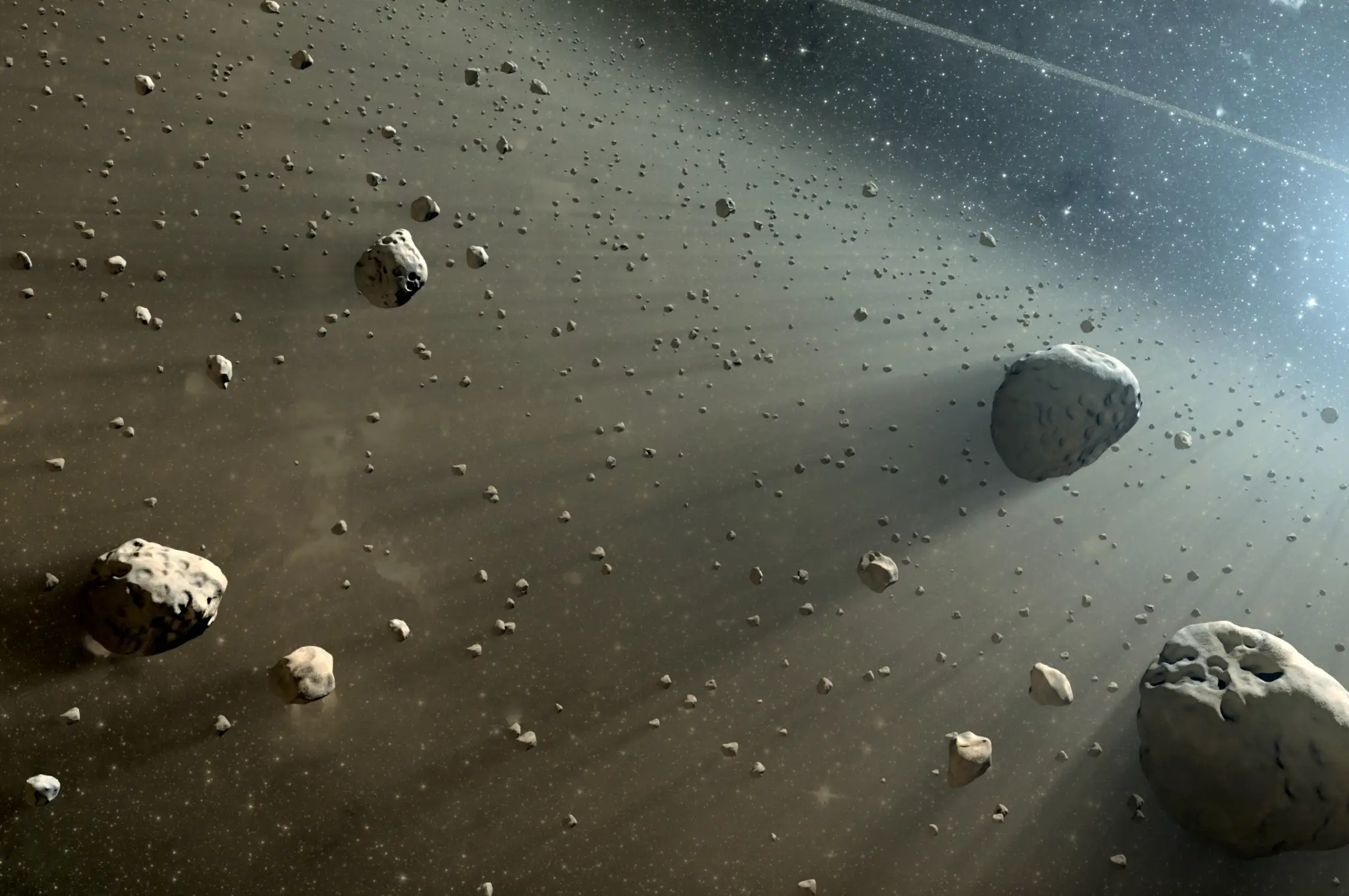
If meteorites brought these materials to Mars, they could have played a role in shaping its chemical environment. During a time when Mars had water, these compounds might have interacted with local elements to create conditions suitable for life. This idea supports the theory that life’s building blocks can travel across space and influence multiple planets.
 Via Berkeley Lab News Center
Some scientists believe that life on Earth developed through a combination of local chemical processes and materials delivered from space. If this process worked on Earth, it is possible that similar events occurred on Mars. The planet’s ancient lakes and rivers could have provided the right environment for such developments.
Still, there is no direct evidence of life on Mars. The molecules found so far could have formed without any biological activity. Future research will focus on identifying more complex compounds and searching for patterns that might indicate past life. Until then, the possibility remains open.
 Via Debrief
 Via Universe Space Tech
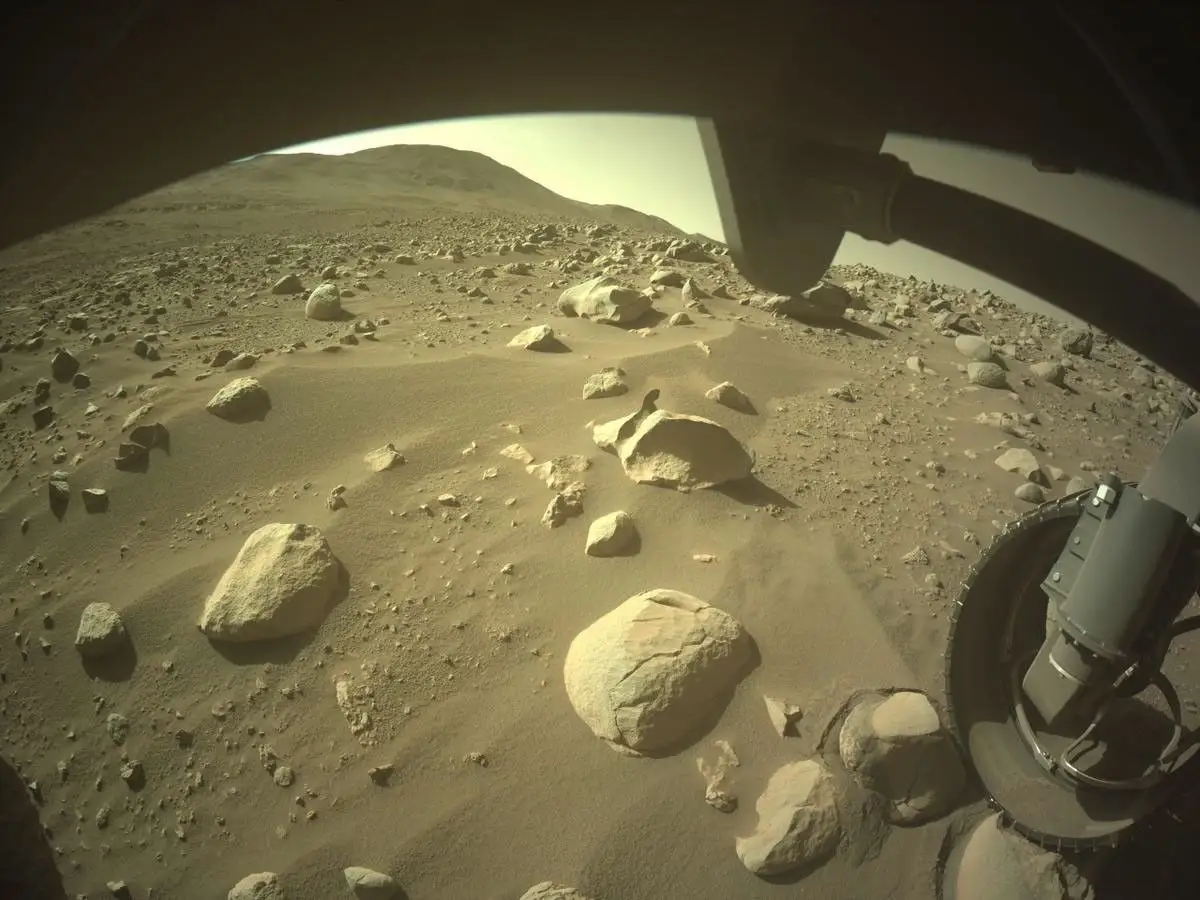
Another exciting mission is NASA’s Dragonfly, which will explore Saturn’s moon, Titan. While not on Mars, this mission will study another world rich in organic chemistry. These combined efforts will help scientists understand how life might form across the solar system and beyond.
 Via NASA Science
Studying Mars also helps researchers learn more about the origins of life on Earth. By comparing the two planets, scientists can identify similarities and differences that may explain how life began. This knowledge is valuable for exploring other planets and moons in the future.
The discovery also inspires further exploration. Each new finding encourages scientists to keep searching for answers. Mars remains one of the most promising places to look for signs of past life, and ongoing research will continue to reveal more about its history.
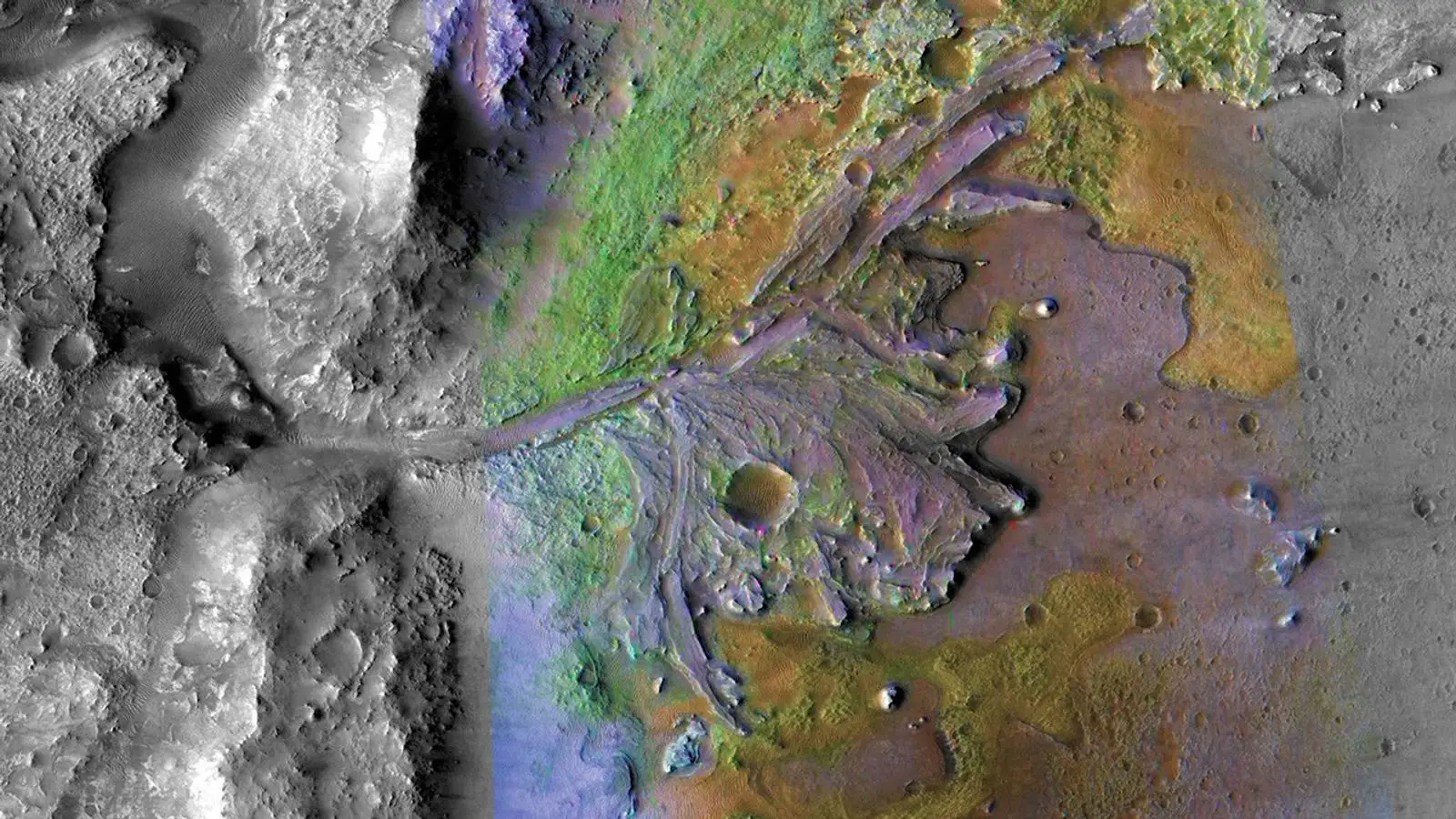 Via NASA Science
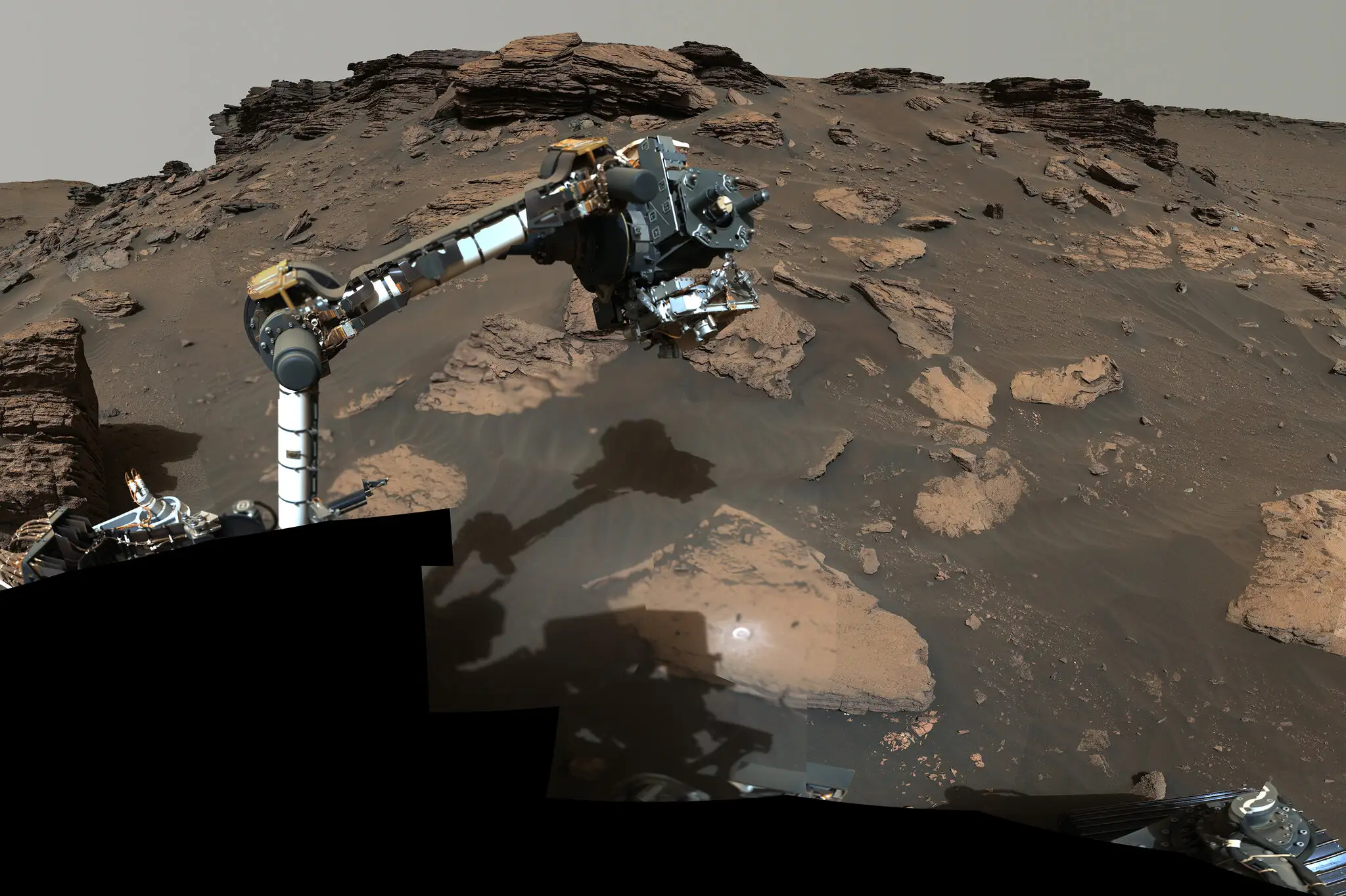 Via The New York Times
Environmental factors on Mars also complicate the search. The planet’s surface is exposed to strong radiation and extreme conditions, which can destroy or alter organic materials over time. Despite these challenges, scientists continue to refine their methods and improve their tools, keeping the hope alive that clear evidence of past life may one day be found.
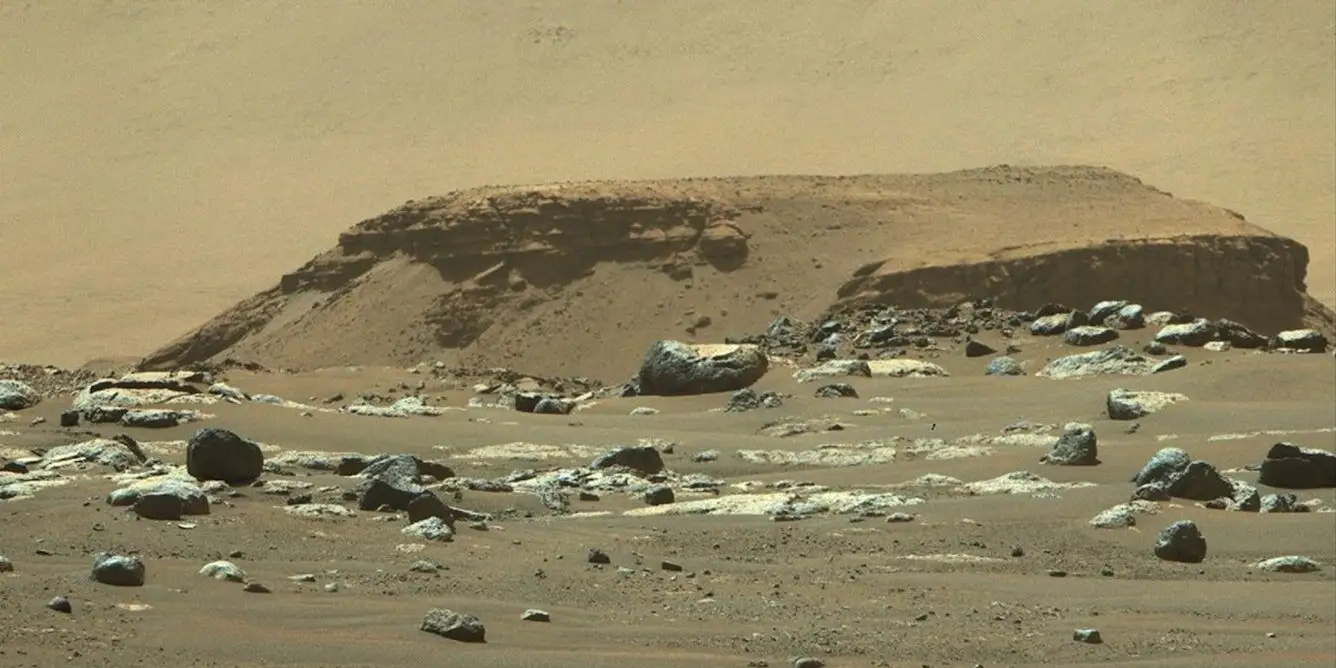 Via Phys.org
Future missions may provide stronger evidence about the planet’s past conditions. Deeper exploration could reveal whether organic molecules were part of a larger system that supported life. These discoveries could answer long-standing questions about the existence of life beyond Earth.
People around the world remain fascinated by Mars. The idea that life might have once existed there continues to inspire curiosity and research. As exploration continues, each step brings humanity closer to understanding one of the greatest mysteries in science.
More in UnassignedVia Scientific American
Recent analysis has revealed the presence of organic molecules in Martian rocks. These molecules are essential for life on Earth. While they do not prove that life existed on Mars, they show that the planet had some of the basic ingredients needed for biological processes. This discovery has renewed interest in Mars as a place where life might have once developed.
Gale Crater and Its Ancient Watery Past
Gale Crater is one of the most important locations on Mars for studying its history. Today, it appears dry and dusty, but billions of years ago, it looked very different. Scientists believe that the crater once held a large lake filled with water. This ancient lake environment could have supported microbial life if the right conditions were present.
Via Sky & Telescope
Water is considered one of the most important elements for life. Its presence in Gale Crater suggests that Mars was once a more hospitable planet. Over time, however, Mars lost its magnetic field. Without this protection, the solar wind stripped away the atmosphere, causing water to slowly disappear into space. The planet eventually became the cold and barren world seen today.
Despite these harsh conditions, traces of Mars’ watery past remain preserved in its rocks. Curiosity has been studying these formations to understand what the environment was like long ago. The latest discoveries from this region strengthen the idea that Mars once had the potential to support life, even if only for a limited time.
Via Scientific American
How Scientists Study Martian Rocks
Studying rocks on Mars requires advanced technology and careful planning. Since humans cannot directly explore the planet yet, rovers like Curiosity act as robotic scientists. They carry instruments designed to analyze the chemical composition of rocks and soil in detail. One of the most important tools on Curiosity is the Sample Analysis at Mars system, also known as SAM. This instrument helps scientists identify organic compounds by analyzing gases released from heated rock samples. It allows researchers to detect even small traces of complex molecules that would otherwise remain hidden.Via Science News Explores
A special chemical called TMAH is used in the process. It helps break down large, complex carbon structures into smaller components that can be studied. Clay-rich areas are especially valuable because they can preserve organic materials for long periods. By focusing on these regions, scientists increase their chances of finding meaningful evidence related to life.
Discovery of Organic Molecules on Mars
The recent study has identified about 20 different organic molecules within samples collected from Gale Crater. These molecules are considered building blocks of life, as they contain carbon and other essential elements. Their presence indicates that Mars once had a more active chemical environment than previously thought.Via Reuters
While these molecules are important, scientists remain cautious. Organic compounds can form through both biological and non-biological processes. This means that their presence alone does not confirm that life existed on Mars. Still, finding such diversity in organic material is a significant step forward in understanding the planet’s history.
One of the most notable compounds discovered is benzothiophene. This molecule contains carbon and nitrogen, both of which are key components in biological systems. Its detection suggests that complex chemical reactions took place on Mars, possibly similar to those that occurred on early Earth.
Via Mashable India
Meteorites and the Origins of Organic Compounds
Some of the organic molecules found on Mars may not have originated on the planet itself. Instead, they could have been delivered by meteorites. Space rocks are known to carry a wide range of organic compounds, including those linked to the formation of life. Studies on Earth have shown that meteorites can contain amino acids and other important molecules. For example, the Murchison meteorite, which landed in Australia, was found to contain several organic compounds associated with early life chemistry. More recent research on asteroid samples has also revealed similar findings.
Via Sci Tech Daily
If meteorites brought these materials to Mars, they could have played a role in shaping its chemical environment. During a time when Mars had water, these compounds might have interacted with local elements to create conditions suitable for life. This idea supports the theory that life’s building blocks can travel across space and influence multiple planets.
Could Life Have Formed on Mars?
The question of whether life ever formed on Mars remains unanswered. The presence of organic molecules suggests that the necessary ingredients were available. However, life requires more than just these building blocks. It also depends on stable conditions, energy sources, and time.Via Berkeley Lab News Center
Some scientists believe that life on Earth developed through a combination of local chemical processes and materials delivered from space. If this process worked on Earth, it is possible that similar events occurred on Mars. The planet’s ancient lakes and rivers could have provided the right environment for such developments.
Still, there is no direct evidence of life on Mars. The molecules found so far could have formed without any biological activity. Future research will focus on identifying more complex compounds and searching for patterns that might indicate past life. Until then, the possibility remains open.
Via Debrief
Future Missions and Ongoing Research
The search for life on Mars continues to evolve with new missions and technologies. Scientists are planning to send more advanced rovers and probes to explore the planet in greater detail. These missions aim to collect better data and possibly return samples to Earth for further analysis. The European Space Agency is preparing to launch the Rosalind Franklin rover. This mission will focus on drilling deeper into the Martian surface, where organic materials may be better preserved. By reaching below the surface, scientists hope to find clearer evidence of past environments.Via Universe Space Tech
Another exciting mission is NASA’s Dragonfly, which will explore Saturn’s moon, Titan. While not on Mars, this mission will study another world rich in organic chemistry. These combined efforts will help scientists understand how life might form across the solar system and beyond.
Why This Discovery Matters for Science
This discovery is important because it shows that Mars has a more complex chemical history than was once believed. The presence of organic molecules indicates that the planet had the basic components needed for life. This finding changes how scientists view Mars and its potential role in the search for life beyond Earth.Via NASA Science
Studying Mars also helps researchers learn more about the origins of life on Earth. By comparing the two planets, scientists can identify similarities and differences that may explain how life began. This knowledge is valuable for exploring other planets and moons in the future.
The discovery also inspires further exploration. Each new finding encourages scientists to keep searching for answers. Mars remains one of the most promising places to look for signs of past life, and ongoing research will continue to reveal more about its history.
Via NASA Science
Challenges Scientists Face in Proving Life on Mars
Proving that life once existed on Mars is not an easy task. Scientists must rely on indirect evidence, as no living organisms have been found. Organic molecules can form through natural chemical reactions, which makes it difficult to confirm whether they are linked to biology. This creates a major challenge in interpreting the data collected by rovers like Curiosity. Another difficulty lies in the limitations of current technology. Instruments on Mars can only perform certain types of analysis. While they are highly advanced, they cannot match the level of detail possible in laboratories on Earth. This is why many scientists are eager to bring Martian samples back to Earth for deeper study, where more precise tools can be used.Via The New York Times
Environmental factors on Mars also complicate the search. The planet’s surface is exposed to strong radiation and extreme conditions, which can destroy or alter organic materials over time. Despite these challenges, scientists continue to refine their methods and improve their tools, keeping the hope alive that clear evidence of past life may one day be found.
What Lies Ahead in the Search for Martian Life
The journey to understand Mars is far from over. New technologies and missions will continue to expand knowledge about the planet. Scientists are working on ways to analyze samples more accurately and explore areas that were previously unreachable.Via Phys.org
Future missions may provide stronger evidence about the planet’s past conditions. Deeper exploration could reveal whether organic molecules were part of a larger system that supported life. These discoveries could answer long-standing questions about the existence of life beyond Earth.
People around the world remain fascinated by Mars. The idea that life might have once existed there continues to inspire curiosity and research. As exploration continues, each step brings humanity closer to understanding one of the greatest mysteries in science.