Unassigned
US Presidents’ Long War on Journalism From Nixon to Trump
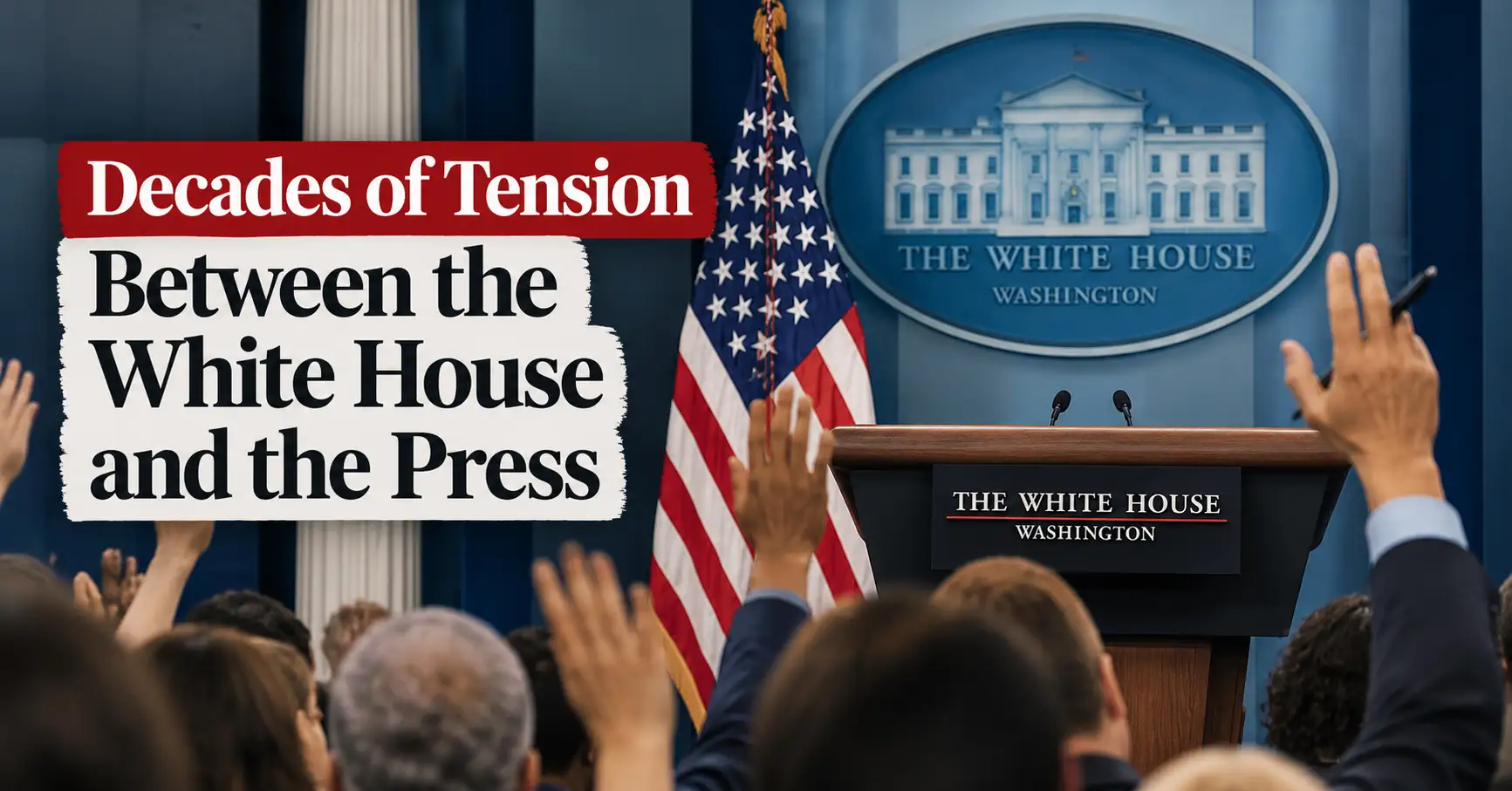
Republican candidate Richard Nixon criticized news reports of police actions at the 1968 Chicago Democratic National Convention. He claimed the coverage favored antiwar protesters and ignored other sides of the events taking place in the streets. Once in office, the administration continued this approach by directing public criticism at journalists who raised difficult questions.
The goal appeared to be weakening public trust in reports that challenged official statements and decisions. Such tactics set a pattern that later leaders would also follow when facing unfavorable stories. Television had become the main source of national news for most Americans by the late 1960s. Only three major networks provided evening broadcasts, and each sought the widest possible audience.
 Via History
This structure encouraged careful moderate reporting rather than sharp ideological swings in either direction. Leaders still viewed the medium with suspicion whenever stories examined administration positions too closely. Federal licensing rules for broadcast stations added another layer of pressure. A government agency controlled access to the public airwaves that stations needed to operate.
Officials understood that broadcasters depended on continued approval to stay on the air. This created an environment where strong criticism from the highest levels of government could feel like a direct threat of future regulatory trouble. The combination of public rhetoric and structural vulnerability left many newsrooms on edge.
 Via NPR
 Via Al Jazeera
Many working reporters shared this view because they recognized that every person carries some preconceptions from experience and background. Professional training still required steady efforts toward balanced presentation of verified facts without favoring one side. The distinction between mechanical objectivity and practical fairness became a central point of disagreement.
The speech framed the demand for straight and objective news as a populist request rather than a formal government order. Journalists sensed the clear possibility of future restrictions on their work. The combination of public denunciation and the existing licensing system left broadcasters feeling exposed to political retaliation. Many in the industry treated the remarks as a warning that criticism of the administration could bring lasting consequences for careers and stations.
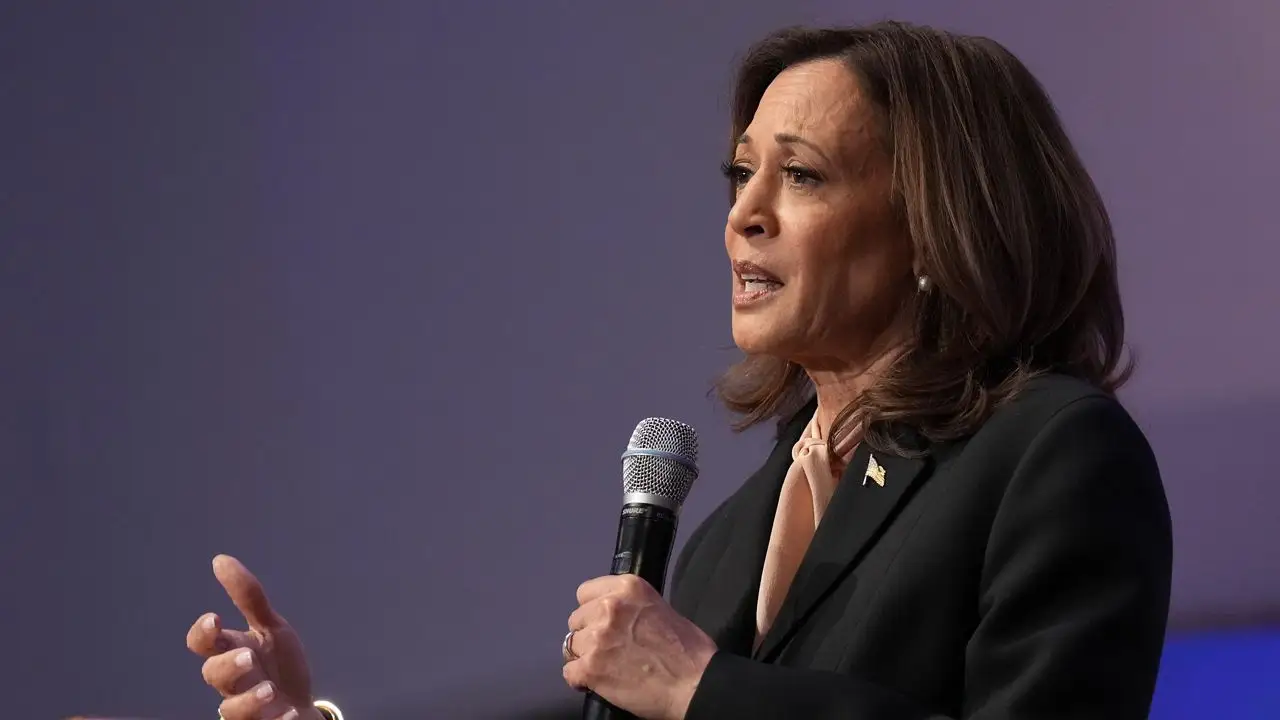 Via Spectrum News
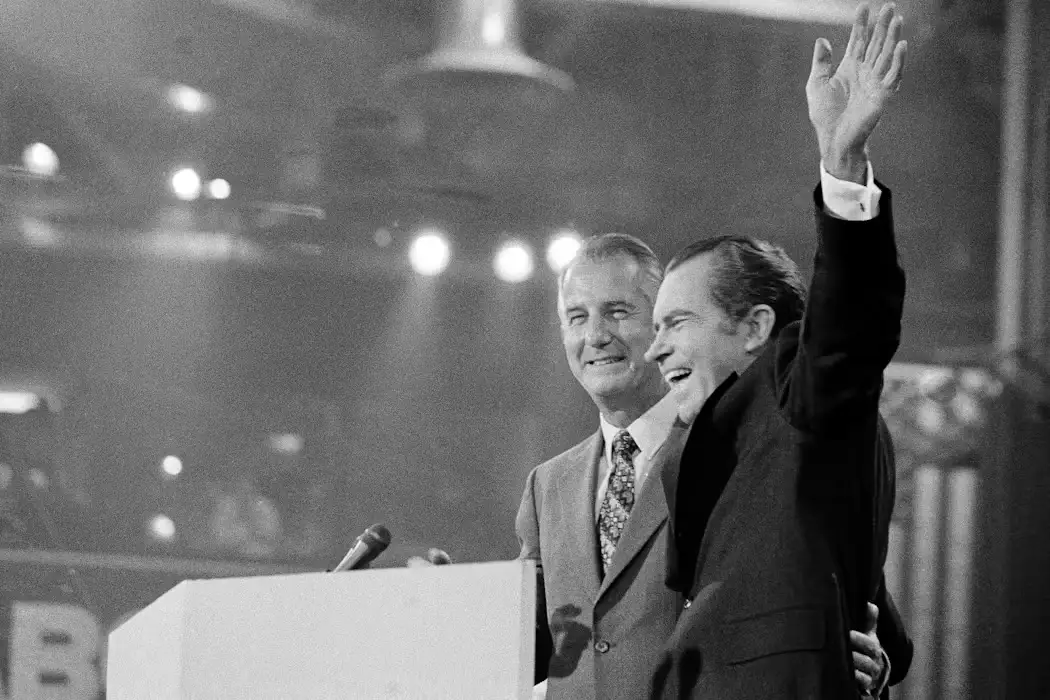 Via Inkl
Executive editor Abe Rosenthal expressed concern in a private memo that public questioning of objectivity by a prominent staff member could harm the paper’s standing with readers. The discussion remained behind closed doors because the prevailing standard held that journalists should report the story rather than become the story themselves.
These exchanges revealed ongoing tension inside major newsrooms about how best to fulfill professional duties. Some voices wanted stricter adherence to mechanical neutrality in every story. Others saw clear value in acknowledging human judgment while still pursuing fairness and accuracy in presentation. The debate did not stay confined to one newspaper or one city.
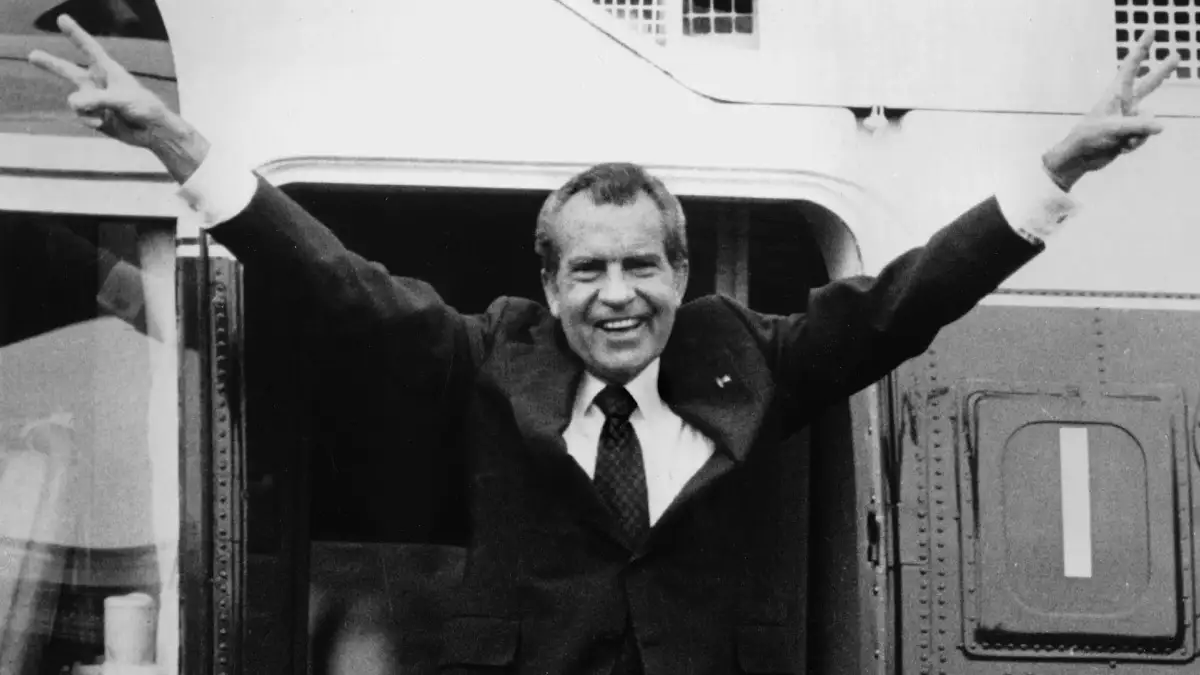 Via Independent Institute
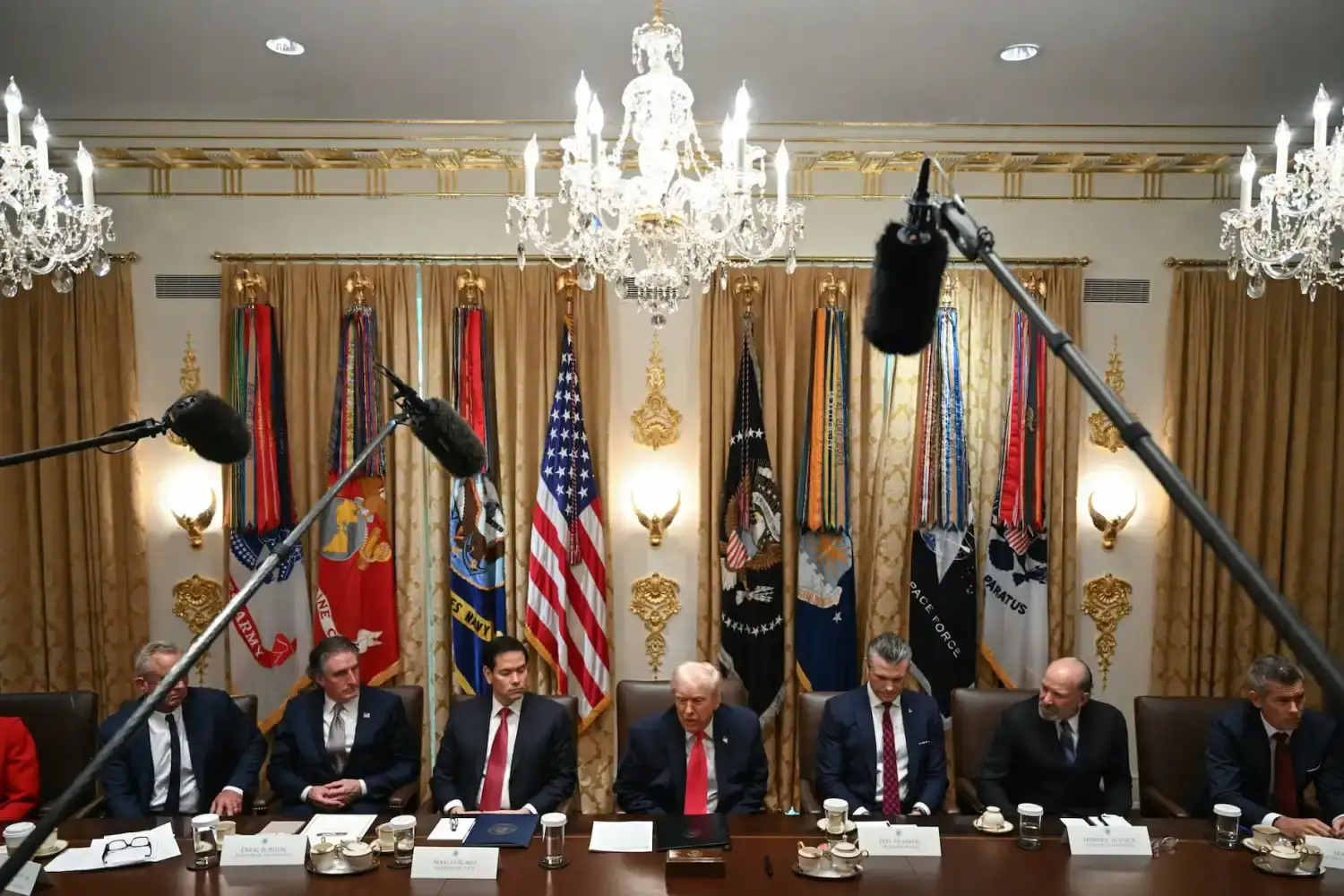 Via Brookings Institution
At the same time, he rejected the framing that turned those questions into personal political assaults on individual reporters. He also resisted any suggestion that presidential statements deserved special protection from criticism or challenge. Such defenses helped maintain a sense of common purpose among working journalists.
This solidarity mattered in practical ways during periods of heightened tension. When one medium came under sustained fire, support from another reinforced the principle that independent reporting served a shared public interest. The pattern of mutual defense continued in later decades whenever political leaders targeted specific news organizations with sharp rhetoric or regulatory threats.
 Via Pew Research Center
 Via The Conversation
Longtime correspondent Scott Pelley described the news division as being on fire after a series of personnel shifts and leadership changes. Newly appointed leadership has emphasized free speech and a return to objective standards in public statements. Editorial decisions, including the choice not to air certain critical stories, have drawn attention for appearing to favor administration positions over harder scrutiny.
Claims of bias frequently serve as a convenient tool for those holding political power. When reporters uncover uncomfortable facts about policy failures or official conduct, labeling the coverage biased can shift attention away from the underlying information. This pattern has appeared across different administrations and different controversies spanning more than half a century. The tactic allows leaders to avoid addressing the substance of reports while casting doubt on the messengers who deliver them.
 Via Amnesty International
 Via History
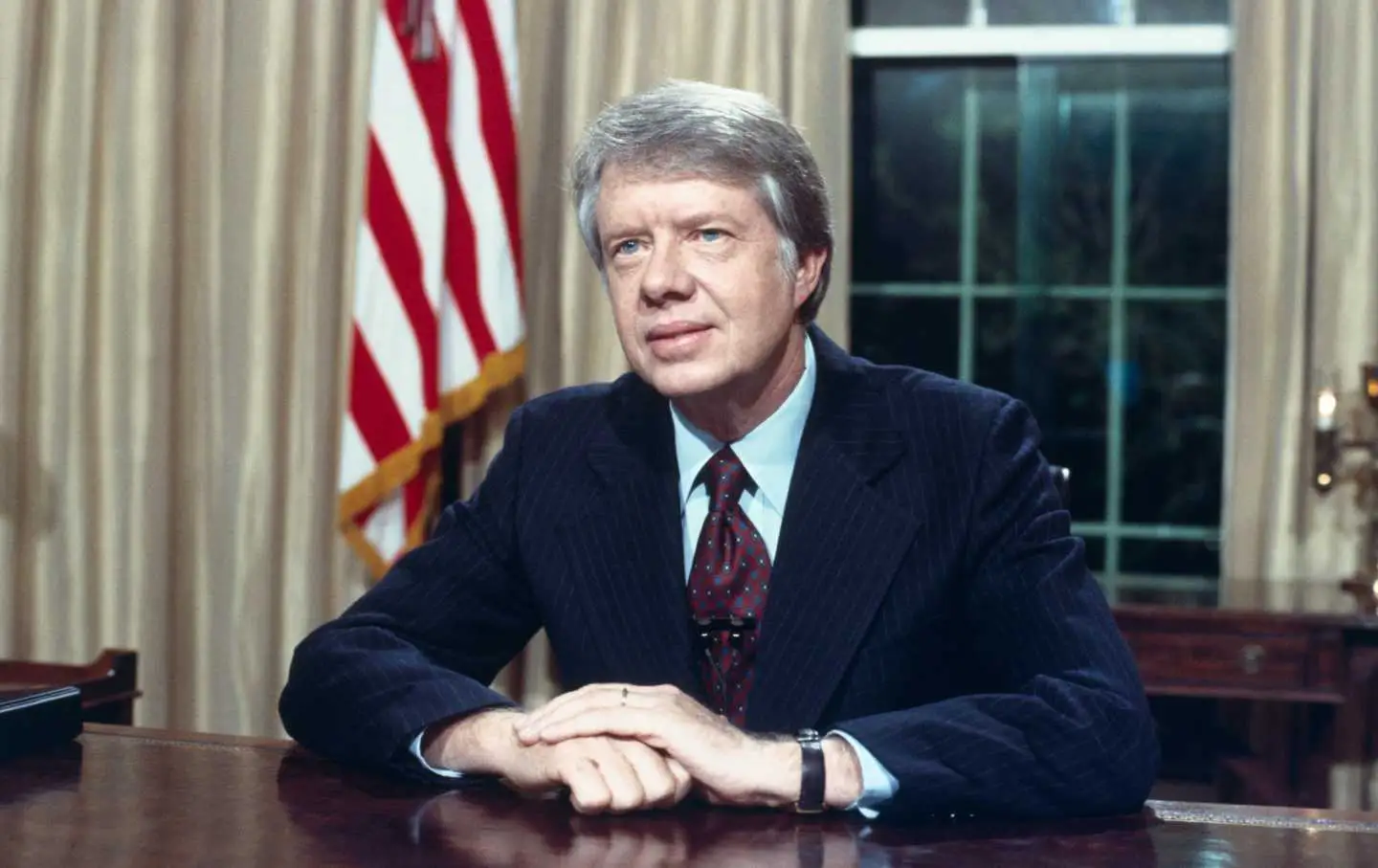
Courts initially ordered a temporary halt to further publication after White House intervention and legal pressure. The Supreme Court later ruled that the government could not impose prior restraint on the press. The newspapers resumed releasing the material and the public gained access to the full record. Wicker defended both the documentary and the publication of the classified study in his columns.
He maintained that no statute existed requiring officials to be shielded from exposure of their mistakes or misdeeds. Negative stories,s he argued, ed often perform a positive public service by enabling citizens to evaluate those who hold power and make decisions. These defenses of aggressive reporting still carry force when similar pressures appear in later periods.
 Via The Nation
 Via Common Dreams
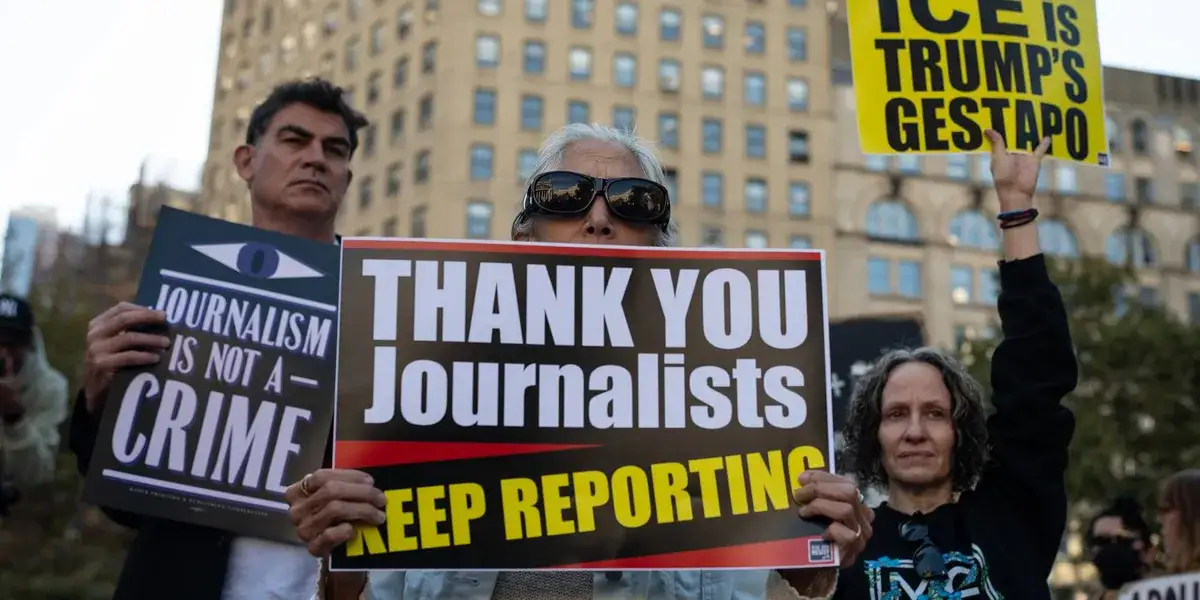
These outcomes occurred because news organizations continued their work despite political pressure, public denunciation, and occasional legal challenges. The willingness to report difficult facts has repeatedly served broader democratic interests over time. Citizens benefit when reporters retain the ability to question official accounts and seek supporting evidence.
 Via The Globe & Mail
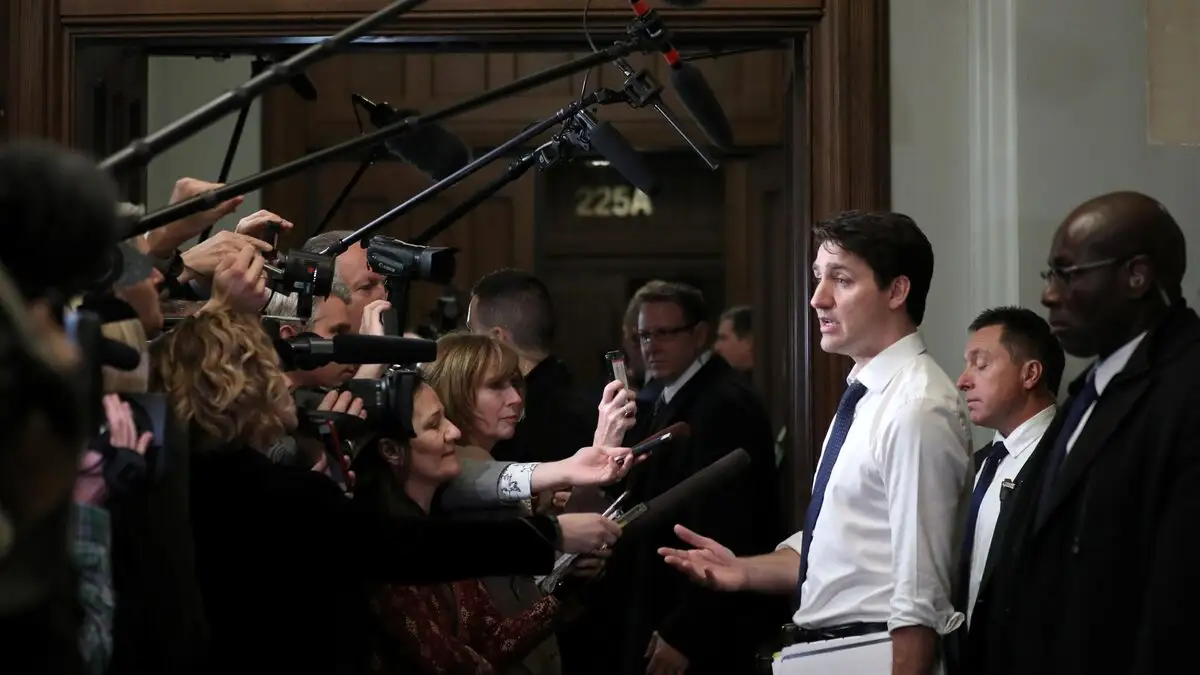
Sustained pressure on media outlets risks narrowing the range of available information and reducing the quality of public discussion. Protection of independent reporting remains essential for any system that claims to value open examination of power and its real consequences for ordinary people. The long pattern of attacks from the Nixon years through the present shows that the struggle over press freedom is ongoing and requires constant attention.
More in UnassignedVia History
This structure encouraged careful moderate reporting rather than sharp ideological swings in either direction. Leaders still viewed the medium with suspicion whenever stories examined administration positions too closely. Federal licensing rules for broadcast stations added another layer of pressure. A government agency controlled access to the public airwaves that stations needed to operate.
Officials understood that broadcasters depended on continued approval to stay on the air. This created an environment where strong criticism from the highest levels of government could feel like a direct threat of future regulatory trouble. The combination of public rhetoric and structural vulnerability left many newsrooms on edge.
Via NPR
Harsh Public Rhetoric From the Vice President
Vice President Spiro Agnew delivered a widely noted speech in 1969 that targeted television journalists directly. He described them as an effete group of impudent snobs who were out of touch with ordinary citizens across the country. The speech accused newsmen of hostility toward the president and of failing to present information in a straight and balanced manner. Agnew called on the public to contact the networks and demand objective coverage free from elite bias. The language was sharp and designed to resonate with audiences who already felt distant from big-city media. One point of attack focused on NBC anchorman David Brinkley and his comments about professional standards. Brinkley had said complete objectivity was impossible and that fairness offered a more realistic goal for daily reporting.
Via Al Jazeera
Many working reporters shared this view because they recognized that every person carries some preconceptions from experience and background. Professional training still required steady efforts toward balanced presentation of verified facts without favoring one side. The distinction between mechanical objectivity and practical fairness became a central point of disagreement.
The speech framed the demand for straight and objective news as a populist request rather than a formal government order. Journalists sensed the clear possibility of future restrictions on their work. The combination of public denunciation and the existing licensing system left broadcasters feeling exposed to political retaliation. Many in the industry treated the remarks as a warning that criticism of the administration could bring lasting consequences for careers and stations.
Via Spectrum News
Questions About Objectivity and Professional Standards
Columnist Tom Wicker of The New York Times examined the practical limits of traditional objectivity in news work. He noted that heavy reliance on official sources often passed for neutral reporting in major outlets. In practice, this approach could shield government claims from the scrutiny they needed when evidence pointed in other directions. Wicker argued that an orientation toward establishment views limited the ability of news organizations to serve the public interest fully and honestly. His writing questioned whether the old standards still fit a more complex political landscape. Internal reaction at the newspaper was strong and immediate after the column appeared.Via Inkl
Executive editor Abe Rosenthal expressed concern in a private memo that public questioning of objectivity by a prominent staff member could harm the paper’s standing with readers. The discussion remained behind closed doors because the prevailing standard held that journalists should report the story rather than become the story themselves.
These exchanges revealed ongoing tension inside major newsrooms about how best to fulfill professional duties. Some voices wanted stricter adherence to mechanical neutrality in every story. Others saw clear value in acknowledging human judgment while still pursuing fairness and accuracy in presentation. The debate did not stay confined to one newspaper or one city.
Via Independent Institute
Unity Across Print and Broadcast Outlets
Newspapers faced their own competitive struggles in the 1960s and 1970s as audiences shifted toward television. They might have chosen to distance themselves from criticism aimed mainly at the rival medium of broadcast news. Instead, many print outlets treated attacks on broadcasters as attacks on journalism as a whole profession. Archival records and public statements from the period show consistent recognition of shared vulnerability across different formats. An assault on one outlet was understood as a threat that could expand to others. Wicker addressed Agnew’s arguments directly in his published columns and essays. He accepted that questions about the growing power of television were legitimate topics for public discussion.Via Brookings Institution
At the same time, he rejected the framing that turned those questions into personal political assaults on individual reporters. He also resisted any suggestion that presidential statements deserved special protection from criticism or challenge. Such defenses helped maintain a sense of common purpose among working journalists.
This solidarity mattered in practical ways during periods of heightened tension. When one medium came under sustained fire, support from another reinforced the principle that independent reporting served a shared public interest. The pattern of mutual defense continued in later decades whenever political leaders targeted specific news organizations with sharp rhetoric or regulatory threats.
Via Pew Research Center
New Patterns of Hostility Toward News Organizations
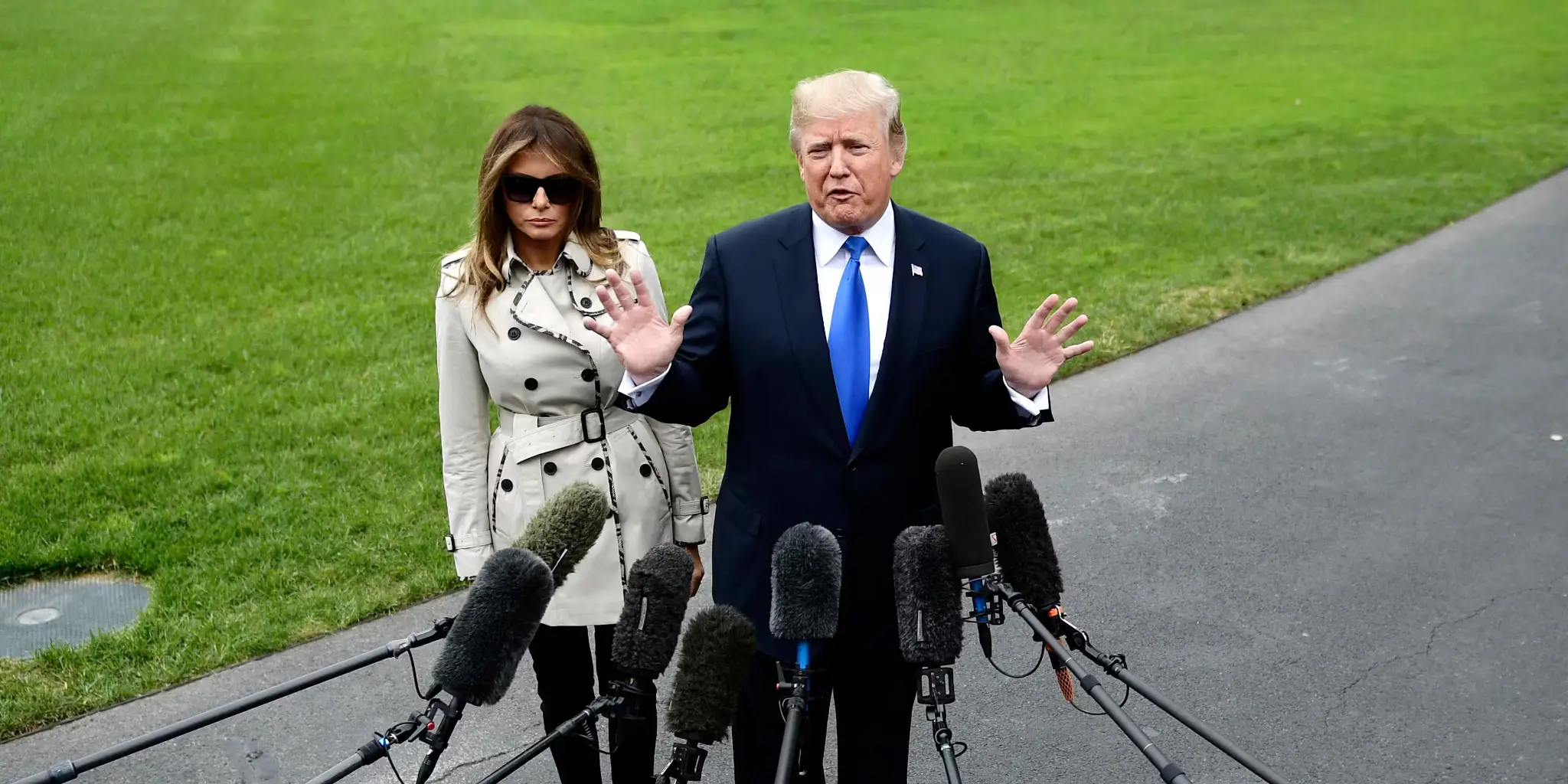
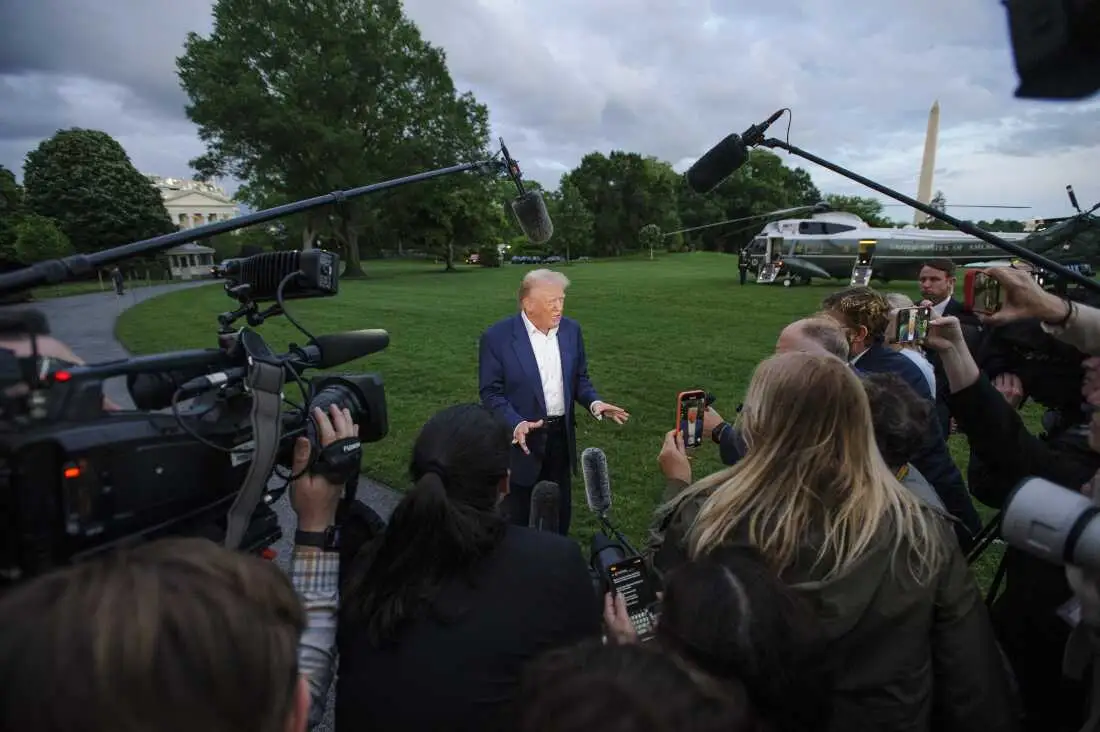
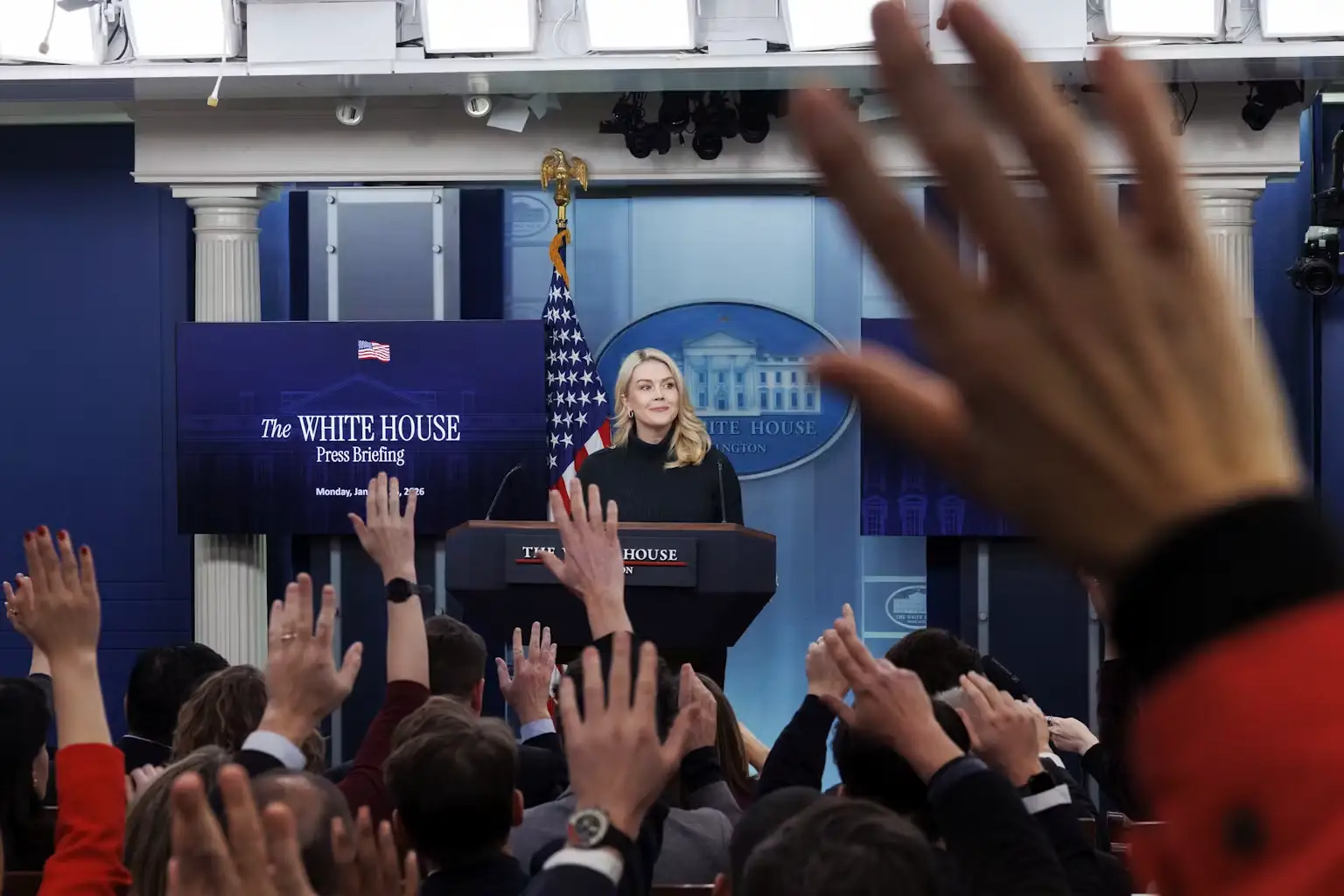
At the 2026 White House Correspondents’ Association dinner, President Donald Trump repeated familiar criticisms of major news outlets. He called The New York Times failing and mocked a CNN reporter for not smiling enough during coverage. He dismissed an award given that evening as fake and expressed satisfaction over recent staff changes at CBS News. Such repeated public attacks have coincided with historically low levels of public confidence in the news media overall. The steady drumbeat of criticism has contributed to widespread doubt about the value of independent reporting. Changes inside CBS News illustrate the ongoing pressure facing established broadcast operations.Via The Conversation
Longtime correspondent Scott Pelley described the news division as being on fire after a series of personnel shifts and leadership changes. Newly appointed leadership has emphasized free speech and a return to objective standards in public statements. Editorial decisions, including the choice not to air certain critical stories, have drawn attention for appearing to favor administration positions over harder scrutiny.
Claims of bias frequently serve as a convenient tool for those holding political power. When reporters uncover uncomfortable facts about policy failures or official conduct, labeling the coverage biased can shift attention away from the underlying information. This pattern has appeared across different administrations and different controversies spanning more than half a century. The tactic allows leaders to avoid addressing the substance of reports while casting doubt on the messengers who deliver them.
Via Amnesty International
Historic Stands for the Right to Report
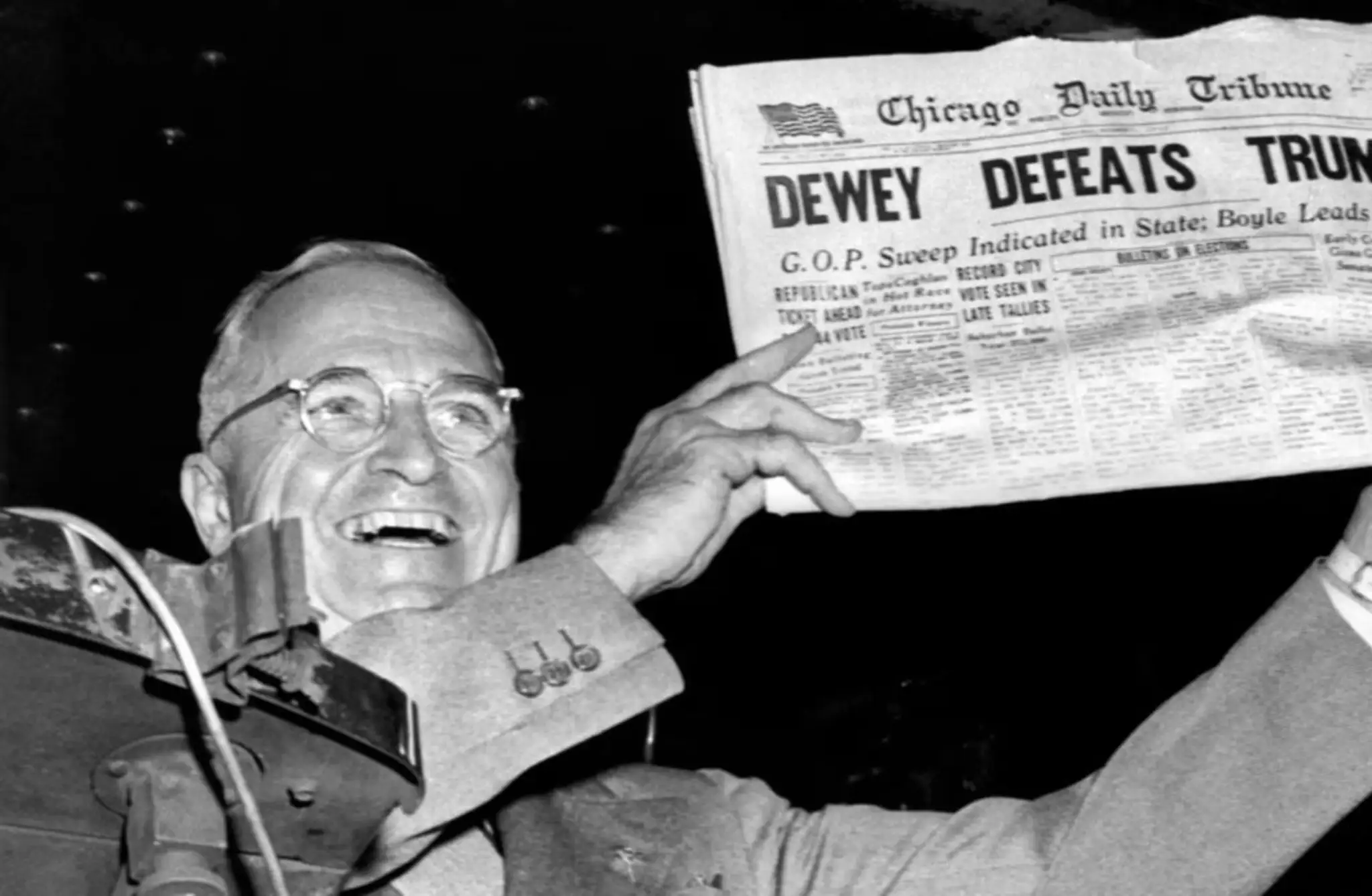
In 1971, CBS broadcast a documentary examining military public-relations efforts and spending. The Army and the Nixon administration condemned the editing as misleading and malicious in intent. The House of Representatives sought raw footage through a formal subpoena that threatened the network’s independence. The network refused to turn over the material, and its president faced the real possibility of jail time for contempt of Congress. The episode ultimately ended as a clear affirmation of press independence and the public’s right to information. That same year, The New York Times and The Washington Post published the Pentagon Papers after careful review of the documents. The papers showed that successive governments had misled the public about the Vietnam War for years through selective statements and hidden facts.Via History
Courts initially ordered a temporary halt to further publication after White House intervention and legal pressure. The Supreme Court later ruled that the government could not impose prior restraint on the press. The newspapers resumed releasing the material and the public gained access to the full record. Wicker defended both the documentary and the publication of the classified study in his columns.
He maintained that no statute existed requiring officials to be shielded from exposure of their mistakes or misdeeds. Negative stories,s he argued, ed often perform a positive public service by enabling citizens to evaluate those who hold power and make decisions. These defenses of aggressive reporting still carry force when similar pressures appear in later periods.
Via The Nation
Independent Journalism as the Strongest Check on Authority
Journalism performs its most useful role when it examines government actions without fear of retaliation or career damage. Accurate reporting on policy failures, official misconduct, or misleading statements allows the public to make informed judgments about leadership. Accountability depends on the free flow of verified information rather than on statements controlled solely by those in authority. Without such independent scrutiny, citizens lose a vital tool for assessing the performance of elected and appointed officials. Repeated efforts to brand critical coverage as biased have not erased the historical record of past successes by determined news organizations. Documentaries, investigative series, and publication of suppressed documents have forced corrections and informed public debate on major issues.Via Common Dreams
These outcomes occurred because news organizations continued their work despite political pressure, public denunciation, and occasional legal challenges. The willingness to report difficult facts has repeatedly served broader democratic interests over time. Citizens benefit when reporters retain the ability to question official accounts and seek supporting evidence.
Via The Globe & Mail
Sustained pressure on media outlets risks narrowing the range of available information and reducing the quality of public discussion. Protection of independent reporting remains essential for any system that claims to value open examination of power and its real consequences for ordinary people. The long pattern of attacks from the Nixon years through the present shows that the struggle over press freedom is ongoing and requires constant attention.