Unassigned
Untold Truths of Martin Luther King Jr. Revealed
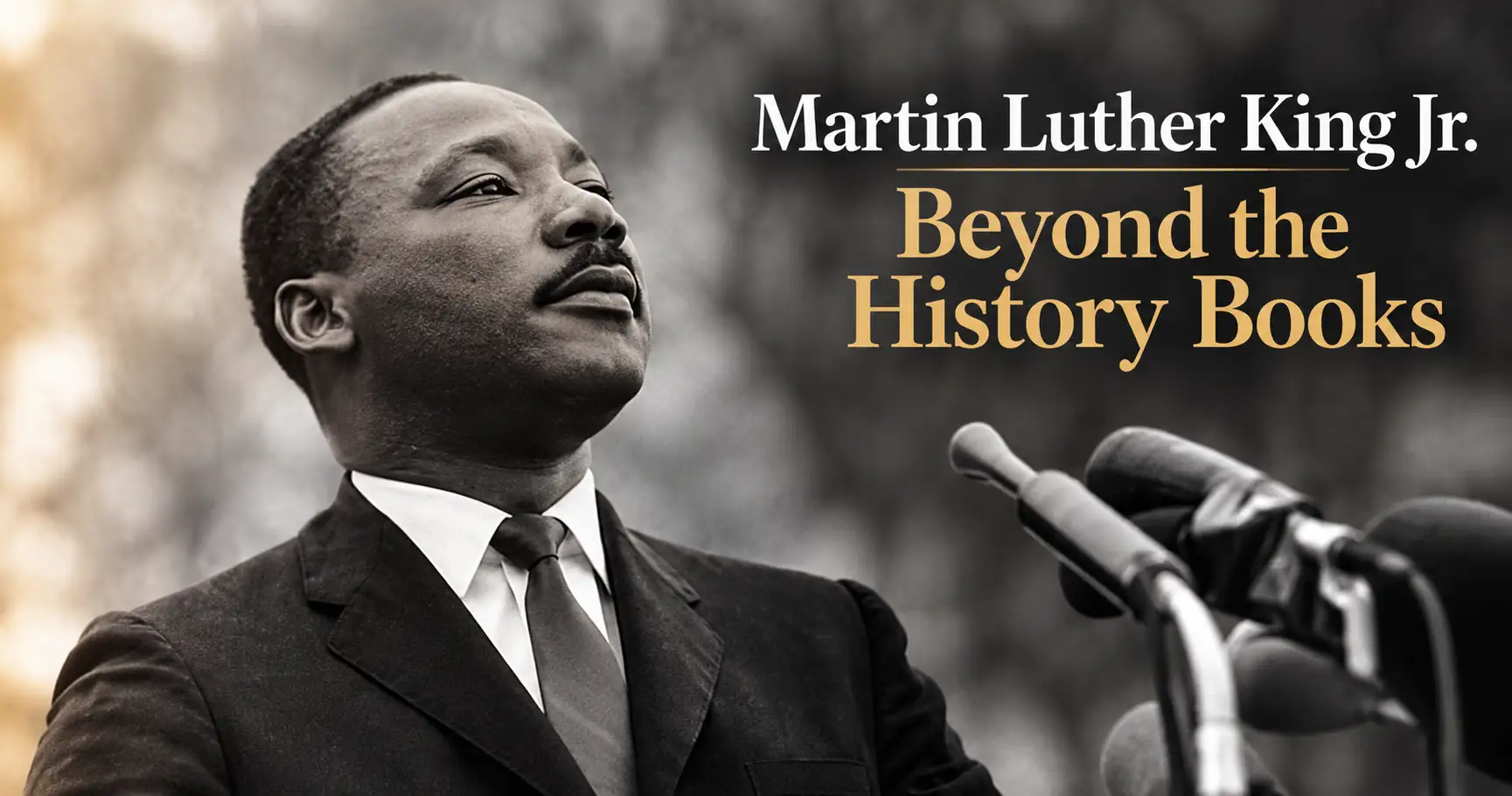
Baptist minister and social activist Martin Luther King Jr. dedicated years of effort to the nonviolent struggle for justice throughout the United States. Steady leadership from King helped bring an end to deep-rooted segregation that restricted daily life and opportunities for Black Americans. That same leadership contributed directly to the creation and passage of the Civil Rights Act of 1964. Many details from the full span of the life and work remain less widely discussed even among those familiar with the major public events.
Martin Luther King Jr. was born on January 15, 1929, and received the name Michael King Jr. at birth. His father served as a pastor at Ebenezer Baptist Church in Atlanta and guided the household with strong religious values. Church activities and community concerns filled the early years for the young child and the rest of the family. Daily life revolved around sermons, gatherings, and the responsibilities that came with a pastoral household.
 Via Rohdy Aesthetics
In 1934, the father traveled to Germany and studied the history of the Protestant Reformation during the visit. The example set by the reformer Martin Luther created a lasting impression on the elder King. After returning to Atlanta, the father chose to change both personal names as a mark of respect for that historical figure. The decision affected the five-year-old son as well as the parent.
From that time forward, the child formerly known as Michael carried the name Martin Luther King Jr. The new name later matched the sense of purpose that developed in public work. Family tradition and emerging personal calling joined together and influenced the direction that followed in education and leadership.
 Via WXXI
 Via Medium
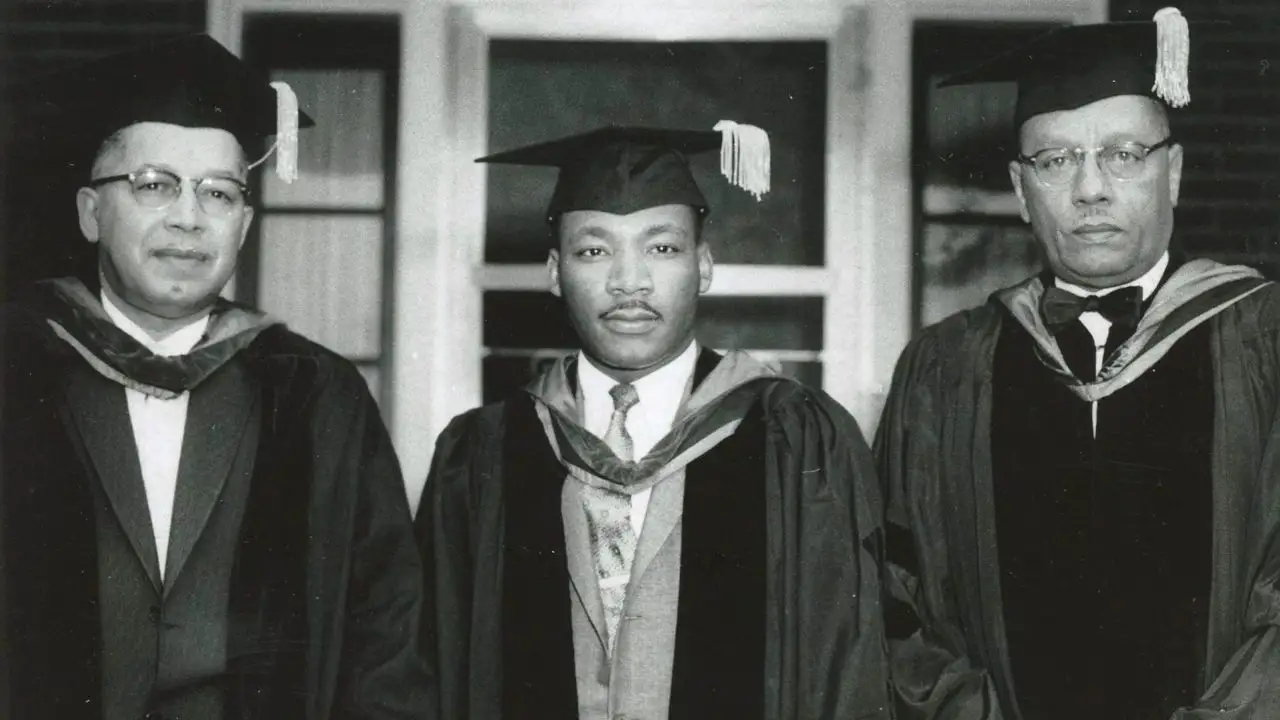
Ordination took place before the completion of undergraduate studies at the college. Graduation brought a degree in sociology along with a clearer sense of future direction. Early entry into higher education sped the process of learning and strengthened the commitment to service beyond the classroom.
 Via Spectrum News
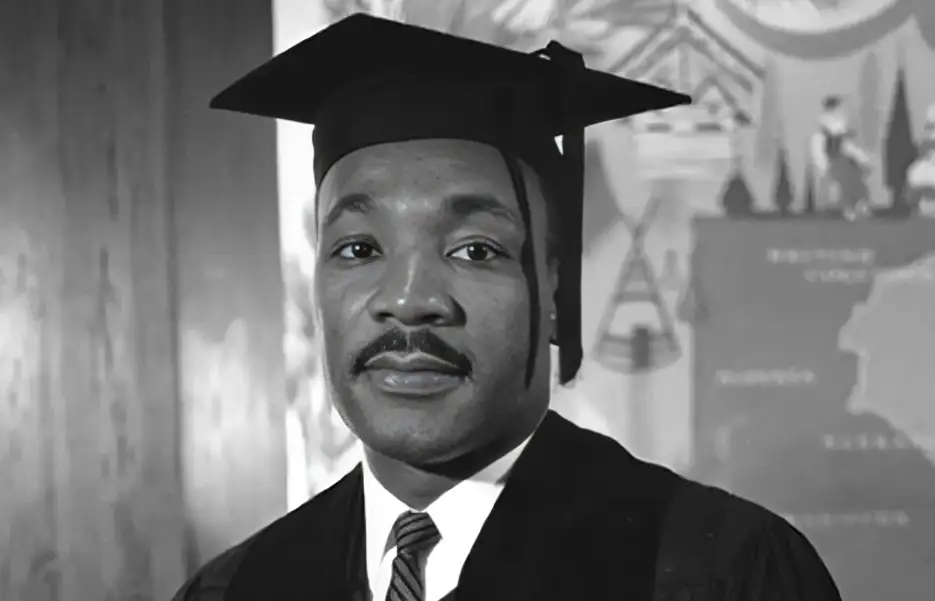
In 1955, the Ph.D. degree was awarded by Boston University. The dissertation examined and compared the conceptions of God found in the writings of Paul Tillich and Henry Nelson Wieman. A detailed study of those two approaches showed skill in handling difficult philosophical and theological questions. The finished work met the standards of advanced scholarship.
Doctoral training added a solid intellectual base to the messages later delivered in public settings. It also placed King among educated leaders able to speak with clarity on issues of faith and fairness. Scholarly achievement and practical action developed together over the course of the studies.
 Via Wentworth Institute Of Technology
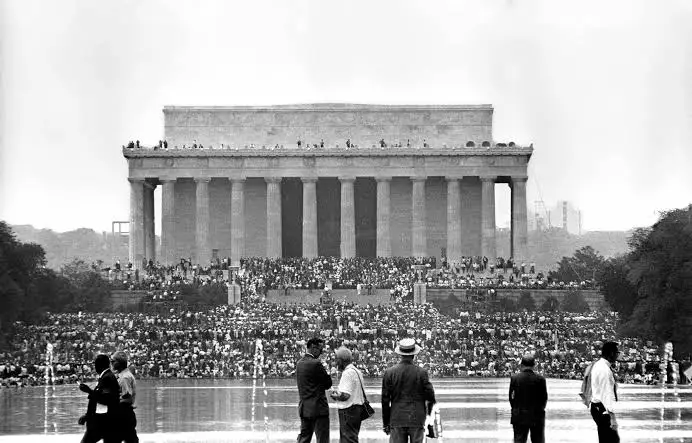 Experience gained from speaking before large crowds at historic places built both skill and public recognition. The 1957 appearance served as an important early step toward later platforms of greater size. Preparation from that day supported the confidence shown in subsequent national moments.
 Via Spectrum News 1233
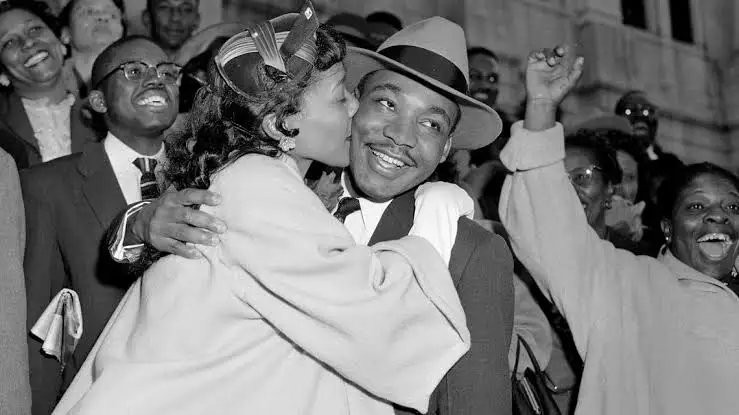
One instance took place in Montgomery, Alabama, during 1956 when an arrest occurred for driving thirty miles per hour in a zone limited to twenty-five miles per hour. Episodes of that kind showed the steady pressure applied to those who organized and joined protests. Time in jail became a regular part of the effort instead of an occasional event. Conditions varied, but the experience remained demanding.
Periods of confinement tested personal strength and the support of the wider movement. Statements and letters prepared while in jail often reached large audiences and added energy to the campaign. The repeated arrests underlined both the difficulties faced and the persistence required to continue.
 Via 11Alive
 Via AJC
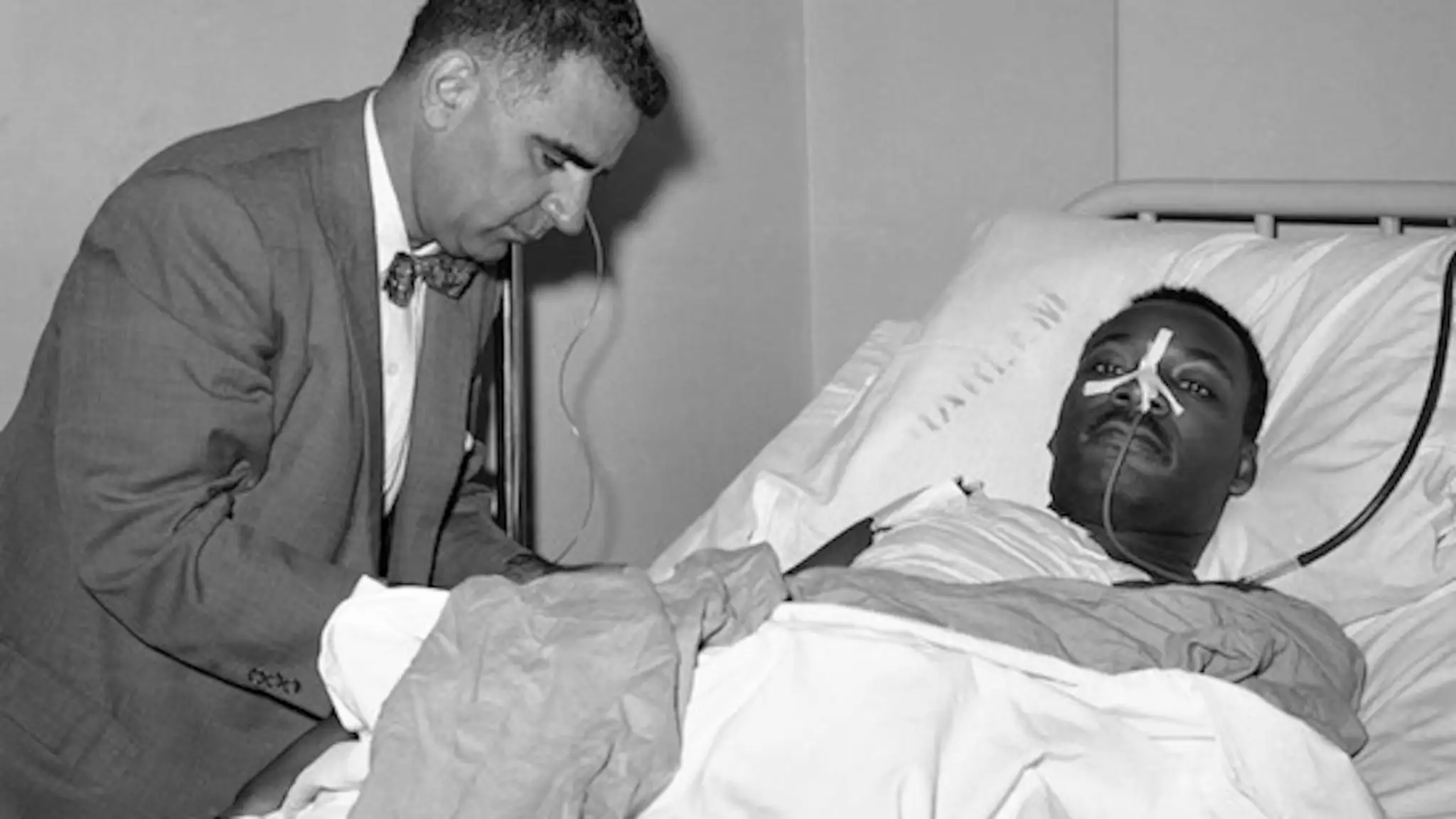
Weeks of convalescence followed the operation. A public statement issued from the hospital bed repeated the commitment to nonviolent principles and stated that no ill will was held toward the mentally ill attacker. The incident displayed both the physical danger present and the consistent moral stance maintained afterward.
 Via The Commercial Appeal
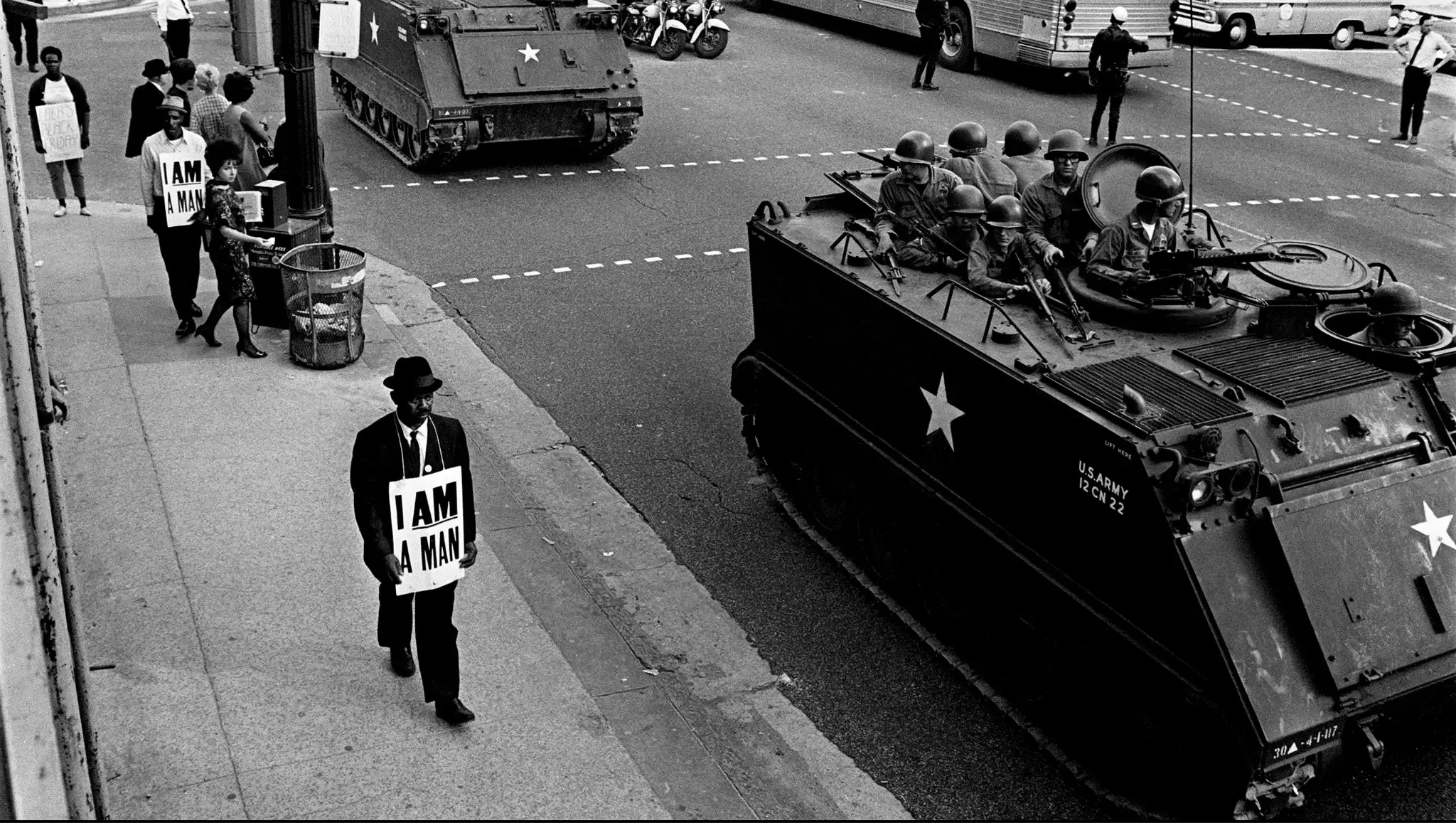
The speaker stated that concern about personal length of life no longer stood at the center. A description of having seen the Promised Land was followed by the observation that arrival there might not occur together with the group. Confidence was expressed that the people as a whole would still reach that place. The words carried both realism and steady hope.
Those present heard expressions of happiness and freedom from fear of any person. The closing lines referred to having seen the glory of the coming of the Lord. The full speech gained deeper meaning in the short time that remained before the events of the next day.
 Via The Commercial Appeal
 Via CNN
A death penalty sentence was first imposed on Chenault and later changed to life imprisonment. The change occurred in part because the King family opposed the use of capital punishment. The additional loss added further sorrow to the burdens already carried by the surviving relatives. Violence reached the family once more years after the original assassination.
 Via AFRO American Newspaper
Only George Washington, Abraham Lincoln, and Cesar Chavez share the status of having birthdays marked by national holidays. The decision to establish the day reflected wide acceptance of the lasting effect of the work on American society. Communities mark the occasion with service activities, learning programs, and public events. The holiday returns each year as a reminder of determined, peaceful effort.
 Via Vatican Newspaper
People across many regions use the day to recall the progress made and the tasks that still call for attention. National recognition helps ensure that successive generations learn the record of principled leadership. The observance supports continued reflection on justice and the value of nonviolent action in public life.
More in UnassignedVia Rohdy Aesthetics
In 1934, the father traveled to Germany and studied the history of the Protestant Reformation during the visit. The example set by the reformer Martin Luther created a lasting impression on the elder King. After returning to Atlanta, the father chose to change both personal names as a mark of respect for that historical figure. The decision affected the five-year-old son as well as the parent.
From that time forward, the child formerly known as Michael carried the name Martin Luther King Jr. The new name later matched the sense of purpose that developed in public work. Family tradition and emerging personal calling joined together and influenced the direction that followed in education and leadership.
Via WXXI
Entry Into College Began at Age Fifteen
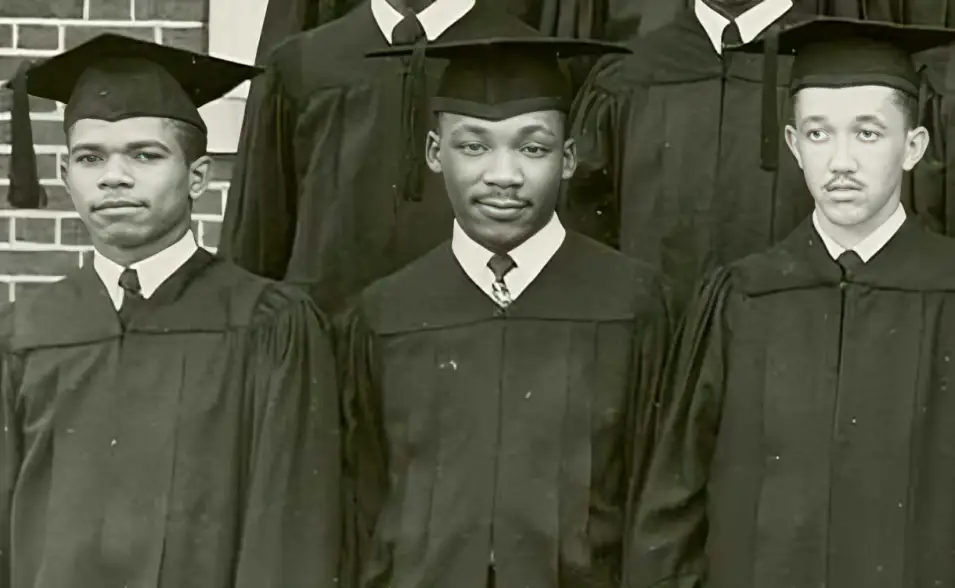
Strong academic performance allowed King to skip both the ninth grade and the twelfth grade while still in school. In 1944, enrollment took place at Morehouse College in Atlanta, the same institution attended earlier by the father and the maternal grandfather. Campus life introduced new ideas and discussions that shaped thinking during the teenage years. The setting encouraged careful reflection on society and personal responsibility. Although the family line included several generations of Baptist ministers, the initial plan did not include entering the ministry. Morehouse president Benjamin E. Mays, known as a thoughtful theologian, provided guidance that altered that view. Regular conversations with Mays helped reveal the ministry as a meaningful route for addressing social problems. The influence proved decisive at a formative stage.
Via Medium
Ordination took place before the completion of undergraduate studies at the college. Graduation brought a degree in sociology along with a clearer sense of future direction. Early entry into higher education sped the process of learning and strengthened the commitment to service beyond the classroom.
Advanced Study Led to a Doctorate
Following the years at Morehouse, a divinity degree was earned at Crozer Theological Seminary in Pennsylvania. Coursework there expanded knowledge of religious ideas and built preparation for still higher academic work. Graduate study then continued at Boston University with a focus on systematic theology. The program demanded careful reading and original analysis of major thinkers.Via Spectrum News
In 1955, the Ph.D. degree was awarded by Boston University. The dissertation examined and compared the conceptions of God found in the writings of Paul Tillich and Henry Nelson Wieman. A detailed study of those two approaches showed skill in handling difficult philosophical and theological questions. The finished work met the standards of advanced scholarship.
Doctoral training added a solid intellectual base to the messages later delivered in public settings. It also placed King among educated leaders able to speak with clarity on issues of faith and fairness. Scholarly achievement and practical action developed together over the course of the studies.
Via Wentworth Institute Of Technology
An Earlier Address Took Place at the Lincoln Memorial
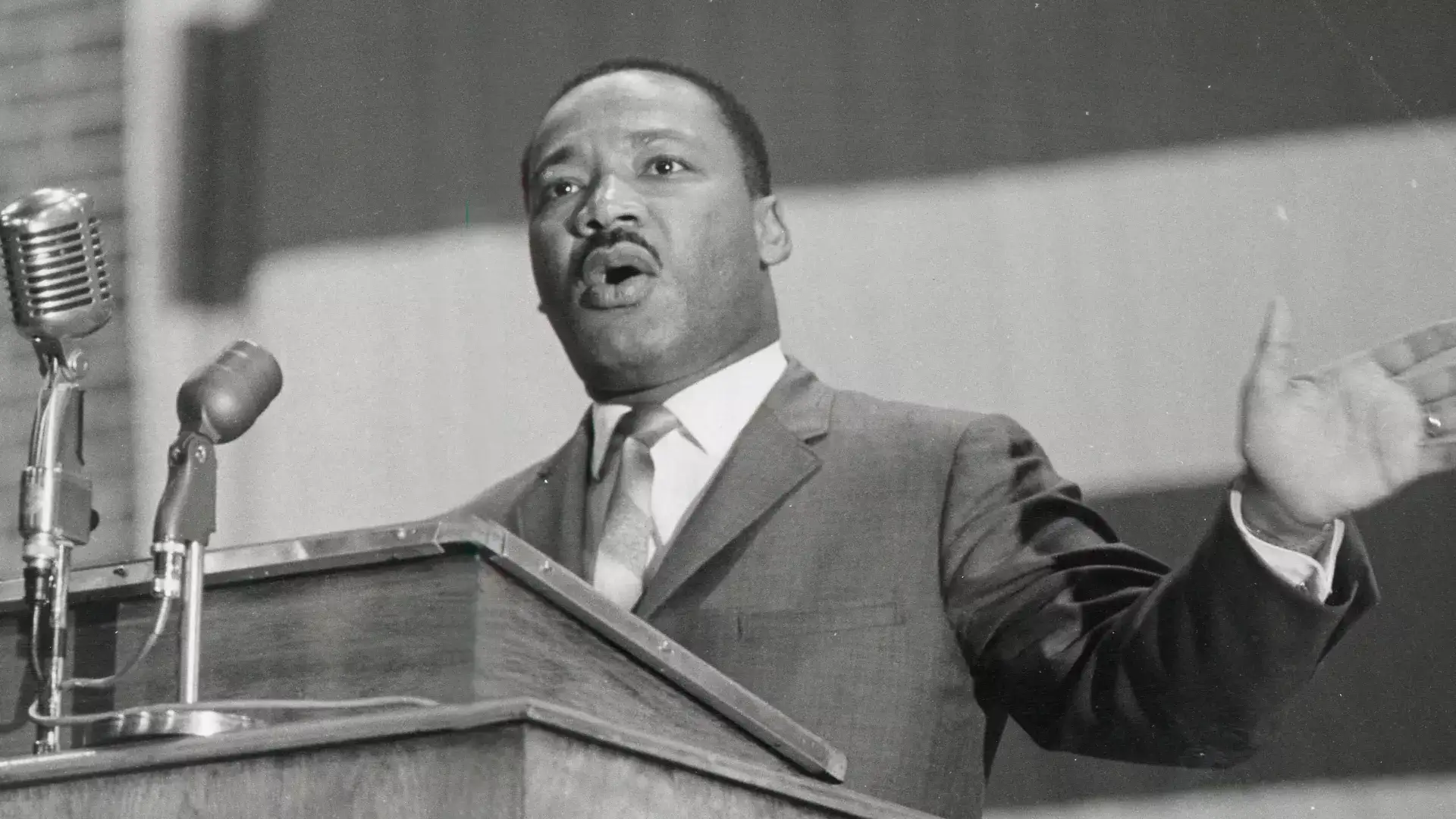
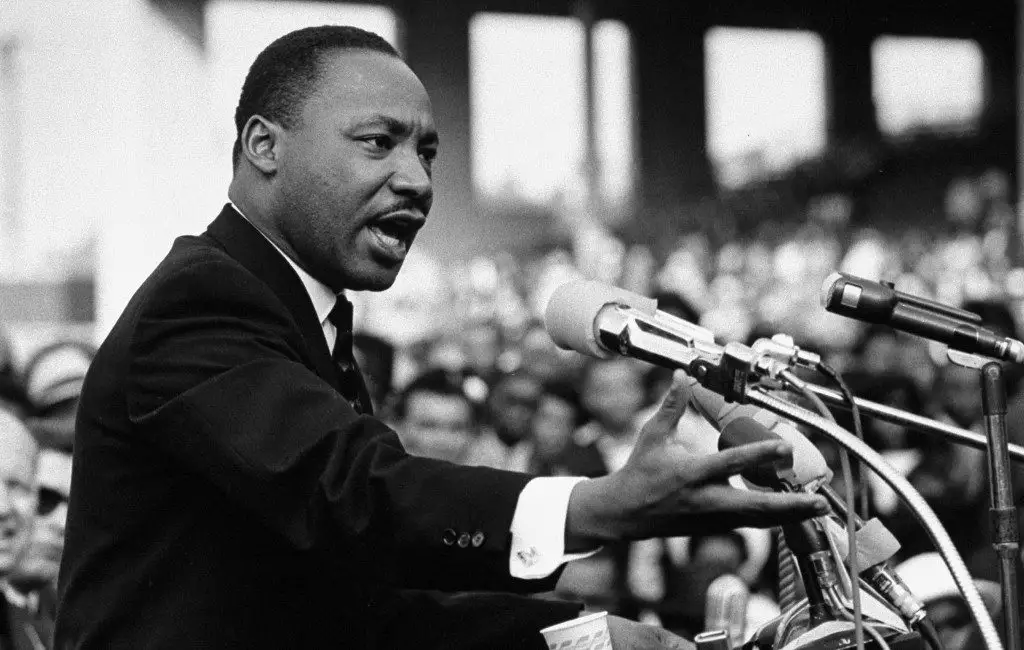
Six years before the well-known 1963 oration, King stood with other civil rights leaders during the Prayer Pilgrimage for Freedom on May 17, 1957. The event unfolded in the area near the Lincoln Memorial and drew national notice to the question of voting rights. Crowd estimates at the time ranged between fifteen thousand and thirty thousand people. The gathering carried symbolic weight because of the location. The address given that day marked the first major national speech on the subject of the ballot. Strong language called for America to grant full voting access without delay. Reviews of the speech proved favorable and helped raise the profile among civil rights organizers. Clear delivery and moral force stood out to those present and to those who read reports afterward.
Experience gained from speaking before large crowds at historic places built both skill and public recognition. The 1957 appearance served as an important early step toward later platforms of greater size. Preparation from that day supported the confidence shown in subsequent national moments.
Arrests and Jail Time Reached Nearly 30 Occasions
Information maintained by the King Center records twenty-nine separate periods of time spent in jail. A number of the arrests followed deliberate acts of civil disobedience intended to challenge laws viewed as unjust. Additional charges sometimes rested on minor or questionable grounds rather than serious offenses. The pattern repeated across different cities and years.Via Spectrum News 1233
One instance took place in Montgomery, Alabama, during 1956 when an arrest occurred for driving thirty miles per hour in a zone limited to twenty-five miles per hour. Episodes of that kind showed the steady pressure applied to those who organized and joined protests. Time in jail became a regular part of the effort instead of an occasional event. Conditions varied, but the experience remained demanding.
Periods of confinement tested personal strength and the support of the wider movement. Statements and letters prepared while in jail often reached large audiences and added energy to the campaign. The repeated arrests underlined both the difficulties faced and the persistence required to continue.
Via 11Alive
A Near-Fatal Attack Occurred a Decade Earlier
On September 20, 1958, a book-signing event was underway at Blumstein’s department store in Harlem for the newly published Stride Toward Freedom. A woman named Izola Ware Curry walked up and asked whether the person at the table was Martin Luther King Jr. Confirmation of the identity brought a statement that the search had lasted five years. The encounter turned violent without warning. A seven-inch letter opener was then driven into the chest. The tip of the blade came to rest beside the aorta and required several hours of precise emergency surgery. Medical staff later noted that even one sneeze could have pushed the blade into the artery and caused death. Recovery demanded extended time in the hospital under close watch.Via AJC
Weeks of convalescence followed the operation. A public statement issued from the hospital bed repeated the commitment to nonviolent principles and stated that no ill will was held toward the mentally ill attacker. The incident displayed both the physical danger present and the consistent moral stance maintained afterward.
Final Public Words Hinted at Coming Events
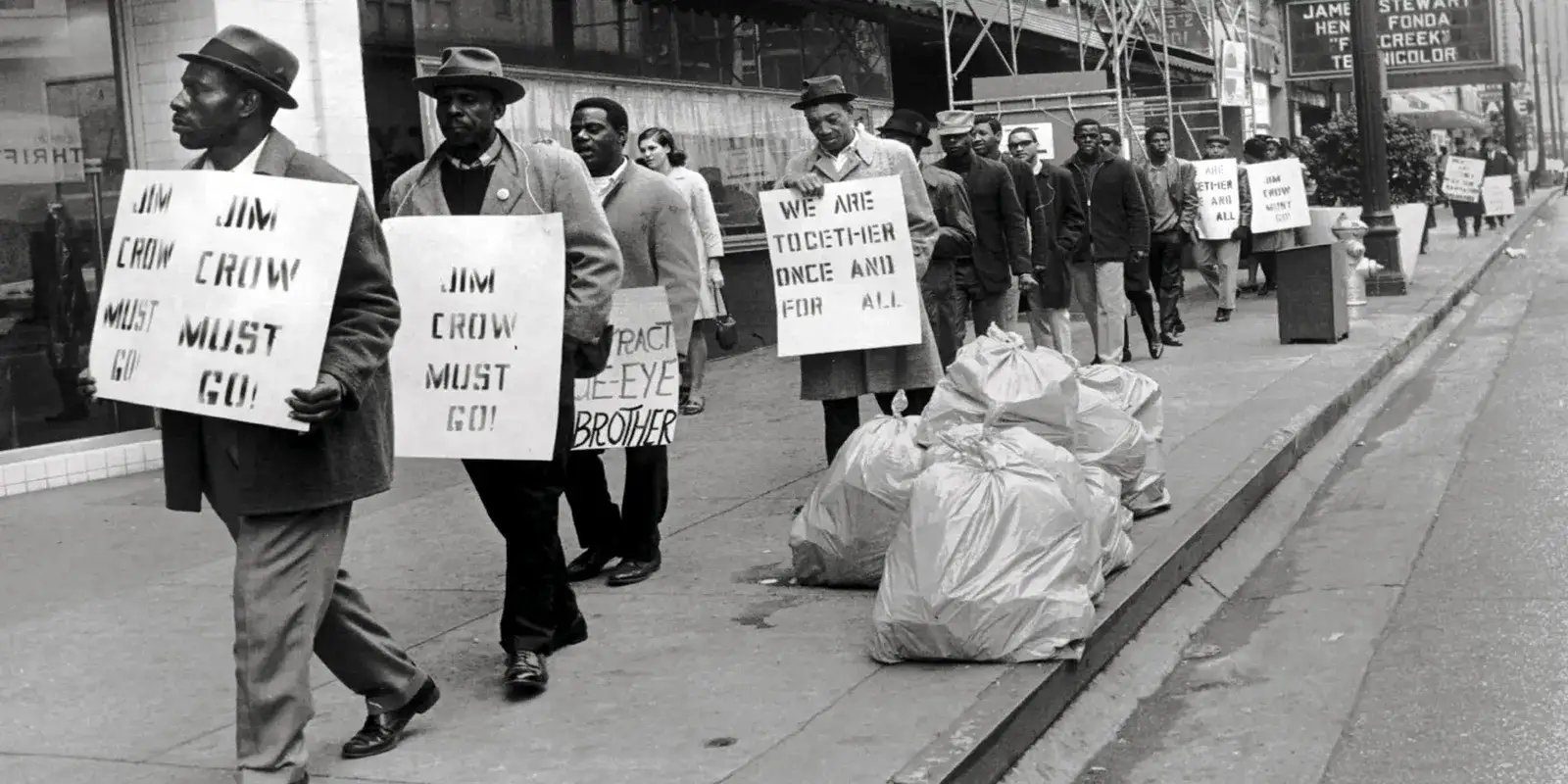
Travel to Memphis occurred in April 1968 in order to support the strike by the city’s Black sanitation workers. On the night before the assassination, an address was delivered at Mason Temple Church. Remarks included thoughts about the desire for a long life and the place that longevity holds for most people. The tone mixed personal reflection with encouragement for the listeners.Via The Commercial Appeal
The speaker stated that concern about personal length of life no longer stood at the center. A description of having seen the Promised Land was followed by the observation that arrival there might not occur together with the group. Confidence was expressed that the people as a whole would still reach that place. The words carried both realism and steady hope.
Those present heard expressions of happiness and freedom from fear of any person. The closing lines referred to having seen the glory of the coming of the Lord. The full speech gained deeper meaning in the short time that remained before the events of the next day.
Via The Commercial Appeal
Tragedy Later Struck King's Mother
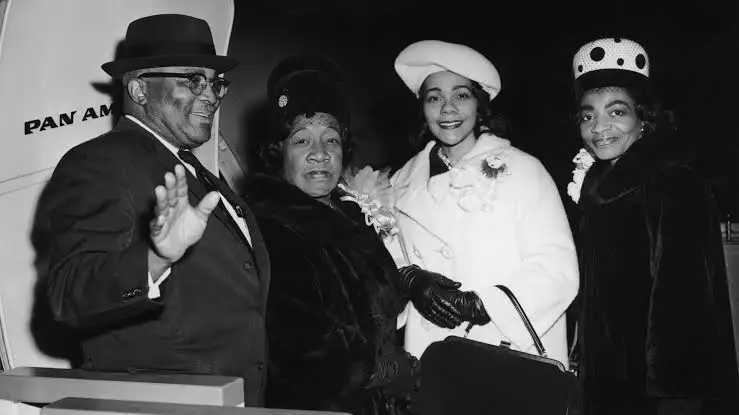
On June 30, 1974, Alberta Williams King, then sixty-nine years old, played the organ during a Sunday service inside Ebenezer Baptist Church. Marcus Wayne Chenault Jr. stood up from a seat in the front pew, drew two pistols, and began firing. One of the shots struck and killed King only a short distance from the spot where the son had earlier preached messages of nonviolence. The attack shocked the congregation. The gunman later stated that Christians were regarded as enemies and that instructions believed to be divine had directed action against the father, who was present in the church. Because the mother stood nearer at the moment, the shots were aimed at her instead. The same incident also caused the death of a church deacon. Grief spread quickly through the family and the community.
Via CNN
A death penalty sentence was first imposed on Chenault and later changed to life imprisonment. The change occurred in part because the King family opposed the use of capital punishment. The additional loss added further sorrow to the burdens already carried by the surviving relatives. Violence reached the family once more years after the original assassination.
A National Holiday Joined a Short List of Honors
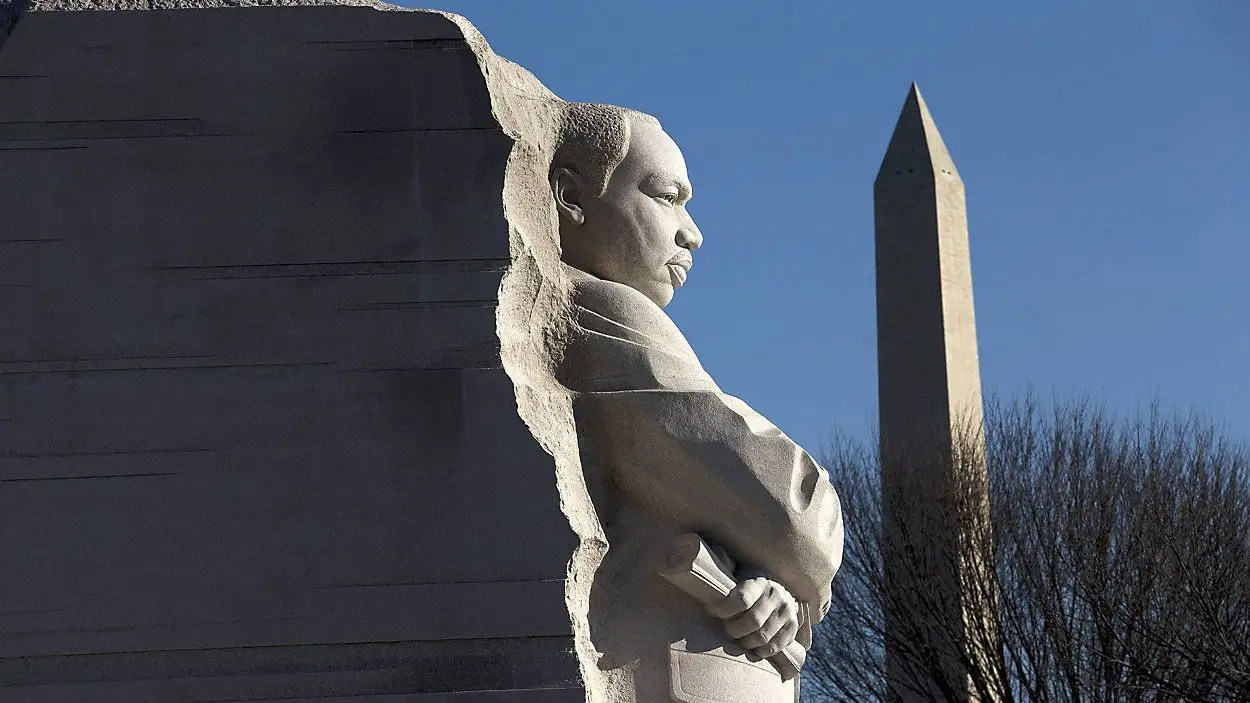
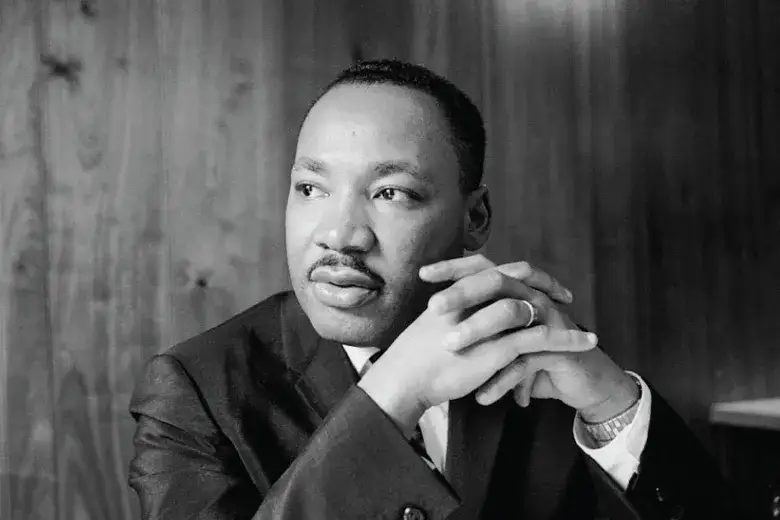
In 1983, a bill was signed by President Ronald Reagan that created a federal holiday in honor of King. The first national observance took place in 1986 and has continued each year on the third Monday in January, close to the January 15 birth date. The recognition places the name among a very limited group of Americans. Annual observances keep the memory active across the country.
Via AFRO American Newspaper
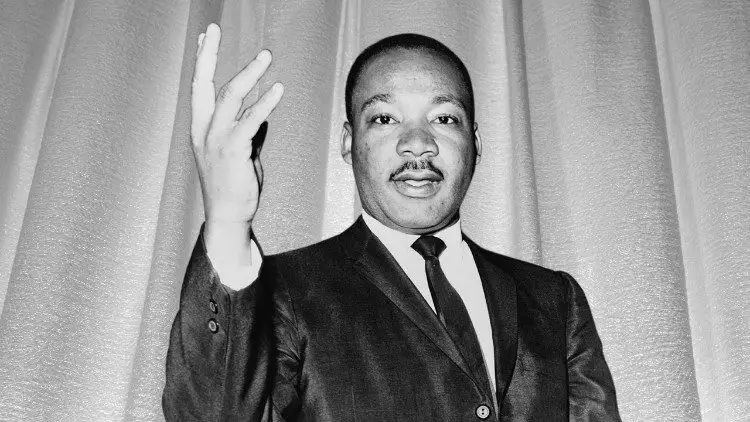
Only George Washington, Abraham Lincoln, and Cesar Chavez share the status of having birthdays marked by national holidays. The decision to establish the day reflected wide acceptance of the lasting effect of the work on American society. Communities mark the occasion with service activities, learning programs, and public events. The holiday returns each year as a reminder of determined, peaceful effort.
Via Vatican Newspaper
People across many regions use the day to recall the progress made and the tasks that still call for attention. National recognition helps ensure that successive generations learn the record of principled leadership. The observance supports continued reflection on justice and the value of nonviolent action in public life.