Unassigned
Most Memorable Cars from Classic Television Shows
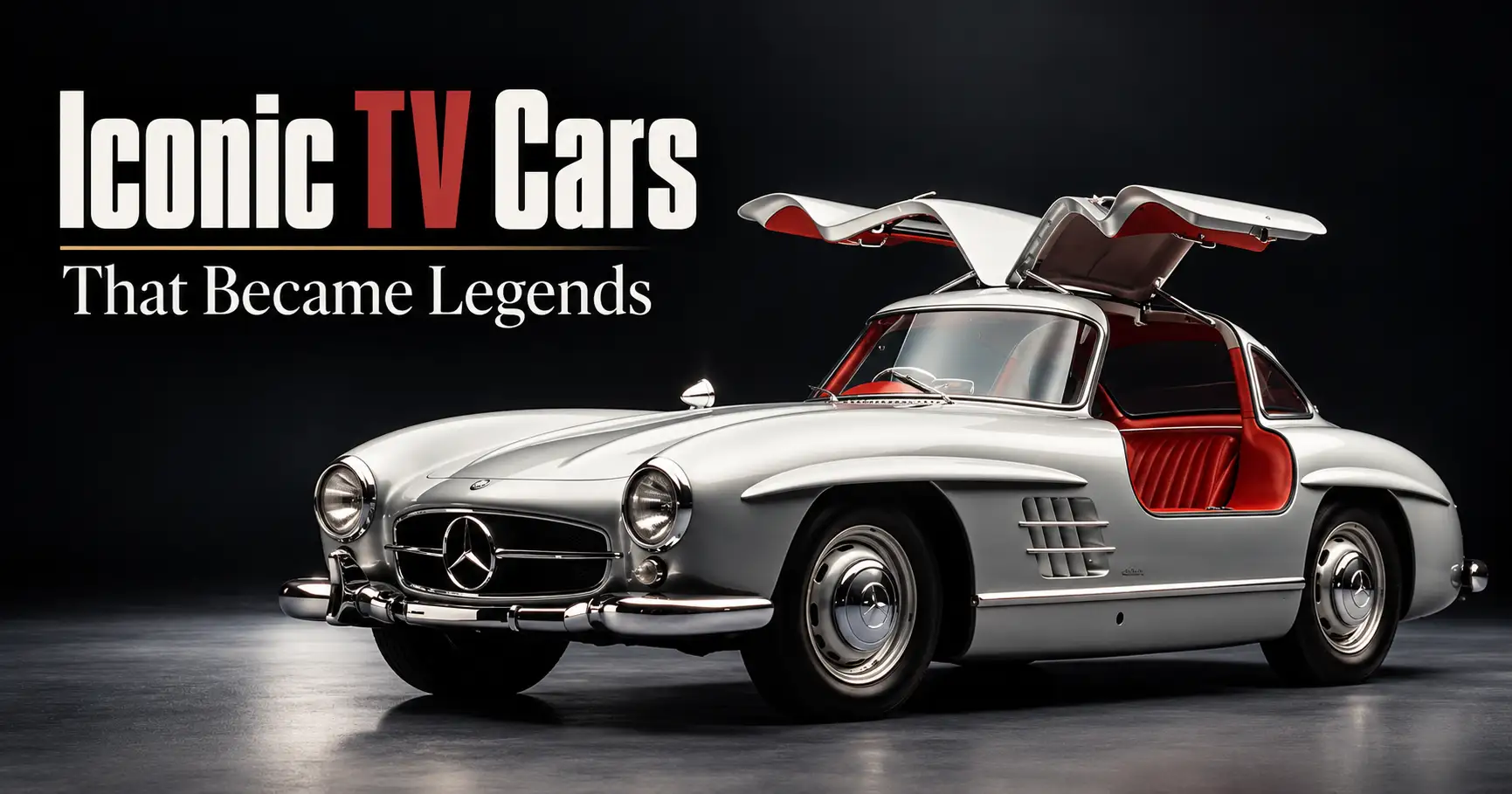
Television and automobiles have shared the spotlight for many decades now. Characters become linked forever to the vehicles they drive on screen each week. Viewers remember the shape, color, sound, and special features of these cars almost as clearly as the people who sat behind the wheel. These machines often receive as much attention as the main storylines themselves in the series.
Many of these vehicles started as ordinary production models from well-known makers. Designers and skilled custom shops then transformed them into something special for the camera. Bright paint jobs, unique bodywork, added gadgets, and bold styling helped them stand out in every scene. Audiences responded strongly by making the cars part of everyday talk and lasting popular culture for years.
 Via MotorTrend
The following vehicles earned lasting fame through clever design choices, exciting stunts, and strong storytelling on screen. Each one left a clear and lasting mark on the shows that featured them. The people who watched them week after week across the years still recall these rides with clear fondness and interest today.
 Via History
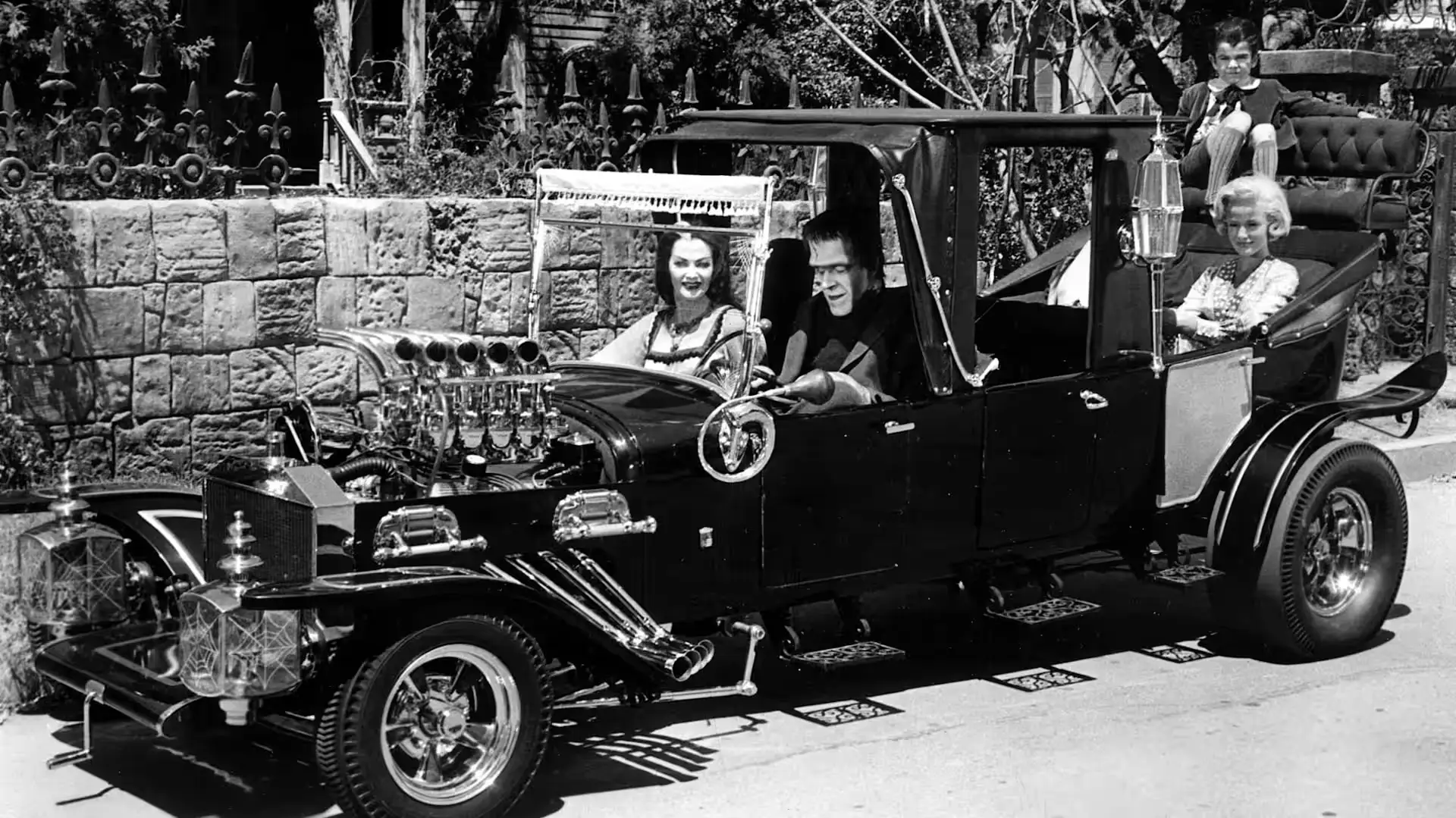
A powerful Ford Cobra V8 engine sat under the hand-formed brass radiator and fenders on the car. Star Fred Gwynne stood seven feet tall in his Herman Munster makeup and costume. The seat cushion had to be removed so he could fit behind the wheel during filming. The unusually long design made the car a perfect match for the strange household and its funeral-home ties.
Viewers still recognize the Munster Koach decades later without any trouble at all. Its creepy style, bold proportions, and hand-built details turned an ordinary custom job into something special. It remains one of the most distinctive and memorable television vehicles ever created for a comedy series of that era.
 Via Autoevolution
 Via History
Barris later made several replicas from molds taken of the original vehicle for the production. The first Batmobile sold at auction for 4.6 million dollars in 2013 and later changed hands again. Its sleek, exaggerated,d and playful look remains one of the strongest and most recognized symbols of 1960s television adventure shows.
 Via History
A 1964 Swedish-built 1800S model followed in later episodes of the series. After Volvo updated the body design, the show switched to a newer version. The team even staged the destruction of the previous car behind a hedge for a dramatic scene. The later car received an added interior fan to help the actors stay cooler under the hot studio lights.
Moore originally preferred a Jaguar XK150 for the character,r but the company refused to supply one for free publicity. The Volvo proved a better and more reliable choice in the end for the production. Its clean lines, distinctive tail fins, and solid performance helped complete the elegant and charming image of the main character on screen.
 Via Motor1
 Via History
Disney still owns at least one of the Dharma vans and has shown it at various memorabilia events and expos. The vehicle’s classic hippie-era look added both warm nostalgia and important unanswered questions. It fit well into the complex and time-shifting story of the entire series for viewers.
 Via History
When real Chargers became hard to find and source, the production used modified AMC Ambassadors. Radio-controlled miniature models handled some of the longer jumps in later years. Golf professional Bubba Watson later bought the original car seen in the famous intro sequence for 110,000 dollars. He replaced the roof flag with an American flag design on the vehicle.
The General Lee’s loud V8 engine, bold orange paint, constant airborne stunts, and door-jumping entrances stood out. These features turned a common American muscle car into a lasting and highly recognizable television legend. It still draws strong interest from fans of the series and classic cars today.
 Via Ag Web
 Via Reuters
The little car also appeared later in popular video game franchises that reached wide audiences around the world. Its constant mechanical trouble, small size, and perfect comic timing made it stand out. It became every bit as memorable as the odd main character himself in the eyes of viewers.
 Via History
GMC supplied eight similar vans for use during the full run of the series. Some of them handled the rough action and jump sequences on location. Others appeared only in close-up hero shots for the camera. Small continuity differences, such as a sunroof that appeared and then disappeared within the same scene, sometimes showed up on screen for sharp-eyed viewers.
The van’s tough, practical,l and customized style matched the team’s direct and no-nonsense approach to solving problems. It quickly became one of the most recognized and fondly remembered vehicles of 1980s action television. Fans still recall its distinctive look and role in the adventures with clear affection.
 Via Red Bull Ring
The combination of creative design work and careful technical planning allowed each vehicle to support the story and the characters well. Without those custom shops and dedicated crews, many of these famous rides would never have reached the screen. They would not have appeared in such memorable form for audiences everywhere.
 Via History
Production teams also had to solve practical problems that viewers never saw during the episodes. Tall actors needed extra headroom in the cab for comfort. Hot studio lights required extra cooling fans inside some cars. Complex stunts demanded multiple identical vehicles ready for action at any time on set.
 Via History
The combination of creative design work and careful technical planning allowed each vehicle to support the story and the characters well. Without those custom shops and dedicated crews, many of these famous rides would never have reached the screen. They would not have appeared in such memorable form for audiences everywhere.
More in Unassigned
Via MotorTrend
The following vehicles earned lasting fame through clever design choices, exciting stunts, and strong storytelling on screen. Each one left a clear and lasting mark on the shows that featured them. The people who watched them week after week across the years still recall these rides with clear fondness and interest today.
The Munster Koach from The Munsters
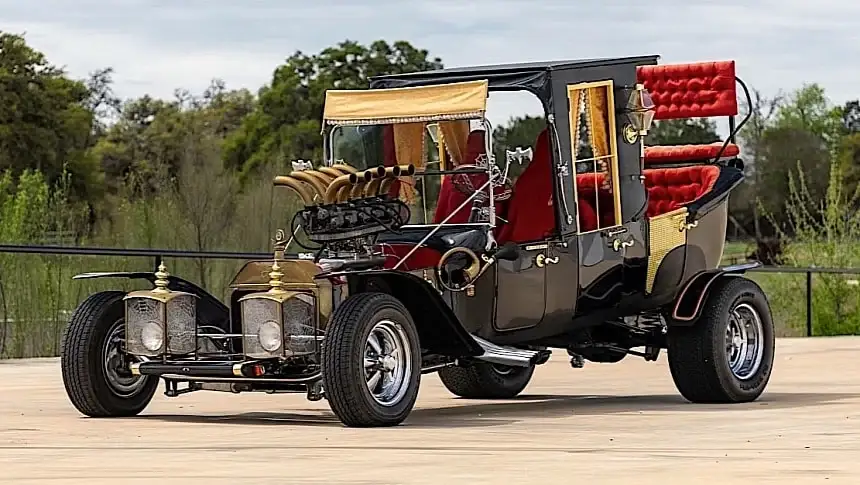
The Munster Koach mixed parts from three Model T cars and one hearse into a long,g low hot rod. Custom builder George Barris created the eighteen-foot vehicle in just three weeks for the studio. Details such as casket handles, blood-red velvet seats, and spider-web headlights matched the spooky family theme of the sitcom perfectly in every way.Via History
A powerful Ford Cobra V8 engine sat under the hand-formed brass radiator and fenders on the car. Star Fred Gwynne stood seven feet tall in his Herman Munster makeup and costume. The seat cushion had to be removed so he could fit behind the wheel during filming. The unusually long design made the car a perfect match for the strange household and its funeral-home ties.
Viewers still recognize the Munster Koach decades later without any trouble at all. Its creepy style, bold proportions, and hand-built details turned an ordinary custom job into something special. It remains one of the most distinctive and memorable television vehicles ever created for a comedy series of that era.
Via Autoevolution
The Batmobile from the 1960s Batman Series
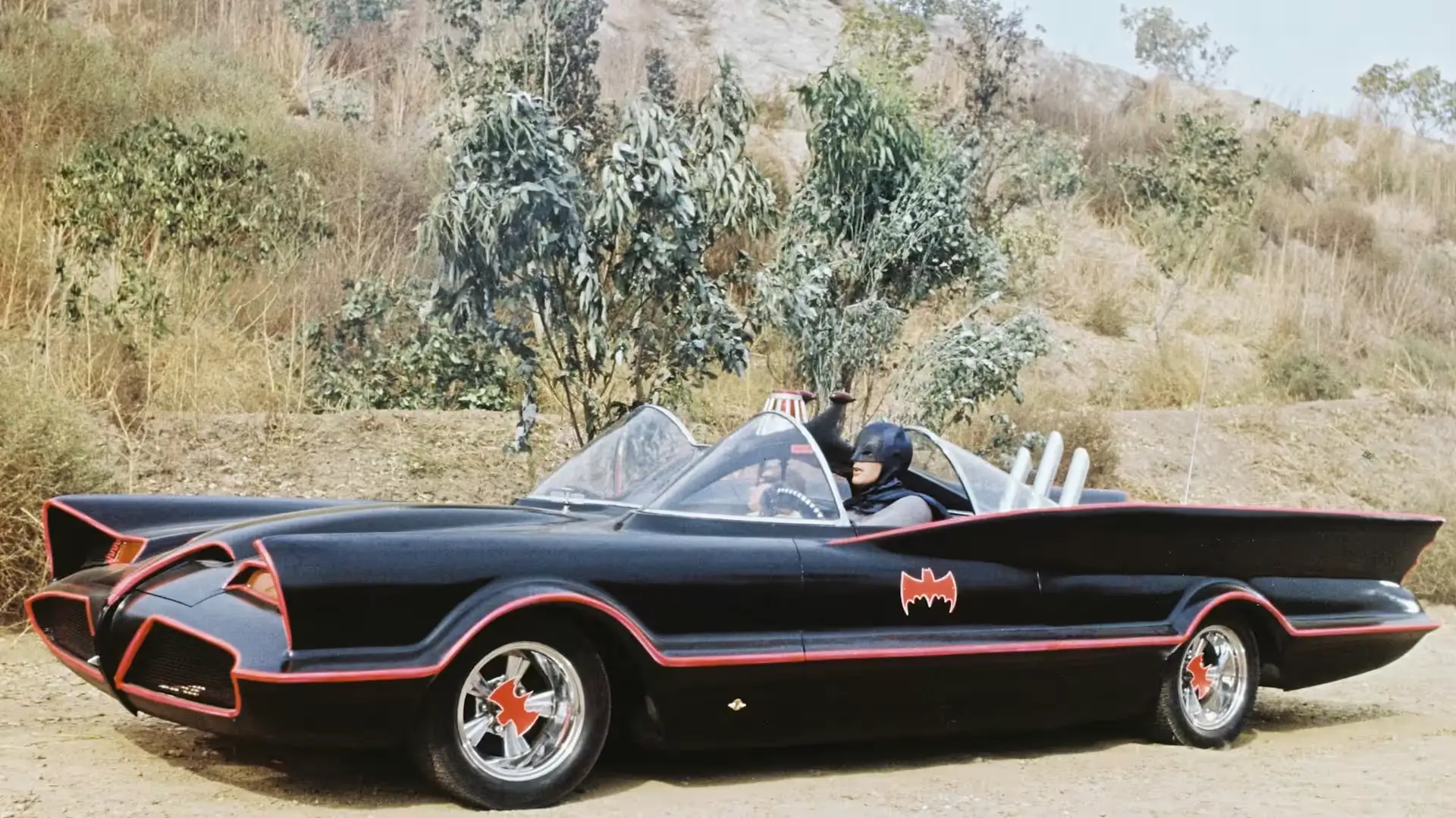
The famous Batmobile began life as a 1955 Lincoln Futura concept car built in Italy on a special chassis. Customizer George Barris bought the unused prototype for one dollar and transformed it in only a few weeks. He added aluminum bat symbols on the hubs, a dramatic black-and-red paint scheme, and many other visual changes that fit the campy tone of the show. Early versions used a steering wheel shaped like an airplane yoke that looked striking on camera. Actor Adam West found it hard to handle during driving scenes on set. Barris switched to a regular wheel taken from a 1958 Edsel for better control. The car had no air conditioning system, which made long filming days under hot lights uncomfortable for the cast in tight costumes.Via History
Barris later made several replicas from molds taken of the original vehicle for the production. The first Batmobile sold at auction for 4.6 million dollars in 2013 and later changed hands again. Its sleek, exaggerated,d and playful look remains one of the strongest and most recognized symbols of 1960s television adventure shows.
The Volvo P1800 Driven by The Saint
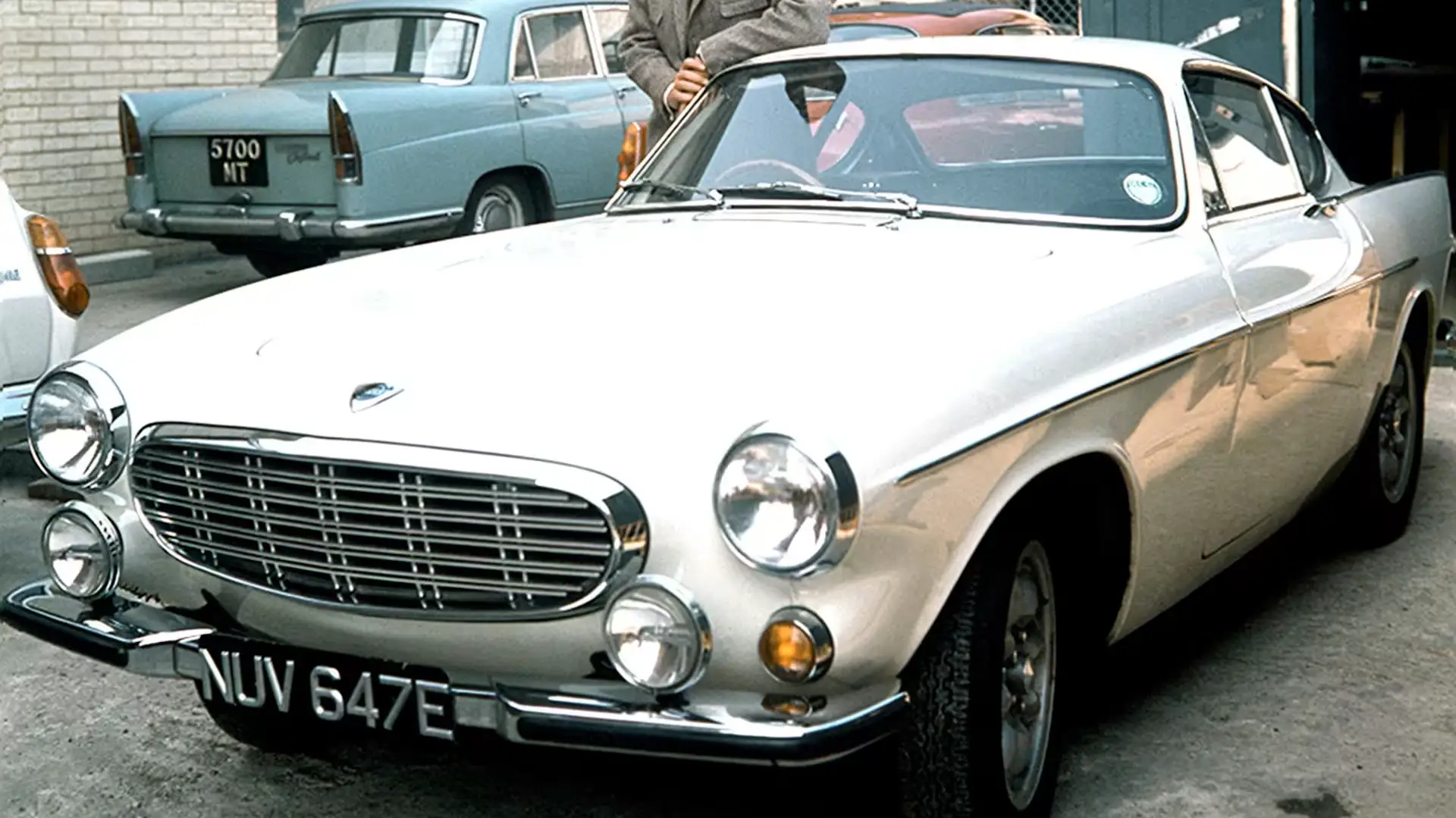
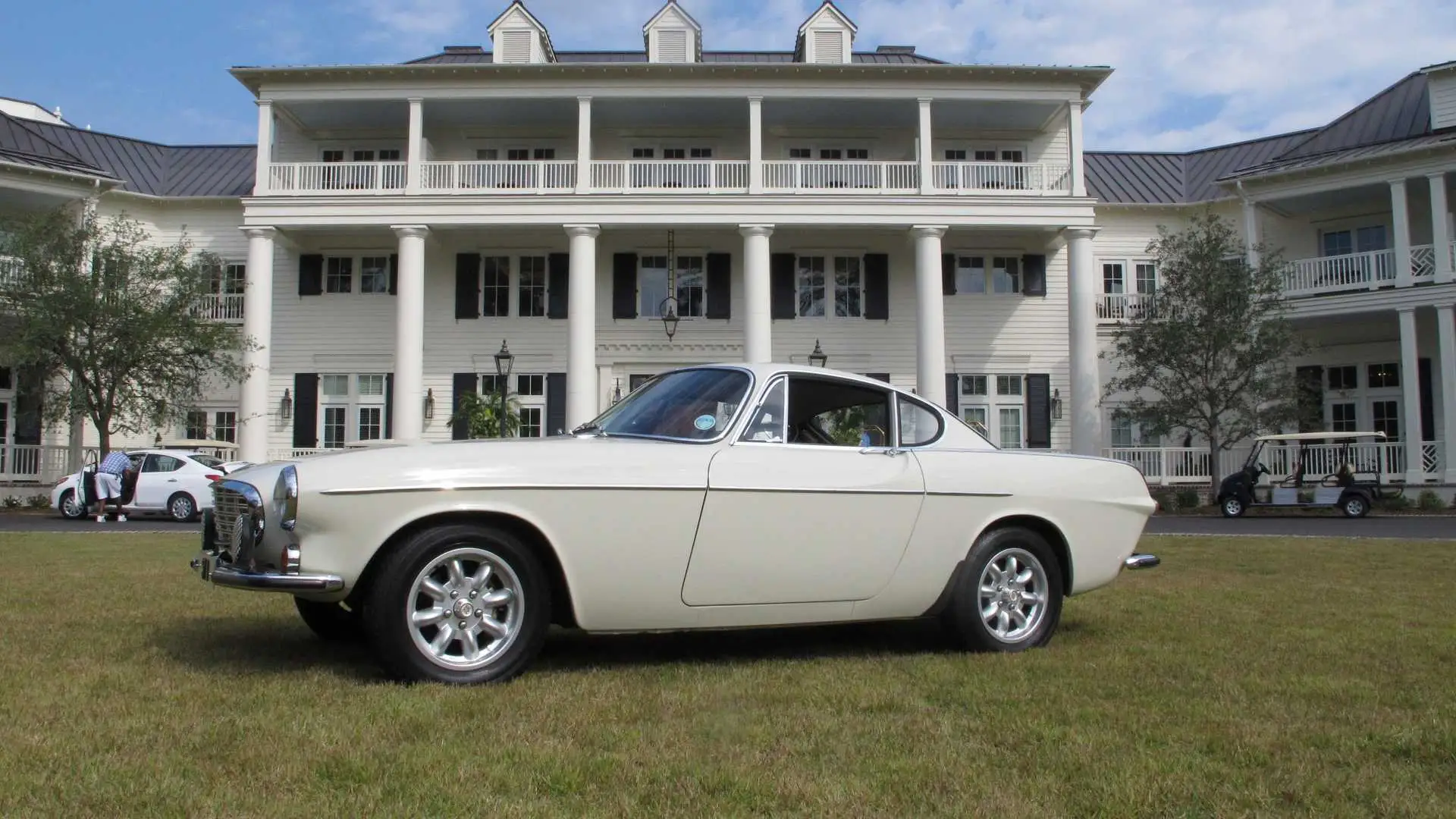
Roger Moore starred as Simon Templar in the British series The Saint and drove a stylish Volvo P1800 sports car. The production used three different examples of the car across the full run of the show. The first was a 1962 British-built model that was later rediscovered on a farm in North Wales and carefully restored by car enthusiasts.Via History
A 1964 Swedish-built 1800S model followed in later episodes of the series. After Volvo updated the body design, the show switched to a newer version. The team even staged the destruction of the previous car behind a hedge for a dramatic scene. The later car received an added interior fan to help the actors stay cooler under the hot studio lights.
Moore originally preferred a Jaguar XK150 for the character,r but the company refused to supply one for free publicity. The Volvo proved a better and more reliable choice in the end for the production. Its clean lines, distinctive tail fins, and solid performance helped complete the elegant and charming image of the main character on screen.
Via Motor1
The Volkswagen Bus on Lost
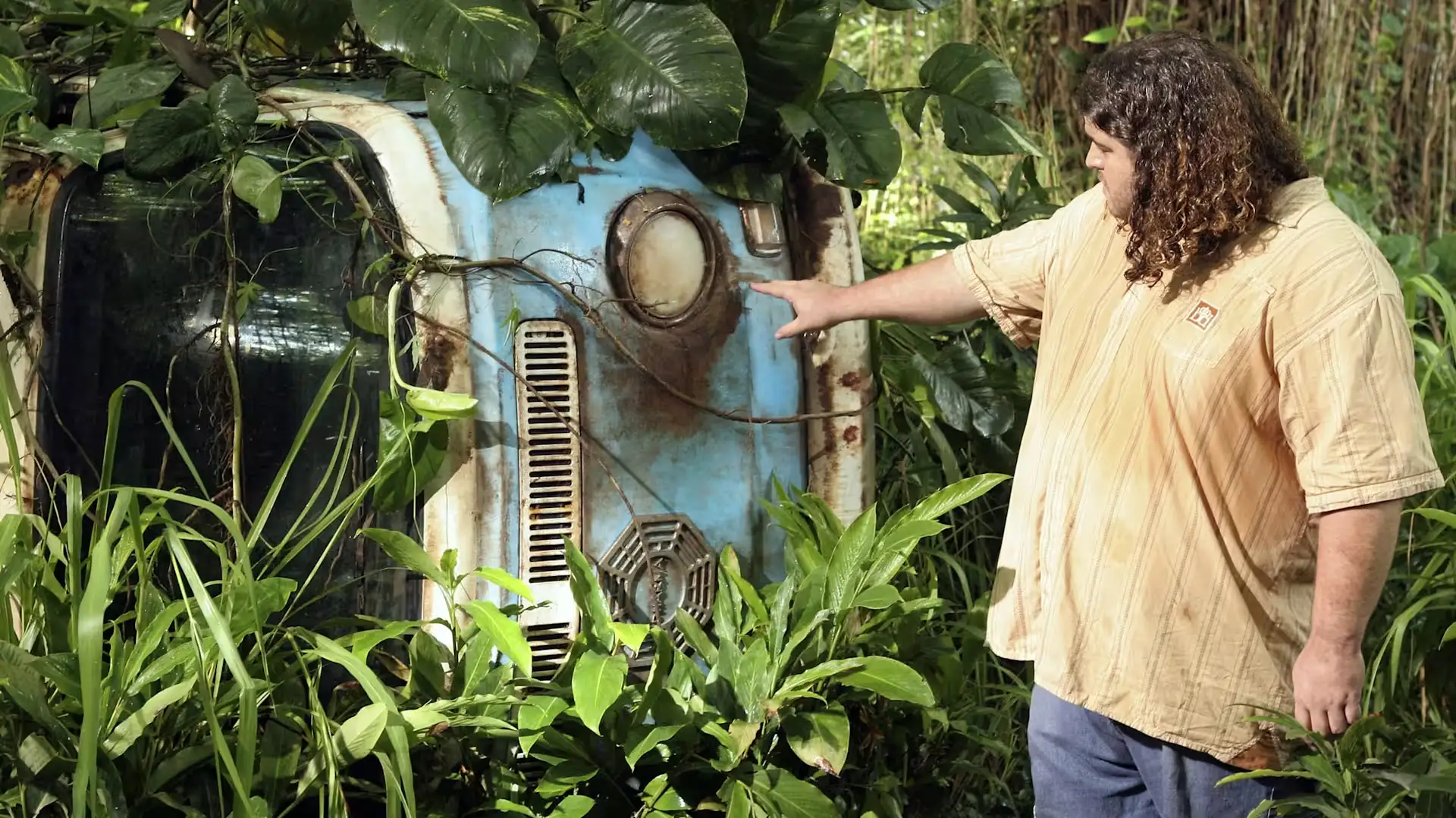
A blue-and-white Volkswagen Type 2 van became an important part of the mystery series Lost over time. The vehicles belonged to the fictional Dharma Initiative, a 1970s research group that once lived and worked on the strange island. One van even served as the setting for a strange and deadly event involving toxic gas and a family conflict in the story. Auction house Profiles in History expected one of the screen-used vans to sell for about eight thousand dollars in 2010. It brought nearly six times that amount when the bidding ended at the sale. Fans especially loved the lighter moment when character Hurley managed to start a stubborn bus. The vehicle then played the song Shambala on its old eight-track player for the scene.Via History
Disney still owns at least one of the Dharma vans and has shown it at various memorabilia events and expos. The vehicle’s classic hippie-era look added both warm nostalgia and important unanswered questions. It fit well into the complex and time-shifting story of the entire series for viewers.
The General Lee from The Dukes of Hazzard
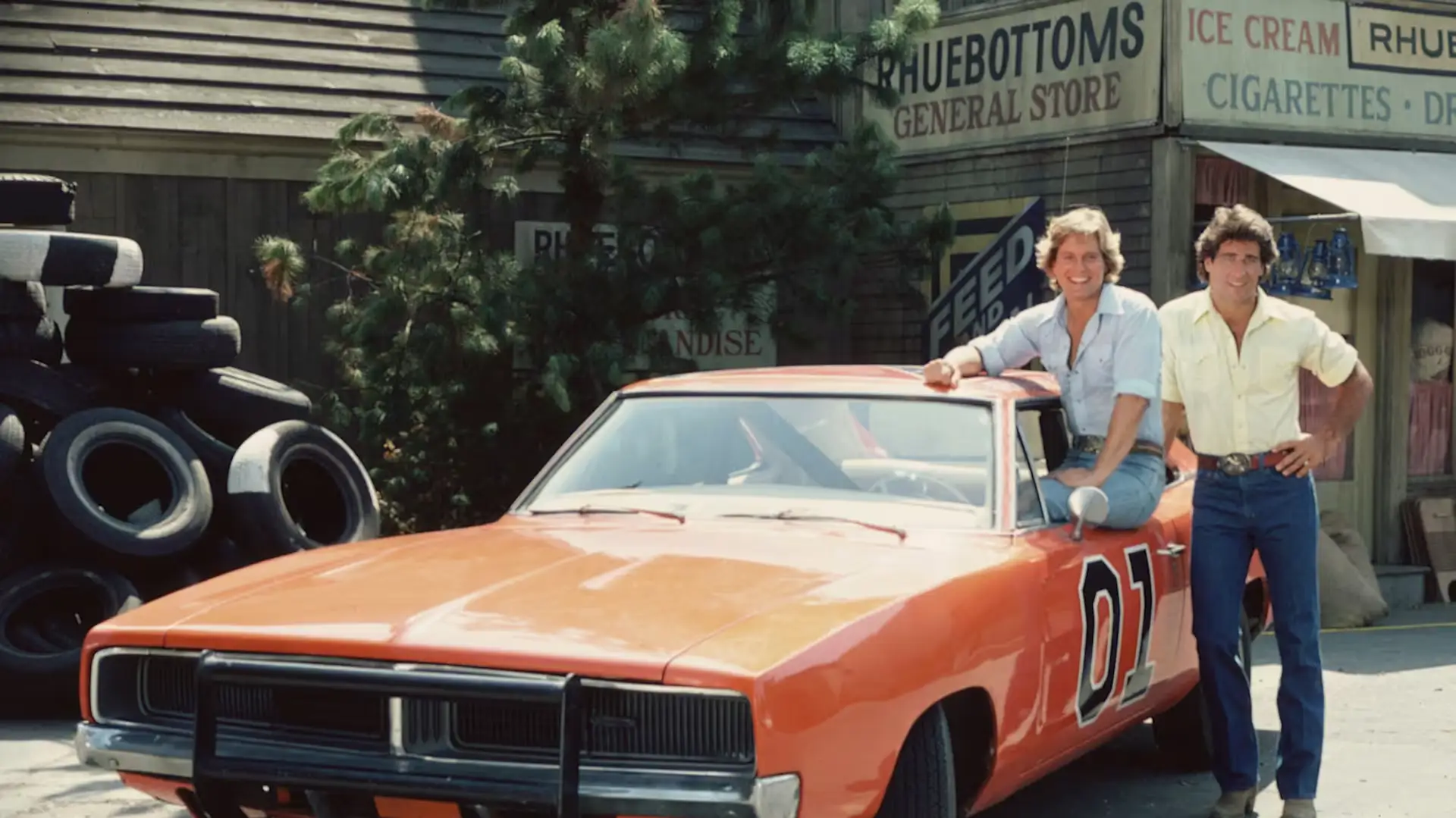
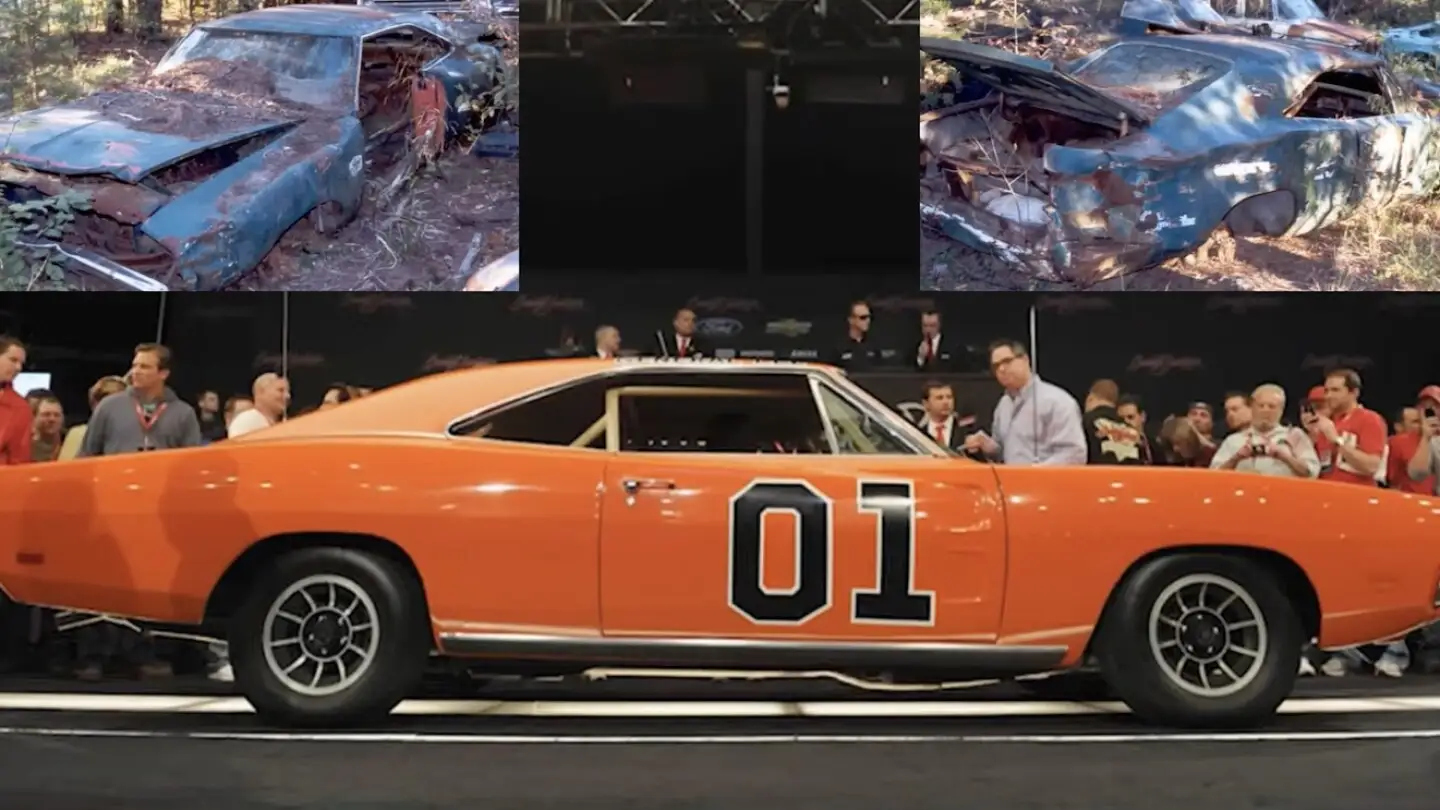
Bo and Luke Duke entered their bright orange 1969 Dodge Charger by leaping over the welded-shut doors like gymnasts. The car nicknamed the General Lee performed an eighty-two-foot jump in the opening credits. The trunk received extra cement weight for better balance in the air during that stunt. More than three hundred Chargers from 1968 and 1969 served as stand-ins during the seven-season run.Via History
When real Chargers became hard to find and source, the production used modified AMC Ambassadors. Radio-controlled miniature models handled some of the longer jumps in later years. Golf professional Bubba Watson later bought the original car seen in the famous intro sequence for 110,000 dollars. He replaced the roof flag with an American flag design on the vehicle.
The General Lee’s loud V8 engine, bold orange paint, constant airborne stunts, and door-jumping entrances stood out. These features turned a common American muscle car into a lasting and highly recognizable television legend. It still draws strong interest from fans of the series and classic cars today.
Via Ag Web
Mr. Bean’s Loyal Mini
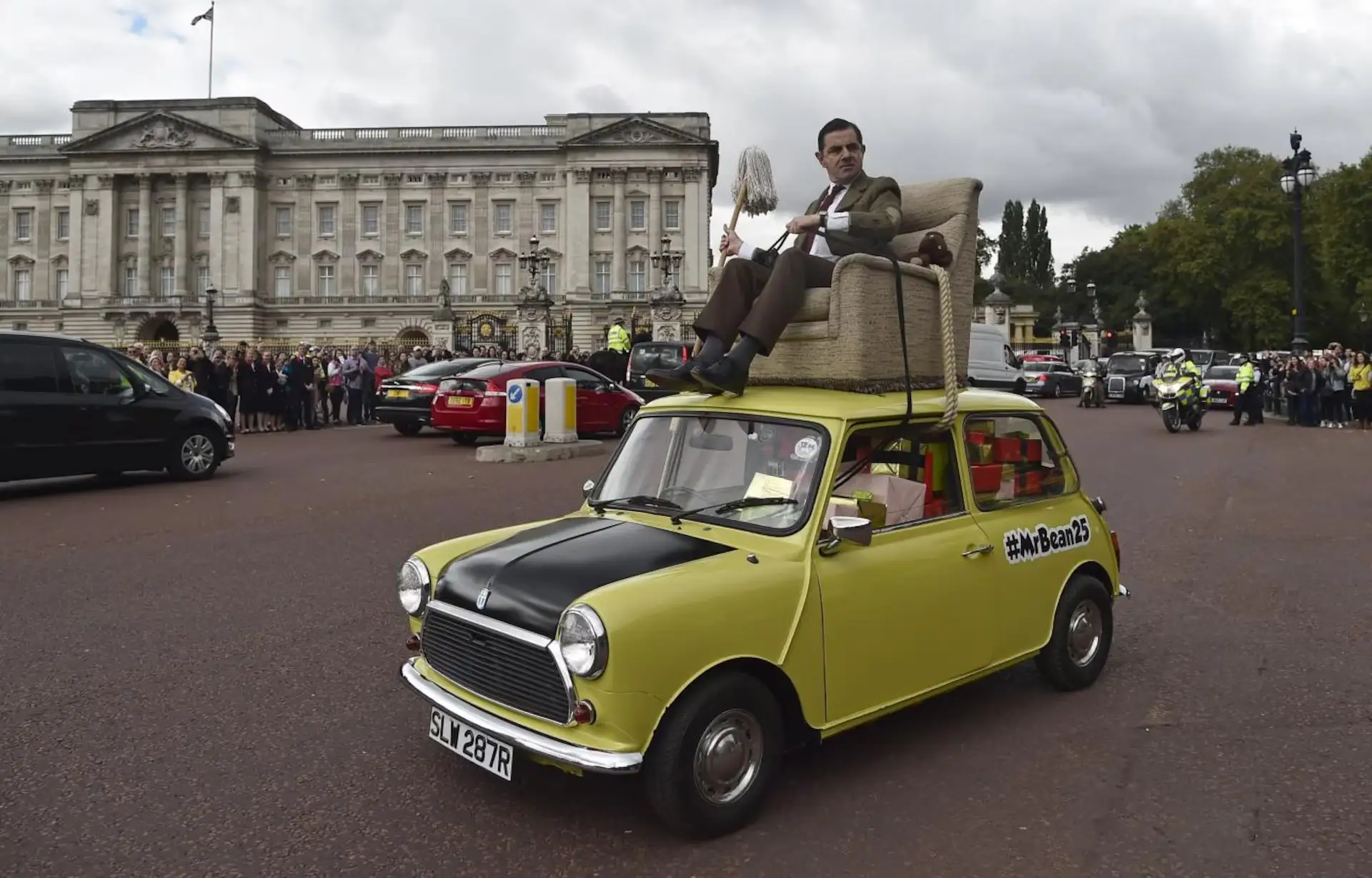
Rowan Atkinson’s character Mr. Bean shared most of his comic misadventures with a small British Mini car. The first car was an orange 1969 Morris Mini 1000 that appeared to meet a bad end off-screen in the pilot episode. Its replacement, a citron-green 1977 Leyland Mini 1000, later suffered a dramatic crushing by a military tank in one episode. Only fifteen live-action episodes of the series were made in total during its run. The Mini played a major and central role in many of them for the comedy. Bean once tied a large armchair to the roof and drove while sitting in the chair. He used rope, a pail,s and a mop to steer and control the vehicle in that scene.Via Reuters
The little car also appeared later in popular video game franchises that reached wide audiences around the world. Its constant mechanical trouble, small size, and perfect comic timing made it stand out. It became every bit as memorable as the odd main character himself in the eyes of viewers.
The A-Team’s GMC Vandura
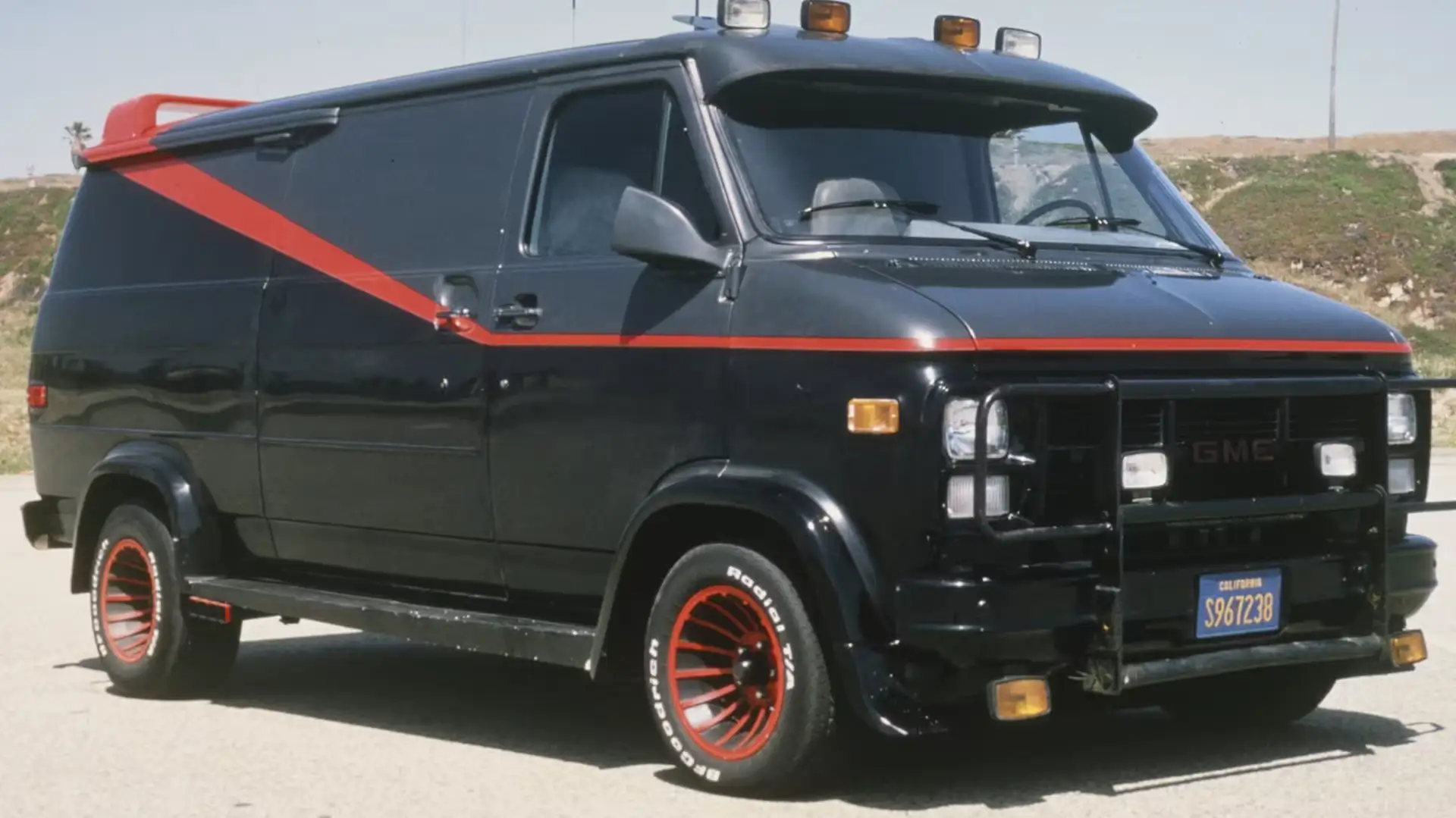
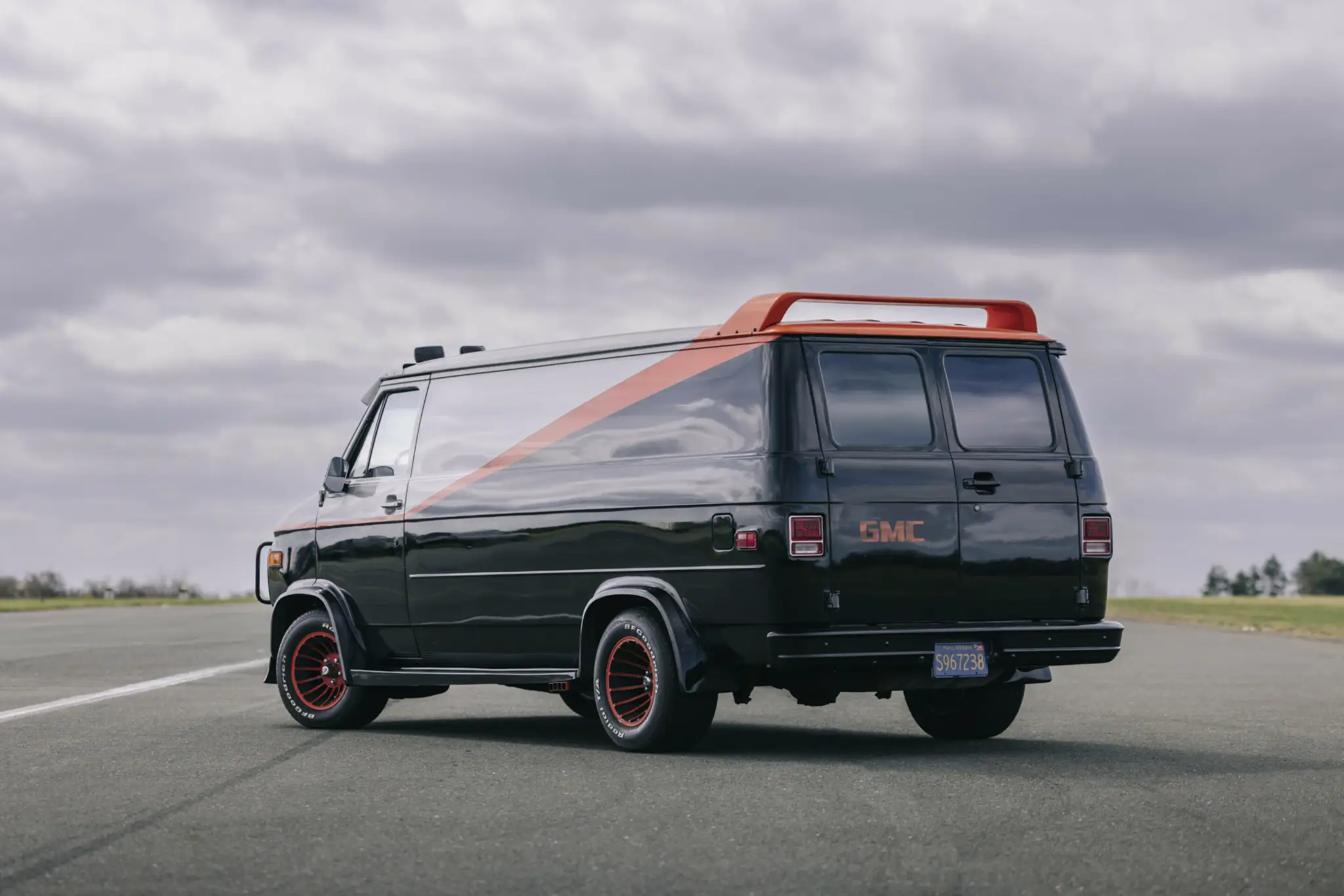
B.A. Baracus refused to board any airplane and preferred to travel everywhere in a customized black GMC cargo van. Red stripes, a rooftop spoiler, and mag wheels set the van apart from ordinary work vehicles of the time. Inside, thick shag carpet, a custom gun-storage case and a rotating collection of tools filled the space. Surveillance gear and disguises also rode along for the team’s many missions.Via History
GMC supplied eight similar vans for use during the full run of the series. Some of them handled the rough action and jump sequences on location. Others appeared only in close-up hero shots for the camera. Small continuity differences, such as a sunroof that appeared and then disappeared within the same scene, sometimes showed up on screen for sharp-eyed viewers.
The van’s tough, practical,l and customized style matched the team’s direct and no-nonsense approach to solving problems. It quickly became one of the most recognized and fondly remembered vehicles of 1980s action television. Fans still recall its distinctive look and role in the adventures with clear affection.
Via Red Bull Ring
The combination of creative design work and careful technical planning allowed each vehicle to support the story and the characters well. Without those custom shops and dedicated crews, many of these famous rides would never have reached the screen. They would not have appeared in such memorable form for audiences everywhere.
How Custom Shops and Studios Created These Icons
Skilled custom builders such as George Barris played a major role in turning ordinary cars into television legends. Studios often gave these experts only a few weeks to deliver a finished vehicle that looked perfect on camera. Hand-formed metal, special paint,nt and clever added details made the difference between a regular production car and a true screen star for the shows.Via History
Production teams also had to solve practical problems that viewers never saw during the episodes. Tall actors needed extra headroom in the cab for comfort. Hot studio lights required extra cooling fans inside some cars. Complex stunts demanded multiple identical vehicles ready for action at any time on set.
Via History
The combination of creative design work and careful technical planning allowed each vehicle to support the story and the characters well. Without those custom shops and dedicated crews, many of these famous rides would never have reached the screen. They would not have appeared in such memorable form for audiences everywhere.