Unassigned
Hidden World Cup Stories and Records That Shock Fans
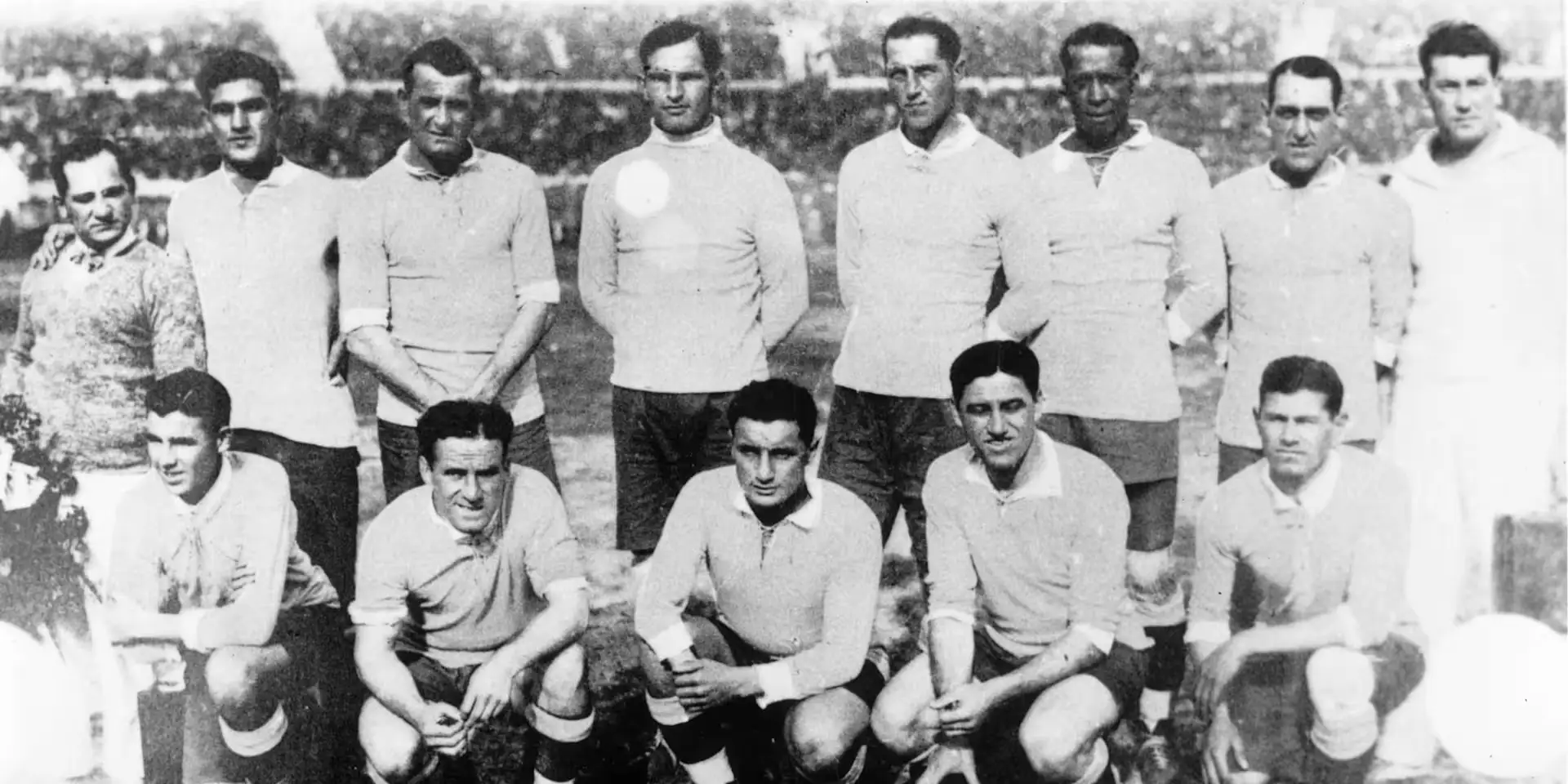
The World Cup stands as one of the most watched sporting events on the planet. From its first tournament in Uruguay in 1930, the competition has delivered countless unforgettable scenes, strange twists, and lasting records. These moments range from lost trophies found by dogs to barefoot players, headbutts in the final, and goalkeepers who relied on unusual habits.
A few months before the 1966 World Cup in England, the Jules Rimet trophy went on public display at a stamp exhibition in London. Security teams watched the display around the clock, yet thieves still broke into the case and stole the prize. Police received ransom notes and made several arrests, but none of the leads brought the trophy back. The search continued for nearly a week with no success.
 Via History
Six days after the theft, a man named David Corbett walked his dog Pickles through the Beulah Hill area of London. The dog stopped and began sniffing a parcel wrapped in newspaper. Inside the package sat the missing Jules Rimet trophy. Pickles became an instant hero across the country and beyond. Newspapers and radio stations celebrated the recovery, turning the ordinary dog into a national celebrity overnight.
England went on to win the tournament that same year, claiming its first and only World Cup title. The story of Pickles remains one of the most unusual recovery tales in sports history. Fans still recall how a simple walk with a dog returned the prize that every nation wanted to lift.
 Via History
 Via LinkedIn
This withdrawal left a lasting mark on the nation’s football story. Later generations of Indian players adopted boots and continued competing at higher levels. The 1950 episode still stands as a clear example of how cultural habits and strict rules can collide in international sport.
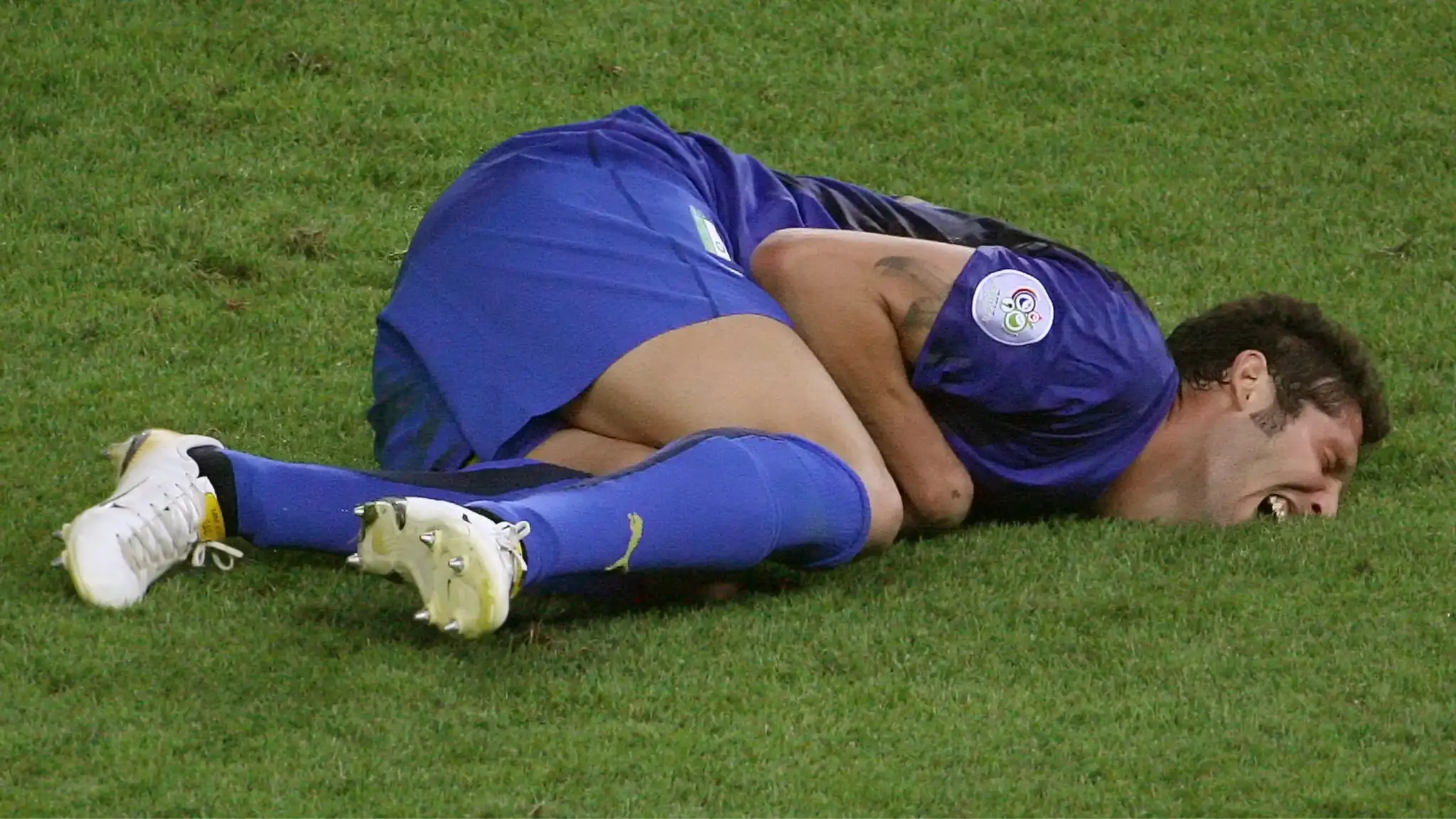 Via Goal
Many observers first thought the action came from a racial insult. Zidane’s family background led some to believe that explanation. Days later, the real reason surfaced. Materazzi had insulted Zidane’s sister during an exchange of words. The truth shifted the conversation from race to personal offense.
The incident received enormous media coverage across Europe and beyond. A French song called “Coup de Boule,” meaning headbutt, rose to the top of music charts in France and Belgium. Video clips of the moment spread widely on the internet. The headbutt remains one of the most discussed single actions in World Cup history.
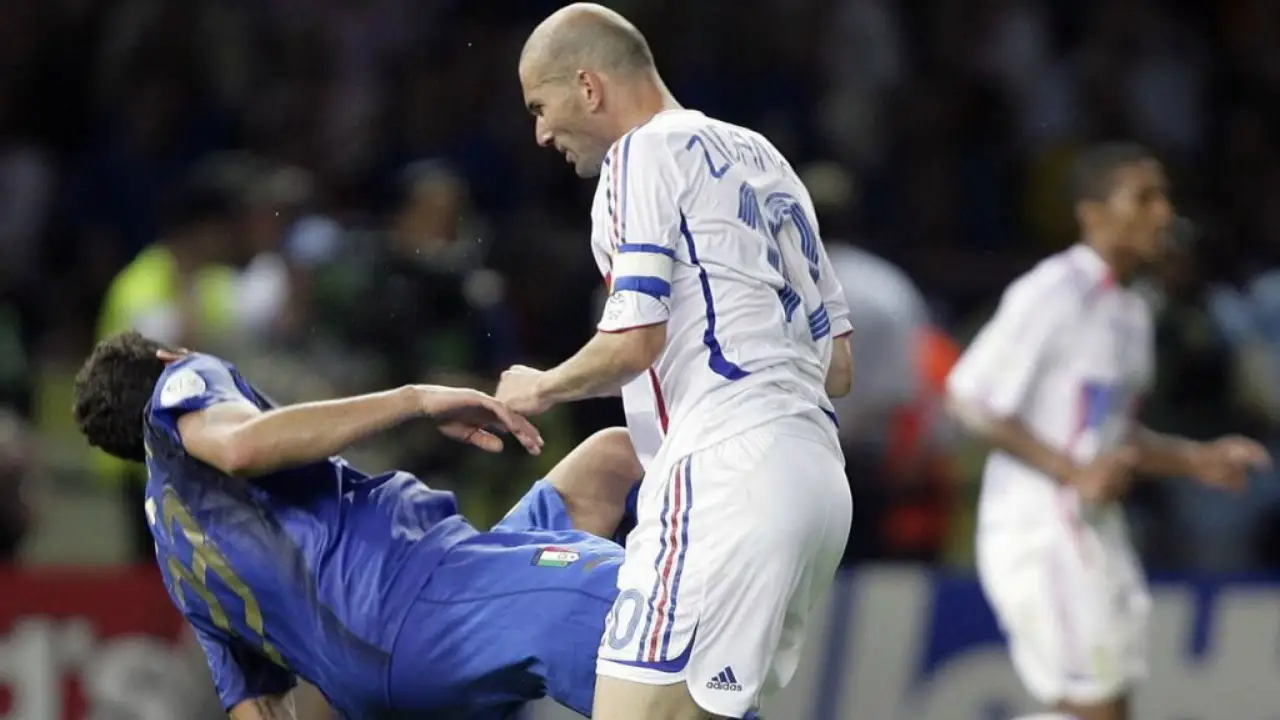 Via The18
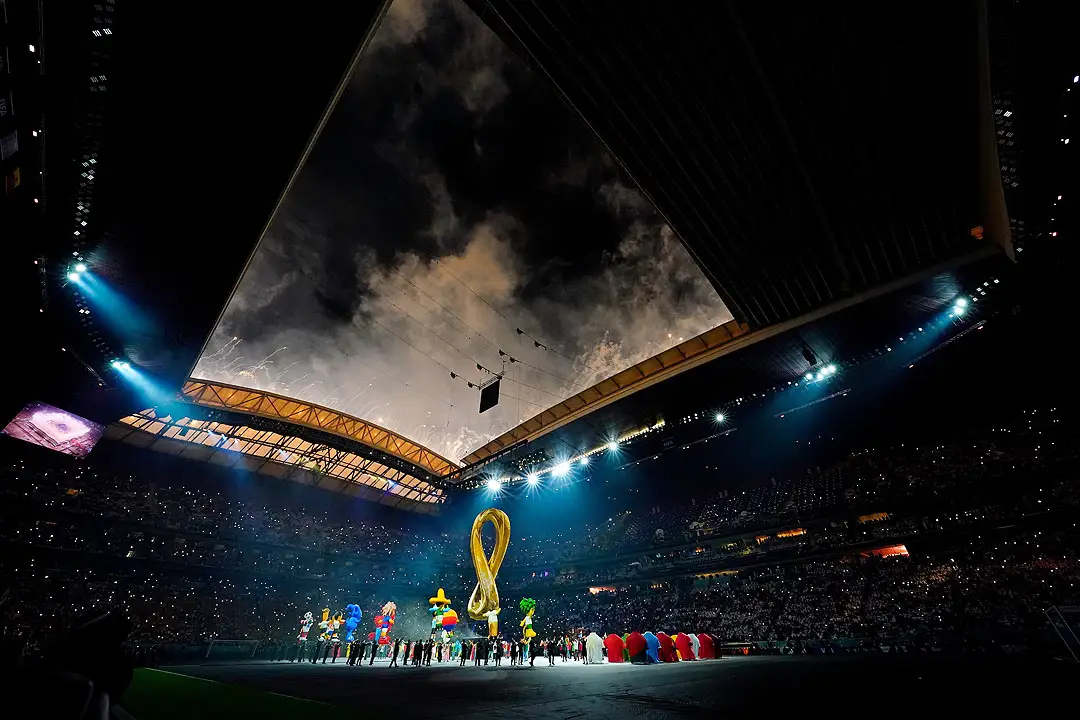 Via Business World
Television broadcasts replayed the moment for days afterward. Commentators treated the miss as light entertainment rather than a serious flaw. The 1994 opening remains a rare example of pure comedy mixed into the usually solemn start of a major tournament.
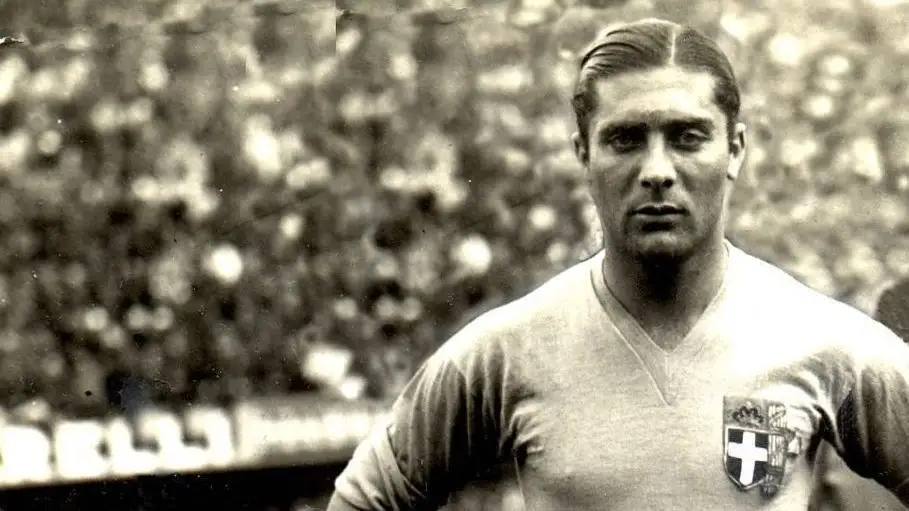 Via The New World
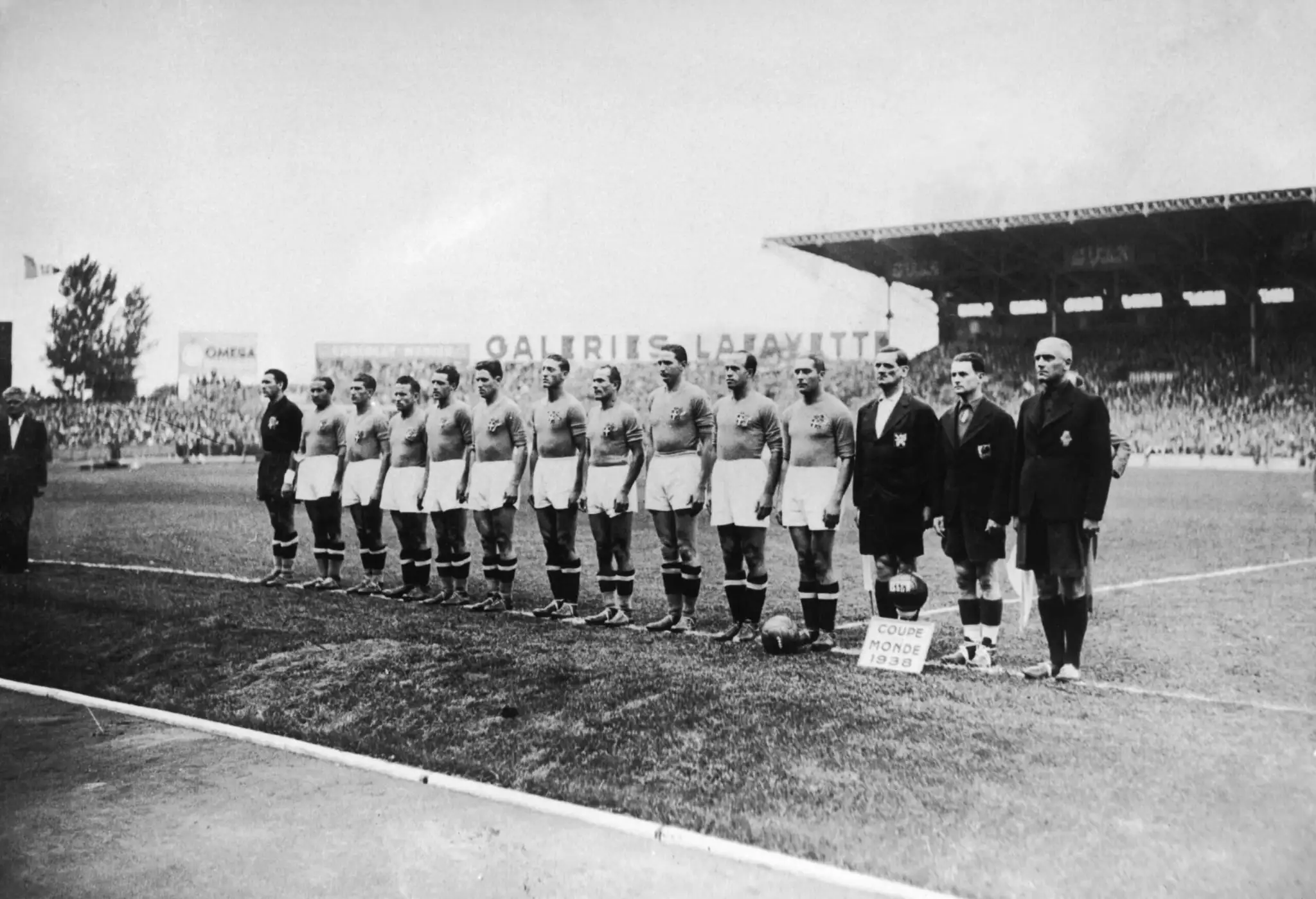
During the 1938 World Cup, Meazza faced Brazil in a key match. As he prepared to take a penalty kick, his shorts slipped down. Instead of stopping, he held the shorts up with one hand and struck the ball. The Brazilian goalkeeper was still laughing when the shot entered the net. Italy advanced to the final and later claimed a second straight title.
The moment entered football folklore. Players and fans still share the story as proof that focus can overcome almost any distraction. Meazza’s ability to score while managing a wardrobe failure remains one of the most memorable individual acts in the tournament’s early years.
 Via The New York Times
 Via Russia Beyond
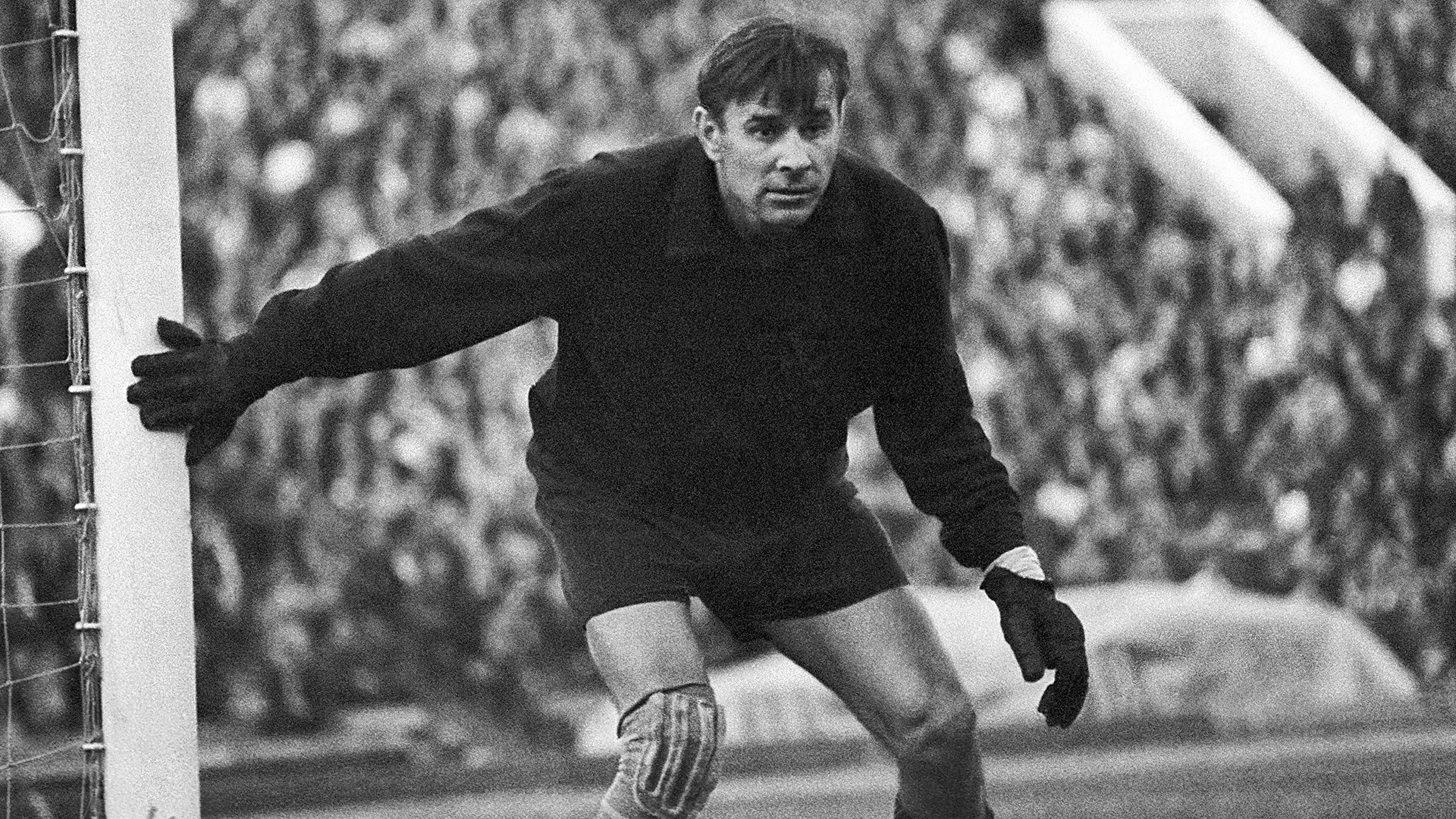
His performances justified the method in the eyes of supporters. Yashin produced spectacular saves in high-pressure games and helped the Soviet team reach strong positions in each tournament. The story of his pre-match habits continues to surprise new generations of fans who discover the Black Spider’s career.
 Via The Sporting News
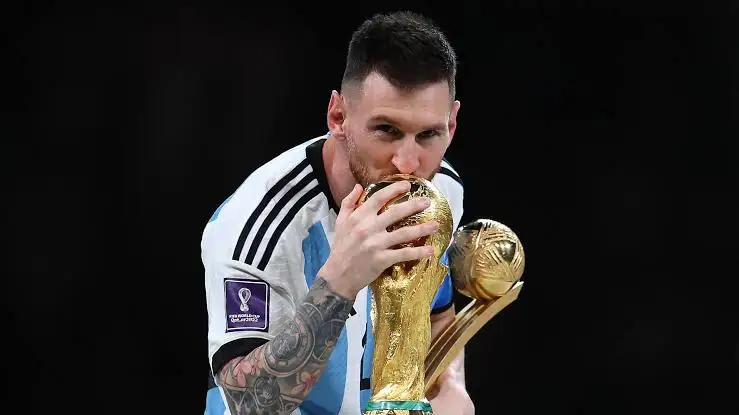
No nation has won three consecutive World Cups. Italy claimed back-to-back titles in 1934 and 1938. Brazil repeated the feat in 1958 and 1962. The highest-scoring match remains the 1954 meeting in which Austria defeated Switzerland by a score of 7-5. Russia’s Oleg Salenko scored five goals in a single game against Cameroon in 1994, still the individual record for one match.
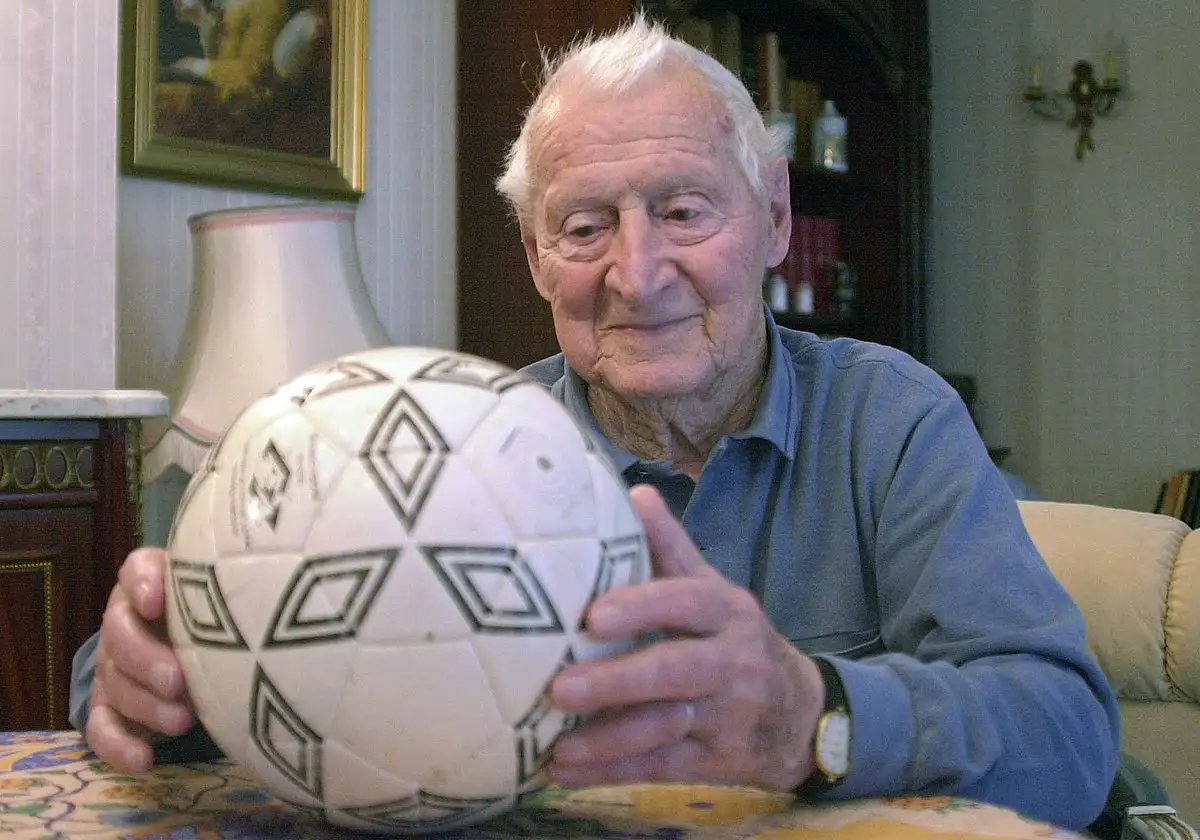
France’s Lucien Laurent scored the first goal in World Cup history on July 13, 1930. Germany’s Miroslav Klose finished his career as the all-time leading scorer with sixteen goals. France’s Just Fontaine scored thirteen goals in the 1958 tournament alone, a single-event mark that still stands. Brazilian star Pelé remains the only player to win three World Cups. He set multiple age records in 1958 as a seventeen-year-old, including the youngest goal scorer and the youngest player to appear in a final.
 Via X
The 2006 final between Italy and France drew more than 715 million viewers, showing the global reach the tournament had already achieved by that year. From the first eighteen matches in 1930 to the massive audiences of modern times, these numbers reveal how the competition has grown while still preserving its most surprising stories.
 Via Opta Analyst
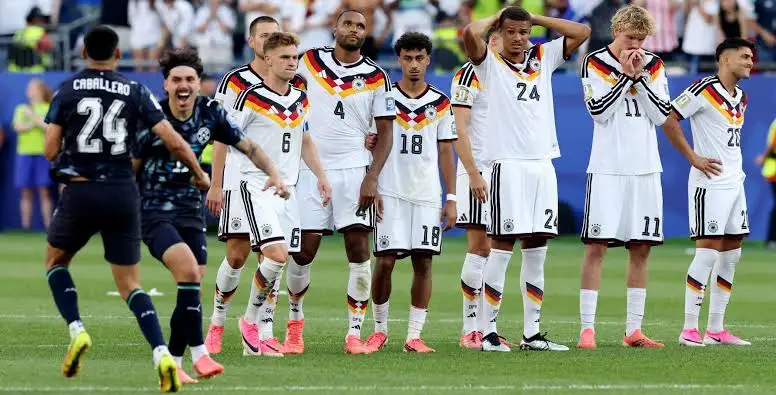
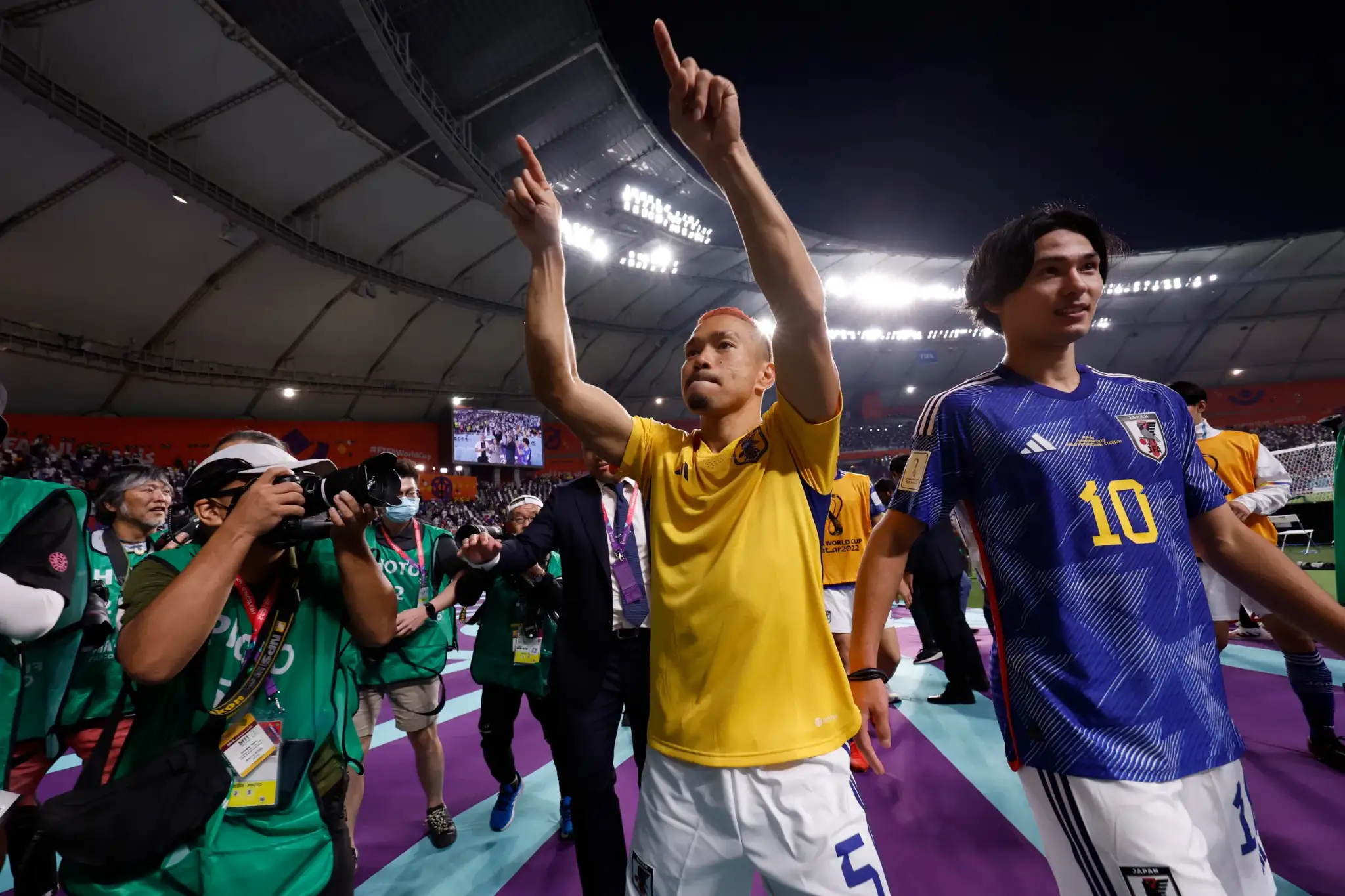
One of the greatest shocks came in 1966 when North Korea defeated Italy 1-0 to eliminate the two-time champions from the tournament. Cameroon stunned defending champions Argentina 1-0 in the opening match of the 1990 World Cup. Senegal repeated a similar surprise in 2002 by defeating defending champions France 1-0 in the opening game.
More recently, Saudi Arabia stunned eventual champions Argentina with a dramatic 2-1 victory during the 2022 group stage. Although Argentina recovered to win the tournament, the result became one of the biggest upsets in World Cup history. These unforgettable matches continue to prove that every tournament can produce moments that nobody expects.
 Via SB Nation
 Via Sports Illustrated
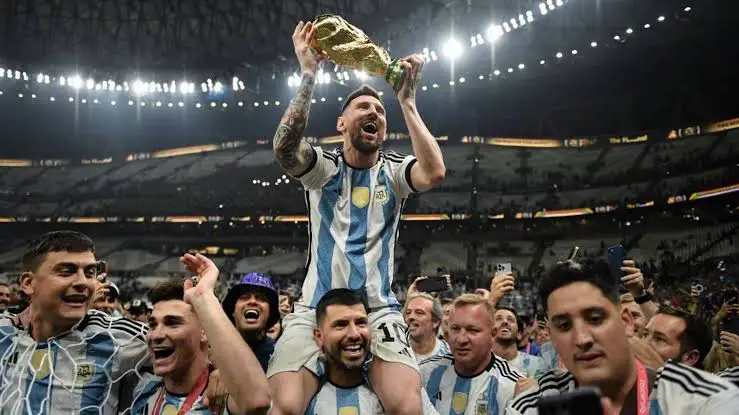
Other remarkable records include the fastest World Cup goal, scored by Turkey's Hakan Şükür after only eleven seconds in 2002, and the oldest goalscorer, Cameroon's Roger Milla, who found the net at the age of forty-two in 1994. Each tournament creates new stars, but these extraordinary records continue to challenge even the greatest footballers.
More in UnassignedVia History
Six days after the theft, a man named David Corbett walked his dog Pickles through the Beulah Hill area of London. The dog stopped and began sniffing a parcel wrapped in newspaper. Inside the package sat the missing Jules Rimet trophy. Pickles became an instant hero across the country and beyond. Newspapers and radio stations celebrated the recovery, turning the ordinary dog into a national celebrity overnight.
England went on to win the tournament that same year, claiming its first and only World Cup title. The story of Pickles remains one of the most unusual recovery tales in sports history. Fans still recall how a simple walk with a dog returned the prize that every nation wanted to lift.
Via History
The Barefoot Decision That Ended a Journey
India earned a place in the 1950 World Cup held in Brazil. The team had shown strong form in earlier competitions and looked ready to compete on the world stage. Financial pressures played a part in the final decision, yet another rule proved just as important. FIFA required every player to wear shoes during matches. Indian footballers at that time trained and played almost entirely barefoot. The players felt more comfortable and skilled without footwear. When officials insisted on shoes, the team chose to withdraw rather than change its style. The decision removed India from the tournament before a single match began.
Via LinkedIn
This withdrawal left a lasting mark on the nation’s football story. Later generations of Indian players adopted boots and continued competing at higher levels. The 1950 episode still stands as a clear example of how cultural habits and strict rules can collide in international sport.
The Headbutt That Stopped the Final
The 2006 World Cup final in Germany featured France against Italy. Late in the match, French midfielder Zinedine Zidane suddenly charged at Italian defender Marco Materazzi. Zidane struck the defender in the chest with his head. The move stunned the crowd, the players, and the millions watching on television.Via Goal
Many observers first thought the action came from a racial insult. Zidane’s family background led some to believe that explanation. Days later, the real reason surfaced. Materazzi had insulted Zidane’s sister during an exchange of words. The truth shifted the conversation from race to personal offense.
The incident received enormous media coverage across Europe and beyond. A French song called “Coup de Boule,” meaning headbutt, rose to the top of music charts in France and Belgium. Video clips of the moment spread widely on the internet. The headbutt remains one of the most discussed single actions in World Cup history.
Via The18
An Opening Ceremony That Missed the Target
The 1994 World Cup opened in the United States at Chicago’s Soldier Field. American singer Diana Ross performed as the main act during the opening ceremony. The planned routine ended with a dramatic shot at a goal. Stage designers arranged for the net to split open at the exact moment the ball crossed the line. Ross took her shot and sent the ball far wide of the target. The goal still split open exactly as planned, creating a comic moment that few expected. Spectators laughed while the cameras captured every second of the miss. The ceremony continued without further disruption, yet the wide shot became the lasting memory of the night.Via Business World
Television broadcasts replayed the moment for days afterward. Commentators treated the miss as light entertainment rather than a serious flaw. The 1994 opening remains a rare example of pure comedy mixed into the usually solemn start of a major tournament.
Shorts That Fell and a Goal That Stood
Italian forward Giuseppe “Peppino” Meazza helped his country win the 1934 World Cup. He became equally famous for his life away from the pitch. Stories claim he often spent nights before matches in places of nightlife and arrived late for training sessions. His skill on the field, however, rarely suffered.
Via The New World
During the 1938 World Cup, Meazza faced Brazil in a key match. As he prepared to take a penalty kick, his shorts slipped down. Instead of stopping, he held the shorts up with one hand and struck the ball. The Brazilian goalkeeper was still laughing when the shot entered the net. Italy advanced to the final and later claimed a second straight title.
The moment entered football folklore. Players and fans still share the story as proof that focus can overcome almost any distraction. Meazza’s ability to score while managing a wardrobe failure remains one of the most memorable individual acts in the tournament’s early years.
Via The New York Times
A Goalkeeper’s Unusual Match Routine
Soviet goalkeeper Lev Yashin played in three World Cups between 1958 and 1966. Fans called him the Black Spider because of his all-black kit and his talent for stopping shots that seemed certain to score. Experts later voted him the greatest goalkeeper of the twentieth century. When asked about his preparation before matches, Yashin described a simple sequence. He first smoked a cigarette to calm his nerves. Next, he drank a strong beverage to loosen his muscles. The routine sounded strange to many, yet Yashin trusted it throughout his career.Via Russia Beyond
His performances justified the method in the eyes of supporters. Yashin produced spectacular saves in high-pressure games and helped the Soviet team reach strong positions in each tournament. The story of his pre-match habits continues to surprise new generations of fans who discover the Black Spider’s career.
Records That Define the Competition
Brazil has appeared in every World Cup since the first tournament, a streak that no other nation can match. Only eight countries have ever lifted the trophy: Brazil, Italy, Germany, Argentina, Uruguay, England, Spain, and France. Brazil leads with five titles while Italy and Germany each hold four.
Via The Sporting News
No nation has won three consecutive World Cups. Italy claimed back-to-back titles in 1934 and 1938. Brazil repeated the feat in 1958 and 1962. The highest-scoring match remains the 1954 meeting in which Austria defeated Switzerland by a score of 7-5. Russia’s Oleg Salenko scored five goals in a single game against Cameroon in 1994, still the individual record for one match.
France’s Lucien Laurent scored the first goal in World Cup history on July 13, 1930. Germany’s Miroslav Klose finished his career as the all-time leading scorer with sixteen goals. France’s Just Fontaine scored thirteen goals in the 1958 tournament alone, a single-event mark that still stands. Brazilian star Pelé remains the only player to win three World Cups. He set multiple age records in 1958 as a seventeen-year-old, including the youngest goal scorer and the youngest player to appear in a final.
Via X
The 2006 final between Italy and France drew more than 715 million viewers, showing the global reach the tournament had already achieved by that year. From the first eighteen matches in 1930 to the massive audiences of modern times, these numbers reveal how the competition has grown while still preserving its most surprising stories.
The Biggest World Cup Upsets That Changed History
The World Cup has produced results that few experts believed were possible. Smaller football nations have sometimes defeated reigning champions and tournament favorites despite entering as heavy underdogs. These unexpected victories reminded fans that reputation alone never guarantees success on the world's biggest stage.
Via Opta Analyst
One of the greatest shocks came in 1966 when North Korea defeated Italy 1-0 to eliminate the two-time champions from the tournament. Cameroon stunned defending champions Argentina 1-0 in the opening match of the 1990 World Cup. Senegal repeated a similar surprise in 2002 by defeating defending champions France 1-0 in the opening game.
More recently, Saudi Arabia stunned eventual champions Argentina with a dramatic 2-1 victory during the 2022 group stage. Although Argentina recovered to win the tournament, the result became one of the biggest upsets in World Cup history. These unforgettable matches continue to prove that every tournament can produce moments that nobody expects.
Via SB Nation
World Cup Records That May Never Be Broken
Some World Cup achievements have stood for decades despite changes in tactics, training, and the number of matches played. Every new generation of players tries to challenge these milestones, yet many continue to survive the test of time. France's Just Fontaine scored thirteen goals during the 1958 World Cup, a single-tournament record that no player has matched. Germany's Miroslav Klose remains the all-time leading scorer with sixteen World Cup goals, while Brazil's Pelé is still the only player to win three World Cup titles. These accomplishments have become benchmarks for greatness in international football.
Via Sports Illustrated
Other remarkable records include the fastest World Cup goal, scored by Turkey's Hakan Şükür after only eleven seconds in 2002, and the oldest goalscorer, Cameroon's Roger Milla, who found the net at the age of forty-two in 1994. Each tournament creates new stars, but these extraordinary records continue to challenge even the greatest footballers.