Unassigned
100 Years of Horror Villains & the Fears Behind Them
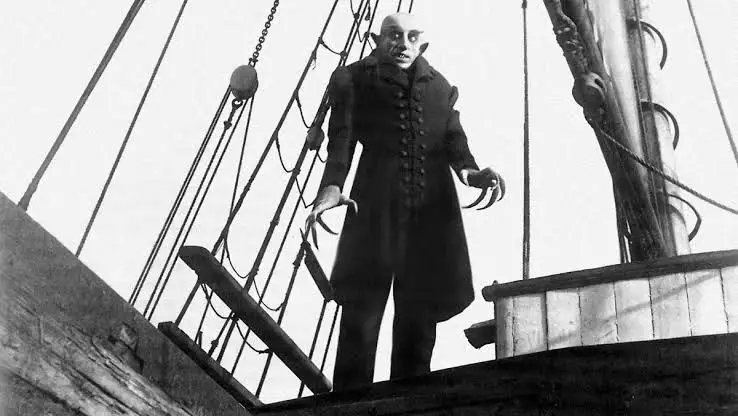
Silent films such as The Cabinet of Dr. Caligari and Nosferatu brought strange European nightmares to screens. Talkies soon made the genre even more powerful. During the Great Depression, people sought escape in comedies and scary movies. Universal Studios led the way in the early 1930s with classic monster films.
These stories came mostly from books and felt distant from everyday American life. Many early horror tales took place in exotic European settings with dark castles and mysterious figures. This distance helped audiences face danger without feeling it was too close to home. The monsters seemed to come from faraway places, which matched worries about foreign threats at the time.
 Via Alamy Stock Photo
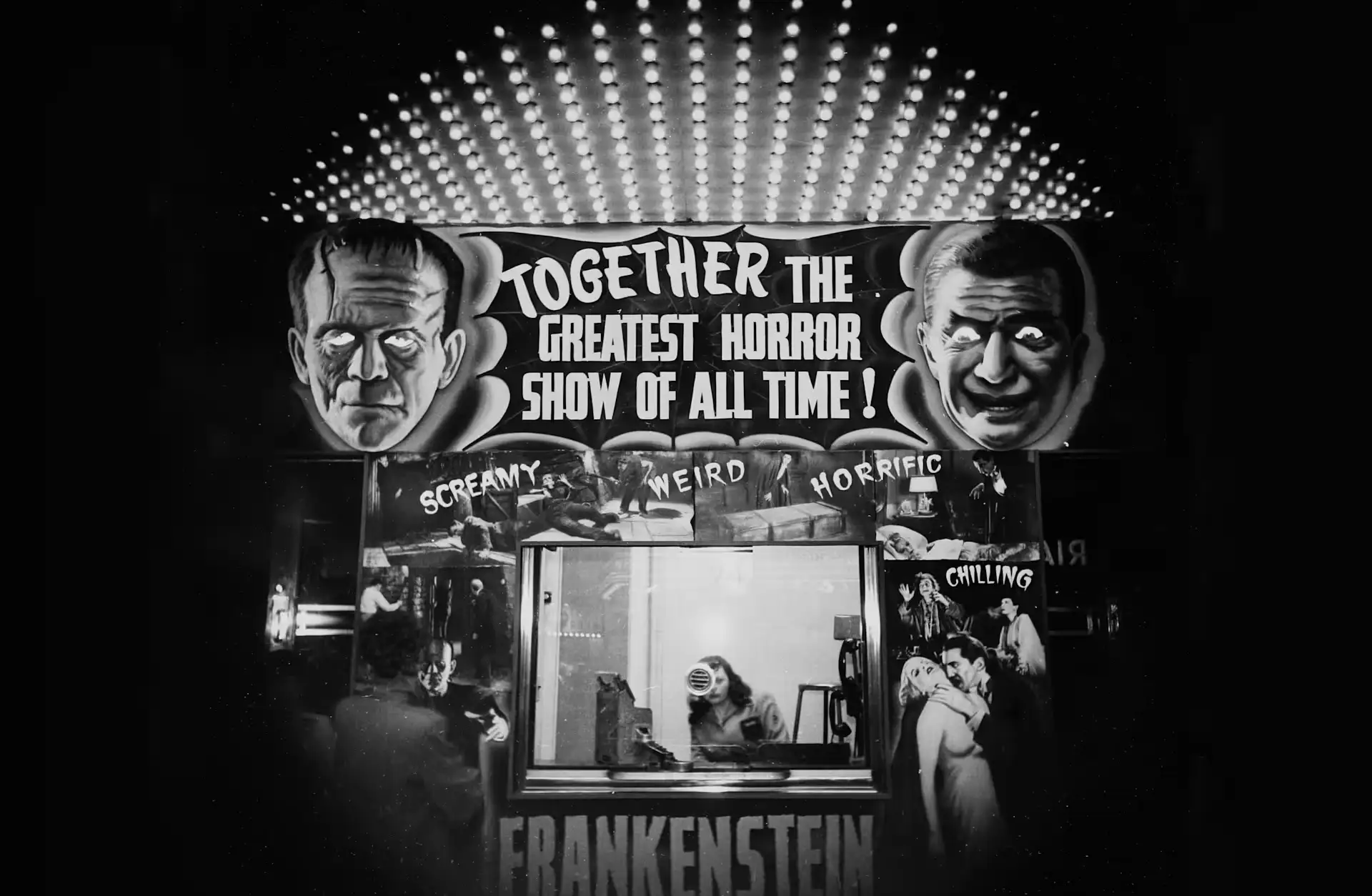
Viewers could stare at fear while staying safely in their seats. The combination of strange locations and powerful performances turned these films into lasting favorites. Theater posters and ticket booths advertised double features of Frankenstein and Dracula, drawing big crowds.
People found comfort in watching these far-off horrors while real life felt hard. The films mixed literary roots with new sound technology to create lasting images of vampires, reanimated creatures, and ancient curses. These early monsters set patterns that later decades would expand and change.
 Via Yahoo
 Via History
Critics at the time linked the pods to ideas of communism taking over a person from within. The film showed how someone could look the same on the outside while changing completely inside. This mix of nuclear dread and social suspicion gave 1950s horror its special shape. Audiences left theaters thinking about both radiation and the possibility that the person next door was no longer the same.
 Via History
Night of the Living Dead looked like a zombie story on the surface, yet it focused more on the living. Strangers trapped in a farmhouse faced both the walking dead and each other. Trust fell apart as fear grew. The black-and-white style made the film feel like real news footage. In one powerful moment, a Black man survived the ghouls only to die at the hands of authorities who mistook him for a threat.
Rosemary’s Baby added another layer by mixing everyday home life with occult fear. It explored worries about control over the body and changing roles for women. Domestic spaces that once felt safe became places where evil could enter. These films together showed that the greatest threats might live right next door or even inside the family itself.
 Via Nerdist
 Via History
Halloween introduced Michael Myers as he escaped an institution and hunted teens in a quiet suburb. These movies created clear patterns: young people who ignored warnings often paid a high price. The killers seemed unstoppable, and the settings felt close to real neighborhoods. John Carpenter’s Halloween became a model that many later films copied.
The silent, masked figure stalking ordinary streets turned suburban safety into a source of dread. Combined with the occult stories, the decade mixed spiritual invasion with physical violence. Audiences faced both supernatural evil and human monsters who looked almost normal until the attacks began.
 Via History
 Via Daily Dead
John Carpenter’s The Thing stood apart as a story of deep paranoia. An alien found under Arctic ice infected people and turned them into monsters. A small group trapped together slowly lost trust because no one could tell who was still human. Some viewers linked the tale to fears of hidden enemies during the late Cold War. Others saw echoes of a new disease spreading through blood.
 Via Movie Web
Near the end of the decade, The Blair Witch Project created a new kind of fear through found footage. The story presented itself as recovered tapes from young filmmakers who vanished in the woods. Marketing listed the actors as missing or dead and built websites full of fake evidence. This approach blurred the line between movie and reality at a time when the internet was growing.
These changes showed horror adapting to new technology and smarter audiences. Self-aware stories and realistic presentation replaced pure formula. Viewers left wondering what was real and what was staged. The decade proved that the genre could reinvent itself by playing with its own history and the tools of the moment.
 Via Paste Magazine
 Via Movie Web
These films asked hard questions about what people might do when trapped and desperate. The violence stayed front and center, yet the deeper interest lay in the breakdown of trust and the limits of endurance. Horror once again held up a mirror to a world that suddenly seemed full of hidden threats.
 Via Cinecentric
Psychological pressure often mattered as much as any monster. Characters faced threats that grew from relationships, history, or quiet neighborhood secrets. The stories felt ambitious and connected to real social questions. Viewers responded to the careful craft and the way ordinary settings turned unsettling.
This approach continued the long tradition of horror reflecting the fears of its time. Across more than a hundred years, the monsters changed shape while the basic human worries stayed the same. Death, loss of control, hidden enemies, and the breakdown of trust appeared again and again in new forms. Each decade simply gave those shared fears a fresh face that matched the moment.
 Via Game Rant
 Via The New York Times
These films continued the long pattern of reflecting the biggest fears of the moment. Isolation, loss of control, and uncertainty about what was real found fresh shapes in locked-down settings and glowing screens. The monsters and dangers changed form once again, yet the deep human worries stayed familiar. Horror kept its role as a mirror that helped people face the strange new shape of everyday life.
More in UnassignedVia Alamy Stock Photo
Viewers could stare at fear while staying safely in their seats. The combination of strange locations and powerful performances turned these films into lasting favorites. Theater posters and ticket booths advertised double features of Frankenstein and Dracula, drawing big crowds.
People found comfort in watching these far-off horrors while real life felt hard. The films mixed literary roots with new sound technology to create lasting images of vampires, reanimated creatures, and ancient curses. These early monsters set patterns that later decades would expand and change.
Via Yahoo
1950s Nuclear Fears
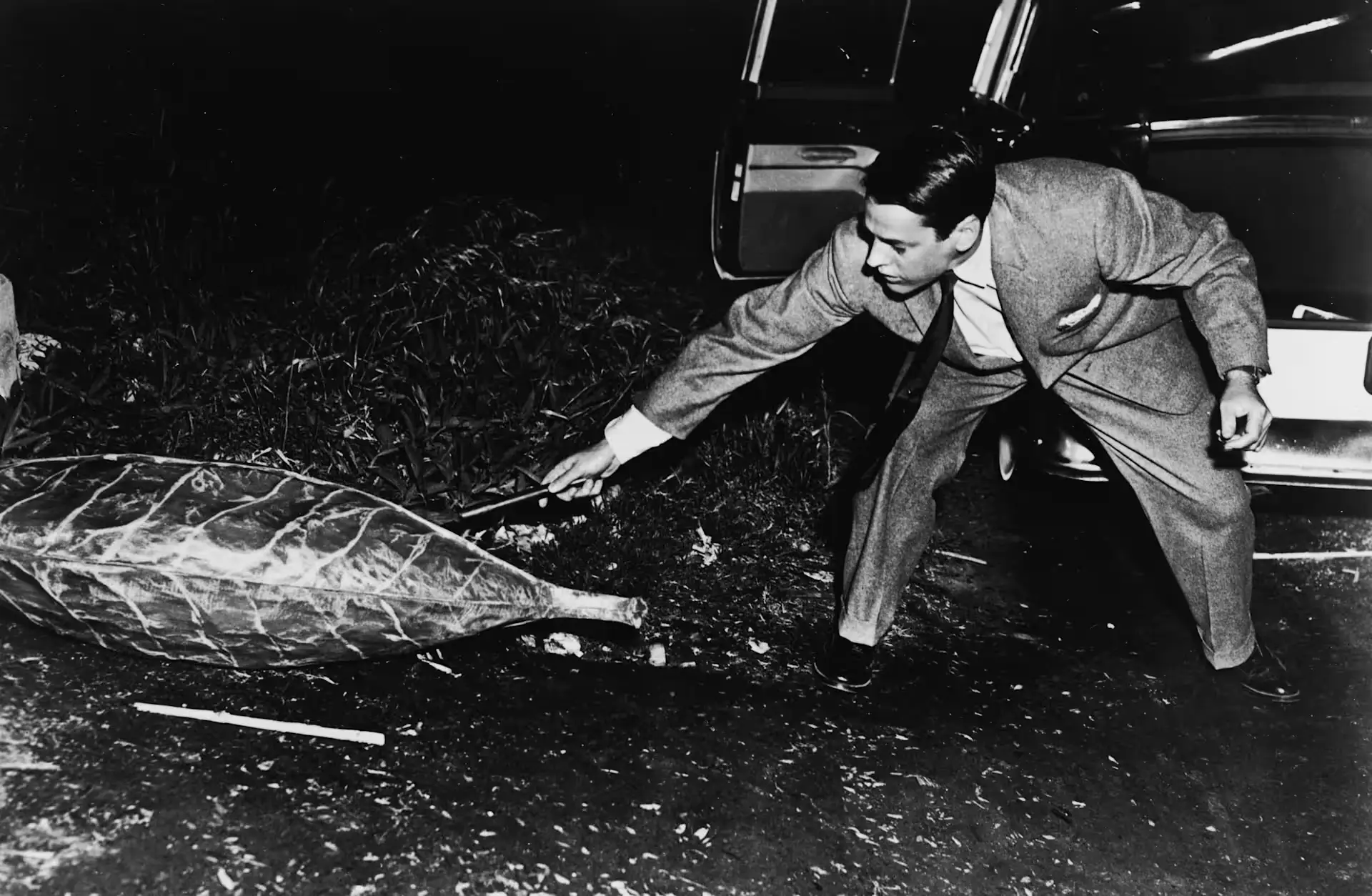
The first nuclear weapons in 1945 introduced a new kind of global danger. Japan’s original Godzilla film in 1954 responded directly to the shadows of Nagasaki and Hiroshima. The giant creature rose from nuclear testing, just like many other mutants and monsters in low-budget movies of the era. One famous example showed giant irradiated ants terrorizing people. Other movies followed the same idea of nature gone wrong because of atomic power. Not every story looked only at science. Invasion of the Body Snatchers told of space pods that replaced neighbors with emotionless copies. A doctor in a quiet California town watched as familiar faces turned cold and strange.Via History
Critics at the time linked the pods to ideas of communism taking over a person from within. The film showed how someone could look the same on the outside while changing completely inside. This mix of nuclear dread and social suspicion gave 1950s horror its special shape. Audiences left theaters thinking about both radiation and the possibility that the person next door was no longer the same.
1960s The People Next Door
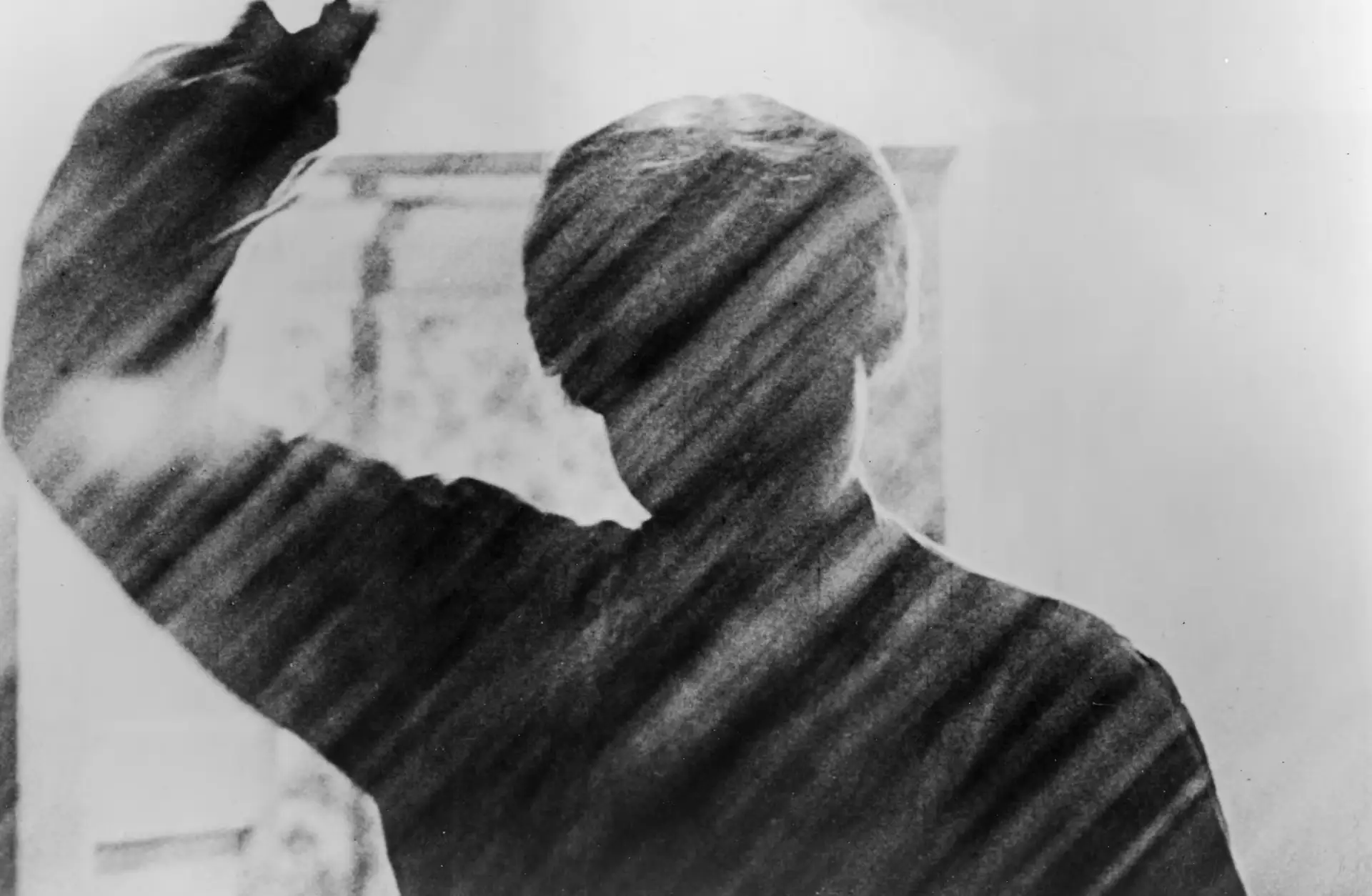
Alfred Hitchcock’s Psycho shifted horror away from pure monsters toward the dark corners of the human mind. Norman Bates, based in part on a real criminal, became a quiet and ordinary figure who turned deadly. Danger no longer needed demons or aliens. It could come from someone who seemed normal. The famous shower scene used close shots, quick cuts, and sharp sounds to create lasting shock. Viewers realized that everyday people could hide terrible secrets.Via History
Night of the Living Dead looked like a zombie story on the surface, yet it focused more on the living. Strangers trapped in a farmhouse faced both the walking dead and each other. Trust fell apart as fear grew. The black-and-white style made the film feel like real news footage. In one powerful moment, a Black man survived the ghouls only to die at the hands of authorities who mistook him for a threat.
Rosemary’s Baby added another layer by mixing everyday home life with occult fear. It explored worries about control over the body and changing roles for women. Domestic spaces that once felt safe became places where evil could enter. These films together showed that the greatest threats might live right next door or even inside the family itself.
Via Nerdist
1970s Satan and Slashers
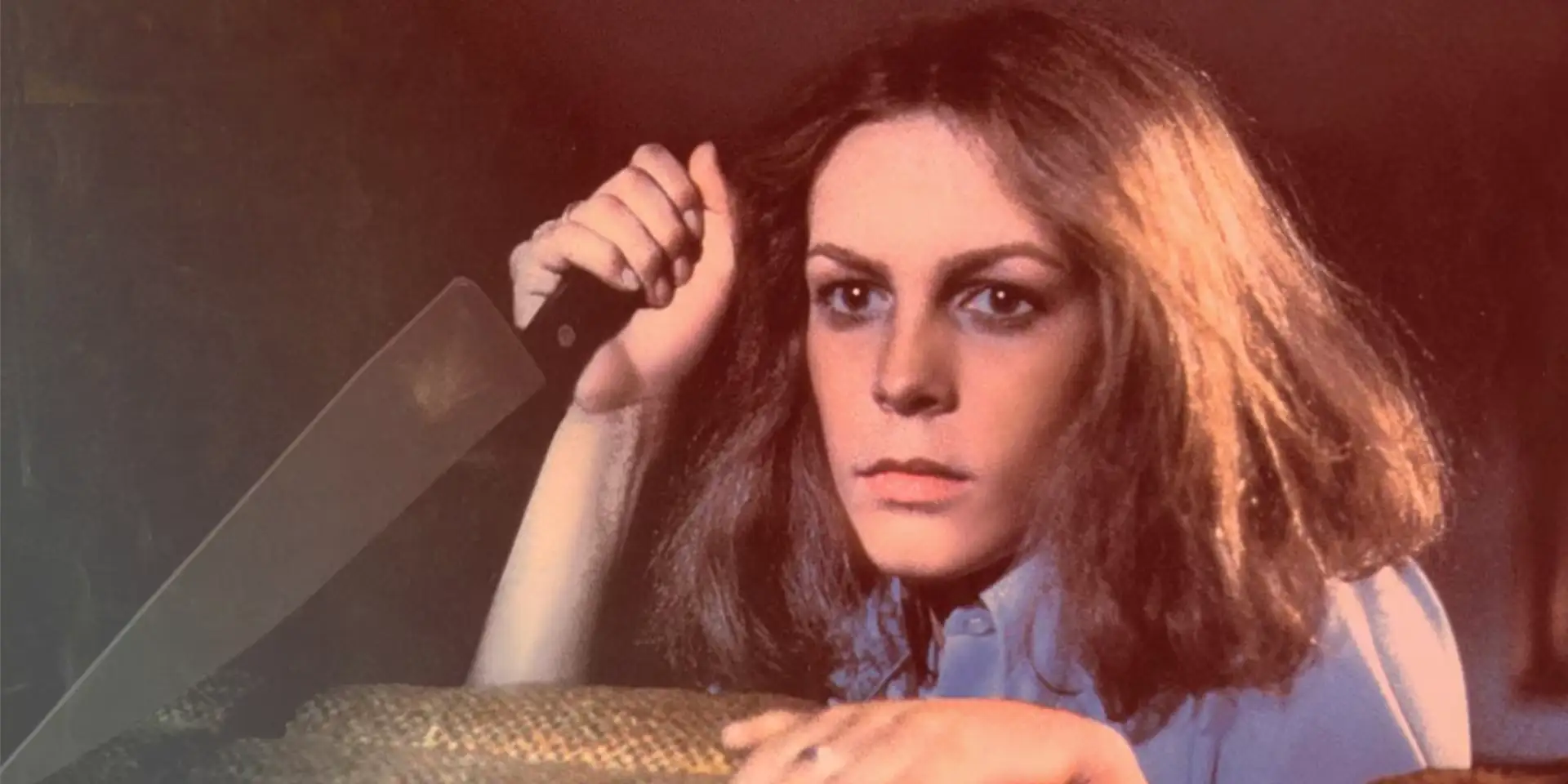
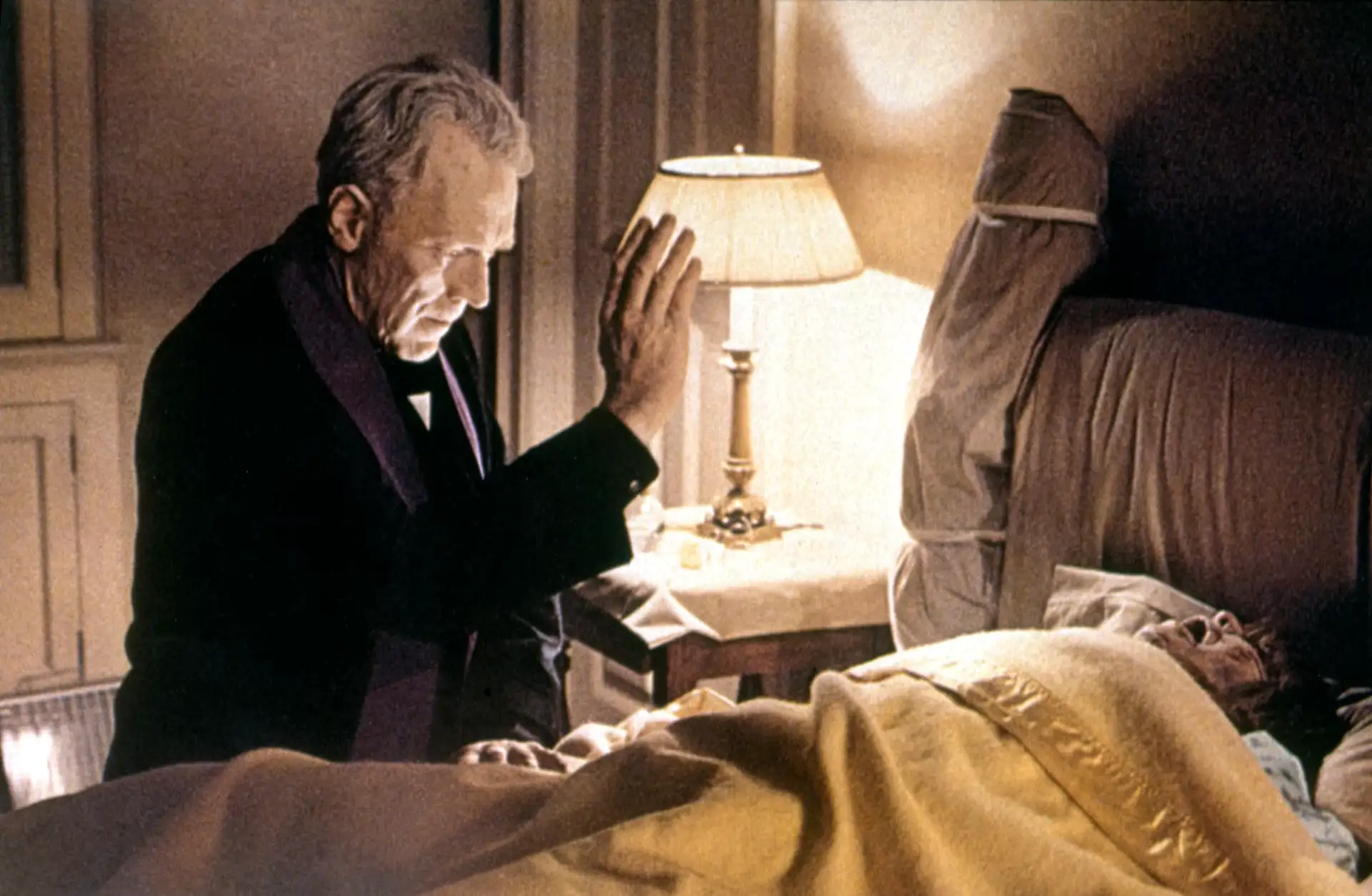
A wave of films about Satan and the occult followed Rosemary’s Baby. The Omen revealed a child as the Antichrist and brought evil into family and religious settings. The Exorcist went further with graphic scenes that left some viewers sick or fainting. A young girl possessed by a demon attacked the foundations of church and home. Many saw the story as a reaction to social changes of the previous decade, including long hair, open criticism of parents, and growing gaps between generations. Low-budget slashers soon took over with high suspense and heavy blood. The Texas Chain Saw Massacre showed a family of killers preying on travelers.Via History
Halloween introduced Michael Myers as he escaped an institution and hunted teens in a quiet suburb. These movies created clear patterns: young people who ignored warnings often paid a high price. The killers seemed unstoppable, and the settings felt close to real neighborhoods. John Carpenter’s Halloween became a model that many later films copied.
The silent, masked figure stalking ordinary streets turned suburban safety into a source of dread. Combined with the occult stories, the decade mixed spiritual invasion with physical violence. Audiences faced both supernatural evil and human monsters who looked almost normal until the attacks began.
Via History
1980s Jason, Freddy and Many More
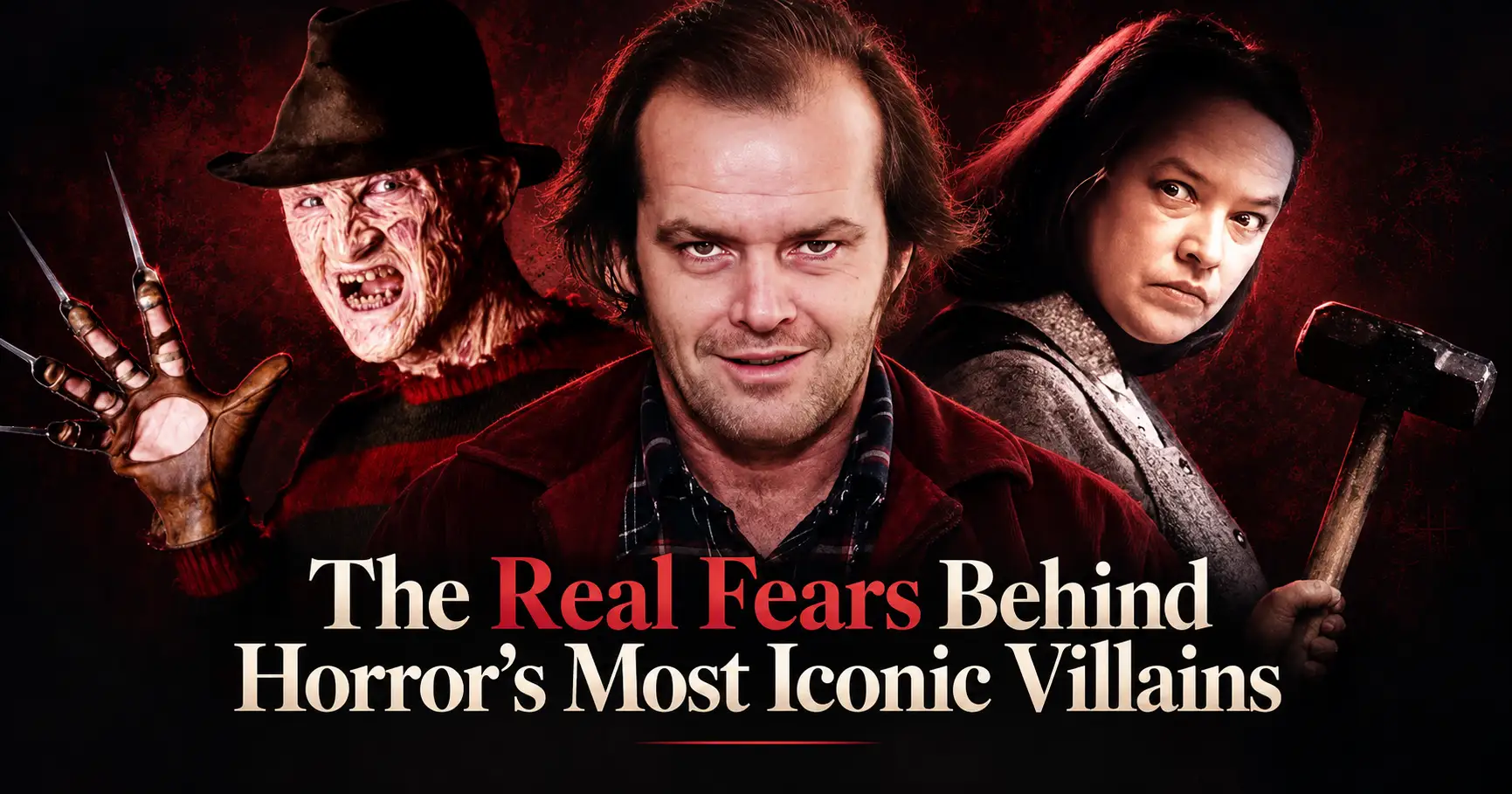
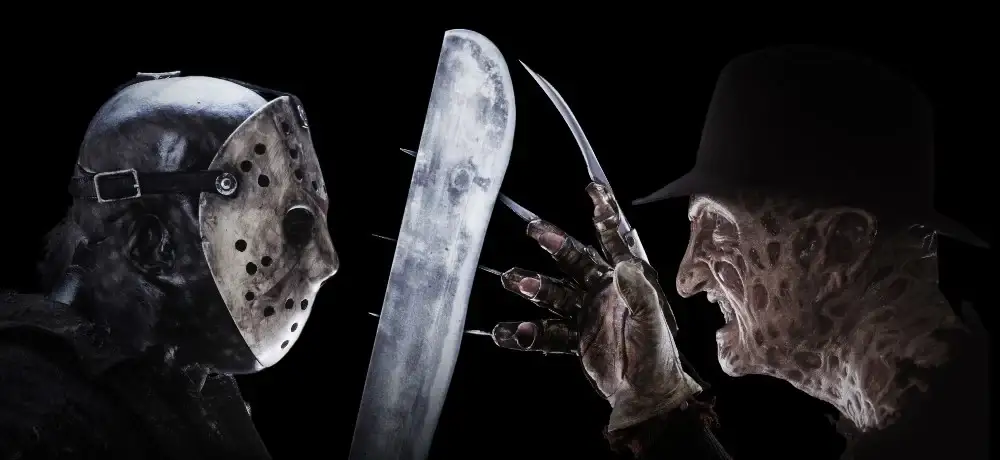
Halloween’s success made slashers the main face of horror in the 1980s. Jason Voorhees appeared in Friday the 13th and returned through many sequels, finally wearing his famous hockey mask. Freddy Krueger entered dreams in A Nightmare on Elm Street and killed teens while they slept. His knife-glove and burned face turned him into a cultural star who showed up in music videos and specials. These villains became pop-culture figures that people recognized even outside theaters. The stories often punished characters who broke rules about sex or independence, reflecting certain social attitudes of the time. At the same time, the films offered thrills through inventive kills and memorable designs.
Via Daily Dead
John Carpenter’s The Thing stood apart as a story of deep paranoia. An alien found under Arctic ice infected people and turned them into monsters. A small group trapped together slowly lost trust because no one could tell who was still human. Some viewers linked the tale to fears of hidden enemies during the late Cold War. Others saw echoes of a new disease spreading through blood.
1990s Genre-Bending
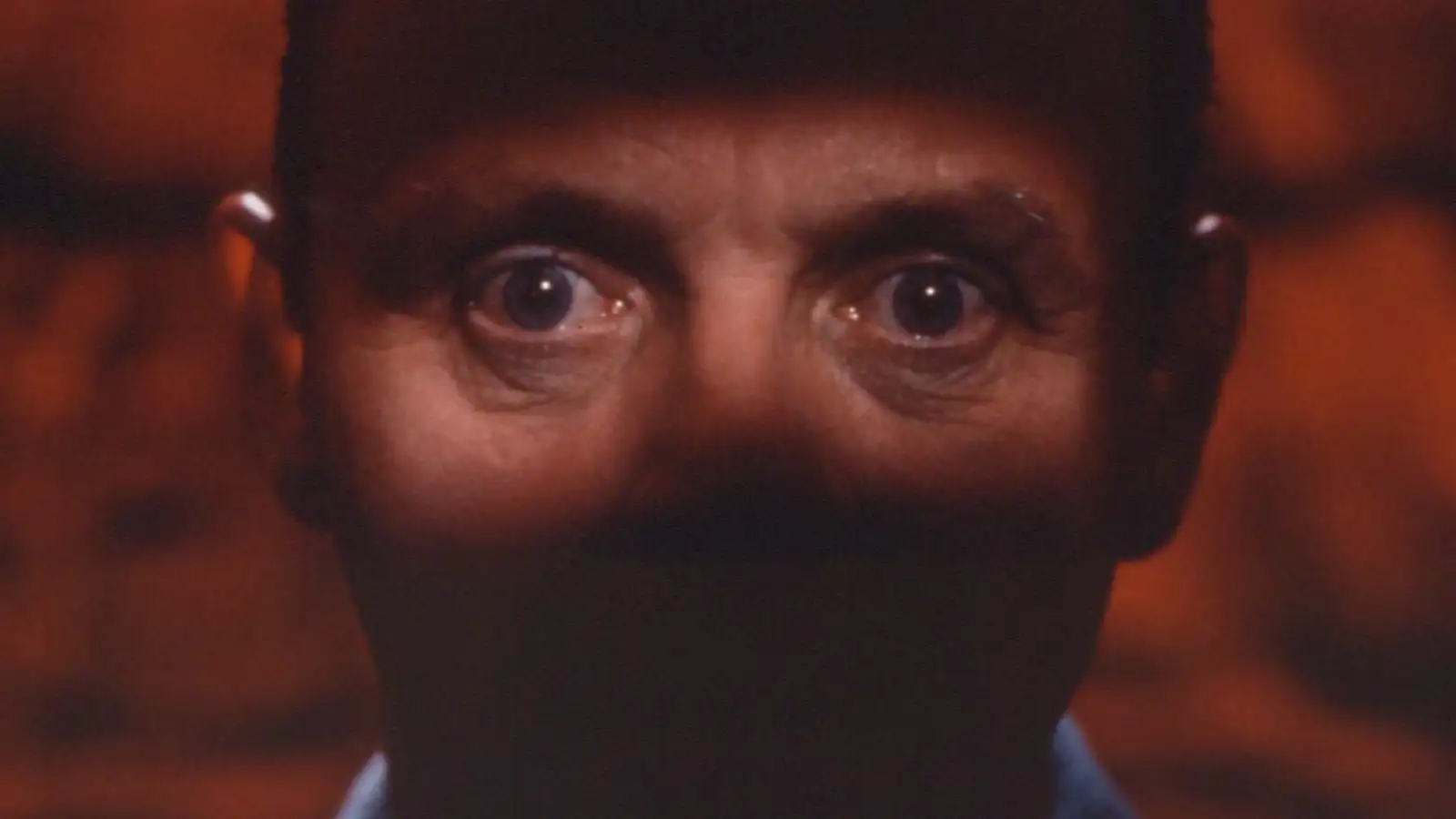
Slasher sequels continued, yet many plots felt tired. The Silence of the Lambs raised horror to serious awards level by focusing on a brilliant and real-feeling serial killer. It proved that psychological terror could win major prizes and reach wider audiences. Wes Craven then refreshed the formula with Scream. The movie joked about the rules of earlier slashers while still delivering scares.Via Movie Web
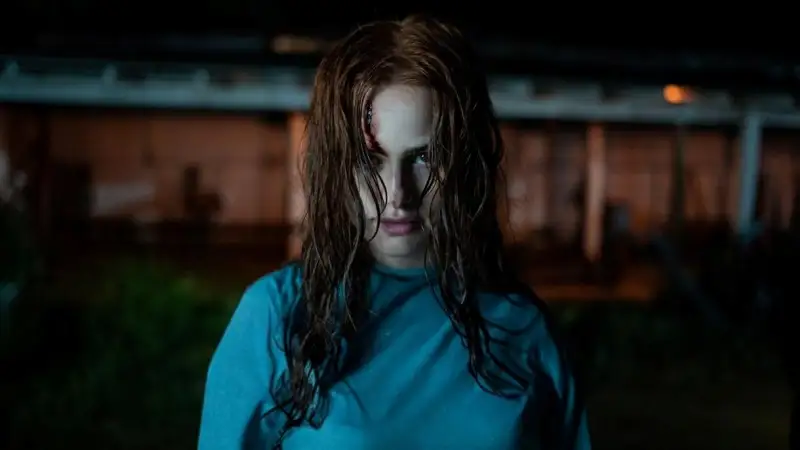
Near the end of the decade, The Blair Witch Project created a new kind of fear through found footage. The story presented itself as recovered tapes from young filmmakers who vanished in the woods. Marketing listed the actors as missing or dead and built websites full of fake evidence. This approach blurred the line between movie and reality at a time when the internet was growing.
These changes showed horror adapting to new technology and smarter audiences. Self-aware stories and realistic presentation replaced pure formula. Viewers left wondering what was real and what was staged. The decade proved that the genre could reinvent itself by playing with its own history and the tools of the moment.
Via Paste Magazine
2000s Torture Terror
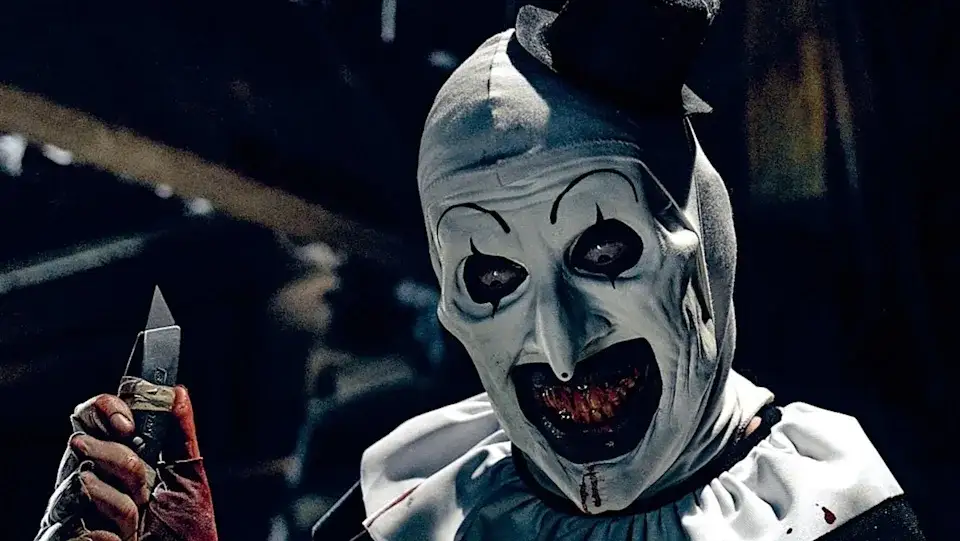
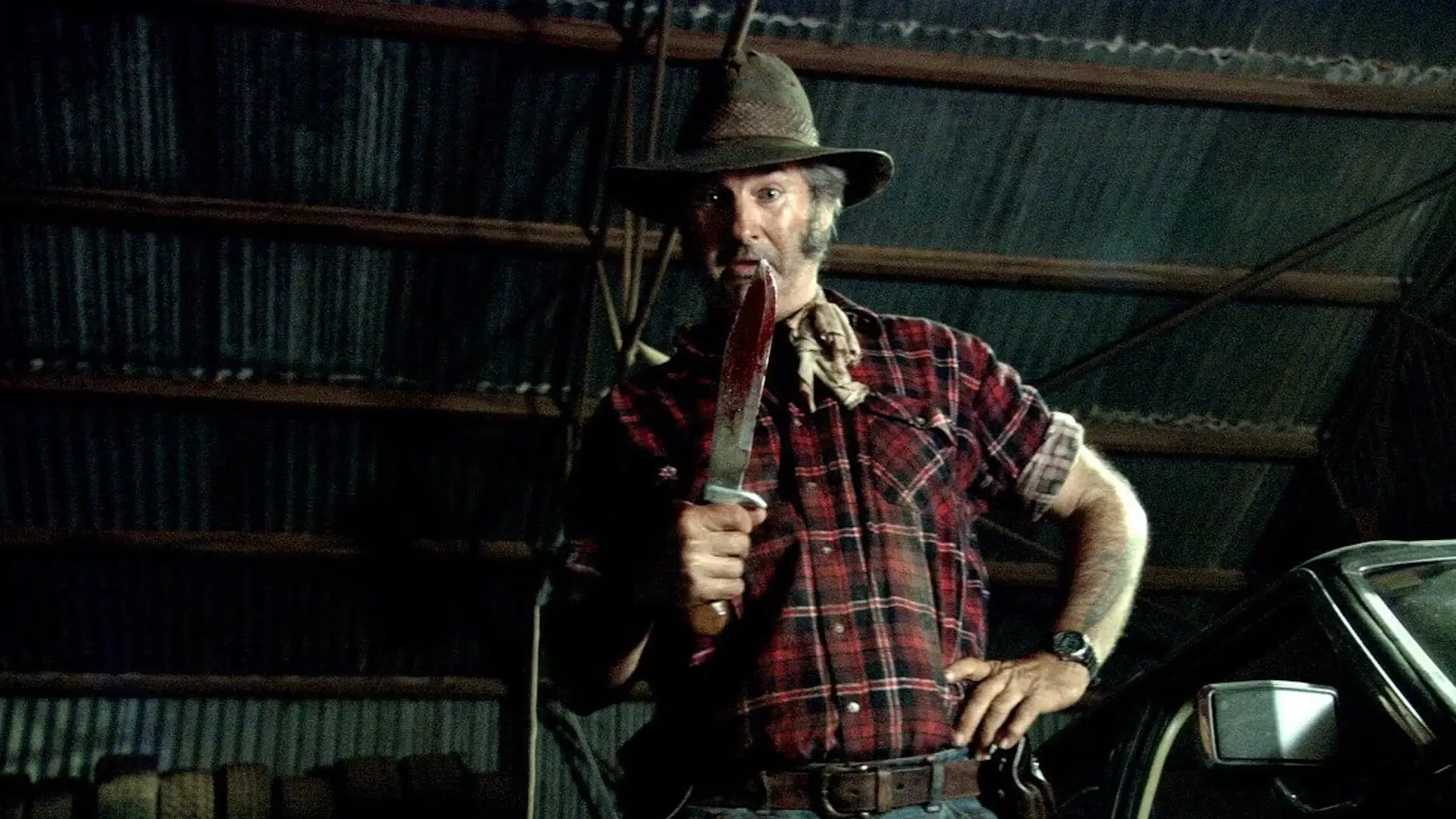
After the September 11 attacks, the world felt more unpredictable, and interest in horror rose. People often turn to scary stories when real life becomes hard to understand. Saw launched a wave of films filled with elaborate traps and graphic violence. Strangers found themselves locked in deadly games set by a killer who forced them to face their own cruelty. Other movies such as Hostel, The Devil’s Rejects, and Wolf Creek pushed the limits of on-screen suffering. They placed ordinary people in situations of extreme physical danger and moral testing. The stories reflected a sense that safety could vanish without warning. Viewers confronted images of cruelty that felt closer to news reports than to fantasy monsters of earlier years.Via Movie Web
These films asked hard questions about what people might do when trapped and desperate. The violence stayed front and center, yet the deeper interest lay in the breakdown of trust and the limits of endurance. Horror once again held up a mirror to a world that suddenly seemed full of hidden threats.
2010s: A World Gone Mad
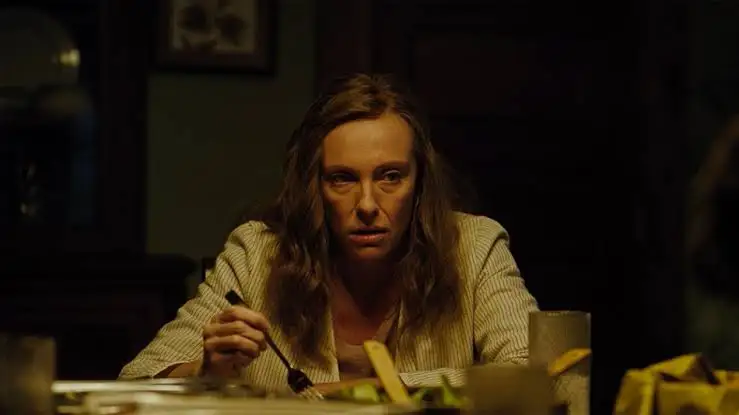
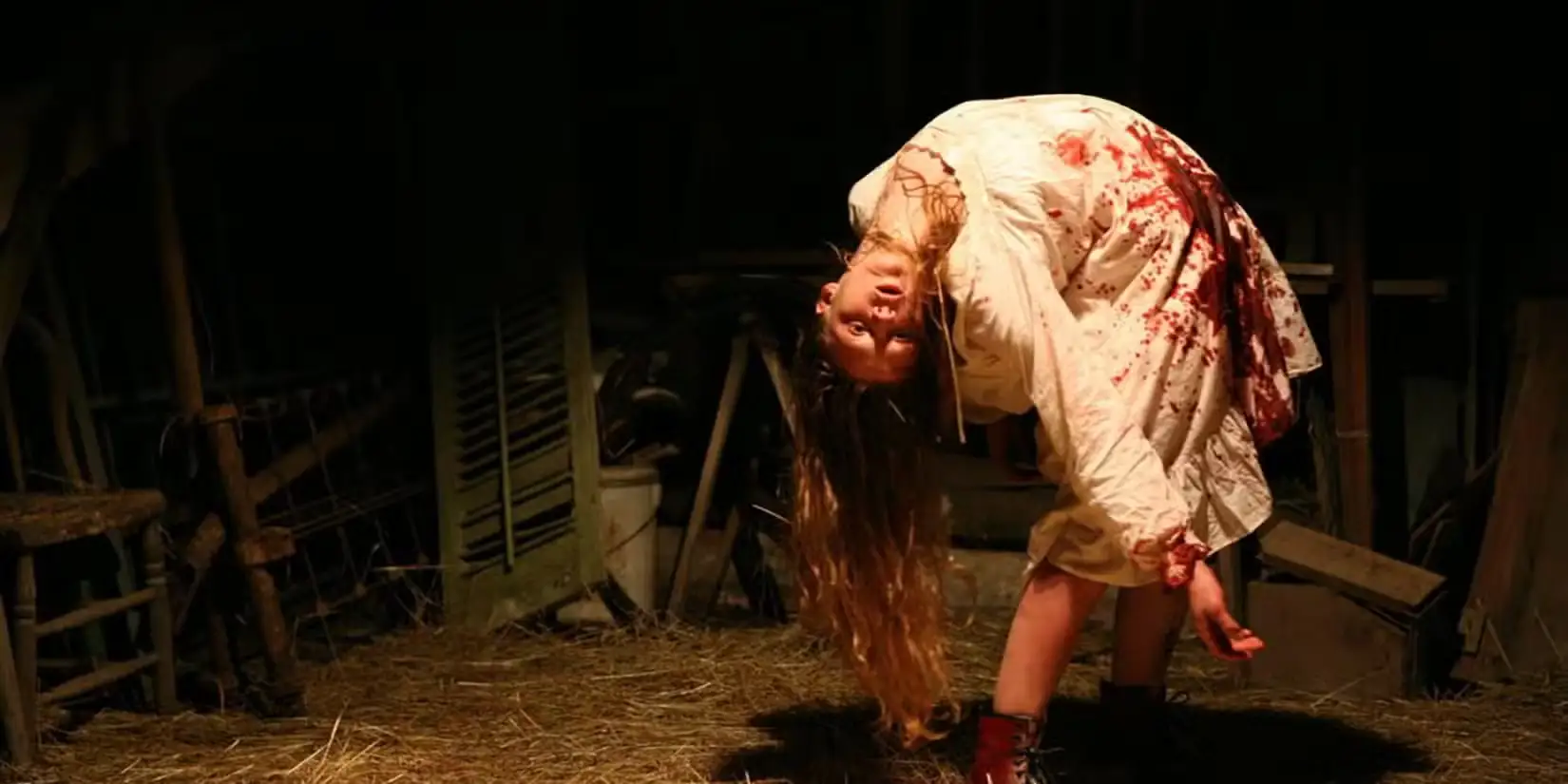
Films such as It Follows, Get Out, and Hereditary showed that audiences still wanted carefully made and thoughtful horror. Get Out mixed social ideas with suspense and supernatural touches. Other stories blended family secrets, mental strain, and strange forces. The decade favored complex plots over pure shock. Filmmakers used the genre to explore modern worries about identity, inheritance, and the forces that shape everyday life.
Via Cinecentric
Psychological pressure often mattered as much as any monster. Characters faced threats that grew from relationships, history, or quiet neighborhood secrets. The stories felt ambitious and connected to real social questions. Viewers responded to the careful craft and the way ordinary settings turned unsettling.
This approach continued the long tradition of horror reflecting the fears of its time. Across more than a hundred years, the monsters changed shape while the basic human worries stayed the same. Death, loss of control, hidden enemies, and the breakdown of trust appeared again and again in new forms. Each decade simply gave those shared fears a fresh face that matched the moment.
Via Game Rant
2020s Isolation and Digital Dread
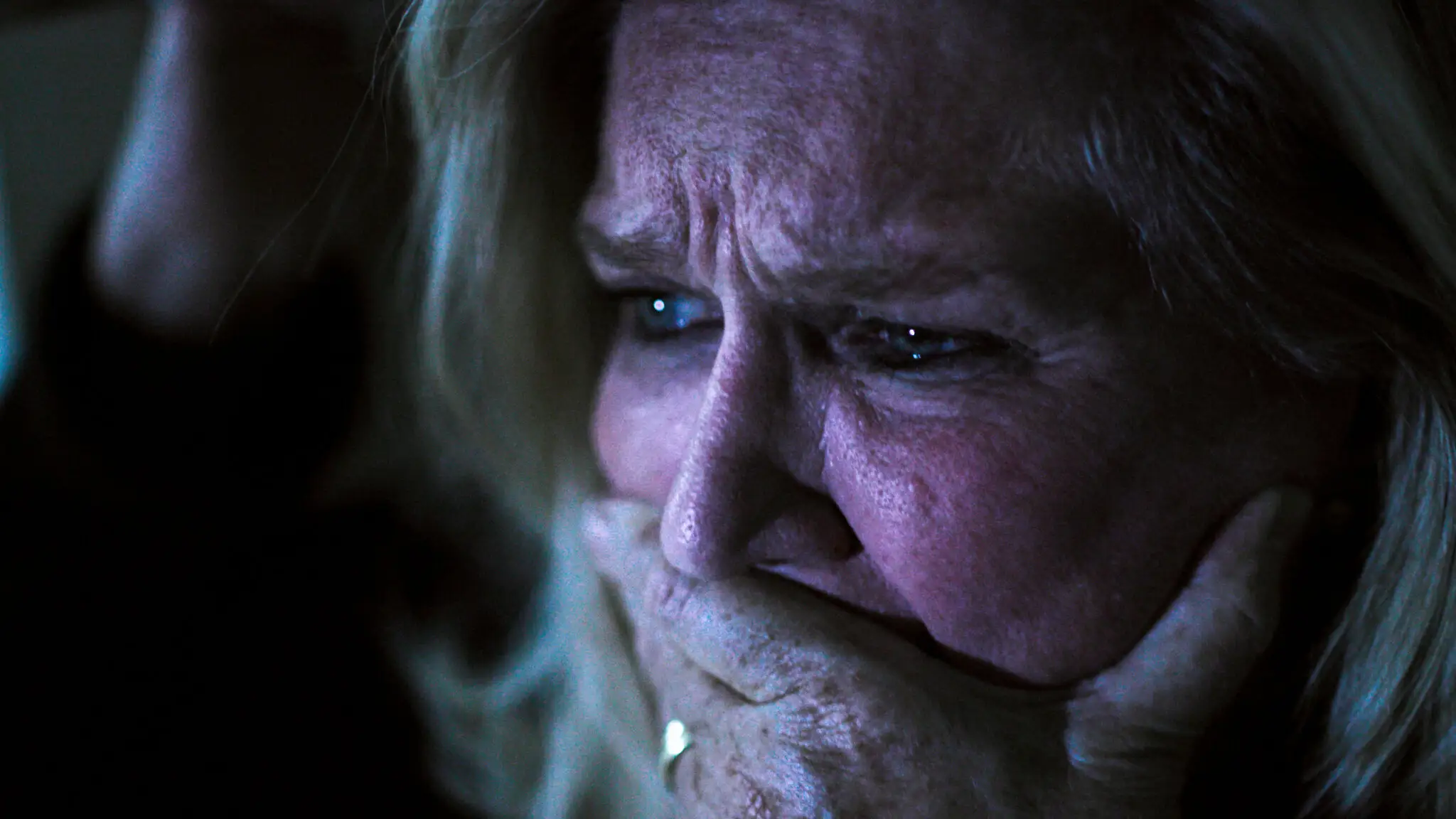
The early 2020s brought a new wave of fear rooted in long periods of isolation and constant digital connection. Films began to explore locked rooms, empty streets, and screens that never turned off. Stories often placed ordinary people alone in apartments or houses while outside dangers grew. Many movies used video calls, phones, and social media as tools of horror. Characters watched friends and strangers through screens while threats moved closer in real life. The boundary between the digital world and the physical one grew thin and unstable. This style captured worries about privacy, false information, and the way technology could turn everyday tools into sources of dread.Via The New York Times
These films continued the long pattern of reflecting the biggest fears of the moment. Isolation, loss of control, and uncertainty about what was real found fresh shapes in locked-down settings and glowing screens. The monsters and dangers changed form once again, yet the deep human worries stayed familiar. Horror kept its role as a mirror that helped people face the strange new shape of everyday life.