Unassigned
Is Modern Ithaca the Land of Odysseus?
Homer’s epic poem, composed in the seventh century B.C., follows the Trojan War hero Odysseus on a long and dangerous ten-year voyage home. The destination is his kingdom on the island of Ithaca. Through the hero’s own words and the narrator’s descriptions, the poem paints a clear geographical picture of the place.
Ithaca sits near three other islands, appears low-lying rather than steep, and lies farthest out to sea while facing westward. These details form the foundation for every later debate about the island’s identity. Ancient audiences accepted the description as part of a living tradition that mixed memory with poetry.
 Via Wikipedia
The poem presents Ithaca as a place of rocky shores, modest harbors, and a landscape that a returning sailor would recognize at once. Modern readers still rely on those same lines when they try to match the story to actual maps of the Ionian Sea. Scholars note that slight differences appear among translations, yet the core ideas remain steady.
The island is never called high or central among its neighbors. Instead, it stands apart, low against the western horizon. That consistent image has guided explorers, archaeologists, and geographers for more than a century as they search for the real location behind the legend.
 Via AOL
 Via Your Greek Island
Geographers continue to measure distances, wind patterns, and coastal shapes against the ancient text. Each new survey renews the discussion. While the name Ithaca has endured for thousands of years, the physical features of the island create a gap that no single explanation has fully closed. The tension between poetry and topography remains the starting point for every competing theory.
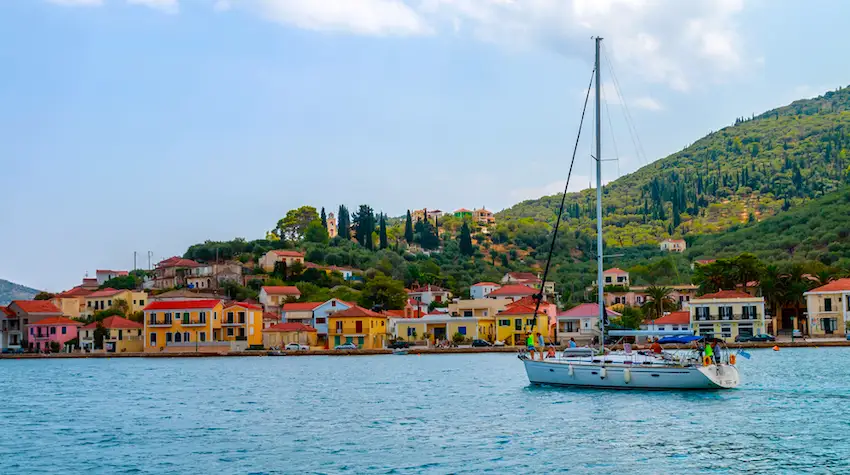 Via Mat Barrett’s Greece Travel Guides
Lefkada’s position and its connection to the mainland by a narrow channel at certain periods seemed to fit that reading. Supporters of the Lefkada theory point to the island’s shape and its relation to surrounding landmasses. They argue that ancient sailors approaching from the open sea would have seen Lefkada as the outermost point in a northerly direction.
The idea also draws on local traditions and the presence of Bronze Age remains that could correspond to a Mycenaean-era settlement. Critics of the theory note that the directional language in the poem more often emphasizes the west.
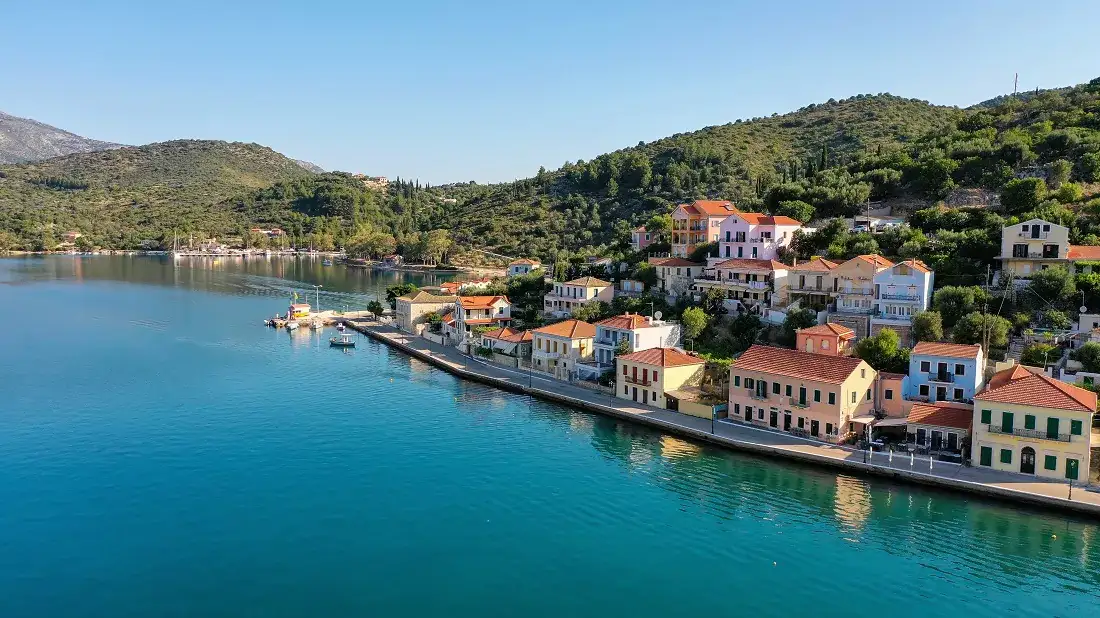 Via Exploring Greece TV
Still, the Lefkada hypothesis remains part of the scholarly conversation because it attempts to reconcile the text with geography without discarding the name Ithaca entirely. It shows how flexible interpretations of a few key phrases can shift the entire map of the Odyssey.
 Via Environment America
Author Robert Bittlestone argued that Paliki once stood as a separate island, divided from the rest of Cephalonia by a narrow marine channel during the late Mycenaean period. Geological studies have found evidence that such a channel may have existed around the twelfth century B.C., the traditional setting for Odysseus’s story.
If Paliki was an island at that time, its low-lying western coast and its isolation would match several of the poem’s descriptions. Bittlestone also identified specific sites on the peninsula that could correspond to landmarks mentioned in the epic, including possible locations for the harbor and the palace. The Paliki theory has drawn both interest and skepticism.
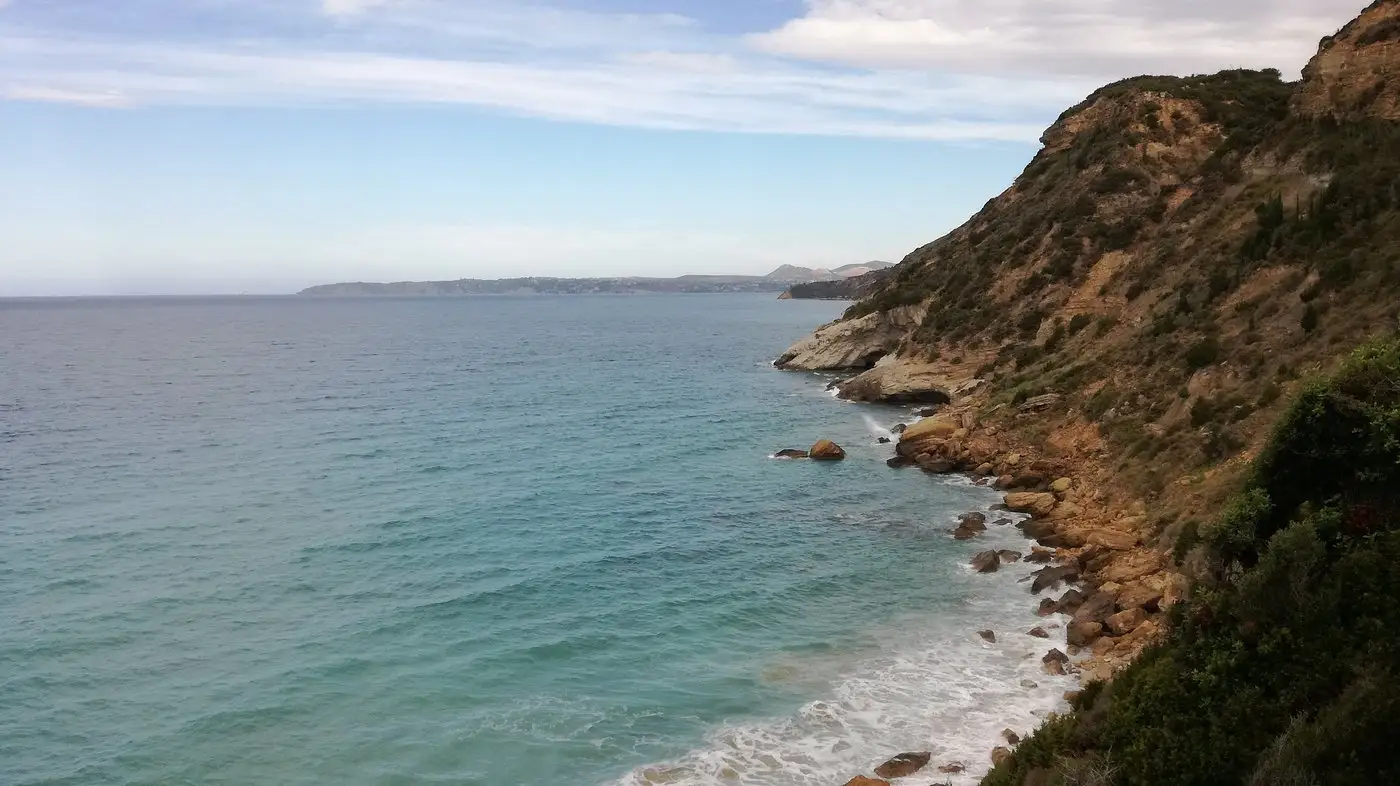 Via TripAdvisor
Some geologists accept the possibility of an ancient channel, while others question whether the separation lasted long enough or was wide enough to create a true island. Regardless of the final verdict, the idea demonstrates how landscape change over three thousand years can alter the way modern maps relate to an ancient text.
 Via All That Interesting
Severin concluded that the practical sailing distances and the sequence of landmarks align most closely with modern Ithaca. Ancient inscriptions and local traditions strengthen this position. People living in the region have identified the island as Odysseus’s home since classical times.
Coins minted on Ithaca as early as the third century B.C. carry images of the hero, showing that he was already honored there as a local figure. These cultural markers suggest continuous belief rather than later invention. Archaeological surveys on the island have uncovered remains that keep the traditional identification alive.
 Via Greece Is
The combination of textual sailing evidence, long-standing local memory, and material finds continues to support the view that modern Ithaca is the place Homer intended. The debate has not ended, yet the case for the named island remains strong among many researchers.
 Via AOL
Such evidence, while not conclusive on its own, connects the island to the hero’s legend at an early date. Excavators have also uncovered the foundations of a large complex of buildings that may represent a palace or elite residence from the same era.
The scale of the architecture and its location near the coast fit the kind of center a returning king might have ruled. Additional pottery, tools, and fortification traces from the late Bronze Age show that Ithaca supported organized settlement during the period traditionally assigned to Odysseus.
 Via The Wom Travel
These material remains do not prove that every detail of the poem is historical. They do demonstrate that the island was inhabited by people who later claimed the hero as their own. The archaeological record therefore supplies a tangible bridge between the poetic landscape and the physical ground that still carries the name Ithaca.
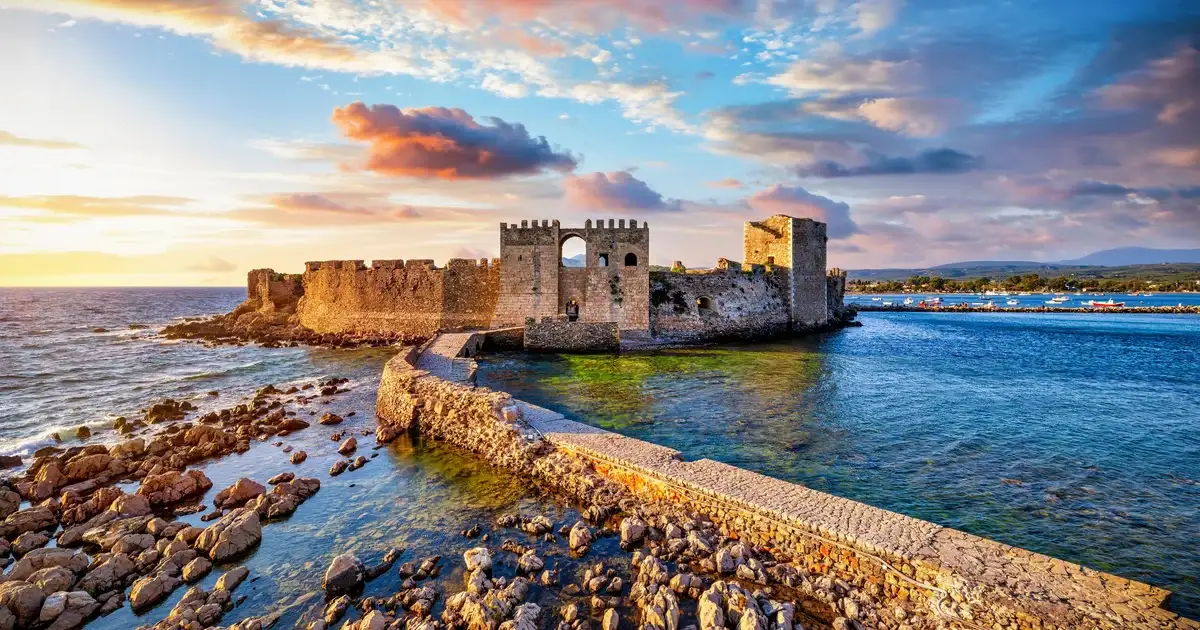 Via Ramble Worldwide
The island’s inhabitants did not need perfect geographical agreement to maintain the connection. They accepted the poem as part of their heritage and shaped their collective memory around it. Temples, festivals, and everyday speech kept the name of Odysseus alive. Even when outside scholars raised doubts about the landscape, the local tradition remained steady.
Today the same pattern continues. Visitors still arrive seeking the homeland of the wandering hero, and the people who live there continue to present the island as that place. The enduring attachment shows how a literary figure can become rooted in a real community across more than two thousand years.
 Via The Mary Sue
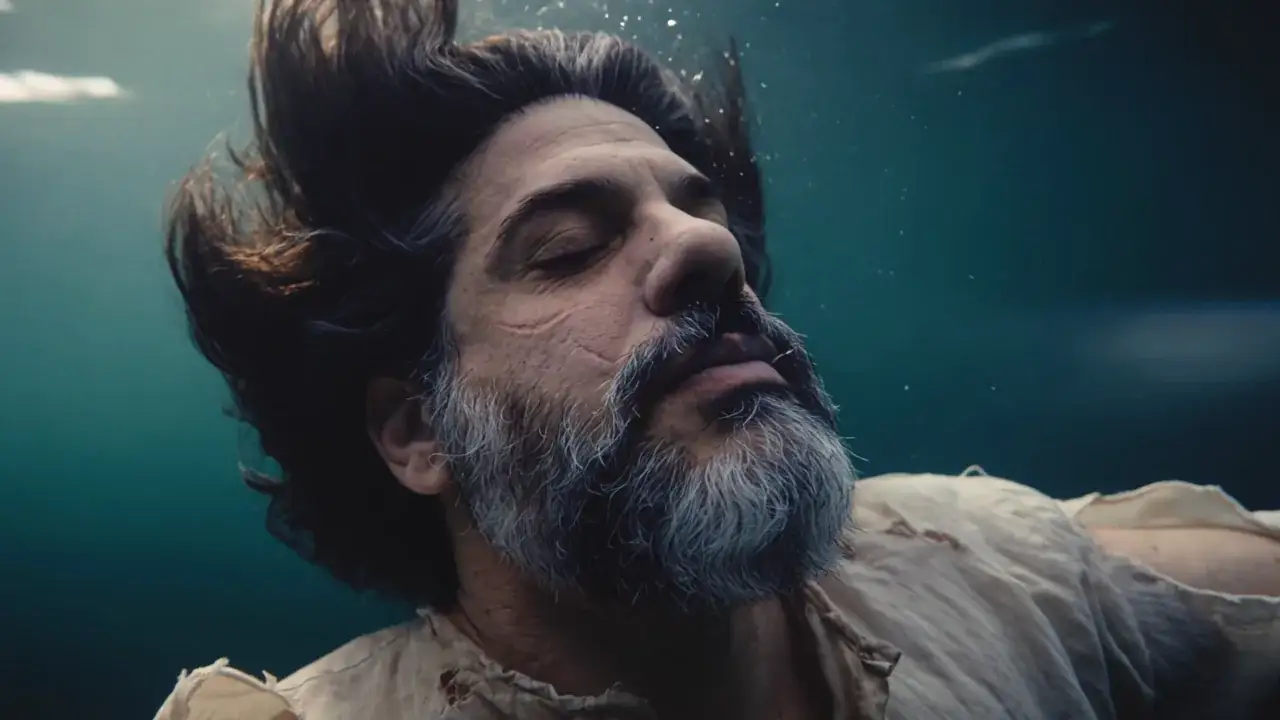 Via IGN Africa
The search itself continues to draw new generations of readers, sailors, and scholars. Each investigation returns to the same short passages in the Odyssey and tests them against the changing face of the Ionian islands. The mystery endures not because evidence is absent, but because the poem and the landscape refuse to align in every detail. The result is a question that keeps the ancient story vivid and the real island forever tied to it.
More in UnassignedVia Wikipedia
The poem presents Ithaca as a place of rocky shores, modest harbors, and a landscape that a returning sailor would recognize at once. Modern readers still rely on those same lines when they try to match the story to actual maps of the Ionian Sea. Scholars note that slight differences appear among translations, yet the core ideas remain steady.
The island is never called high or central among its neighbors. Instead, it stands apart, low against the western horizon. That consistent image has guided explorers, archaeologists, and geographers for more than a century as they search for the real location behind the legend.
Via AOL
Differences Between the Poem and Today’s Ithaca
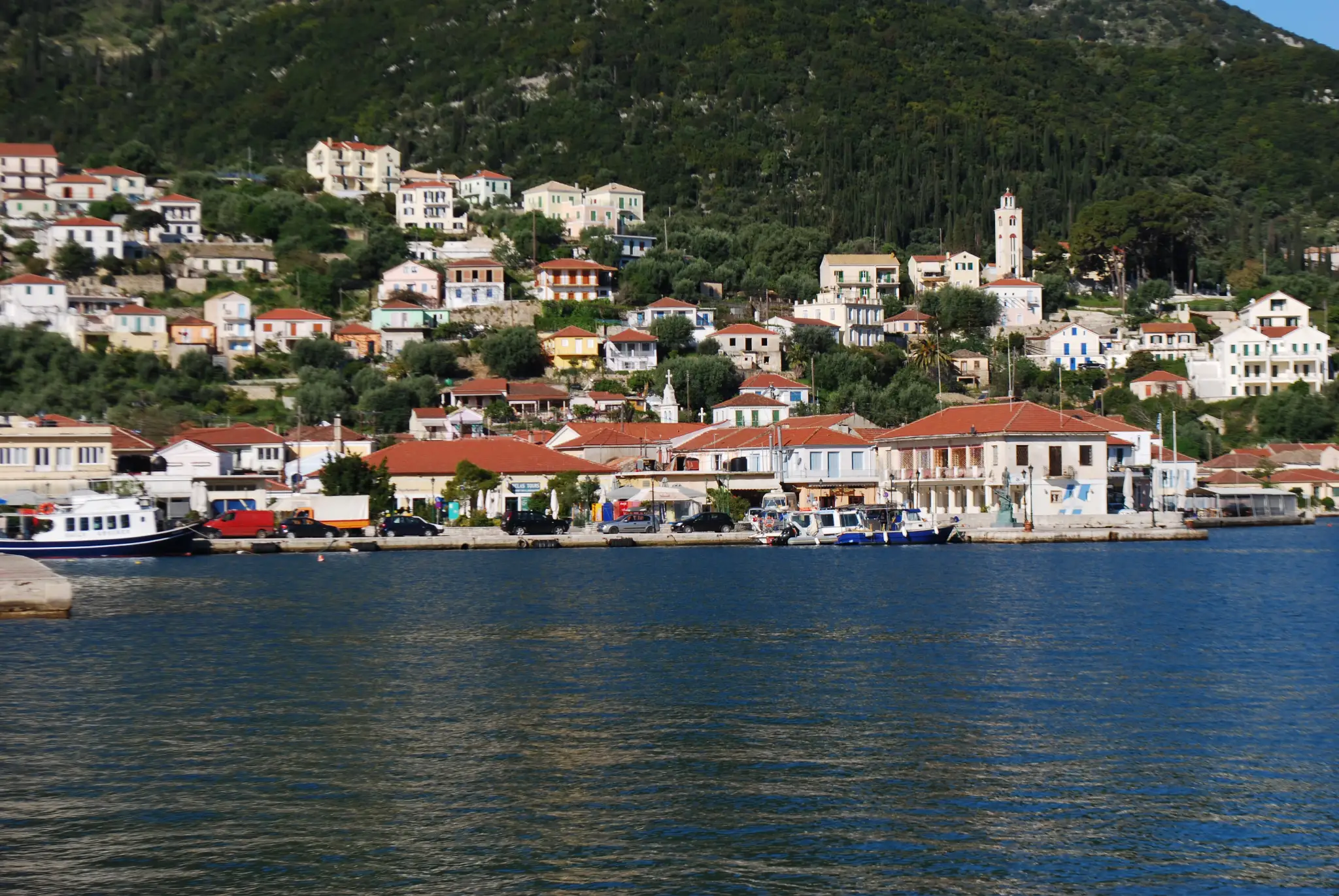
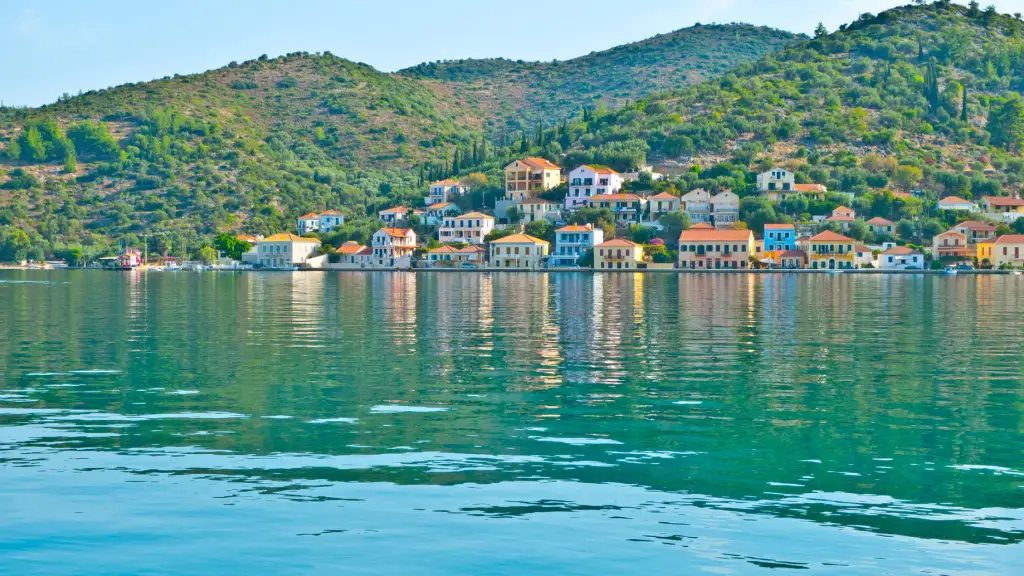
The island known today as Ithaca, or Ithaki, rises in the Ionian Sea with steep mountains and rugged ridges. Its profile does not match the low-lying land described in the poem. Neighboring islands also fail to line up exactly with Homer’s arrangement. The modern island is not the westernmost landmass in its group; that position belongs to the larger island of Cephalonia. These mismatches have prompted many researchers to question whether the poetic Ithaca and the present-day island are the same place. Sailors who know the local waters point out that the real Ithaca sits more centrally among its neighbors rather than farthest to the west. The landscape itself, dominated by high peaks rather than gentle slopes, further distances the modern island from the poem’s account.Via Your Greek Island
Geographers continue to measure distances, wind patterns, and coastal shapes against the ancient text. Each new survey renews the discussion. While the name Ithaca has endured for thousands of years, the physical features of the island create a gap that no single explanation has fully closed. The tension between poetry and topography remains the starting point for every competing theory.
Early Arguments for Lefkada as Homeric Ithaca
One long-standing proposal identifies the island of Lefkada, lying north of modern Ithaca, as the true home of Odysseus. Archaeologist Wilhelm Dörpfeld advanced this view in the late nineteenth and early twentieth centuries. He read Homer’s lines as placing Ithaca farthest out to sea toward the north rather than the west.
Via Mat Barrett’s Greece Travel Guides
Lefkada’s position and its connection to the mainland by a narrow channel at certain periods seemed to fit that reading. Supporters of the Lefkada theory point to the island’s shape and its relation to surrounding landmasses. They argue that ancient sailors approaching from the open sea would have seen Lefkada as the outermost point in a northerly direction.
The idea also draws on local traditions and the presence of Bronze Age remains that could correspond to a Mycenaean-era settlement. Critics of the theory note that the directional language in the poem more often emphasizes the west.
Via Exploring Greece TV
Still, the Lefkada hypothesis remains part of the scholarly conversation because it attempts to reconcile the text with geography without discarding the name Ithaca entirely. It shows how flexible interpretations of a few key phrases can shift the entire map of the Odyssey.
Suggestions That Cephalonia or Paliki Held the Kingdom
Other researchers have looked farther west and settled on Cephalonia itself. Because that island occupies the westernmost position among the group, it satisfies one of Homer’s clearest requirements. A related and more detailed proposal focuses on the Paliki peninsula, which forms the western side of Cephalonia.
Via Environment America
Author Robert Bittlestone argued that Paliki once stood as a separate island, divided from the rest of Cephalonia by a narrow marine channel during the late Mycenaean period. Geological studies have found evidence that such a channel may have existed around the twelfth century B.C., the traditional setting for Odysseus’s story.
If Paliki was an island at that time, its low-lying western coast and its isolation would match several of the poem’s descriptions. Bittlestone also identified specific sites on the peninsula that could correspond to landmarks mentioned in the epic, including possible locations for the harbor and the palace. The Paliki theory has drawn both interest and skepticism.
Via TripAdvisor
Some geologists accept the possibility of an ancient channel, while others question whether the separation lasted long enough or was wide enough to create a true island. Regardless of the final verdict, the idea demonstrates how landscape change over three thousand years can alter the way modern maps relate to an ancient text.
Arguments That Defend Modern Ithaca
Not every investigator accepts the alternative islands. Explorer and historian Tim Severin examined the sailing routes described in the Odyssey and compared them with actual coastal landmarks. His investigations led him to reject both Lefkada and Cephalonia in favor of the island that still bears the name Ithaca.Via All That Interesting
Severin concluded that the practical sailing distances and the sequence of landmarks align most closely with modern Ithaca. Ancient inscriptions and local traditions strengthen this position. People living in the region have identified the island as Odysseus’s home since classical times.
Coins minted on Ithaca as early as the third century B.C. carry images of the hero, showing that he was already honored there as a local figure. These cultural markers suggest continuous belief rather than later invention. Archaeological surveys on the island have uncovered remains that keep the traditional identification alive.
Via Greece Is
The combination of textual sailing evidence, long-standing local memory, and material finds continues to support the view that modern Ithaca is the place Homer intended. The debate has not ended, yet the case for the named island remains strong among many researchers.
Archaeological Discoveries on the Island
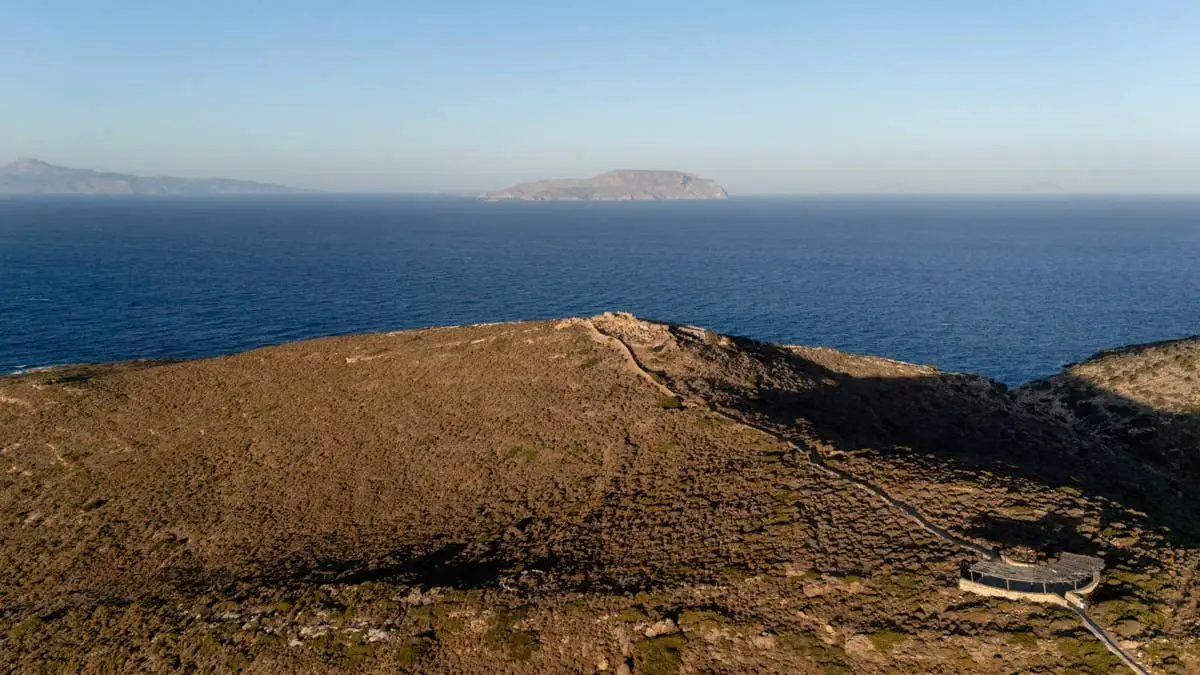
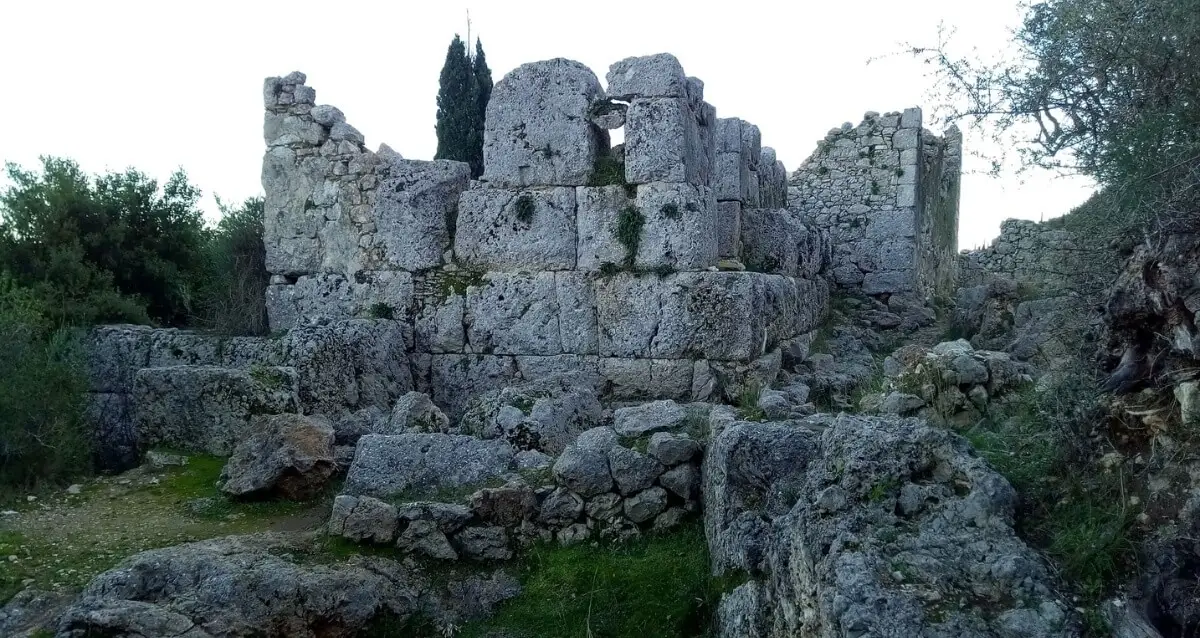
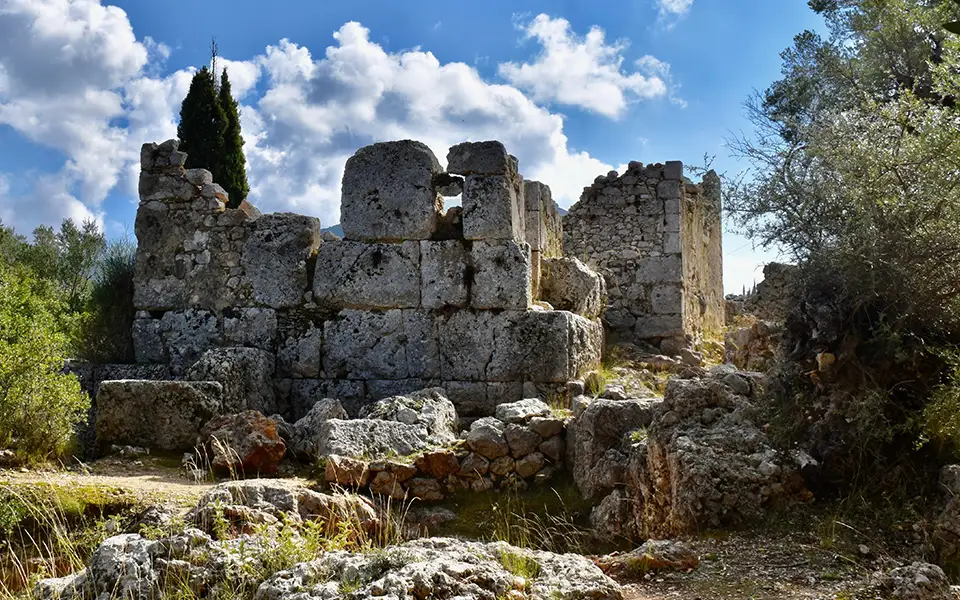
Fieldwork on Ithaca has produced several finds that link the landscape to the Mycenaean world of the Odyssey. One notable discovery is a stone cistern from the Mycenaean period. Roof tiles recovered near the structure carry stamped marks that appear to preserve traces of the name Odysseus.Via AOL
Such evidence, while not conclusive on its own, connects the island to the hero’s legend at an early date. Excavators have also uncovered the foundations of a large complex of buildings that may represent a palace or elite residence from the same era.
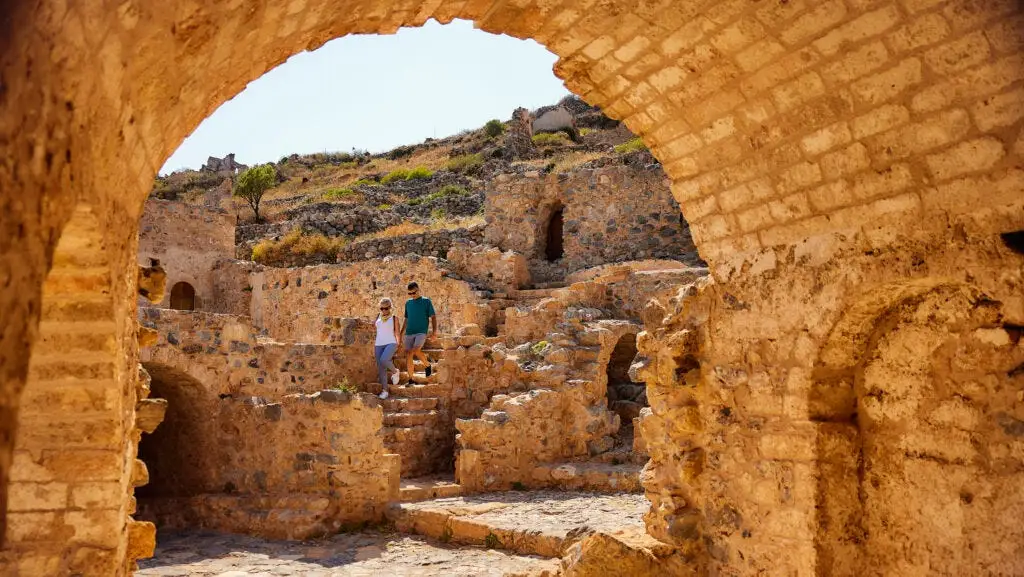
The scale of the architecture and its location near the coast fit the kind of center a returning king might have ruled. Additional pottery, tools, and fortification traces from the late Bronze Age show that Ithaca supported organized settlement during the period traditionally assigned to Odysseus.
Via The Wom Travel
These material remains do not prove that every detail of the poem is historical. They do demonstrate that the island was inhabited by people who later claimed the hero as their own. The archaeological record therefore supplies a tangible bridge between the poetic landscape and the physical ground that still carries the name Ithaca.
How Local Identity Absorbed the Hero’s Story
Long after the composition of the Odyssey, the people of Ithaca wove Odysseus into their sense of place. Coins, inscriptions, and local stories treated the hero as an ancestor whose deeds belonged to the island’s past. This identification began no later than the third century B.C. and continued through later centuries. Travelers in antiquity already encountered the belief that they stood on the very soil described by Homer.Via Ramble Worldwide
The island’s inhabitants did not need perfect geographical agreement to maintain the connection. They accepted the poem as part of their heritage and shaped their collective memory around it. Temples, festivals, and everyday speech kept the name of Odysseus alive. Even when outside scholars raised doubts about the landscape, the local tradition remained steady.
Today the same pattern continues. Visitors still arrive seeking the homeland of the wandering hero, and the people who live there continue to present the island as that place. The enduring attachment shows how a literary figure can become rooted in a real community across more than two thousand years.
Via The Mary Sue
The Unresolved Question and Its Continuing Power
The island called Ithaca exists in the Ionian Sea, yet whether it matches the precise geography painted by Homer remains an open matter. Competing theories point to Lefkada, to Cephalonia, or to the Paliki peninsula, each offering partial solutions to the mismatches between text and terrain. Geological change, shifts in sea level, and the poetic nature of the epic itself leave room for more than one interpretation. What stands beyond dispute is the depth of the connection that the people of Ithaca have maintained with Odysseus. They have treated the hero as part of their identity for generations, embedding his story in coins, ruins, and shared memory. That cultural continuity gives the island a living link to the poem regardless of the final geographical verdict.Via IGN Africa
The search itself continues to draw new generations of readers, sailors, and scholars. Each investigation returns to the same short passages in the Odyssey and tests them against the changing face of the Ionian islands. The mystery endures not because evidence is absent, but because the poem and the landscape refuse to align in every detail. The result is a question that keeps the ancient story vivid and the real island forever tied to it.