Unassigned
How Instant Coffee Fueled and Boosted WWII Troops?
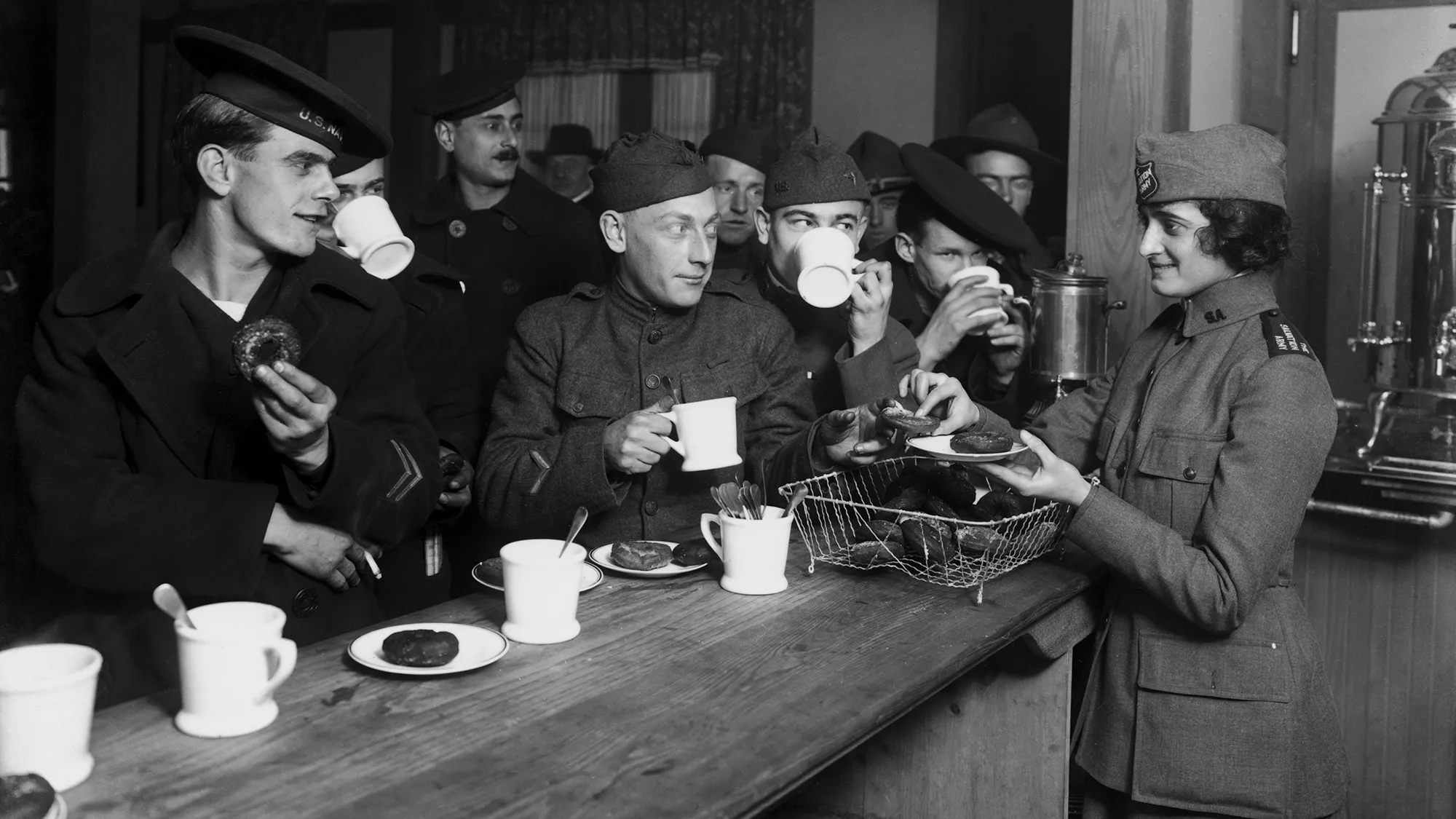
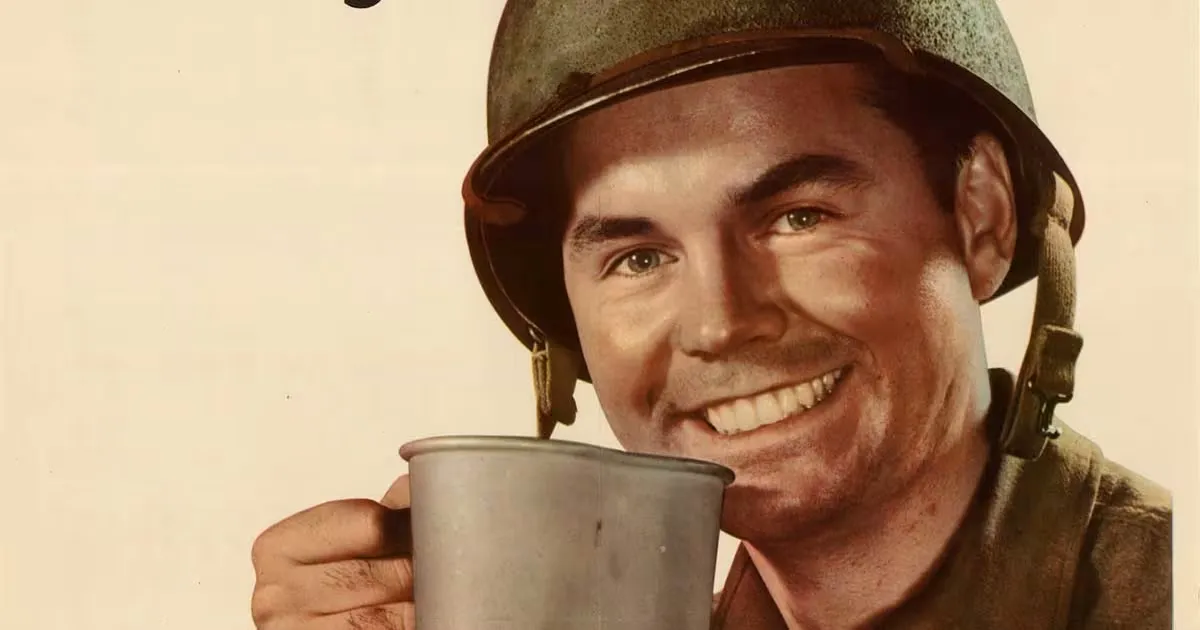
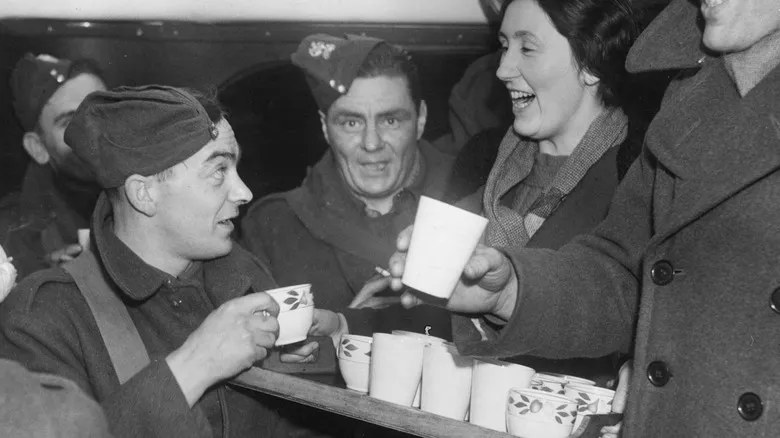
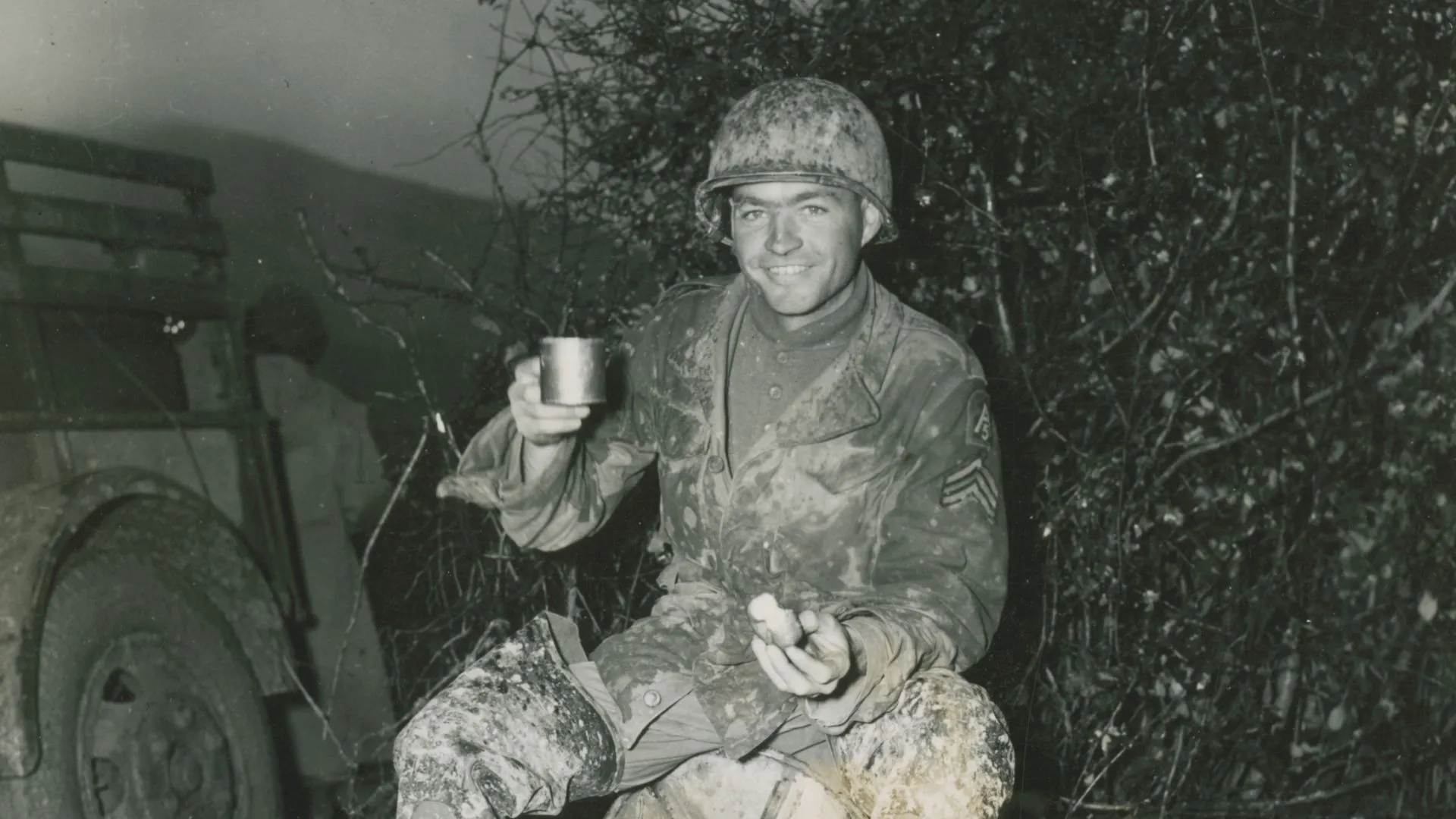
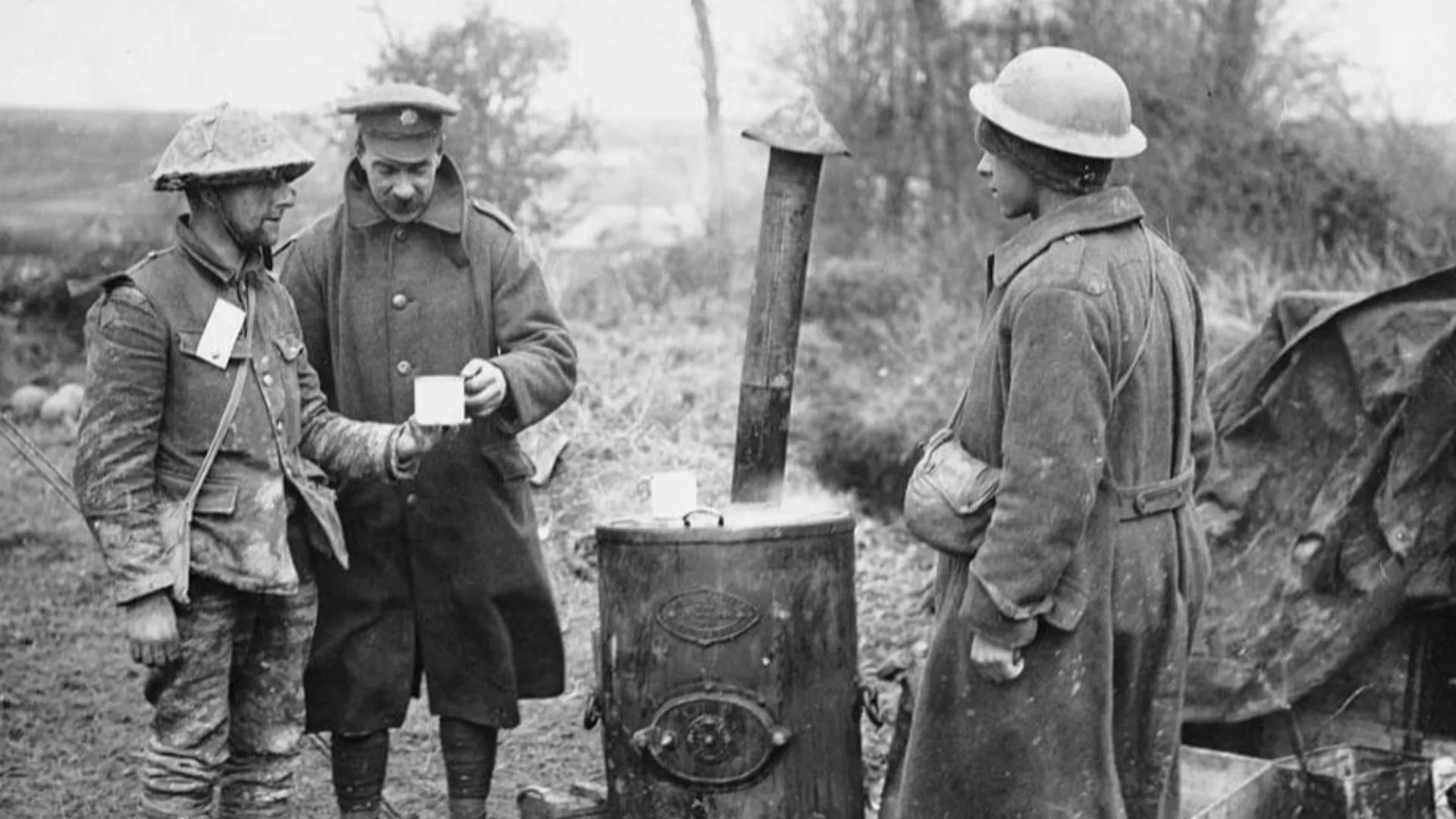
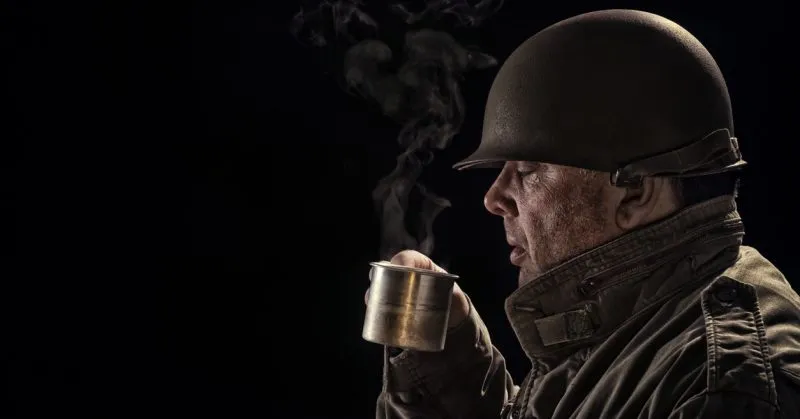
Coffee stood as a core part of daily life for US soldiers throughout World War II. Every set of C-rations included coffee so troops could prepare a hot drink even in the field. This simple beverage raised energy levels and sharpened focus during long hours of combat or night watches. Medics also turned to coffee to help steady soldiers at risk of shock after injury or extreme stress.
The War Department treated coffee as a basic need rather than a luxury. Officials made sure steady supplies reached the front lines because a warm cup offered comfort in harsh conditions. Soldiers far from home found that the familiar taste brought a sense of normal life amid the chaos of war. Food historians note that this hot drink delivered real pleasure and helped maintain spirits when everything else felt uncertain.
 Via WAMU
Military planners understood that caffeine could keep tired troops moving when sleep was scarce. Compared with stronger stimulants used in other armies, coffee provided a milder and more reliable boost. Units received regular shipments so that men could brew cups whenever they had a brief pause in the fighting. This steady access supported both physical readiness and emotional strength across all branches of the service.
 Via Compass Coffee
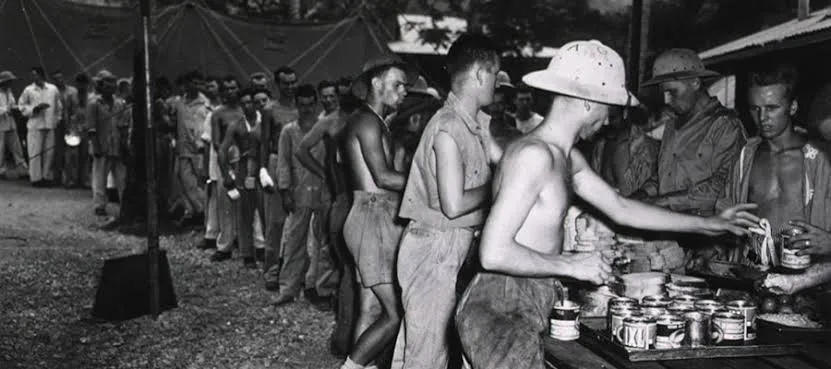
During the Civil War, Union soldiers received large yearly allowances of coffee beans. They roasted the beans in pans over open fires and ground them by hand or with tools built into their equipment. Confederate forces lacked the same supply and often roasted acorns or barley as substitutes. The difference showed how strongly caffeine habits shaped daily performance and morale on both sides.
In World War I, the War Department set up roasting and grinding plants in France so troops in the trenches could still obtain fresh coffee. Returning veterans carried the habit home, and national coffee use rose sharply in the decades that followed. By the middle of the twentieth century, coffee had become a standard part of the American morning routine and a proven military staple.
 Via Circulating Now
 Via History
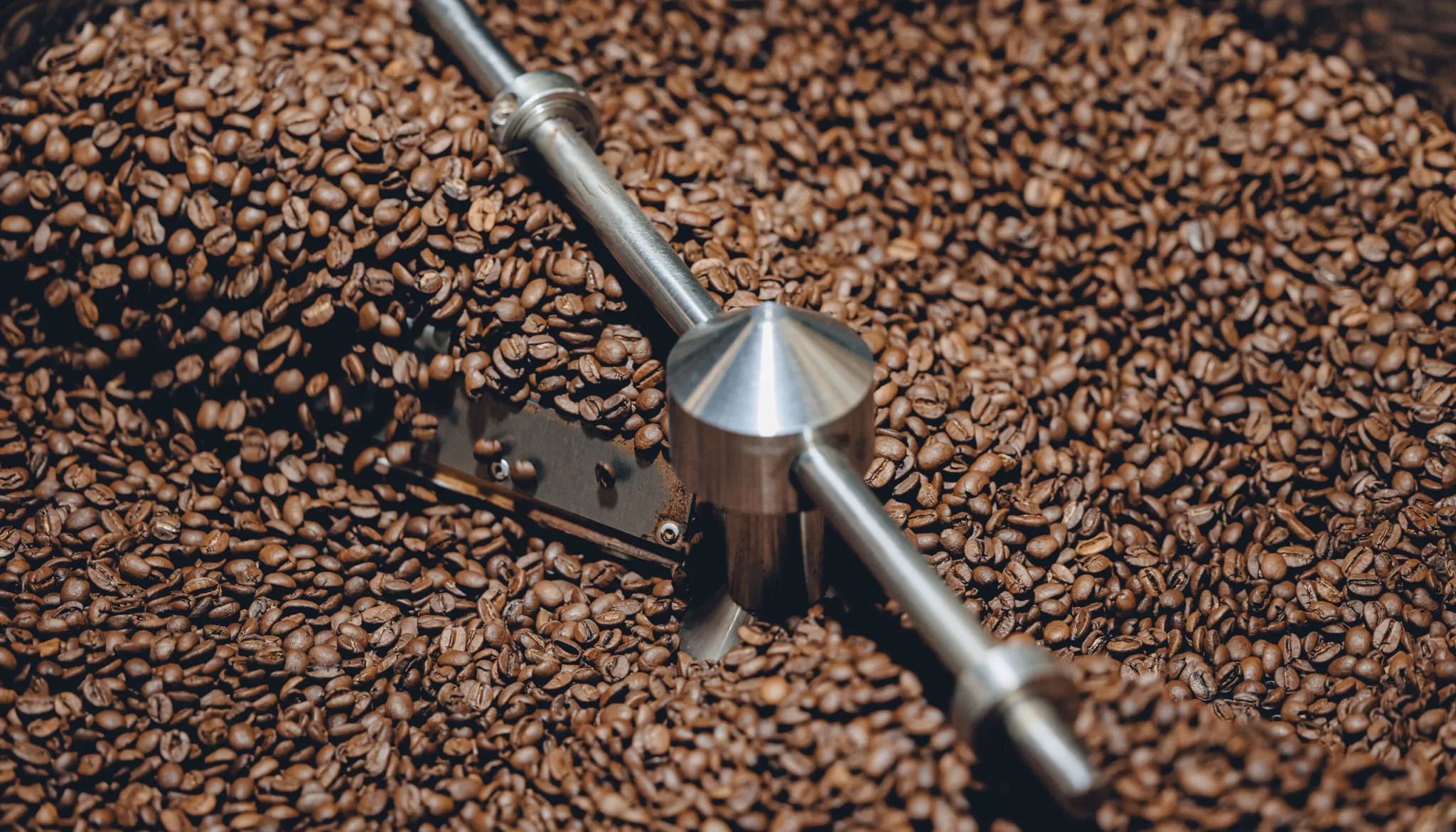
Brazil, a major supplier, placed its ships under Allied control in exchange for firm purchase agreements. The War Production Board then took charge of all coffee entering the country and ended free-market trading. Factories near the front lines converted gasoline drums into large roasters that processed thousands of pounds each day. These steps ensured that beans reached soldiers even when normal trade routes were disrupted.
 Via Chowhound
In a single year, the armed forces purchased more than a million cases, taking the entire output of the main American plant. The convenient form allowed troops to prepare coffee without grinders or long brewing times. Field units valued the speed and reliability, especially during rapid advances or in areas without proper cooking gear. Instant packets became a standard item that traveled with soldiers across every theater.
At the end of the fighting, the same product appeared in relief packages sent to Europe and Japan. The wartime contracts accelerated improvements in taste and packaging that later reached civilian markets. Soldiers who had grown used to the instant form continued to seek it after they returned home, helping the product remain popular for decades.
 Via About Coffee
 Via Lifehacker
After the restrictions ended, returning veterans wanted coffee more than ever. The industry that had supplied the war effort had grown more concentrated, with fewer independent roasters remaining. Large brands that held military contracts held stronger positions in the peacetime market. The wartime experience left a lasting mark on both production methods and everyday drinking habits.
 Via History Snob
Geopolitical shifts and large government contracts reduced the number of active coffee roasters across the country. Only a smaller group of major companies dominated the market by the mid-1940s. It took several more decades before a new wave of interest in specialty roasting restored greater variety and local production. The foundation laid during the war years continued to influence supply chains and consumer expectations.
People who lived through the conflict remembered coffee as both a practical aid and a source of comfort. The same qualities that kept troops alert and steady on the battlefield later supported workers and families in peacetime. The story of coffee in World War II shows how a simple beverage can serve national needs while becoming woven into everyday culture for generations that followed.
 Via History Snob
 Via We Are The Mighty
Commanders recognized that high morale could affect performance as much as physical strength. Units with steady access to coffee showed better focus during night operations and quicker recovery after tough missions. The drink became a quiet but reliable support that helped keep fighting forces ready and resilient across different theaters of the war.
 Via Texas A&M Stories
The coffee industry changed in lasting ways. The number of roasters dropped from thousands before the war to far fewer major companies afterward. Large brands that held military contracts gained stronger positions in the peacetime market. Advances in instant coffee quality and packaging made the product a permanent part of American kitchens and workplaces.
National coffee consumption reached high levels in the years right after the fighting ended. The wartime experience left a clear mark on how people prepared and enjoyed their daily cups. It took several decades before a new interest in specialty roasting brought greater variety back to the market, yet the foundation built during the war continued to shape everyday drinking habits for a long time.
 Via CNN
 Via War History Online
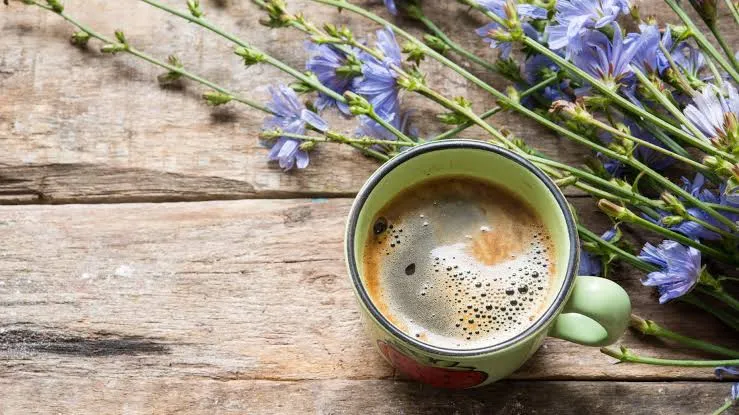
Many families switched to grain-based drinks or chicory when real coffee ran low. Products like Postum offered a warm alternative without caffeine and filled store shelves. These options made the shortage easier to manage while beans went to soldiers and workers. The messages successfully tied personal restraint to the larger goal of victory.
 Via War History Online
Coffee rationing ran from late 1942 into summer 1943, though sugar stayed limited longer. Steady patriotic appeals kept public cooperation strong despite the inconvenience. When full supplies returned, many people kept mixing real coffee with substitutes. The effort proved that clear calls to duty could shape daily habits nationwide.
More in UnassignedVia WAMU
Military planners understood that caffeine could keep tired troops moving when sleep was scarce. Compared with stronger stimulants used in other armies, coffee provided a milder and more reliable boost. Units received regular shipments so that men could brew cups whenever they had a brief pause in the fighting. This steady access supported both physical readiness and emotional strength across all branches of the service.
Coffee Had Deep Roots in American Military History
American forces had relied on coffee long before World War II began. After the British taxed tea in the colonial era, many people chose coffee as a patriotic drink. Future leaders such as John Adams adjusted to the new habit and encouraged others to do the same. The preference for coffee grew stronger with each major conflict that followed.Via Compass Coffee
During the Civil War, Union soldiers received large yearly allowances of coffee beans. They roasted the beans in pans over open fires and ground them by hand or with tools built into their equipment. Confederate forces lacked the same supply and often roasted acorns or barley as substitutes. The difference showed how strongly caffeine habits shaped daily performance and morale on both sides.
In World War I, the War Department set up roasting and grinding plants in France so troops in the trenches could still obtain fresh coffee. Returning veterans carried the habit home, and national coffee use rose sharply in the decades that followed. By the middle of the twentieth century, coffee had become a standard part of the American morning routine and a proven military staple.
Via Circulating Now
Wartime Demand Created Major Supply Pressures
Nearly one-tenth of all US imports during the war consisted of coffee beans. The military aimed to give both troops and defense workers as much coffee as they wanted. Shipping lanes faced constant danger from enemy submarines, and many civilian vessels were taken over for military transport. These pressures made every shipment of beans more valuable and harder to protect. After the attack on Pearl Harbor, the government fixed coffee prices to limit inflation. The Navy purchased large shares of Hawaiian Kona coffee and built its own roasting facilities in key ports. Officials viewed coffee as so important that they hoped the fleet would never have to operate without it. Strategic stockpiles and controlled distribution kept the supply moving despite the risks at sea.Via History
Brazil, a major supplier, placed its ships under Allied control in exchange for firm purchase agreements. The War Production Board then took charge of all coffee entering the country and ended free-market trading. Factories near the front lines converted gasoline drums into large roasters that processed thousands of pounds each day. These steps ensured that beans reached soldiers even when normal trade routes were disrupted.
Instant Coffee Transformed Field Preparation
Instant coffee existed for many years but gained real importance during the world wars. Early versions met basic needs yet often tasted poor, so interest dropped after World War I. A new product introduced in the late 1930s offered better flavor and mixed easily with hot water. Military buyers quickly adopted it for emergency rations issued to every departing soldier.
Via Chowhound
In a single year, the armed forces purchased more than a million cases, taking the entire output of the main American plant. The convenient form allowed troops to prepare coffee without grinders or long brewing times. Field units valued the speed and reliability, especially during rapid advances or in areas without proper cooking gear. Instant packets became a standard item that traveled with soldiers across every theater.
At the end of the fighting, the same product appeared in relief packages sent to Europe and Japan. The wartime contracts accelerated improvements in taste and packaging that later reached civilian markets. Soldiers who had grown used to the instant form continued to seek it after they returned home, helping the product remain popular for decades.
Via About Coffee
Home Front Rationing Supported the Troops
Coffee rationing began for civilians in late 1942 and continued into the following summer. While each soldier consumed more than thirty pounds of coffee a year, people at home received far less. Official campaigns framed the sacrifice as a patriotic duty and shared tips for stretching limited supplies. Sugar and other accompaniments stayed restricted even longer. Many households turned to grain-based substitutes or chicory blends when true coffee ran short. Commercial products designed as caffeine-free alternatives filled grocery shelves and helped families adjust. Propaganda posters and radio messages reminded everyone that every saved pound supported the men overseas. The temporary shortage reinforced the idea that civilian comforts ranked below military needs.
Via Lifehacker
After the restrictions ended, returning veterans wanted coffee more than ever. The industry that had supplied the war effort had grown more concentrated, with fewer independent roasters remaining. Large brands that held military contracts held stronger positions in the peacetime market. The wartime experience left a lasting mark on both production methods and everyday drinking habits.
Wartime Coffee Habits Shaped Later American Life
Advances made under military pressure improved instant coffee quality and availability for ordinary households. National consumption reached record levels in the years right after the war as veterans brought their preferences home. Radio programs hosted by national figures even promoted coffee as a way to get more out of daily life. The drink moved from battlefield necessity to a firm part of civilian routine.Via History Snob
Geopolitical shifts and large government contracts reduced the number of active coffee roasters across the country. Only a smaller group of major companies dominated the market by the mid-1940s. It took several more decades before a new wave of interest in specialty roasting restored greater variety and local production. The foundation laid during the war years continued to influence supply chains and consumer expectations.
People who lived through the conflict remembered coffee as both a practical aid and a source of comfort. The same qualities that kept troops alert and steady on the battlefield later supported workers and families in peacetime. The story of coffee in World War II shows how a simple beverage can serve national needs while becoming woven into everyday culture for generations that followed.
Via History Snob
Coffee Lifted Spirits and Supported Medical Care
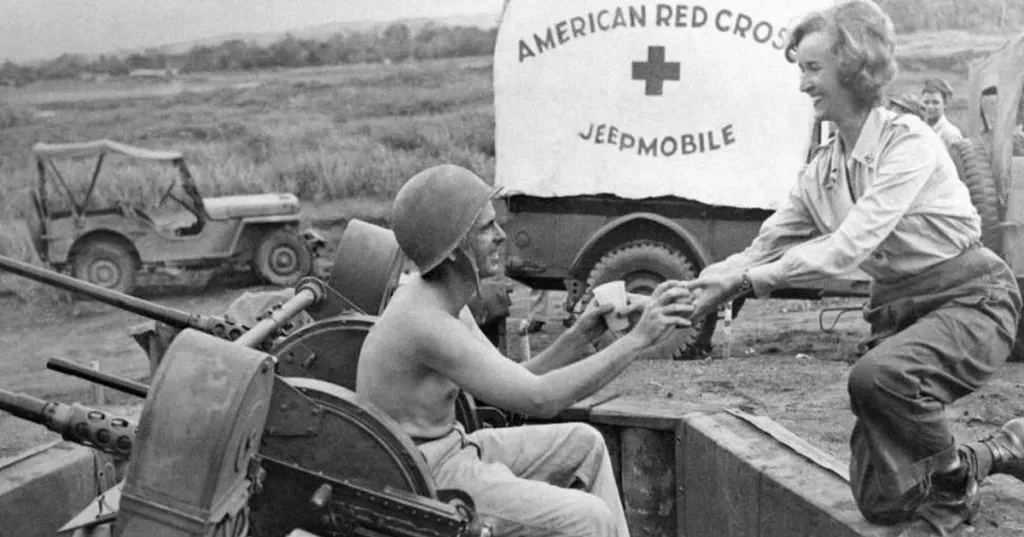
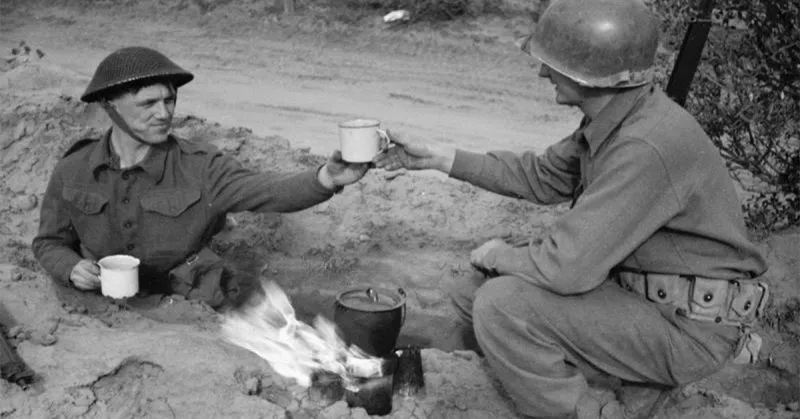
Coffee gave soldiers more than just energy on the battlefield. A hot cup brought a feeling of normal life during long stretches of combat and uncertainty. Troops often said the familiar taste and warmth helped them stay positive when conditions were harsh. The simple act of sharing coffee during brief rests built bonds among unit members and eased tension. Medics relied on coffee as a practical tool in field hospitals and aid stations. They offered it to injured men to help steady them and lower the risk of shock after wounds or extreme stress. The mild stimulant effect supported recovery while the comforting drink calmed nerves. This dual role made coffee a standard item in medical kits alongside bandages and medicine.Via We Are The Mighty
Commanders recognized that high morale could affect performance as much as physical strength. Units with steady access to coffee showed better focus during night operations and quicker recovery after tough missions. The drink became a quiet but reliable support that helped keep fighting forces ready and resilient across different theaters of the war.
Postwar Demand Reshaped Everyday Coffee Drinking
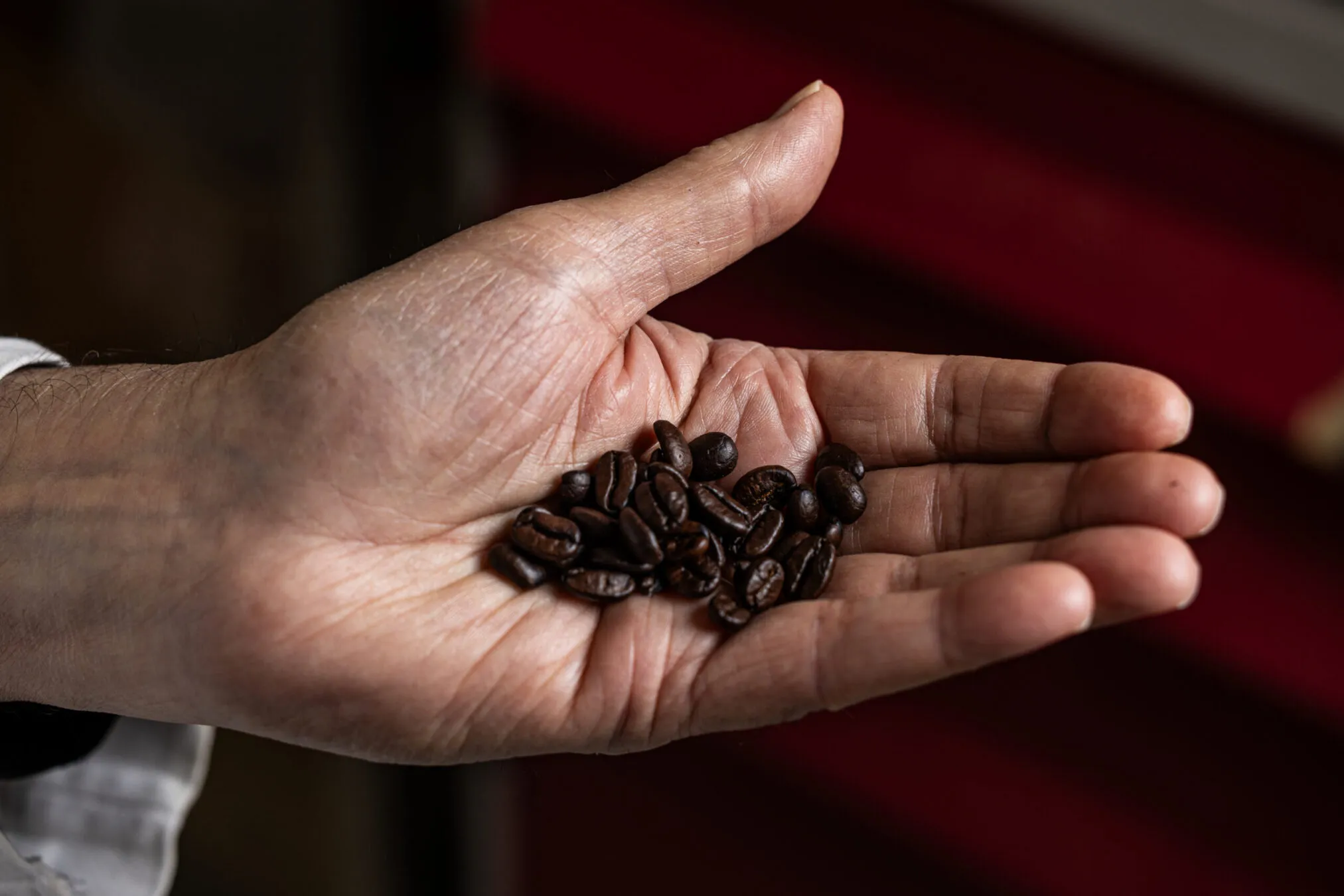
Soldiers returning home wanted coffee more than ever after years of depending on it. Many preferred the instant form they had used in the field because it was quick and convenient. Relief packages sent to Europe and Japan also included instant coffee, spreading its use even further. Civilian demand rose sharply as veterans brought their wartime habits into daily life.Via Texas A&M Stories
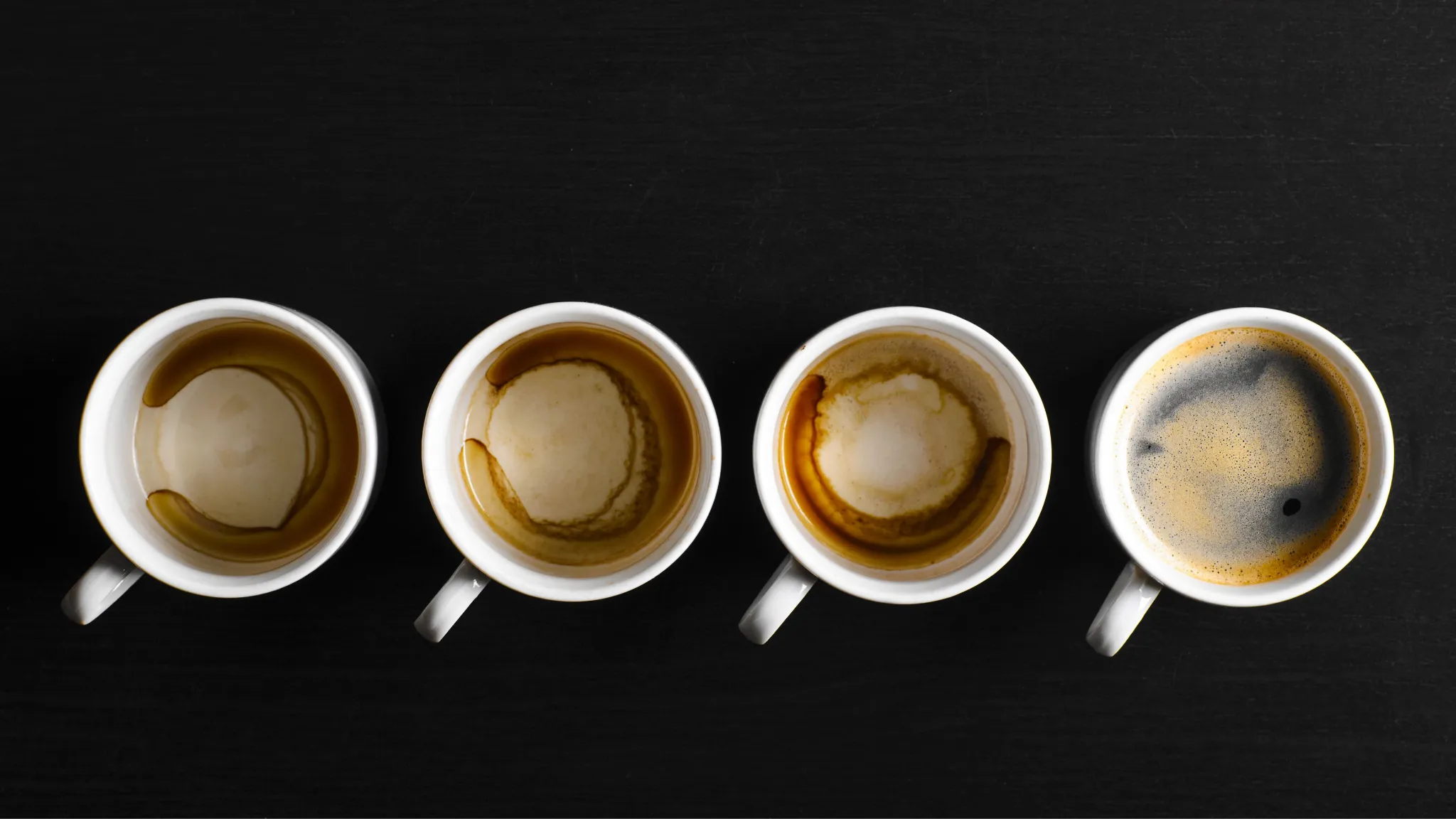
The coffee industry changed in lasting ways. The number of roasters dropped from thousands before the war to far fewer major companies afterward. Large brands that held military contracts gained stronger positions in the peacetime market. Advances in instant coffee quality and packaging made the product a permanent part of American kitchens and workplaces.
National coffee consumption reached high levels in the years right after the fighting ended. The wartime experience left a clear mark on how people prepared and enjoyed their daily cups. It took several decades before a new interest in specialty roasting brought greater variety back to the market, yet the foundation built during the war continued to shape everyday drinking habits for a long time.
Via CNN
Patriotic Messages Backed Coffee Rationing
Government campaigns during the war urged civilians to accept smaller coffee rations. Posters, radio spots, and newspaper articles linked every saved pound to direct support for troops. People learned that limiting their daily cup showed loyalty to the fighting forces. Simple recipes and tips helped households stretch their limited supplies further.
Via War History Online
Many families switched to grain-based drinks or chicory when real coffee ran low. Products like Postum offered a warm alternative without caffeine and filled store shelves. These options made the shortage easier to manage while beans went to soldiers and workers. The messages successfully tied personal restraint to the larger goal of victory.
Via War History Online
Coffee rationing ran from late 1942 into summer 1943, though sugar stayed limited longer. Steady patriotic appeals kept public cooperation strong despite the inconvenience. When full supplies returned, many people kept mixing real coffee with substitutes. The effort proved that clear calls to duty could shape daily habits nationwide.