Unassigned
Trump Restores Caesar Rodney Statue in Washington
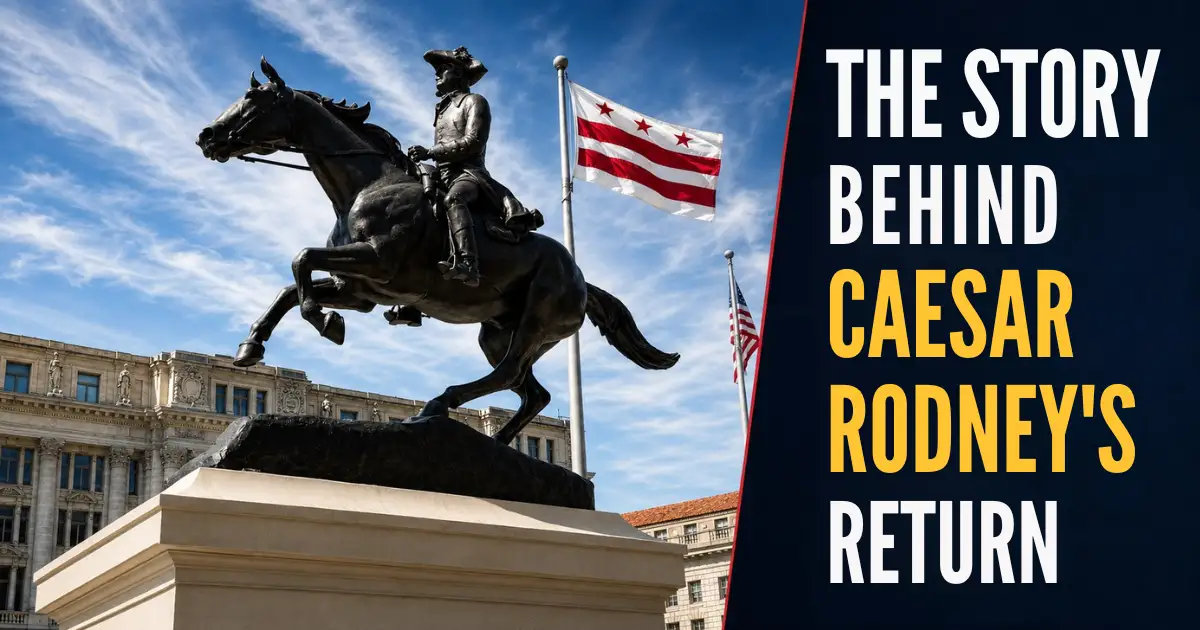
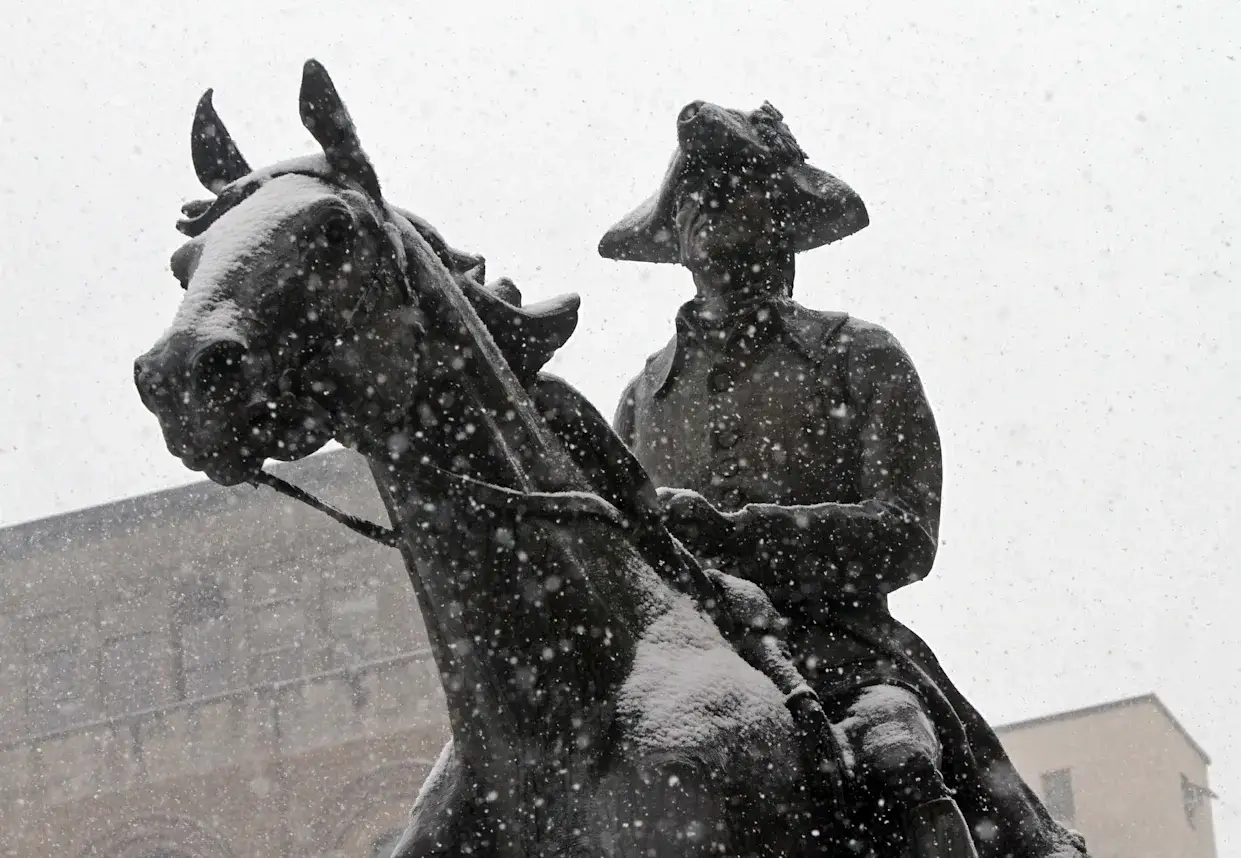
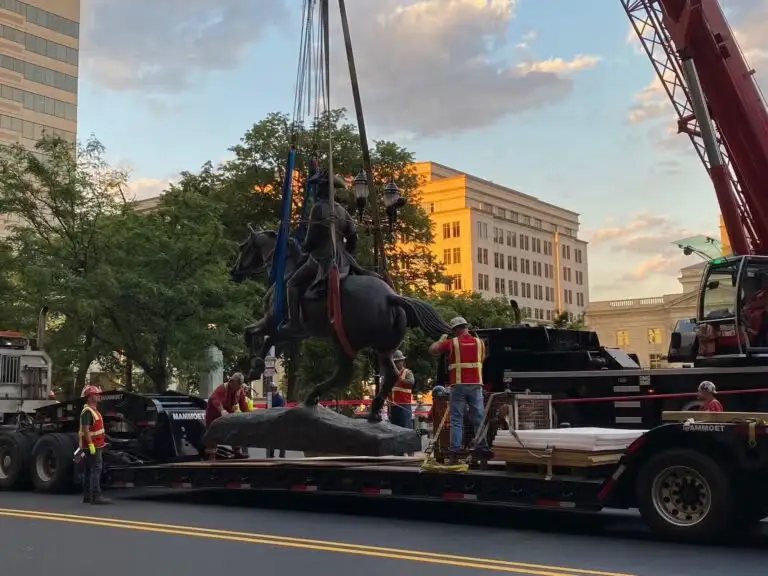
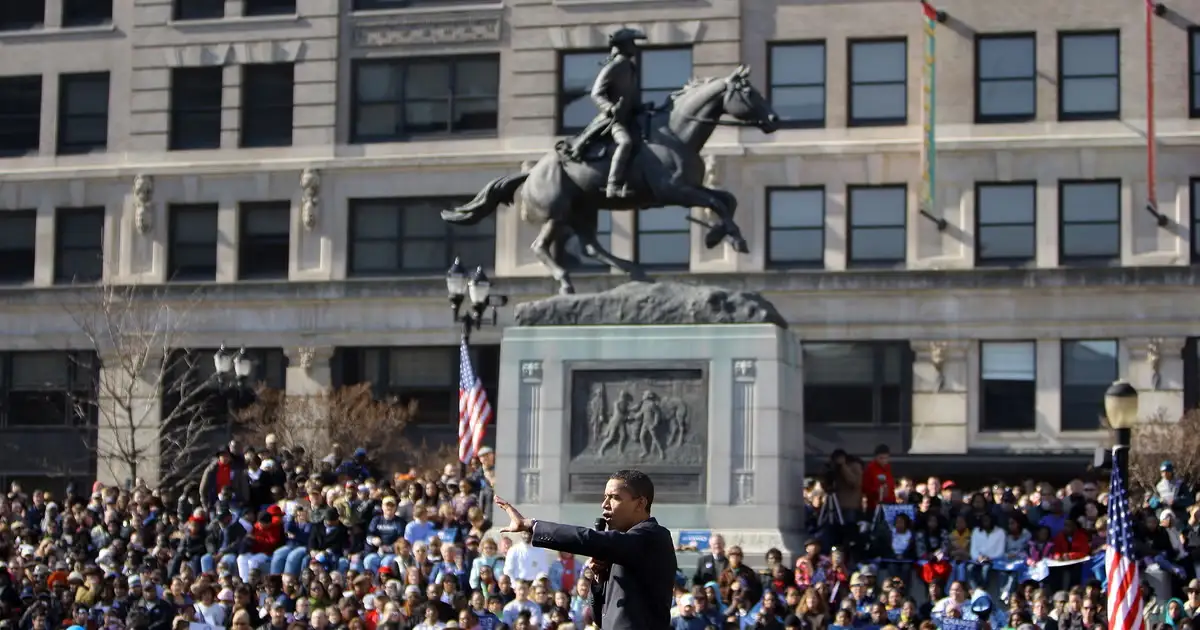
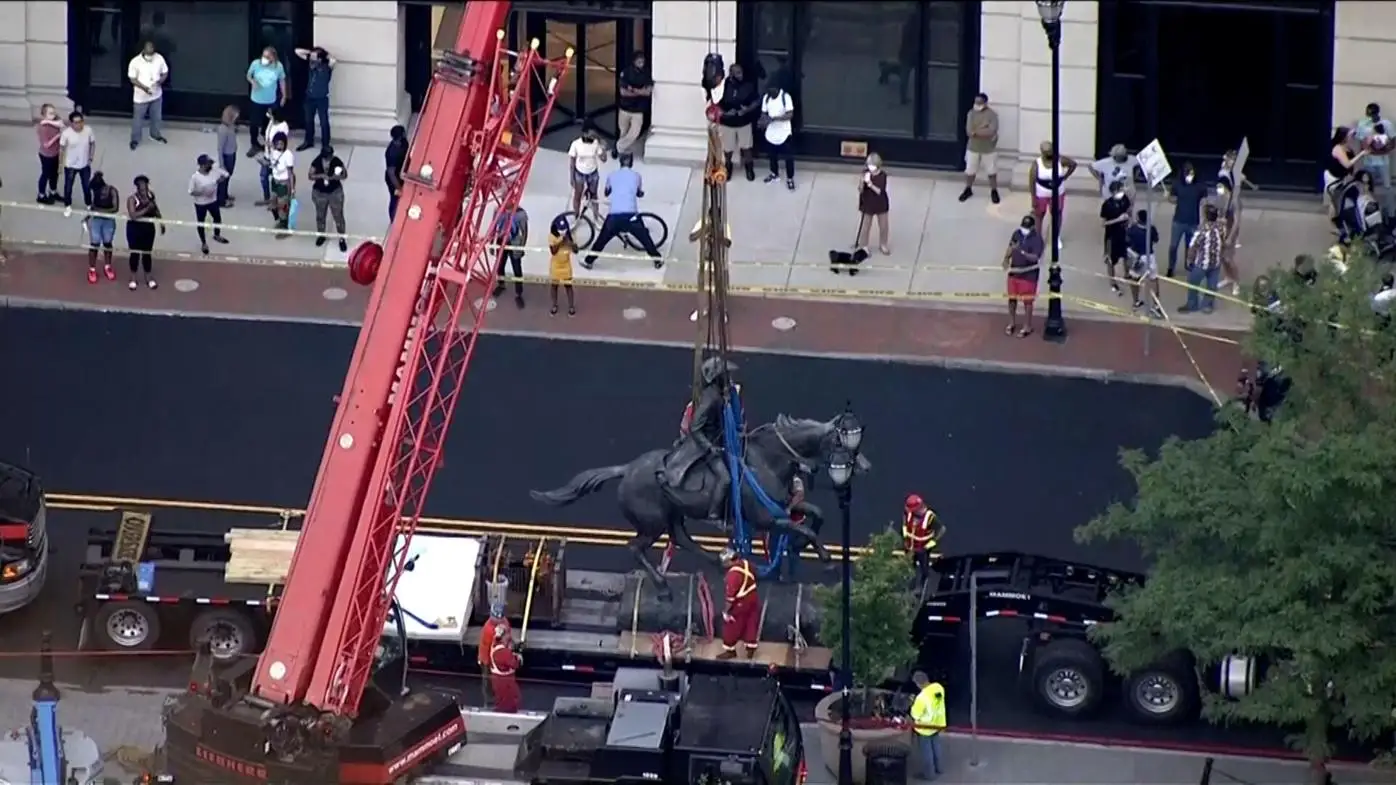
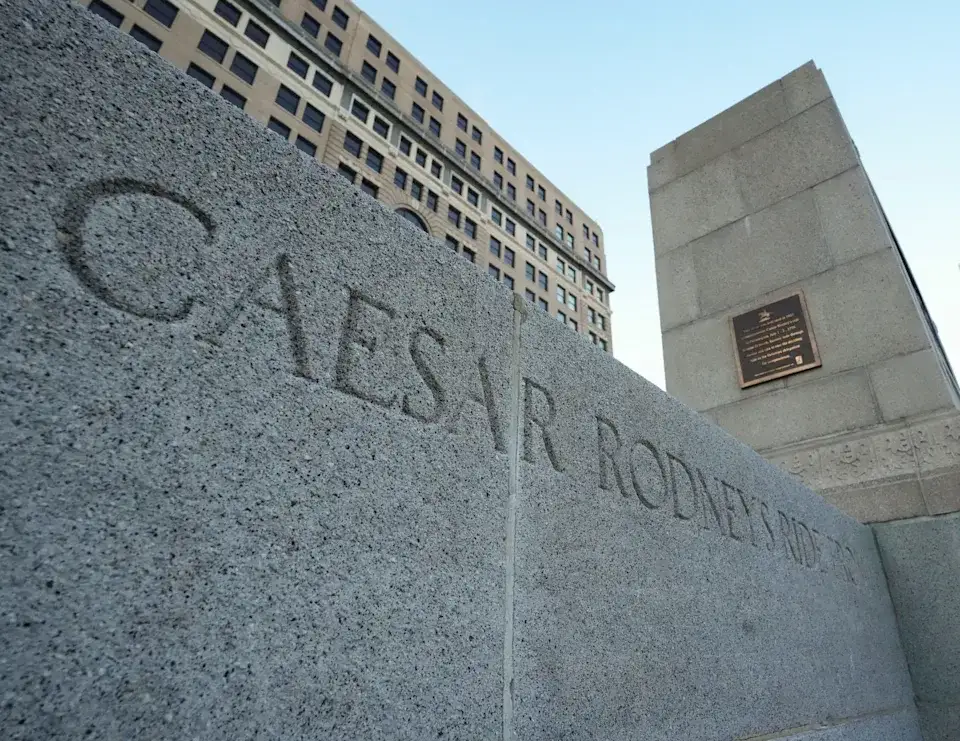
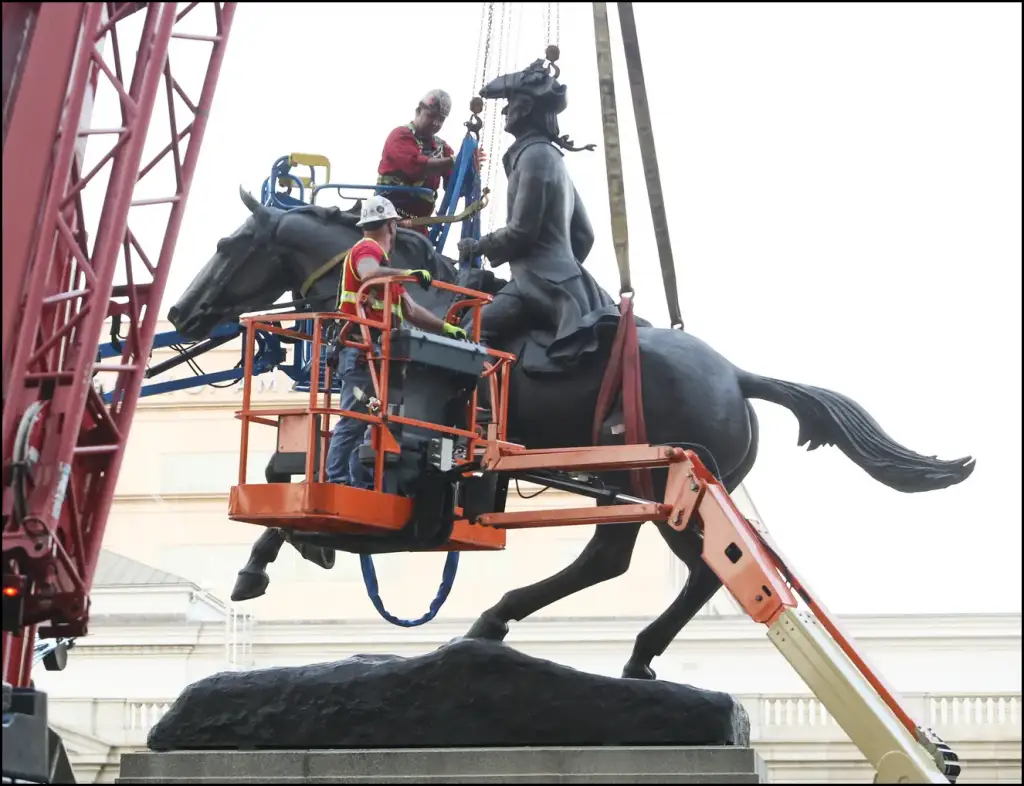
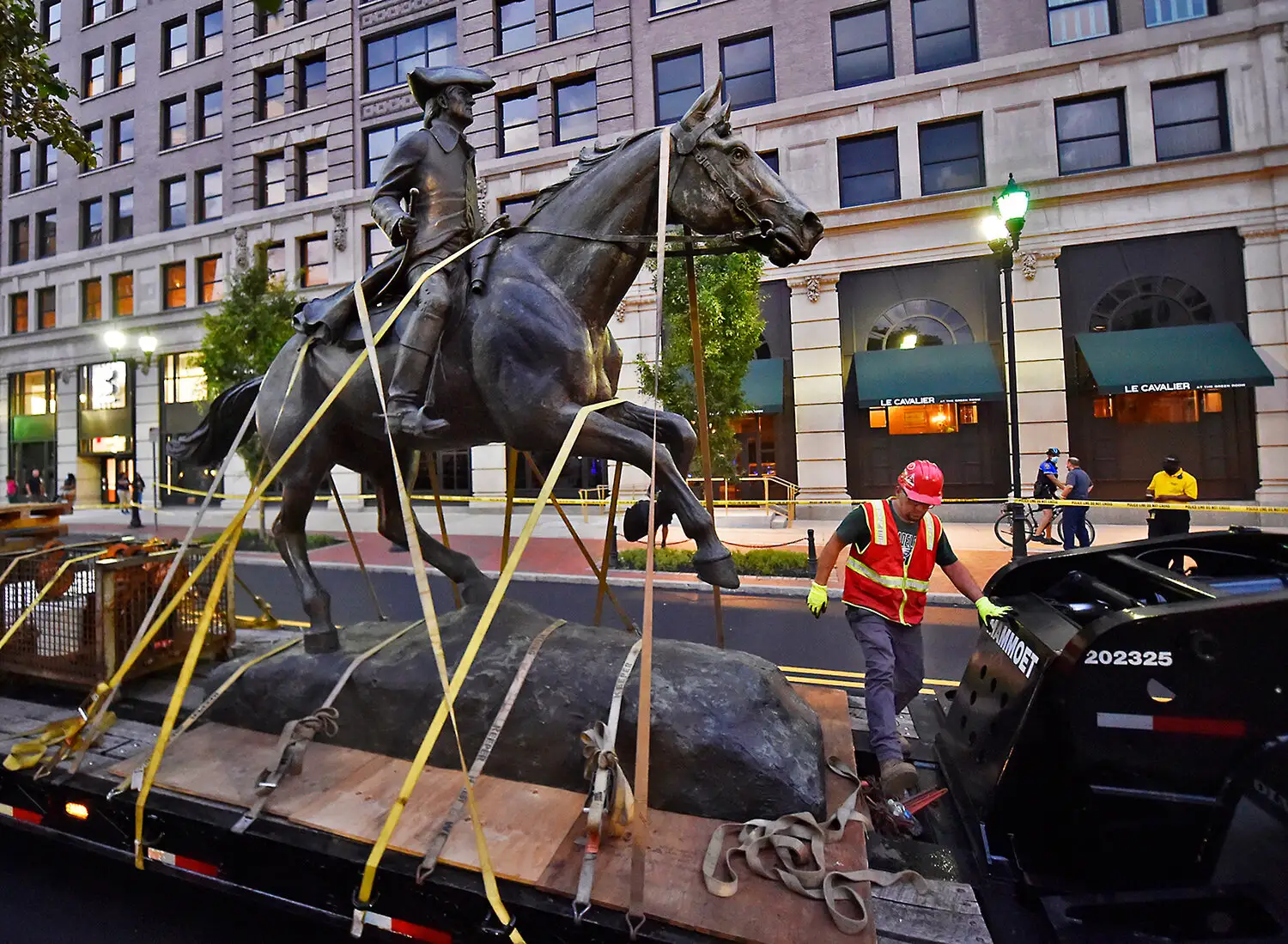
The Trump administration has reinstalled a statue of Caesar Rodney in Washington, D.C., years after it was removed from its former location in Wilmington, Delaware. The statue had stood in Rodney Square for nearly a century before officials took it down in 2020 during a nationwide racial reckoning.
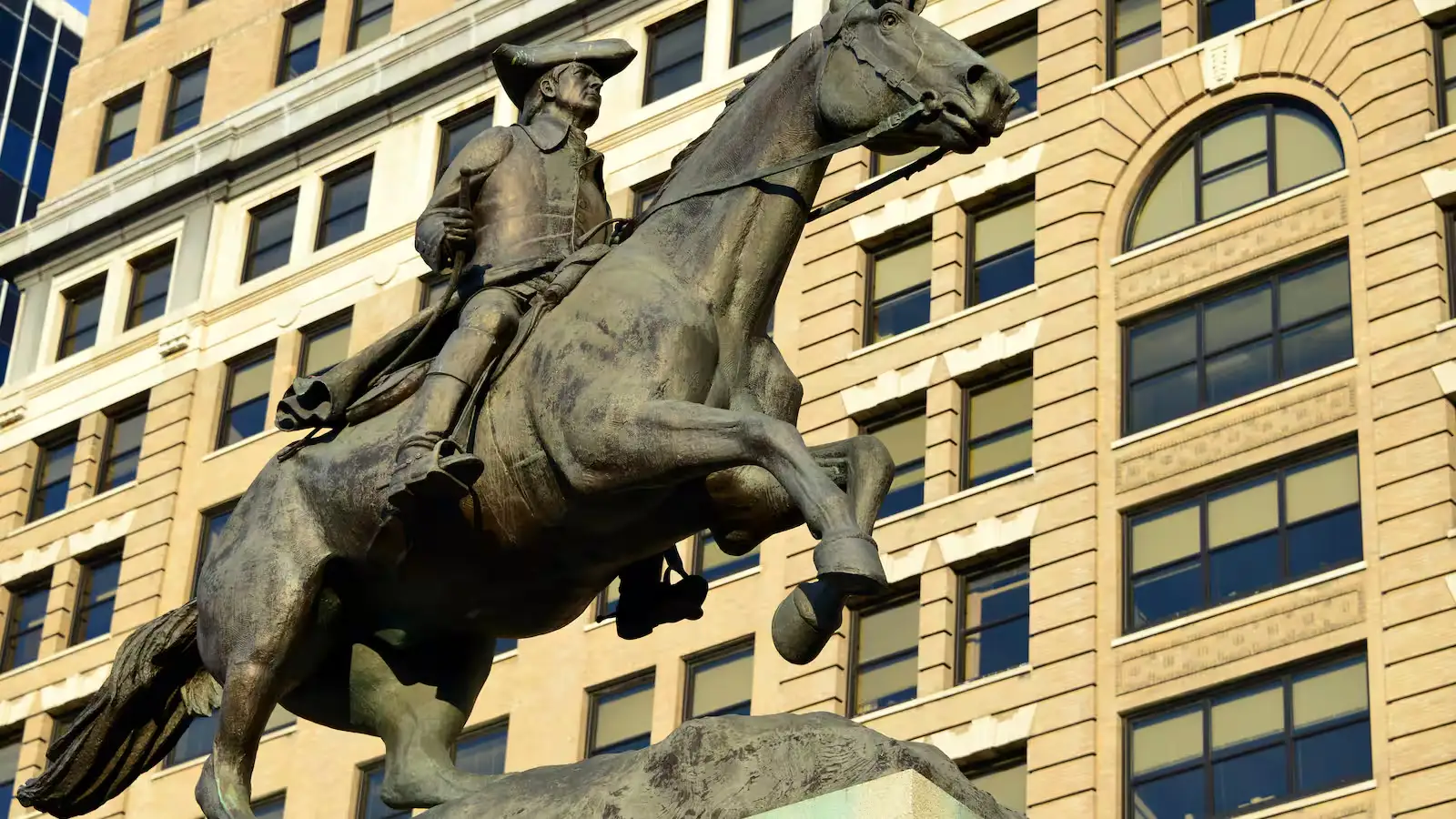
Caesar Rodney was one of the signers of the Declaration of Independence and a major political figure from Delaware during the American Revolution. Its return has reopened a major debate about monuments, memory, slavery, and how public history should be presented.
 Via The Hill
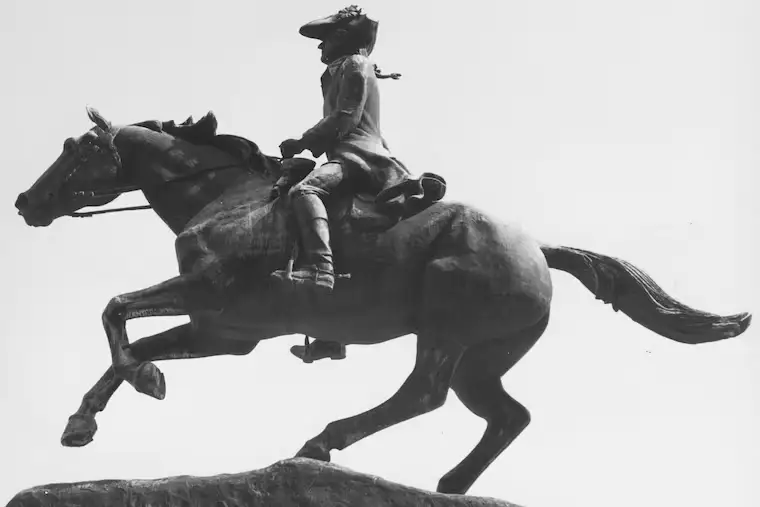
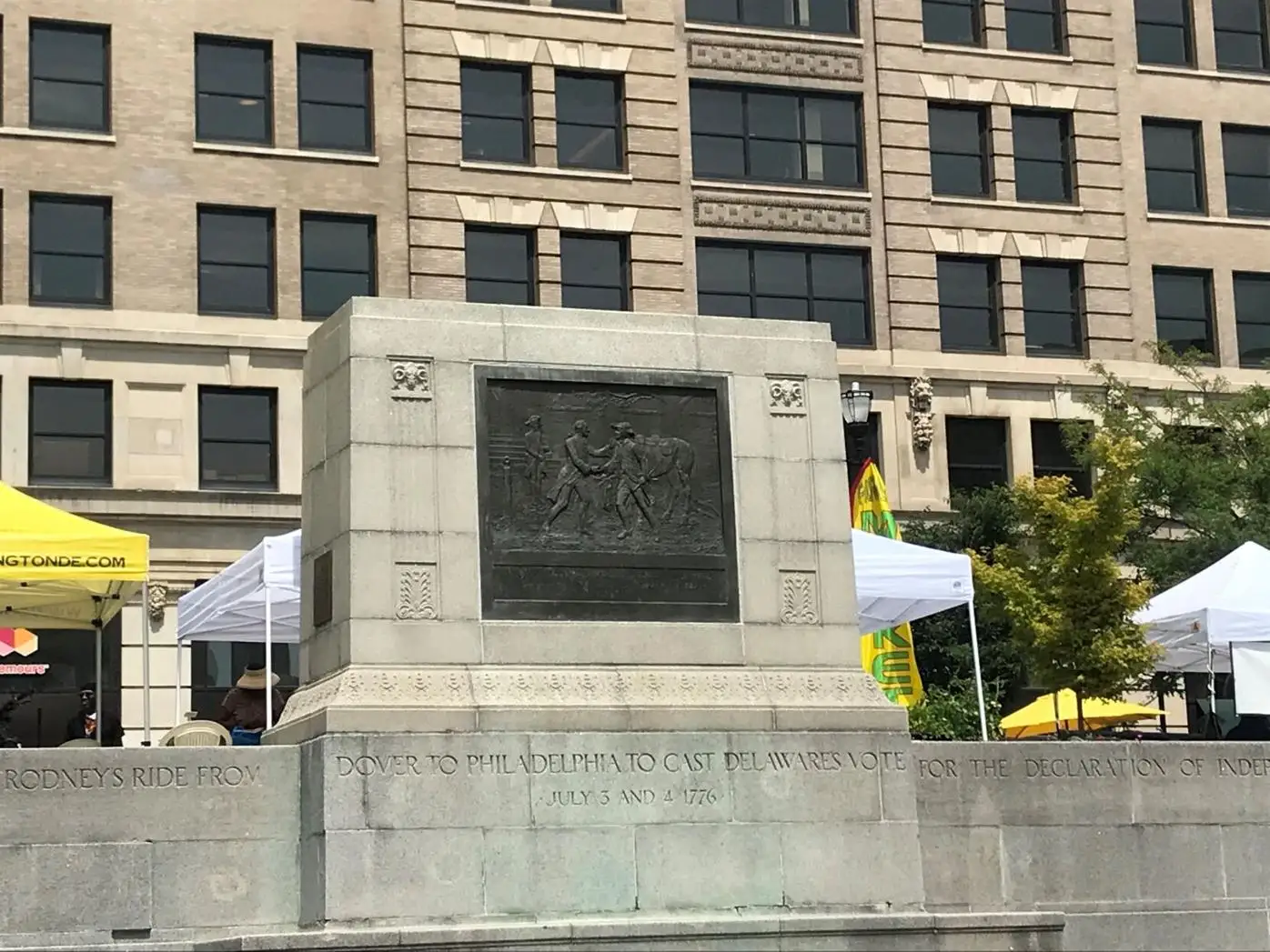
Supporters of the statue argue that his famous ride to Philadelphia in 1776 helped secure Delaware’s vote for independence at a critical moment. To many people, the monument represents courage, sacrifice, and the founding story of the United States.
Critics view the statue differently because Rodney was also an enslaver. Historical accounts have linked him to the ownership of many enslaved people during the 18th century. For those who opposed the statue’s public placement, honoring Rodney without clear context ignores the suffering connected to slavery and presents an incomplete version of American history.
 Via Yahoo
 Via The Philadelphia Inquirer
His public service made him a recognized figure in Delaware and beyond. Streets, schools, landmarks, and monuments have carried his name for generations. Yet his legacy is not simple because the same man honored for supporting liberty also lived in a society built partly on slavery and personally benefited from it.
 Via WHYY
Wilmington officials removed the Rodney statue along with other controversial monuments during that time. The decision was presented as part of a wider effort to create space for discussion about what public symbols should represent. For many residents, the statue had become a reminder that historical honor was often given without enough attention to enslaved people and their descendants.
Supporters of removal believed that public squares should reflect values of dignity, equality, and inclusion. They argued that a statue in a place of honor can feel like a celebration, not education. In their view, Rodney’s role as an enslaver made the monument difficult to justify without deeper explanation and historical balance.
 Via The Independent
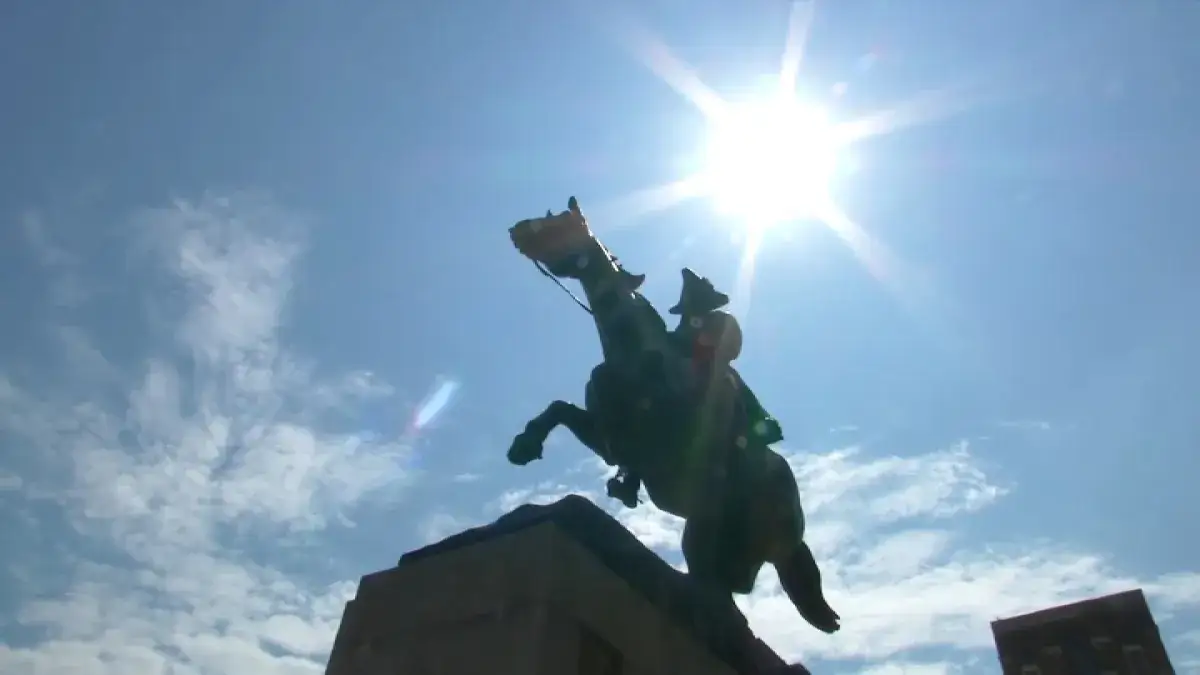 Via NBC10 Philadelphia
Opponents believe the decision sends the wrong message at a time when many communities are asking for fuller and more honest history. They argue that reinstalling the statue without a strong context can appear to celebrate a slaveholder while overlooking the people he enslaved. The controversy shows that monuments are never just stone or bronze. They carry meaning, memory, and political power.
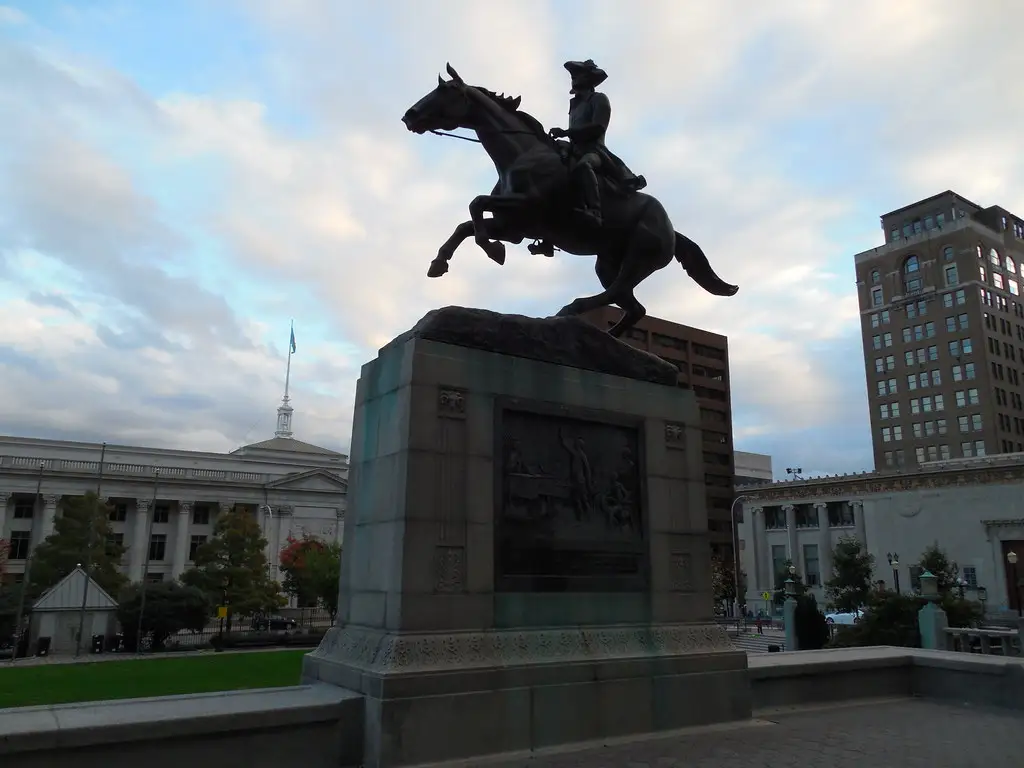 Via Flickr
Some people believe monuments should remain in place because they help preserve history. They see removal as an attempt to erase difficult chapters rather than explain them. This view often supports adding plaques, museum exhibits, or educational programs so people can learn the full story behind the figure being honored.
Others believe that public honor should be reserved for people whose legacies reflect modern civic values. They argue that history can still be taught in books, museums, schools, and archives without placing controversial figures on pedestals. For them, removal is not erasure. It is a change in how society chooses to honor the past.
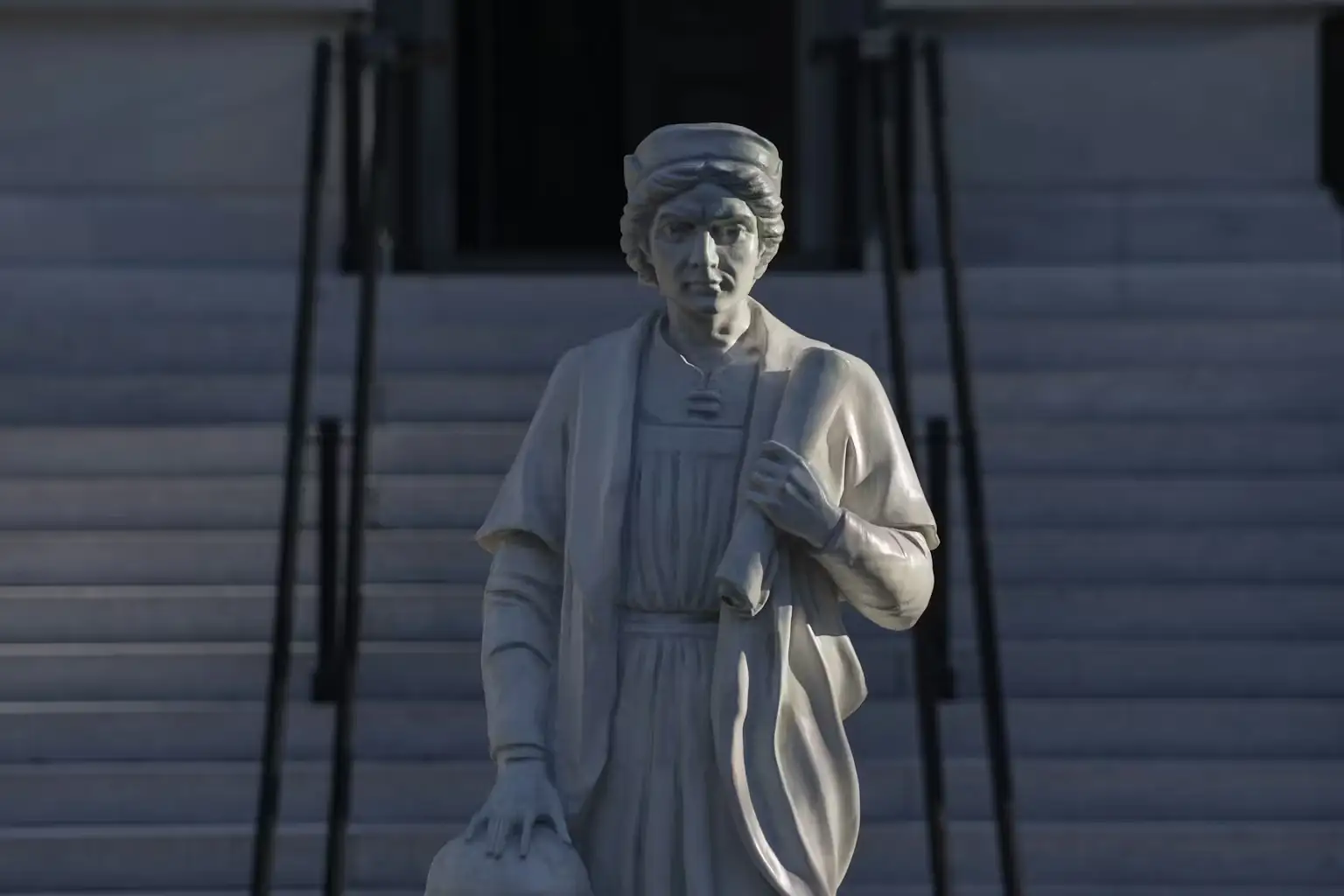 Via The Conversation
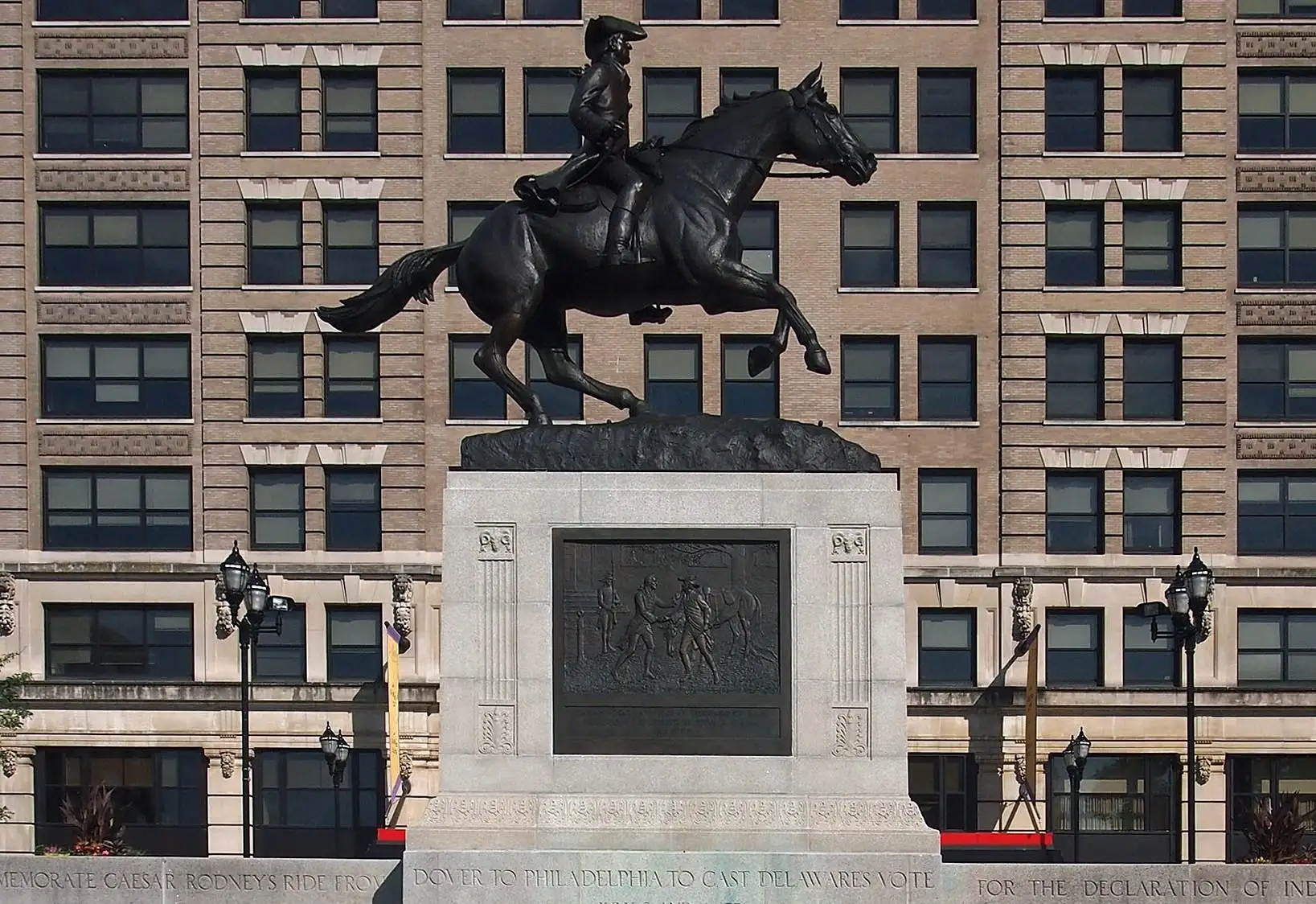 Via Wikipedia
Rodney’s statue forces people to ask whether achievement should outweigh harm when deciding who receives public honor. It also asks whether a monument can educate people if it does not clearly explain both sides of a person’s life. Without context, a statue can simplify history into hero worship, leaving out the people most harmed by the systems of the past.
 Via WBOC
Other people criticized the decision because Rodney’s connection to slavery remains central to his legacy. They believe that reinstalling the statue in a prominent public space may reopen wounds from the 2020 protests and make affected communities feel ignored. Their concern is not only about Rodney himself but also about the message sent by placing him back in a place of honor.
The debate also reflects wider political disagreement over American history. Some leaders emphasize pride, tradition, and preservation. Others focus on accountability, racial justice, and historical repair. The Rodney statue has become part of this larger national conversation, where the same monument can mean very different things to different people.
 Via Yahoo
 Via Dave Tabler
Public history works best when it does not hide uncomfortable truths. A fuller presentation can help visitors understand that the nation’s founding was shaped by both inspiring ideals and deep injustice. This kind of context does not weaken history. It makes history more complete, more honest, and more useful for future generations.
 Via The Washington Post
For many communities, the movement was about more than statues. It was about whose stories had been centered and whose stories had been left out. Public monuments often reflected the power structures of earlier generations. The 2020 reckoning pushed local governments to ask whether those symbols still represented the people living around them.
The Rodney statue’s return shows that the debate did not end with removal. Monuments can reappear, be reinterpreted, or become part of new political battles. The question now is not only whether statues should stay or go. It is also how society should explain them when they return to public view.
 Via Delware State News
 Via WDEL
The statue’s reinstallation will likely continue to spark debate, especially as America reflects on its founding history. Public monuments can teach powerful lessons when they are presented with care. A fuller understanding of Caesar Rodney’s legacy can help people see the American past not as a perfect story, but as a complicated one still shaping the nation today.
More in UnassignedVia The Hill
Supporters of the statue argue that his famous ride to Philadelphia in 1776 helped secure Delaware’s vote for independence at a critical moment. To many people, the monument represents courage, sacrifice, and the founding story of the United States.
Critics view the statue differently because Rodney was also an enslaver. Historical accounts have linked him to the ownership of many enslaved people during the 18th century. For those who opposed the statue’s public placement, honoring Rodney without clear context ignores the suffering connected to slavery and presents an incomplete version of American history.
Via Yahoo
Who Caesar Rodney Was in American History
Caesar Rodney was born in Delaware in 1728 and became an important figure in colonial politics. He served in several public roles before and during the American Revolution, helping shape Delaware’s position at a time when the colonies were deciding whether to break from Britain. His name is often remembered because of one dramatic moment tied to the vote for independence. In July 1776, Rodney traveled to Philadelphia despite poor health so he could cast Delaware’s deciding independence vote. This ride became one of the most repeated stories about his life. It helped build an image of Rodney as a patriotic leader who put duty above personal comfort during a turning point in American history.
Via The Philadelphia Inquirer
His public service made him a recognized figure in Delaware and beyond. Streets, schools, landmarks, and monuments have carried his name for generations. Yet his legacy is not simple because the same man honored for supporting liberty also lived in a society built partly on slavery and personally benefited from it.
Why the Statue Was Removed in 2020
The Caesar Rodney statue was removed from Wilmington in 2020 during a period of intense national protest after the murder of George Floyd. Across the United States, communities began reviewing monuments connected to slavery, racism, colonialism, and other painful parts of history. Many statues that had stood for decades became the center of public debate.
Via WHYY
Wilmington officials removed the Rodney statue along with other controversial monuments during that time. The decision was presented as part of a wider effort to create space for discussion about what public symbols should represent. For many residents, the statue had become a reminder that historical honor was often given without enough attention to enslaved people and their descendants.
Supporters of removal believed that public squares should reflect values of dignity, equality, and inclusion. They argued that a statue in a place of honor can feel like a celebration, not education. In their view, Rodney’s role as an enslaver made the monument difficult to justify without deeper explanation and historical balance.
Via The Independent
Why the Statue’s Return Matters Now
The statue’s return to Washington, D.C., gives the debate national attention again. Placing the monument in the capital connects it to broader discussions about America’s 250th anniversary, public memory, and the founding era. It also shows how political leaders can shape which parts of history receive attention. Supporters of the reinstallation see it as a correction after years of monument removals. They argue that removing statues can weaken public understanding of the past. For them, Rodney’s role in the Declaration of Independence is important enough to deserve recognition, even if his life also included serious moral flaws.Via NBC10 Philadelphia
Opponents believe the decision sends the wrong message at a time when many communities are asking for fuller and more honest history. They argue that reinstalling the statue without a strong context can appear to celebrate a slaveholder while overlooking the people he enslaved. The controversy shows that monuments are never just stone or bronze. They carry meaning, memory, and political power.
The Role of Monuments in Public Spaces
Public monuments shape how people understand history. A statue in a city square or national plaza often suggests that the person shown is worthy of honor. This is why debates over monuments can become emotional. They are not only about the past. They are also about what society chooses to value in the present.Via Flickr
Some people believe monuments should remain in place because they help preserve history. They see removal as an attempt to erase difficult chapters rather than explain them. This view often supports adding plaques, museum exhibits, or educational programs so people can learn the full story behind the figure being honored.
Others believe that public honor should be reserved for people whose legacies reflect modern civic values. They argue that history can still be taught in books, museums, schools, and archives without placing controversial figures on pedestals. For them, removal is not erasure. It is a change in how society chooses to honor the past.
Via The Conversation
Caesar Rodney’s Complicated Legacy
Caesar Rodney’s legacy reflects one of the central contradictions of early American history. He supported independence and helped create a nation built on ideas of liberty. At the same time, he lived within and benefited from a system that denied liberty to enslaved people. This conflict makes his story difficult but important to examine. Many Founding Fathers had similarly complicated lives. Some spoke about freedom while owning enslaved people. Some helped build democratic institutions while excluding women, Indigenous people, Black Americans, and many others from full rights. These contradictions do not erase their historical importance, but they do require careful and honest discussion.Via Wikipedia
Rodney’s statue forces people to ask whether achievement should outweigh harm when deciding who receives public honor. It also asks whether a monument can educate people if it does not clearly explain both sides of a person’s life. Without context, a statue can simplify history into hero worship, leaving out the people most harmed by the systems of the past.
Public Reaction to the Reinstallation
Public reaction to the statue’s return has been divided. Some Americans welcomed the move as a celebration of the country’s founding history. They believe Rodney’s ride and vote for independence deserve to be remembered, especially during a major national anniversary. For these supporters, the statue represents patriotic sacrifice and the birth of the United States.Via WBOC
Other people criticized the decision because Rodney’s connection to slavery remains central to his legacy. They believe that reinstalling the statue in a prominent public space may reopen wounds from the 2020 protests and make affected communities feel ignored. Their concern is not only about Rodney himself but also about the message sent by placing him back in a place of honor.
The debate also reflects wider political disagreement over American history. Some leaders emphasize pride, tradition, and preservation. Others focus on accountability, racial justice, and historical repair. The Rodney statue has become part of this larger national conversation, where the same monument can mean very different things to different people.
Via Yahoo
How Context Can Change the Meaning of a Statue
Context plays a major role in how people understand monuments. A statue without explanation can feel like simple praise. A statue with detailed historical information can invite deeper learning. This is why some historians argue that controversial monuments should not stand alone without plaques, exhibits, or public programming. A balanced display of the Caesar Rodney statue could explain his role in Delaware’s vote for independence while also acknowledging his ownership of enslaved people. It could include information about the lives of enslaved people in Delaware, the economy of the 18th century, and the limits of freedom during the founding period. This approach would allow the monument to become a teaching tool rather than a one-sided tribute.Via Dave Tabler
Public history works best when it does not hide uncomfortable truths. A fuller presentation can help visitors understand that the nation’s founding was shaped by both inspiring ideals and deep injustice. This kind of context does not weaken history. It makes history more complete, more honest, and more useful for future generations.
The 2020 Racial Reckoning and Its Lasting Impact
The events of 2020 changed the way many Americans viewed public monuments. After nationwide protests against racial injustice, cities and institutions began rethinking symbols that had long gone unquestioned. Statues of Confederate leaders, colonizers, slaveholders, and other controversial figures were removed, relocated, or placed under review.Via The Washington Post
For many communities, the movement was about more than statues. It was about whose stories had been centered and whose stories had been left out. Public monuments often reflected the power structures of earlier generations. The 2020 reckoning pushed local governments to ask whether those symbols still represented the people living around them.
The Rodney statue’s return shows that the debate did not end with removal. Monuments can reappear, be reinterpreted, or become part of new political battles. The question now is not only whether statues should stay or go. It is also how society should explain them when they return to public view.
Via Delware State News
A Fuller Way to Remember American History
The return of the Caesar Rodney statue in Washington, D.C., has brought attention back to one of the hardest questions in public history. How should a country remember people who helped build its freedom while also denying freedom to others? Rodney’s story includes courage, public service, and a decisive vote for independence. It also includes slavery and the lives of people who were denied the very liberty the Revolution claimed to defend. Both truths belong in the public conversation.Via WDEL
The statue’s reinstallation will likely continue to spark debate, especially as America reflects on its founding history. Public monuments can teach powerful lessons when they are presented with care. A fuller understanding of Caesar Rodney’s legacy can help people see the American past not as a perfect story, but as a complicated one still shaping the nation today.