Unassigned
How Hormuz Crisis May Shape China’s Taiwan Plans
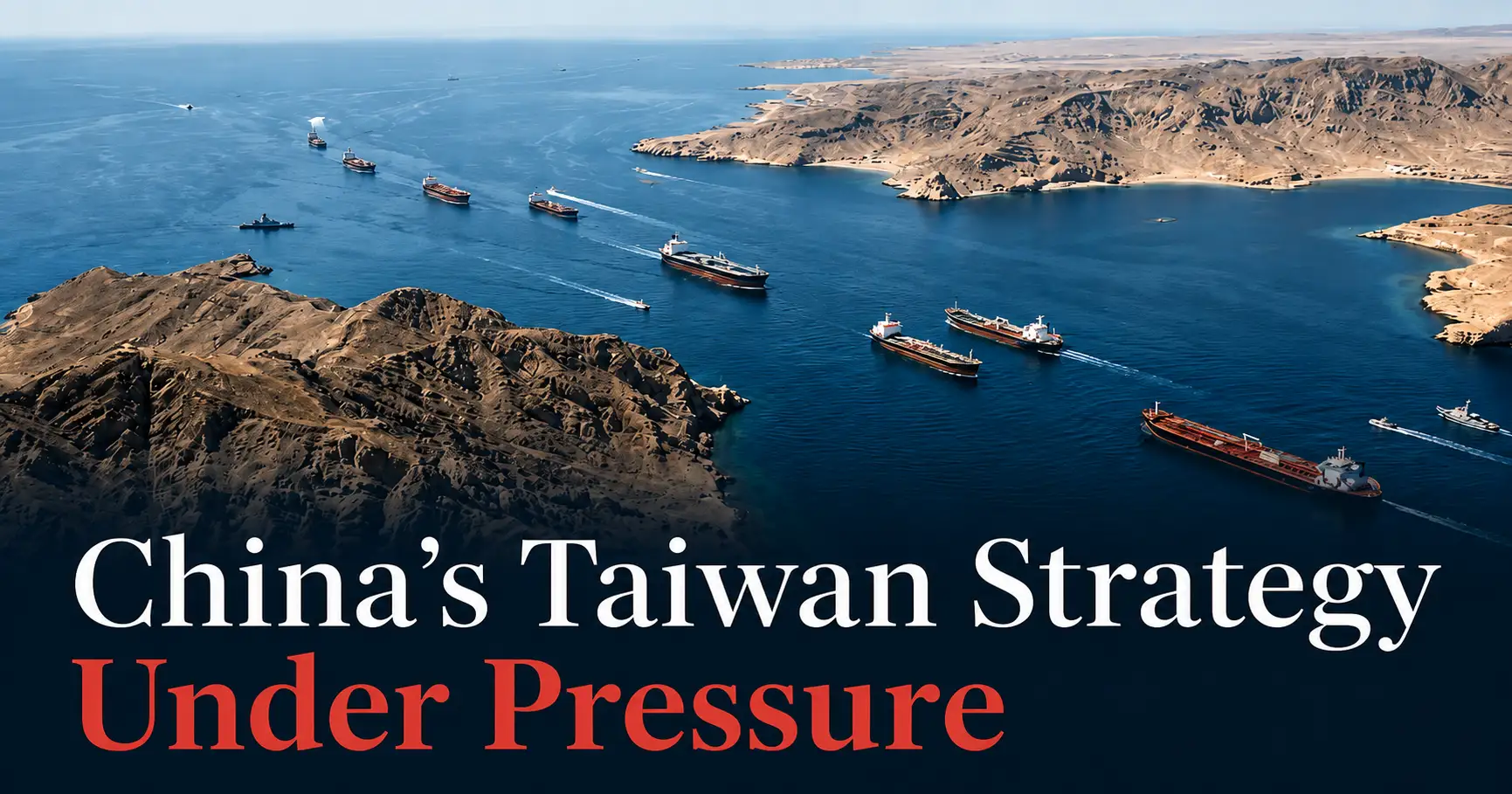
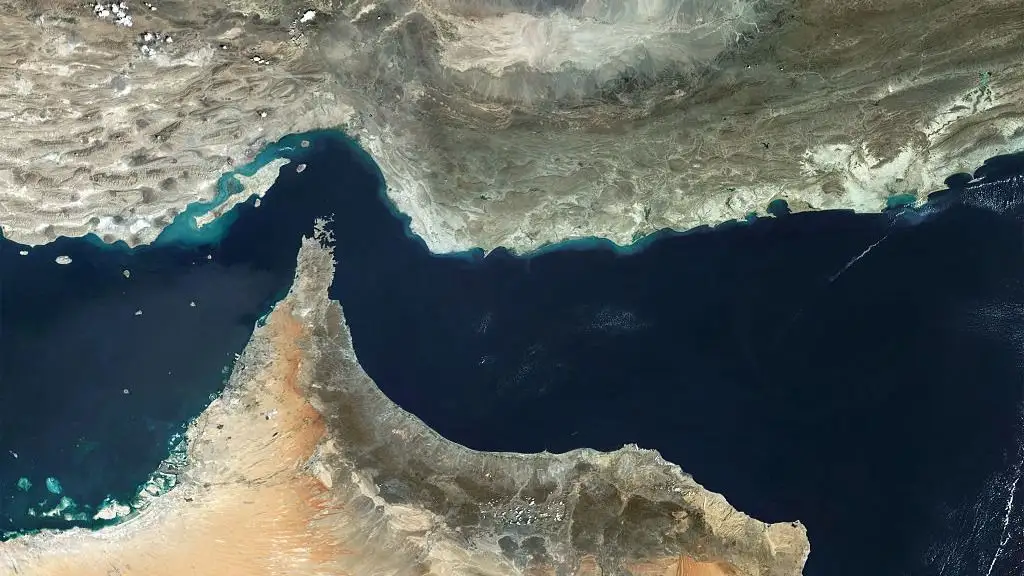
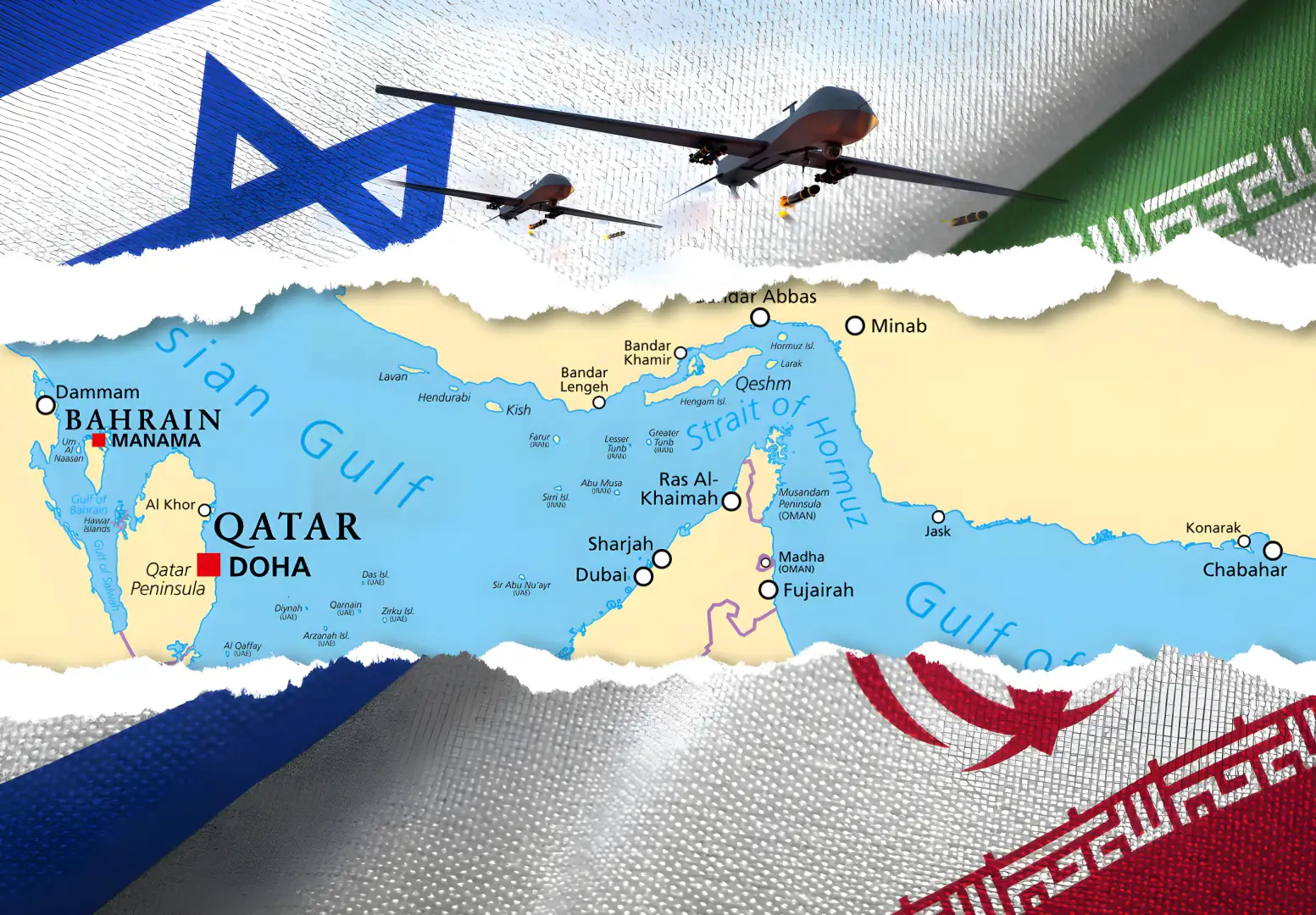
The Strait of Hormuz has become one of the most critical chokepoints in global trade, and recent events have shown how fragile these routes can be. A few targeted missile and drone strikes were enough to disrupt shipping without the need for a traditional naval blockade.
This approach created fear in the insurance markets, which led to an immediate halt in commercial shipping. The situation revealed how economic pressure can be just as powerful as military force. Global trade depends heavily on stability, and even a small disruption can ripple across economies.
 Via TIME
Shipping companies rely on insurance coverage, and once that safety net is removed, they often choose to avoid risk entirely. This chain reaction can shut down trade routes without a single ship being sunk. Such tactics highlight a new kind of warfare that focuses on uncertainty rather than direct conflict.
These developments have caught the attention of military planners around the world. Strategic thinkers are now studying how economic pressure and controlled disruption can achieve political goals. The events in Hormuz offer a real-world example of how influence can be exerted without triggering full-scale war.
 Via BBC
 Via Azer News
This model of warfare is especially effective because it targets the private sector. Governments do not need to enforce restrictions directly. Instead, they create conditions that encourage businesses to comply voluntarily. This strategy can weaken opponents while avoiding the risks of traditional warfare.
 Via 930 WFMD
Economic pressure offers a less risky and potentially more effective path. By controlling access to Taiwan, China could influence trade without launching a direct attack. This approach would allow China to assert authority while minimizing the chances of a large-scale conflict. It also reduces the risk of an immediate international military response.
This shift in thinking reflects a broader change in global strategy. Nations are exploring ways to achieve goals without traditional warfare. By studying events like those in Hormuz, planners can develop new methods that rely on influence and control rather than force.
 Via Defense News
 Via Quincy Institute
Such a strategy would rely on perception rather than confrontation. By making the environment appear dangerous, China could achieve its goals without firing a single shot at commercial vessels. This approach mirrors the tactics seen in the Strait of Hormuz.
 Via Esade Insights
Unlike oil, semiconductors cannot be easily stored or replaced. They are expensive to produce and have a limited shelf life. This makes it difficult to build large reserves for emergencies. As a result, even a short disruption could create shortages across multiple industries.
A crisis in Taiwan would affect economies worldwide. Manufacturing could slow down, and technology production could face delays. Financial markets might also react negatively, leading to broader economic instability. The importance of semiconductors makes this scenario particularly concerning.
 Via Asian Insider
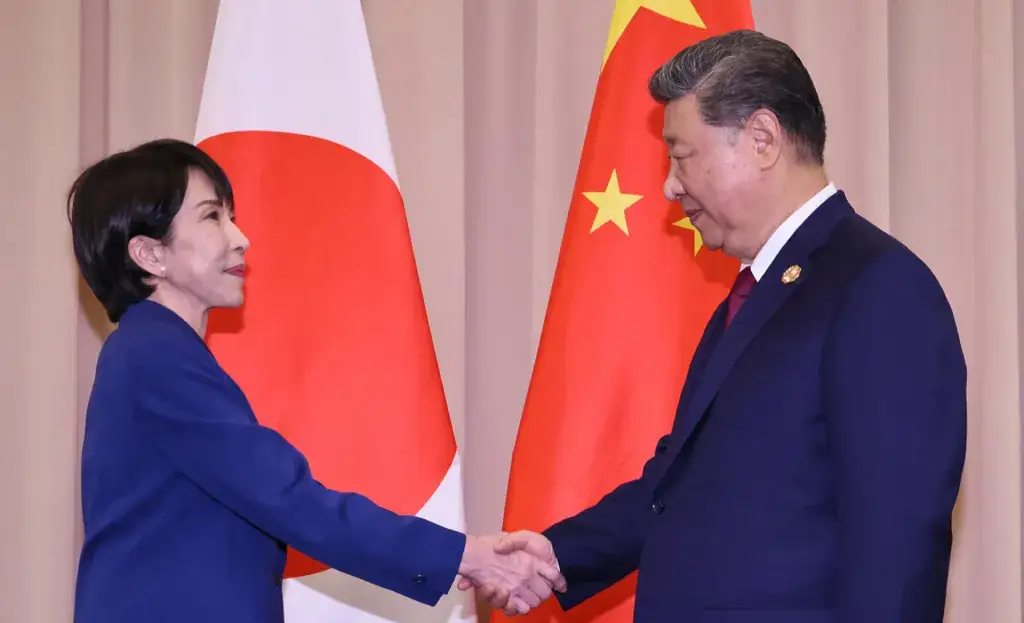 Via Just Security
This approach contrasts with many other countries that rely heavily on global supply chains. Without similar preparations, these nations may struggle to respond effectively to disruptions. The imbalance in readiness could shape the outcome of future conflicts.
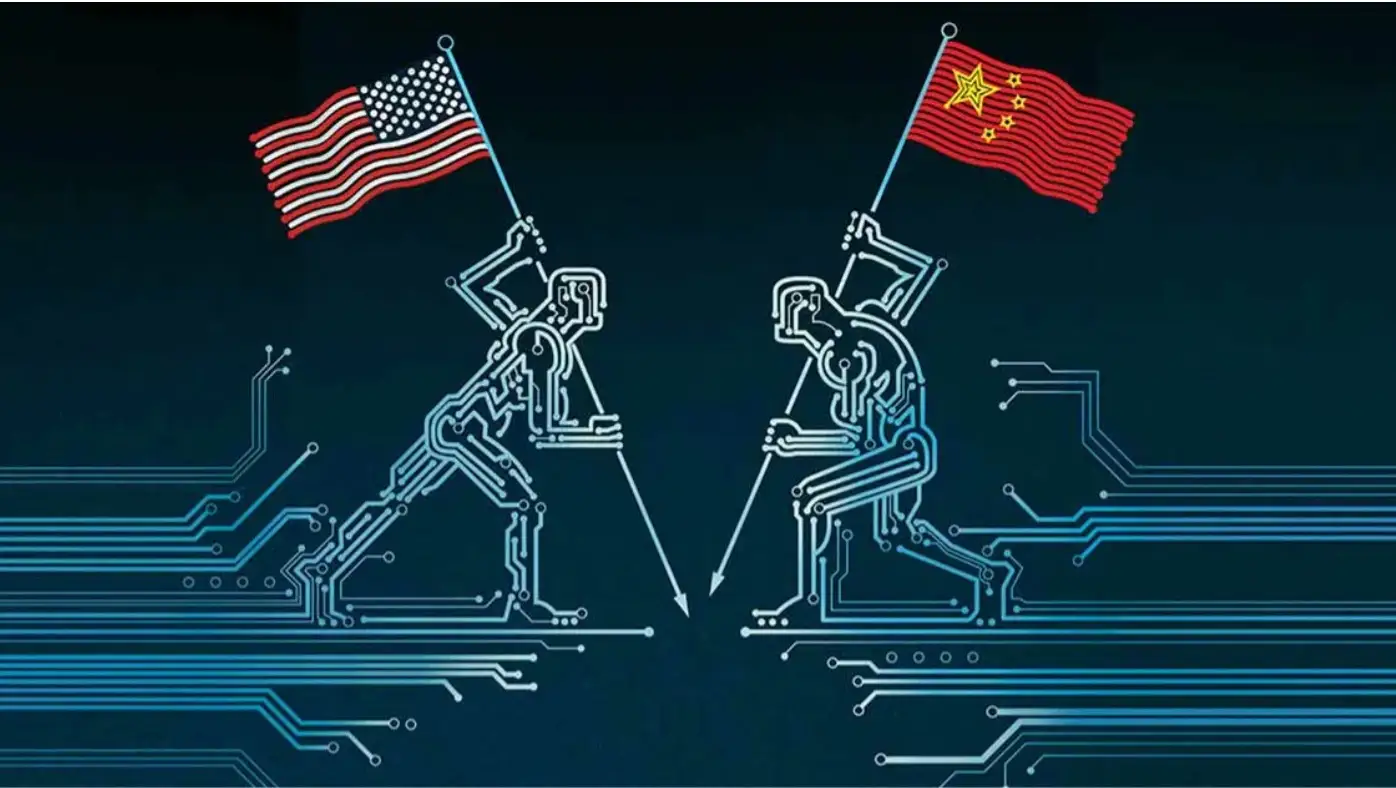 Via China US Focus
Supply chains are complex and interconnected, making them difficult to manage during disruptions. Without clear strategies, countries may compete for resources instead of working together. This competition can weaken collective responses and increase vulnerability.
Improving coordination requires joint planning and communication. Nations need to identify critical sectors and develop strategies to protect them. Building stronger partnerships can help create a more unified response to future challenges.
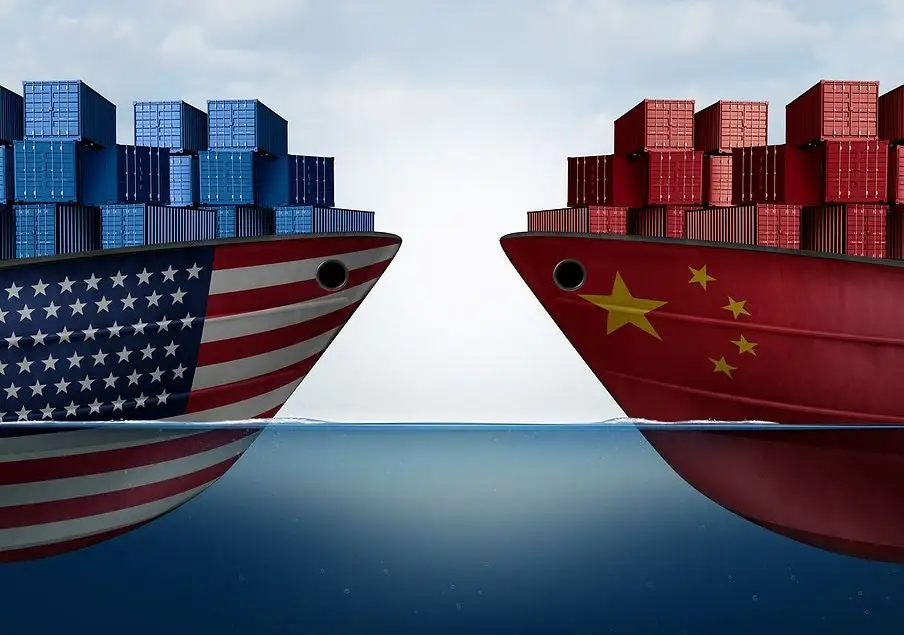 Via Supply Chain Brain
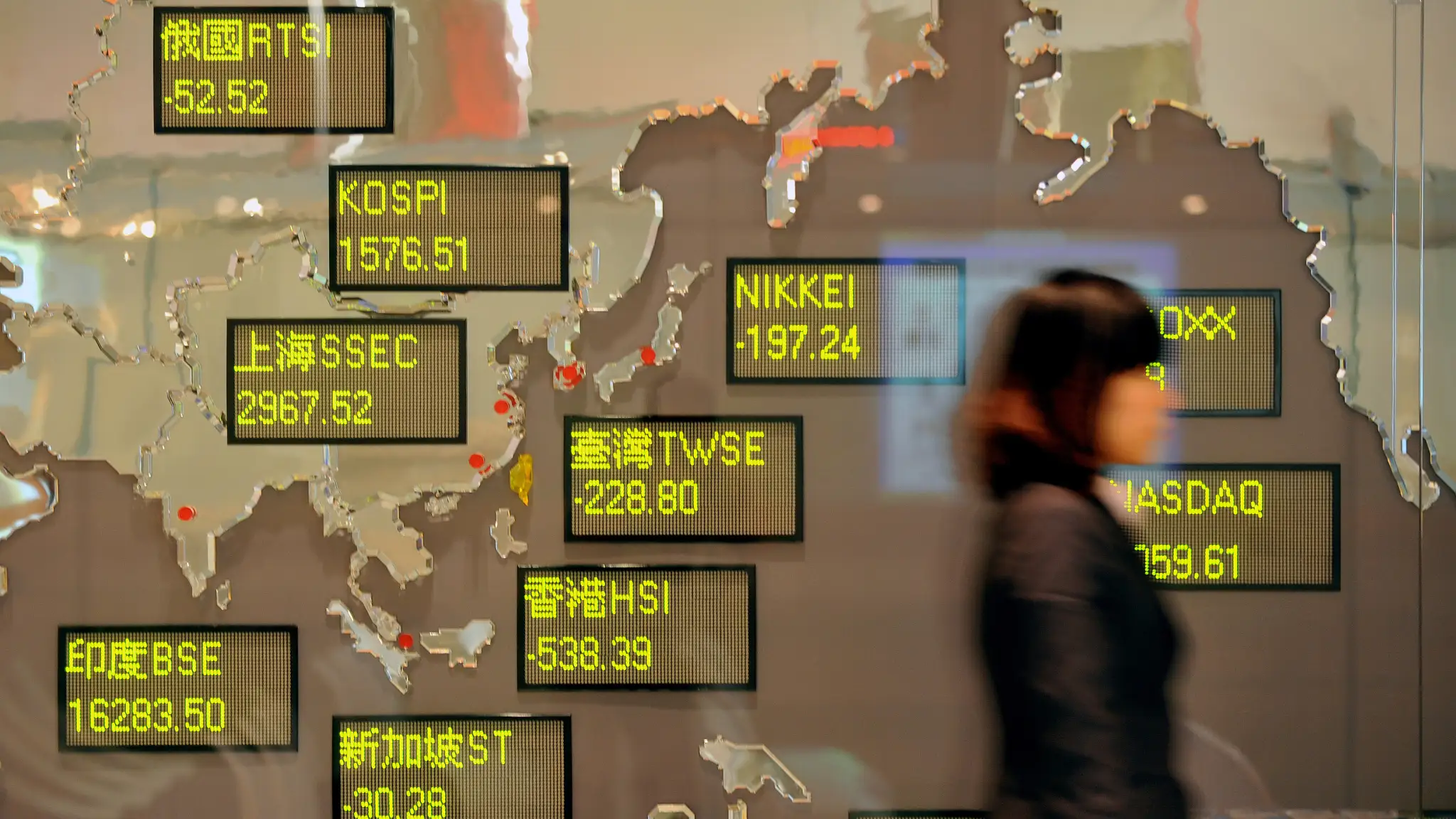 Via CSIS
Long-term effects could include shifts in supply chains and changes in trade patterns. Companies may seek to diversify production to reduce risk. While this could improve resilience over time, the transition would likely be costly and complex.
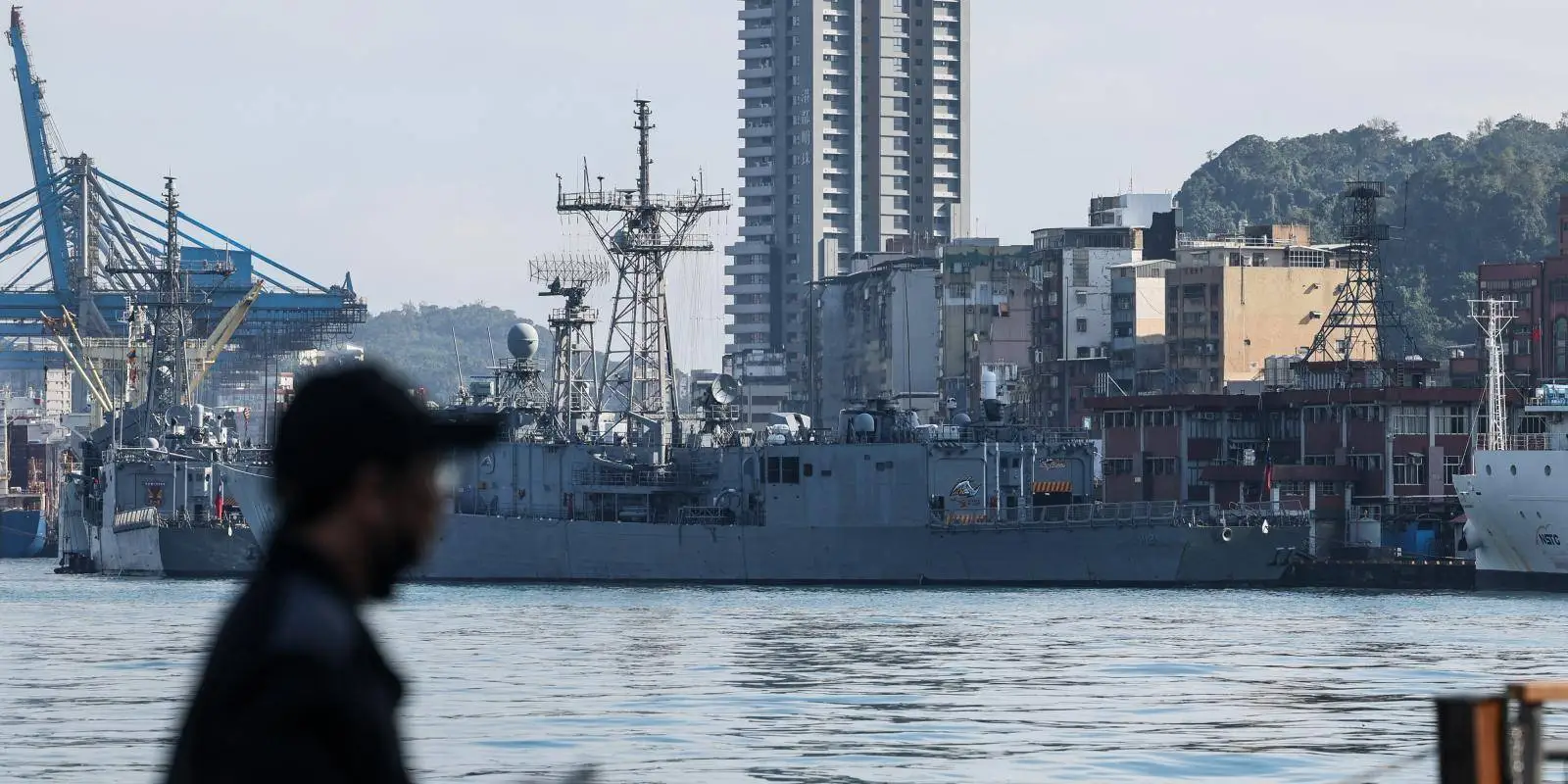 Via Chatham House
Planning can help minimize the impact of disruptions. By identifying weak points in supply chains, nations can develop strategies to address them. This proactive approach is more effective than reacting after a crisis has already begun.
Resilience also requires cooperation among allies. Sharing resources and information can strengthen collective responses. By working together, countries can reduce the effectiveness of economic pressure tactics.
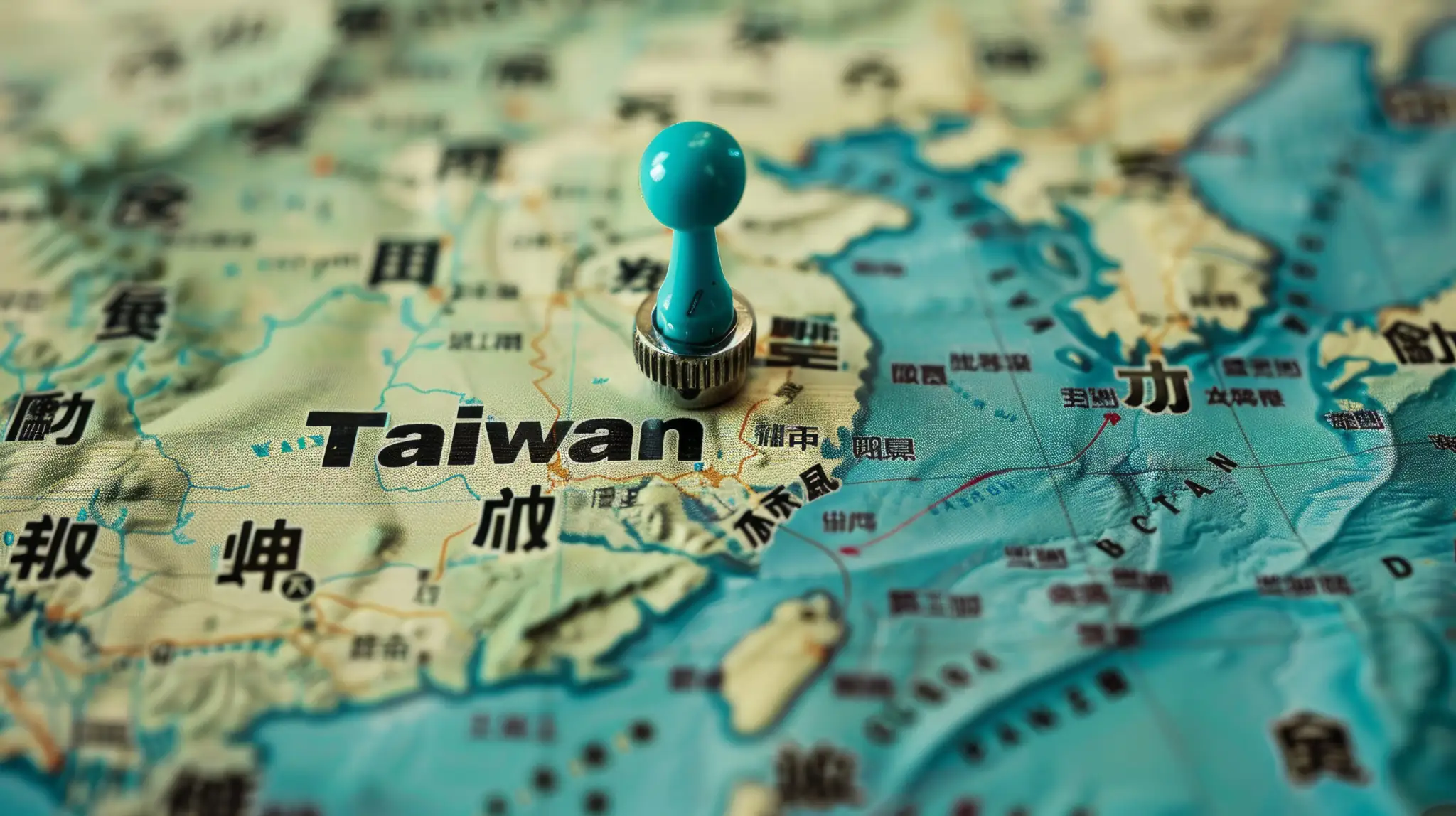 Via Small Wars Journal
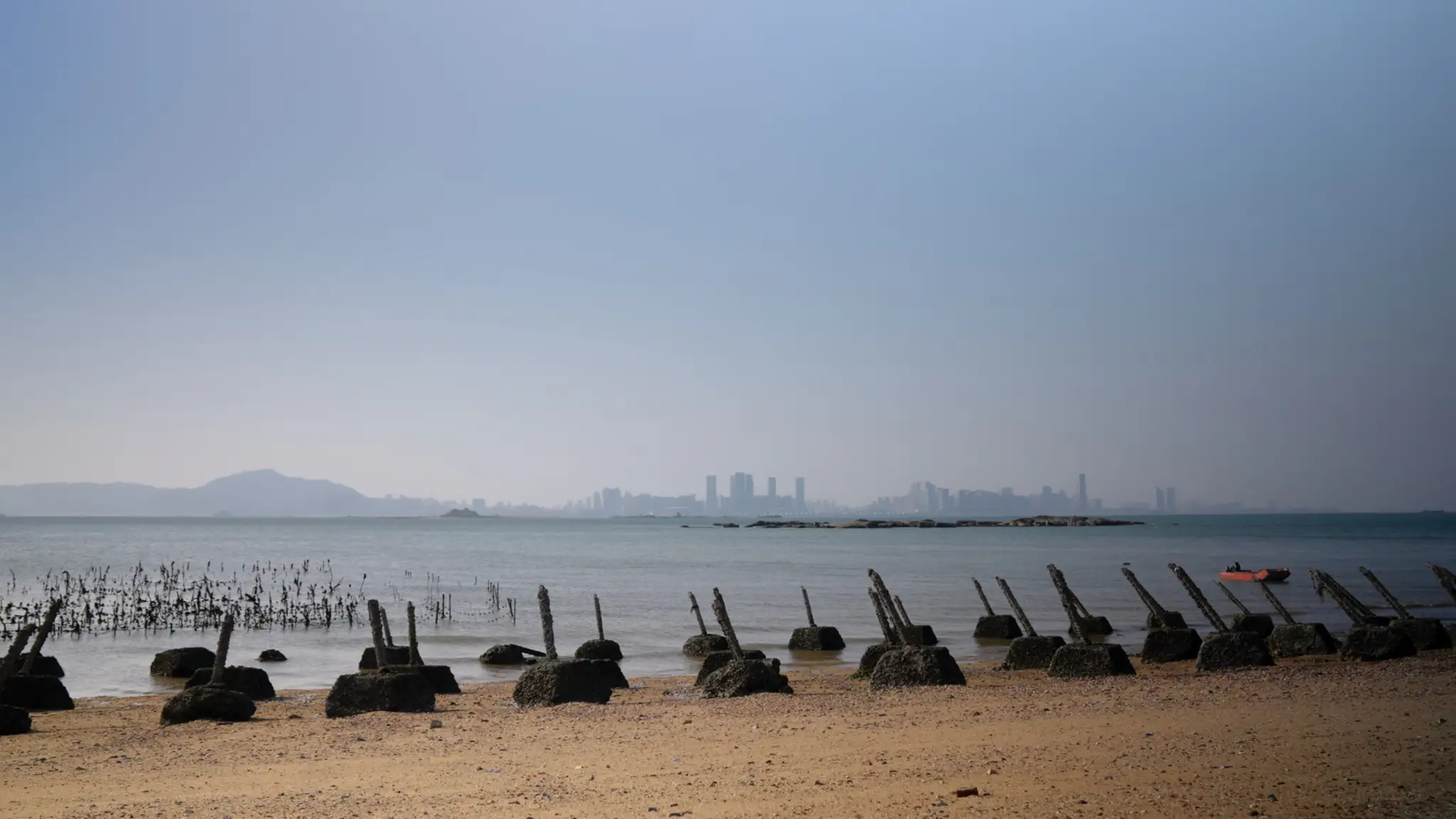 Via South China Monitoring
The global landscape is changing, and new strategies are emerging. Adapting to these changes requires careful analysis and forward thinking. By learning from current events, nations can better prepare for the challenges ahead.
 Via Air University
China’s potential use of economic pressure in the Taiwan Strait highlights the importance of preparation and resilience. Without strong strategies, nations may struggle to respond effectively to such challenges. Building coordinated plans and strengthening supply chains can reduce vulnerability.
Future stability depends on how well countries adapt to changing threats before they become full crises. Modern conflicts may not always begin with open warfare. They can start with shipping delays, rising insurance costs, supply shortages, cyber disruptions, or legal pressure in contested regions. These risks can quickly affect factories, markets, and everyday consumers across the world.
More in UnassignedVia TIME
Shipping companies rely on insurance coverage, and once that safety net is removed, they often choose to avoid risk entirely. This chain reaction can shut down trade routes without a single ship being sunk. Such tactics highlight a new kind of warfare that focuses on uncertainty rather than direct conflict.
These developments have caught the attention of military planners around the world. Strategic thinkers are now studying how economic pressure and controlled disruption can achieve political goals. The events in Hormuz offer a real-world example of how influence can be exerted without triggering full-scale war.
Via BBC
A New Model of Economic Warfare
Economic warfare is no longer limited to sanctions and trade restrictions. It has evolved into a strategy that uses fear and uncertainty to control behavior. By creating risky conditions, a nation can push private companies to make decisions that align with its goals. This indirect approach allows countries to apply pressure without openly declaring conflict. Modern economies are deeply interconnected, making them vulnerable to disruptions in key sectors. Shipping, insurance, and supply chains all depend on trust and predictability. Once that trust is broken, businesses quickly adjust their operations to avoid losses. This reaction can lead to large-scale economic consequences without any formal military engagement.Via Azer News
This model of warfare is especially effective because it targets the private sector. Governments do not need to enforce restrictions directly. Instead, they create conditions that encourage businesses to comply voluntarily. This strategy can weaken opponents while avoiding the risks of traditional warfare.
China’s Strategic Thinking on Taiwan
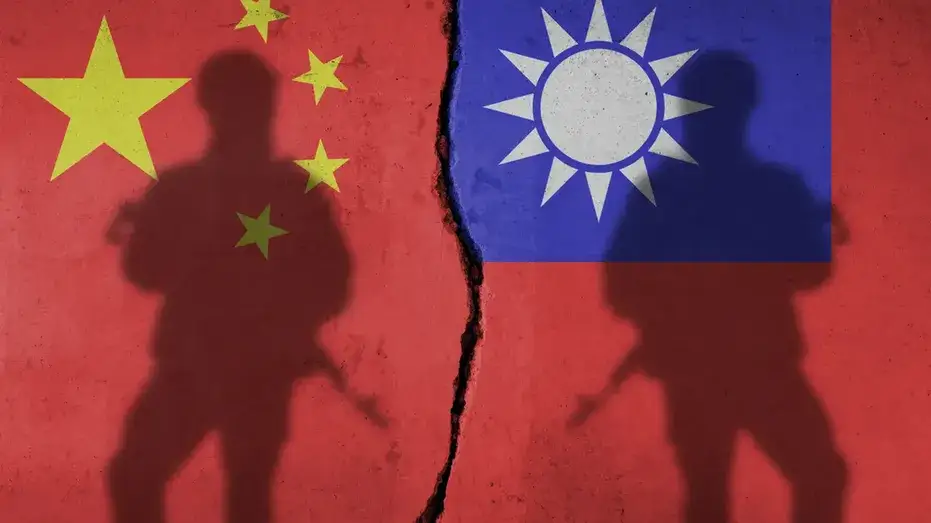
For years, discussions about Taiwan focused on the possibility of a military invasion. Analysts debated timelines, troop movements, and defense capabilities. Recent assessments suggest that such an invasion may not be necessary. Instead, China could use alternative strategies to achieve its objectives.
Via 930 WFMD
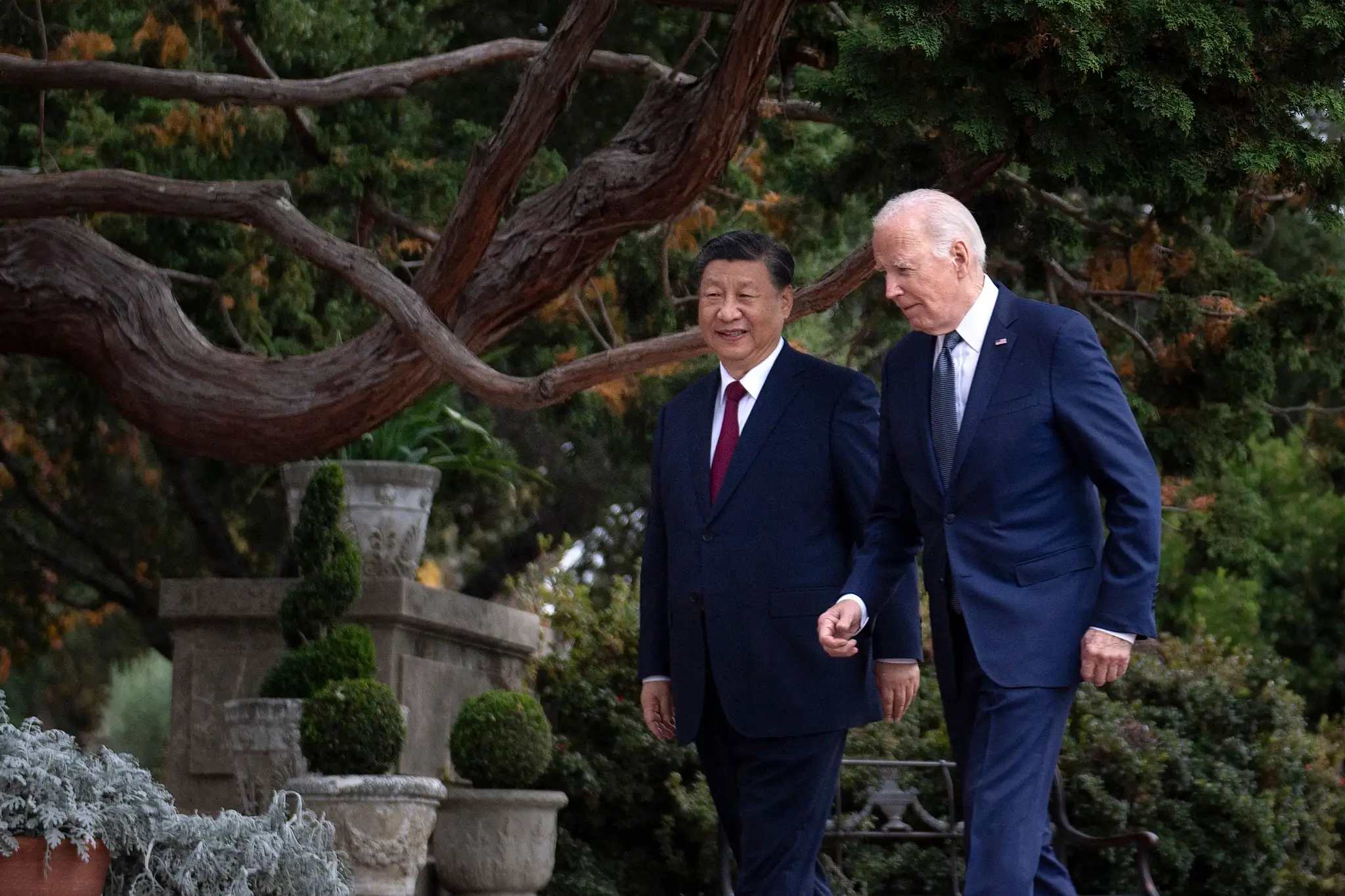
Economic pressure offers a less risky and potentially more effective path. By controlling access to Taiwan, China could influence trade without launching a direct attack. This approach would allow China to assert authority while minimizing the chances of a large-scale conflict. It also reduces the risk of an immediate international military response.
This shift in thinking reflects a broader change in global strategy. Nations are exploring ways to achieve goals without traditional warfare. By studying events like those in Hormuz, planners can develop new methods that rely on influence and control rather than force.
Via Defense News
Possible Scenario in the Taiwan Strait
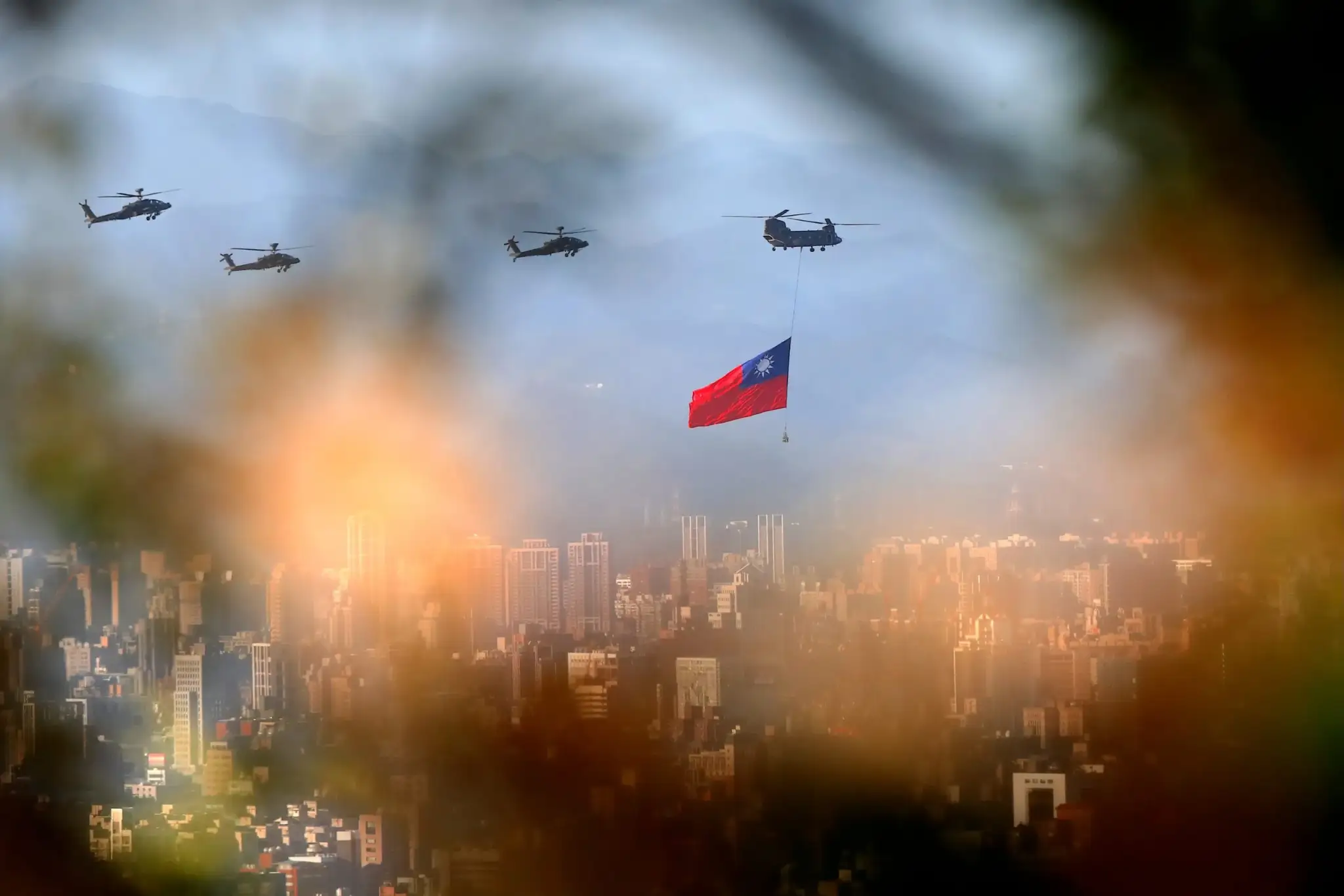
A potential scenario involves China asserting legal control over the waters around Taiwan. It could declare inspection zones and require vessels to comply with new regulations. Ships that refuse might face harassment or delays, creating uncertainty for shipping companies. This would not be a formal blockade, but the impact could be similar. Insurance companies would likely respond quickly to increased risks. Policies could become more expensive or even unavailable. Without insurance, many carriers would choose not to operate in the region. This would lead to a sharp decline in trade, affecting Taiwan’s economy and global supply chains.Via Quincy Institute
Such a strategy would rely on perception rather than confrontation. By making the environment appear dangerous, China could achieve its goals without firing a single shot at commercial vessels. This approach mirrors the tactics seen in the Strait of Hormuz.
Impact on Global Semiconductor Supply
Taiwan plays a crucial role in the global semiconductor industry. The island produces a large share of the world’s most advanced chips. These components are essential for industries such as electronics, automobiles, and telecommunications. Any disruption to this supply would have widespread consequences.
Via Esade Insights
Unlike oil, semiconductors cannot be easily stored or replaced. They are expensive to produce and have a limited shelf life. This makes it difficult to build large reserves for emergencies. As a result, even a short disruption could create shortages across multiple industries.
A crisis in Taiwan would affect economies worldwide. Manufacturing could slow down, and technology production could face delays. Financial markets might also react negatively, leading to broader economic instability. The importance of semiconductors makes this scenario particularly concerning.
Via Asian Insider
China’s Fortress Economy Strategy
China has spent years preparing for potential economic conflicts. It has built large reserves of essential goods such as oil, grain, and raw materials. This strategy is often referred to as a “fortress economy.” The goal is to ensure that the country can withstand disruptions for an extended period. Stockpiling resources provides a significant advantage in times of crisis. It allows a nation to continue functioning even when trade routes are disrupted. This preparation can also strengthen negotiating positions, as it reduces dependence on external supplies. China’s focus on self-reliance reflects a long-term strategic vision.Via Just Security
This approach contrasts with many other countries that rely heavily on global supply chains. Without similar preparations, these nations may struggle to respond effectively to disruptions. The imbalance in readiness could shape the outcome of future conflicts.
Challenges for Allied Nations
Allied countries face several challenges in responding to such scenarios. Coordination among nations is often limited, and plans for crises may not be fully developed. This lack of preparation can lead to confusion and delays during critical moments.Via China US Focus
Supply chains are complex and interconnected, making them difficult to manage during disruptions. Without clear strategies, countries may compete for resources instead of working together. This competition can weaken collective responses and increase vulnerability.
Improving coordination requires joint planning and communication. Nations need to identify critical sectors and develop strategies to protect them. Building stronger partnerships can help create a more unified response to future challenges.
Via Supply Chain Brain
Economic Risks of a Taiwan Crisis
A crisis involving Taiwan would have far-reaching economic effects. Industries that depend on semiconductors would face immediate challenges. Production delays could lead to shortages and increased costs for consumers. This could slow economic growth in many regions. Financial markets are also sensitive to uncertainty. Investors may react quickly to disruptions, leading to volatility. This can affect everything from stock prices to currency values. The global nature of these markets means that the impact would not be limited to one region.Via CSIS
Long-term effects could include shifts in supply chains and changes in trade patterns. Companies may seek to diversify production to reduce risk. While this could improve resilience over time, the transition would likely be costly and complex.
The Need for Stronger Economic Resilience
Building economic resilience is essential for reducing vulnerability to disruptions. This involves creating запасes of critical materials and improving supply chain flexibility. Countries need to prepare for potential crises before they occur.Via Chatham House
Planning can help minimize the impact of disruptions. By identifying weak points in supply chains, nations can develop strategies to address them. This proactive approach is more effective than reacting after a crisis has already begun.
Resilience also requires cooperation among allies. Sharing resources and information can strengthen collective responses. By working together, countries can reduce the effectiveness of economic pressure tactics.
Via Small Wars Journal
Preparing for Future Global Challenges
Future conflicts are likely to involve a combination of economic and military strategies. Understanding these dynamics is key to developing effective responses. Lessons from recent events provide valuable insights into how these challenges may unfold. Governments need to invest in planning and coordination. This includes developing clear strategies for managing disruptions and supporting affected industries. Strong preparation can help reduce uncertainty and maintain stability during crises.Via South China Monitoring
The global landscape is changing, and new strategies are emerging. Adapting to these changes requires careful analysis and forward thinking. By learning from current events, nations can better prepare for the challenges ahead.
Building Resilience for Future Global Stability
The events in the Strait of Hormuz have revealed a new form of strategic pressure that relies on uncertainty rather than direct conflict. This approach has significant implications for global trade and security. It also offers insights into how similar tactics could be used in other regions.Via Air University
China’s potential use of economic pressure in the Taiwan Strait highlights the importance of preparation and resilience. Without strong strategies, nations may struggle to respond effectively to such challenges. Building coordinated plans and strengthening supply chains can reduce vulnerability.
Future stability depends on how well countries adapt to changing threats before they become full crises. Modern conflicts may not always begin with open warfare. They can start with shipping delays, rising insurance costs, supply shortages, cyber disruptions, or legal pressure in contested regions. These risks can quickly affect factories, markets, and everyday consumers across the world.