Unassigned
CNN’s Sara Sidner on Finding Strength Through Cancer
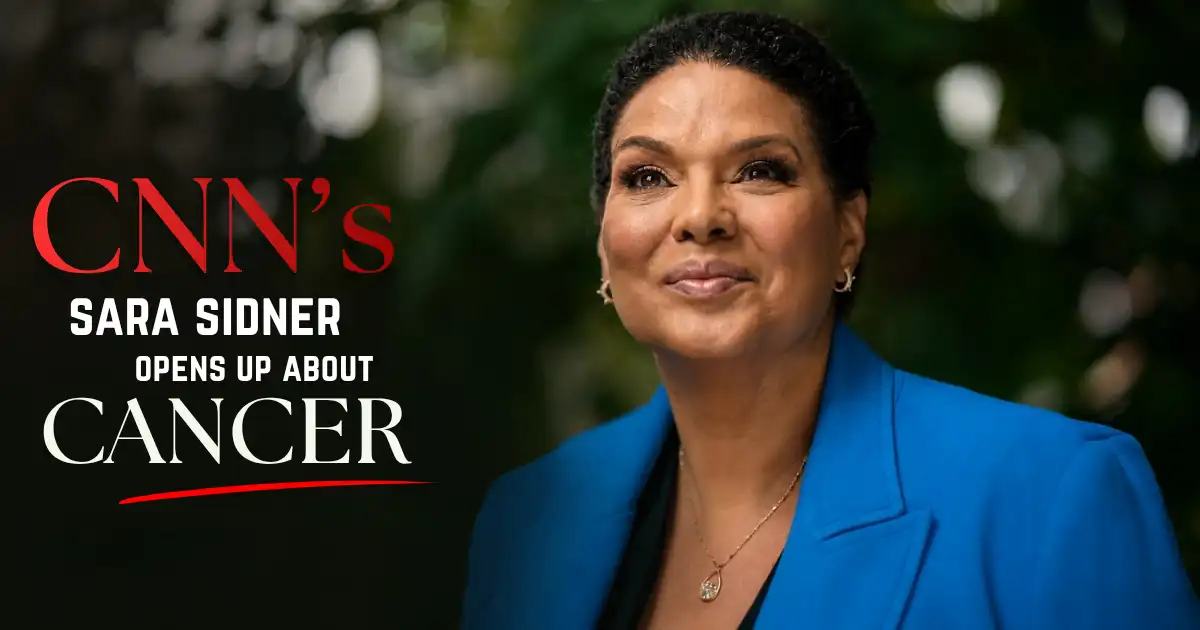
Sara Sidner built a strong career reporting from some of the most dangerous places in the world. Years spent covering war zones, disasters, and global crises shaped a mindset focused on resilience. That same strength became vital when life took an unexpected turn. A personal health challenge shifted the focus from global stories to a deeply personal fight.
Life behind the camera often looks composed and controlled. Reality can be very different. Long hours, emotional stories, and constant pressure define the routine of a journalist. Sidner balanced these demands while facing a serious diagnosis that changed everything. The experience added a new layer of understanding to both life and work.
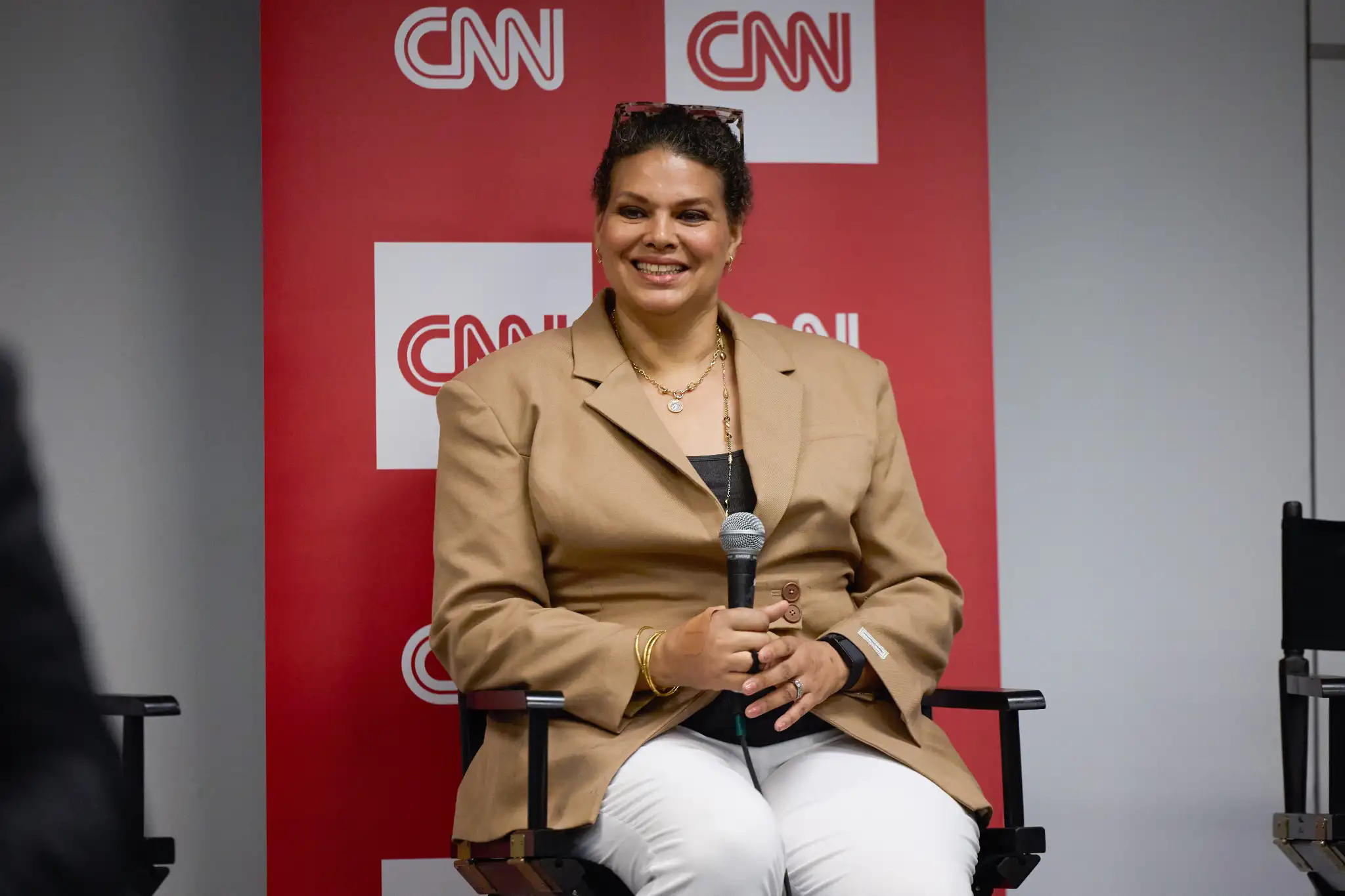 Via The Washington Post
A diagnosis of stage 3 breast cancer brought uncertainty and fear. The situation forced a pause in routine thinking and introduced a new perspective on survival and purpose. The journey became about more than treatment. It turned into a path of growth, reflection, and unexpected strength.
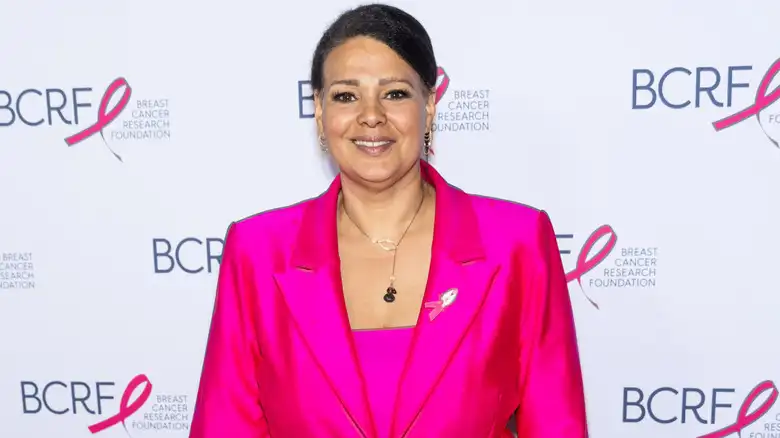 Via The List
Medical tests confirmed the diagnosis after careful examination. The results brought a wave of emotions that were hard to process. Fear, shock, and disbelief appeared all at once. The reality of cancer felt overwhelming in those first moments.
Despite the fear, determination slowly replaced uncertainty. A decision was made to face the situation with courage. The journey ahead required strength, both physically and mentally. Acceptance became the first step toward fighting back. Truth became a bridge between personal pain and public support.
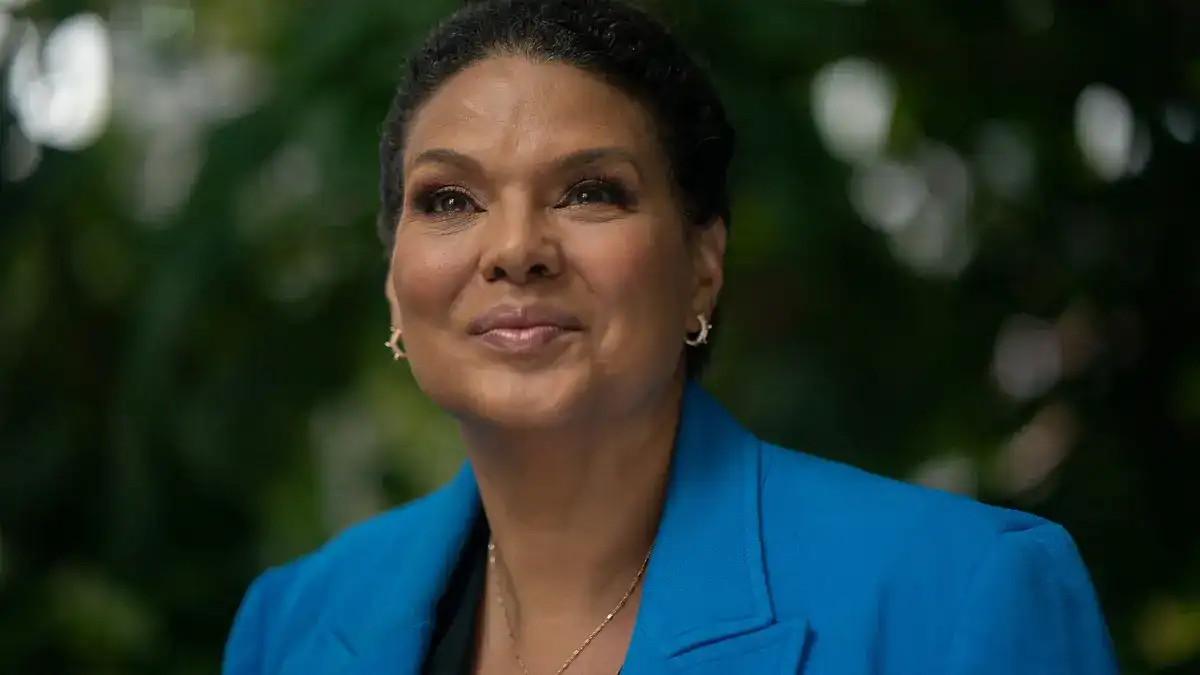 Via Time Magazine
 Via CNN
Personal struggle felt different yet familiar in some ways. The ability to stay calm under pressure proved valuable. Lessons learned from global stories became part of the healing process. Strength developed through work supported the journey toward recovery.
 Via People
Chemotherapy and radiation brought physical and emotional strain. Fatigue, discomfort, and uncertainty became part of daily life. Maintaining a professional role required discipline and determination. Each day demanded effort beyond normal limits.
Staying connected to work helped maintain purpose. Reporting stories and engaging with viewers created a sense of continuity. The decision to keep working reflected inner resilience. It showed commitment to both career and personal growth. The willingness to show vulnerability created a powerful impact.
 Via CNN
 Via The Hollywood Reporter
Accepting physical changes became part of healing. Letting go of perfection allowed freedom from self-criticism. The focus shifted toward strength rather than appearance. Confidence grew through acceptance and self-respect.
 Via The List
Moments of loneliness can appear unexpectedly. Even with support, internal struggles remain personal. Processing emotions becomes an ongoing journey. Mental health plays a key role in recovery. Fear of judgment and pity often leads to silence.
Finding ways to cope becomes essential. Reflection, support, and self-awareness help manage emotional weight. Understanding these feelings allows gradual healing. Strength develops through facing these challenges directly. Support from family, friends, or professionals can also play a crucial role, offering comfort, reassurance, and a reminder that the burden does not have to be carried alone.
 Via Yahoo
 Via 2025 Dean’s Report
Love and care helped create a sense of security. Difficult moments became easier to face with someone present. This support made the journey less isolating. Strong relationships played a key role in recovery. Sharing the experience brought unexpected results. Honesty created stronger connections with viewers and colleagues.
 Via LinkedIn
Simple joys replace the search for big achievements. Every day experiences bring genuine happiness. A shift in mindset allows deeper appreciation. Life becomes less about perfection and more about presence. Many people are related to the struggles being shared.
This new perspective has the power to create lasting and meaningful change in the way individuals approach their lives. When people become truly aware of life’s fragility, they begin to view time, relationships, and personal choices with greater intention.
 Via CNN
 Via 1Africa
Fitness also provided emotional benefits. Feeling physically strong improved confidence. Exercise became a form of empowerment. It reinforced the idea that recovery was possible. At first, keeping the diagnosis private felt like the easier choice.
 Via Everyday Health
Cognitive changes like memory lapses can also occur. Simple moments may feel frustrating at times. Learning to manage these effects becomes part of daily life. Patience becomes an important skill. Sara Sidner’s journey reflects resilience, courage, and transformation.
Despite these challenges, life continues forward. Adjustments help create a new normal. Strength developed during treatment supports ongoing resilience. Recovery becomes a continuous journey rather than a final destination.
 Via GoPink
 Via The Washington Post
People often discover inner strength during challenging times. Growth happens even in difficult moments. Lessons learned remain valuable long after recovery. Meaning can emerge from even the hardest experiences. Even in difficult moments, personal growth continues to unfold in subtle but meaningful ways, shaped by endurance, reflection, and adaptation to change.
More in UnassignedVia The Washington Post
A diagnosis of stage 3 breast cancer brought uncertainty and fear. The situation forced a pause in routine thinking and introduced a new perspective on survival and purpose. The journey became about more than treatment. It turned into a path of growth, reflection, and unexpected strength.
The Moment That Changed Everything
A simple discovery led to a life-changing moment. Finding a lump during a routine day created immediate concern. Previous health checks had shown no warning signs. This time felt different and serious from the start. Even when previous health checks have shown no warning signs, such a discovery can feel alarming, as it introduces a possibility that had not seemed immediate before.Via The List
Medical tests confirmed the diagnosis after careful examination. The results brought a wave of emotions that were hard to process. Fear, shock, and disbelief appeared all at once. The reality of cancer felt overwhelming in those first moments.
Despite the fear, determination slowly replaced uncertainty. A decision was made to face the situation with courage. The journey ahead required strength, both physically and mentally. Acceptance became the first step toward fighting back. Truth became a bridge between personal pain and public support.
Via Time Magazine
Strength Built Through Years of Reporting
Years of reporting from conflict zones shaped a unique mindset. Witnessing human suffering on a global scale created perspective. Difficult experiences helped build emotional endurance over time. That strength became a powerful tool during personal hardship. Facing danger while reporting had already tested limits. Exposure to war and crises made challenges feel more manageable. This background helped shift focus away from fear. It reminded me that survival and hope are always possible.Via CNN
Personal struggle felt different yet familiar in some ways. The ability to stay calm under pressure proved valuable. Lessons learned from global stories became part of the healing process. Strength developed through work supported the journey toward recovery.
Choosing to Continue Working Through Treatment
Continuing a demanding career during treatment required a careful balance. Long workdays combined with medical appointments created a difficult routine. Staying active professionally offered a sense of normal life. Work became both a challenge and a source of strength.Via People
Chemotherapy and radiation brought physical and emotional strain. Fatigue, discomfort, and uncertainty became part of daily life. Maintaining a professional role required discipline and determination. Each day demanded effort beyond normal limits.
Staying connected to work helped maintain purpose. Reporting stories and engaging with viewers created a sense of continuity. The decision to keep working reflected inner resilience. It showed commitment to both career and personal growth. The willingness to show vulnerability created a powerful impact.
Via CNN
Facing Physical Changes With Honesty
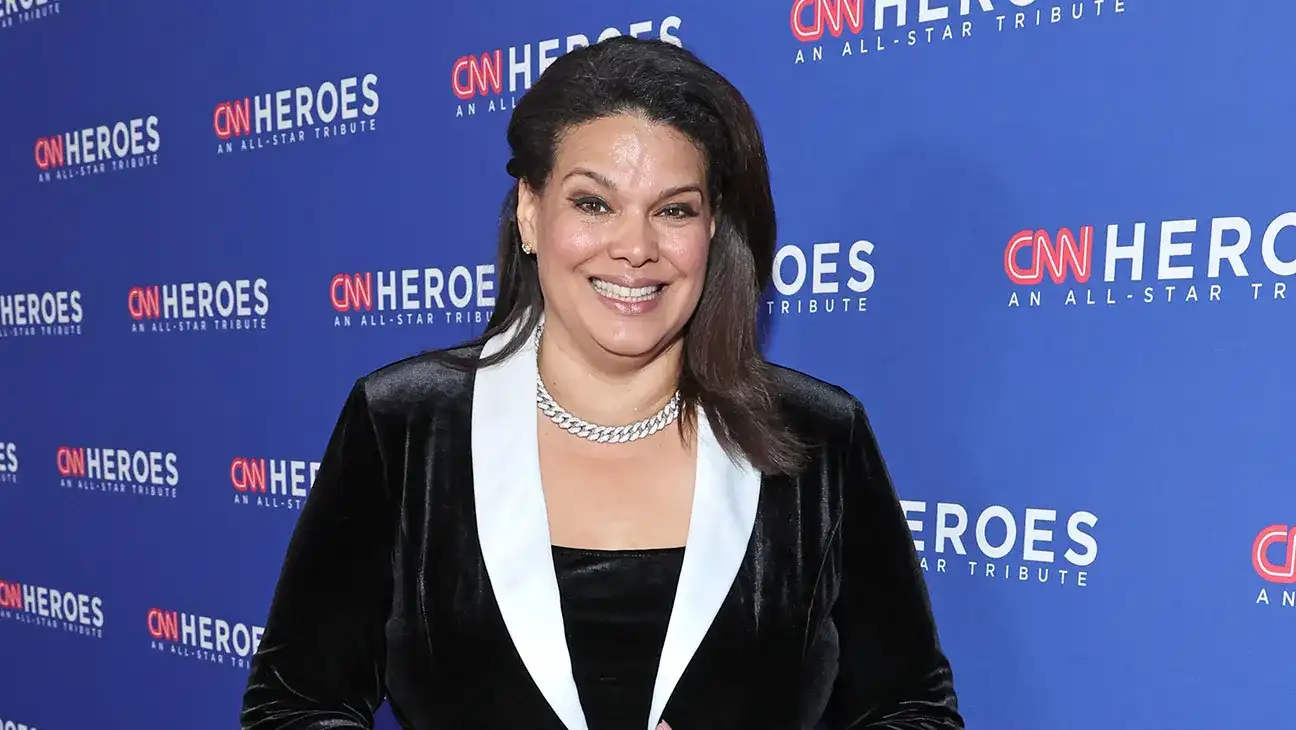
Cancer treatment often changes appearance in visible ways. Hair loss, scars, and physical fatigue can affect confidence. These changes can feel difficult to accept. Choosing to show them publicly required bravery. Opening up allowed others to feel less alone. Appearing on television without hiding these changes sent a strong message. It showed the reality of illness without filters. This honesty helped break common misconceptions. It highlighted the human side of medical struggles. More importantly, it highlighted the human side of medical struggles-the emotions, the resilience, and the courage required to face such experiences openly.Via The Hollywood Reporter
Accepting physical changes became part of healing. Letting go of perfection allowed freedom from self-criticism. The focus shifted toward strength rather than appearance. Confidence grew through acceptance and self-respect.
Emotional Challenges Beyond Physical Pain
The emotional impact of cancer often reaches far beyond its physical effects, touching nearly every aspect of a person’s inner life. While the body endures treatment and symptoms, the mind carries its own burden, often filled with uncertainty and fear. Concerns about the future can become a constant source of anxiety, as individuals grapple with questions about recovery, stability, and what lies ahead.Via The List
Moments of loneliness can appear unexpectedly. Even with support, internal struggles remain personal. Processing emotions becomes an ongoing journey. Mental health plays a key role in recovery. Fear of judgment and pity often leads to silence.
Finding ways to cope becomes essential. Reflection, support, and self-awareness help manage emotional weight. Understanding these feelings allows gradual healing. Strength develops through facing these challenges directly. Support from family, friends, or professionals can also play a crucial role, offering comfort, reassurance, and a reminder that the burden does not have to be carried alone.
Via Yahoo
The Role of Family Support in Healing
Support from loved ones plays a crucial role during illness. Close relationships provide comfort and stability. Emotional support helps reduce fear and stress. Family presence becomes a source of strength. The decision to speak openly required courage. Facing the diagnosis together deepened personal bonds. Shared experiences created stronger connections. Being able to express both weakness and strength openly built trust. Support systems became more meaningful than ever.Via 2025 Dean’s Report
Love and care helped create a sense of security. Difficult moments became easier to face with someone present. This support made the journey less isolating. Strong relationships played a key role in recovery. Sharing the experience brought unexpected results. Honesty created stronger connections with viewers and colleagues.
Learning to Appreciate Life Differently
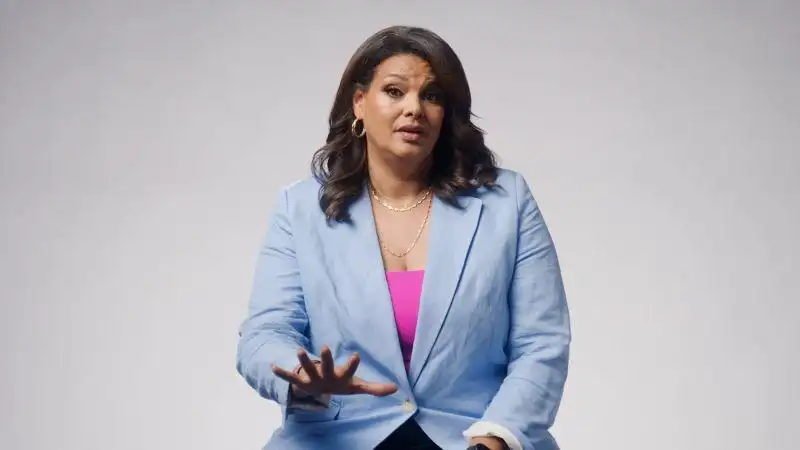
Serious illness often changes how life is viewed. Small moments begin to hold greater value. Daily experiences feel more meaningful. Gratitude becomes a central part of life. Conversations became more meaningful and real. Authenticity replaced the pressure to appear perfect.Via LinkedIn
Simple joys replace the search for big achievements. Every day experiences bring genuine happiness. A shift in mindset allows deeper appreciation. Life becomes less about perfection and more about presence. Many people are related to the struggles being shared.
This new perspective has the power to create lasting and meaningful change in the way individuals approach their lives. When people become truly aware of life’s fragility, they begin to view time, relationships, and personal choices with greater intention.
Via CNN
Rebuilding Strength Through Fitness and Routine
Physical recovery requires consistent effort and discipline. Exercise became an important part of rebuilding strength. Regular workouts helped improve both physical and mental health. Strength training created a sense of control. Routine played a key role in maintaining balance. Setting aside time for self-care became essential. Prioritizing health helped create stability during recovery. Consistency supported long-term healing. Many people facing illness prefer to avoid public attention.Via 1Africa
Fitness also provided emotional benefits. Feeling physically strong improved confidence. Exercise became a form of empowerment. It reinforced the idea that recovery was possible. At first, keeping the diagnosis private felt like the easier choice.
Lasting Effects After Recovery
Recovery does not always mean a complete return to normal life. Some effects of treatment remain over time. Physical discomfort and fatigue can continue. These challenges require ongoing adjustment. Shared experiences create understanding and support.Via Everyday Health
Cognitive changes like memory lapses can also occur. Simple moments may feel frustrating at times. Learning to manage these effects becomes part of daily life. Patience becomes an important skill. Sara Sidner’s journey reflects resilience, courage, and transformation.
Despite these challenges, life continues forward. Adjustments help create a new normal. Strength developed during treatment supports ongoing resilience. Recovery becomes a continuous journey rather than a final destination.
Via GoPink
Finding Meaning Through Adversity
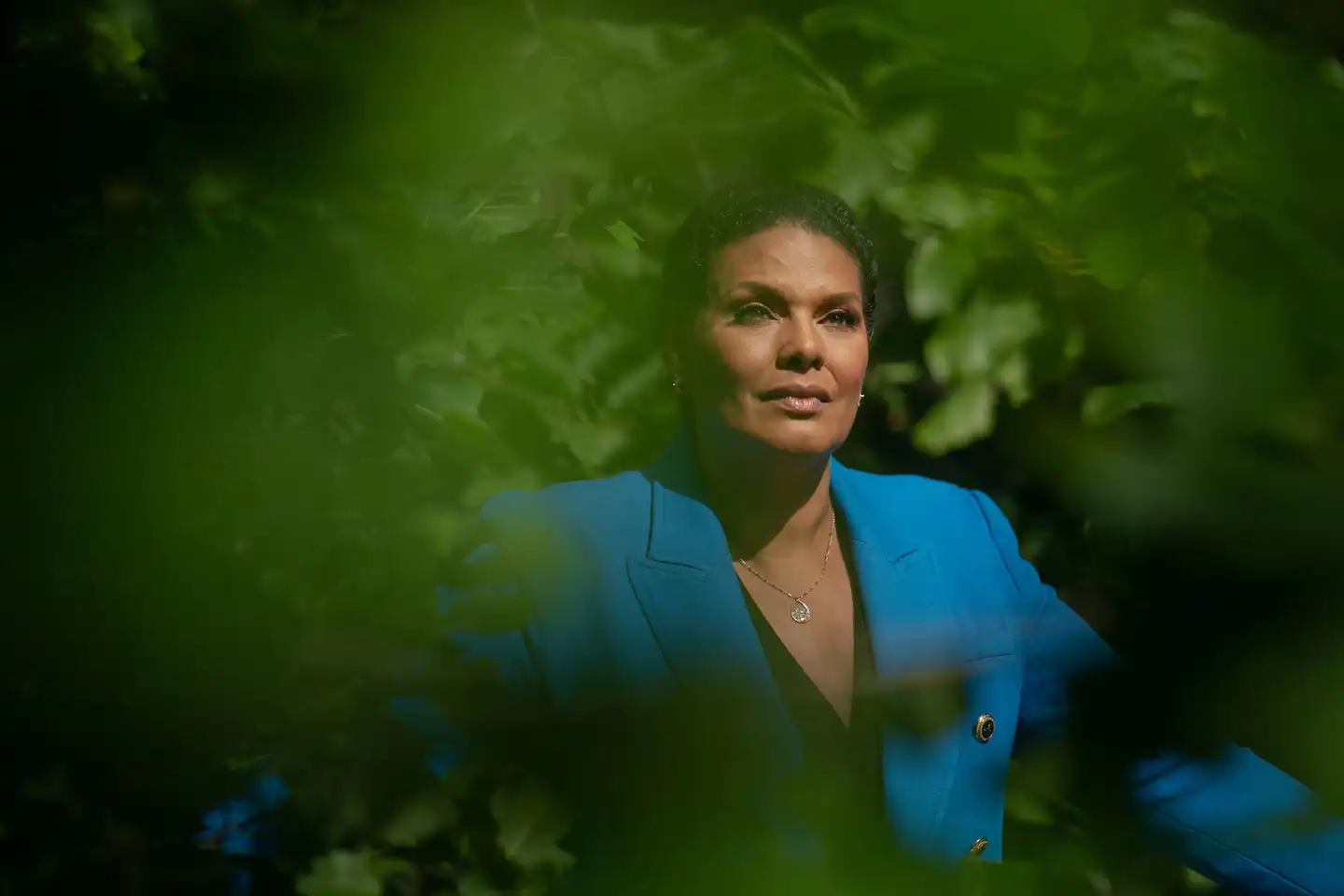
Difficult experiences often bring unexpected lessons. Facing serious illness can change priorities. Personal growth becomes part of the process. Strength develops through hardship. People who face adversity often emerge with a deeper appreciation for life. Growth continues long after the hardest moments have passed. New perspectives help shape future choices. Life becomes more intentional and focused. Understanding what truly matters creates clarity. Adversity becomes a source of wisdom. People facing similar struggles can find hope in such stories. Strength often develops through difficult moments.Via The Washington Post
People often discover inner strength during challenging times. Growth happens even in difficult moments. Lessons learned remain valuable long after recovery. Meaning can emerge from even the hardest experiences. Even in difficult moments, personal growth continues to unfold in subtle but meaningful ways, shaped by endurance, reflection, and adaptation to change.