Unassigned
“The Orange Jesus” Label Returns in Trump’s Second Term
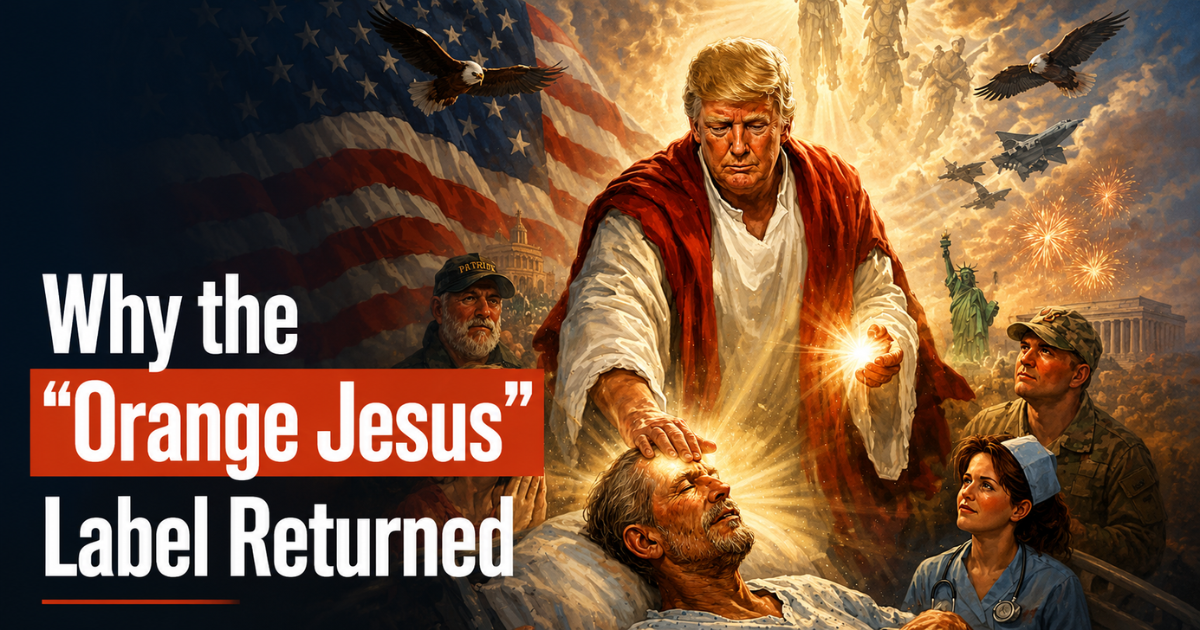
A busy week in Washington brought sharp words between President Donald Trump and Pope Leo XIV. The tension grew from differences over the war in the Middle East and the treatment of immigrants. Many people noticed how quickly the conversation turned personal and public.
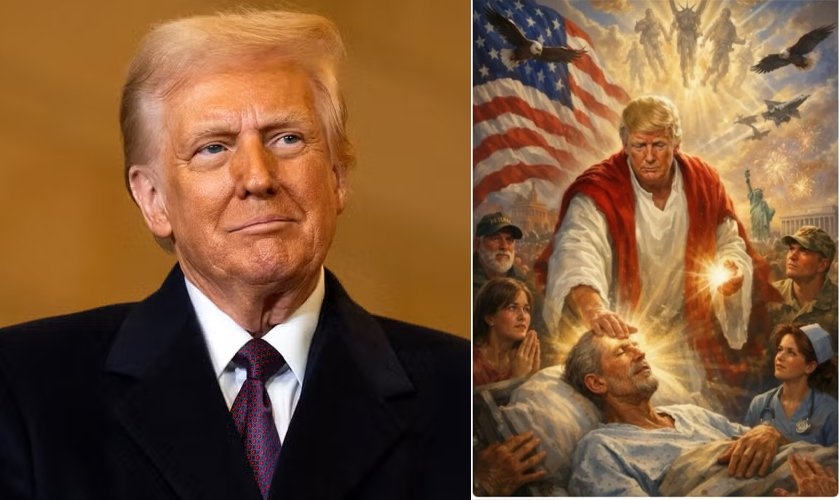
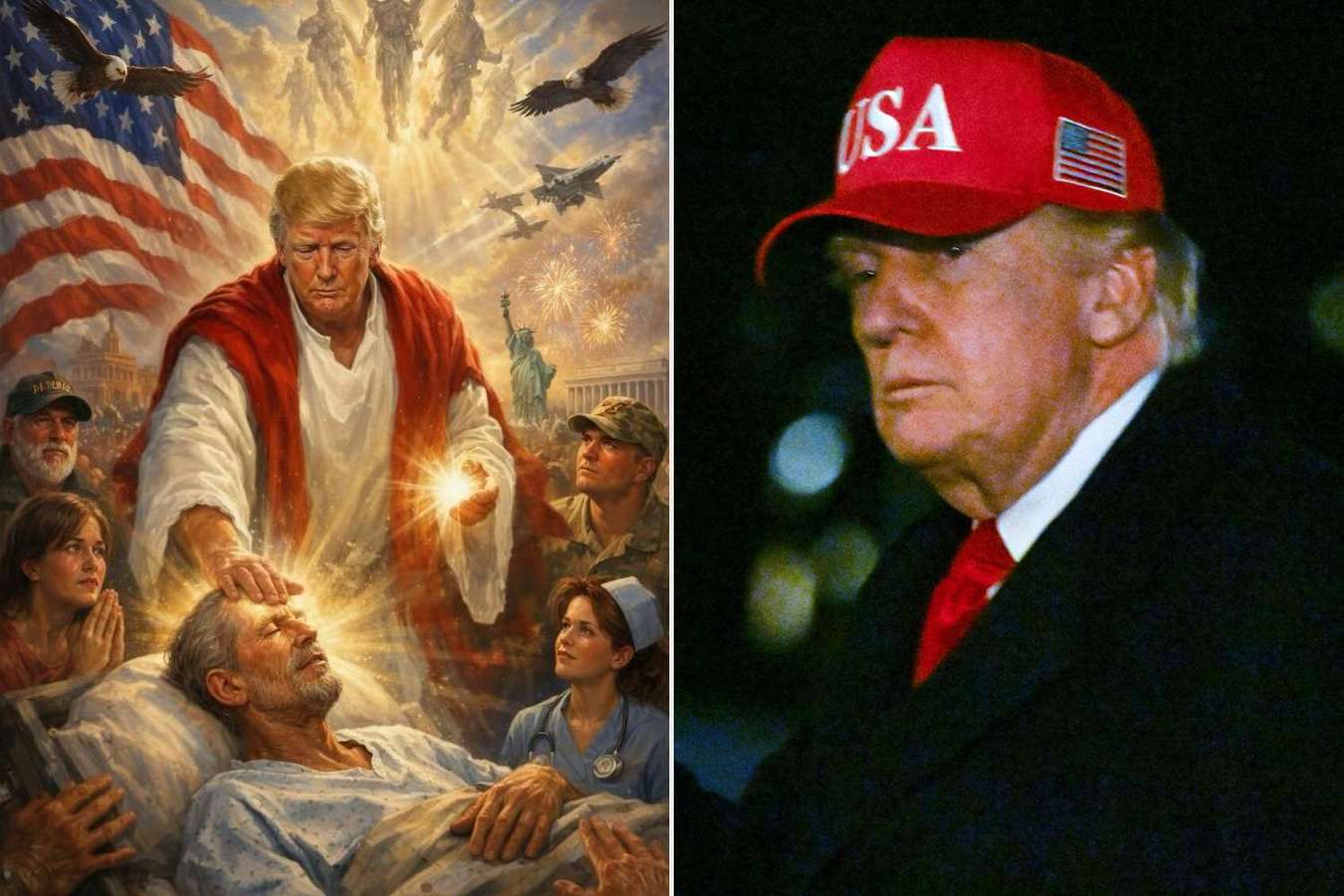
Trump shared an AI-generated picture that showed him in a scene some viewed as Christ-like. He later explained it as an image of himself helping people like a doctor. The post appeared on Orthodox Easter and stayed online for several hours before removal.
 Via Ratopati
Public reaction came fast across social media. Supporters and critics alike shared strong opinions. The moment highlighted deep divides in how Americans see faith, power, and leadership in tough times. Experts noted that such tools can blur the lines between reality and created content.
 Via The New Yorker
People continue to reference the phrase today as Trump serves his second term. It reflects ongoing debates about personality, belief, and party unity. Observers note how language like this reveals tensions inside political groups.
 Via The Jerusalem Post
 Via People
These posts arrived during a period of global economic strain and military actions. Oil prices rose quickly after conflicts intensified. The timing made the religious imagery stand out even more to people following the news. Against this backdrop, the use of religious imagery in the posts stood out even more sharply.
 Via Axios
 Via Zabala Innovation
Many citizens called for greater care when leaders share AI-generated material, especially on sensitive topics like faith. The episode highlighted both the power and the risks of modern communication technology in politics. Observers expect similar moments to appear more often in future years.
 Via Hallam
 Via 6ABC
Many religious leaders expressed disappointment at the tone of the disagreement. They reminded people that faith traditions often call for dialogue rather than sharp public fights. The back-and-forth added to broader questions about the role of religion in modern politics.
 Via Modern Diplomacy
 Via The Architect’s Newspaper
Critics worry about the cost and the message such a monument sends in a diverse democracy. They compare it to historical leaders who built large tributes to themselves. Debates continue about how best to mark national milestones without focusing too much on one person.
 Via The Nevada International
 Via Dawn News
Others express concern about the concentration of attention on one individual. They question whether limits on power receive enough respect in daily decisions. These differences fuel ongoing discussions about balance, accountability, and the health of democratic institutions. His remarks quickly drew attention, resonating with supporters who shared concerns about media credibility while also prompting criticism.
 Via PBS
 Via Al Jazeera
Every day, Americans reacted with everything from laughter to serious worry. Some saw the events as harmless political theater, a spectacle that would soon pass without lasting consequences. Others viewed them as troubling indicators of deeper problems within public life, raising concerns about leadership standards and accountability.
 Via The Los Angeles Times
 Via Micah Challenge
People today still debate how much faith should influence government decisions. Most agree that respect for different beliefs helps keep society stable. The recent events serve as a reminder of those long-standing tensions.
 Via Medium
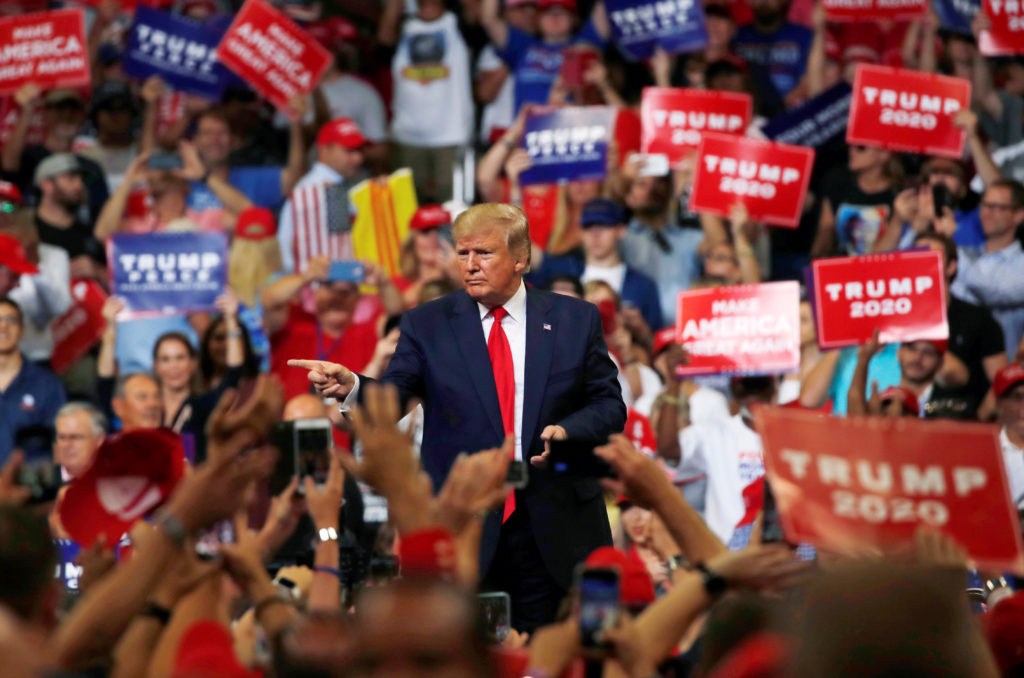 Via PBS
Questions remain about how these patterns will shape the rest of the term. Citizens watch closely to see whether bold personal style brings lasting progress or creates more division. The events of one week offer a window into larger forces at work in the country. Trump’s distinctive approach keeps energizing a core group of loyal followers while testing the patience of others who prefer more traditional styles of leadership.
More in UnassignedVia Ratopati
Public reaction came fast across social media. Supporters and critics alike shared strong opinions. The moment highlighted deep divides in how Americans see faith, power, and leadership in tough times. Experts noted that such tools can blur the lines between reality and created content.
Roots of the “Orange Jesus” Phrase
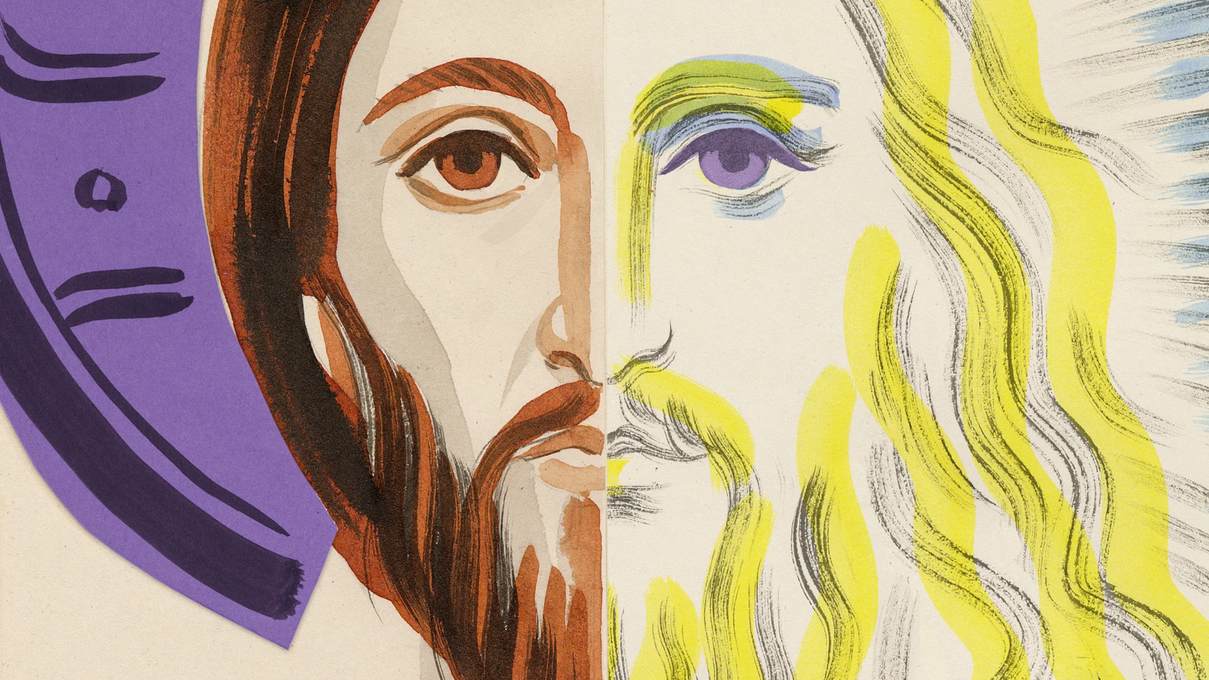
The nickname “Orange Jesus” first gained attention years earlier in political circles. Former Representative Liz Cheney described a moment on January 6, 2021, when some Republicans signed papers objecting to the election results. One lawmaker reportedly muttered the phrase while joining the effort. Cheney used the story to point out what she called a pattern of loyalty despite private doubts. The term stuck as shorthand for strong devotion among certain followers. It captured the mix of faith and politics that shaped much of the public conversation around Trump.Via The New Yorker
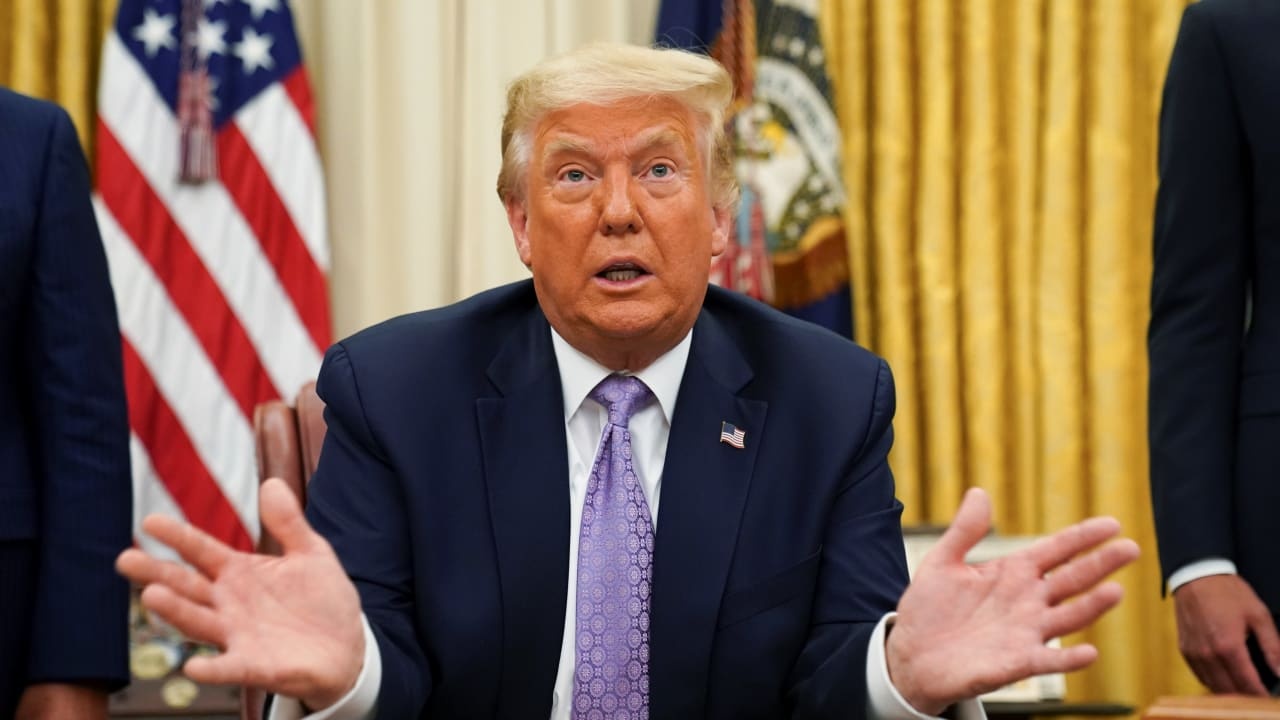
People continue to reference the phrase today as Trump serves his second term. It reflects ongoing debates about personality, belief, and party unity. Observers note how language like this reveals tensions inside political groups.
Via The Jerusalem Post
The AI Images That Sparked Debate
Trump posted an AI-created image showing him in flowing robes with light from his hands. Critics called the picture inappropriate and even blasphemous. Trump responded by saying he thought it showed him as a doctor aiding the sick, linked perhaps to Red Cross work. The next day, he shared another AI picture of himself standing with Jesus in a warm, glowing scene. The caption praised the image as nice despite expected pushback from opponents. Many viewers found the visuals striking and unusual for a sitting president.Via People
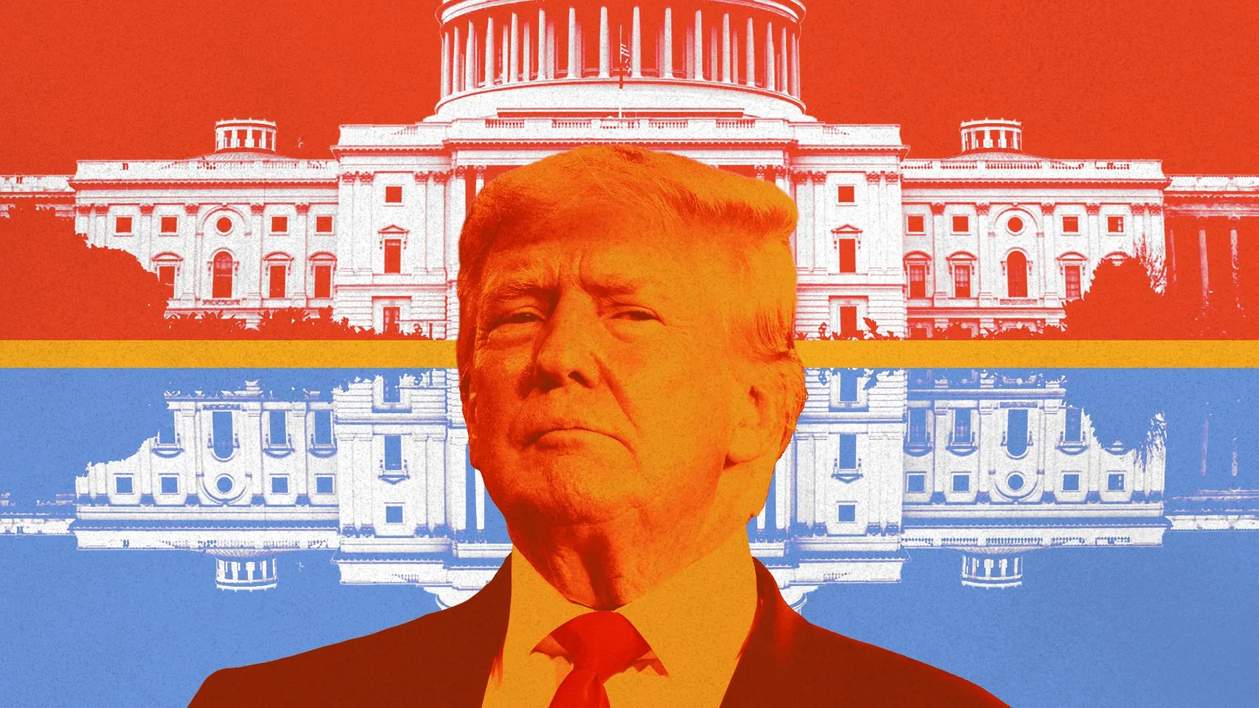
These posts arrived during a period of global economic strain and military actions. Oil prices rose quickly after conflicts intensified. The timing made the religious imagery stand out even more to people following the news. Against this backdrop, the use of religious imagery in the posts stood out even more sharply.
Via Axios
Role of Social Media and Artificial Intelligence
Social media platforms allowed the AI images and public statements to spread within minutes. Millions saw the pictures and comments almost instantly. This fast pace made it difficult for any side to control the full narrative or correct misunderstandings. Artificial intelligence tools created the striking visuals that fueled much of the debate. The technology made it easy to generate realistic religious-style images, raising new ethical questions about their use by public figures. As the technology continues to evolve, these debates are likely to grow more intense.Via Zabala Innovation
Many citizens called for greater care when leaders share AI-generated material, especially on sensitive topics like faith. The episode highlighted both the power and the risks of modern communication technology in politics. Observers expect similar moments to appear more often in future years.
Via Hallam
Trump’s Public Exchange with Pope Leo XIV
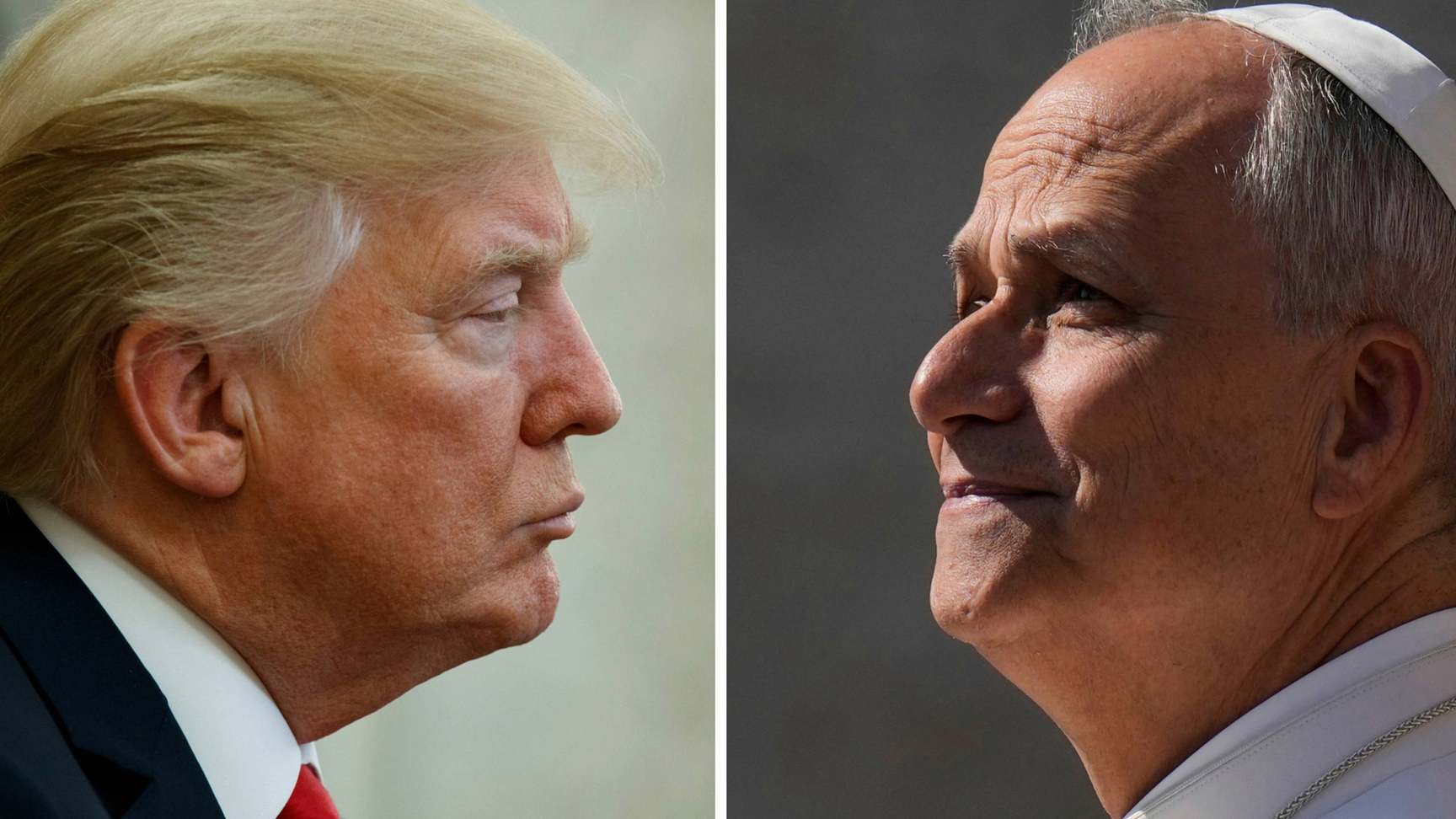
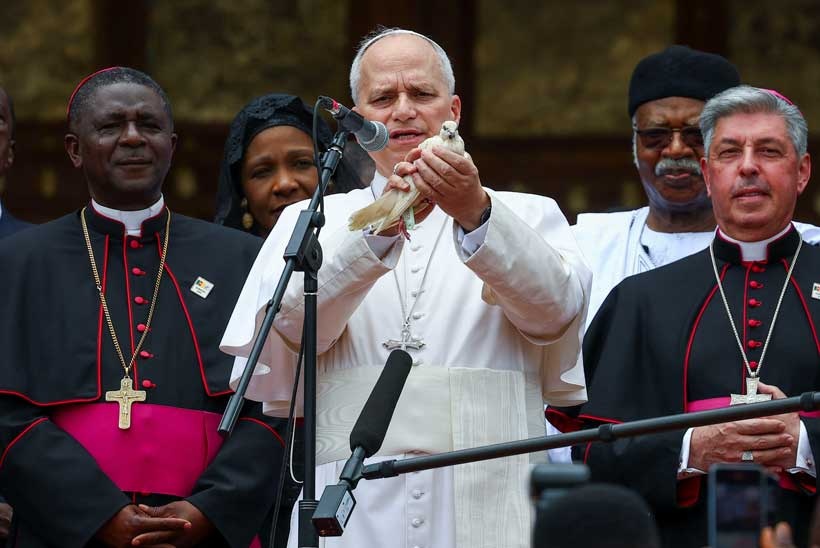
Pope Leo XIV spoke out against using religion to support military or political goals. His messages emphasized peace, compassion, and care for those in need. The Pope’s words reached millions through traditional channels and social media. Trump pushed back by suggesting the Pope’s stance might allow dangerous weapons programs in Iran. He stated a preference for the Pope to focus on preaching the Gospel. The exchange continued over several days and drew attention from Catholics and non-Catholics alike.Via 6ABC
Many religious leaders expressed disappointment at the tone of the disagreement. They reminded people that faith traditions often call for dialogue rather than sharp public fights. The back-and-forth added to broader questions about the role of religion in modern politics.
Via Modern Diplomacy
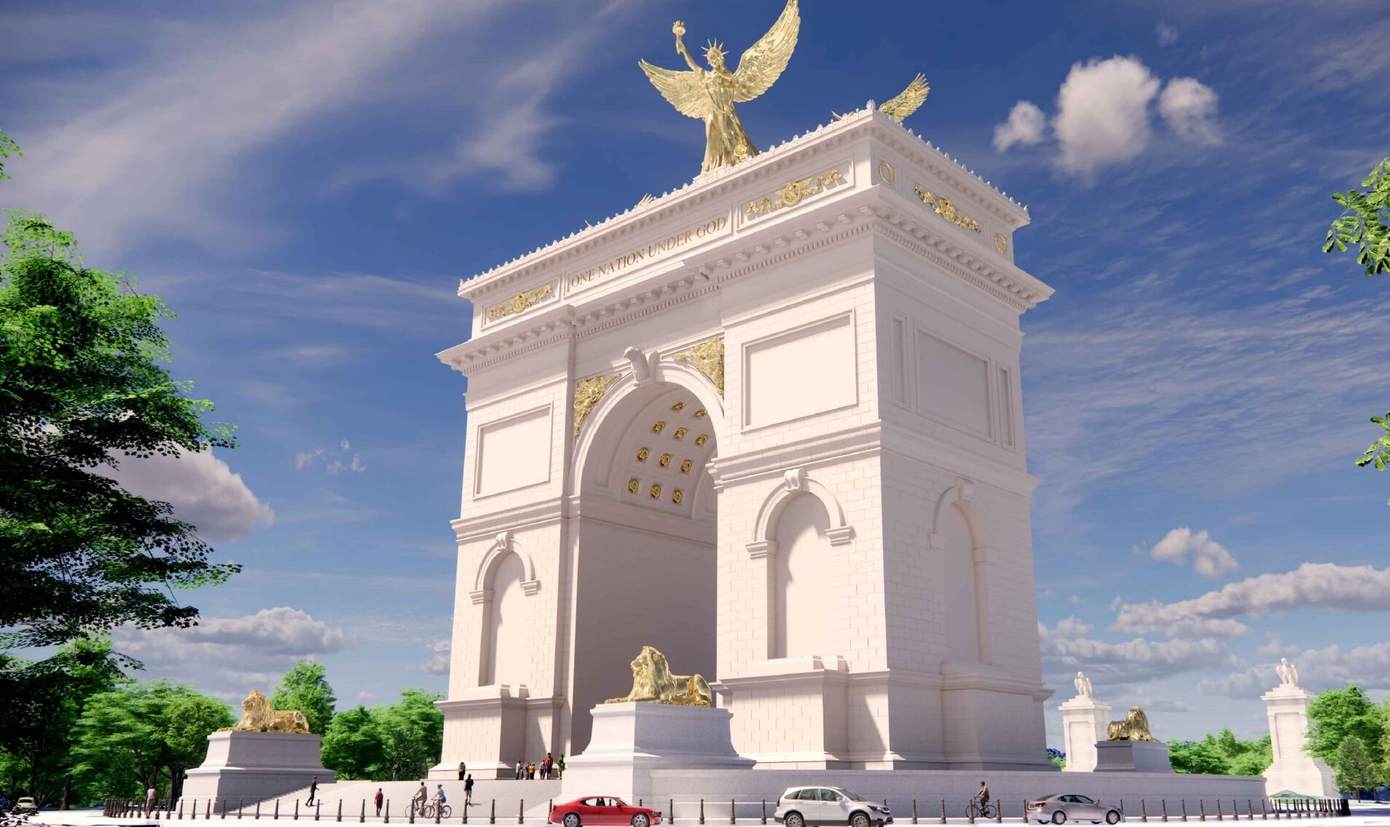
Plans for a Grand Triumphal Arch
A federal commission recently gave initial approval to ideas for a large arch on the National Mall. The proposed structure would stand 250 feet tall and draw inspiration from ancient Roman and Napoleonic monuments. Supporters see it as a bold symbol for the nation’s future. Trump has linked the project to celebrations of American strength and his own vision for the country. When asked what the arch would honor, he pointed to his own record of achievements. The design includes grand features meant to impress visitors for generations.Via The Architect’s Newspaper
Critics worry about the cost and the message such a monument sends in a diverse democracy. They compare it to historical leaders who built large tributes to themselves. Debates continue about how best to mark national milestones without focusing too much on one person.
Via The Nevada International
Loyalty and Power in Trump’s Second Term
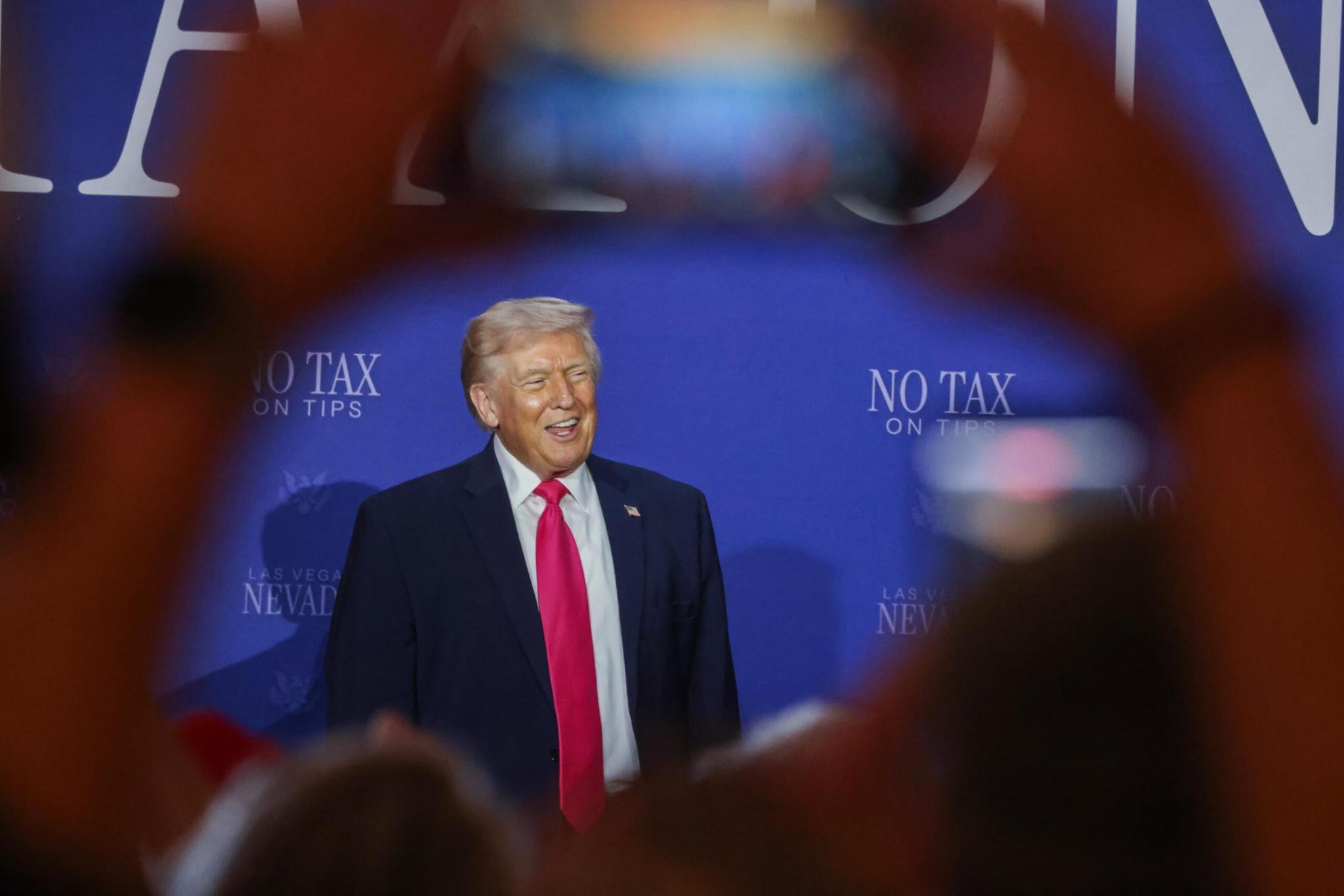
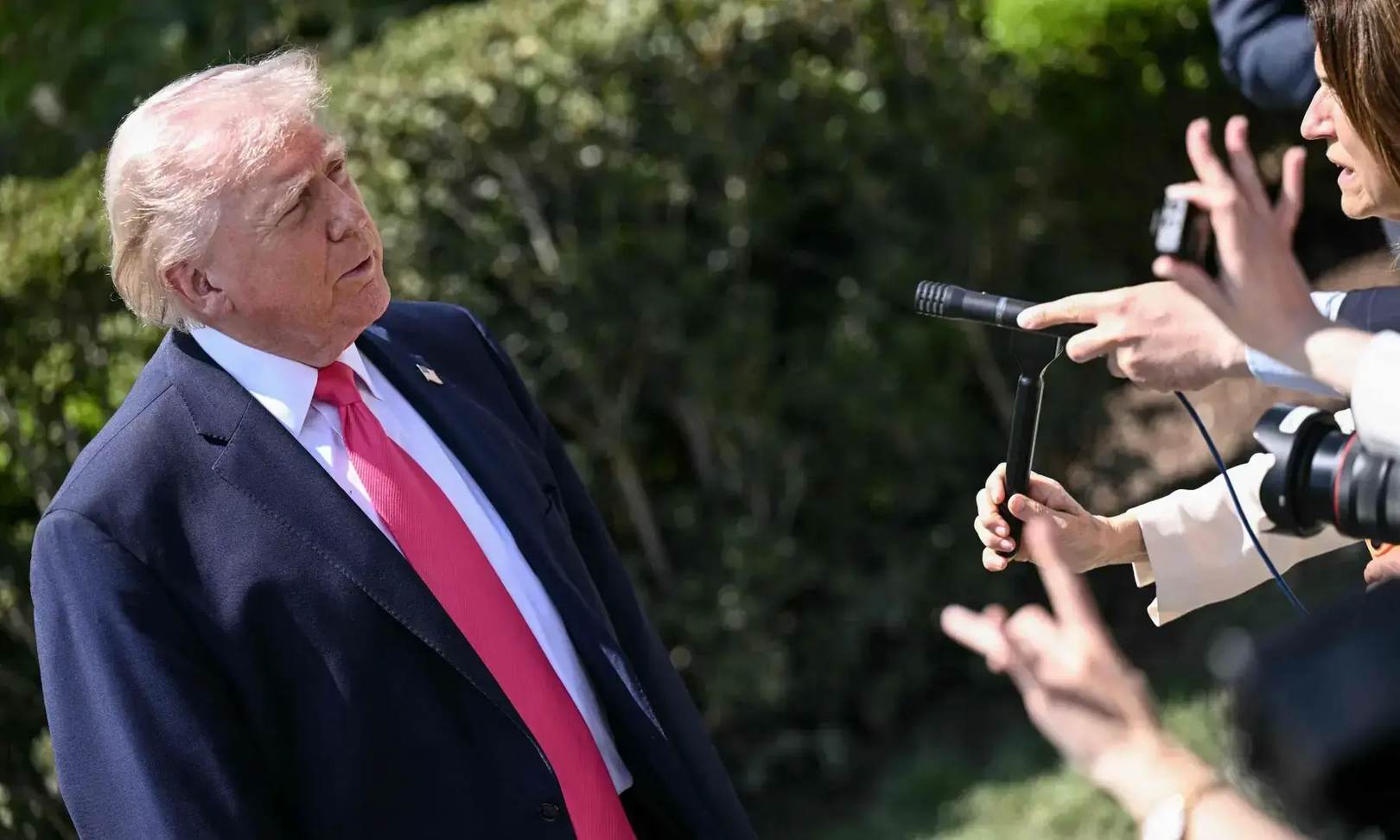
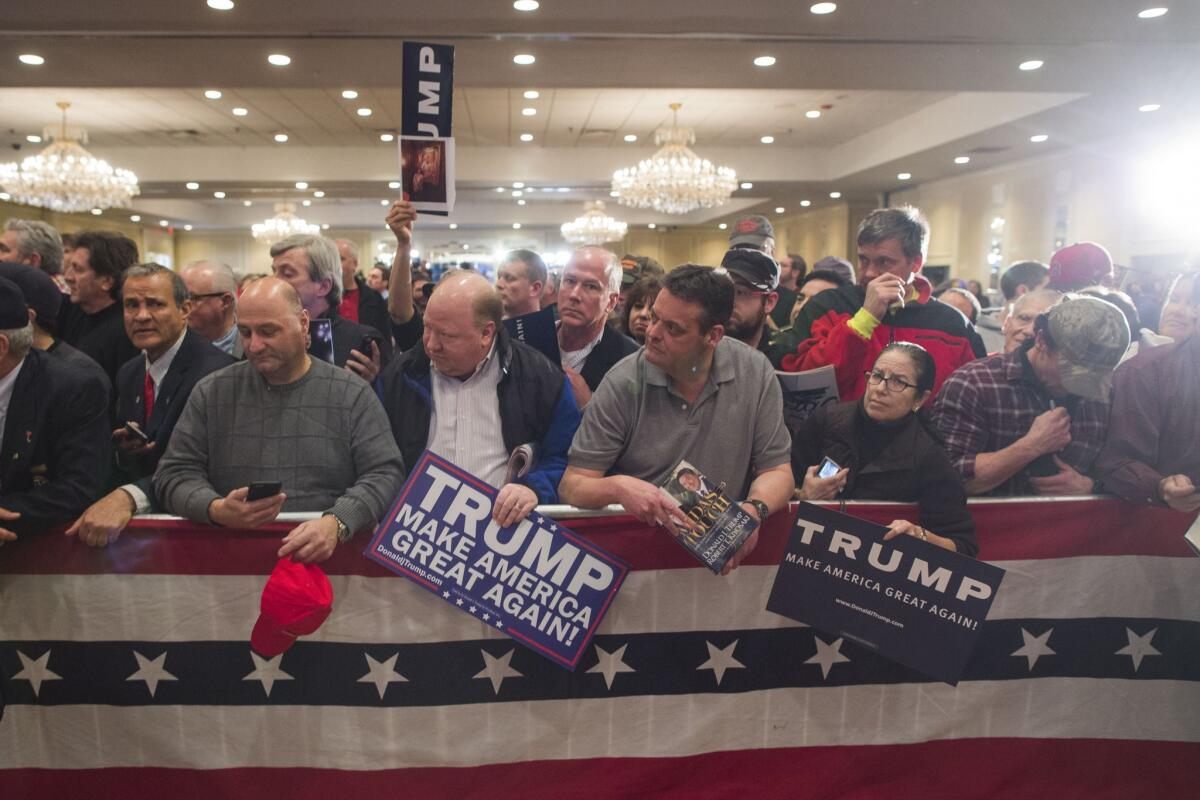
Observers note a shift in style during Trump’s return to the White House. Actions include plans to update parts of the White House with more ornate touches and frequent reminders of personal authority. Some describe the approach as centered more on the leader than on traditional party ideas. Supporters point to strong economic and security moves they believe benefit the country. They argue that clear, forceful leadership helps cut through bureaucracy and delivers results. Many say they appreciate the direct way Trump communicates with the public.Via Dawn News
Others express concern about the concentration of attention on one individual. They question whether limits on power receive enough respect in daily decisions. These differences fuel ongoing discussions about balance, accountability, and the health of democratic institutions. His remarks quickly drew attention, resonating with supporters who shared concerns about media credibility while also prompting criticism.
Via PBS
Reactions from Supporters and Critics
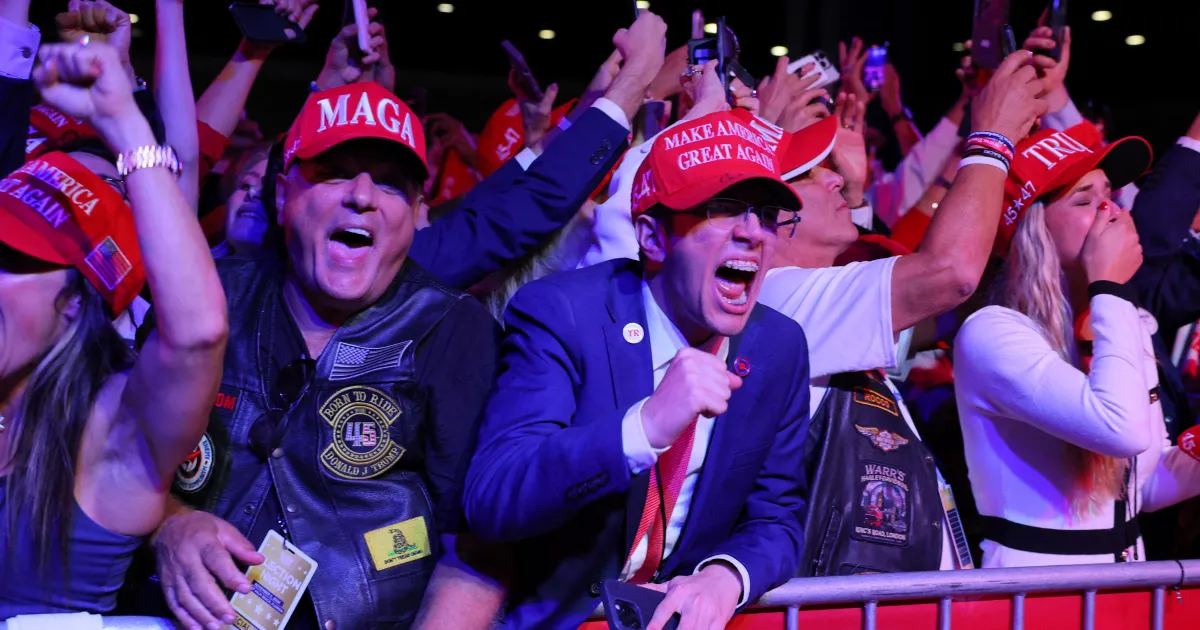
Pete Hegseth, serving in a key defense role, defended Trump by comparing media coverage to historical critics of Jesus. He called some reporting unfair and unpatriotic. The comments added fuel to already heated conversations about truth and bias. His remarks quickly drew attention, resonating with supporters who shared concerns about media credibility. Sarah Palin shared a humorous image suggesting even Jesus might ask Trump to pause the dramatic posts. The light-hearted jab spread quickly online and showed how the story crossed party lines in unexpected ways. At the same time, it underscored broader conversations about political discourse, raising questions about the long-term impact on public trust in institutions and democratic processes across the country.Via Al Jazeera
Every day, Americans reacted with everything from laughter to serious worry. Some saw the events as harmless political theater, a spectacle that would soon pass without lasting consequences. Others viewed them as troubling indicators of deeper problems within public life, raising concerns about leadership standards and accountability.
Via The Los Angeles Times
Lessons from History on Leaders and Faith
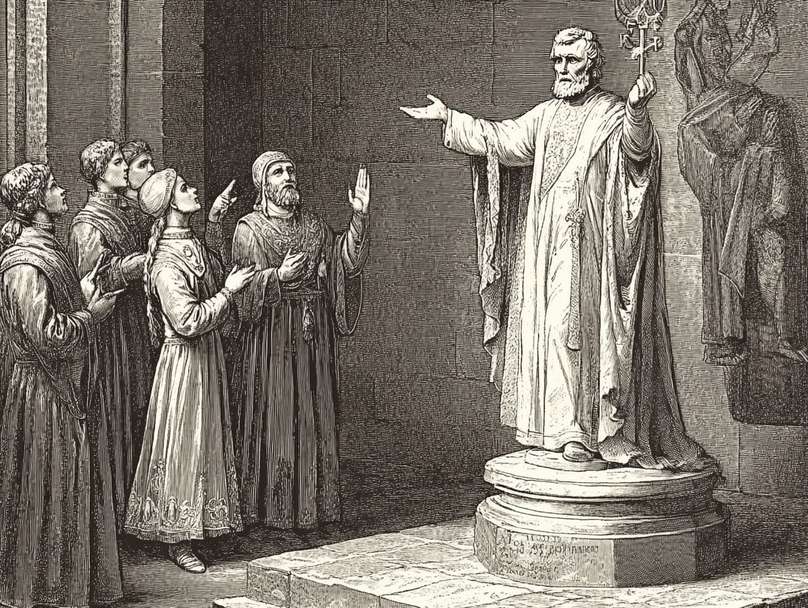
Ancient Roman emperors sometimes demanded worship as gods and built grand arches to celebrate victories. Those cults of personality faded after their rule ended. Monuments remained, but the extreme claims did not last. Modern democracies usually separate religious authority from political power. Leaders who blur those lines often face pushback from faith communities and citizens. History shows that mixing personal image with sacred symbols can create strong reactions.Via Micah Challenge
People today still debate how much faith should influence government decisions. Most agree that respect for different beliefs helps keep society stable. The recent events serve as a reminder of those long-standing tensions.
Via Medium
What the Week Reveals About American Politics
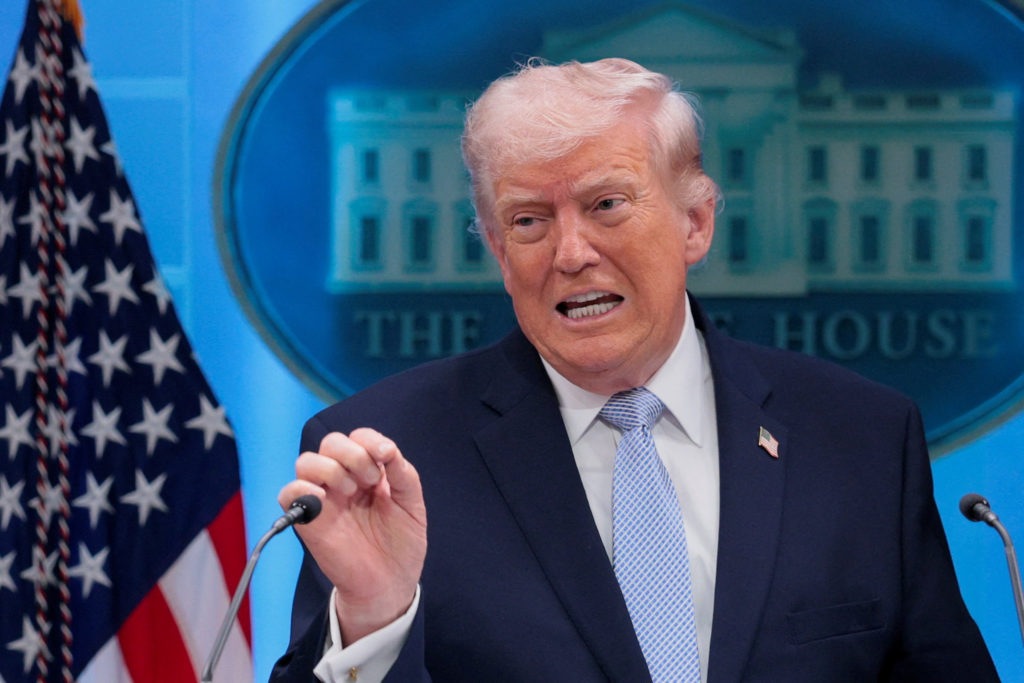
The combination of AI images, papal criticism, and grand building plans created a memorable stretch of news. Economic pressures from global conflicts made the religious and personal elements stand out more sharply. Many wondered how these moments would affect public trust. Trump’s approach continues to energize a core group of followers while testing the patience of others. The speed of social media spreads both praise and mockery within hours. This environment makes it hard for any leader to control the full story.Via PBS
Questions remain about how these patterns will shape the rest of the term. Citizens watch closely to see whether bold personal style brings lasting progress or creates more division. The events of one week offer a window into larger forces at work in the country. Trump’s distinctive approach keeps energizing a core group of loyal followers while testing the patience of others who prefer more traditional styles of leadership.