Unassigned
How Khamenei's Burial Served Iran's Diplomatic Goals?
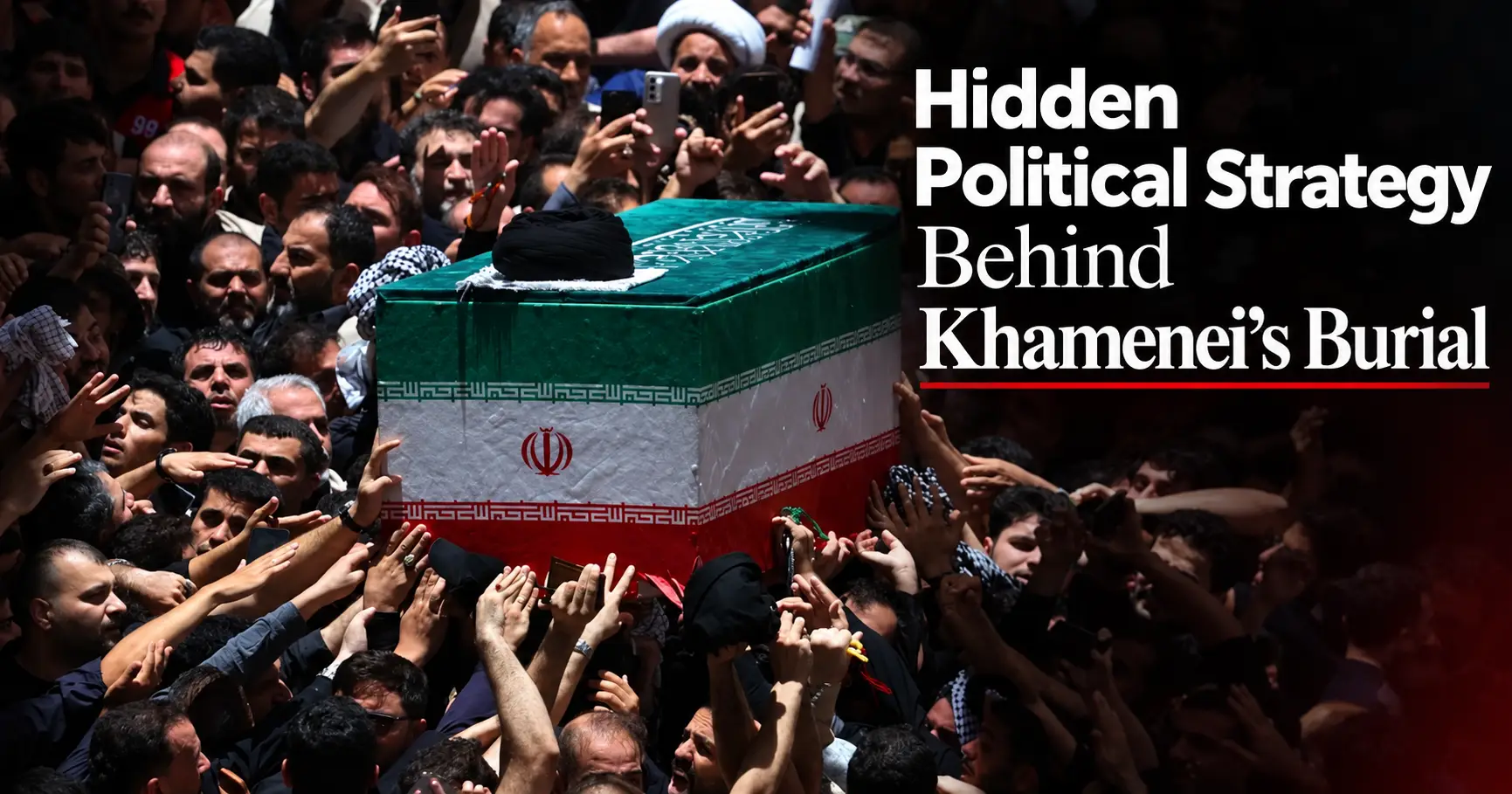
Ali Khamenei served as Iran's supreme leader until his death in February 2026. His burial took place on July 9 after extended public mourning events across the country. The timing followed a period of heightened tensions with the United States and other nations. Islamic traditions usually call for quick burials, as seen with previous leaders like Ayatollah Ruhollah Khomeini and Commander Qasem Soleimani. In those cases, funerals happened within days or a week at most.
The delay in Khamenei's funeral stood out as a clear choice by Iranian authorities. War conditions played a role at first, but leaders extended the timeline on purpose. This approach allowed time to organize large-scale events and reach wider audiences through media. Officials shaped the ceremonies to highlight key messages about strength and continuity.
 Via The Conversation
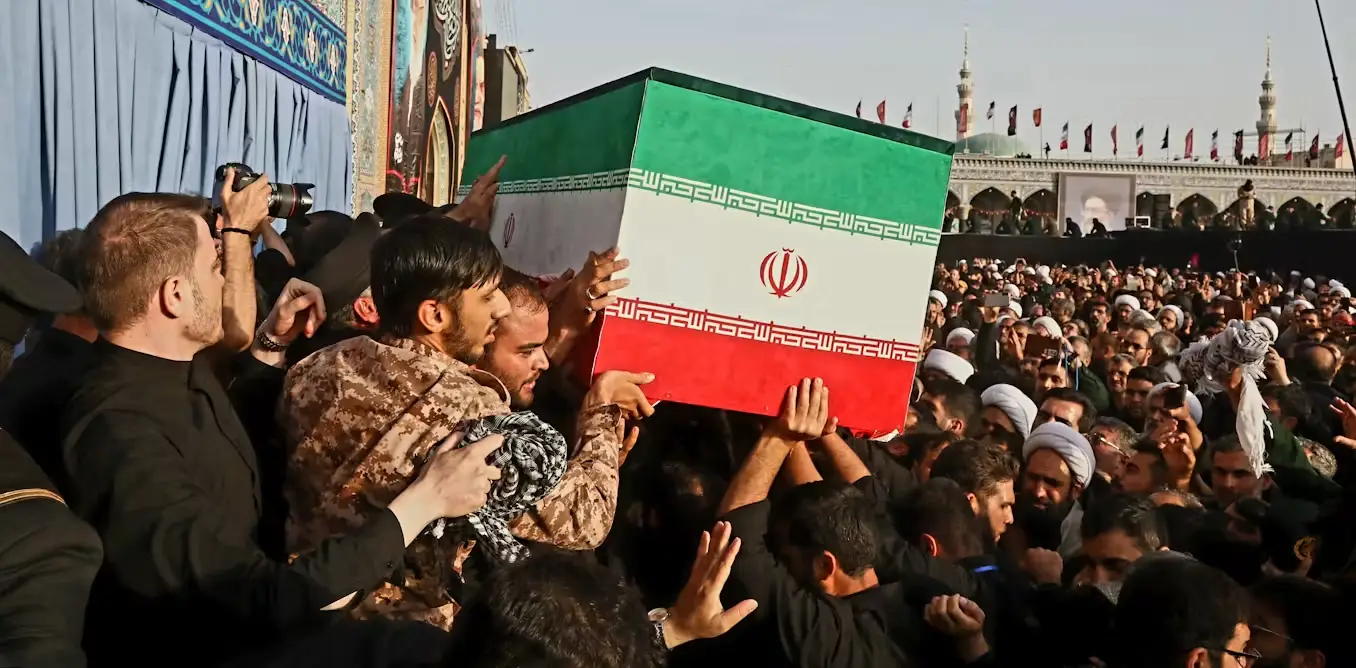
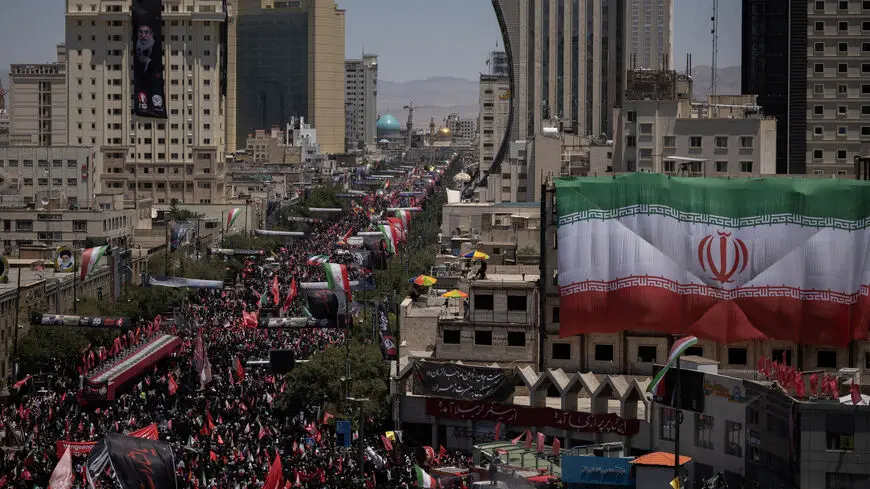
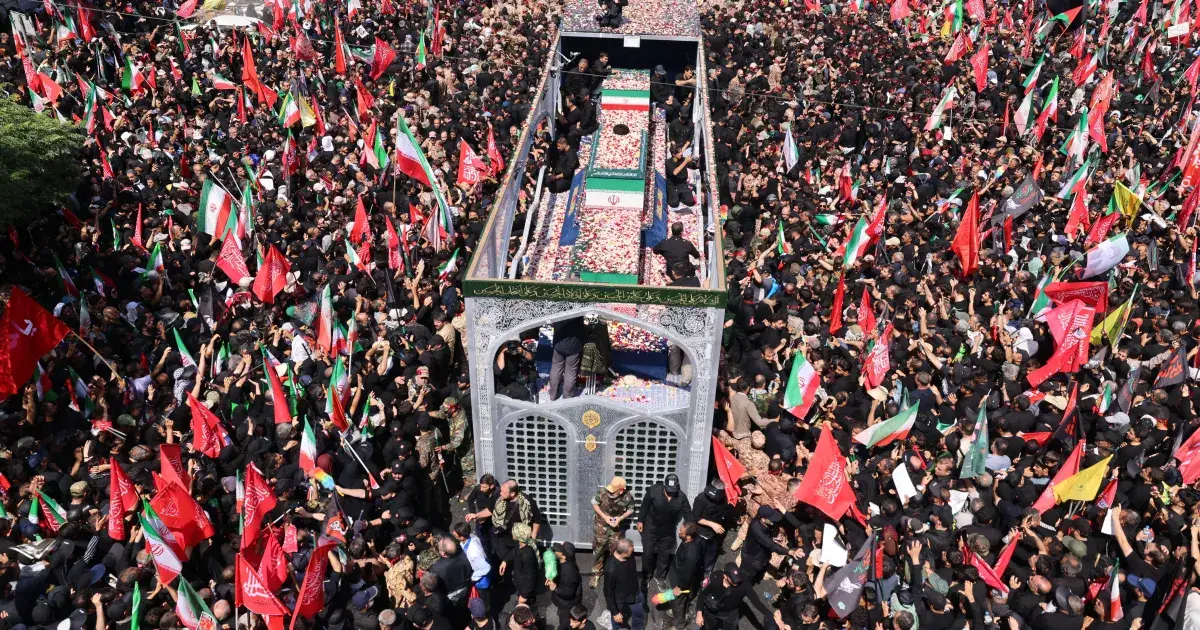
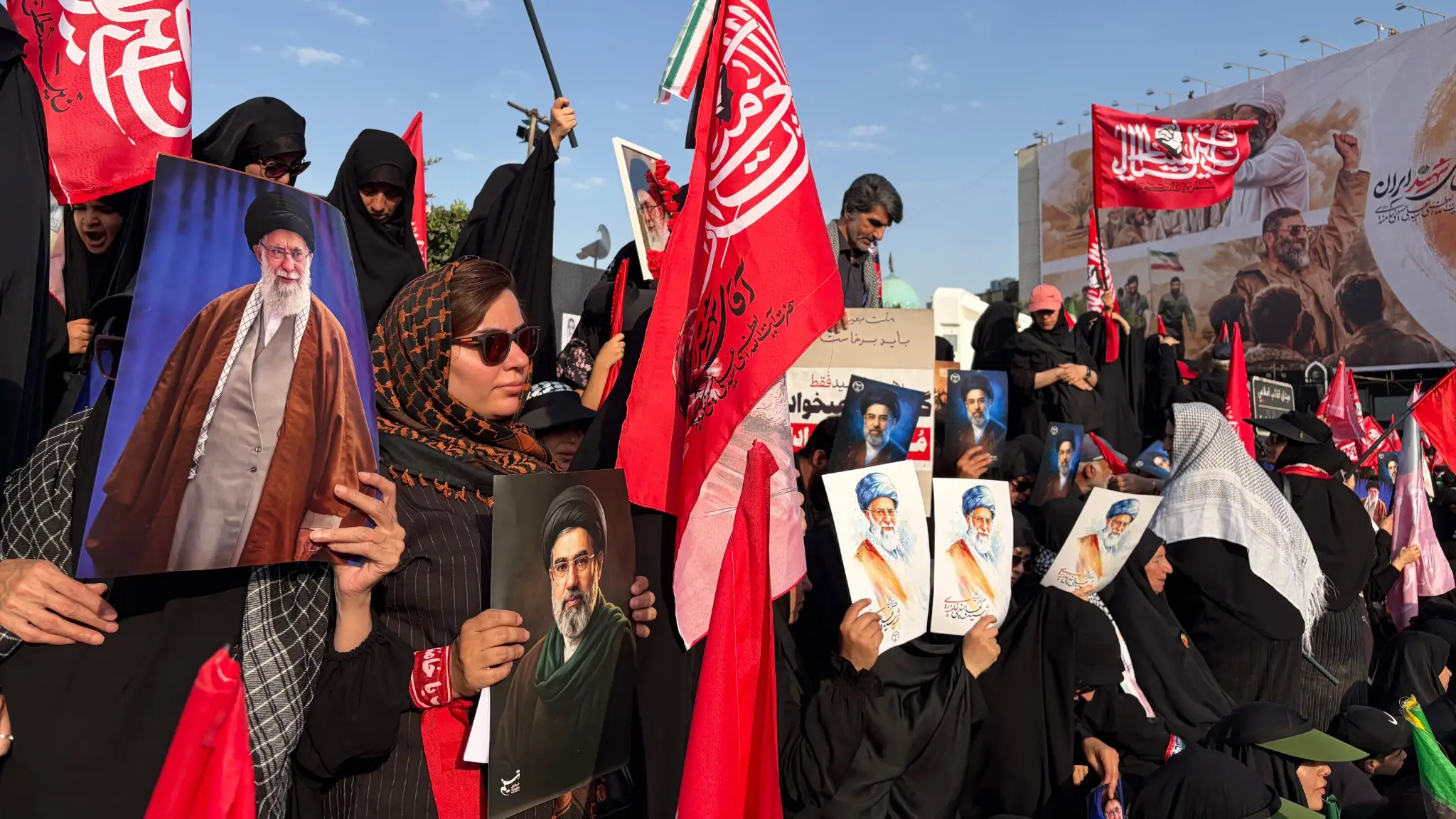
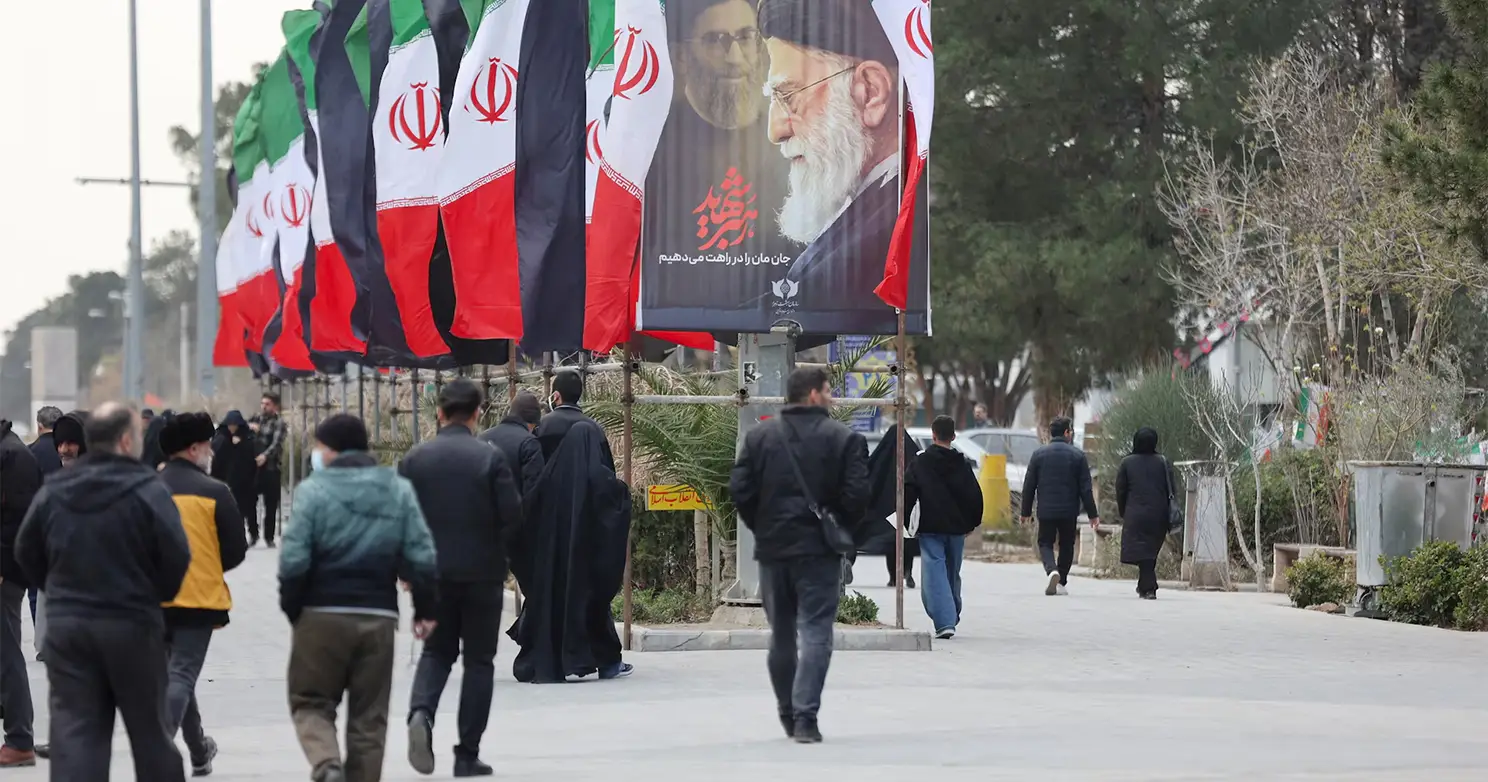
The events went beyond simple mourning to serve larger purposes for the government. Processions and prayers drew massive participation in cities like Qom. Aerial images captured long lines of people stretching for many kilometers toward holy sites. Such scenes underscored the scale of organization involved. Authorities provided support for crowds, including transport and basic needs. This careful planning helped present an image of order amid difficult circumstances.
 Via Daily Sabah
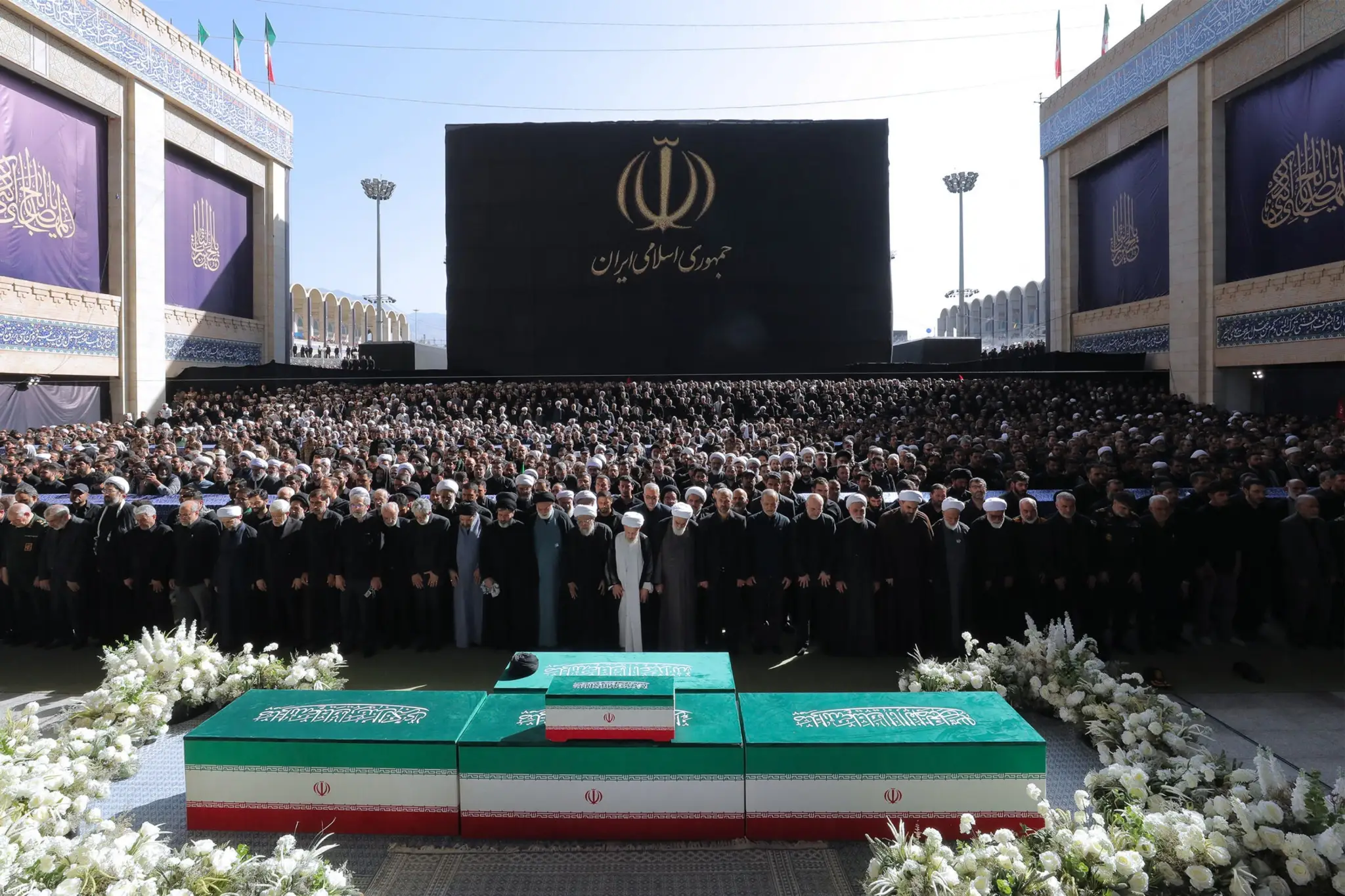
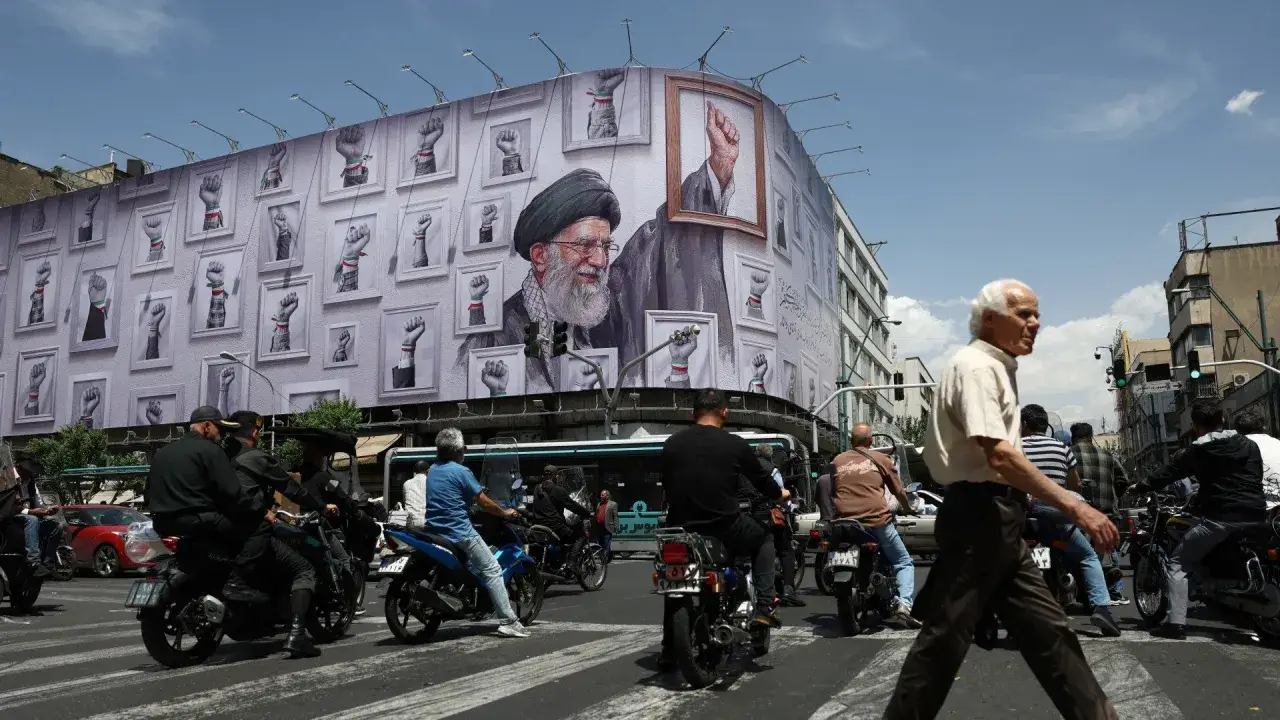
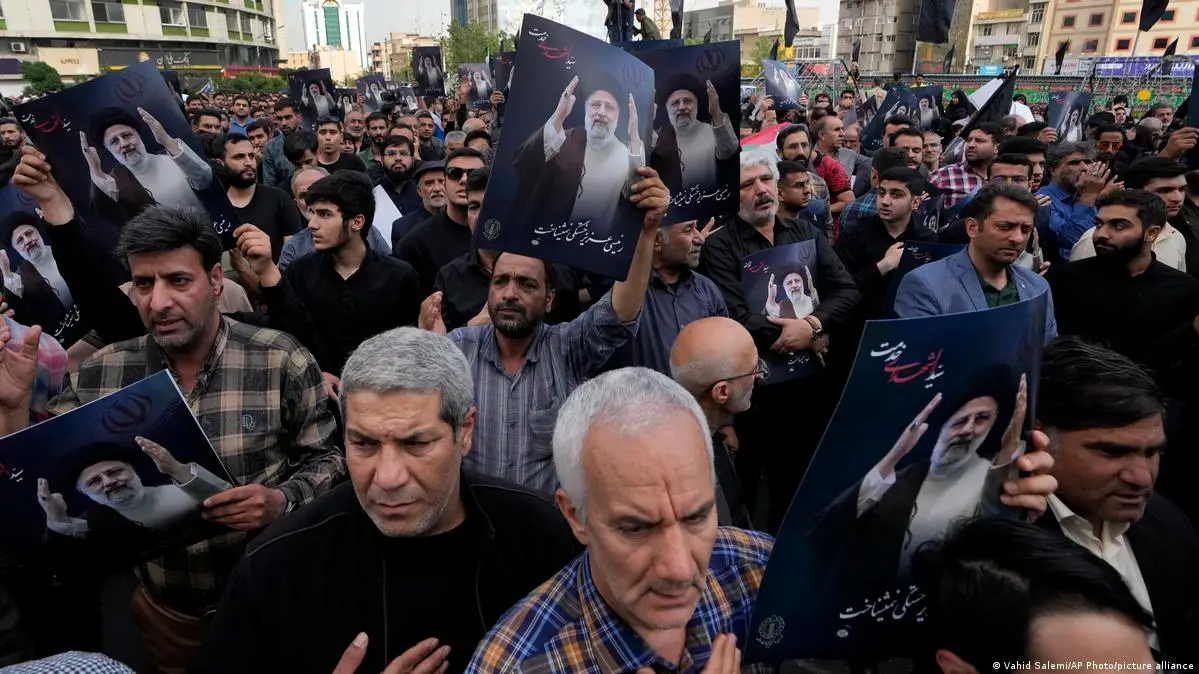
The ceremonies reached beyond core supporters to include various groups in society. Despite recent economic struggles and past unrest, many people chose to attend. Organizers worked hard to manage logistics in hot weather and challenging conditions. Successful crowd handling without major problems added to the narrative of effective governance. People from different backgrounds appeared united in the public displays.
This visible turnout served as a direct response to questions about the government's standing. Leaders used the events to demonstrate that the Islamic Republic maintained solid roots among the population. The scale of participation highlighted the ability to bring people together even after significant losses. Such efforts strengthened claims of ongoing legitimacy in the eyes of observers.
 Via Al Hera
 Via AI Monitor
Authorities focused on positive mobilization rather than division during the ceremonies. The events allowed citizens to express shared sentiments in public spaces. This collective action presented a front of resilience. It also signaled to external parties that assumptions about weakness did not match the reality on the ground. The strategy relied on visible, widespread attendance to make its point.
 Via Al Jazeera
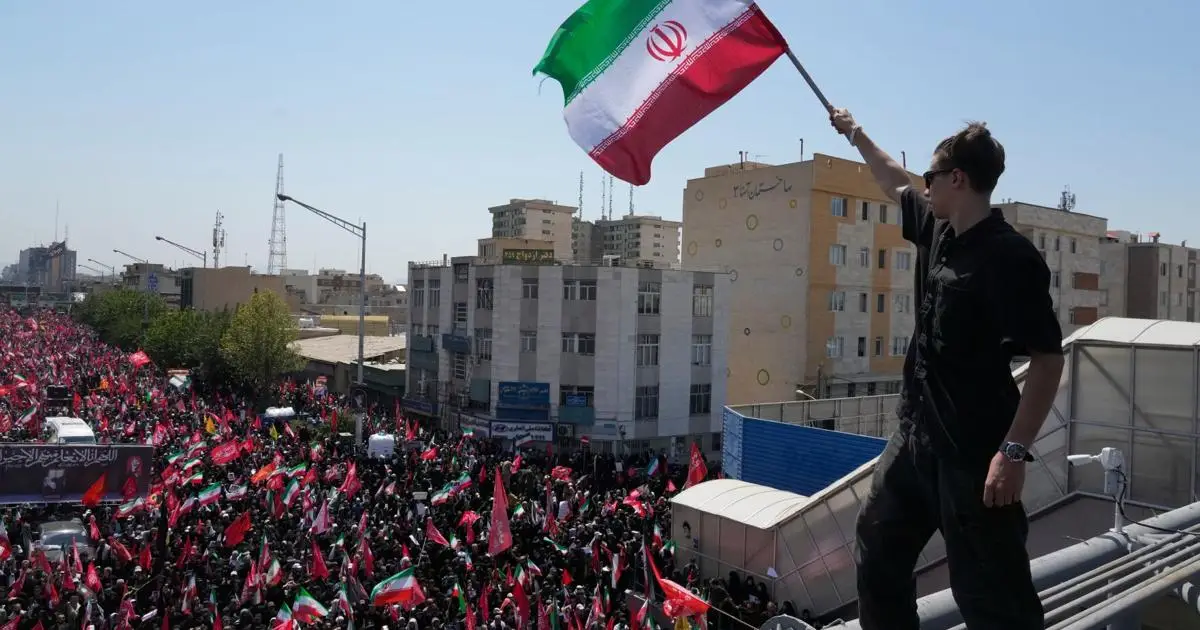
The regional network showed its value through successful gatherings outside the capital. People traveled to join the ceremonies, reflecting ties built over years. Logistical support ensured smooth operations for large groups. This ability to mobilize across borders sent a message about lasting influence. Neighbors and allies participated in ways that underscored shared links.
These extended events reinforced Iran's role in the area. The scale of participation in Iraq and other locations pointed to resilient partnerships. Authorities managed the details carefully to avoid disruptions. The outcomes bolstered claims of continued strength. This regional dimension added depth to the overall funeral observances.
 Via The Herald Journal
 Via Spectrum News
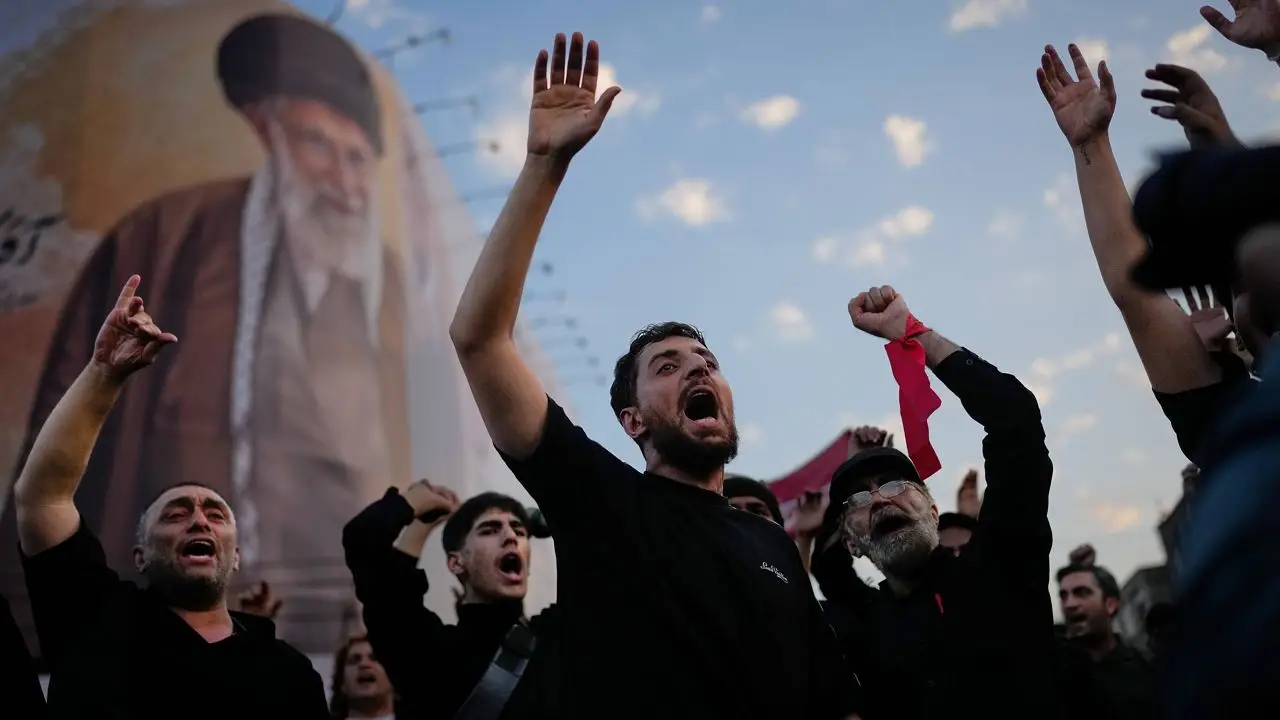
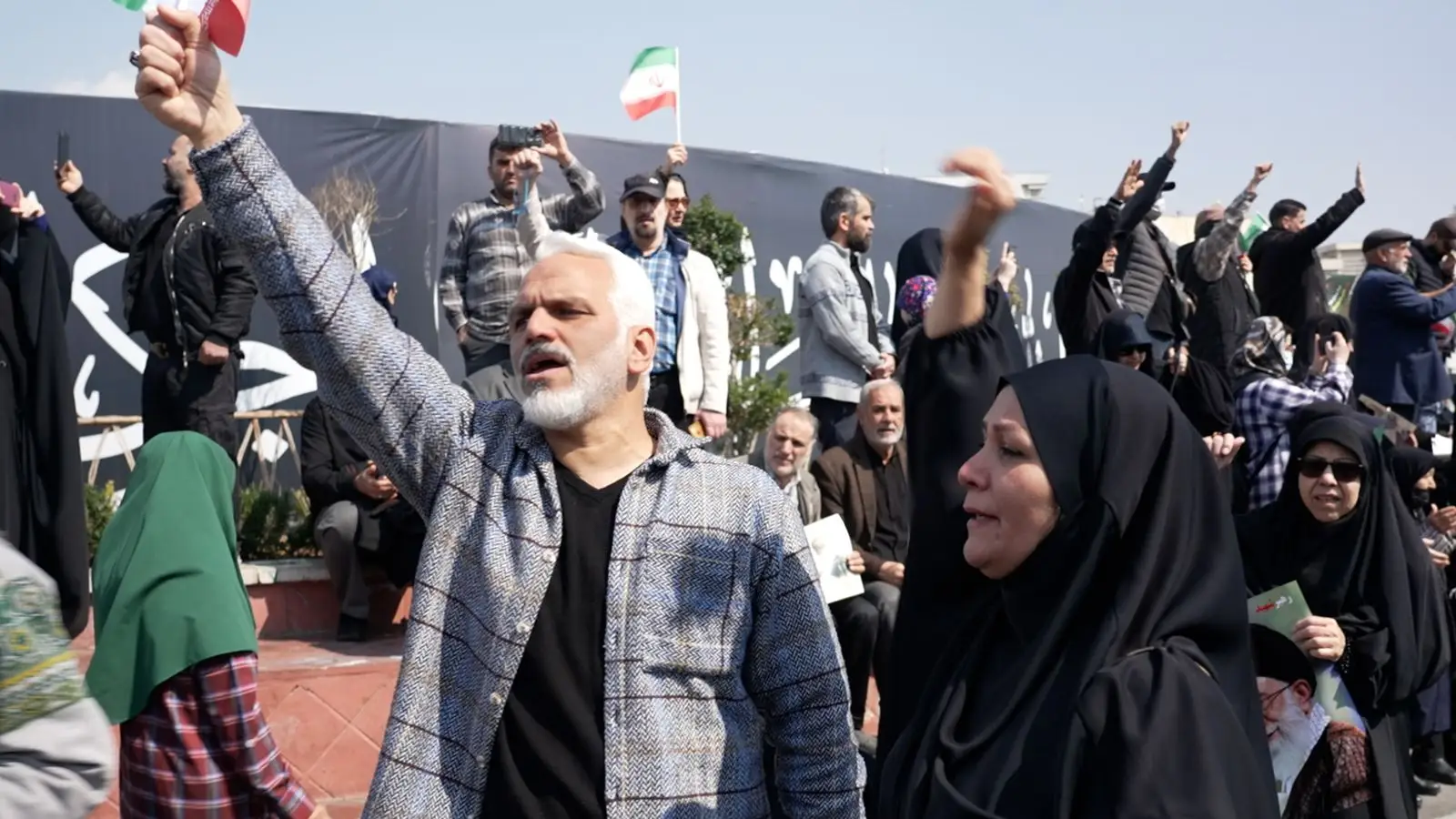
Defiance formed a central theme in the funeral activities. People expressed resolve to maintain their path despite losses. The events framed the assassination as an attack that would not break the spirit of resistance. This approach helped rally support and project unity on key issues. Global audiences noted the intensity of these public declarations.
 Via The Indian Express
Former presidents Hassan Rouhani and Mohammad Khatami stayed away from private ceremonies in Tehran. Their absence stood out against the large public turnouts. This choice reflected differences in approach among senior figures. The gaps became topics of discussion among analysts. They showed that full alignment did not exist across all levels of leadership.
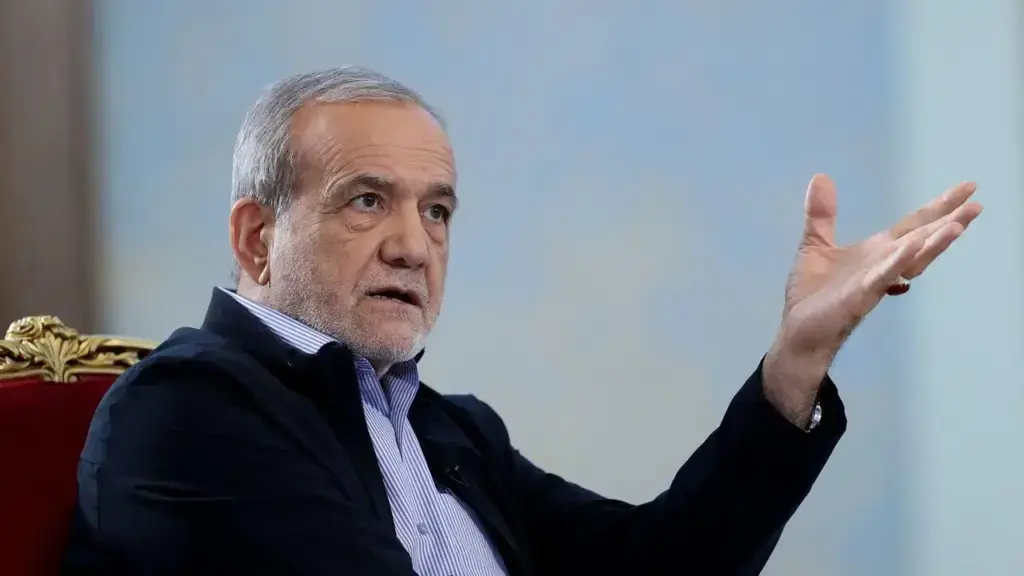
Criticism emerged toward current officials involved in international talks. Mourners and hardline voices targeted President Masoud Pezeshkian and Foreign Minister Abbas Araghchi. The disapproval stemmed from ongoing negotiations with the United States. These tensions revealed divides between different factions. The funeral brought some of these differences into view despite efforts at cohesion.
 Via Pajhwok Afghan News
 Via The Hindu
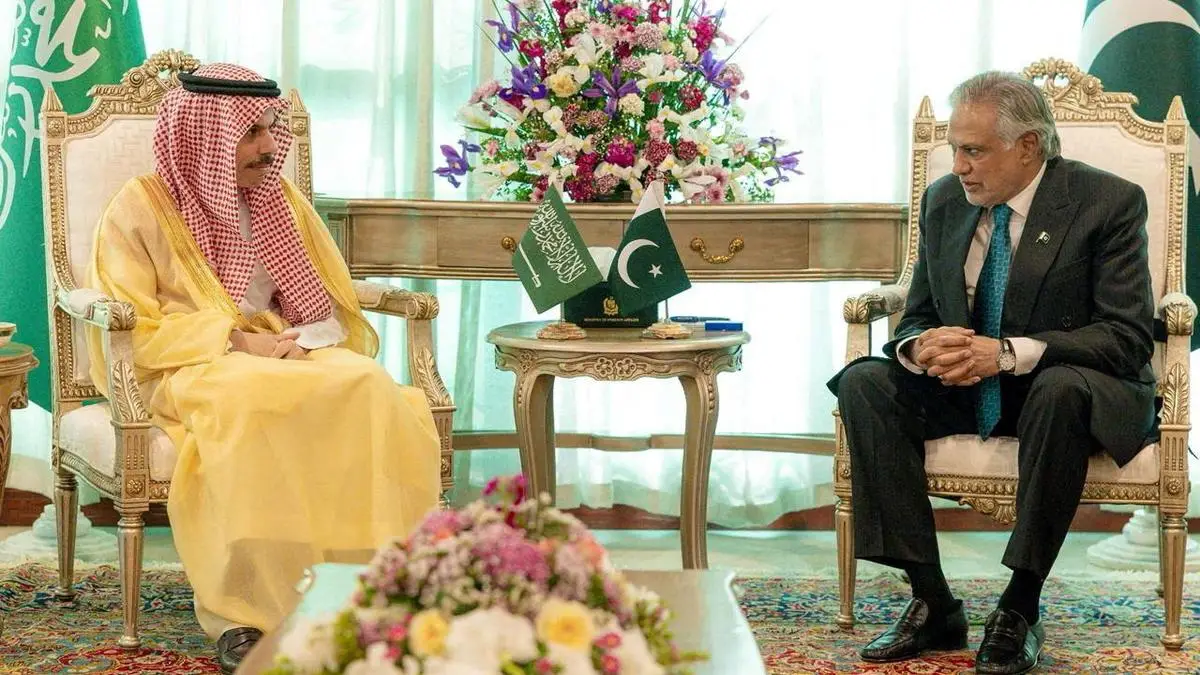
Verses for countries like Saudi Arabia, Pakistan, China, and Russia carried distinct meanings. The selection for Saudi Arabia referenced historical battles, hinting at ongoing rivalries. Pakistan received words tied to mediation and support. Even non-Muslim powers got tailored welcomes. These choices turned the funeral into a platform for nuanced foreign policy communication.
 Via The NY Times
This experience may influence how future decisions unfold in both domestic and international arenas. Observers noted the blend of tradition and modern strategy throughout the ceremonies. The extended timeline allowed for deeper engagement and broader messaging. Citizens participated in ways that reflected complex layers of society.
The events helped stabilize the narrative around continuity and resistance. Such outcomes carry weight as Iran navigates ongoing challenges with major powers. The funeral's reach through global media ensured that images and messages resonated long after the burial. Delegations carried specific impressions back to their countries.
 Via Iran Wire
Public displays of unity and defiance set a tone for future interactions. People across Iran and the region absorbed the lessons of resilience and mobilization. This strategic use of the occasion positions the country to advance its interests with renewed visibility and purpose.
 Via Sky News
Iran used the funeral to affirm its regional role and mobilization abilities. The events highlighted enduring networks and public involvement. Despite challenges, the gatherings proceeded smoothly and delivered clear signals. Participants contributed to a display of resilience and continuity. The approach integrated mourning with strategic objectives.
Global attention focused on the scale and organization of the proceedings. The funeral served as a multifaceted tool for the leadership. It addressed both internal and external audiences effectively. The results reinforced key positions on support, defiance, and influence. These elements combined to create a lasting impression through the public ceremonies.
 Via DW
The funeral of Ali Khamenei marked a significant moment for Iran. Leaders transformed a period of mourning into an opportunity to advance political and diplomatic aims. Large crowds, regional events, and targeted messages shaped international views. The events showcased organizational capacity and public engagement at a sensitive time. People responded to the call for participation in ways that supported national narratives. This careful orchestration left a strong mark on both domestic and world stages.
More in UnassignedVia The Conversation
The events went beyond simple mourning to serve larger purposes for the government. Processions and prayers drew massive participation in cities like Qom. Aerial images captured long lines of people stretching for many kilometers toward holy sites. Such scenes underscored the scale of organization involved. Authorities provided support for crowds, including transport and basic needs. This careful planning helped present an image of order amid difficult circumstances.
Building an Image of Strong Public Support
Iranian leaders aimed to show deep loyalty from citizens through the funeral events. Reports from officials claimed over 15 million people joined processions in the first few days. Large gatherings at mosques and shrines in Qom became central displays of collective grief. These numbers helped reinforce the idea of widespread backing for the system. Media broadcasts shared these moments with both local and international viewers.Via Daily Sabah
The ceremonies reached beyond core supporters to include various groups in society. Despite recent economic struggles and past unrest, many people chose to attend. Organizers worked hard to manage logistics in hot weather and challenging conditions. Successful crowd handling without major problems added to the narrative of effective governance. People from different backgrounds appeared united in the public displays.
This visible turnout served as a direct response to questions about the government's standing. Leaders used the events to demonstrate that the Islamic Republic maintained solid roots among the population. The scale of participation highlighted the ability to bring people together even after significant losses. Such efforts strengthened claims of ongoing legitimacy in the eyes of observers.
Via Al Hera
Countering Calls for Regime Change
Mourning events pushed back against stories from critics outside and inside Iran. Opposition voices and some Western and Israeli commentators had suggested a growing desire for major shifts in the country. Funeral gatherings provided a counterpoint through sheer numbers and public expressions. Broadcasts of the ceremonies reached global audiences and challenged those views. Officials framed the participation as proof of enduring stability. The large crowds helped weaken arguments used to support actions against Iranian leaders. By showing active involvement from many segments of society, the events created a different picture. People attended despite hardships, which added weight to the displays. This approach aimed to shift international perceptions about internal support levels. Media coverage amplified these images widely.
Via AI Monitor
Authorities focused on positive mobilization rather than division during the ceremonies. The events allowed citizens to express shared sentiments in public spaces. This collective action presented a front of resilience. It also signaled to external parties that assumptions about weakness did not match the reality on the ground. The strategy relied on visible, widespread attendance to make its point.
Extending Influence Beyond Iran's Borders
Funeral processions took place not only in Tehran but also in other Iranian cities and neighboring Iraq. This spread demonstrated the government's reach and organizational strength. Events in places like Najaf drew participants from across the region. Such coordination required significant resources and planning. It highlighted connections that remained active despite pressures.Via Al Jazeera
The regional network showed its value through successful gatherings outside the capital. People traveled to join the ceremonies, reflecting ties built over years. Logistical support ensured smooth operations for large groups. This ability to mobilize across borders sent a message about lasting influence. Neighbors and allies participated in ways that underscored shared links.
These extended events reinforced Iran's role in the area. The scale of participation in Iraq and other locations pointed to resilient partnerships. Authorities managed the details carefully to avoid disruptions. The outcomes bolstered claims of continued strength. This regional dimension added depth to the overall funeral observances.
Via The Herald Journal
Expressing Defiance Through Public Messages
Mourners chanted slogans against the United States and Israel during the ceremonies. These expressions aimed to show determination in the face of recent events. Crowds voiced calls for accountability and resistance to outside interference. Such moments became part of the broader signal to foreign powers. Leaders encouraged this unified stance through the organized events. The chants aligned with Iran's long-standing approach to external challenges. They emphasized commitment to core principles of independence and pushback. Participants used the gatherings to affirm these positions publicly. The messages reached leaders in Washington and beyond through media reports. This direct communication through crowds served as a form of diplomatic signaling.Via Spectrum News
Defiance formed a central theme in the funeral activities. People expressed resolve to maintain their path despite losses. The events framed the assassination as an attack that would not break the spirit of resistance. This approach helped rally support and project unity on key issues. Global audiences noted the intensity of these public declarations.
Noting Gaps in the Unity Display
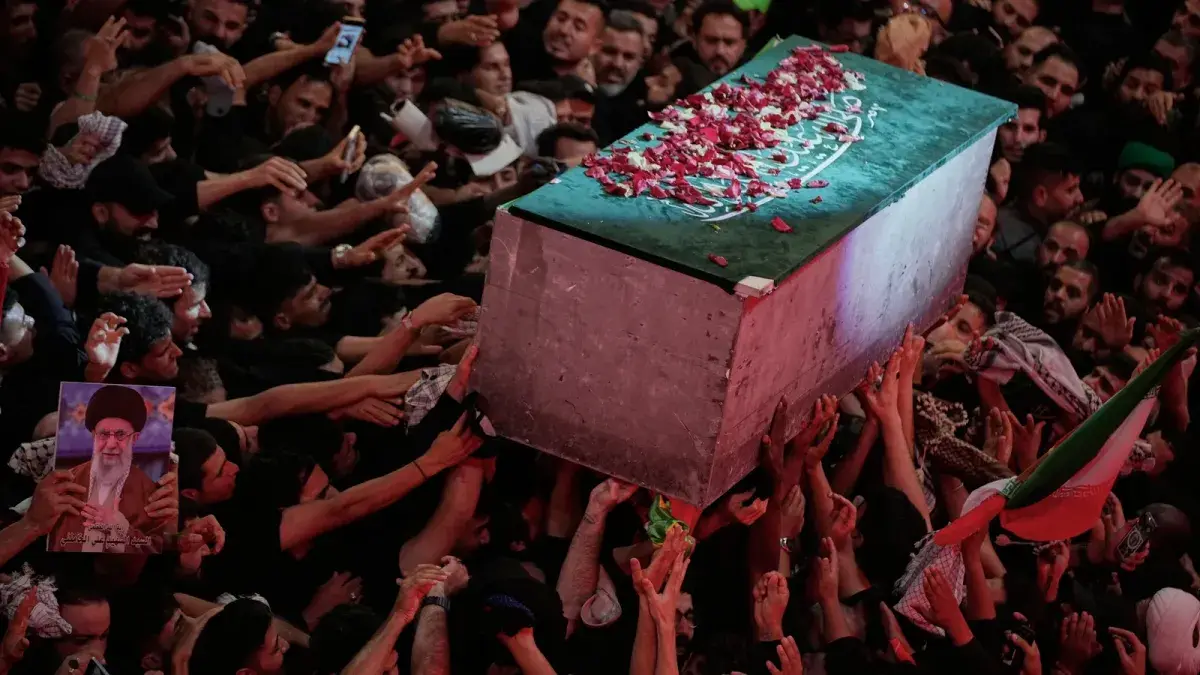
Some prominent figures chose not to fully participate in certain funeral segments. The departure of Hassan Khomeini from one procession drew attention from observers. A recitation during the event appeared to offend him and led to his exit. Such incidents highlighted underlying tensions within political circles. They added nuance to the picture of complete national harmony.Via The Indian Express
Former presidents Hassan Rouhani and Mohammad Khatami stayed away from private ceremonies in Tehran. Their absence stood out against the large public turnouts. This choice reflected differences in approach among senior figures. The gaps became topics of discussion among analysts. They showed that full alignment did not exist across all levels of leadership.
Criticism emerged toward current officials involved in international talks. Mourners and hardline voices targeted President Masoud Pezeshkian and Foreign Minister Abbas Araghchi. The disapproval stemmed from ongoing negotiations with the United States. These tensions revealed divides between different factions. The funeral brought some of these differences into view despite efforts at cohesion.
Via Pajhwok Afghan News
Managing International Attendance and Messages
No officials from Western governments received invitations to the funeral. Instead, delegations came from many other countries, totaling over 70. Each group heard a specific Quranic verse chosen to reflect their relations with Iran. This personalized touch added layers to the diplomatic interactions. It allowed hosts to convey subtle points through tradition. Afghan figures from both opposition and ruling sides attended the events. The mix included representatives from the Taliban and resistance groups. Their presence illustrated Iran's connections across various political lines. Such inclusivity helped showcase broader engagement. It also demonstrated flexibility in handling complex regional dynamics.Via The Hindu
Verses for countries like Saudi Arabia, Pakistan, China, and Russia carried distinct meanings. The selection for Saudi Arabia referenced historical battles, hinting at ongoing rivalries. Pakistan received words tied to mediation and support. Even non-Muslim powers got tailored welcomes. These choices turned the funeral into a platform for nuanced foreign policy communication.
Shaping Iran's Path Forward After the Funeral
The massive funeral events left a clear mark on Iran's political landscape. Leaders demonstrated their capacity to organize at a national and regional level even during periods of tension. The successful turnout and diplomatic gestures provided a foundation for the new supreme leader, Mojtaba Khamenei. People witnessed the government's ability to turn a moment of loss into one of assertion.Via The NY Times
This experience may influence how future decisions unfold in both domestic and international arenas. Observers noted the blend of tradition and modern strategy throughout the ceremonies. The extended timeline allowed for deeper engagement and broader messaging. Citizens participated in ways that reflected complex layers of society.
The events helped stabilize the narrative around continuity and resistance. Such outcomes carry weight as Iran navigates ongoing challenges with major powers. The funeral's reach through global media ensured that images and messages resonated long after the burial. Delegations carried specific impressions back to their countries.
Via Iran Wire
Public displays of unity and defiance set a tone for future interactions. People across Iran and the region absorbed the lessons of resilience and mobilization. This strategic use of the occasion positions the country to advance its interests with renewed visibility and purpose.
The Overall Success of the Funeral Strategy
The ceremonies achieved their main goals of projecting strength and legitimacy. Millions of people participated across multiple locations without major incidents. Effective management of crowds in difficult conditions added to the positive outcome. Media coverage spread the images and messages worldwide. This reach extended the impact far beyond Iran's borders.Via Sky News
Iran used the funeral to affirm its regional role and mobilization abilities. The events highlighted enduring networks and public involvement. Despite challenges, the gatherings proceeded smoothly and delivered clear signals. Participants contributed to a display of resilience and continuity. The approach integrated mourning with strategic objectives.
Global attention focused on the scale and organization of the proceedings. The funeral served as a multifaceted tool for the leadership. It addressed both internal and external audiences effectively. The results reinforced key positions on support, defiance, and influence. These elements combined to create a lasting impression through the public ceremonies.
Via DW
The funeral of Ali Khamenei marked a significant moment for Iran. Leaders transformed a period of mourning into an opportunity to advance political and diplomatic aims. Large crowds, regional events, and targeted messages shaped international views. The events showcased organizational capacity and public engagement at a sensitive time. People responded to the call for participation in ways that supported national narratives. This careful orchestration left a strong mark on both domestic and world stages.