Unassigned
Did Trump Actually Stop 9 Wars? Here Is Reality
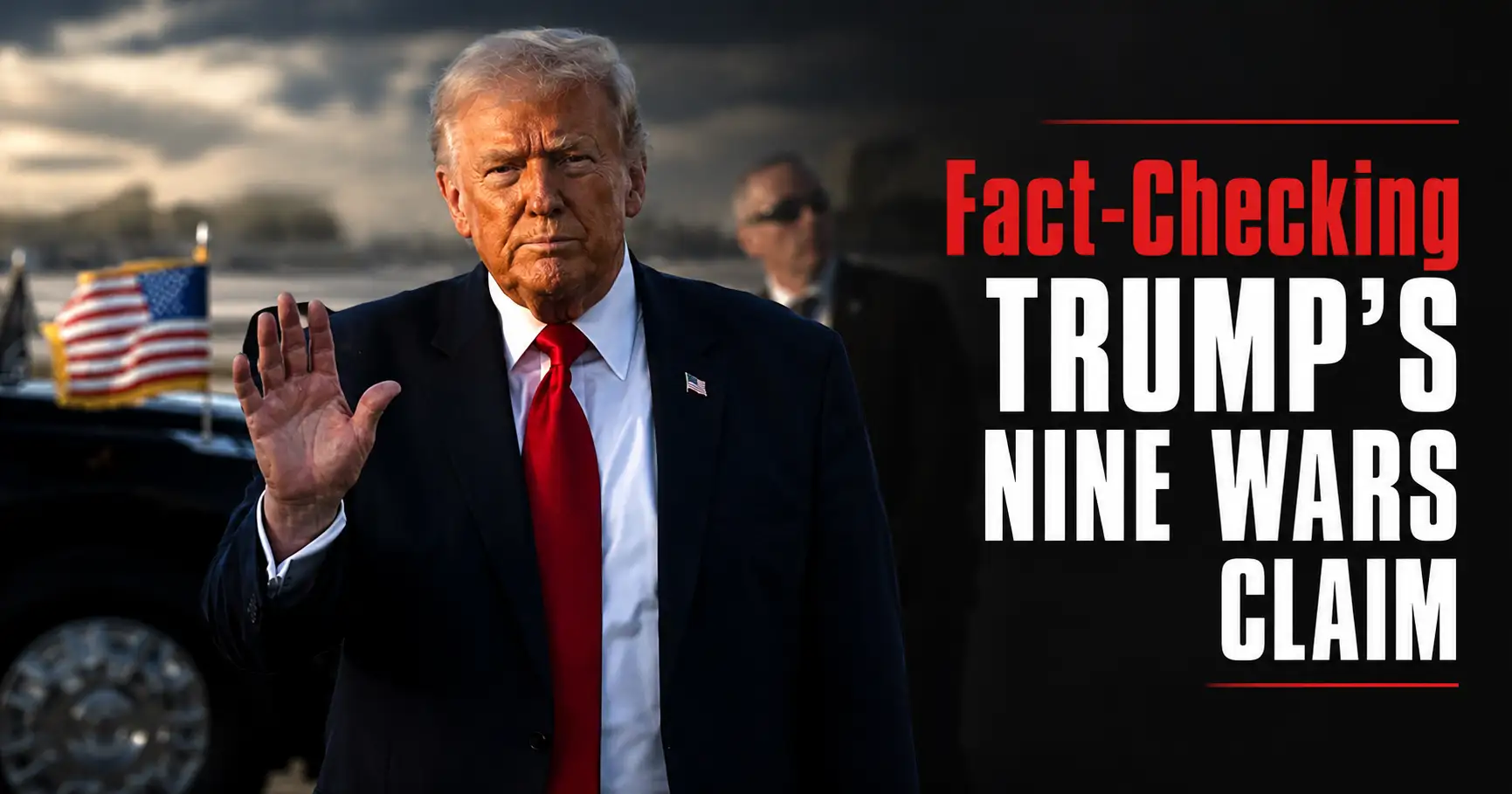
President Donald Trump has repeatedly said that he helped resolve several global conflicts, often describing them as wars that were “solved” through his leadership. These claims have drawn attention because they suggest a major record of international peacekeeping. The number has changed in different statements, with references to eight, nine, and even ten conflicts.
Conflict resolution is rarely simple. Many disputes involve decades of political tension, border disagreements, ethnic divisions, military threats, and economic interests. A temporary pause in fighting can be important, but it does not always lead to lasting peace. In several cases linked to Trump’s claims, the violence either had already slowed, continued after the agreement, or resumed later.
 Via Peace Research Institute Oslo
A closer look at the conflicts shows a mixed picture. Some diplomatic actions may have helped create progress, while others remain disputed or unclear. Several agreements were meaningful, but many did not fully resolve the deeper problems behind the conflicts.
 Via Politico
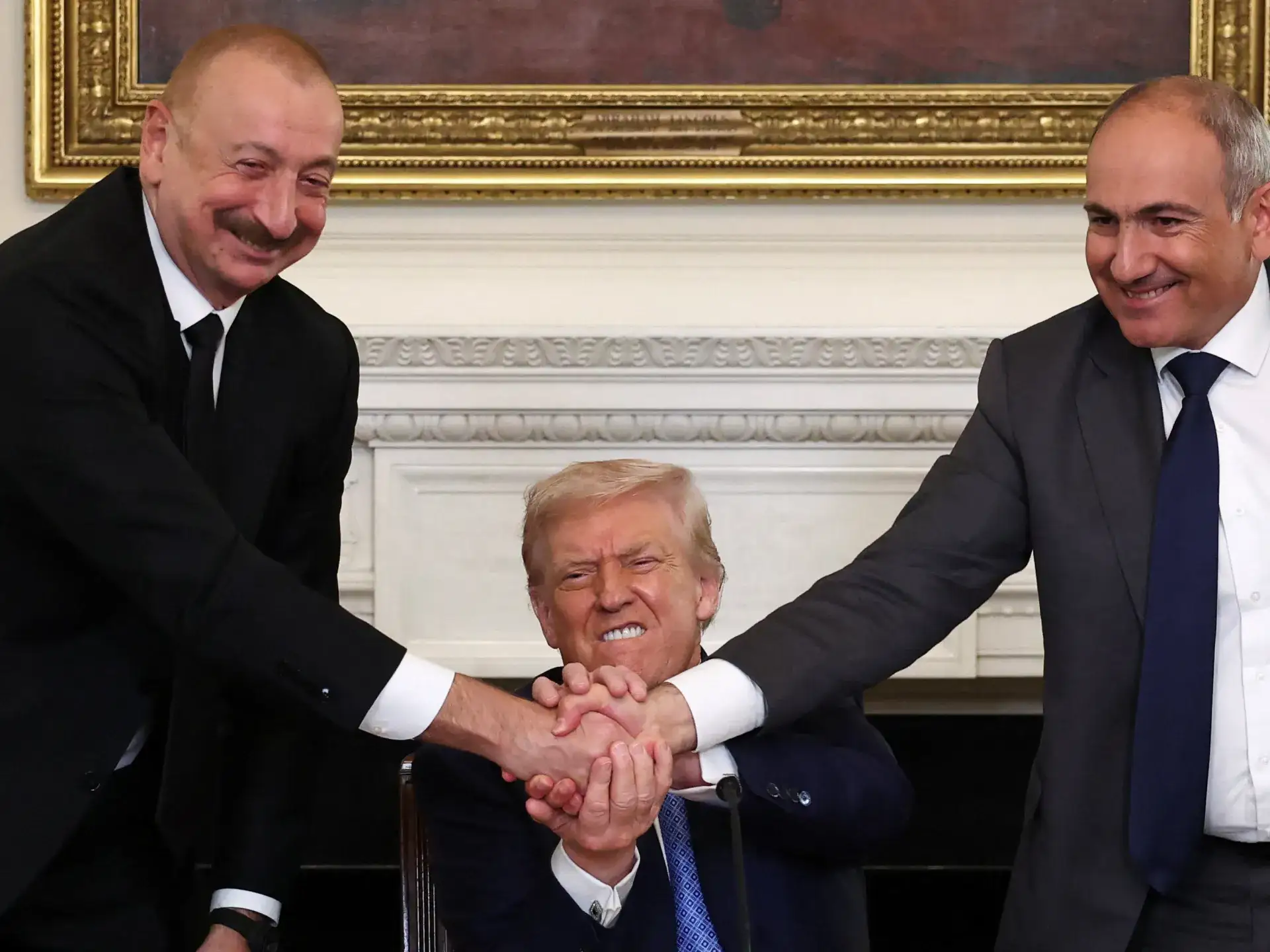
This agreement was significant because both countries had a long and painful history of mistrust. Diplomatic relations between them had been limited for years, and the conflict had shaped politics, security, and national identity on both sides. A formal deal helped send a message that dialogue was possible after years of tension.
The key issue is whether this agreement truly ended the war. Active large-scale fighting was not underway at the time the agreement was signed. That means the deal did not stop an ongoing battlefield conflict in the same way a ceasefire might. It may have supported a peace process, but many sensitive questions remained.
 Via Al Jazeera
 Via The New York Times
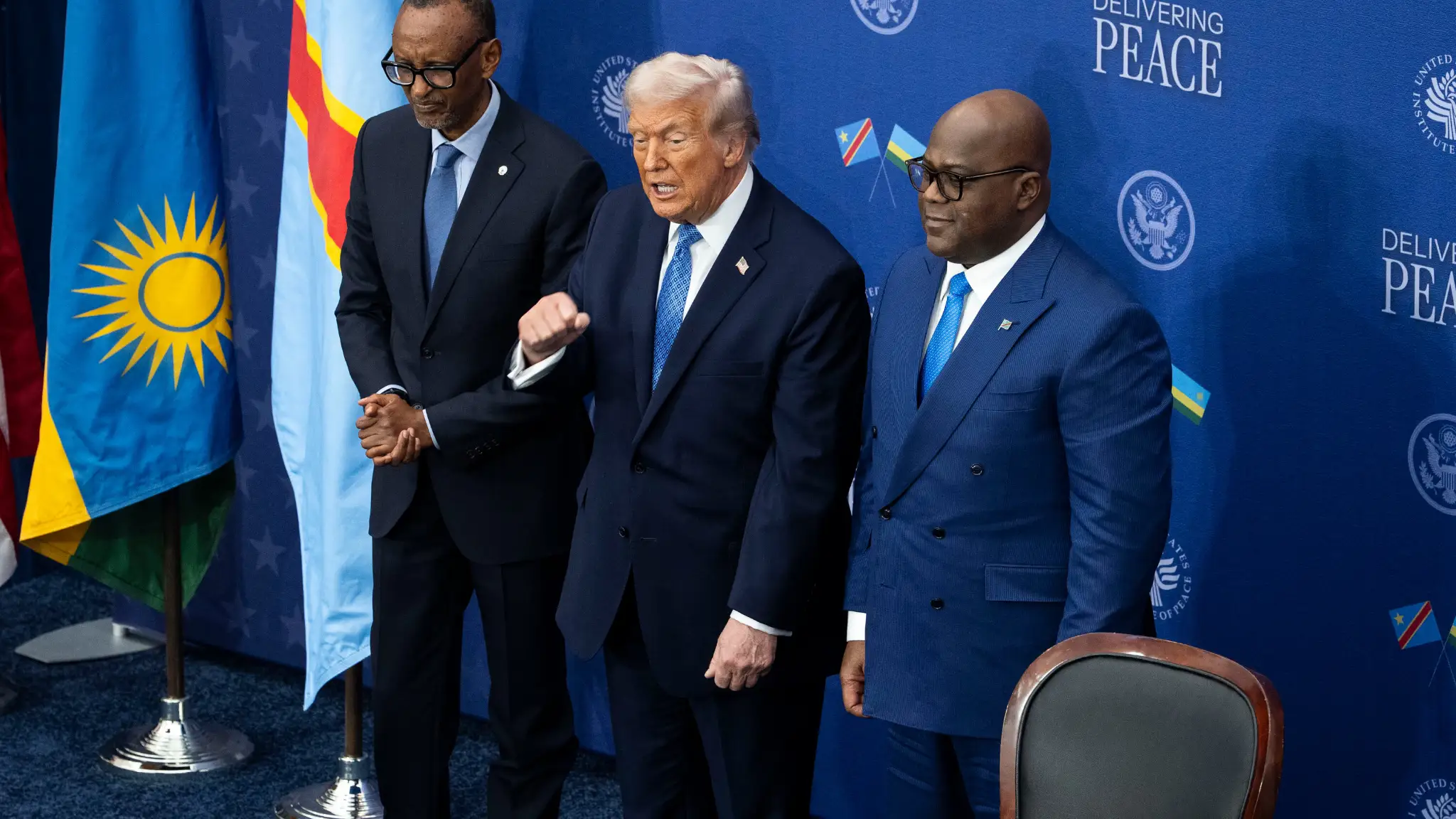
Still, the agreement did not bring a full end to the fighting. Violence continued in parts of eastern Congo, and armed groups remained active. There were signs of limited progress, such as steps to disarm certain militias, but the wider conflict remained unresolved.
 Via ABC News
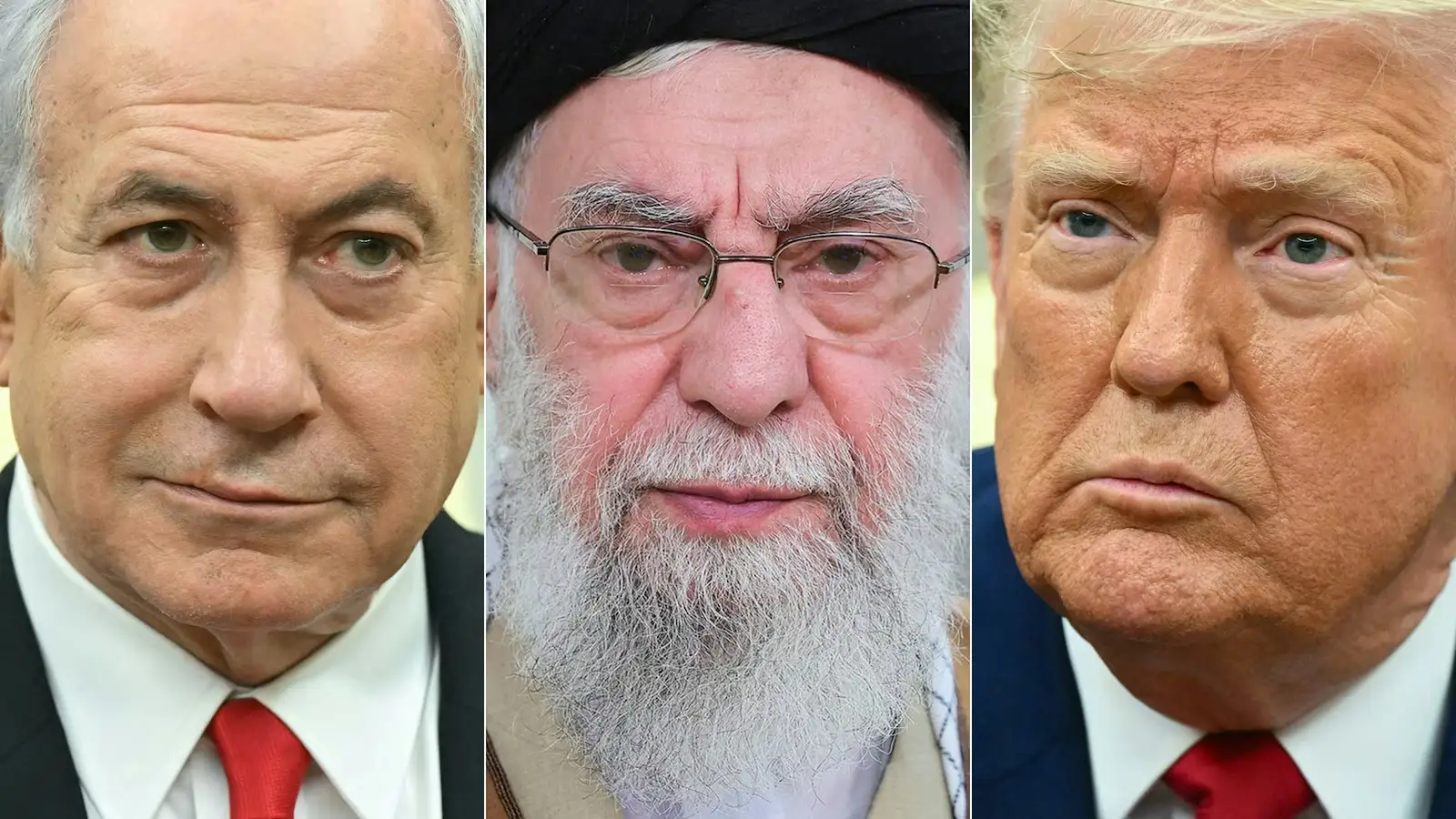
The ceasefire did reduce immediate danger. Any pause between Israel and Iran matters because both countries influence wider Middle East security. Their conflict can affect oil markets, regional alliances, military bases, and neighboring countries. A wider war involving Iran, Israel, and outside powers could create serious global consequences.
The problem is that the ceasefire followed a major military escalation rather than a long-term peace settlement. The deeper causes of hostility between Israel and Iran were not removed. Questions involving nuclear facilities, regional militias, security threats, and political rivalry remained active. A ceasefire can stop the shooting for a time, but it does not mean the conflict has been solved.
 Via CNN
 Via ABC News
The ceasefire remained fragile because the biggest issues were still unresolved. Israel and Hamas continued to disagree over security, governance, hostages, territory, military control, and the future of the region. A ceasefire is not the same as a permanent peace treaty. If both sides remain prepared for renewed conflict, then the war has not truly been solved.
 Via Al Jazeera
Preventing conflict can be important even when no war breaks out. Diplomacy often works quietly by stopping bad situations from becoming worse. A leader may not end a war, but can still help prevent violence. In this case, trade pressure and political warnings may have encouraged both sides to avoid military action.
The underlying dispute remains unsolved. Serbia still has not recognized Kosovo’s independence, and tensions continue to rise at different moments. Border concerns, ethnic divisions, and political disagreements remain part of the relationship.
 Via CEPA
 Via TIME
The violence did stop after a short period, and that outcome was important. Any reduction in India-Pakistan fighting can lower the risk of a broader crisis. Still, the deeper conflict remains unresolved. Kashmir, border security, terrorism concerns, and national pride continue to shape the relationship.
 Via BBC
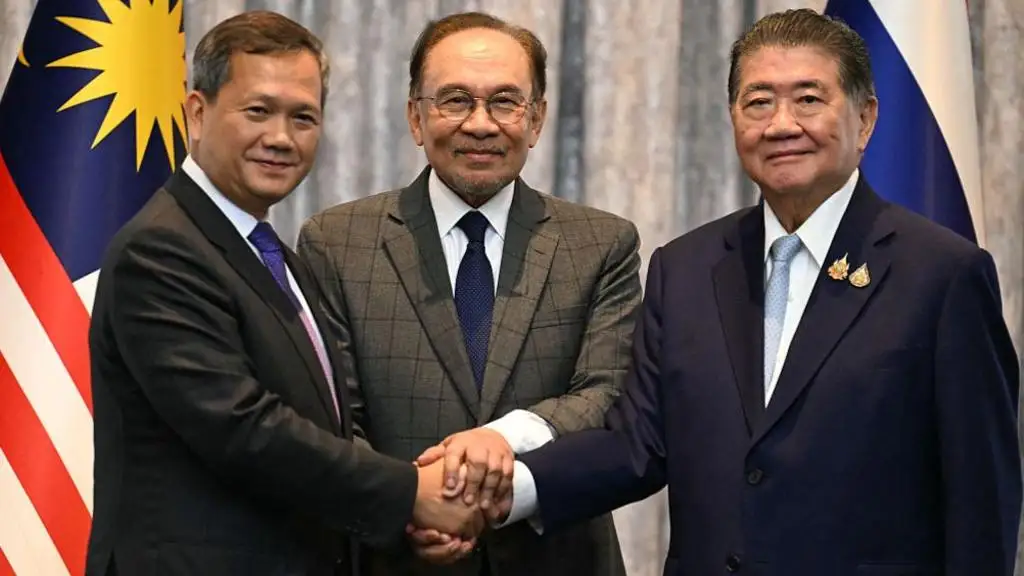
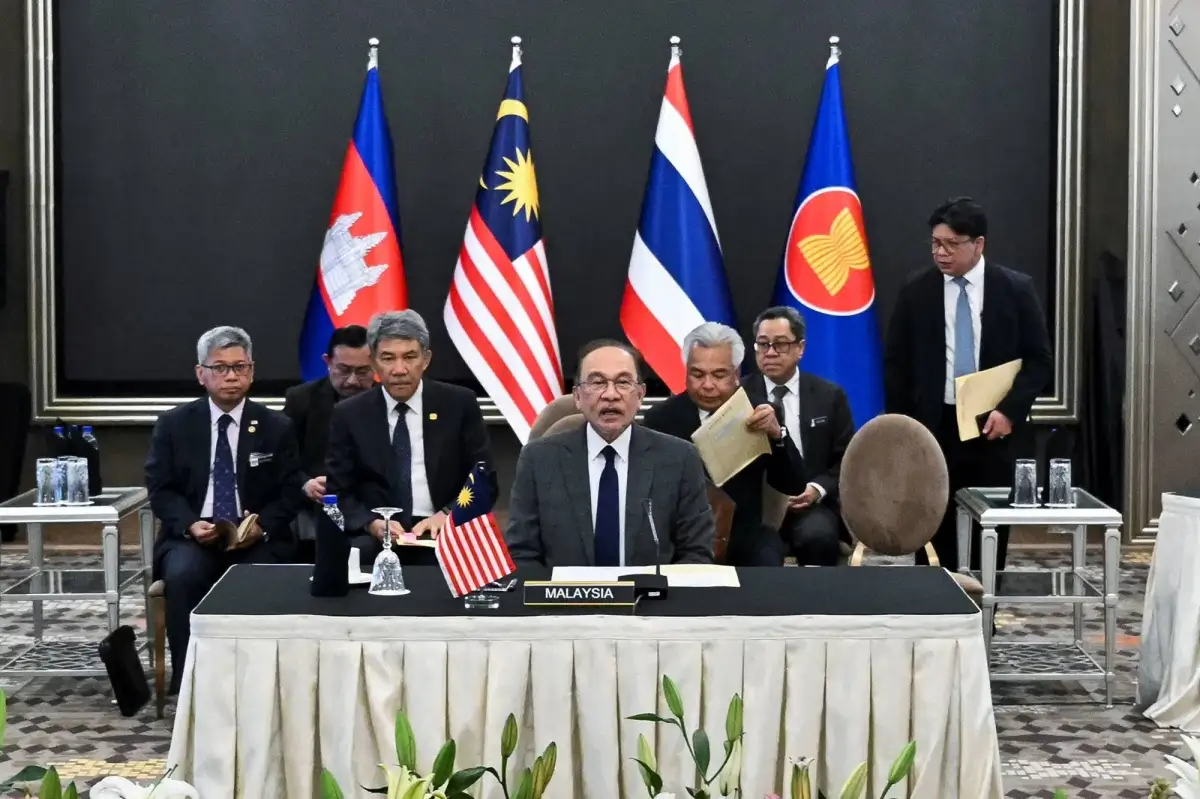
Economic pressure can influence governments when conflict threatens trade or international relations. Tariffs can create serious costs for countries that depend on exports and foreign markets. If both Cambodia and Thailand believed continued fighting could damage their economies, they had a strong reason to accept a ceasefire.
The problem is that fighting resumed later in the year. A second ceasefire became necessary after renewed violence. This shows that the first agreement did not resolve the core dispute. Border conflicts often involve history, nationalism, local military activity, and domestic politics.
 Via The Japan Times
 Via United World International
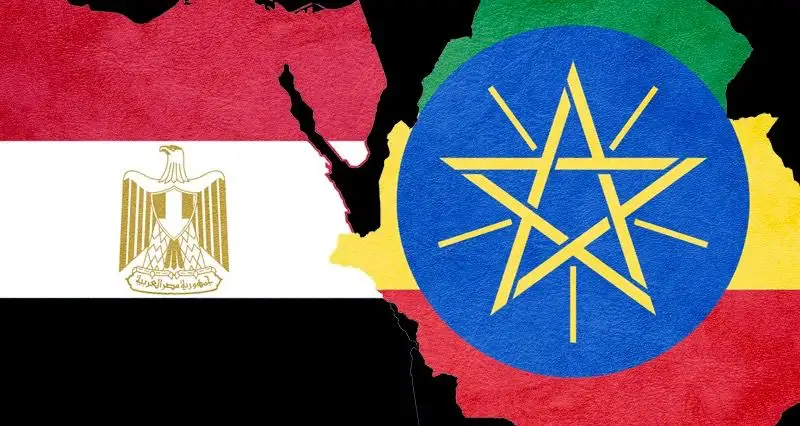
Calling this situation a solved war is inaccurate because there was no war to end and no final agreement to close the dispute. Mediation efforts may have helped keep communication open, but the core disagreement remained. This case shows how political claims can stretch the meaning of conflict resolution. Preventing war is valuable, but it is different from ending one.
 Via Atlantic Council
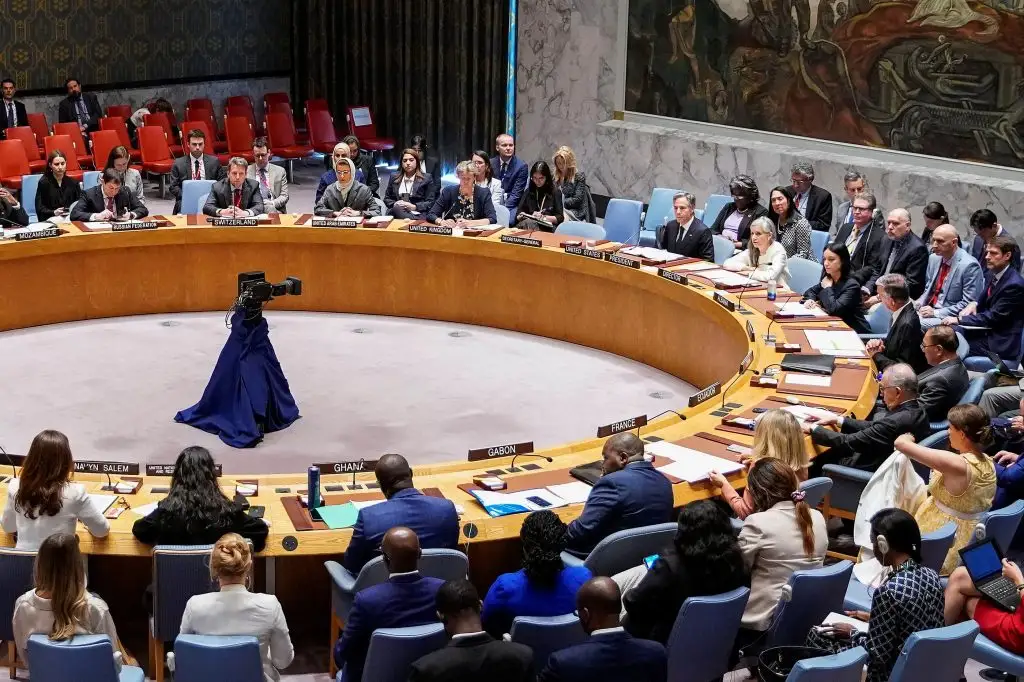
Political leaders often prefer simple messages because they are easier for the public to remember. Saying “nine wars solved” sounds stronger than explaining partial agreements, disputed mediation, temporary ceasefires, and unfinished negotiations.
The more accurate conclusion is that Trump was involved in several diplomatic efforts, but the claim that he solved nine wars is not fully supported by the facts provided. In some cases, he may deserve limited credit for encouraging talks or reducing violence. In other cases, the conflict was not active, the outcome was disputed, or the fighting continued.
More in UnassignedVia Peace Research Institute Oslo
A closer look at the conflicts shows a mixed picture. Some diplomatic actions may have helped create progress, while others remain disputed or unclear. Several agreements were meaningful, but many did not fully resolve the deeper problems behind the conflicts.
Armenia and Azerbaijan Agreement and Its Real Impact
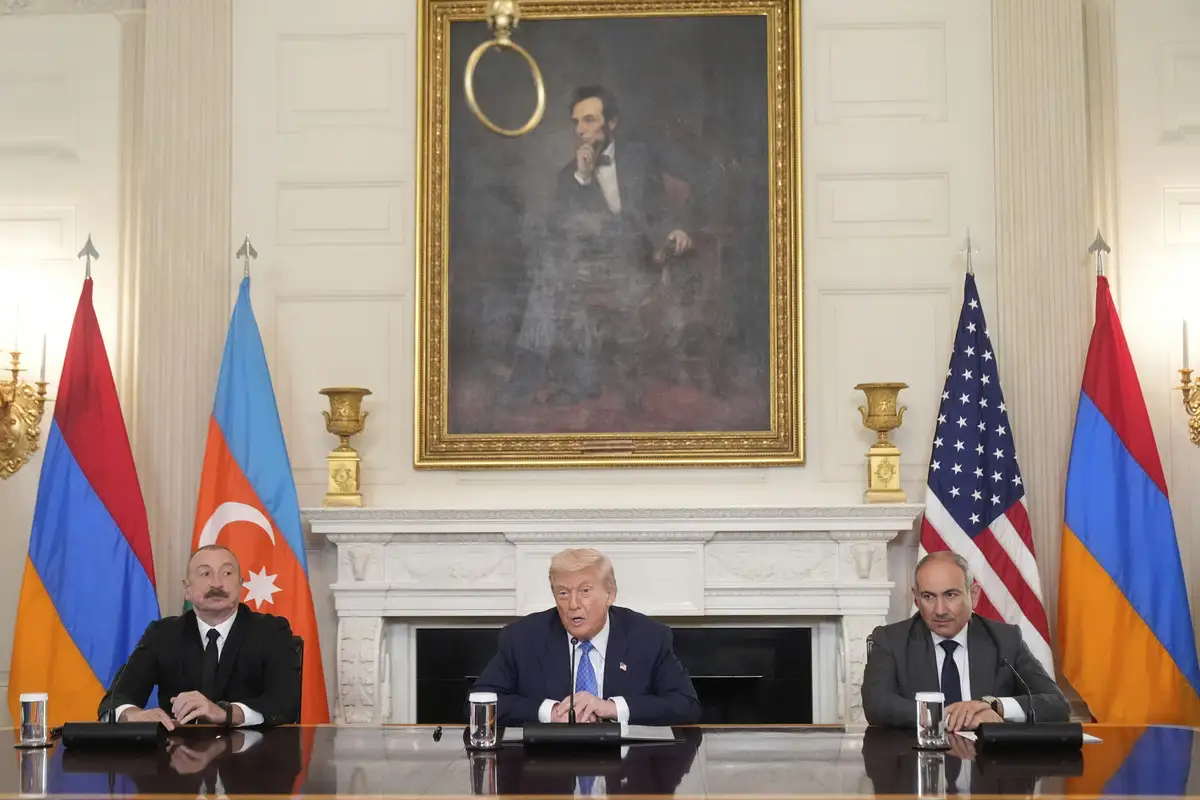
The agreement between Armenia and Azerbaijan was one of the most important cases mentioned in Trump’s peace claims. These two countries have been locked in conflict for decades, especially over territorial disputes linked to Nagorno-Karabakh and surrounding areas.Via Politico
This agreement was significant because both countries had a long and painful history of mistrust. Diplomatic relations between them had been limited for years, and the conflict had shaped politics, security, and national identity on both sides. A formal deal helped send a message that dialogue was possible after years of tension.
The key issue is whether this agreement truly ended the war. Active large-scale fighting was not underway at the time the agreement was signed. That means the deal did not stop an ongoing battlefield conflict in the same way a ceasefire might. It may have supported a peace process, but many sensitive questions remained.
Via Al Jazeera
Congo and Rwanda Ongoing Tensions Despite Agreement
The Democratic Republic of the Congo and Rwanda were also included in Trump’s list of conflicts. Their tensions are tied to violence in eastern Congo, where armed groups, mineral resources, border security, and historical grievances have created years of instability. A White House agreement called for Rwandan troops to withdraw from eastern Congo within a set period. It also included plans for economic cooperation in the region. On paper, the agreement looked like an important step. It showed that both governments were willing to enter a formal process and discuss security concerns. It also offered a path toward reducing foreign military involvement and improving regional economic ties. For civilians living in affected areas, even a small reduction in violence can matter deeply.Via The New York Times
Still, the agreement did not bring a full end to the fighting. Violence continued in parts of eastern Congo, and armed groups remained active. There were signs of limited progress, such as steps to disarm certain militias, but the wider conflict remained unresolved.
Israel and Iran Ceasefire After Military Escalation
The Israel-Iran conflict was another case connected to Trump’s claim of ending wars. The situation involved intense military escalation, including strikes and threats between two powerful regional rivals. After a short but dangerous period of fighting, Trump announced a ceasefire and presented it as an example of his ability to stop a larger war.Via ABC News
The ceasefire did reduce immediate danger. Any pause between Israel and Iran matters because both countries influence wider Middle East security. Their conflict can affect oil markets, regional alliances, military bases, and neighboring countries. A wider war involving Iran, Israel, and outside powers could create serious global consequences.
The problem is that the ceasefire followed a major military escalation rather than a long-term peace settlement. The deeper causes of hostility between Israel and Iran were not removed. Questions involving nuclear facilities, regional militias, security threats, and political rivalry remained active. A ceasefire can stop the shooting for a time, but it does not mean the conflict has been solved.
Via CNN
Israel and Hamas Fragile Ceasefire Situation
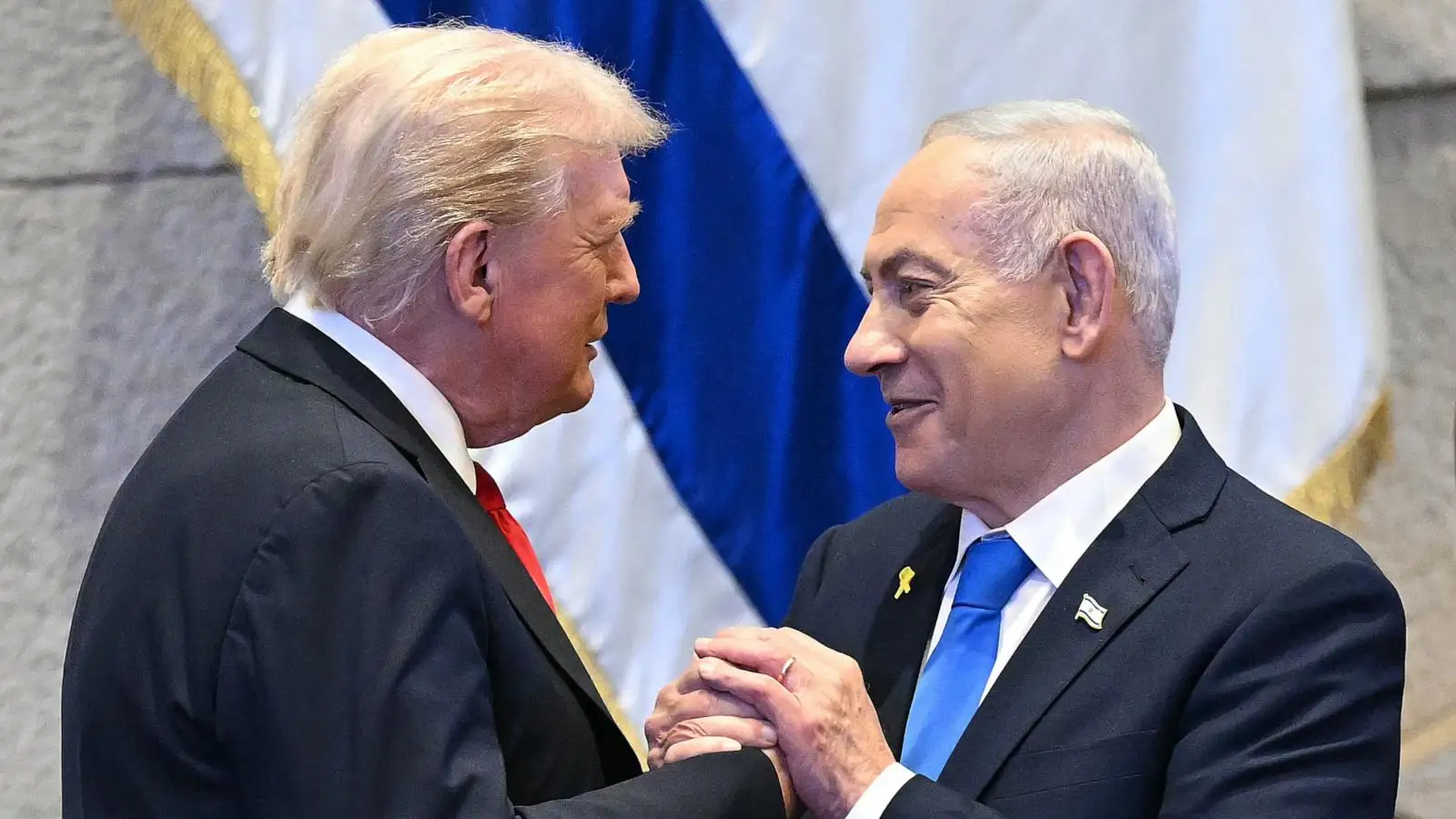
The ceasefire between Israel and Hamas was widely described as one of the more serious diplomatic achievements linked to Trump. The conflict had caused major suffering, destruction, and political pressure across the world. Any agreement that reduces violence in such a situation carries major importance. This case stands out because the conflict was active, deadly, and closely watched by the international community. A ceasefire in this context can be more meaningful than an agreement in a dispute where fighting had already slowed. Diplomatic pressure from powerful countries can sometimes push both sides toward a temporary pause when neither side wants to appear weak.Via ABC News
The ceasefire remained fragile because the biggest issues were still unresolved. Israel and Hamas continued to disagree over security, governance, hostages, territory, military control, and the future of the region. A ceasefire is not the same as a permanent peace treaty. If both sides remain prepared for renewed conflict, then the war has not truly been solved.
Kosovo and Serbia Dispute Still Unresolved
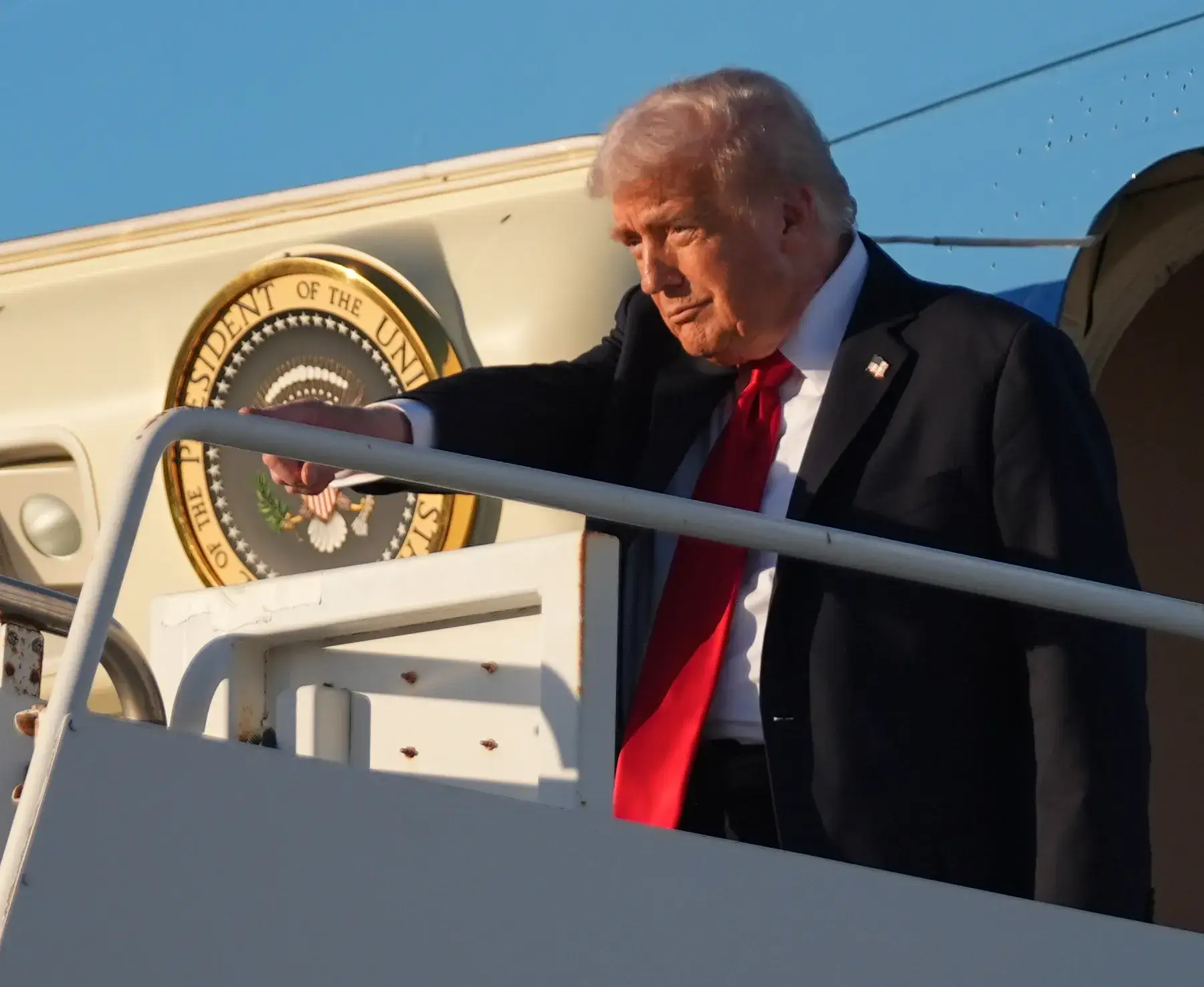
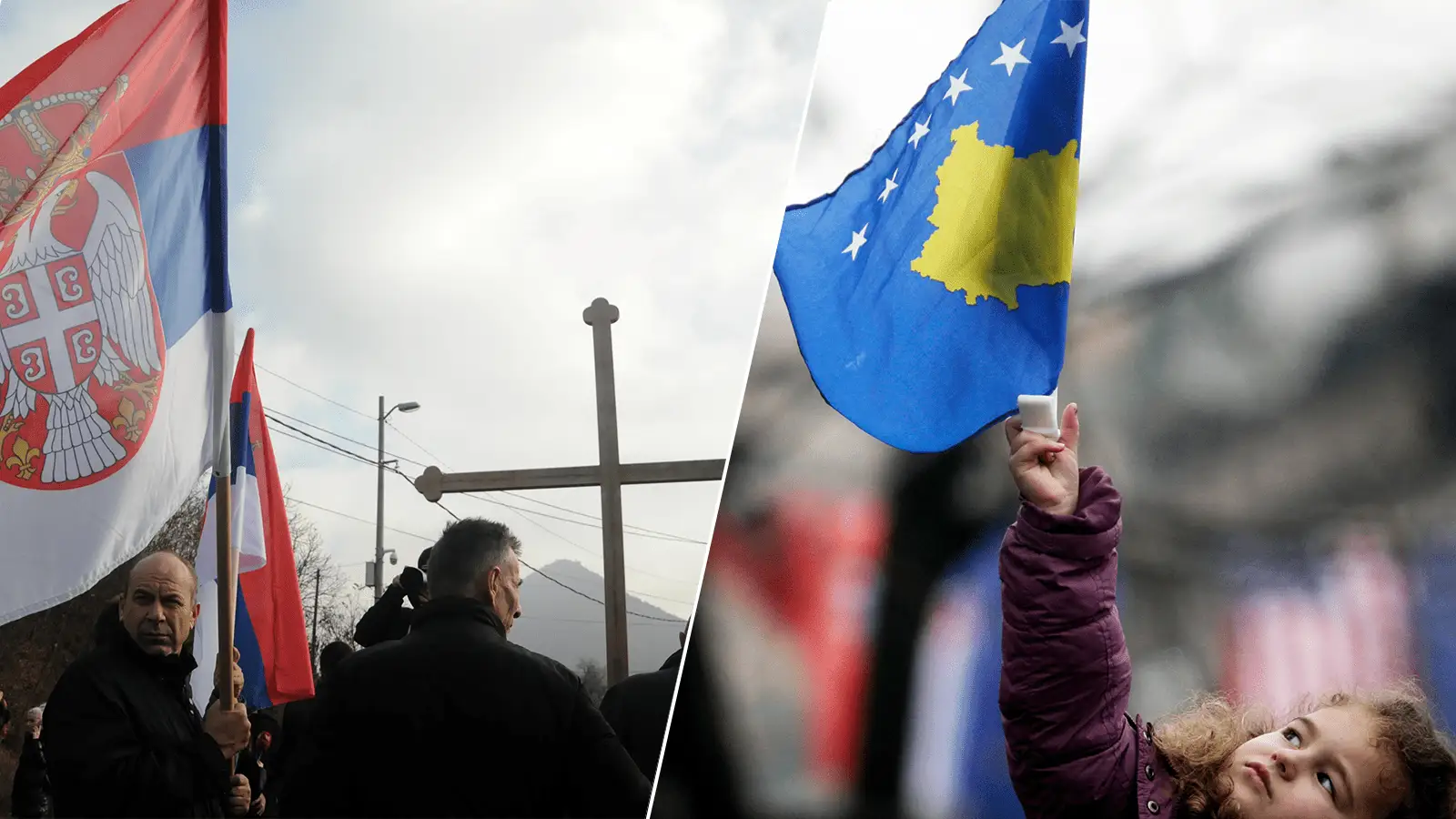
Kosovo and Serbia have been locked in a long political dispute since Kosovo declared independence. Serbia does not recognize Kosovo as an independent state, and this disagreement remains one of the main sources of tension in the Balkans. Trump claimed that he helped prevent renewed military conflict by threatening economic consequences.Via Al Jazeera
Preventing conflict can be important even when no war breaks out. Diplomacy often works quietly by stopping bad situations from becoming worse. A leader may not end a war, but can still help prevent violence. In this case, trade pressure and political warnings may have encouraged both sides to avoid military action.
The underlying dispute remains unsolved. Serbia still has not recognized Kosovo’s independence, and tensions continue to rise at different moments. Border concerns, ethnic divisions, and political disagreements remain part of the relationship.
Via CEPA
India and Pakistan Ceasefire Claims Disputed
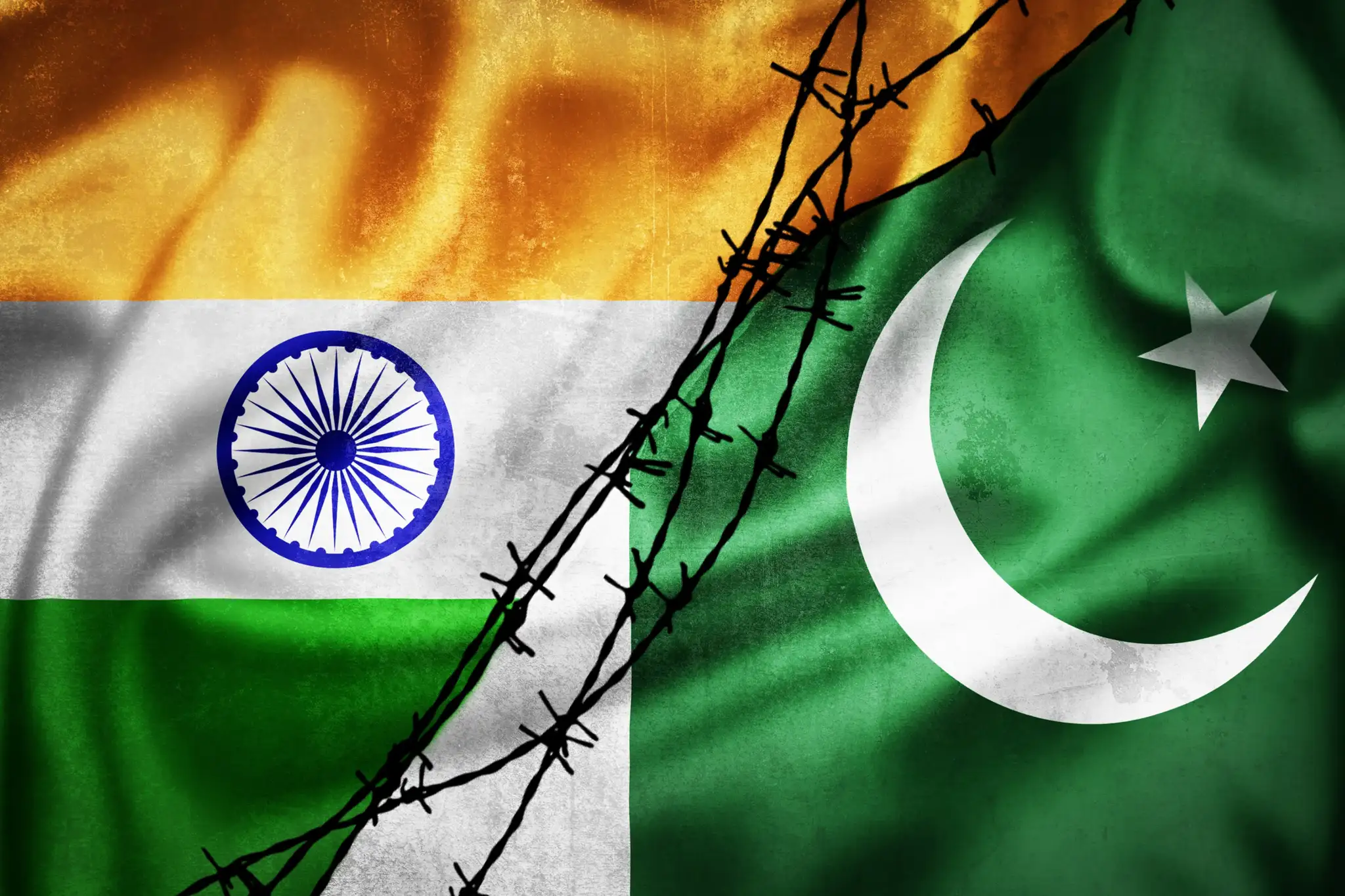
India and Pakistan are two nuclear-armed countries with a long history of conflict, especially over Kashmir. Their relationship is one of the most sensitive security issues in the world. Trump claimed he helped broker a ceasefire after several days of dangerous military violence. This disagreement is important because diplomacy depends not only on what one leader says, but also on what the involved countries accept. If one party denies outside mediation, then the claim becomes harder to verify.Via TIME
The violence did stop after a short period, and that outcome was important. Any reduction in India-Pakistan fighting can lower the risk of a broader crisis. Still, the deeper conflict remains unresolved. Kashmir, border security, terrorism concerns, and national pride continue to shape the relationship.
Cambodia and Thailand Border Conflict Resumes
The border conflict between Cambodia and Thailand was another example used in Trump’s peace claims. The two countries have had long-running disputes over border areas, including regions with historical and cultural importance. Trump reportedly used tariff threats to push both countries toward a ceasefire.Via BBC
Economic pressure can influence governments when conflict threatens trade or international relations. Tariffs can create serious costs for countries that depend on exports and foreign markets. If both Cambodia and Thailand believed continued fighting could damage their economies, they had a strong reason to accept a ceasefire.
The problem is that fighting resumed later in the year. A second ceasefire became necessary after renewed violence. This shows that the first agreement did not resolve the core dispute. Border conflicts often involve history, nationalism, local military activity, and domestic politics.
Via The Japan Times
Egypt and Ethiopia Dispute Without War Resolution
Egypt and Ethiopia have disagreed for years over Nile River water, especially because of Ethiopia’s major dam project. Egypt depends heavily on the Nile, while Ethiopia views the dam as essential for development and electricity generation. The dispute has created serious diplomatic tension, but it has not become a full military war. Water disputes can be deeply serious because they involve survival, agriculture, energy, and national security. For Egypt, changes to the Nile water flow can create fear about food production and water access. For Ethiopia, the dam represents progress and national pride. Sudan has also been affected by the issue.
Via United World International
Calling this situation a solved war is inaccurate because there was no war to end and no final agreement to close the dispute. Mediation efforts may have helped keep communication open, but the core disagreement remained. This case shows how political claims can stretch the meaning of conflict resolution. Preventing war is valuable, but it is different from ending one.
Global Politics and the Reality of Conflict Resolution
Ending a war is one of the hardest tasks in global politics. Real peace often requires more than a ceasefire. It may require border agreements, security guarantees, justice for victims, economic rebuilding, political reforms, and years of monitoring. Many conflicts restart because the root causes were never addressed.Via Atlantic Council
Political leaders often prefer simple messages because they are easier for the public to remember. Saying “nine wars solved” sounds stronger than explaining partial agreements, disputed mediation, temporary ceasefires, and unfinished negotiations.
The more accurate conclusion is that Trump was involved in several diplomatic efforts, but the claim that he solved nine wars is not fully supported by the facts provided. In some cases, he may deserve limited credit for encouraging talks or reducing violence. In other cases, the conflict was not active, the outcome was disputed, or the fighting continued.