Unassigned
Latino Voters Shift Away from Trump in 2026
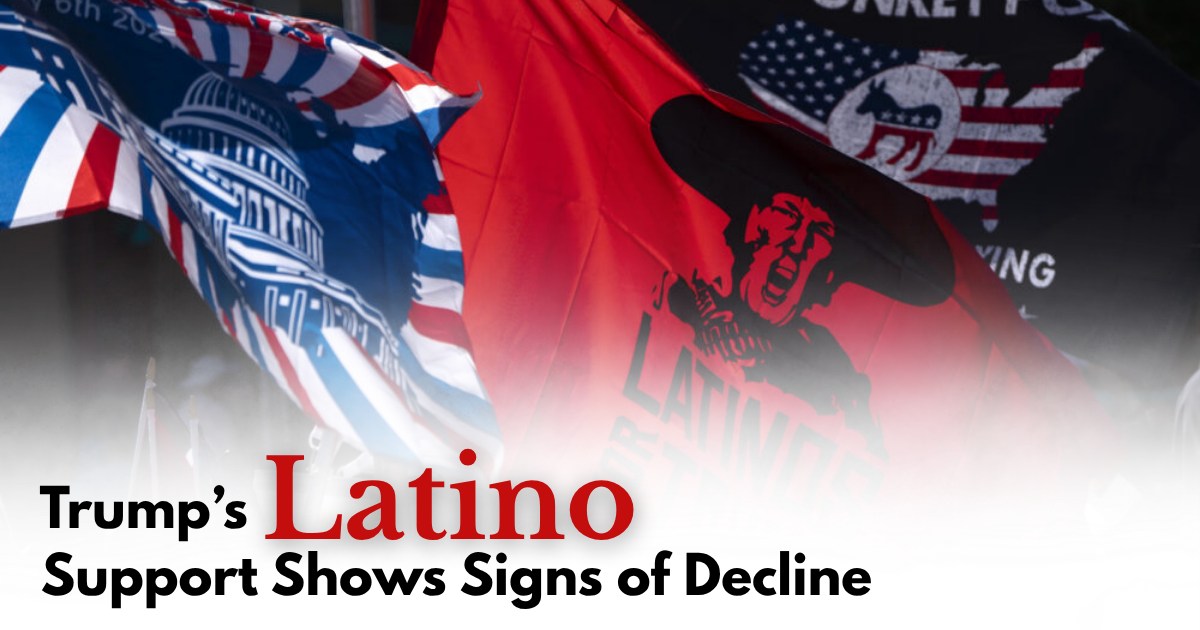
Donald Trump improved his support among Latino voters in the 2024 election. Exit polls showed him gaining more than 10 points nationally compared to 2020. In Texas, he captured about 55 percent of Latino voters and won nearly all counties in the Rio Grande Valley. This heavily Hispanic region had supported Democrats for generations.
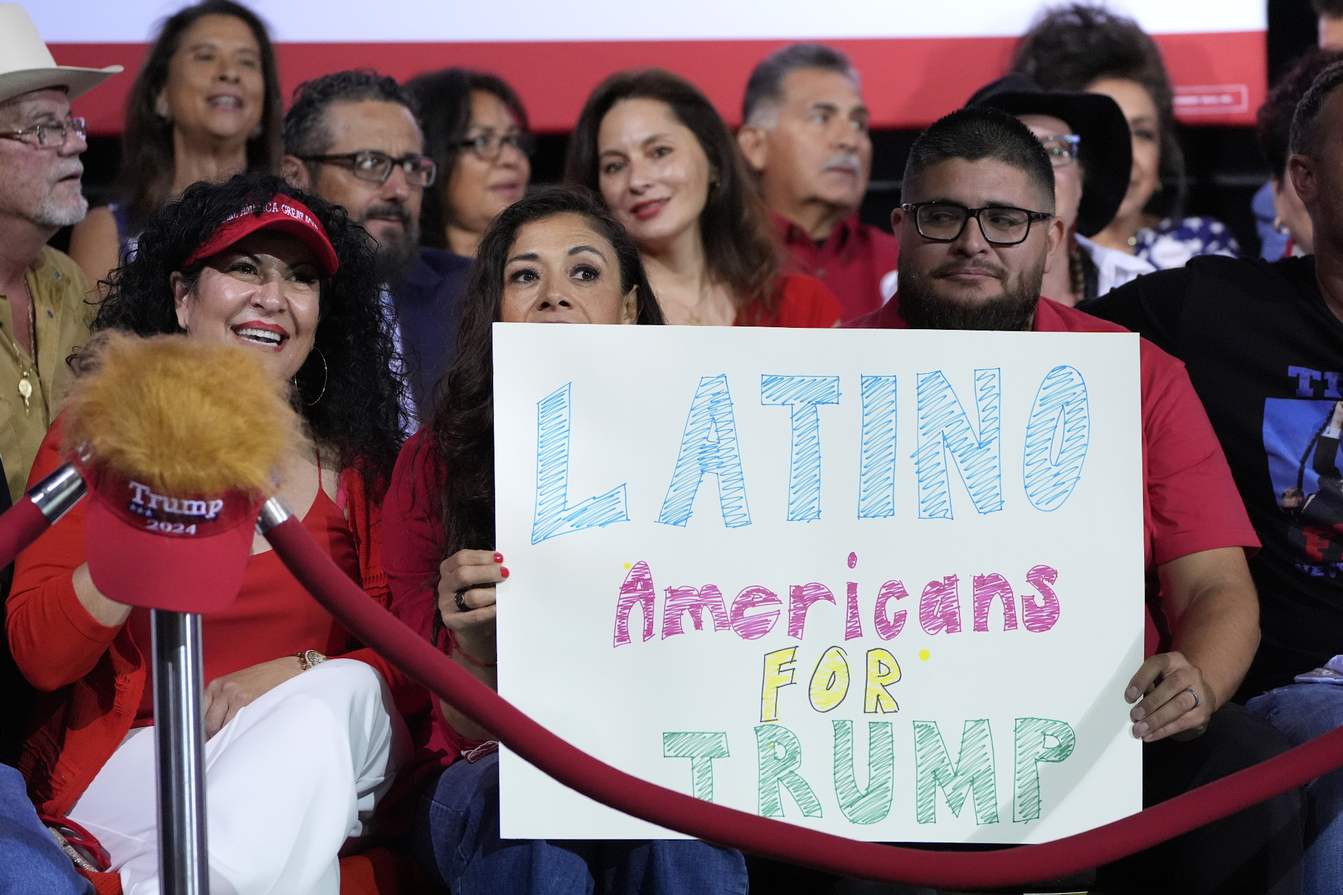 Via Politico
These results surprised many political observers. Latino men under 40 helped drive much of the movement toward Republicans. The gains suggested that traditional voting patterns might be changing. Democrats still received the majority of Latino votes overall. Yet the shifts in border areas and urban centers like South Florida drew attention from both parties.
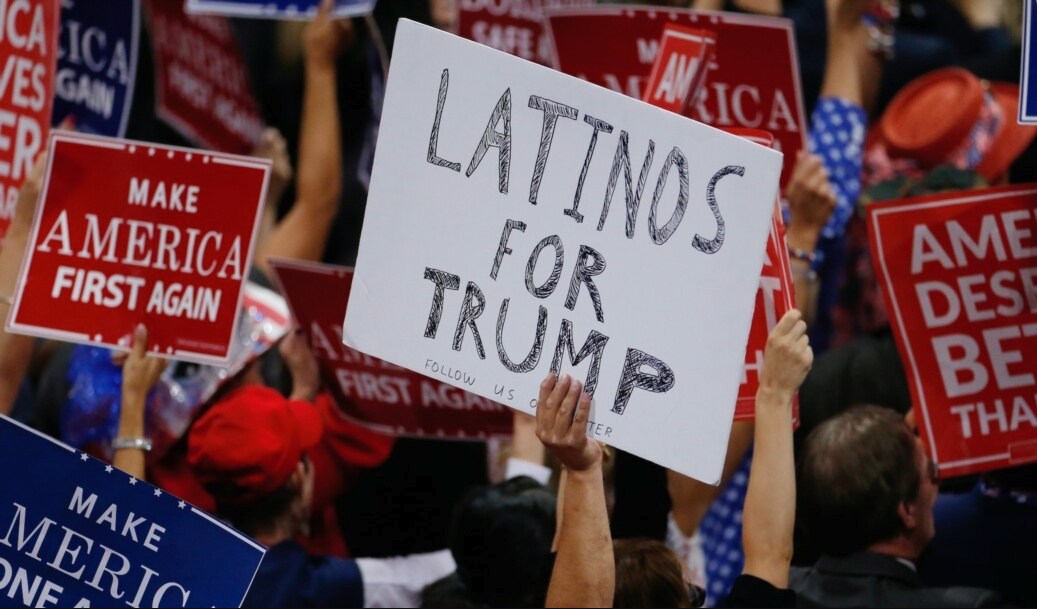 Via LatinoAmerica21
Support for Republicans later dropped after strict immigration proposals in 2005 and 2006. Barack Obama won strong backing in 2008 and 2012, with Democrats at times reaching nearly three-to-one margins. Earlier successes by Republican candidates in Texas and Florida showed that some Latino communities could support GOP figures when messages focused on the economy and local issues.
 Via Politico
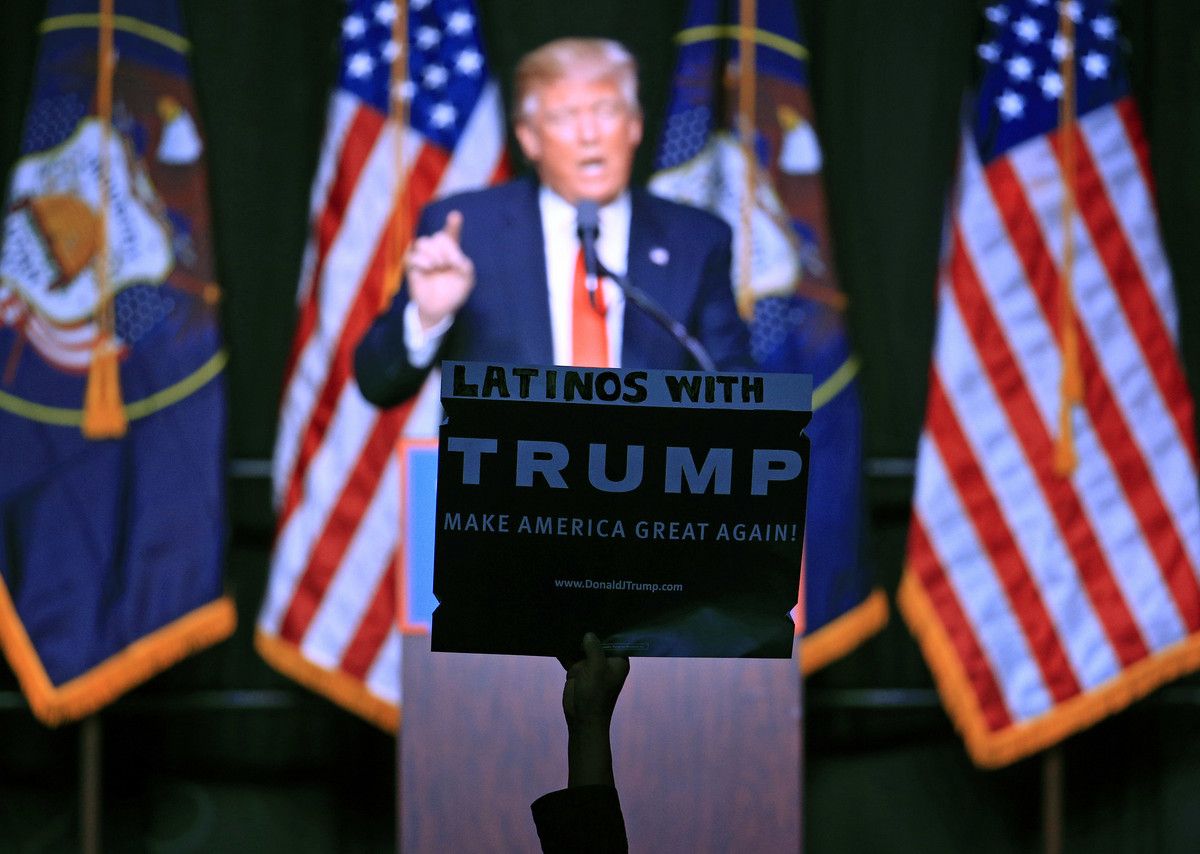
In focus groups, some Latino voters saw Republican talk of border security as aimed mainly at criminals rather than their own relatives. Economic promises during a time of high prices felt more immediate. Fears of widespread chaos under a new Trump term seemed less certain than everyday struggles. Not every voter accepted negative portrayals of Republicans. This mix of views opened the door for shifts in 2024.
 Via Roll Call
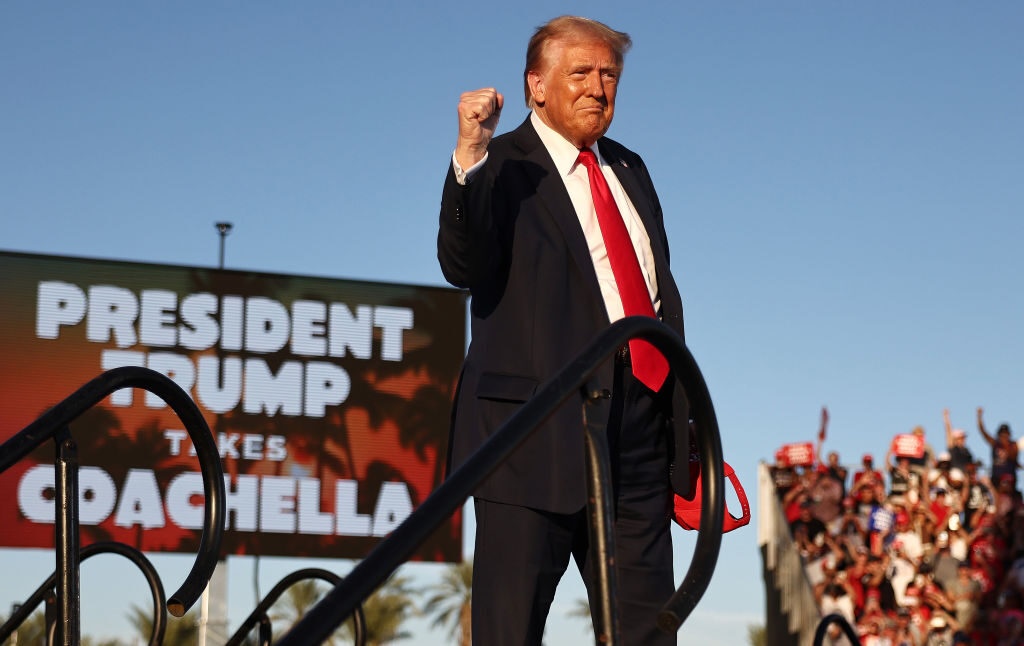
In February 2026, a Democrat flipped a heavily Republican Texas state legislative district with an estimated 79 percent of the Latino vote. Latino turnout reached record levels in the March 2026 Texas Democratic primary. These outcomes suggest that some voters who supported Trump in 2024 returned to Democrats or sat out less. Higher participation pointed to renewed energy in Hispanic communities.
 Via Christian Science Monitor
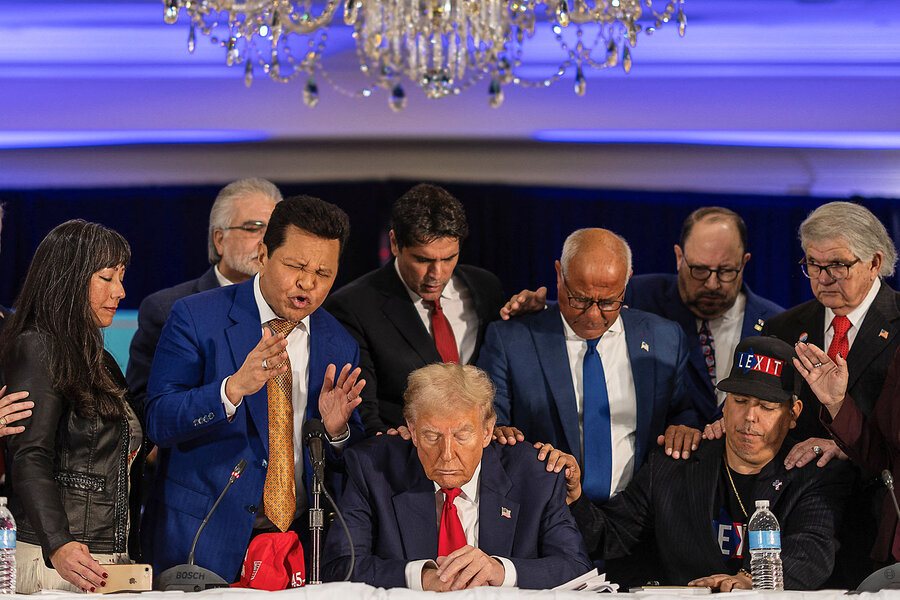
Approval ratings for Trump among Latinos dropped sharply in some surveys. Concerns about jobs, housing costs, and inflation remained high. Families compared real results against earlier hopes for relief. Pocketbook issues often outweighed other campaign themes. Economic outcomes shaped views more than promises alone.
 Via NRP
The main immigration priority for most Latino voters continues to be a path to citizenship for Dreamers and long-term workers who paid taxes. Polling showed notable concern about enforcement actions harming mixed-status families. These developments, combined with economic pressures, have led to a reduction in support for current Republican policies.
 Via NBC News
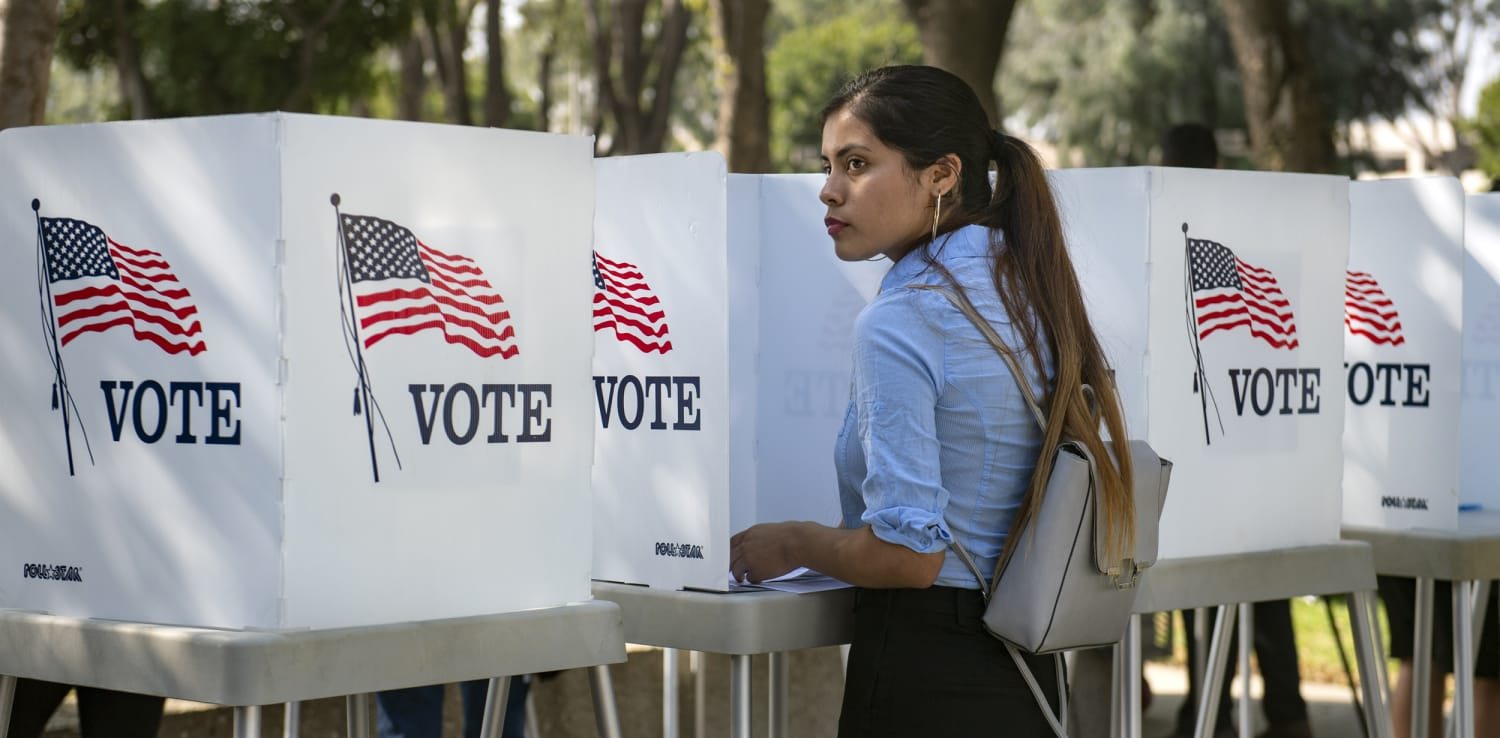
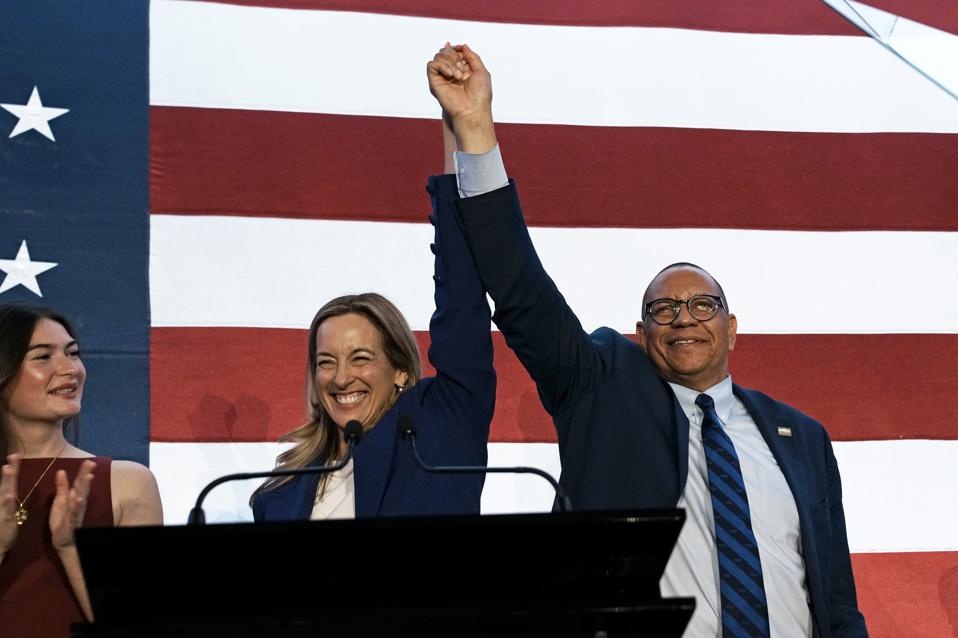
Both increased Democratic turnout and some actual vote switching appear to explain the trends. Latino men under 40 had led much of the earlier rightward move, but recent data shows corrections. Economic results and policy effects contributed heavily. Experts note that turnout differences and genuine preference changes both play roles.
 Via Forbes
Sustained movement toward Democrats could influence control of Congress. Regional differences matter, with patterns varying between South Texas, South Florida, and other areas. Candidates who address daily concerns stand to gain trust. Latino voters have shown they respond to real outcomes more than broad labels.
 Via Vox
Younger voters sometimes respond to different appeals than older generations. Broader concerns include safety, education, and equal opportunities. Focusing on practical impacts helps explain why preferences shift over time. Both parties must earn continued backing through actions rather than assumptions.
 Via ABC News
Turnout levels remain important. Record participation in recent primaries shows growing engagement. Effective outreach on cost-of-living issues could sway future margins. Latino communities seek leaders who understand their realities and deliver solutions.
 Via NPR
Shifts in areas like the Rio Grande Valley highlight how fluid preferences can be. National patterns may differ by age, region, and background. Close attention to voter feedback allows parties to adjust. In the end, tangible results on jobs, security, and fairness will guide the direction of the Latino vote.
 Via Yahoo
Some voters prioritize border security, while others stress pathways for long-term residents. Education and health care access matter to families raising children. This diversity means no single approach works for everyone. Successful candidates tailor messages to local needs.
 Via Brunel University
Recent elections show Latino voters acting independently. They reward results and punish shortcomings. Parties that adapt to feedback improve their chances. Ongoing changes in preferences reflect a thoughtful and engaged electorate. Trump also carried Miami-Dade County in Florida, a notable breakthrough.
 Via BBC
As the country evolves, this group will keep playing a key role. Fluid voting patterns keep both parties working to earn trust. Focus on practical solutions that benefit everyone seeking a stronger future. Latino voices contribute to the direction of national politics. Immigration policy also remains a significant topic, both for immigrant communities and for those with long-established roots in the country.
More in UnassignedVia Politico
These results surprised many political observers. Latino men under 40 helped drive much of the movement toward Republicans. The gains suggested that traditional voting patterns might be changing. Democrats still received the majority of Latino votes overall. Yet the shifts in border areas and urban centers like South Florida drew attention from both parties.
Long History of Stable Latino Preferences
For decades, Latino voters gave Democrats a steady two-to-one advantage nationwide. The gap narrowed a bit after Ronald Reagan signed the 1986 immigration reform law. It grew again following California's 1994 Proposition 187, which many viewed as anti-immigrant. George W. Bush reached around 40 percent of the Latino vote in 2004 through targeted outreach.Via LatinoAmerica21
Support for Republicans later dropped after strict immigration proposals in 2005 and 2006. Barack Obama won strong backing in 2008 and 2012, with Democrats at times reaching nearly three-to-one margins. Earlier successes by Republican candidates in Texas and Florida showed that some Latino communities could support GOP figures when messages focused on the economy and local issues.
Reasons Behind the 2024 Movement
Many Latinos expressed frustration with slow progress on key issues. Democrats had long promised comprehensive immigration reform, higher minimum wages, universal pre-K, and affordable housing. Periods when Democrats controlled the White House, and Congress did not produce breakthroughs on these fronts. Rising costs for housing, health care, and daily living added pressure on working families.Via Politico
In focus groups, some Latino voters saw Republican talk of border security as aimed mainly at criminals rather than their own relatives. Economic promises during a time of high prices felt more immediate. Fears of widespread chaos under a new Trump term seemed less certain than everyday struggles. Not every voter accepted negative portrayals of Republicans. This mix of views opened the door for shifts in 2024.
Evidence of a Swing Back in 2025 and 2026
Recent elections show Latino support moving toward Democrats again. In the 2025 gubernatorial races in New Jersey and Virginia, Latino voters shifted as much as 25 points in the Democratic direction compared to 2024. Democrats won about two-thirds of Latino support in both states. A Democrat became mayor of Miami in December 2025 for the first time since 1997, with strong Latino backing.Via Roll Call
In February 2026, a Democrat flipped a heavily Republican Texas state legislative district with an estimated 79 percent of the Latino vote. Latino turnout reached record levels in the March 2026 Texas Democratic primary. These outcomes suggest that some voters who supported Trump in 2024 returned to Democrats or sat out less. Higher participation pointed to renewed energy in Hispanic communities.
Economic Disappointment Plays a Major Role
Many Latinos report that their financial situation worsened after the 2024 election. Polls from late 2025 found only 14 percent saying life improved under the new administration, while 39 percent said conditions got worse. Half expected further hardship in 2026. Two-thirds felt Republicans did not focus enough on the economy for families like theirs.Via Christian Science Monitor
Approval ratings for Trump among Latinos dropped sharply in some surveys. Concerns about jobs, housing costs, and inflation remained high. Families compared real results against earlier hopes for relief. Pocketbook issues often outweighed other campaign themes. Economic outcomes shaped views more than promises alone.
Impact of Immigration Enforcement Actions
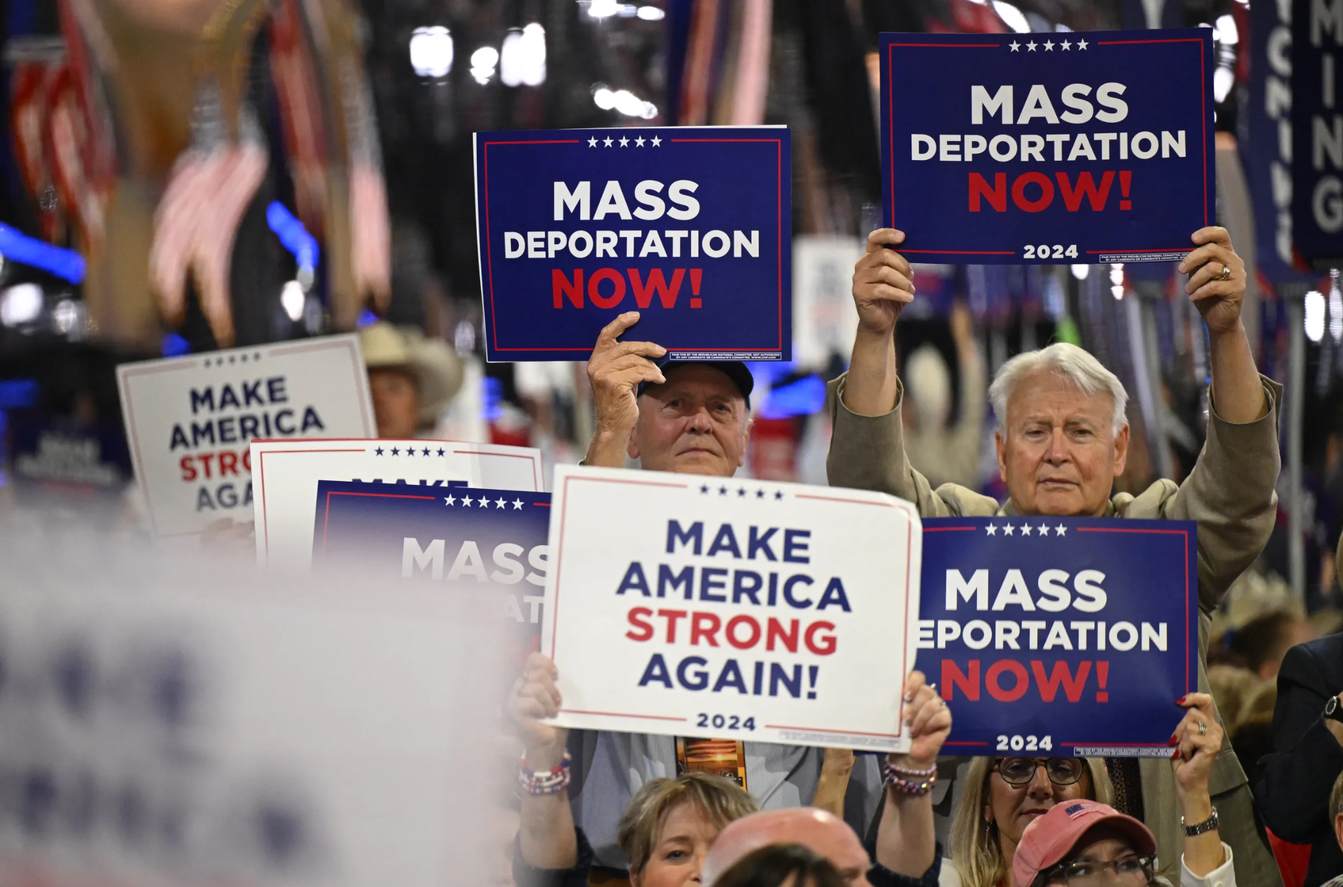
Mass deportation efforts expanded during the second Trump term. Reports indicate that most people detained had no criminal record. Many Latinos opposed the use of federal troops in cities and worried about legal residents or U.S. citizens getting caught in operations. Fear affected daily routines in some neighborhoods.Via NRP
The main immigration priority for most Latino voters continues to be a path to citizenship for Dreamers and long-term workers who paid taxes. Polling showed notable concern about enforcement actions harming mixed-status families. These developments, combined with economic pressures, have led to a reduction in support for current Republican policies.
Poll Numbers Reflect Changing Sentiments
Surveys capture a clear shift in feelings. In a November 2025 bipartisan poll, more Latinos said Democrats care about their community than Republicans. About 33 percent viewed the GOP as hostile, compared to just 7 percent for Democrats. Among those who voted for Trump in 2024, roughly 22 percent said they would not do so again. Democrats held onto 93 percent of their previous Latino supporters.Via NBC News
Both increased Democratic turnout and some actual vote switching appear to explain the trends. Latino men under 40 had led much of the earlier rightward move, but recent data shows corrections. Economic results and policy effects contributed heavily. Experts note that turnout differences and genuine preference changes both play roles.
Potential Effects on Future Elections
The Latino population keeps growing as the nation's largest minority group. Their votes can decide close contests. Dozens of House districts have enough Latino registered voters to exceed the narrow margins from 2024. These seats split roughly evenly between parties heading into 2026.Via Forbes
Sustained movement toward Democrats could influence control of Congress. Regional differences matter, with patterns varying between South Texas, South Florida, and other areas. Candidates who address daily concerns stand to gain trust. Latino voters have shown they respond to real outcomes more than broad labels.
What Shapes Decisions in Latino Communities
Working-class families focus on affordability, jobs, and family stability. Loyalty to any party weakens when policies fail to deliver visible benefits. The 2024 Republican gains are tied closely to economic messaging, but follow-through now affects support levels. Cultural ties and local issues also influence choices across diverse Latino groups.Via Vox
Younger voters sometimes respond to different appeals than older generations. Broader concerns include safety, education, and equal opportunities. Focusing on practical impacts helps explain why preferences shift over time. Both parties must earn continued backing through actions rather than assumptions.
Challenges Facing Democrats and Republicans
Democrats need to demonstrate progress on long-standing promises to rebuild strong confidence. Republicans risk losing recent supporters if policies create disruptions without clear gains for families. Neither side can count on permanent loyalty from Latino voters. Performance on key issues determines results.Via ABC News
Turnout levels remain important. Record participation in recent primaries shows growing engagement. Effective outreach on cost-of-living issues could sway future margins. Latino communities seek leaders who understand their realities and deliver solutions.
Outlook for the 2026 Midterms
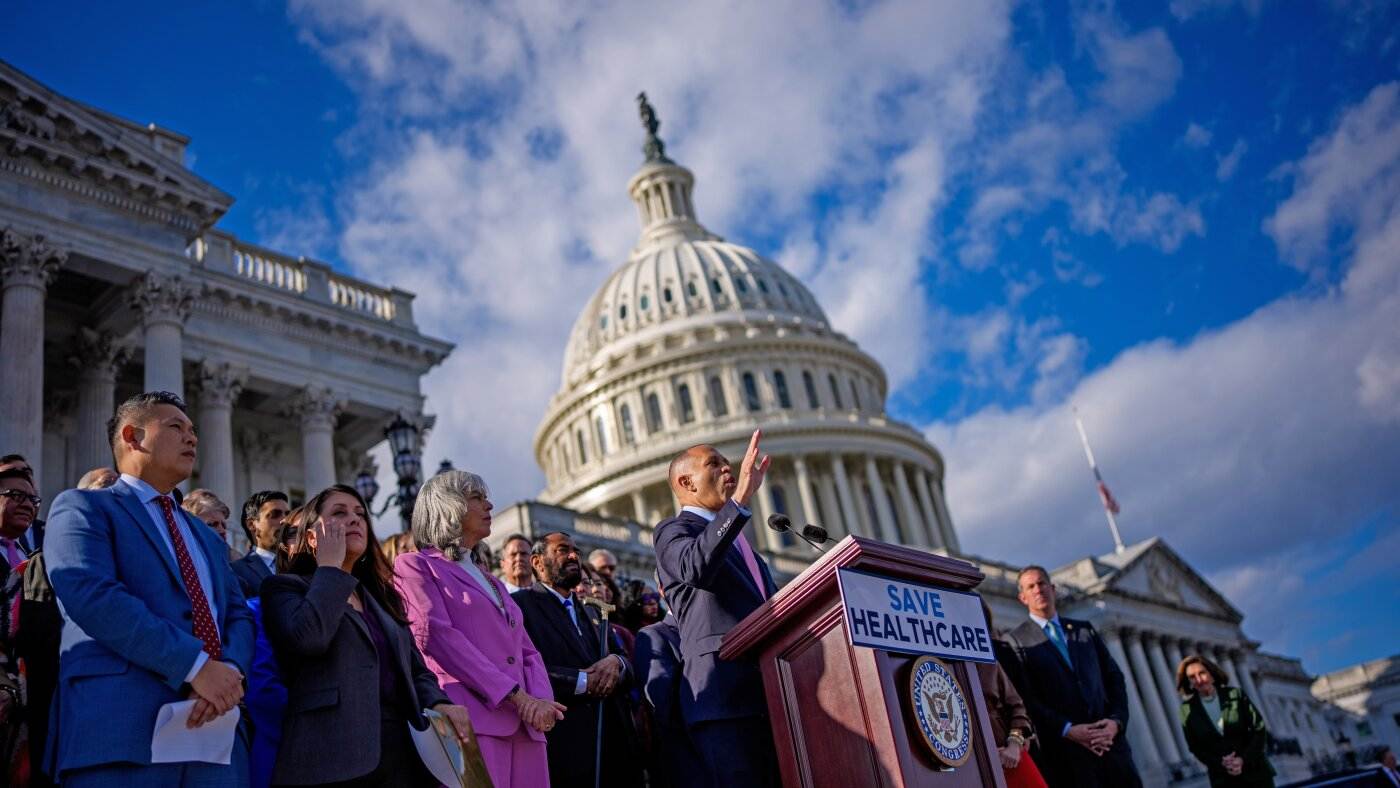
The upcoming midterms will test current voting trends. Latino voters hold sway in several competitive districts. Economic conditions, effects of immigration policies, and local leadership will influence participation. Communities want politicians who listen and create equal chances for success.Via NPR
Shifts in areas like the Rio Grande Valley highlight how fluid preferences can be. National patterns may differ by age, region, and background. Close attention to voter feedback allows parties to adjust. In the end, tangible results on jobs, security, and fairness will guide the direction of the Latino vote.
Diverse Views Within the Latino Electorate
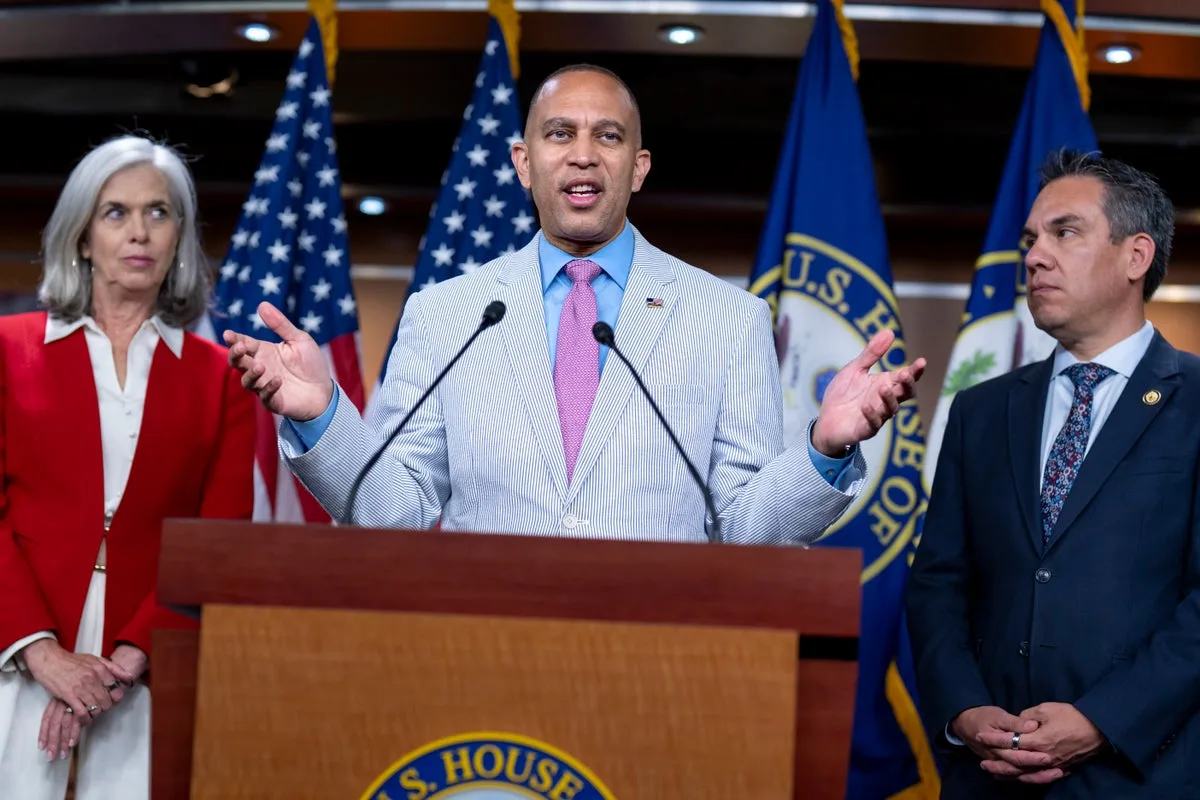
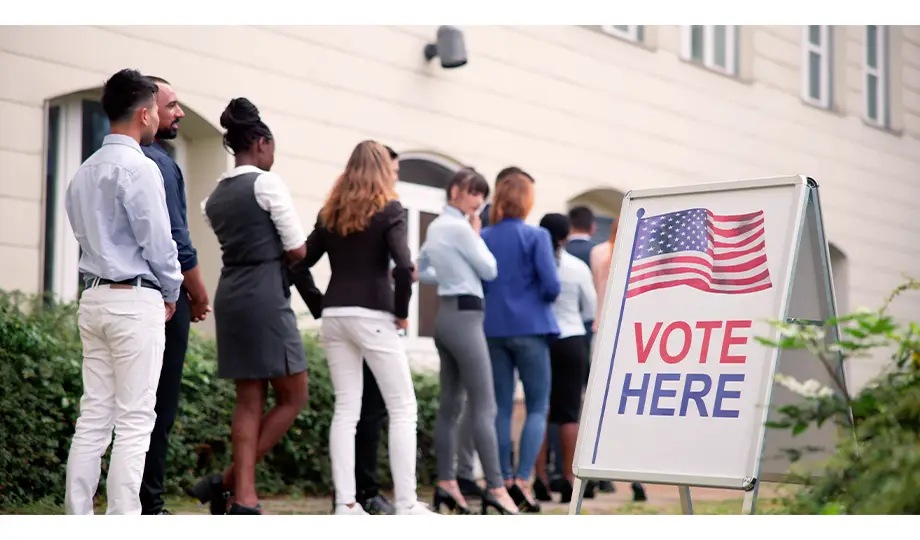
Latino voters form a large and varied group. Backgrounds from Mexico, Puerto Rico, Cuba, and other countries bring different experiences. Urban and rural settings also shape priorities. Economic messages resonate strongly across many segments.Via Yahoo
Some voters prioritize border security, while others stress pathways for long-term residents. Education and health care access matter to families raising children. This diversity means no single approach works for everyone. Successful candidates tailor messages to local needs.
Importance of Trust and Delivery
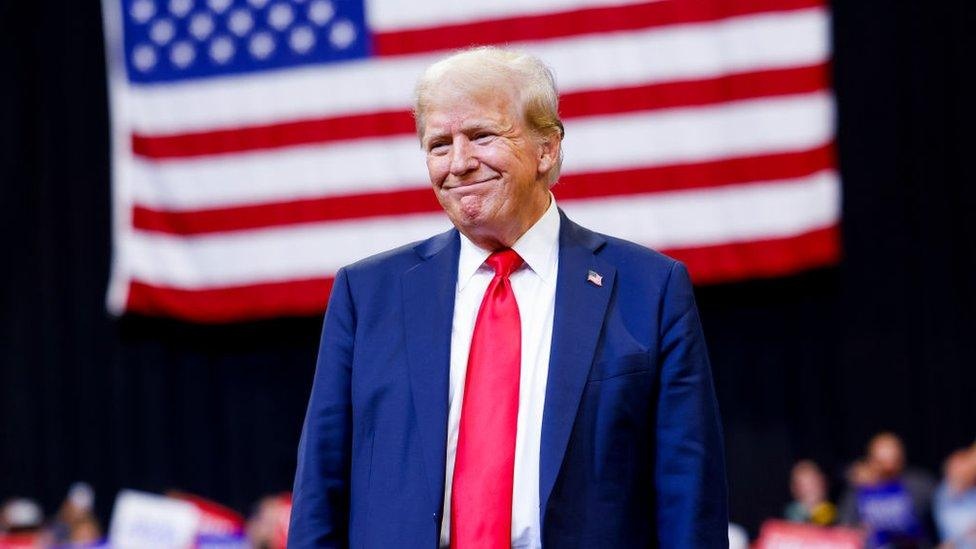
Voters look for signs that politicians genuinely care about their concerns. Empty promises lose impact over time. Leaders who implement plans for better opportunities earn lasting support. The American dream of equal chance motivates many in this growing population.Via Brunel University
Recent elections show Latino voters acting independently. They reward results and punish shortcomings. Parties that adapt to feedback improve their chances. Ongoing changes in preferences reflect a thoughtful and engaged electorate. Trump also carried Miami-Dade County in Florida, a notable breakthrough.
Broader Meaning for U.S. Politics
Latino influence continues to rise in American elections. Their choices affect outcomes from local offices to national races. Understanding the factors behind shifts helps explain larger political trends. Economy, immigration, and daily living costs remain central. Their participation can influence elections ranging from city councils and gubernatorial races to congressional seats and presidential contests.Via BBC
As the country evolves, this group will keep playing a key role. Fluid voting patterns keep both parties working to earn trust. Focus on practical solutions that benefit everyone seeking a stronger future. Latino voices contribute to the direction of national politics. Immigration policy also remains a significant topic, both for immigrant communities and for those with long-established roots in the country.