Unassigned
The Great Game - Britain and Russia's Imperial Rivalry
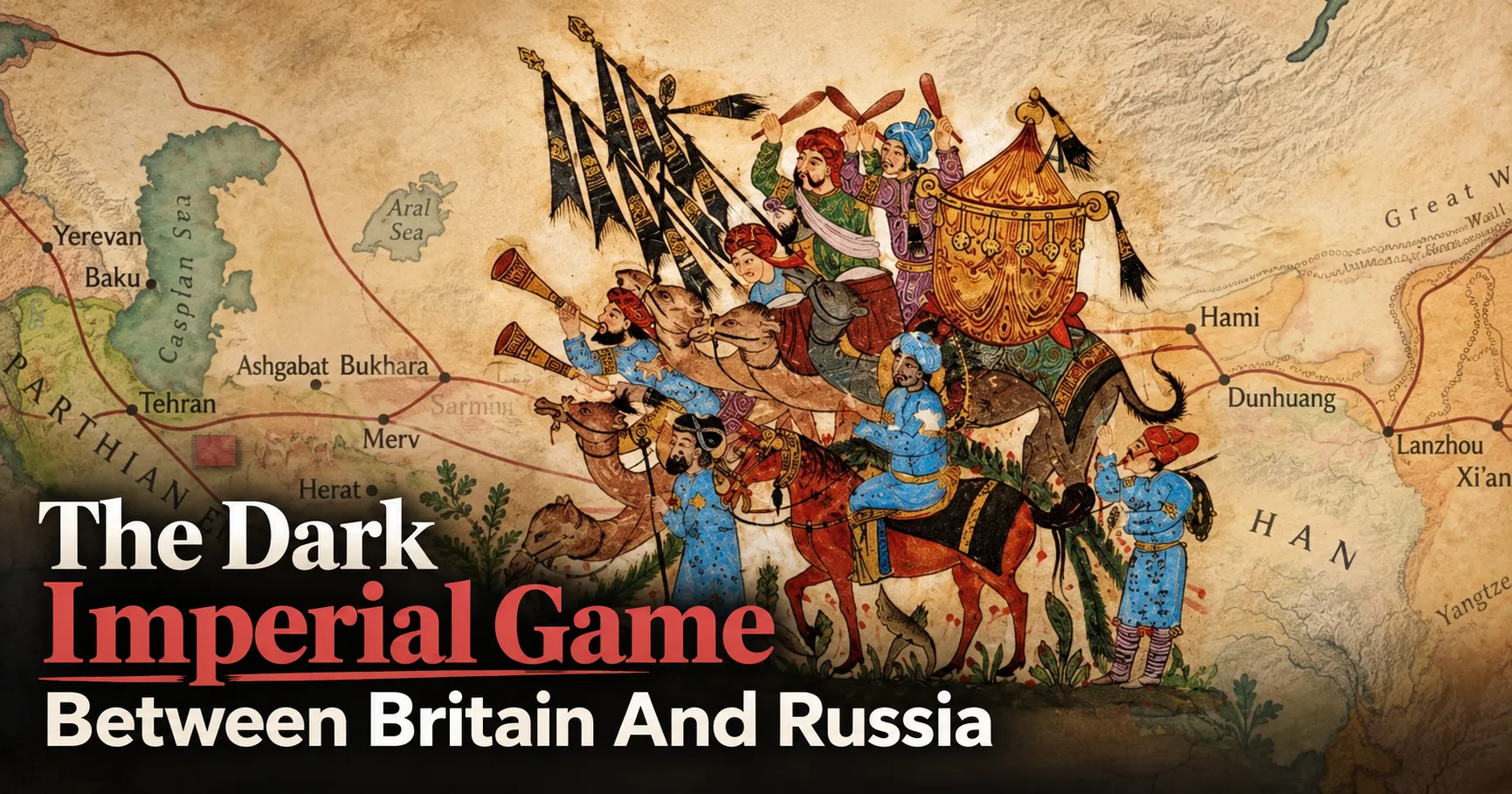
The Great Game was one of the most important political rivalries of the nineteenth century. It was a long competition between the British Empire and the Russian Empire for control and influence in Central Asia. Although the two empires rarely fought each other in direct battles, they competed through diplomacy, military actions, intelligence, and alliances. Their main goal was to protect their own territories, control important trade routes, and stop the other empire from expanding its power.
The rivalry gained momentum during the early 1820s as both empires looked beyond their traditional borders. Britain viewed India as the crown jewel of its empire and feared that Russian expansion toward Central Asia might eventually threaten British authority there. Russia, on the other hand, sought to strengthen its southern frontier while expanding political and economic influence across neighboring regions.
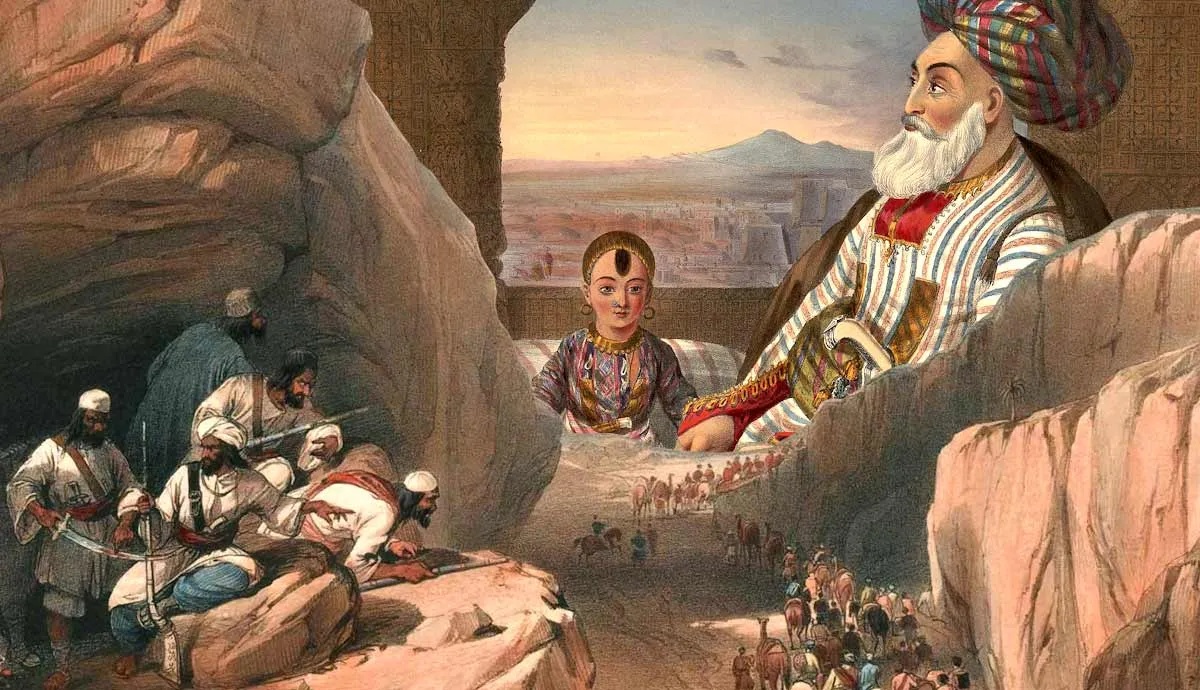 Via Thecollector
The phrase "The Great Game" eventually became widely recognized after appearing in Rudyard Kipling's novel Kim, although British officer Arthur Conolly had used the expression earlier. Over time, historians adopted the term to describe a prolonged strategic contest marked by diplomacy, espionage, military planning, and political maneuvering rather than constant battlefield clashes.
 Via Ranker
British officials believed that Afghanistan served as the natural gateway into the Indian subcontinent. Historic invasions had crossed difficult mountain passes, including the famous Khyber Pass, creating fears that another powerful army might eventually follow the same path. Protecting British India therefore became closely linked with maintaining influence over Afghanistan and nearby territories.
Russia viewed the region from a different perspective. Expanding southward promised greater security for its borders while opening access to new markets and resources. Russian leaders also hoped to extend their influence across Central Asia by incorporating neighboring territories into the empire. As each side interpreted the other's defensive measures as aggressive expansion, suspicion steadily replaced trust.
 Via Live the World
 Via History Facts
Despite major political differences, both empires believed their expansion served national interests. British leaders often considered Russian growth a direct challenge to imperial security, while Russian officials interpreted British diplomatic activities as attempts to block legitimate expansion. These opposing viewpoints deepened rivalry throughout the century and encouraged increasingly aggressive policies.
 Via ABC News
Persia also held tremendous strategic importance. Both Britain and Russia attempted to strengthen relationships with Persian rulers while limiting the influence of the rival empire. Political alliances, diplomatic agreements, financial assistance, and military cooperation became common tools used to increase leverage without outright annexation.
Competition inside these buffer states often produced instability. Rival local leaders received support from different foreign powers, creating internal conflicts that reflected international competition. Local populations frequently bore the consequences as foreign interests influenced domestic politics, economic development, and military affairs far beyond national borders.
 Via The Daily Star
 Via India Currents
Britain simultaneously expanded control across the northwestern Indian frontier. Sindh, Punjab, Jammu and Kashmir, and Baluchistan gradually entered British administration through military victories and political agreements. Every territorial gain by one empire encouraged additional expansion by the other, reinforcing the belief that strategic competition would continue indefinitely.
 Via Prime Video
Many intelligence agents traveled in disguise to avoid attracting attention. Some posed as traders, scholars, religious pilgrims, servants, or travelers while carefully recording geographical observations. Maps created during these journeys significantly improved military planning and diplomatic negotiations for both empires.
Rumors frequently spread faster than verified information. False reports sometimes influenced government decisions just as strongly as reliable intelligence. Double agents occasionally supplied misleading information to both sides, increasing confusion and deepening mutual suspicion. The atmosphere of uncertainty became one of the defining characteristics of the Great Game.
 Via The Social History
 Via Russia in Global Affairs
Competition expanded beyond Europe and Asia into Africa and the Middle East. Control of important transportation routes, including the Suez Canal, became increasingly significant as global trade expanded. Imperial competition therefore evolved into a worldwide contest involving diplomacy, commerce, military strategy, and colonial administration.
 Via silkadv
British officials carefully monitored these developments because improved transportation appeared to increase Russia's military capabilities. Defensive planning along India's northwestern frontier intensified as policymakers debated possible responses to changing conditions. Military preparedness became closely connected with diplomatic negotiations.
Despite growing tensions, diplomacy remained an important tool for preventing full-scale war. Government representatives regularly negotiated borders, discussed spheres of influence, and attempted to reduce misunderstandings before they developed into military crises. Political compromise often succeeded where military confrontation would have produced enormous costs.
 Via World History Encyclopedia
 Via Britannica
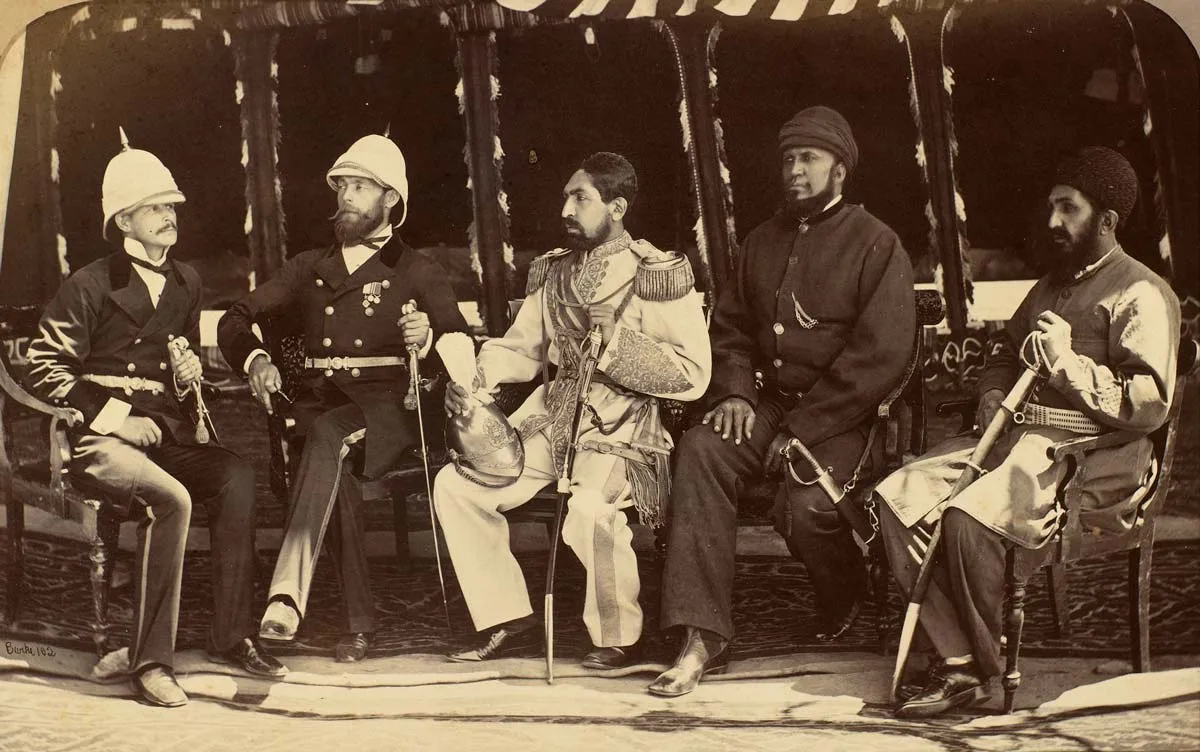
The Anglo-Russian Convention of 1907 formally settled many outstanding disputes involving Afghanistan, Persia, and Tibet. Both governments accepted defined spheres of influence while reducing tensions that had dominated international relations for generations. Although distrust did not disappear entirely, the agreement effectively marked the conclusion of the Great Game.
 The rivalry also demonstrated how fear, perception, and incomplete intelligence can shape foreign policy. Governments frequently prepared for threats that never fully materialized while investing enormous financial and military resources into strategic competition. Political assumptions often proved just as influential as actual military capabilities.
Modern historians view the Great Game as more than a contest between two powerful empires. It represents an important example of how geopolitical competition can reshape entire regions without continuous direct warfare. Its legacy continues to attract historians because it combined diplomacy, espionage, military planning, and imperial ambition into one of history's most remarkable strategic rivalries.
More in UnassignedVia Thecollector
The phrase "The Great Game" eventually became widely recognized after appearing in Rudyard Kipling's novel Kim, although British officer Arthur Conolly had used the expression earlier. Over time, historians adopted the term to describe a prolonged strategic contest marked by diplomacy, espionage, military planning, and political maneuvering rather than constant battlefield clashes.
Why Central Asia Became So Important
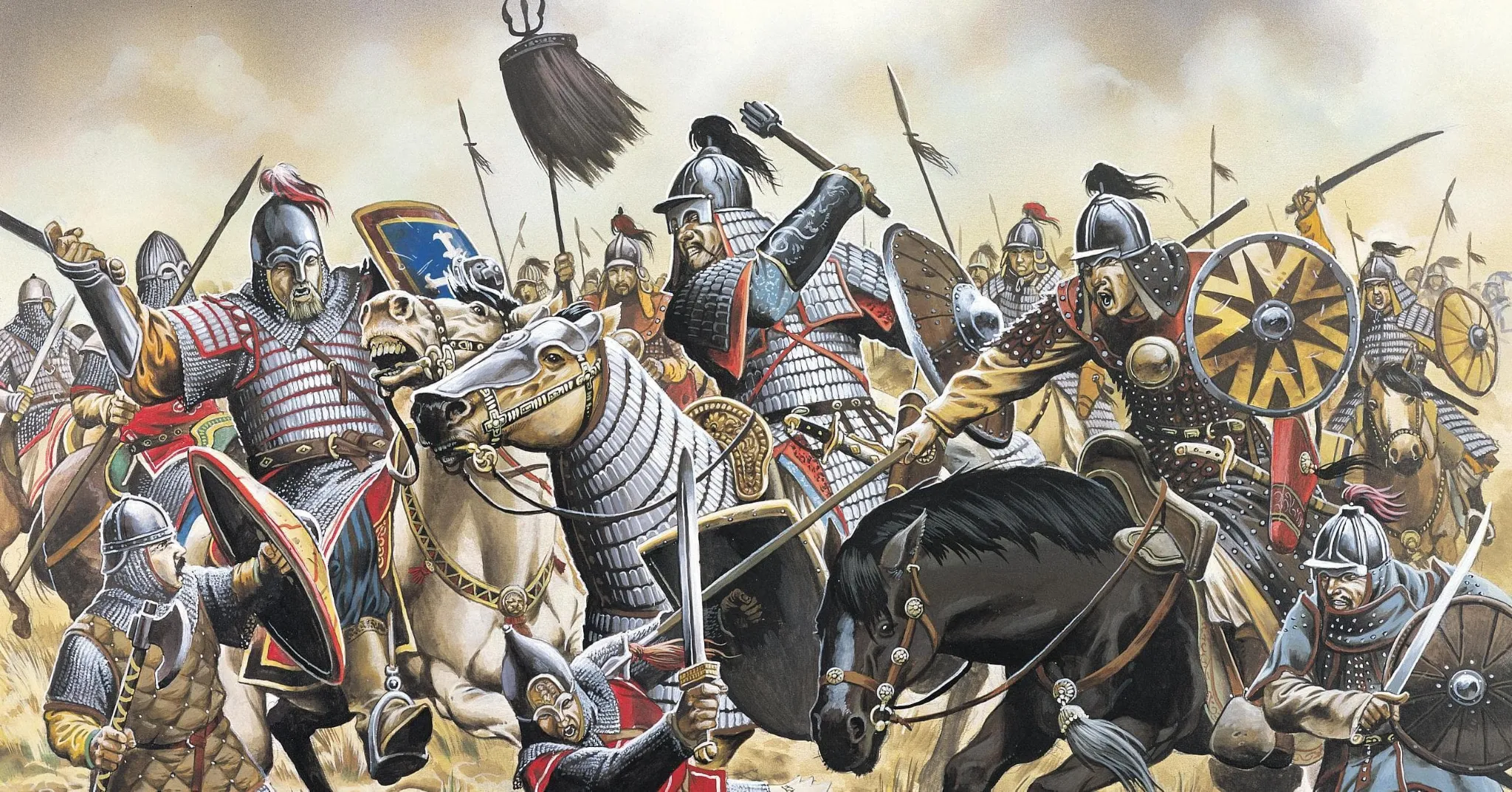
Central Asia occupied a unique geographical position between powerful empires, making it one of the most valuable strategic regions of the nineteenth century. Mountain passes, deserts, fertile valleys, and ancient trade routes connected Europe, South Asia, China, and the Middle East. Any empire controlling these routes could strengthen military movement, expand commercial opportunities, and increase political influence across neighboring territories.Via Ranker
British officials believed that Afghanistan served as the natural gateway into the Indian subcontinent. Historic invasions had crossed difficult mountain passes, including the famous Khyber Pass, creating fears that another powerful army might eventually follow the same path. Protecting British India therefore became closely linked with maintaining influence over Afghanistan and nearby territories.
Russia viewed the region from a different perspective. Expanding southward promised greater security for its borders while opening access to new markets and resources. Russian leaders also hoped to extend their influence across Central Asia by incorporating neighboring territories into the empire. As each side interpreted the other's defensive measures as aggressive expansion, suspicion steadily replaced trust.
Via Live the World
Britain and Russia as Global Empires
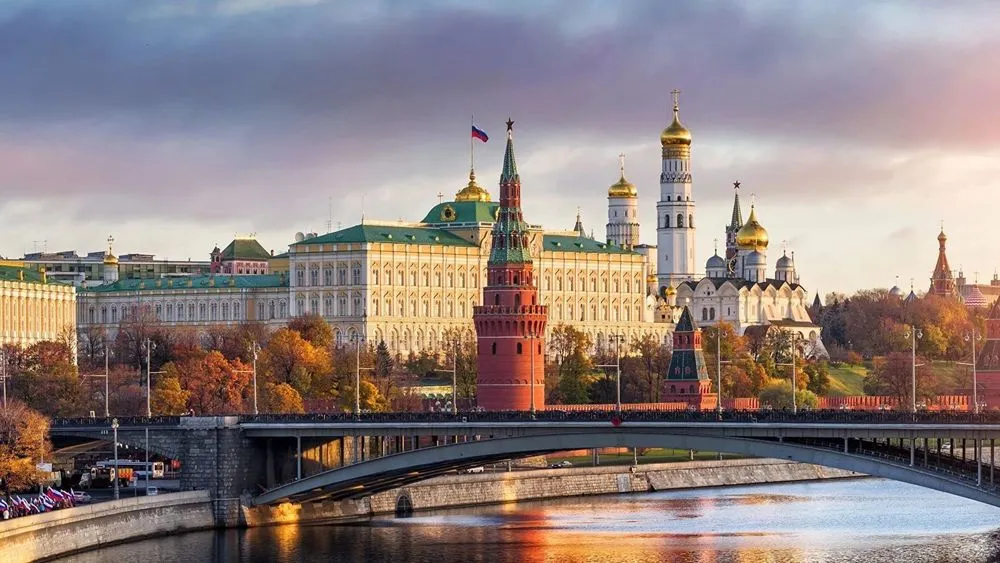
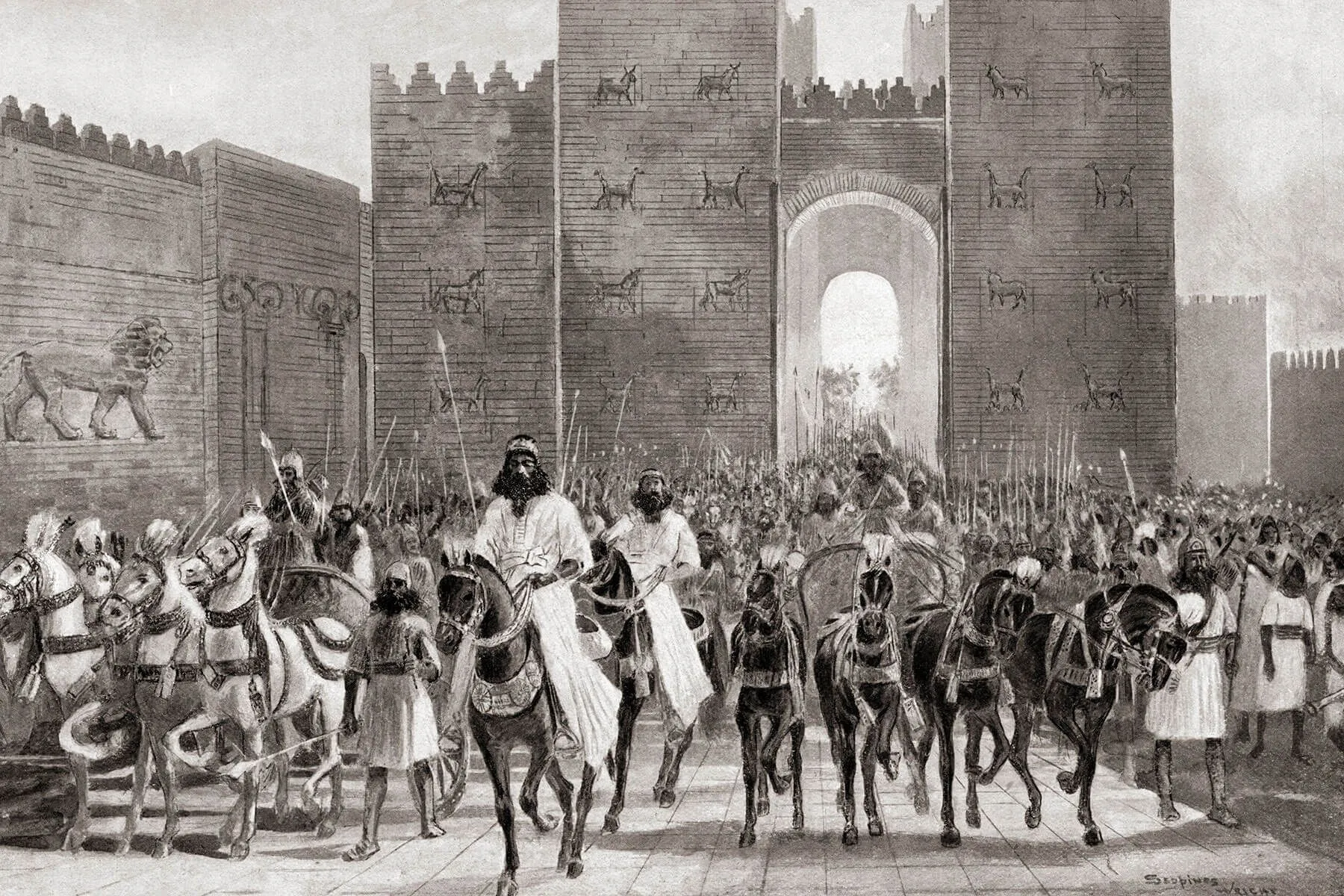
Britain entered the nineteenth century as the world's leading maritime empire with colonies spread across multiple continents. Naval superiority, expanding trade networks, and industrial development allowed Britain to exercise enormous influence over global commerce. India became the empire's most valuable possession because of its population, resources, and commercial importance. Russia represented a different type of imperial power. Governed by an absolute monarch, the empire stretched across vast land territories from Eastern Europe to the Pacific Ocean. Its strength depended largely upon its enormous land army and gradual territorial expansion rather than overseas colonies. Russian rulers regarded Central Asia as essential for national security and long-term strategic development.Via History Facts
Despite major political differences, both empires believed their expansion served national interests. British leaders often considered Russian growth a direct challenge to imperial security, while Russian officials interpreted British diplomatic activities as attempts to block legitimate expansion. These opposing viewpoints deepened rivalry throughout the century and encouraged increasingly aggressive policies.
Afghanistan and Persia as Strategic Buffer States
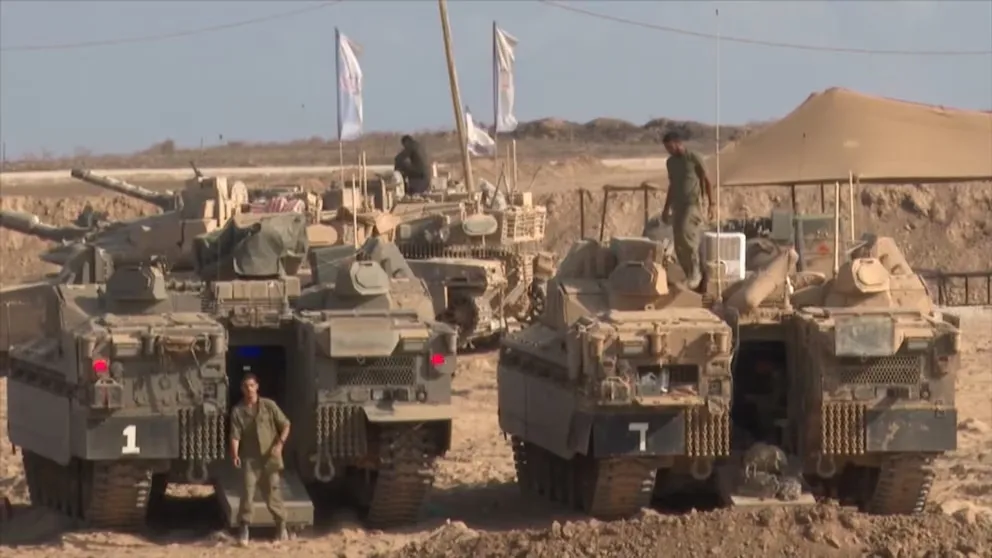
Afghanistan occupied a critical position between British-controlled India and Russian territories in Central Asia. Rather than becoming a direct possession of either empire, the country functioned as a buffer state separating two competing powers. Control over Afghan politics became almost as valuable as direct military occupation because influence there could shape the regional balance of power.
Via ABC News
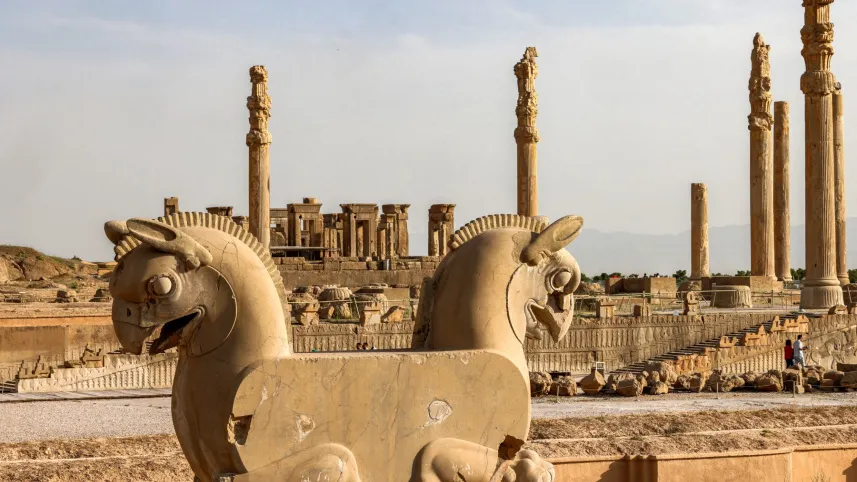
Persia also held tremendous strategic importance. Both Britain and Russia attempted to strengthen relationships with Persian rulers while limiting the influence of the rival empire. Political alliances, diplomatic agreements, financial assistance, and military cooperation became common tools used to increase leverage without outright annexation.
Competition inside these buffer states often produced instability. Rival local leaders received support from different foreign powers, creating internal conflicts that reflected international competition. Local populations frequently bore the consequences as foreign interests influenced domestic politics, economic development, and military affairs far beyond national borders.
Via The Daily Star
Military Campaigns and Expanding Frontiers
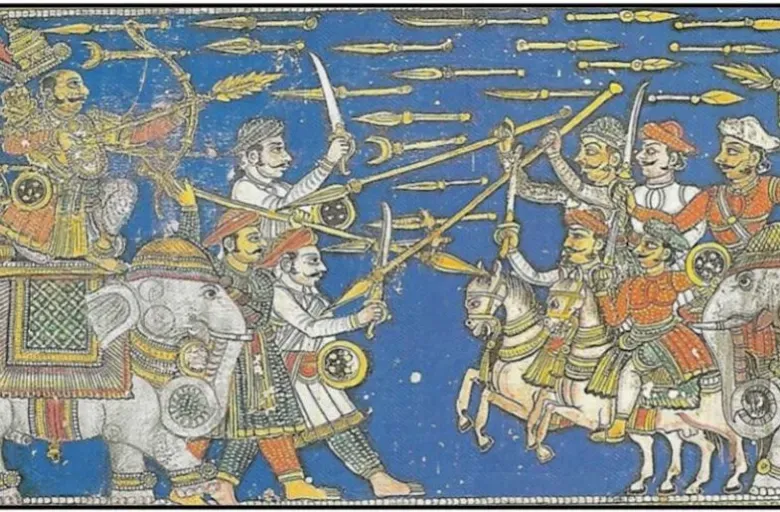
The rivalry eventually produced military campaigns that reshaped much of Central and South Asia. Britain launched the First Anglo-Afghan War during the late 1830s after fearing growing Russian influence in Kabul. The campaign quickly turned into one of Britain's greatest military disasters when retreating forces suffered devastating losses during withdrawal from Afghanistan. Russia continued advancing across Central Asia despite British concerns. Cities such as Khiva, Tashkent, and Samarkand gradually came under Russian control during the second half of the nineteenth century. These territorial gains strengthened Russia's strategic position and brought its frontier much closer to Afghanistan than ever before.
Via India Currents
Britain simultaneously expanded control across the northwestern Indian frontier. Sindh, Punjab, Jammu and Kashmir, and Baluchistan gradually entered British administration through military victories and political agreements. Every territorial gain by one empire encouraged additional expansion by the other, reinforcing the belief that strategic competition would continue indefinitely.
Espionage and the Hidden War
Secret intelligence became one of the defining features of the Great Game. Governments relied heavily upon spies, explorers, diplomats, merchants, and local informants to collect information about roads, rivers, mountain passes, military installations, and political developments. Accurate knowledge of unfamiliar landscapes often proved as valuable as military strength.Via Prime Video
Many intelligence agents traveled in disguise to avoid attracting attention. Some posed as traders, scholars, religious pilgrims, servants, or travelers while carefully recording geographical observations. Maps created during these journeys significantly improved military planning and diplomatic negotiations for both empires.
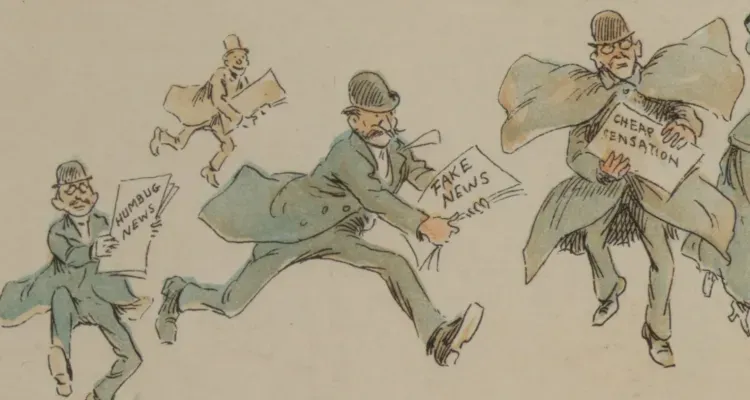
Rumors frequently spread faster than verified information. False reports sometimes influenced government decisions just as strongly as reliable intelligence. Double agents occasionally supplied misleading information to both sides, increasing confusion and deepening mutual suspicion. The atmosphere of uncertainty became one of the defining characteristics of the Great Game.
Via The Social History
The Crimean War and Wider Imperial Competition
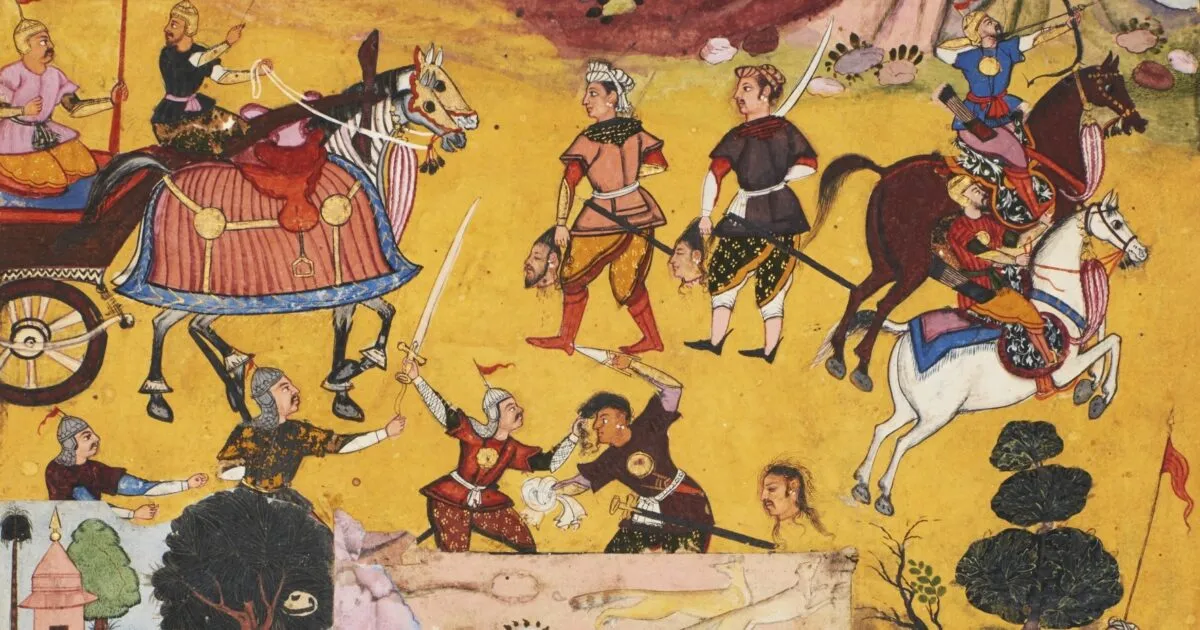
Although the Great Game usually avoided confrontation between Britain and Russia, the Crimean War temporarily changed that pattern. Britain joined France and the Ottoman Empire in opposing Russian expansion around the Black Sea. The conflict demonstrated that imperial rivalry extended beyond Central Asia into wider international politics. The war weakened Russia's immediate ambitions while reinforcing Britain's determination to preserve existing balances of power. Military experience gained during the conflict also influenced strategic planning throughout the remainder of the nineteenth century as both empires reassessed strengths and weaknesses.Via Russia in Global Affairs
Competition expanded beyond Europe and Asia into Africa and the Middle East. Control of important transportation routes, including the Suez Canal, became increasingly significant as global trade expanded. Imperial competition therefore evolved into a worldwide contest involving diplomacy, commerce, military strategy, and colonial administration.
Railways, Diplomacy, and Changing Strategies
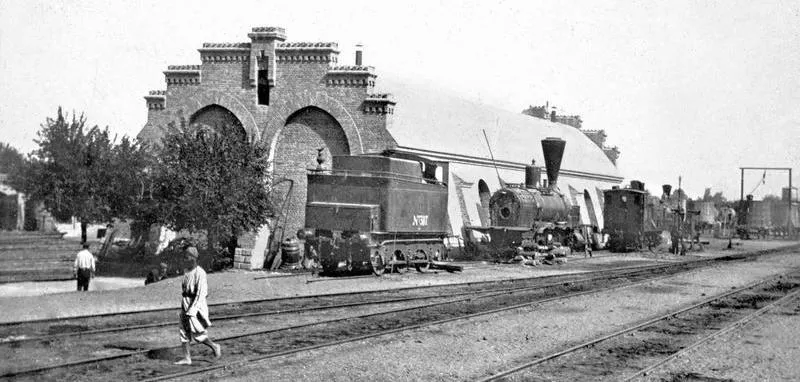
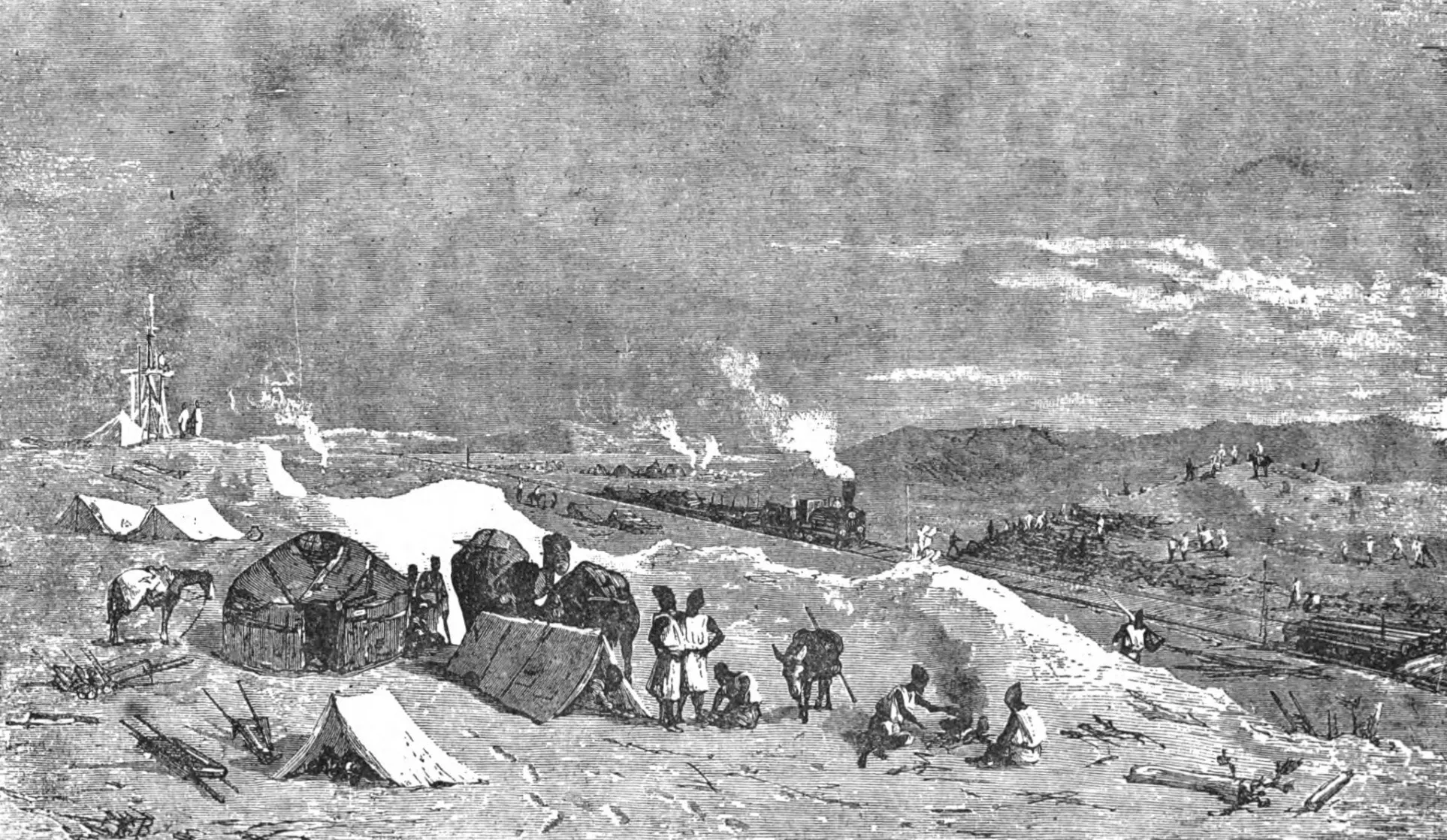
Technological progress transformed strategic calculations during the later decades of the Great Game. Russia invested heavily in railway construction across Central Asia, including the Transcaspian Railway. Faster transportation allowed troops, supplies, and equipment to reach distant frontiers much more efficiently than before.
Via silkadv
British officials carefully monitored these developments because improved transportation appeared to increase Russia's military capabilities. Defensive planning along India's northwestern frontier intensified as policymakers debated possible responses to changing conditions. Military preparedness became closely connected with diplomatic negotiations.
Despite growing tensions, diplomacy remained an important tool for preventing full-scale war. Government representatives regularly negotiated borders, discussed spheres of influence, and attempted to reduce misunderstandings before they developed into military crises. Political compromise often succeeded where military confrontation would have produced enormous costs.
Via World History Encyclopedia
The End of the Great Game
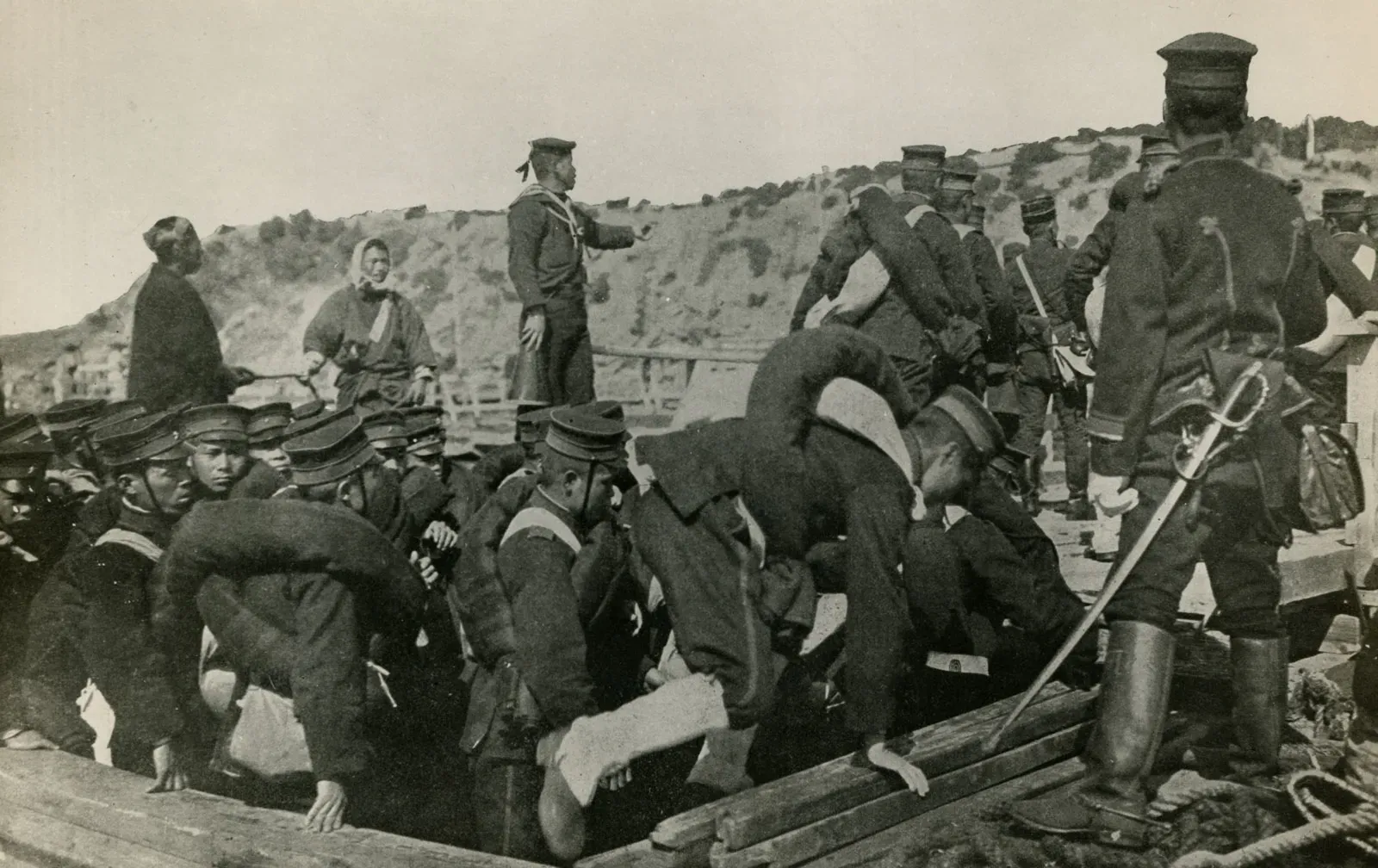
Several international developments gradually reduced the intensity of Anglo-Russian rivalry during the early twentieth century. Russia's defeat in the Russo-Japanese War weakened its international position and exposed serious military shortcomings. British policymakers increasingly recognized that Russia no longer represented the immediate threat previously imagined. Changing European politics also shifted strategic priorities. Germany's growing military strength encouraged Britain, France, and Russia to reconsider long-standing rivalries. Shared concerns about emerging challenges made cooperation increasingly valuable despite decades of mutual suspicion.Via Britannica
The Anglo-Russian Convention of 1907 formally settled many outstanding disputes involving Afghanistan, Persia, and Tibet. Both governments accepted defined spheres of influence while reducing tensions that had dominated international relations for generations. Although distrust did not disappear entirely, the agreement effectively marked the conclusion of the Great Game.
Lasting Legacy of the Great Game
The Great Game left a lasting impact on international politics, regional borders, and diplomatic strategy. Decisions made during this rivalry influenced the political development of Afghanistan, Central Asia, and neighboring regions for decades afterward. Many modern boundaries and strategic concerns reflect choices made during this era.
The rivalry also demonstrated how fear, perception, and incomplete intelligence can shape foreign policy. Governments frequently prepared for threats that never fully materialized while investing enormous financial and military resources into strategic competition. Political assumptions often proved just as influential as actual military capabilities.
Modern historians view the Great Game as more than a contest between two powerful empires. It represents an important example of how geopolitical competition can reshape entire regions without continuous direct warfare. Its legacy continues to attract historians because it combined diplomacy, espionage, military planning, and imperial ambition into one of history's most remarkable strategic rivalries.