Science / Space
New Clues About Black Holes From Gravitational Waves
Black holes are among the most fascinating objects in the universe because they possess gravity so powerful that nothing, including light, can escape once it crosses a certain boundary. Their invisible nature makes them extremely difficult to study through ordinary telescopes despite their enormous influence on surrounding space.
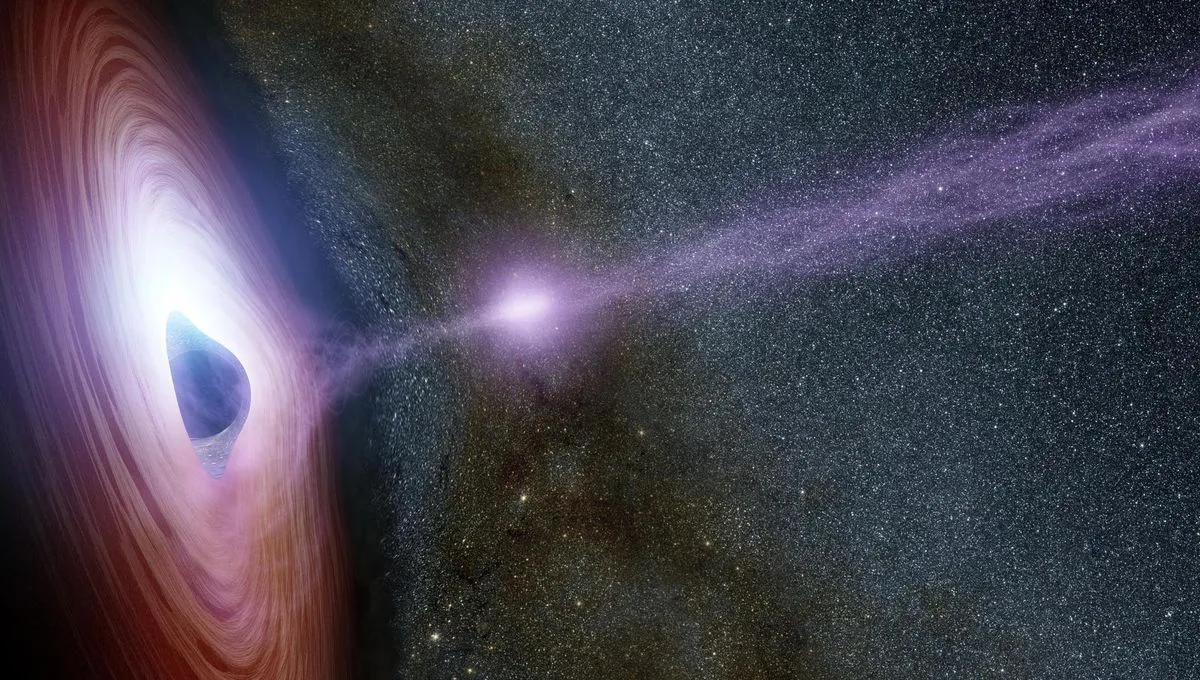
Scientists cannot observe a black hole directly because it does not emit visible light. Instead, they study the effects created by its powerful gravity, including the movement of nearby stars, glowing gas, and energetic material that circles around the black hole before eventually falling inward.
Via IFL Science
Although decades of research have revealed many important details about black holes, several mysteries remain unsolved. Understanding what happens close to the event horizon continues to be one of the greatest challenges in modern astronomy and has inspired scientists to develop new methods for investigating these extraordinary cosmic objects.
What Is the Event Horizon?
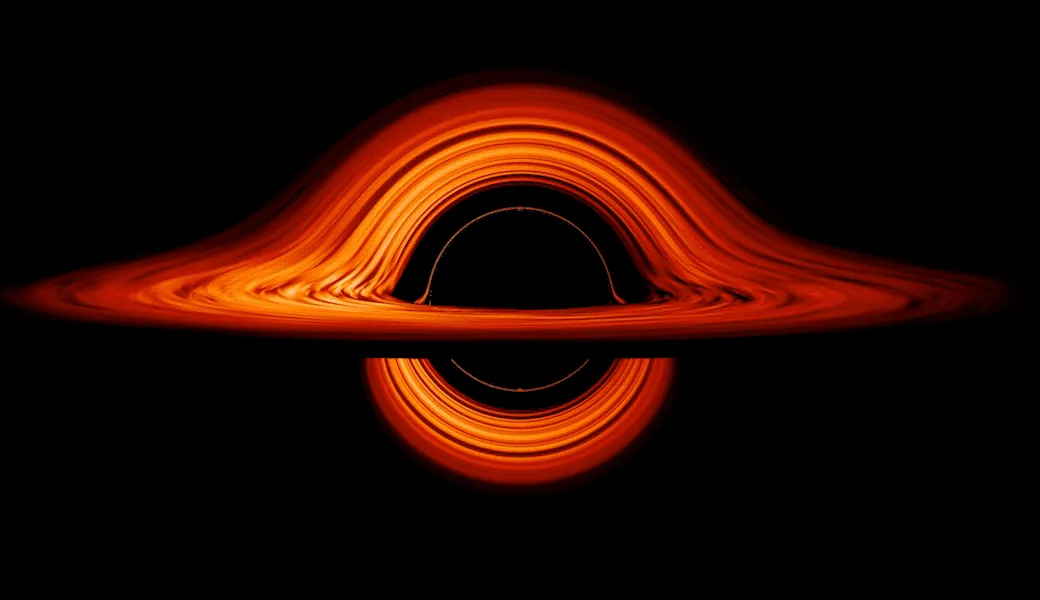
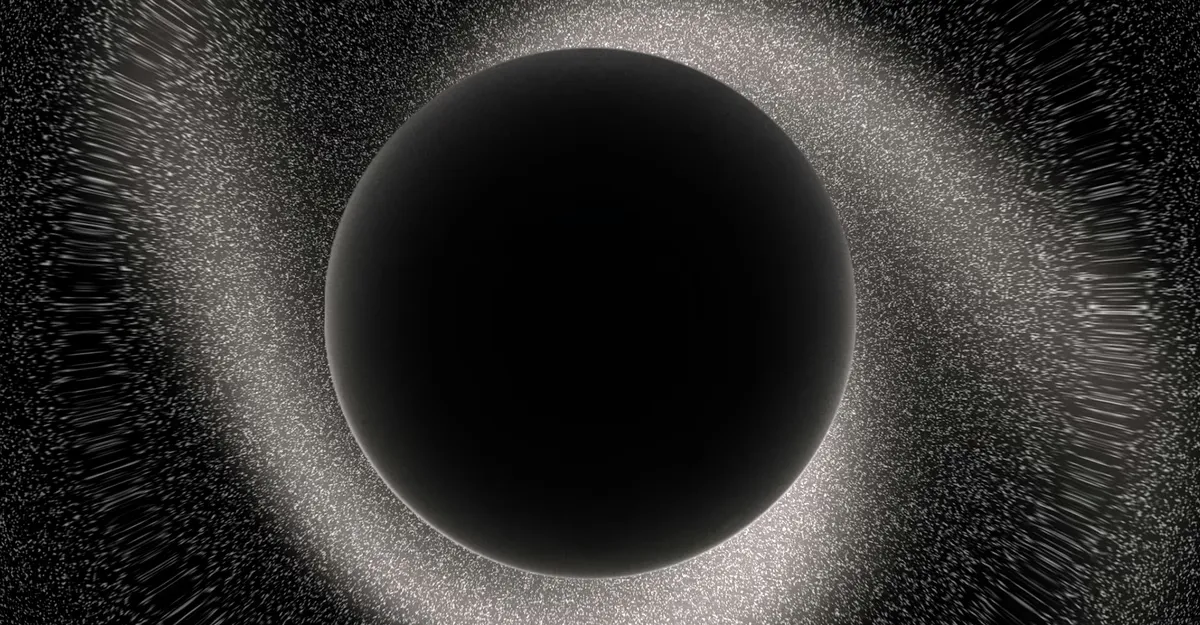
The event horizon is often described as the boundary surrounding a black hole where gravity becomes so strong that nothing can escape once it crosses this invisible limit. It represents the point of no return, making it one of the most important features in the study of black holes.
Via Space
Everything outside the event horizon can still interact with the rest of the universe, but anything that passes beyond this boundary is permanently trapped by the black hole's immense gravitational pull. Even light, which travels faster than anything else known, cannot return after crossing this region.
Because the event horizon itself cannot be directly observed, scientists rely on indirect evidence to understand what occurs nearby. Studying the behavior of matter, energy, and gravitational waves around this boundary helps researchers build a clearer picture of one of the universe's most mysterious environments.
Via The Atlantic
What Are Gravitational Waves?
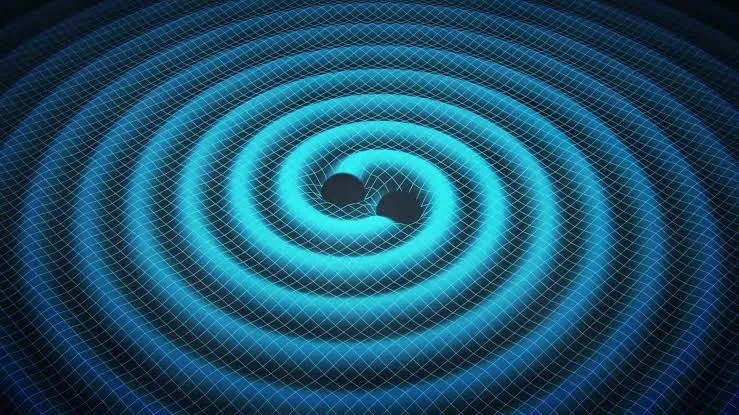
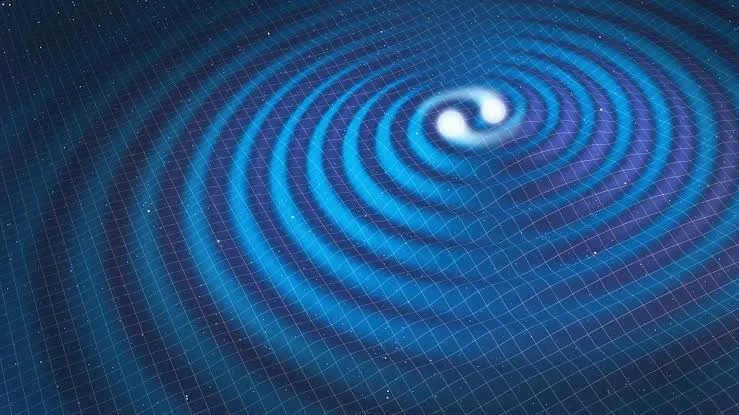
Gravitational waves are tiny ripples that travel through space and time whenever extremely massive objects accelerate or collide. These waves carry valuable information about distant cosmic events, allowing scientists to study powerful phenomena that may otherwise remain completely hidden from traditional telescopes.
Albert Einstein's theory of general relativity predicted the existence of gravitational waves many years before technology became advanced enough to detect them. Modern observatories have confirmed that these ripples exist and can reveal details about dramatic events occurring billions of light-years away.
Via Extreme Tech
Unlike ordinary light, gravitational waves travel through the universe with very little interference from gas, dust, or other matter. This unique ability allows them to preserve information about the events that created them, making them an important tool for studying the most extreme environments in space.
How Black Hole Collisions Create Signals
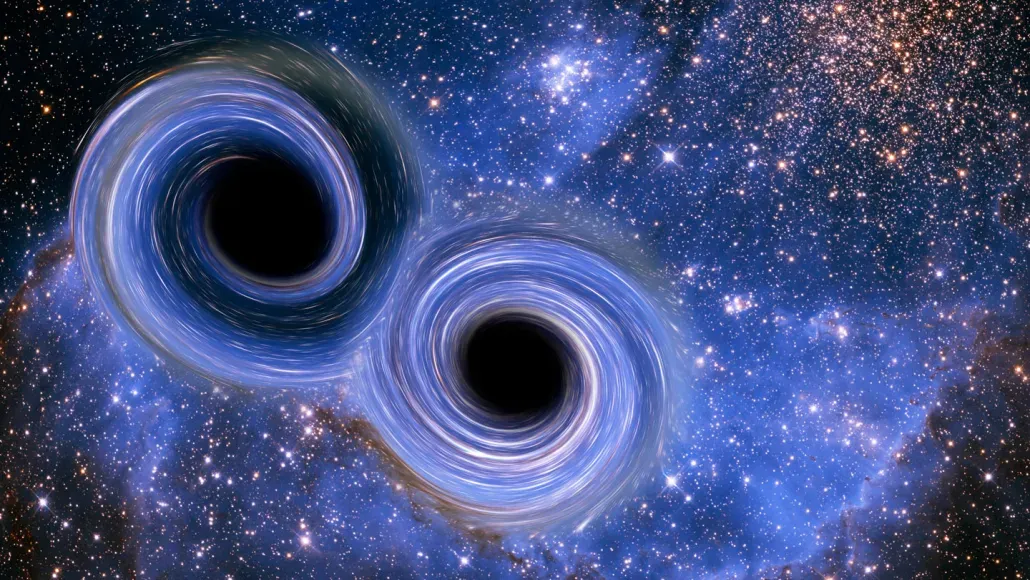
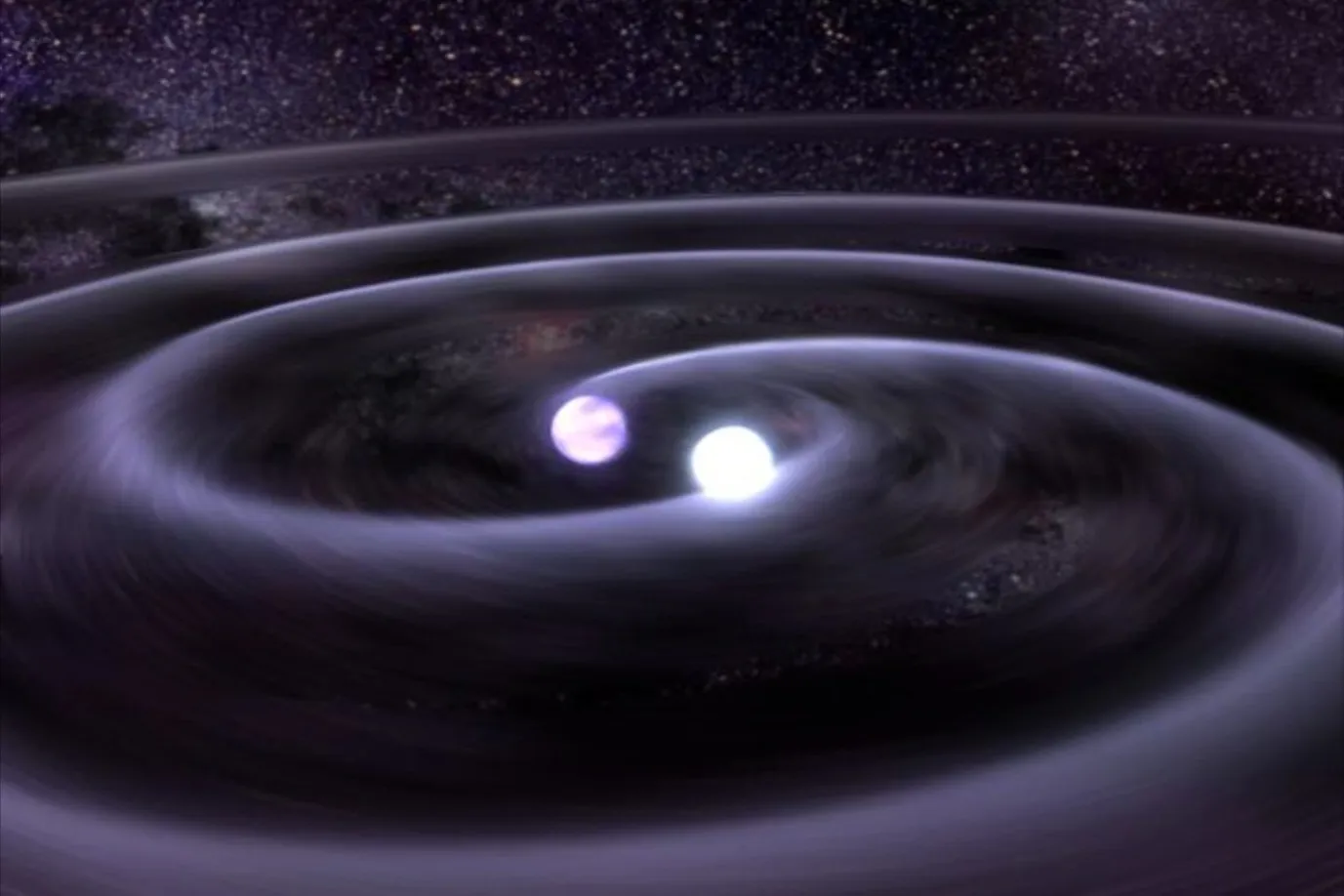
When two black holes orbit each other, their enormous gravitational forces gradually pull them closer together over time. As they spiral inward, they release increasing amounts of gravitational energy until they eventually collide and merge into one larger black hole.
Via Science News
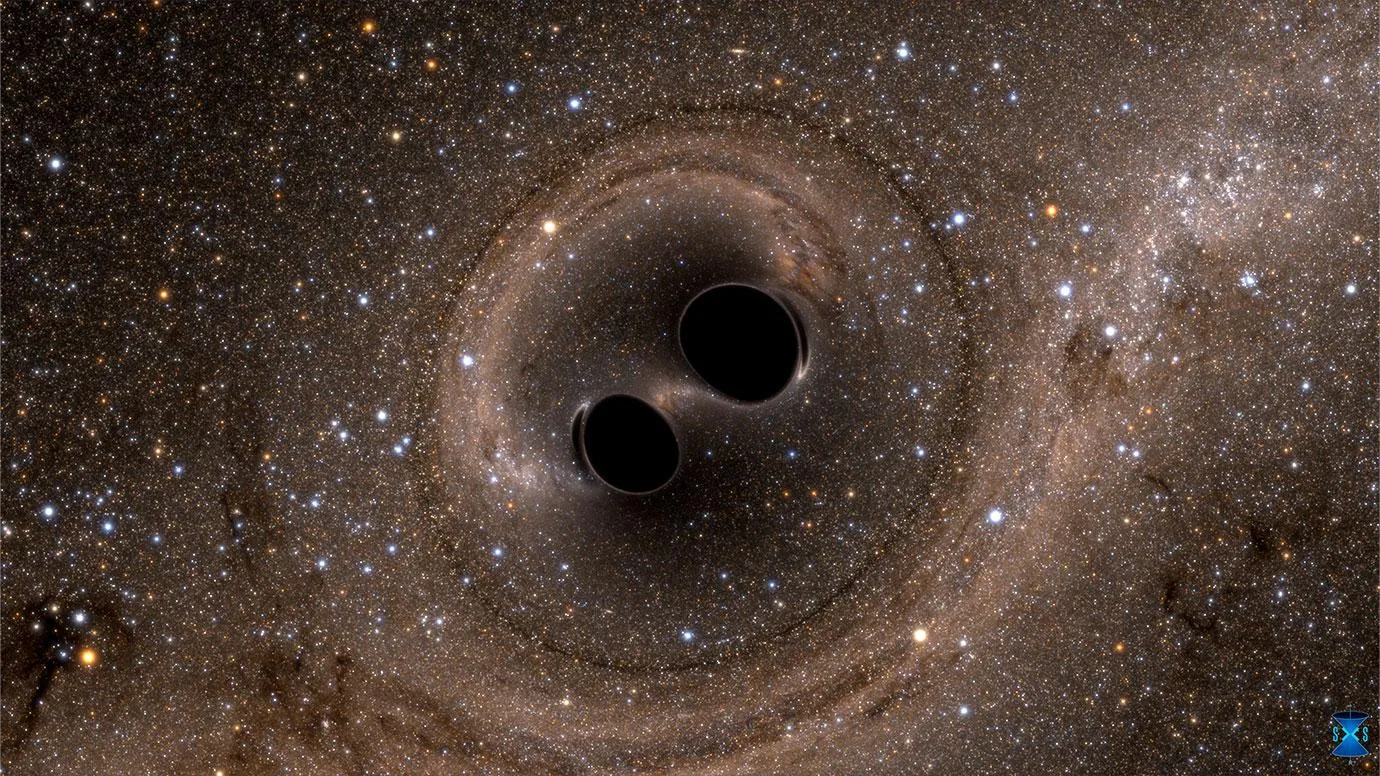
The collision produces an intense burst of gravitational waves that spreads across the universe in every direction. These ripples carry detailed information about the masses, motion, speed, and rotation of the black holes involved in the merger, allowing scientists to reconstruct what happened.
After the collision ends, the newly formed black hole continues settling into a stable state while producing additional gravitational wave patterns. Careful analysis of these signals helps researchers understand the behavior of gravity under conditions that cannot be recreated inside laboratories on Earth.
Via Uchingo News
New Signal Found Near the Event Horizon
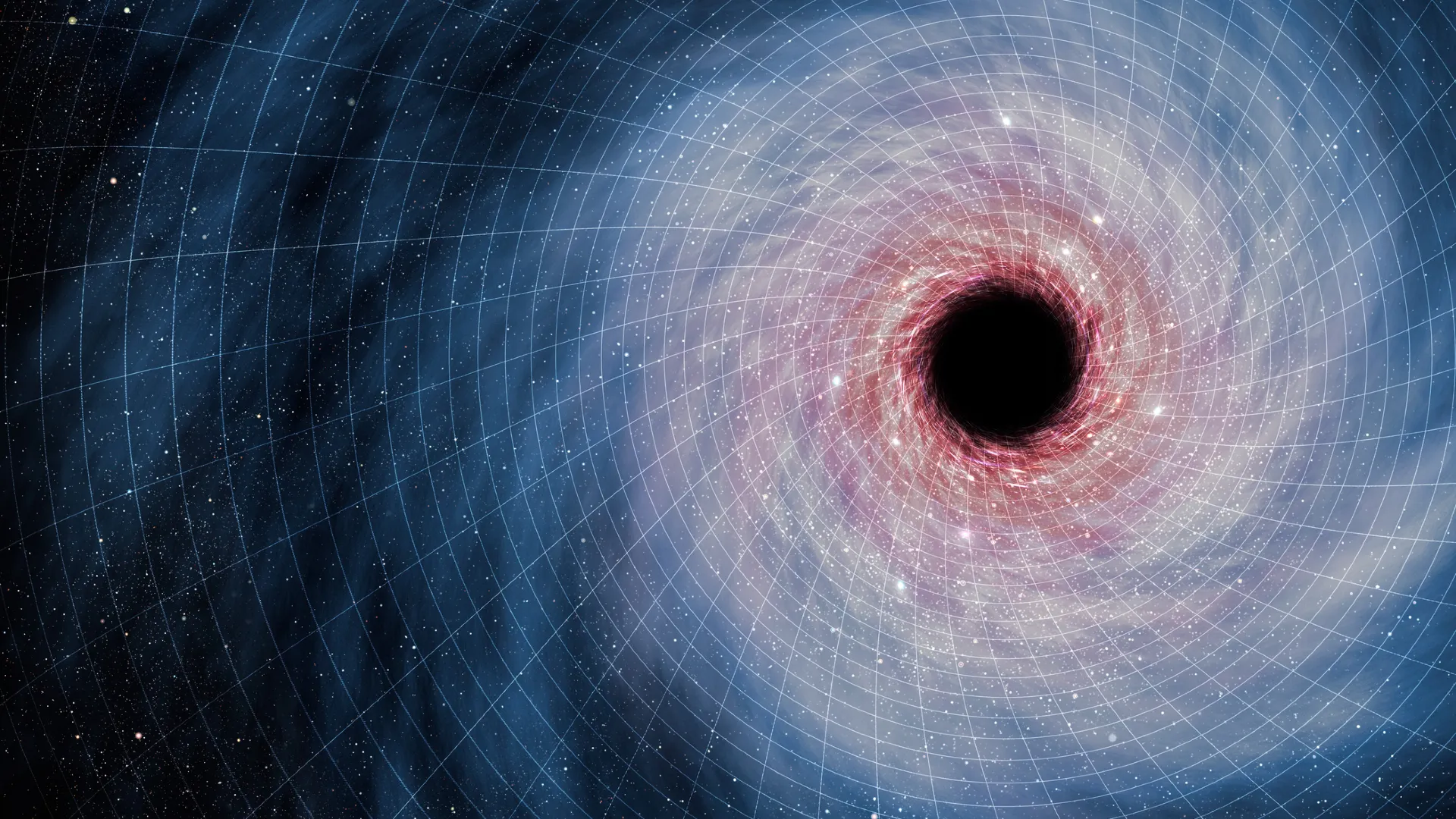
Detailed studies of gravitational wave data have revealed evidence of a subtle signal that appears to originate from extremely close to the event horizon of a newly formed black hole. Scientists describe this feature as a direct wave because it seems to carry information from the edge of the black hole itself.
The signal follows patterns predicted by theoretical physics, suggesting that gravitational waves may preserve details about the motion of space-time immediately surrounding the event horizon. This discovery provides researchers with another way to investigate a region that has remained largely inaccessible through conventional astronomical observations.
Via Live News
Rather than revealing what exists inside a black hole, the newly identified signal improves understanding of the area just outside the event horizon. Studying these delicate wave patterns may help scientists learn more about how gravity behaves in one of the most extreme environments found anywhere in the universe.
Why This Discovery Is Important
Finding evidence of a direct gravitational wave signal represents an important step toward understanding black holes with greater precision. Instead of relying only on visible light from surrounding material, scientists can use gravitational waves to gather information directly from regions where ordinary observations are impossible.
Via Popular Mechanic
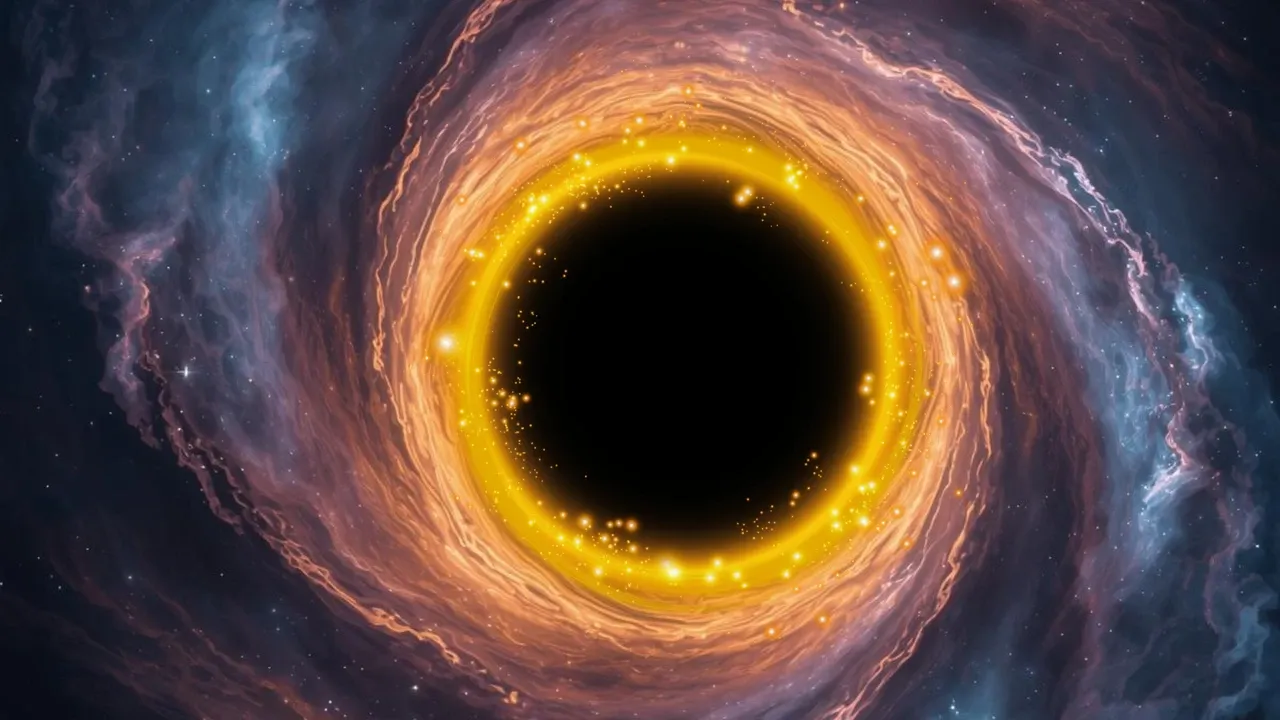
This approach opens new opportunities for testing long-standing scientific theories about gravity and the behavior of space-time under extraordinary conditions. Every improvement in gravitational wave analysis brings researchers closer to understanding some of the most complex physical processes known in the universe.
The ability to study regions near the event horizon using gravitational waves demonstrates how advances in technology continue expanding knowledge about space. As observational techniques improve, scientists expect to uncover even more information about black holes and the powerful forces that shape the cosmos.
Via MSN
How Scientists Study Invisible Cosmic Events
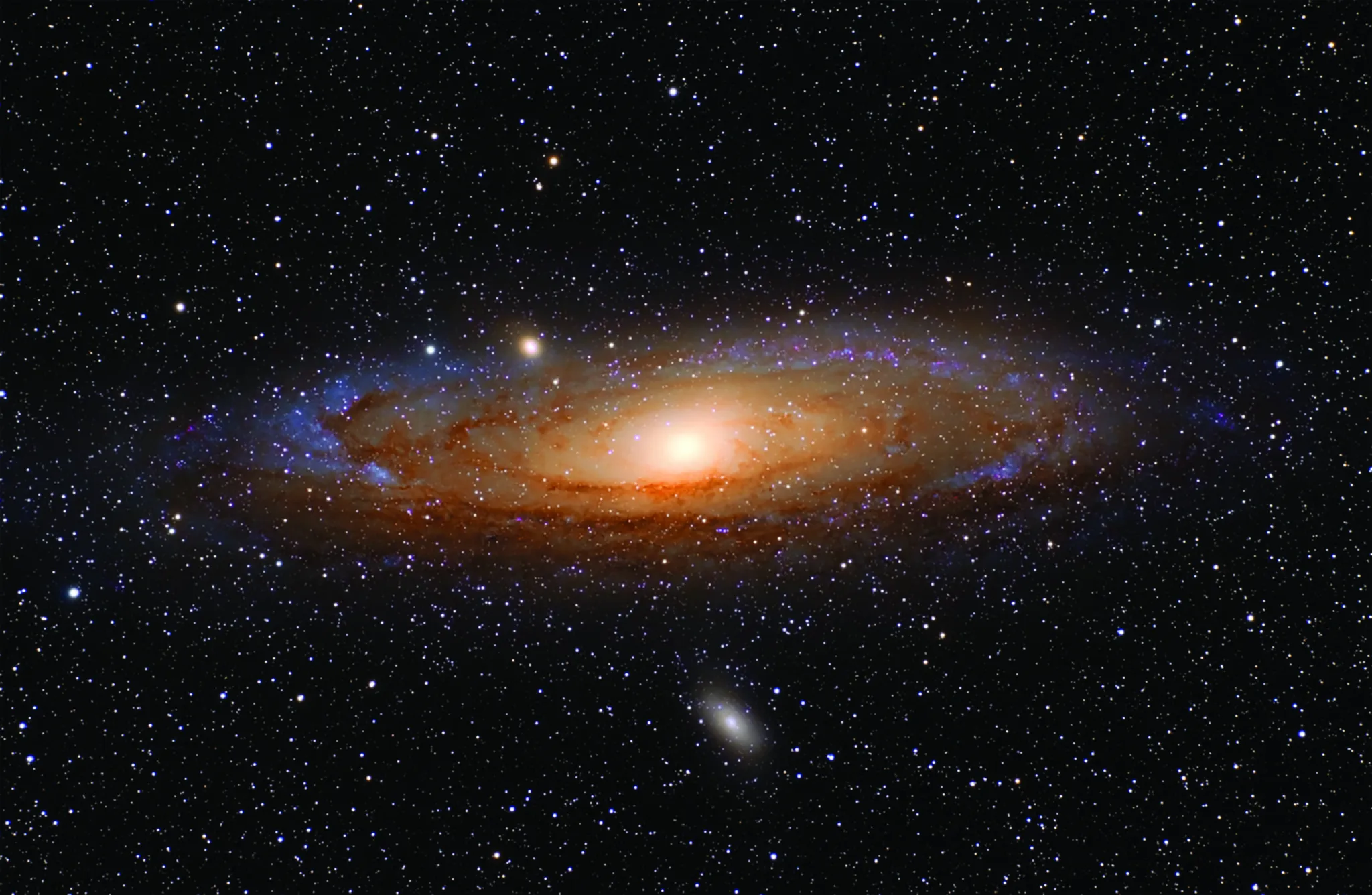
Because black holes do not produce visible light, researchers depend on advanced scientific instruments that can detect gravitational waves passing through space. These observatories measure incredibly small changes caused by distant cosmic events, allowing scientists to collect information that ordinary telescopes cannot capture.
Each detected gravitational wave contains valuable details about the objects that created it. By carefully examining the strength, frequency, and pattern of these waves, researchers can estimate the size, movement, rotation, and behavior of black holes involved in powerful cosmic collisions.
Via ScienceInDiagram
Modern computer models play an equally important role by comparing observed signals with theoretical predictions. When recorded wave patterns closely match scientific calculations, researchers gain greater confidence that they are correctly interpreting the extraordinary events taking place across the universe.
What the Direct Wave Reveals About Space-Time
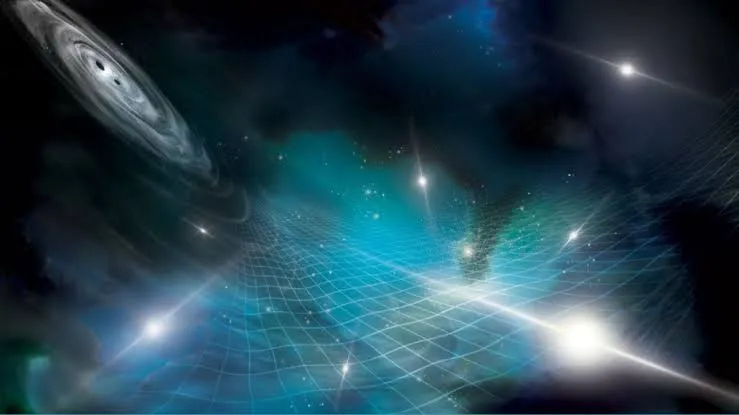
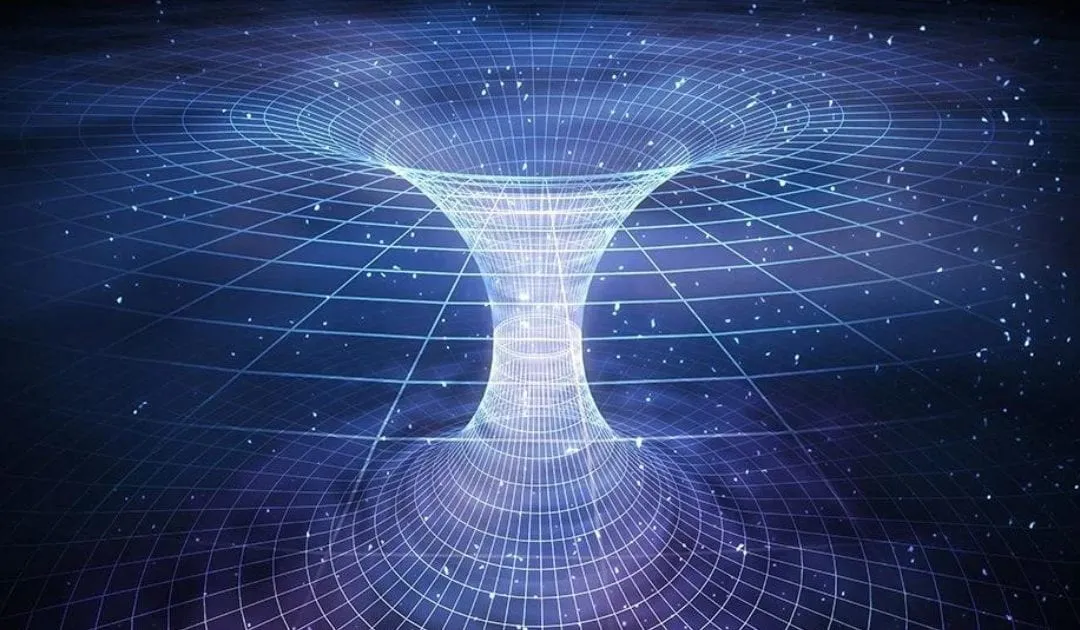
The newly identified direct wave appears to contain information from the region extremely close to a black hole's event horizon. Instead of passing through ordinary matter, the wave carries the effects of intense gravity, allowing scientists to study how space-time behaves under extraordinary conditions.
Via Science News
According to current scientific understanding, the area surrounding a newly formed black hole experiences rapid movement immediately after two black holes merge. The direct wave seems to preserve evidence of this brief activity before gradually fading as the black hole settles into a more stable state.
Although the signal is subtle, its characteristics closely follow predictions developed through theoretical physics. This agreement suggests that gravitational waves may provide an entirely new method for examining the edge of a black hole without directly observing the event horizon itself.
Via UChingo Voices
Expanding Knowledge About Gravity and the Universe
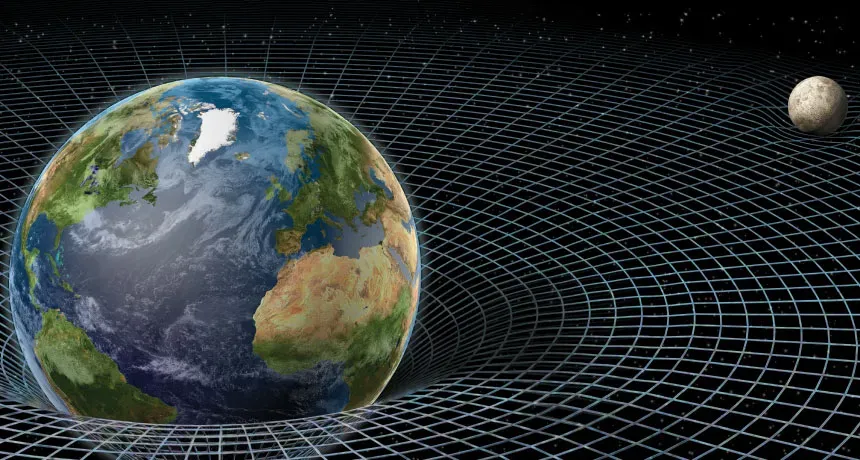
Every improvement in gravitational wave research helps scientists test the laws of physics in environments that cannot be recreated on Earth. Black holes produce some of the strongest gravitational fields known, making them ideal natural laboratories for studying how gravity behaves under extreme conditions.
Researchers hope that future observations will deepen understanding of Einstein's theory of general relativity while also revealing whether additional physical processes influence gravity near black holes. Careful measurements could eventually provide clues about unanswered questions that have challenged physicists for many decades.
Via Science News
Some scientists also believe that gravitational wave studies may contribute to research involving quantum gravity and the black hole information paradox. Although these complex topics remain under investigation, improved observations could provide valuable evidence that supports or challenges existing scientific theories.
Why More Observations Are Still Needed
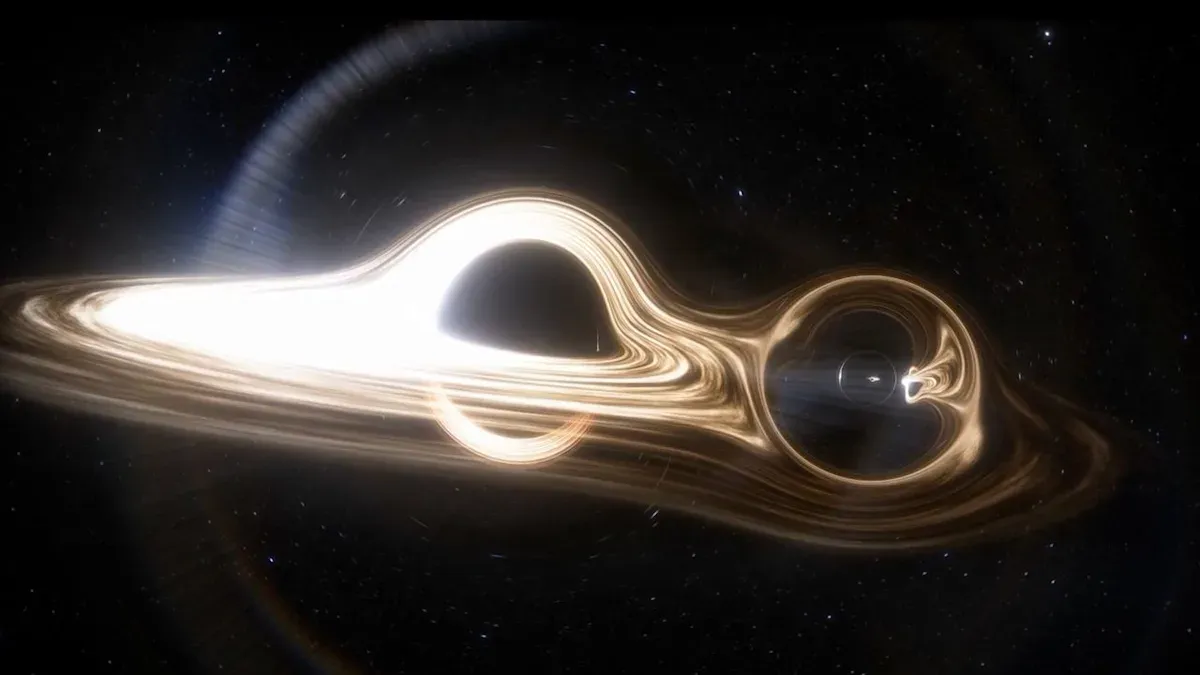
Scientific discoveries become stronger when the same results appear repeatedly across many independent observations. Detecting similar direct wave patterns from numerous black hole mergers would provide stronger confirmation that the signal represents a genuine feature of nature rather than an isolated occurrence.
Via Yahoo
Each newly recorded gravitational wave adds another opportunity to compare observations with theoretical predictions. As more black hole collisions are detected, researchers can determine whether the same signal consistently appears under different conditions involving various masses, speeds, and rotational properties.
Future improvements in gravitational wave observatories are expected to increase both the number and quality of detected events. More detailed measurements will help scientists refine existing models, reduce uncertainty, and improve understanding of the remarkable processes occurring near black hole event horizons.
Via Science Museum
The Future of Black Hole Research
Black hole research continues to evolve as technology provides increasingly accurate ways to observe the universe. Gravitational waves have already transformed astronomy by allowing scientists to investigate cosmic events that remain invisible through traditional methods based only on light.
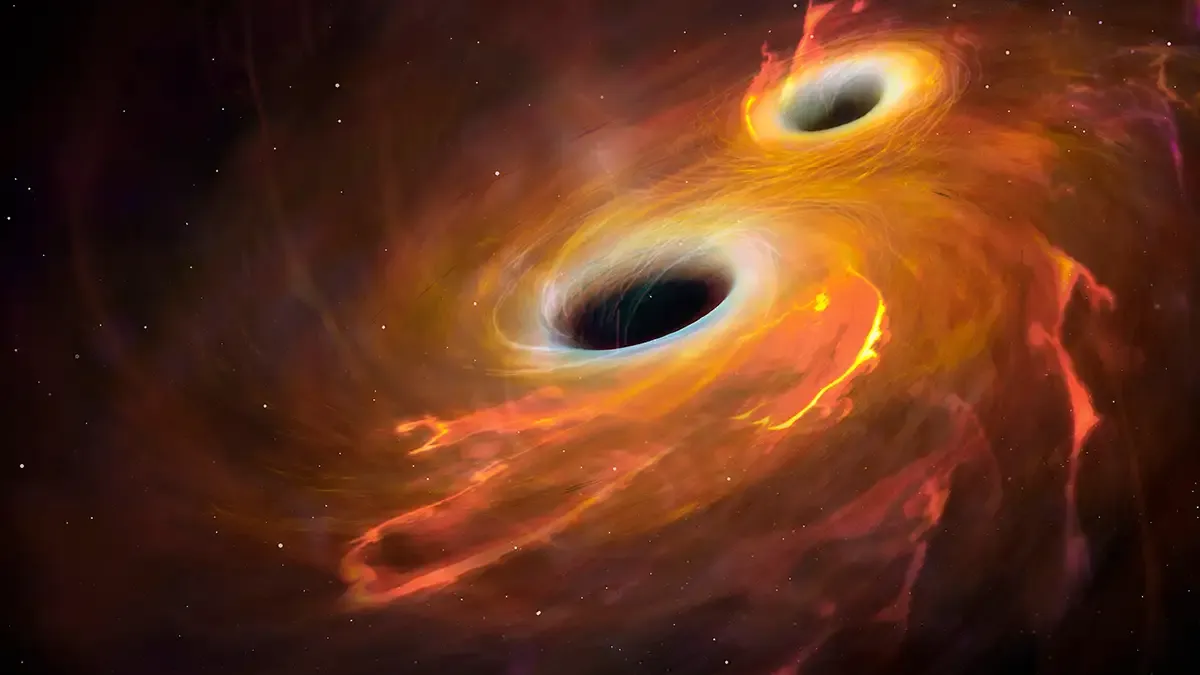
The ability to study regions close to an event horizon represents another important advancement in understanding some of the universe's most mysterious objects. Every carefully analyzed signal contributes new knowledge about gravity, space-time, and the behavior of matter under extraordinary conditions.
Via New Scientist
As scientific instruments become more sensitive and additional observations are collected, gravitational waves may reveal even deeper insights into black holes and the fundamental laws governing the universe. These discoveries have the potential to reshape understanding of cosmic evolution while inspiring future generations to continue exploring the mysteries of space.