Science / Space
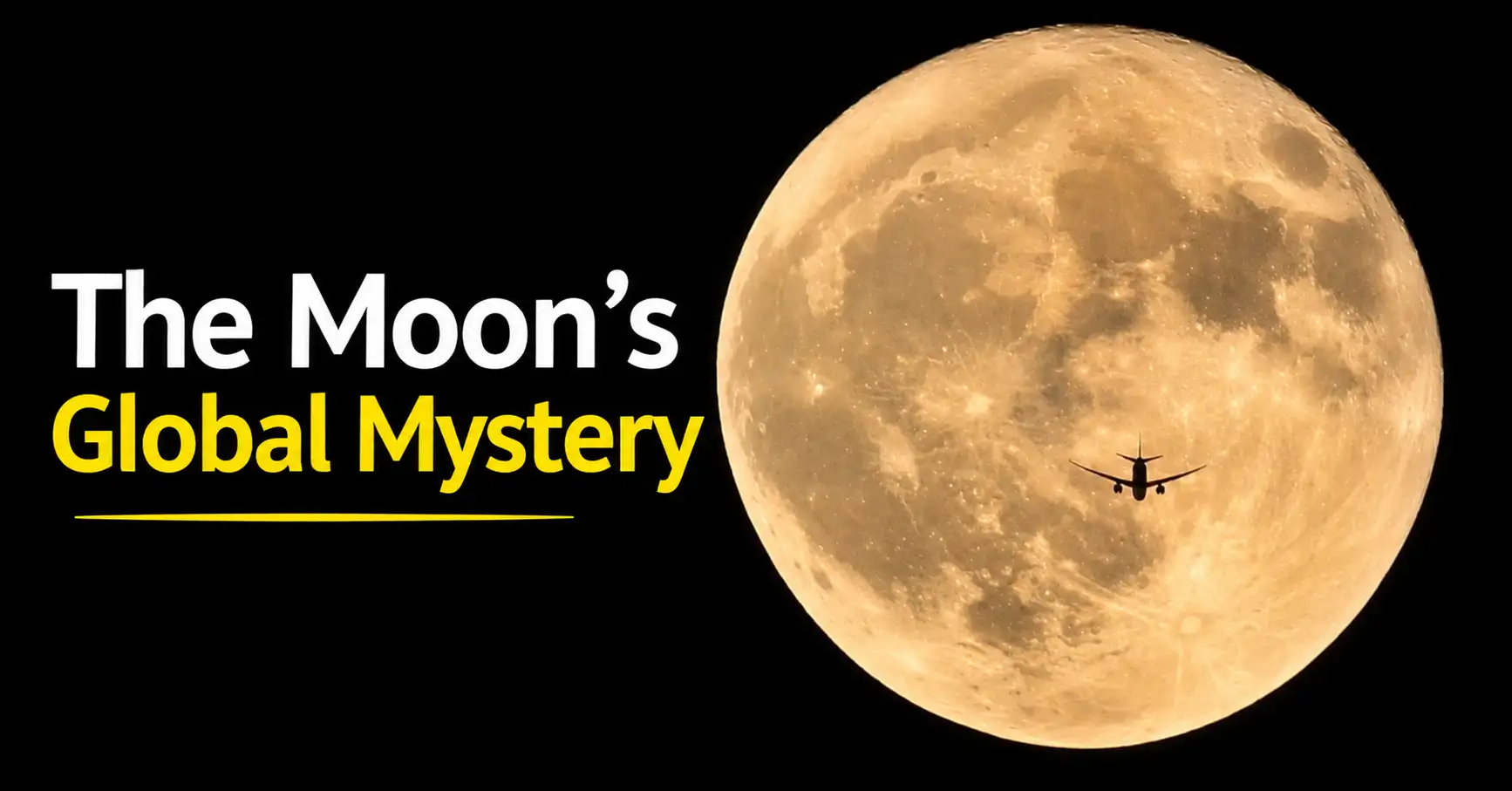
Does the Moon Look Different in Different Parts of World?
The Moon is one of the most familiar objects in the night sky, yet its appearance is not the same for everyone on Earth. People living in different regions often notice changes in its position, angle, or orientation, leading to questions about whether everyone is truly seeing the same Moon.
Although the Moon itself remains the same celestial body, the way it appears depends on the observer's location. Differences in viewing angle, Earth's curved surface, and the observer's position in either the Northern or Southern Hemisphere all influence how the Moon is seen on any clear night.
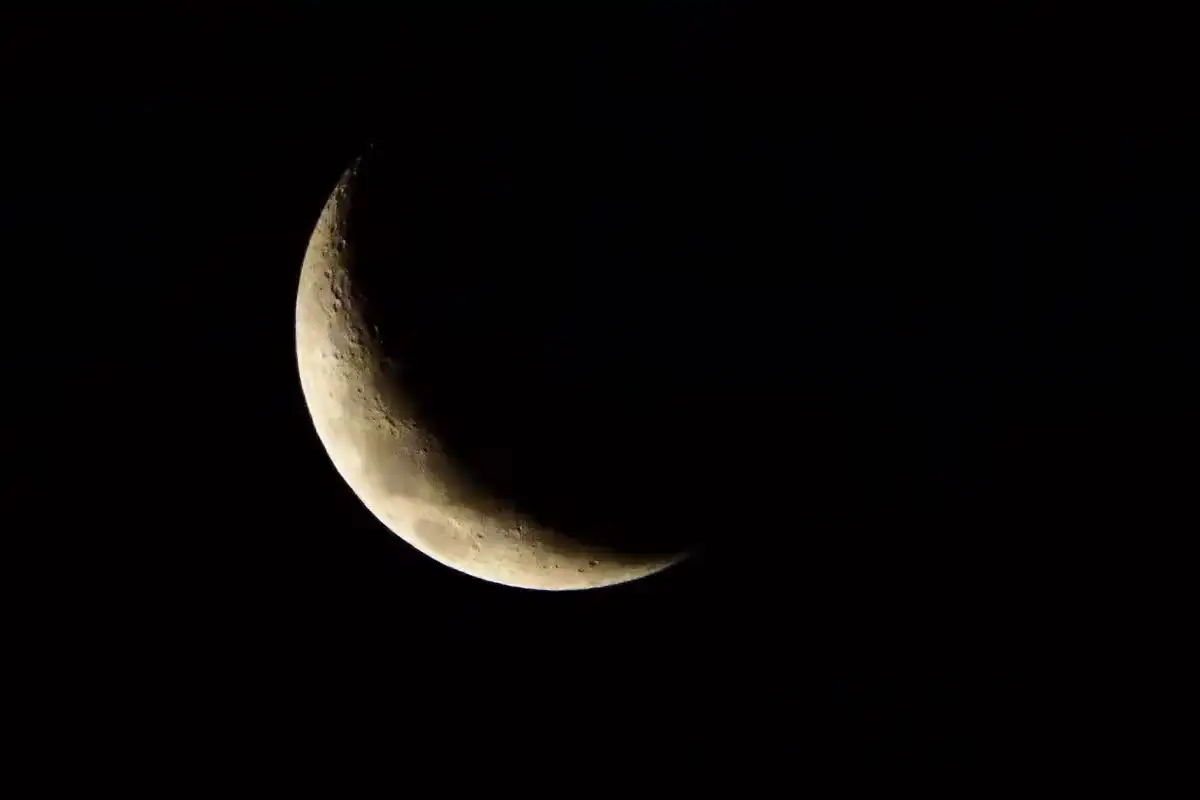
Via Daily Record
These differences are based on perspective rather than changes happening to the Moon itself. Understanding this simple scientific concept helps explain why photographs taken in different countries sometimes show the Moon appearing rotated, tilted, or positioned differently even when captured during the same lunar phase.
Does Everyone See the Same Moon?
Every person on Earth looks at the same Moon because there is only one natural satellite orbiting the planet. The Moon does not create separate versions for different countries, continents, or hemispheres, even though its appearance can vary depending on where someone is standing.
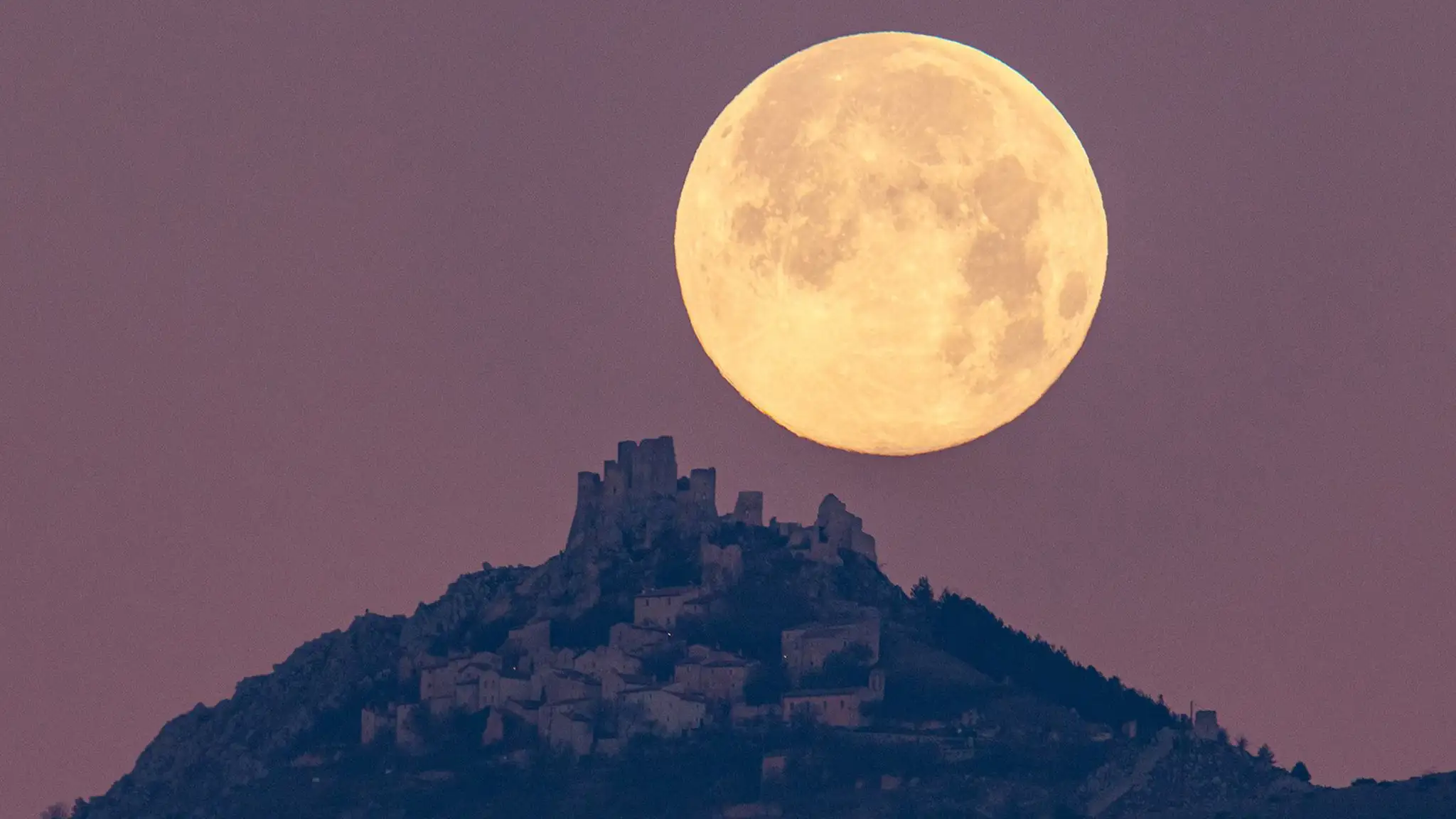
Via ABC7
The most noticeable difference involves the Moon's orientation rather than its actual shape. Features visible on the lunar surface remain the same, but they may appear rotated or flipped because observers are viewing the Moon from different angles across Earth's curved surface.
This effect is similar to looking at the same painting while standing in different parts of a room. The artwork never changes, yet the viewing angle creates a different perspective, making certain details appear higher, lower, or tilted depending on the observer's position.
Via Elanos
How Earth's Shape Changes the View
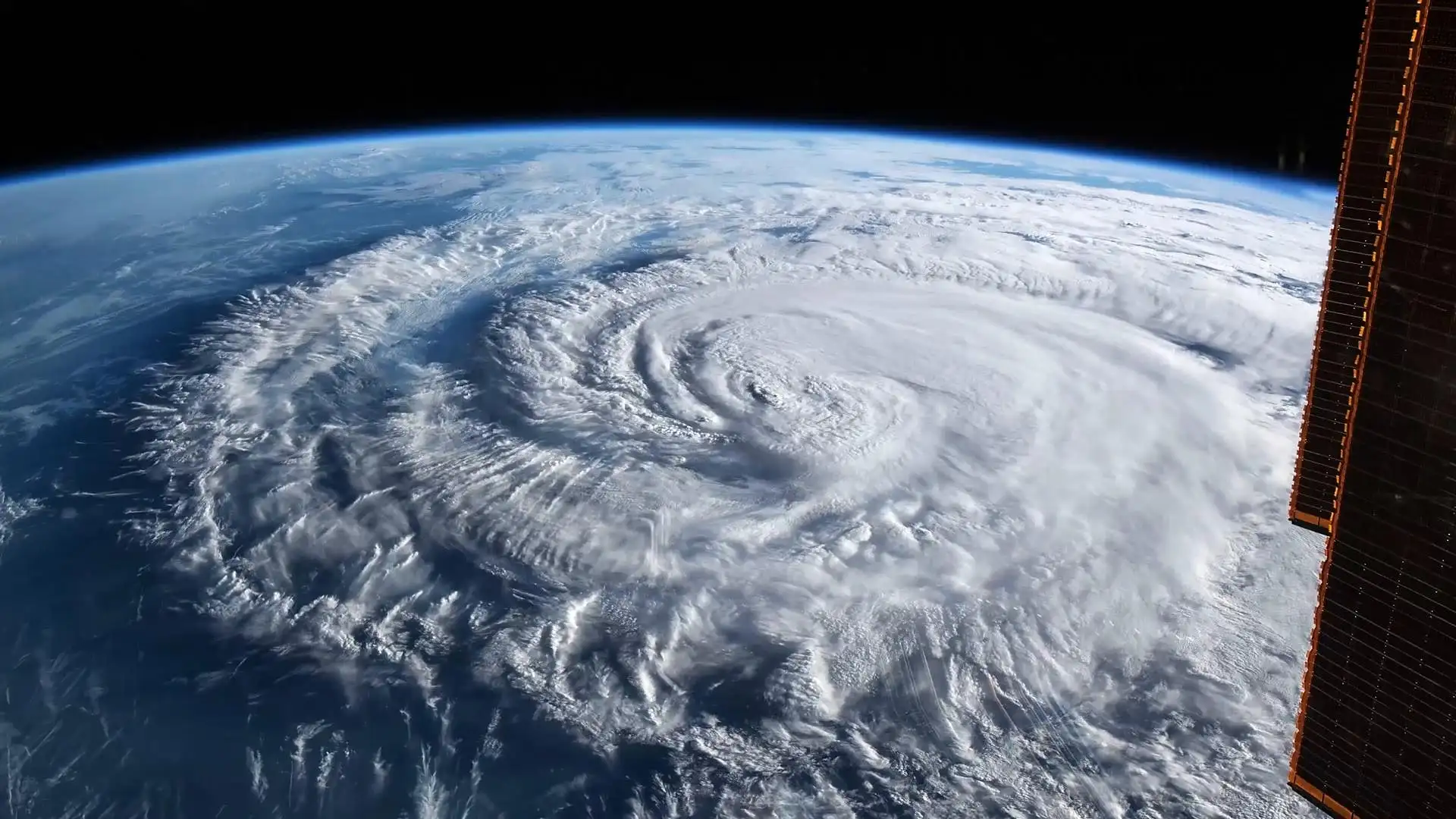
Earth is a large, spherical planet, which means people living in different places naturally observe the sky from different directions. Since everyone stands on a different part of Earth's surface, each location provides its own viewing angle toward the Moon throughout the night.
Someone living near the equator may see the Moon following a different path across the sky than someone living much farther north or south. These changing perspectives affect how the Moon appears without altering its size, surface features, or distance from Earth.
Via BBC
The effect becomes even more noticeable when comparing observations from opposite hemispheres. Images taken from countries separated by thousands of kilometers often show the same lunar features appearing rotated because each observer is looking upward from a different direction on Earth's surface.
Why the Moon Looks Upside Down in Different Hemispheres
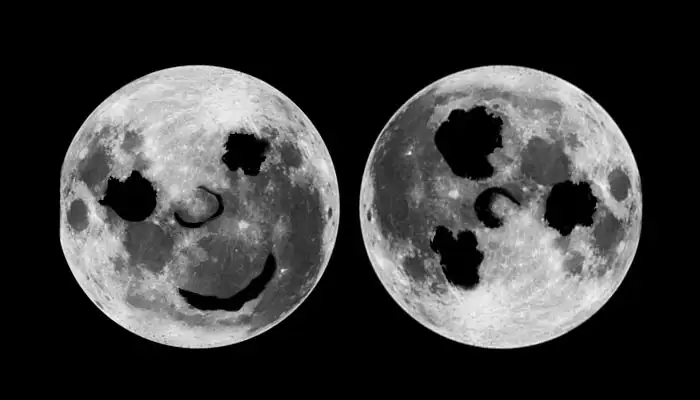
One of the most surprising observations is that the Moon can appear almost upside down when viewed from opposite hemispheres. People living in the Northern Hemisphere often recognize familiar lunar patterns that seem completely reversed when seen from the Southern Hemisphere.
Via Reddit
This dramatic difference happens because observers are effectively standing on opposite sides of Earth while looking toward the same object in space. As a result, the Moon's surface appears rotated even though the Moon itself has not changed its orientation during that observation.
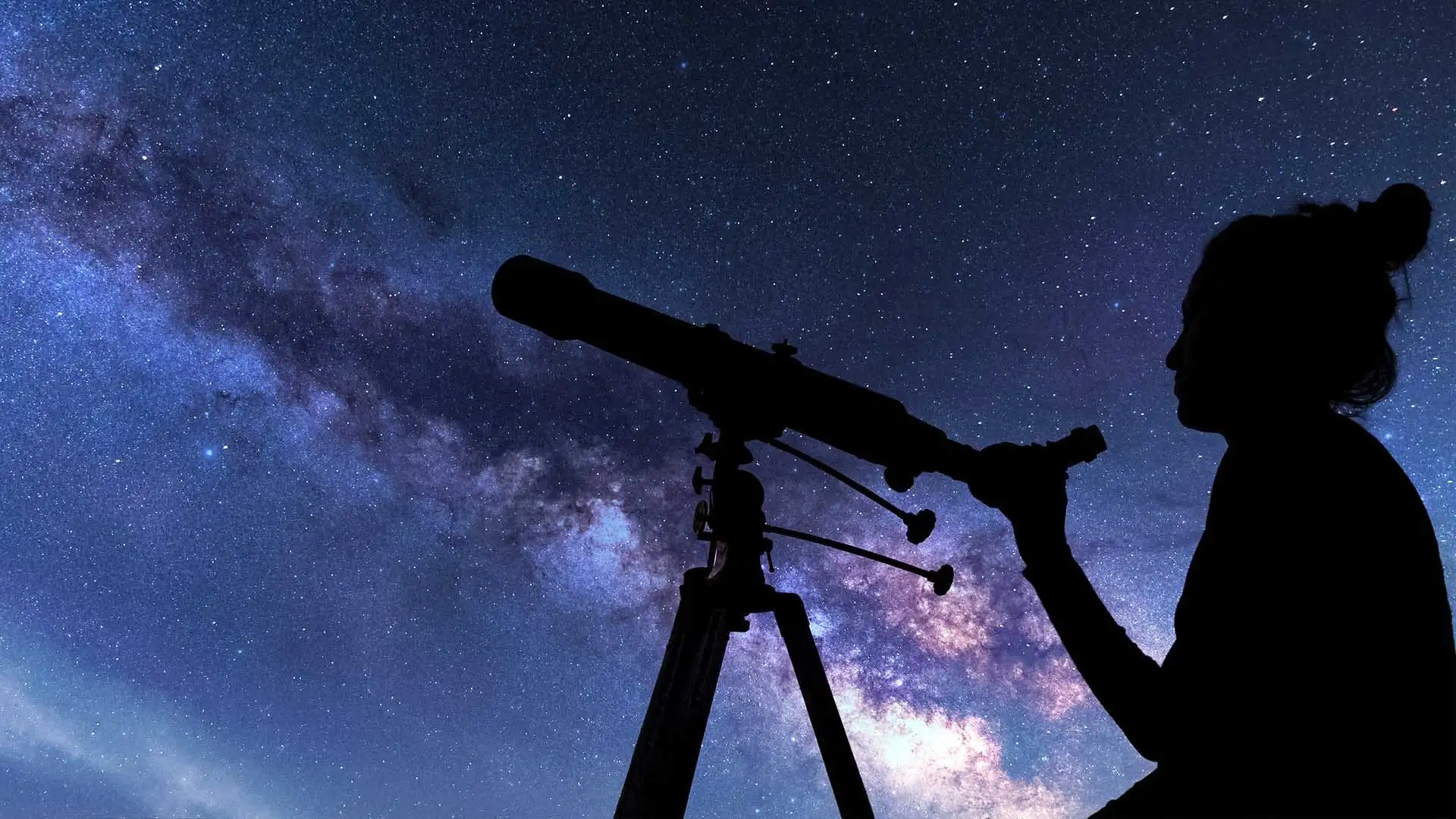
Astronomers describe this as a difference in perspective rather than a change in the Moon itself. Comparing photographs from both hemispheres clearly demonstrates that the same craters, plains, and markings remain visible, but their orientation changes because of the observer's location on Earth.
Via Star Walk
How Latitude Influences the Moon's Orientation
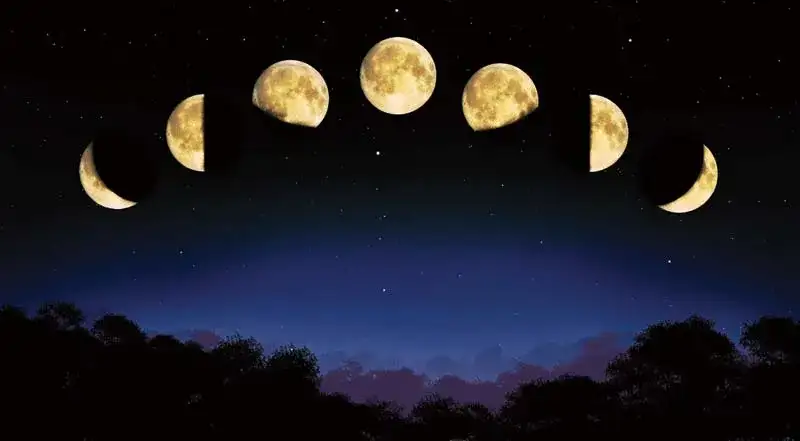
Latitude plays an important role in determining how the Moon appears from a specific location on Earth. People living close to the equator often notice the Moon rising and setting along a steeper path, while those farther north or south observe a different angle throughout the night.
As latitude changes, the observer's viewpoint also changes because the horizon and sky are seen from a different position on Earth's curved surface. This shift affects the Moon's apparent orientation, making familiar surface features seem tilted or rotated without altering the Moon itself.
Via Britannica
Even relatively small changes in latitude can create subtle differences in how the Moon is viewed. Travelers who move between countries may notice that the Moon seems to hang differently in the sky, offering a clear example of how perspective shapes everyday astronomical observations.
Why the Moon's Surface Never Actually Changes
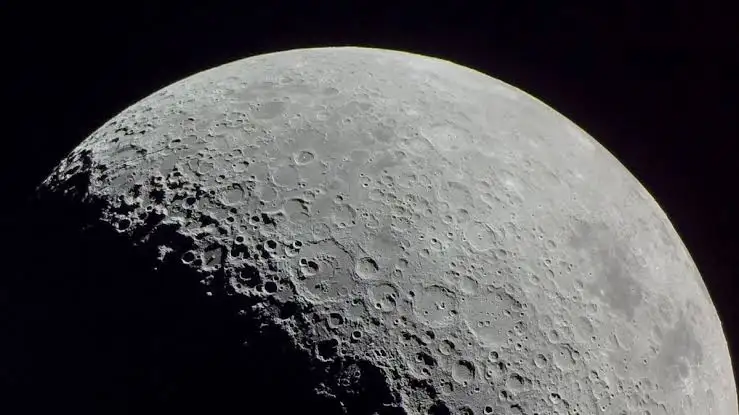
The Moon may appear different from place to place, but its visible surface remains the same regardless of where it is observed. Famous craters, bright highlands, and darker plains stay in the same positions on the Moon, even when they seem rotated from another location.
Via Popular Science
This happens because the Moon is tidally locked with Earth, meaning the same side always faces the planet during its orbit. As a result, observers around the world continue looking at the same lunar face, even though their viewing angle changes according to their location.
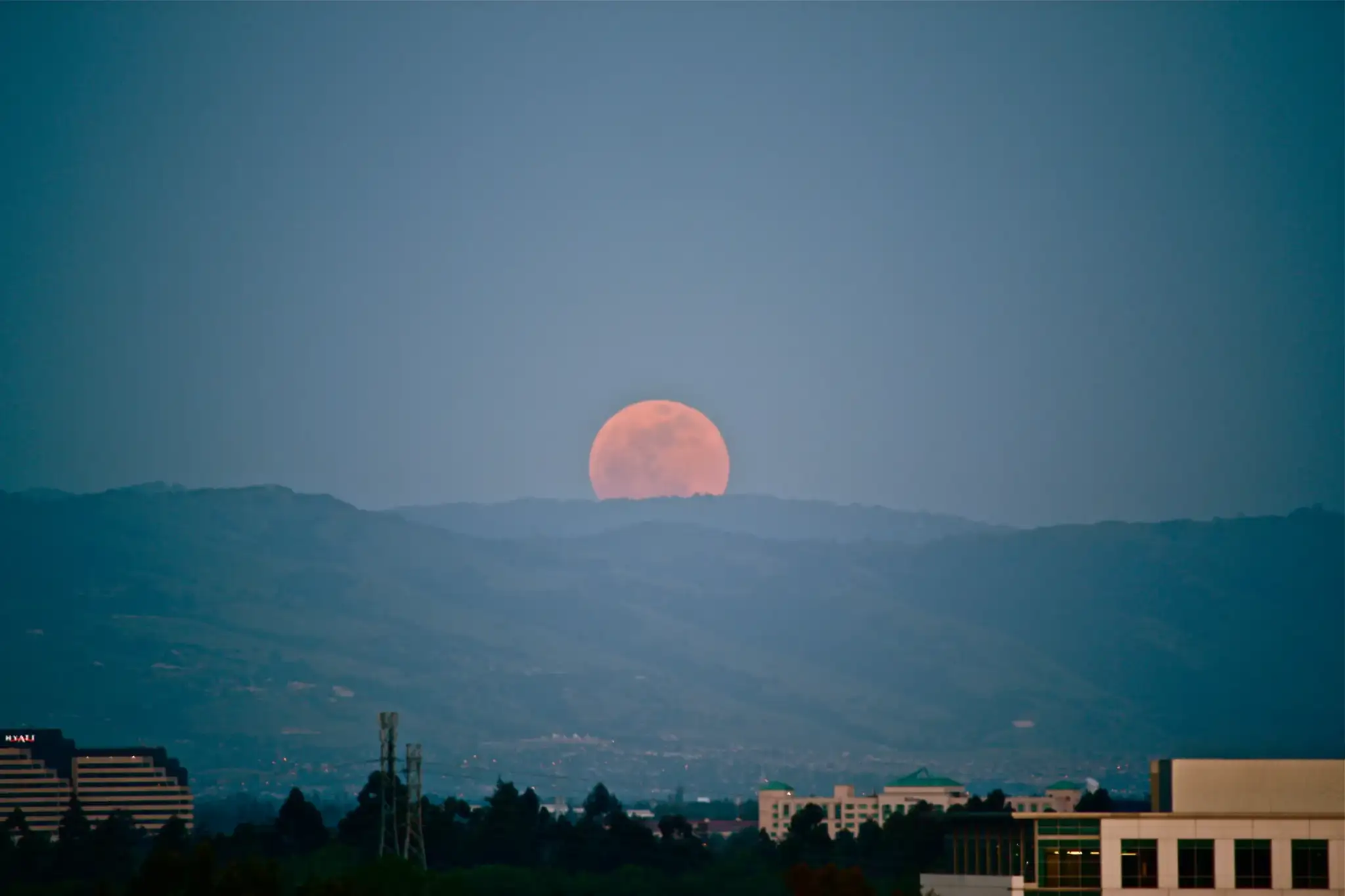
Changes in orientation should not be confused with changes in the Moon itself. The apparent rotation is simply a visual effect caused by perspective, much like looking at the same photograph while turning it slightly in different directions without changing the picture's content.
Via Vox
Why Moon Photos Look Different in Different Countries
Photographs of the Moon taken in different parts of the world often surprise people because they do not always match one another. The lunar markings appear familiar, yet the overall image may seem rotated or tilted, creating the impression that different moons were photographed.
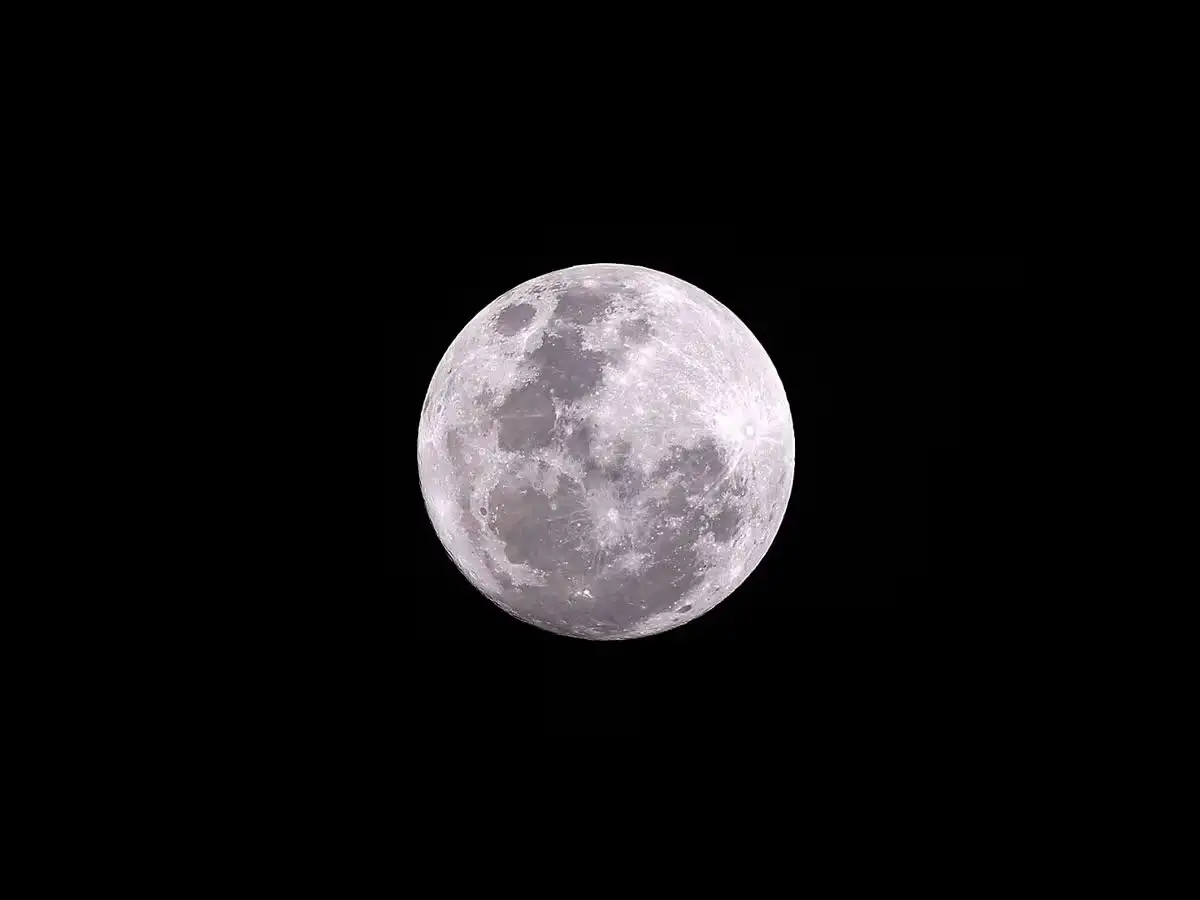
The difference comes from the camera capturing exactly what the observer sees from that location. Since photographers stand on different parts of Earth's surface, their equipment records the Moon from unique viewing angles that naturally produce different orientations in the final image.
Via The Mirror
Camera settings, lenses, and image editing can also influence the appearance of Moon photographs, but the basic orientation mainly depends on geography. Comparing images from opposite hemispheres clearly demonstrates how perspective affects the final photograph while the Moon itself remains unchanged.
Common Misunderstandings About the Moon's Appearance
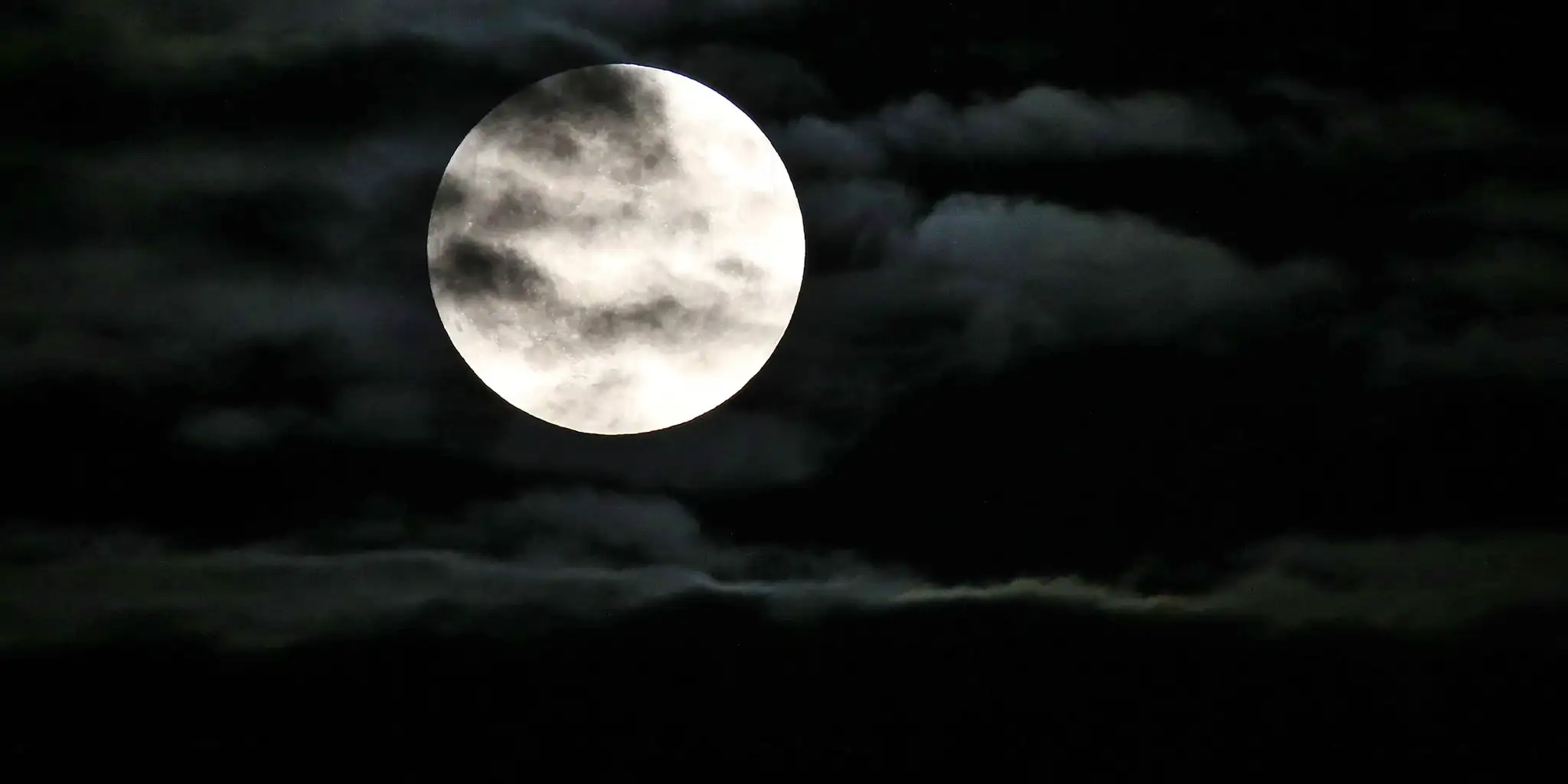
Many people believe the Moon changes shape or flips over as it travels through space because they notice different photographs from around the world. This common misunderstanding usually comes from comparing images without considering where each observer was located when the pictures were taken.
Via History
Another popular misconception is that only the Moon changes its appearance between countries. In reality, many celestial objects appear slightly different depending on an observer's position, because Earth's curved surface influences how the entire sky is viewed from different locations.
Learning the science behind these visual differences makes astronomy easier to understand and appreciate. Once perspective is taken into account, it becomes clear that the Moon remains constant while the observer's position creates the fascinating changes seen across different regions of the world.
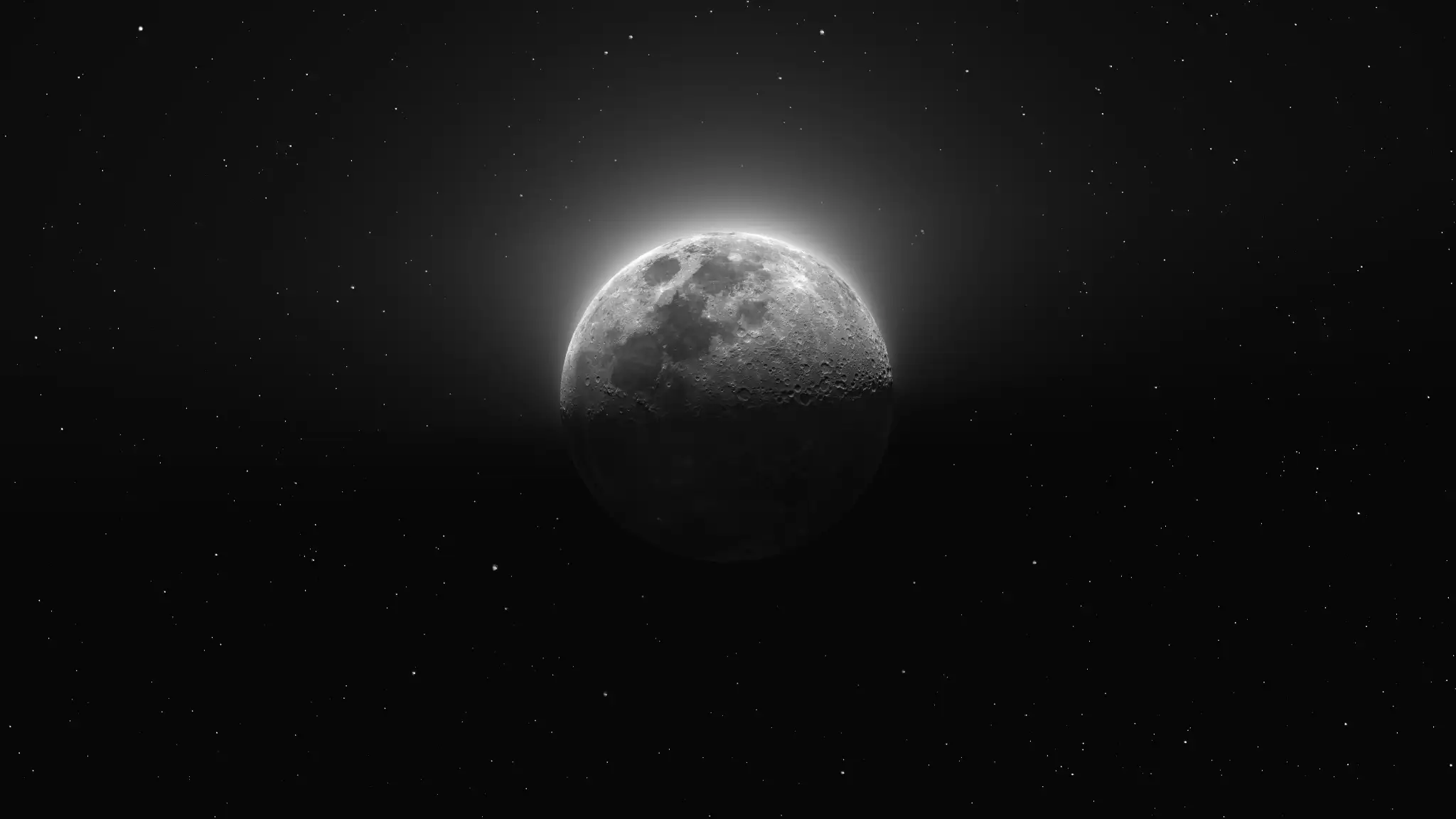
Via Space
How Scientists Explain These Different Views
Astronomers explain the Moon's changing appearance by focusing on perspective rather than changes to the Moon itself. Since Earth is round, every observer views the sky from a slightly different position, causing the Moon's orientation to appear different even though the same surface always faces Earth.
Scientific observations made over many years consistently confirm that these differences are completely natural. Whether someone observes the Moon from a northern country, a southern region, or near the equator, the same lunar features remain visible despite appearing rotated or tilted.
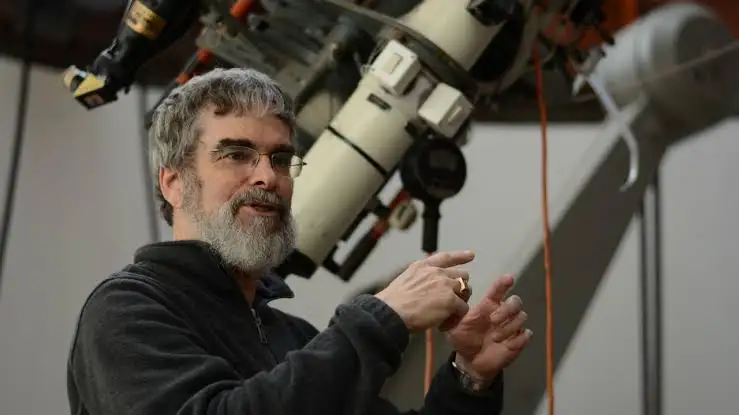
Via Science
Modern telescopes, satellites, and space missions have provided detailed images that support this explanation. These observations help demonstrate that the Moon remains unchanged while Earth's shape and the observer's location create the different views experienced around the world.
Observing the Moon From Different Locations
Watching the Moon from different places can be an enjoyable way to understand how perspective affects astronomy. Travelers often notice that the Moon follows a different path across the sky or appears tilted compared with the view they are familiar with at home.
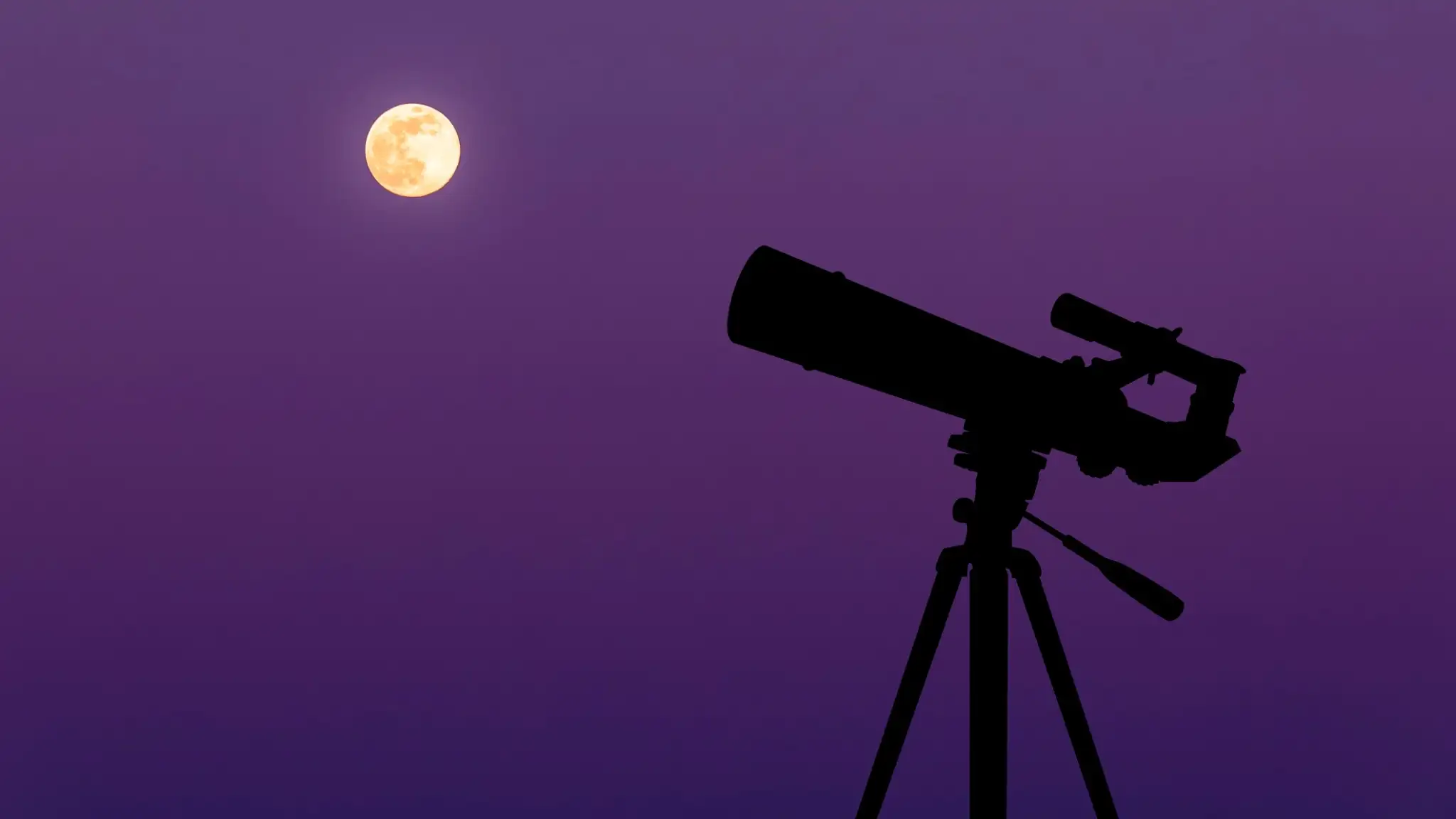
Via Space
Comparing photographs taken in different countries is another simple way to recognize these changes. Looking closely at the same craters and surface markings reveals that the features remain identical, even though the entire Moon may appear rotated because of the observer's location.
Observing the Moon during different seasons or at various times of the night can also reveal slight changes in its position above the horizon. These natural variations make Moon watching an interesting activity for people of all ages while reinforcing the importance of viewing angle.
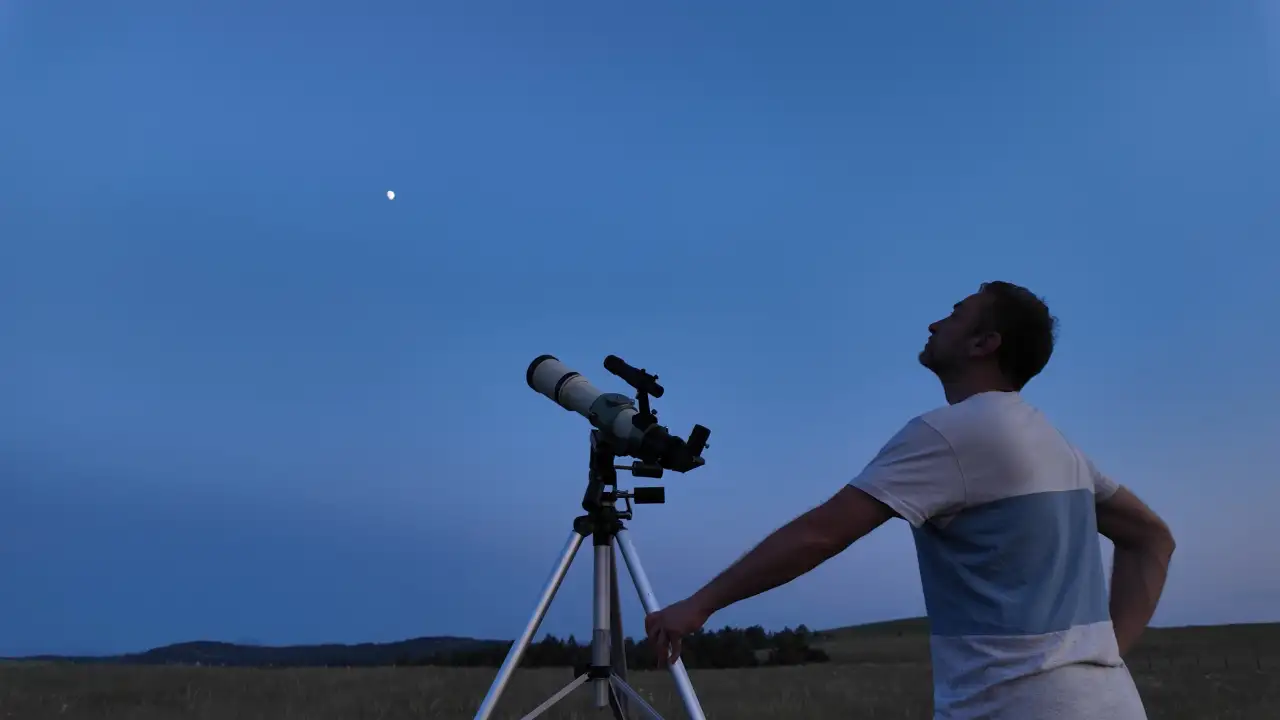
Via Space
Why Understanding Perspective Makes Moon Watching More Interesting
Learning why the Moon appears different around the world adds a deeper appreciation for one of the most familiar sights in the night sky. What may first seem like a mystery becomes an excellent example of how simple geometry and Earth's shape influence everyday observations.
Recognizing that perspective changes the Moon's orientation encourages a better understanding of astronomy without requiring advanced scientific knowledge. A basic awareness of viewing angles explains why people living in different regions can honestly describe the Moon as looking slightly different from their own location.
Via Healthline
The Moon continues to inspire curiosity because it offers a clear reminder that observation depends on where someone stands. Although its appearance may vary from place to place, the same remarkable Moon shines above the entire planet, connecting people everywhere through a shared view of the night sky.