Science / Tech
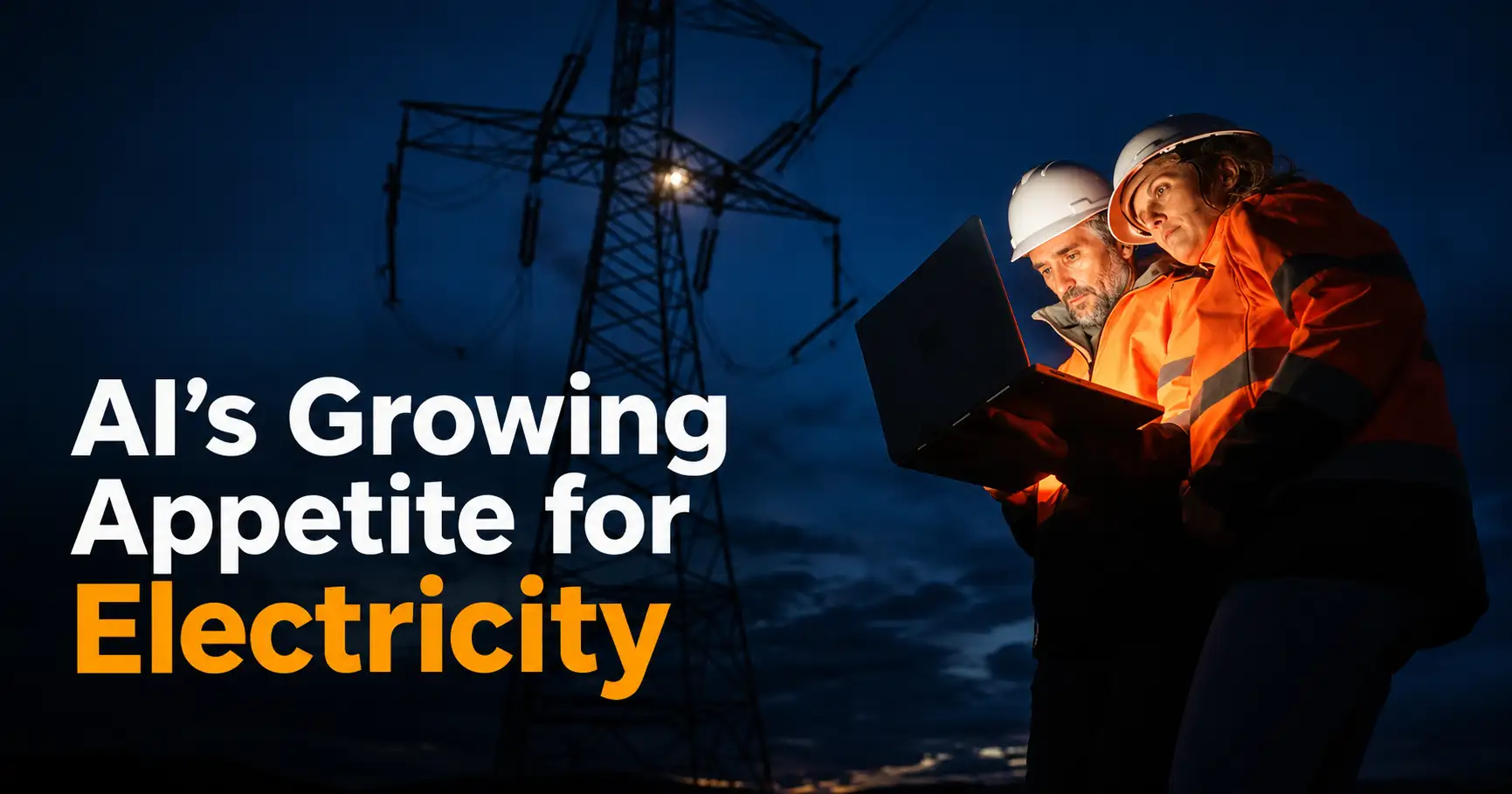
AI Could Soon Consume 3% of the World’s Electricity
Artificial intelligence has become an important part of everyday life, supporting tasks such as online searches, language translation, digital assistants, image creation, healthcare research, and business operations. As AI systems continue handling more complex requests, they require increasingly powerful computers to process enormous amounts of information quickly and accurately.
Unlike traditional software that follows fixed instructions, AI learns from massive collections of data through advanced computing processes. Training and operating these systems involve billions of calculations that must be completed in a short period, making powerful processors and specialized hardware essential for delivering reliable and fast results.

Via Insights2Action
Every AI request, whether it involves answering questions, recognizing images, or generating content, depends on computing infrastructure working behind the scenes. This hidden network of servers and storage systems enables AI to function efficiently, but it also increases the demand for electricity and other valuable resources.
How Data Centers Power Modern AI Technology
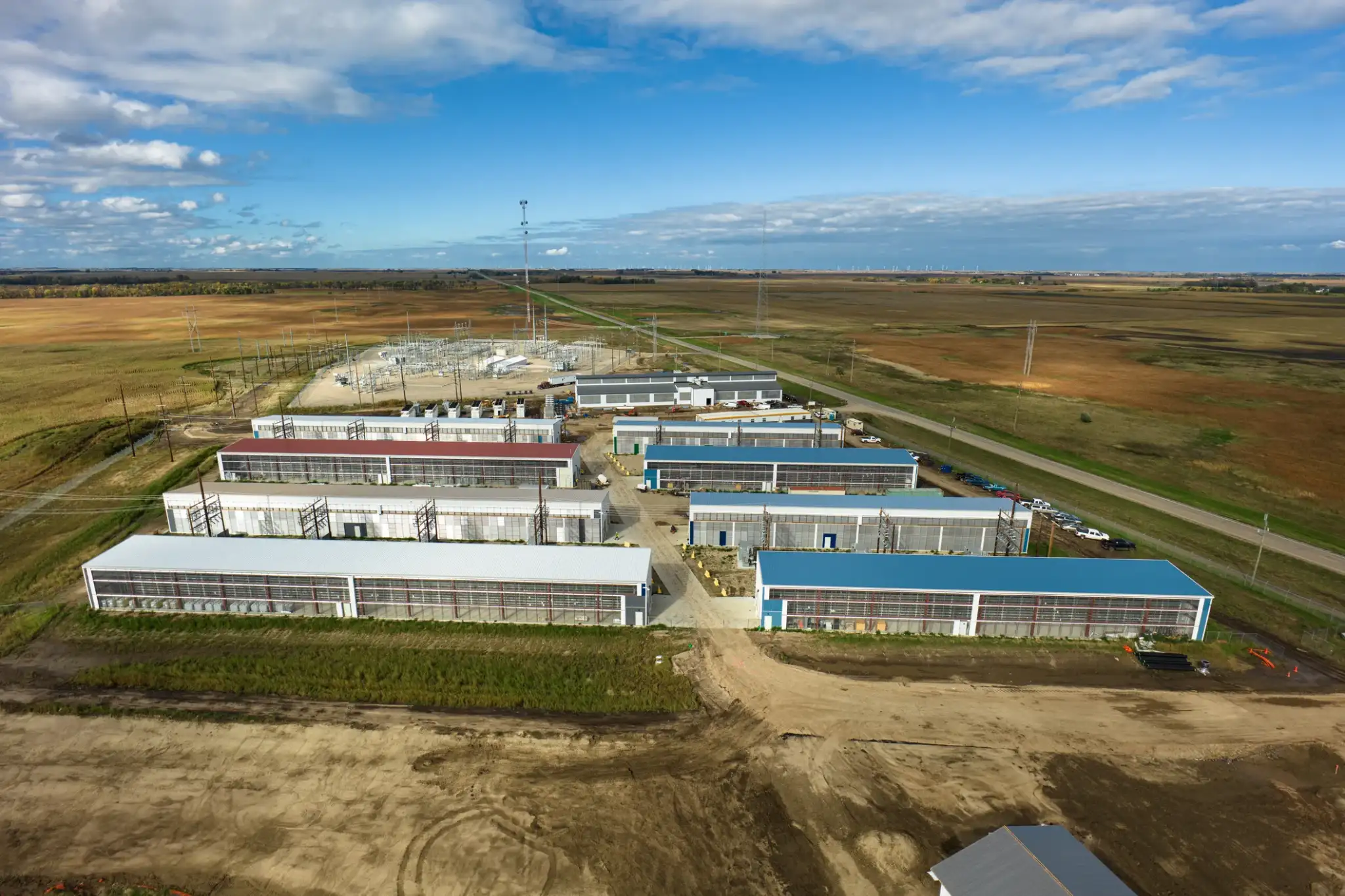
Data centers form the foundation of artificial intelligence because they store information, process complex calculations, and support millions of AI interactions every day. These facilities contain thousands of high-performance servers that work continuously to ensure AI services remain available whenever individuals or businesses need them.

Via Network World
Each server performs countless operations every second, creating a constant need for electrical power. As more organizations adopt AI for research, education, finance, manufacturing, healthcare, and customer support, the number and size of data centers continue expanding to meet growing computational requirements.
Beyond processing information, data centers must also maintain stable operating conditions to prevent equipment from overheating. Reliable power supplies, networking systems, backup equipment, and cooling technologies all contribute to the overall energy demand associated with modern artificial intelligence infrastructure.

Via HyperView
Why AI Uses Large Amounts of Electricity
Artificial intelligence consumes significant amounts of electricity because advanced computing hardware operates continuously while processing enormous datasets. Training sophisticated AI models can take days, weeks, or even months, requiring thousands of processors to perform complex mathematical calculations without interruption.
Electricity is needed not only for the computers themselves but also for networking equipment, storage devices, security systems, and backup power supplies. Every part of the infrastructure contributes to overall energy consumption, making AI one of the most resource-intensive forms of modern digital technology.
Via WIRED
As AI applications become more advanced and widely available, the demand for computing power naturally increases. More users, larger datasets, and increasingly sophisticated models require stronger hardware, leading to greater electricity consumption across data centers that support artificial intelligence services.
The Important Role of Water in AI Infrastructure
Water plays a less visible but equally important role in supporting artificial intelligence systems. High-performance servers generate considerable heat while operating, and effective cooling methods are necessary to maintain safe temperatures that protect sensitive equipment from overheating or reduced performance.
Via Omnia
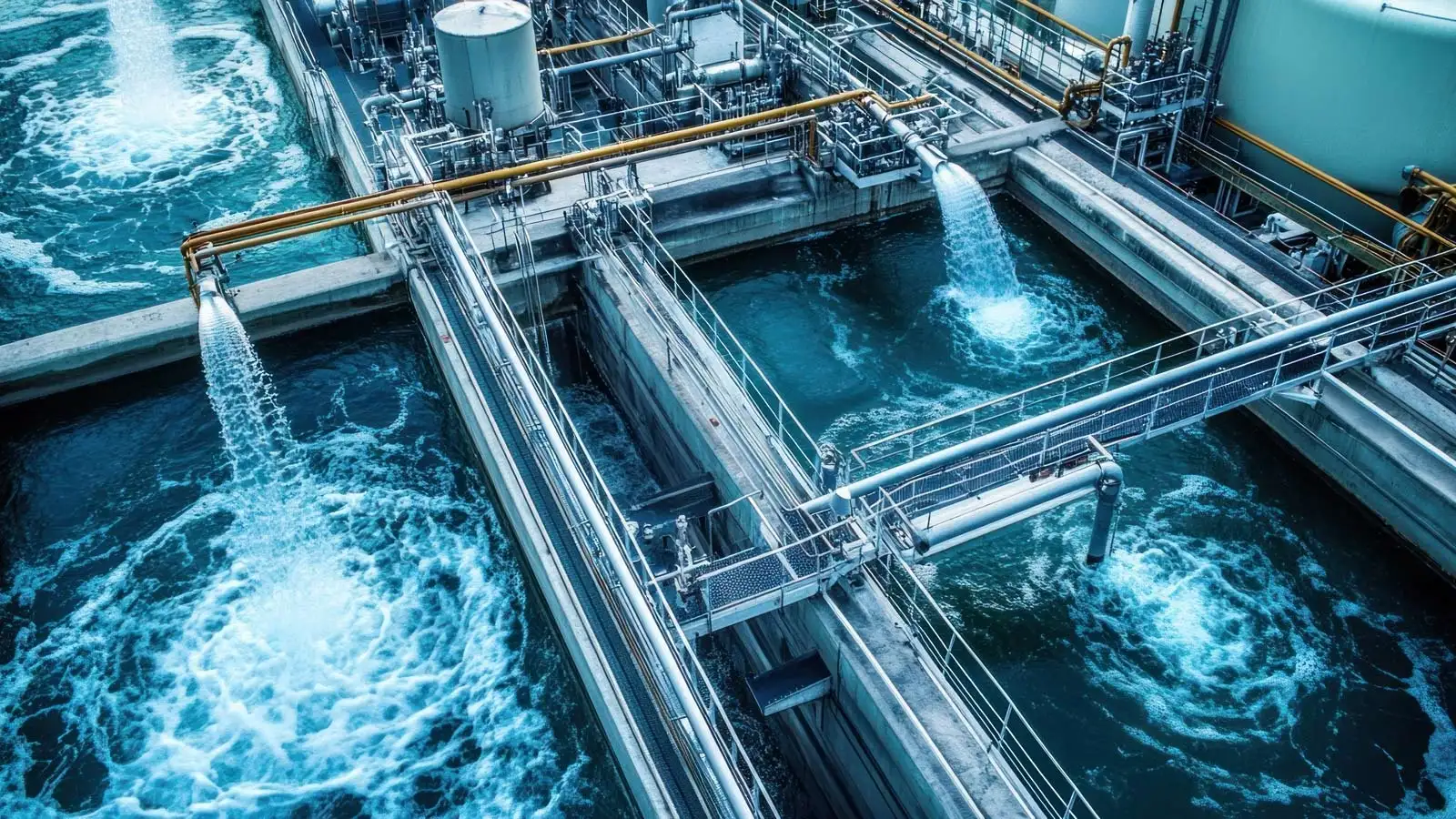
Many data centers rely on water-based cooling systems because water transfers heat efficiently and helps maintain stable operating conditions. Depending on the facility's design and local climate, water may circulate through cooling towers or specialized equipment that removes excess heat from computing hardware.
Although many organizations are improving cooling technologies to reduce water use, efficient temperature control remains essential for reliable AI operations. Managing both electricity and water responsibly has become an important consideration as artificial intelligence continues expanding across industries and everyday digital services.

Via Alogwork
Why AI Demand Continues to Grow
Artificial intelligence is becoming part of many industries because it helps improve efficiency, automate repetitive tasks, and analyze information much faster than traditional computer systems. Businesses, schools, healthcare providers, researchers, and governments continue discovering new ways to use AI to solve everyday challenges and support better decision-making.
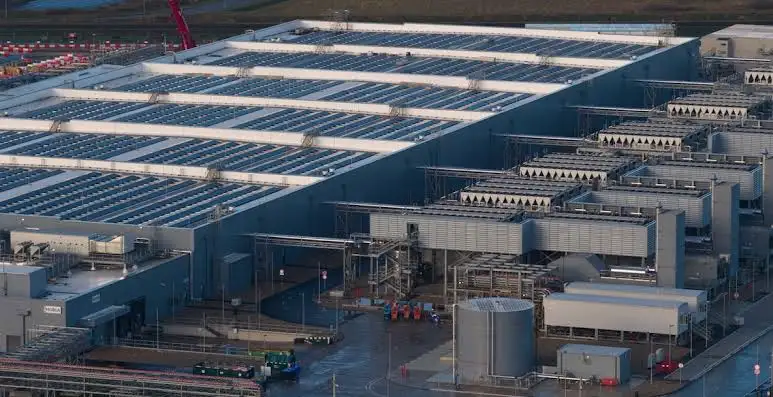
The growing popularity of AI also increases the need for stronger computing infrastructure. Every new application, software update, and advanced AI model requires additional processing power, larger storage systems, and faster networks that can manage expanding amounts of digital information without slowing performance.
Via SourceAbi
As more people rely on AI-powered tools for work, learning, creativity, and communication, the demand placed on data centers naturally rises. This steady growth highlights the importance of planning future technology infrastructure that can support increasing workloads while using resources as efficiently as possible.
Environmental Challenges Linked to AI
Artificial intelligence offers many valuable benefits, yet its rapid expansion also creates environmental challenges that deserve careful attention. Greater electricity use can increase pressure on power systems, while higher demand for cooling may require more water depending on the technology used within individual data centers.

Via Linkedin
The environmental impact varies according to several factors, including energy sources, equipment efficiency, local climate, and the design of computing facilities. Data centers powered by renewable energy generally produce lower emissions than those depending mainly on fossil fuels, making energy choices an important part of sustainable AI development.
Growing awareness of these challenges has encouraged technology companies, researchers, and policymakers to seek practical solutions that reduce resource consumption without limiting innovation. Improving efficiency remains one of the most effective ways to balance technological progress with environmental responsibility.

Via Grant International
How Technology Companies Are Improving Efficiency
Technology companies continue investing in advanced hardware that performs more calculations while using less electricity than older equipment. Modern processors are designed to deliver greater computing power with improved energy efficiency, allowing AI systems to complete demanding tasks while reducing unnecessary resource consumption.
Engineers are also developing smarter cooling technologies that lower water use and improve overall data center performance. Some facilities use outside air when weather conditions allow, while others recycle water or adopt closed-loop cooling systems that minimize waste during daily operations.

Via Bznology
Software improvements play an equally important role in reducing energy demand. Developers regularly optimize AI models and computing processes so that they complete tasks more efficiently, helping lower electricity consumption while maintaining the speed and accuracy expected from modern artificial intelligence systems.
The Role of Renewable Energy in Sustainable AI
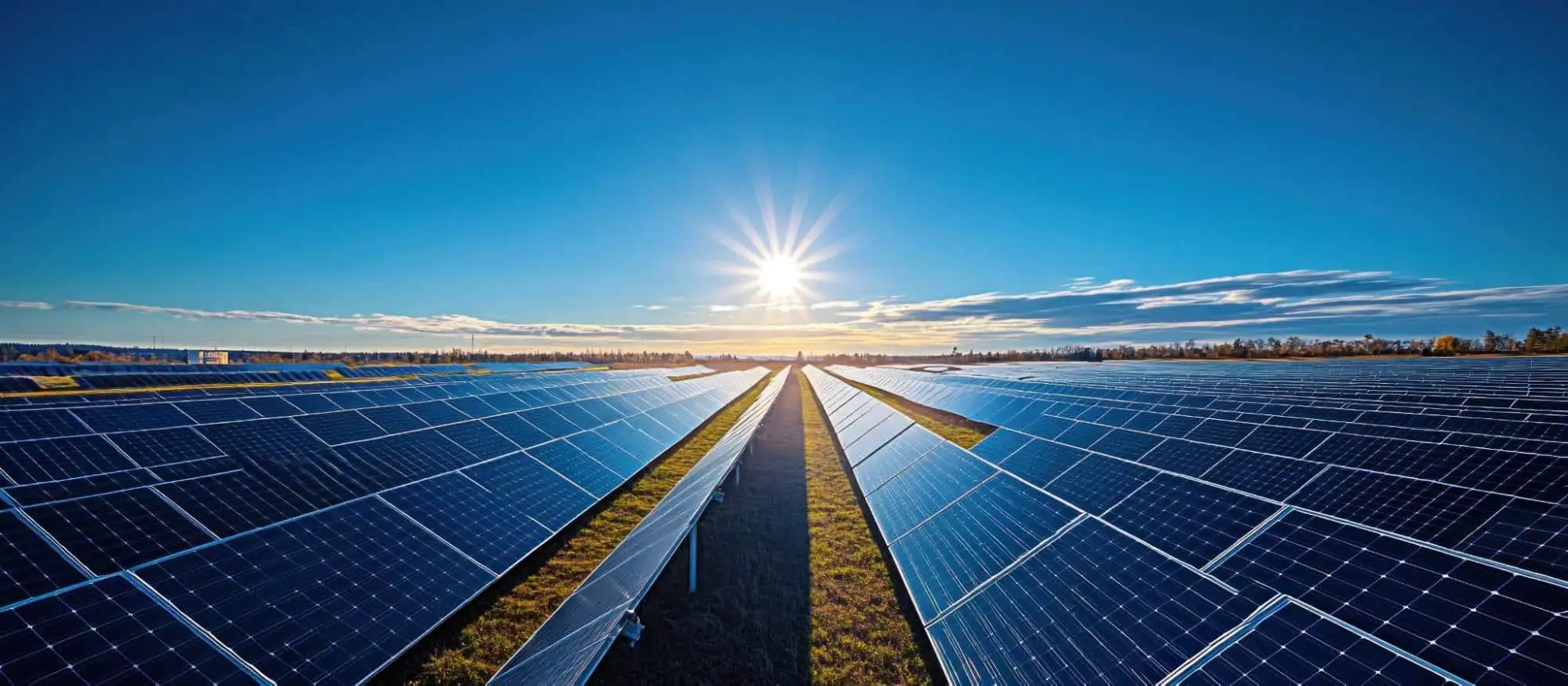
Renewable energy has become an important part of supporting artificial intelligence in a more sustainable way. Many technology companies are increasing their use of electricity generated from solar, wind, hydroelectric, and other renewable sources to reduce dependence on traditional fossil fuel power generation.
Via Data Center
Using cleaner energy does not eliminate every environmental challenge associated with AI, but it can significantly reduce carbon emissions linked to operating large data centers. Combining renewable electricity with energy-efficient hardware creates a stronger foundation for responsible growth as AI continues expanding across different industries.
Many organizations are also investing in long-term sustainability goals that include improving energy management, reducing waste, and designing more efficient computing facilities. These efforts demonstrate that technological advancement and environmental responsibility can progress together when supported by thoughtful planning and continuous innovation.

Via GamesBeat
The Future of AI Infrastructure
Artificial intelligence is expected to continue expanding as new technologies, services, and industries adopt advanced digital tools. Supporting this growth will require larger and more efficient computing facilities that can process increasing amounts of information while making better use of electricity, water, and other valuable resources.
Future data centers are likely to include smarter designs that improve cooling, reduce energy waste, and maximize computing performance. Advances in processor technology, artificial intelligence optimization, and building design may help facilities deliver greater processing power without increasing resource consumption at the same pace.

Via Futurm Group
Research and innovation will remain essential as demand for AI continues to rise. Scientists, engineers, and technology companies are working together to create solutions that strengthen computing performance while reducing environmental impact, ensuring future AI systems become more efficient and sustainable.
Finding the Right Balance Between Innovation and Sustainability
Artificial intelligence has the potential to improve many aspects of modern life, from scientific research and education to healthcare, transportation, and business operations. At the same time, the growing use of advanced computing systems highlights the importance of managing electricity and water resources responsibly.

Via Telecom
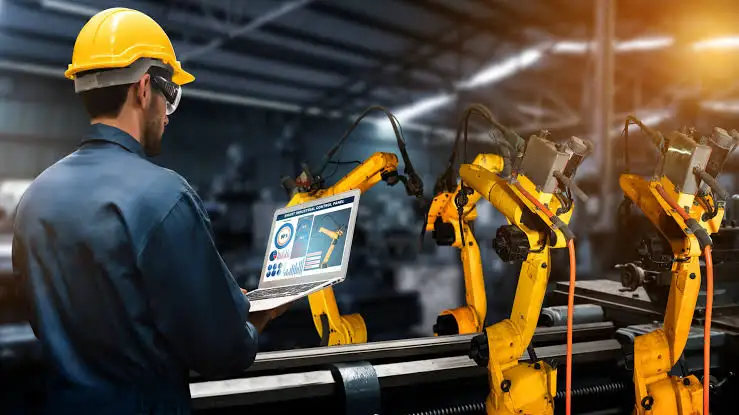
Building a sustainable AI ecosystem requires cooperation between technology companies, governments, researchers, and energy providers. Investments in efficient hardware, renewable energy, smarter cooling systems, and environmentally responsible data center designs can help reduce resource consumption while supporting continued technological progress.
Careful planning allows innovation to move forward without placing unnecessary pressure on natural resources. By combining advanced engineering with sustainable practices, the technology industry can continue developing powerful AI systems that benefit society while encouraging responsible use of energy and water.
Via CEO Monthly
Why Resource Efficiency Will Shape the Future of AI
Resource efficiency is becoming one of the most important goals in the development of artificial intelligence because stronger computing power must be supported by responsible infrastructure. Every improvement in processor performance, software optimization, and cooling technology contributes to reducing the resources required for AI operations.
Organizations around the world are increasingly recognizing that sustainable growth depends on balancing innovation with environmental awareness. Improving electricity efficiency, conserving water where possible, and adopting cleaner energy sources can help ensure AI continues supporting progress without creating unnecessary environmental challenges.
Via Forbes
Artificial intelligence will remain an important part of the digital future, but its long-term success depends on thoughtful resource management alongside technological advancement. As computing technologies continue evolving, greater efficiency, smarter infrastructure, and sustainable practices will play a central role in shaping reliable AI systems for generations to come.