News / History
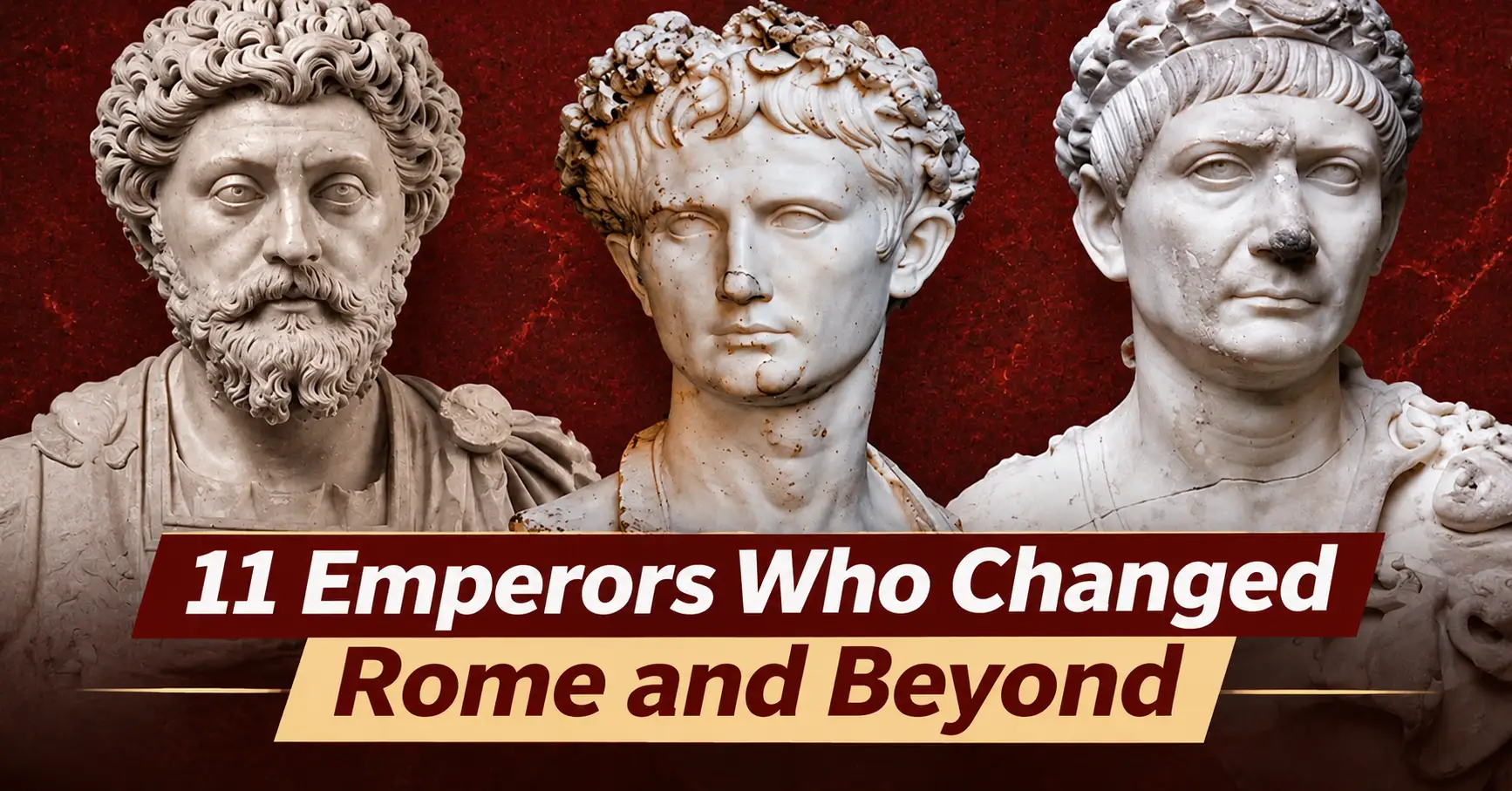
11 Powerful Roman Emperors Who Changed World History Forever
Ancient Rome shaped the modern world in ways most people never notice. The calendar, the alphabet, the idea of a senate, and many roads across Europe all trace back to it. Its story began with the city's founding in 753 B.C.
Historians split that story into three eras. Kings ruled from 753 to 509 B.C. The Republic, with elected leaders and a senate, lasted until 27 B.C. The Imperial period followed, with emperors in charge until the Western Empire fell in 476 A.D.
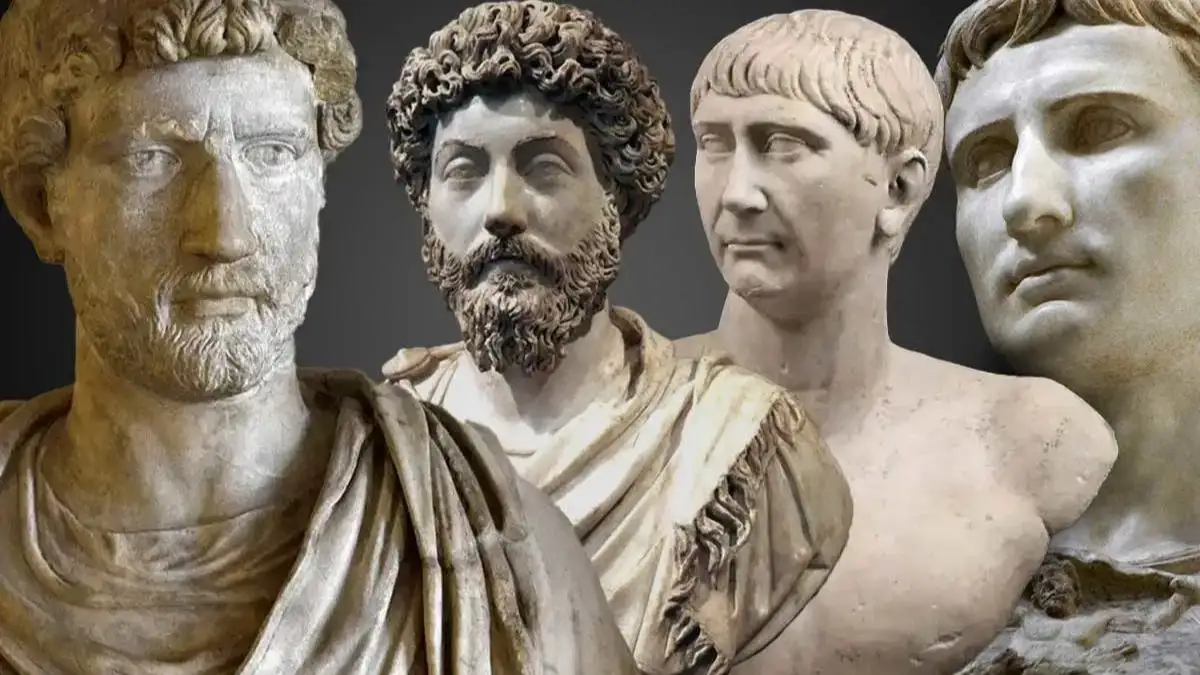
Via Jargan Josh
Rome grew from a small river town into an empire of nearly 2 million square miles, home to 50 to 90 million people. Its rulers ranged from brilliant builders to cruel tyrants. These 11 leaders left the deepest mark.
1. Julius Caesar (Ruled 49 to 44 B.C.)
Julius Caesar was never officially an emperor, yet Rome's story makes no sense without him. He held power in the Republic's final years and was named dictator for life. His rule pushed Rome toward government by one powerful leader.
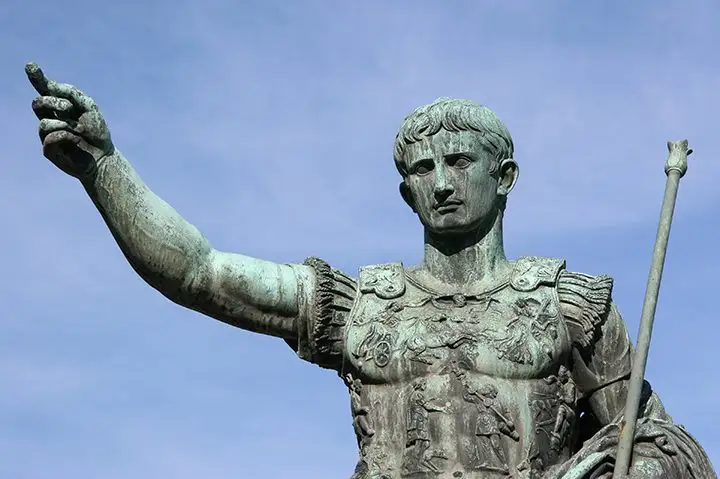
Via History Extra
Caesar first won fame as a general, conquering Gaul and bringing Rome huge wealth and land. At home, he enlarged the senate, spread citizenship to more people in the provinces, and settled veterans on new land. He also created the Julian calendar, the base of today's calendar.
These moves made him a hero to ordinary Romans but alarmed the elite, who feared he wanted to be king. On the Ides of March in 44 B.C., senators stabbed him to death. The civil wars that followed ended the Republic for good.
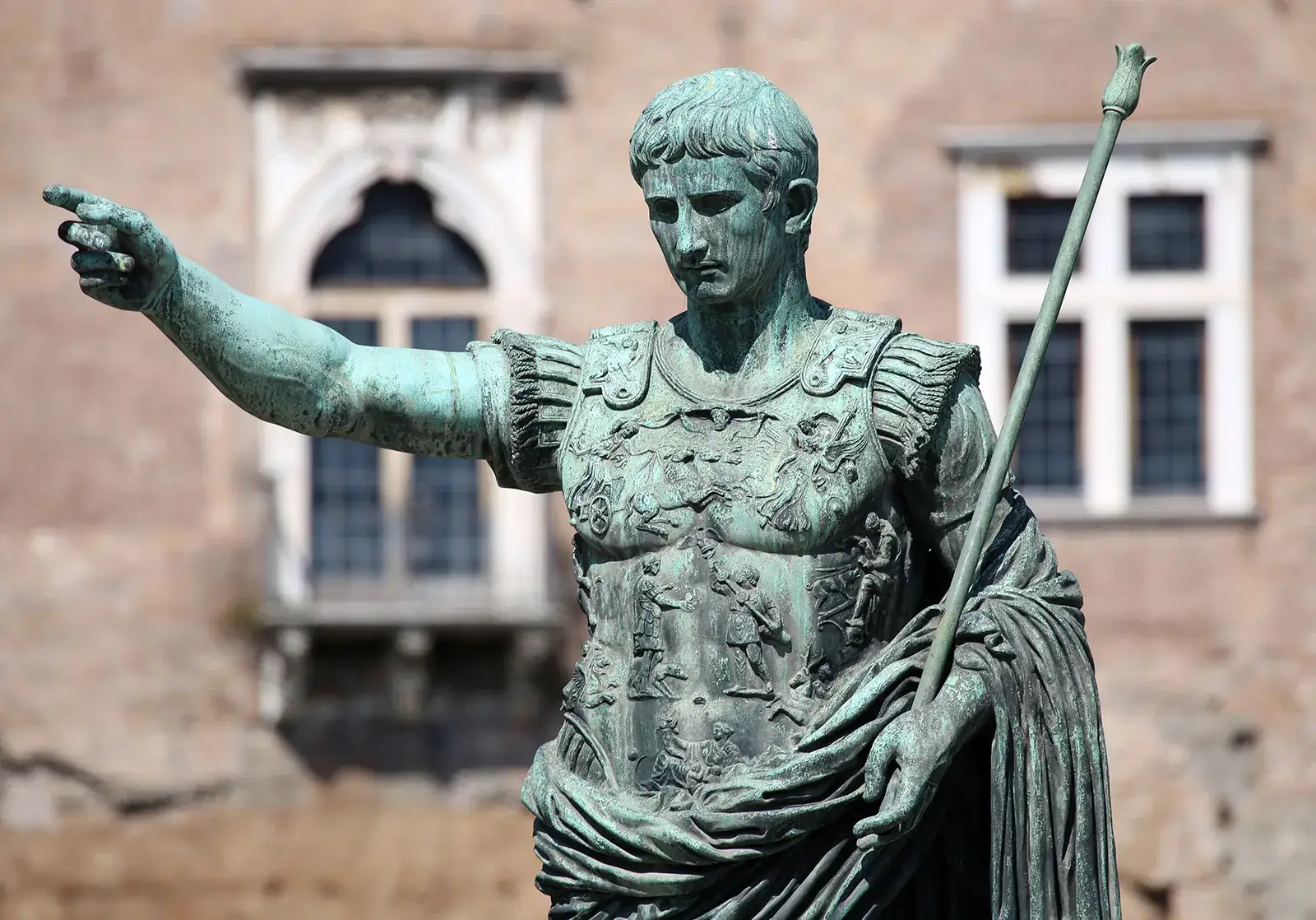
Via Britannica
2. Augustus (Ruled 27 B.C. to 14 A.D.)
Augustus became Rome's first emperor and is often ranked as its greatest. Born Gaius Octavius, he was Julius Caesar's adopted heir. After defeating Mark Antony and Cleopatra, he took the name Augustus, which the month of August still carries today.
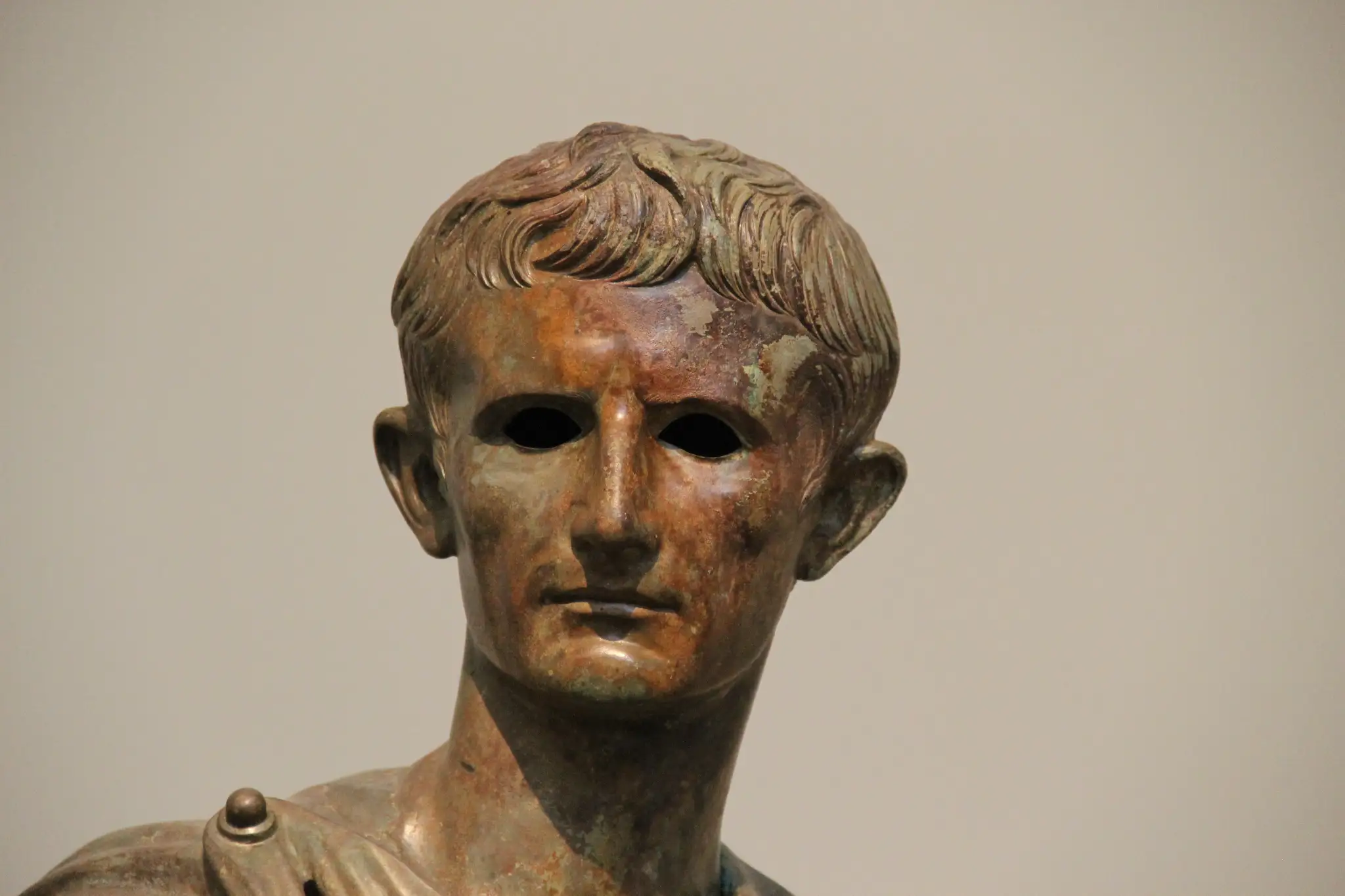
Via Wikimedia Commons
His reign began the Pax Romana, a period of relative peace that lasted about two centuries. Trade, farming, and the arts flourished. He also rewarded families with three or more children and penalized childless citizens to grow the population.
Augustus was a tireless builder who claimed he found Rome a city of brick and left it a city of marble. He restored temples, added public buildings, and improved the aqueducts. His system kept the empire stable for generations.
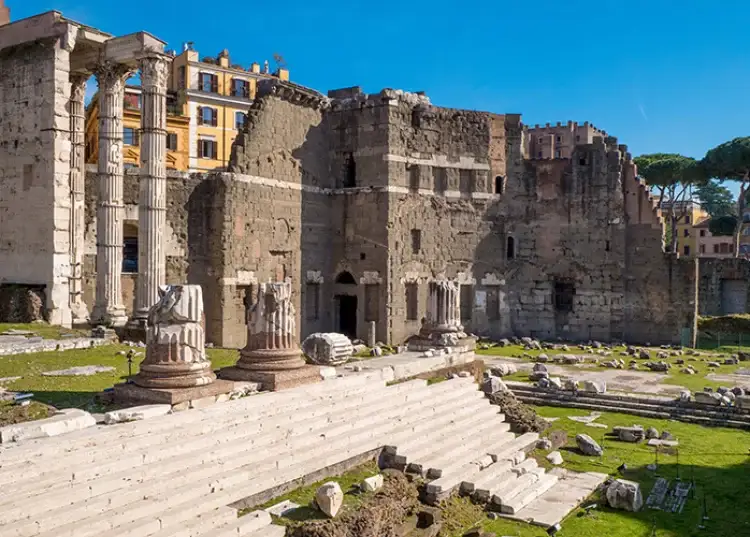
Via History Hit
3. Tiberius (Ruled 14 to 37 A.D.)
Tiberius, Rome's second emperor, earned his place mainly as a soldier. Serving under his stepfather Augustus, he led tough campaigns that pushed Roman control into the Balkans, including parts of modern Croatia, and deep into Germanic lands.
As a ruler, he was far less popular. He seemed to dislike the job, and Pliny the Elder called him the gloomiest of men. In later years he retreated to Capri, leaving much of the daily work to his guard commander, Sejanus.
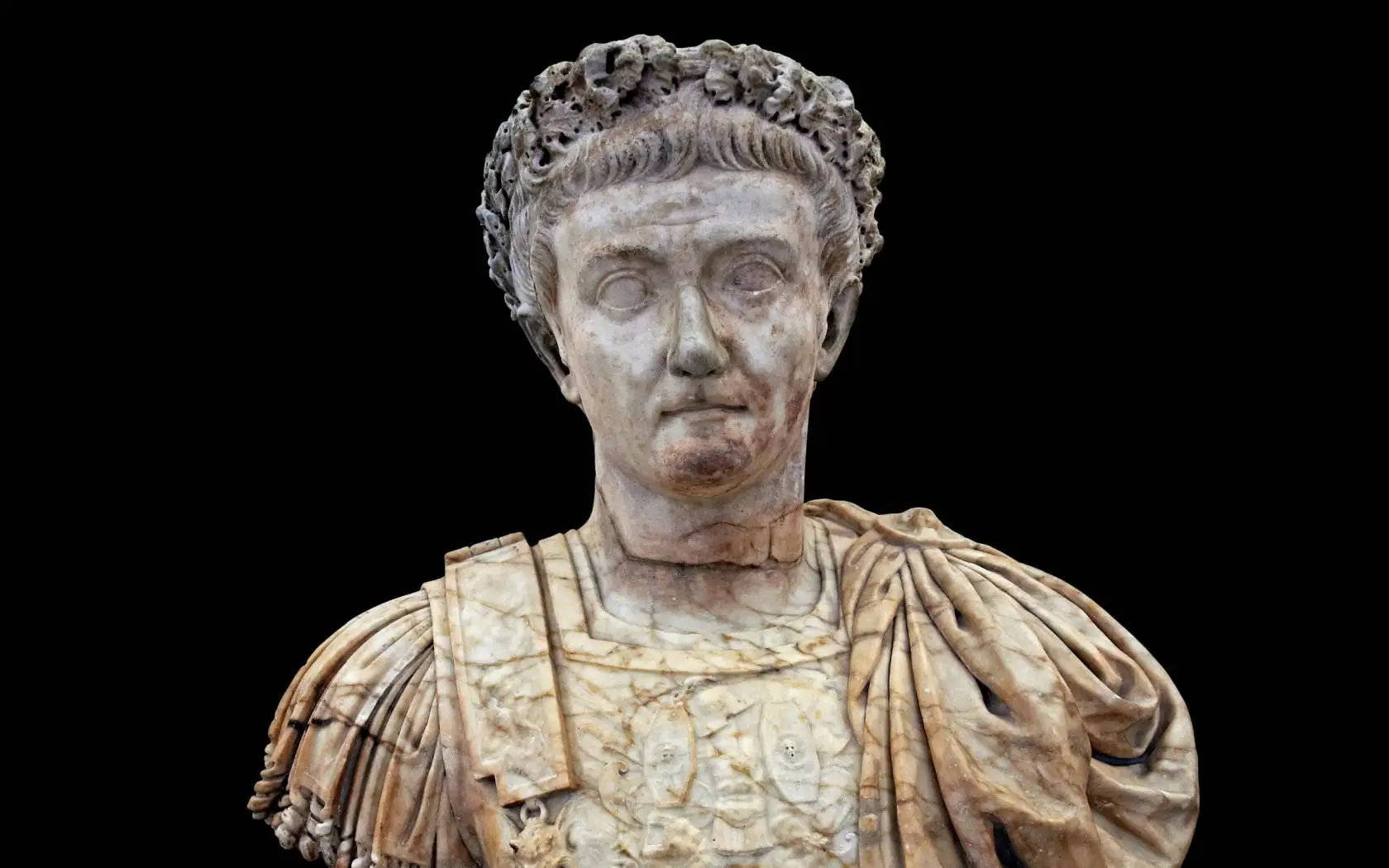
Via Engelsberg Ideas
Still, his reign was not a failure. Tiberius kept the borders secure, avoided costly wars, and left the treasury far richer than he found it. His steady rule proved the system Augustus built could survive beyond its founder.
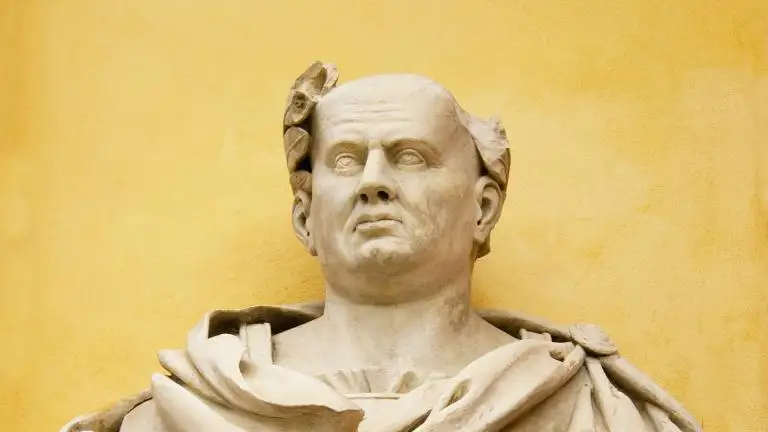
4. Vespasian (Ruled 69 to 79 A.D.)
Vespasian took power at one of Rome's most chaotic moments. After Nero died in 68 A.D., four men claimed the throne in just over a year, a stretch called the Year of the Four Emperors. Vespasian was the only one who held on.
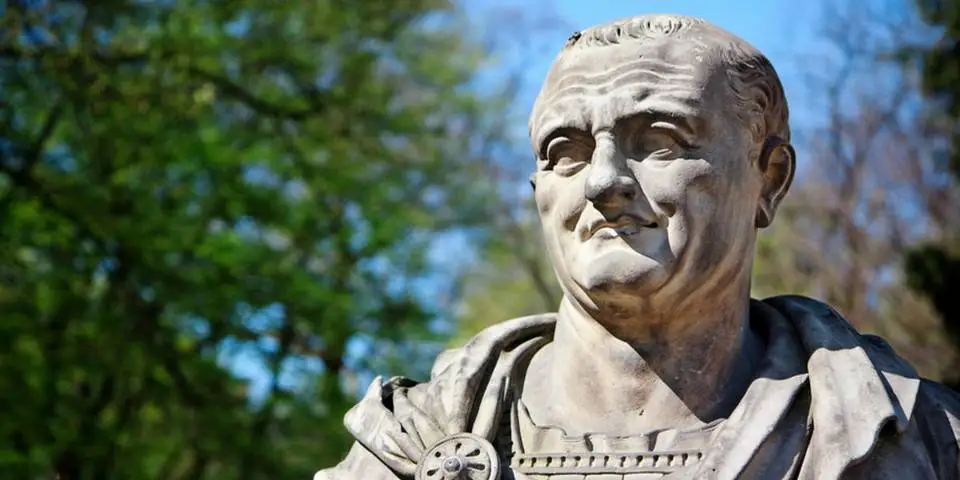
Via Rome
He moved quickly to restore order. With the treasury drained by Nero's spending and civil war, he raised taxes and repaired Rome's finances. His most famous project was the Flavian Amphitheater, known today as the Colosseum.
Vespasian was also the first emperor followed directly by his own son. His sons Titus and Domitian ruled after him, forming the Flavian dynasty. The family held power for nearly three decades of steady growth and building.
Via Sky History
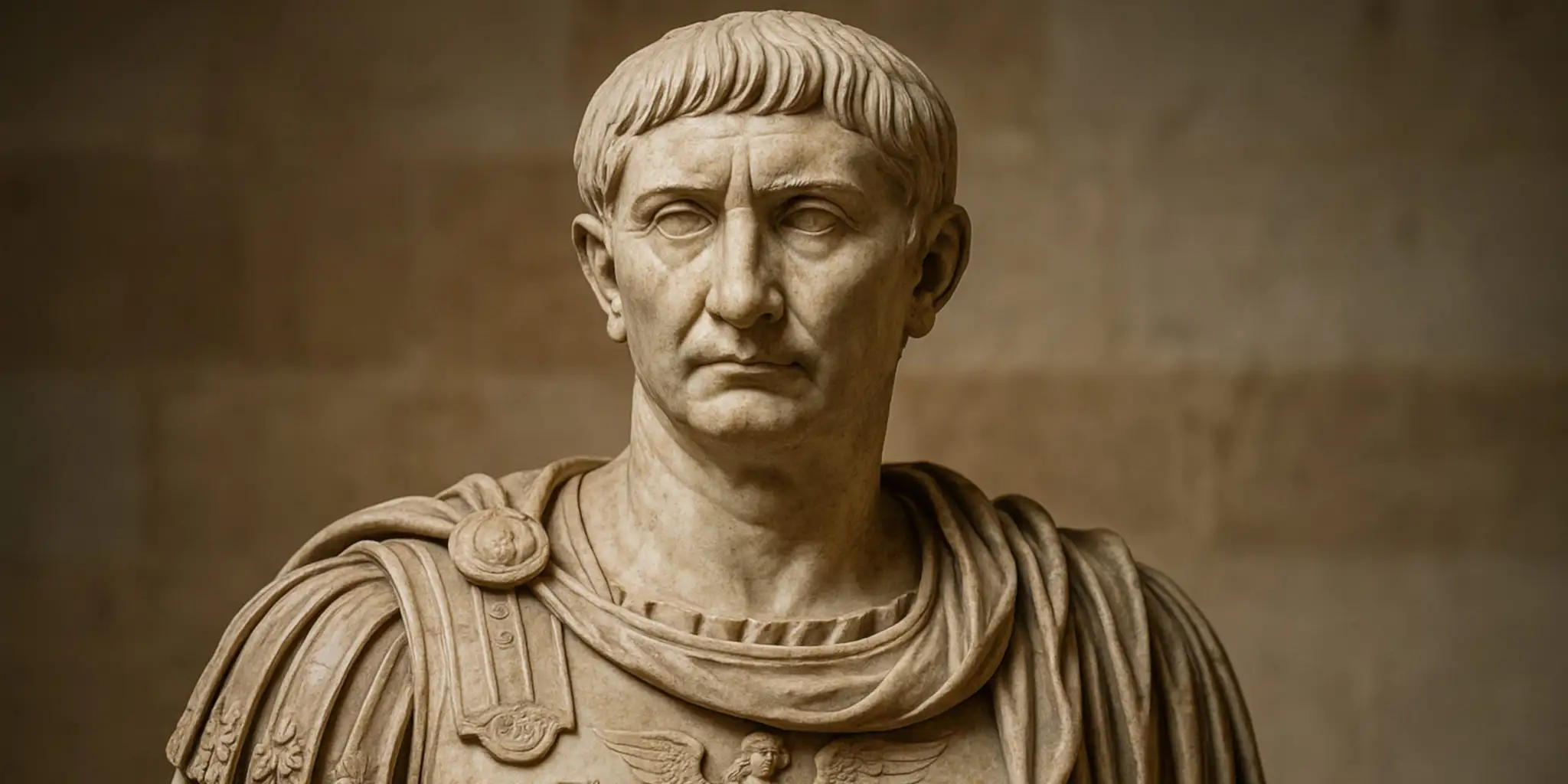
5. Trajan (Ruled 98 to 117 A.D.)
Trajan often ranks near the top when historians name Rome's best emperor. Born in Hispania, in modern Spain, he was the first emperor from outside Italy. He belonged to the Nerva-Antonine dynasty, whose reign is called Rome's golden age.
Under Trajan, the empire reached its largest size ever. His armies conquered Dacia, in present-day Romania, and pushed into Mesopotamia. Roman land covered about 5 million square kilometers, home to roughly 50 to 60 million people.
Via Sedven Swords
Trajan was a great builder too. He gave Rome a vast forum, a market complex, and Trajan's Column, which still stands today. He also expanded the alimenta, a program that fed poor children and stands as an early example of public welfare.
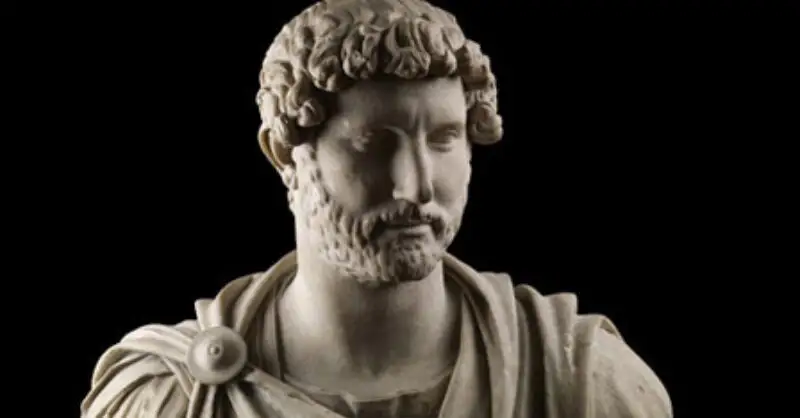
6. Hadrian (Ruled 117 to 138 A.D.)
Hadrian took a different path from Trajan, his cousin and guardian. Instead of chasing new lands, he protected the borders Rome already had. He gave up some hard-to-hold eastern conquests and toured the provinces to inspect armies and forts himself.
Via Poetry Foundation
His best-known project stands in northern England. Hadrian's Wall ran about 73 miles from coast to coast, with forts, gates, and watchtowers along the way. Large sections survive, and it is now a UNESCO World Heritage Site.
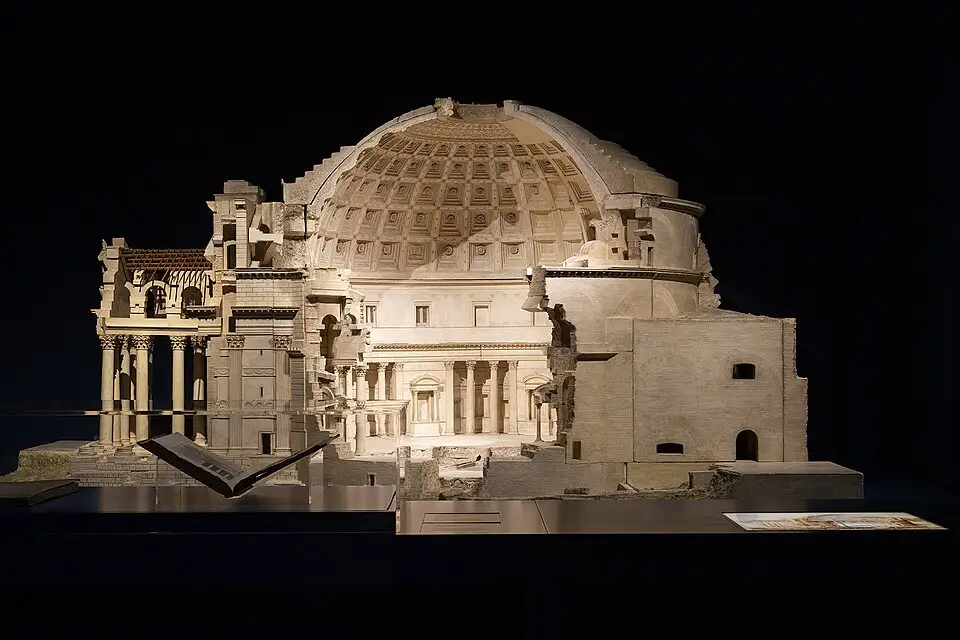
Hadrian also rebuilt the Pantheon, a temple crowned by a giant concrete dome with an open oculus at its center. Nearly 1,900 years later, it is still the largest unreinforced concrete dome on Earth and still inspires architects.
Via Wikipedia
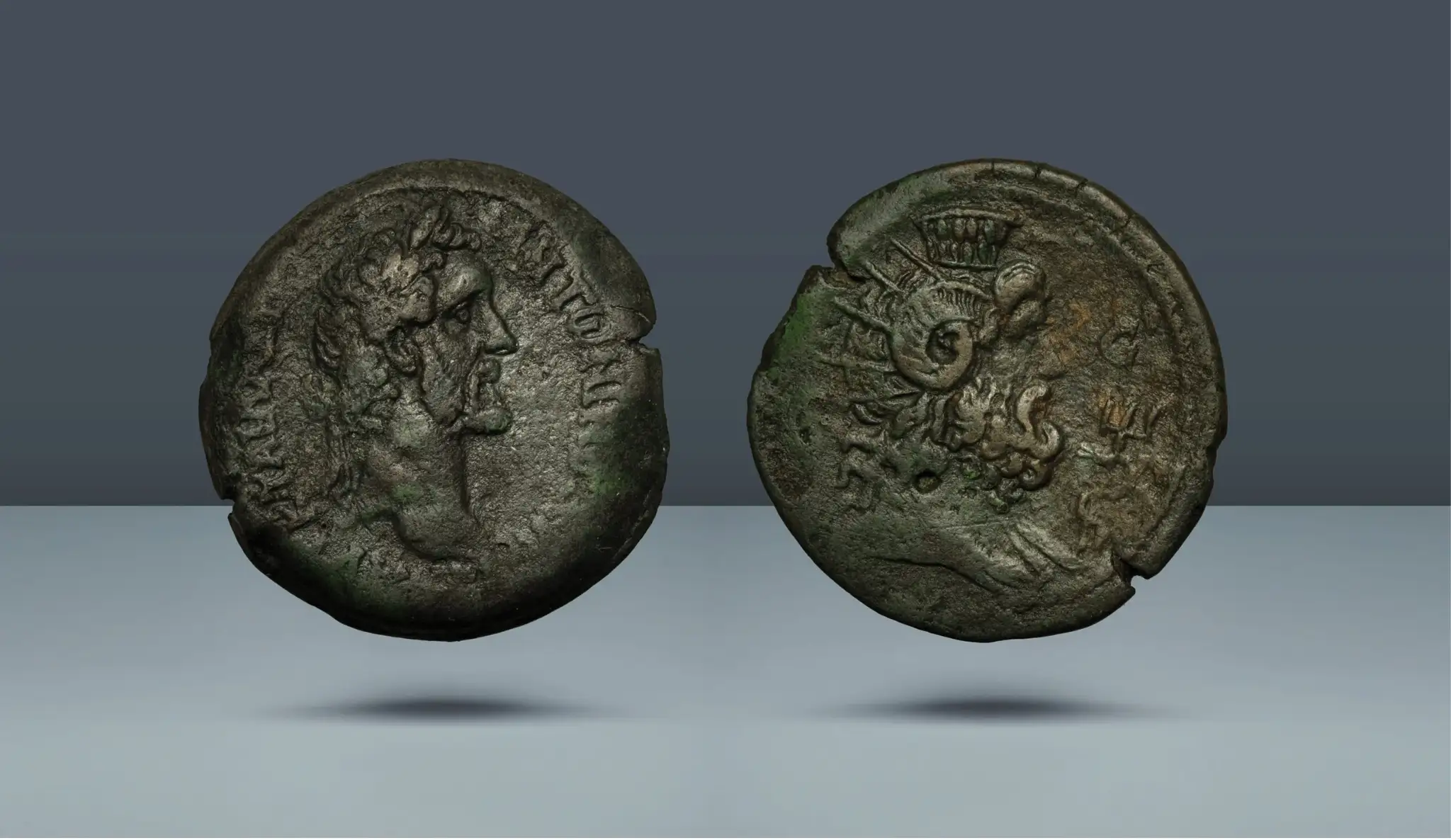
7. Antoninus Pius (Ruled 138 to 161 A.D.)
Antoninus Pius ruled during one of Rome's calmest stretches. Adopted by Hadrian, he spent his 23-year reign without leaving Italy or fighting a major war. The Senate named him Pius after he pushed to have Hadrian honored as a god.
With peace at home, Antoninus focused on running the empire well. He kept up roads, aqueducts, and public buildings while watching spending closely, and he left a healthy treasury. He also built the Antonine Wall in Scotland, north of Hadrian's Wall.
Via Shanna Schmidt Numismatics
His most lasting gift came through the law. Guided by the idea of natural law, he supported treating the accused as innocent until proven guilty and protected enslaved people. These ideas later shaped legal systems in France, Germany, and Britain.
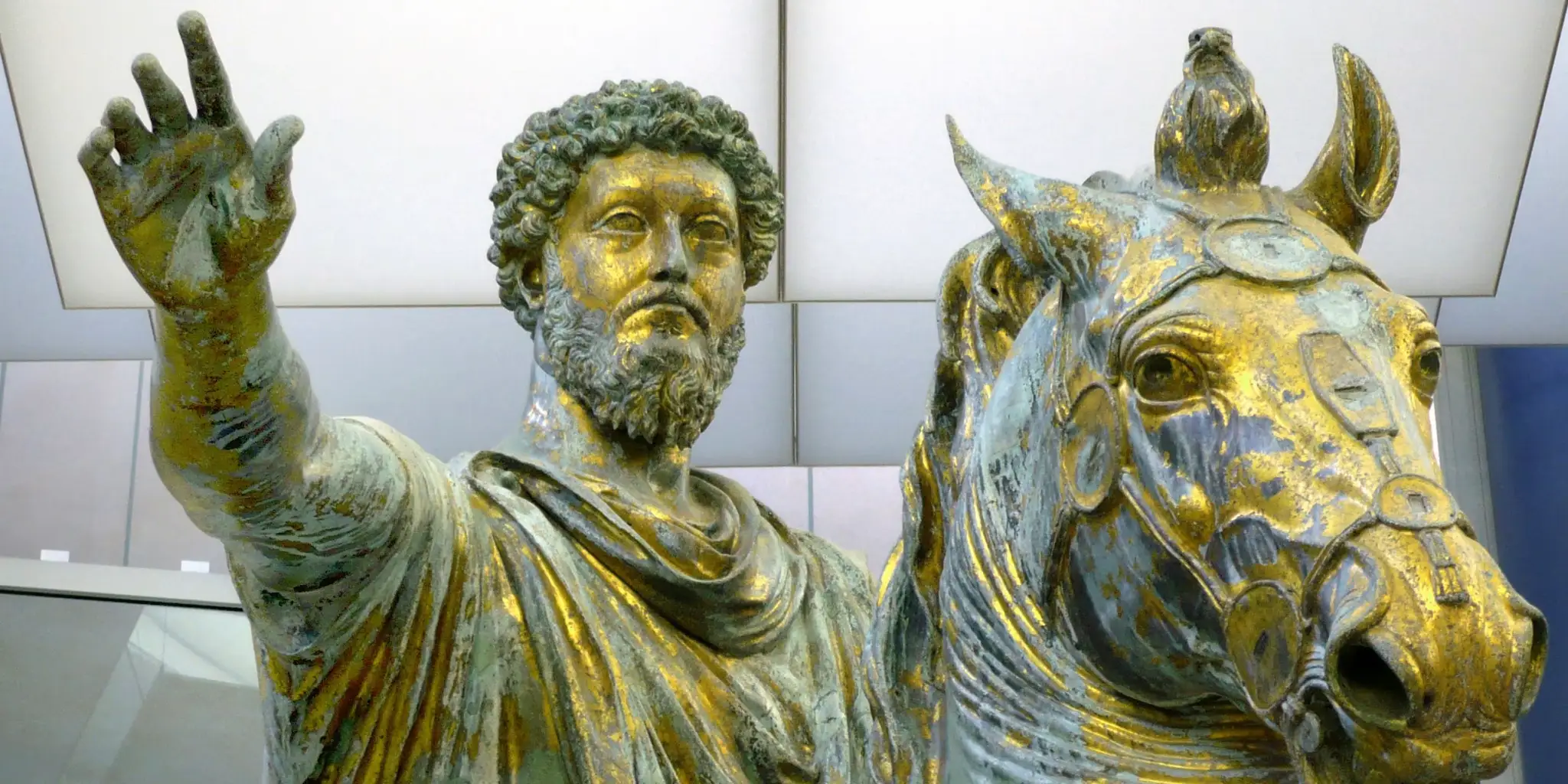
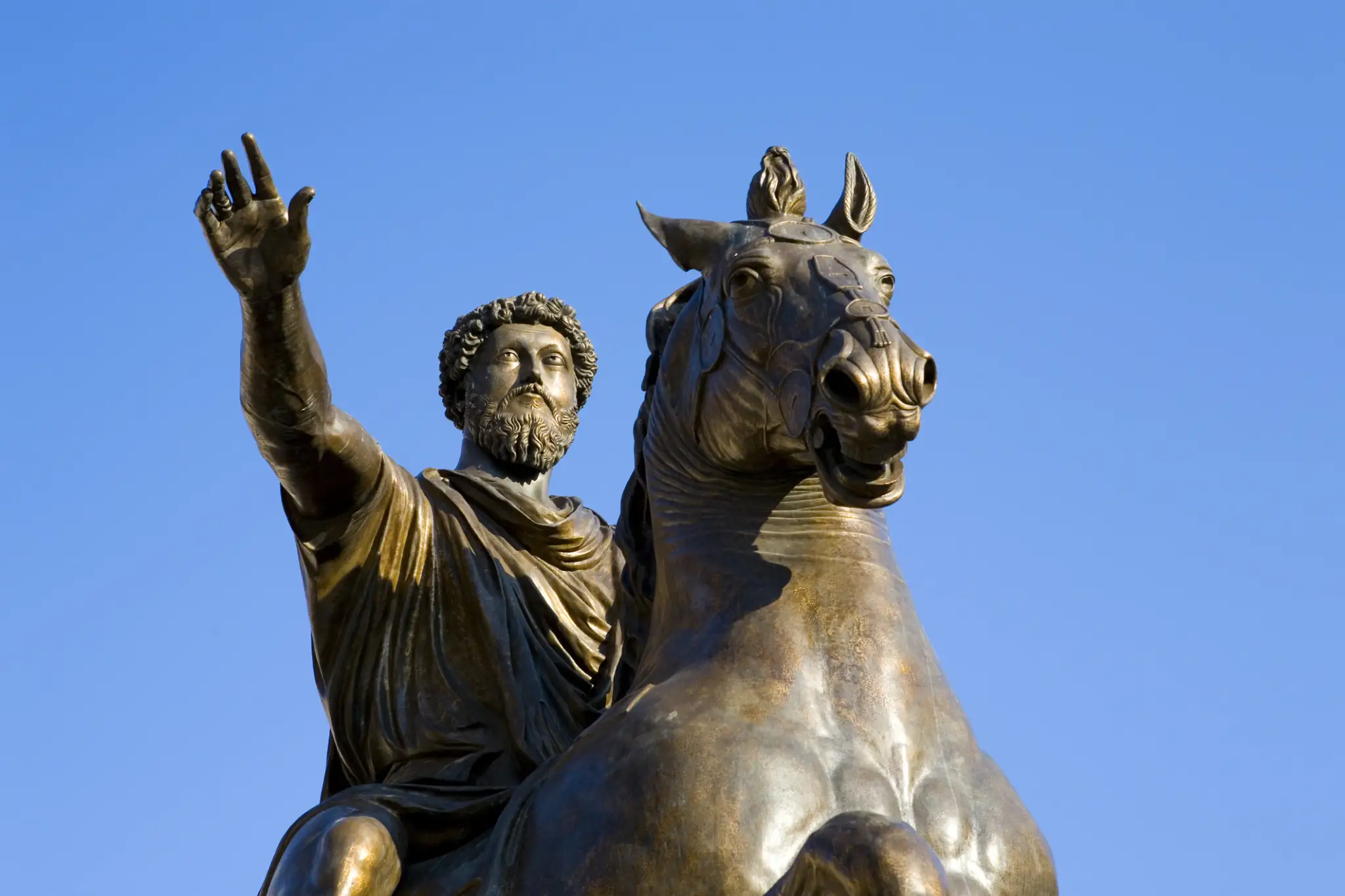
8. Marcus Aurelius (Ruled 161 to 180 A.D.)
Marcus Aurelius is remembered as the philosopher emperor. He followed Stoicism, a Greek school of thought that taught people to stay calm, think clearly, and focus only on what they can control. He tried to live by it while ruling an empire.
Via History
His reign was far from peaceful. He spent years fighting Germanic tribes along the Danube River while the Antonine Plague killed millions across the empire. For several years, he shared power with his adoptive brother, Lucius Verus.
During his campaigns, Marcus wrote private notes now known as Meditations. Never meant for publication, the book is now a classic of philosophy read by leaders and athletes worldwide. Many people also know him from the Oscar-winning film Gladiator.
Via TIME
9. Valerian (Ruled 253 to 260 A.D.)
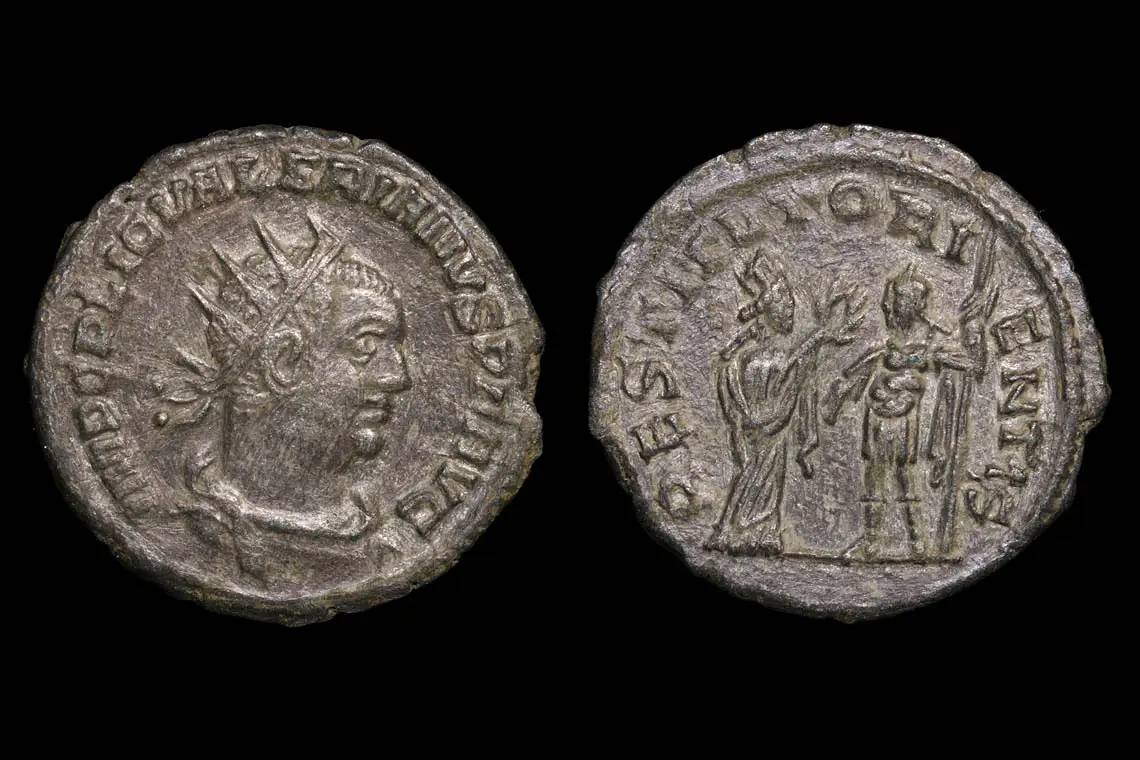
Valerian is remembered less for what he achieved than for what happened to him. He ruled at a dangerous time, with Rome under attack on many fronts. He was also known for harshly persecuting Christians and executing church leaders.
In 260 A.D., he fought the Sasanian Persians under King Shapur I. After a defeat near Edessa, he became the first Roman emperor captured by a foreign enemy. Rome never freed him, and how he died remains unknown.
Via Coin Talk
The capture stunned the Roman world. For centuries, Rome had seemed unbeatable and its rulers untouchable. Many historians believe the event showed rival nations that Rome could be defeated, a lesson that mattered in the centuries ahead.
10. Diocletian (Ruled 284 to 305 A.D.)
Diocletian is credited with saving Rome from collapse. Before him came the Crisis of the Third Century, about 50 years of civil war, revolts, invasions, plague, and money troubles. Some emperors lasted only months before being killed.
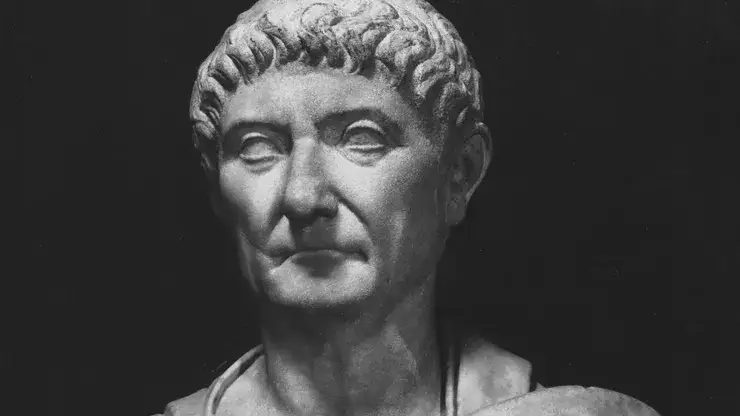
Via Britannica
Rising from humble roots through the army, Diocletian believed the empire was too big for one ruler. He created the tetrarchy, or rule of four. Two senior emperors ran the east and west, each helped by a junior partner called a Caesar.
The tetrarchy faded after he stepped down in 305 A.D., but the split between east and west lasted. It helped the eastern half survive another thousand years. He also reformed taxes and the army, and led the last major persecution of Christians.y
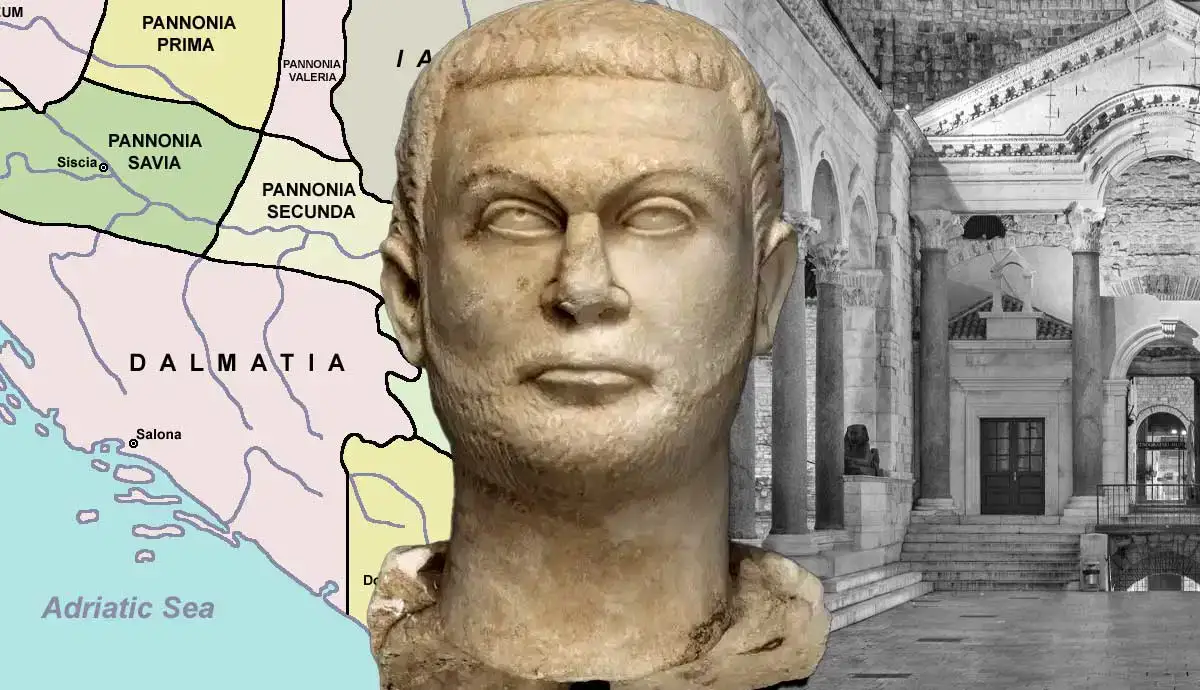
11. Constantine the Great (Ruled 306 to 337 A.D.)
Constantine the Great reshaped both the Roman Empire and the future of Europe. After years of civil war, he reunited the empire under his sole rule by 324 A.D. He was also the first emperor to embrace Christianity.
In 313 A.D., Constantine and co-emperor Licinius issued the Edict of Milan, which granted religious freedom and ended the official persecution of Christians. In 325 A.D., he called the Council of Nicaea. These steps helped Christianity become Europe's leading faith.
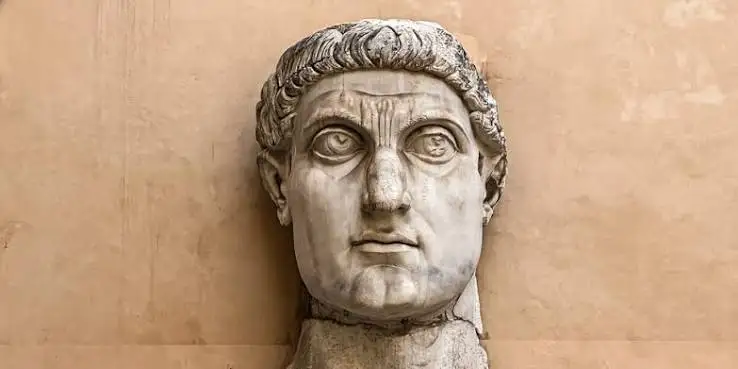
Via Itlay For Me
He also rebuilt the Greek city of Byzantium as his new capital in 330 A.D. Renamed Constantinople, and now Istanbul, it became the heart of the Byzantine Empire, which lasted until the Ottoman Turks took it in 1453.
The Lasting Legacy of Rome's Rulers
Rome's emperors were builders, warriors, thinkers, and lawmakers. Some pushed the borders to their widest reach, while others guarded what Rome already held. Together, their choices shaped the rise, strength, and slow decline of a great power.
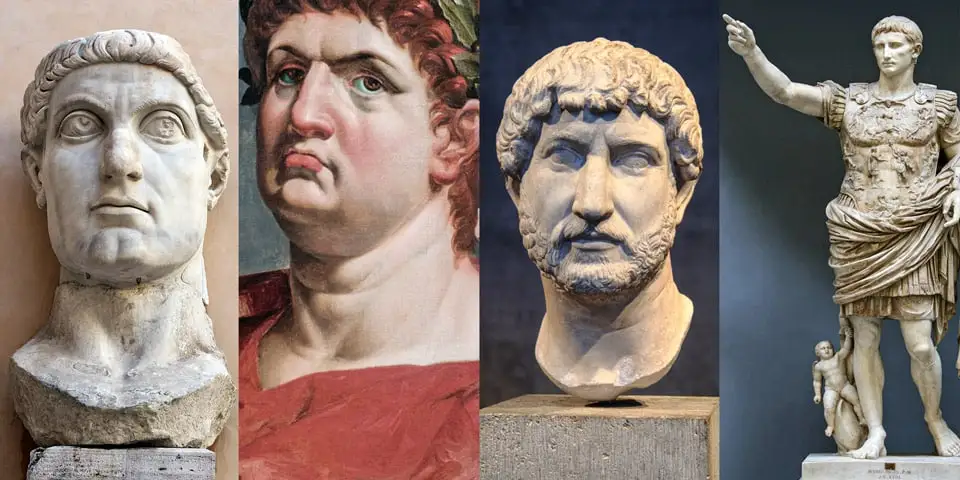
Via Rome
Their influence did not end in 476 A.D. People still use a calendar based on Caesar's reforms and still read the words of Marcus Aurelius. They visit the Colosseum, walk along Hadrian's Wall, and stand beneath the Pantheon's dome.
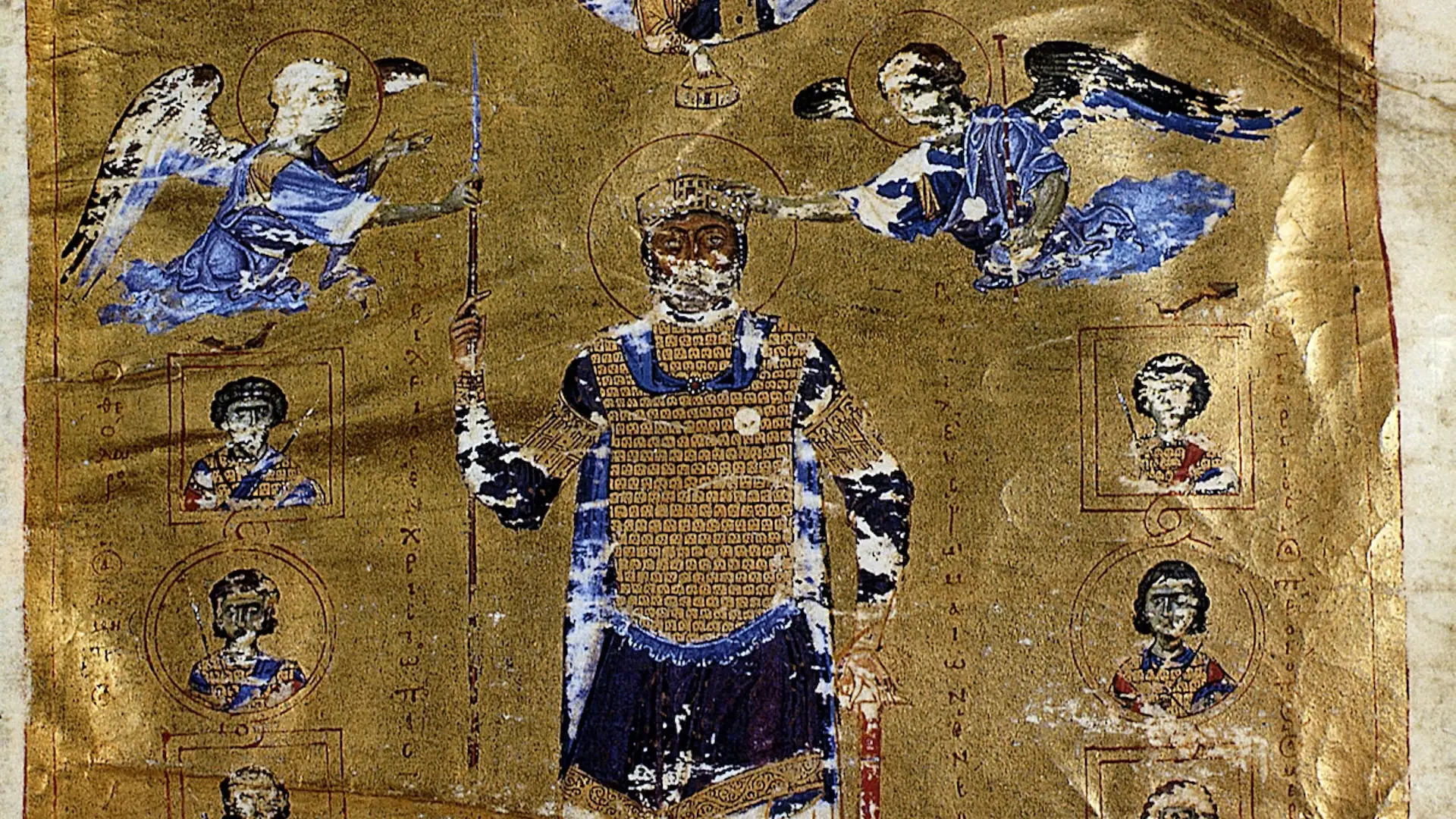
Via Live Science
These 11 stories show how one ruler's decisions can echo for thousands of years. For anyone curious about where modern ideas of law, government, faith, and architecture came from, the emperors of Rome are a great place to start.