Science

20 Surprising Facts That Sound Almost Impossible
Some facts sound so unusual that they seem more like jokes, myths, or internet rumors than real pieces of information. Nature, history, technology, entertainment, and the human body are filled with surprising details that rarely appear in everyday conversation. An insect can carry several kinds of bacteria, musicians once played instruments strung with animal intestines, and Disneyland operates hidden passageways beneath parts of the park. Facts like these stand out because they challenge familiar ideas about ordinary things.
Unexpected trivia can also reveal how much customs and technology change over time. Engagement rings were once marketed to men, smiling for photographs became more common as photography culture changed, and early documentary filmmaking sometimes included staged scenes that modern viewers would consider misleading. Even familiar words, objects, and traditions often have histories that are stranger than expected. Looking closely at these details turns simple trivia into a quick lesson about science, culture, behavior, and innovation.

Via Reader’s Digest
Some popular “did you know” claims need context because numbers and interpretations can change as research improves. Predictions about artificial intelligence replacing jobs, for example, are estimates rather than guarantees. Health claims involving hydration, aspirin alternatives, or body measurements also depend on individual circumstances and reliable medical guidance. The most useful trivia keeps that context in mind while still preserving the surprise. These 20 facts cover insects, royalty, music, fashion, travel, Mars, human skin, forests, photography, animals, films, food competitions, and rock-and-roll history. Each one offers a small reminder that familiar subjects often hide unexpected stories. Some facts are scientific, some historical, and others are simply strange enough to make ordinary knowledge feel far more entertaining.
Tiny Insects Carry Tiny Passengers
Via Reader’s Digest
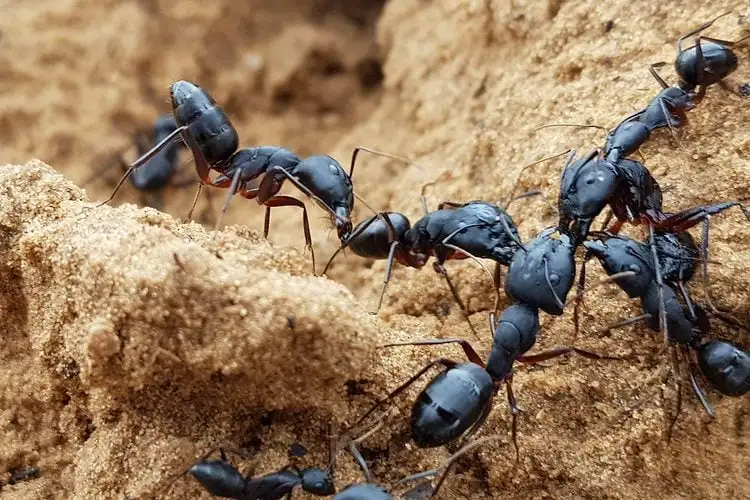
Insects can host diverse communities of bacteria inside and on their bodies, with some species supporting numerous microbial partners essential to survival.
Royal Family Trees Get Complicated

Via Reader’s Digest
Prince Harry and Meghan Markle have been reported to share a distant ancestor many generations back, making their family connection extremely remote.
Music Once Had a Surprising Ingredient

Via Reader’s Digest
Traditional gut strings were commonly made from animal intestines, especially sheep, before modern musicians increasingly adopted steel and synthetic alternatives.
Men Once Got Engagement Rings Too

Via Reader’s Digest
During the 1920s, American jewelers promoted male engagement rings with masculine names, hoping to create a new market alongside traditional women’s rings.
Royal Fashion Required Serious Record Keeping

Via Reader’s Digest
Queen Elizabeth II’s staff carefully tracked clothing worn at public appearances, helping avoid repeating memorable outfits too frequently at major events.
One Gesture Can Mean Something Very Different

Via Reader’s Digest
The horn hand gesture associated with rock music can carry insulting meanings in some cultures, particularly references to an unfaithful partner.
AI Could Reshape Millions of Jobs

Via Reader’s Digest
Experts have predicted that artificial intelligence could automate major portions of existing work, although the exact percentage remains uncertain and debated.
Disney Has a Hidden World Below

Via Reader’s Digest
Parts of Walt Disney World use service corridors called utilidors, allowing employees and supplies to move without disrupting themed guest areas above.
Flying Can Leave the Body Feeling Dry

Via Reader’s Digest
Low cabin humidity can increase dryness and fluid loss during flights, making regular hydration especially useful during long periods of air travel.
Mars Has Its Own Soundtrack
Via Reader’s Digest
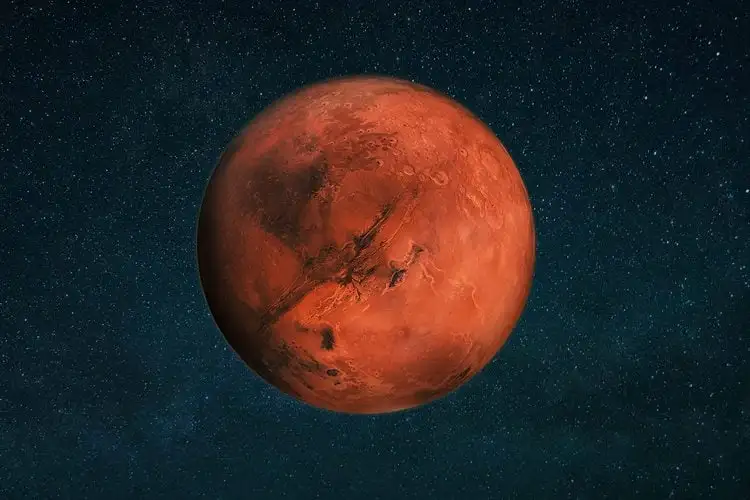
NASA’s InSight mission detected vibrations associated with Martian wind, while later Mars missions captured direct audio recordings from the planet’s surface.
Skin Is Constantly Replacing Itself

Via Reader’s Digest
Human skin continually sheds dead cells while producing new ones underneath, making the body’s outer protective layer a constantly renewing structure.
Forests Have an Underground Connection

Via Reader’s Digest
Tree roots can interact with underground fungal networks called mycorrhizae, allowing plants and fungi to exchange nutrients and other chemical signals.
Willow Bark Inspired Modern Pain Relief

Via Reader’s Digest
Willow bark contains salicin-related compounds that helped inspire aspirin development, although natural bark should not be treated as an identical substitute.
Smiling for Photos Was Not Always Normal

Via Reader’s Digest
Early portraits often featured serious expressions, while changing camera technology and advertising helped make smiling increasingly common in twentieth-century photography.
Neck Rings Create a Striking Illusion

Via Reader’s Digest
Women in some Kayan communities traditionally wear brass neck coils, which can visually lengthen the neck by altering the surrounding body structure.
Tuna Can Move Surprisingly Fast

Via Reader’s Digest
Tuna are powerful swimmers built for speed and long-distance movement, with some species capable of reaching impressive speeds through open water.
Early Documentary Films Were Not Always Candid
Via Reader’s Digest
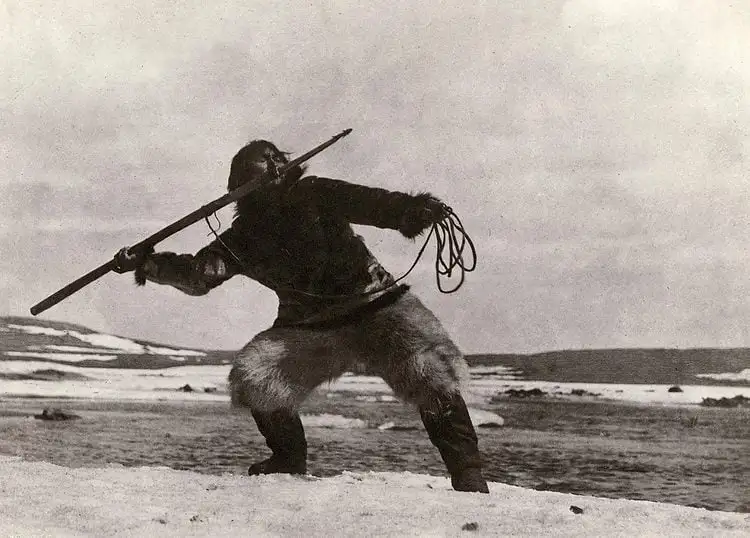
The influential 1922 film Nanook of the North included staged scenes, showing how early documentary filmmaking sometimes blended observation with reconstruction.
Competitive Eating Has Unexpected Strategy

Via Reader’s Digest
Competitive eating success is not simply determined by body size, and training, stomach capacity, technique, pacing, and individual physiology can matter significantly.
Elvis Was Not the Original Songwriter
Via Reader’s Digest
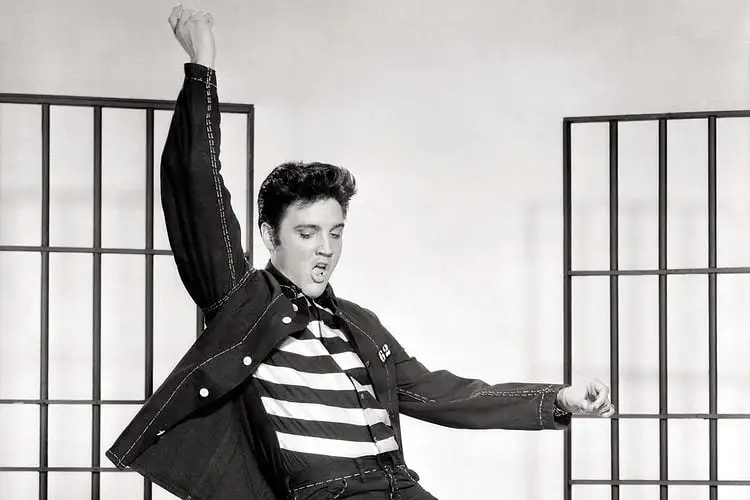
Carl Perkins wrote and first recorded “Blue Suede Shoes” before Elvis Presley released the famous cover that helped popularize it further.
The World Is Stranger Than It Looks
Interesting facts become memorable when they overturn assumptions about things that seem familiar. Instruments appear ordinary until the history of animal-gut strings enters the story. A theme park seems completely above ground until hidden service corridors appear beneath certain areas. Photographs seem naturally connected with smiles until older portraits reveal a very different cultural habit. Even a simple hand gesture can switch from harmless entertainment to an insult depending on the country. These details show that everyday objects and behaviors often carry stories that disappear once newer customs become normal.
Science provides even more surprises. Human skin is constantly renewing itself, fungi can connect with plant roots beneath forests, and microorganisms live in close relationships with insects. Mars, once imagined as completely silent from Earth, has now supplied recordings and measurements associated with wind and environmental sounds. Fast-moving tuna demonstrate how specialized animal bodies can become, while aviation reminds passengers that even something as ordinary as cabin humidity can affect comfort during travel. Facts become more interesting when the explanation is included rather than leaving only a shocking claim.

Via Reader’s Digest
Historical trivia also benefits from context. Male engagement rings were promoted commercially but never became a dominant tradition. Nanook of the North remains influential while also being criticized for staged material. Predictions about artificial intelligence describe possible futures rather than guaranteed outcomes. Willow bark contributed important ideas to the development of modern medicines, but that history does not make homemade remedies automatically safer than regulated treatment.
That distinction matters because memorable trivia can spread faster than corrections. Numbers become exaggerated, complicated research gets reduced to one sentence, and unusual stories sometimes lose important details after repeated sharing. Strong factual writing keeps the surprising part while avoiding claims that go beyond available evidence. The best “did you know” facts do more than create a quick reaction. They encourage curiosity about how technology develops, why traditions change, how nature works, and where familiar cultural habits began. Everyday life becomes much more interesting when ordinary subjects are examined closely enough to reveal the strange stories hiding underneath.