Science / Tech
AI Deepfakes Are Getting Smarter - Here’s How to Spot Them
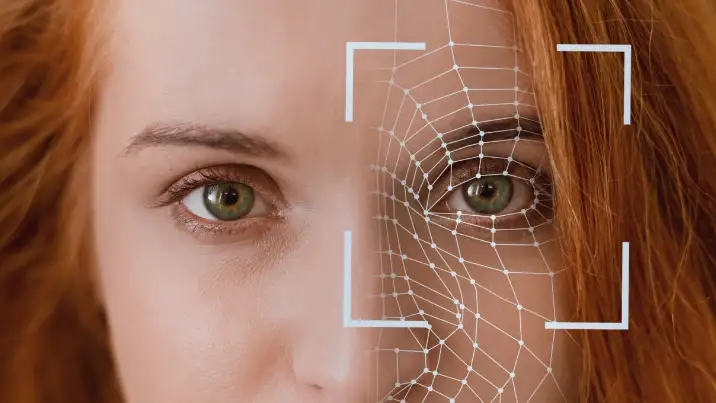
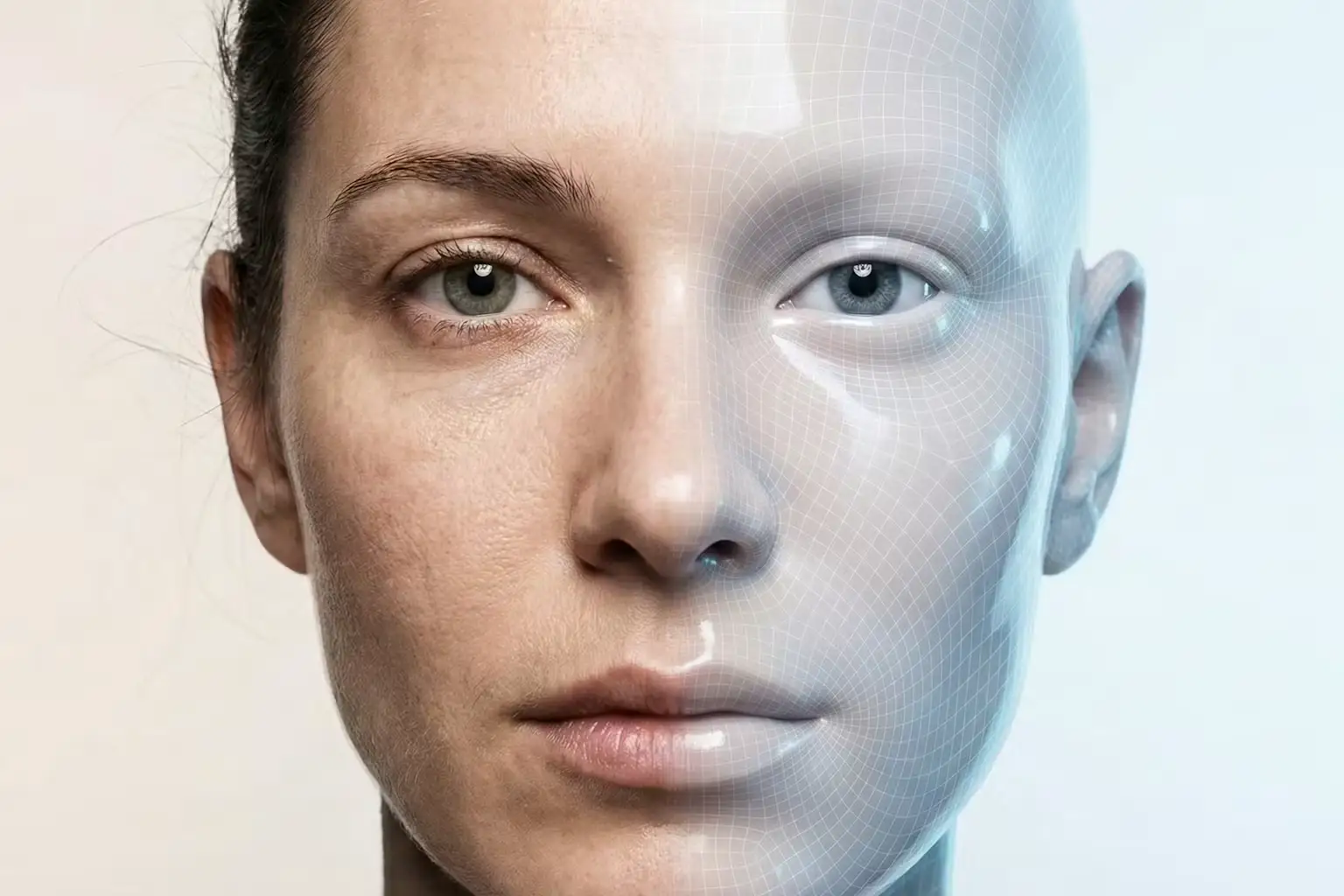
Artificial intelligence has changed the way digital images are created, making it possible to generate faces that appear almost identical to real people. These computer-generated images are known as AI deepfakes, and they have become increasingly realistic as technology continues to improve over time.
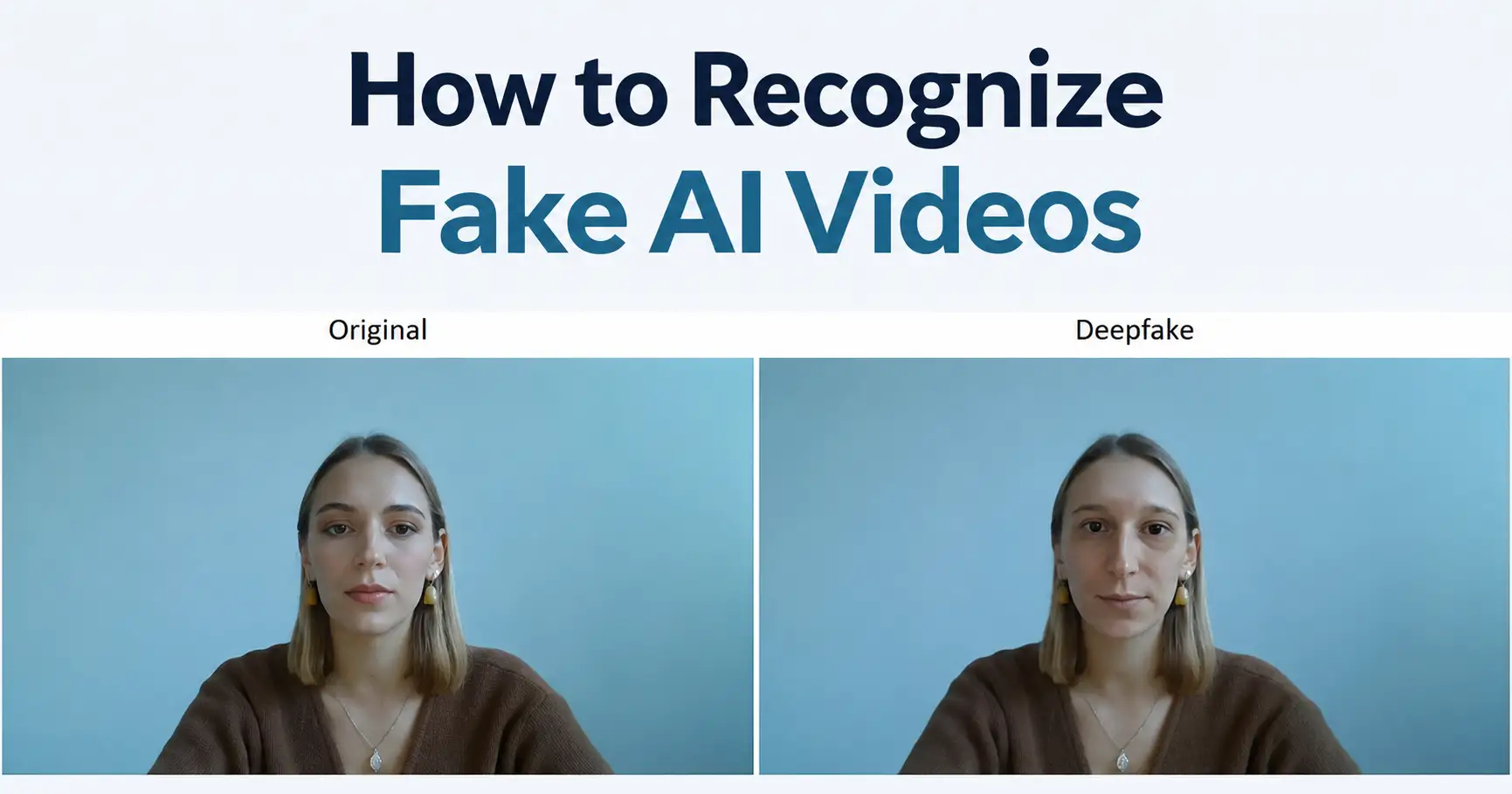
A deepfake is an image, video, or audio recording created or altered with artificial intelligence to imitate a real person. Modern AI systems learn from thousands of examples, allowing them to produce faces, expressions, and features that often look convincing to the human eye.
Via CPI
As AI tools become more advanced, distinguishing real content from artificial creations has become more difficult. Learning how deepfakes are made and understanding their common characteristics can help people make smarter decisions whenever they encounter digital content online.
Why AI-Generated Images Look So Real
Artificial intelligence creates realistic faces by studying huge collections of photographs and learning the patterns that make human faces appear natural. Instead of copying one individual, AI combines countless visual details to generate completely new faces that have never actually existed.

Via leon
Early AI-generated images often contained noticeable mistakes, such as extra fingers, uneven facial features, or unrealistic backgrounds. As technology improved, developers refined these systems, allowing them to correct many of those obvious errors and create images with impressive accuracy.
Today's AI image generators can produce lighting, skin texture, hairstyles, and facial expressions that closely resemble real photography. Because these improvements have reduced visible flaws, people now need stronger observation skills instead of relying only on obvious mistakes to identify fake images.
Via Lionra
Why Spotting Deepfakes Has Become More Difficult
Many people once believed that identifying AI-generated images was easy because the earliest examples contained strange visual errors. That assumption is no longer reliable since modern artificial intelligence continues learning from previous mistakes and produces much more believable digital content.
Advanced AI systems improve by analyzing enormous amounts of information and adjusting their results over time. Every improvement makes generated faces appear more natural, reducing the obvious clues that people previously depended on when deciding whether an image was real.
Via Hotelmaker
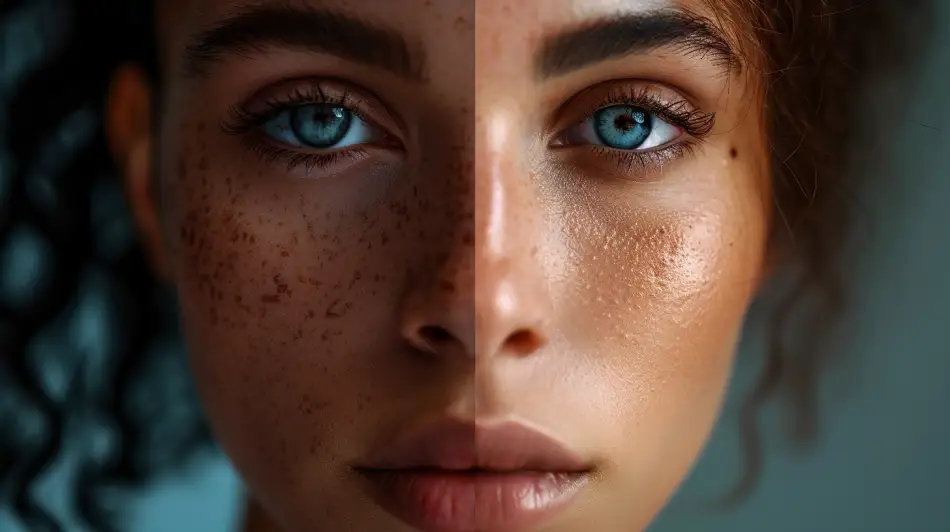
The growing realism of deepfakes means careful observation has become far more important than searching for a single unusual feature. Instead, identifying AI-generated images often depends on recognizing several subtle characteristics that together create a feeling that something is slightly unusual.
The Human Brain Can Learn to Recognize AI Images
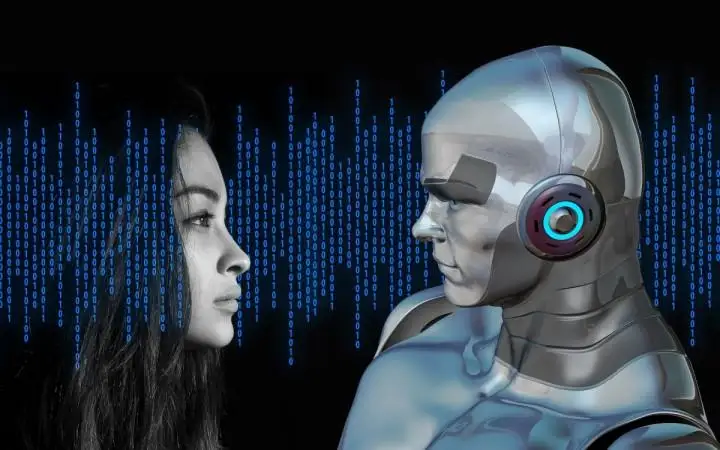
Research has shown that people can improve their ability to recognize AI-generated faces through practice and careful observation. Rather than depending entirely on instinct, individuals can train themselves to notice visual patterns that frequently appear in artificial images.
Via IB Times
Training usually involves comparing real photographs with AI-generated faces while receiving immediate feedback about which images are authentic. This repeated process helps the brain identify recurring characteristics, gradually increasing accuracy and confidence when evaluating unfamiliar digital content.
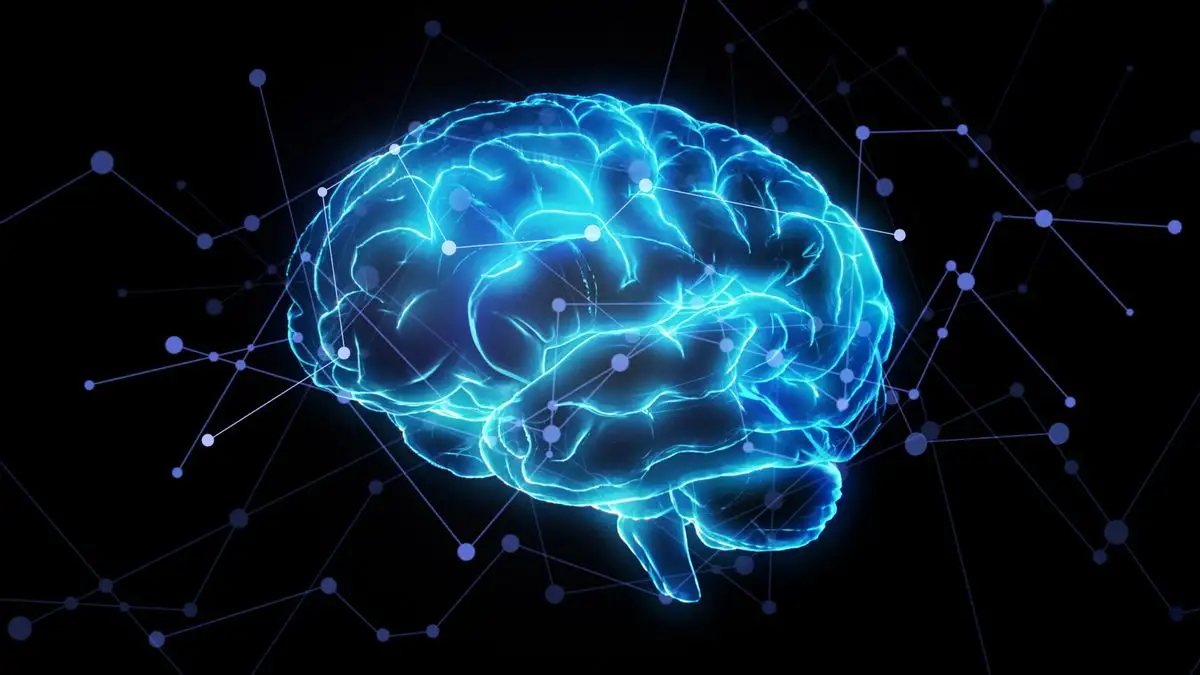
Just like learning any other visual skill, recognizing deepfakes becomes easier through regular practice. The more examples someone studies, the better that person becomes at identifying subtle differences that separate genuine photographs from images created by artificial intelligence.
Via Live Science
Common Characteristics Found in AI-Generated Faces
AI-generated faces often appear unusually symmetrical because computer systems naturally produce balanced features. Real human faces normally contain small imperfections, such as slightly uneven eyes, different eyebrow shapes, or smiles that are not perfectly balanced on both sides.
Many artificial faces also appear highly attractive or unusually polished because AI tends to generate features that match common beauty standards found in its training data. While attractive people certainly exist, an unrealistically perfect appearance may deserve a closer look before being accepted as genuine.

Via The Conversation
Another noticeable characteristic is that AI-generated faces sometimes appear less memorable than real people. Their features often resemble an average combination of many different faces, making them seem familiar without possessing the distinctive details that help individuals stand out and remain easy to remember.
Paying Attention to Expression and Facial Details
Facial expressions provide valuable clues when evaluating whether an image may have been generated by artificial intelligence. Real people naturally display small emotional variations that create personality, while AI-generated faces sometimes appear calm, neutral, or emotionally restrained despite looking technically realistic.

Vai AI live Art
Distinctive facial features also deserve careful attention because genuine people usually have characteristics that make them unique. Slight wrinkles, uneven smiles, freckles, scars, or naturally imperfect proportions often contribute to authenticity and help distinguish real individuals from computer-generated images.
Developing the habit of examining overall facial appearance instead of searching for one obvious mistake produces better results. A combination of symmetry, smooth skin, limited emotional expression, and average-looking features may together suggest that an image deserves additional verification before being trusted.

Via ImagineArt
Why Practice Improves Deepfake Detection Skills
Recognizing AI-generated images becomes easier with regular practice because the human brain naturally learns to identify repeating visual patterns. Comparing authentic photographs with artificial images over time strengthens observation skills and helps people notice subtle differences that might otherwise go unnoticed during casual viewing.
Training also improves confidence when evaluating digital content because people begin to understand why an image appears genuine or suspicious. Instead of relying on guesses, they develop a more thoughtful approach that combines careful observation with logical reasoning before accepting an image as real.

Via FAU
Consistent practice encourages patience and attention to detail, two qualities that are increasingly valuable in today's digital world. As artificial intelligence continues improving, developing these skills can help individuals make better decisions whenever they encounter unfamiliar images across websites, social media, or messaging platforms.
The Risks of AI Deepfakes in Everyday Life
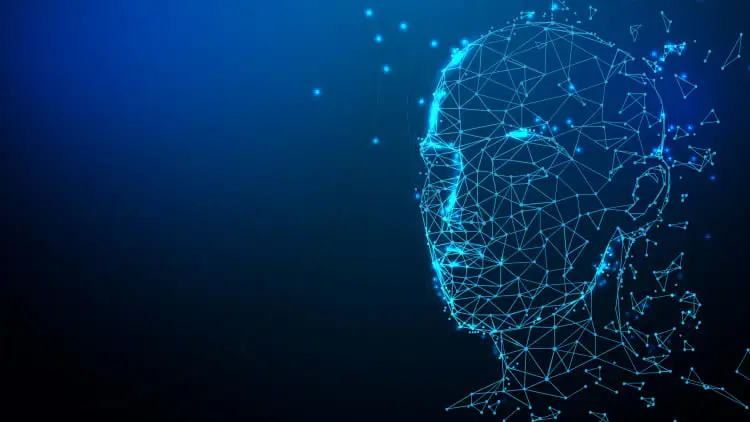
AI deepfakes can create serious challenges when they are used to spread false information or deceive people. Fake images, videos, and audio recordings may appear convincing enough to influence opinions, damage reputations, or create confusion before accurate information becomes widely available.
Via CNBC
Financial fraud is another growing concern because criminals can use realistic digital content to impersonate trusted individuals or organizations. Fake identities, manipulated video calls, and convincing profile photographs may encourage victims to share personal information or transfer money without realizing they are being deceived.
Deepfakes can also affect public trust by making it harder to determine whether digital content is genuine. When people become uncertain about what they see online, misinformation can spread more easily, making critical thinking and careful verification more important than ever before.
Via the Conversation
Positive Ways AI Deepfake Technology Can Be Used
Although deepfakes present genuine risks, artificial intelligence also offers valuable opportunities when used responsibly and transparently. Many creative professionals use AI tools to produce educational content, visual effects, digital art, and realistic demonstrations that would otherwise require significant time and financial resources.
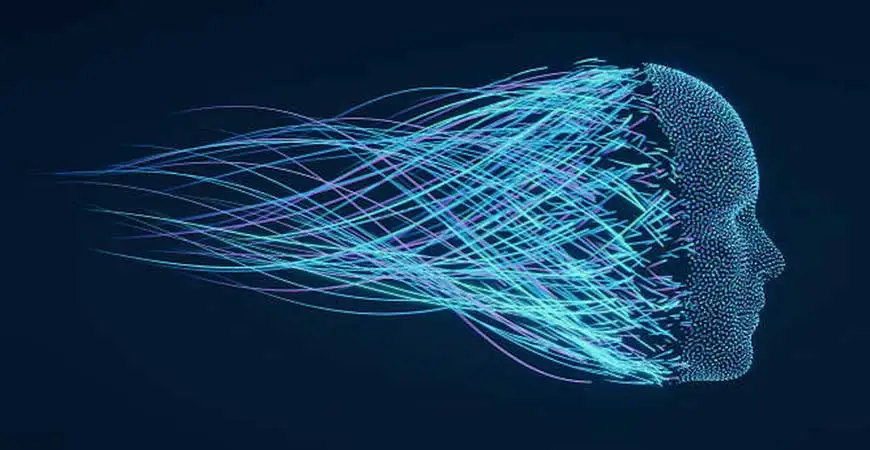
The technology can also support humanitarian and research projects in meaningful ways. For example, AI-generated age progression images may help show how missing individuals could appear after many years, providing useful visual references that may assist ongoing investigations and public awareness efforts.
Via JumpStart
Responsible use depends on honesty and clear communication about how AI has been applied. When people understand that digital content has been created or modified using artificial intelligence, the technology can encourage creativity, innovation, and education without misleading audiences or damaging public trust.
Building Better Digital Awareness and Critical Thinking
Developing digital awareness is one of the most effective ways to reduce the impact of misleading online content. Instead of accepting every image at face value, thoughtful viewers pause to consider where it originated, who shared it, and whether reliable evidence supports its authenticity.

Via Join ClasStaff
Checking multiple trusted sources before believing or sharing unusual images can prevent misinformation from spreading further. Reverse image searches, reputable news organizations, and official statements often provide valuable context that helps confirm whether digital content accurately represents real events or people.
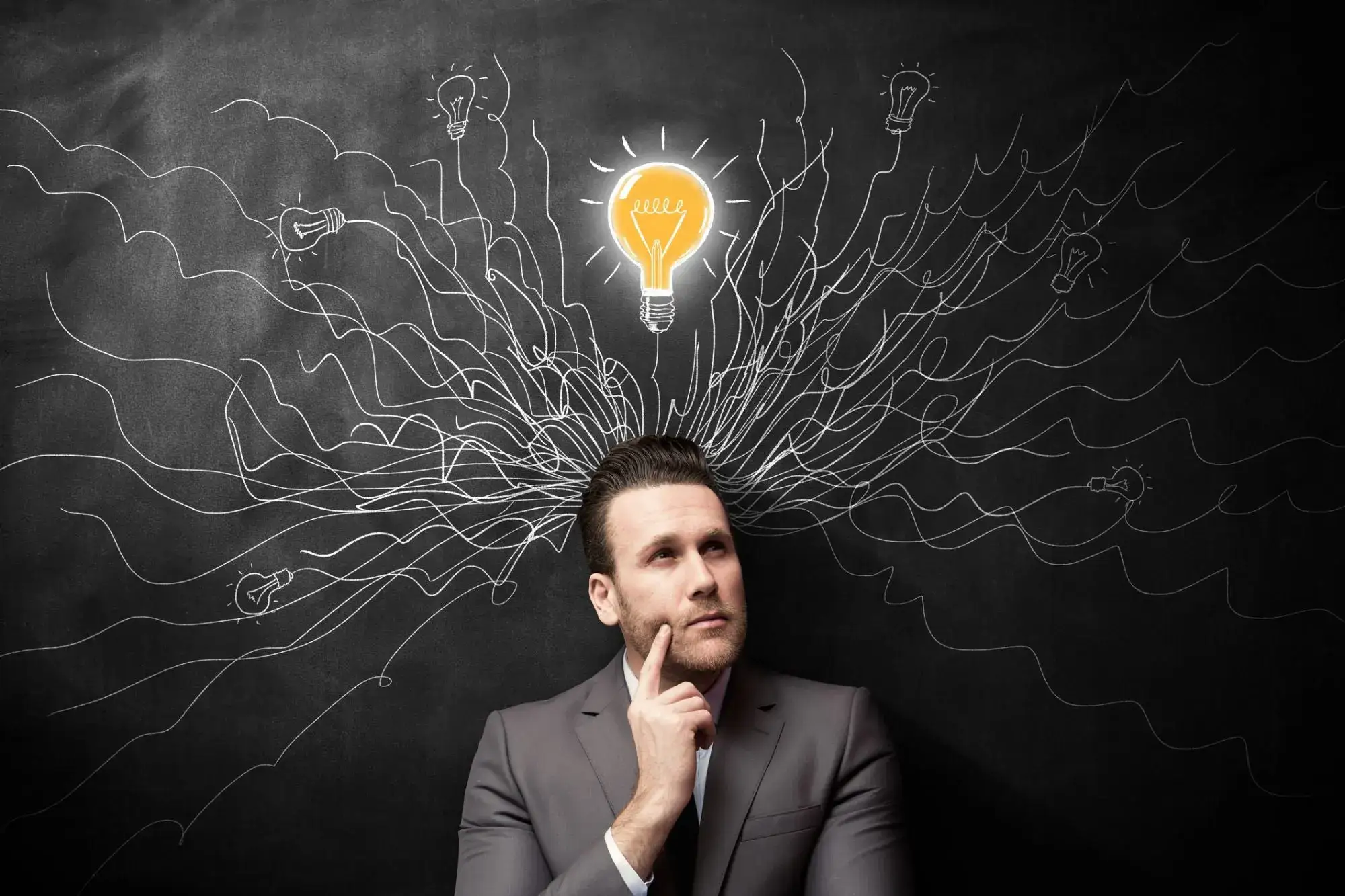
Critical thinking remains one of the strongest defenses against deception because technology alone cannot solve every challenge created by artificial intelligence. Careful observation, healthy skepticism, and responsible online behavior allow individuals to make informed decisions even as digital content becomes increasingly realistic.
Via Entrepreneur
The Future of AI Deepfakes and Human Detection
Artificial intelligence will almost certainly continue improving, producing images that become even more detailed and convincing over time. As these systems evolve, distinguishing genuine content from AI-generated material may require both advanced technology and well-developed human observation skills working together.
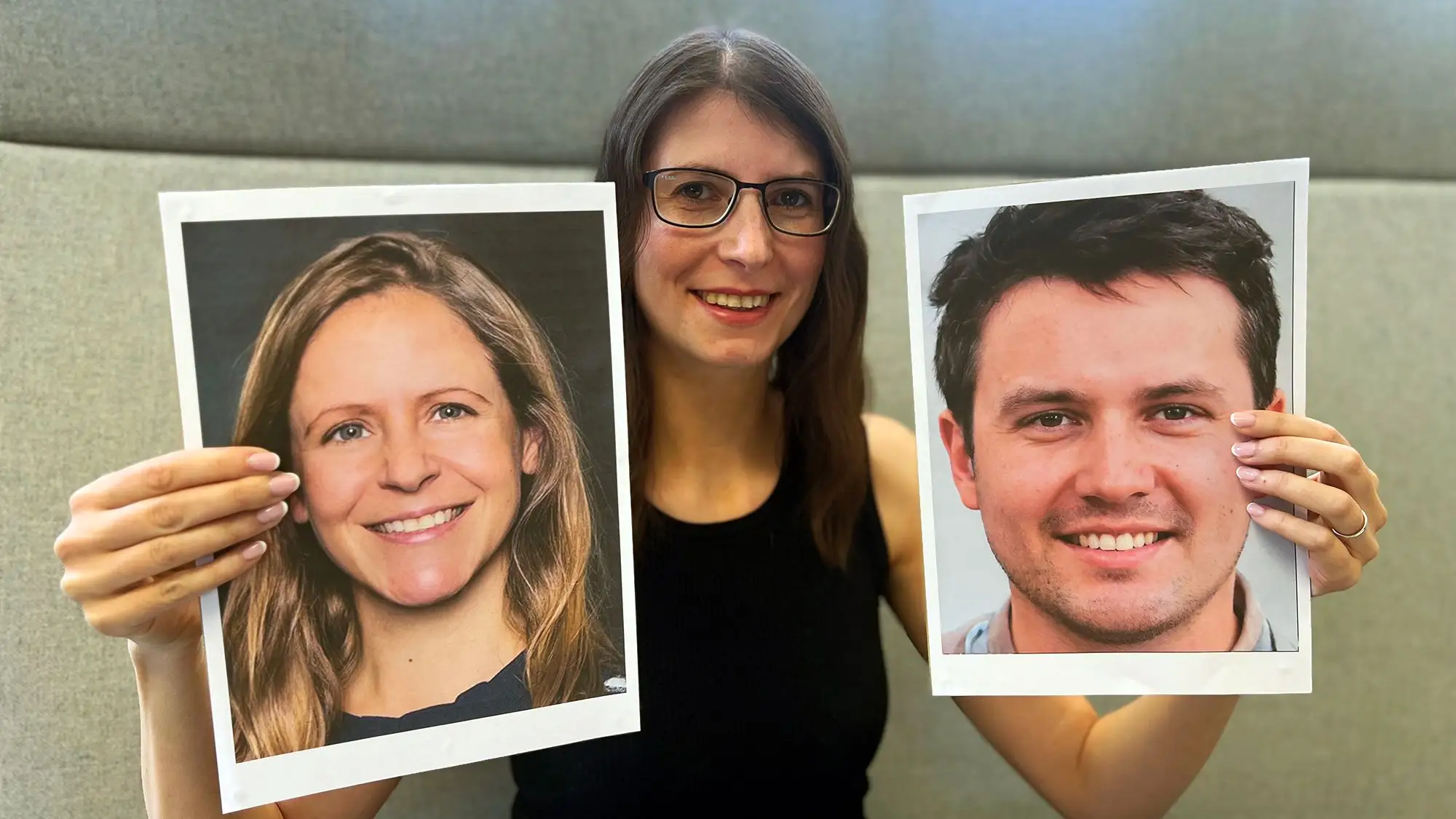
Researchers continue studying better ways to help people recognize artificial content while also developing tools that automatically detect manipulated images. These combined efforts aim to support a safer digital environment where authentic information remains easier to identify despite rapid technological progress.
Via BBC
The relationship between artificial intelligence and human judgment will continue evolving for many years. Staying informed about new developments, understanding how AI systems work, and practicing careful evaluation will remain valuable skills regardless of how advanced future image generation technology becomes.