News / History
The Toxic Truth Behind Pluto’s Gate, Rome’s Deadly Hell Cave
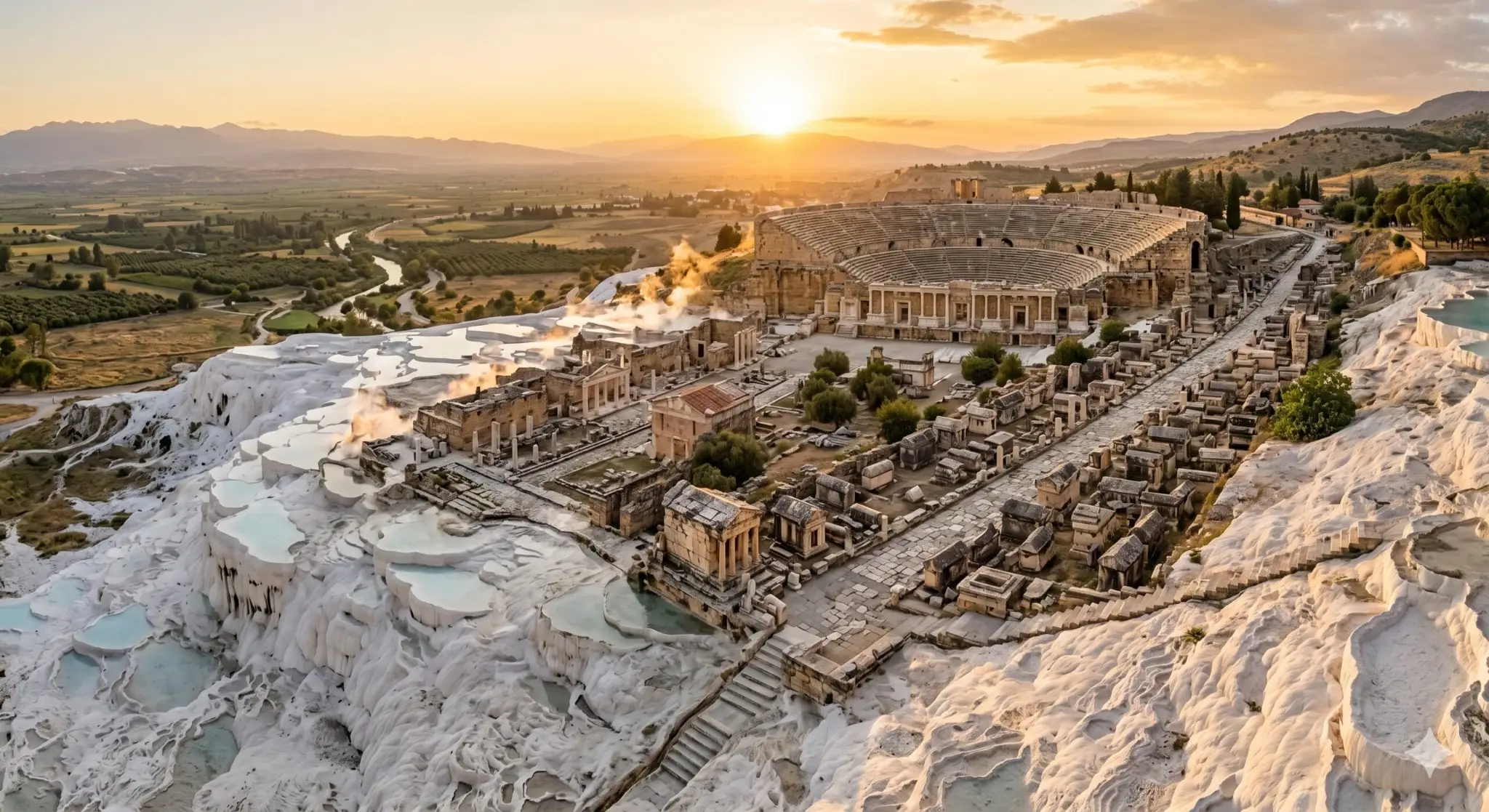
In 129 B.C., the Roman Republic turned western Anatolia into a new province called Asia. Around this time, the ancient city of Hierapolis grew into one of the most popular spa towns in the region. People traveled from distant corners of the Roman world to soak in its warm thermal pools.
Many visitors believed the mineral-rich water could heal sickness, ease pain, and restore their strength. The city sat in what is now southwestern Turkey, close to the modern town of Denizli. Its natural hot springs created a busy flow of travelers, traders, and pilgrims throughout the year.
Via History
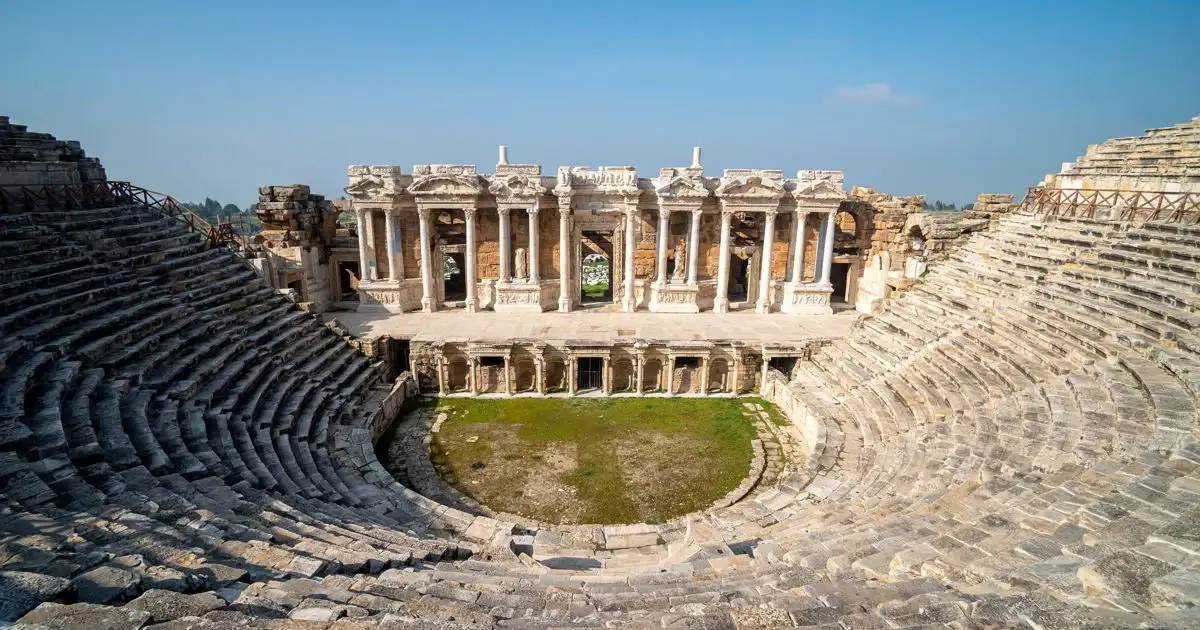
Bathhouses, temples, and public buildings filled the city as it grew richer and more famous. For many Romans, a trip to Hierapolis was both a health retreat and a spiritual journey to a sacred place. Among all the wonders of the city, one small cave stood out as the most mysterious of all.
It was known as the Ploutonion, or Pluto’s Gate, and it was a place of worship for the Roman god of the underworld. People believed this dark opening led straight down to the realm of the dead. Strange deaths around the cave only made that belief stronger, and the site soon earned a frightening reputation.
Via History
The Early Roots of Hierapolis
Eumenes II, the king of Pergamon, usually receives credit for founding Hierapolis in the early second century B.C. Historians believe the story of the site likely began much earlier than that royal founding. Indigenous people may have settled in the area during the Archaic Period, long before the Greeks arrived.
These early communities probably saw the strange natural features of the land as signs of something holy. Experts who study the ancient world think the area was a holy destination for local people for a very long time. Groups living in Turkey would have visited the springs and caves before Greek settlers spread along the western coast.
Via Encounters Travel
The Greeks later expanded into the Black Sea region and brought their own gods and customs with them. Over time, these new beliefs blended with older local traditions tied to the land. This long history helps explain why Hierapolis became such an important religious center.
The city did not simply appear out of nowhere when a king decided to build it. Generations of people had already treated the area as a place where the human world met the world of the gods. The Greeks and later the Romans built on that sacred reputation and turned it into a thriving city.
Via Bible
How the Pamukkale Fault Shaped the City
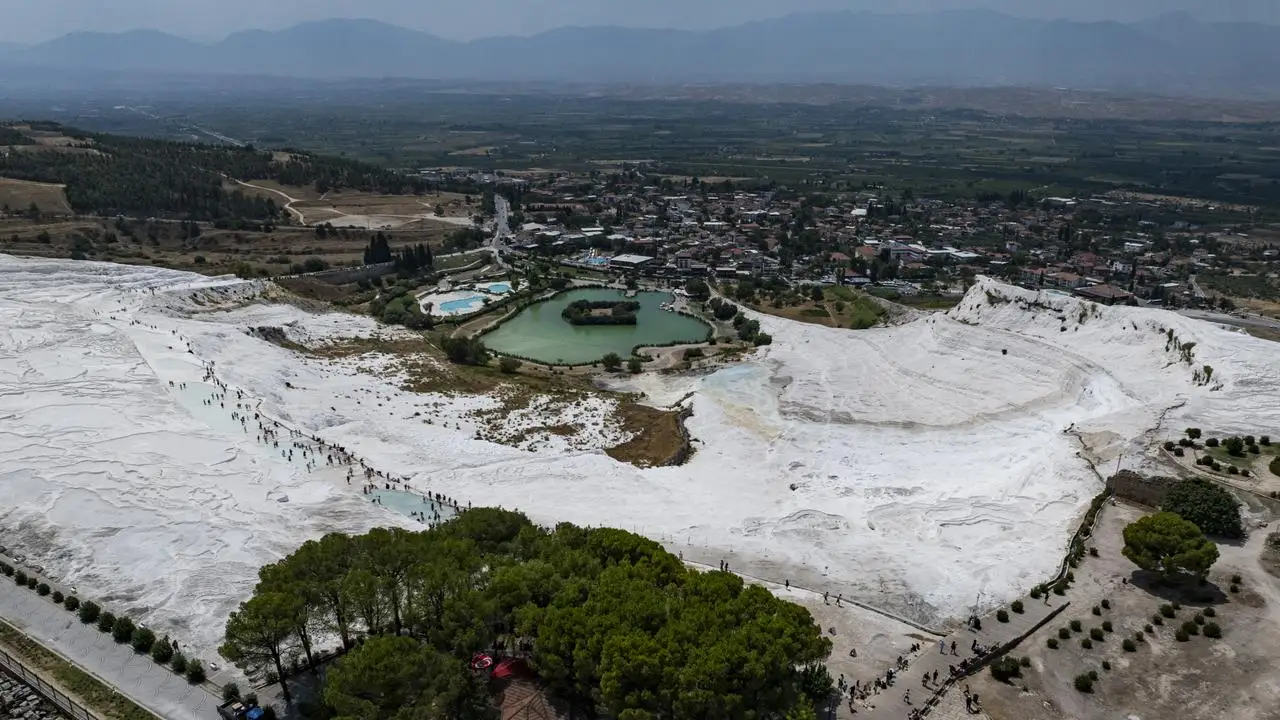
Hierapolis owes its famous hot springs to the ground beneath it. The city sits on the Pamukkale fault, a crack in the Earth’s crust that stretches about 21 miles long. This fault allows hot water filled with minerals and carbon dioxide to rise up from deep underground.
The water bubbles to the surface, warm and rich, which makes it perfect for bathing. Many archaeologists believe the city was founded mainly because of these thermal waters. The springs drew settlers, worshippers, and visitors, and they gave the city a steady source of income.
Via Turkiye Today
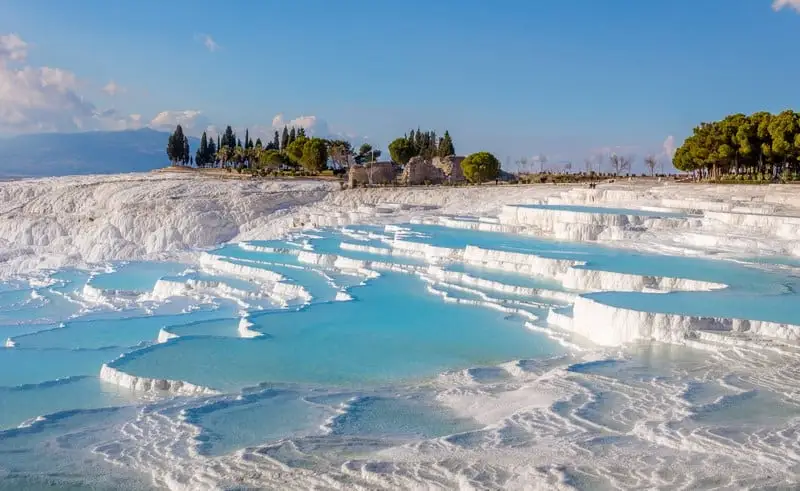
As the mineral water flowed down the hillside, it also left behind thick white deposits of rock. These deposits formed the stunning white terraces of Pamukkale, which still attract huge crowds of tourists today. The same fault that gave Hierapolis its beauty also gave it its danger.
Along with warm water, the cracks in the ground released invisible gases into the air. People in ancient times had no way to detect or measure these gases. All they could see were the strange and deadly effects, which they explained in the only way that made sense to them.
Via Geocaching
Gods, Fumes, and the Underworld
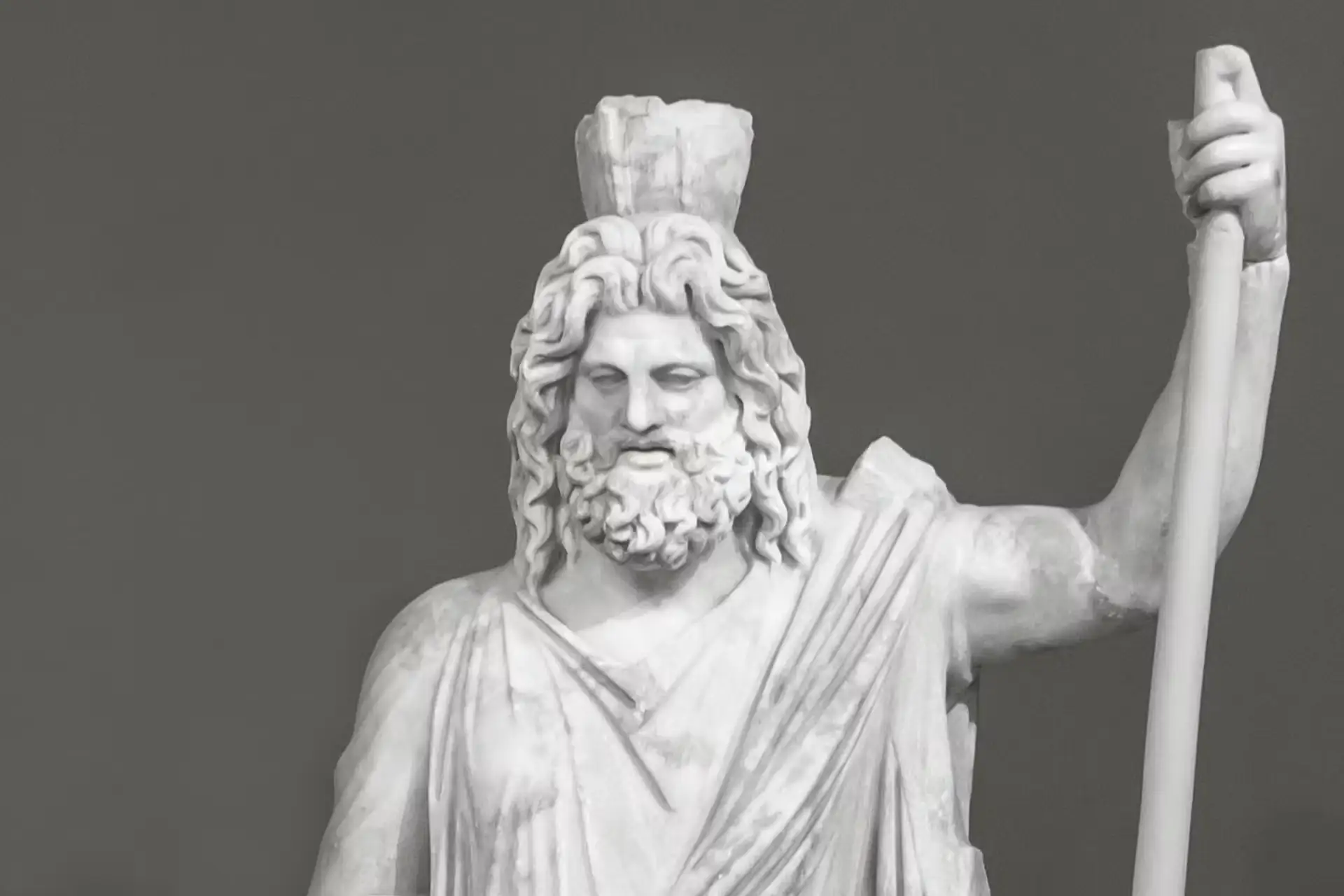
Thousands of years ago, Greeks and Romans saw the hot water and sudden animal deaths as messages from the gods. The very name Hierapolis means “sacred city” in Ancient Greek. People who lived there had no training in geology or chemistry.
When they noticed harmful fumes rising from the ground, caves, and grottos, they connected these signs with the underworld. In their minds, the gods controlled the forces of nature, including the heat and smoke that came from the earth. A cave that killed living creatures must have been a doorway to the land of the dead.
Via Mythopedia
This belief fit neatly with the religious stories that people already told about Pluto and his dark kingdom. The landscape itself seemed to prove that the gods were close by. Stories of visions and hallucinations among bathers made the city’s spiritual reputation even stronger.
Some visitors claimed to experience strange sights while relaxing in the warm waters near the cave. To ancient people, these experiences felt like contact with the divine. Every odd event added another layer to the legend of Hierapolis as a place where the living could brush against the afterlife.
Via Simpson Street Free Press
The Deadly Rituals Inside the Cave
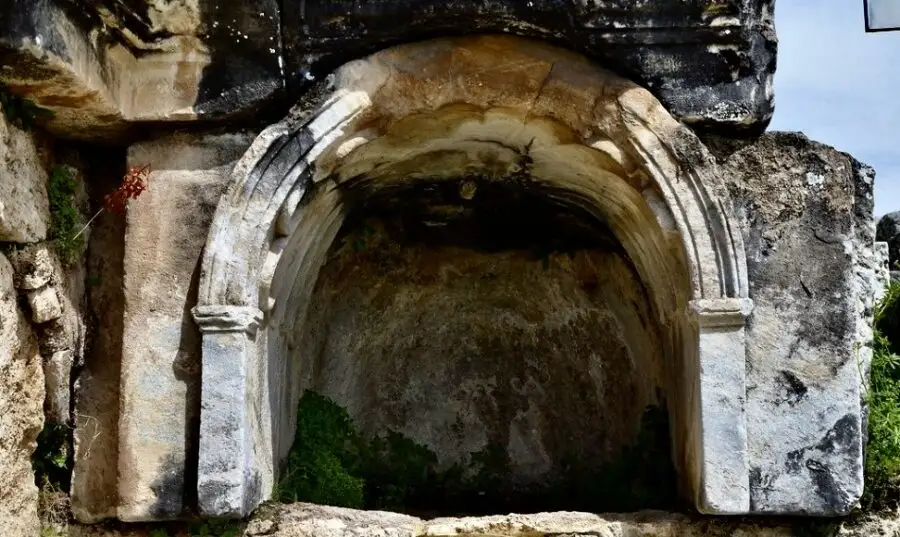
Priests at Pluto’s Gate carried out dramatic rituals that left a lasting impression on everyone who watched. They brought small birds into the passage, and on some occasions they led a sheep or even a bull inside. Within moments, the animals would collapse to the ground and die. These deaths were treated as sacrifices offered to Pluto, the ruler of the underworld.
What amazed onlookers most was that the priests themselves walked away unharmed. The same air that killed a large bull seemed not to affect the men who led it inside. To the crowd, this looked like clear proof of divine power. The priests appeared to have special protection from the gods, which raised their status and the reputation of the temple.
Via Popular Archaeology
The sacrifices turned the cave into a kind of public show. People traveled to Hierapolis not just to heal in the springs but also to witness these strange ceremonies. The deaths of the animals reminded everyone of the power of Pluto and the closeness of the underworld. For worshippers, each ritual was a chance to see the will of the gods with their own eyes.
The Legend of Cerberus and the 2013 Discovery
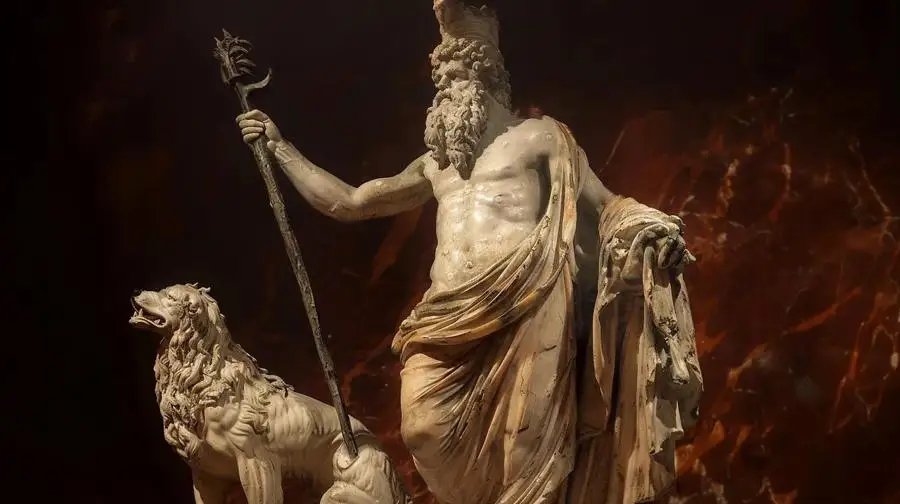
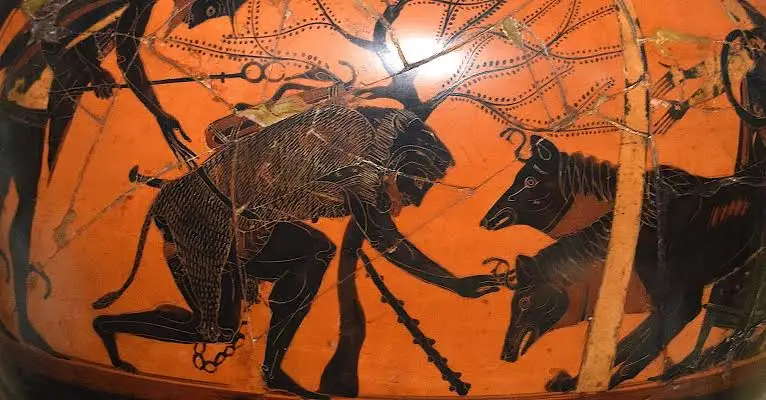
According to legend, the deadly air at the Gate to Hell came from Cerberus, the three-headed hound of the underworld. In Greek and Roman myths, Cerberus guarded the entrance to Pluto’s kingdom and kept the dead from escaping. People believed the poisonous breath of this beast drifted out of the cave. Any creature that breathed it was claimed as a victim for Pluto.
Via World History Encyclopedia
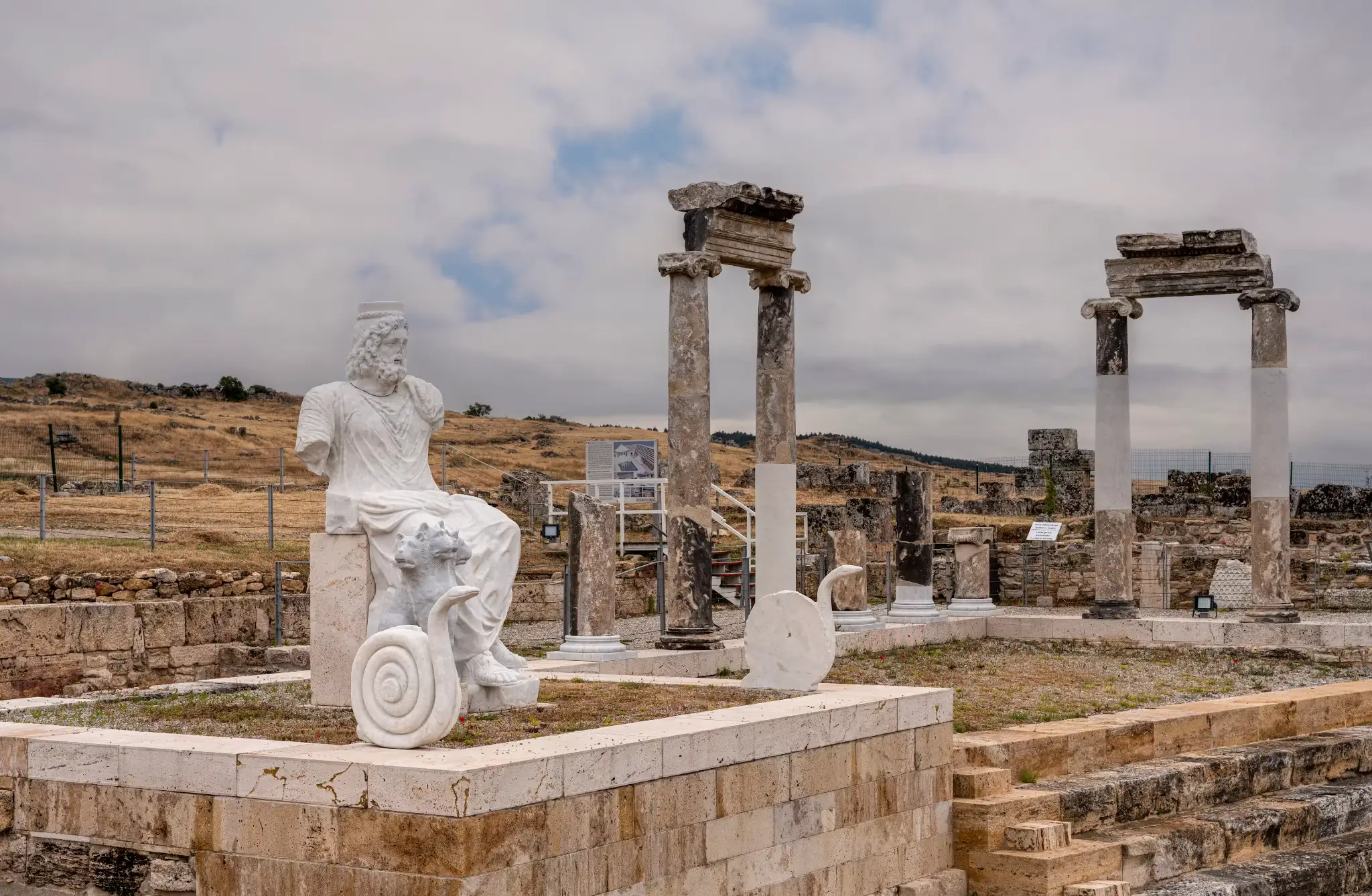
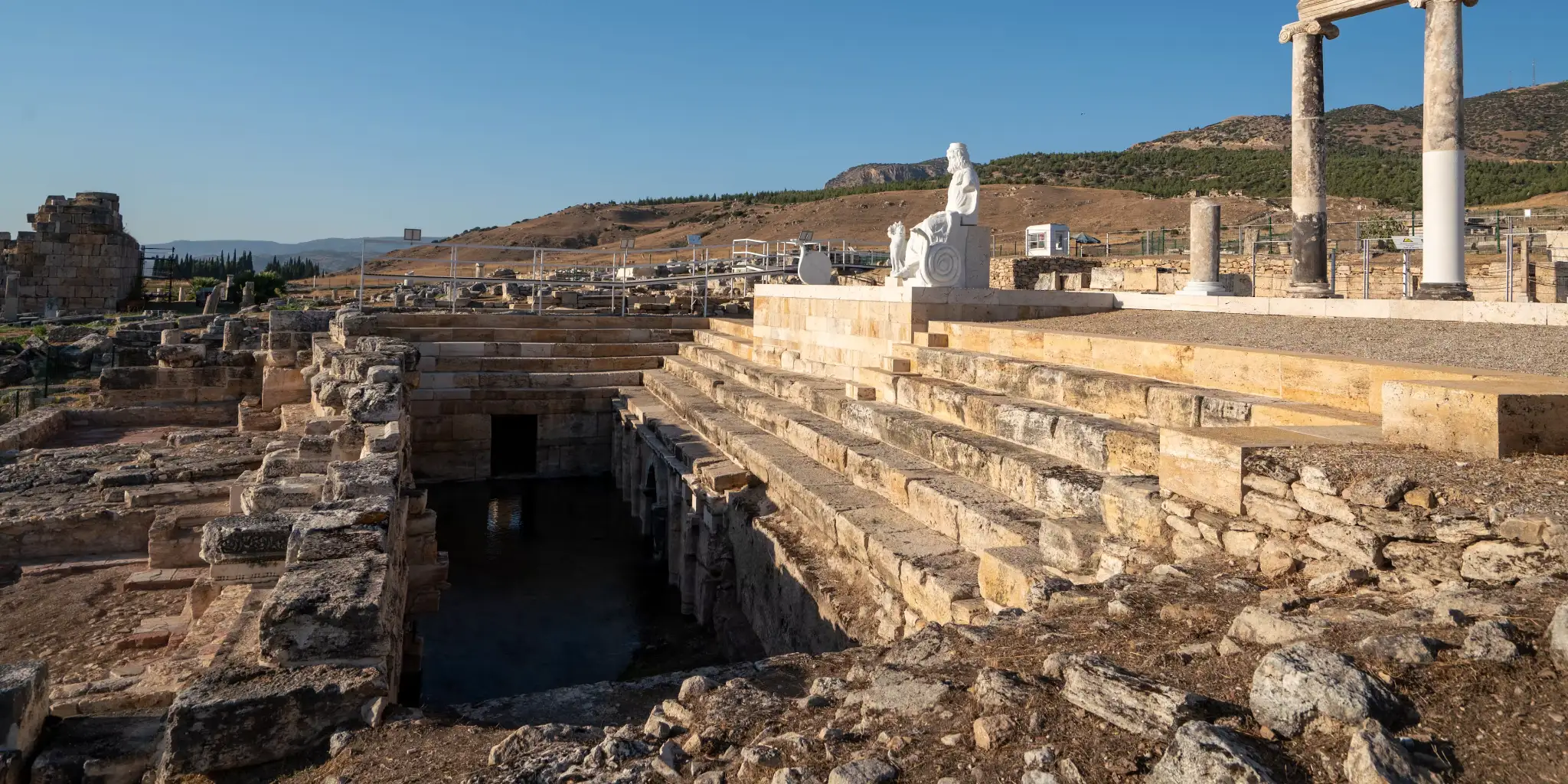
In 2013, archaeologist Francesco D’Andria led an excavation at Hierapolis that brought the legend to life. His team uncovered a marble statue of Cerberus standing guard near the entrance of Pluto’s Gate. The find matched ancient descriptions of the site and confirmed that the cave had been rediscovered. It was a thrilling moment for researchers who had studied the stories for years.
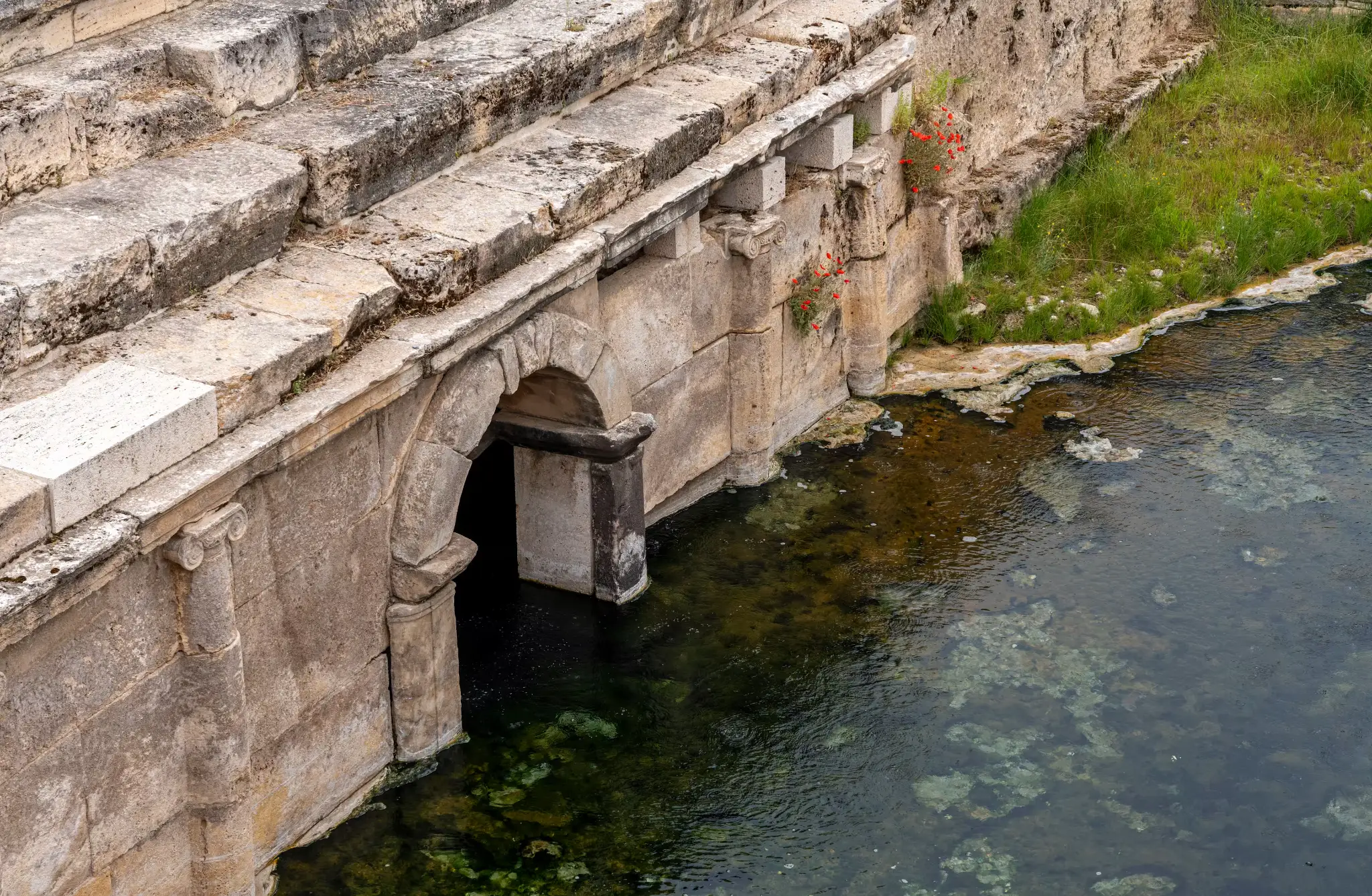
The excavation revealed even more treasures connected to the temple. The team found Ionic columns carved with inscriptions dedicated to Pluto and Kore, the queen of the underworld. They also discovered a pool and a set of steps above the cave. Together, these finds painted a clear picture of a carefully planned religious site built around the deadly opening.
Via History
Not the Only Gate to the Underworld
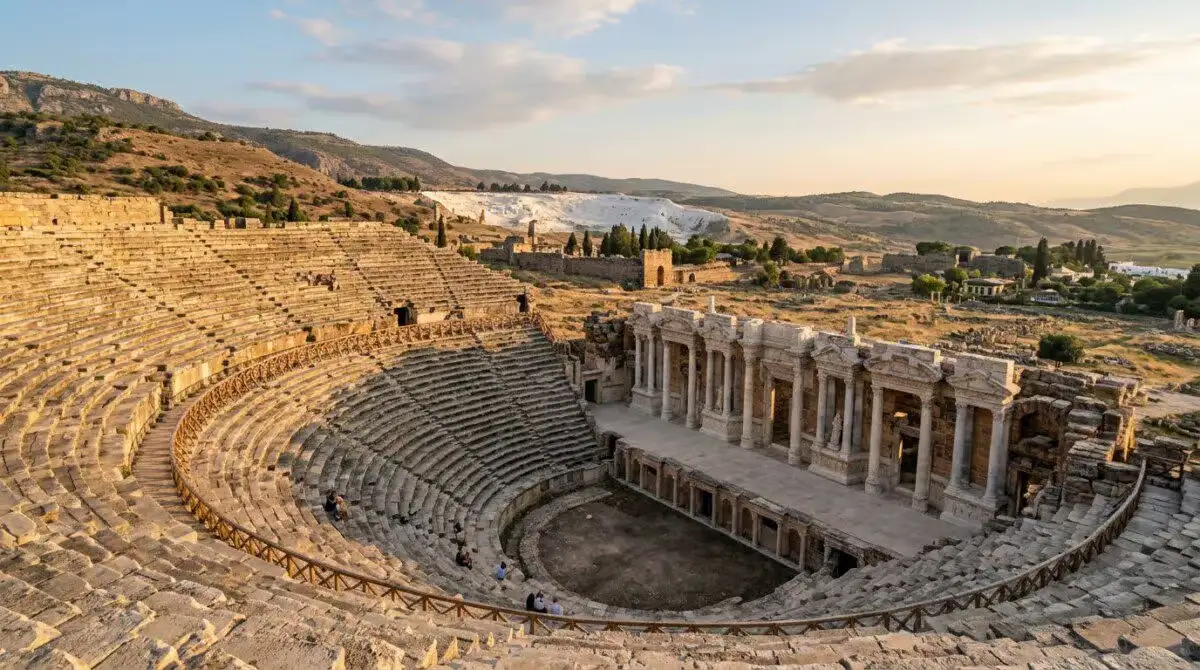
Hierapolis was not the only place in the Mediterranean world with these strange natural features. At least half a dozen other towns and cities in the region had similar conditions. Many of them also had caves or openings that released harmful gases from deep underground. Each of these places developed its own stories and religious traditions.
People across the ancient world held a strong belief that certain caves led down to the underworld. When they saw animals die near these openings, they took it as proof that the dead lived below the earth. These sites became places of worship, fear, and wonder. They connected everyday life with the powerful myths that shaped how ancient people saw the world.
Via Ghezi Rehbri
The spread of these beliefs shows how geology and religion often worked together in ancient times. The ground itself seemed to speak to people through heat, smoke, and death. Without modern science, they turned these signs into sacred stories. Today, those stories offer a fascinating look at how earlier societies tried to make sense of nature.
The Fall and Rediscovery of the Ploutonion
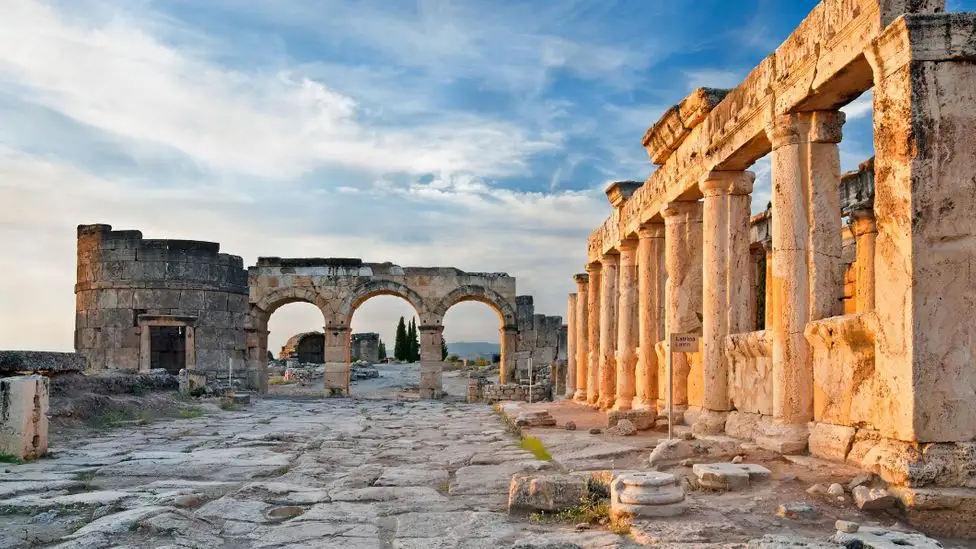
The same fault that made Hierapolis famous also brought it great harm. The Pamukkale fault caused many earthquakes that leveled large parts of the city. Records describe major disasters in A.D. 17 and A.D. 60. Each time, the people of Hierapolis had to rebuild their homes, temples, and public spaces.
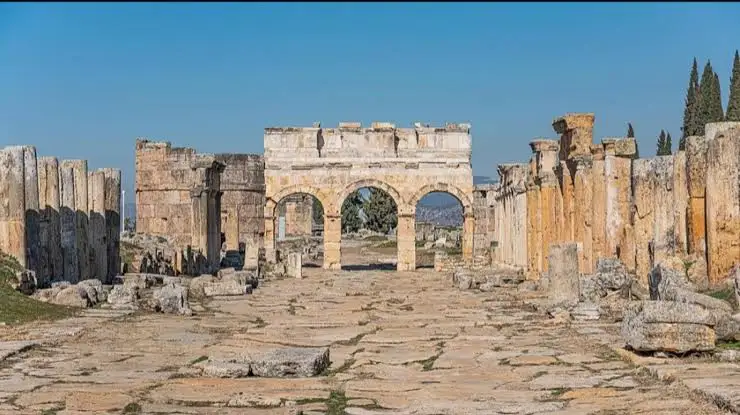
As Christianity spread across the region, the religious life of the city began to change. Christians built their own places of worship in Hierapolis. Historians believe they sealed off Pluto’s Gate by the sixth century. The cave that once drew crowds of worshippers slowly faded from memory and disappeared beneath layers of rubble and time.
Via BBC
The story of the site began again in 1957, when the Italian Archaeological Mission started excavations around Hierapolis. Years of careful digging eventually led to the rediscovery of Pluto’s Gate. Today, the ruins stand as a reminder of how ancient people explained the unexplainable. The Gate to Hell turned out to be a natural wonder, as deadly and fascinating as the legends always claimed.