News / History
Key D-Day Facts About the Invasion That Shaped World War II
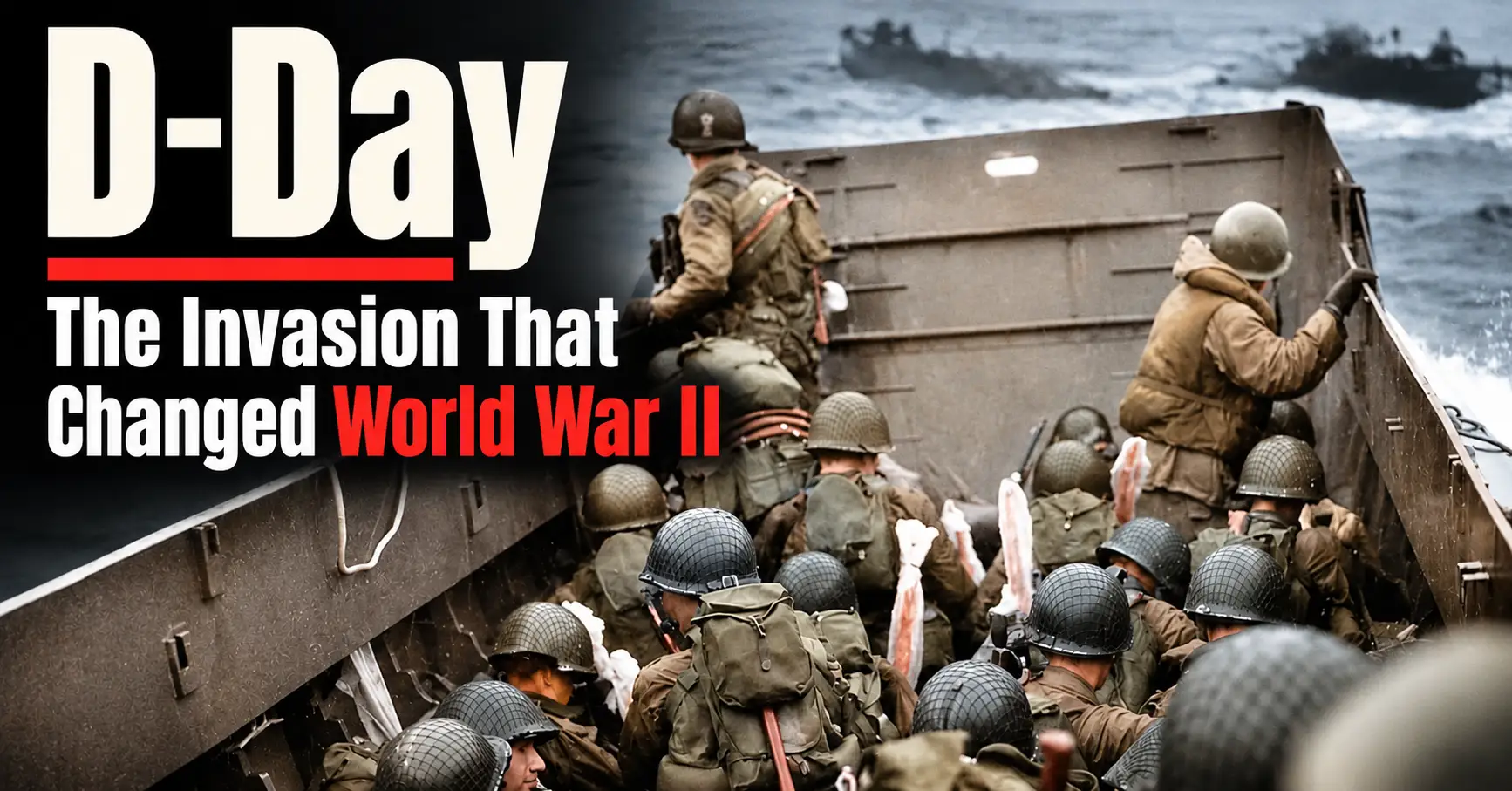
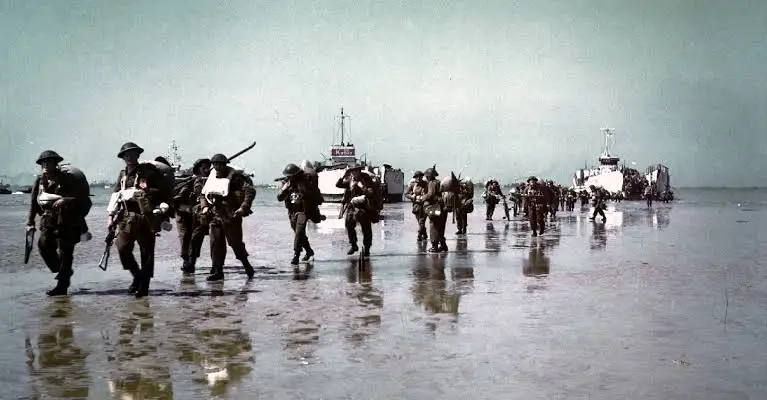
The Allied invasion of Normandy stands as one of the largest and most daring military operations in human history. On June 6, 1944, more than 156,000 soldiers from the United States, Britain, and Canada crossed the English Channel and charged onto the beaches of northern France. They faced heavy German defenses stretched along roughly 50 miles of coastline, and many of them knew the odds were against them.
Without the careful planning and the enormous sacrifices made that day, the Allies might never have broken Nazi control over Western Europe. The landings opened a new front in the war and forced Germany to fight on two sides at once. Soviet forces were already pushing hard in the east, and the arrival of Allied troops in France put even more pressure on Hitler’s stretched army.
Via Asharq Al Awast
The story of D-Day is filled with bold strategy, clever tricks, terrible losses, and remarkable courage. From the meaning of its name to the brutal fighting on Omaha Beach, every part of the operation reveals how much effort went into making it succeed. The facts below explain how the invasion was planned, how it unfolded, and why it became a major turning point in the war.
What the “D” in D-Day Really Means
Many people assume the “D” in D-Day must stand for a word like “departure,” “decision,” or “doom.” The truth is far simpler and a little surprising. The letter does not stand for anything at all. Unlike V-E Day, which means Victory in Europe, or V-J Day, which means Victory over Japan, D-Day is simply a military code term with no hidden meaning behind it.
Via D-Day
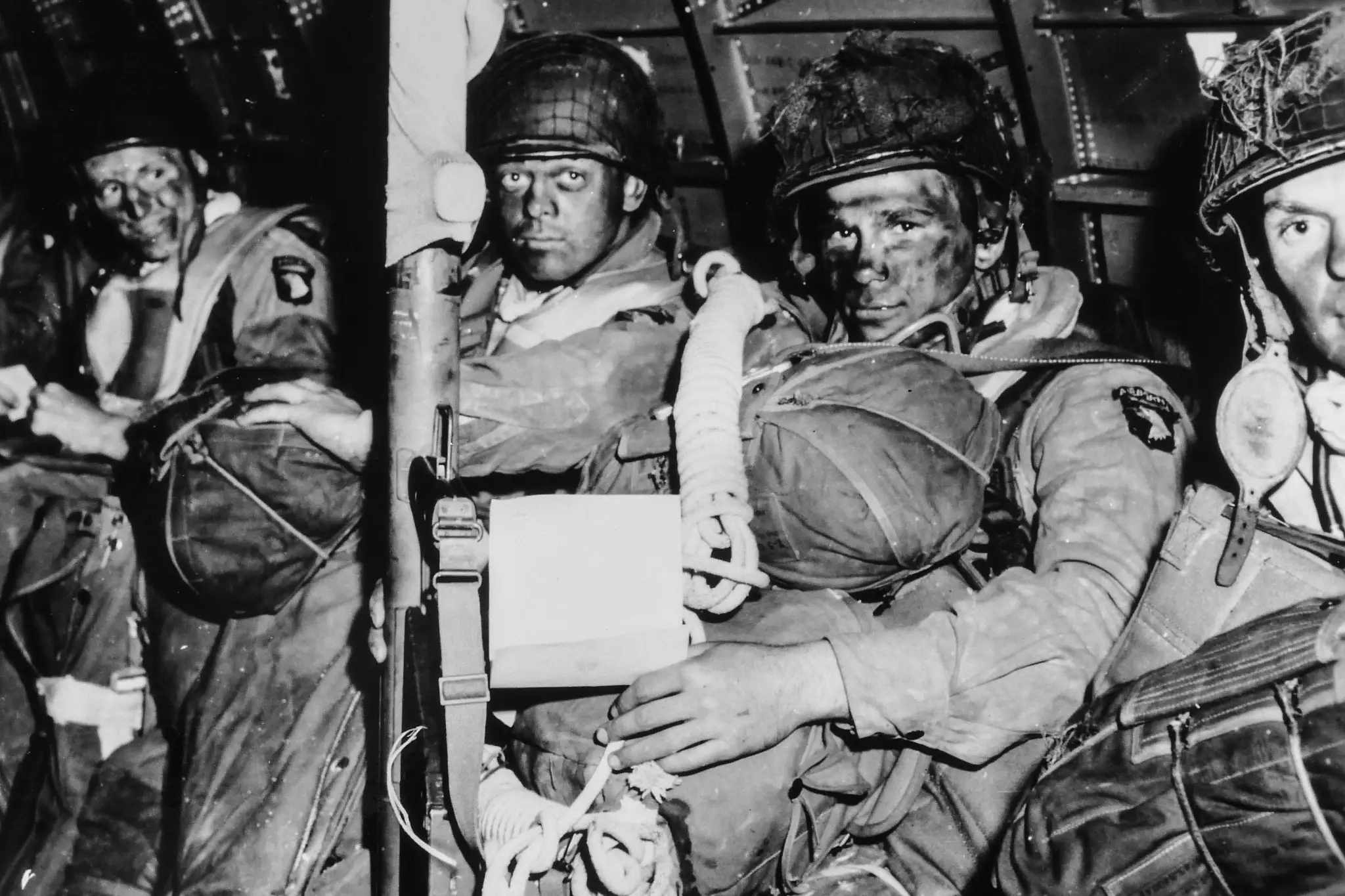
The U.S. military used the term as far back as World War I to mark the starting date of a planned operation. It served two useful purposes for commanders. First, it helped keep the real date secret from enemy spies who might be listening or reading stolen documents. Second, it worked as a placeholder, allowing officers to build detailed schedules before the final date had even been chosen.
Planners also used a similar term called H-Hour to mark the exact time an attack would begin. With these two labels, every step could be written as a set number of days or hours before or after the launch. For example, a task might be scheduled for “D minus 3” or “H plus 2.” Today, the term is linked almost entirely with the Normandy landings, even though many operations once had their own D-Day.
Via Department of War
Years of Planning Before the Landing
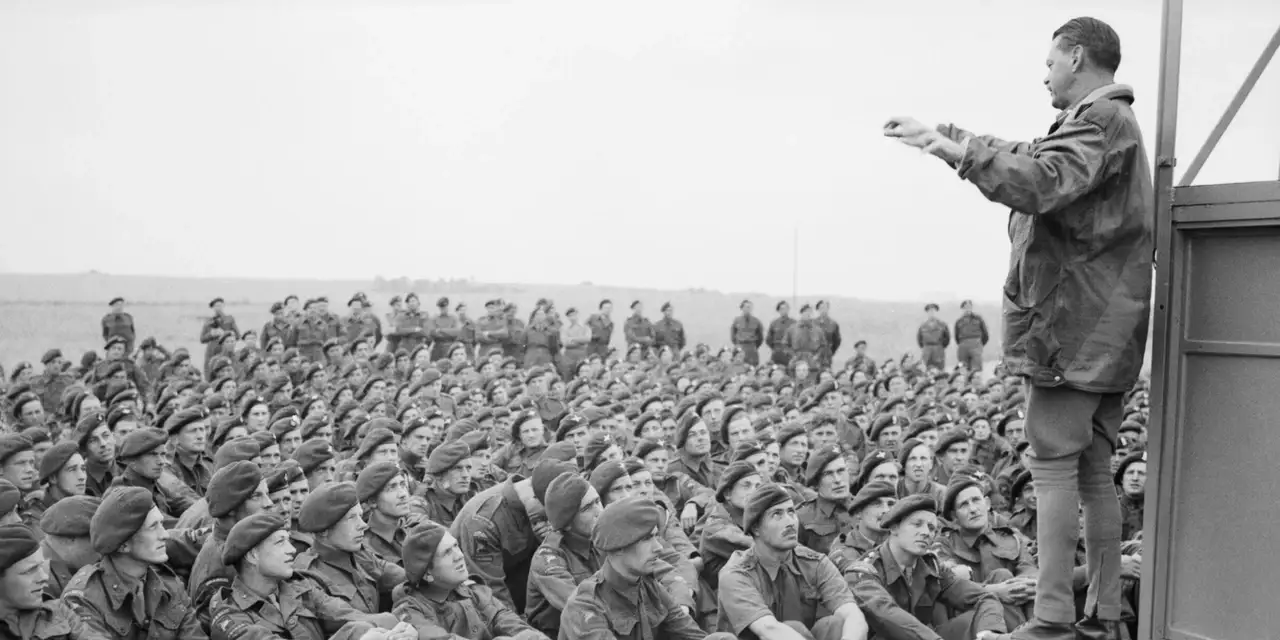
The invasion of Normandy did not come together quickly. It took years of discussion, debate, and preparation among Allied leaders. President Franklin D. Roosevelt and British Prime Minister Winston Churchill understood early in the war that a huge attack on mainland Europe would be necessary.
Such an invasion would help ease the heavy burden carried by the Soviet army, which was locked in a bloody struggle with German forces in the east. An early proposal known as Operation Sledgehammer called for Allied troops to seize ports in northwest France as soon as 1943.
Via Europe Remembers
The plan was bold, but the Allies were not yet ready for a strike of that size. Roosevelt and Churchill chose a different path. They decided to invade North Africa first and then push into Italy, a region Churchill famously described as the “soft underbelly” of Europe. These earlier campaigns gave Allied forces valuable experience in landing troops from the sea and working together across different armies.
They also bought time to build up the soldiers, ships, aircraft, and equipment needed for a much larger assault. By the time the Normandy plan was finalized, it had grown into a carefully organized operation involving millions of tons of supplies and many thousands of people working behind the scenes.
Via My Heritage Blog
Largest Seaborne Invasion Ever Attempted
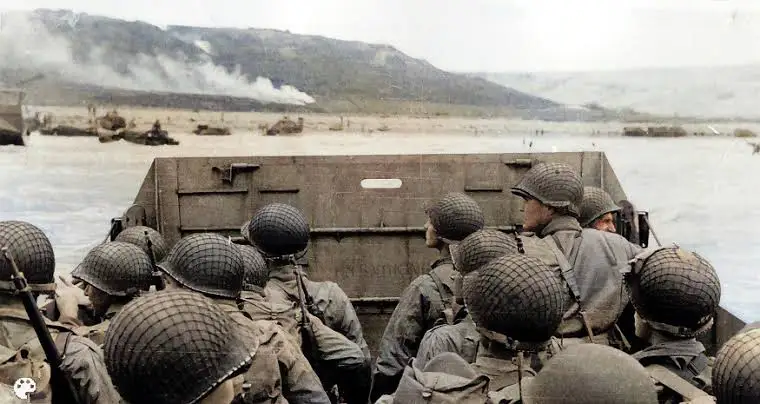
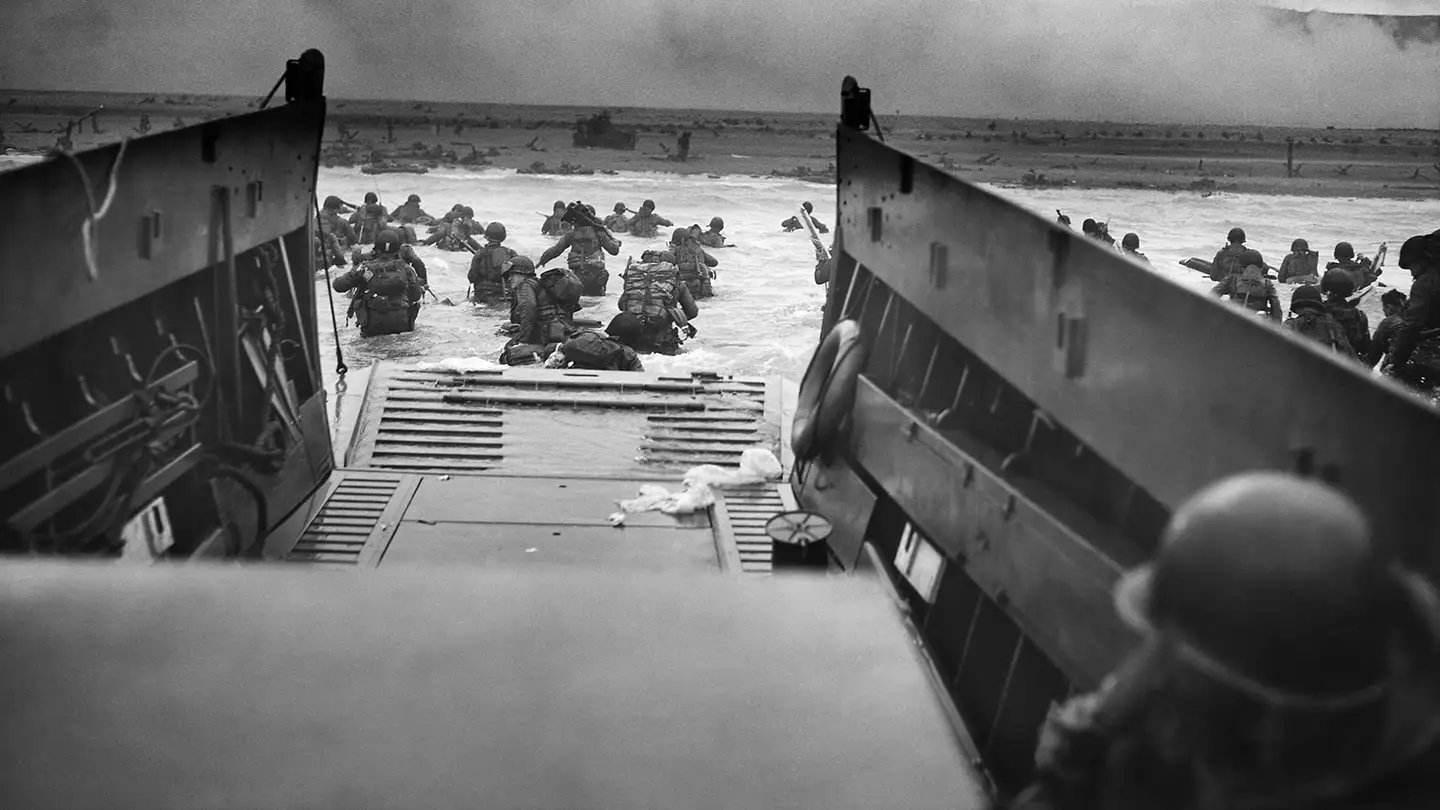
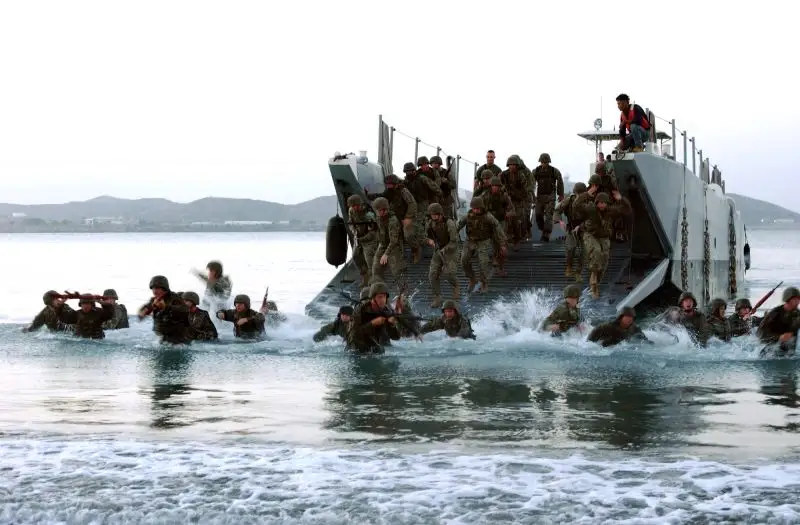
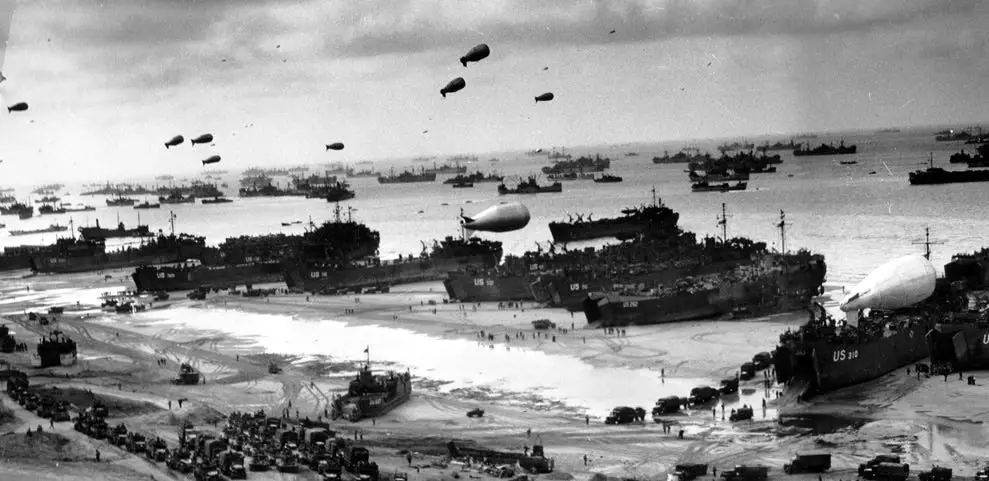
D-Day remains the largest amphibious invasion in military history. Officially named Operation Overlord, the assault brought together 156,115 troops from the United States, Britain, and Canada. These soldiers were carried across the Channel by an enormous fleet of 6,939 ships and landing vessels, which crowded the waters off the French coast in the early hours of the attack.
The air support was just as impressive. A total of 2,395 aircraft took part, along with 867 gliders that carried airborne troops behind enemy lines. Planes dropped paratroopers, bombed German positions, and protected the fleet from enemy attacks.
Via Sky History
The skies above Normandy were packed with Allied aircraft, giving the invading forces a major advantage over the German air force, which was already badly weakened. Coordinating this many people and machines was an incredible challenge. Every ship, plane, and unit had to arrive in the right place at the right time.
Even small mistakes could lead to disaster. The success of the operation depended on clear communication, careful timing, and the willingness of thousands of young soldiers to move forward despite the danger waiting on the beaches.
Via WarhistoryOnline
Clever Deception and a Deadly Rehearsal
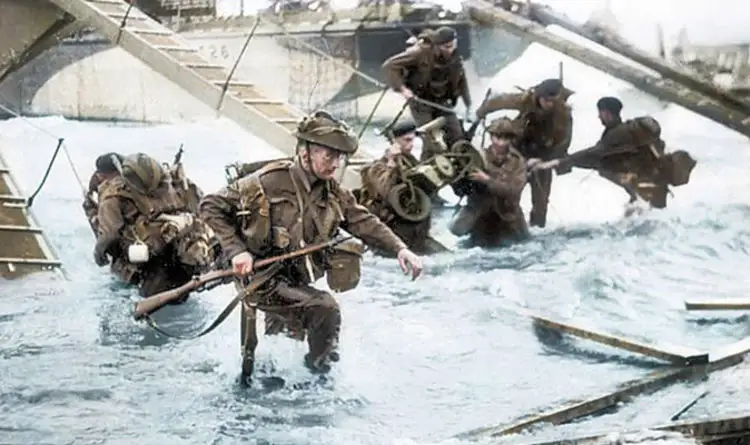
Before the invasion, the Allies launched a massive campaign to fool the Germans about where the attack would happen. Their goal was to convince Nazi commanders that the main landing would take place at Pas-de-Calais. This area was the closest point on the French coast to England, so it seemed like the most logical target.
If the Germans believed this, they would keep many of their best troops far from Normandy. To pull off the trick, the Allies used fake radio messages, double agents, and even a “phantom army.” This make-believe force was placed under the command of the well-known American General George Patton, whose name alone made the threat seem real.
Via Daily Express
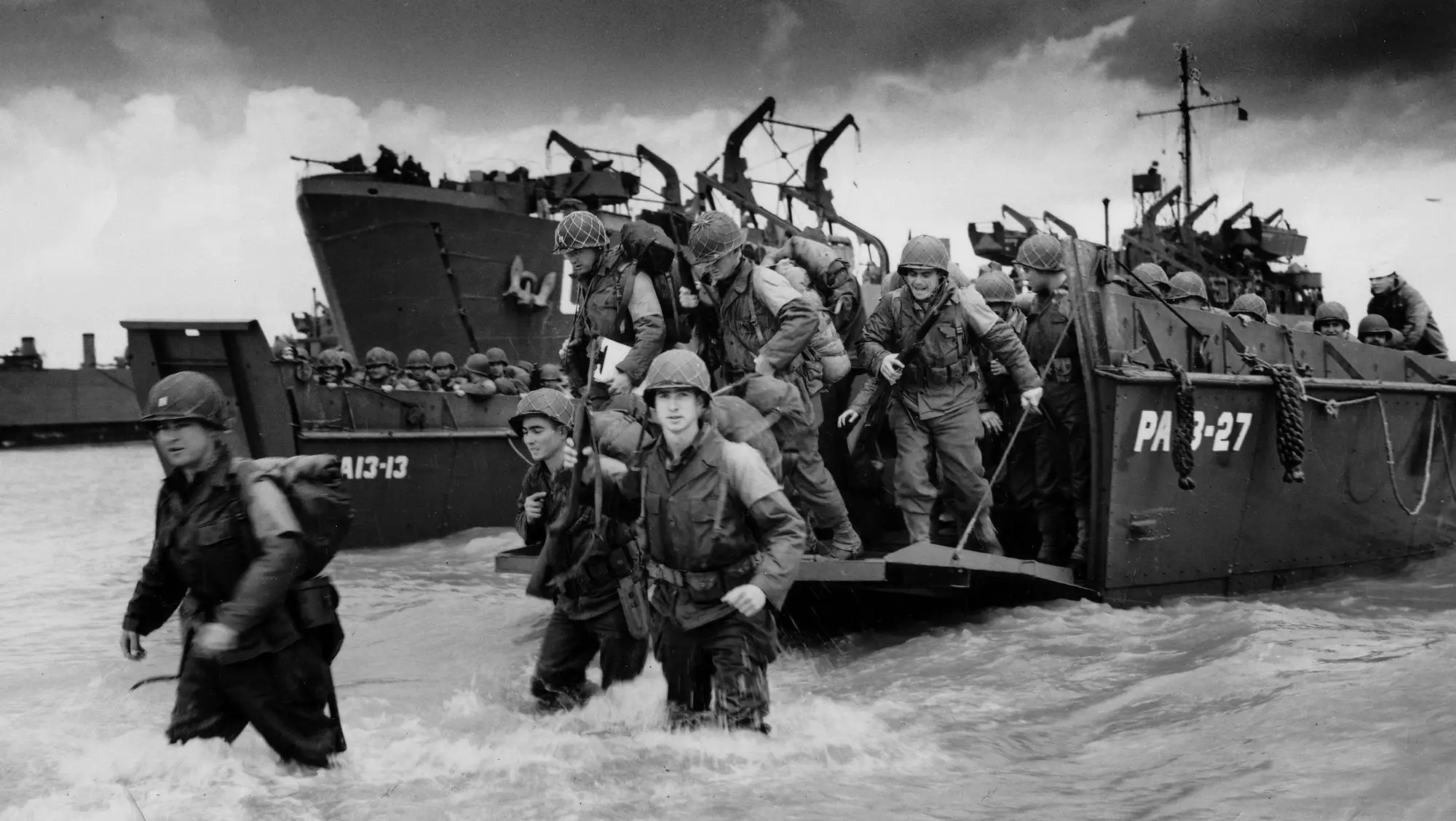
German intelligence picked up the false signals and reports, and many of their leaders stayed convinced that Normandy was only a distraction, even after the landings began. Not every part of the preparation went smoothly. About two months before D-Day, Allied forces held a dress rehearsal on an emptied English beach called Slapton Sands.
During this exercise, known as Exercise Tiger, German E-boats discovered the practice landing and torpedoed American tank landing ships. A total of 749 U.S. troops were killed. Some survivors later said the rehearsal was even more frightening than the real landing on Omaha Beach.
Via D-Day
Hitler’s Atlantic Wall and the Allied Supply Effort
Germany knew an Allied invasion was coming, even if it did not know exactly where. Adolf Hitler placed Field Marshal Erwin Rommel in charge of strengthening the defenses along the French coast. Rommel was one of Germany’s most respected commanders, and he took the task seriously.
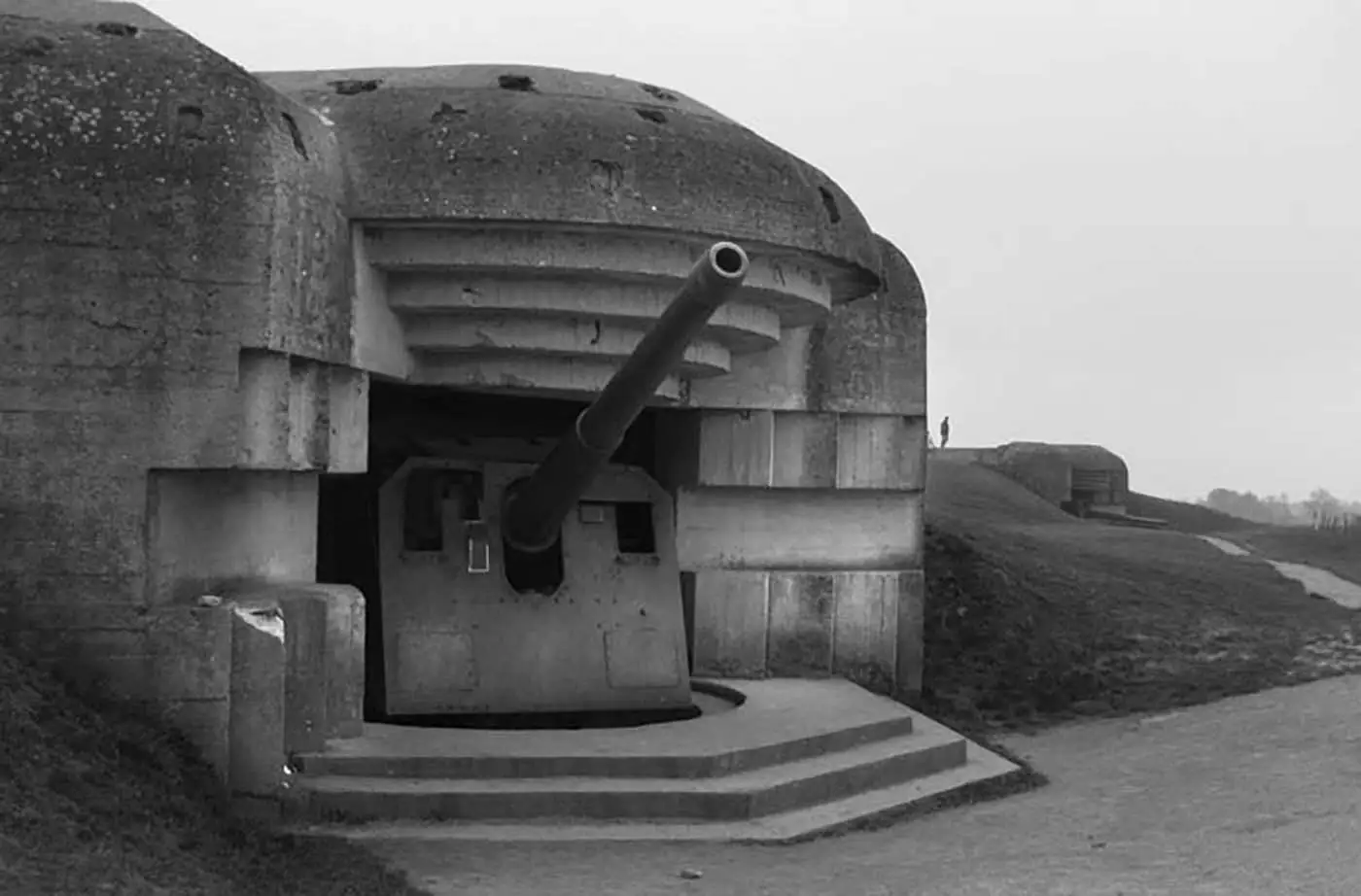
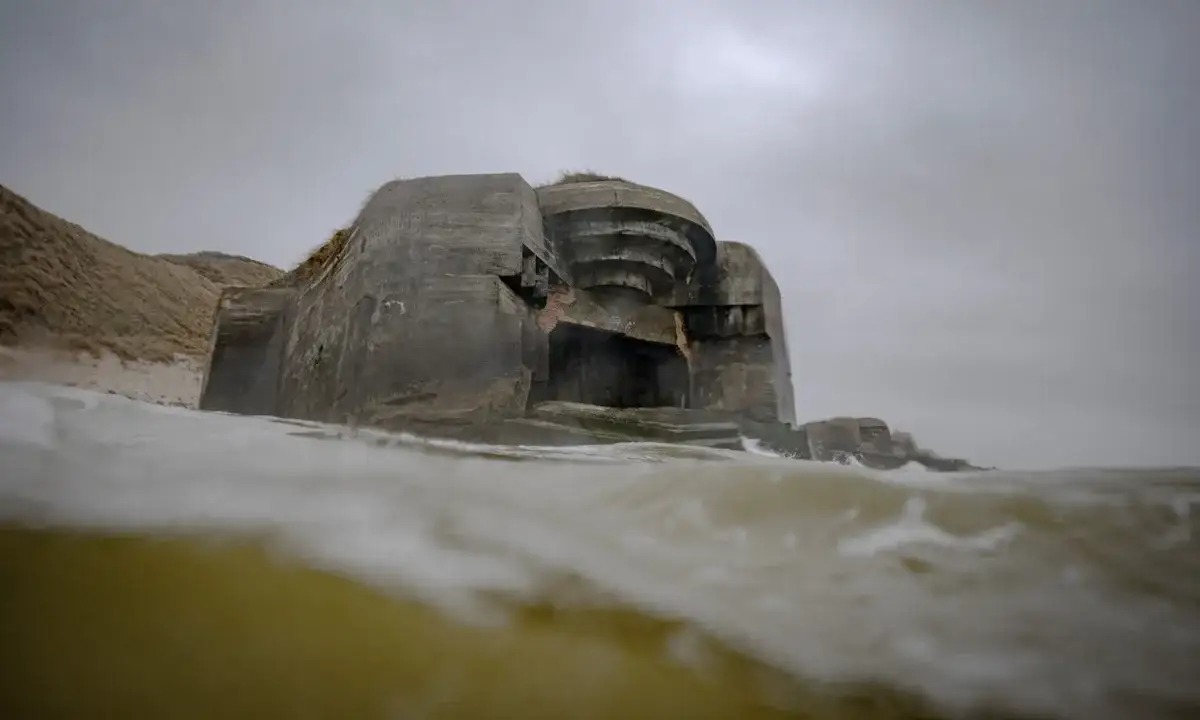
He worked to turn the shoreline into a deadly barrier that would stop invaders before they could move inland. By 1943, Rommel had completed the Atlantic Wall, a 2,400-mile line of bunkers, landmines, and obstacles placed on beaches and in the water.
Via Rare Historical Photos
These obstacles were designed to rip open landing craft and trap soldiers in the open. It is estimated that the Nazis planted around 4 million landmines along the beaches of Normandy alone, making every step forward a serious risk for the attacking troops. On the other side of the Channel, the Allies were building up their own strength.
Because Operation Overlord was launched from England, the U.S. military had to ship about 7 million tons of supplies to the staging area. This included 450,000 tons of ammunition, along with food, fuel, vehicles, and medical equipment. Towns across southern England filled up with stockpiles, and some even stored ammunition in their public squares.
Via The Guardian
Bad Weather and the Final Decision to Go
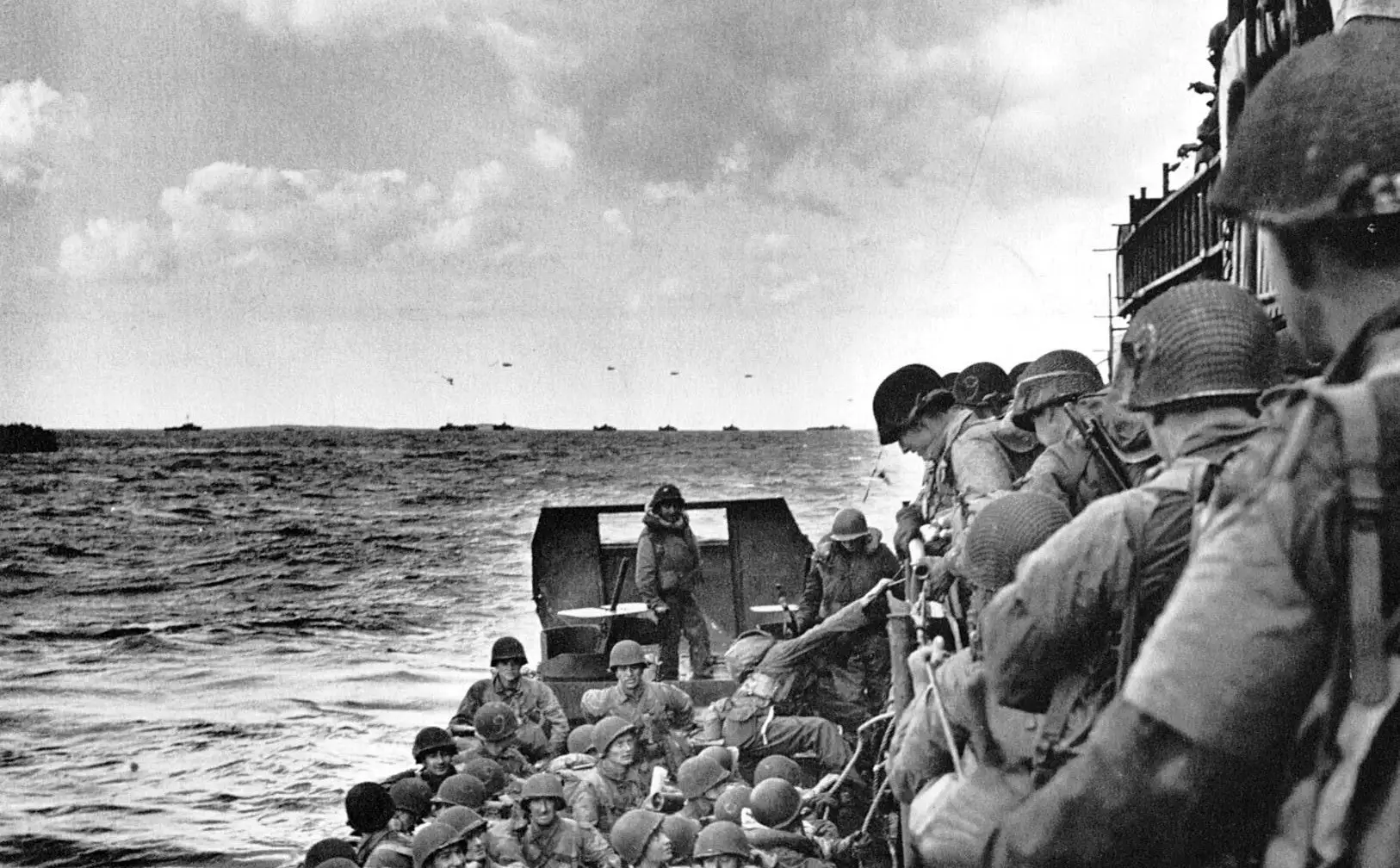
By May 1944, the troops and supplies were ready, but the weather refused to cooperate. Storms and rough seas over the English Channel made a safe crossing almost impossible. The invasion depended on calm enough water for landing craft, clear enough skies for aircraft, and the right tides and moonlight.
Waiting too long carried its own dangers, since the Germans could discover the plan or strengthen their defenses further. On June 5, General Dwight D. Eisenhower, the Supreme Allied Commander in charge of Operation Overlord, made the final call. He decided the invasion would go forward the next day.
Via D-Day
The weather was still rough, but that worked partly in the Allies’ favor. Conditions were bad enough that German planes were grounded, and many enemy commanders believed no attack could happen in such poor weather. That same day, about 1,000 British bombers flew over the Normandy coast and dropped 5,000 tons of explosives on German gun batteries.
The goal was to weaken the enemy’s defenses before the troops came ashore. The decision to launch the attack was one of the most important choices of the entire war, and it set in motion the events that would unfold the following morning.
Via Medium
Lasting Legacy of the Normandy Landings
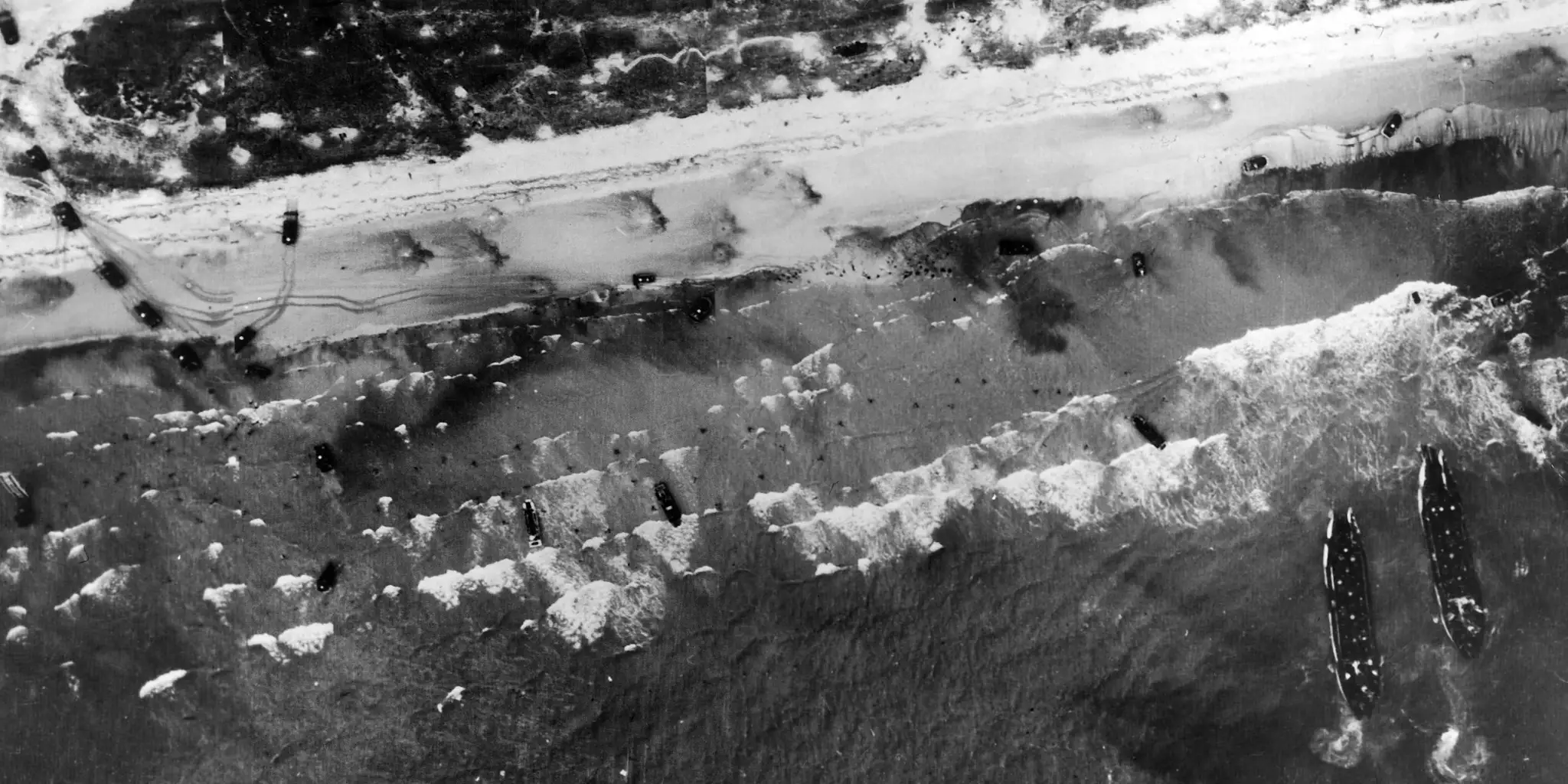
D-Day was far more than a single battle. It was the result of years of planning, clever deception, enormous supply efforts, and the bravery of soldiers who stepped onto dangerous beaches knowing many would not return. From the mystery of its name to the floating harbors that kept the Allies supplied, every detail shows how much went into making the operation succeed.
The invasion also showed what nations can achieve when they work together toward a shared goal. American, British, and Canadian forces each played a key role, and their combined strength broke through defenses that Germany believed were nearly unbreakable. People today still look back on that day as proof of what careful teamwork and determination can accomplish under extreme pressure.
Via History
The sacrifices made on June 6, 1944, continue to be honored around the world. Memorials, museums, and annual ceremonies in Normandy help people remember those who fought and those who never came home. Their courage helped bring an end to Nazi rule in Western Europe and shaped the world that came after. For many, D-Day remains a powerful reminder of the price of freedom and the strength of the human spirit.