Unassigned
20 Rulers Whose Madness Left History in Ruins
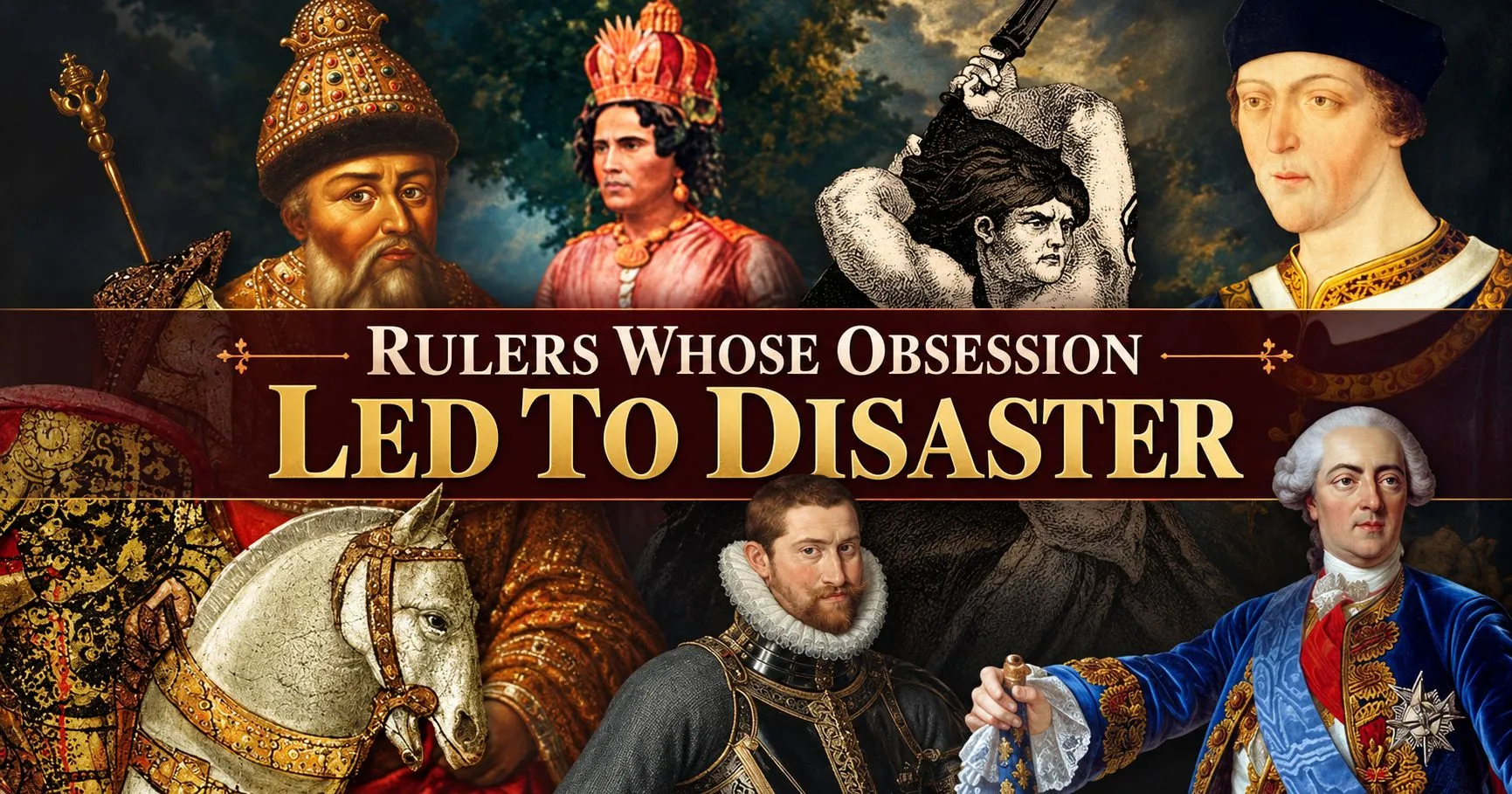
Power can shape nations, build empires, and change history. It can also damage judgment when one person begins to believe rules no longer apply to him. Many rulers, generals, and political leaders started with ambition, vision, or public support. Some promised order, greatness, reform, national pride, or a better future. Their rise often came during fear, crisis, war, poverty, or public anger. People wanted strong leadership, and these men offered bold answers. Over time, that same power pushed many of them into isolation, fear, cruelty, and dangerous self-belief. Some caused wars that killed millions. Some ruled through prisons, purges, secret police, and fear.
History shows that unchecked authority often creates a wall between leaders and ordinary people. Courtiers, loyalists, soldiers, ministers, and officials may hide bad news to protect themselves. Propaganda may turn leaders into symbols instead of humans. When criticism disappears, bad choices grow stronger. Wars become personal missions. Wealth becomes proof of greatness. Public suffering becomes easy to ignore. Some leaders even believed they were chosen by fate, history, divine power, or revolution. That belief made compromise seem weak and made cruelty look like duty. These stories also show how power can make reality harder to see.
 Via History Collection
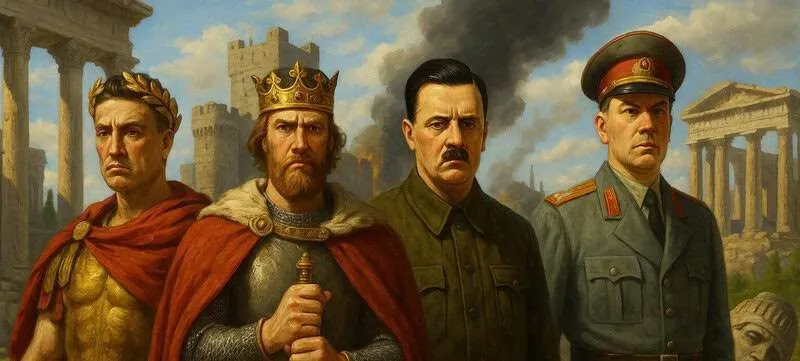
A leader surrounded only by praise may stop hearing warning signs. A ruler who fears betrayal may turn against friends, officers, citizens, and even family members. A man obsessed with greatness may gamble with armies, economies, and innocent lives. Some of these leaders chased an empire. Others built personality cults. Several used violence to protect their image. Their decisions caused famine, war, exile, executions, and national collapse. These 20 men show how power can twist reality when no one can safely question it. Others wasted national wealth while people starved. Their stories are not only about cruelty or failure. They also show the danger of leadership without limits, truth, accountability, or compassion. Their rise and fall left deep marks on countries, families, and world history.
 Via Pinterest
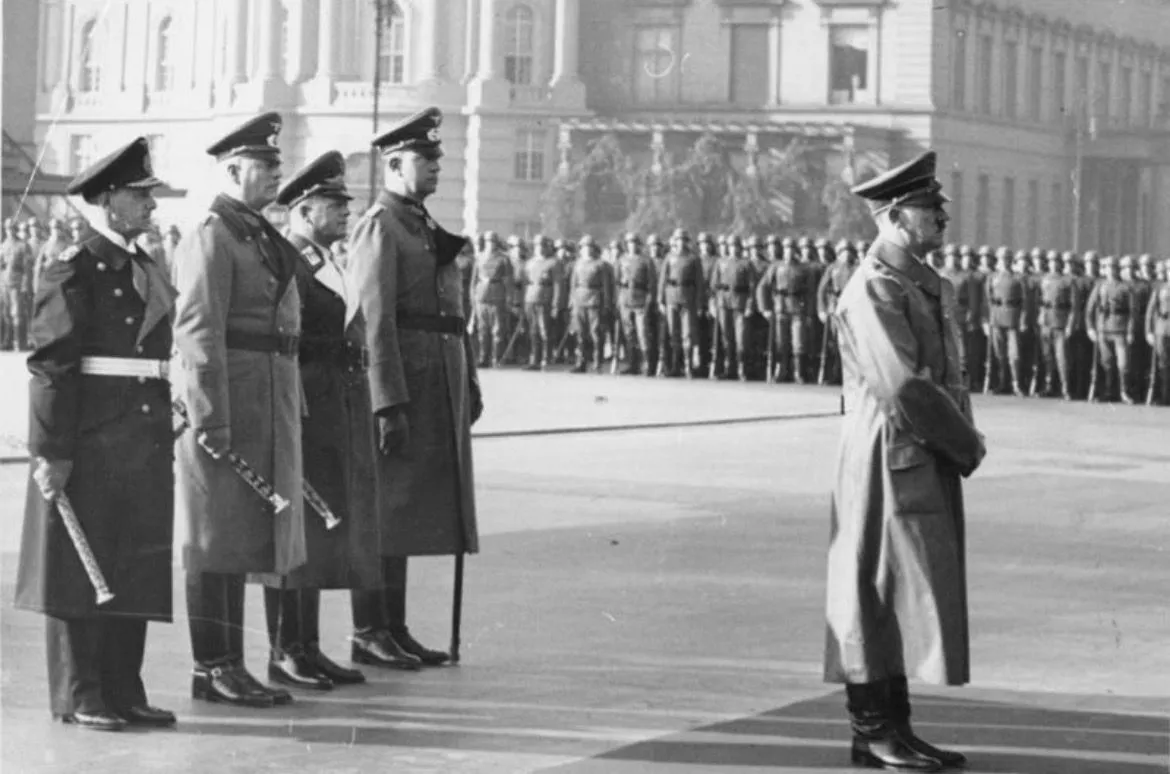
Hitler built Nazi Germany on racism, propaganda, and total control. Near defeat, he ignored reality and trusted imaginary armies while Berlin collapsed around him.
 Via The Nation WWII
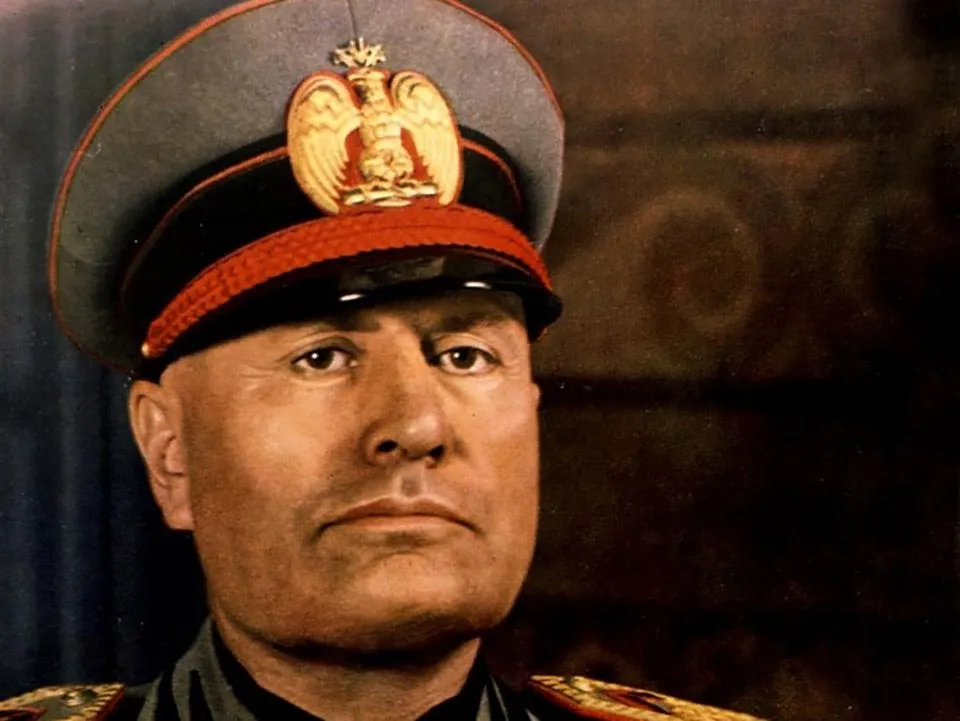
Mussolini promised Roman glory but chased reckless empire dreams. His weak wartime decisions ruined Italy and led to his capture and execution in 1945.
 Via Faculty Of Arts, Humanities & Culture
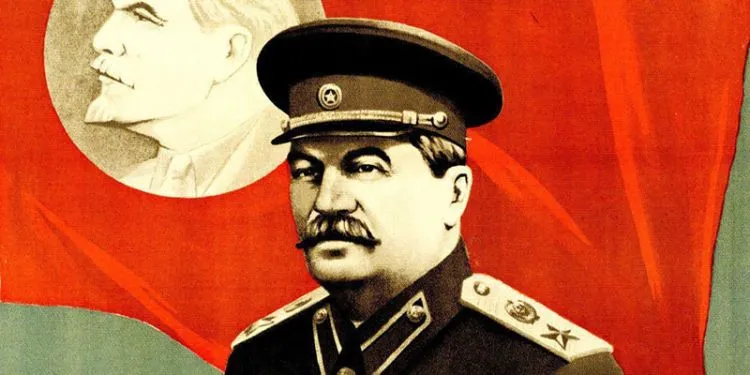
Stalin ruled through fear, purges, and forced labor camps. His paranoia destroyed trusted officials, weakened Soviet defenses, and turned suspicion into state policy.
 Via Al Jazeera
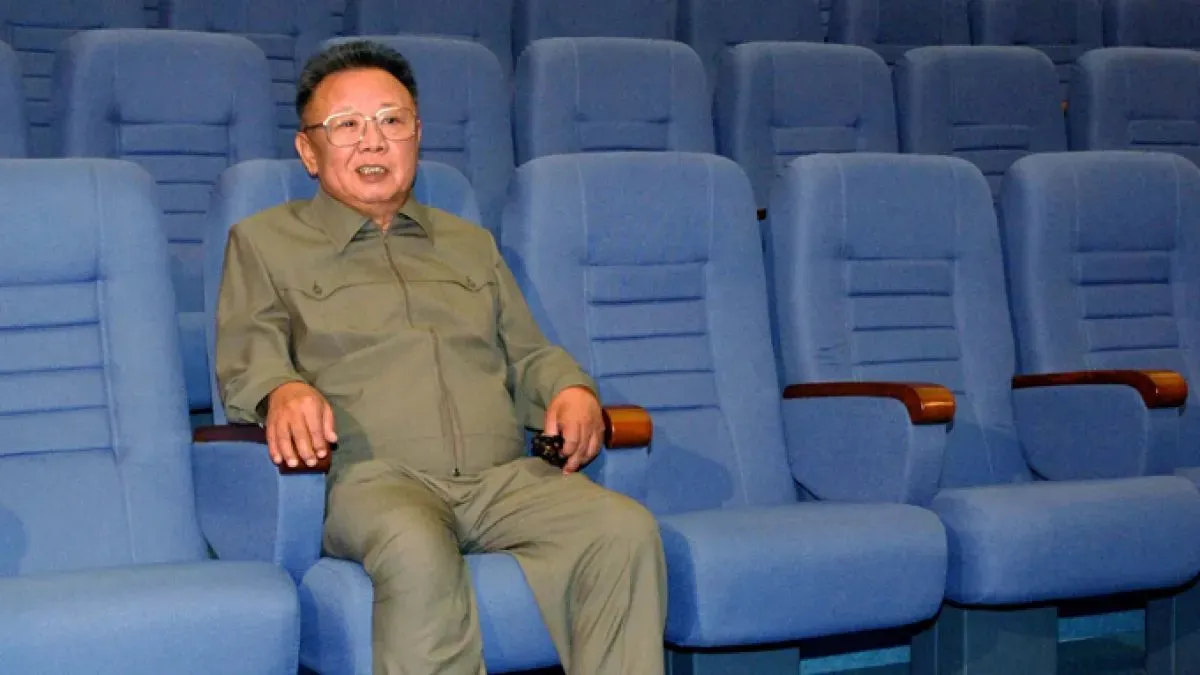
Kim Jong-il deepened North Korea’s cult of personality while famine harmed millions. Propaganda praised him as extraordinary, even as isolation and hardship grew.
 Via Ancient Origin
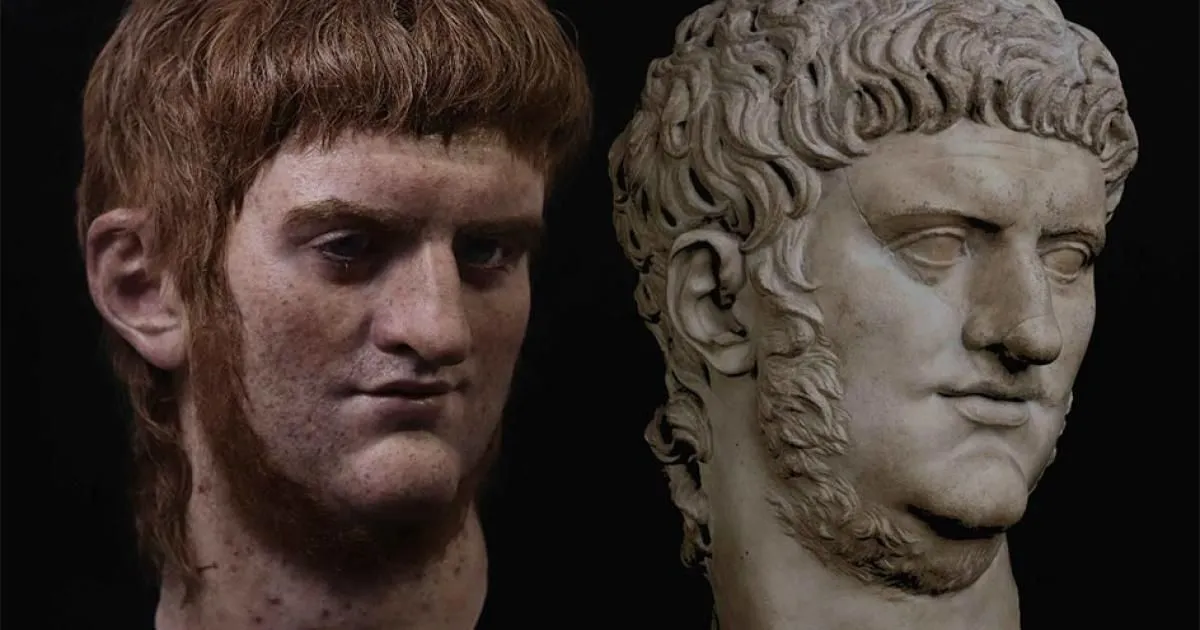
Nero became known for cruelty, vanity, and artistic obsession. As Rome faced rebellion, he clung to fantasy until the Senate declared him an enemy.
 Via History
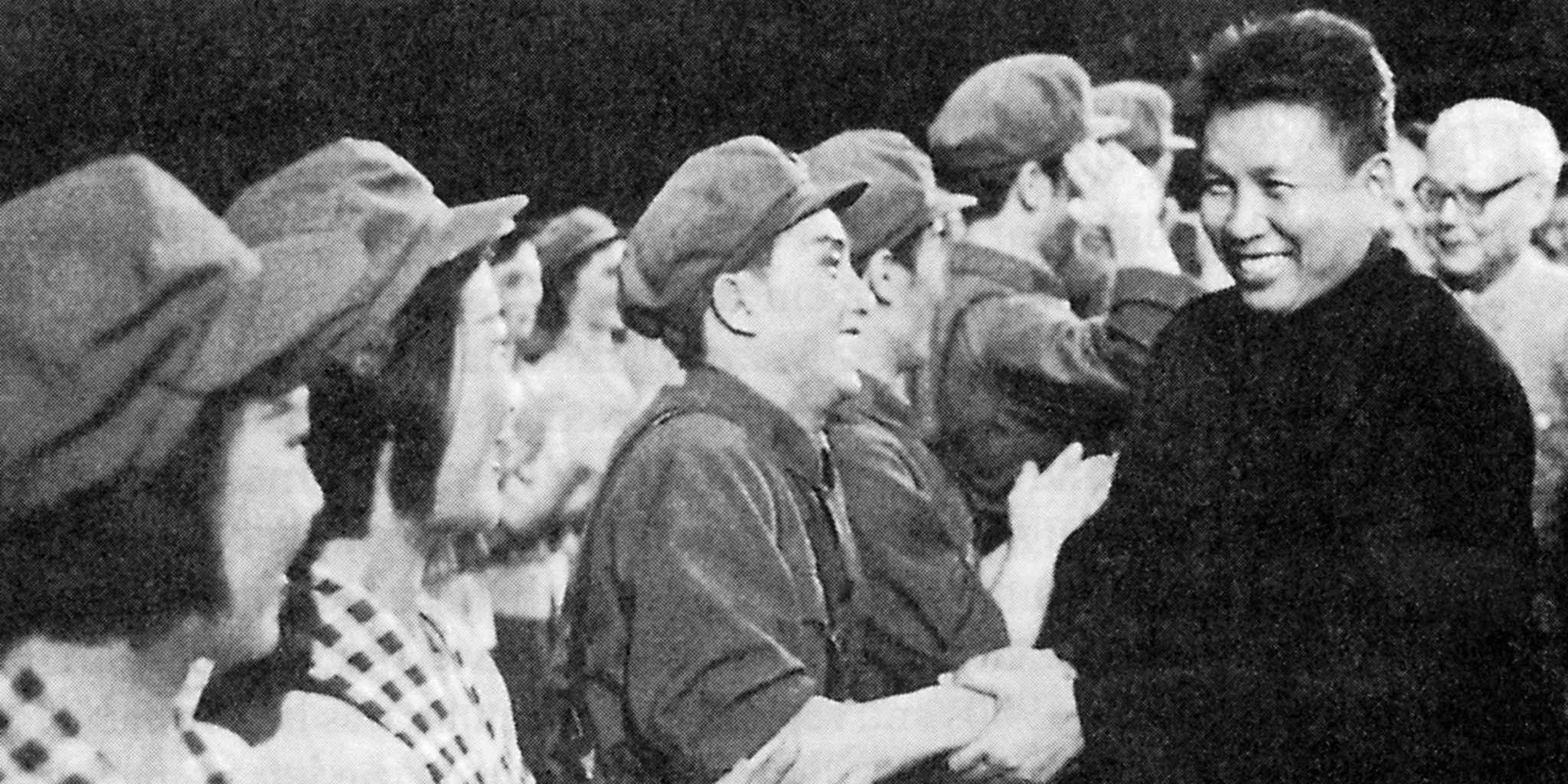
Pol Pot forced Cambodia into a brutal agrarian experiment. Cities emptied, money vanished, and nearly two million people died from executions, hunger, and labor.
 Via BBC
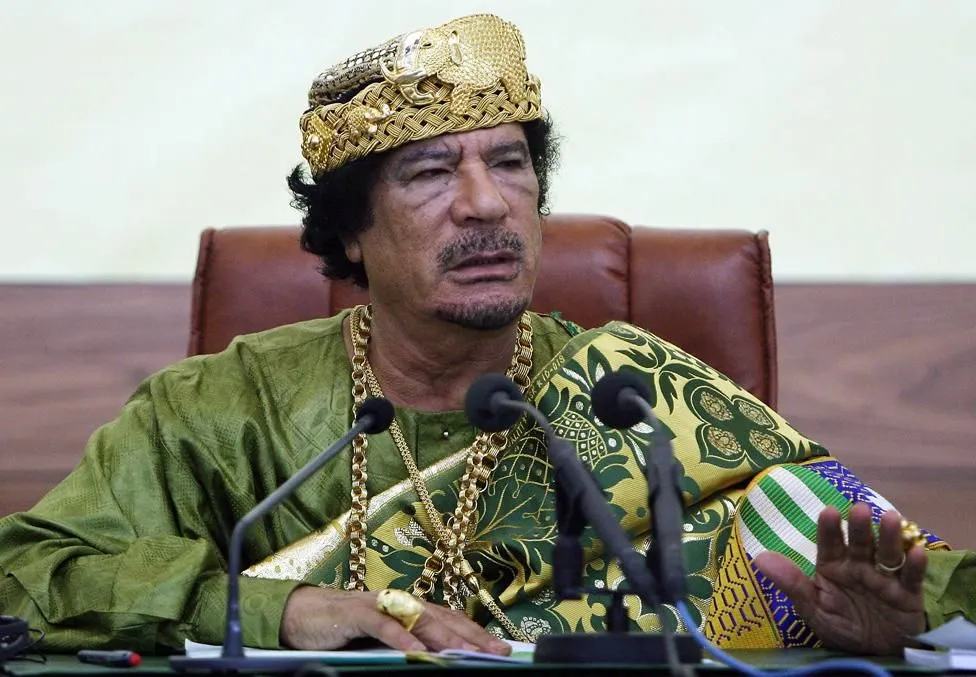
Gaddafi ruled Libya for decades through repression and strange political theories. During the 2011 uprising, his threats showed how far he had drifted.
 Via Royalty Now
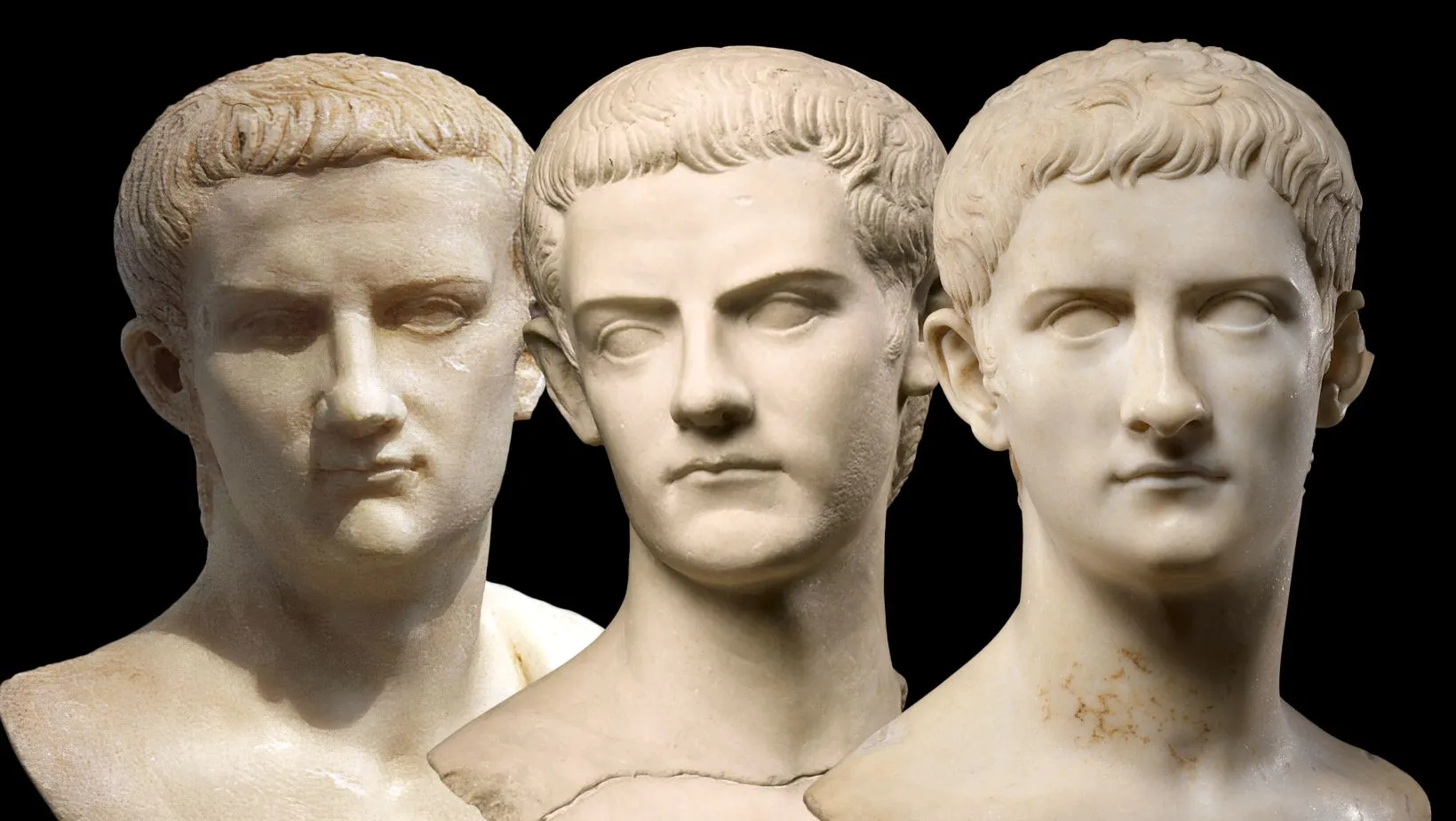
Caligula began with public support but became infamous for cruelty and excess. Ancient accounts describe executions, wasteful spending, and claims of godlike status.
 Via ThoughtCo
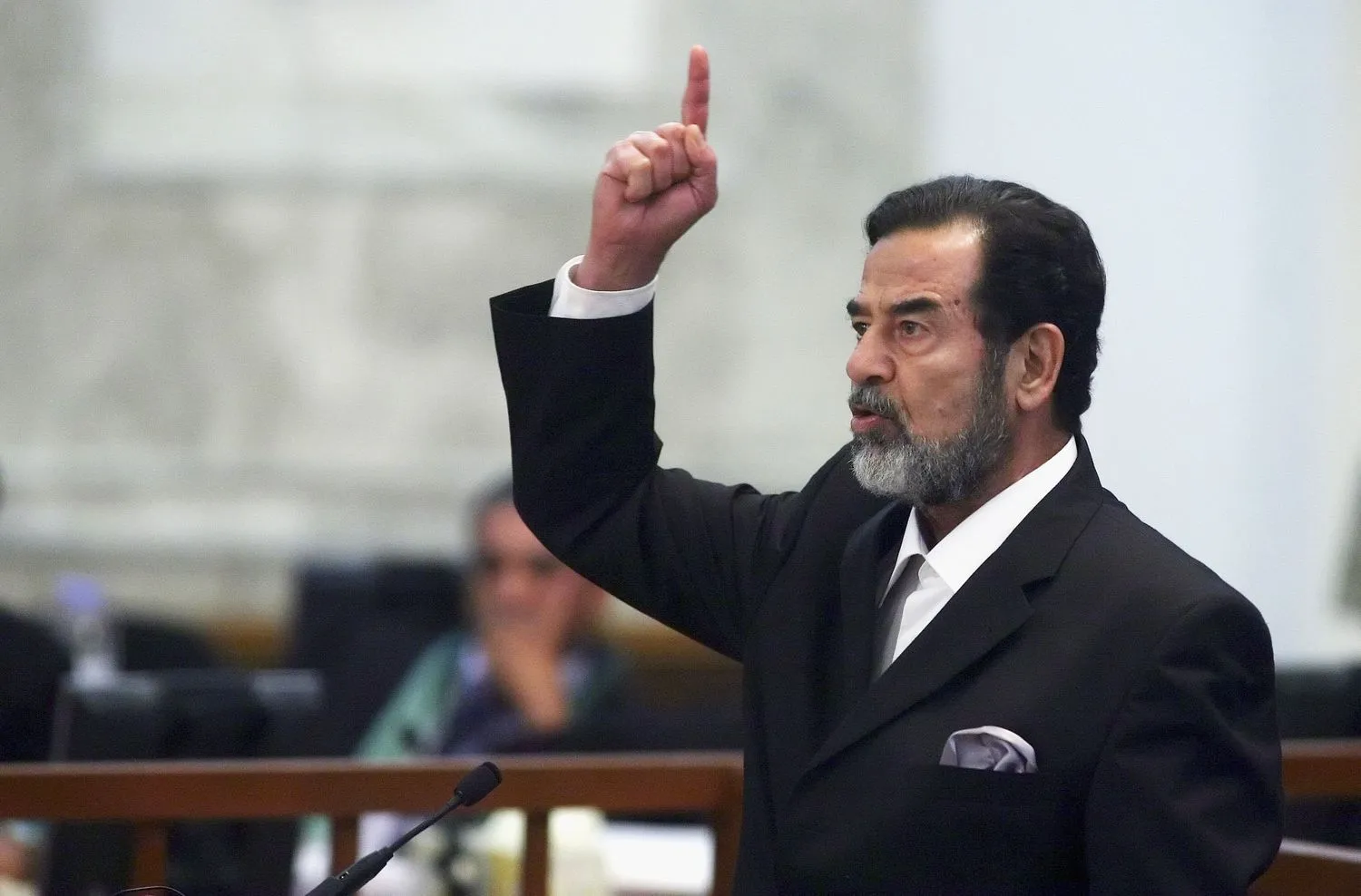
Saddam ruled Iraq through fear and loyalist circles. His invasion of Kuwait and later isolation from military truth helped lead to disaster.
 Via EFE
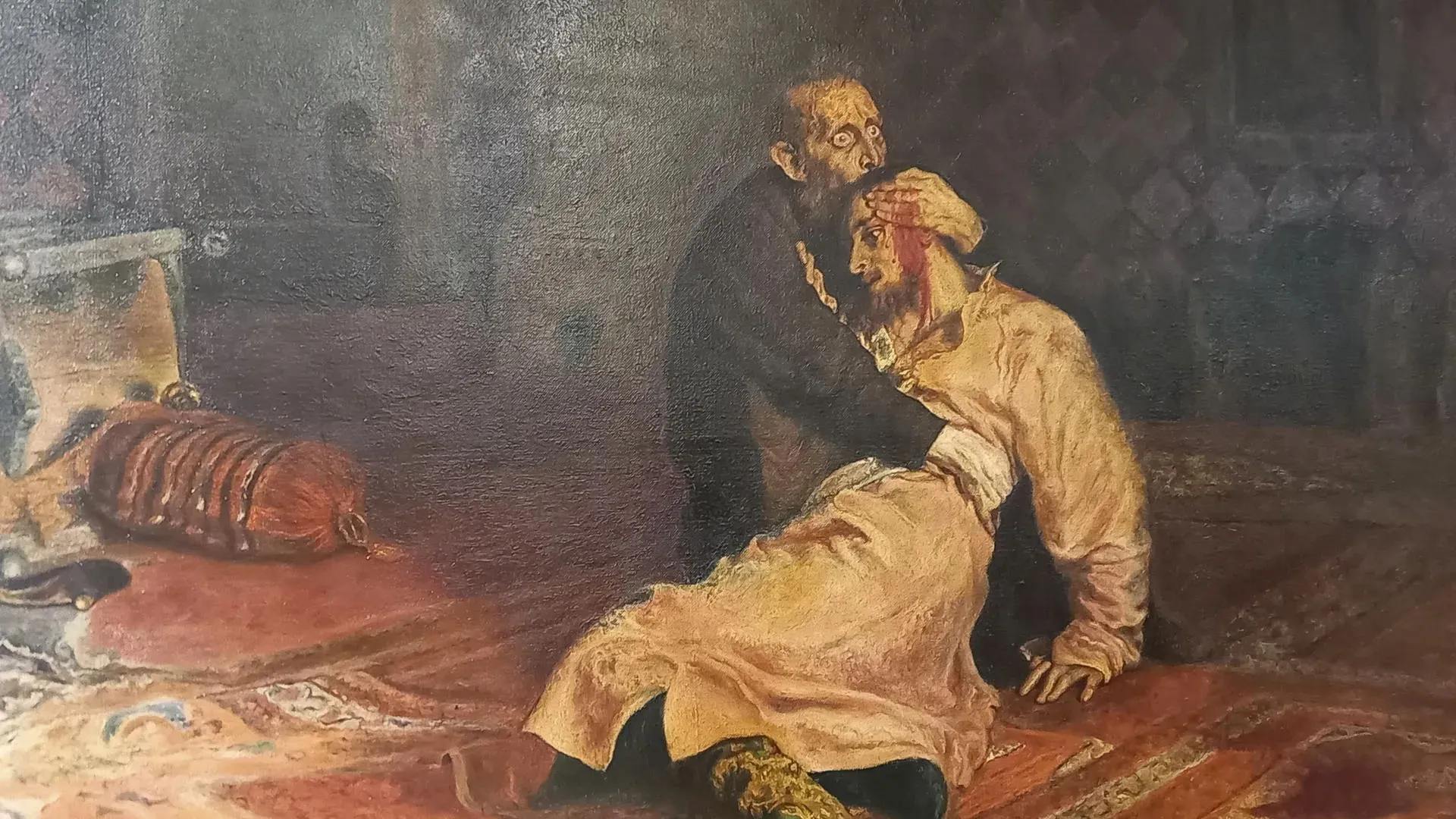
Ivan the Terrible strengthened Russia but sank into paranoia. His Oprichnina brought executions, massacres, and fear, including the killing of his own son.
 Via Yale University Press
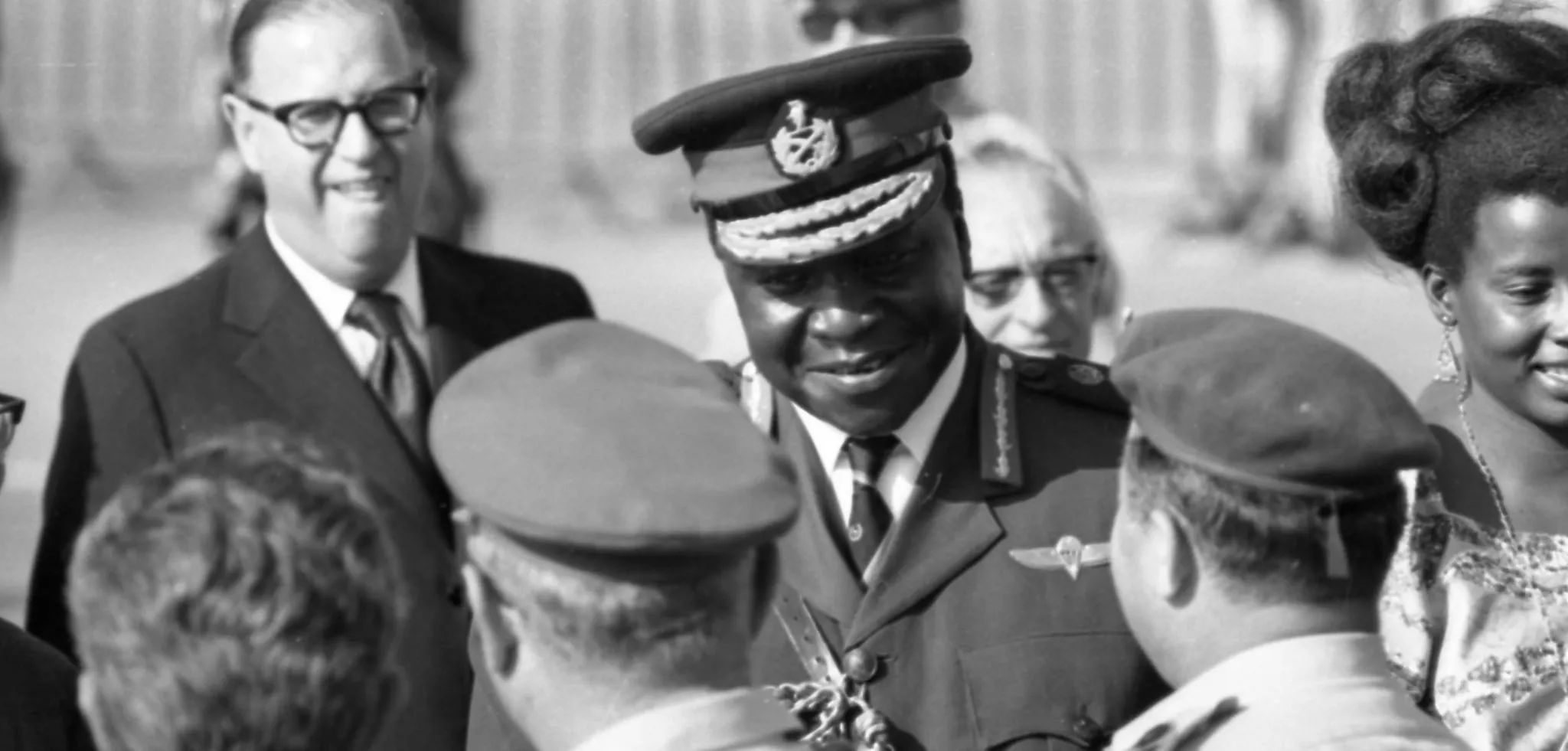
Idi Amin seized Uganda and ruled with violent whims. His titles, decrees, and paranoia masked brutality until war with Tanzania forced his exile.
 Via Forward
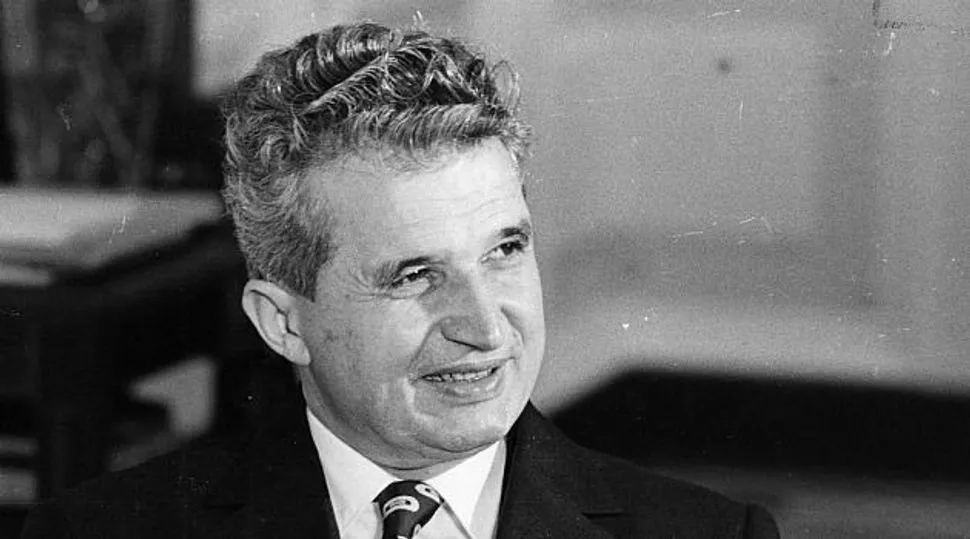
Ceaușescu built a personality cult while Romanians faced poverty and surveillance. His confused final speech showed how detached he was from public anger.
 Via X
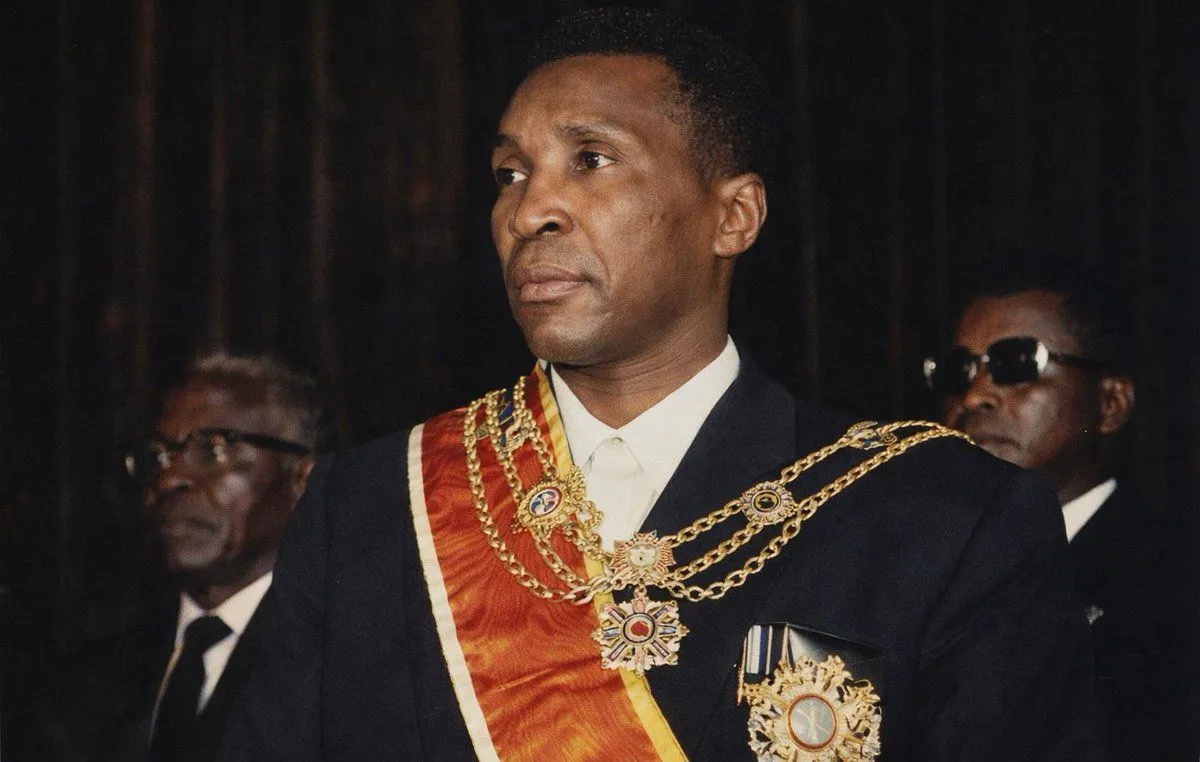
Macías Nguema ruled Equatorial Guinea through terror, paranoia, and claims of supernatural power. His violence destroyed institutions and drove many citizens away.
 Via Politico
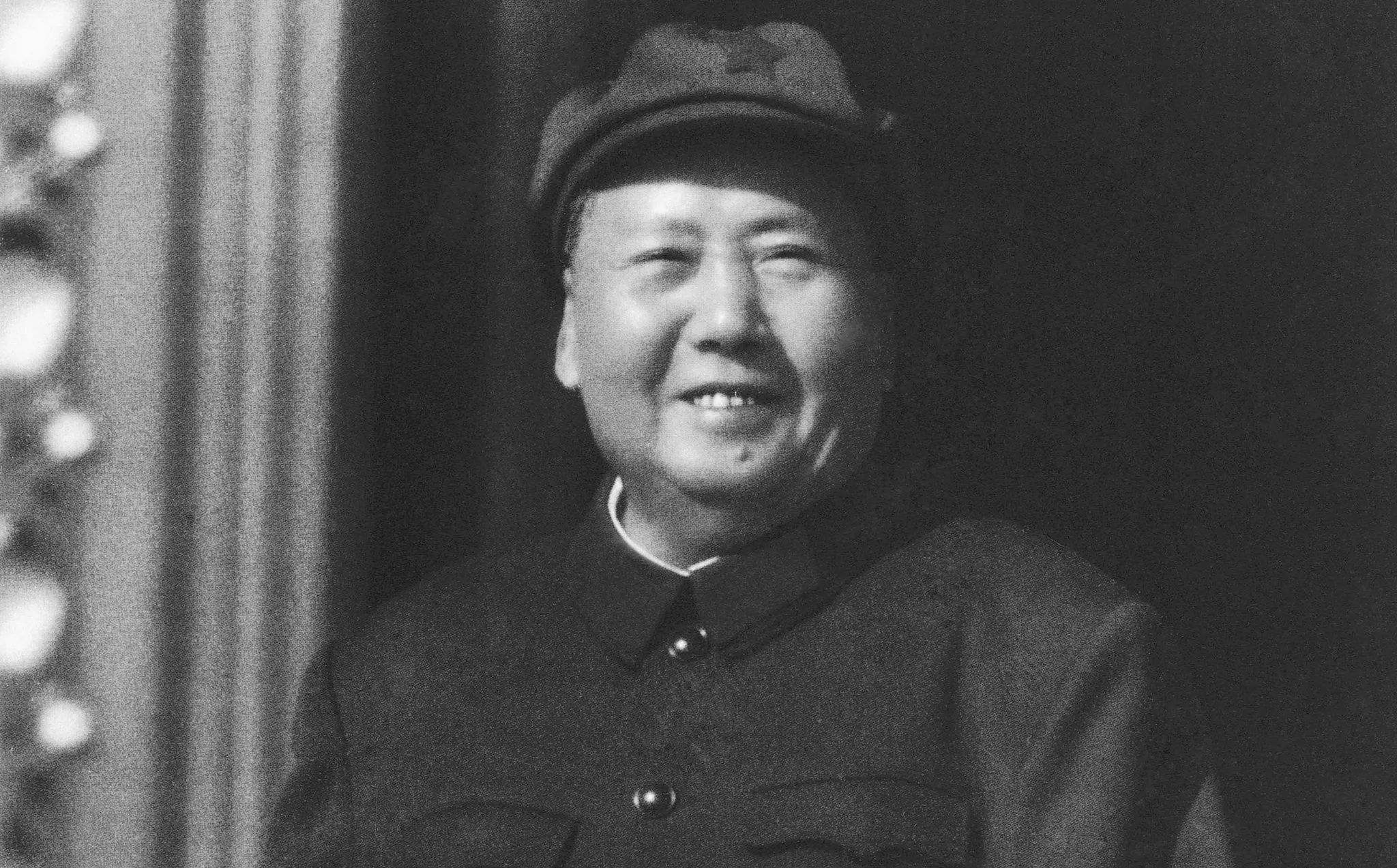
Mao reshaped China but led disastrous campaigns. The Great Leap Forward and Cultural Revolution caused famine, persecution, violence, and deep national trauma.
 Via Britannica
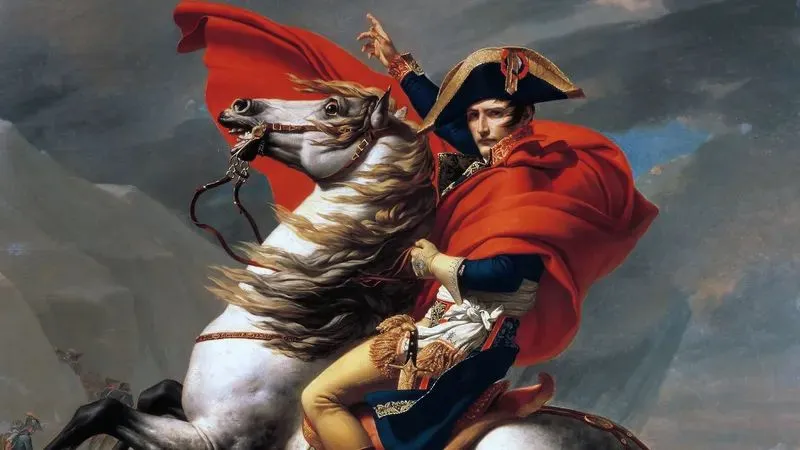
Napoleon’s victories fed his belief in destiny. His 1812 invasion of Russia destroyed his army, and Waterloo ended his dream of European domination.
 Via WDR
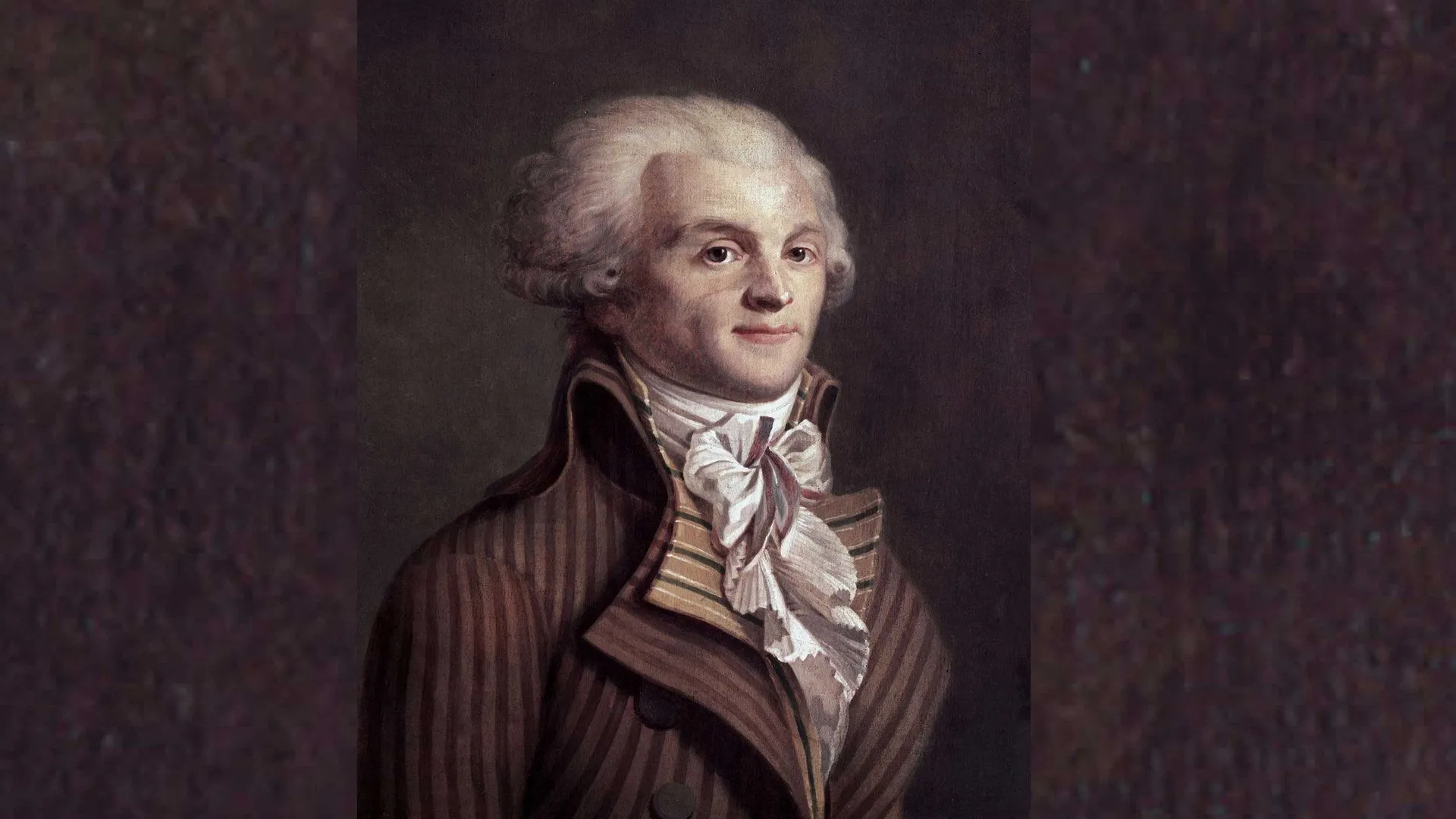
Robespierre believed revolutionary purity justified mass executions. The Reign of Terror made even allies fear him before his arrest and guillotine death.
 Via Blog NationalMuseum
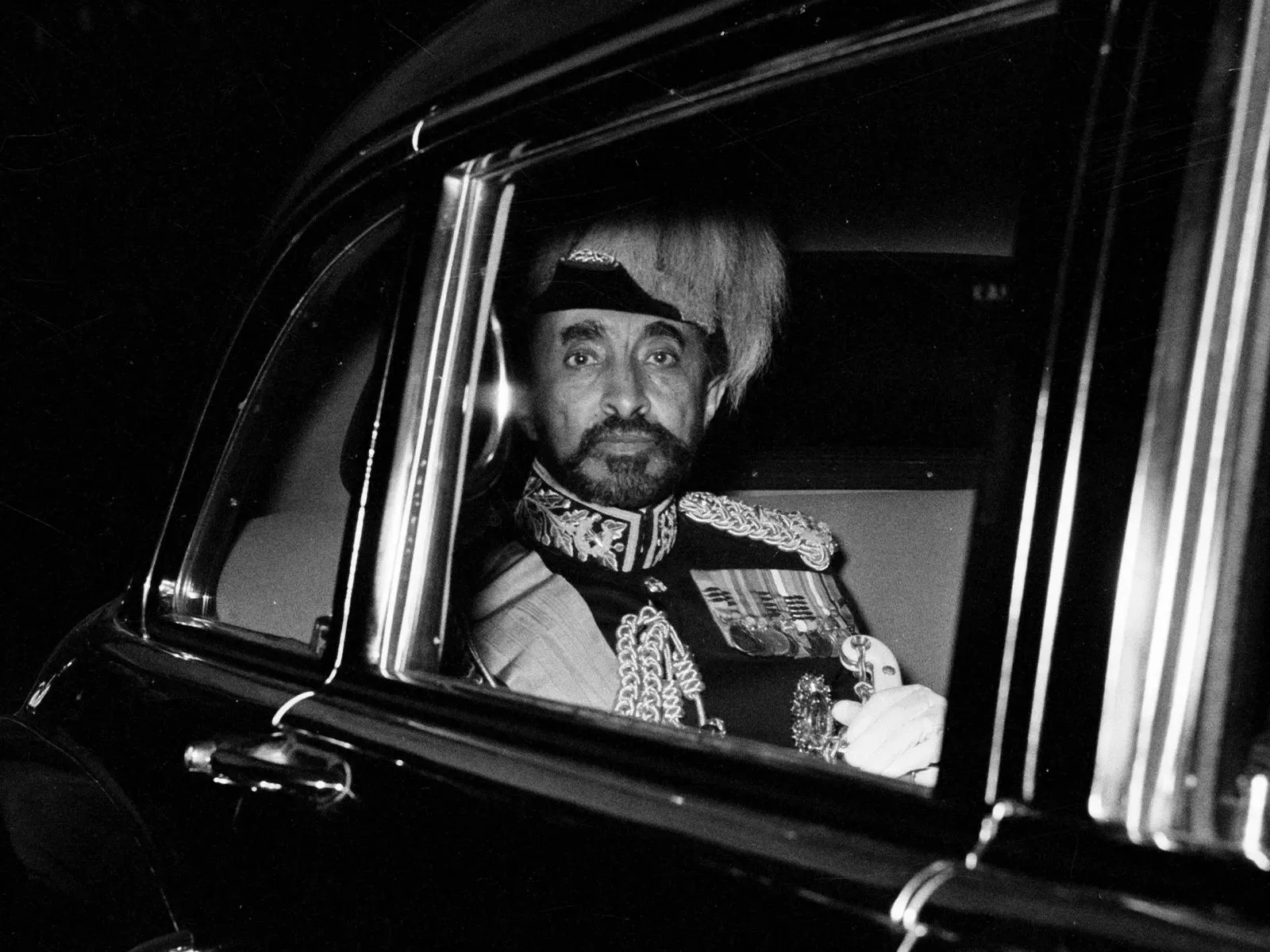
Haile Selassie was admired worldwide, but his final years showed royal isolation. Famine, protest, and crisis weakened his rule before military removal.
 Via The Japan Times
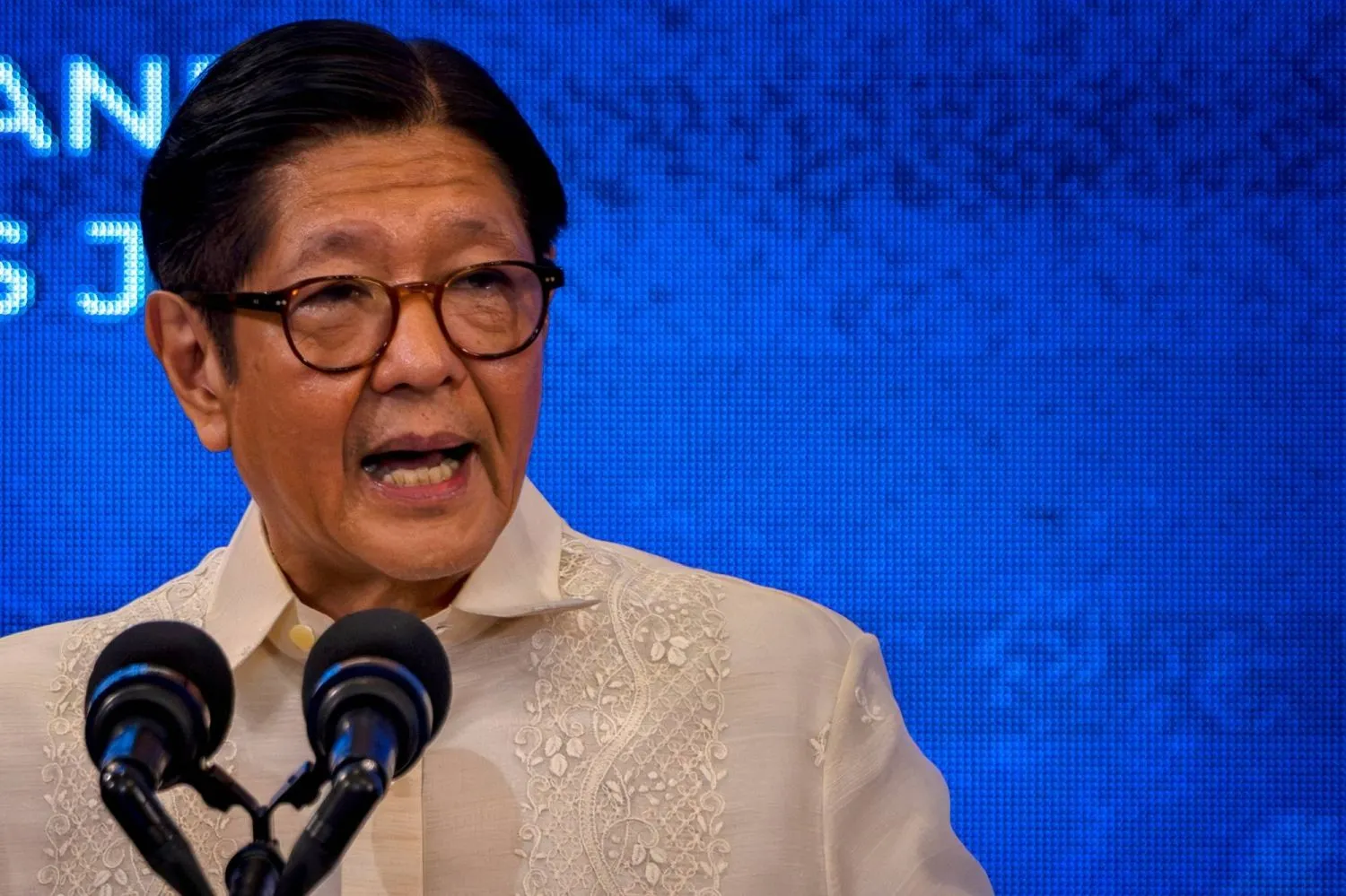
Marcos ruled the Philippines through martial law, corruption, and image-building. Public anger grew after Benigno Aquino Jr.’s assassination, ending in exile.
 Via France 24
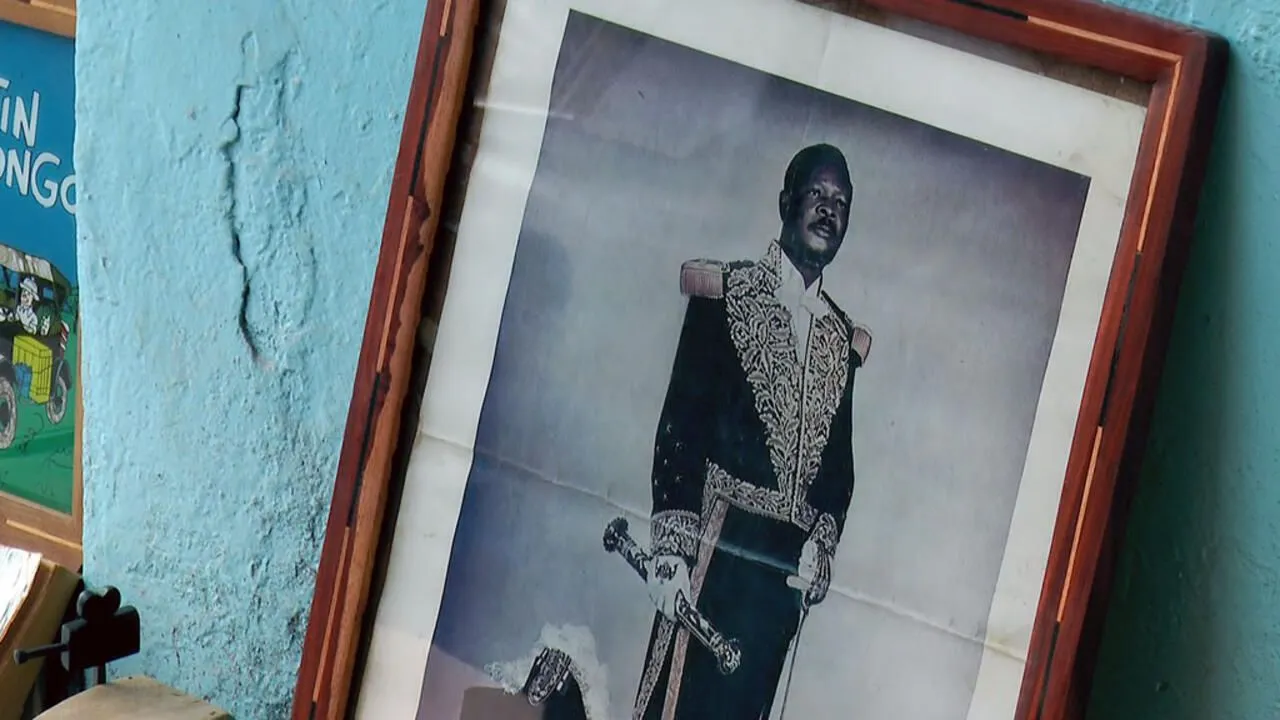
Bokassa crowned himself emperor in a lavish ceremony while poverty spread. His imperial fantasy, spending, and brutality led to his removal in 1979.
 Via World History Encyclopedia
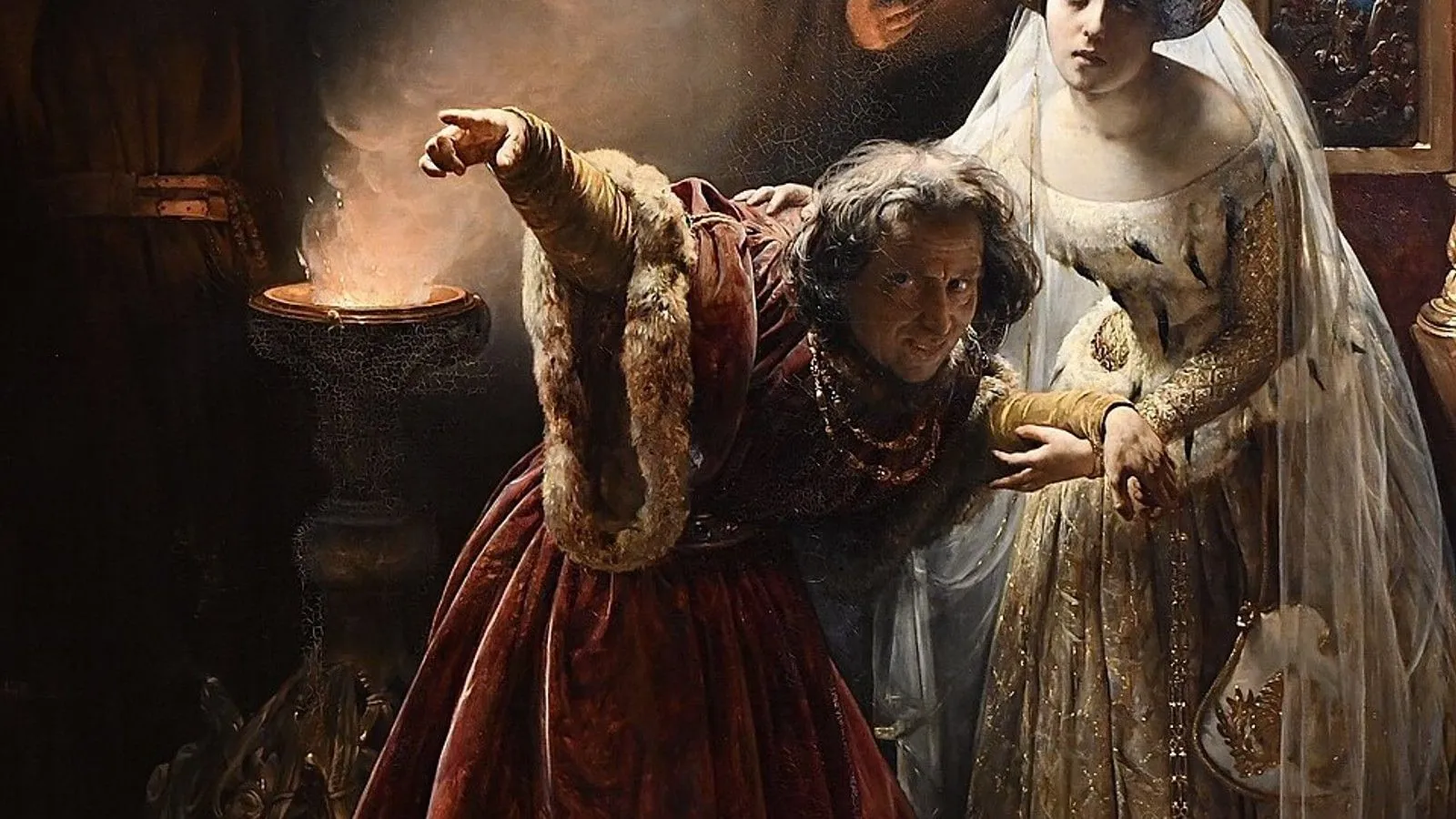
Charles VI suffered severe mental breakdowns during France’s crisis years. Rival factions used his weakness, deepening the political chaos during the Hundred Years’ War.
 Via The Collector
History does not say all power is evil. It shows that power needs law, honesty, public pressure, free speech, and accountability. Strong institutions matter because they can stop one person from turning a nation into a personal stage. Honest advisers matter because leaders need facts more than praise. Citizens also matter because public memory helps prevent old mistakes from returning in new forms. When people forget how propaganda, fear, and personality cults work, dangerous leaders can rise again with fresh slogans. These 20 men remain warnings about ego, isolation, and the damage caused when authority becomes stronger than truth. Leaders who stop listening can lose touch with real life. Nations that treat rulers like myths can suffer when those myths break.
More in Unassigned
Via History Collection
A leader surrounded only by praise may stop hearing warning signs. A ruler who fears betrayal may turn against friends, officers, citizens, and even family members. A man obsessed with greatness may gamble with armies, economies, and innocent lives. Some of these leaders chased an empire. Others built personality cults. Several used violence to protect their image. Their decisions caused famine, war, exile, executions, and national collapse. These 20 men show how power can twist reality when no one can safely question it. Others wasted national wealth while people starved. Their stories are not only about cruelty or failure. They also show the danger of leadership without limits, truth, accountability, or compassion. Their rise and fall left deep marks on countries, families, and world history.
Adolf Hitler
Via Pinterest
Hitler built Nazi Germany on racism, propaganda, and total control. Near defeat, he ignored reality and trusted imaginary armies while Berlin collapsed around him.
Benito Mussolini
Via The Nation WWII
Mussolini promised Roman glory but chased reckless empire dreams. His weak wartime decisions ruined Italy and led to his capture and execution in 1945.
Joseph Stalin
Via Faculty Of Arts, Humanities & Culture
Stalin ruled through fear, purges, and forced labor camps. His paranoia destroyed trusted officials, weakened Soviet defenses, and turned suspicion into state policy.
Kim Jong-il
Via Al Jazeera
Kim Jong-il deepened North Korea’s cult of personality while famine harmed millions. Propaganda praised him as extraordinary, even as isolation and hardship grew.
Nero
Via Ancient Origin
Nero became known for cruelty, vanity, and artistic obsession. As Rome faced rebellion, he clung to fantasy until the Senate declared him an enemy.
Pol Pot
Via History
Pol Pot forced Cambodia into a brutal agrarian experiment. Cities emptied, money vanished, and nearly two million people died from executions, hunger, and labor.
Muammar Gaddafi
Via BBC
Gaddafi ruled Libya for decades through repression and strange political theories. During the 2011 uprising, his threats showed how far he had drifted.
Caligula
Via Royalty Now
Caligula began with public support but became infamous for cruelty and excess. Ancient accounts describe executions, wasteful spending, and claims of godlike status.
Saddam Hussein
Via ThoughtCo
Saddam ruled Iraq through fear and loyalist circles. His invasion of Kuwait and later isolation from military truth helped lead to disaster.
Ivan IV
Via EFE
Ivan the Terrible strengthened Russia but sank into paranoia. His Oprichnina brought executions, massacres, and fear, including the killing of his own son.
Idi Amin
Via Yale University Press
Idi Amin seized Uganda and ruled with violent whims. His titles, decrees, and paranoia masked brutality until war with Tanzania forced his exile.
Nicolae Ceaușescu
Via Forward
Ceaușescu built a personality cult while Romanians faced poverty and surveillance. His confused final speech showed how detached he was from public anger.
Francisco Macías Nguema
Via X
Macías Nguema ruled Equatorial Guinea through terror, paranoia, and claims of supernatural power. His violence destroyed institutions and drove many citizens away.
Mao Zedong
Via Politico
Mao reshaped China but led disastrous campaigns. The Great Leap Forward and Cultural Revolution caused famine, persecution, violence, and deep national trauma.
Napoleon Bonaparte
Via Britannica
Napoleon’s victories fed his belief in destiny. His 1812 invasion of Russia destroyed his army, and Waterloo ended his dream of European domination.
Maximilien Robespierre
Via WDR
Robespierre believed revolutionary purity justified mass executions. The Reign of Terror made even allies fear him before his arrest and guillotine death.
Haile Selassie
Via Blog NationalMuseum
Haile Selassie was admired worldwide, but his final years showed royal isolation. Famine, protest, and crisis weakened his rule before military removal.
Ferdinand Marcos
Via The Japan Times
Marcos ruled the Philippines through martial law, corruption, and image-building. Public anger grew after Benigno Aquino Jr.’s assassination, ending in exile.
Emperor Bokassa I
Via France 24
Bokassa crowned himself emperor in a lavish ceremony while poverty spread. His imperial fantasy, spending, and brutality led to his removal in 1979.
Charles VI
Via World History Encyclopedia
Charles VI suffered severe mental breakdowns during France’s crisis years. Rival factions used his weakness, deepening the political chaos during the Hundred Years’ War.
Why These Stories Still Warn the World?
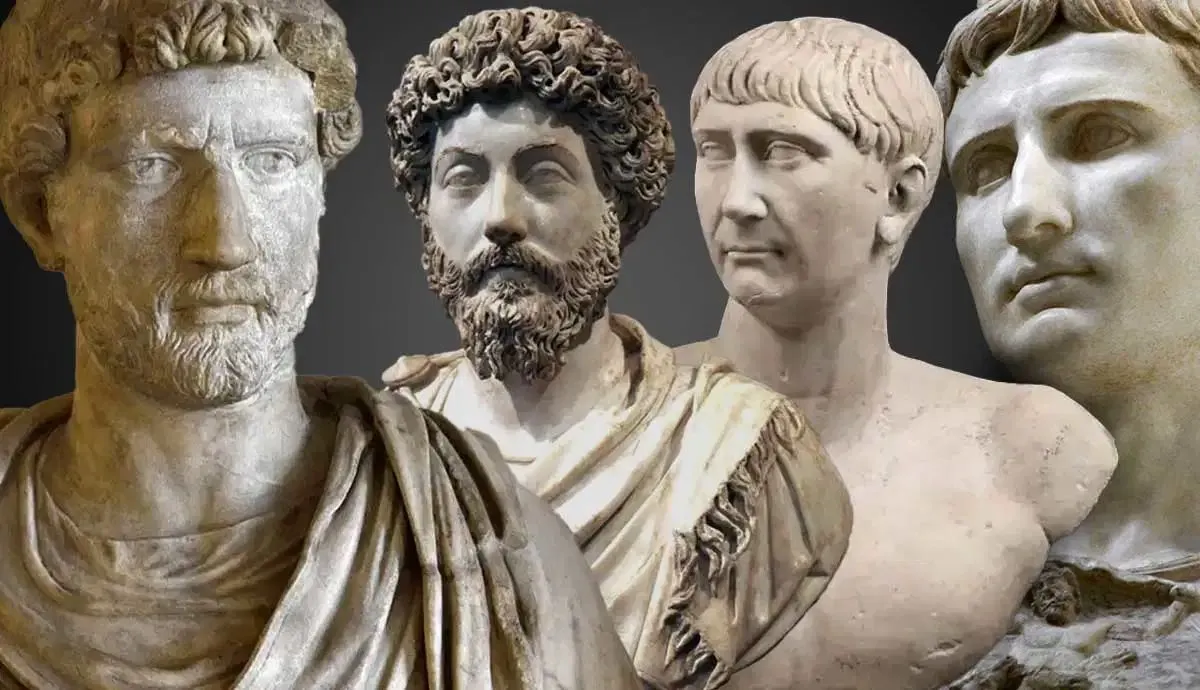
These leaders came from different countries, centuries, cultures, and political systems, but their stories share a clear pattern. Power became dangerous when it faced no strong limits. Many of these men surrounded themselves with loyal voices and punished criticism. Truth became risky, so officials told them what they wanted to hear. That made bad decisions easier and corrections harder. A ruler who never hears “no” may begin to believe every plan is wise, every enemy is evil, and every failure is someone else’s fault. Their failures also show that personal delusion can become a public disaster. One ruler’s pride can start a war. One leader’s paranoia can fill prisons and graves. One man’s dream of glory can drain a country’s money, food, and future. Ordinary people often paid the highest price through hunger, fear, exile, censorship, forced labor, lost homes, and violence. The most painful part of these stories is that many warnings appeared before the final collapse. Generals warned about impossible campaigns. Citizens protested hunger and corruption. Critics spoke against cruelty. Yet leaders trapped inside their own image often ignored those warnings until it was too late.Via The Collector
History does not say all power is evil. It shows that power needs law, honesty, public pressure, free speech, and accountability. Strong institutions matter because they can stop one person from turning a nation into a personal stage. Honest advisers matter because leaders need facts more than praise. Citizens also matter because public memory helps prevent old mistakes from returning in new forms. When people forget how propaganda, fear, and personality cults work, dangerous leaders can rise again with fresh slogans. These 20 men remain warnings about ego, isolation, and the damage caused when authority becomes stronger than truth. Leaders who stop listening can lose touch with real life. Nations that treat rulers like myths can suffer when those myths break.