Unassigned
10 Historic Photo Tricks That Fooled Viewers Easily
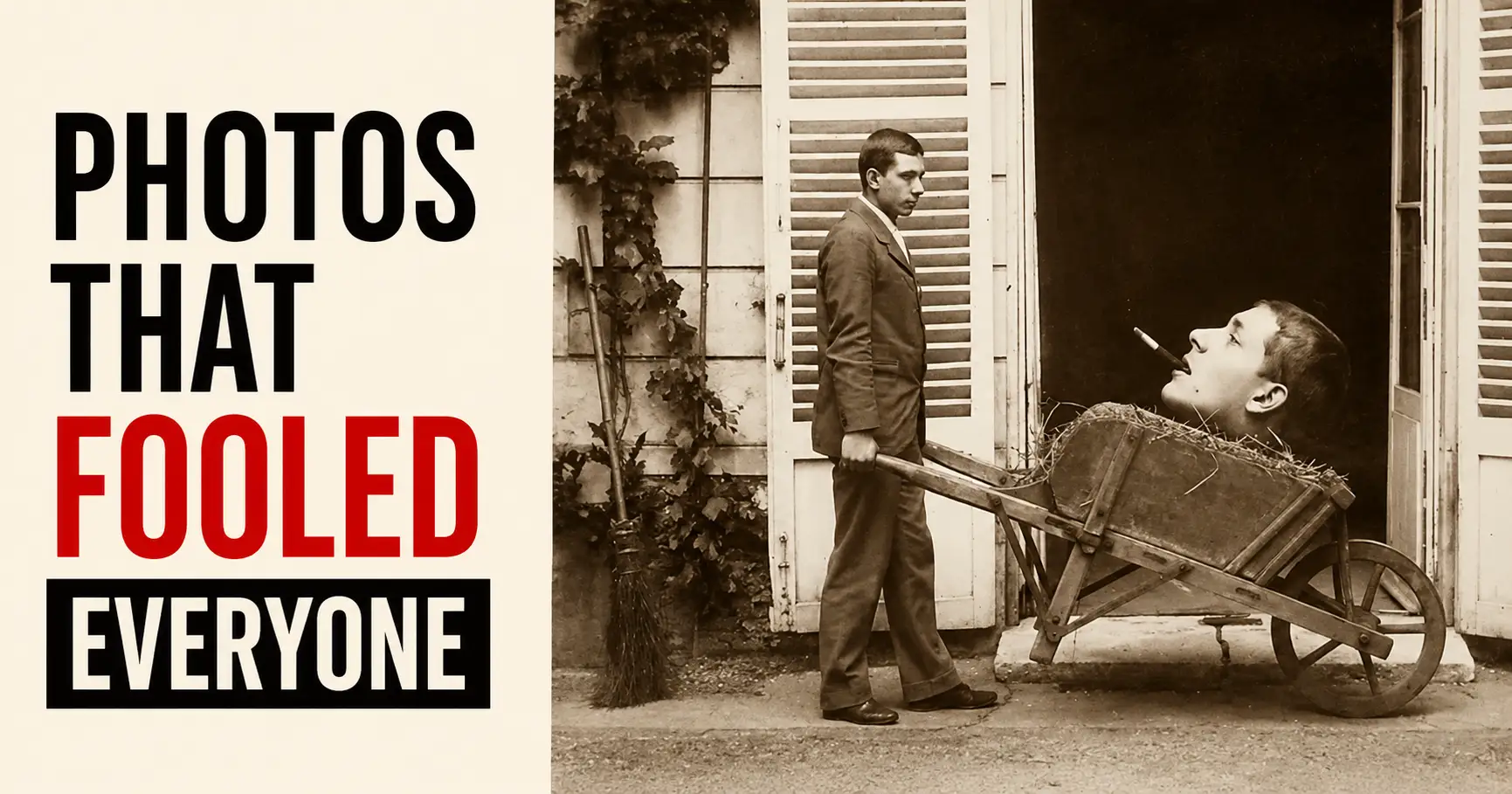
Photography has long been seen as a reliable way to capture reality, yet history tells a different story. From its earliest days in the 19th century, photography was never just about recording truth. Artists and photographers quickly discovered ways to alter images, using creative techniques to shape what viewers believed they were seeing.
These early experiments show that image manipulation is not a modern invention but a deeply rooted part of visual culture. Early photographers worked with limited tools compared to today’s digital software, yet their imagination made up for it. Using darkroom techniques, double exposures, and careful staging, they produced images that blurred the line between reality and illusion.
 Via BBC
These creations were not always meant to deceive maliciously. Many aimed to entertain, inspire curiosity, or explore artistic possibilities beyond simple documentation. Historical evidence reveals that audiences were often aware of these tricks yet still found them fascinating.
Photography became a mix of science and storytelling, where images could suggest dreams, fears, or imagined futures. This dual nature continues to shape how people interpret images today, reminding viewers to question what they see rather than accept it at face value.
 Via BBC
 Via BBC
Despite these challenges, many photographers mastered the craft and created works that still impress modern audiences. Darkroom experimentation also played a key role in shaping manipulated images. By blocking light, adjusting exposure times, or combining negatives, photographers could alter reality in subtle or dramatic ways.
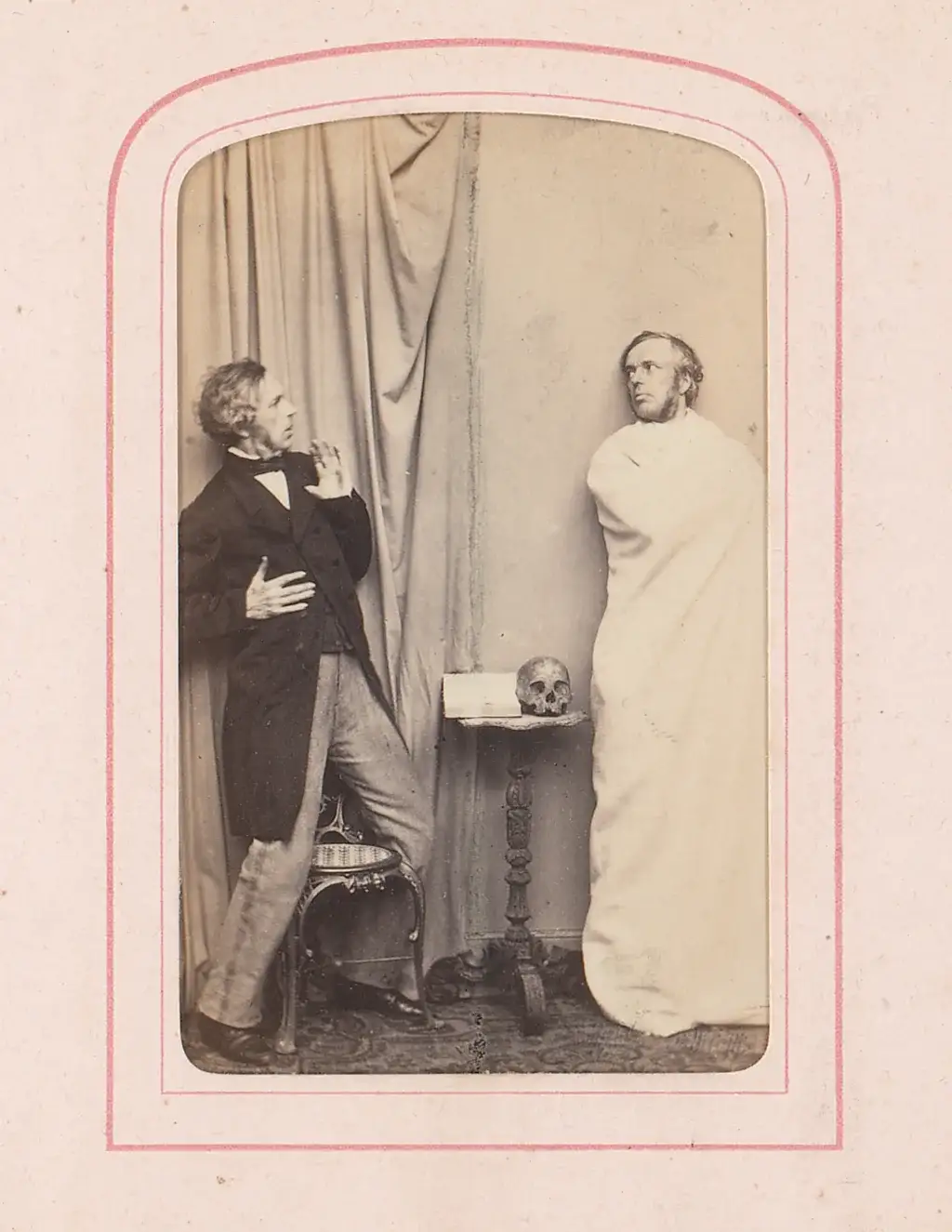
By carefully controlling light and timing, photographers could place one subject within another scene, creating ghost-like figures or dreamlike compositions that seemed impossible. These techniques laid the groundwork for modern editing tools, proving that creativity has always driven innovation in visual storytelling.
 Via BBC
 Via BBC
For example, images showing a person alongside a dreamlike version of their future suggested storytelling elements that went beyond simple portraits. This approach added depth to photography, allowing it to communicate ideas and feelings rather than just record appearances.
These imaginative works often carried a playful tone, inviting viewers to engage with the image rather than question its authenticity. The goal was not always deception but exploration. By pushing the limits of what could be captured, early photographers helped establish photography as both an art form and a medium for creative expression.
 Via BBC
 Via BBC
Entertainment value remained a central focus in many manipulated photographs. Rather than aiming to mislead, these images often highlighted creativity and humor. They encouraged viewers to enjoy the illusion while appreciating the skill involved in creating it. This balance between fiction and reality continues to influence modern visual media.
 Via BBC
These movements embraced the idea that reality could be reimagined through art. Manipulated photographs often featured unusual combinations of objects, distorted perspectives, or fragmented forms. Such techniques encouraged viewers to interpret images in new ways, moving beyond literal understanding to explore symbolic and conceptual meanings.
The influence of these artistic approaches can still be seen in contemporary photography and digital art. Modern creators continue to use manipulation to express ideas, tell stories, and challenge perceptions. The early experiments of photographers and artists laid the foundation for this ongoing evolution, proving that innovation often begins with curiosity and creativity.
 Via MOMA
 Via BBC
The impact of such images demonstrates the dual nature of photo manipulation. It can mislead when used irresponsibly, but it can also reveal deeper truths when used thoughtfully. This balance remains relevant today, as modern technology continues to expand the possibilities of visual communication while raising questions about authenticity and trust.
 Via BBC
Early photographers demonstrated that manipulation is not always harmful. When used creatively, it can enhance storytelling, express ideas, and spark imagination. The challenge lies in how these tools are used and whether audiences are informed about the nature of the image. Transparency and responsibility play a key role in maintaining trust in visual content today.
The past also highlights the importance of critical thinking when consuming media. People benefit from asking questions about what they see, considering the context, and recognizing that images are often constructed rather than purely captured. These lessons remain essential in a world where visual content continues to shape opinions, beliefs, and everyday decisions.
 Via SkillShare
 Via The Conversation
The techniques developed over a century ago continue to shape how images are created and understood today. By studying these early works, people gain insight into the evolution of visual media and the role of creativity in shaping perception. Many of the creative choices seen in modern advertising, filmmaking, digital design, and social media imagery can be traced back to experiments carried out by artists and inventors from generations past.
 Via Big Think
The legacy of early photographic illusions serves as a reminder that images are powerful but not always truthful. People benefit from questioning what they see, recognizing that every image carries a perspective shaped by its creator. This awareness helps build a more informed and thoughtful approach to visual content in an increasingly image-driven world.
More in UnassignedVia BBC
These creations were not always meant to deceive maliciously. Many aimed to entertain, inspire curiosity, or explore artistic possibilities beyond simple documentation. Historical evidence reveals that audiences were often aware of these tricks yet still found them fascinating.
Photography became a mix of science and storytelling, where images could suggest dreams, fears, or imagined futures. This dual nature continues to shape how people interpret images today, reminding viewers to question what they see rather than accept it at face value.
Via BBC
Creative Techniques Used in Early Photo Manipulation
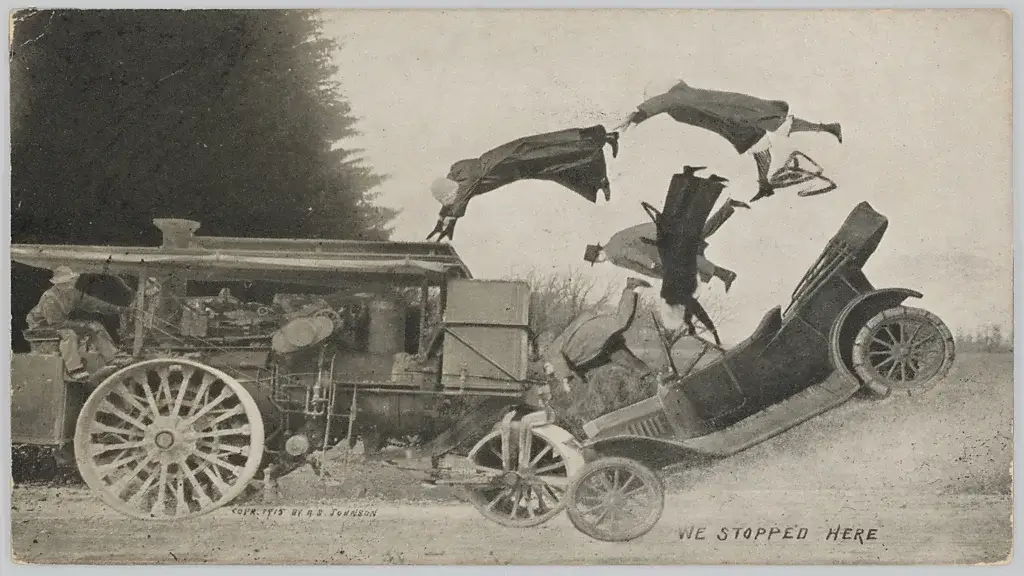
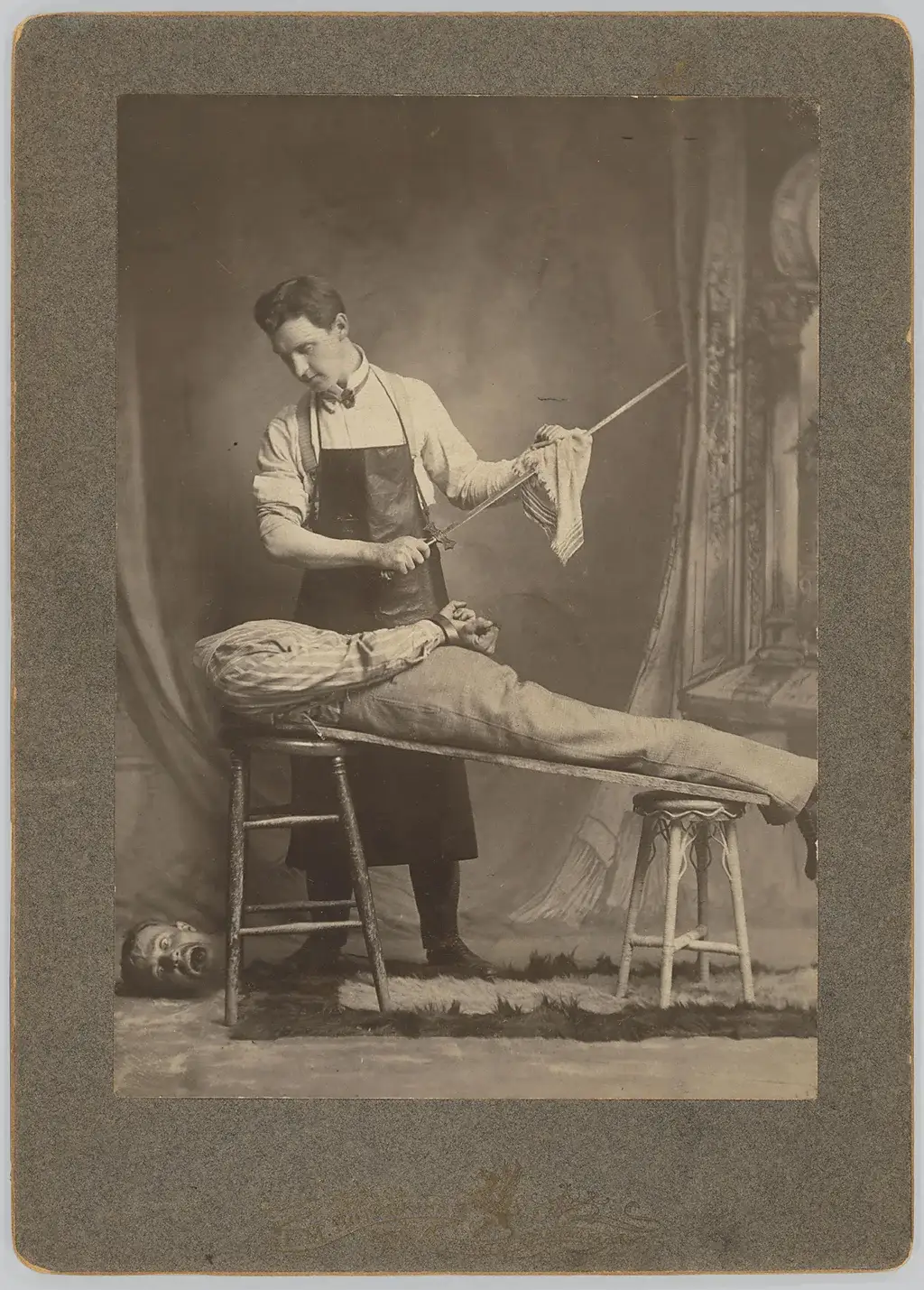
Photographers in the late 1800s and early 1900s relied on hands-on methods to manipulate images. Double exposure was one of the most common techniques, allowing two separate images to be combined into a single frame. Cutting and pasting photographic prints was another widely used method. Artists physically rearranged parts of images before re-photographing them, producing seamless compositions that appeared natural. This process required precision and patience, as even small mistakes could reveal the illusion.Via BBC
Despite these challenges, many photographers mastered the craft and created works that still impress modern audiences. Darkroom experimentation also played a key role in shaping manipulated images. By blocking light, adjusting exposure times, or combining negatives, photographers could alter reality in subtle or dramatic ways.
By carefully controlling light and timing, photographers could place one subject within another scene, creating ghost-like figures or dreamlike compositions that seemed impossible. These techniques laid the groundwork for modern editing tools, proving that creativity has always driven innovation in visual storytelling.
Via BBC
Early Photo Tricks That Blended Reality and Imagination
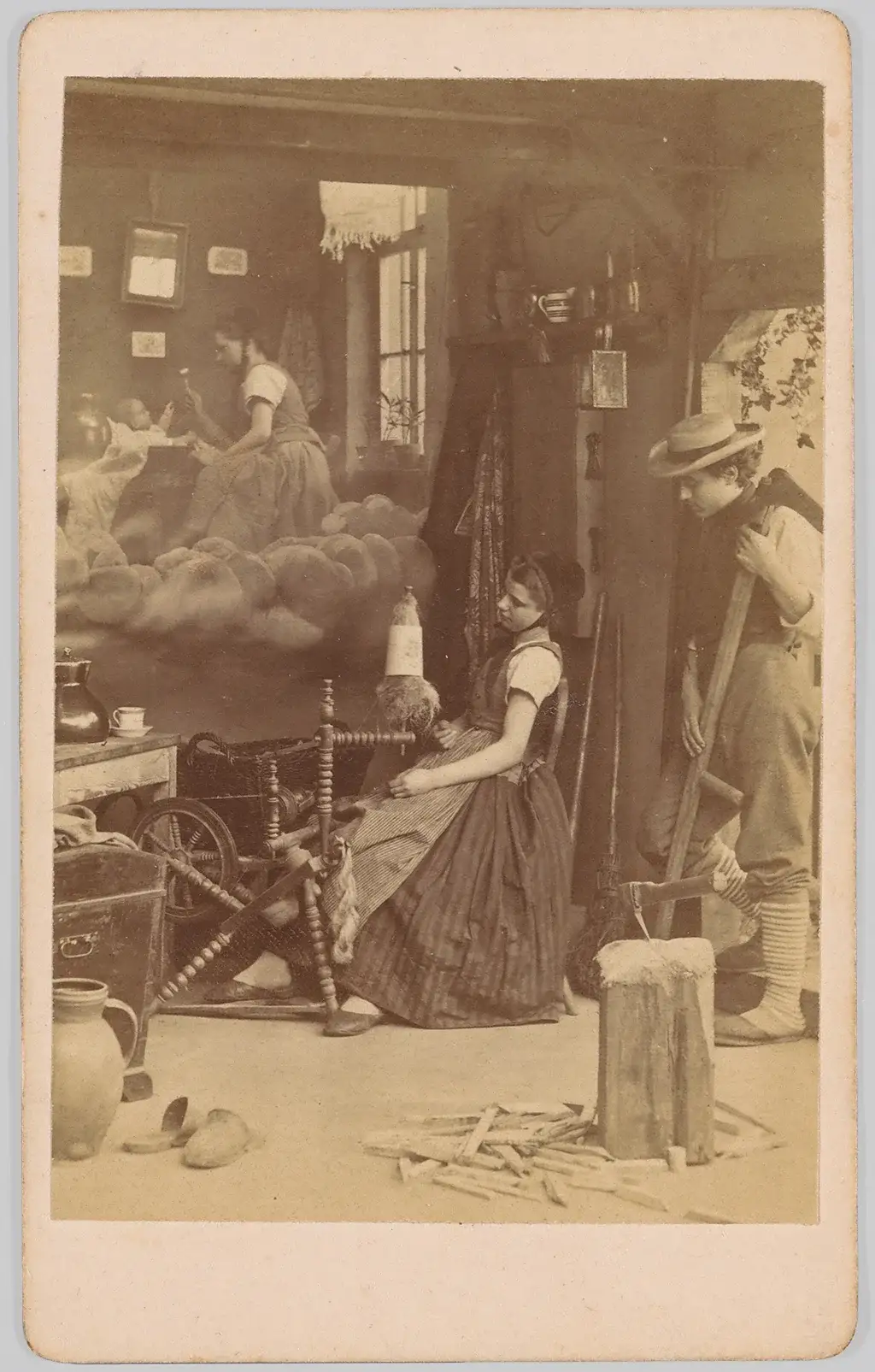
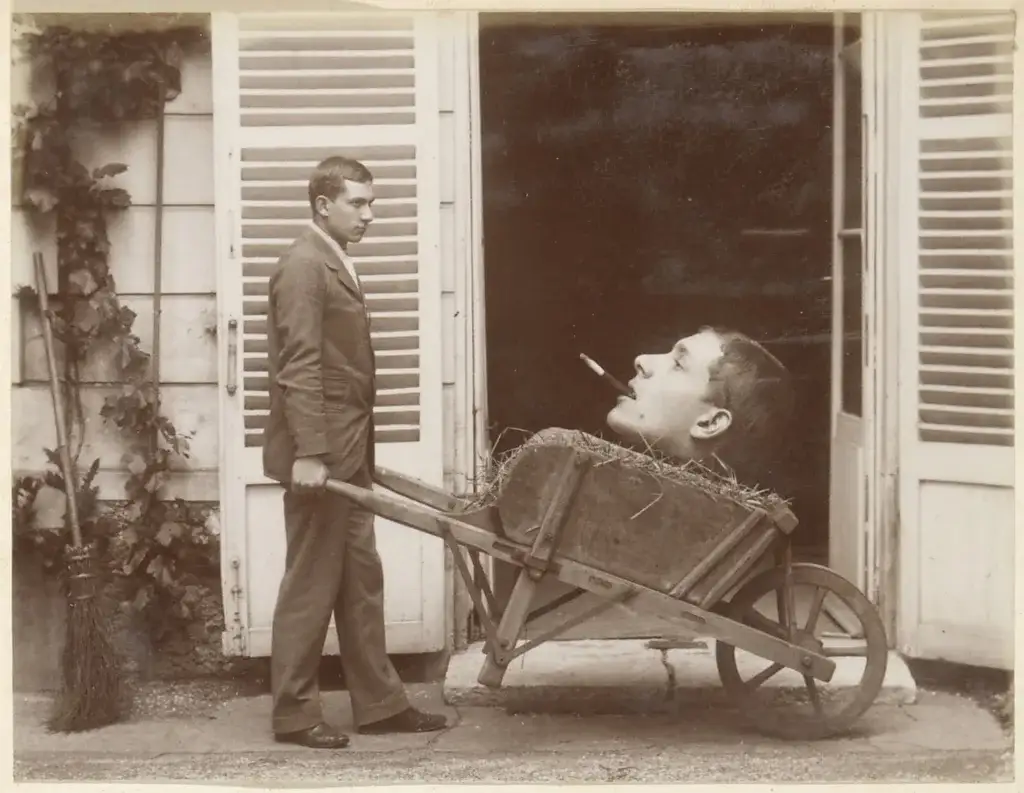
Some of the most striking early manipulated photographs explored the idea of blending reality with imagination. Images often depicted impossible situations, such as people interacting with their own reflections or existing in multiple places at once. These compositions challenged viewers to rethink what photography could represent, turning ordinary scenes into extraordinary visual narratives. Photographers also used manipulation to portray inner thoughts and emotions.Via BBC
For example, images showing a person alongside a dreamlike version of their future suggested storytelling elements that went beyond simple portraits. This approach added depth to photography, allowing it to communicate ideas and feelings rather than just record appearances.
These imaginative works often carried a playful tone, inviting viewers to engage with the image rather than question its authenticity. The goal was not always deception but exploration. By pushing the limits of what could be captured, early photographers helped establish photography as both an art form and a medium for creative expression.
Via BBC
The Role of Photo Manipulation in Entertainment and Advertising
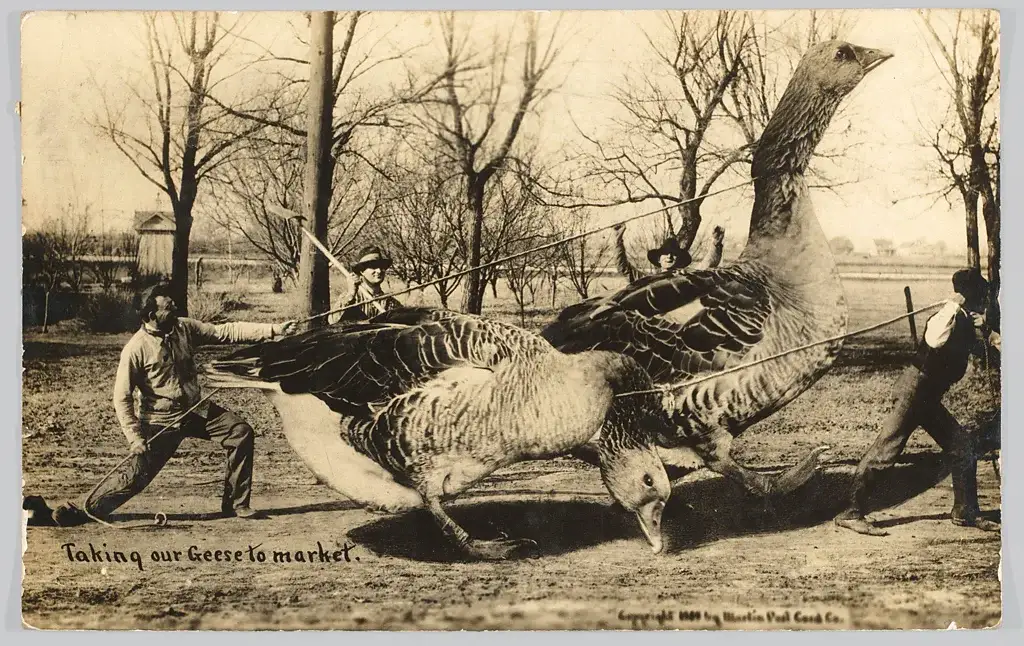
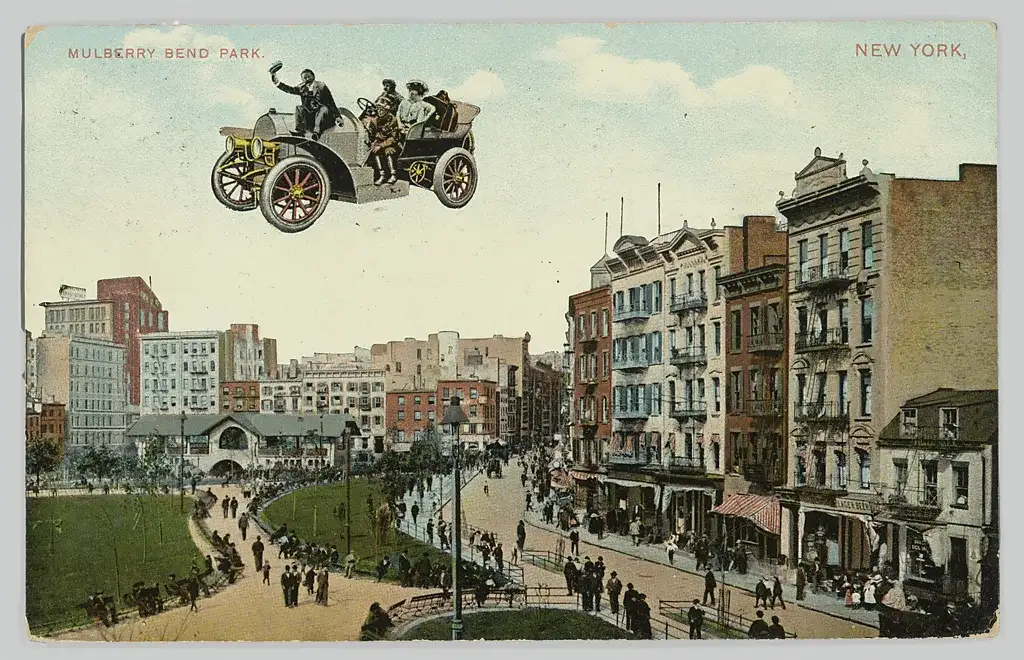
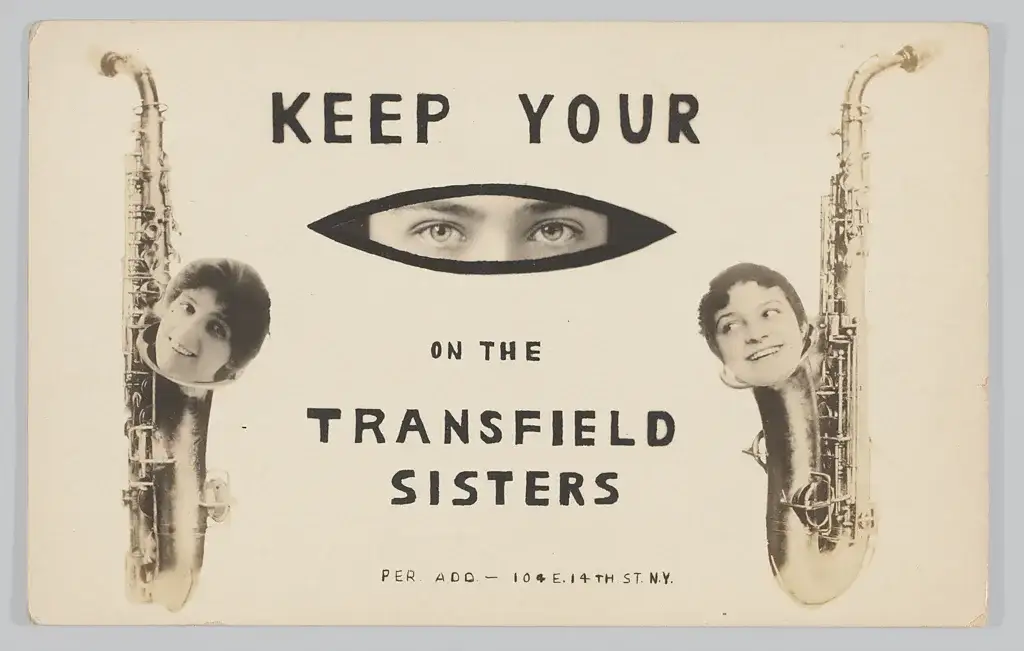
As photography became more popular, manipulated images found a strong place in entertainment and advertising. Postcards, posters, and promotional materials often featured exaggerated scenes designed to grab attention. Images of oversized crops, unusual events, or humorous situations were used to entertain audiences and memorably promote regions or products. Advertising campaigns quickly recognized the power of visual illusion. By combining different images or altering proportions, designers created eye-catching compositions that stood out in crowded markets. These early efforts show how manipulation became a tool for storytelling in marketing, shaping perceptions and influencing consumer behavior.Via BBC
Entertainment value remained a central focus in many manipulated photographs. Rather than aiming to mislead, these images often highlighted creativity and humor. They encouraged viewers to enjoy the illusion while appreciating the skill involved in creating it. This balance between fiction and reality continues to influence modern visual media.
Artistic Movements Influenced by Photo Manipulation
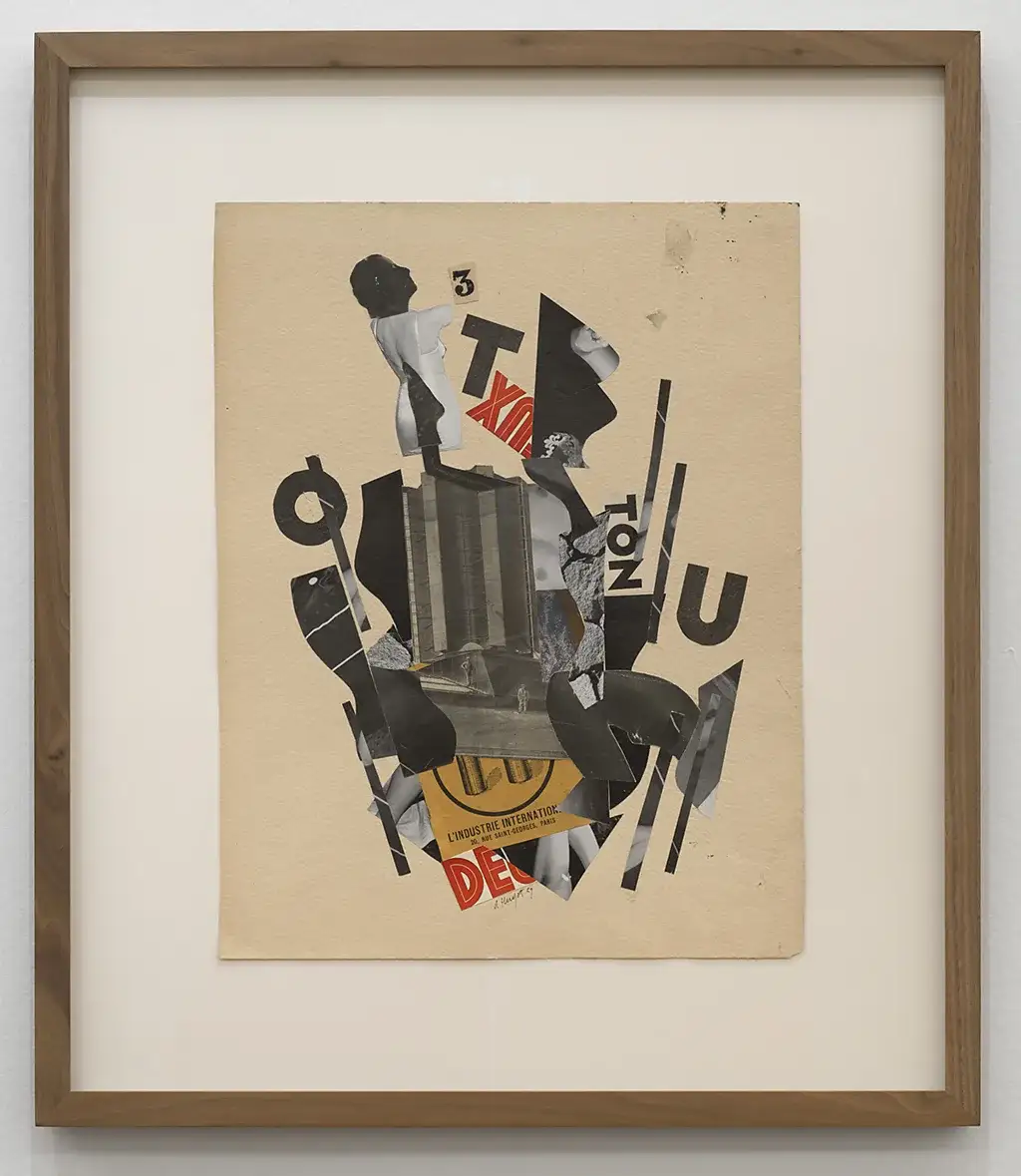
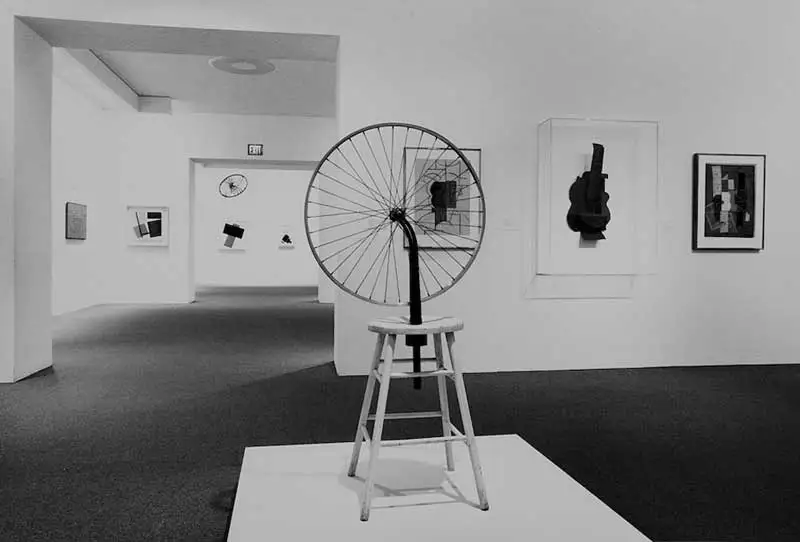
Photo manipulation played a significant role in shaping artistic movements such as Surrealism, Dadaism, and Cubism. Artists began to see photography not just as a recording tool but as a way to explore abstract ideas and challenge traditional perspectives. By rearranging images and experimenting with composition, they created works that reflected deeper meanings and complex emotions.
Via BBC
These movements embraced the idea that reality could be reimagined through art. Manipulated photographs often featured unusual combinations of objects, distorted perspectives, or fragmented forms. Such techniques encouraged viewers to interpret images in new ways, moving beyond literal understanding to explore symbolic and conceptual meanings.
The influence of these artistic approaches can still be seen in contemporary photography and digital art. Modern creators continue to use manipulation to express ideas, tell stories, and challenge perceptions. The early experiments of photographers and artists laid the foundation for this ongoing evolution, proving that innovation often begins with curiosity and creativity.
Via MOMA
Photo Manipulation as a Tool for Social and Political Messages
While many early manipulated images were created for fun or artistic exploration, some carried powerful social and political messages. Photographers and artists used their skills to comment on current events, challenge authority, and influence public opinion. These images often combined symbolism and satire to communicate ideas in a way that words alone could not achieve. Political photomontages became especially important during times of social change. By altering images of public figures or combining them with symbolic elements, artists highlighted contradictions and exposed hidden truths. These works aimed to provoke thought and encourage critical thinking among viewers, using visual storytelling as a form of activism.Via BBC
The impact of such images demonstrates the dual nature of photo manipulation. It can mislead when used irresponsibly, but it can also reveal deeper truths when used thoughtfully. This balance remains relevant today, as modern technology continues to expand the possibilities of visual communication while raising questions about authenticity and trust.
Lessons Modern Media Can Learn from Early Photo Manipulation
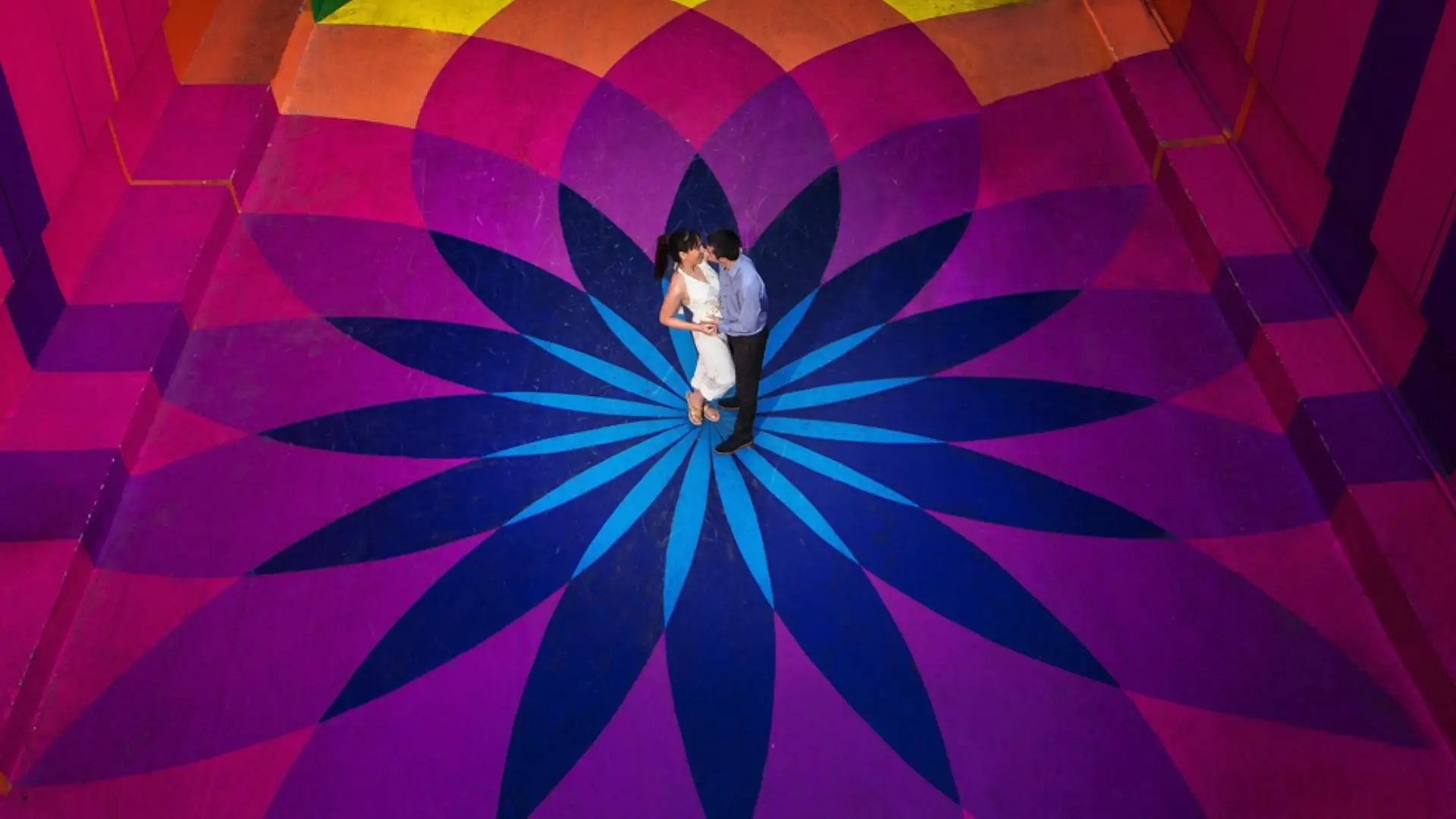
The history of early photo manipulation offers valuable lessons for today’s digital age. Modern technology has made image editing faster and more advanced, but the core idea remains the same. Images can be shaped, altered, and presented in ways that influence how people think and feel. Understanding this helps individuals approach visual media with greater awareness and caution.Via BBC
Early photographers demonstrated that manipulation is not always harmful. When used creatively, it can enhance storytelling, express ideas, and spark imagination. The challenge lies in how these tools are used and whether audiences are informed about the nature of the image. Transparency and responsibility play a key role in maintaining trust in visual content today.
The past also highlights the importance of critical thinking when consuming media. People benefit from asking questions about what they see, considering the context, and recognizing that images are often constructed rather than purely captured. These lessons remain essential in a world where visual content continues to shape opinions, beliefs, and everyday decisions.
Via SkillShare
The Lasting Impact of Early Photographic Illusions
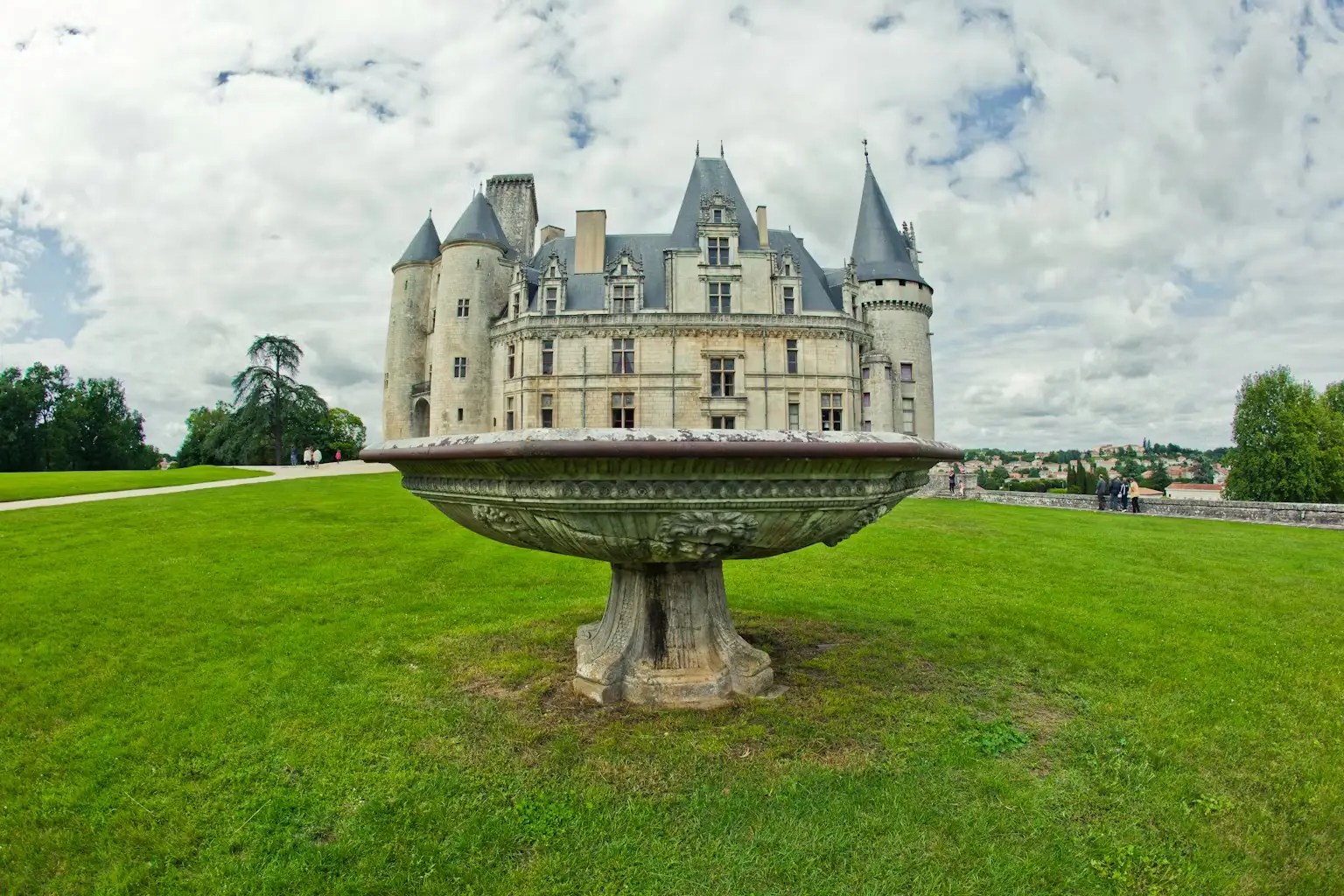
The history of early photo manipulation shows that concerns about image authenticity are not new. Long before digital editing tools existed, photographers were already exploring ways to alter reality and influence perception. These early experiments highlight the importance of viewing images with a critical eye, understanding that photography has always involved interpretation as well as representation. Modern audiences often associate image manipulation with advanced technology, yet its roots lie in simple tools and creative thinking.Via The Conversation
The techniques developed over a century ago continue to shape how images are created and understood today. By studying these early works, people gain insight into the evolution of visual media and the role of creativity in shaping perception. Many of the creative choices seen in modern advertising, filmmaking, digital design, and social media imagery can be traced back to experiments carried out by artists and inventors from generations past.
Via Big Think
The legacy of early photographic illusions serves as a reminder that images are powerful but not always truthful. People benefit from questioning what they see, recognizing that every image carries a perspective shaped by its creator. This awareness helps build a more informed and thoughtful approach to visual content in an increasingly image-driven world.