Unassigned
Why Alcohol Triggers Cravings for Chips and Nachos?
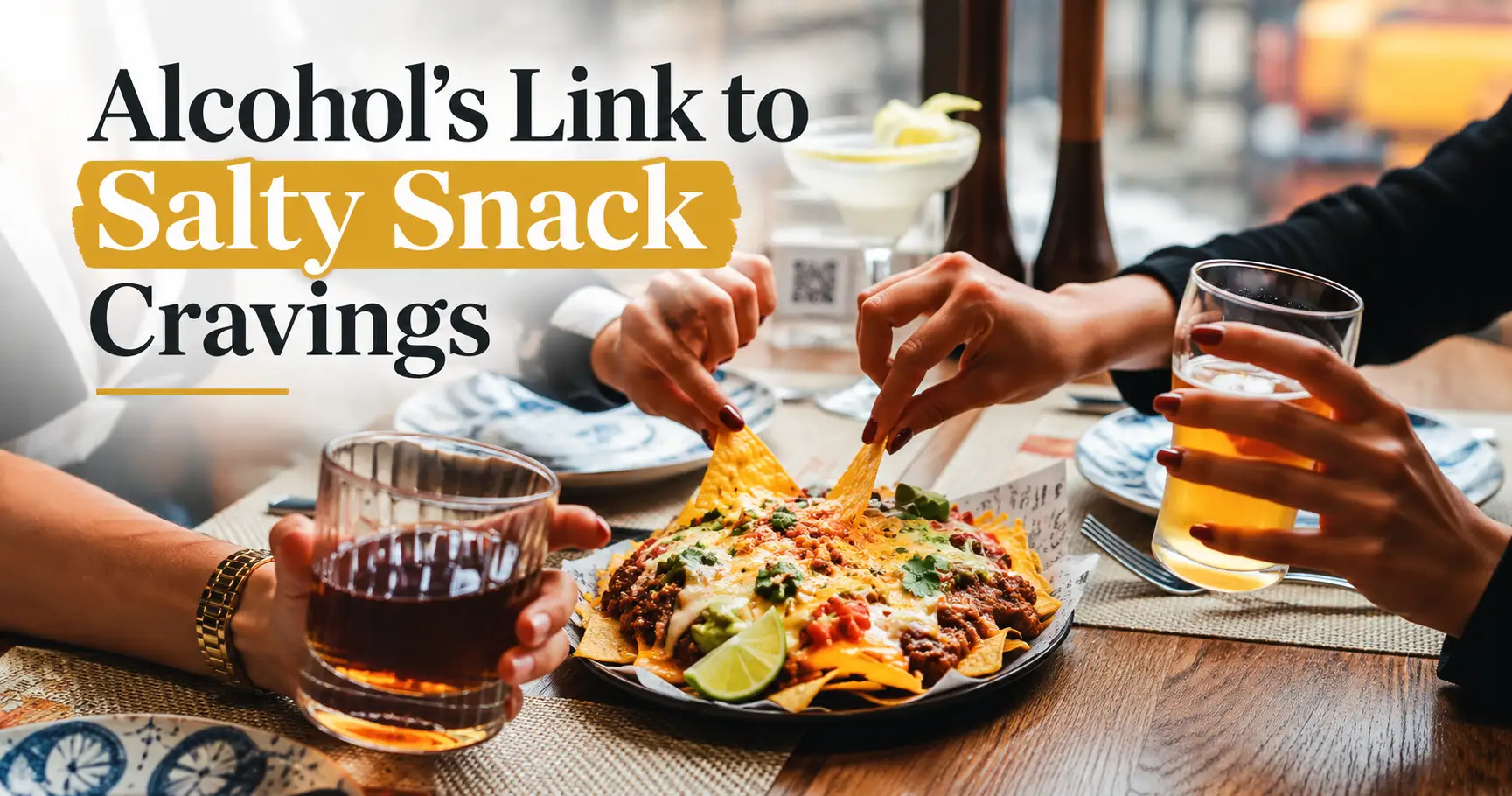
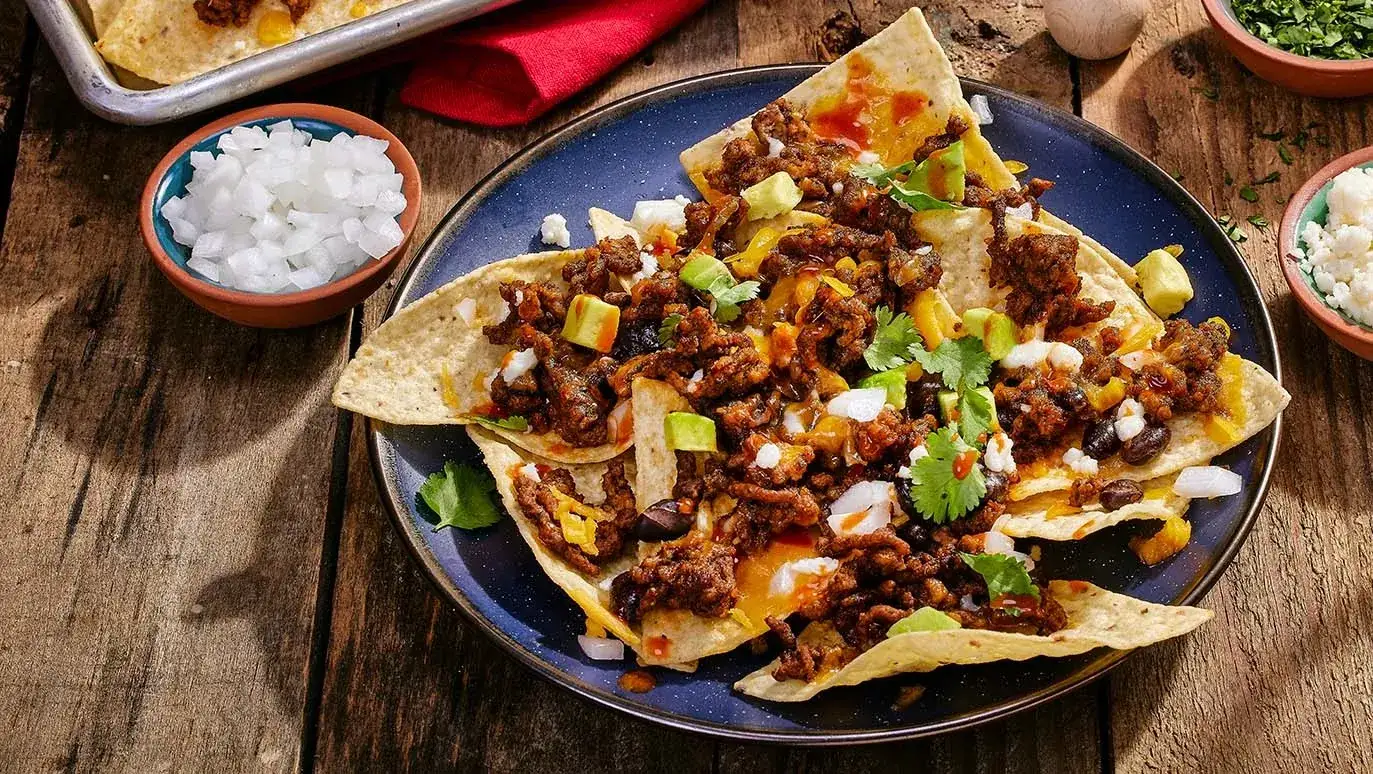
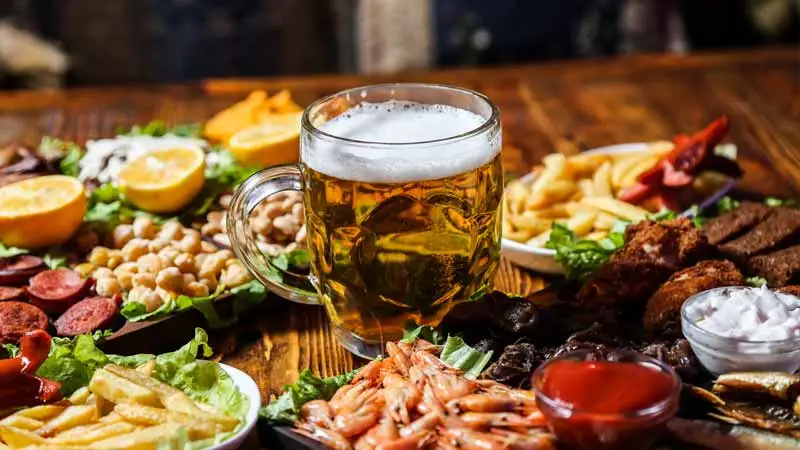
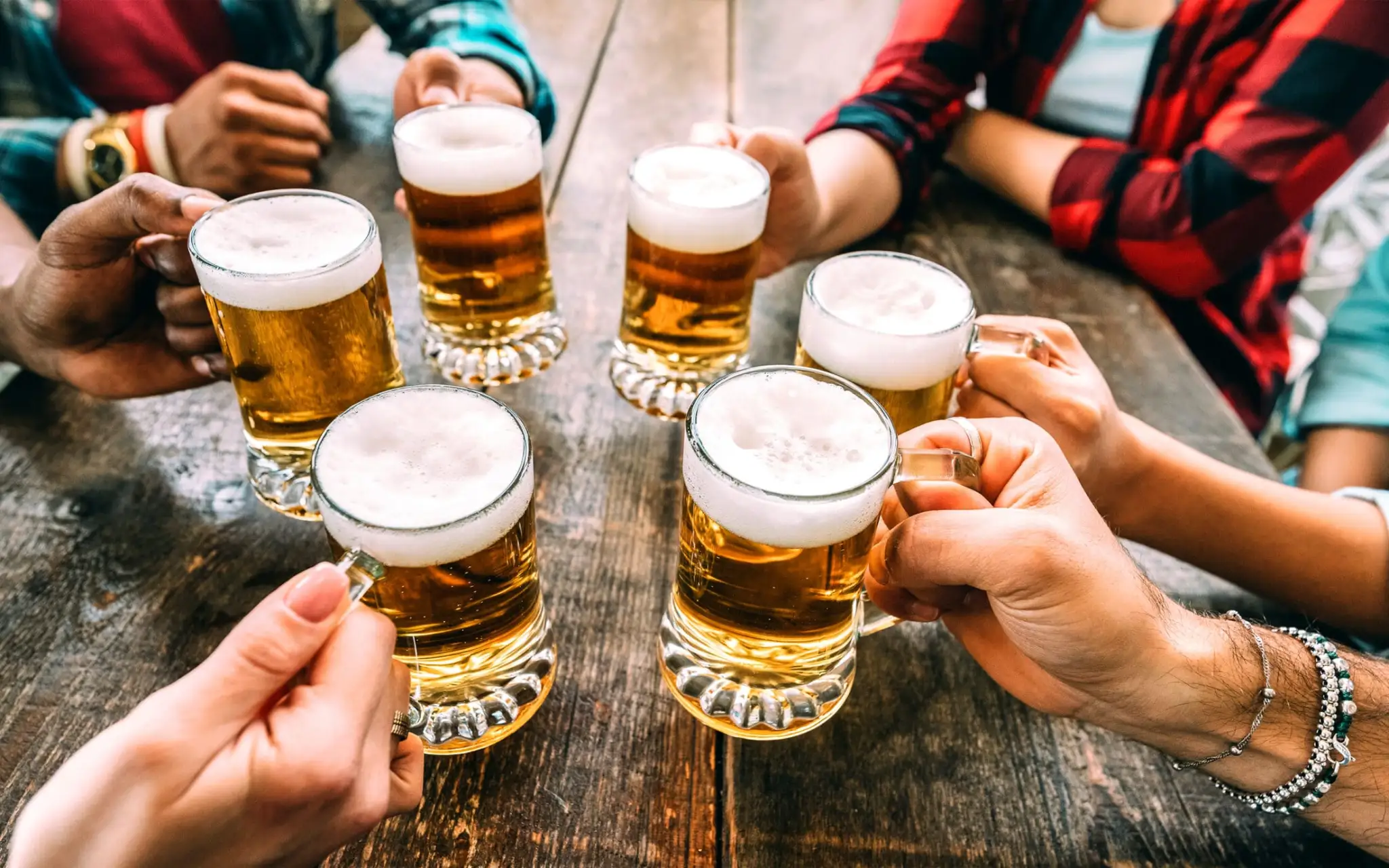
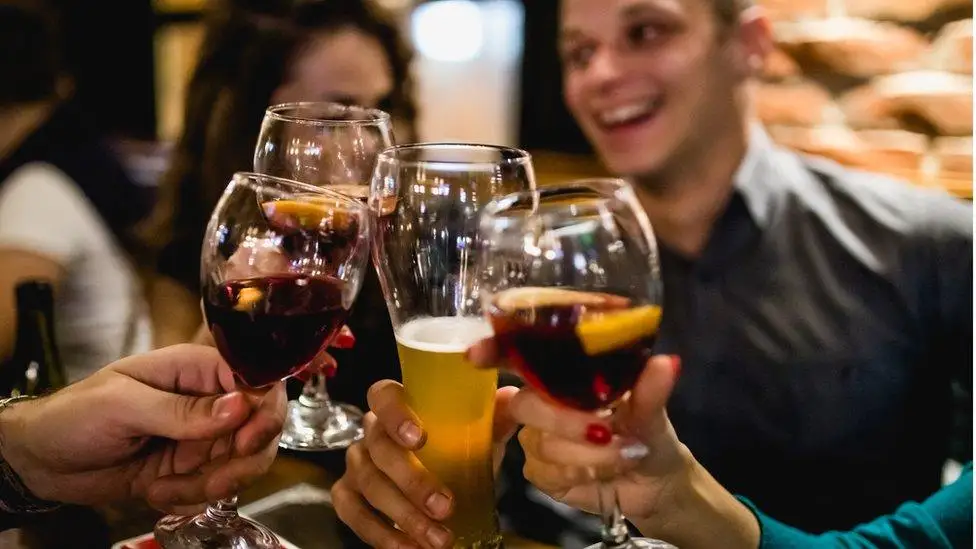
People often notice that savory foods like chips, nachos, and salted nuts taste especially good alongside a cold beer or a glass of wine. These combinations appear in many social gatherings, casual evenings, and restaurant menus around the world. The salty crunch and bold flavors create a pleasant contrast that makes drinking sessions more enjoyable and satisfying for many individuals.
Alcohol brings its own energy to the body, yet it also tends to increase overall hunger levels in noticeable ways. This stimulation can turn a simple drink into an opportunity for eating larger amounts of food than usual. Savory snacks become the go-to choice because they feel right in the moment and pair seamlessly with the drinking experience.
 Via Curly Tales
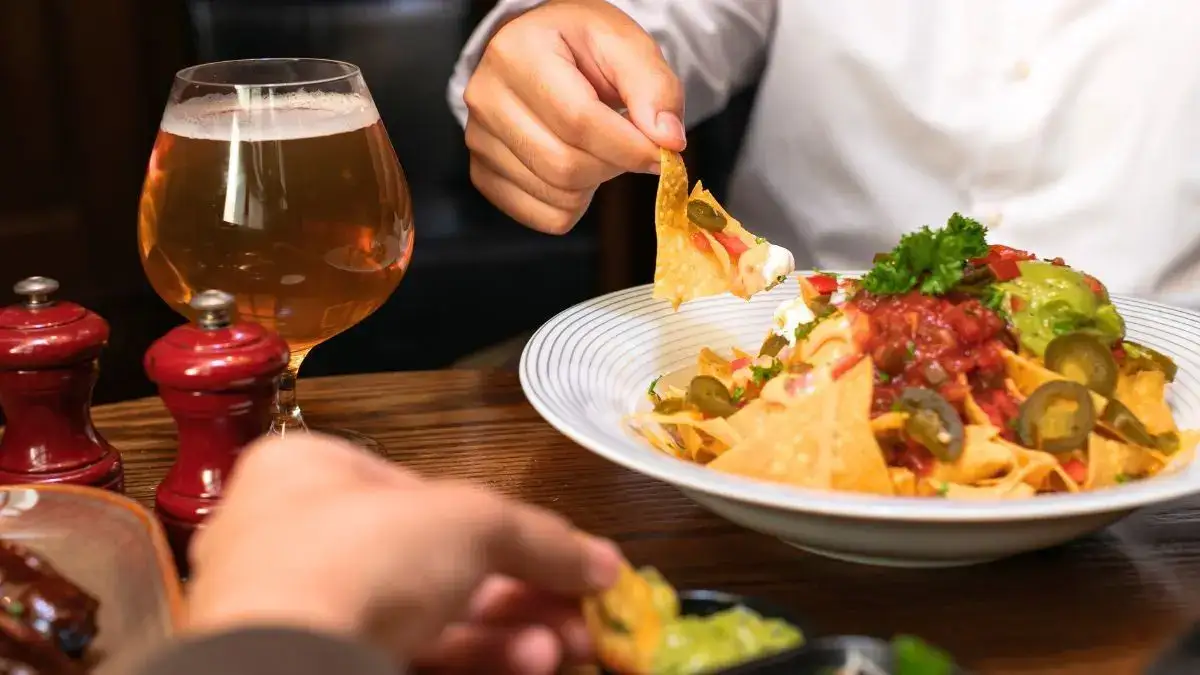
Cultural traditions frequently link alcoholic drinks with food for good reasons. A sparkling glass before dinner or wine served with the main course often heightens the pleasure of the entire meal. These pairings enhance the dining experience by making savory dishes more appealing and encouraging people to eat with greater enthusiasm during times when alcohol is present.
 Via AOL
A key hormone named FGF21 acts as a signal carrier in this process. The liver produces and sends out FGF21 whenever it senses that the body lacks sufficient protein from recent meals. This hormone reaches the brain and generates clear messages that create hunger focused on savory tastes and help steer away from unnecessary sweets.
Humans share this protein-seeking behavior with many other animals, showing how fundamental it is for survival. The cravings guide food selections efficiently toward items that restore needed nutrients. Once the body receives adequate protein, the signals calm down, promoting stable energy and better overall health in the long run.
 Via McCormick
 Via The Wellness Corner
This natural reaction occurs reliably with different types of drinks and contributes to established social customs. The enhanced enjoyment from combining alcohol with savory items adds to the pleasure of gatherings and meals. It also explains why many people automatically reach for snacks during drinking occasions.
 Via CNN
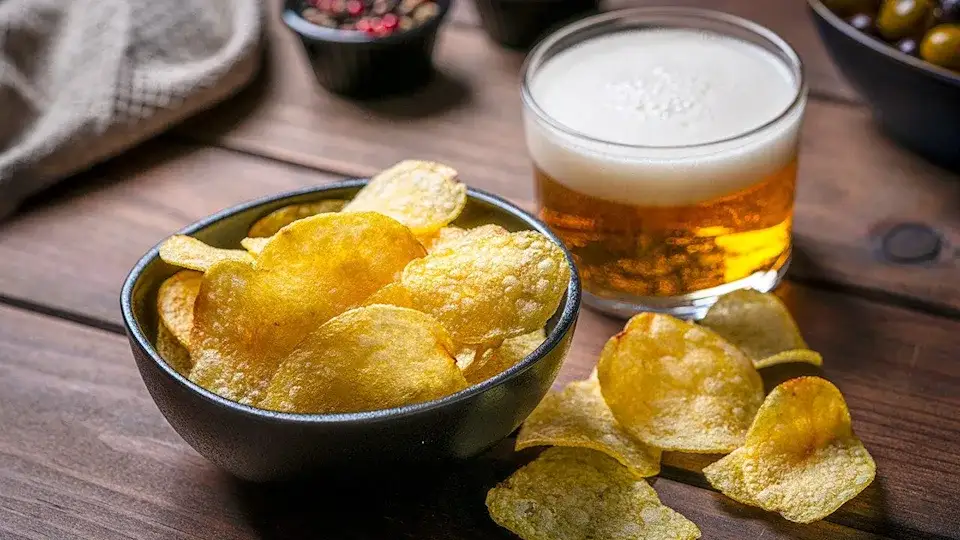
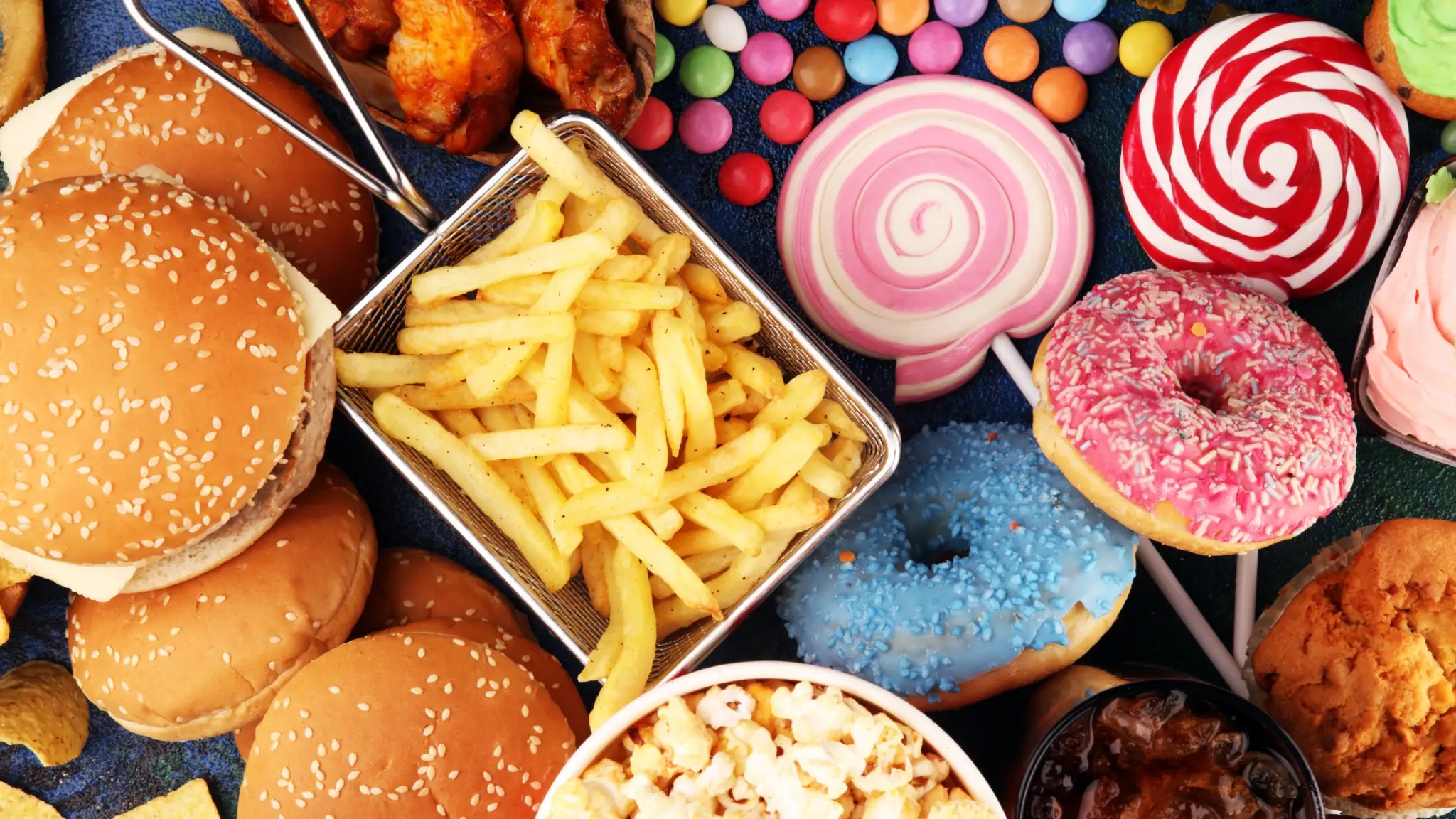
Modern industrial food systems now produce large quantities of ultra-processed items that copy savory tastes through artificial flavorings and added salt. Products like chips, savory crackers, pizzas, and hot dogs deliver strong sensory cues linked to protein but contain mostly fats and carbohydrates with little actual protein content. These items serve as protein decoys that mislead the body's expectations.
The widespread presence of these convenient foods makes them popular choices during social events or late evenings. Their flavors provide quick sensory pleasure, but they fail to deliver the protein the body truly seeks. This gap often leads to continued eating as the appetite signals remain active.
 Via Paleo Diet
 Via Healthline
Ultra-processed foods contribute to overeating through protein leverage even when no alcohol is involved. Their low protein density means people must eat greater volumes to reach nutritional targets. Adding alcohol intensifies this mechanism, increasing risks for weight gain and making it harder to maintain healthy body weight over time.
 Via Healthline
The study revealed strong connections between alcohol consumption and increased intake of savory foods across different people. Effects on total daily energy varied depending on whether whole foods or processed items dominated the diet. Protein-rich choices helped control calories, while processed options pushed intakes higher than expected.
This research approach, known as mechanistic ecological modeling, bridges laboratory discoveries with real-world situations. It shows how body mechanisms influence daily decisions and health outcomes outside controlled environments. The results offer practical insights into managing combined effects of drinking and modern food availability.
 Via Caricom
 Via Zinnia Health
Areas with high consumption of both alcohol and ultra-processed foods face particular challenges with obesity rates. Greater awareness of these appetite mechanisms empowers individuals to make choices that work with their bodies rather than against natural signals. This understanding supports improved habits and long-term wellness.
 Via Scandification
In daily life, busy schedules and easy access to convenient snacks often lead people toward protein decoys when alcohol enters the picture. Late-night eating after social events frequently involves salty items that provide immediate taste satisfaction but leave nutritional needs unmet. This pattern repeats across different age groups and lifestyles.
Recognizing these cultural and environmental factors allows individuals to make small adjustments that align better with body signals. Simple changes in available food options during drinking times can shift habits toward more balanced outcomes. Greater mindfulness in everyday situations supports healthier relationships with both food and alcohol.
 Via The Press Democrat
 Via BBC
Sustainable wellness comes from applying reliable information about how the body responds to alcohol and different foods. Individuals who understand these patterns can navigate social and daily situations with greater confidence. They achieve better harmony between enjoyment and health through informed, practical decisions.
 Via Fitterfly
The details shared in this article highlight important connections supported by scientific examination of diets and physiology. Applying these concepts in everyday life enables people to handle alcohol and food choices more effectively. This leads to improved satisfaction, better energy management, and stronger foundations for lasting health.
More in UnassignedVia Curly Tales
Cultural traditions frequently link alcoholic drinks with food for good reasons. A sparkling glass before dinner or wine served with the main course often heightens the pleasure of the entire meal. These pairings enhance the dining experience by making savory dishes more appealing and encouraging people to eat with greater enthusiasm during times when alcohol is present.
How Protein Cravings Develop in the Body
The human body possesses a strong and specific appetite for protein that supports muscle repair, growth, and many vital daily functions. When protein supplies run low, this drive becomes more intense and pushes people toward savory, protein-packed foods while making sweet options less attractive. This built-in system helps maintain proper nutrition balance without constant monitoring.
Via AOL
A key hormone named FGF21 acts as a signal carrier in this process. The liver produces and sends out FGF21 whenever it senses that the body lacks sufficient protein from recent meals. This hormone reaches the brain and generates clear messages that create hunger focused on savory tastes and help steer away from unnecessary sweets.
Humans share this protein-seeking behavior with many other animals, showing how fundamental it is for survival. The cravings guide food selections efficiently toward items that restore needed nutrients. Once the body receives adequate protein, the signals calm down, promoting stable energy and better overall health in the long run.
Via McCormick
Alcohol's Influence on Hunger Signals
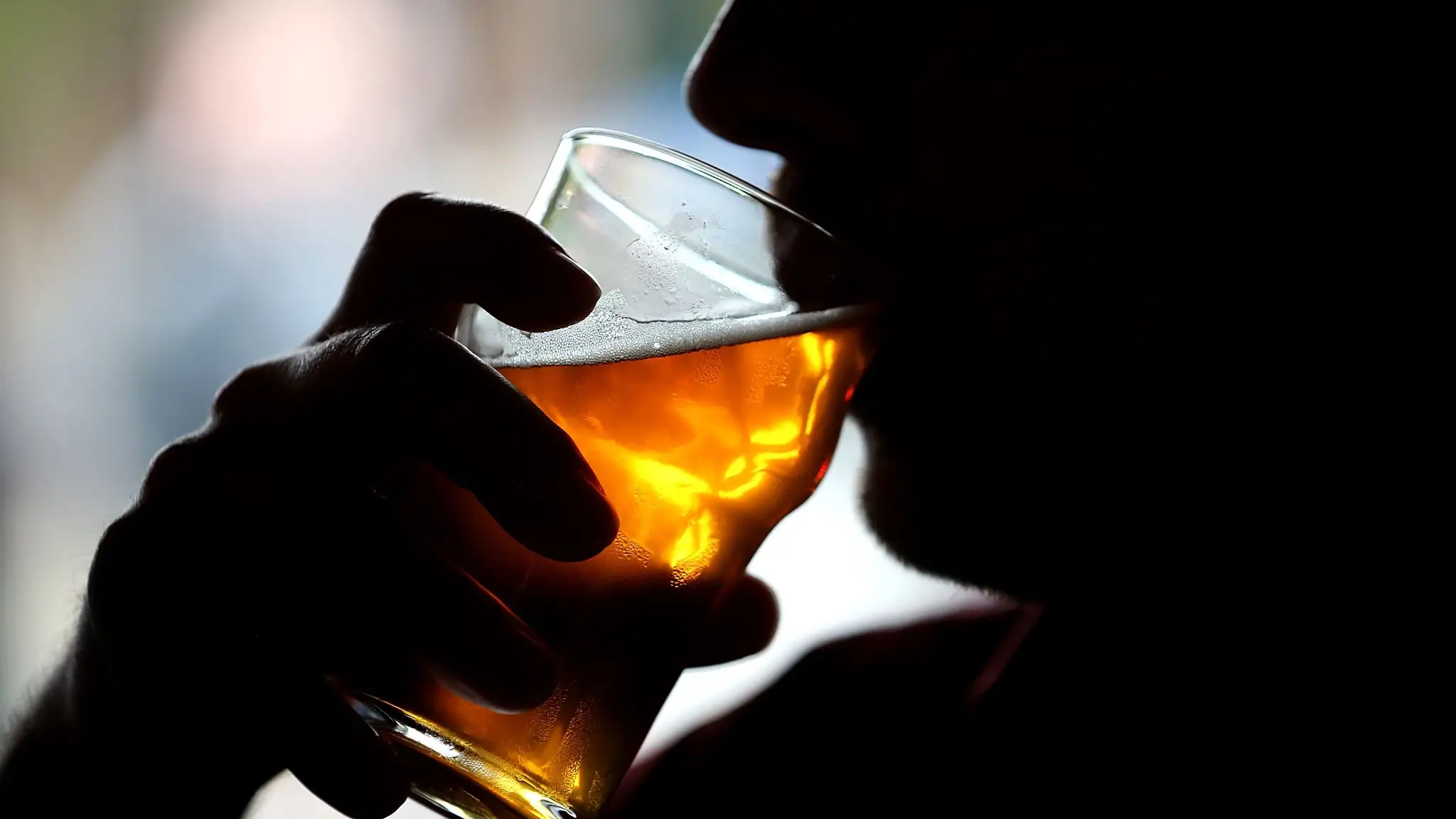
Drinking alcohol prompts the liver to release increased amounts of the FGF21 hormone. This action creates signals in the body that closely resemble those triggered by actual protein shortages. As a result, people experience a stronger desire for savory foods while they consume alcoholic beverages of various kinds. Researchers refer to this response as the aperitif effect. It helps explain why alcoholic drinks commonly appear before meals or alongside them in many cultures. The effect directs preferences strongly toward savory options and makes those foods taste even more rewarding when paired with alcohol.
Via The Wellness Corner
This natural reaction occurs reliably with different types of drinks and contributes to established social customs. The enhanced enjoyment from combining alcohol with savory items adds to the pleasure of gatherings and meals. It also explains why many people automatically reach for snacks during drinking occasions.
The Rise of Protein Decoys in Modern Diets
Savory flavors traditionally came from real protein sources such as lean meats, fresh seafood, poultry, and nutritious pulses like beans or lentils. These foods supplied both the appealing taste and the actual nutrients the body required for satisfaction and health. Such natural options created a good match between flavor and nutrition.Via CNN
Modern industrial food systems now produce large quantities of ultra-processed items that copy savory tastes through artificial flavorings and added salt. Products like chips, savory crackers, pizzas, and hot dogs deliver strong sensory cues linked to protein but contain mostly fats and carbohydrates with little actual protein content. These items serve as protein decoys that mislead the body's expectations.
The widespread presence of these convenient foods makes them popular choices during social events or late evenings. Their flavors provide quick sensory pleasure, but they fail to deliver the protein the body truly seeks. This gap often leads to continued eating as the appetite signals remain active.
Via Paleo Diet
Effects of Alcohol on Energy Intake and Weight
When alcohol is paired with whole savory foods rich in protein, such as lean meats or pulses, total calorie consumption often remains relatively balanced. The protein fulfills the body's needs effectively, reducing the drive for excessive additional eating despite the calories coming from the alcohol. This combination supports steadier energy levels throughout the day. Diets that include many protein decoys along with alcohol tend to result in higher overall energy intake. Ultra-processed savory snacks and fatty meats add extra fats and carbohydrates while failing to satisfy protein requirements fully. The amplified appetite from alcohol encourages larger portions and more frequent snacking in these situations.Via Healthline
Ultra-processed foods contribute to overeating through protein leverage even when no alcohol is involved. Their low protein density means people must eat greater volumes to reach nutritional targets. Adding alcohol intensifies this mechanism, increasing risks for weight gain and making it harder to maintain healthy body weight over time.
Insights from Large-Scale Dietary Research
Detailed daily dietary records from thousands of Australian adults provided the foundation for important findings on alcohol and eating behaviors. A significant portion of participants had consumed alcohol on their recorded days, creating a realistic picture of common patterns. Researchers used sophisticated modeling to understand interactions between hormones, appetite, and food choices.Via Healthline
The study revealed strong connections between alcohol consumption and increased intake of savory foods across different people. Effects on total daily energy varied depending on whether whole foods or processed items dominated the diet. Protein-rich choices helped control calories, while processed options pushed intakes higher than expected.
This research approach, known as mechanistic ecological modeling, bridges laboratory discoveries with real-world situations. It shows how body mechanisms influence daily decisions and health outcomes outside controlled environments. The results offer practical insights into managing combined effects of drinking and modern food availability.
Via Caricom
Practical Steps to Manage Alcohol-Related Cravings
Regular drinkers can learn to view savory cravings as helpful messages from the body indicating a need for protein. Choosing items like lean cold meats, roasted chickpeas, eggs, or seafood addresses this need directly and provides genuine satisfaction. These selections deliver the nutrients required without adding unnecessary extra calories from fats and refined carbs. Avoiding protein decoys breaks the cycle of endless snacking that fails to resolve hunger signals. Whole food alternatives satisfy the powerful protein appetite more completely and lead to better portion control during drinking occasions. Preparing suitable snacks in advance makes healthier decisions easier in social settings.
Via Zinnia Health
Areas with high consumption of both alcohol and ultra-processed foods face particular challenges with obesity rates. Greater awareness of these appetite mechanisms empowers individuals to make choices that work with their bodies rather than against natural signals. This understanding supports improved habits and long-term wellness.
Cultural Pairings and Everyday Influences
Many societies have developed long-standing traditions of serving savory foods with alcoholic drinks to enhance social bonding and meal enjoyment. These customs range from simple snacks at casual get-togethers to more elaborate dishes paired with wines during celebrations. The biological drive for protein amplified by alcohol makes these pairings feel instinctive and particularly appealing.Via Scandification
In daily life, busy schedules and easy access to convenient snacks often lead people toward protein decoys when alcohol enters the picture. Late-night eating after social events frequently involves salty items that provide immediate taste satisfaction but leave nutritional needs unmet. This pattern repeats across different age groups and lifestyles.
Recognizing these cultural and environmental factors allows individuals to make small adjustments that align better with body signals. Simple changes in available food options during drinking times can shift habits toward more balanced outcomes. Greater mindfulness in everyday situations supports healthier relationships with both food and alcohol.
Via The Press Democrat
Supporting Better Habits with Alcohol and Food
Knowledge about the links between alcohol and protein appetite helps people enjoy drinks responsibly while controlling food intake. Selecting savory whole foods rich in protein allows them to respond to cravings effectively and avoid excess calories from processed alternatives. These practices promote balance and reduce potential health risks over many years. Modern food environments heavily feature protein decoys, which can complicate efforts to manage weight and nutrition. People benefit from paying closer attention to food quality when alcohol is involved. Thoughtful selections align with body signals and contribute to more satisfying experiences without unintended overeating.
Via BBC
Sustainable wellness comes from applying reliable information about how the body responds to alcohol and different foods. Individuals who understand these patterns can navigate social and daily situations with greater confidence. They achieve better harmony between enjoyment and health through informed, practical decisions.
Via Fitterfly
The details shared in this article highlight important connections supported by scientific examination of diets and physiology. Applying these concepts in everyday life enables people to handle alcohol and food choices more effectively. This leads to improved satisfaction, better energy management, and stronger foundations for lasting health.