Unassigned
Cancer Is Rising in Younger Adults, Study Says

Cancer diagnoses among younger adults have increased in many parts of the world during recent years, leading researchers to search for possible explanations. A new study suggests that faster biological aging may play an important role in this growing trend, although scientists emphasize that additional research is still necessary before reaching firm conclusions.
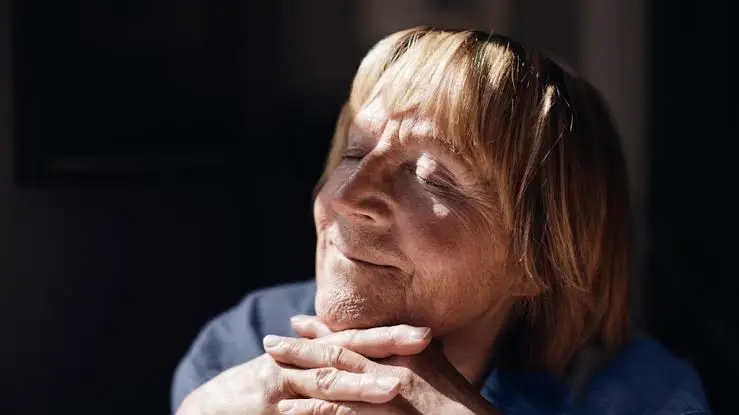
Biological aging differs from the number of years a person has lived because it reflects how quickly the body's cells and tissues are changing over time. Some individuals may have a biological age older than their actual age, while others may experience slower aging despite sharing the same birth year.
 Via NewsMedicalNet
Researchers believe this difference could help explain why certain adults develop diseases that traditionally appeared later in life. The findings suggest that aging at a faster biological rate might increase the likelihood of developing several forms of early-onset cancer before reaching older adulthood.
 Via Health Cleveland
Scientists estimate biological age by studying specific markers inside the body, including changes to DNA, proteins, and other biological processes. These measurements provide valuable clues about how quickly the body is aging compared with the average person of the same chronological age.
Many factors can influence biological aging, including genetics, nutrition, physical activity, sleep quality, environmental exposures, and long-term stress. Because these influences vary greatly between individuals, biological age may differ considerably even among people born during the same year.
 Via HSS
 Via Live Science
Scientists caution that this research represents an early step toward understanding the relationship between aging and cancer risk. Larger studies involving more diverse populations will be needed before healthcare professionals can determine exactly how biological aging contributes to cancer development.
 Via Inc Magazine
Although none of these factors has been identified as the single explanation, their combined effects may gradually place additional strain on the body. Over many years, this stress could accelerate normal aging processes and increase vulnerability to diseases that usually develop later in life.
Scientists continue investigating how everyday habits interact with genetics to influence biological aging throughout adulthood. Understanding these relationships may eventually help explain why early-onset cancers have become more common and may guide future prevention strategies aimed at improving long-term health.
 Via Healing
 Via CNN
Researchers emphasize that the study does not suggest accelerated aging is responsible for every early-onset cancer diagnosis. Cancer develops through a complex combination of genetic changes, environmental influences, lifestyle habits, and other biological processes that scientists continue working to understand more completely.
 Via VeryWell Health
Future research involving larger populations from different backgrounds will help determine whether these findings remain consistent across various age groups, ethnicities, and geographic regions. Additional studies may also identify which biological aging markers provide the most accurate predictions for future cancer risk.
Researchers also hope to understand whether slowing biological aging through healthier lifestyles or medical interventions could reduce the likelihood of developing cancer. These important questions require long-term scientific investigation before recommendations can be confidently applied in everyday healthcare settings.
 Via Medical News Today
 Via Mid Day
Although healthy lifestyle choices cannot eliminate cancer risk, maintaining good overall health may help support normal biological aging. Researchers continue studying how these everyday behaviors influence cellular aging and whether improving them could reduce future disease risk across different populations.
 Via SCConnected Health
Biological age assessments may one day become part of broader health evaluations alongside traditional medical history, family background, and lifestyle information. Such approaches could help doctors better understand overall health rather than relying only on chronological age when assessing potential disease risks.
Scientists remain optimistic while recognizing that many questions still need answers before these discoveries change routine medical practice. Continued research may eventually lead to improved prevention strategies, earlier detection methods, and more personalized healthcare for people facing different levels of biological aging.
 Via Paubox
 Via EMJ
Growing awareness among both healthcare professionals and the public may also lead to earlier diagnoses in younger adults. Recognizing that cancer can develop before later adulthood encourages timely medical attention and supports better treatment opportunities when the disease is detected in its earliest stages.
 Via ChemistryWorld
Future studies are expected to examine larger groups of participants over longer periods while including people from different ethnic, geographic, and lifestyle backgrounds. These investigations may reveal additional biological markers that help explain why some individuals experience faster aging and greater cancer risk than others.
Scientists also hope to determine whether biological aging can be slowed through medical advances or healthier living habits. If those possibilities are confirmed, future healthcare strategies could focus not only on treating cancer but also on identifying and reducing risks before disease develops.
 Via Living Magazine
 Via National Foundation
For now, experts agree that the study should be viewed as encouraging scientific progress rather than definitive proof. Continued research, combined with healthy lifestyle choices and regular medical care, may help improve understanding of early-onset cancers while supporting better health outcomes for future generations.
More in UnassignedVia NewsMedicalNet
Researchers believe this difference could help explain why certain adults develop diseases that traditionally appeared later in life. The findings suggest that aging at a faster biological rate might increase the likelihood of developing several forms of early-onset cancer before reaching older adulthood.
Understanding Biological Aging
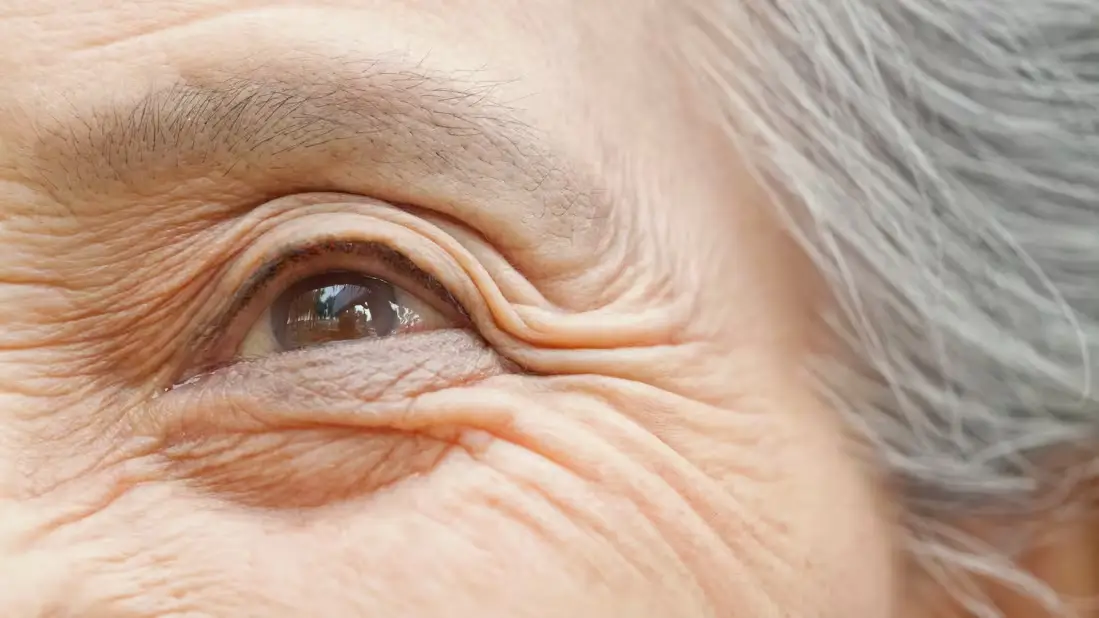
Biological aging describes the gradual wear and tear that occurs within the body as cells, organs, and tissues naturally change over time. Unlike chronological age, which simply counts birthdays, biological age measures how healthy or aged the body appears based on physical and molecular changes.Via Health Cleveland
Scientists estimate biological age by studying specific markers inside the body, including changes to DNA, proteins, and other biological processes. These measurements provide valuable clues about how quickly the body is aging compared with the average person of the same chronological age.
Many factors can influence biological aging, including genetics, nutrition, physical activity, sleep quality, environmental exposures, and long-term stress. Because these influences vary greatly between individuals, biological age may differ considerably even among people born during the same year.
Via HSS
Study Suggests a Possible Cancer Connection
The recent study found that younger adults whose biological age appeared older than expected were more likely to develop several types of cancer at an earlier stage of life. Researchers identified stronger associations with lung, gastrointestinal, and uterine cancers, although the findings do not prove that faster aging directly causes these diseases. The researchers examined health information and biological measurements to compare aging patterns among different participants. Individuals showing signs of accelerated biological aging appeared to face a higher likelihood of developing certain cancers earlier than people whose biological age more closely matched their chronological age.Via Live Science
Scientists caution that this research represents an early step toward understanding the relationship between aging and cancer risk. Larger studies involving more diverse populations will be needed before healthcare professionals can determine exactly how biological aging contributes to cancer development.
Why Younger Generations May Be Aging Faster
Researchers believe several modern lifestyle and environmental factors could contribute to faster biological aging among younger generations. Poor dietary habits, increasing obesity rates, limited physical activity, chronic stress, disrupted sleep patterns, and greater exposure to environmental pollutants have all been discussed as possible influences.Via Inc Magazine
Although none of these factors has been identified as the single explanation, their combined effects may gradually place additional strain on the body. Over many years, this stress could accelerate normal aging processes and increase vulnerability to diseases that usually develop later in life.
Scientists continue investigating how everyday habits interact with genetics to influence biological aging throughout adulthood. Understanding these relationships may eventually help explain why early-onset cancers have become more common and may guide future prevention strategies aimed at improving long-term health.
Via Healing
Types of Cancer Linked to Accelerated Aging
The study highlighted several cancers that appeared more closely connected with accelerated biological aging than others. Lung, gastrointestinal, and uterine cancers showed stronger associations among younger adults whose biological age exceeded what would normally be expected for their chronological age, although researchers stress that these findings remain preliminary. Gastrointestinal cancers include diseases affecting organs such as the stomach, colon, pancreas, liver, and intestines. Many of these cancers have shown increasing rates among younger adults in recent years, encouraging scientists to investigate whether biological aging may contribute alongside established risk factors.
Via CNN
Researchers emphasize that the study does not suggest accelerated aging is responsible for every early-onset cancer diagnosis. Cancer develops through a complex combination of genetic changes, environmental influences, lifestyle habits, and other biological processes that scientists continue working to understand more completely.
Why the Findings Need Further Research
Although the results are promising, scientists caution against drawing immediate conclusions because the study establishes an association rather than proving direct cause and effect. Finding a connection between faster biological aging and cancer risk does not automatically mean that one process directly creates the other.Via VeryWell Health
Future research involving larger populations from different backgrounds will help determine whether these findings remain consistent across various age groups, ethnicities, and geographic regions. Additional studies may also identify which biological aging markers provide the most accurate predictions for future cancer risk.
Researchers also hope to understand whether slowing biological aging through healthier lifestyles or medical interventions could reduce the likelihood of developing cancer. These important questions require long-term scientific investigation before recommendations can be confidently applied in everyday healthcare settings.
Via Medical News Today
Lifestyle Factors May Influence Biological Aging
Experts have long recognized that daily habits affect overall health, and many of those same habits may also influence the pace of biological aging. Regular physical activity, balanced nutrition, sufficient sleep, and effective stress management have all been associated with healthier aging throughout adulthood. Smoking, excessive alcohol consumption, highly processed diets, chronic stress, and limited exercise may place additional strain on the body's natural repair systems. Over time, these factors can contribute to inflammation, cellular damage, and other biological changes that are linked with faster aging.
Via Mid Day
Although healthy lifestyle choices cannot eliminate cancer risk, maintaining good overall health may help support normal biological aging. Researchers continue studying how these everyday behaviors influence cellular aging and whether improving them could reduce future disease risk across different populations.
What These Findings Could Mean for Future Healthcare
If future studies confirm the connection between accelerated biological aging and early-onset cancer, healthcare providers may eventually gain new tools for identifying higher-risk individuals before symptoms appear. Earlier identification could improve screening strategies and encourage preventive care tailored to individual health profiles.
Via SCConnected Health
Biological age assessments may one day become part of broader health evaluations alongside traditional medical history, family background, and lifestyle information. Such approaches could help doctors better understand overall health rather than relying only on chronological age when assessing potential disease risks.
Scientists remain optimistic while recognizing that many questions still need answers before these discoveries change routine medical practice. Continued research may eventually lead to improved prevention strategies, earlier detection methods, and more personalized healthcare for people facing different levels of biological aging.
Via Paubox
The Importance of Early Detection and Awareness
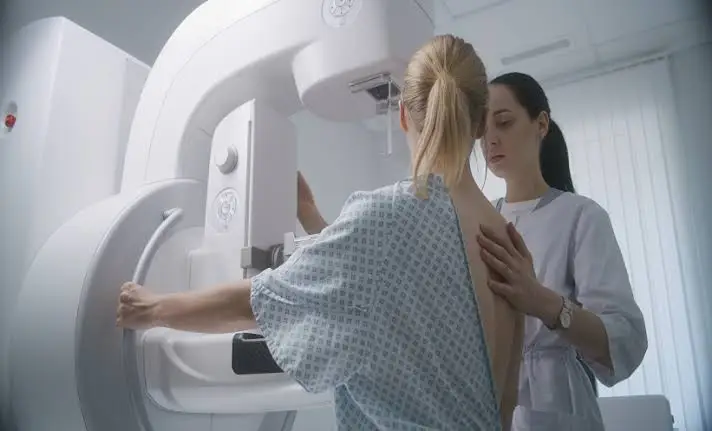
Early detection remains one of the most effective ways to improve cancer outcomes, regardless of a person's biological or chronological age. As researchers continue studying accelerated biological aging, health experts encourage people to remain aware of unusual symptoms and seek medical advice instead of assuming that cancer only affects older adults. Persistent fatigue, unexplained weight loss, ongoing digestive problems, unusual bleeding, or changes that do not improve over time should never be ignored. While these symptoms do not automatically indicate cancer, prompt medical evaluation can help identify health conditions before they become more serious.
Via EMJ
Growing awareness among both healthcare professionals and the public may also lead to earlier diagnoses in younger adults. Recognizing that cancer can develop before later adulthood encourages timely medical attention and supports better treatment opportunities when the disease is detected in its earliest stages.
Scientists Continue Searching for Clear Answers
Researchers view the recent findings as an important step toward understanding why early-onset cancers appear to be increasing across several countries. The study provides valuable evidence suggesting that accelerated biological aging deserves further investigation, but many scientific questions remain unanswered.
Via ChemistryWorld
Future studies are expected to examine larger groups of participants over longer periods while including people from different ethnic, geographic, and lifestyle backgrounds. These investigations may reveal additional biological markers that help explain why some individuals experience faster aging and greater cancer risk than others.
Scientists also hope to determine whether biological aging can be slowed through medical advances or healthier living habits. If those possibilities are confirmed, future healthcare strategies could focus not only on treating cancer but also on identifying and reducing risks before disease develops.
Via Living Magazine
Looking Ahead at the Future of Cancer Research
The growing interest in biological aging reflects a broader effort to understand how the body changes throughout life and how those changes influence disease. Rather than focusing only on chronological age, researchers are examining the biological processes that may better explain individual differences in long-term health. Although the current findings remain preliminary, they highlight the importance of continued scientific investigation into the relationship between aging and cancer. Improved knowledge could eventually support more personalized screening programs, earlier diagnosis, and preventive strategies designed for people with different biological aging patterns.Via National Foundation
For now, experts agree that the study should be viewed as encouraging scientific progress rather than definitive proof. Continued research, combined with healthy lifestyle choices and regular medical care, may help improve understanding of early-onset cancers while supporting better health outcomes for future generations.