Unassigned
How Healthy Are Frozen and Canned Fruits and Vegetables?
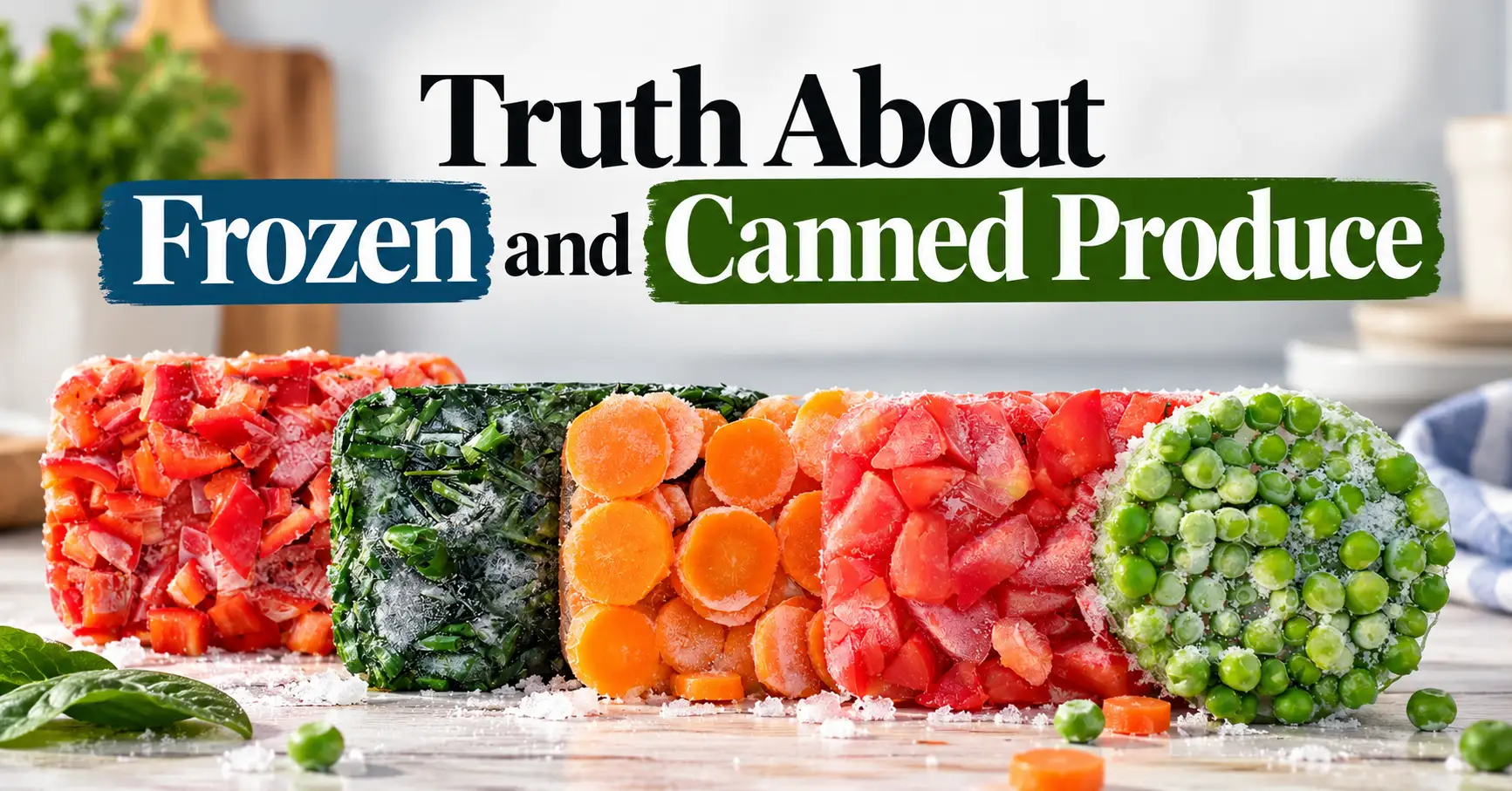
Fruits and vegetables supply essential vitamins, minerals, and fiber that the body needs to function well. These nutrients help maintain energy levels, support strong bones, and keep the digestive system running smoothly. Regular intake also lowers the chances of developing serious conditions like heart disease and certain types of cancer. People benefit from a wide variety of colors and types because each offers different protective compounds.
Adding them to meals creates balanced plates that promote long-term wellness for everyone. Many families find it challenging to meet daily goals for produce during times of rising prices. Fresh options sometimes feel out of reach when budgets are tight. Fortunately, frozen fruit and canned vegetables provide practical solutions that deliver similar benefits without breaking the bank.
 Via Health
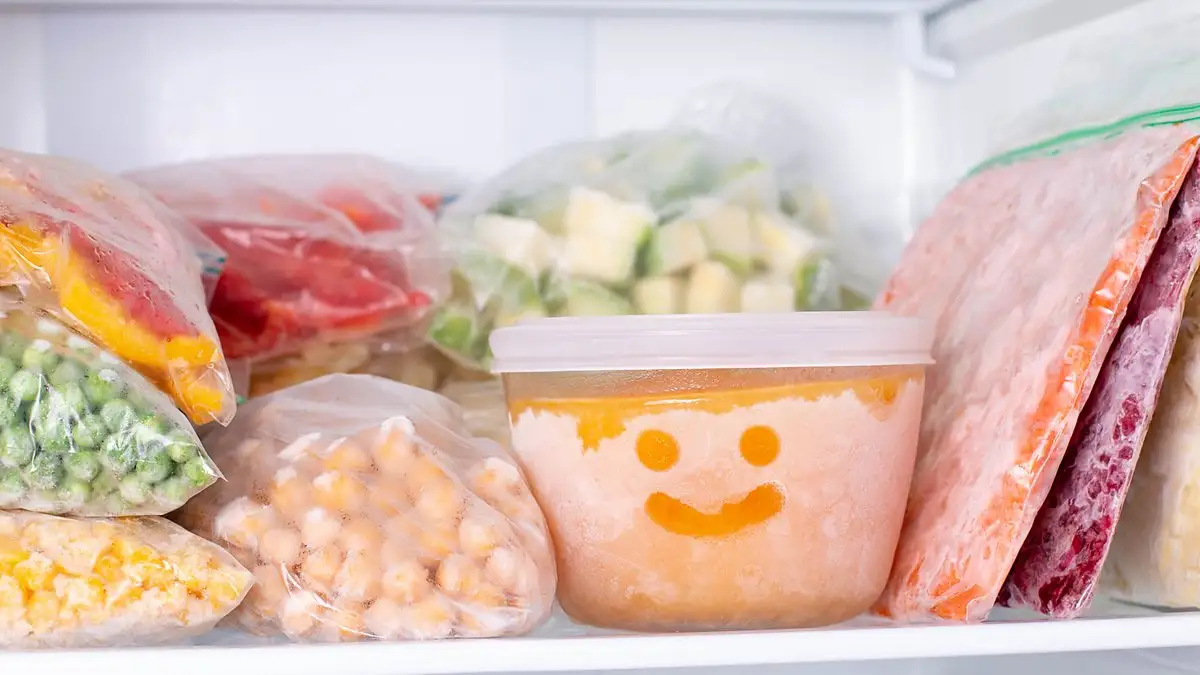
These preserved forms stay usable for months, reducing the stress of frequent shopping trips. They make healthy eating more accessible for busy households and individuals who want consistent nutrition. Health experts encourage adults to consume at least two servings of fruit and five servings of vegetables each day. Both frozen and canned products count toward these targets.
A half cup of frozen broccoli equals one vegetable serving, while one cup of canned peaches counts as one fruit serving. This flexibility allows people to build meals around what fits their schedule and wallet. Consistent choices lead to better overall eating patterns over time.
 Via BBC
 Via The Conversation
Seasonal limitations disappear with preserved options. People enjoy mangoes in winter or asparagus whenever they like. The convenience supports steady consumption without last-minute market runs. Lower waste also helps the environment by reducing the amount of discarded produce that ends up in landfills. Smart choices like these allow households to stretch budgets while maintaining nutritious diets.
 Via ABC News
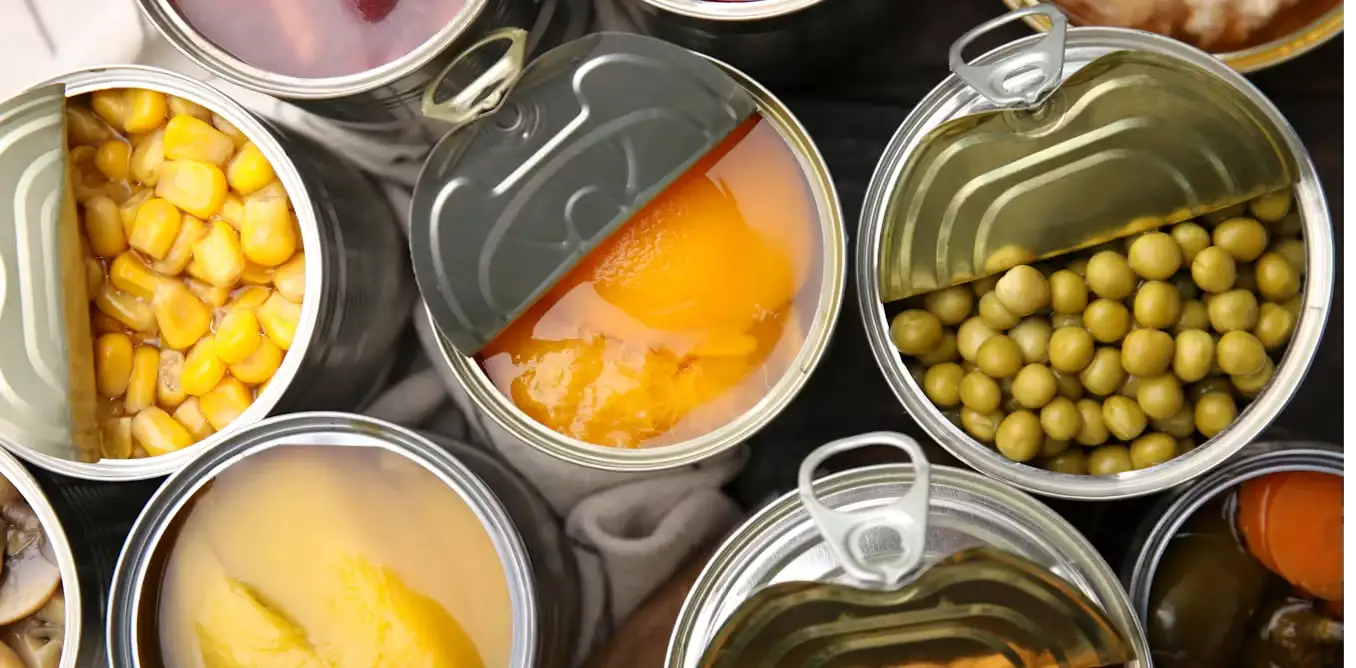
Canning uses heat to make food safe for long storage. While some water-soluble vitamins like vitamin C may decrease slightly, modern techniques minimize these losses through faster and gentler processing. Certain foods actually gain nutrients during preservation. For instance, frozen apricots can contain higher vitamin C levels than fresh ones because the vitamin helps protect the fruit during storage. Overall, preserved produce delivers reliable nutrition that supports daily needs.
Research shows that the nutritional differences between fresh, frozen, and canned options are often small when people consume them regularly. The key factor remains eating enough produce rather than worrying about minor variations. Both forms provide fiber, antioxidants, and other beneficial compounds. People who choose preserved items still gain substantial health advantages compared to skipping fruits and vegetables altogether.
 Via Pop Sugar
 Via Plant Based Juniors
Canned fruits packed in heavy syrup add unwanted sugar. Choosing versions in natural juice or labeled no added sugar keeps sweetness levels appropriate. For baked beans or similar products, reduced-salt and lower-sugar varieties exist for regular consumption. Awareness of these details empowers shoppers to maximize benefits while minimizing drawbacks. Balanced selections support health goals without unnecessary restrictions.
 Via Supermarket News
Seasonal sales on frozen and canned goods create opportunities to stock up responsibly. Proper storage maximizes freshness and safety. Keep frozen items at zero degrees Fahrenheit or below and rotate cans to use older ones first. These habits ensure consistent access to nutritious choices throughout the year.
Mixing different forms of produce adds variety to meals and prevents boredom. Combining fresh items when affordable with frozen and canned staples creates sustainable patterns. People who plan ahead enjoy greater flexibility and fewer mealtime stresses. Thoughtful purchasing turns preserved produce into a reliable foundation for healthy cooking.
 Via Healthline
 Via Daily Meal
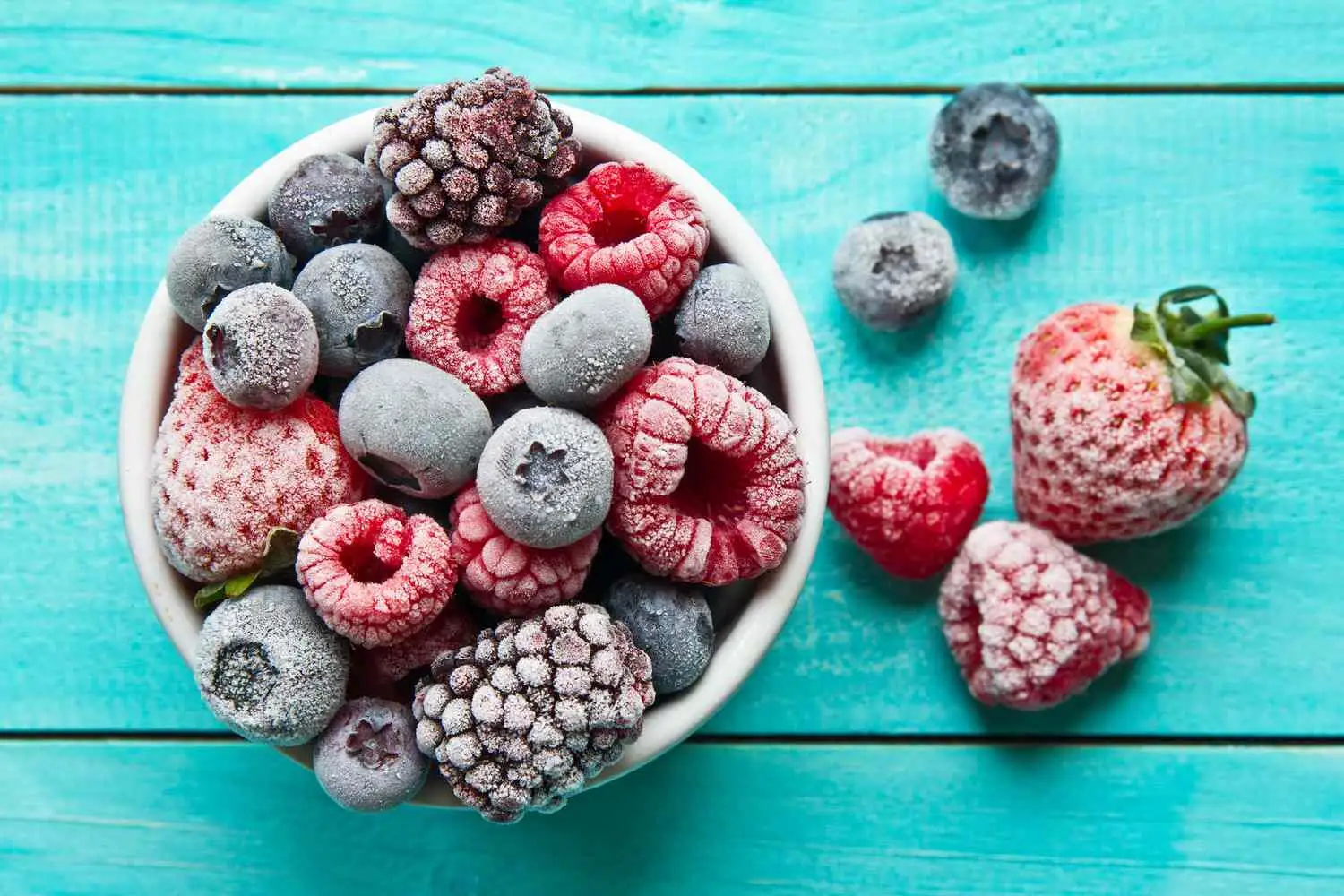
Canned and frozen fruits brighten breakfasts, snacks, and desserts naturally. Mix frozen berries into oatmeal or yogurt for antioxidant-rich starts to the day. Canned peaches complement cottage cheese or blend into smoothies. These easy applications make healthy eating enjoyable rather than restrictive. Experimenting with combinations leads to favorite family recipes over time.
 Via UCLA Health
Dried fruits provide natural sweetness and portability for snacks or trail mixes. Their concentrated form means smaller portions deliver good energy, though higher natural sugar content suggests occasional rather than daily use. Combining them sparingly with nuts or seeds creates balanced treats. Proper storage in airtight containers keeps them fresh for months.
Dried vegetables appear in some soups or seasoning blends and add unique flavors. They complement frozen and canned items by offering different textures and taste profiles. Rotating through various preserved forms ensures broad nutrient exposure while keeping costs manageable. Creative use of all these options supports diverse and interesting meals.
 Via Emergency Essential
 Via Healthline
Everyone benefits from greater awareness of food preservation methods and their impacts. Making informed selections based on nutrition labels and personal needs leads to empowered eating patterns. These approaches support both personal wellness and broader goals of reducing food waste. Reliable access to nutritious produce becomes achievable through practical, everyday strategies that fit real lifestyles.
 Via The Conversation
Preserved produce promotes sustainable eating patterns that fit busy modern lifestyles. Families save time on preparation and shopping while still meeting nutrition goals. The reduced waste from longer shelf life also benefits household budgets and the environment. These practical advantages encourage long-term habits rather than short-term efforts that fade quickly when challenges appear.
 Via The Conversation
Many individuals discover that mixing preserved and fresh items creates balanced, enjoyable meals without constant planning stress. The affordability and convenience remove common barriers to healthy eating. As a result, both adults and children develop positive relationships with nutritious foods that last well into the future. This approach builds a foundation for lifelong wellness through accessible and effective choices.
More in UnassignedVia Health
These preserved forms stay usable for months, reducing the stress of frequent shopping trips. They make healthy eating more accessible for busy households and individuals who want consistent nutrition. Health experts encourage adults to consume at least two servings of fruit and five servings of vegetables each day. Both frozen and canned products count toward these targets.
A half cup of frozen broccoli equals one vegetable serving, while one cup of canned peaches counts as one fruit serving. This flexibility allows people to build meals around what fits their schedule and wallet. Consistent choices lead to better overall eating patterns over time.
Via BBC
Advantages in Cost, Convenience, and Reduced Waste
Frozen and canned fruits and vegetables usually cost less than fresh produce, especially when out of season. Shoppers notice significant savings that add up over weeks and months. These items come ready to use, which saves valuable preparation time in the kitchen. Busy parents and workers appreciate the speed of tossing frozen peas into a pot or opening a can of beans for quick protein. The extended shelf life stands out as another major benefit. Fresh items spoil within days, leading to wasted food and money. In contrast, frozen packages last for months in the freezer, and canned goods remain stable for years in the pantry. This reliability means produce stays available year-round regardless of weather or supply issues. Families throw away less food and enjoy greater peace of mind about having healthy ingredients on hand.Via The Conversation
Seasonal limitations disappear with preserved options. People enjoy mangoes in winter or asparagus whenever they like. The convenience supports steady consumption without last-minute market runs. Lower waste also helps the environment by reducing the amount of discarded produce that ends up in landfills. Smart choices like these allow households to stretch budgets while maintaining nutritious diets.
Nutritional Comparison Between Fresh and Preserved
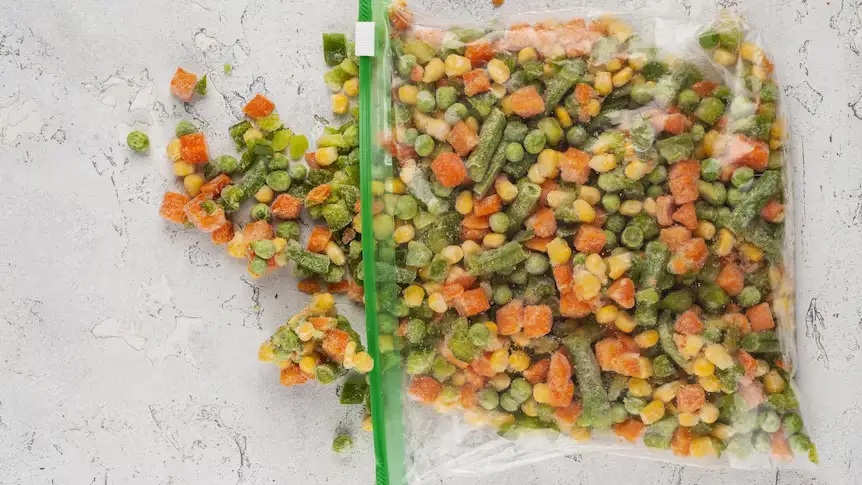
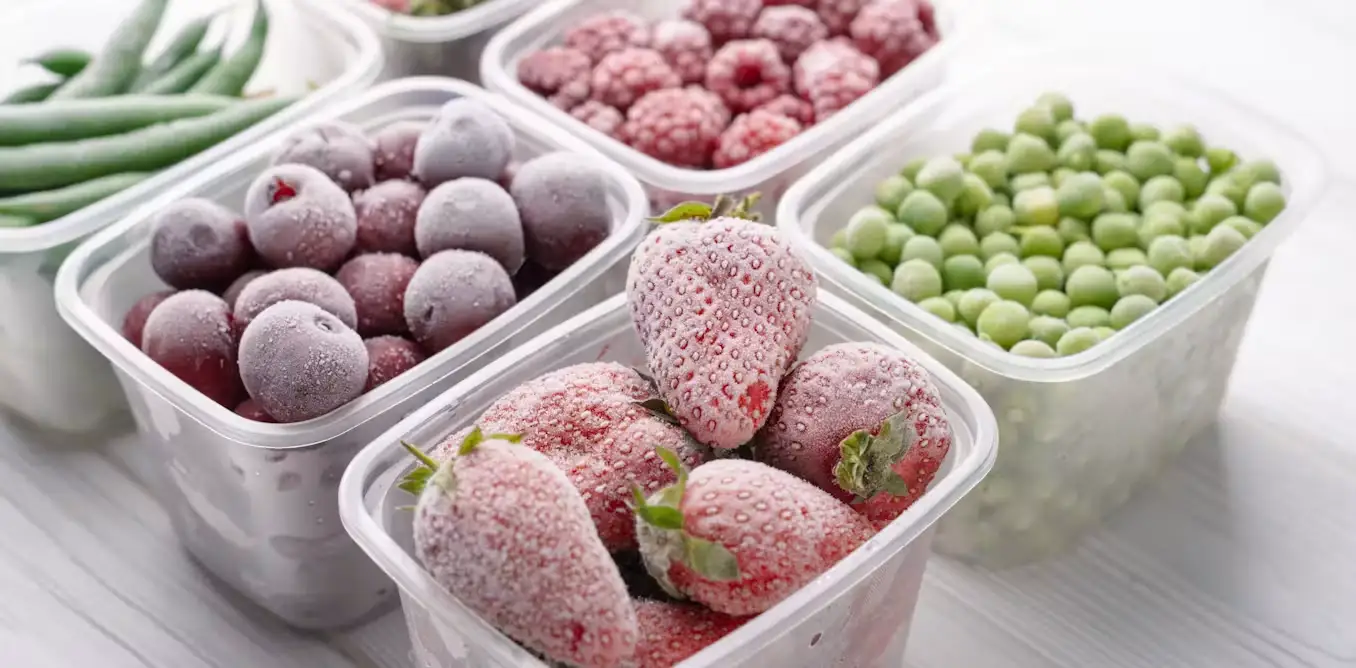
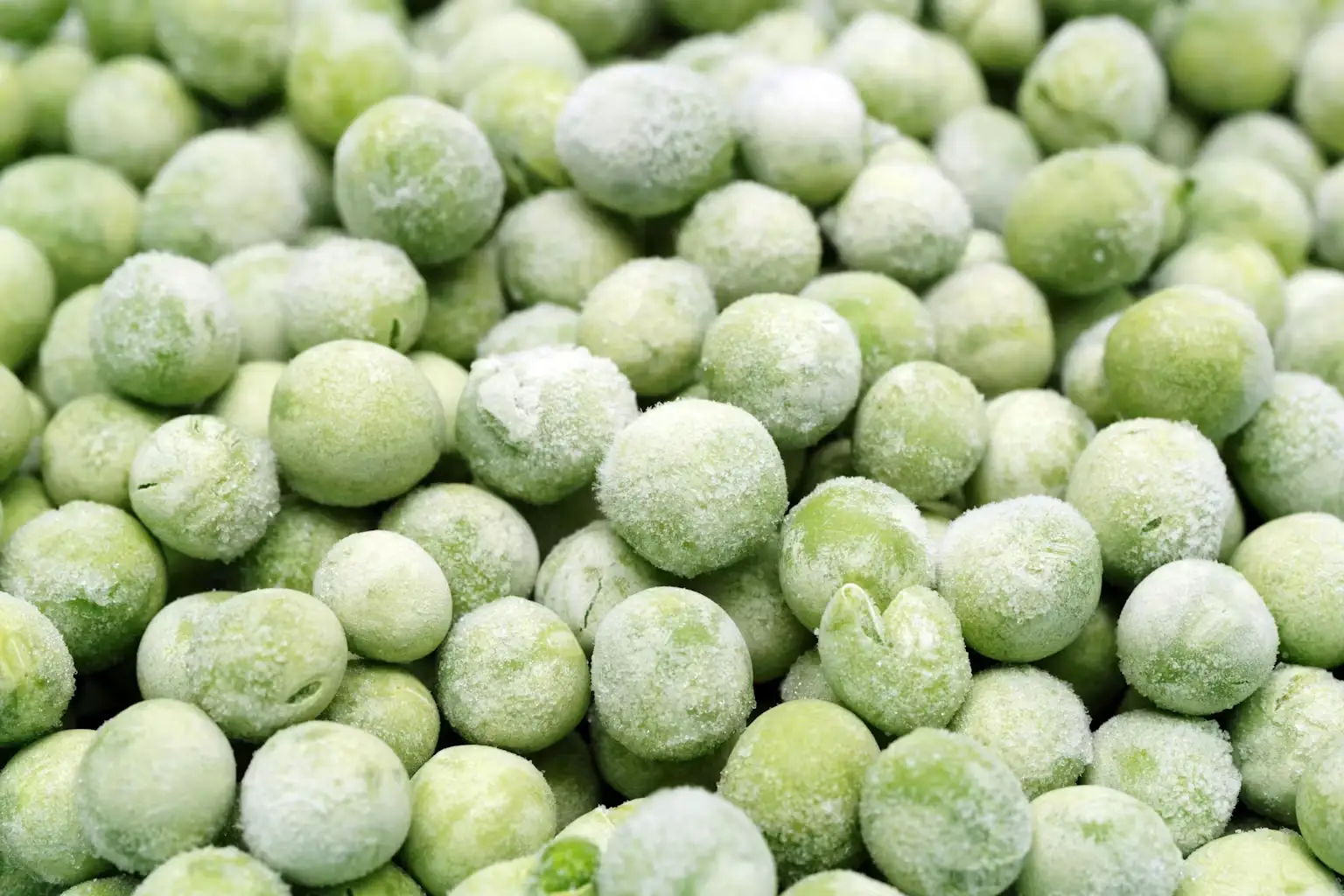
Frozen fruits and vegetables often retain their original nutritional value very well. In many cases, they match or even exceed the nutrient levels found in fresh items that have sat in the refrigerator for a week. Quick freezing right after harvest locks in vitamins and minerals before they have time to degrade. This process helps preserve natural colors and textures that make meals appealing.
Via ABC News
Canning uses heat to make food safe for long storage. While some water-soluble vitamins like vitamin C may decrease slightly, modern techniques minimize these losses through faster and gentler processing. Certain foods actually gain nutrients during preservation. For instance, frozen apricots can contain higher vitamin C levels than fresh ones because the vitamin helps protect the fruit during storage. Overall, preserved produce delivers reliable nutrition that supports daily needs.
Research shows that the nutritional differences between fresh, frozen, and canned options are often small when people consume them regularly. The key factor remains eating enough produce rather than worrying about minor variations. Both forms provide fiber, antioxidants, and other beneficial compounds. People who choose preserved items still gain substantial health advantages compared to skipping fruits and vegetables altogether.
Via Pop Sugar
Potential Concerns and How to Address Them
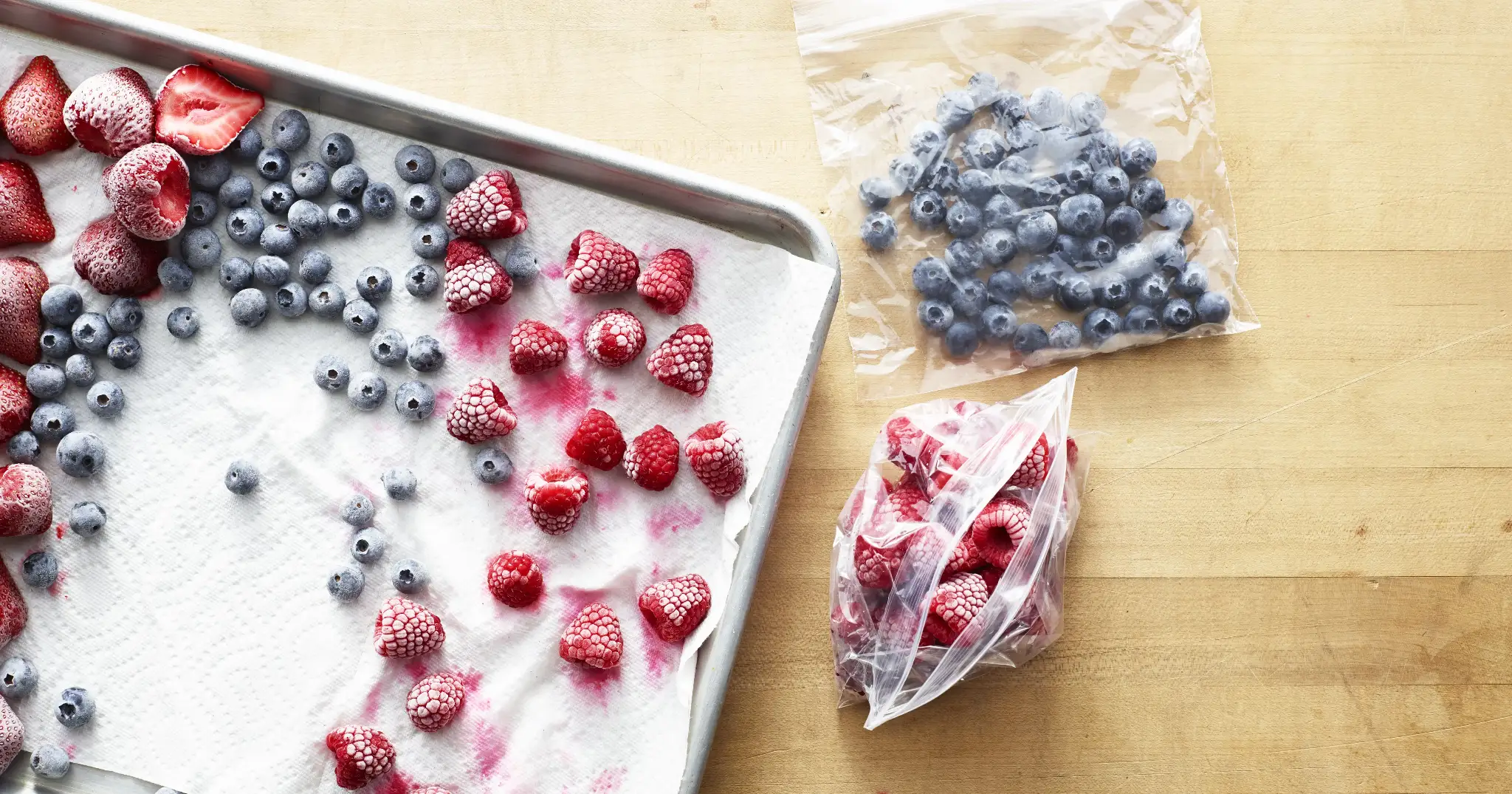
Freezing sometimes creates ice crystals that affect the texture of delicate fruits and vegetables, making them softer after thawing. Proper handling prevents repeated thawing and refreezing, which helps maintain quality. Most frozen products remain safe and nutritious when stored correctly at consistent low temperatures. Cooking them directly from frozen also preserves more nutrients than extended thawing periods. Canned vegetables may contain added salt for flavor and preservation. Selecting low-sodium or no-added-salt versions helps control intake effectively. Rinsing canned beans or vegetables under water before use removes much of the excess sodium. Checking nutrition labels allows informed decisions that fit individual dietary needs. These simple steps make canned options suitable for most people.Via Plant Based Juniors
Canned fruits packed in heavy syrup add unwanted sugar. Choosing versions in natural juice or labeled no added sugar keeps sweetness levels appropriate. For baked beans or similar products, reduced-salt and lower-sugar varieties exist for regular consumption. Awareness of these details empowers shoppers to maximize benefits while minimizing drawbacks. Balanced selections support health goals without unnecessary restrictions.
Smart Shopping Tips for Maximum Benefits
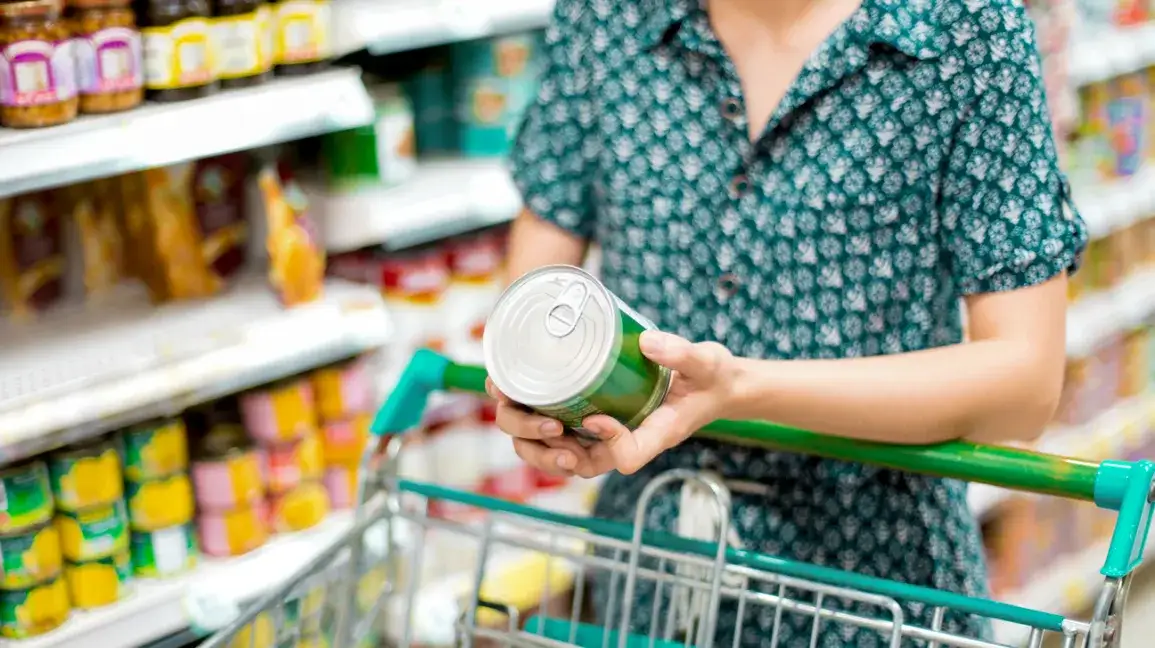
Reading labels carefully reveals important details about sodium, sugar, and other additives. Look for clear indications of minimal processing and natural ingredients. Store brands often provide quality preserved produce at even lower prices than name brands. Comparing unit prices helps identify the best value across different package sizes and types.Via Supermarket News
Seasonal sales on frozen and canned goods create opportunities to stock up responsibly. Proper storage maximizes freshness and safety. Keep frozen items at zero degrees Fahrenheit or below and rotate cans to use older ones first. These habits ensure consistent access to nutritious choices throughout the year.
Mixing different forms of produce adds variety to meals and prevents boredom. Combining fresh items when affordable with frozen and canned staples creates sustainable patterns. People who plan ahead enjoy greater flexibility and fewer mealtime stresses. Thoughtful purchasing turns preserved produce into a reliable foundation for healthy cooking.
Via Healthline
Practical Ideas for Incorporating Preserved Produce
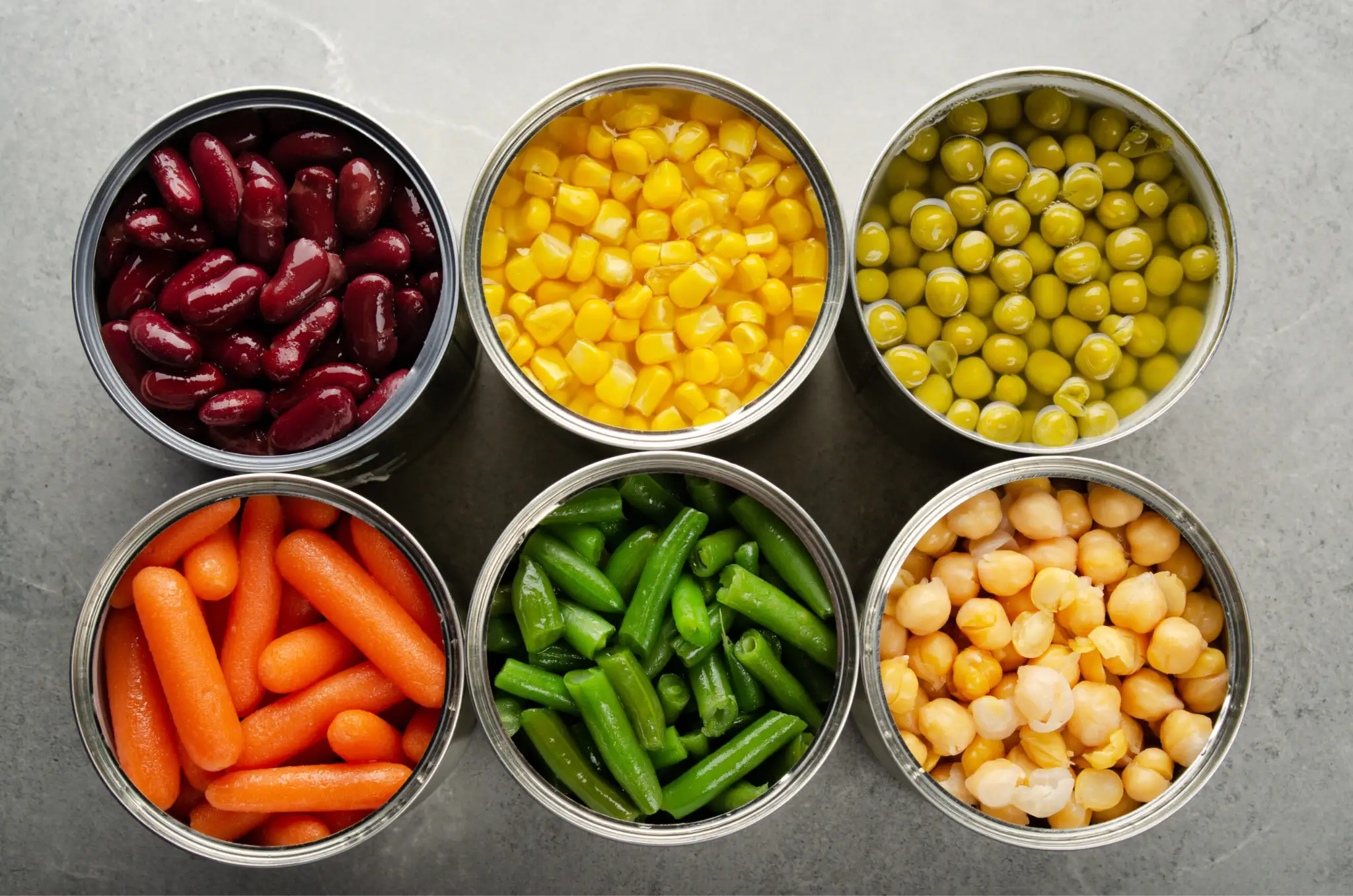
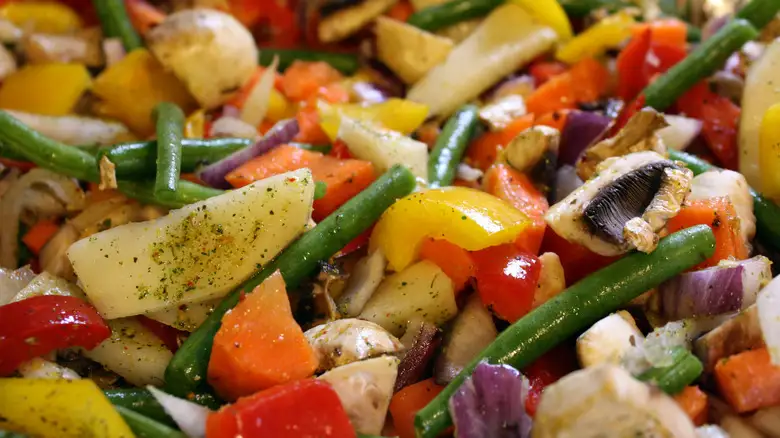
Frozen vegetables transform quickly into satisfying side dishes or main meal components. Adding them to stir-fries, soups, or casseroles requires minimal effort while boosting nutrition. Peas, corn, and mixed blends cook in minutes and pair well with proteins and grains. The convenience encourages more frequent vegetable consumption across all age groups. Canned beans and lentils provide instant protein and fiber for busy days. They thicken stews, enhance pasta sauces, or create simple salads when rinsed and tossed with basic seasonings. These additions help people feel full longer and support steady energy levels. Versatile options like chickpeas work in everything from curries to grain bowls.
Via Daily Meal
Canned and frozen fruits brighten breakfasts, snacks, and desserts naturally. Mix frozen berries into oatmeal or yogurt for antioxidant-rich starts to the day. Canned peaches complement cottage cheese or blend into smoothies. These easy applications make healthy eating enjoyable rather than restrictive. Experimenting with combinations leads to favorite family recipes over time.
Exploring Dried Options as Complementary Choices
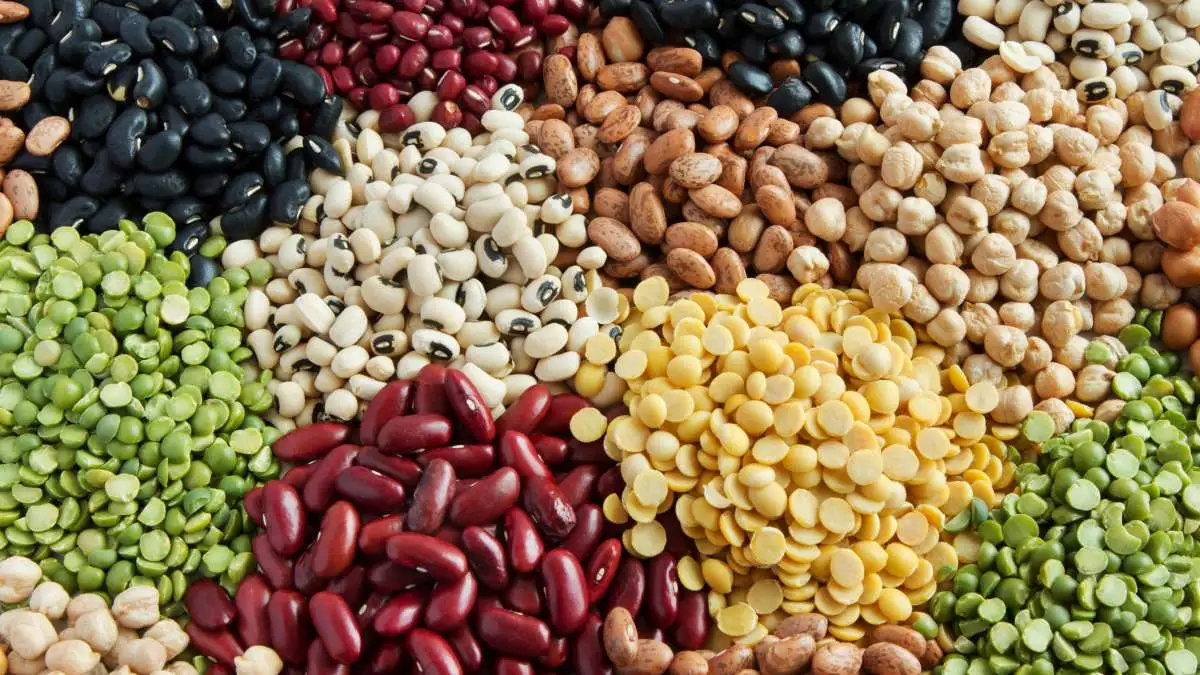
Dried beans, chickpeas, and lentils offer excellent value and impressive shelf stability. They pack concentrated fiber and plant-based protein that supports muscle health and digestion. While they require planning for soaking or longer cooking times, many varieties now come pre-soaked or quick-cooking for convenience. These staples build satisfying meals that stretch budgets effectively.Via UCLA Health
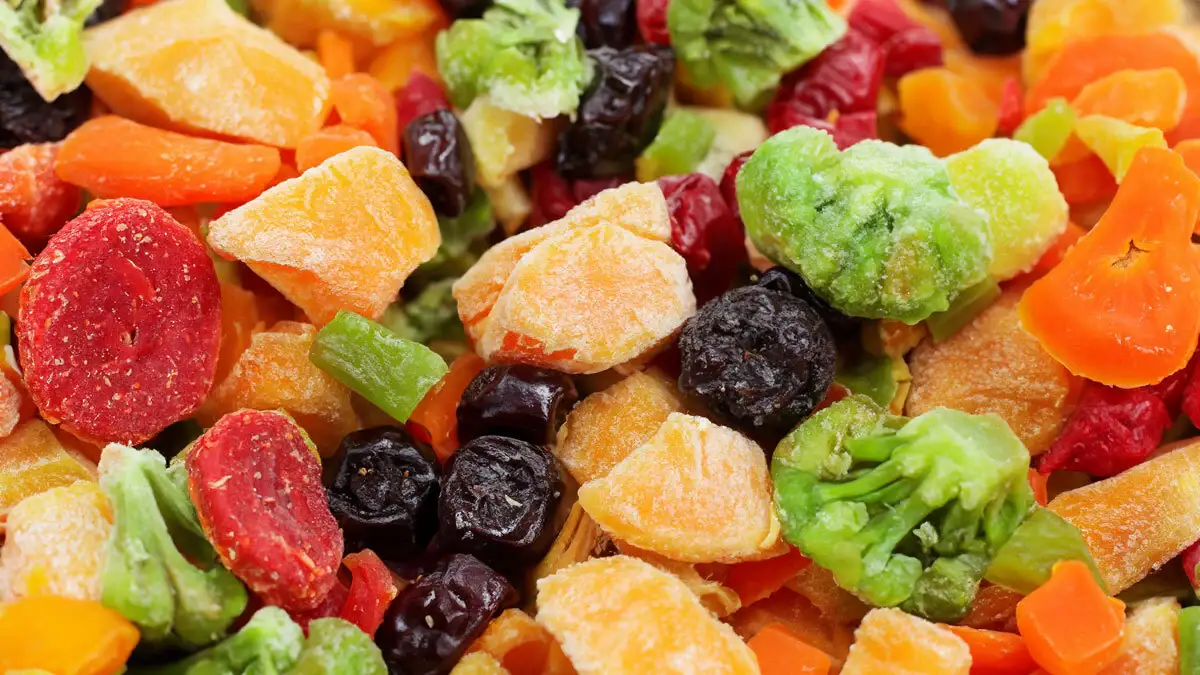
Dried fruits provide natural sweetness and portability for snacks or trail mixes. Their concentrated form means smaller portions deliver good energy, though higher natural sugar content suggests occasional rather than daily use. Combining them sparingly with nuts or seeds creates balanced treats. Proper storage in airtight containers keeps them fresh for months.
Dried vegetables appear in some soups or seasoning blends and add unique flavors. They complement frozen and canned items by offering different textures and taste profiles. Rotating through various preserved forms ensures broad nutrient exposure while keeping costs manageable. Creative use of all these options supports diverse and interesting meals.
Via Emergency Essential
Building Sustainable Healthy Eating Habits
People achieve better health outcomes by focusing on consistent inclusion of fruits and vegetables in whatever accessible forms fit their lives. Frozen, canned, and fresh options each contribute valuable nutrients when chosen thoughtfully. Small daily choices accumulate into meaningful improvements in energy, immunity, and disease prevention over years. Budget constraints no longer need to limit produce consumption. Affordable preserved alternatives make recommended servings realistic for more households. Planning meals around these items reduces waste and simplifies shopping lists. Families and individuals discover greater satisfaction from home-cooked meals that nourish without excess spending.Via Healthline
Everyone benefits from greater awareness of food preservation methods and their impacts. Making informed selections based on nutrition labels and personal needs leads to empowered eating patterns. These approaches support both personal wellness and broader goals of reducing food waste. Reliable access to nutritious produce becomes achievable through practical, everyday strategies that fit real lifestyles.
Long-Term Benefits of Choosing Preserved Produce
Regular consumption of frozen fruit and canned vegetables supports steady nutrient intake throughout the year. These options help maintain consistent levels of vitamins, minerals, and fiber even when fresh produce prices rise or availability drops. Over months and years, this reliability contributes to stronger immune function, better digestive health, and reduced risk of chronic conditions. People who incorporate them regularly often report higher overall energy and fewer gaps in their diet.Via The Conversation
Preserved produce promotes sustainable eating patterns that fit busy modern lifestyles. Families save time on preparation and shopping while still meeting nutrition goals. The reduced waste from longer shelf life also benefits household budgets and the environment. These practical advantages encourage long-term habits rather than short-term efforts that fade quickly when challenges appear.
Via The Conversation
Many individuals discover that mixing preserved and fresh items creates balanced, enjoyable meals without constant planning stress. The affordability and convenience remove common barriers to healthy eating. As a result, both adults and children develop positive relationships with nutritious foods that last well into the future. This approach builds a foundation for lifelong wellness through accessible and effective choices.