Unassigned
Cancer Death Rates Fall, But Disparities Persist

Cancer death rates in the United States have declined significantly over the past 35 years, marking one of the greatest public health achievements in modern medicine. A new report from the American Association for Cancer Research highlights a 35% reduction in cancer deaths since 1991.
This improvement has prevented nearly five million cancer-related deaths through better screening, earlier diagnosis, and major advances in treatment. Improved awareness has also encouraged more people to seek medical care before symptoms become severe.
 Via Bioethics
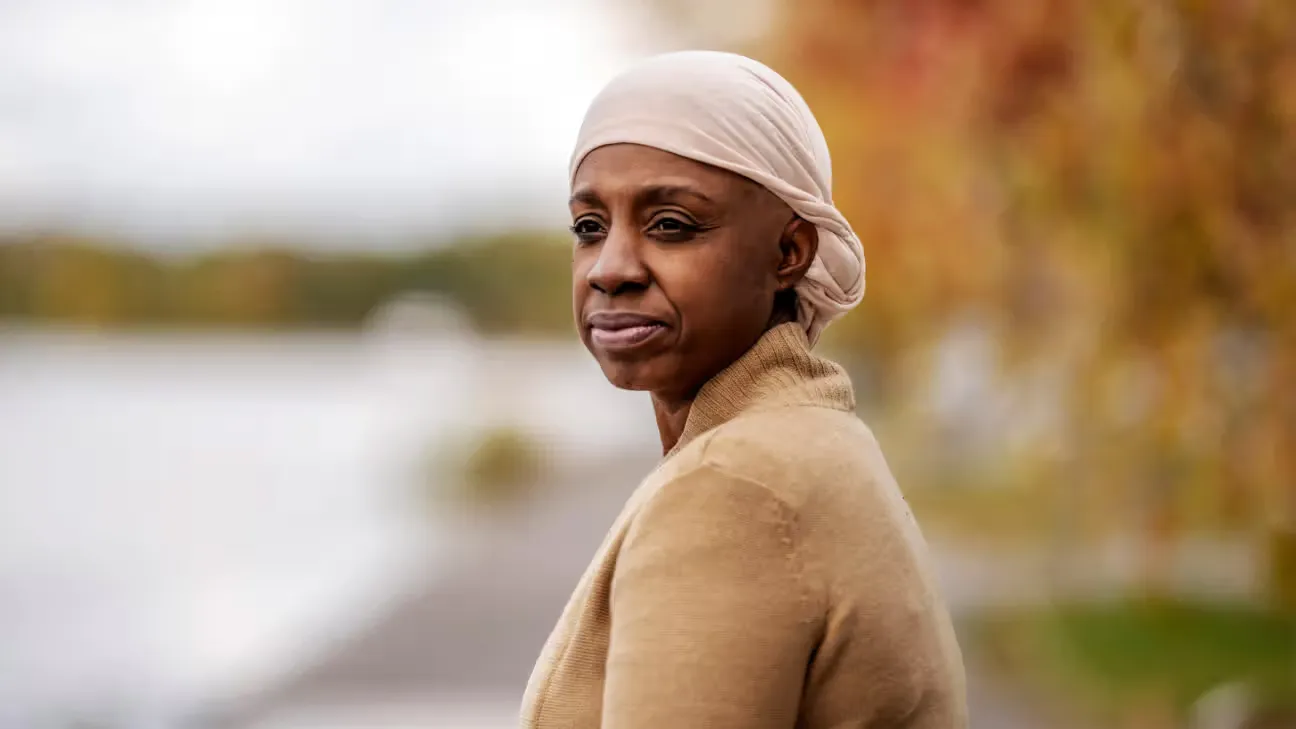
Despite these positive trends, the benefits have not reached every community equally. Differences in healthcare access, economic conditions, and preventive services continue to create unequal outcomes among various racial and ethnic populations.
 Via Healthline
Researchers believe these differences result from a combination of healthcare barriers, delayed diagnosis, social conditions, and unequal treatment opportunities. Long-standing inequalities continue to influence health outcomes across generations.
Although national cancer mortality has declined, these communities have not benefited equally from recent medical progress. Closing these gaps remains one of the biggest challenges facing healthcare leaders today, requiring targeted prevention, improved access, and equitable treatment for all populations.
 Via Healthcare Consulting
 via Everyday Health
Breast cancer also presents a serious concern because death rates remain much higher among African American women compared with white women. Earlier diagnosis and timely treatment could reduce many of these preventable deaths, improving survival rates and narrowing longstanding healthcare disparities.
 Via Carrum Health
The report notes that colorectal cancer death rates remain higher among African American and American Indian or Alaska Native populations than among white populations. These differences reflect both delayed detection and unequal healthcare access.
Doctors recommend that adults at average risk begin colorectal cancer screening at age forty-five. Early screening can identify abnormal growths before they develop into cancer, greatly improving long-term survival chances through timely detection, preventive care, and appropriate medical treatment.
 Via Gastro Health
 Via 1199SEUI Funds
Expanding screening services remains a major public health priority because timely preventive care and regular medical examinations can save lives. Increasing access to early detection programs helps identify cancer sooner, improves treatment outcomes, and reduces the overall burden of disease across communities.
 Via Vista Health
Recent data show that fewer Hispanic, Asian, and American Indian or Alaska Native adults remain current with recommended colonoscopy screenings compared with white adults. Lower participation increases the likelihood of delayed cancer detection.
Improving public education, reducing healthcare costs, and expanding community outreach may encourage more people to complete recommended cancer screenings. Earlier participation can detect health problems sooner, improve treatment outcomes, and lower the risk of serious illness through timely medical care.
 Via Vecteezy
 Via Apollo 247
Recognizing symptoms early and discussing family history with healthcare providers helps identify people who may benefit from screening sooner than standard recommendations. This personalized approach supports earlier diagnosis and timely treatment.
 Via National Alliance to End Homelessness
 Via OHSU
These screening differences contribute to higher cancer diagnosis rates and increased deaths in economically disadvantaged communities where preventive healthcare services remain less accessible. Expanding access to affordable screening can help reduce disparities.
 Via EMJ
The vaccine has demonstrated an excellent safety record while providing lasting protection against harmful strains of the human papillomavirus. Public health organizations strongly recommend vaccination according to national guidelines, helping prevent infections and significantly lowering future cervical cancer risk.
Increasing vaccine awareness and improving access in underserved communities could significantly reduce future cervical cancer cases. Higher vaccination rates, combined with regular screening, can save lives, prevent disease, and strengthen long-term public health outcomes across diverse populations.
 Via Cancer news
 Via Factoring Blog
Recent reductions in public health insurance enrollment have created additional concerns about access to affordable healthcare. Losing insurance coverage can interrupt regular screenings and delay important follow-up visits.
Expanding affordable healthcare options would allow more individuals to receive timely preventive services while reducing long-term complications associated with advanced cancer diagnoses, improving survival rates, lowering healthcare costs, and promoting better health outcomes for communities.
 Via Clear Skies Capital
 Via Linkedin
Improving healthcare equity requires ensuring every patient receives evidence-based treatment regardless of race, ethnicity, income, or geographic location. Equal access to quality care, timely diagnosis, and effective treatment helps reduce disparities and improve health outcomes for communities nationwide.
 Future progress depends not only on developing new medical discoveries but also on ensuring that every community benefits equally from existing healthcare resources. Equal access remains essential for lasting improvement, strengthening prevention, treatment, survival outcomes, and overall public health nationwide.
 Via AAFP
Reducing disparities in screening, vaccination, diagnosis, and treatment can help narrow survival gaps while creating healthier communities where cancer outcomes depend less on social circumstances and more on timely, high-quality care, ensuring every person has fair access to lifesaving services.
More in UnassignedVia Bioethics
Despite these positive trends, the benefits have not reached every community equally. Differences in healthcare access, economic conditions, and preventive services continue to create unequal outcomes among various racial and ethnic populations.
Unequal Cancer Burden Continues to Affect Many Communities
The report shows that African American communities and American Indian or Alaska Native populations continue to experience the highest overall cancer death rates in the country. These groups face higher rates of both cancer diagnosis and cancer-related deaths.Via Healthline
Researchers believe these differences result from a combination of healthcare barriers, delayed diagnosis, social conditions, and unequal treatment opportunities. Long-standing inequalities continue to influence health outcomes across generations.
Although national cancer mortality has declined, these communities have not benefited equally from recent medical progress. Closing these gaps remains one of the biggest challenges facing healthcare leaders today, requiring targeted prevention, improved access, and equitable treatment for all populations.
Via Healthcare Consulting
Longstanding Differences Remain in Cancer Survival Rates
Cancer survival has improved for many patients, yet certain racial groups continue to experience poorer outcomes after diagnosis. The gap between African American and white populations has narrowed, but important differences remain, highlighting persistent inequalities in healthcare access and treatment outcomes. People in African American communities are about twice as likely to die from multiple myeloma as well as stomach, prostate, and gallbladder cancers. These findings highlight the ongoing need for better prevention, earlier diagnosis, equitable healthcare access, and improved treatment opportunities nationwide.via Everyday Health
Breast cancer also presents a serious concern because death rates remain much higher among African American women compared with white women. Earlier diagnosis and timely treatment could reduce many of these preventable deaths, improving survival rates and narrowing longstanding healthcare disparities.
Colorectal Cancer Continues Rising Among Younger Adults
Colorectal cancer has become an increasing concern because more adults younger than fifty are receiving diagnoses each year. Health experts continue monitoring this trend while encouraging greater awareness of early warning signs, regular screening, and healthier lifestyle choices to reduce risk.Via Carrum Health
The report notes that colorectal cancer death rates remain higher among African American and American Indian or Alaska Native populations than among white populations. These differences reflect both delayed detection and unequal healthcare access.
Doctors recommend that adults at average risk begin colorectal cancer screening at age forty-five. Early screening can identify abnormal growths before they develop into cancer, greatly improving long-term survival chances through timely detection, preventive care, and appropriate medical treatment.
Via Gastro Health
Screening Programs Have Saved Countless Lives
Cancer screening remains one of the most effective ways to reduce cancer deaths across the country. Early detection allows doctors to begin treatment sooner, improves survival rates, and can even prevent certain cancers from developing through timely identification and medical intervention. The report estimates that increased colorectal cancer screening accounts for nearly seventy-nine percent of prevented deaths from this disease. Colonoscopy procedures can remove precancerous polyps before they become dangerous tumors, reducing cancer risk and improving long-term health outcomes.Via 1199SEUI Funds
Expanding screening services remains a major public health priority because timely preventive care and regular medical examinations can save lives. Increasing access to early detection programs helps identify cancer sooner, improves treatment outcomes, and reduces the overall burden of disease across communities.
Screening Rates Still Differ Between Population Groups
Although screening programs are widely available, participation rates remain uneven among different racial and ethnic groups. These differences reduce the overall effectiveness of cancer prevention efforts nationwide, highlighting the need for equitable access, education, and community outreach initiatives.Via Vista Health
Recent data show that fewer Hispanic, Asian, and American Indian or Alaska Native adults remain current with recommended colonoscopy screenings compared with white adults. Lower participation increases the likelihood of delayed cancer detection.
Improving public education, reducing healthcare costs, and expanding community outreach may encourage more people to complete recommended cancer screenings. Earlier participation can detect health problems sooner, improve treatment outcomes, and lower the risk of serious illness through timely medical care.
Via Vecteezy
Early Diagnosis Can Change the Course of Treatment
Many cancer specialists emphasize that early detection often gives patients better treatment options and improves survival rates. Smaller tumors are generally easier to treat and respond more successfully to surgery, radiation, and other medical therapies before the disease progresses further. The experience of younger colorectal cancer patients demonstrates that cancer can sometimes develop before traditional screening ages. Personal medical history and existing digestive diseases may also increase individual risk, making early evaluation and medical guidance especially important for higher-risk people.Via Apollo 247
Recognizing symptoms early and discussing family history with healthcare providers helps identify people who may benefit from screening sooner than standard recommendations. This personalized approach supports earlier diagnosis and timely treatment.
Access to Healthcare Shapes Cancer Outcomes
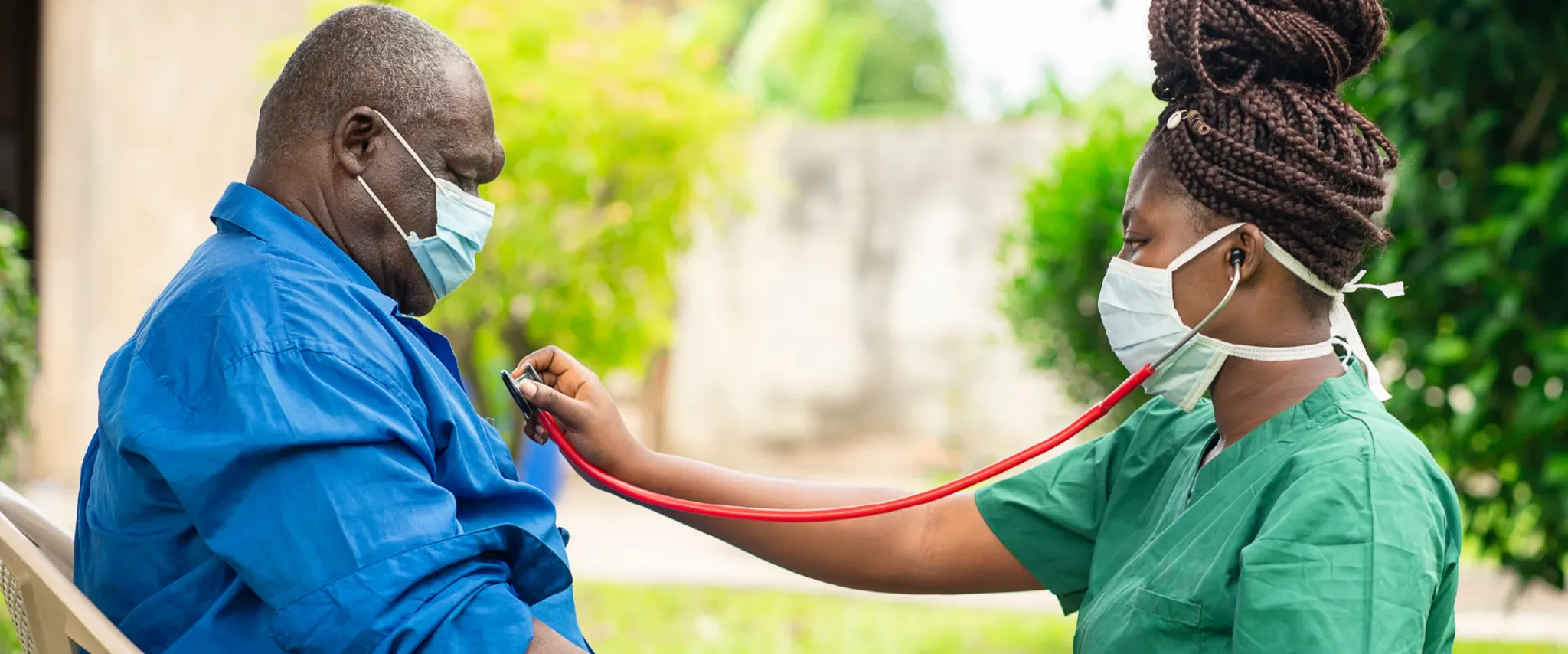
Healthcare access plays a vital role in determining whether cancer is detected early or after it has spread. Regular medical visits provide opportunities for preventive screenings, timely diagnosis, and prompt treatment, improving survival rates and supporting better long-term health outcomes for patients. Via CyberKnife Miami Many medically underserved communities continue to face challenges that include transportation difficulties, limited insurance coverage, financial hardship, and shortages of healthcare professionals. These barriers often delay essential medical care. Reducing these obstacles would increase screening participation and help patients begin treatment sooner. Earlier diagnosis improves treatment success, enhances survival rates, and supports better health outcomes while reducing the overall impact of cancer across diverse communities and populations.Via National Alliance to End Homelessness
Cervical Cancer Remains a Preventable Disease
Cervical cancer continues affecting thousands of women despite being one of the most preventable forms of cancer. Regular screening can identify abnormal cell changes long before cancer develops, increasing treatment success and significantly reducing deaths through early medical intervention. The report found consistently lower cervical cancer screening rates among Asian and Hispanic women compared with white women. Women living in lower-income counties also receive recommended screenings less frequently.Via OHSU
These screening differences contribute to higher cancer diagnosis rates and increased deaths in economically disadvantaged communities where preventive healthcare services remain less accessible. Expanding access to affordable screening can help reduce disparities.
The HPV Vaccine Offers Strong Protection
Medical experts continue encouraging widespread use of the HPV vaccine because it prevents infections responsible for most cervical cancer cases. Vaccination represents one of the strongest tools available for long-term cancer prevention, protecting future generations and reducing disease burden worldwide.
Via EMJ
The vaccine has demonstrated an excellent safety record while providing lasting protection against harmful strains of the human papillomavirus. Public health organizations strongly recommend vaccination according to national guidelines, helping prevent infections and significantly lowering future cervical cancer risk.
Increasing vaccine awareness and improving access in underserved communities could significantly reduce future cervical cancer cases. Higher vaccination rates, combined with regular screening, can save lives, prevent disease, and strengthen long-term public health outcomes across diverse populations.
Via Cancer news
Financial Challenges Prevent Timely Medical Care
Healthcare costs remain a significant concern for many families managing cancer prevention, diagnosis, and treatment. Financial pressure may force patients to postpone appointments or skip recommended medical services.Via Factoring Blog
Recent reductions in public health insurance enrollment have created additional concerns about access to affordable healthcare. Losing insurance coverage can interrupt regular screenings and delay important follow-up visits.
Expanding affordable healthcare options would allow more individuals to receive timely preventive services while reducing long-term complications associated with advanced cancer diagnoses, improving survival rates, lowering healthcare costs, and promoting better health outcomes for communities.
Via Clear Skies Capital
Equal Treatment Quality Remains an Important Goal
Medical advances have transformed cancer treatment through improved medications, targeted therapies, immunotherapy, and personalized treatment plans. These innovations continue to increase survival rates for many different cancer types. Unfortunately, not every patient receives the same quality of recommended care. The report indicates that medically underserved populations often experience barriers that prevent access to advanced treatment options, contributing to poorer outcomes and persistent disparities in cancer survival.Via Linkedin
Improving healthcare equity requires ensuring every patient receives evidence-based treatment regardless of race, ethnicity, income, or geographic location. Equal access to quality care, timely diagnosis, and effective treatment helps reduce disparities and improve health outcomes for communities nationwide.
Continued Progress Depends on Closing Healthcare Gaps
The steady decline in cancer death rates demonstrates the remarkable impact of scientific research, preventive screening, and improved treatment over several decades. Millions of lives have already been saved through these combined efforts.
Future progress depends not only on developing new medical discoveries but also on ensuring that every community benefits equally from existing healthcare resources. Equal access remains essential for lasting improvement, strengthening prevention, treatment, survival outcomes, and overall public health nationwide.
Via AAFP
Reducing disparities in screening, vaccination, diagnosis, and treatment can help narrow survival gaps while creating healthier communities where cancer outcomes depend less on social circumstances and more on timely, high-quality care, ensuring every person has fair access to lifesaving services.