Unassigned
New Drugs Offer Hope Against Fatal Brain-Eating Amoeba
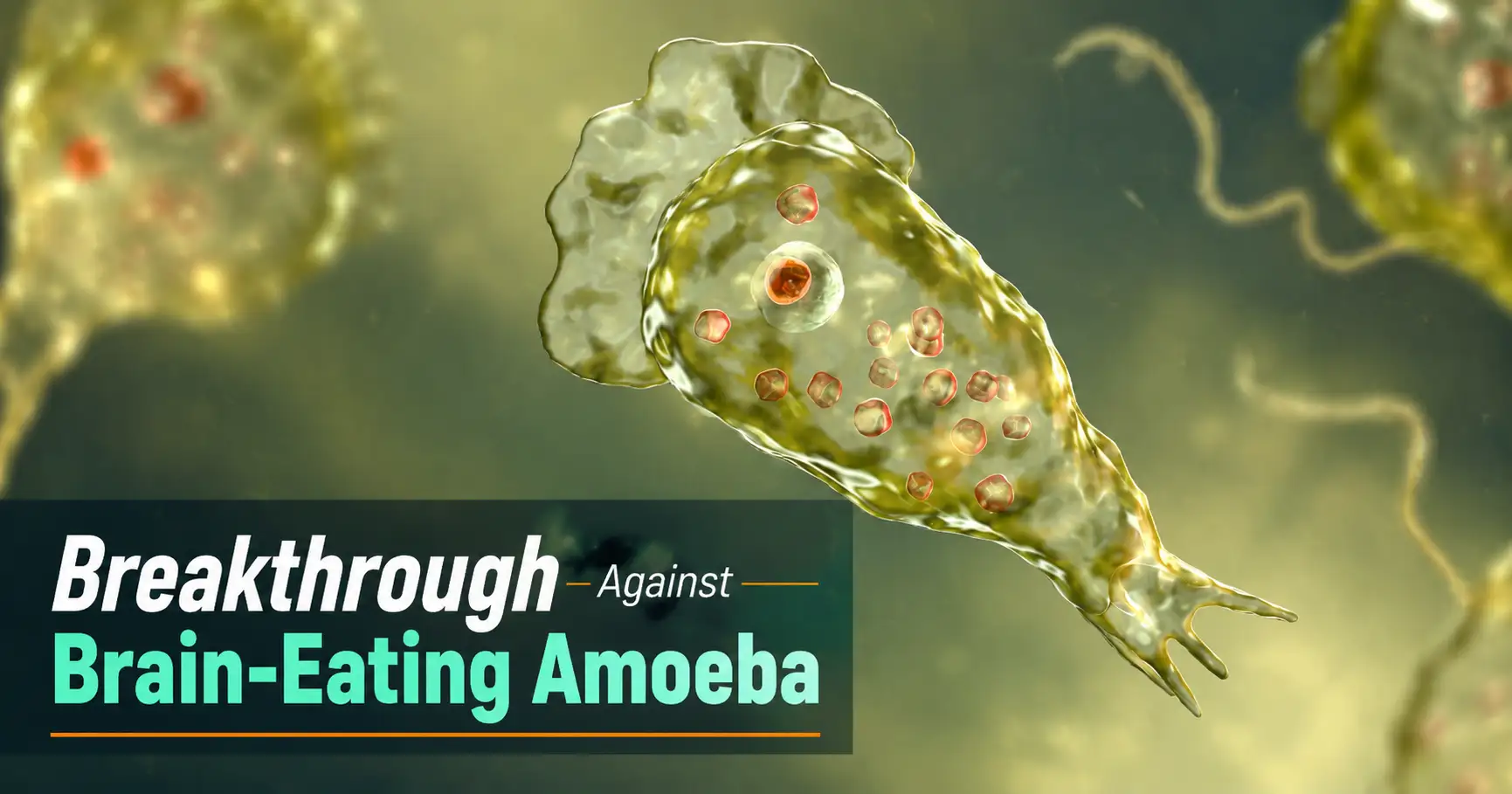
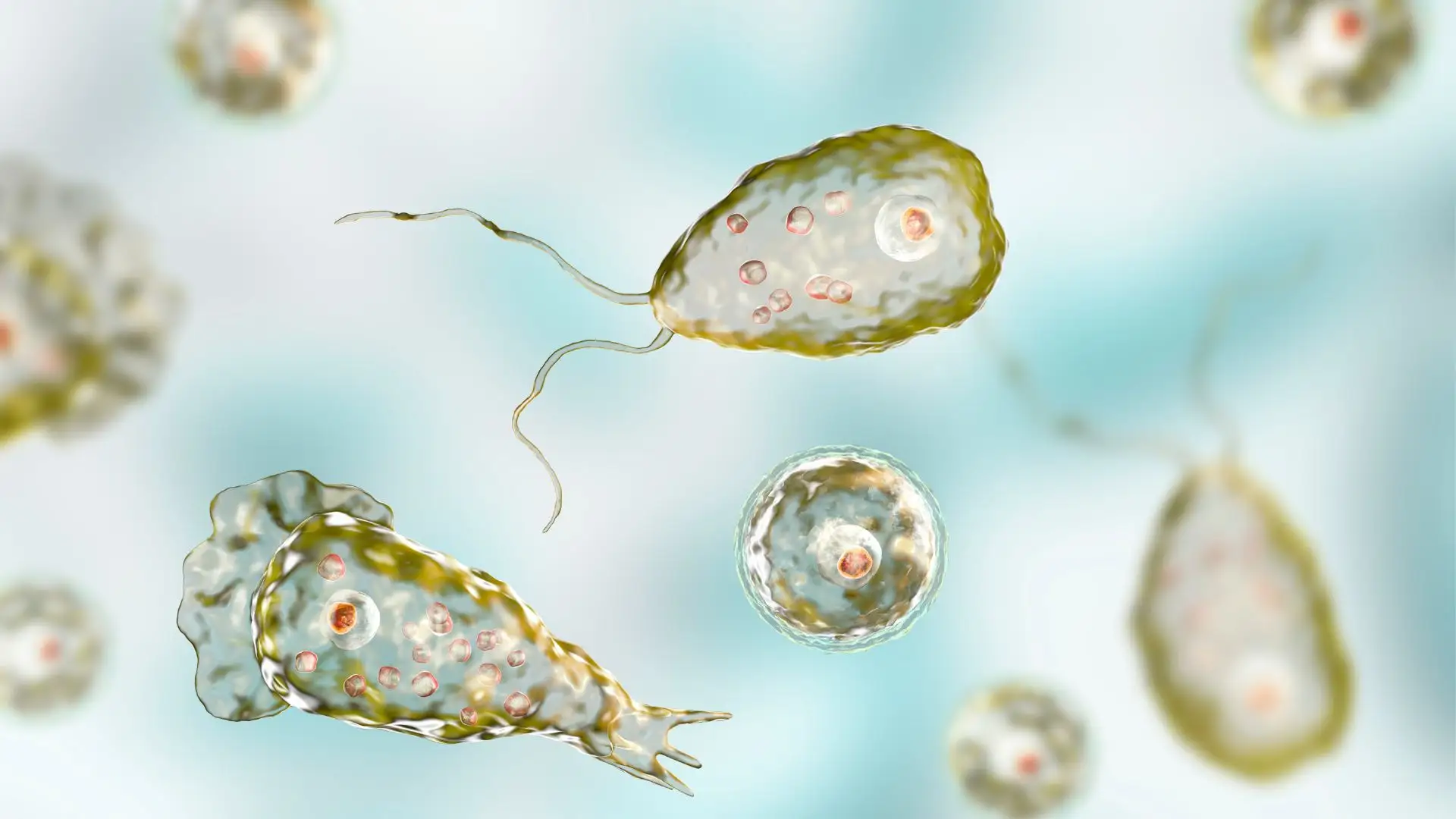
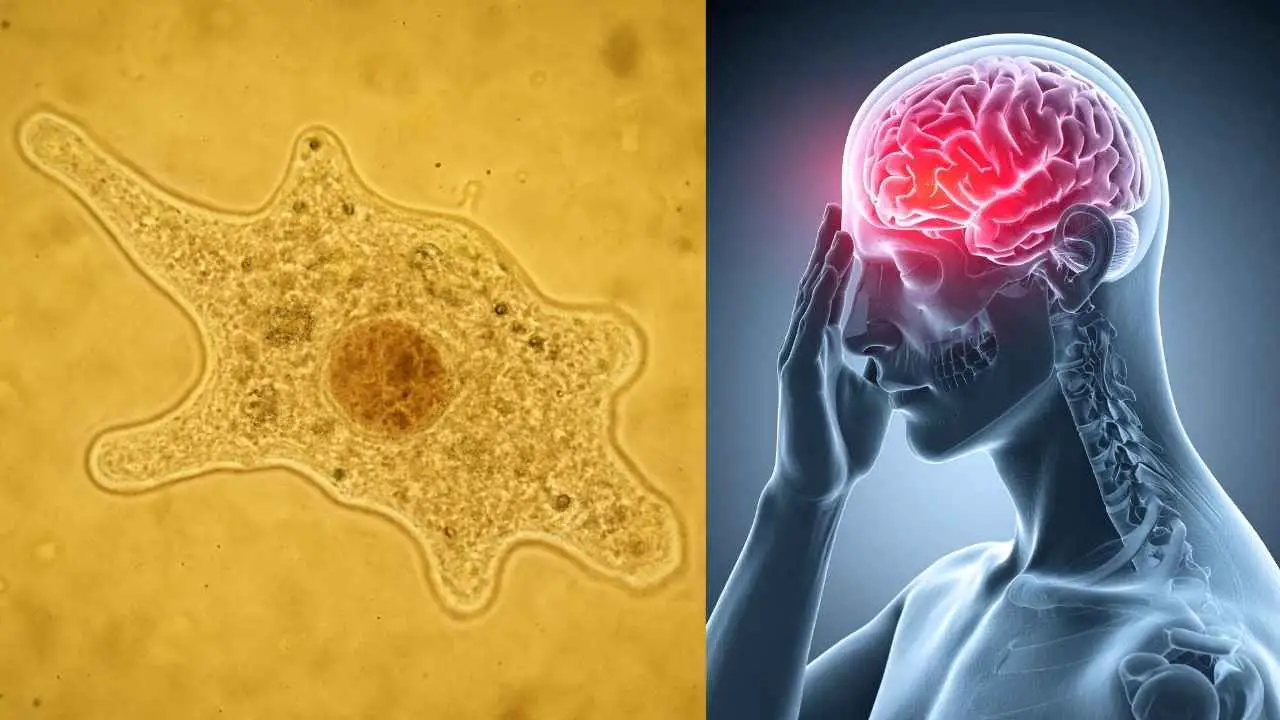
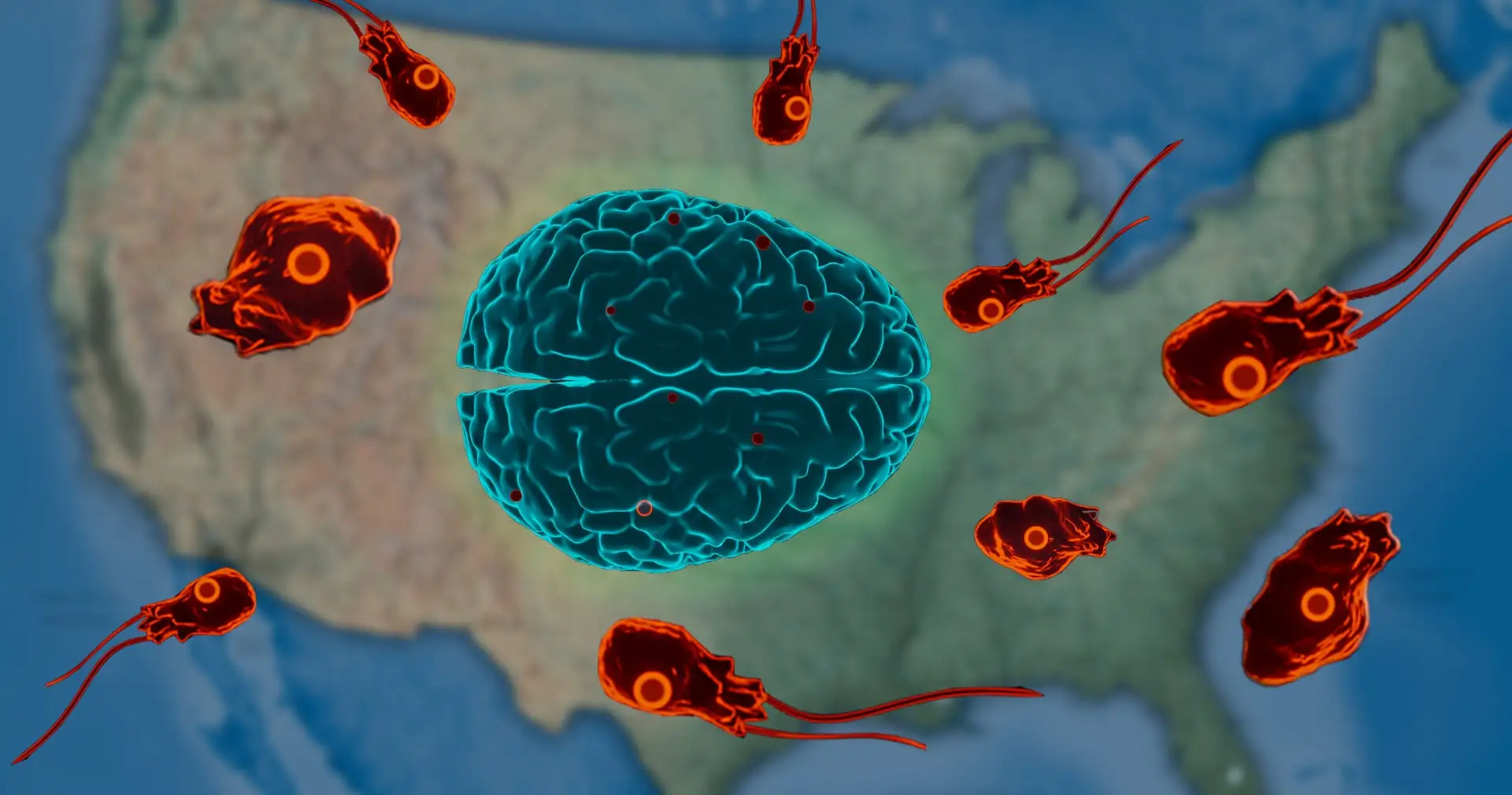
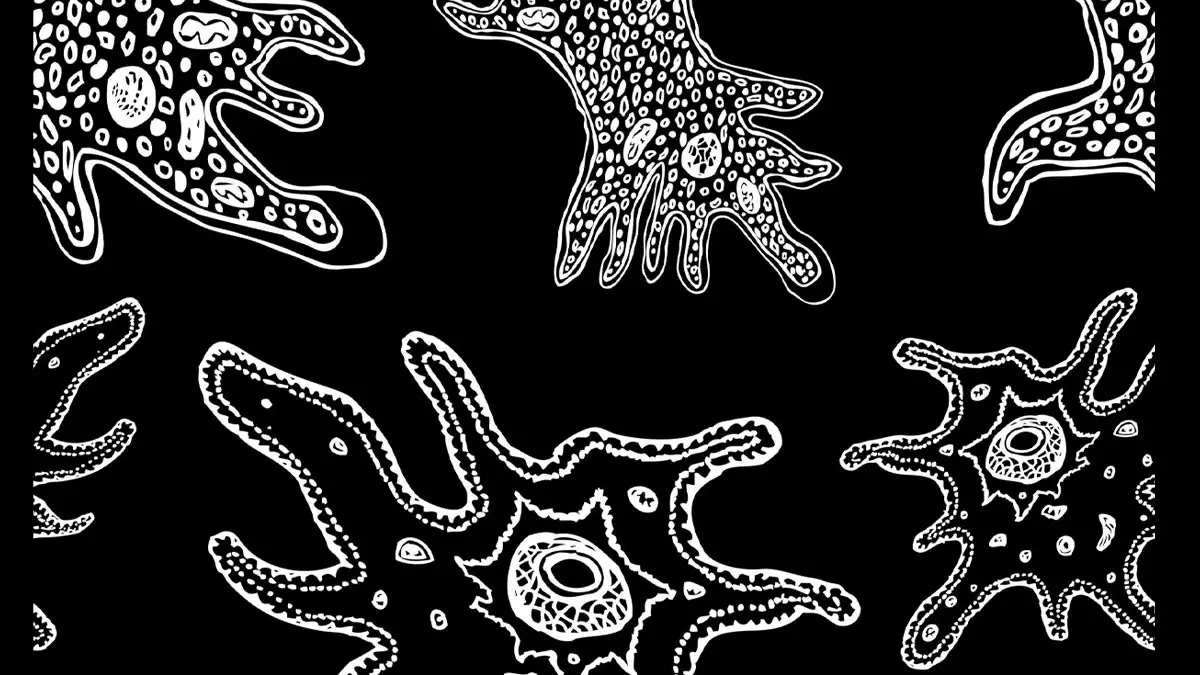
Brain-eating amoebas, scientifically known as Naegleria fowleri, are rare but extremely dangerous organisms that can cause severe brain infections. These microscopic organisms thrive in warm freshwater environments such as lakes, rivers, and hot springs.
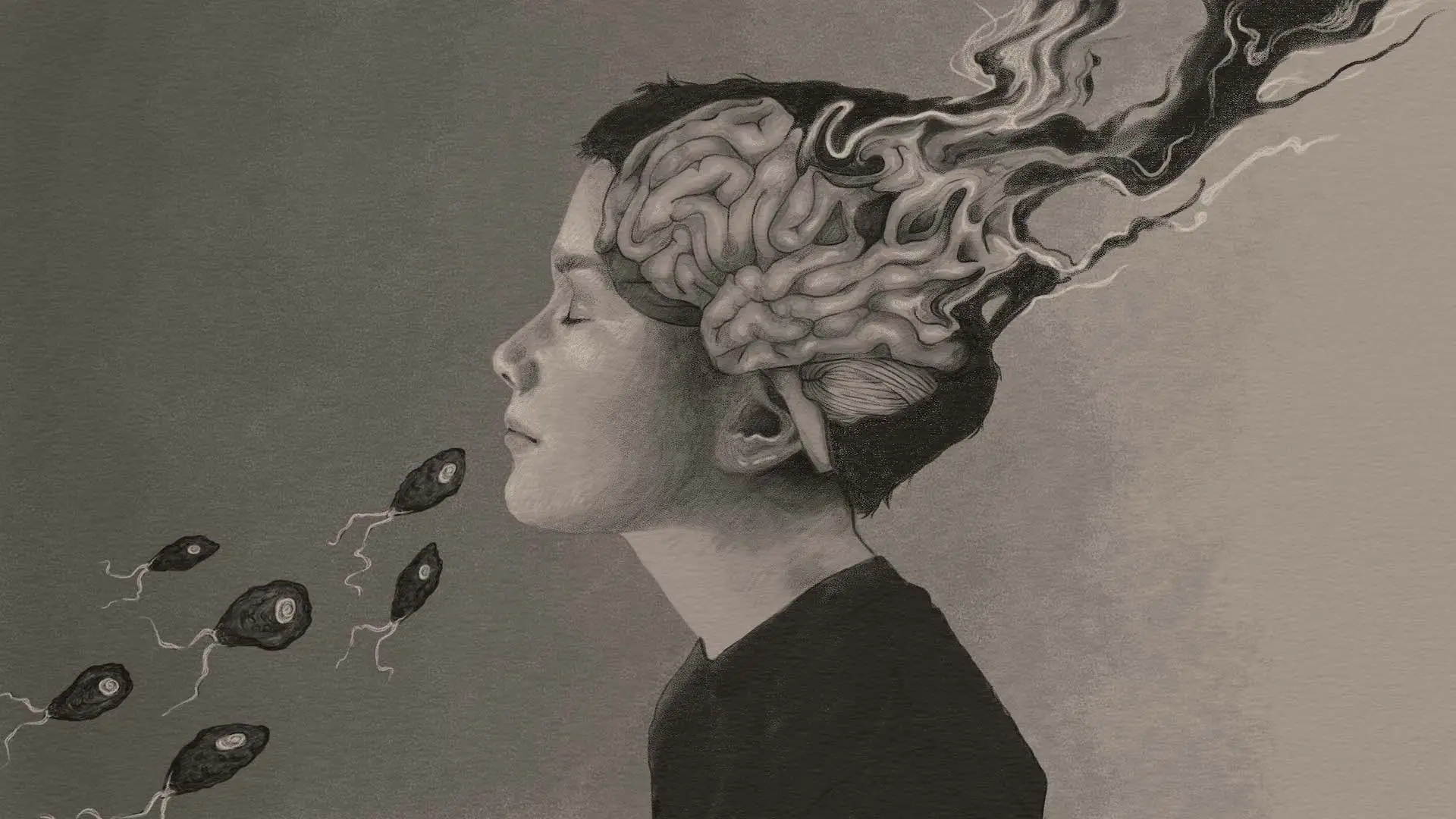
Once inside, it begins destroying brain tissue rapidly, leading to a condition called primary amebic meningoencephalitis (PAM). This infection is not commonly seen, but when it occurs, it is almost always fatal. Symptoms usually begin with headache, fever, nausea, and vomiting, which can quickly worsen into confusion, seizures, and coma.
 Via Live Science
The speed at which the disease progresses makes it especially difficult to diagnose and treat in time. Many cases are initially mistaken for bacterial meningitis due to similar symptoms, delaying proper treatment. Despite its rarity, the fear surrounding this infection is understandable due to its high mortality rate.
Medical experts emphasize that while the risk remains low, awareness is essential. Infection occurs when contaminated water enters the nose, allowing the amoeba to travel to the brain through the olfactory nerve. Understanding how the infection occurs and recognizing early warning signs can help improve survival chances, especially as new treatment options begin to emerge.
 Via Live Science
 Via Fox News
In rare cases, infections have also been linked to improperly treated water sources, including tap water used in nasal rinsing devices. This highlights the importance of using sterile or distilled water for such practices. While infections remain rare, the changing climate may increase the chances of exposure in the future.
Environmental factors also play a role in the spread of this organism. Warmer climates and rising global temperatures have expanded the geographic range of the amoeba. Regions that were once considered low-risk are now reporting occasional cases.
 Via National Geographic
 Via Dhanwantari Diagnosis
The speed of this disease is one of its most dangerous aspects. In many cases, patients deteriorate so quickly that there is little time for effective treatment. This makes early recognition and immediate medical intervention critical. Delayed diagnosis remains one of the biggest challenges in improving survival rates.
 Miltefosine works by disrupting the cell membranes of the amoeba, preventing it from surviving and multiplying. It also has the ability to cross the blood-brain barrier, which is essential for treating infections located in the brain. Doctors often use it alongside other antimicrobial and anti-inflammatory drugs in an aggressive treatment approach.
Although survival remains rare, there have been a few documented cases where patients recovered after receiving this treatment. These cases provide hope and demonstrate that early intervention combined with new therapies can make a difference. Medical professionals continue to refine treatment protocols to improve outcomes.
 Via Clemson Blog
 Via Institute of National Strategic Studies
Innovative approaches like mRNA-based vaccines are also being explored. These vaccines aim to train the immune system to recognize and fight the amoeba before it causes serious damage. While still in early stages, these developments highlight the growing interest in combating this deadly infection and improving patient survival.
 Via Hindustan Times
Testing for the amoeba is relatively simple and involves examining cerebrospinal fluid under a microscope. However, the challenge lies in recognizing the need for this test in time. Increased awareness among healthcare professionals can lead to quicker diagnosis and earlier treatment, improving survival chances.
Public awareness also plays an important role. Educating communities about safe water practices, such as avoiding water entering the nose and using proper water for nasal rinsing, can reduce the risk of infection. Awareness campaigns and educational efforts are helping spread vital information to both medical professionals and the general public.
 Via Interesting Engineering
 Via Right as Rain
Communities and health organizations continue to emphasize prevention as a key strategy. While medical advancements offer hope, avoiding infection remains the safest approach. Awareness and caution can help individuals enjoy water activities without unnecessary risk.
 Via UPSC Prep
Health organizations and researchers are now placing greater emphasis on surveillance systems to monitor outbreaks and identify emerging patterns. Improved reporting methods and better diagnostic tools are helping experts understand how and where infections are occurring.
Seasonal trends have also been observed, with most infections occurring during the summer months when water temperatures are higher. As global temperatures continue to rise, experts warn that the window of risk may expand, both geographically and seasonally.
 Via Onlymyhealth
 Via Kent State Online
Healthcare training is another key component of public health strategy. By ensuring that medical professionals can quickly recognize symptoms and consider PAM as a potential diagnosis, treatment can begin earlier. Combined with ongoing research and improved communication, these efforts are helping build a more informed and prepared society in the face of this rare but deadly infection.
 Via Science Daily
Early diagnosis and increased awareness are equally important in this fight. Recognizing symptoms quickly and acting without delay can make the difference between life and death. As knowledge spreads and treatments improve, the chances of survival may continue to rise.
Efforts from researchers, doctors, and communities are shaping a future where this once nearly always fatal infection may become treatable. With better understanding and faster action, people facing this rare disease may finally have a fighting chance.
More in UnassignedVia Live Science
The speed at which the disease progresses makes it especially difficult to diagnose and treat in time. Many cases are initially mistaken for bacterial meningitis due to similar symptoms, delaying proper treatment. Despite its rarity, the fear surrounding this infection is understandable due to its high mortality rate.
Medical experts emphasize that while the risk remains low, awareness is essential. Infection occurs when contaminated water enters the nose, allowing the amoeba to travel to the brain through the olfactory nerve. Understanding how the infection occurs and recognizing early warning signs can help improve survival chances, especially as new treatment options begin to emerge.
Via Live Science
How Infection Occurs in Freshwater Environments
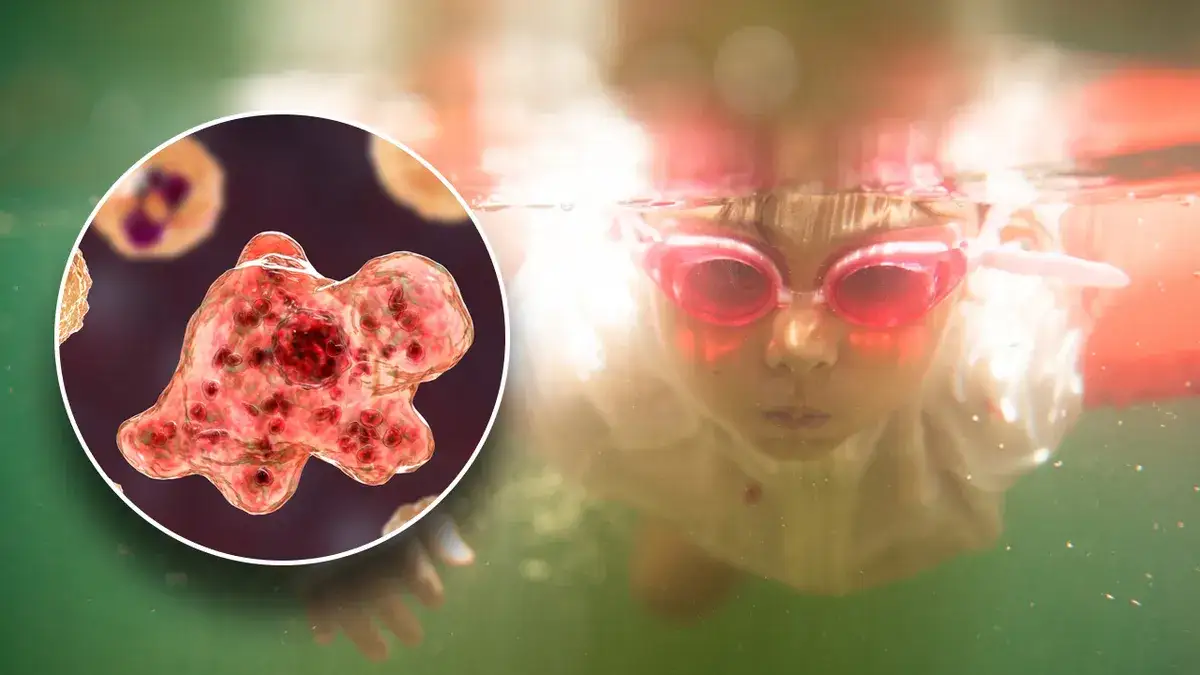
The brain-eating amoeba thrives in warm freshwater conditions, especially when temperatures rise above 80 degrees Fahrenheit. Natural water bodies like lakes and rivers are the most common sources of infection. Activities such as swimming, diving, or water sports increase the risk, particularly when water is forcefully pushed up the nose. The amoeba does not pose a threat when swallowed, making nasal exposure the primary concern. Young individuals, especially boys under the age of 14, are more frequently affected. This is likely due to their higher involvement in water activities that increase nasal exposure.Via Fox News
In rare cases, infections have also been linked to improperly treated water sources, including tap water used in nasal rinsing devices. This highlights the importance of using sterile or distilled water for such practices. While infections remain rare, the changing climate may increase the chances of exposure in the future.
Environmental factors also play a role in the spread of this organism. Warmer climates and rising global temperatures have expanded the geographic range of the amoeba. Regions that were once considered low-risk are now reporting occasional cases.
Via National Geographic
The Rapid Progression of a Fatal Disease
Once Naegleria fowleri enters the body, it quickly begins to attack brain tissue. The organism causes direct damage by feeding on cells, but much of the harm is actually caused by the body's immune response. The immune system reacts aggressively to the infection, leading to inflammation and swelling in the brain. This combination of damage often proves fatal within days. Symptoms typically appear within one to five days after exposure. Early signs may seem mild, including headache and fever, but the condition rapidly worsens. As the infection progresses, patients may experience stiff neck, sensitivity to light, hallucinations, and loss of balance. Eventually, the swelling in the brain becomes so severe that it leads to coma and death.Via Dhanwantari Diagnosis
The speed of this disease is one of its most dangerous aspects. In many cases, patients deteriorate so quickly that there is little time for effective treatment. This makes early recognition and immediate medical intervention critical. Delayed diagnosis remains one of the biggest challenges in improving survival rates.
New Drug Treatments Offering Hope
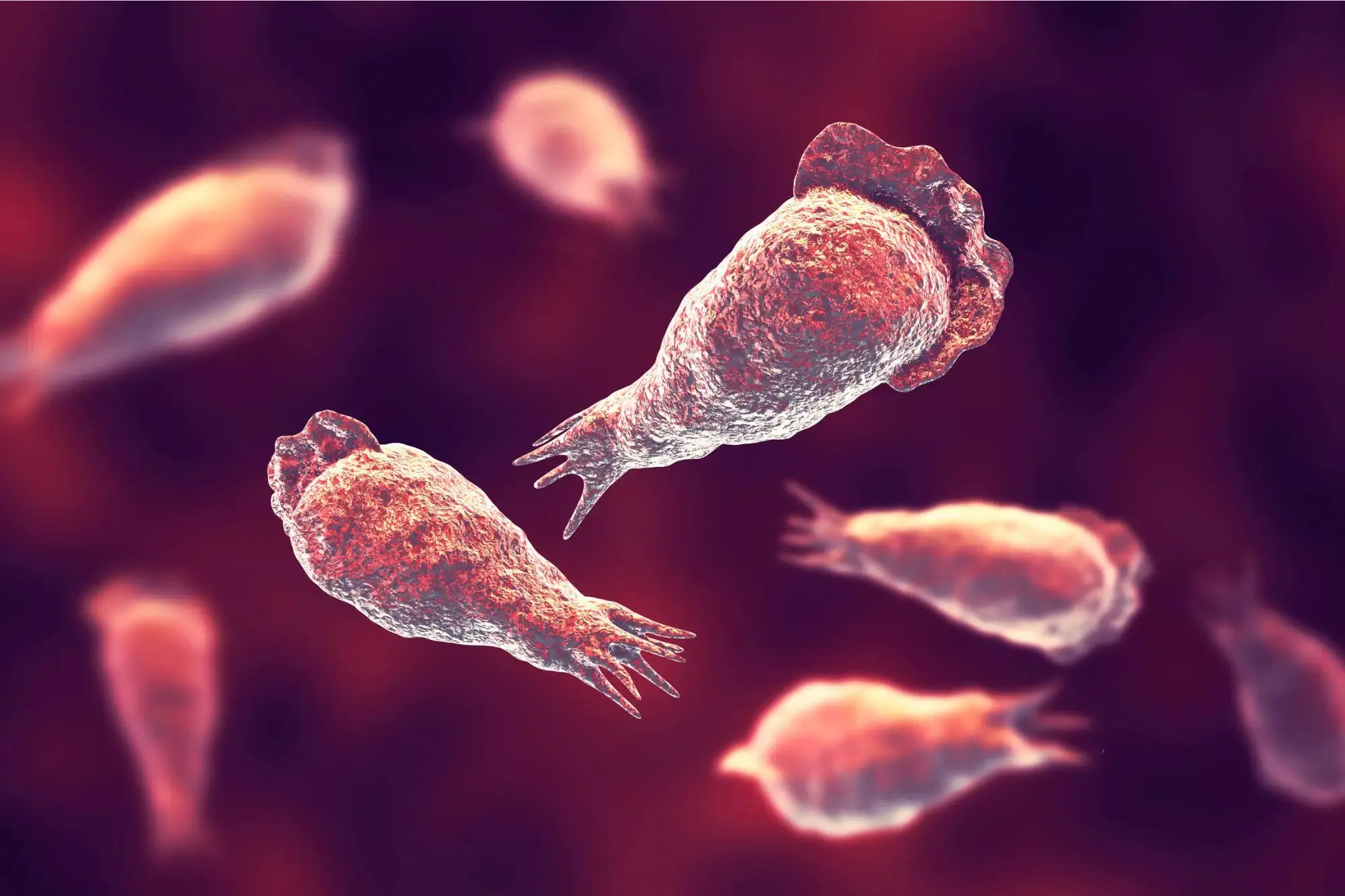
Recent medical advancements are beginning to change the outlook for this deadly infection. One of the most promising treatments is a drug called miltefosine, originally developed to treat parasitic infections. This medication has shown effectiveness against Naegleria fowleri and is now used in combination with other therapies to treat PAM.
Miltefosine works by disrupting the cell membranes of the amoeba, preventing it from surviving and multiplying. It also has the ability to cross the blood-brain barrier, which is essential for treating infections located in the brain. Doctors often use it alongside other antimicrobial and anti-inflammatory drugs in an aggressive treatment approach.
Although survival remains rare, there have been a few documented cases where patients recovered after receiving this treatment. These cases provide hope and demonstrate that early intervention combined with new therapies can make a difference. Medical professionals continue to refine treatment protocols to improve outcomes.
Via Clemson Blog
Emerging Therapies and Future Possibilities
Researchers are actively exploring new treatment options to improve survival rates further. One promising candidate is nitroxoline, an antibiotic that has shown effectiveness against the amoeba in laboratory studies. Early findings suggest that it can kill the organism without causing significant harm to human cells, making it a potential alternative to existing treatments. Another area of research involves natural compounds, such as substances extracted from red algae. These compounds have demonstrated strong activity against the amoeba in controlled environments. Scientists are working to understand how these substances can be developed into safe and effective treatments for human use.Via Institute of National Strategic Studies
Innovative approaches like mRNA-based vaccines are also being explored. These vaccines aim to train the immune system to recognize and fight the amoeba before it causes serious damage. While still in early stages, these developments highlight the growing interest in combating this deadly infection and improving patient survival.
Importance of Early Diagnosis and Awareness
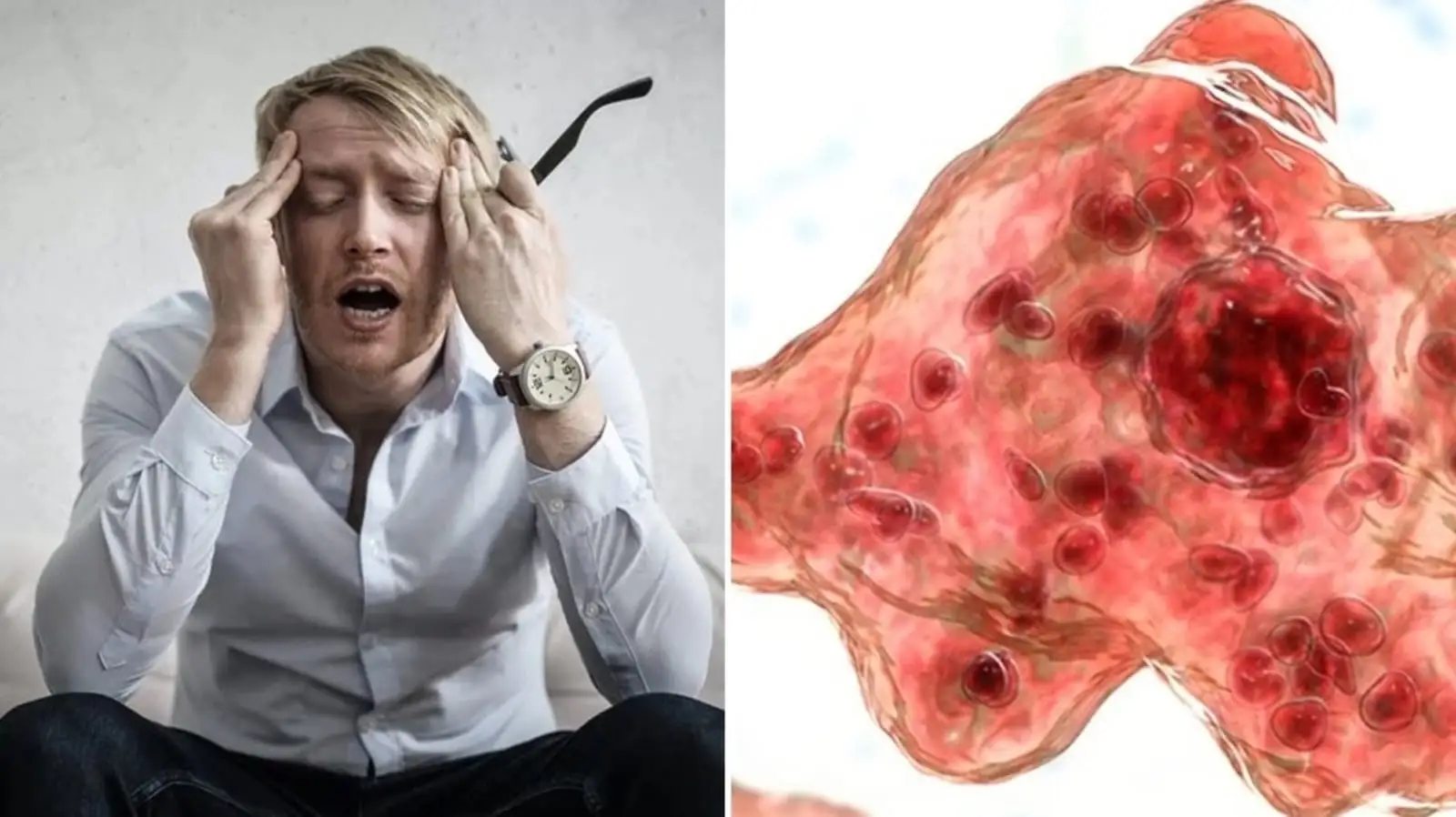
Early diagnosis remains the most critical factor in surviving a brain-eating amoeba infection. The disease progresses so rapidly that even the most effective treatments may fail if administered too late. Doctors must consider PAM as a possible diagnosis when patients present symptoms after freshwater exposure, especially during warmer months.Via Hindustan Times
Testing for the amoeba is relatively simple and involves examining cerebrospinal fluid under a microscope. However, the challenge lies in recognizing the need for this test in time. Increased awareness among healthcare professionals can lead to quicker diagnosis and earlier treatment, improving survival chances.
Public awareness also plays an important role. Educating communities about safe water practices, such as avoiding water entering the nose and using proper water for nasal rinsing, can reduce the risk of infection. Awareness campaigns and educational efforts are helping spread vital information to both medical professionals and the general public.
Via Interesting Engineering
Prevention and Safety Measures
Preventing infection is the most effective way to protect against this deadly organism. Simple precautions can significantly reduce the risk, especially when engaging in water-related activities. Avoiding jumping or diving into warm freshwater and using nose clips can help prevent water from entering the nasal passages. Maintaining proper hygiene when using nasal rinsing devices is also essential. Only sterile, distilled, or properly boiled water should be used to avoid introducing harmful organisms into the body. These small steps can make a significant difference in reducing exposure.Via Right as Rain
Communities and health organizations continue to emphasize prevention as a key strategy. While medical advancements offer hope, avoiding infection remains the safest approach. Awareness and caution can help individuals enjoy water activities without unnecessary risk.
Global Surveillance and Reported Cases Trends
Although infections caused by Naegleria fowleri remain rare worldwide, tracking cases has become increasingly important as environmental conditions change. Most reported cases have historically come from countries with warmer climates, particularly regions in the southern United States, Asia, and parts of Australia.Via UPSC Prep
Health organizations and researchers are now placing greater emphasis on surveillance systems to monitor outbreaks and identify emerging patterns. Improved reporting methods and better diagnostic tools are helping experts understand how and where infections are occurring.
Seasonal trends have also been observed, with most infections occurring during the summer months when water temperatures are higher. As global temperatures continue to rise, experts warn that the window of risk may expand, both geographically and seasonally.
Via Onlymyhealth
Public Health Strategies and Community Education
Public health initiatives play a vital role in reducing the impact of infections caused by Naegleria fowleri. Governments and health organizations are increasingly focusing on awareness campaigns to educate people about safe freshwater practices. These campaigns aim to inform communities about how infections occur and the simple steps that can significantly reduce risk. Educational programs often target schools, parents, and recreational water users, emphasizing preventive behaviors such as avoiding water entering the nose and using safe water for nasal rinsing. In regions where cases have been reported, local authorities may also issue advisories during periods of high temperatures or low water levels.
Via Kent State Online
Healthcare training is another key component of public health strategy. By ensuring that medical professionals can quickly recognize symptoms and consider PAM as a potential diagnosis, treatment can begin earlier. Combined with ongoing research and improved communication, these efforts are helping build a more informed and prepared society in the face of this rare but deadly infection.
Future of Survival Against Brain-Eating Amoeba
Brain-eating amoeba infections remain one of the most dangerous and fast-acting diseases known, with survival rates historically close to zero. New treatments like miltefosine and emerging therapies are beginning to change this reality, offering hope where there was little before. Continued research and medical innovation are essential to improving outcomes and saving lives.Via Science Daily
Early diagnosis and increased awareness are equally important in this fight. Recognizing symptoms quickly and acting without delay can make the difference between life and death. As knowledge spreads and treatments improve, the chances of survival may continue to rise.
Efforts from researchers, doctors, and communities are shaping a future where this once nearly always fatal infection may become treatable. With better understanding and faster action, people facing this rare disease may finally have a fighting chance.