Unassigned
How Mineral Deficiencies Can Lead to Fatigue and Brain Fog?

Many people assume that calories alone provide energy, yet minerals quietly support nearly every process that keeps the body functioning properly. These essential nutrients activate enzymes, regulate hormones, support nerve communication, and help transform food into usable energy that powers every cell throughout the day.
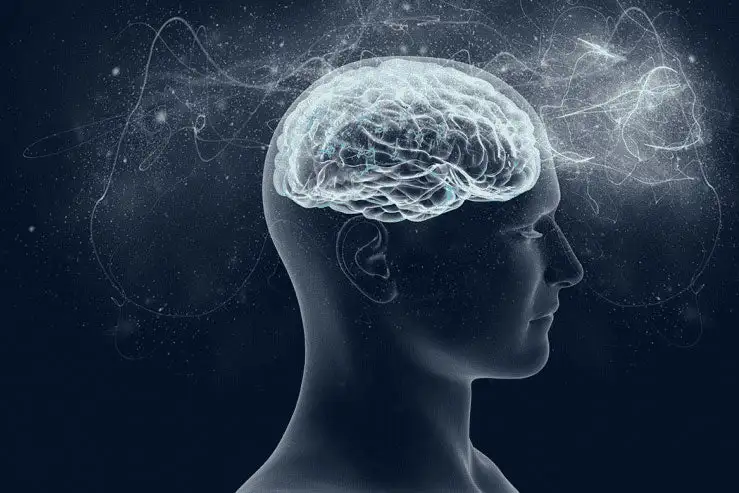
Feeling tired despite getting enough sleep or eating balanced meals may sometimes point toward an underlying mineral imbalance rather than a busy schedule. When important minerals become depleted, the body struggles to maintain normal energy production, leading to persistent fatigue and reduced mental clarity.
 Via Bio Lounge
Minerals may be required only in small amounts, but their influence reaches almost every organ and system. Without an adequate supply, important biological functions slow down, making everyday activities feel more demanding while affecting concentration, mood, physical performance, and overall well-being.
 Via Klarity
Minerals act as enzyme helpers that allow important chemical reactions to occur at the proper speed. When these nutrients become insufficient, the entire energy production process becomes less efficient, leaving cells unable to generate the amount of fuel needed for normal daily activities.
Reduced cellular energy does not always appear as one obvious symptom because every system depends on the same energy supply. Instead, low mineral availability often contributes to several problems occurring together, including tiredness, mental fatigue, poor focus, and slower physical recovery.
 Via Medical News Today
 Via Health
Persistent exhaustion combined with reduced mental sharpness should never be ignored because several nutritional factors may contribute to these changes. Mineral deficiencies represent one possible explanation that deserves careful attention, especially when symptoms continue despite otherwise healthy daily habits.
 Via BEAM Minerals
People experiencing inadequate mineral intake may notice muscle cramps, poor sleep quality, frequent illnesses, slower healing, increased stress sensitivity, or unexpected mood changes. Although these symptoms can have different causes, nutrient shortages often contribute to this combination of physical and mental concerns.
Health professionals increasingly recognize that several mild deficiencies occurring together may create widespread discomfort without producing dramatic laboratory abnormalities. Addressing these nutritional gaps early may help improve overall health while supporting normal energy levels, clearer thinking, and better daily performance.
 Via Lifecare Psychotherapy
 Via advance Food
Highly processed foods have further widened this nutritional gap because refining grains and removing outer layers often strip away valuable minerals. Regularly choosing processed products instead of whole foods may reduce overall mineral intake, making it harder for the body to maintain healthy cellular function and steady energy production.
 Via Healthsource
Magnesium deserves special attention because it participates in hundreds of biochemical reactions throughout the body. It supports muscle movement, healthy nerve function, quality sleep, and efficient energy production, while long-term stress can increase magnesium loss and make deficiencies more likely over time.
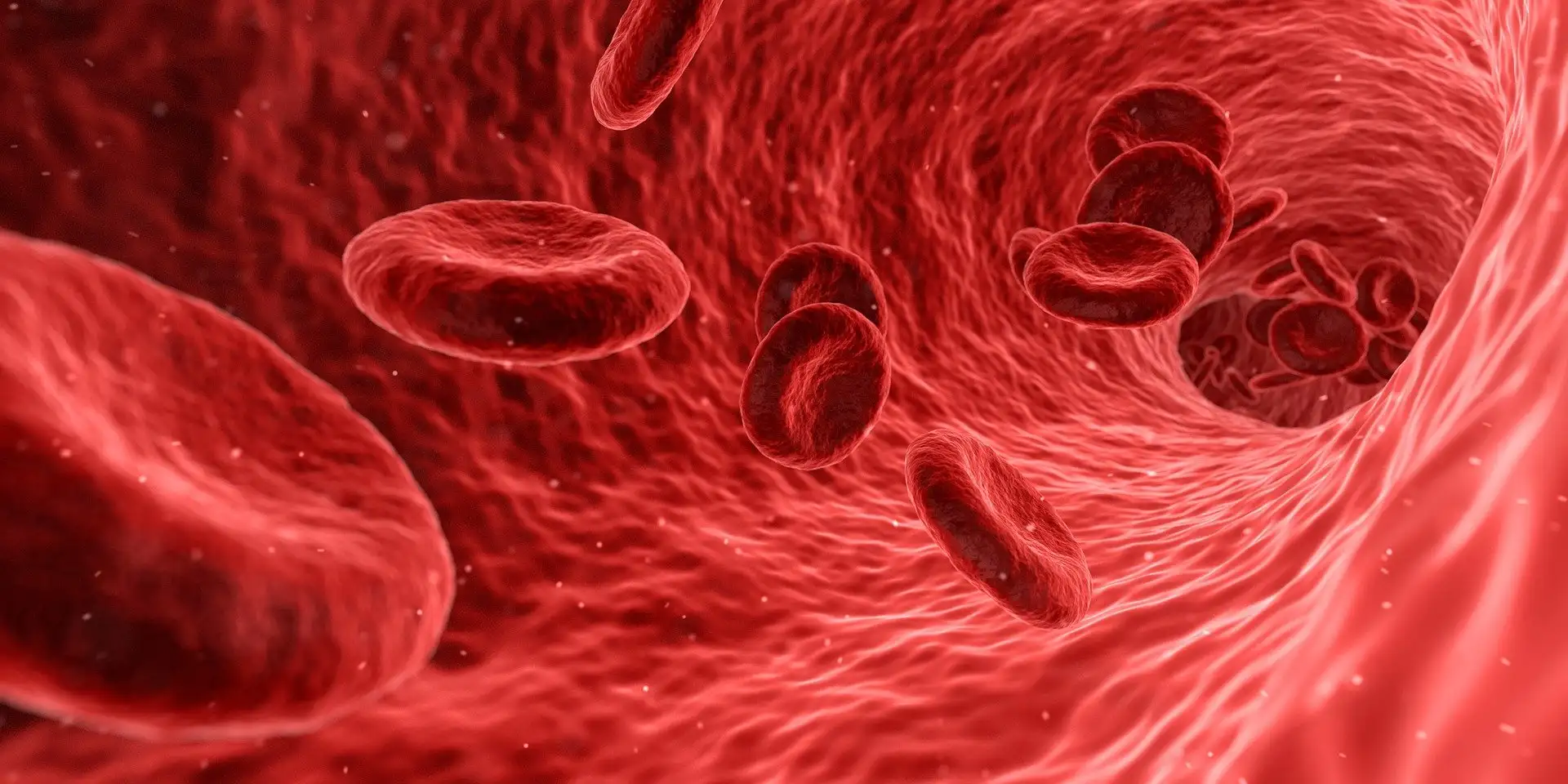
Iron helps transport oxygen to tissues, zinc supports immune defenses and enzyme activity, while copper contributes to energy metabolism and proper iron utilization. When these minerals become unbalanced, the body may struggle to maintain normal performance, resulting in reduced stamina, slower recovery, and decreased mental focus.
 Via Give Blood
 Via gutTogether
Chronic stress also contributes to inflammation, which may interfere with normal digestion and nutrient absorption. Supporting healthy lifestyle habits alongside balanced nutrition creates a stronger foundation for maintaining adequate mineral levels and reducing the likelihood of ongoing fatigue and brain fog.
 Via Doctor Kumar
Healthy stomach acid plays an essential role by helping break down food and release minerals before they can be absorbed. Reduced stomach acid, whether related to aging or long-term use of acid-reducing medications, may decrease the body's ability to obtain important nutrients from everyday meals.
Inflammation within the digestive tract can also reduce mineral absorption by limiting the efficiency of the intestinal lining. When digestive tissues become irritated, the body focuses on repairing damage instead of maximizing nutrient uptake, making long-term gut health an important part of maintaining healthy mineral balance.
 Via Medical News
 Via Healthline
Food preparation methods also influence how easily minerals become available during digestion. Fermented foods such as yogurt, kefir, kimchi, and sauerkraut help break down natural plant compounds, allowing the digestive system to access certain nutrients more efficiently while also supporting a healthier balance of beneficial gut bacteria.
 Via Le Biote
Reducing the intake of highly processed foods and limiting excessive alcohol consumption may further improve nutrient balance. Alcohol places additional stress on the liver and digestive system while increasing mineral loss, making it more difficult for the body to maintain healthy reserves over long periods.
Supporting digestive health through balanced meals, adequate hydration, regular physical activity, and sufficient sleep also contributes to improved nutrient absorption. These everyday habits create an environment where the body can use vitamins and minerals more efficiently while promoting consistent energy and clearer mental function.
 Via Serensa Health
More in Unassigned
Via Bio Lounge
Minerals may be required only in small amounts, but their influence reaches almost every organ and system. Without an adequate supply, important biological functions slow down, making everyday activities feel more demanding while affecting concentration, mood, physical performance, and overall well-being.
The Connection Between Minerals and Cellular Energy
Every cell relies on tiny structures called mitochondria to produce adenosine triphosphate, commonly known as ATP, which serves as the body's primary energy source. This complex process depends on numerous enzymes, and many of those enzymes require minerals to function efficiently throughout each stage of energy production.
Via Klarity
Minerals act as enzyme helpers that allow important chemical reactions to occur at the proper speed. When these nutrients become insufficient, the entire energy production process becomes less efficient, leaving cells unable to generate the amount of fuel needed for normal daily activities.
Reduced cellular energy does not always appear as one obvious symptom because every system depends on the same energy supply. Instead, low mineral availability often contributes to several problems occurring together, including tiredness, mental fatigue, poor focus, and slower physical recovery.
Via Medical News Today
Why Fatigue and Brain Fog Often Appear Together
Fatigue and brain fog frequently develop at the same time because both symptoms are closely linked to reduced cellular energy production. When the brain and muscles receive less energy than they require, concentration becomes more difficult while physical endurance gradually declines throughout the day. Brain fog may include forgetfulness, slower thinking, reduced attention span, and difficulty completing routine tasks. These symptoms can become frustrating because adequate sleep alone may not restore normal mental performance when underlying nutrient deficiencies remain uncorrected for extended periods.Via Health
Persistent exhaustion combined with reduced mental sharpness should never be ignored because several nutritional factors may contribute to these changes. Mineral deficiencies represent one possible explanation that deserves careful attention, especially when symptoms continue despite otherwise healthy daily habits.
How Mineral Deficiencies Affect the Entire Body
Minerals influence far more than energy production because they also support muscle function, immune health, hormone balance, tissue repair, and healthy nervous system activity. When deficiencies develop, the effects often spread across multiple body systems instead of remaining limited to only one area.Via BEAM Minerals
People experiencing inadequate mineral intake may notice muscle cramps, poor sleep quality, frequent illnesses, slower healing, increased stress sensitivity, or unexpected mood changes. Although these symptoms can have different causes, nutrient shortages often contribute to this combination of physical and mental concerns.
Health professionals increasingly recognize that several mild deficiencies occurring together may create widespread discomfort without producing dramatic laboratory abnormalities. Addressing these nutritional gaps early may help improve overall health while supporting normal energy levels, clearer thinking, and better daily performance.
Via Lifecare Psychotherapy
The Modern Diet and the Growing Mineral Gap
Modern eating habits have changed significantly over the past several decades, making it more difficult for many people to obtain enough minerals through food alone. While fruits and vegetables remain valuable sources of nutrition, their mineral content may not always match the levels found in previous generations due to changes in agricultural practices. Large-scale farming often focuses on producing greater crop yields instead of restoring the full range of nutrients removed from the soil. Repeated cultivation without replacing essential minerals gradually reduces soil quality, which can lower the nutritional value of the foods eventually reaching grocery stores and local markets.Via advance Food
Highly processed foods have further widened this nutritional gap because refining grains and removing outer layers often strip away valuable minerals. Regularly choosing processed products instead of whole foods may reduce overall mineral intake, making it harder for the body to maintain healthy cellular function and steady energy production.
Common Mineral Deficiencies Linked to Low Energy
Several minerals are more commonly lacking than others, and each one contributes to important processes that support physical and mental health. Iron, magnesium, zinc, and copper are among the nutrients most frequently associated with ongoing fatigue, weakened immunity, and reduced cellular performance when intake becomes inadequate.
Via Healthsource
Magnesium deserves special attention because it participates in hundreds of biochemical reactions throughout the body. It supports muscle movement, healthy nerve function, quality sleep, and efficient energy production, while long-term stress can increase magnesium loss and make deficiencies more likely over time.
Iron helps transport oxygen to tissues, zinc supports immune defenses and enzyme activity, while copper contributes to energy metabolism and proper iron utilization. When these minerals become unbalanced, the body may struggle to maintain normal performance, resulting in reduced stamina, slower recovery, and decreased mental focus.
Via Give Blood
Stress and Lifestyle Can Increase Mineral Loss
Daily stress affects much more than emotional well-being because it also changes how the body uses important nutrients. Increased production of stress hormones places additional demands on the body, causing certain minerals, particularly magnesium, to be depleted more quickly than they are replaced through diet alone. Poor sleep, irregular eating habits, excessive alcohol consumption, and limited physical recovery may further increase nutritional demands. Over time, these lifestyle factors can reduce the body's ability to maintain healthy mineral stores, especially when meals lack a wide variety of nutrient-rich whole foods.
Via gutTogether
Chronic stress also contributes to inflammation, which may interfere with normal digestion and nutrient absorption. Supporting healthy lifestyle habits alongside balanced nutrition creates a stronger foundation for maintaining adequate mineral levels and reducing the likelihood of ongoing fatigue and brain fog.
Why Absorption Is Just as Important as Intake
Eating mineral-rich foods is only one part of maintaining good health because the digestive system must also absorb and use those nutrients efficiently. Even a balanced diet may not provide expected benefits if digestion is impaired or conditions prevent minerals from entering the bloodstream effectively.
Via Doctor Kumar
Healthy stomach acid plays an essential role by helping break down food and release minerals before they can be absorbed. Reduced stomach acid, whether related to aging or long-term use of acid-reducing medications, may decrease the body's ability to obtain important nutrients from everyday meals.
Inflammation within the digestive tract can also reduce mineral absorption by limiting the efficiency of the intestinal lining. When digestive tissues become irritated, the body focuses on repairing damage instead of maximizing nutrient uptake, making long-term gut health an important part of maintaining healthy mineral balance.
Via Medical News
Food Choices That Naturally Increase Mineral Intake
A varied diet built around whole foods remains one of the most reliable ways to improve mineral intake and support long-term health. Colorful fruits, vegetables, legumes, nuts, seeds, whole grains, and quality protein sources each contribute different minerals that work together to support countless functions throughout the body. Seasonal and locally grown produce can also provide nutritional advantages because it is often harvested closer to peak ripeness. Fresh foods may retain more valuable nutrients, making them an excellent choice for people seeking to improve overall mineral consumption through balanced daily meals rather than relying entirely on supplements.Via Healthline
Food preparation methods also influence how easily minerals become available during digestion. Fermented foods such as yogurt, kefir, kimchi, and sauerkraut help break down natural plant compounds, allowing the digestive system to access certain nutrients more efficiently while also supporting a healthier balance of beneficial gut bacteria.
Small Dietary Habits That Support Better Mineral Absorption
Simple eating habits can make a noticeable difference in how effectively the body absorbs minerals from food. Whenever appropriate, consuming edible fruit and vegetable peels provides additional nutrients because many minerals naturally concentrate in the outer layers that are often discarded during preparation.Via Le Biote
Reducing the intake of highly processed foods and limiting excessive alcohol consumption may further improve nutrient balance. Alcohol places additional stress on the liver and digestive system while increasing mineral loss, making it more difficult for the body to maintain healthy reserves over long periods.
Supporting digestive health through balanced meals, adequate hydration, regular physical activity, and sufficient sleep also contributes to improved nutrient absorption. These everyday habits create an environment where the body can use vitamins and minerals more efficiently while promoting consistent energy and clearer mental function.
Via Serensa Health