Science
Nanoplastics Make Water Bacteria Harder to Kill, Study Finds
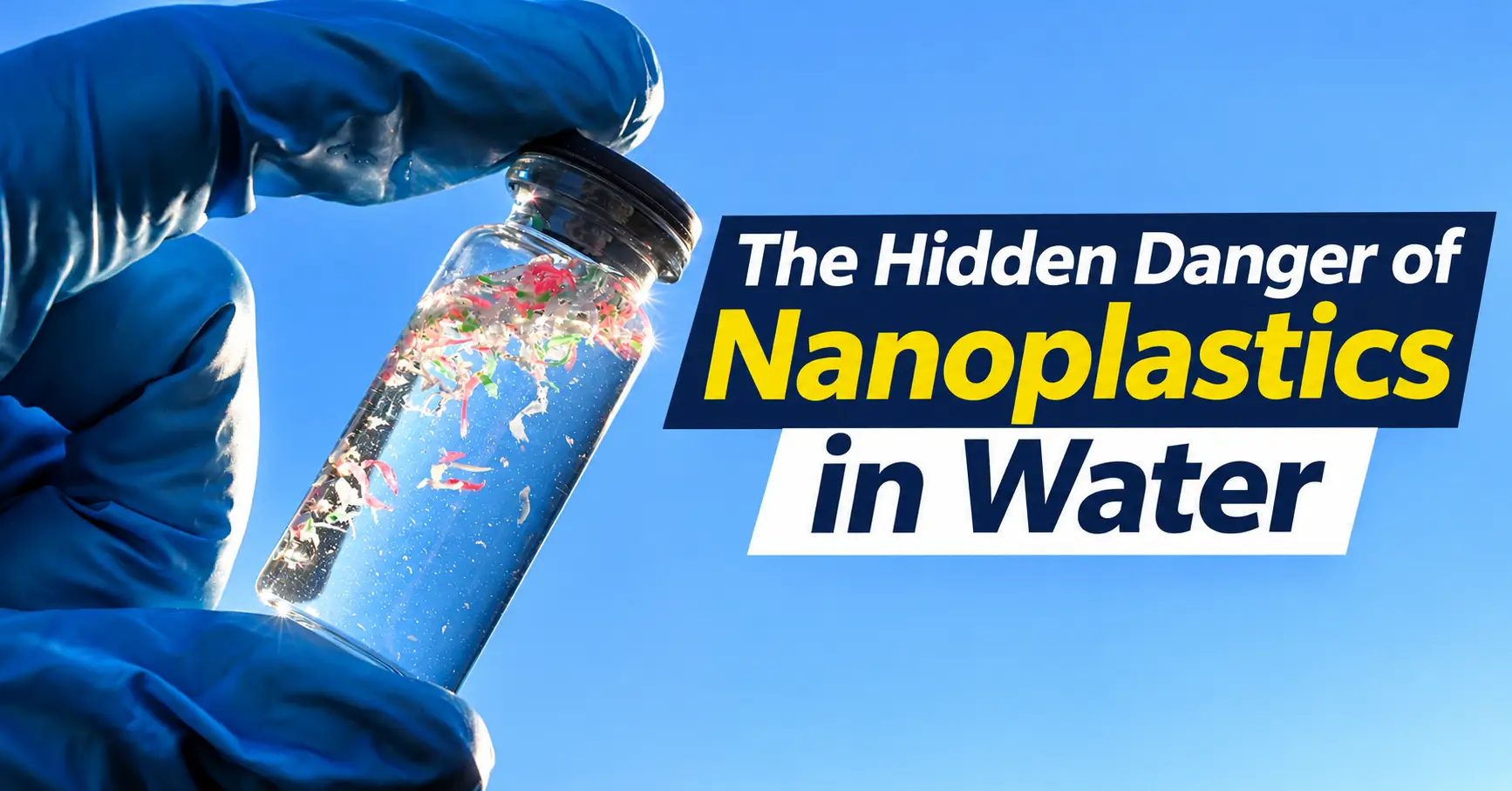
Plastic pollution is no longer something that stays in oceans, landfills, or roadside trash. Over the past several years, tiny fragments of plastic have been found in tap water, bottled water, food, soil, and even the air people breathe. These particles form when larger plastic items slowly break apart over time, and many of them are far too small to see without powerful lab equipment.
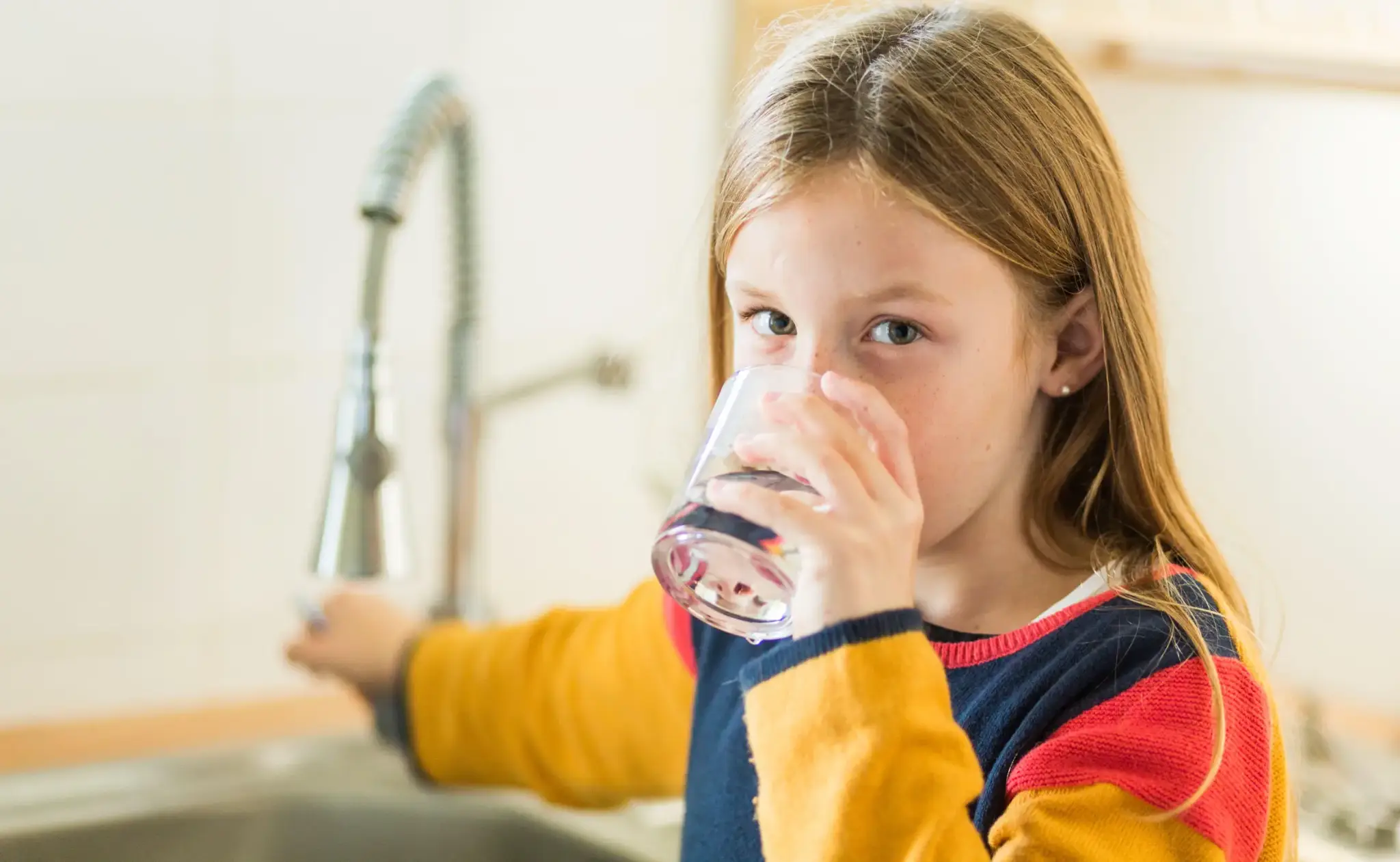
Many people already know that microplastics and nanoplastics are present in the water flowing from their kitchen faucets. Some households have started using filters or other simple methods to reduce how much plastic ends up in their glasses. A new study now suggests that removing these particles may matter even more than many people once believed, because the plastic itself may not be the only concern.
Via The Times
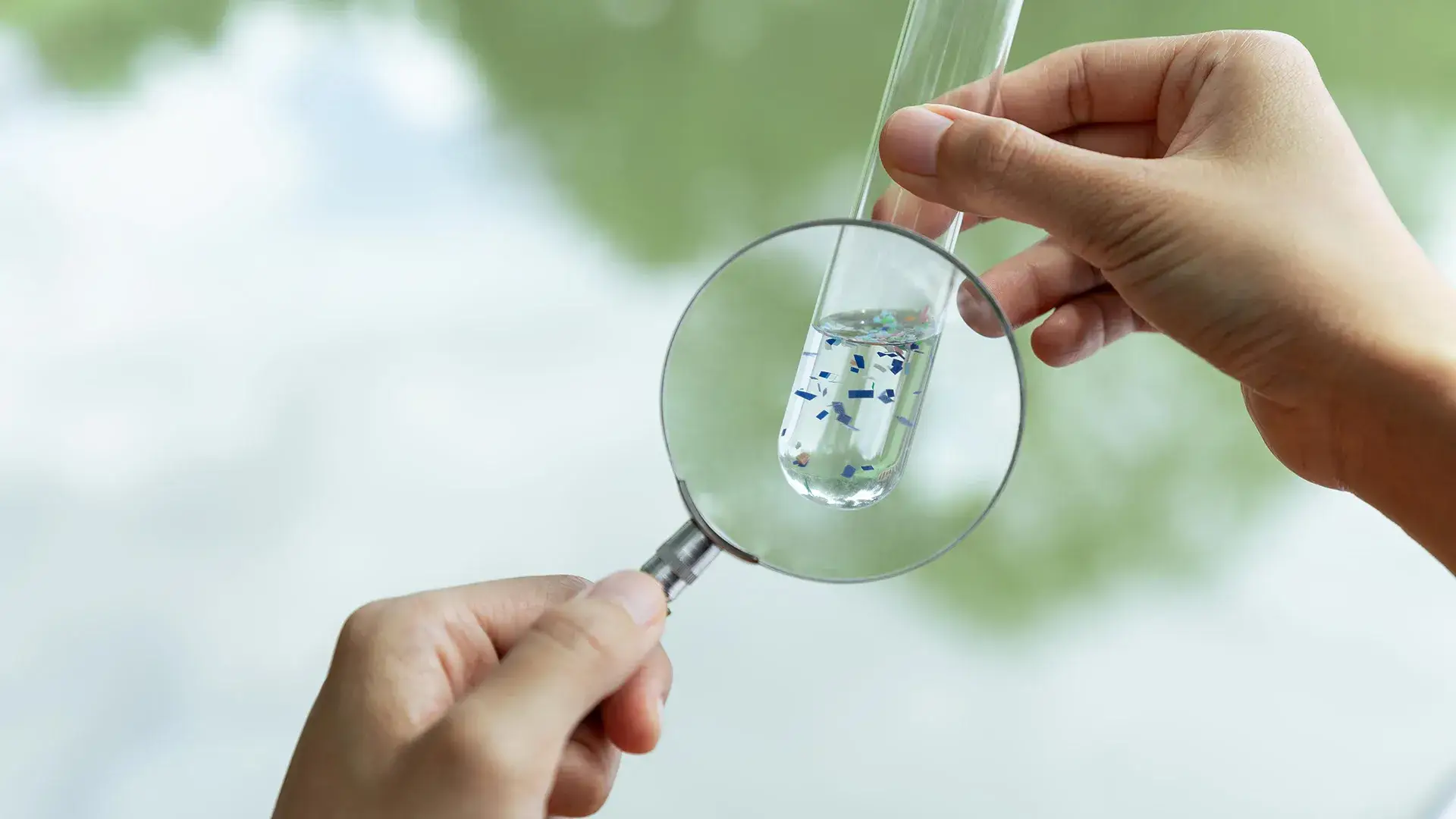
Researchers have found evidence that nanoplastics may help harmful bacteria survive the treatment process used to clean drinking water. This discovery shifts the conversation from plastic as a standalone pollutant to plastic as a possible helper for germs. The findings offer one of the clearest looks so far at what happens when these tiny particles meet bacteria inside a water system.
What the Virginia Tech Study Discovered
The research was led by Jingqiu Liao, an assistant professor of civil and environmental engineering at Virginia Tech. Liao is also affiliated with the university’s Fralin Life Sciences Institute. The study was published in the scientific journal Water Research, and it focused on how nanoplastics interact with the microbes that live inside drinking water systems.
Via Medical Daily
According to the research team, nanoplastics can change the way bacteria behave in ways that help harmful strains survive water treatment. This could potentially put human health at risk, since water treatment is one of the main defenses that keep dangerous germs away from the public. When that defense becomes weaker, the chance of illness from contaminated water may rise.
Liao explained that it is very important to better understand how nanoplastics harm human health. She also stressed that the effects on the environment matter, because changes in the environment can indirectly influence people’s health as well. Her comments point to a bigger picture, where plastic pollution, microbes, and human well-being are all closely connected to one another.
Via Technology Networks
Understanding Biofilms Inside Water Pipes
To understand the study, it helps to know what a biofilm is. Bacteria in water systems often live together in biofilms, which are slimy communities that cling to surfaces such as the inside walls of pipes. Instead of floating freely, the bacteria group together and build a protective layer around themselves, which helps them stay attached and survive harsh conditions.
Not every biofilm is harmful. In some settings, biofilms can actually be useful because they help filter out unwanted substances from water. Nature uses these microbial communities in many helpful ways, and scientists have even studied how certain biofilms can support cleaner water in specific treatment processes. The problem depends on where the biofilm forms and which bacteria live inside it.
Via Food & Wine
Inside a drinking water system, biofilms can become a hiding place for bacteria capable of making people sick. The slimy layer acts like a shield, making it harder for disinfectants to reach and destroy the germs. The new research suggests that nanoplastics may be making this shield even stronger, which gives harmful bacteria a better chance of surviving the cleaning process.
How Nanoplastics Make Bacteria Tougher
To study this process, the research team built a biofilm using two well-known bacteria, E. coli and Pseudomonas aeruginosa. Both of these bacteria are known for causing human illness. The scientists then exposed the biofilm to nanoplastics at levels similar to those actually found in tap water, so the experiment would reflect real-world conditions as closely as possible.
Via UNESCO
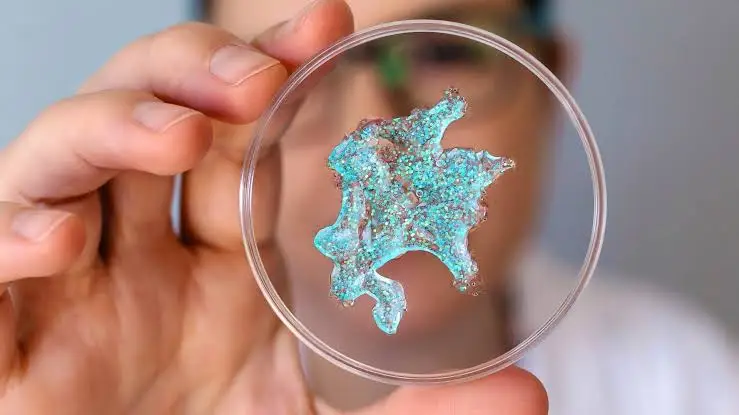
After the exposure, the researchers noticed that the bacteria began communicating with each other. They released compounds that caused the biofilm to bulk up and become tougher. Next, viruses that had been sleeping inside some of the bacteria suddenly became active. These viruses, called prophages, killed their host cells and multiplied by the thousands, creating a dramatic chain reaction inside the biofilm.
The bacteria then fought back against the viruses. Some cells survived, while others died and released their contents into the biofilm. Those released materials made the biofilm even stronger. In the end, the biofilm filled with nanoplastics made the bacteria harder to kill, even when they were exposed to the disinfectants normally used to treat drinking water supplies.
Via Earth
The Researchers Explain Why This Matters
Liao described the process in simple terms. She said that when nanoplastics interact with the biofilm and the bacteria inside it, they can strengthen the biofilm and make it more resistant to the measures used to keep water clean. In other words, the very tools designed to protect public water supplies may become less effective when nanoplastics are present.
She also noted that the findings provide new insights into the relationship between nanoplastics and the dynamics between bacteria and the viruses that infect them, known as phages. According to Liao, the results highlight increased microbial risks linked to nanoplastics carried in water. This adds a new layer to the growing list of concerns about plastic pollution.
Via Science Daily
The study is important because it looks beyond the plastic particles themselves. Earlier discussions often focused on whether swallowing plastic is harmful to the body. This research shows that plastic may also change the behavior of living organisms around it. That makes the issue more complex, since the risk may come from what nanoplastics help other things do, not only from the plastic alone.
Microplastics and Nanoplastics: Key Differences
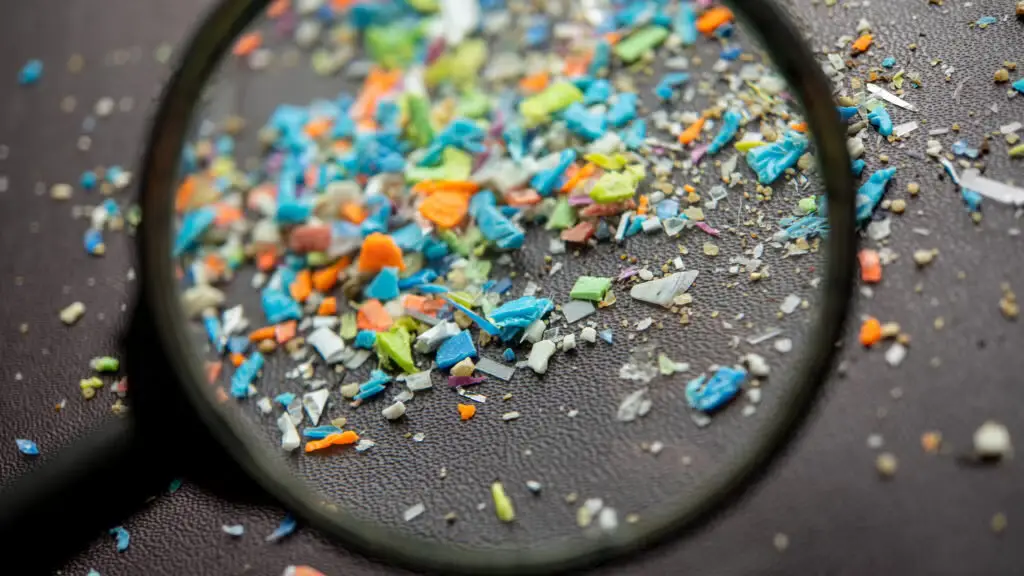
Microplastics and nanoplastics are both tiny pieces of plastic that usually form as larger plastic items break down over time. Bottles, bags, packaging, and many other everyday products can slowly wear down into smaller and smaller fragments. The main difference between the two types is their size, which may affect how they behave in the environment and inside living systems.
Via Harvard
Microplastics are plastic particles smaller than 5 millimeters, which is about the size of a sesame seed or even smaller. They have been found almost everywhere, including in water, food, soil, and the air. Because they are so widespread, people come into contact with them regularly, often without realizing it during normal daily activities like eating and drinking.
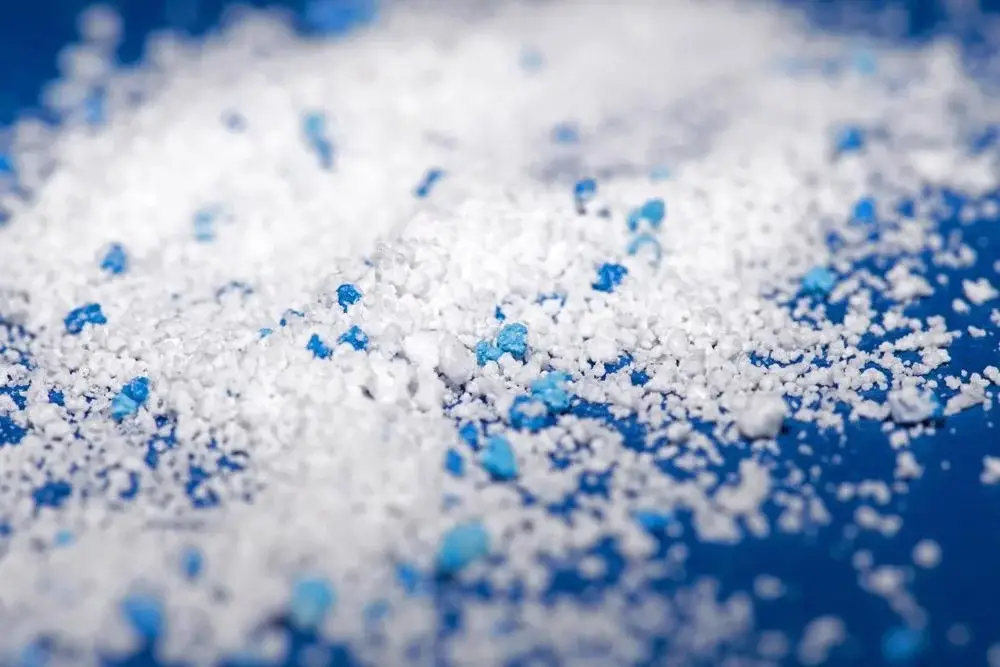
Nanoplastics are even smaller. They measure less than one micrometer, which is one-millionth of a meter. Because they are so tiny, scientists believe they may interact differently with cells, microbes, and other biological systems. Researchers are still working to understand their full effects on health and the environment, and studies like this one help fill in important gaps.
Via AzoCleantech
What the Findings Mean for Tap Water Safety
There is no need for people to give up tap water completely based on this single study. The researchers pointed out that much more work is needed before drawing firm conclusions about everyday drinking water. The experiment used specific bacteria and conditions, and real water systems can be very different from one city or home to the next.
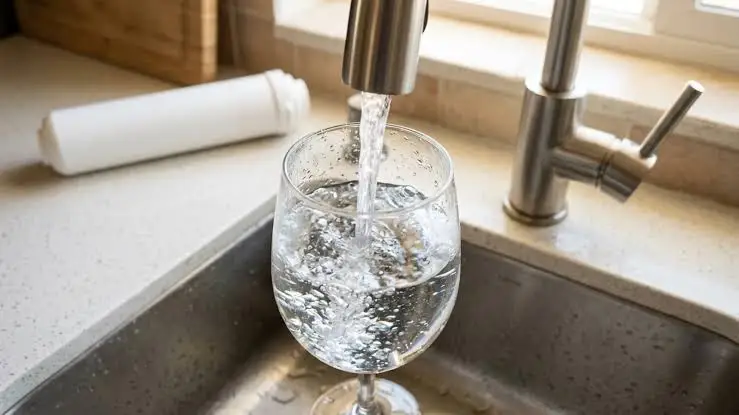
According to the team, future studies should look at a wider range of bacteria, different pipe materials, and various disinfection methods. Each of these factors could change how nanoplastics and biofilms behave. Only after this broader research is done will scientists be able to say clearly what these findings mean for the water flowing out of household taps.
Via Valenica Move
Even so, the study raises useful questions for water treatment experts and public health officials. If nanoplastics can make biofilms tougher, water systems may eventually need new strategies to manage them. Understanding the problem early gives researchers time to develop better solutions before any possible risks grow larger or become harder to control.
New Ways Scientists Are Removing Plastics
Scientists around the world are working hard to reduce micro- and nanoplastics in water. In April, researchers found that extract from moringa seeds could remove more than 98% of microplastics from drinking water. Its performance was similar to aluminum sulfate, a chemical commonly used to clump particles together during water treatment, which makes it a promising natural option.
Via Earth
In June, a team from the University of Missouri announced it had engineered algae that produce limonene, a natural oil. This oil causes microplastics in water to clump together with the algae and settle into a layer of biomass that can be removed. In 2025, another team found that boiling water can help trap plastic particles, as natural minerals like calcium carbonate form crystals that hold them at the bottom.
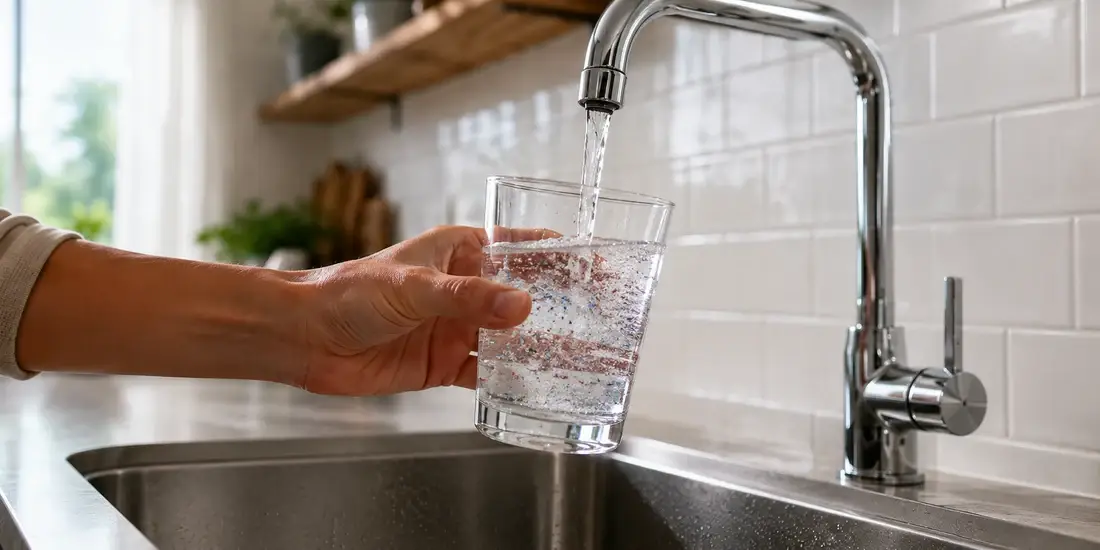
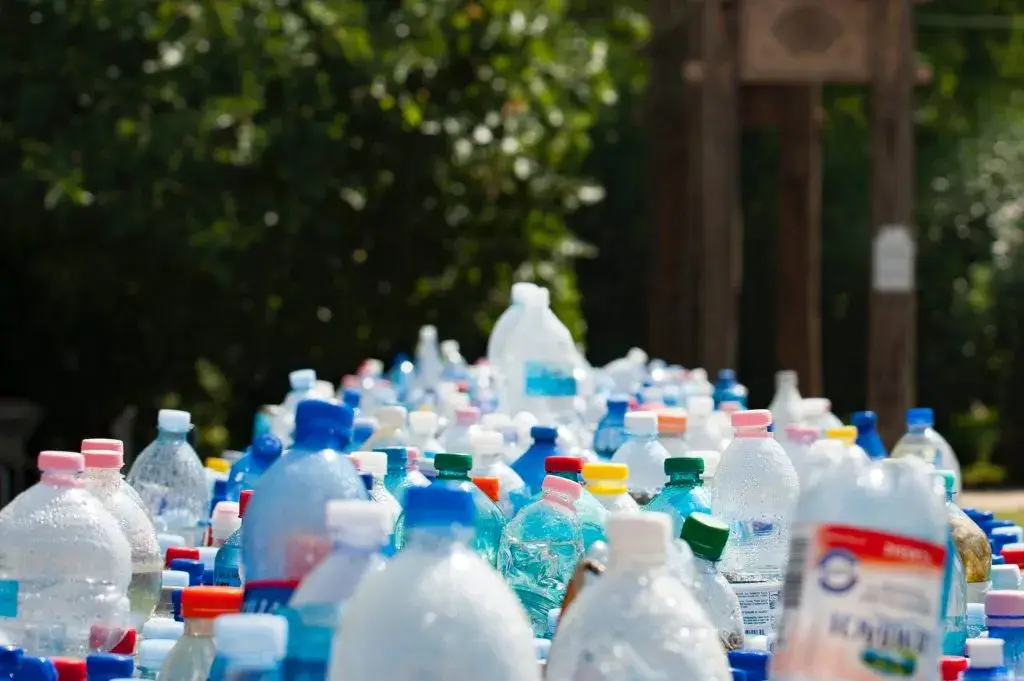
People who want to limit the plastic in their water also have simple choices available. Avoiding bottled water altogether is one of the easiest steps, since plastic bottles can shed particles into the water they hold. As research continues, these discoveries show that solutions are being developed, giving people more ways to protect themselves and their families from plastic pollution.
Via The Water Filter Factory
Reason to Pay Attention to Plastic Pollution
The link between nanoplastics and stronger bacteria adds a new reason to take plastic pollution seriously. For years, concerns centered mainly on how much plastic ends up in the environment and inside the human body. This research shows that the tiny particles may also change how bacteria behave, helping harmful germs build tougher shelters inside the pipes that carry drinking water.
Via Tontoton
Still, the findings are an early step rather than a final answer. Researchers have made it clear that more studies are needed across different bacteria, pipe materials, and disinfection methods. Until that work is done, the results serve as a warning sign that deserves careful attention, not a reason for panic or for people to stop trusting their tap water entirely.
Via WTO
The good news is that scientists are already testing promising ways to remove plastic from water, from moringa seeds to engineered algae to simple boiling. Small daily choices, such as skipping bottled water, can also help people reduce their exposure. As research moves forward, a clearer picture will help communities protect both public health and the environment they depend on.