Entertainment / Sports
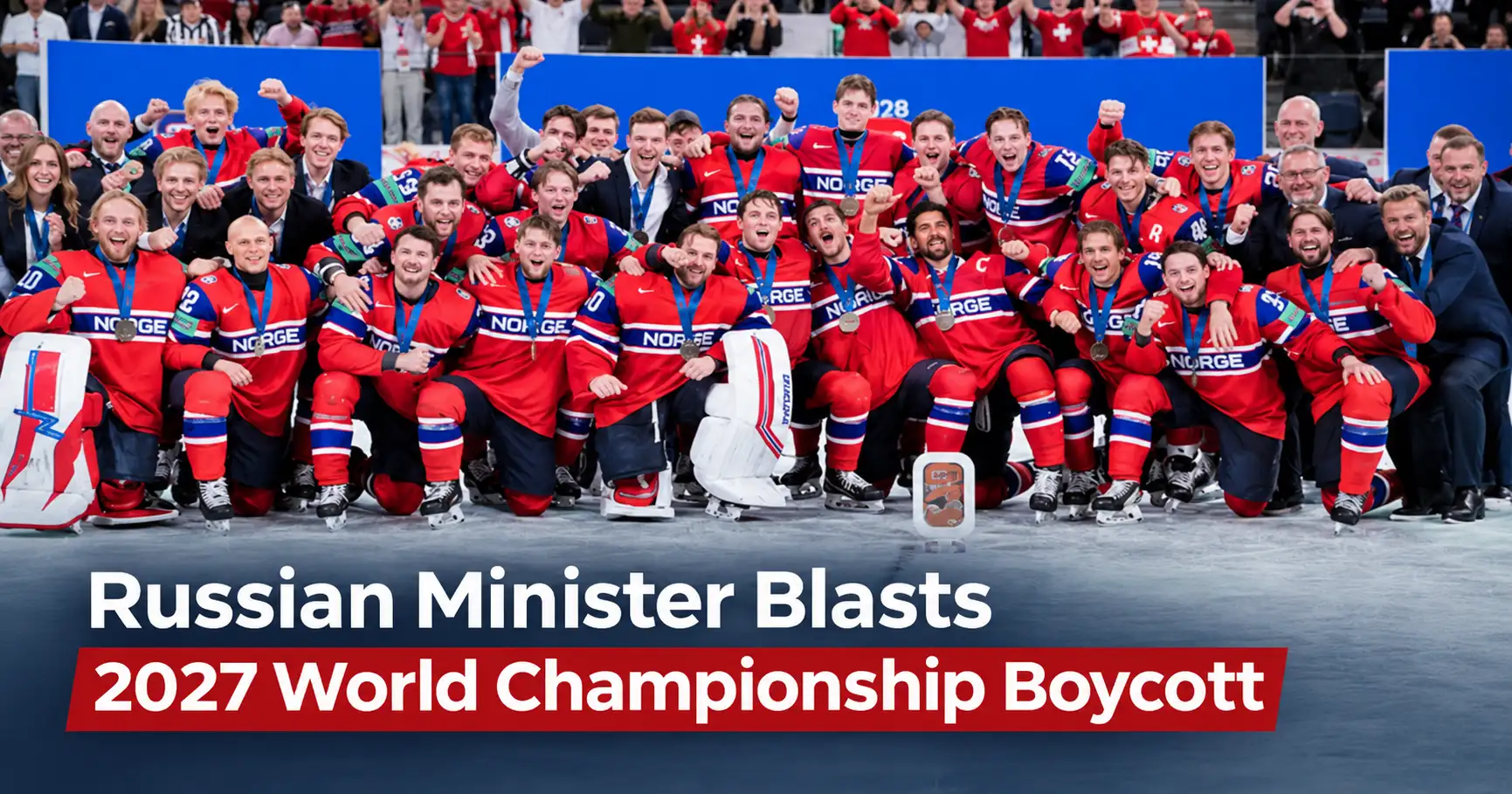
Russian Minister Slams Teams Refusing to Play at 2027 World Cup
Russia's path back to international ice hockey was supposed to be settled by a legal win. A ruling in its favor opened the door for its teams to return to world competition after years away. Instead of calming things down, that decision has created a deep divide across the sport.
Several countries have now said they will not play against Russian teams, turning what looked like a simple comeback into a tense standoff ahead of the 2027 Men's World Championship. The tournament is one of the biggest events on the hockey calendar, drawing fans, sponsors, and national teams from across Europe and North America.
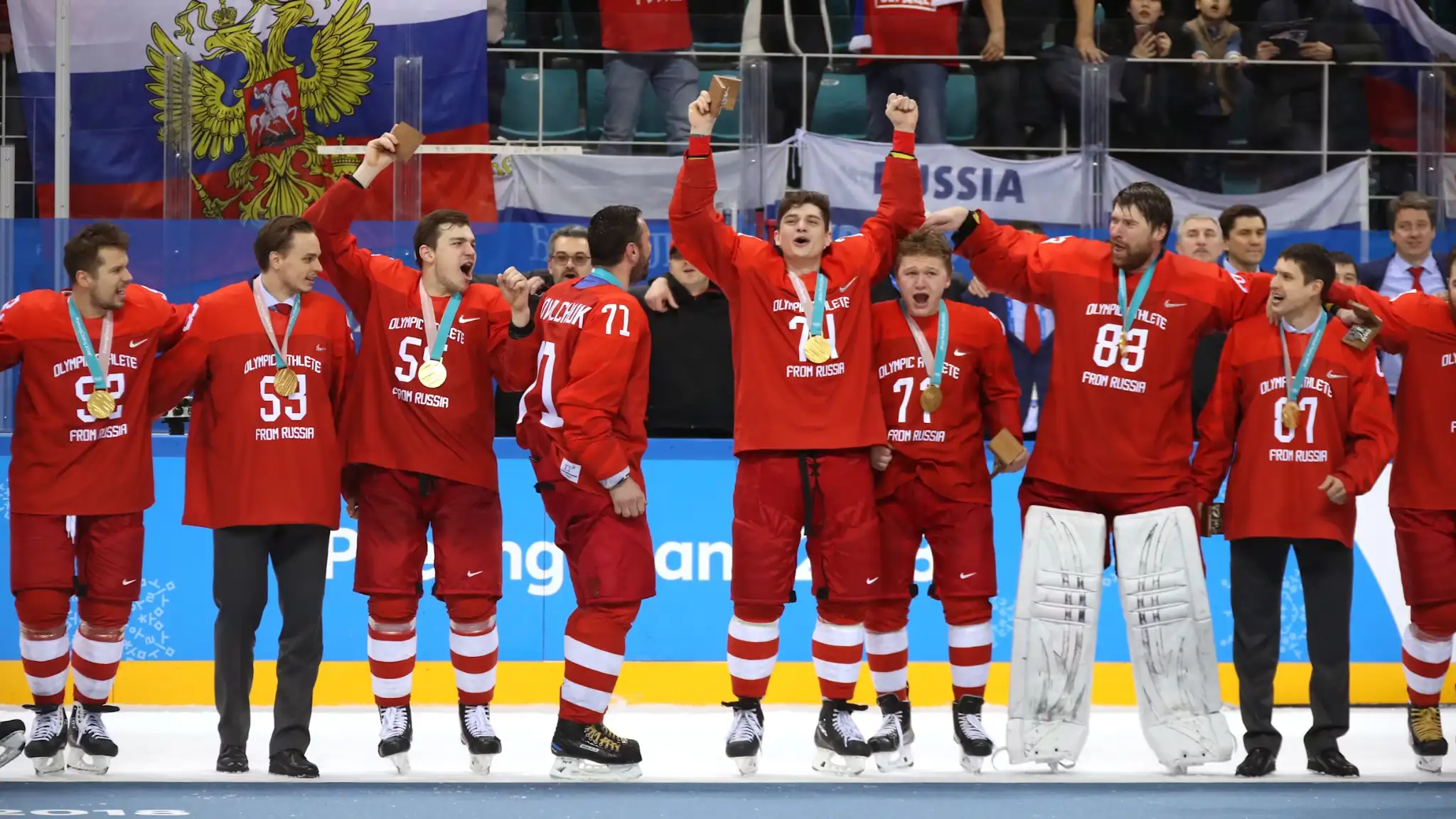
Via Olympics
Every spring, the best players from these nations meet to compete for a world title that carries huge pride. This time, the build-up is being shaped less by talk of line-ups and star players and more by politics, legal rulings, and strong statements from officials on all sides of the debate. At the center of the dispute is the question of whether sport can be separated from the war in Ukraine.
Supporters of Russia's return say athletes should be judged only by their performance on the ice. Critics argue that welcoming Russian teams back while the conflict continues sends the wrong message. With both sides holding firm, the International Ice Hockey Federation now finds itself caught in the middle of a problem that has no easy answer.
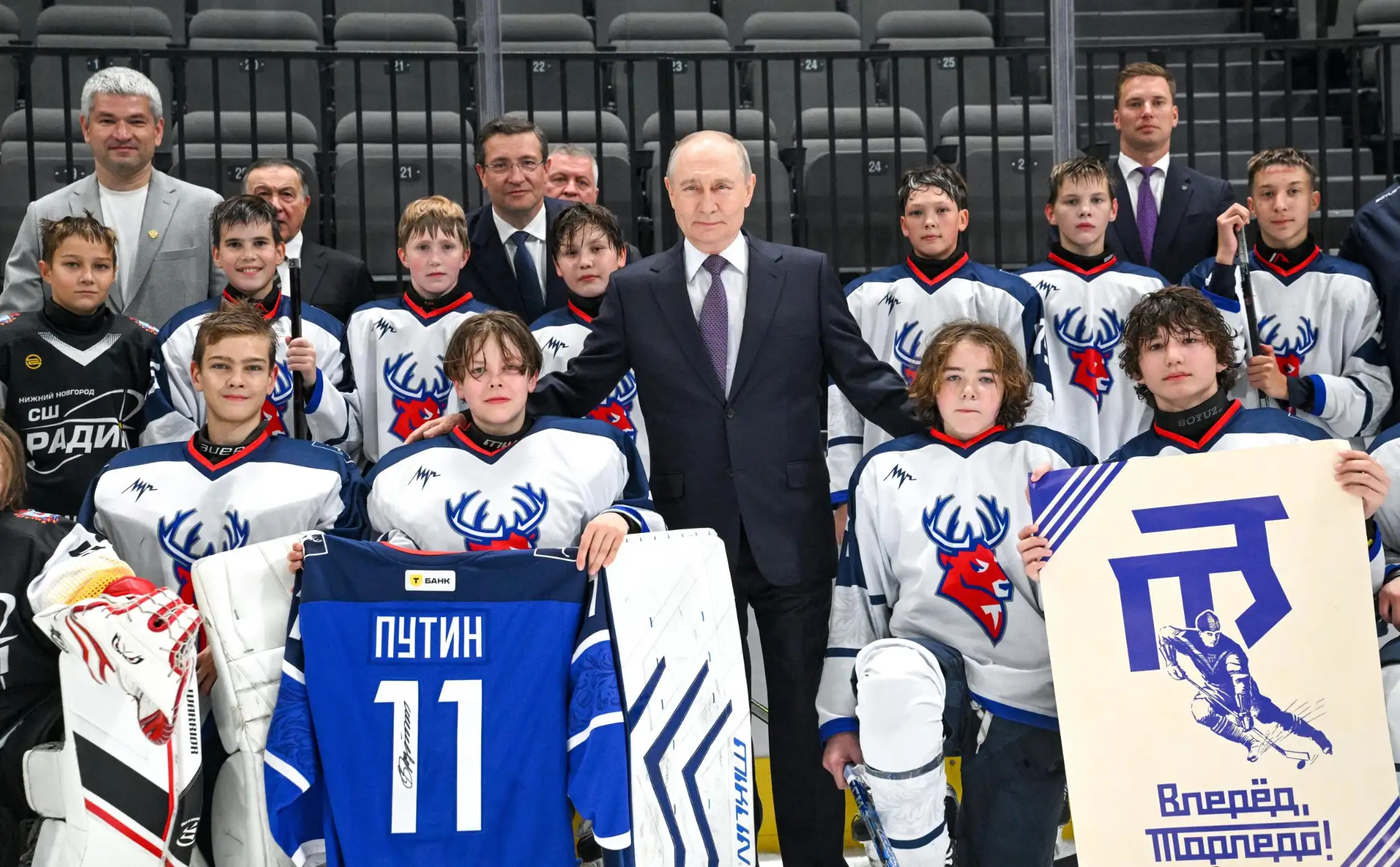
Via EU Alive
Mikhail Degtyarev Warns Boycotts Could Mean Forfeit Wins
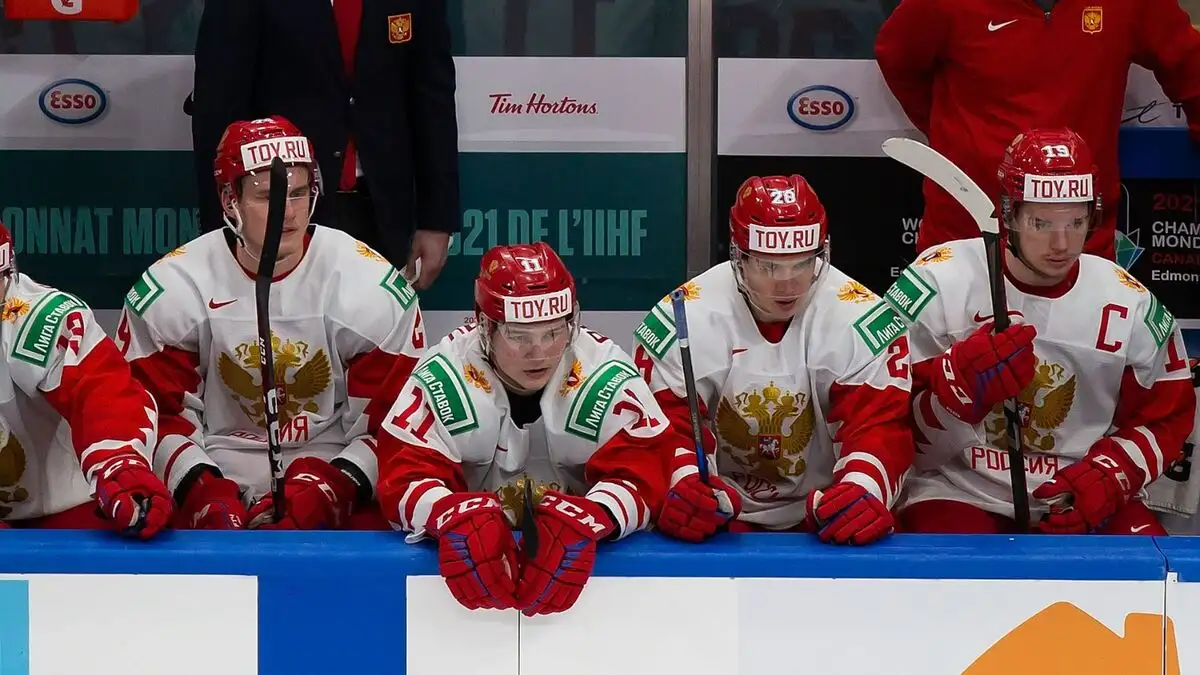
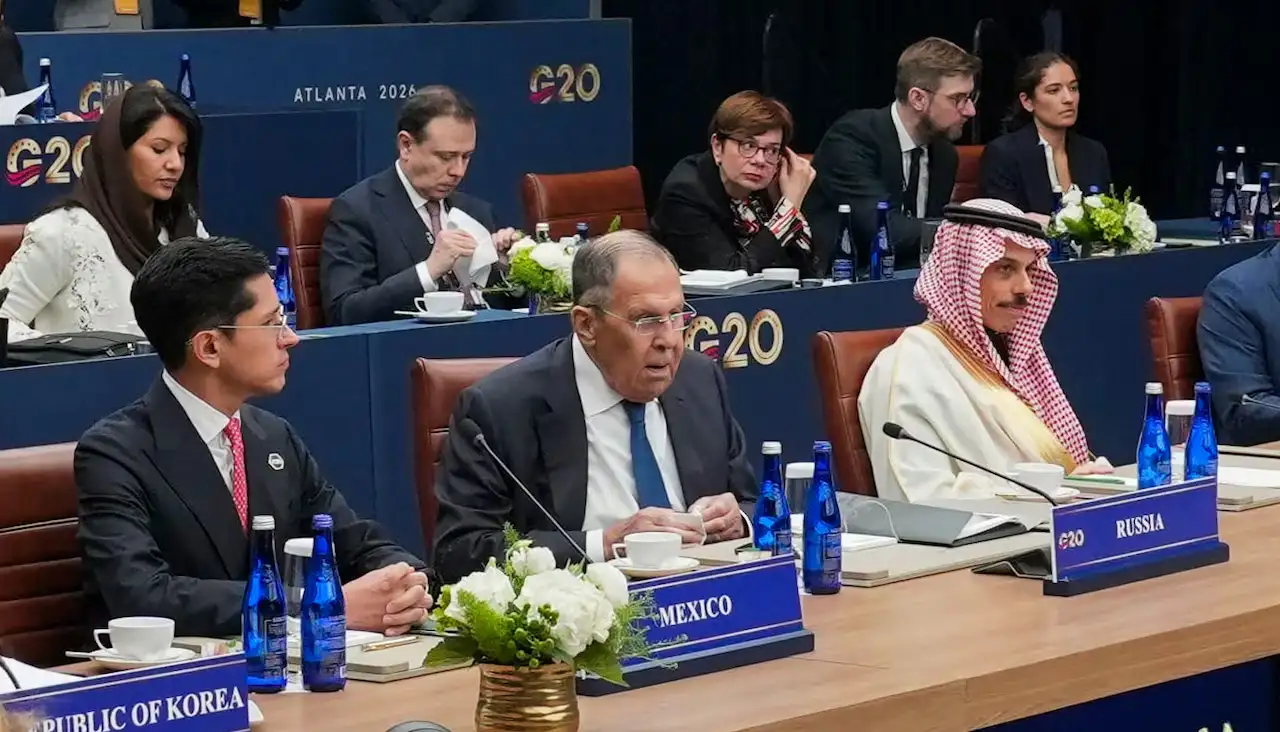
Mikhail Degtyarev, who serves as Russia's Sports Minister and chairman of the Russian Olympic Committee, has responded sharply to the growing list of boycotts. He warned that any country refusing to play Russia at the 2027 Men's World Championship could end up handing his team a forfeit victory.
His comments came as hockey federations across Europe pushed back against the legal ruling that cleared the way for Russia's return to the tournament. Speaking to Match TV, Degtyarev said players should represent their countries and earn wins on the ice rather than making headlines in the news.
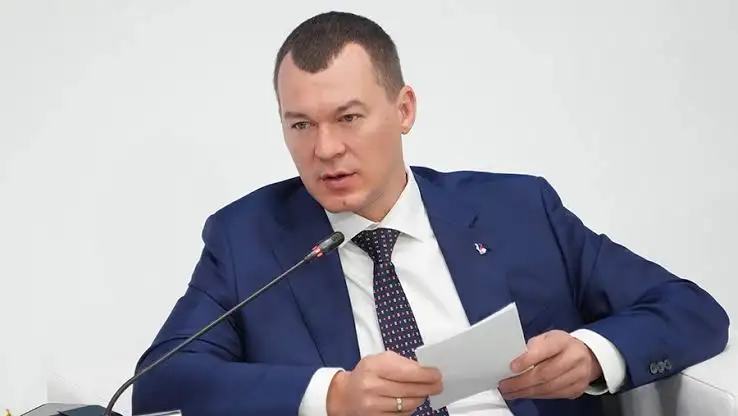
He reminded the hockey world that the IIHF would be required to award Russia a forfeit win if a team refused to take the ice. He made it clear that Russia does not want to win that way. In his view, the team wants to compete properly and show its strength through real games, not through empty points.
Degtyarev has also gone further than warnings about forfeits. He has repeatedly said that Russia would try to take hosting rights away from countries that refuse to admit its athletes. That position raises the stakes for nations planning to stage future events. It also signals that Russia intends to fight its corner through official channels if boycotts continue, adding even more pressure to an already tense situation for organizers.

Via Essentially Sports
The Nations Refusing to Face Russia
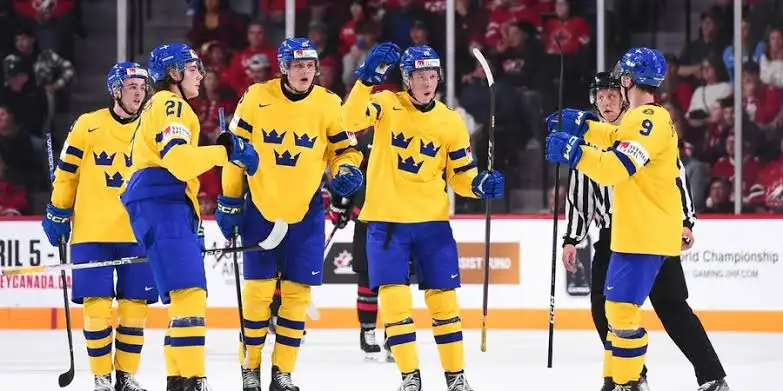
Norway, Denmark, Sweden, and the Czech Republic have all said their teams will not play Russia at next year's championship. Finland and Latvia have also kept their long-standing refusal to compete against Russian sides. Together, these countries form a strong bloc of hockey nations that are unwilling to share the ice with Russia.
The main reason behind their stance is that Russia is returning while its war in Ukraine is still going on. Norway's hockey federation explained that it would not face Russia based on the current situation and the information it has right now. The federation added that its other group games would still be played as planned.

Via RG Org
Denmark shared similar worries, focusing on the safety of its players and staff. Henrik Bach Nielsen, chairman of the Danish Ice Hockey Union, warned that a match against Russia could quickly turn into complete chaos for everyone involved. Sweden's hockey association has held its firm position throughout the dispute, and Czechia has now joined the group refusing to play.
Latvia's case is slightly different, since its national law already bans its teams from competing against Russian sides. That means the Latvian federation has no choice in the matter. With so many nations lined up against Russia, the IIHF could face several forfeits in a single tournament if nothing changes.
Via The News Voice Of Ukraine
Germany Feels the Pressure as the 2027 Host
Germany is set to host the 90th edition of the Men's World Championship from May 13 to 30, 2027. Games will be played across three cities: Düsseldorf, Gelsenkirchen, and Mannheim. The draw and the full schedule were put together without Russia in the picture.
Now that Russia may be allowed back, the IIHF faces real practical questions about how to fit the team into a tournament that was already planned without it. Germany has not said it will refuse to play Russia. Still, the German Ice Hockey Federation, known as the DEB, has openly wondered whether it should stay on as host if Russian teams are admitted.
Via TVP World
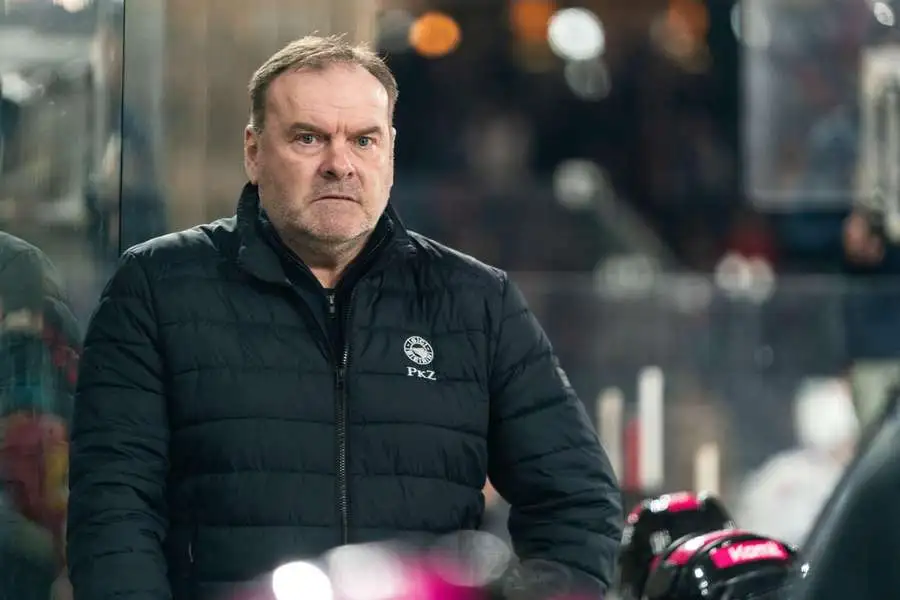
DEB chief executive Frank Lutz said the federation could think about giving the event back. That would be a major decision, since hosting the championship is expected to bring in millions of euros for the country and its hockey programs. Lutz told broadcaster MagentaSport that he did not want to paint a dark picture or cast doubt on the championship itself.
He added, though, that the DEB has to consider every option, including handing the tournament back. His careful words show how difficult the situation has become for hosts. Germany is now caught between its role as organizer, the wishes of other nations, and the legal ruling that changed everything.
Via Flash Core
How the CAS Ruling Changed Everything
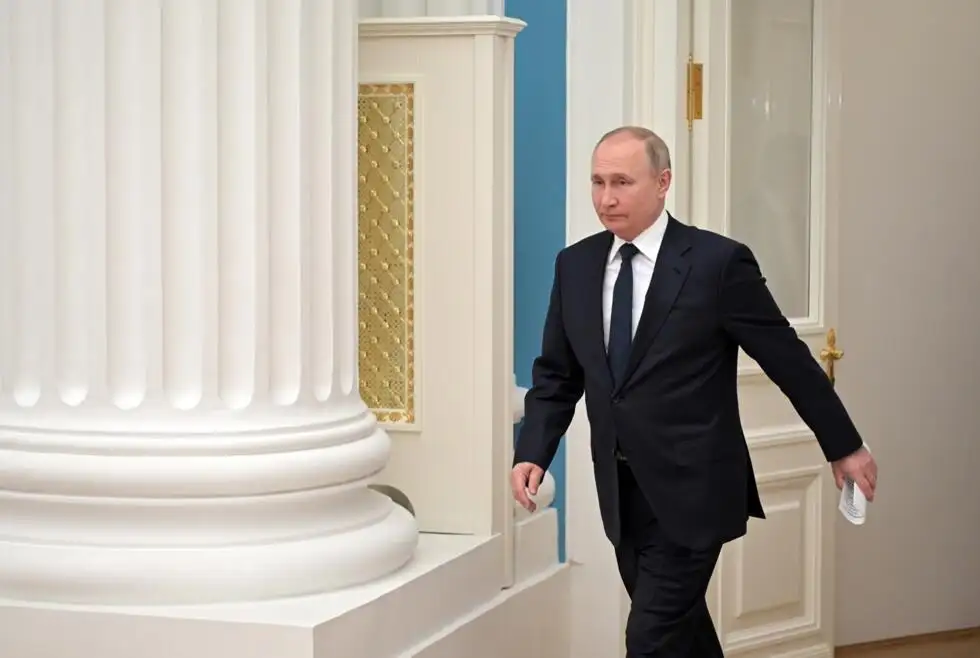
The roots of this dispute go back to February 2022. That was when President Vladimir Putin launched the full-scale invasion of Ukraine, and Russia was soon removed from IIHF competitions. The federation kept that ban in place for the 2026 to 2027 season, pointing to safety concerns as its main reason. Russia's hockey federation did not accept the decision and took its case to the Court of Arbitration for Sport.
On October 30, 2026, the Court of Arbitration for Sport, known as CAS, ruled in Russia's favor. The court found that the IIHF had not shown strong enough proof that security worries justified keeping Russia out any longer. This decision overturned the ban and gave Russia a legal path back into international hockey. For Russian officials, it was a major victory after years of being shut out of the sport's top events.
Via France 24
The IIHF has made it clear that it does not agree with the ruling. The federation warned that the decision carries significant practical effects for its tournaments. It also repeated that the safety of everyone taking part and the fairness of its championships remain top priorities. That leaves the IIHF in a tough position, bound by a legal decision it opposes while trying to manage angry member nations.
Canada, Sponsors, and Host Cities Push Back
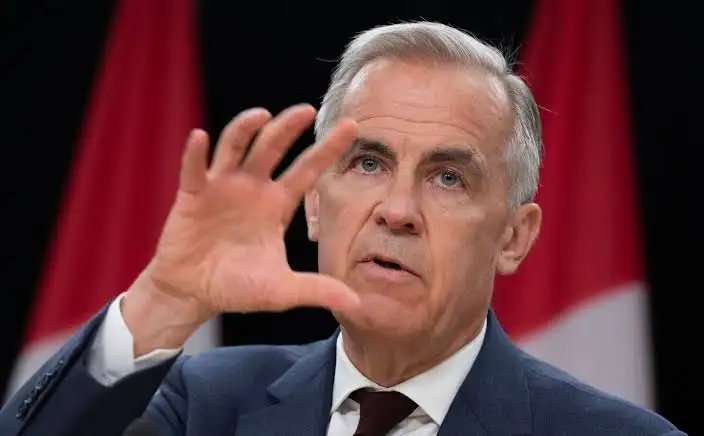
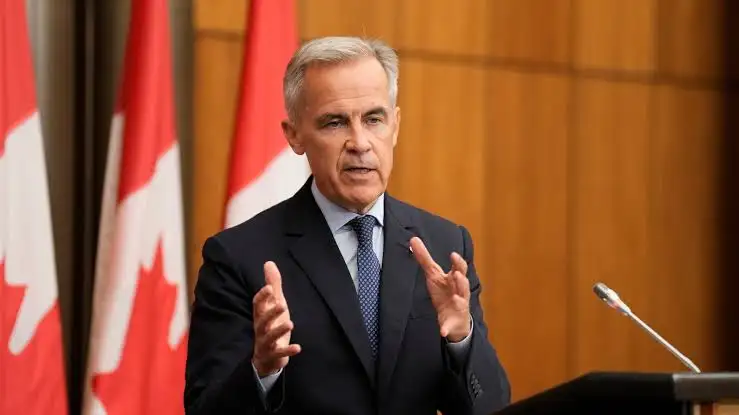
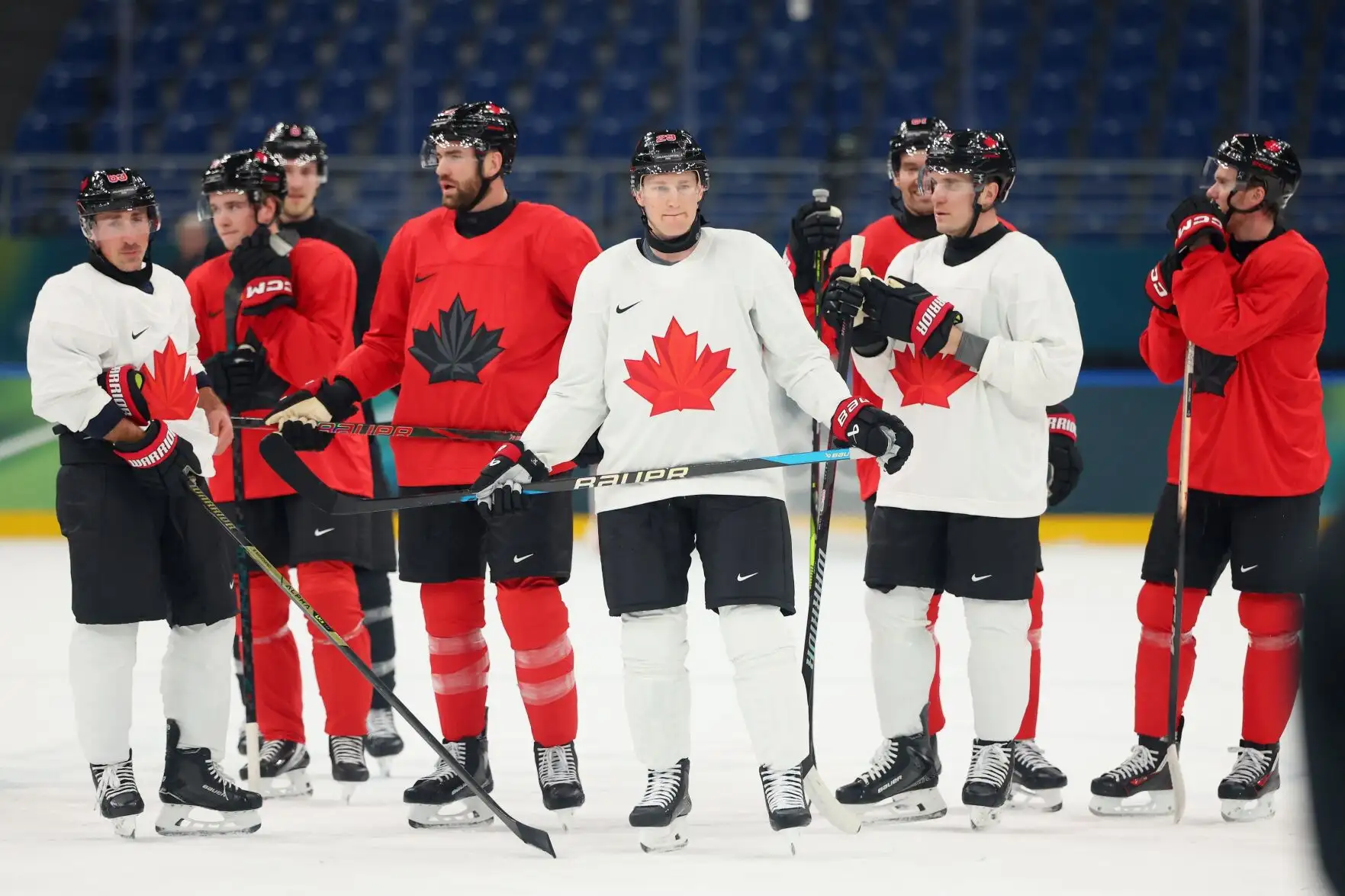
The fallout from the ruling is spreading beyond the senior men's championship. Canada has announced that Russian and Belarusian athletes will not be allowed to compete under their national flags or symbols at events held in the country. Prime Minister Mark Carney confirmed that Russian players will not take part in the 2026 to 2027 World Junior Championship in Alberta, one of the most popular youth hockey events in the world.
Via The Seattle Times
Ottawa also said it would use its immigration powers to stop athletes and officials from entering Canada to represent their countries. Neutral athletes, however, may still be allowed to compete. This approach draws a clear line between individual players and the national teams they would normally represent.
It also shows that governments, and not just sports federations, are now playing an active role in deciding who gets to take the ice at major tournaments. Commercial partners are reacting too. Swedish furniture company AJ Products, which has sponsored the men's World Championship since 1989, said it will pull its sponsorship if Russia takes part.
Via ABC News
Finnish tire maker Nokian Tyres has signaled it will end its deal under the same conditions. In Finland, the city of Turku said it would give up hosting the 2028 World Junior Championship if Russia is allowed to compete, adding yet another layer of pressure.
What Comes Next for the IIHF
For Degtyarev, the solution is simple. He believes teams should decide the winner on the ice, not through political statements or by walking away from games. His view reflects a wider belief held by some people in sport that athletes should not pay the price for decisions made by governments. From that angle, every forfeit would be a loss for the game itself, not just for the teams involved.
Via Toronto Star
The reality facing the IIHF is far more complicated. Federations, national governments, host cities, and long-time sponsors are all pushing back against Russia's return. Each group has its own reasons, from safety and politics to money and public image.
Adding Russia to the schedule is no longer just a matter of updating a fixture list. It now involves possible forfeits, a host nation weighing its options, and sponsors ready to leave. The CAS ruling may have opened the door for Russia to come back, but it has not guaranteed the team a place on the ice.
Via CBC
In the months ahead, people across the hockey world will be watching closely to see how the IIHF handles the growing pressure. They will want to know whether the 2027 championship in Germany goes ahead as planned, and whether the sport can find a way through one of its most difficult disputes in years.