Unassigned
Lady Jane Grey - The Forgotten Queen England Never Knew
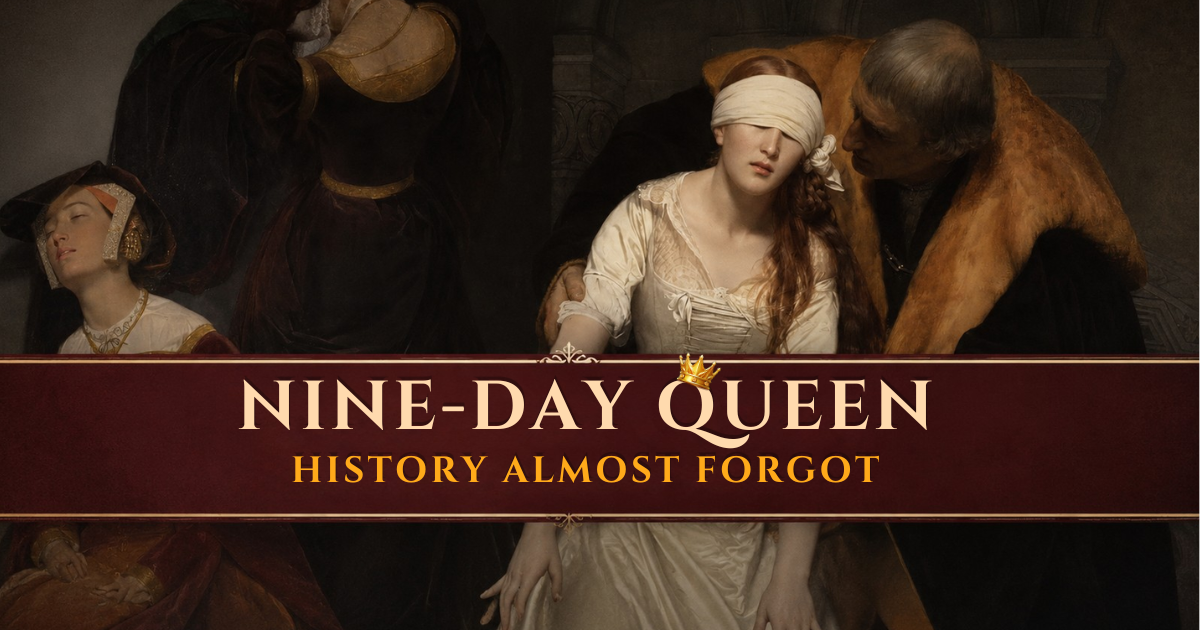
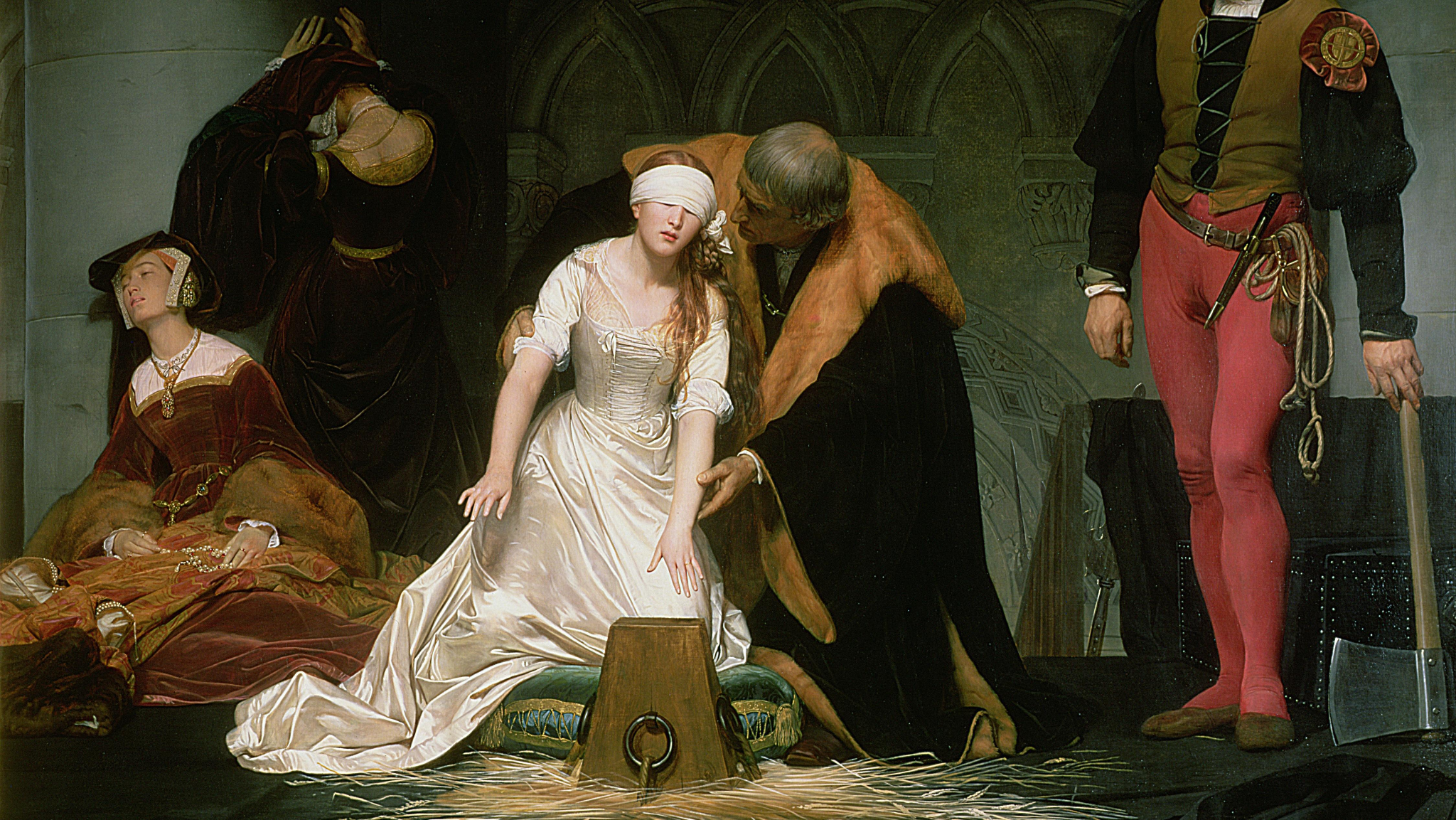
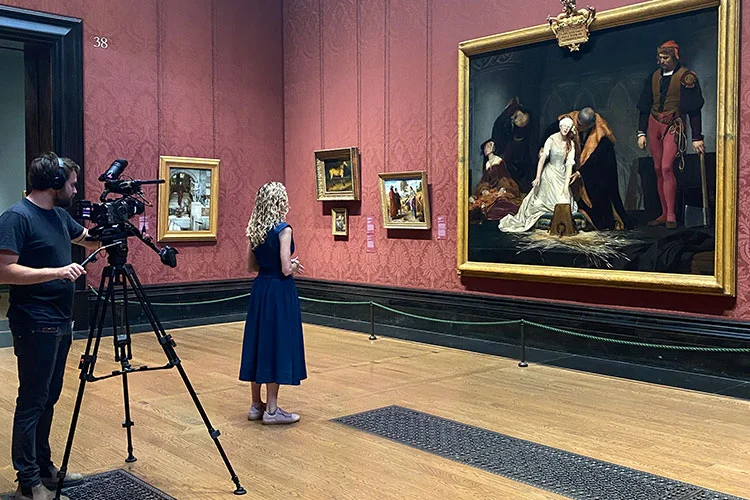
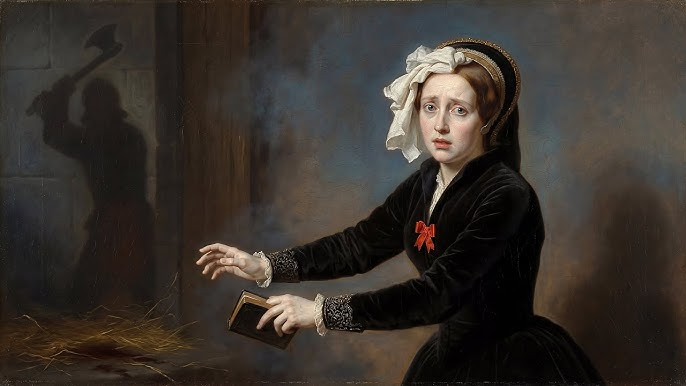
Paul Delaroche’s 1833 famous painting has shaped how people see Lady Jane Grey for almost two hundred years. The painting shows a blindfolded young woman wearing clean white silk, with her neck exposed and defenseless under the executioner’s axe.
The artwork became the main image of Tudor tragedy, fixing Jane’s image as a powerless figure used in political struggles she could not control. Museums and history books have shown this scene many times, and each time it repeats the idea of her being a passive victim.
 Via The Economist
Recent historical research challenges this simplified portrayal through careful examination of primary sources and contemporary accounts. A new documentary series titled "Queen Jane: The Extraordinary Life of Lady Jane Grey" presents evidence that contradicts the traditional victim narrative.
 Via Wikipedia
The phrase "Nine Days Queen" represents another historical distortion that deserves correction. Jane actually ruled England for thirteen days, measured from King Edward VI's death to Mary Tudor's successful coup. This three-word label comes from the victors who overthrew her, embedding their perspective into collective memory.
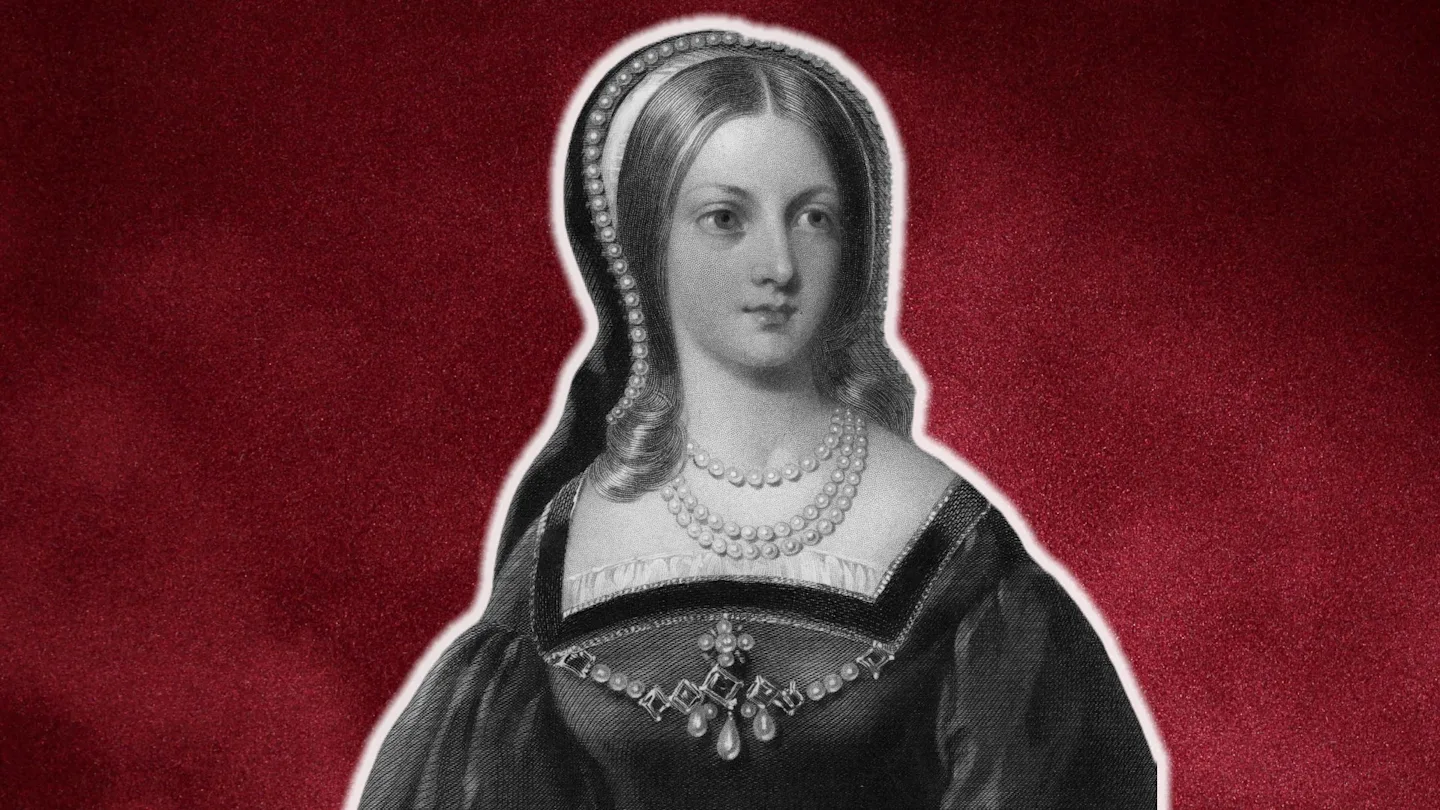
Accurate terminology matters when reconstructing past events and honoring those who lived through them. Jane was seventeen years old when she ascended to the throne, making her the first woman to rule England in her own right. Recognition of her proper title acknowledges both her legal authority and the groundbreaking nature of her brief reign.
 Via National Geographic
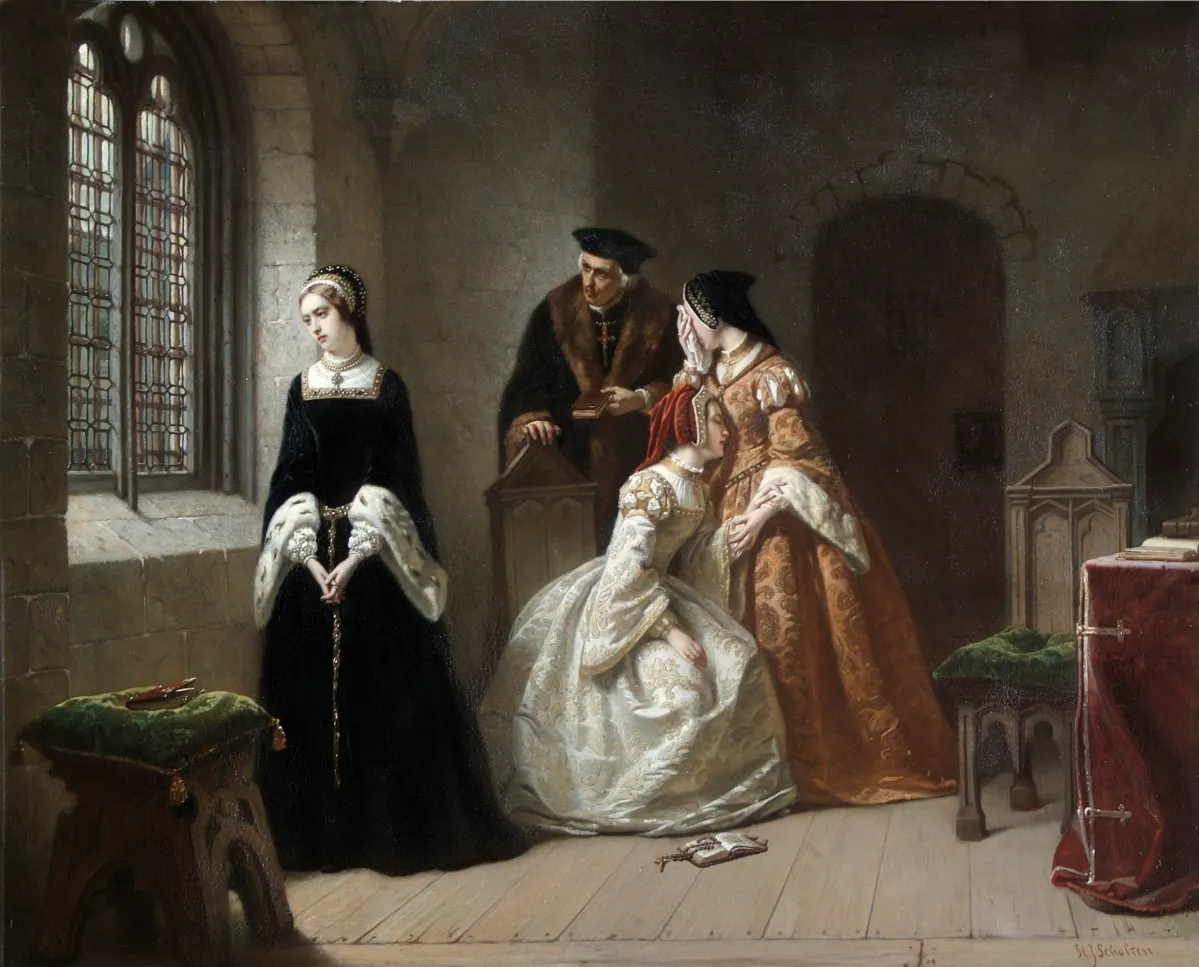 Via Lady Jane Grey
Jane mastered up to eight languages through dedicated study and natural aptitude for linguistic learning. Her curriculum extended far beyond basic literacy to include Plato's metaphysics and contemporary theological debates.
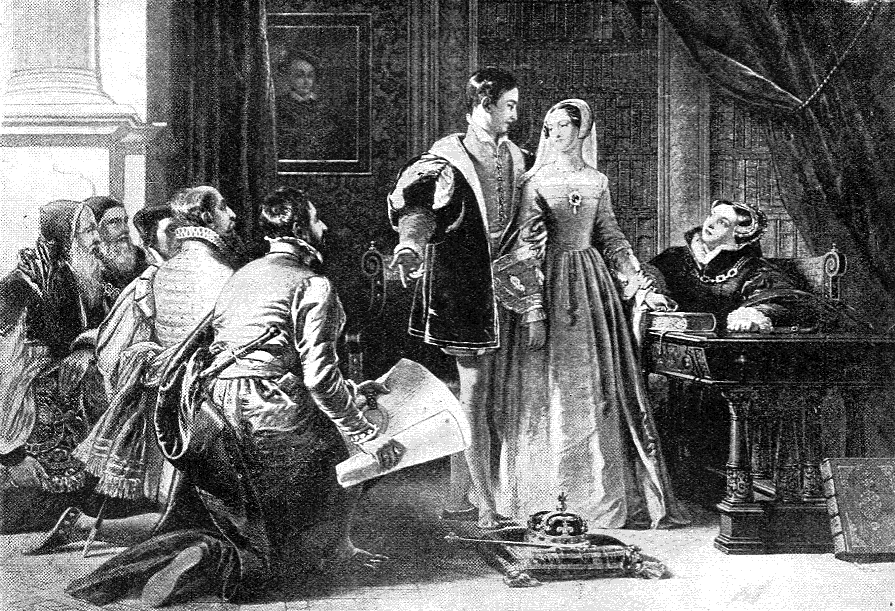 Via Heritage History
The young student absorbed not only academic knowledge but also examples of female authority and political engagement. Catherine demonstrated how women could wield influence through education, religious devotion, and strategic relationships.
Jane's commitment to the Protestant Reformation deepened through conversations and study within this progressive environment. Her faith became a core element of her identity, informing every major decision she would later make. The intensity of these religious beliefs would ultimately determine the course of her reign and her fate.
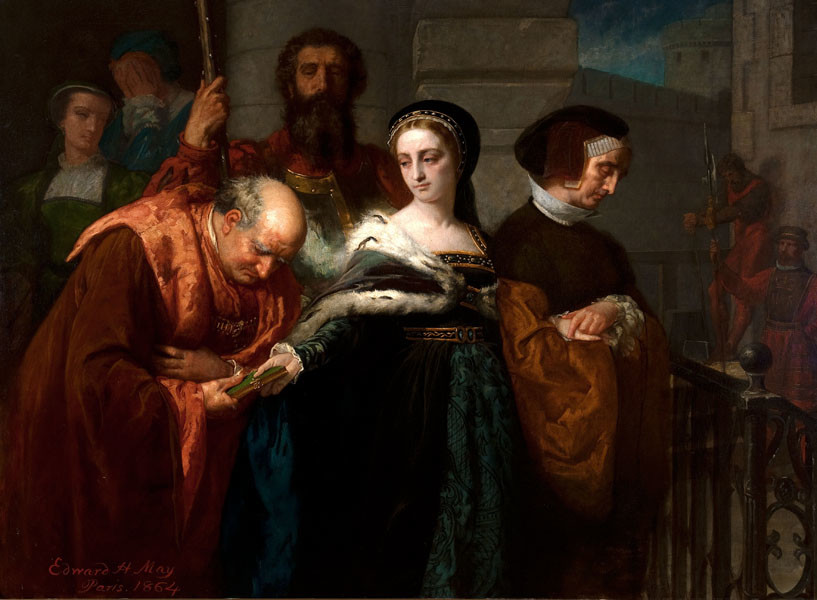 Via Lady Jane
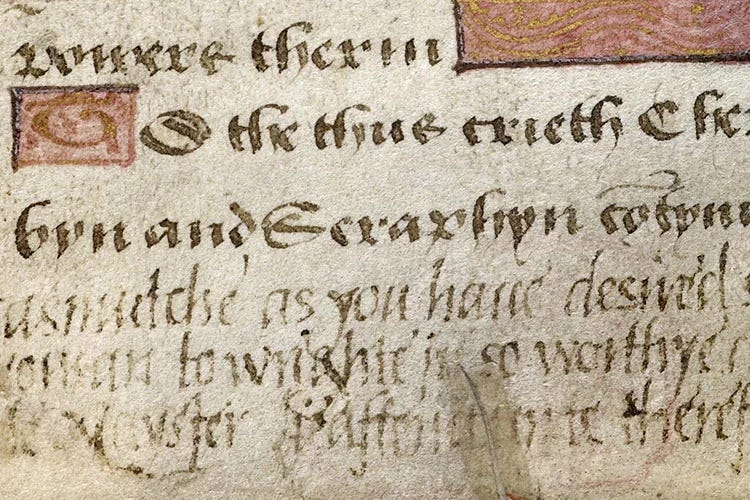 Via Whole A Lot of History
Contemporary observers recognized exceptional penmanship as a sign of education, refinement, and mental discipline. Jane's writing stood out even among the accomplished nobles of her era. The physical evidence of her hand on parchment provides a tangible connection to her character across the centuries.
 Via CNN
Curator Andrea Clark guides visitors through the significance of these marginal writings, which include comfort offered to Jane's father. The tone and content reveal a young woman displaying remarkable composure rather than the terror one might expect.
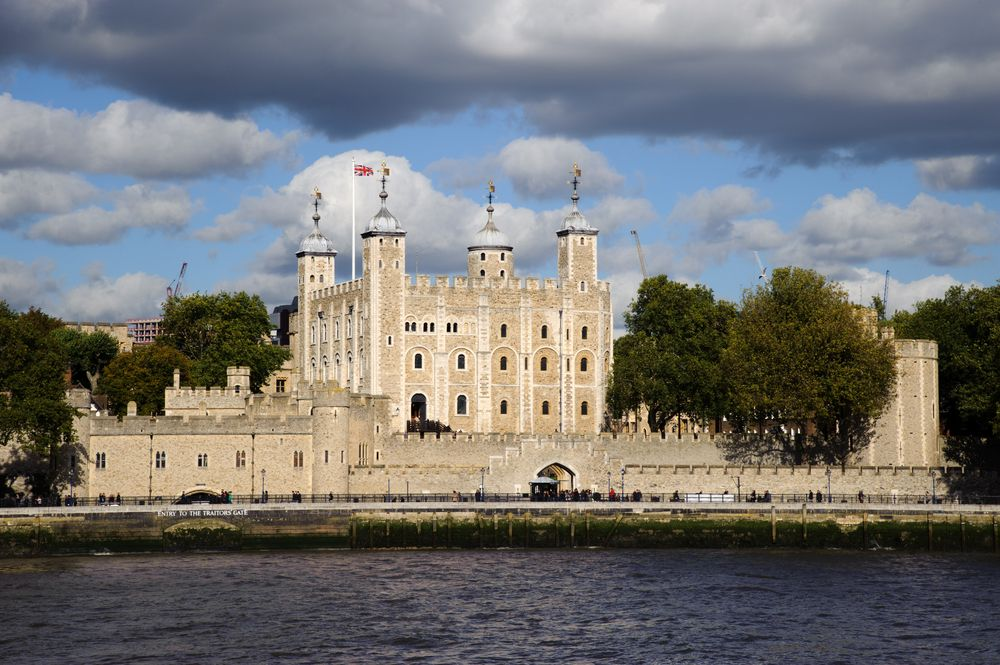
Jane also wrote a message to Sir John Brydges, the Lieutenant of the Tower of London, who requested her prayer book as a keepsake. His desire to preserve her words suggests the impression she made even on her captors.
 Via Live Science
 Via The Forgotten
Edward's plan deliberately excluded both of his older half-sisters, Mary and Elizabeth, whom their father had previously declared illegitimate. The succession passed through Lady Frances Grey, the Protestant daughter of Mary Tudor, to any future sons of Frances's daughters.
 Via The Tudor Society
This grammatical change bypassed the need for Jane to produce sons before assuming power. The modification placed her directly in line for the throne, making her Edward's immediate successor. Such a radical departure from established practice required extraordinary circumstances and equally extraordinary boldness.
Had Edward survived until autumn, Parliament might have enshrined this succession plan in law. Jane's reign could potentially have lasted forty years instead of thirteen days. The king's death in the summer left the arrangement resting on shakier legal ground than intended.
 Via Mental Floss
 Via Wikipedia
The document's signatories understood they were participating in an unprecedented constitutional experiment. England had never crowned a ruling queen, making the legal and practical challenges unknowable. Their support for Jane revealed both political calculation and genuine commitment to Protestant succession.
 Via Tate
Contemporary accounts describe conflicts between Jane and the Duke of Northumberland over the extent of her authority. She rejected his assumption that marriage to his son would make Guildford Dudley king rather than prince consort.
Jane's religious convictions also shaped her approach to governance in ways that created political complications. She refused to compromise on matters of Protestant doctrine even when flexibility might have broadened her support.
 Via National Geographic
 Via History Hit
Jane's youth and inexperience in political manipulation left her vulnerable when the situation deteriorated. Her strongest backing came from the same Protestant faction that had engineered her elevation, limiting her appeal to broader constituencies.
More in UnassignedVia The Economist
Recent historical research challenges this simplified portrayal through careful examination of primary sources and contemporary accounts. A new documentary series titled "Queen Jane: The Extraordinary Life of Lady Jane Grey" presents evidence that contradicts the traditional victim narrative.
Reclaiming Her Rightful Title
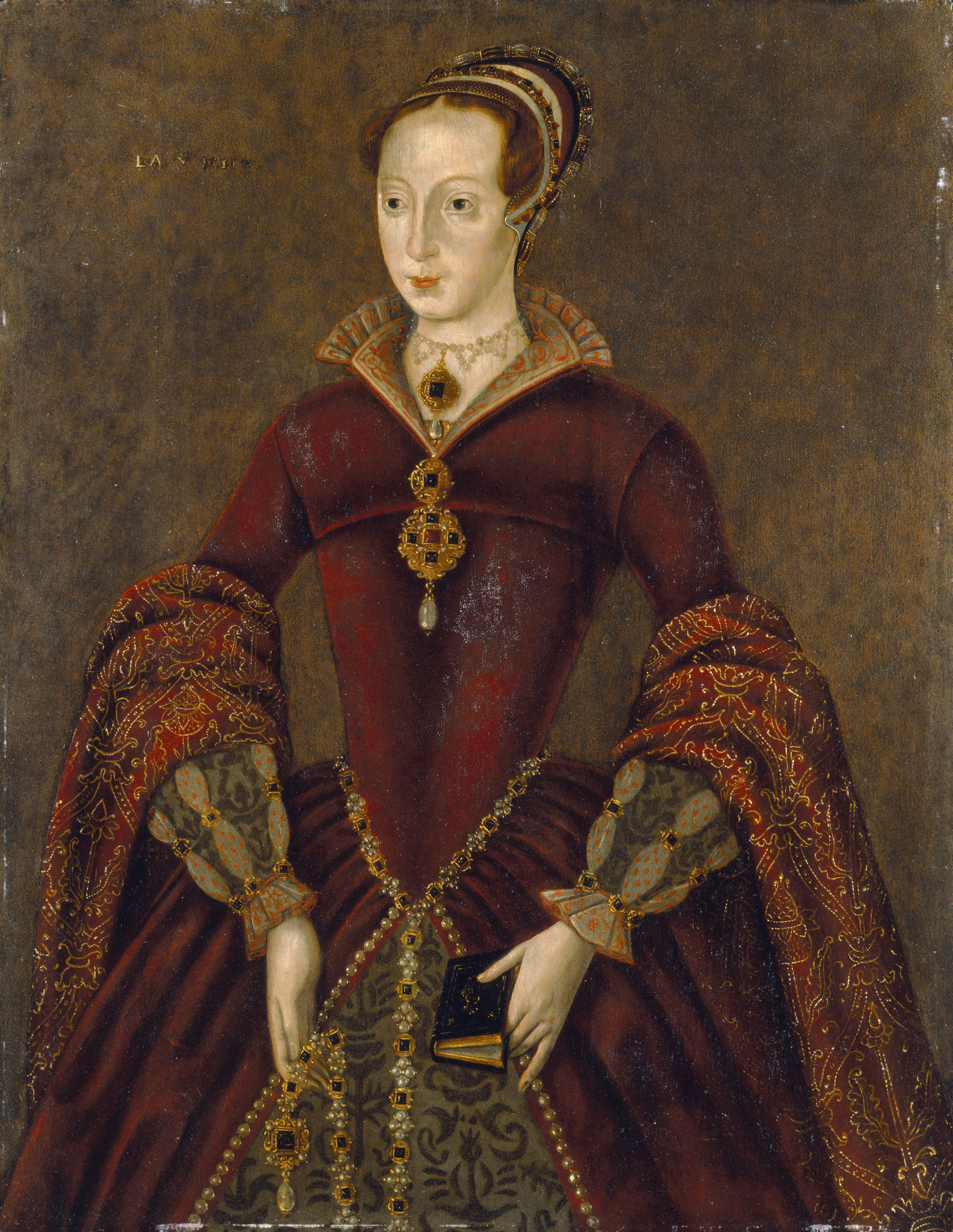
Historical accounts consistently refer to this monarch by her maiden name rather than her proper royal designation. This seemingly minor detail reflects a broader pattern of diminishing her legitimate claim to the throne. The title "Lady Jane Grey" strips away her sovereign status and reduces her to a nobleman's daughter.Via Wikipedia
The phrase "Nine Days Queen" represents another historical distortion that deserves correction. Jane actually ruled England for thirteen days, measured from King Edward VI's death to Mary Tudor's successful coup. This three-word label comes from the victors who overthrew her, embedding their perspective into collective memory.
Accurate terminology matters when reconstructing past events and honoring those who lived through them. Jane was seventeen years old when she ascended to the throne, making her the first woman to rule England in her own right. Recognition of her proper title acknowledges both her legal authority and the groundbreaking nature of her brief reign.
Via National Geographic
A Remarkable Intellect Takes Shape
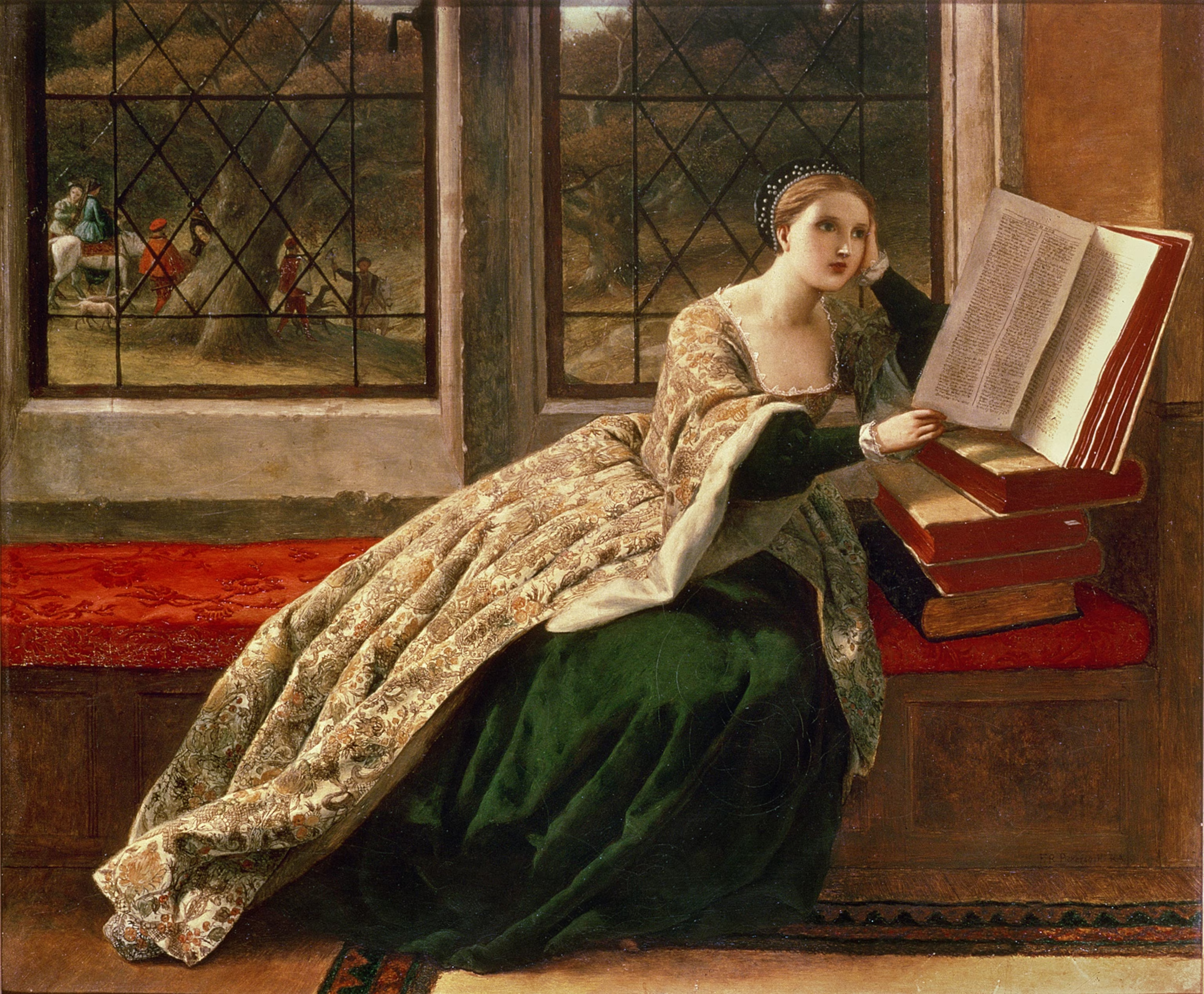
Jane's childhood at Bradgate Park in Leicestershire provided the foundation for her extraordinary education. Born between October 1536 and May 1537, she entered a world where most men never learned to read or write. Her royal lineage through her maternal grandmother, Henry VIII's sister, placed her within reach of succession from birth. Her father invested substantial financial resources in securing the finest tutors available in Tudor England. Historian Dr. J. Stephan Edwards notes these hiring decisions demonstrate a serious commitment to developing his daughter's intellectual abilities.Via Lady Jane Grey
Jane mastered up to eight languages through dedicated study and natural aptitude for linguistic learning. Her curriculum extended far beyond basic literacy to include Plato's metaphysics and contemporary theological debates.
Lessons From a Queen's Influence
Queen Catherine Parr played an important role as a mentor during Jane’s early years. She was not just a royal figure, but also someone who supported learning and encouraged thoughtful discussion. Her household was known for being different from many others at the time because it welcomed new Protestant ideas and allowed people to think and talk about religion and learn more freely.Via Heritage History
The young student absorbed not only academic knowledge but also examples of female authority and political engagement. Catherine demonstrated how women could wield influence through education, religious devotion, and strategic relationships.
Jane's commitment to the Protestant Reformation deepened through conversations and study within this progressive environment. Her faith became a core element of her identity, informing every major decision she would later make. The intensity of these religious beliefs would ultimately determine the course of her reign and her fate.
Via Lady Jane
The Art of Perfect Penmanship
Jane practiced writing in a very careful and detailed way. She always tried to make her handwriting neat, clear, and easy to read. Every letter she wrote was done with attention, because she believed even small details mattered. Her handwriting shows that she did not rush her work, but instead took her time to do it properly and improve little by little. For Jane, practicing handwriting was not only about writing words on paper. It also helped her stay calm and relaxed. When she focused on forming letters correctly, she felt peaceful, almost like it was a quiet and relaxing activity. At the same time, it taught her self-control and discipline, because she had to keep practicing again and again to improve.Via Whole A Lot of History
Contemporary observers recognized exceptional penmanship as a sign of education, refinement, and mental discipline. Jane's writing stood out even among the accomplished nobles of her era. The physical evidence of her hand on parchment provides a tangible connection to her character across the centuries.
Final Messages in the Margins
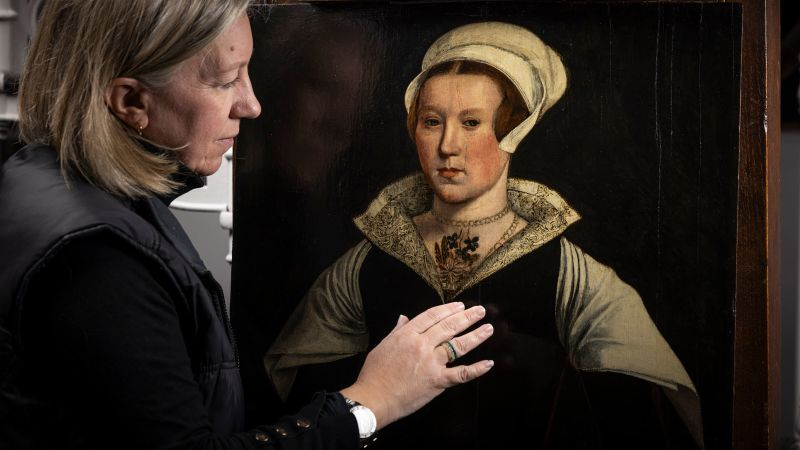
The British Library preserves one of the most deeply moving objects connected to Jane’s final moments. It is her personal prayer book, a small and delicate volume that she carried with her to the scaffold on the day of her execution. This book is not only significant because of its owner, but also because of what it contains.Via CNN
Curator Andrea Clark guides visitors through the significance of these marginal writings, which include comfort offered to Jane's father. The tone and content reveal a young woman displaying remarkable composure rather than the terror one might expect.
Jane also wrote a message to Sir John Brydges, the Lieutenant of the Tower of London, who requested her prayer book as a keepsake. His desire to preserve her words suggests the impression she made even on her captors.
Via Live Science
Edward's Desperate Solution
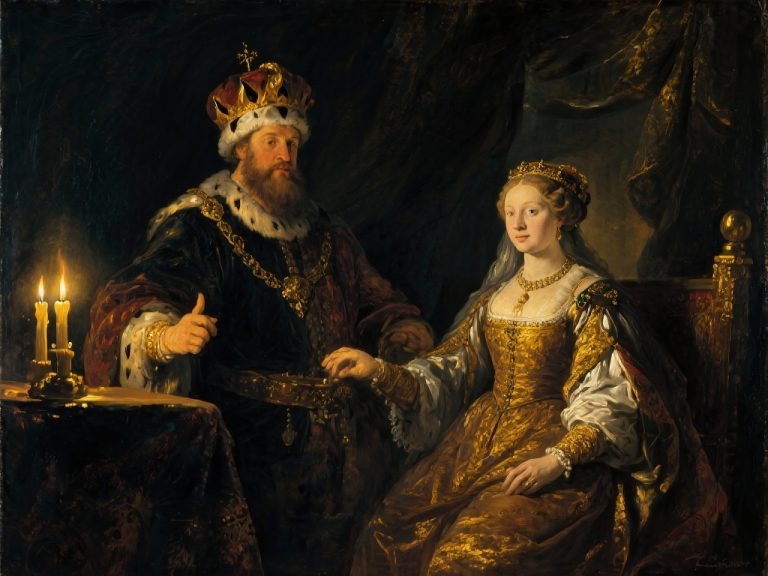
King Edward VI's failing health in 1553 created a constitutional crisis with religious implications. The fifteen-year-old monarch feared his Catholic half-sister Mary would reverse the Protestant Reformation upon taking power. His personal journal at the British Library documents intense religious conflicts between the siblings that fueled this anxiety. Edward's "Device for the Succession" represents a radical attempt to control events beyond his grave. The original document, housed at the Inner Temple legal library, reveals the evolution of his thinking through visible edits and corrections.Via The Forgotten
Edward's plan deliberately excluded both of his older half-sisters, Mary and Elizabeth, whom their father had previously declared illegitimate. The succession passed through Lady Frances Grey, the Protestant daughter of Mary Tudor, to any future sons of Frances's daughters.
A Single Stroke Changes Everything
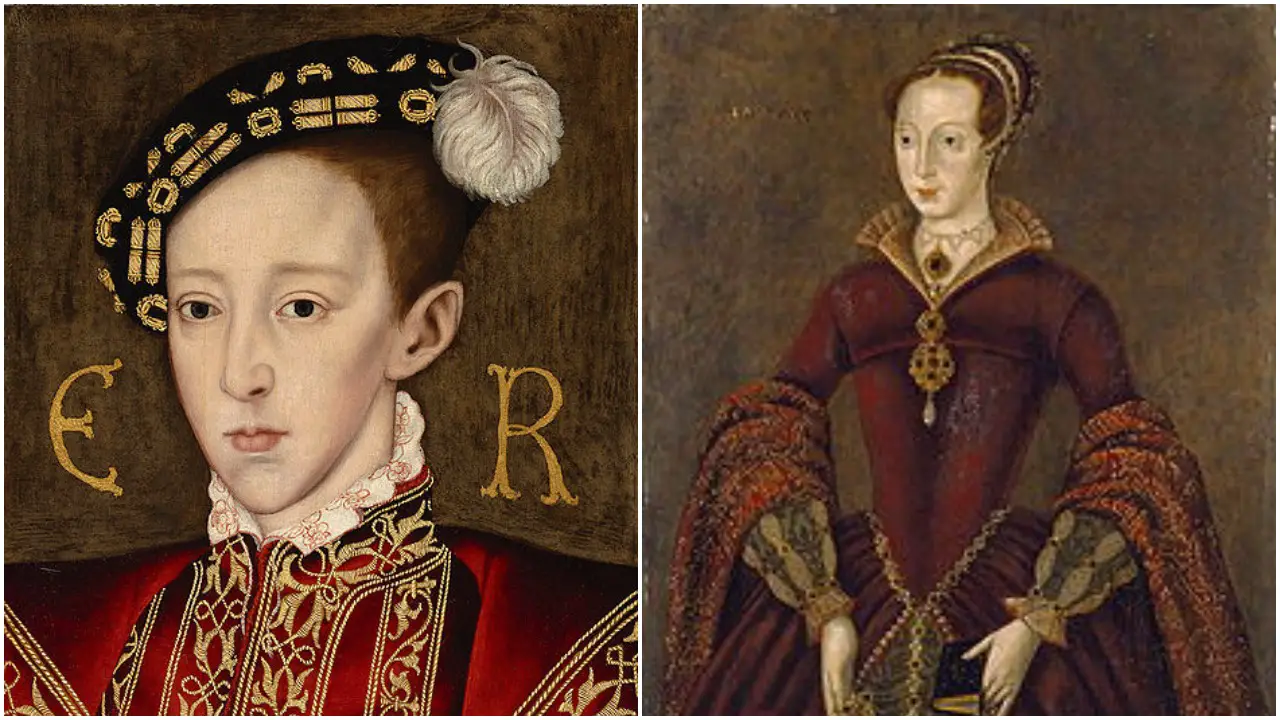
Death approached faster than Edward anticipated, leaving no time for male heirs to materialize. The dying king made a crucial alteration to his legal decree with one decisive pen stroke. By striking through the 's' in "Lady Jane's heirs male," he transformed the phrase into "Lady Jane and her heirs male."Via The Tudor Society
This grammatical change bypassed the need for Jane to produce sons before assuming power. The modification placed her directly in line for the throne, making her Edward's immediate successor. Such a radical departure from established practice required extraordinary circumstances and equally extraordinary boldness.
Had Edward survived until autumn, Parliament might have enshrined this succession plan in law. Jane's reign could potentially have lasted forty years instead of thirteen days. The king's death in the summer left the arrangement resting on shakier legal ground than intended.
Via Mental Floss
Signatures Under Duress
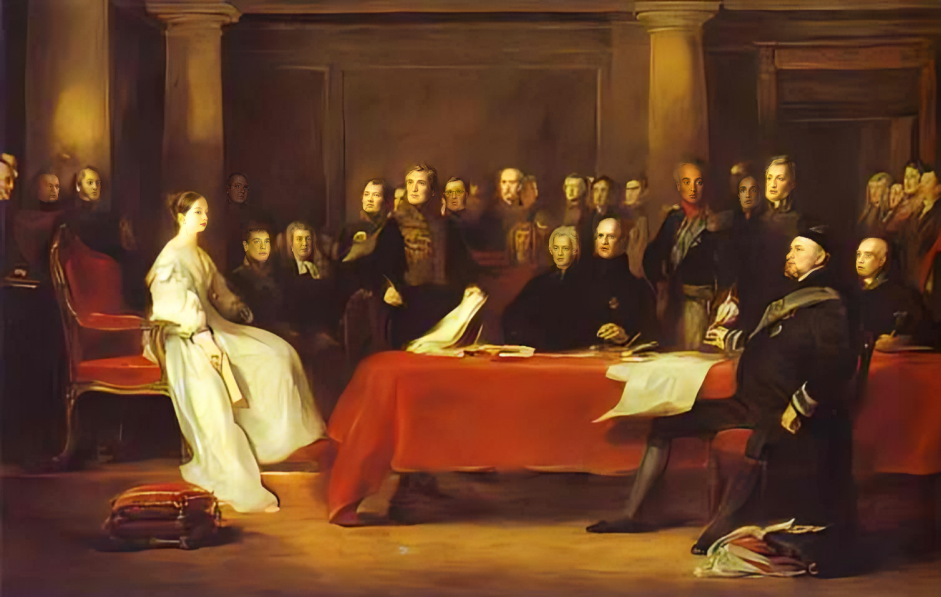
The Privy Council faced an impossible choice when confronted with Edward's succession document. Head librarian Rob Ho describes their predicament as being caught between equally dangerous alternatives. Supporting the king's wishes meant potential treason if Mary successfully claimed the throne. The highest lords in England signed their names to Edward's plan despite grave misgivings about its legality. This original agreement, preserved in archival collections, testifies to the pressure these nobles experienced. Each signature represented a calculated gamble on which Tudor would ultimately prevail.Via Wikipedia
The document's signatories understood they were participating in an unprecedented constitutional experiment. England had never crowned a ruling queen, making the legal and practical challenges unknowable. Their support for Jane revealed both political calculation and genuine commitment to Protestant succession.
A Queen Who Refused Control
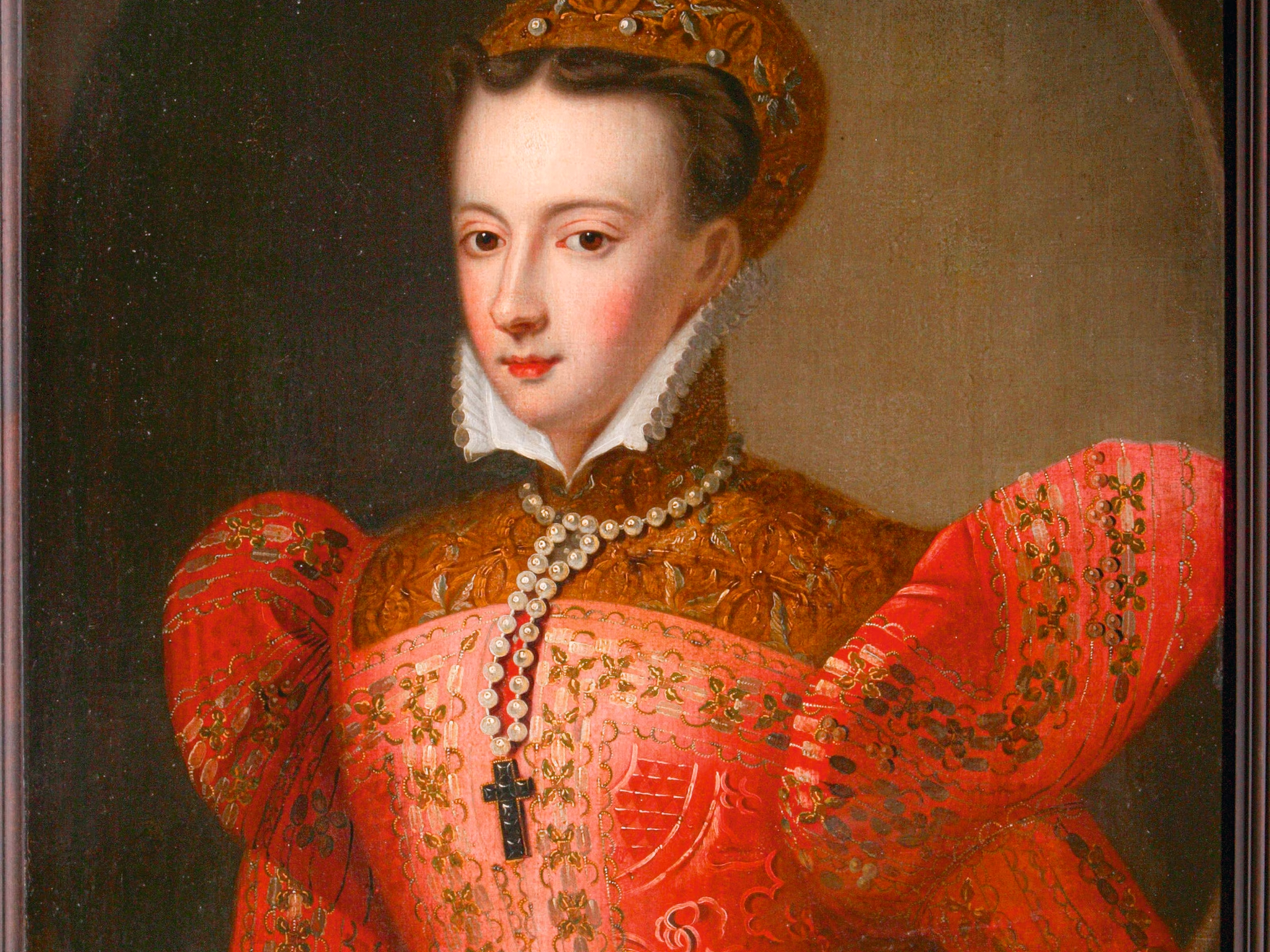
Jane's brief reign revealed personality traits that contradicted expectations for Tudor women in positions of power. She demonstrated assertiveness in council meetings and resisted attempts by male advisors to manipulate her decisions.Via Tate
Contemporary accounts describe conflicts between Jane and the Duke of Northumberland over the extent of her authority. She rejected his assumption that marriage to his son would make Guildford Dudley king rather than prince consort.
Jane's religious convictions also shaped her approach to governance in ways that created political complications. She refused to compromise on matters of Protestant doctrine even when flexibility might have broadened her support.
Via National Geographic
The Thirteen-Day Reign Collapses
Mary Tudor's response to her disinheritance caught Jane's supporters off guard with its speed and effectiveness. The disinherited princess mounted a ruthless campaign to claim what she viewed as her rightful throne. Popular support for Mary's legitimacy as Henry VIII's daughter proved stronger than anticipated by those backing Jane. Military and political calculations shifted rapidly as nobles reassessed which claimant would ultimately triumph. Key supporters abandoned Jane's cause when Mary's momentum became undeniable, seeking to preserve their positions through strategic betrayal. Via History Hit
Jane's youth and inexperience in political manipulation left her vulnerable when the situation deteriorated. Her strongest backing came from the same Protestant faction that had engineered her elevation, limiting her appeal to broader constituencies.